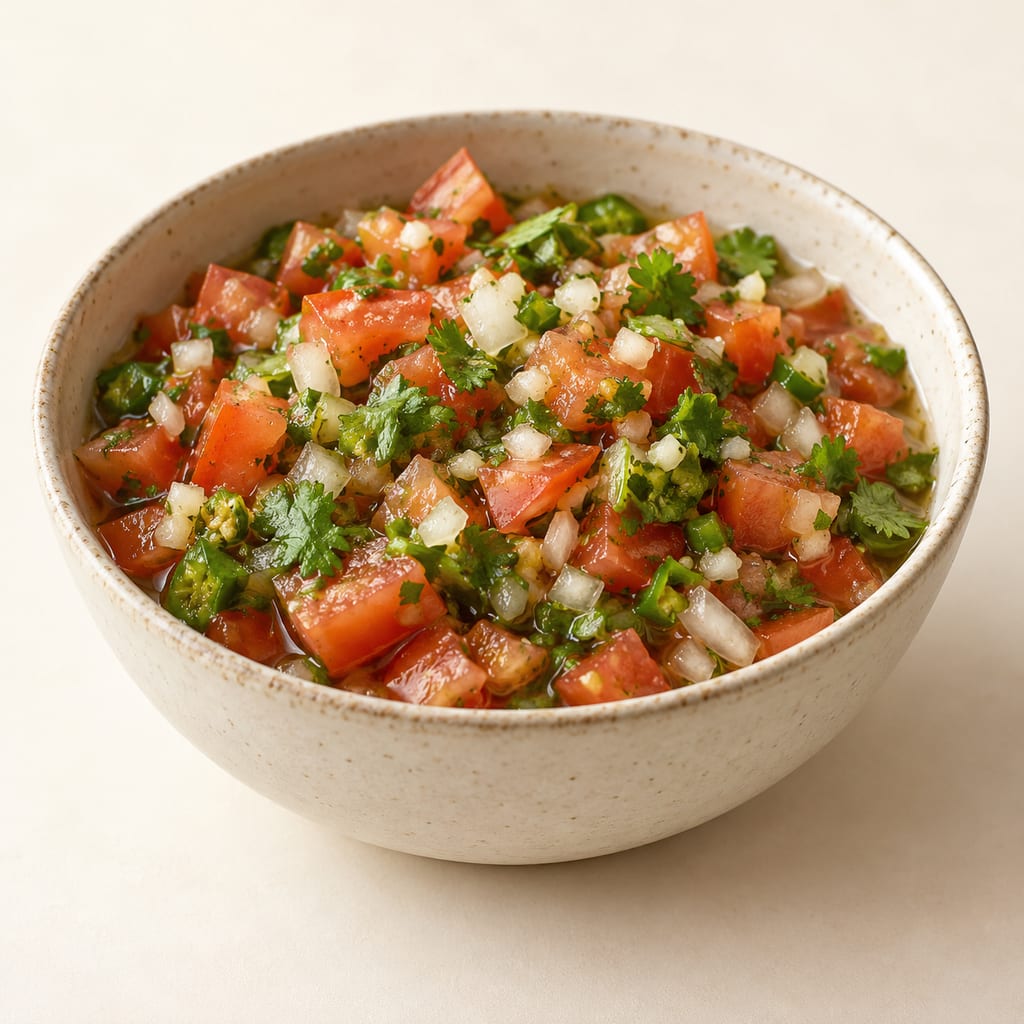
Pebre
Pebre is a Chilean condiment with many local versions. This partial fresh tomato version follows Chile Travel’s ingredients; vinegar is optional. Sources document picante heat and variants but no fixed proportions or precise origin.
 FermenteaWhere food goes to change
Chirmol · Chimol · Chirmol guatemalteco · Charred tomato salsa
Chirmol is a Guatemalan salsa of charred tomatoes with onion, cilantro and lime, served with grilled meat and toasted chiles.
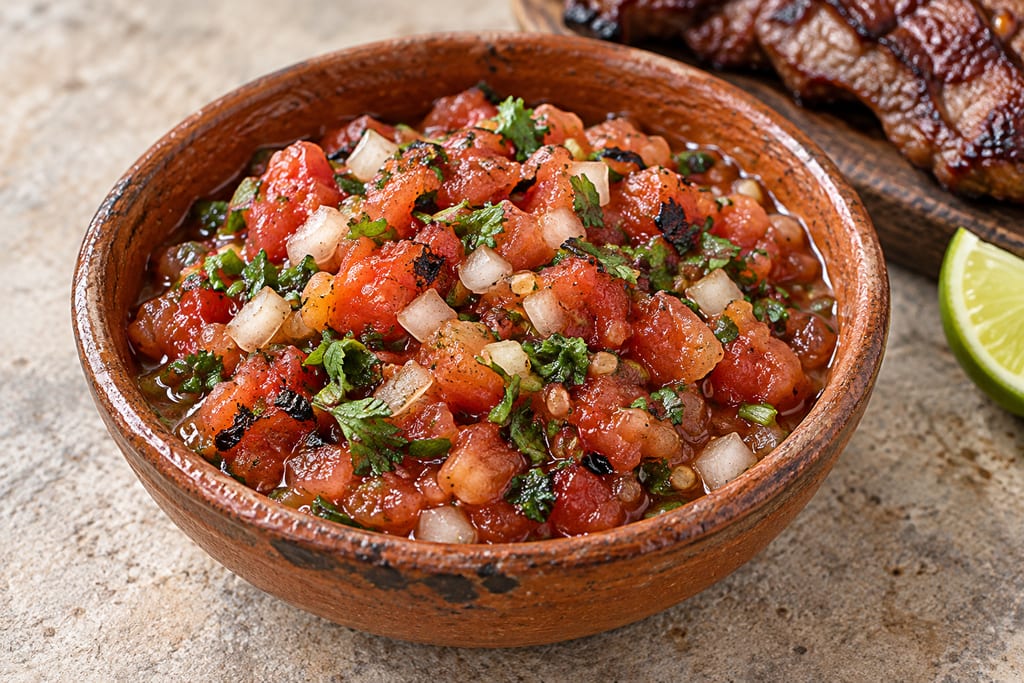
Chirmol is a Guatemalan salsa whose character comes from blackened tomatoes. The tomatoes are roasted or charred until the skins blister and darken, then cooled and chopped or mashed with onion, cilantro and lime. The result is smoky and savoury, with a fresh herbal top note. It is spooned over grilled meat, carne asada above all, and used as a side in many Guatemalan dishes.
It differs from a raw pico de gallo, which keeps the tomato bright and uncooked, and from a smooth cooked sauce, which is blended to a uniform texture. Chirmol keeps the chopped character of a fresh salsa and takes its smoke from the charring.
Charring changes the tomato in two ways the recipe sources give: it reduces the sharp acidity and it deepens the flavour that the seasonings and chiles then carry. The degree of charring is a choice. The Guatemalan source describes a blackened skin, and the Milk Street version notes that broiling tomatoes alone gives uneven results, so onion is broiled with them.
A cook who wants a smoother salsa chops the tomato less, or lets the charred skins be partly removed before mixing.
The Guatemalan source derives the name from the Nahuatl chilmolli, meaning chili sauce. Other accounts say the word means smashed tomatoes, and one claims a Mayan origin meaning running nose. None of these is confirmed by a dated source, and the name should be read as uncertain.
The name is spelled chimol in some places and chirmol in others, and both appear in the Wikipedia article.
The Guatemalan source names the smoked cobanero and the chile chilete as the chiles for chirmol. Its heat is optional, and it is customary to serve toasted chiles chilete on the side so each guest can add the amount they prefer. The source does not class chirmol as a hot sauce.
Chirmol is served with carne asada and grilled meats, and is also set beside salads, pork and chicken. Its spread into Honduras, El Salvador and Mexico is noted in the sources, but no source dates it there.
A Guatemalan recipe source gives the name as derived from the Nahuatl chilmolli, meaning chili sauce. Other accounts derive it from words meaning smashed tomatoes, or from a Mayan term, and the sources do not settle which is right. No source read dates the salsa or its roasted-tomato method.
Scaling: source batch only
Named as a basic Guatemalan preparation. Honduras, El Salvador and Mexico are named in the same sources as places where it is also found; the sources do not date its spread.
Pebre is a Chilean condiment with many local versions. This partial fresh tomato version follows Chile Travel’s ingredients; vinegar is optional. Sources document picante heat and variants but no fixed proportions or precise origin.
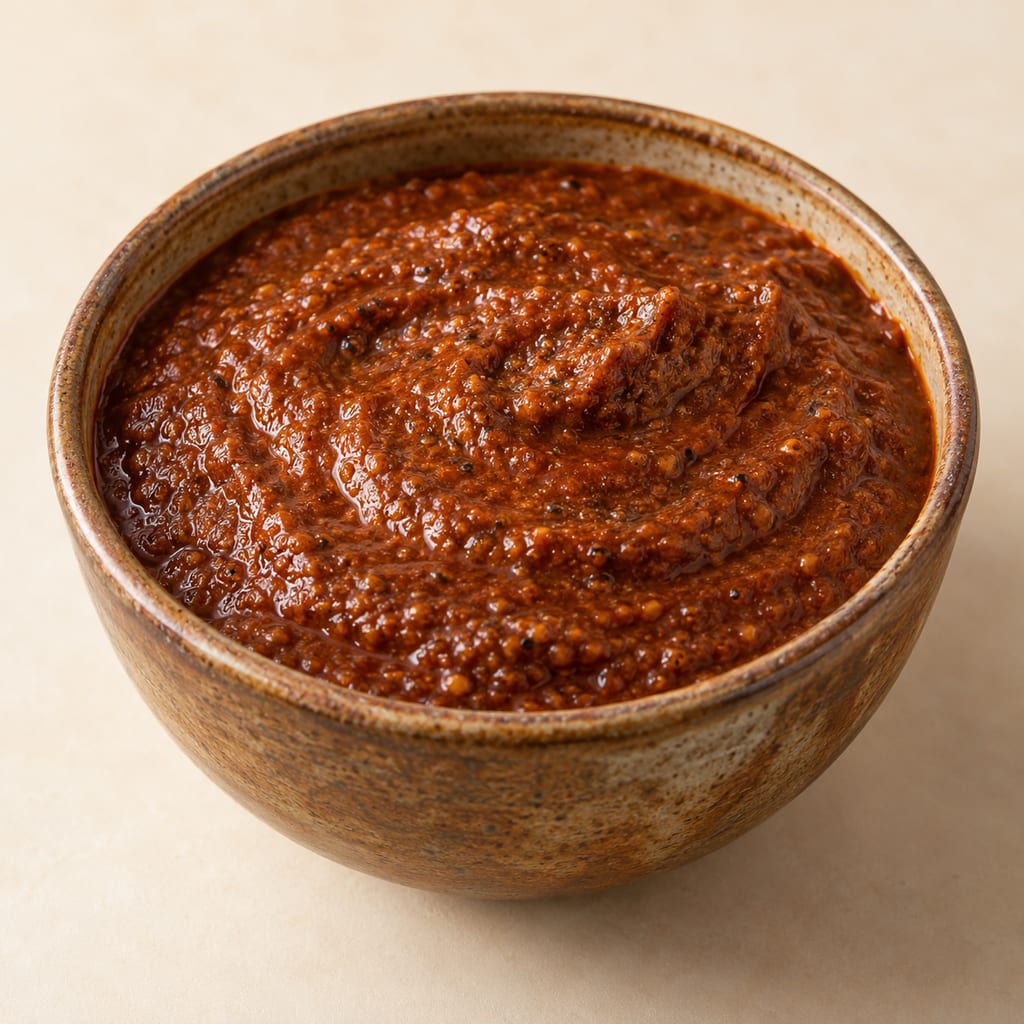
The roasted chile, seed and vegetable sauce that thickens and colours Guatemalan pepián stew.
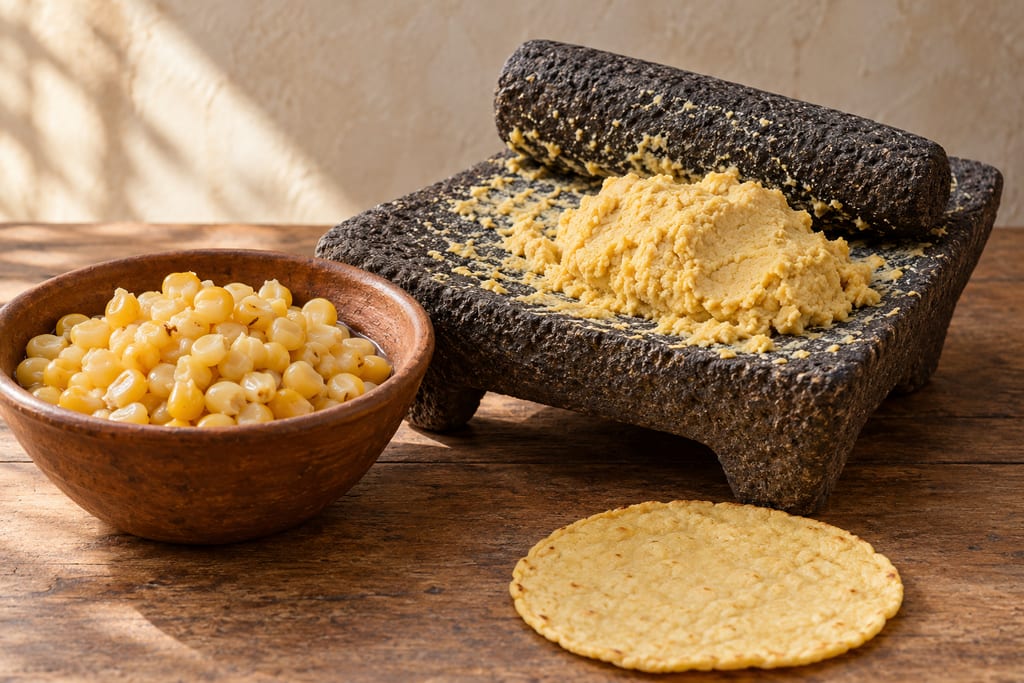
Whole maize cooked and steeped overnight in lime water, washed of its skins and excess lime, then ground into the moist dough used for tortillas.
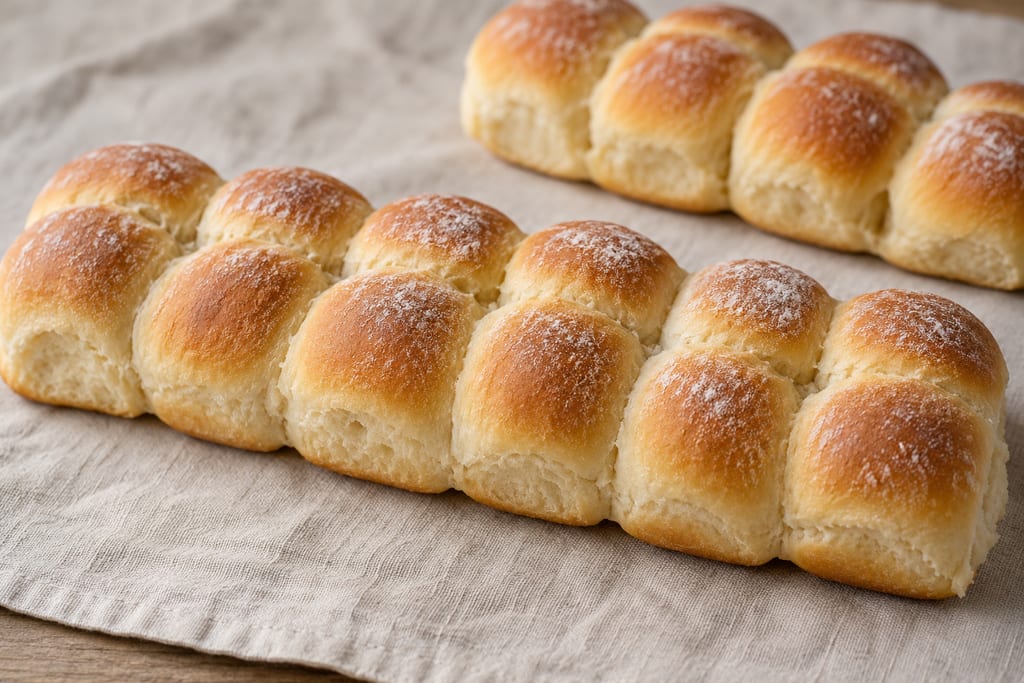
Pan francés guatemalteco is a soft yeast bread shaped as a long strip of joined double rolls and commonly served with dishes such as tamales colorados.
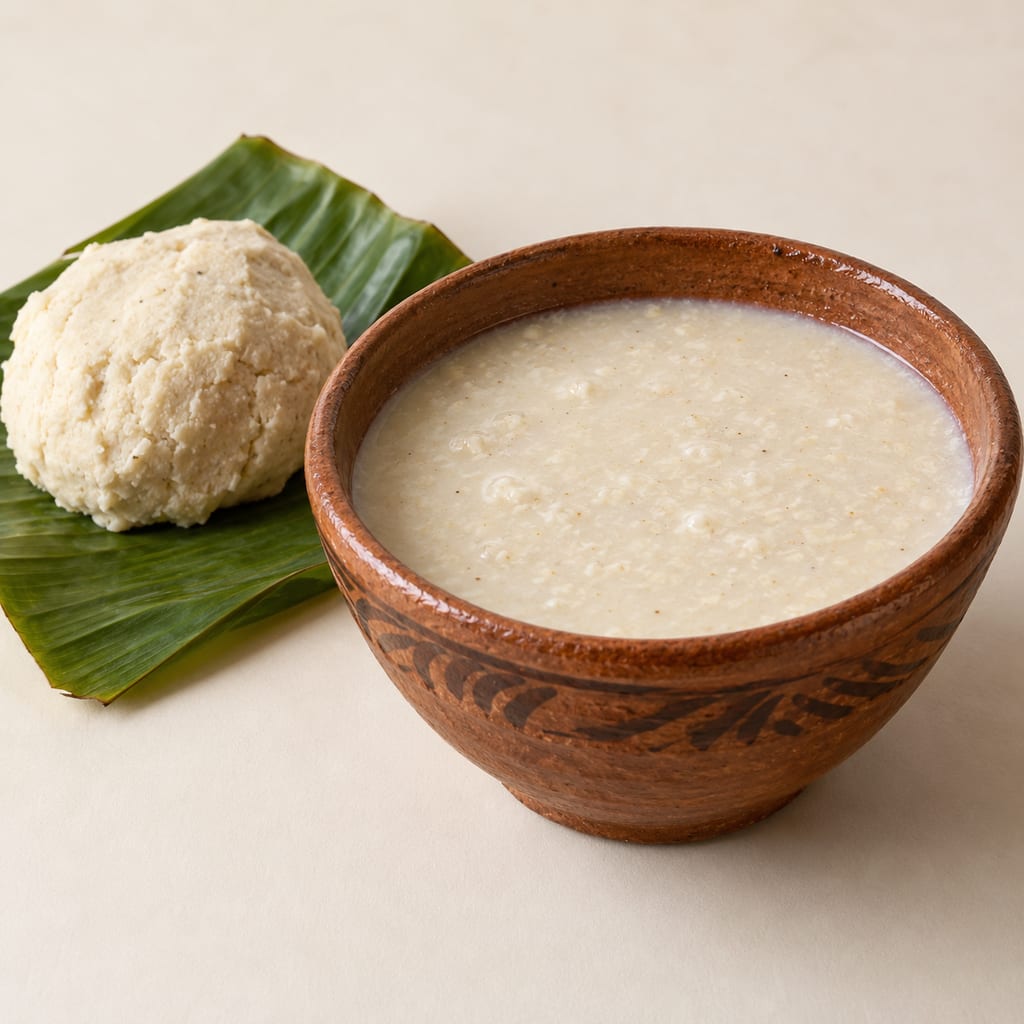
Pozol is lime-cooked maize ground to dough, shaped into balls, wrapped in banana leaves and fermented for days, then stirred into water as a sour drink in southeastern Mexico.
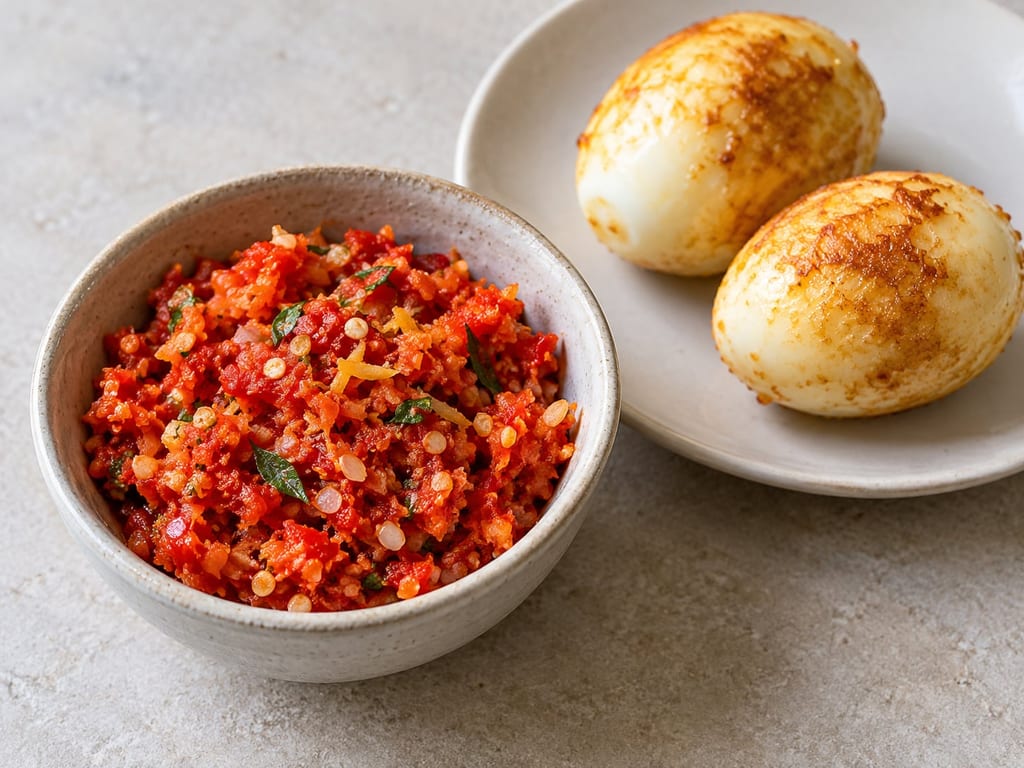
Ai-manas is described as a very hot chilli paste served with Timorese meals. One published version blends fresh chillies, shallots, garlic, Thai basil, ginger, lemon and salt, and serves it with eggs. Sources do not establish a standard formula, precise birthplace or earliest date.
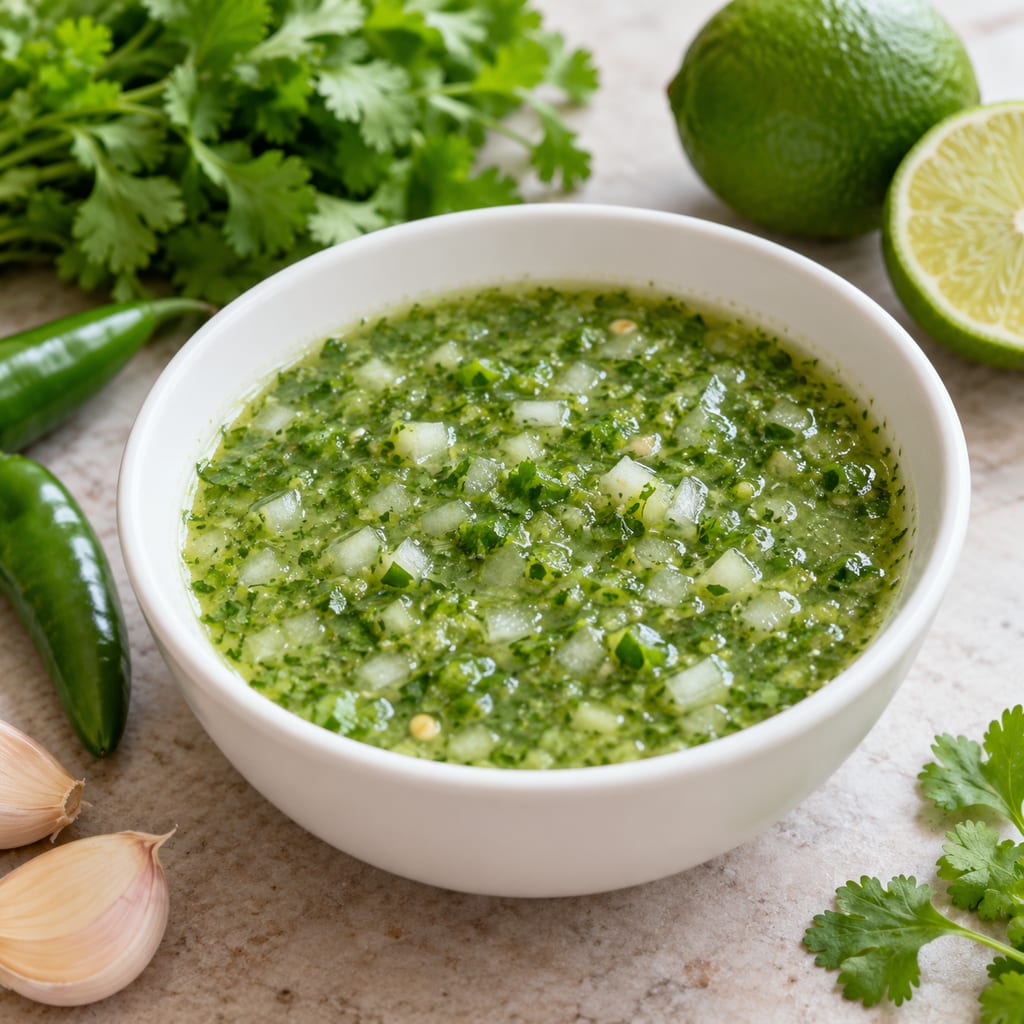
A fresh, uncooked Ecuadorian table sauce of hot pepper, cilantro, garlic and lime, served with most everyday dishes.
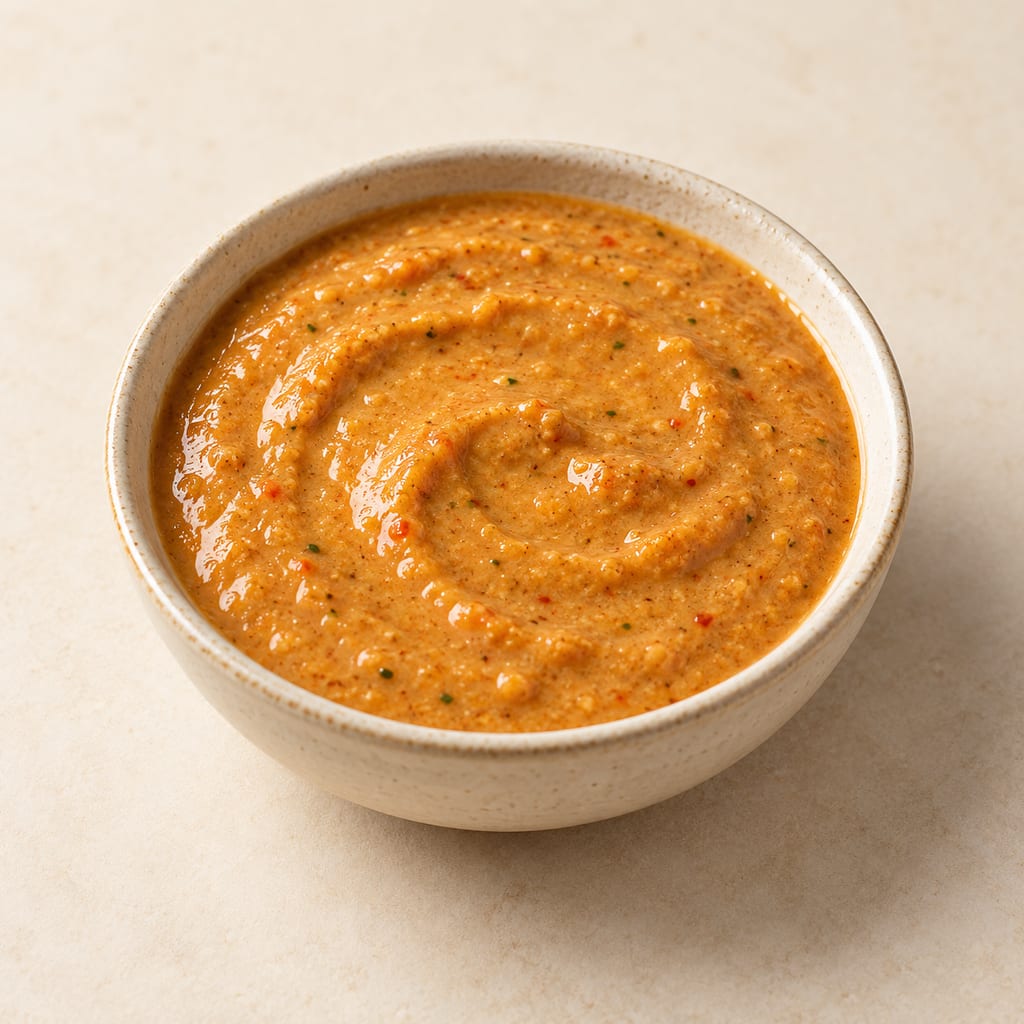
A spicy peanut hot sauce from the Popayán and Cauca region of Colombia, traditionally served with pipián empanadas and tamales.
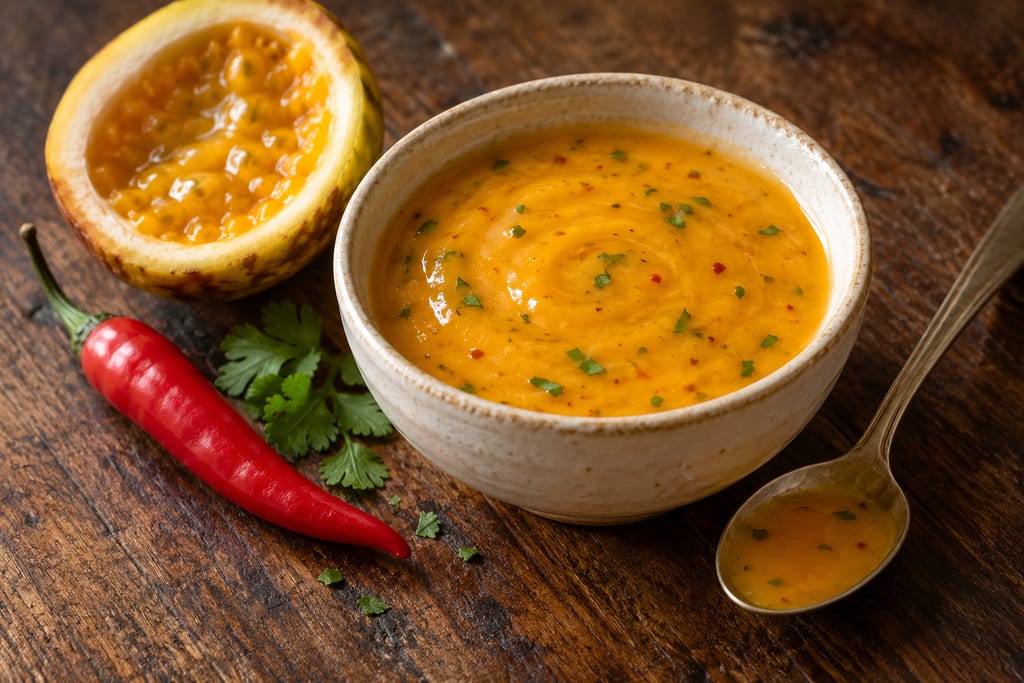
A contemporary Ecuadorian hot sauce that pairs passion fruit juice with boiled chile peppers, oil and lime.
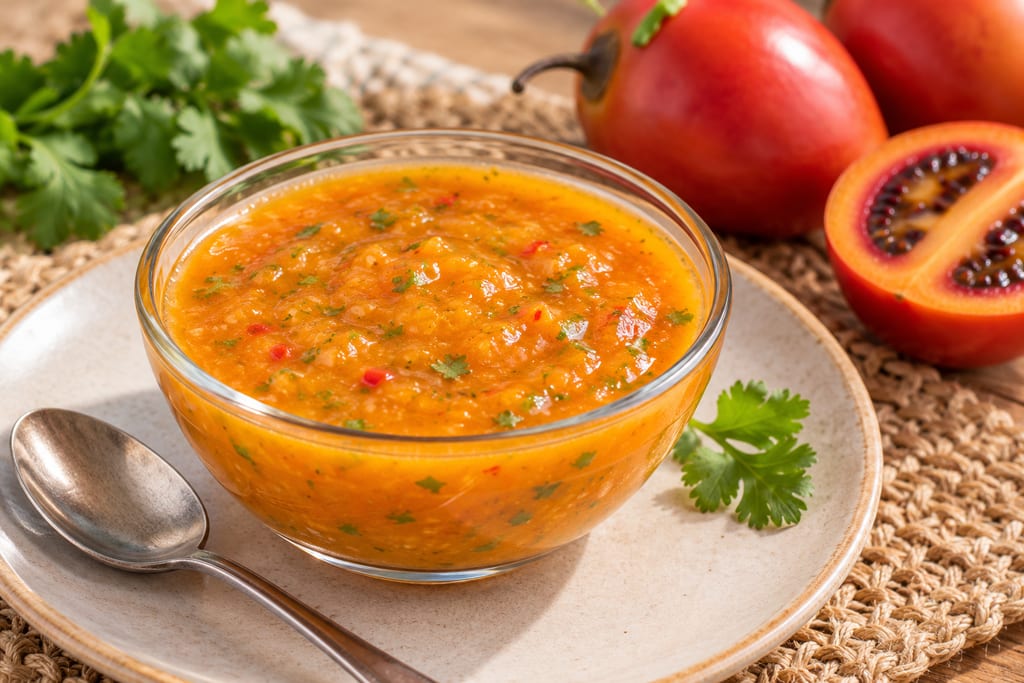
An Ecuadorian hot sauce built on tamarillo, a tart fruit that gives a sharper, fleshier base than ordinary tomato salsa.
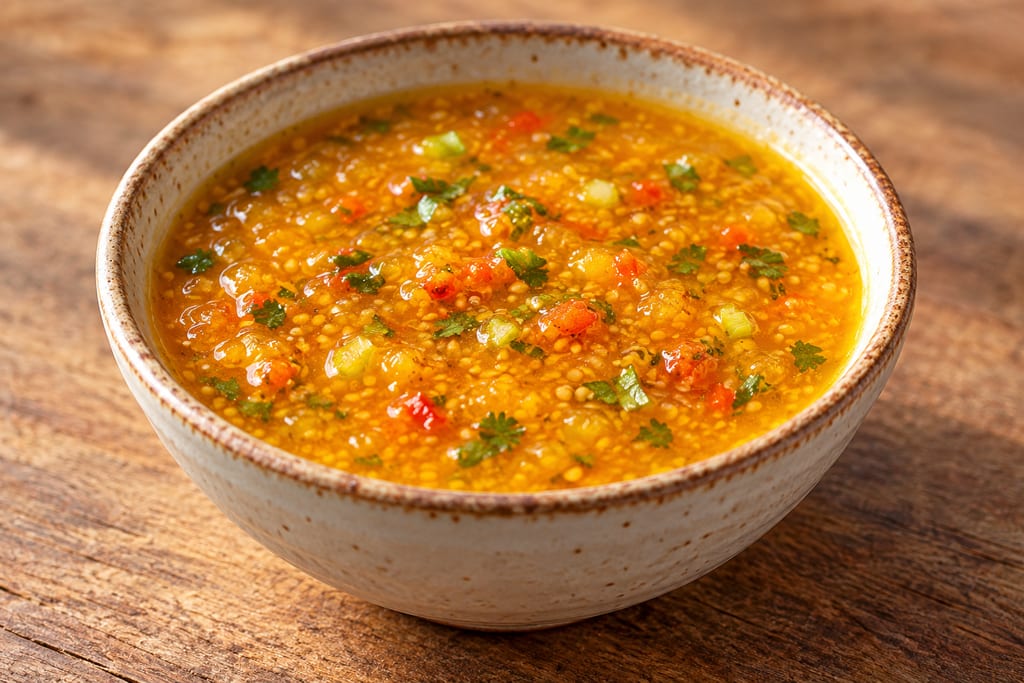
A sweet, tart and spicy Colombian sauce of uchuva, the yellow physalis fruit, with hot pepper, scallion, cilantro and lime.
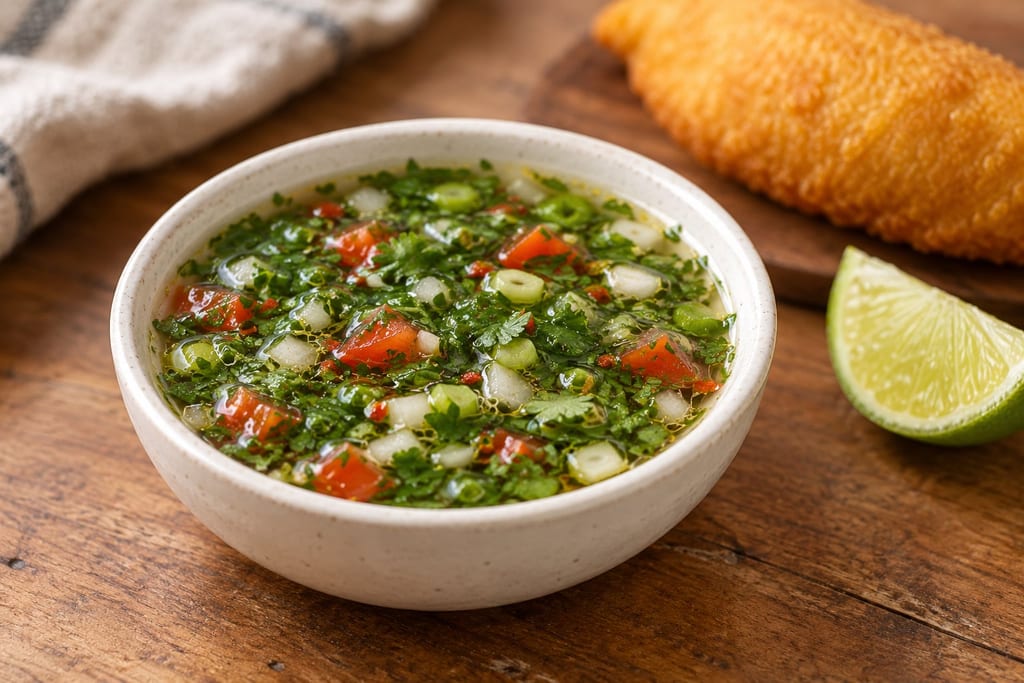
A fresh Colombian table condiment of chopped herbs, scallion and tomato in a vinegar and chile base, served beside fried and filled dishes.
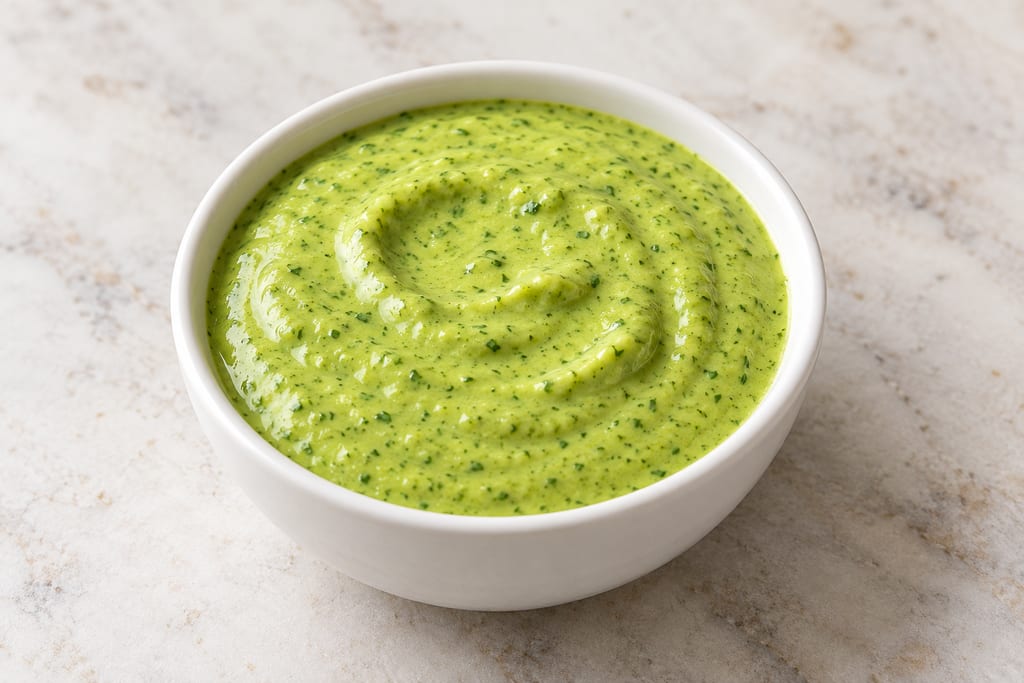
Ají verde is a Peruvian green sauce of coriander, chilli, onion and garlic in a mayonnaise or cheese base. It is best known through Peruvian restaurant cooking abroad.
No community contributions have been published for this entry yet.
Sign in to contribute. Published comments and photos are free to read.
WikipediaMethod · Culinary use · Variants
ChimolChimol or chirmol, a condiment on carne asada; diced tomato, bell pepper, onion, lime juice, salt, black pepper; used on carne asada, salads, pork and chicken breast; found in Central America
Cited in: A table salsa built on charred tomato; Why the tomatoes are charred; Chiles and the table
Recetas GuatemalaMethod · History · Culinary use
El chirmol: an incredible roasted tomato sauceCharred or roasted tomatoes reduce acidity; onion, cilantro, smoked cobanero or chile chilete; serve with toasted chiles chilete; Nahuatl chilmolli derivation; basic Guatemalan recipe; found in Honduras, El Salvador and Mexico
Cited in: A table salsa built on charred tomato; Why the tomatoes are charred; The name; Chiles and the table
Milk StreetMethod
Guatemalan Salsa (Chirmol)Grape or cherry tomatoes, red onion, jalapeños and chipotle in adobo broiled; root end of onion left on; yield 2 cups; about 1 hour total, 20 minutes active