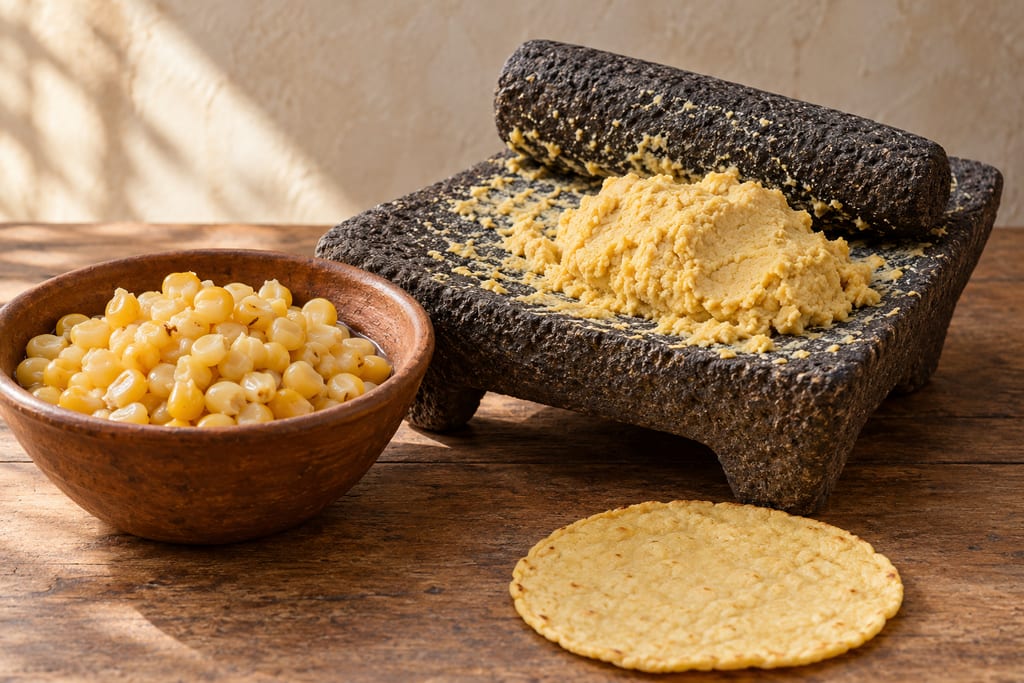
Nixtamal and masa
Whole maize cooked and steeped overnight in lime water, washed of its skins and excess lime, then ground into the moist dough used for tortillas.
 FermenteaWhere food goes to change
Modern method
Pan francés
Pan francés guatemalteco is a soft yeast bread shaped as a long strip of joined double rolls and commonly served with dishes such as tamales colorados.
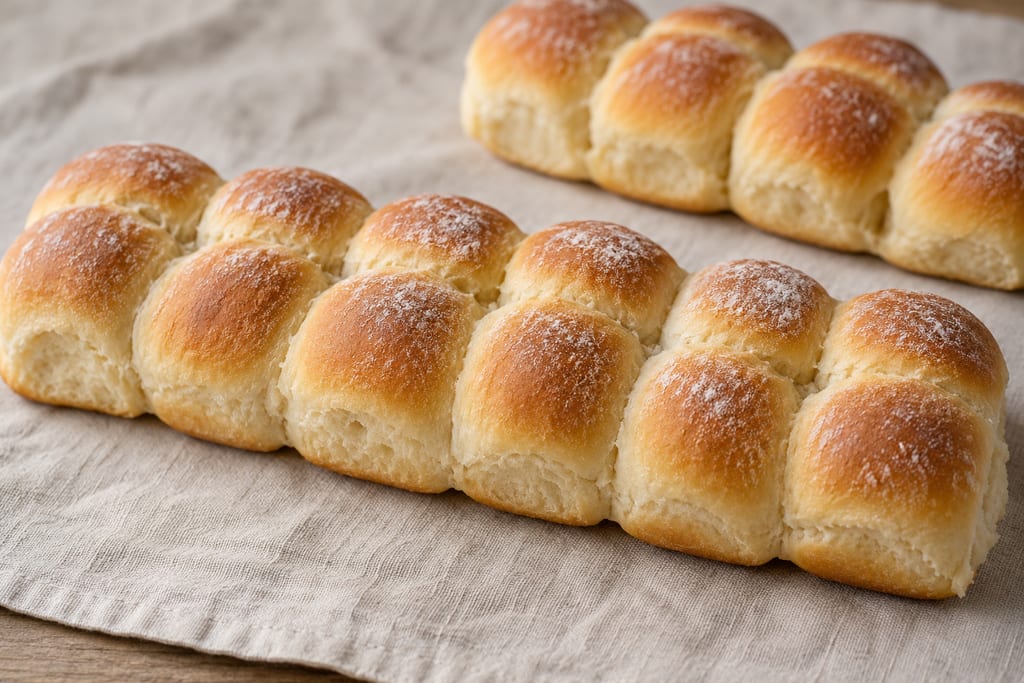
Aprende Guatemala describes pan francés as a familiar, soft bread served with Guatemalan meals, including tamales colorados. Its method shapes small rolls, then joins the paired pieces into a long strip. A 2017 Universidad de San Carlos thesis documents another local formula and also shapes the bread as strips, though its formula and method differ.
The recipe page repeats a local account that connects the bread to a French bakery near Plaza Barrios around 1870. It cites no primary historical record, so this version does not assign an earliest date or precise birthplace. The household method below follows that page's measured formula and steps; it does not combine its quantities with the separate university formula.
Aprende Guatemala's 2025 account places pan francés at breakfast and dinner with beans, eggs or coffee, and as a school or work snack. These are described uses of the Guatemalan bread; they do not make any one accompaniment part of its dough.
The same publisher repeats the circa-1870 bakery story already present in the recipe account. Repetition by a related contemporary source is not independent confirmation of the date. This entry therefore retains the historical uncertainty and the particular joined-double-roll shaping, rather than treating the name as a generic baguette.
Aprende Guatemala describes pan francés as a familiar soft bread served with Guatemalan dishes such as tamales colorados. It repeats a local story that the bread arrived around 1870 with a French bakery near Plaza Barrios, but cites no primary historical record; the date and origin are therefore not established.
Scaling: source batch only
Flour and unbaked dough are handled before baking; raw flour can carry germs and should not be tasted.
Hazard sourceBake the dough before eating. Wash hands, bowls, utensils and work surfaces after handling raw flour or dough.
Control sourceDo not taste the raw dough. Use care around the hot oven and baking sheets.
The recipe and university study document pan francés in Guatemala; neither source establishes a narrower place of origin.
Whole maize cooked and steeped overnight in lime water, washed of its skins and excess lime, then ground into the moist dough used for tortillas.

Pozol is lime-cooked maize ground to dough, shaped into balls, wrapped in banana leaves and fermented for days, then stirred into water as a sour drink in southeastern Mexico.
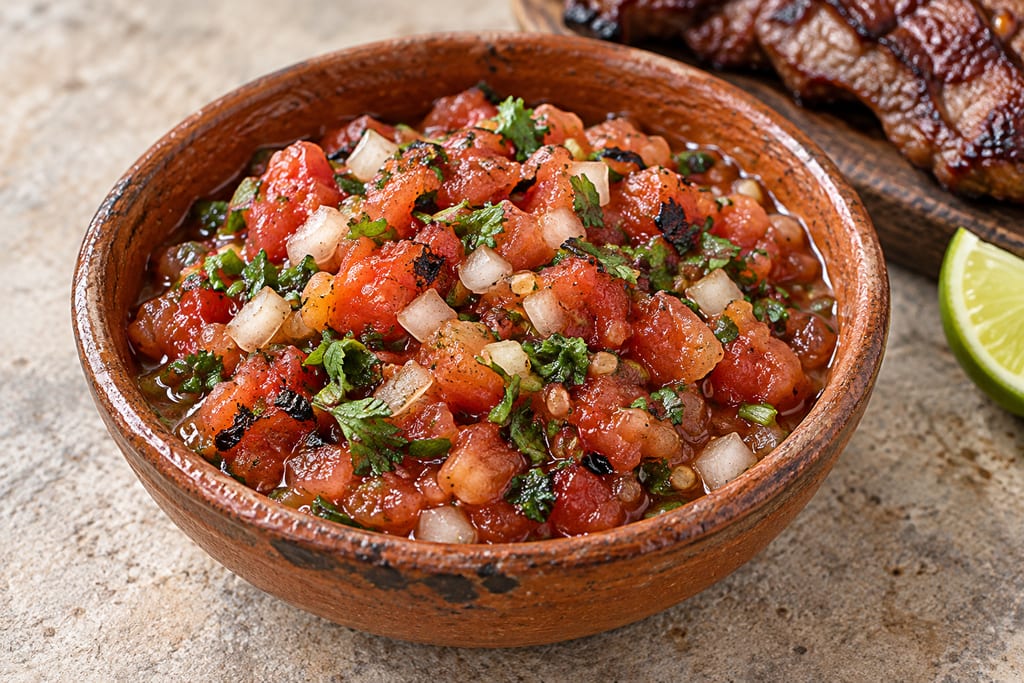
Chirmol is a Guatemalan salsa of charred tomatoes with onion, cilantro and lime, served with grilled meat and toasted chiles.
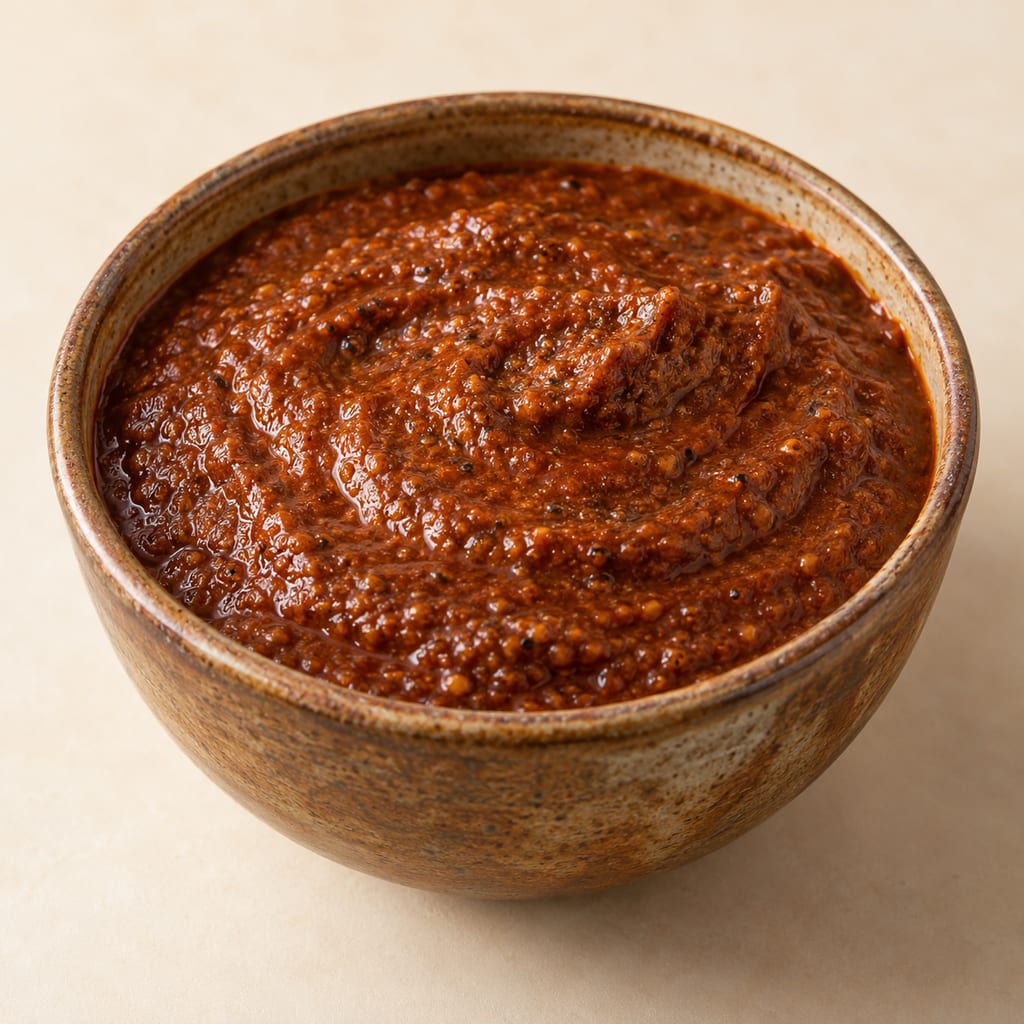
The roasted chile, seed and vegetable sauce that thickens and colours Guatemalan pepián stew.
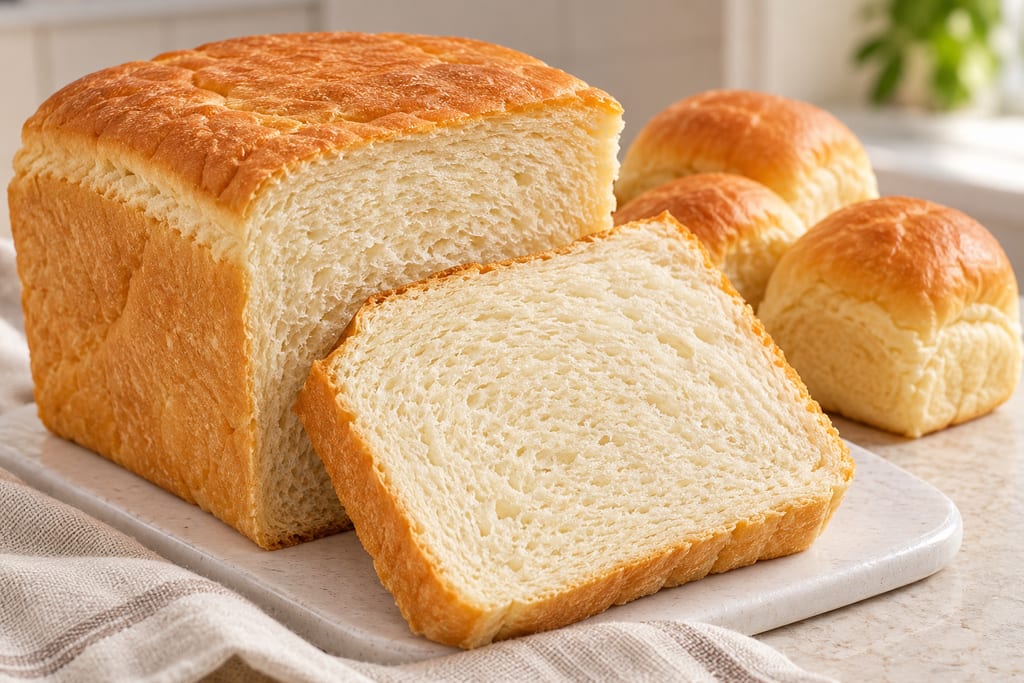
This softer home-style Agege bread uses a scalded flour paste, an enriched yeast dough and a 9×5-inch loaf pan, with rolls from the extra dough.
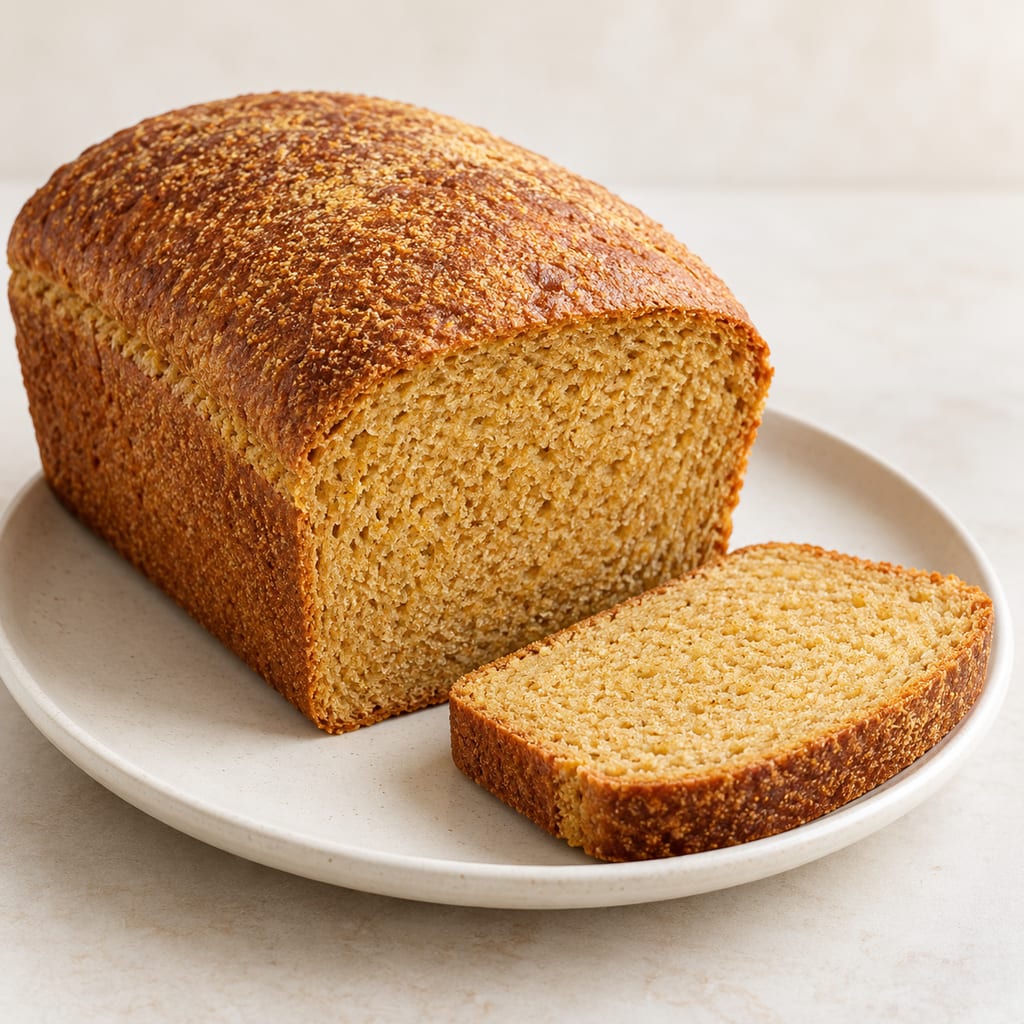
Anadama is a New England yeast loaf made with wheat flour, cornmeal and molasses. Scalded cornmeal enriches the dough, while molasses lends sweetness and a dark crust; it is especially good toasted or beside soup and baked beans.

A yeast-raised wheat ring shaped from a firm dough, briefly boiled and baked. This source-batch formula gives a gently malted crust and a chewy crumb.
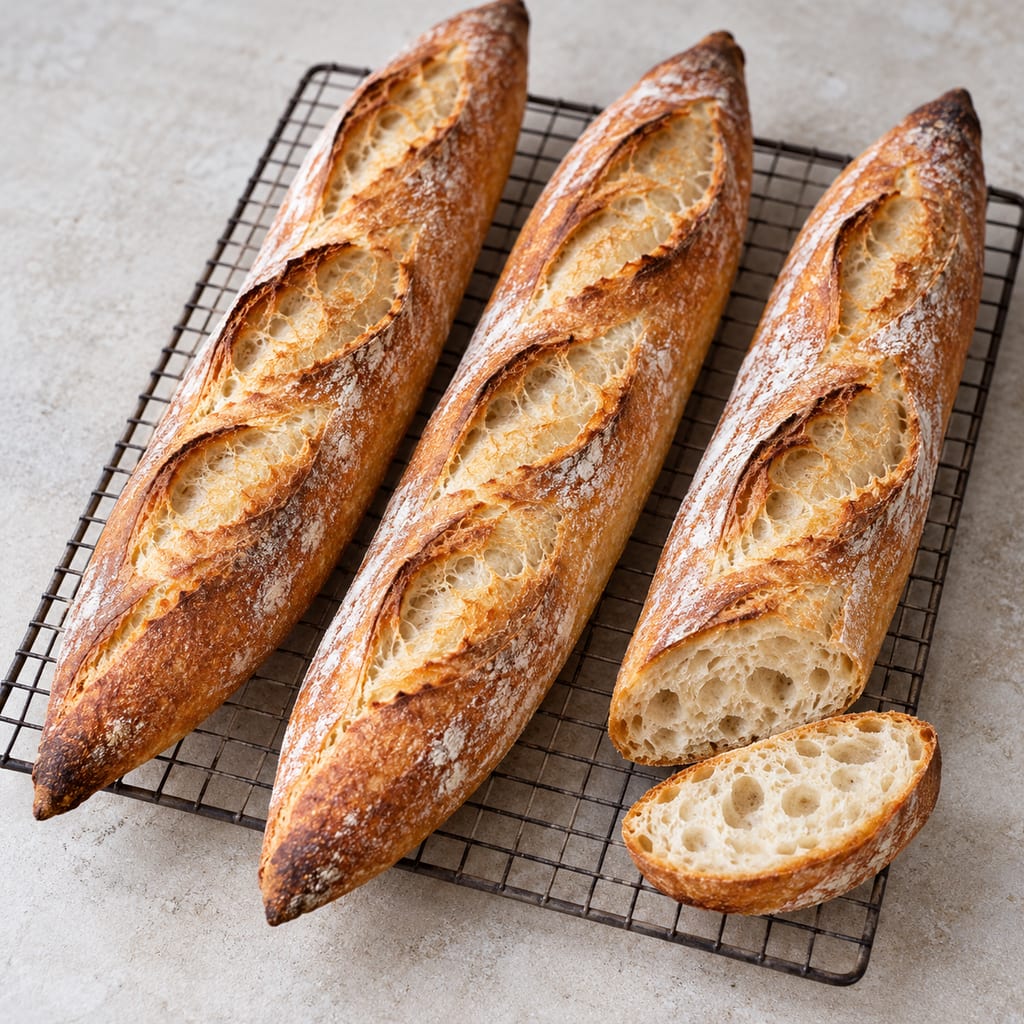
Three long, crusty wheat loaves made with an overnight yeast poolish, shaped by hand and baked with steam for a crisp crust.
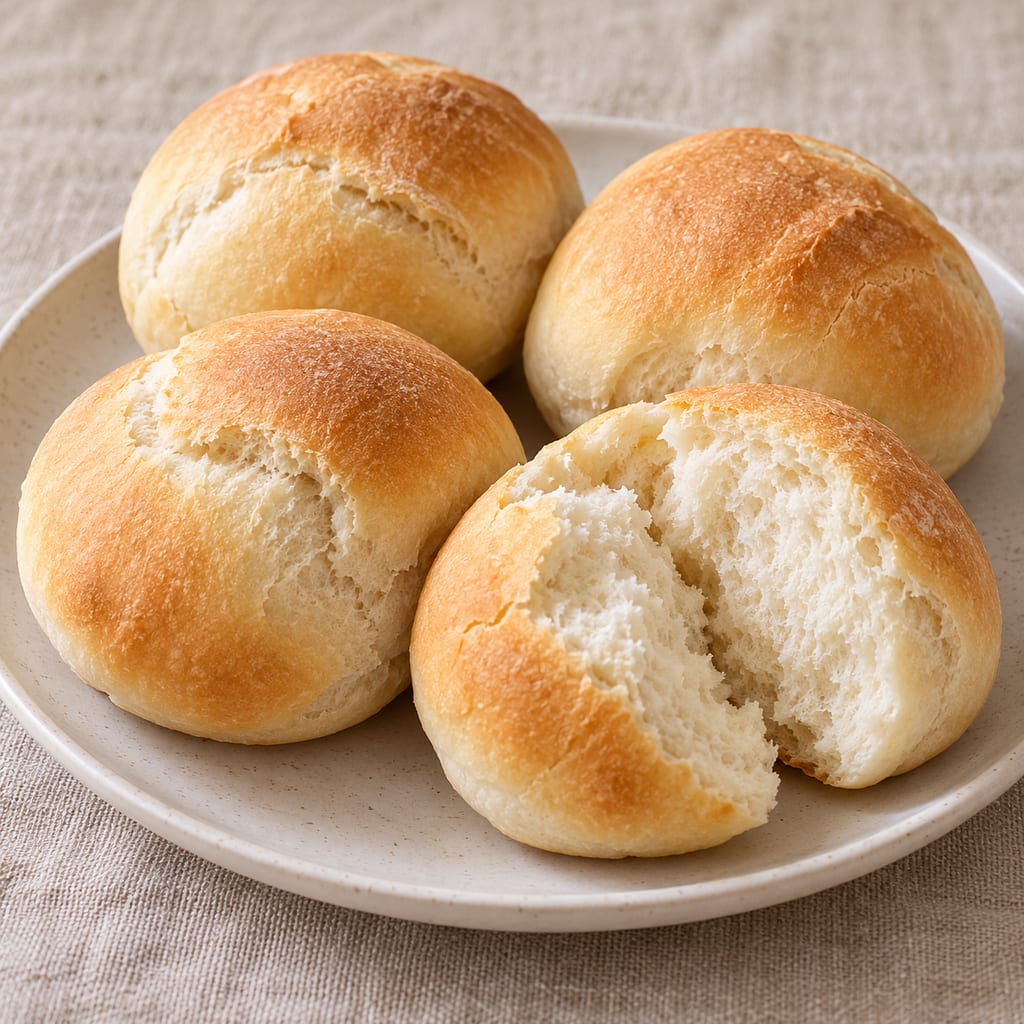
A lightly salted, yeast-raised Barbadian roll, baked in a dozen-roll home batch and often split for cutters.
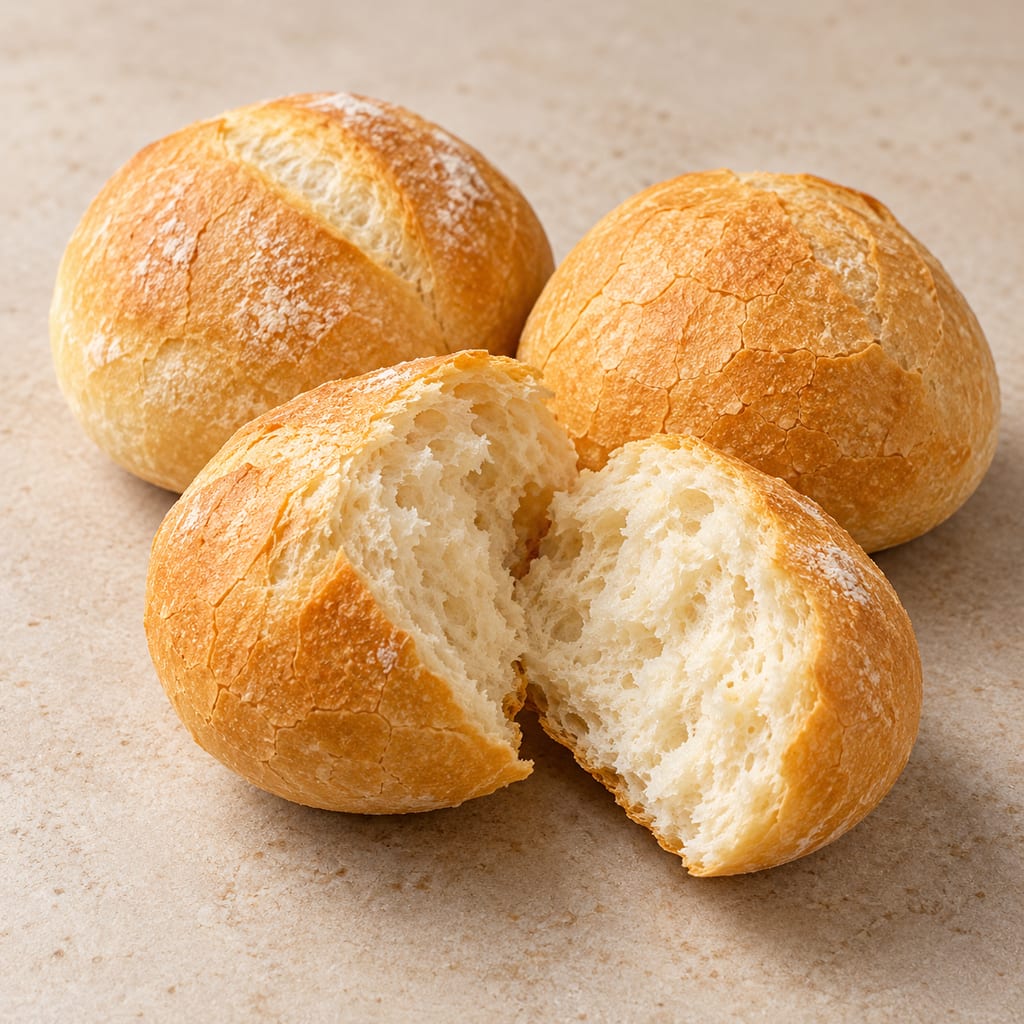
A crisp Belgian roll made from a supplier’s Croc-flour dough, mixed by hand or machine, proofed in rounds and baked with steam.
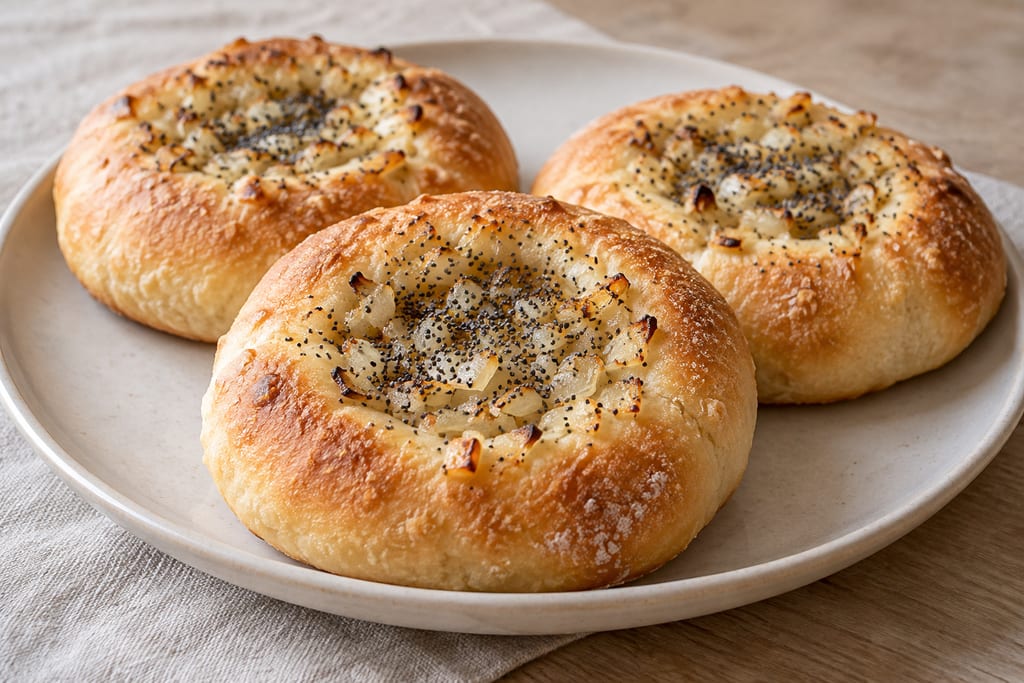
Bialys are soft, yeasted wheat rolls baked without boiling, each shaped with an onion-filled central depression instead of a hole.
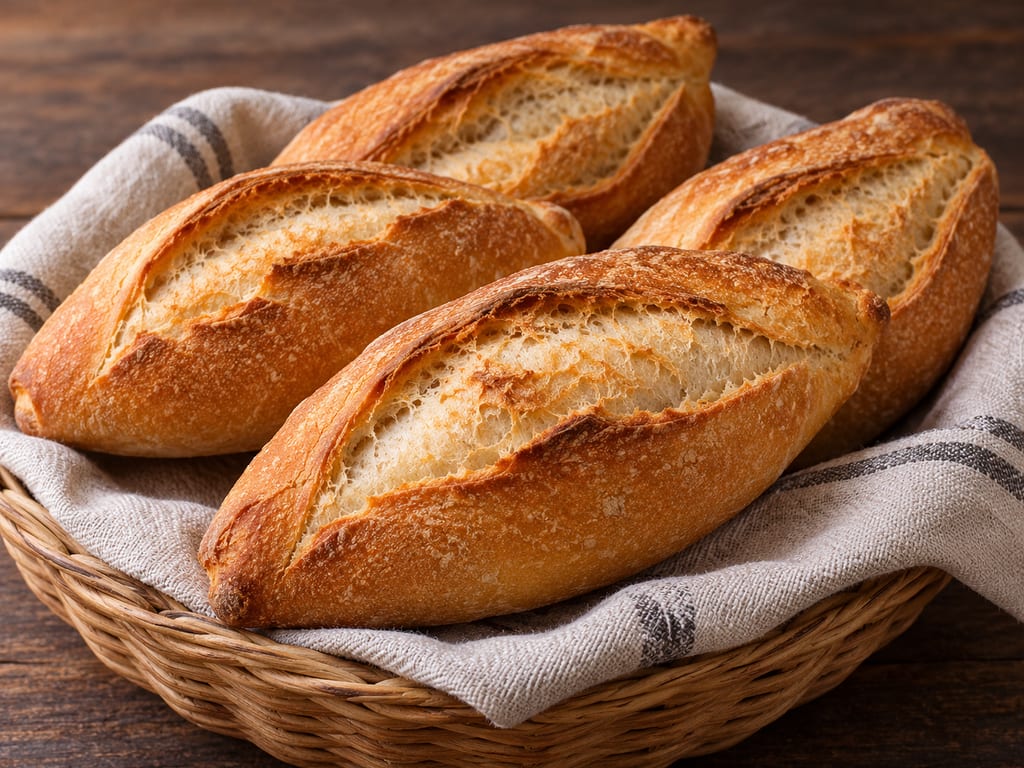
A measured, commercial-yeast home method for Guadalajara-style birote salado, with a six-hour preferment, shaped rolls and a two-temperature steam bake. This formula contains no egg.
No community contributions have been published for this entry yet.
Sign in to contribute. Published comments and photos are free to read.
Aprende GuatemalaMethod · History · Geography
Receta para hacer pan francés al estilo guatemaltecoIdentifies pan francés as a soft, everyday Guatemalan bread commonly served with traditional dishes such as tamales colorados.
Gives a home formula and ordered method: first rise, shaping as connected double buns, a second rest, and baking with specified preheat and baking temperatures and time.
Reports a local historical belief about a French bakery near Plaza Barrios around 1870 but supplies no primary record.
Cited in: A Guatemalan everyday bread; Breakfast, dinner and a portable snack
Universidad de San Carlos de Guatemala, Facultad de IngenieríaMethod · Geography
Evaluación y disminución de las concentraciones de acrilamida en el pan francés y pan dulce tostado por medio de adición de asparaginasa en la mezcla formuladaA 2017 Guatemala engineering thesis provides a separate experimental pan francés formula for 920 g flour, using sugar, salt, yeast and shortening; it describes adding water to a consistent dough, developing it through rollers, resting shaped pieces, forming strips and baking for 30–40 minutes.
This university formula is not merged with the Aprende Guatemala household formula because it does not give a water quantity or oven temperature.
Cited in: A Guatemalan everyday bread
Centers for Disease Control and PreventionSafety
Raw Flour and DoughRaw flour can carry germs; bake dough before eating and wash hands, bowls, utensils and counters after handling flour or dough.
Aprende GuatemalaContext
Historia del pan francés en Guatemala23 September 2025 account describes breakfast, dinner and school/work snack use with beans, eggs or coffee. Its repeated 1870 origin account is not treated as independent primary proof.
Cited in: Breakfast, dinner and a portable snack
Wikimedia Commons / LuisfiImage reference
060416 pan frances guatemala.JPGOwn-work Guatemalan pan francés photograph, 16 April 2006 by EXIF. Individually checked CC BY-SA 3.0; excluded from PD/CC0 references.