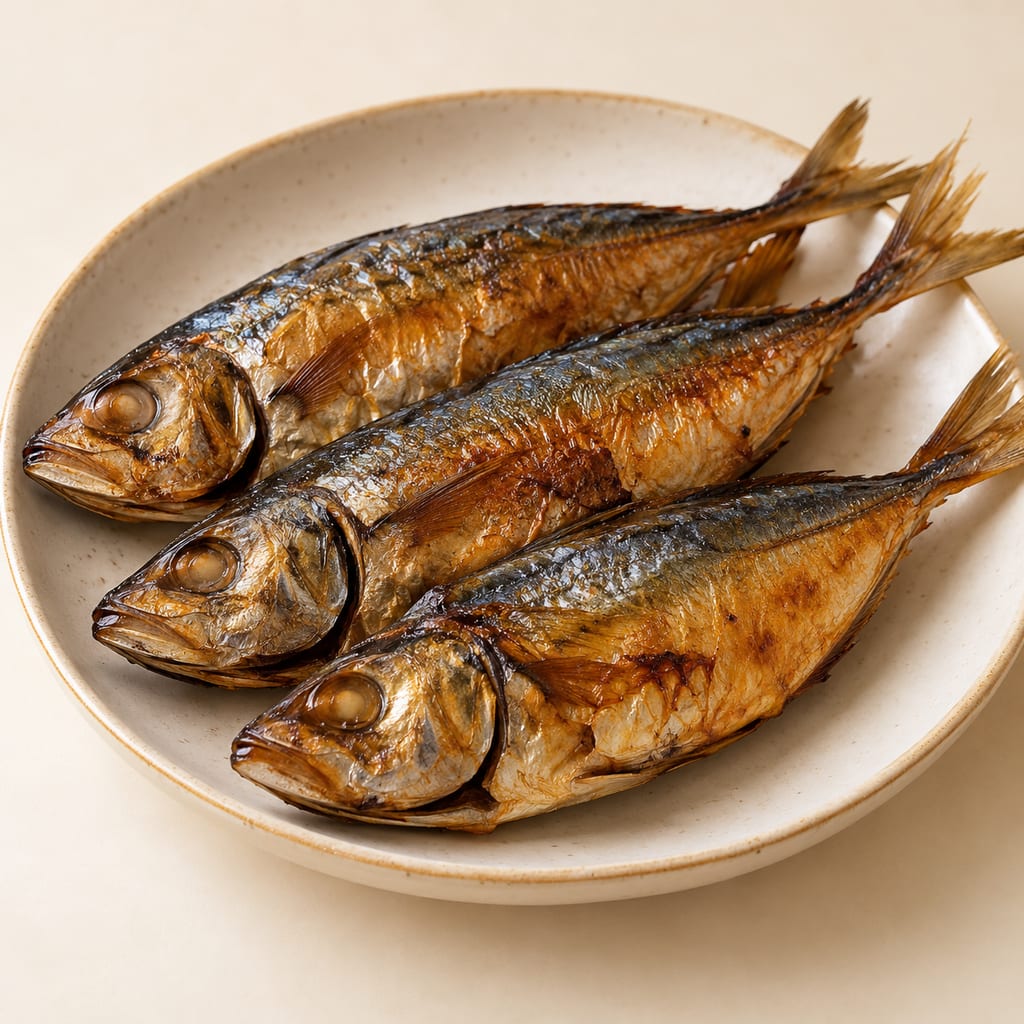
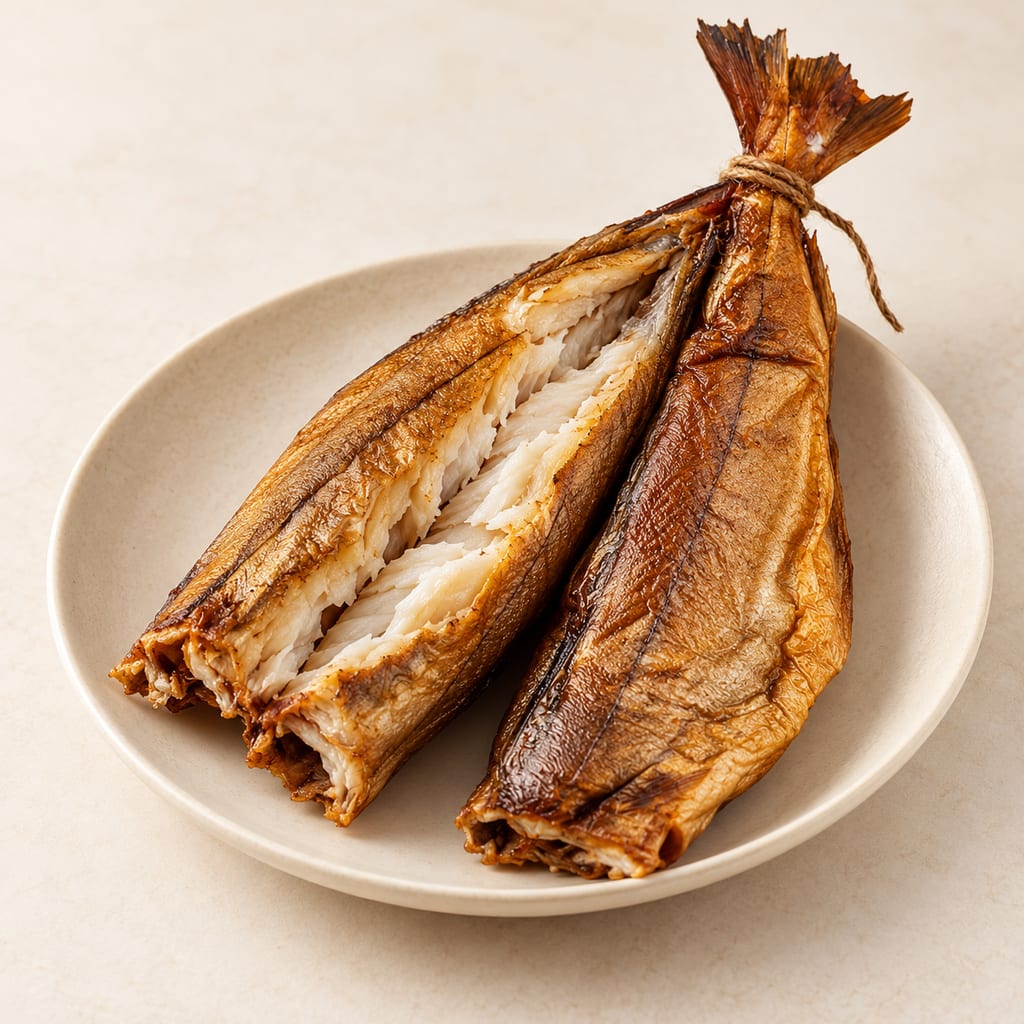
Tinapa is the Filipino name for smoked fish. Most households and markets know it as a small whole fish, brined, dried and smoked, and kept for a few days or longer. The name is used for several fish, but the most common in accounts are scad (galunggong), sardinella (tamban) and milkfish (bangus). The milkfish form has its own national production sequence, and its name, tinapang bangus, is the one the national research institute uses.
Tinapa is eaten as it is, or flaked into dishes. One cookbook uses tinapa flakes in fried rice with garlic, onion, egg and a little soy sauce, and the same page favours a firm-fleshed product for that dish.
The fish is first brined in salt dissolved in warm water. The home recipe in accounts uses one quart of salt in three quarts of water, and it gives one hour with stirring, while other home recipes give five to six hours, or an overnight soak in the refrigerator. Accounts agree that brining time should follow fish size, and one gives the rule of half an hour per half inch of thickness. The brine is rinsed off afterwards.
The surface then has to dry before smoking, so the smoke can stick. Accounts say to air-dry the fish, but none gives a time. The national workflow places drying after the brine cook, which is one of the differences between the industrial and home versions.
The home recipe smokes the fish on a rack away from the heat source, under a cover, with hardwood chunks soaked for at least half an hour beforehand. Hickory, alder, maple and cherry are named. The recipe runs for about an hour and a half and adds wood every twenty minutes. It gives no smoking temperature.
Traditional smokehouses burned sawdust over embers, and coconut husk is also used as a smoke source. The industrial milkfish sequence has smoking, then cooling, packing and storage. Accounts give no end point for smoking, so a smoked fish is not defined by colour or time alone.
Accounts say tinapa keeps for some days when eaten and can be kept longer when sealed and frozen. They give no home storage limit and no temperature. The milkfish workflow ends with cooling, packing and labelling. Because the brine is light and the smoke short, the fish should be kept cold and eaten within a time the buyer can check.
Sources in this record describe the product and its workflow. They do not date the practice. Tinapa is a product name, and its species vary by locality.
Ingredients
Scaling: source batch only
Fish (small whole scad, sardinella or milkfish)Use about 16 small whole fish. Clean them and rinse well.
2.27 kg5 lb as recorded
Batch from one home recipe; the species list is milkfish, scad, sardinella or mackerel.
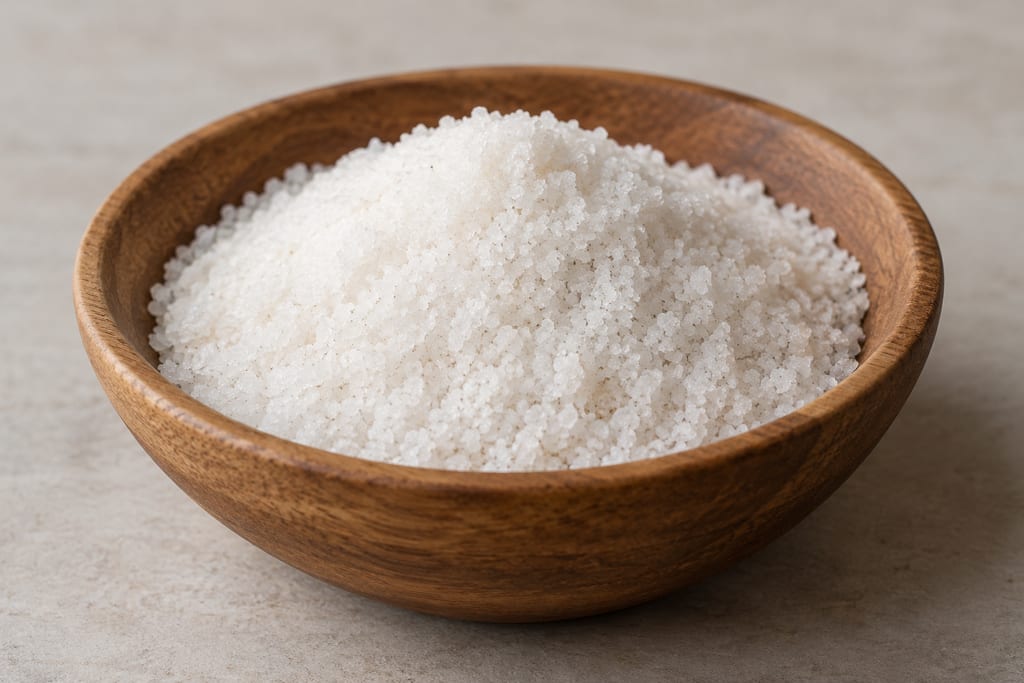
SaltDissolve in warm water for the brine.
946 mL1 qt as recorded
One quart of salt in three quarts of warm water, from one home recipe.
WaterWarm, for dissolving the salt.
2.84 L3 qt as recorded
Brown sugar (optional)Optional, with salt and black pepper, as an alternative brine.
Amount not stated
No amount given in the source.
Method
Risks and precautions · Elevated risk
Cold or lightly cured fish stored at room temperature
A salt brine and a short smoke do not establish a shelf-stable product. Accounts give no home storage temperature or limit.
Hazard source
Uncontrolled smoking temperature
The home recipe gives a time but no temperature, so the fish may not reach a safe end point.
Hazard source
Keep the cured and smoked fish chilled or frozen in a sealed container.
Control source
The home sources give no smoking temperature, end point or shelf life, so these are not established.
Do not judge a batch by smell, colour or appearance.
Clean the fish and rinse well. Small whole fish are the traditional choice, and the species list is milkfish (bangus), scad (galunggong), sardinella (tamban) or mackerel.
Brine the fish: dissolve salt in warm water (one quart in three quarts in one home recipe), and soak the fish in it. The recipe brines for 1 hour, stirring every 10 minutes. Other home recipes give 5 to 6 hours, or overnight in the refrigerator. The same source gives a rule of thumb of half an hour for each half inch of thickness.
Rinse the brined fish well and drain it.
Air-dry the fish until the surface is dry to the touch. Drying helps the smoke stick to the flesh. The sources give no fixed time for this step.
Soak hardwood chunks in water for at least 30 minutes before smoking. The home recipe uses 2 lb of hickory, and alder, maple or cherry also work. Traditional smokehouses burn sawdust over embers, and coconut husk is another smoke source.
Place the fish on the rack away from the heat source. Cover and smoke for about 1 hour 30 minutes, adding wood every 20 minutes. The sources do not give a smoking temperature or an end point.
Cool the fish completely before packing. The industrial milkfish workflow runs from brine cooking through drying and smoking to cooling, packing, labelling and storage.
Store the tinapa sealed in a container, chilled or frozen. The sources do not give a shelf life for home storage, so do not rely on smell, colour or appearance to judge it.
Places
Philippines
Traditional preparation · Country evidence
Country-level association. The milkfish workflow is one documented form, not the whole category.
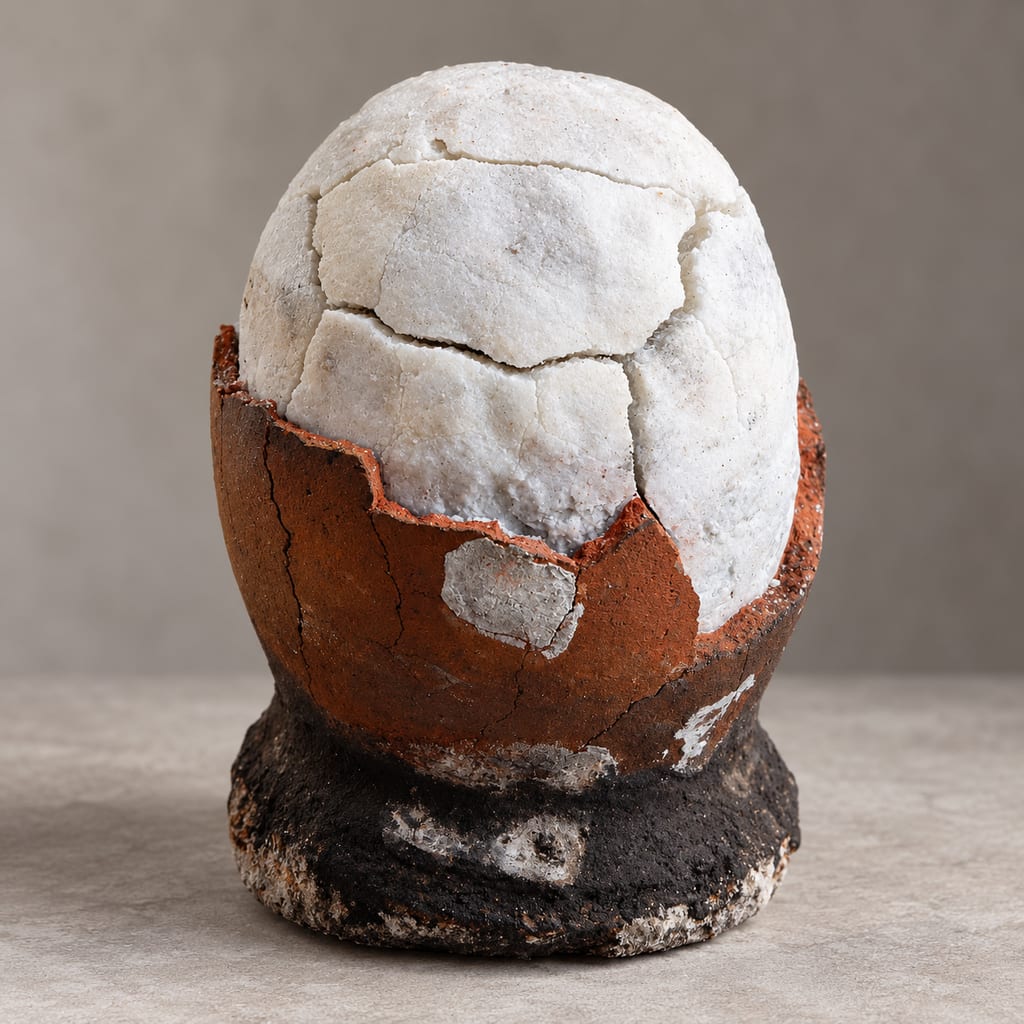
Asin tibuok is a Boholano salt-making craft that turns seawater-soaked coconut husks into a salt-rich ash, brine and formed sea salt in specialized clay pots. This record follows one published account of the community process; it is not a validated household formula.
Asin sa buy-o is a fine sea salt made in Panayunan, Botolan, and packed in a woven nipa pouch called a buy-o. Salt-bearing coastal earth is leached with seawater, and the brine is boiled to crystals.
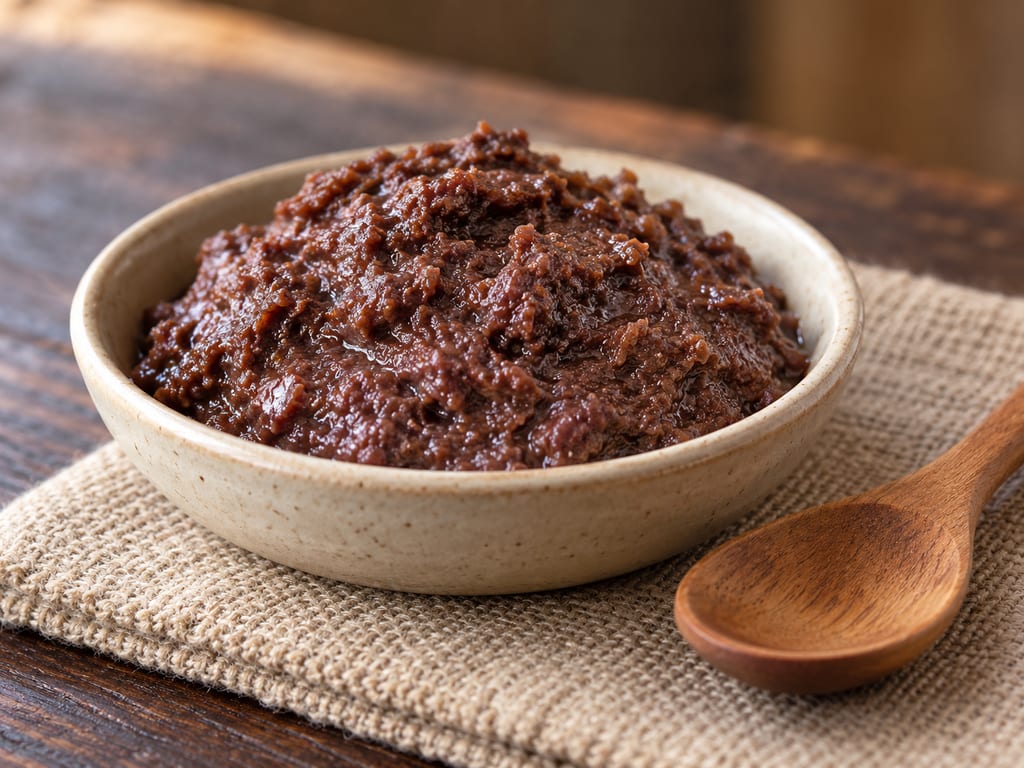
Bagoong isda is a Philippine fish paste: whole small fish salted and left to ferment for a month or more in earthen jars. It is the fish counterpart of bagoong alamang.
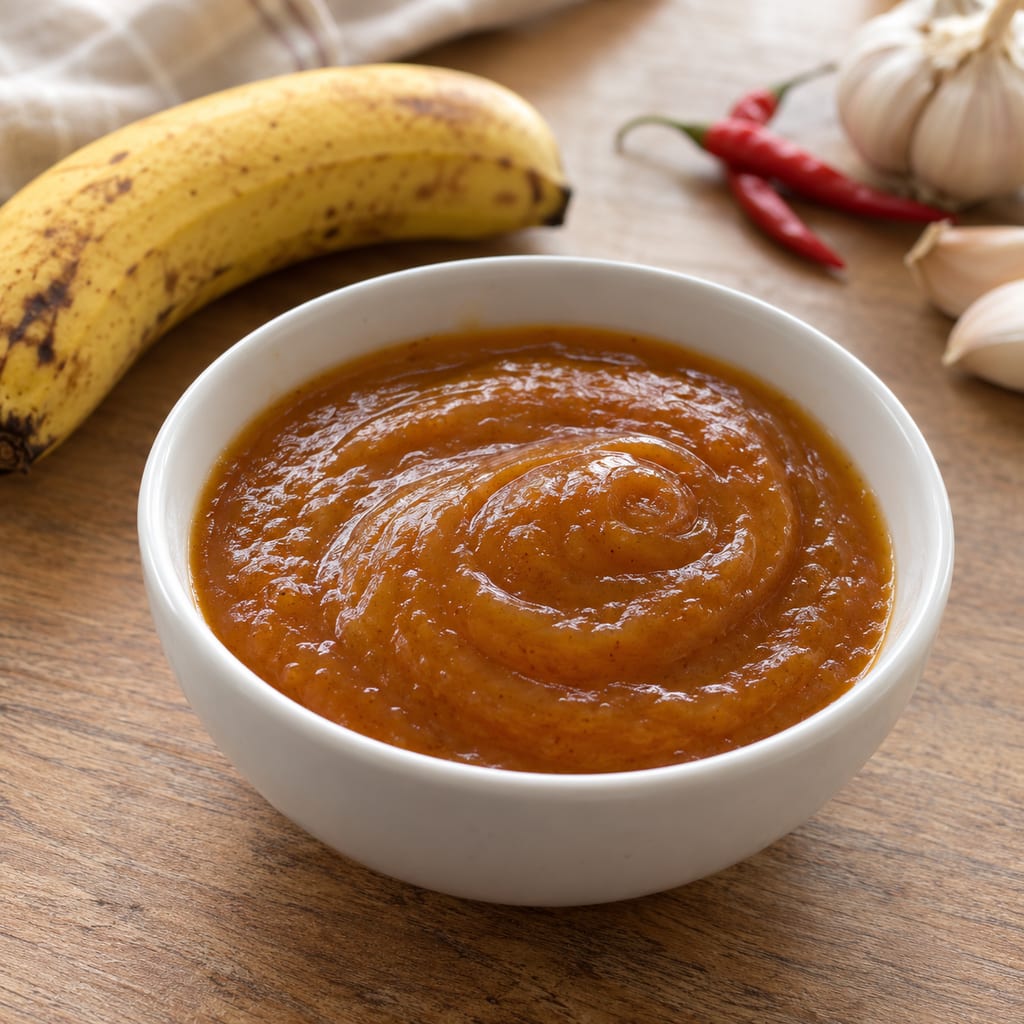
A sweet-hot table sauce of ripe banana simmered with vinegar, sugar, onion, garlic and fresh chilli, in the manner of Philippine banana ketchup. An untested development batch of about 500 g.
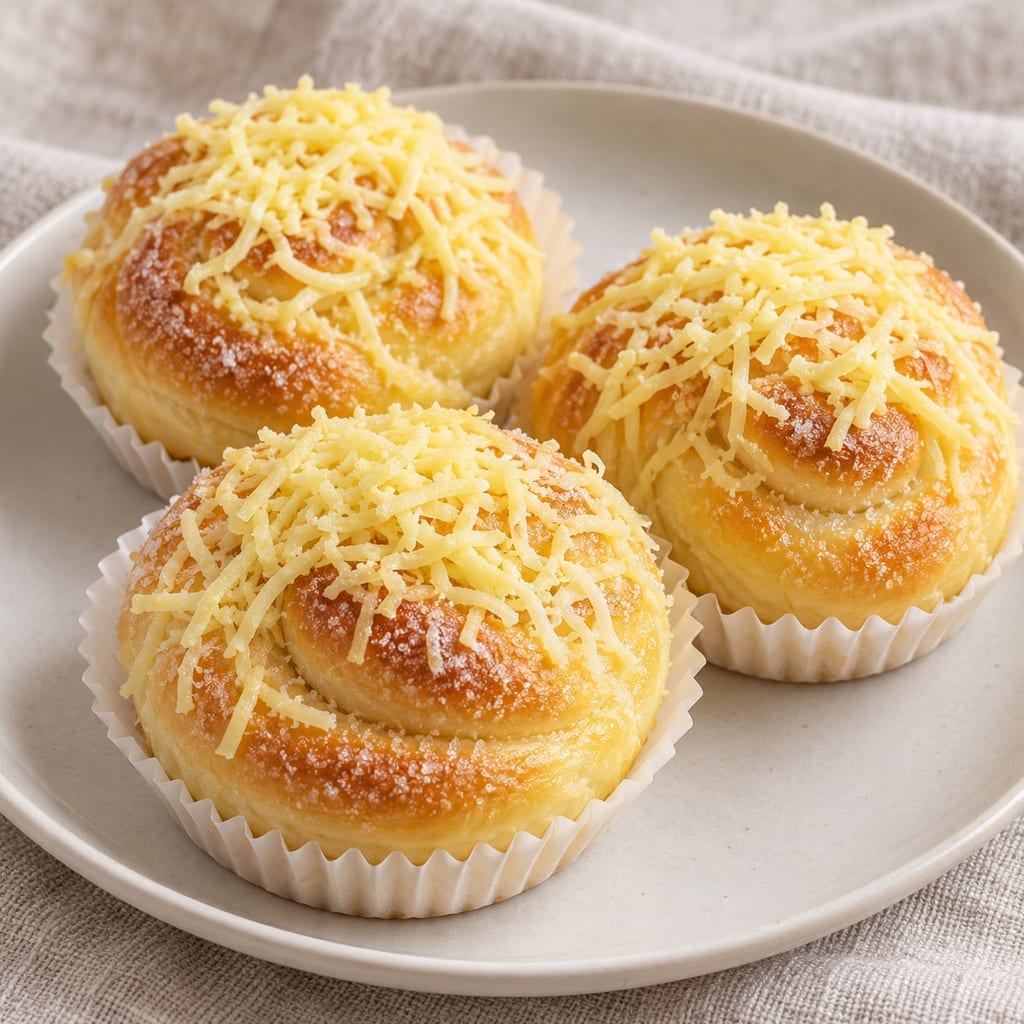
Soft Filipino ensaymada coils use enriched yeast dough, then receive butter, sugar and grated cheese. This modern Filipino version differs from Mallorcan ensaïmada and other Philippine regional formulas.
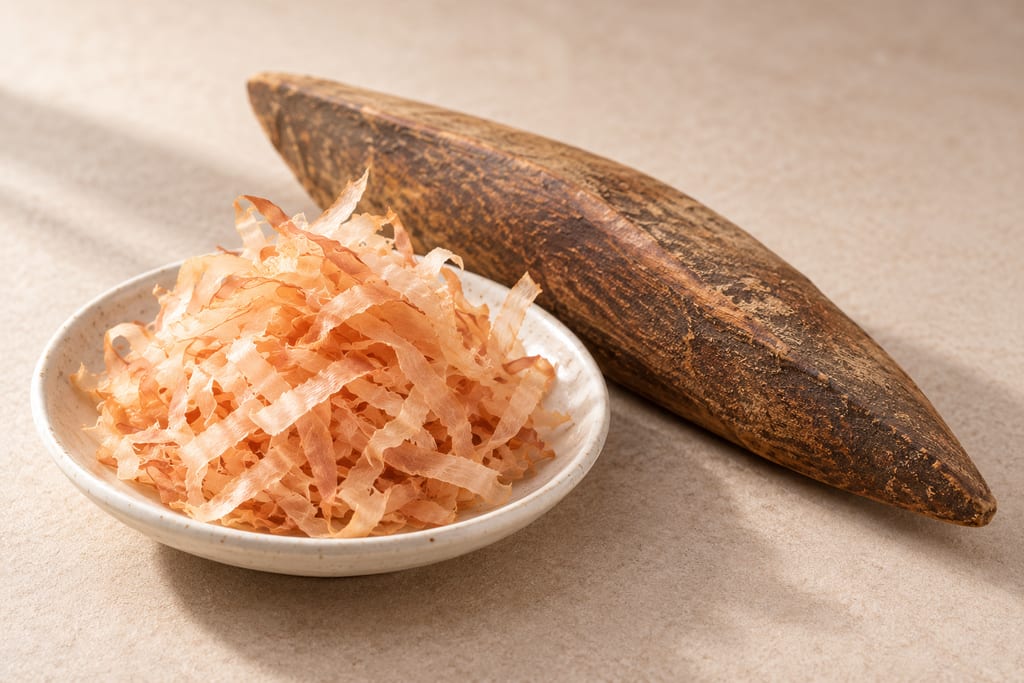
Japanese skipjack tuna cooked, then repeatedly smoked and dried over a wood fire by the hand-fired tebiyama method into a hard block for shaving into dashi: the first stage of katsuobushi.
Arbroath smokies are whole haddock dry-salted, paired by the tail and hot-smoked in a protected coastal area. Their recorded history links Auchmithie and Arbroath, though the exact origin is unsettled.
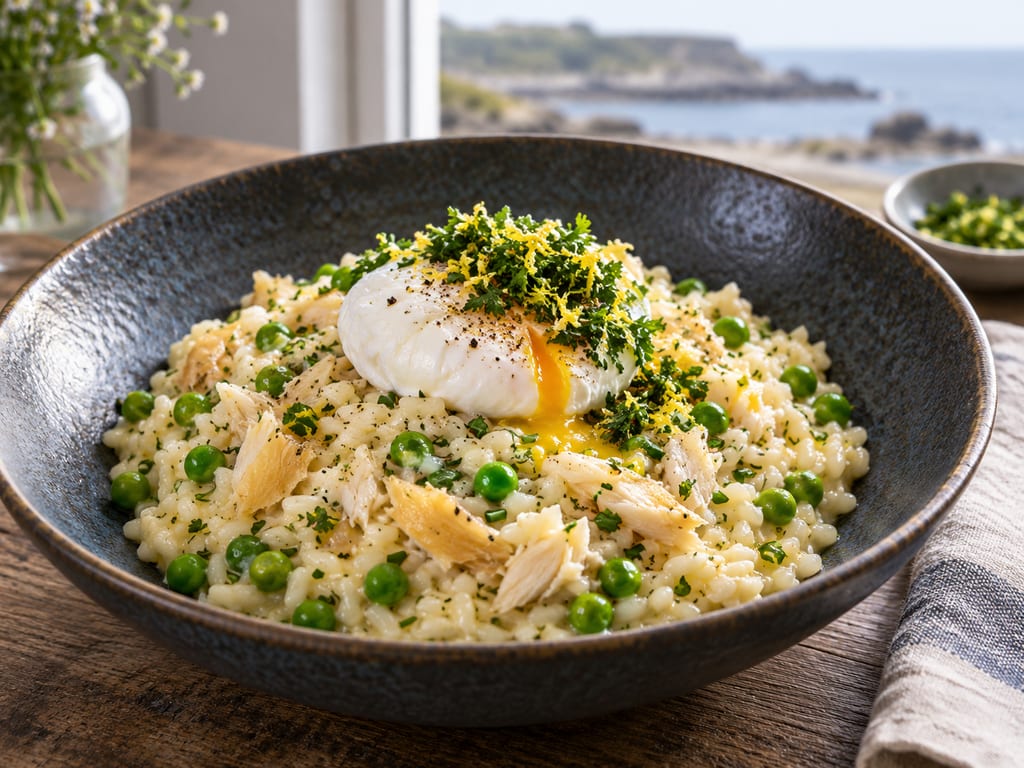
A four-serving risotto published in the 2014 Arbroath Smokie Trail booklet and credited to Hayley Wilkes. It cooks with finished Arbroath smokies; it does not describe smoking fish.
Katsuobushi is skipjack tuna cooked, smoked and dried into a hard block that is shaved into flakes for dashi and toppings. Some styles stop at the smoke-dried stage; others receive carefully managed mold maturation.
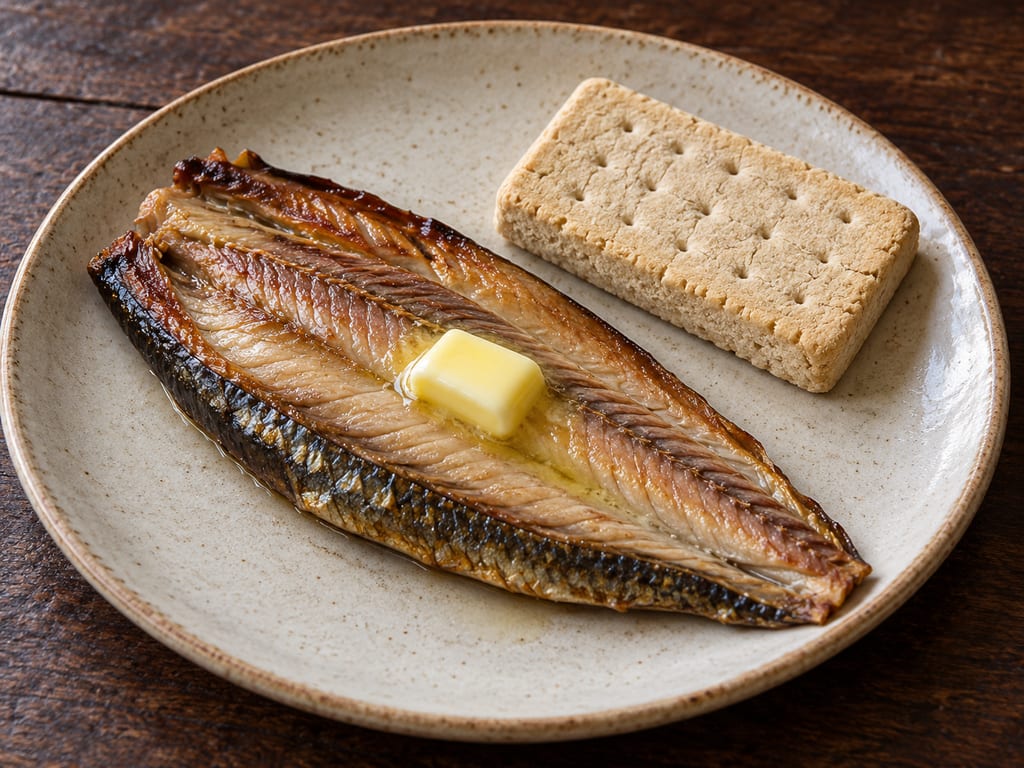
A Victorian way with Great Yarmouth bloaters: the lightly salted, cold-smoked whole herring is broiled and served with fresh butter and a warmed captain's biscuit.
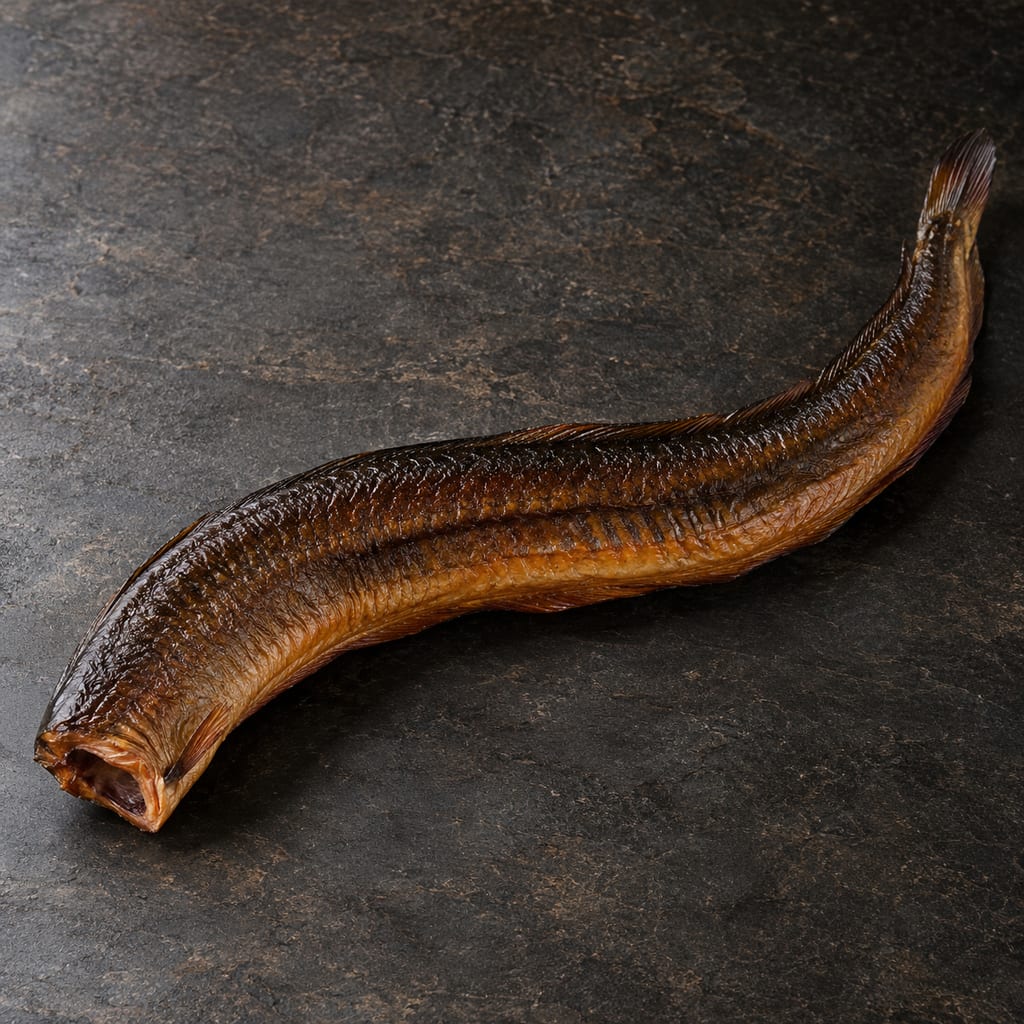
Short-finned eels, kooyang, smoked for a sustained period in the hollows of large trees at Budj Bim in south-western Victoria, a combined heat, smoke and drying method of the Gunditjmara people.