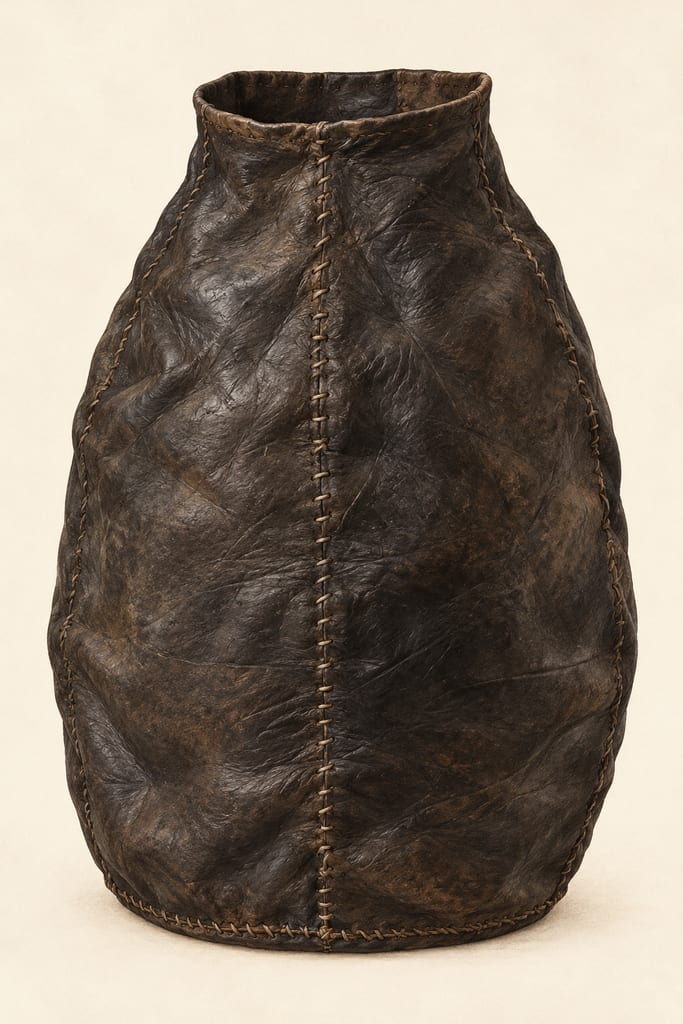
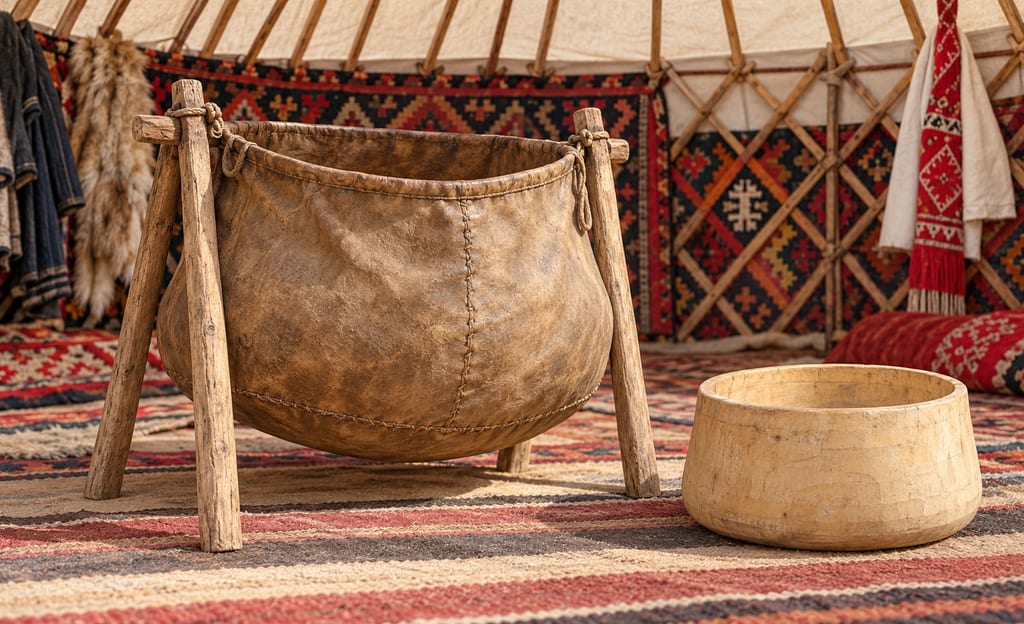
Altai arkhyt (chegen vessel)
Arkhyt is a traditional Altai sewn-hide vessel used to hold and periodically mix chegen. Sources describe a very large vessel, but do not establish one standard shape, measured capacity, or dimensions.
 FermenteaWhere food goes to change
Equipment · Jars, pots and crocks
Кумган · Kumgan (кумган)
A kumgan is a handled pouring vessel with a narrow spout. This Sosnovsky museum example is Gzhel-painted porcelain made in Rechitsy in the early 21st century, representing a form used in Russia to serve historic drinks.
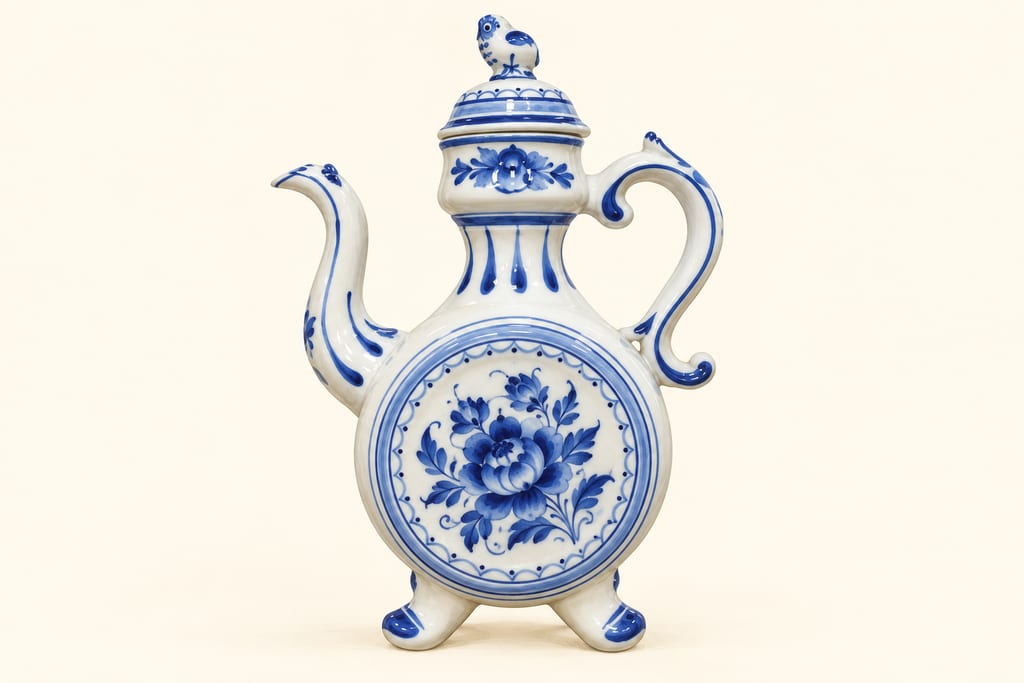
The Sosnovsky Local History Museum’s “Tea Vernissage” includes a kumgan made in the early 21st century in Rechitsy, Ramensky district, Moscow Oblast. The catalogue lists its technique as porcelain, Gzhel painting and modelling, and gives overall dimensions of 28 × 20.5 × 16 cm without assigning those figures to height, width or depth. This dated specimen is a contemporary museum object, not an old surviving vessel from the period when the form first spread in Russia.
Its body is rounded, with a slender handle, narrow pouring spout and a four-sided stand whose supports imitate feet. The museum records a depiction of the Cathedral of Christ the Saviour on one side and Moscow’s coat of arms on the other. It is a handled ewer made to pour, not an open fermentation crock or storage jar. The source does not say that this particular object was used to serve a drink.
The Sosnovsky museum account places ceramic kumgans in Russian use from the 16th–17th centuries through the 19th century. It describes them, alongside kvassnik vessels, as containers for kvass, honey drinks and “sour shchi.” The museum clarifies that this historical sour-shchi drink is a honey-and-malt fermented beverage, not modern cabbage soup. These are category-level descriptions; they do not establish the recipe or contents of the contemporary Sosnovsky specimen.
A separate State Russian Museum record documents a clay kumgan dated 1850 and associated with Repino in former Balahna district. It describes the kumgan as a narrow-necked vessel and records Repino’s potters as preserving an eastern form within Russian ceramics. That is a different regional example from the porcelain Rechitsy object. The State Russian Museum page describes its 1850 example as clay, wheel-worked and decorated; those details should not be transferred to this porcelain specimen.
The historical sources connect kumgans with pouring and serving drinks, including kvass and honey-based beverages. This equipment record links to the general kvass and med-pitny entries on that basis; it does not assert that any specific recipe was made in this particular museum object.
No source gives the specimen’s capacity, a named maker, a cleaning routine, food-contact certification, or the drink—if any—it actually held. Nor does the museum account describe this kumgan as a fermentation vessel. Read it as a serving form and a record of ceramic design, not as instructions for fermenting, sealing or storing a batch.
The catalogue lists overall dimensions of 28 × 20.5 × 16 cm but does not assign axes or state capacity, contents, or use of this exact specimen.
SourceThe catalogue lists Rechitsy, Ramensky district, Moscow Oblast as this specimen's place of creation.
Museum records describe kumgans and historic drink-serving use in Russia; this does not claim one uniform regional form.
Arkhyt is a traditional Altai sewn-hide vessel used to hold and periodically mix chegen. Sources describe a very large vessel, but do not establish one standard shape, measured capacity, or dimensions.
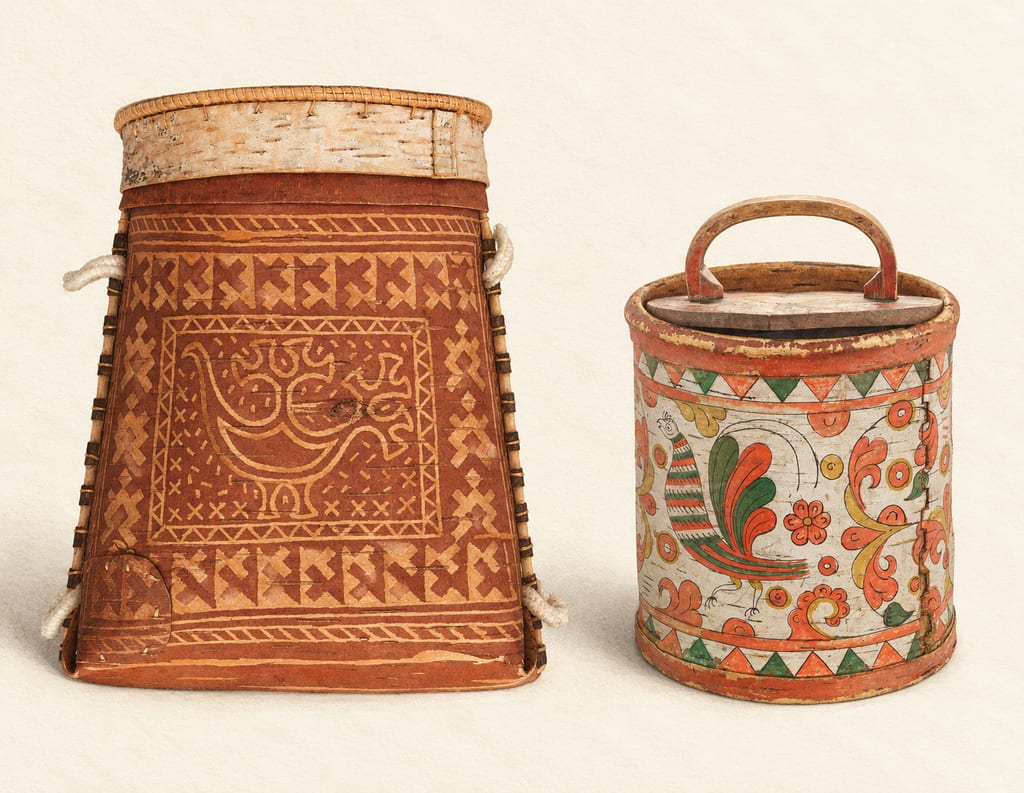
Ket sources describe frozen lingonberries in birch-bark containers; Shor sources describe salted wild garlic in birch-bark tuyes. Their exact forms are not documented.
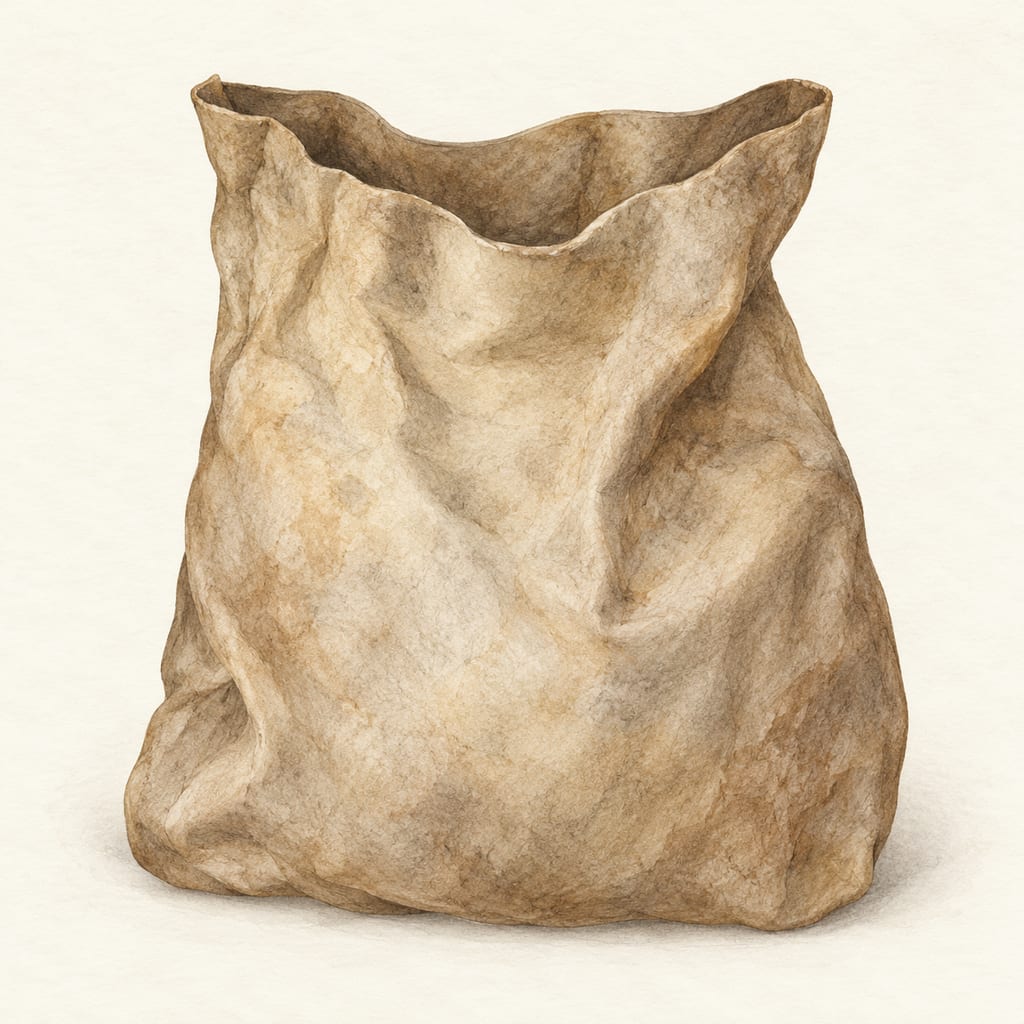
A Kalmyk interview describes dried sheep meat packed into calfskin bags for winter. The account identifies the material and storage use, but not the bag’s construction or dimensions.
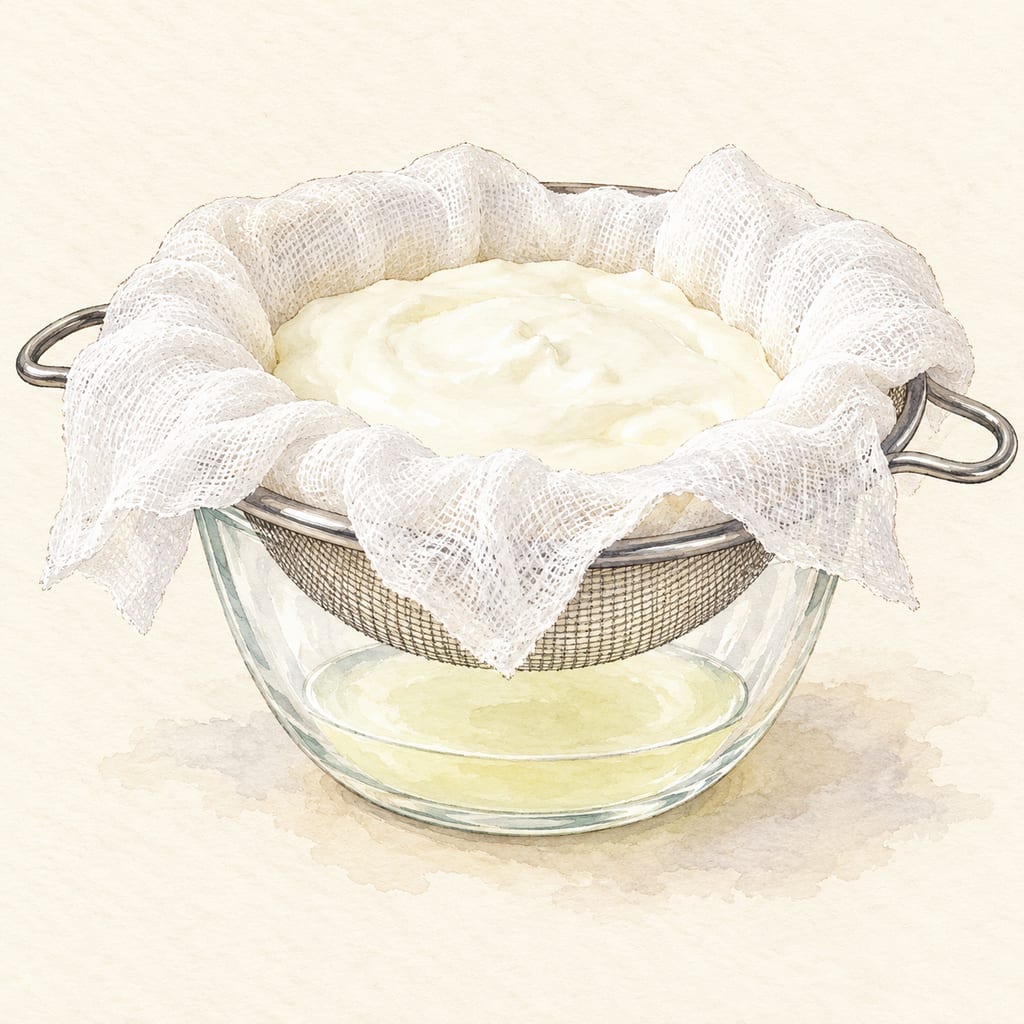
A kitchen strainer lined with cloth holds soft curd while whey passes through into a bowl. It is a modern, general-purpose setup; Sakha sources record strained suorat but do not specify this tool or its materials.
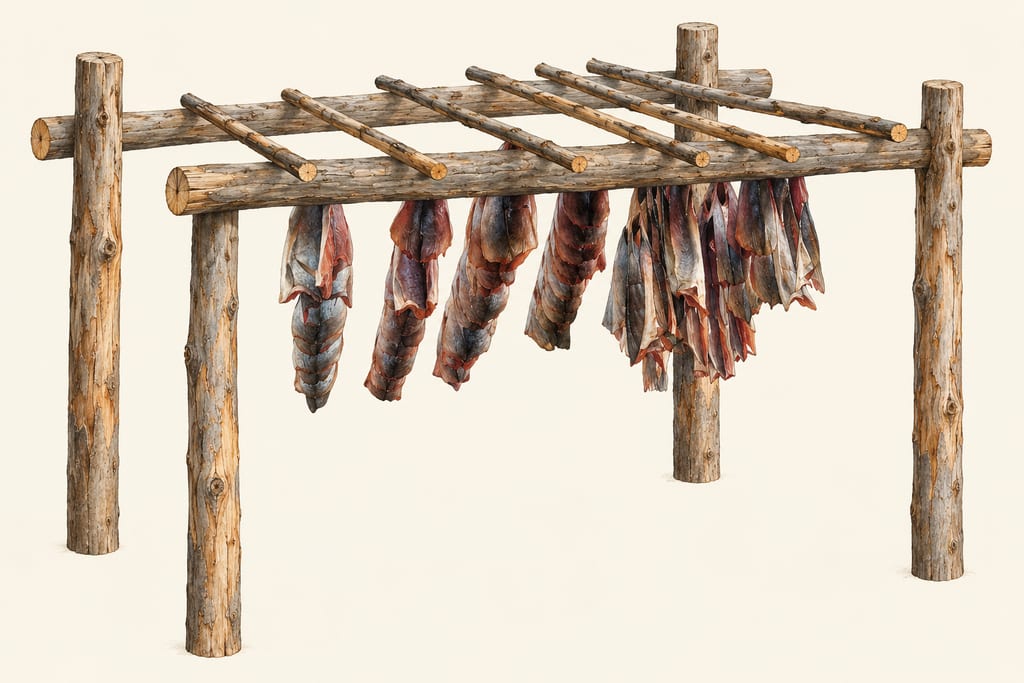
Daguma is an Udege open-air rack for hanging fish to dry, including yukola. The documented frame has four upright posts, two rails and cross-poles; its dimensions are not recorded.
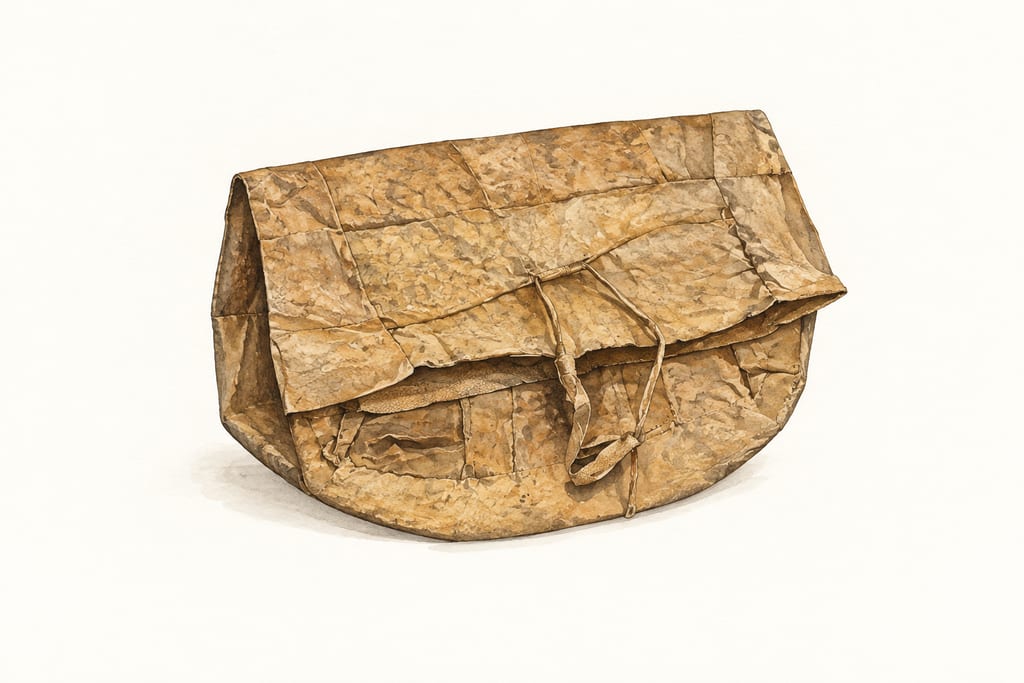
An Enets account records fish meal called porsa stored in burbot-skin bags. Museum records from the Yenisei and Ob regions document related fish-skin sacks, while keeping each community’s object and use distinct.
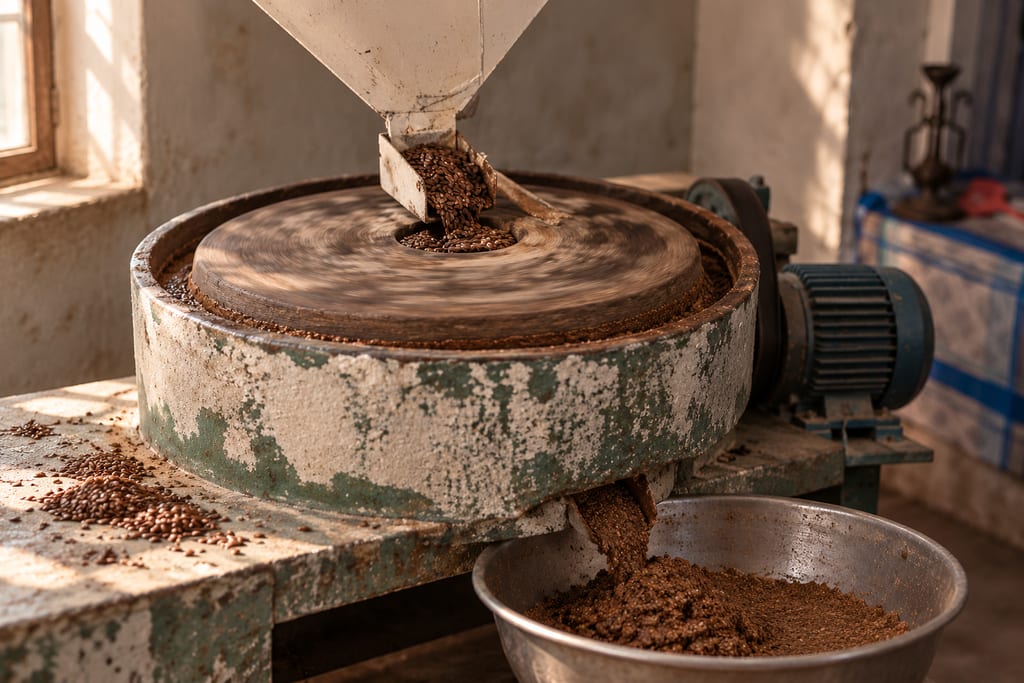
Mills grind seeds, nuts and grain into flour, meal or oil-rich paste. Stone, feed and power arrangements differ by tradition and model; the Dagestani example is one documented form, not a universal design.
A Bashkir household account describes a large leather һаба for kumys, with one or two limewood tubs as alternatives; exact vessel dimensions and schedule are unspecified.

Soft, spreadable Calabrian pork sausage made with a great deal of red chilli and fatty pork, stuffed into natural casings, sometimes smoked and matured while staying soft.

A way to add independent temperature logging to an existing food dehydrator without changing its built-in controls or protections. It is a monitoring method, not a rewiring plan.

Pleurotus cystidiosus is the abalone mushroom, a cultivated oyster-type fungus with dark brown caps that grows more slowly and is more demanding than other Pleurotus species.

A dark, balanced vinegar from Emilia-Romagna made by combining cooked or concentrated grape must with wine vinegar, then acetifying and refining it in wood under a protected specification.

A living dairy inoculum that starts controlled cream fermentation, developing acidity and aroma before sour cream or cultured butter is finished.

A small electric incubator holds jars at a selected temperature for yogurt and other documented warm food preparations. Controls, capacity and vessel arrangement vary by model.

Adygean salt is a seasoned table salt associated with Adygea and the wider North Caucasian culinary tradition. Salt is blended with garlic and a variable selection of herbs and spices; the exact mix depends on the named style and maker.

The African Caesar-group mushroom, Amanita masasiensis, is a wild ectomycorrhizal species of central and southern African woodlands, eaten locally. The genus contains deadly poisonous species, so identification needs care.
No community contributions have been published for this entry yet.
Sign in to contribute. Published comments and photos are free to read.
Sosnovsky Local History Museum via ARTEFACT, Ministry of Culture of the Russian FederationObject record · Form · Materials · History · Use · Image
КумганThe object is dated early 21st century, made in Rechitsy, Ramensky district, Moscow Oblast; dimensions 28 × 20.5 × 16 cm; porcelain, Gzhel painting and modelling.
The specimen has a rounded body, thin handle, narrow spout and four-sided stand imitating feet; sides depict the Cathedral of Christ the Saviour and Moscow coat of arms.
The museum discusses historic Russian ceramic kumgans, beverage-serving roles, and a general Gzhel form.
Cited in: The Sosnovsky museum object; A vessel type with regional variation; Serving, not fermentation instructions
State Russian Museum via ARTEFACT, Ministry of Culture of the Russian FederationHistorical comparison · Form · Materials · Regional history · Use
Кумган (1850)The museum record describes a clay kumgan dated 1850, from Repino in former Balahna district, associated with kvass, honey and shchi drinks.
The account describes Repino pottery and its regional craft history; this comparison is distinct from the Rechitsy museum object.
Cited in: A vessel type with regional variation; Serving, not fermentation instructions