Built structures
Fossa cheese pit
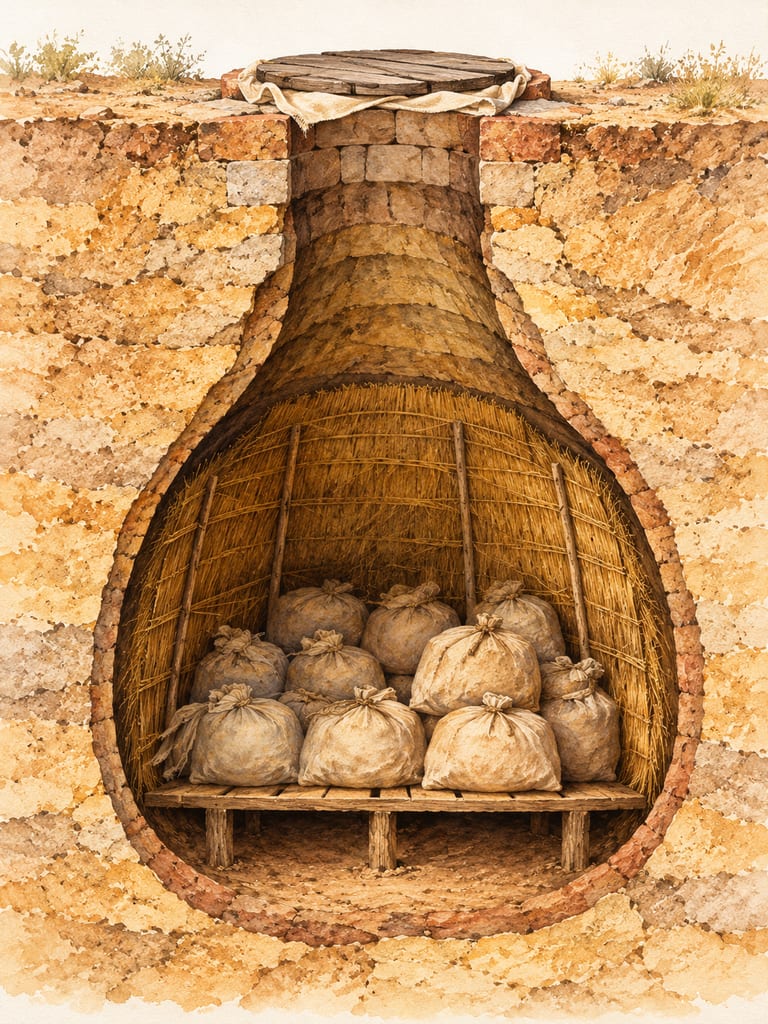
A sandstone pit near Sogliano al Rubicone finishes the ripening of already-made cheese. Sources describe flask-like forms, straw lining and sealed wooden lids, but no universal excavation plan.
 FermenteaWhere food goes to change
626 sourced equipment pages: vessels, tools, appliances and built structures.
A sandstone pit near Sogliano al Rubicone finishes the ripening of already-made cheese. Sources describe flask-like forms, straw lining and sealed wooden lids, but no universal excavation plan.
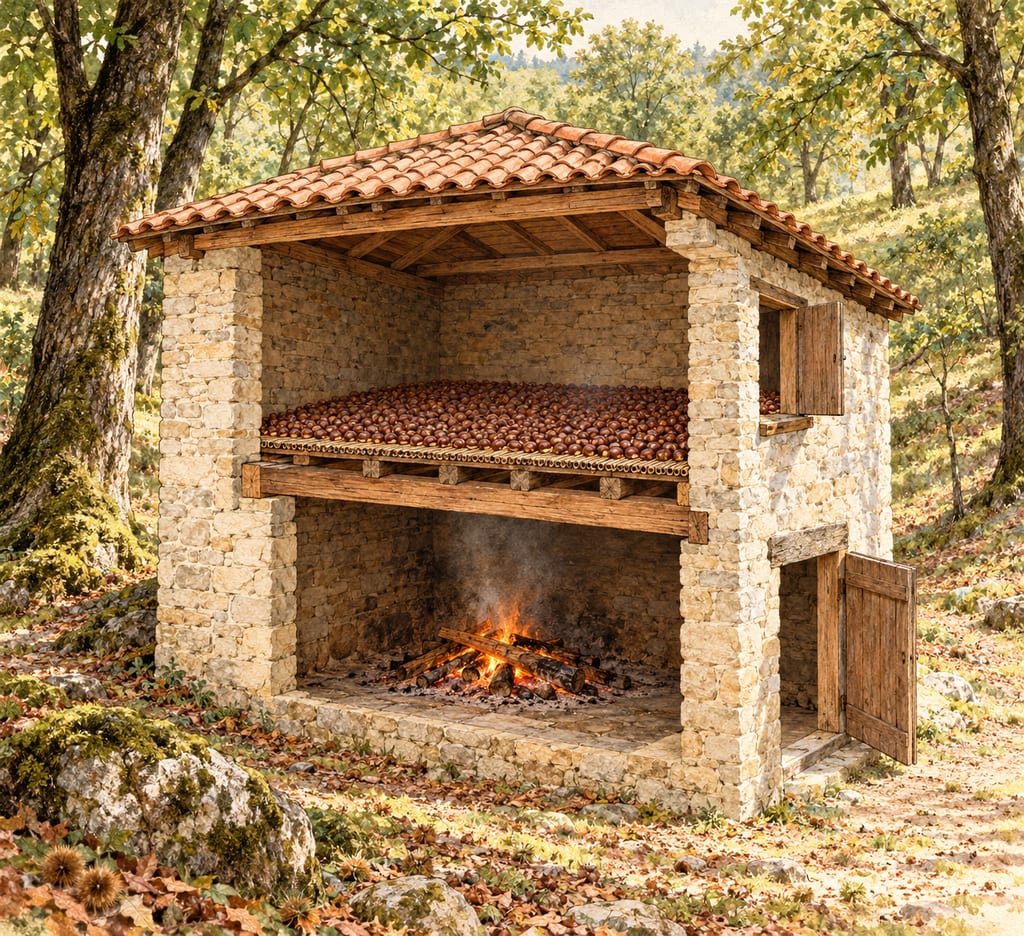
A metato is a small chestnut-drying building found in parts of Italy, with a slow fire below and an open timber floor above where chestnuts dry.
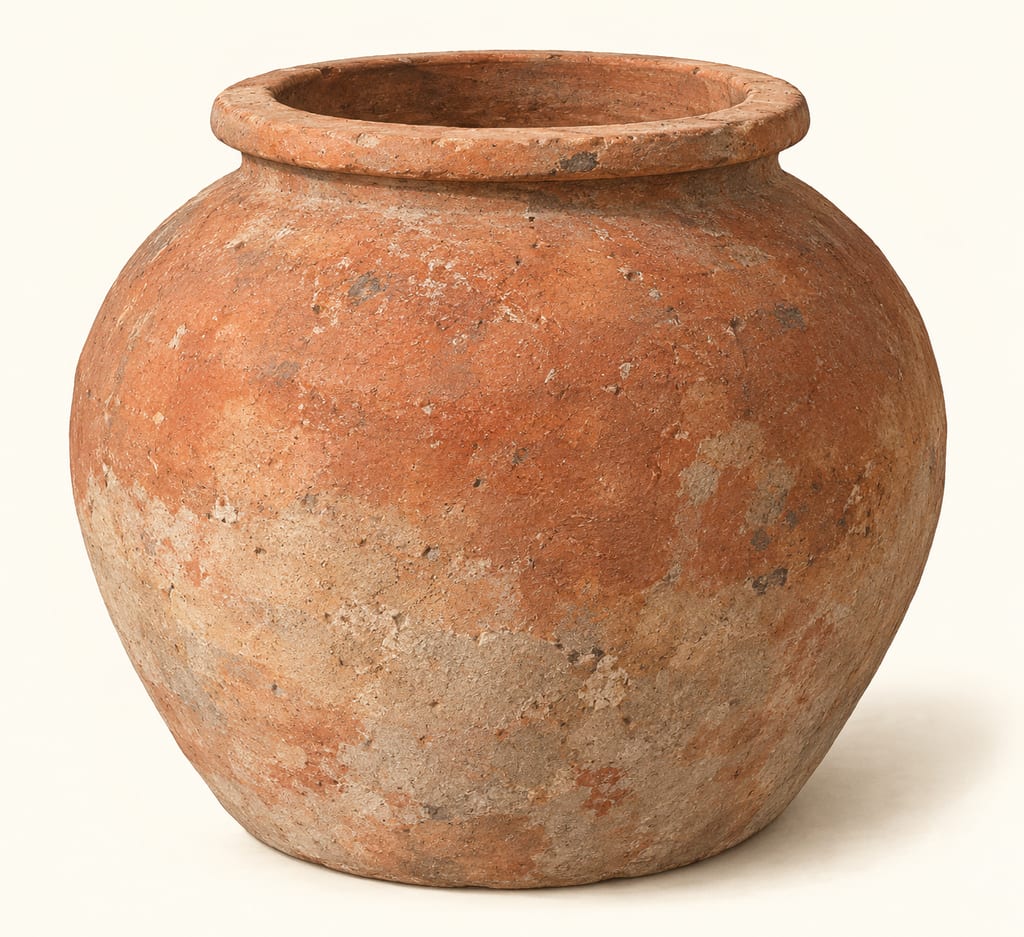
Six ceramic dolia at Pompeii’s Garum Shop held fish-processing remains. They are vessels, distinct from masonry fish-salting vats; the evidence does not establish whether these specimens were portable or fixed in place.
Show on map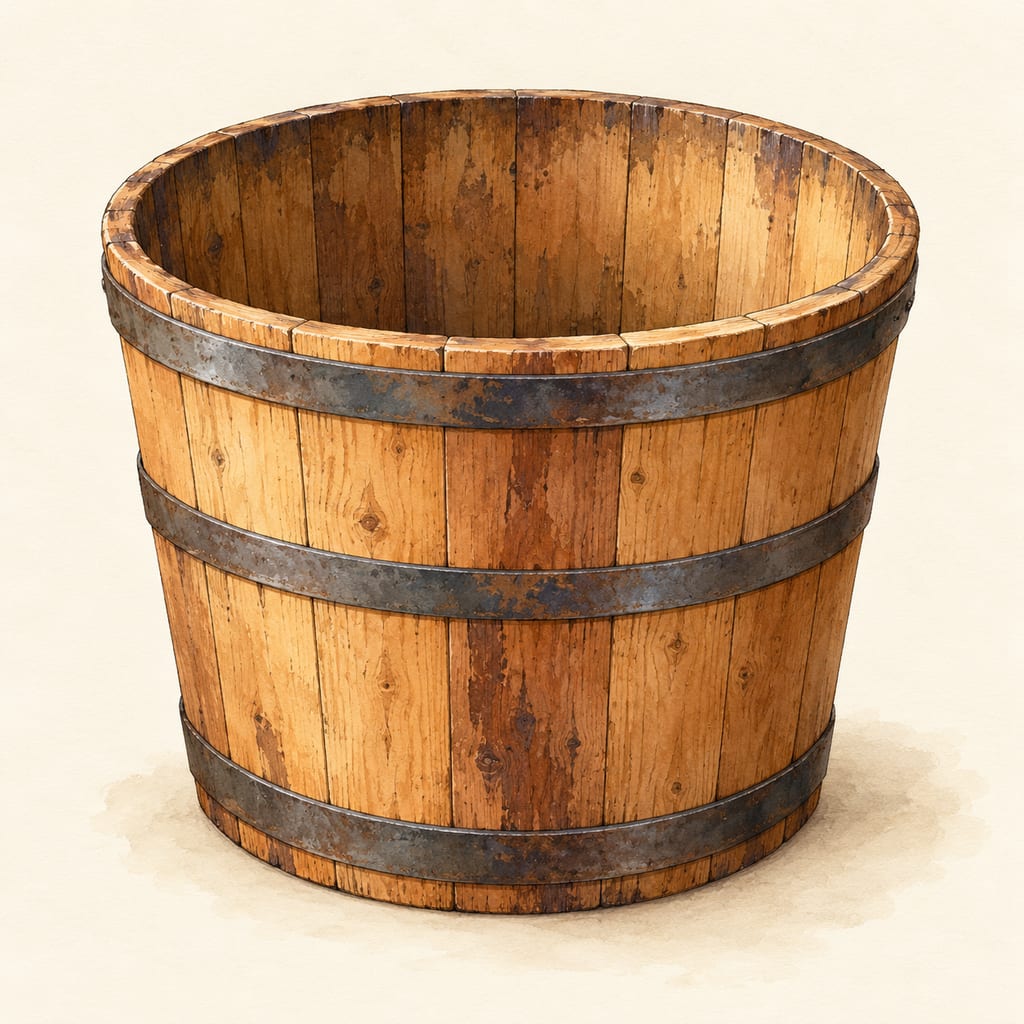
A tina is the open coopered wooden vat used for Ragusano cheesemaking in Sicily’s Hyblean region. Its inner biofilm contributes lactic-acid bacteria to milk, so this particular vat is part of the process rather than a neutral container.
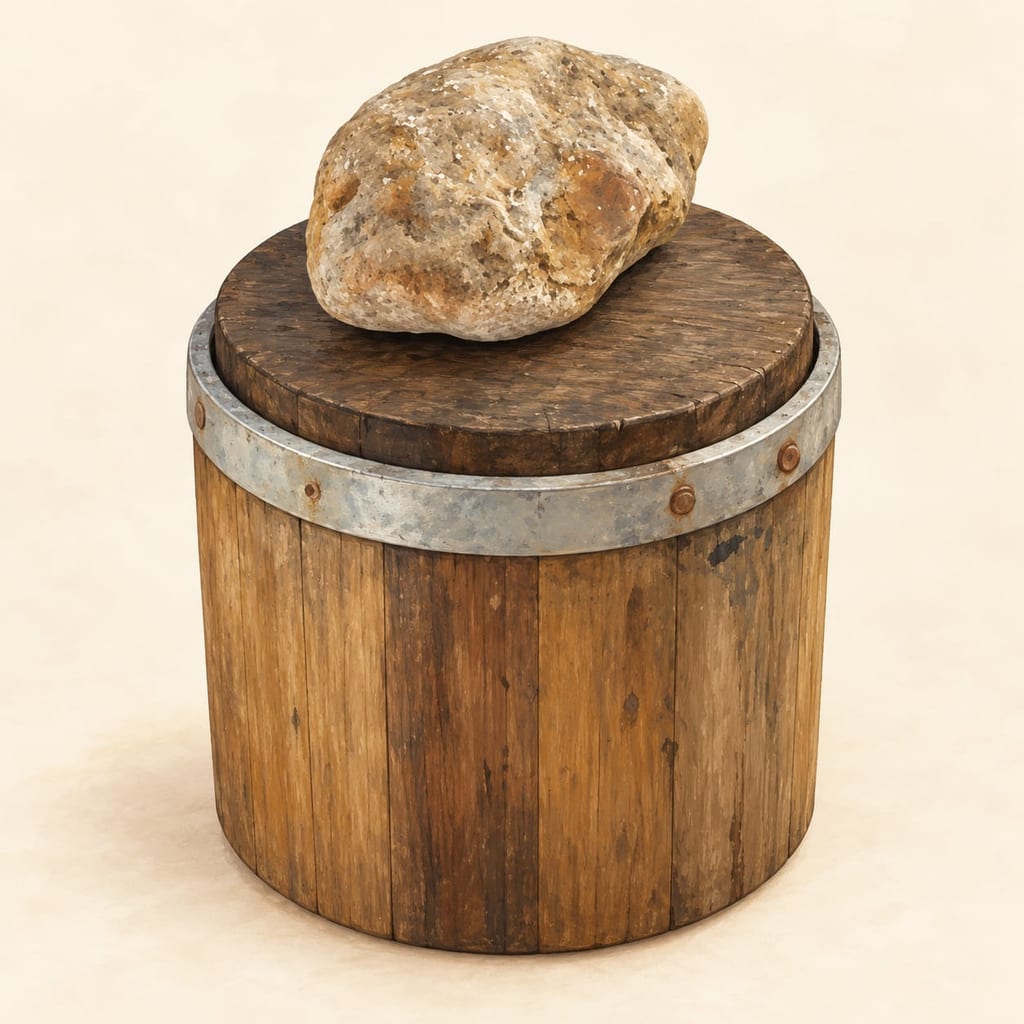
A terzigno is a small wooden cask used in Cetara’s anchovy colatura tradition. A wooden follower and weights press its contents; the 2024 specification describes withdrawal through a hole in the cask’s bottom.
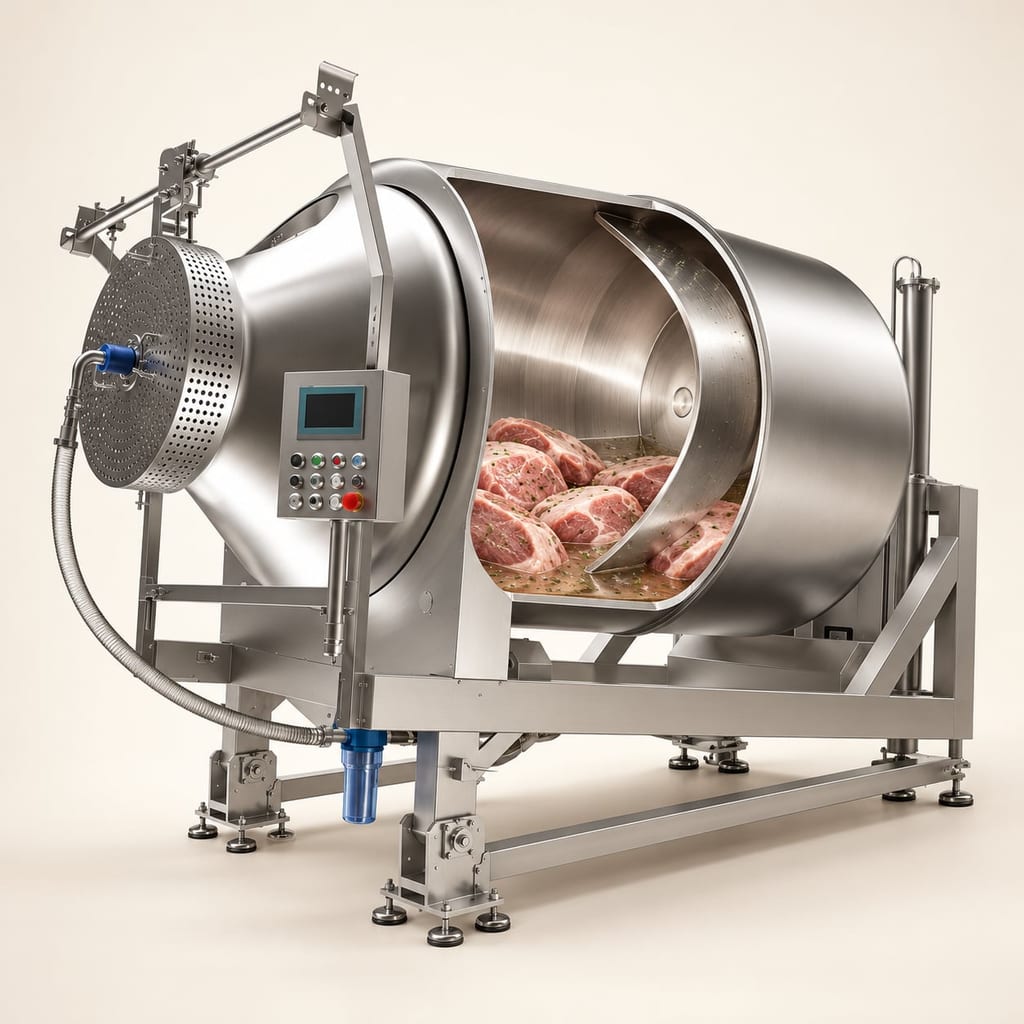
An industrial vacuum curing tumbler rotates meat in a sealed drum to distribute salt and brine through mechanical massage, sometimes with cooling or temperature control.
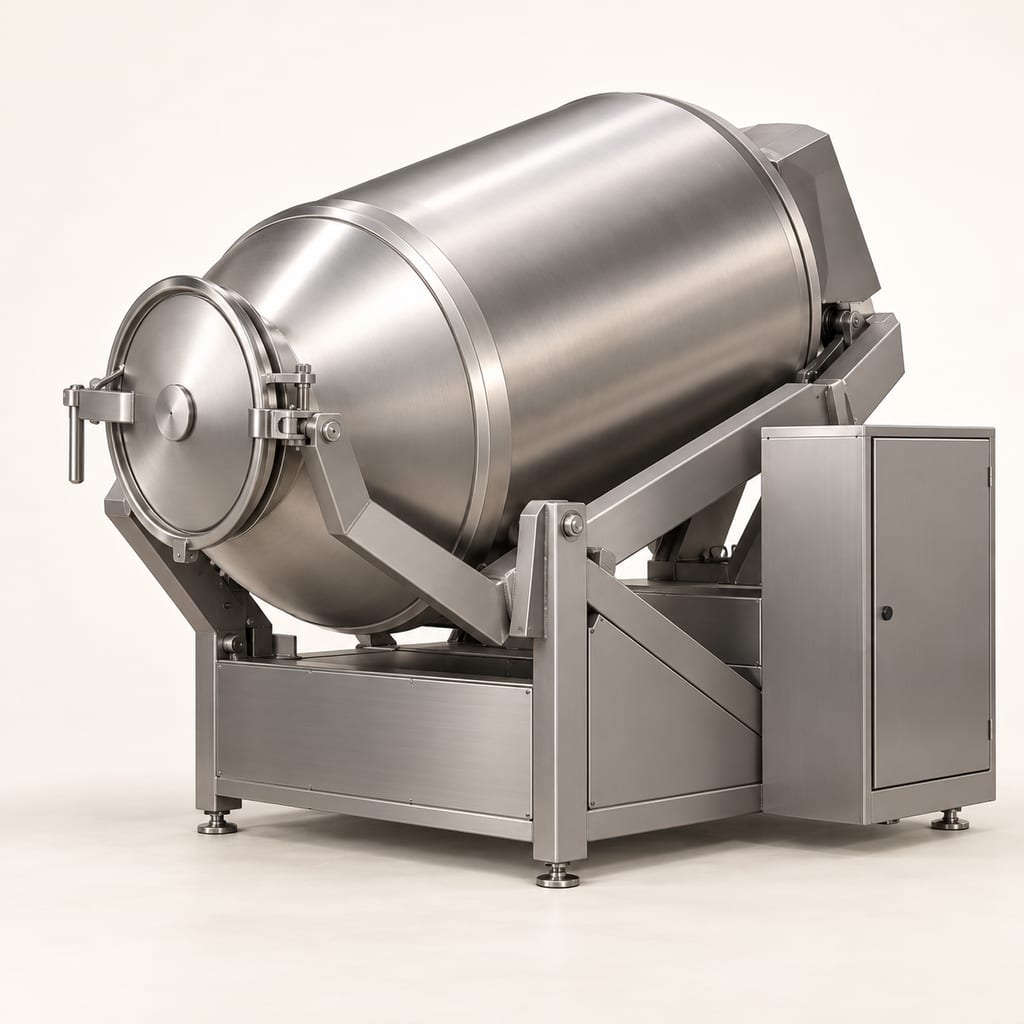
A vacuum tumbler is a powered rotating drum that massages meat under reduced pressure, distributing marinade or brine before later processing.
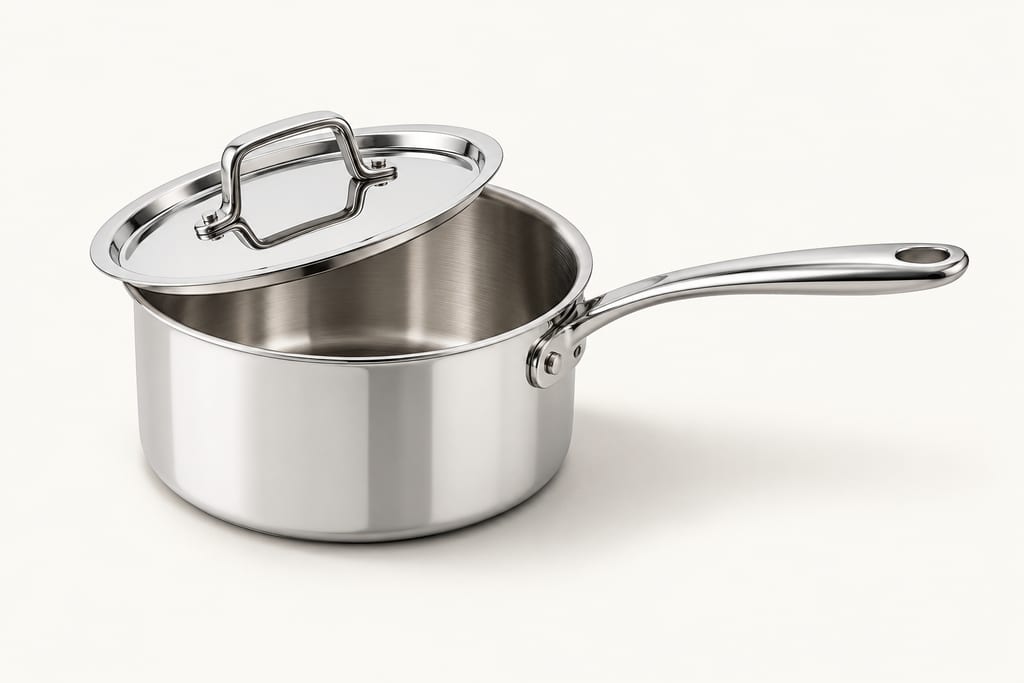
A modern, portable stovetop pan with a stainless-steel cooking surface for sauces and other small simmering jobs. Size, cladding, lid, compatibility and care vary by model.
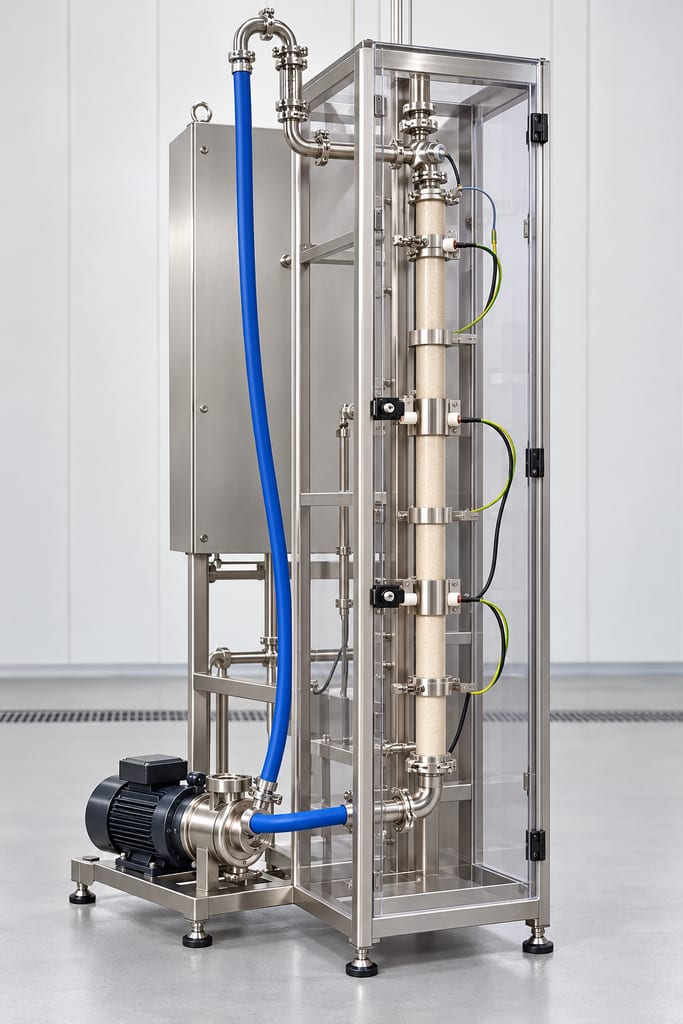
An ohmic heater passes electric current through conductive food so electrical resistance generates heat inside the product.
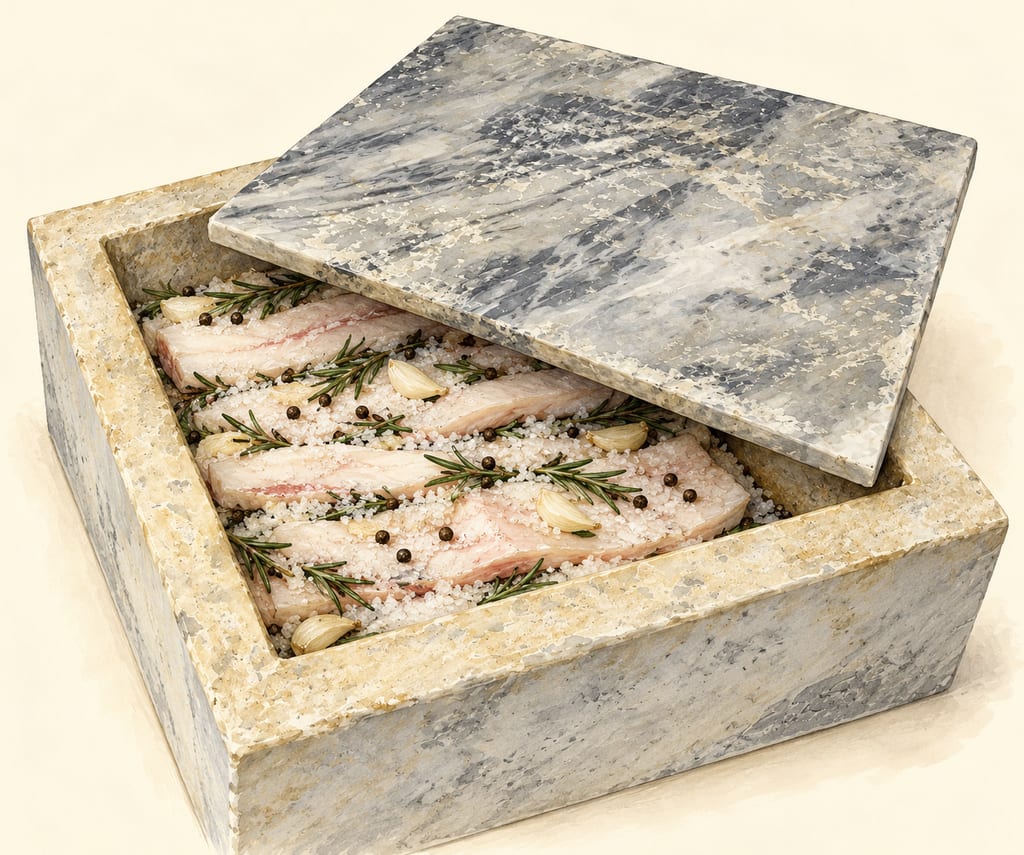
A conca is a thick-walled marble basin used in Colonnata, Tuscany, to salt-cure and mature lardo. Its local white marble and close-fitting stone lid form the documented vessel for Lardo di Colonnata IGP.
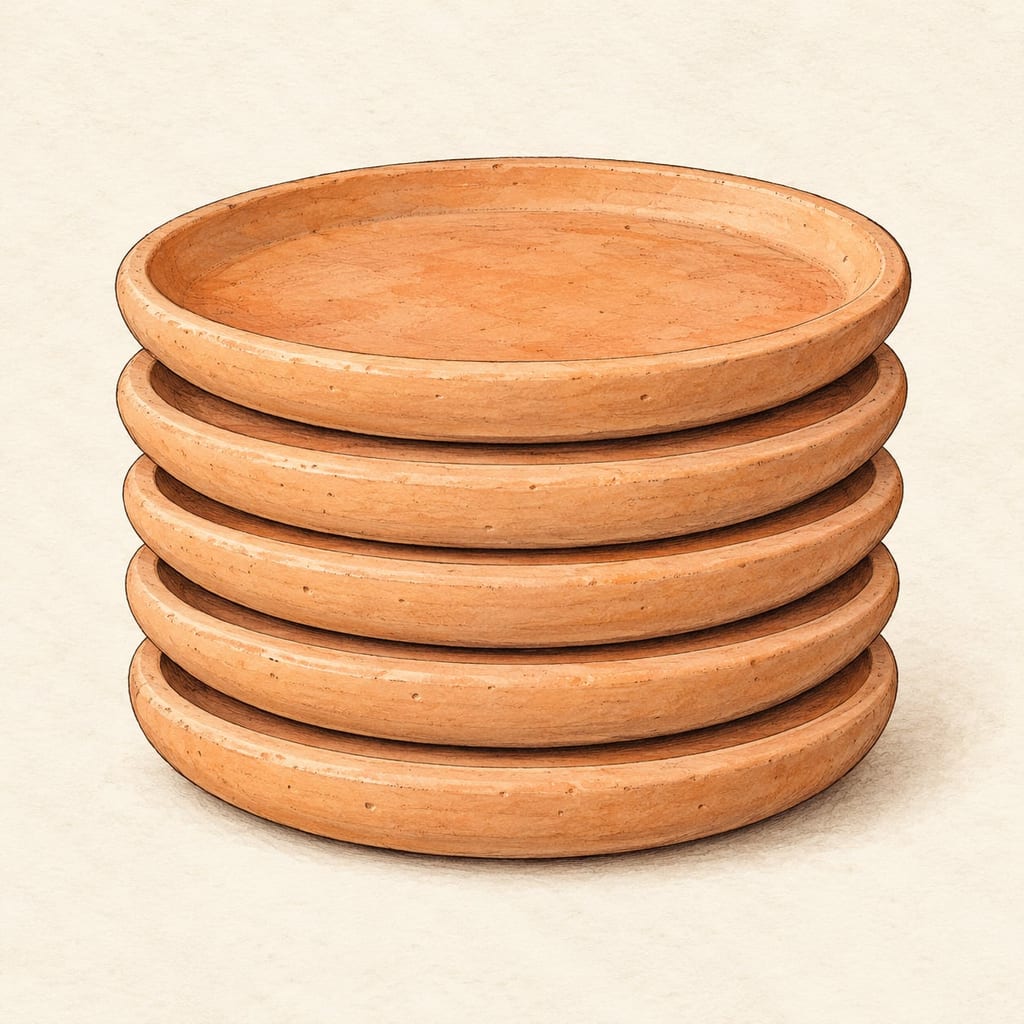
Small, shallow terracotta dishes called testi or testelli are heated over a fire and stacked with panigacci batter between them. Each hot dish bakes one side of a small bread while serving as the lid for the next.
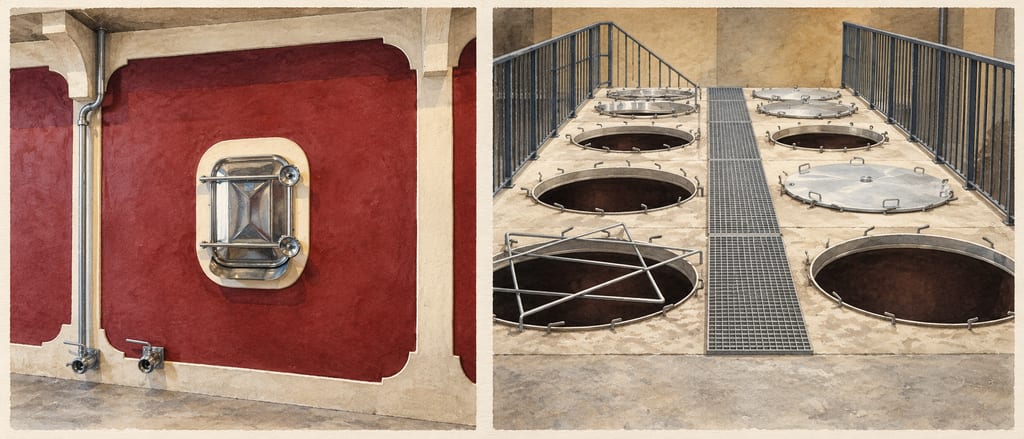
Concrete wine tanks are heavy, fixed vessels in rectangular, cylindrical and tapered forms. Their thermal response and wine contact depend on mix, wall construction and interior finish.
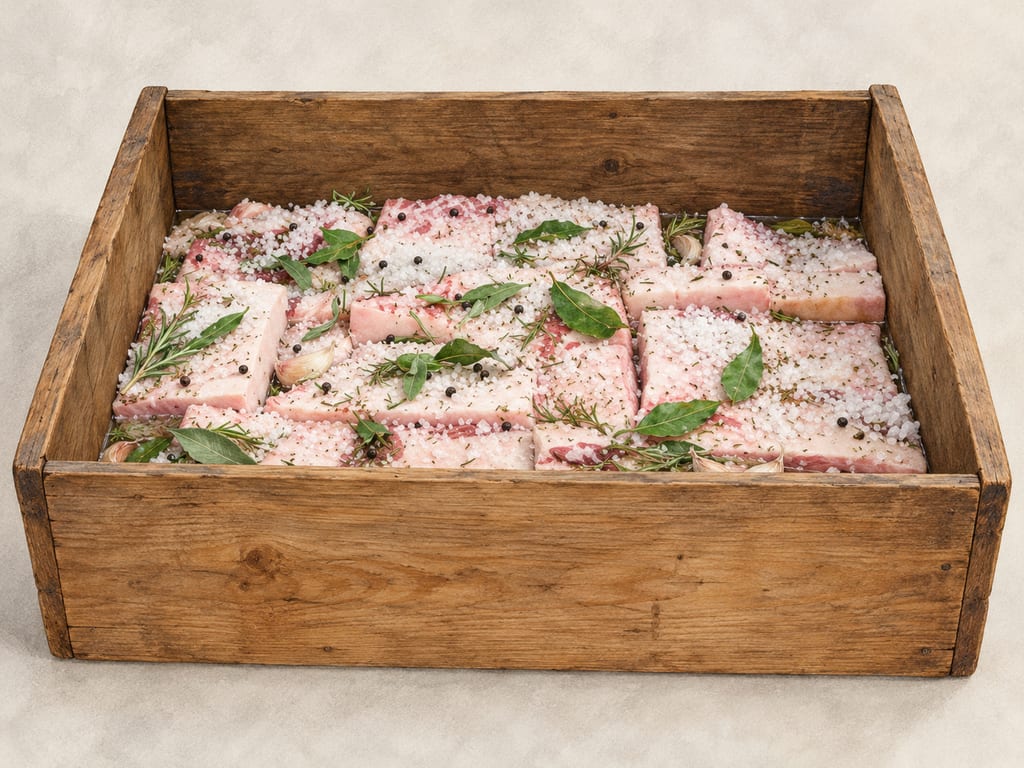
A wooden curing vessel used for Valle d’Aosta Lard d’Arnad: 1763 records already list four old doils in Arnad Castle, and the current DOP process uses native hardwood containers.
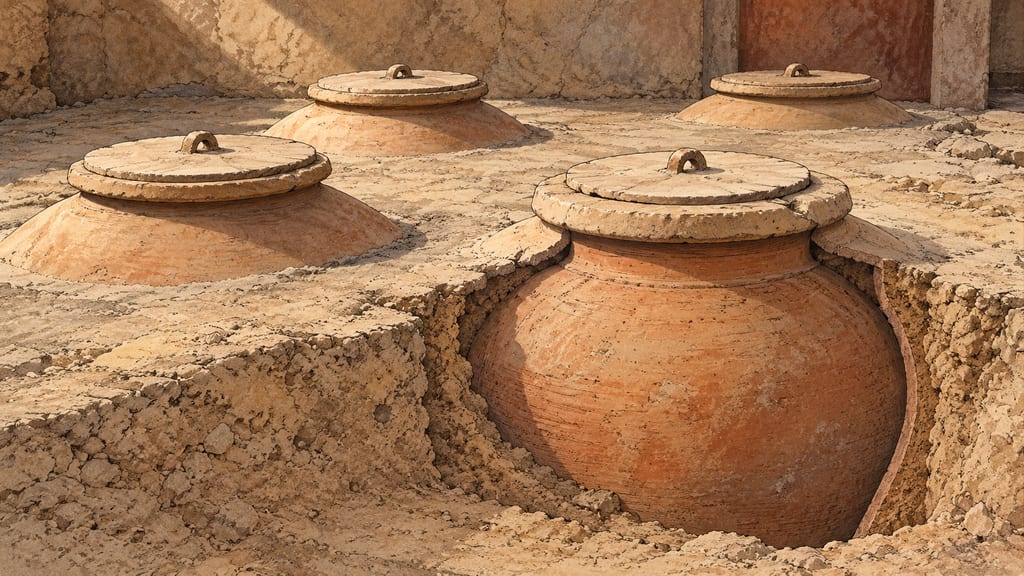
A Roman dolium was a very large ceramic storage and processing jar. In some wineries its heavy body was set partly into the ground; Pompeian evidence also documents dolia used for fish sauce.
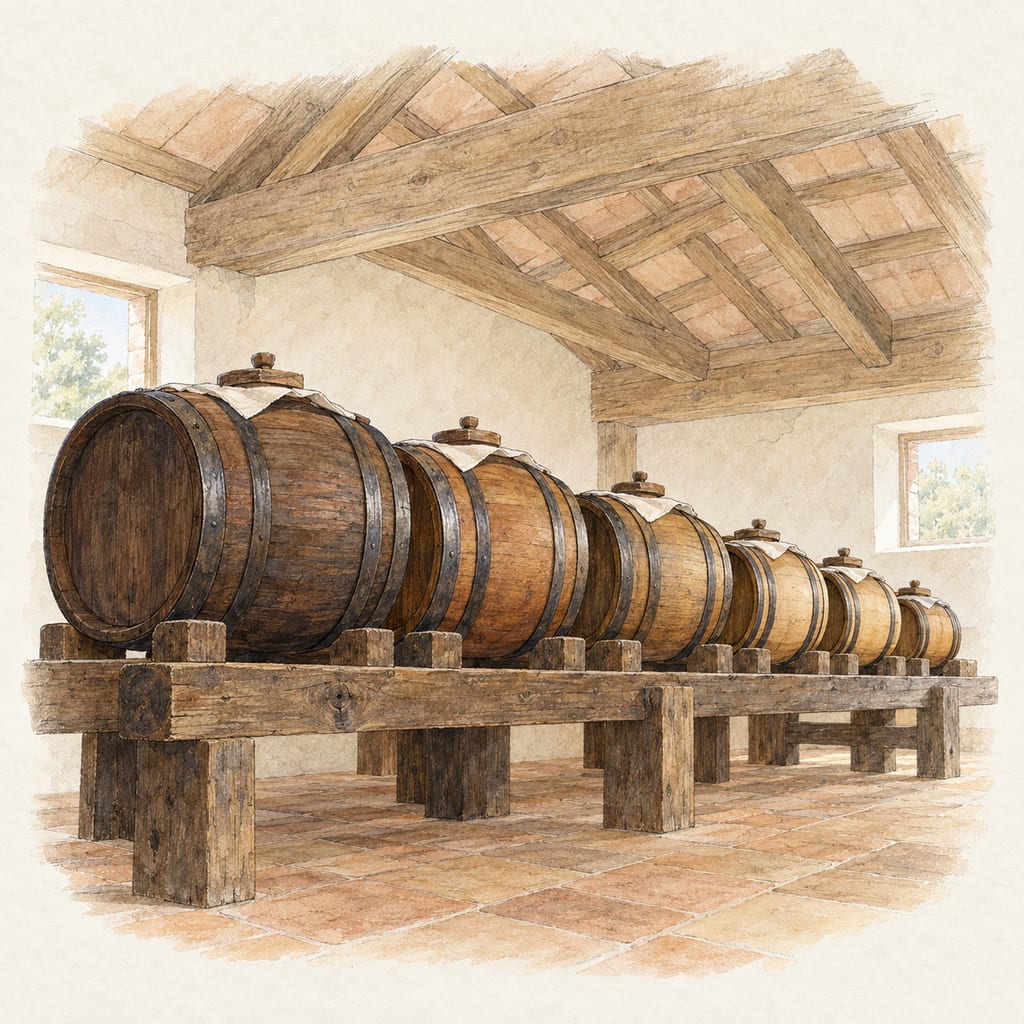
A balsamic batteria is a graduated set of wooden casks for traditional vinegar in Modena and Reggio Emilia. Transfers, evaporation, seasonal conditions and wood contact make the battery work as one system.