Defining Pimienta de Dulce: Botanical Identity and Nomenclature
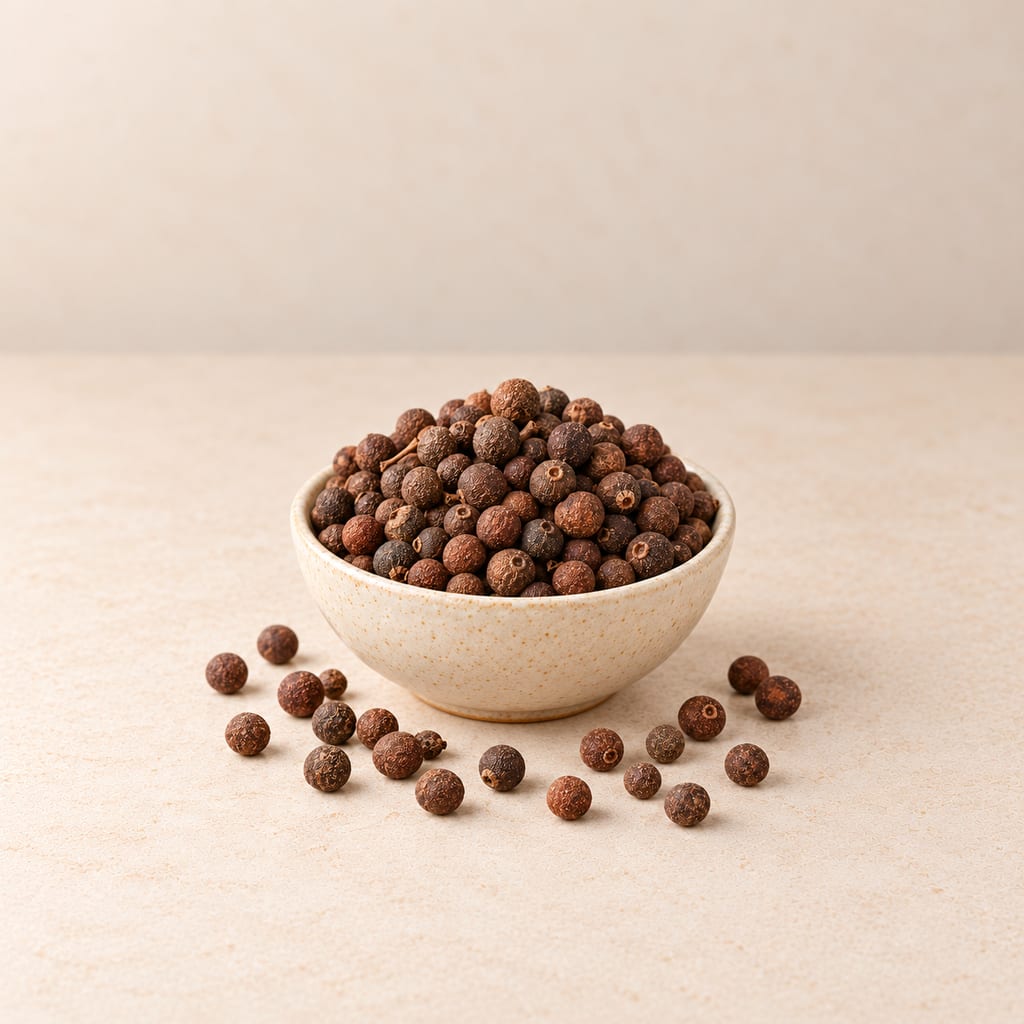
Pimienta de dulce is the specific culinary designation used in Ecuador for the dried fruit of the Pimenta dioica tree, a member of the Myrtaceae family. While the Spanish word 'pimienta' translates to pepper, suggesting a botanical relation to the black pepper plant (Piper nigrum), this spice is entirely distinct. The modifier 'dulce' (sweet) does not refer to a high sugar content in the dried fruit, which is low, but rather to its aromatic profile. This profile combines notes reminiscent of clove, cinnamon, and nutmeg, creating a warm, complex scent that distinguishes it from the sharp pungency of true peppers or the singular intensity of cloves. In English, this spice is commonly known as allspice, a name that reflects this multi-layered aroma, while in other regions it may be called pimento or pimienta de Jamaica.
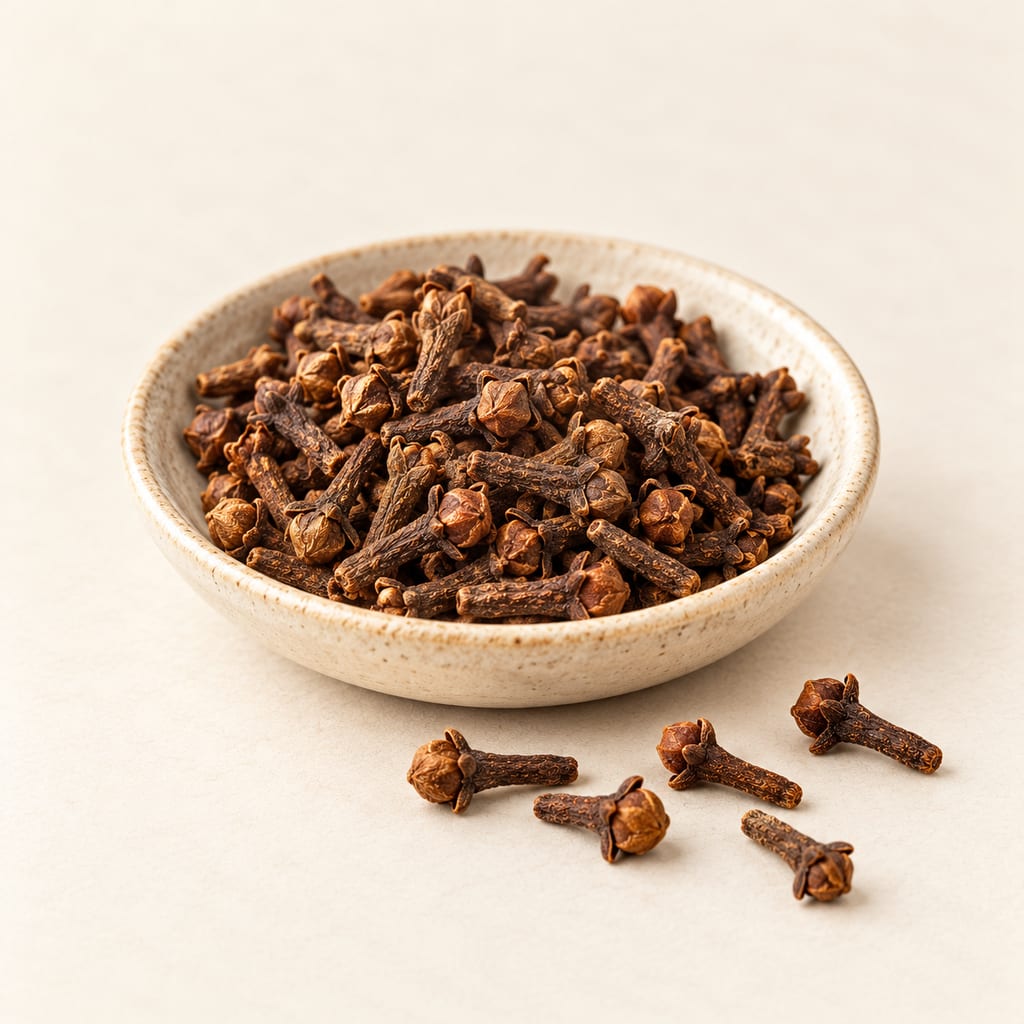
The identification of pimienta de dulce as Pimenta dioica is supported by regional culinary guides and botanical studies. Research on 'pimienta de Jamaica' in Mexico confirms the species as Pimenta dioica (L.) Merrill. This botanical clarity is essential for understanding the ingredient's role in traditional preparations. The spice is not a mixture of different peppers or a blend of separate spices, but a single botanical entity. The dried berries are hard and woody, requiring grinding or boiling to release their volatile compounds effectively. In the context of the chicha de jora recipe, pimienta de dulce is listed alongside other spices such as cloves (clavo de olor) and cinnamon (canela). This distinction is crucial: the recipe calls for the distinct aromatic contribution of allspice in addition to the other spices, not as a substitute for them. The spice contributes a specific volatile profile that interacts with the fermented grain and the sweetening agents, distinct from the sharper notes of clove or the woody warmth of cinnamon.
Sources for this section
Botanical Profile: The Pimenta dioica Tree and Fruit
Pimenta dioica is an evergreen tree that can reach heights of up to 9 meters. Its leaves are opposite, slightly leathery, and dotted with glands that contain aromatic oils. Crushing these leaves releases a strong, pleasant scent, similar to the spice itself but often sharper. The tree produces clusters of small, pale flowers. These flowers are functionally dioecious, meaning that individual trees often function as either male or female in terms of reproduction, although the flowers themselves may have structures associated with both sexes. This biological characteristic affects fruit production, as pollination is required for the development of the berries. The fruit begins as a green berry and ripens to a glossy purple-black color. Inside the flesh, the berry usually contains two seeds.
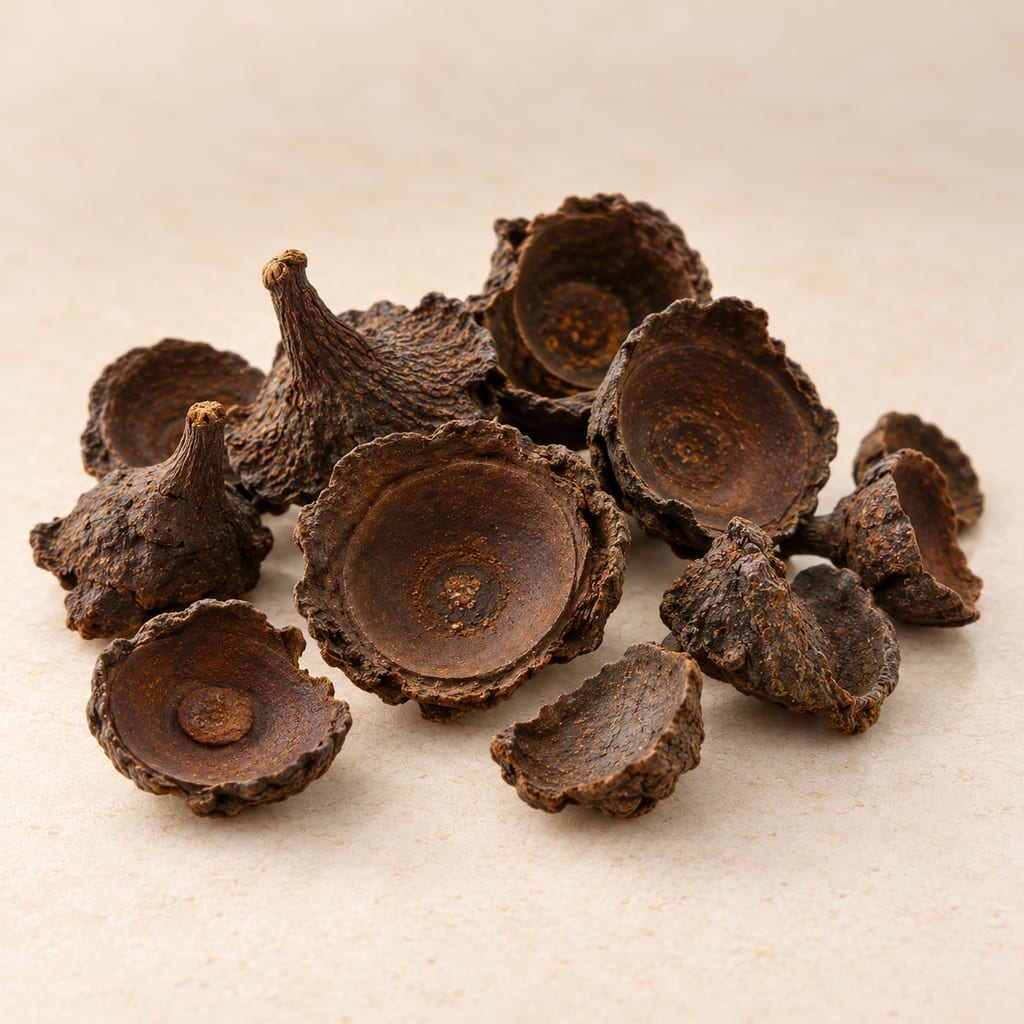
The spice used in cooking is harvested when the fruit is fully mature but still green, before it turns black on the tree. This timing is critical for the quality of the dried spice. If the fruit is allowed to ripen fully, the flavor profile can change, and the drying process may be less efficient or yield a different aromatic composition. The dried fruits are typically globular, with a brown, pebbly surface, and range from 5 to 7 mm in diameter. While both the leaves and the fruit are aromatic, they are distinct materials with different uses and chemical profiles. The spice in chicha de jora is the dried fruit. The leaves are often used in the production of pimento leaf oil, which has a higher concentration of eugenol than the berry oil but a different taste profile. A culinary recipe calling for the spice does not imply the use of leaves, and research into leaf oil composition does not directly describe the flavor of the dried berry used in the drink.
Sources for this section
Native Range and Historical Cultivation
The native range of Pimenta dioica extends across the Caribbean and Central America, including southern Mexico, Guatemala, Honduras, Cuba, Jamaica, Belize, El Salvador, and Nicaragua. This broad geographical origin means that the spice has a long history of use across these regions. The presence of pimienta de dulce in Ecuadorian cuisine does not indicate that the plant is native to Ecuador, nor does it specify where the spice in a particular recipe was grown. The plant has been widely cultivated and traded throughout the Americas and beyond. Spanish explorers discovered the use of pimento as a spice in the Caribbean Islands during the 16th Century. The species was introduced to Europe in 1601, arriving in London where it was used as a condiment.
Jamaica has traditionally accounted for a significant portion of world exports, with other producers including Honduras, Guatemala, Mexico, Brazil, and Belize. Jamaica is considered the largest producer and exporter, accounting for 70% of world exports, with its pimento often regarded as the highest quality. In the Sierra Norte de Puebla in Mexico, allspice (pimienta de Jamaica) has been studied in the context of Totonac communities. Field research in the 1990s documented a mix of wild collection and increasing cultivation. Trees were managed through pruning and grafting to improve accessibility and yield. This management reflects a transition from purely wild harvesting to a more controlled agricultural practice, integrating the spice into local agroforestry systems alongside coffee. The economic importance of the crop is evident in price fluctuations; in 1996, cooperatives paid significantly more for dried pepper than intermediaries paid for fresh, reflecting the labor and processing costs involved.
Sources for this section
Harvesting and Processing: From Green Fruit to Dried Spice
Allspice is a perennial crop with a long production cycle. Trees may begin to bear fruit 5 to 10 years after planting, but they require 20 to 25 years to reach full harvest potential. The economic life of a productive tree can last approximately 50 years. This long timescale means that allspice production is a long-term agricultural investment, unlike annual spice crops. The variability in yield is significant: young trees aged 10 to 15 years may produce 23 to 60 kg of green berries in a good year, but may fail to crop entirely in a bad year. The average yield per tree is estimated at about 5 kg. Harvesting practices vary by region. In Jamaica, harvesting typically occurs from July to September, while in Central America and Mexico, it takes place from June to August. The berries mature 90 to 120 days after flowering.
Post-harvest processing varies by region. In Jamaica, fresh green fruits may undergo a process called 'sweating' or 'fermentation' for up to 5 days before drying. This step is believed to speed up drying and improve the color of the final product. In Central America and Mexico, the fruits are often blanched in boiling water for about 10 minutes before drying. Both methods aim to prepare the fruit for efficient drying, which can be done in the sun or artificially. The term 'sweating' in this context refers to a physical and chemical change in the fruit that prepares it for drying, not a microbial fermentation like that in chicha. Harvesting involves picking fruits by hand from tall trees when they are at maximum size but still green, before they mature and turn blackish. Because the trees are large, workers must climb them to collect the berries, a labor-intensive process that contributes to the cost of the spice.
Sources for this section
Aromatic Chemistry: The Role of Eugenol and Flavor Profile
The chemical composition of dried allspice includes 13% moisture, 3-4.5% volatile essential oils (with eugenol comprising 65-80% of the oil), 8% tannins, and 25% crude fiber. Eugenol is the major chemical component in Pimenta dioica essential oil, varying from 72.87% to 82.56% depending on the plant part and drying method. This high concentration explains why allspice has a clove-like note. However, the presence of eugenol does not make allspice identical to clove. Other compounds in allspice oil, such as chavicol and beta-caryophyllene, contribute to its unique flavor profile. Chavicol is the second most abundant component in Pimenta dioica oil, ranging from 7.04% to 12.76%, while β-caryophyllene is present in lower quantities. The proportions of these compounds differ from those in clove oil.
Additionally, the physical form of the spice—the dried berry versus the dried flower bud of the clove—affects how the flavor is released during cooking. Allspice has a warmer, sweeter, and more complex aroma than clove, which is sharper and more medicinal. The flavor of allspice in a recipe is derived from the whole dried berry, not from an extracted oil. While essential oils are used in industrial flavoring and perfumery, the culinary use of allspice relies on the whole spice. The extraction of oil, whether by steam distillation or supercritical CO2, isolates specific compounds and changes the material's properties. Studies comparing different extraction methods show that the composition of the oil can vary. For the cook, this means that the flavor of the whole berry is a complex mixture of many compounds, not just the dominant ones identified in oil analyses. The maximum permitted level of pimento berry oil in food products is about 0.025%, highlighting the potency of the concentrated extract compared to the whole spice.
Sources for this section
Culinary and Cultural Uses in Ecuador and Beyond
In Ecuador, pimienta dulce is documented in various culinary contexts beyond chicha de jora. It is used in colada morada, a traditional fermented drink made with corn and fruits, as well as in avena (oat drink) and desserts like rice pudding and ice cream. In these preparations, the spice is typically infused in the liquid or cooked with the other ingredients to release its aroma. The use of allspice in Ecuadorian cuisine reflects its integration into the local flavor profile. It is not an exotic import but a familiar spice used in both festive and everyday dishes. The culinary use of allspice is not limited to one region or one type of dish. It is used in both sweet and savory preparations across its native and adopted ranges.
In the Caribbean, it is a key ingredient in jerk seasoning and pimento dram, a liqueur made with rum and ripe fruits. In Central America and Mexico, it is used in stews, moles, and beverages. The Ecuadorian use in chicha de jora is part of this broader tradition of incorporating aromatic spices into fermented and cooked drinks, but it is a specific local adaptation of a spice with a much wider geographical history. The guide's inclusion of pimienta dulce in multiple recipes confirms its status as a standard aromatic in Ecuadorian cooking. It is not limited to fermented beverages but is a versatile spice used in both hot and cold preparations. This broad usage supports the identification of the ingredient in the chicha recipe as the common allspice berry, familiar to Ecuadorian cooks.
Sources for this section
Application in Chicha de Jora: Infusion and Fermentation
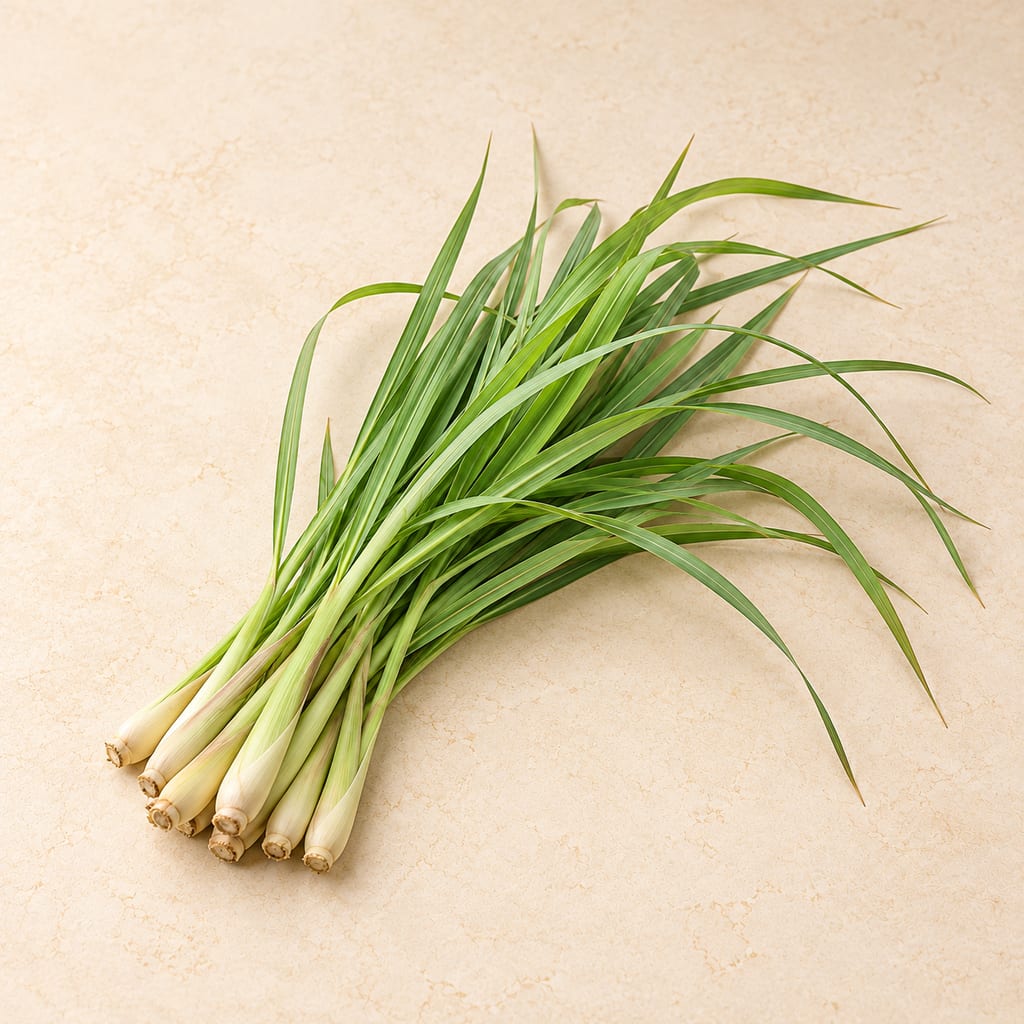
In the chicha de jora recipe, 12 units of pimienta de dulce are listed alongside cloves, cinnamon, and ishpingo. These 'sweet spices' are boiled with water and lemon verbena (hierba luisa) in the first stage of preparation. This boiling step extracts the volatile compounds from the spices, creating an aromatic infusion that forms the base of the drink. The spice is not added during the fermentation stage. It is cooked with the water before the jora flour is added. This means the flavor of the allspice is integrated into the liquid base, which is then cooled and mixed with the fermented ingredients. The heat treatment helps to release the aromatic oils from the hard dried berries, ensuring that their flavor is fully incorporated into the chicha.
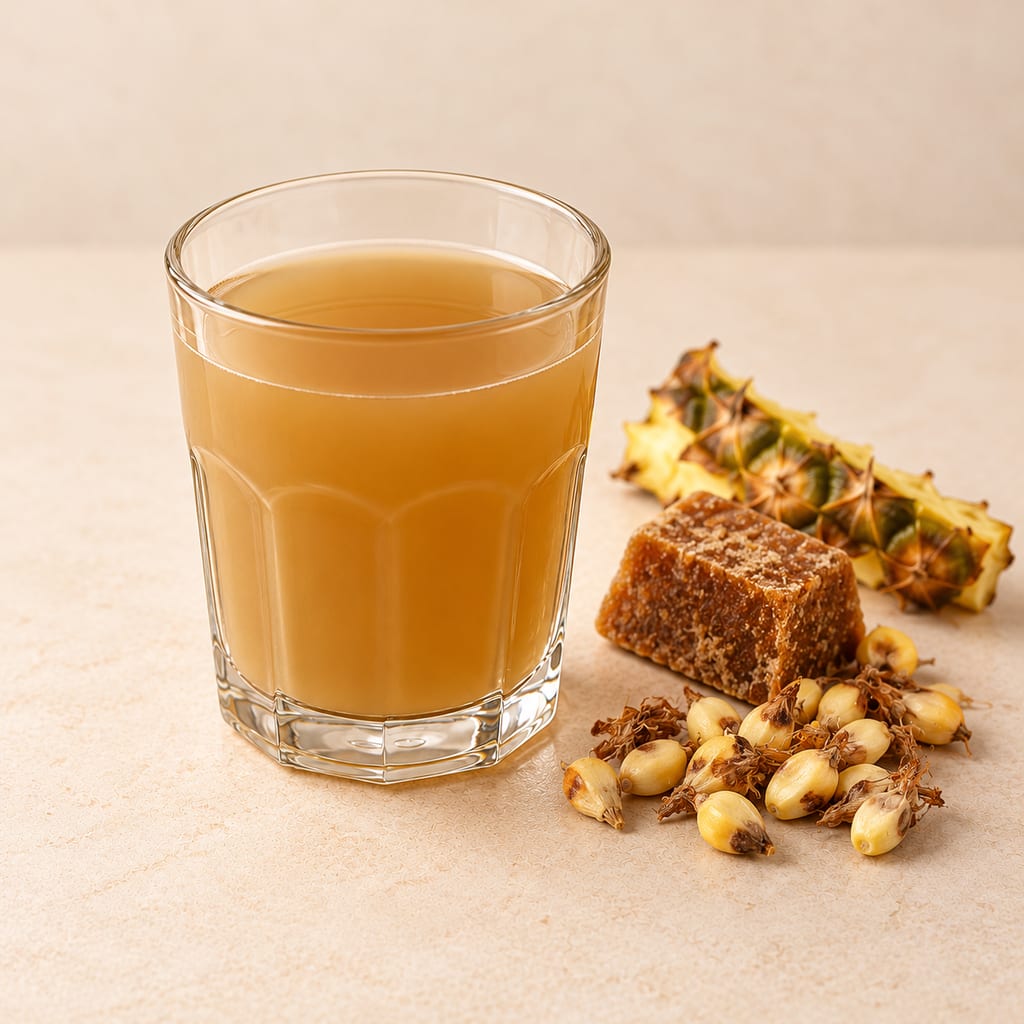
The quantity of 12 units is a recipe-specific measure. It is not a standardized weight or volume, but a count of whole berries. This suggests that the berries are of a relatively uniform size, typical of commercial allspice. The cook adds them whole, allowing them to steep and release their flavor during the boiling process. The spice contributes to the complex aroma of the finished drink, working in harmony with the other spices and the fermented grain. The combination of allspice, cloves, and cinnamon creates a layered aromatic profile that is characteristic of the drink. The fermentation itself, lasting two days in a jug with panela and pineapple peels, occurs after this aromatic base has been established, meaning the spice compounds are already dissolved and distributed throughout the liquid before the microbial activity begins.
Sources for this section
Distinction from Other 'Pimientas' and Common Misconceptions
The term 'pimienta' (pepper) in Spanish is applied broadly to various pungent or aromatic spices, not just the berries of the Piper genus. Pimienta de dulce is not a 'sweet pepper' in the sense of a mild bell pepper or a chili. It is a spice berry. The name 'pimienta de Jamaica' (Jamaican pepper) reflects the historical importance of Jamaica as a major producer and exporter of the spice. Allspice and cloves share a major aromatic compound: eugenol. However, this shared compound does not make two spices identical. While allspice can sometimes substitute for clove in a pinch, the resulting flavor will not be the same. In the chicha recipe, both spices are used, indicating that the cook values their distinct contributions. The allspice adds a warm, sweet depth, while the clove adds a sharper, spicier note.
Allspice contains compounds like eugenol that have been studied for their antimicrobial properties. Laboratory tests have shown that essential oils from Pimenta dioica can inhibit the growth of certain bacteria and fungi. However, these tests are conducted under controlled conditions with concentrated oils and specific organisms. The presence of antimicrobial compounds in allspice does not mean that adding it to chicha de jora makes the drink safe. The concentration of eugenol in the drink is much lower than in the pure oil used in laboratory assays. Food safety in fermented beverages depends on proper hygiene, controlled fermentation, and appropriate storage, not on the antimicrobial properties of individual spices. Smell, taste, or bubbles in the final drink do not establish safety, and the spice's role is primarily aromatic and flavoring, not preservative in the quantities used.
Sources for this section
Places
Ecuador
Documented preparation · Country evidenceCountry-level culinary use in chicha de jora.
Unknown
Historical attestation · Place not establishedNative range and historical cultivation. The sources place it only as "Caribbean and Central America".
Jamaica
Modern adaptation · Country evidenceMajor producer and exporter.