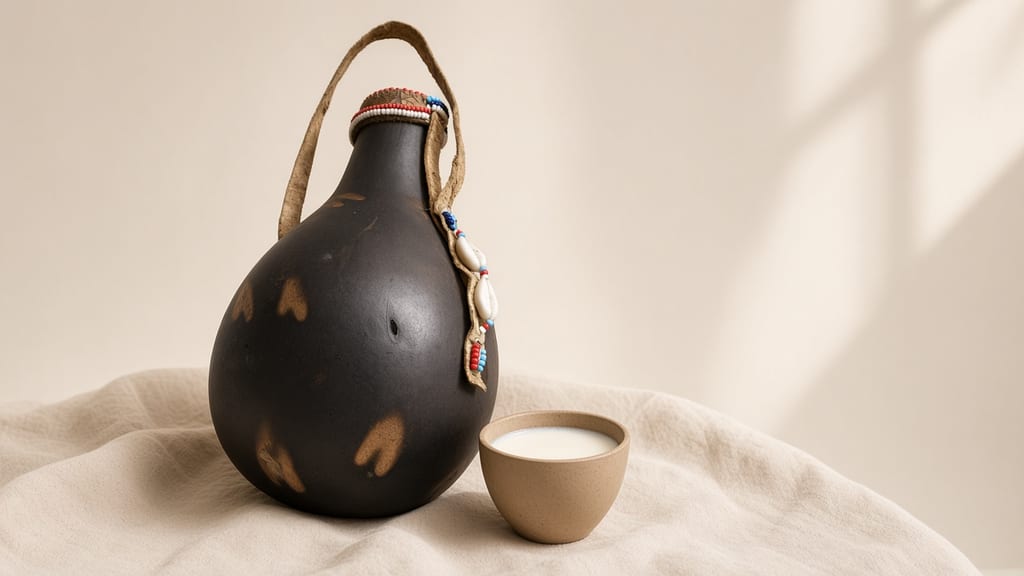
Mursik (Kalenjin smoked-gourd fermented milk)
Kalenjin sour milk soured in a gourd lined with senna charcoal, with the safety warning first, pasteurised milk and a pH check, and the trees and lab work behind it.
 FermenteaWhere food goes to change
Processing aids
Senna didymobotrya is an African shrub whose wood is burnt to charcoal and rubbed into Kalenjin milk gourds for mursik. The leaves, bark, roots and pods are poisonous and are never eaten.
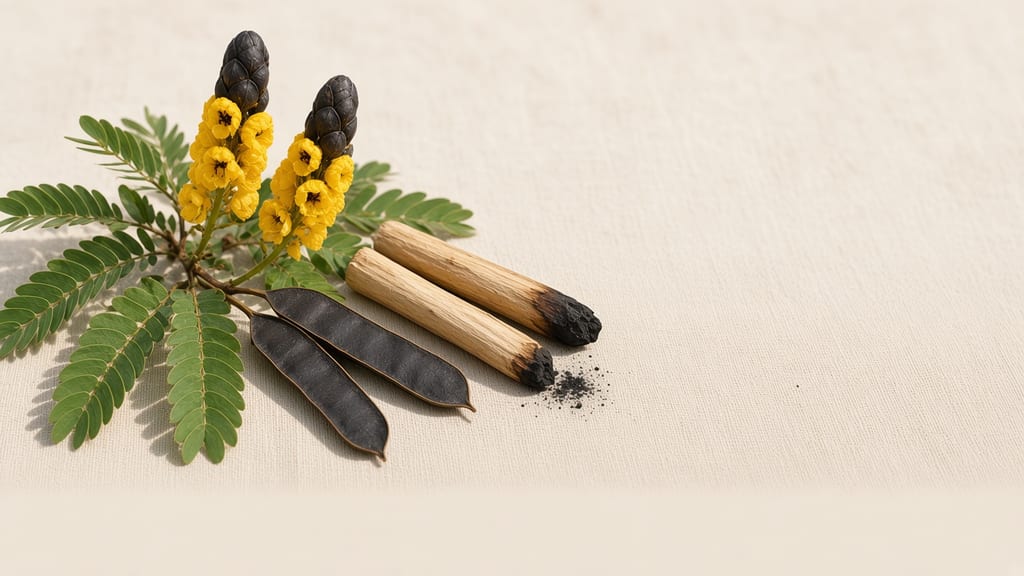
Senna didymobotrya is a shrub or small tree of the pea family, native to tropical Africa from Congo east to Ethiopia and south to Namibia, Zimbabwe and Mozambique. It usually grows several stems and reaches about 4.5 m, sometimes 9 m. It is common in bushland, along lake shores and streams and in grassland and woodland, from sea level up to 2,500 m.
Each leaf carries 8 to 18 pairs of oblong leaflets 2–6 cm long. The flowers grow on upright spikes 10–50 cm long. Bright yellow petals open below black-green bracts that wrap the unopened buds at the top of the spike. The pods are flat, 8–12 cm long, blackish brown when ripe and hold 9 to 16 seeds.
English names include candle bush, candelabra tree, wild senna, popcorn senna and peanut-butter cassia. The older botanical name is Cassia didymobotrya. In flower or when bruised, the plant has been said to smell of mice, wet dogs, peanut butter or burnt popcorn.
In the Kenyan highlands the plant's main food use is indirect. Its wood is burnt to charcoal and rubbed into the gourds that hold mursik, the Kalenjin sour milk. Farmers in Trans-Nzoia, asked in 1996 to rank the trees they used for milk, put Senna didymobotrya first, ahead of Lippia kituiensis, Prunus africana and the African wild olive. A 2017 medical review names it as the commonest of the Kalenjin milk woods.
The method uses a branch about as thick as a thumb, stripped of bark and dried for a few days. One end is burnt in the fire, and the glowing charcoal is ground against the walls of the gourd with a stick until the inside is evenly coated with fine dust. PROTA says the ash of burnt twigs is used this way because it is said to make the milk easier to digest and better to drink, and that milk can be kept in such gourds for more than a year.
The practice has reached commercial dairy. The Chemare cooperative in Kuresoi North makes mursik from pasteurised milk with activated charcoal from African senna.
Senna is the milk tree households plant themselves. In the Trans-Nzoia study, 36 households used it and 39 grew it, and 60 per cent of the farmers had planted it at the homestead. It was planted there for three reasons: livestock could not browse it there, a branch could be lopped whenever they made mursik, and it stayed out of the way of crops and machinery.
The trees are pollarded and thinned so they grow many small branches of the right size. Women manage them, and men will not cut them for other purposes. In some communities nobody may step over wood cut for treating milk.
The plant is grown from seed or cuttings. The hard seed coat needs soaking in water for 24 hours, and treated seed germinated at 75–85 per cent in trials.
Only the charcoal of the wood is used for milk. The leaves, roots, bark and pods are not food. Like other sennas, the plant is poisonous. Leaves and roots contain anthraquinones such as emodin, chrysophanol and physcion, which act as strong laxatives. PROTA warns that decoctions of any part can cause violent vomiting and diarrhoea and may be fatal. In Africa the leaves and roots are also used to stun fish.
Never steep leaves, bark or pods in milk or water for drinking. Burn only wood that someone who knows the plant has identified as Senna didymobotrya, Farmers in Trans-Nzoia gave up black wattle after it was blamed for urinary blockage in men. The charcoal itself is under study as well: a 2017 review of Kenyan fermented milks records concern about polycyclic aromatic hydrocarbons from the charcoal dust in gourd milks.
Across its range the plant has many jobs. It is planted as an ornamental for its yellow flower spikes, as shade in tea gardens and as a green manure. The wood is used for firewood and handicrafts. Flowers, bark, leaves and pods give yellow, orange and red dyes, and the bark is used in tanning leather. Hot ashes are used to clean beer vessels, and the leaves are wrapped around bunches of bananas to ripen them.
Outside Africa it has been introduced as an ornamental, fodder, cover crop and green manure. In South Africa it has become invasive in grassland, coastal scrub and along rivers.
Before cutting a stick, check the living plant. Senna didymobotrya has paired oblong leaflets with no end leaflet, upright spikes of yellow flowers capped with black-green bracts, broad stipules where each leaf joins the stem, and flat dark pods. If any feature is missing or unclear, use another known wood or leave the charcoal out.
Charcoal for mursik gourds in Trans-Nzoia and Kalenjin households; activated senna charcoal in cooperative mursik.
Native range as given by PROTA.
Kalenjin sour milk soured in a gourd lined with senna charcoal, with the safety warning first, pasteurised milk and a pH check, and the trees and lab work behind it.
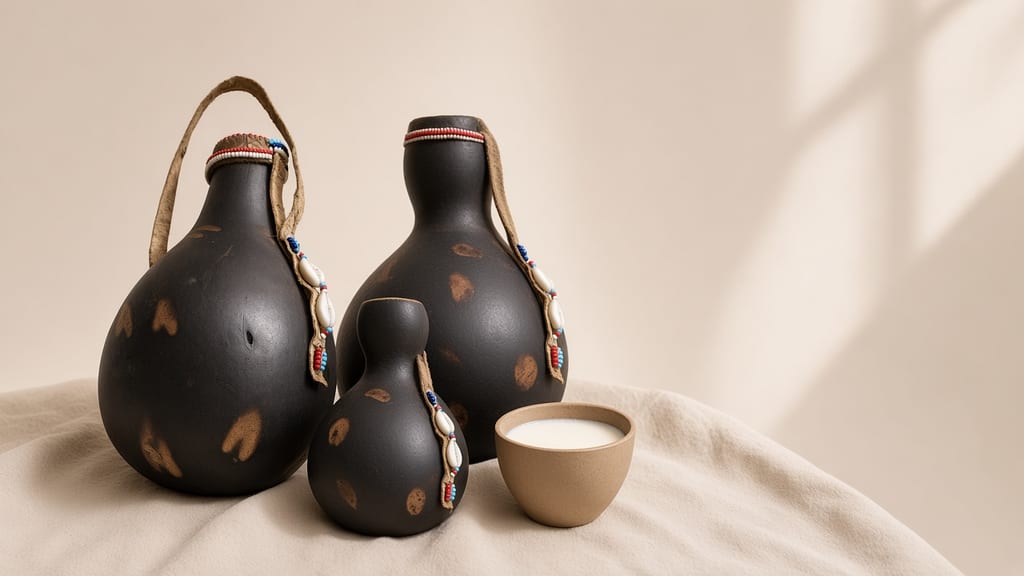
Kalenjin mursik is milk soured in a calabash lined with charcoal from chosen trees. Here are its 1909 rules, the farmers' tree rankings, its smoked-milk neighbours, the cancer studies and the 2026 push to save it.
Afrocastellanoa ivoryana is a truffle-like false truffle of African woodlands, ectomycorrhizal with woodland trees and recorded as a regional wild food in West and Central Africa.
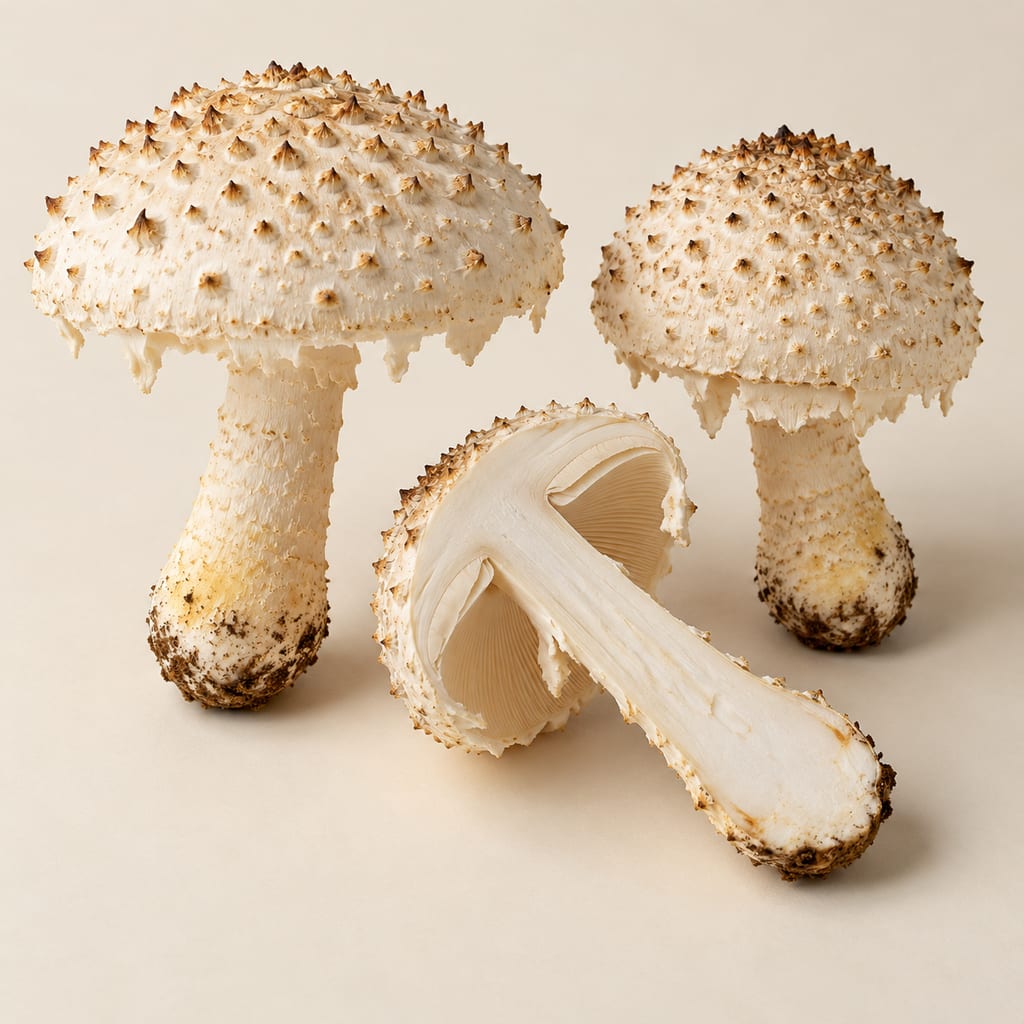
Amanita afrospinosa is a white, warted Amanita of miombo woodland in southern and central Africa. A regional food-use record exists, but the Amanita genus includes deadly species, so no safe use is established here.
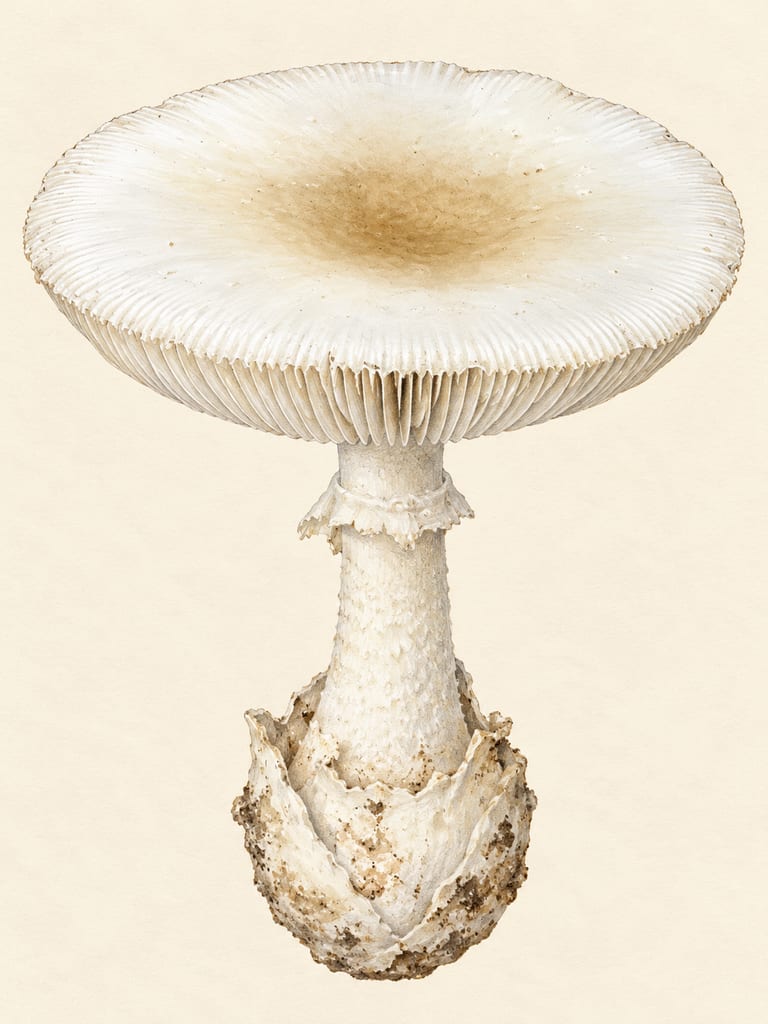
Amanita loosei is a large wild Amanita of tropical African miombo and open woodland, gathered and sold as a valued seasonal food. Regional food-use evidence is not a guide to identifying wild mushrooms.
Camel milk from one- and two-humped camels supplies fresh drinks, fermented milks and specialised cheeses across pastoral food systems in Africa and Asia.
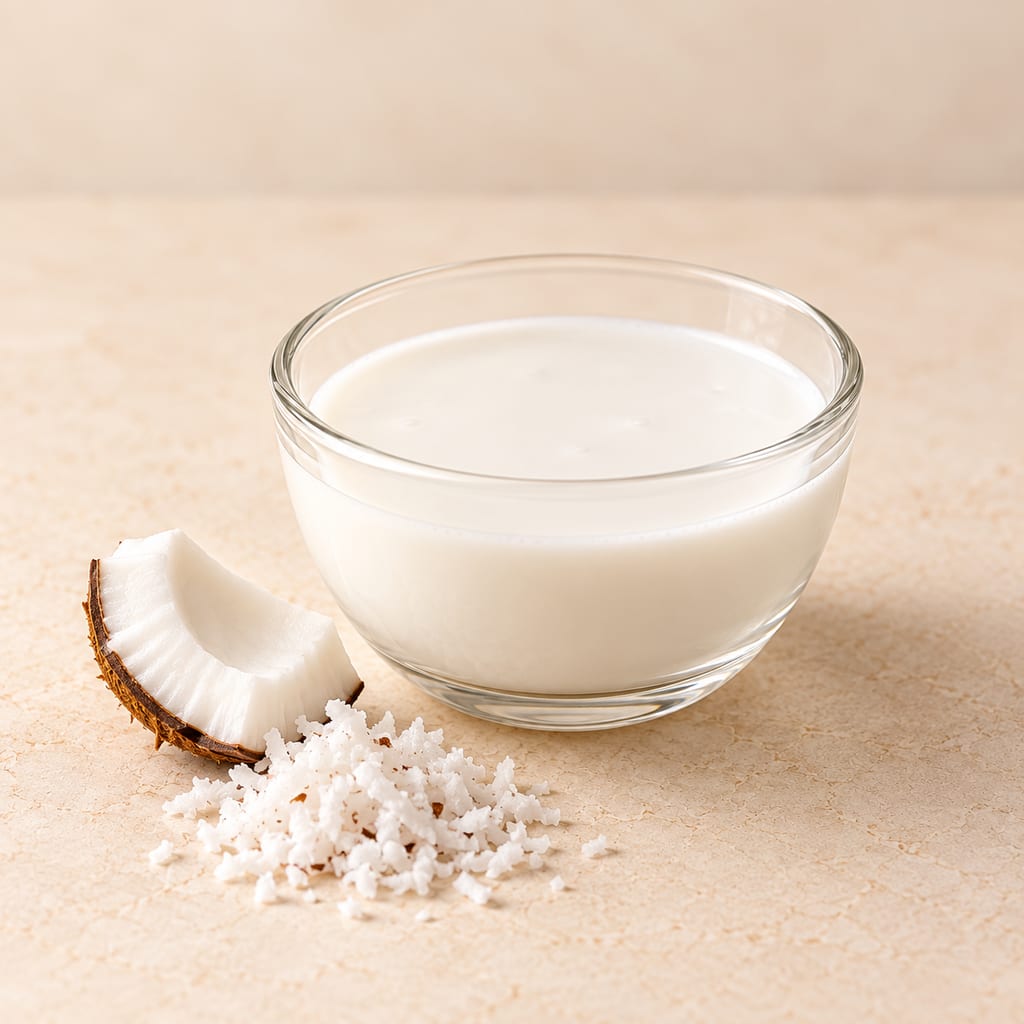
Coconut milk is an aqueous emulsion extracted from mature coconut kernel, sold fresh, packaged or reconstituted. It is distinct from the liquid naturally inside a coconut.
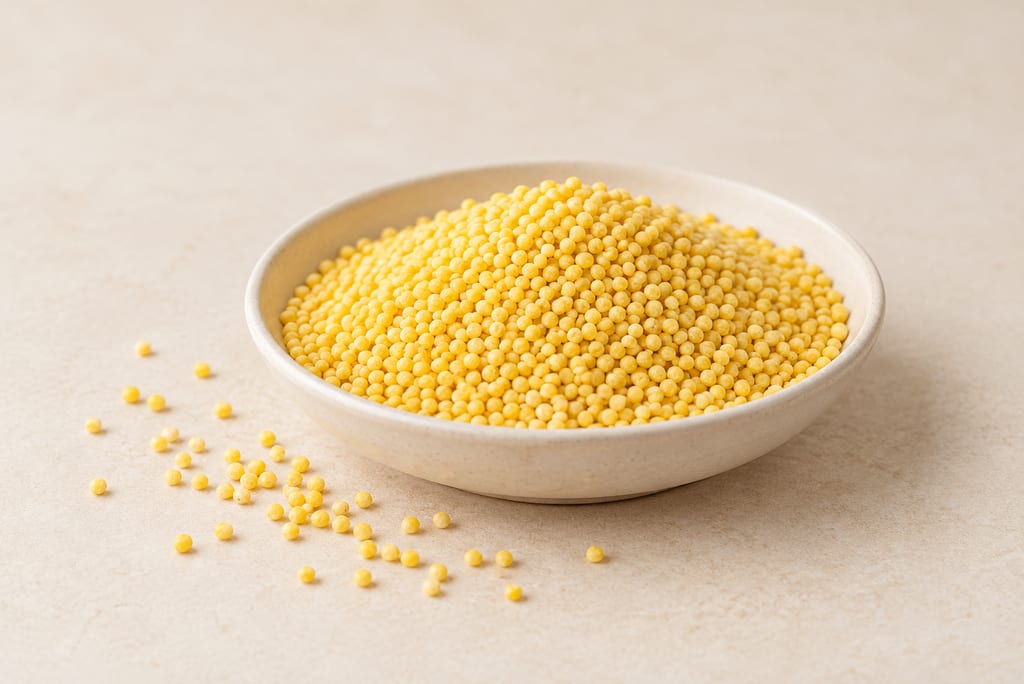
Millet names several small-seeded cereals. In African fermented foods, pearl millet and finger millet become sour gruels, doughs and drinks through distinct combinations of soaking, milling, cooking, malting and fermentation.
Sugar-rich liquid tapped from different palms, gathered fresh or transformed into local drinks and sweeteners; species and collection stage shape its composition.
A wild brittlegill of African miombo woodland listed in the EFTA edible-fungi inventory across eight countries. The inventory gives no preparation and no explicit edibility rating.

Soft, spreadable Calabrian pork sausage made with a great deal of red chilli and fatty pork, stuffed into natural casings, sometimes smoked and matured while staying soft.

A way to add independent temperature logging to an existing food dehydrator without changing its built-in controls or protections. It is a monitoring method, not a rewiring plan.

Pleurotus cystidiosus is the abalone mushroom, a cultivated oyster-type fungus with dark brown caps that grows more slowly and is more demanding than other Pleurotus species.

A dark, balanced vinegar from Emilia-Romagna made by combining cooked or concentrated grape must with wine vinegar, then acetifying and refining it in wood under a protected specification.

A living dairy inoculum that starts controlled cream fermentation, developing acidity and aroma before sour cream or cultured butter is finished.

A small electric incubator holds jars at a selected temperature for yogurt and other documented warm food preparations. Controls, capacity and vessel arrangement vary by model.

Adygean salt is a seasoned table salt associated with Adygea and the wider North Caucasian culinary tradition. Salt is blended with garlic and a variable selection of herbs and spices; the exact mix depends on the named style and maker.

The African Caesar-group mushroom, Amanita masasiensis, is a wild ectomycorrhizal species of central and southern African woodlands, eaten locally. The genus contains deadly poisonous species, so identification needs care.
No community contributions have been published for this entry yet.
Sign in to contribute. Published comments and photos are free to read.
PROTA, Plant Resources of Tropical Africa (J.R.S. Tabuti, 2007), via Pl@ntUseIdentity · Uses · Safety
Senna didymobotrya (Fresen.) H.S.Irwin & Barneby (PROTA)Native to tropical Africa from Congo east to Ethiopia and south to Namibia, Zimbabwe and Mozambique; introduced elsewhere as an ornamental, fodder, green manure and cover crop.
Deciduous shrub or small tree up to 4.5(–9) m; 8–18 pairs of leaflets; erect racemes 10–50 cm with yellow petals; pod 8–12 cm × 1.5–2.5 cm.
Vernacular names candle bush, peanut-butter cassia, popcorn senna, wild senna, candelabra tree; smell described as mice, wet dogs, peanut butter or burnt popcorn.
Ash of burnt twigs coats the inside of gourds for storing milk; said to improve digestibility and palatability; milk can be kept over a year.
Like other Senna species it is poisonous; decoctions of all parts can cause violent vomiting and diarrhoea and may be fatal; leaves and roots used as fish poison.
Anthraquinones including emodin, chrysophanol and physcion isolated from leaves and pods.
Seed needs 24 h soaking; treated seed gave 75–85% germination.
Common from sea level to 2500 m; invasive in South Africa; tolerates light frost.
Other uses: firewood, handicrafts, shade in tea, green manure, dye, tanning, hot ashes to clean beer vessels, leaves to ripen bananas.
Cited in: What the plant is; Charcoal for the milk gourd; A tree kept by the house; A poisonous plant, not a food; Other uses; Identifying the wood
World Agroforestry (ICRAF)Identity
Senna didymobotrya (Agroforestree Database species profile)Usually a several-stemmed shrub or small tree 0.5–5(–9) m tall.
Bracts black green, enclosing the flower buds; petals bright yellow.
Pod flat, 9–16 seeded, blackish brown; leaves and roots contain anthraquinones; used as a purgative and fish poison.
Cited in: What the plant is; A poisonous plant, not a food; Identifying the wood
Journal of Ethnobiology 20(1): 75–91 (2000)History · Uses
Management of trees used in mursik (fermented milk) production in Trans-Nzoia District, KenyaFarmers ranked Senna didymobotrya first among trees used for milk treatment.
36 households used it and 39 cultivated it (Table 2).
Sixty per cent of farmers had planted it at the homestead to protect it from livestock, to lop branches close to home and to keep it out of the way of crops.
It is pollarded and thinned to make many small branches for milk treatment.
Women manage milk-treatment trees and men will not cut them for other purposes; in some communities it is taboo to step over wood cut for milk treatment.
Cited in: Charcoal for the milk gourd; A tree kept by the house; A poisonous plant, not a food
Infectious Agents and Cancer (2017)Uses · Safety
Factors associated with the high prevalence of oesophageal cancer in Western Kenya: a reviewCharcoal (suteiywo) for mursik comes from selected trees and shrubs, the commonest being Senna didymobotrya, Juniperus procera, Plectranthus barbatus, Olea europaea and wattle.
Embers are ground against the gourd walls with a stick until the inside is evenly covered with fine dust.
Cited in: Charcoal for the milk gourd
SNV (2025)Uses
Ecosystem sustainability through dairy intensificationThe Chemare cooperative in Kuresoi North makes mursik from pasteurised milk with activated charcoal from African senna.
Cited in: Charcoal for the milk gourd
African Journal of Food Science (2017)Safety
Spontaneously fermented Kenyan milk products: a review of the current state and future perspectivesConcern is recorded about polycyclic aromatic hydrocarbons from the charcoal used in smoked-gourd milks.
Cited in: A poisonous plant, not a food