Cultured buttermilk
Cultured buttermilk is skim milk soured with a lactic starter into a tangy drink. This Canadian home method sets the milk without churning cream.
 FermenteaWhere food goes to change
mursik · mursik · sotet milk · Kalenjin fermented milk
Kalenjin sour milk soured in a gourd lined with senna charcoal, with the safety warning first, pasteurised milk and a pH check, and the trees and lab work behind it.
The traditional method lines the gourd with charcoal, and that charcoal is a hazard. A 2017 review of Kenyan fermented milks records concern about polycyclic aromatic hydrocarbons from the charcoal dust, and about the acetaldehyde and ethanol measured in some batches. In a 2013 laboratory study, seven of eight mursik starter cultures from Kalenjin families produced acetaldehyde above the 100 µmol/L level counted as mutagenic, and four went past 1,000 µmol/L. Researchers studying smoked milk vessels in Ethiopia say the hydrocarbon question for this kind of milk still needs study.
Hospital studies in western Kenya have found more oesophageal cancer among mursik drinkers. A 2025 case-control study at two Kapsabet hospitals put the odds ratio for frequent drinkers at 9.1, and an earlier Kenyan study at 3.72. The 2025 study is small, and very hot tea and other habits run alongside mursik in the same homes. A 2017 review called the evidence inconclusive. Read these numbers as a reason for caution.
Raw milk can carry Salmonella, Listeria and E. coli O157:H7, and a reused gourd does not remove them. Use commercially pasteurised milk, or heat raw milk to at least 74 °C for 15 seconds and cool it fast. Do not use colostrum and do not add yeast to hurry the souring. In January 2026, after ten members of one Kericho family were taken to hospital, county health officials said colostrum was the suspected cause and warned against adding yeast. Pregnant people, small children, older adults and anyone with weakened immunity should not drink raw-milk ferments.
Burn only wood you know. Kalenjin makers name Senna didymobotrya first, and farmers stopped using black wattle after it was blamed for urinary blockage in men. Use a stick identified as Senna didymobotrya by someone who knows the plant, or bought under that name, and never burn an unidentified plant into a food vessel. The method below keeps the senna charcoal and makes everything else checkable: pasteurised milk heated again, a known starter, a water bath and a pH test. Sour taste is no proof of safety. A batch must reach pH 4.6 or lower within 48 hours, and anything mouldy or rotten-smelling goes in the bin.
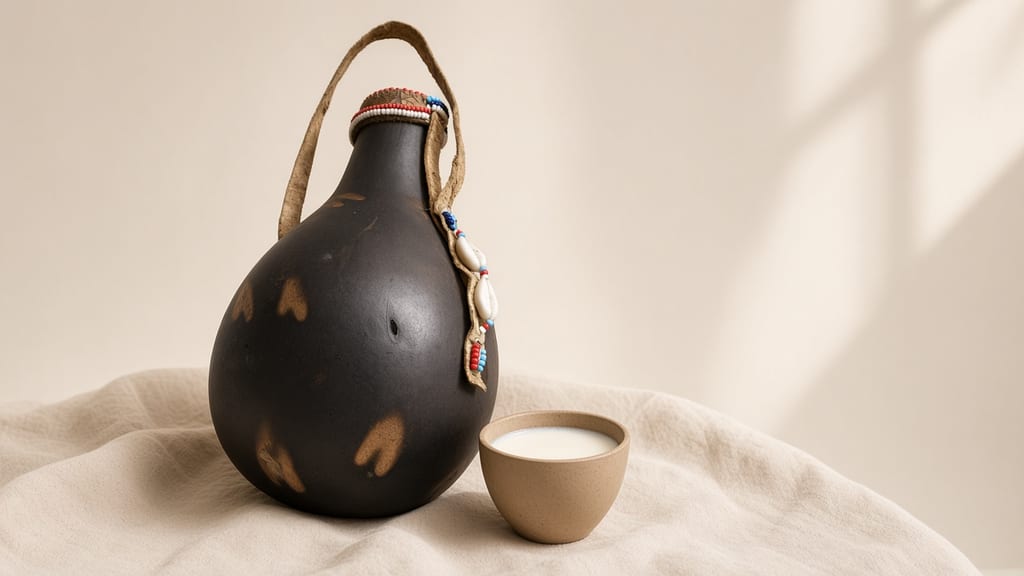
Mursik is the fermented cow's milk of the Kalenjin peoples of Kenya's western highlands. It is made in a long calabash called a sotet, whose inside is rubbed with charcoal before the milk goes in, and it sours for three to five days or longer, as the household likes it. The charcoal turns the milk a bluish grey and gives it a smoky taste. Shaken smooth, it is drunk after meals or with hot ugali.
It is a food for occasions as well as an everyday drink. Families serve it when marriage negotiations succeed and at weddings, give it to breastfeeding mothers and initiates, and use it to mark success in athletics. In March 2026 a UNESCO field team in Kericho, Nakuru and Baringo heard that mursik closes dowry talks, and Kenya's culture ministry is preparing it for listing as heritage in need of urgent safeguarding.
This is the gourd method: a calabash scraped clean, coated inside with charcoal from a senna stick, filled with milk, left to sour and shaken smooth before pouring. Two things change for a home kitchen. The milk is commercially pasteurised and heated again to 82 °C for 30 minutes, and the souring starts from a spoonful of live buttermilk in a water bath held at 20–22 °C, the way extension services teach cultured milk.
Some Kenyan makers already work this way. The Chemare cooperative in Kuresoi North makes its mursik from pasteurised milk with activated charcoal from African senna, under a Kenya Dairy Board licence. The method still leaves out raw milk, colostrum, blood, added yeast and week-long souring at room temperature.
The traditional work starts with the vessel. In Trans-Nzoia in 1996, women told researchers they scraped the inside of each gourd with the stalk of a palm leaf to remove old fat and curd that washing would not shift. A few days before the milk is treated, a branch about as thick as a thumb is stripped of bark and left to dry. One end goes into the fire. When the end has burnt completely, it is crushed against the sides and bottom of the gourd until the walls are coated with charcoal dust, and the loose excess is tipped out.
Older practice differed in detail. A. C. Hollis, writing about the Nandi in 1909, recorded that gourds were fumigated with a burning stick of the itet tree every time after milk had been put in, and that when milk had stood for a while the women cleaned them with cow's urine and then boiling water. "The smoke gives the milk a flavour without which it is not palatable to the taste of the Nandi," he wrote. A new gourd tastes bitter. A 2017 medical review describes "sweetening" it first: fresh bark of Ozoroa insignis, Pappea capensis or Ficus thonningii goes inside, the gourd is filled with water and left for three days.
The Kalenjin words vary by community and writer. The review calls the bow-shaped stick, usually cut from palm, a sosiot, and the charcoal suteiywo. Kenyan newspapers in 2026 used wosek for the charcoal.
Farmers in Trans-Nzoia ranked their milk trees. Senna didymobotrya came first, followed by Lippia kituiensis, Prunus africana, the African wild olive, Croton macrostachyus, Olea capensis and Rhus natalensis. Sixty per cent of the farmers had planted senna around the homestead so it would be close at hand. Most said olive gave the best milk, but olive trees had grown scarce. One Gikuyu farmer made a single piece of olive wood, carried from Kiambu more than 600 km away, last nearly a year.
Senna is the tree women keep close to the house. In the same study, 36 households used it and 39 grew it. It was planted by the homestead for three reasons: livestock could not browse it there, a branch could be lopped whenever mursik was made, and it stayed out of the way of crops. The trees are pollarded and thinned so they put out many small branches of the right thickness. Women manage them, and men will not cut them for other purposes.
Some woods were dropped. Black wattle was given up because people blamed it for blocked urinary tracts in men, and eucalyptus made the milk taste like cold medicine. In some communities nobody may step over wood cut for the milk. The 2017 review adds Juniperus procera and Plectranthus barbatus to the list.
Only the charcoal goes into the gourd. Senna didymobotrya is a poisonous plant: drinks made from any part of it can cause violent vomiting and diarrhoea, and its leaves and roots are used as a fish poison. Keep leaves, bark and pods away from the milk.
Ask the makers and the first answer is taste. In the Trans-Nzoia study, 86 per cent treated milk for flavour, 75 per cent to make it pleasant to drink and 73 per cent to keep it. Farmers said fresh milk smells and tastes like cow urine, and they prized the bluish-grey colour charcoal gives. Pokot makers described a specially treated milk, chekha mwaka, that could be kept for more than a year.
Hollis noted in 1909 that Nandi milk could be drunk fresh or sour "but it may on no account be boiled". Modern accounts of mursik start with boiled milk, and UNESCO's 2026 mission met an elderly maker who had started boiling hers after livestock vaccination came in.
The souring is done by lactic acid bacteria, with yeasts alongside. When researchers grew milk on eight starter cultures from Kalenjin families, every sample held yeasts, from 7 to 90 per cent of the microbes counted. The batches highest in acetaldehyde carried Candida krusei together with Lactobacillus kefiri. The four strongest averaged 79.4 mmol/L of ethanol.
Household starters are back-slopped, each batch begun from the last. A survey of 383 Kalenjin families found that 32 per cent gave mursik to children under five, about 250 mL a week. Mursik is sometimes kept for more than a year.
The case for caution comes from hospitals in Rift Valley towns with high rates of oesophageal cancer. The 2025 Kapsabet study compared 33 patients with 131 controls seen between November 2023 and January 2024. Frequent mursik drinkers had about nine times the odds of cancer, and occasional drinkers about three times. The authors list residual confounding and the small sample as limits, and ask for "safe, community-owned alternatives for fermenting milk".
The other suspects sit in the same kitchens. At Tenwek, 99 of 100 study participants preferred their tea hotter than 65 °C, which is itself a risk for this cancer. A 2017 review weighed the charcoal, the acetaldehyde, possible mould toxins and the hot tea, and called the link to mursik inconclusive.
Shake the gourd hard so the curd and whey come back together; mursik is drunk smooth and cold. Pour it into cups after the main meal or set it beside hot ugali.
On big days it comes in the gourd. When Pamela Jelimo flew home to Eldoret in 2008 as Olympic 800 m champion, she stepped off a police helicopter and was handed a gourd of mursik dressed with flowers and a cowhide wrapper.
Kalenjin communities do not all make it the same way. UNESCO's 2026 mission recorded different names for the gourds and different preparation from one community to the next among the Kipsigis, Ogiek, Tugen and Pokot, and its 2025 workshop recorded goat's milk as well as cow's. Among the Tugen of Baringo, an earlier study gave three reasons for the charcoal: the milk keeps longer, sour milk is a strong meal on its own, and the charcoal gives it colour and scent. The same study said the crushed charcoal stops the gourd wearing out fast and takes away its natural smell.
Keeping time varies just as much. A 1987 source put treated milk among Kenya's herding peoples, the Kalenjin among them, at up to three months, and Pokot farmers described chekha mwaka lasting more than a year. Milk made by the method above is kept in the fridge.
Kenya has several gourd milks, each with its own recipe. Maasai kule naoto is fermented from raw milk in a gourd rubbed with burnt olive wood and sometimes mixed with blood. Gusii amabere amaruranu is boiled milk soured with a little of the last batch. Meru iria ri matii is ripened in gourds coated with olive charcoal. Maziwa lala is the Kiswahili name for sour milk in general. Treat them as separate foods.
If the milk has not set and soured to pH 4.6 or below within 48 hours, throw it out. Mould or a rotten smell also means the bin, whatever the pH. A gourd left on the counter swings with the weather; keep it standing in a water bath. Use fresh commercial buttermilk or a new starter packet at least once a week instead of carrying the same culture on for months.
A. C. Hollis described Nandi milk gourds fumigated with burning itet wood in 1909, and recorded that milk was drunk fresh or sour but never boiled.
In 1996 fieldwork in Trans-Nzoia, community workshops traced the charcoal method about 300 years back through oral history and age sets; no written record confirms that date. Boiling before fermentation is now usual, and pasteurised commercial mursik was on sale by 2025.
Yield 1 litre · Scaling: linear
Raw milk can carry Salmonella, Listeria and E. coli O157:H7.
Hazard sourceThe charcoal lining raises PAH concern, and gourd starters produced mutagenic acetaldehyde levels.
Hazard sourceHospital case-control studies found higher odds among frequent mursik drinkers; confounding not ruled out.
Hazard sourceDairy that does not reach pH 4.6 within 48 hours cannot be treated as safe.
Hazard sourceKericho health officials linked a 2026 family poisoning to suspected colostrum and warned against adding yeast.
Hazard sourceCoat the gourd only with charcoal from wood identified as Senna didymobotrya
Control sourceUse pasteurised milk and heat it to 82 °C for 30 minutes before culturing
Control sourceHome-pasteurise any raw milk first
Control sourceRipen in a controlled water bath, not on the counter
Control sourceConfirm acidity with a pH meter or strips
Control sourceChill once set
Control sourceCharcoal only from wood identified as Senna didymobotrya; never burn an unknown plant into a food vessel.
No raw milk, blood, colostrum or added yeast.
Sour taste does not prove safety; pH 4.6 or lower within 48 hours, or discard.
Pregnant people, small children, older adults and people with weakened immunity should avoid raw-milk ferments.
Studies of mursik drinkers found higher odds of oesophageal cancer; the cause is not settled.
Kalenjin communities including Nandi, Kipsigis and Tugen; no single village.
District-level fieldwork on milk trees; not a locality pin.
Cooperative making pasteurised mursik.
Cultured buttermilk is skim milk soured with a lactic starter into a tangy drink. This Canadian home method sets the milk without churning cream.
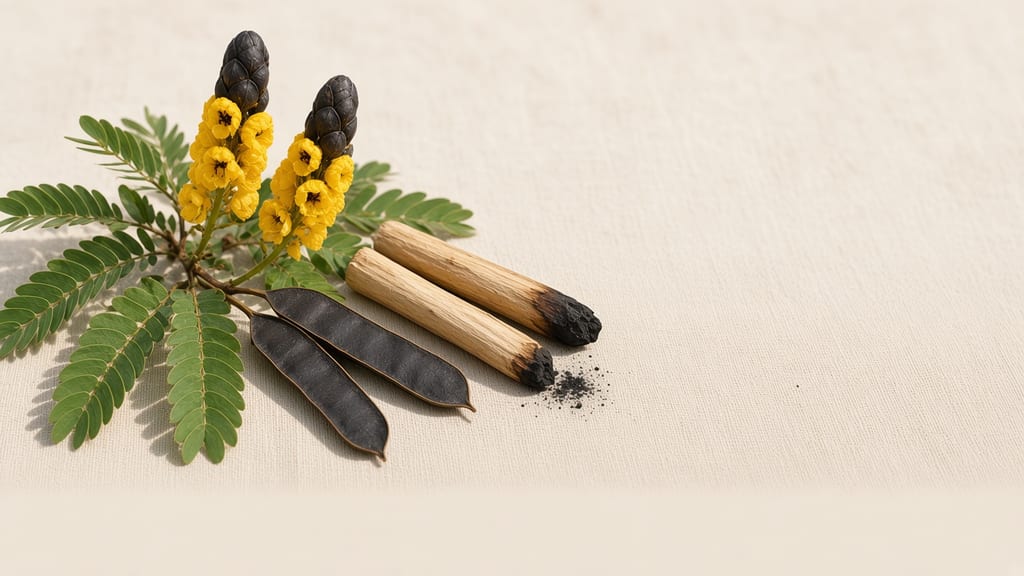
Senna didymobotrya is an African shrub whose wood is burnt to charcoal and rubbed into Kalenjin milk gourds for mursik. The leaves, bark, roots and pods are poisonous and are never eaten.
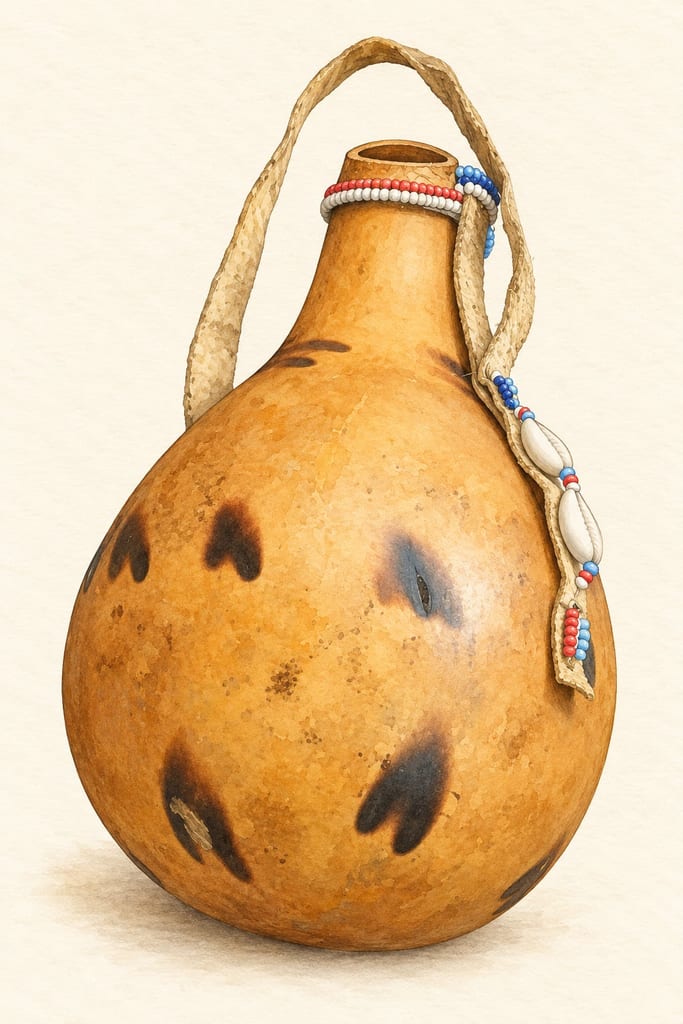
A dried gourd used in documented Kalenjin and Nandi practices to hold and serve mursik. Sources describe different ways to prepare its interior, so sotet is a family of locally shaped vessels rather than one standard design or treatment.

From sour breads and milk to savoury seeds, cassava staples and living beers, African fermentation follows the crop, the community and the work of transformation.
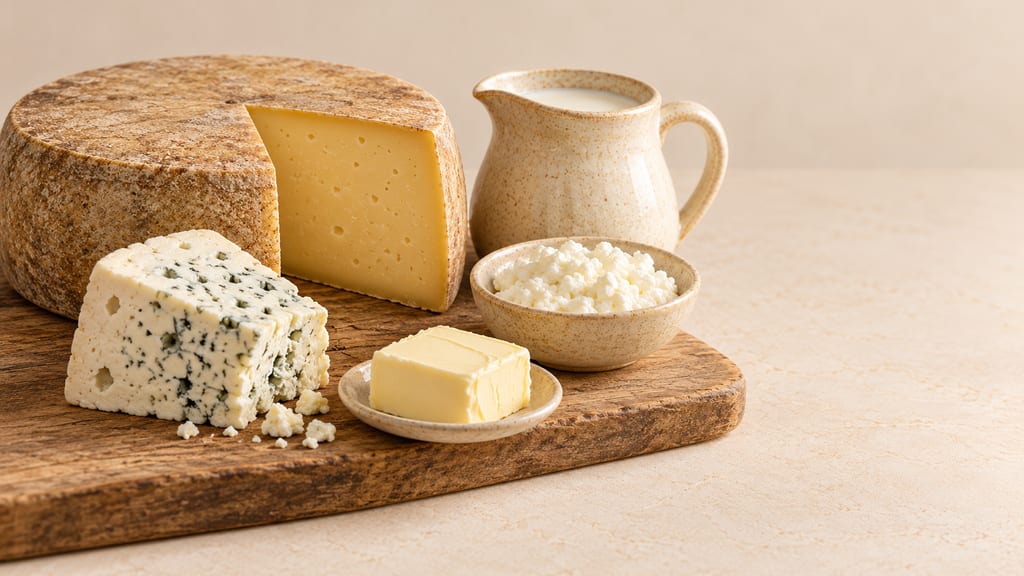
Follow milk into cheese, cultured drinks, butter, dried curds and sweets: a journey through the animals, seasons and household decisions behind the world's dairy foods.
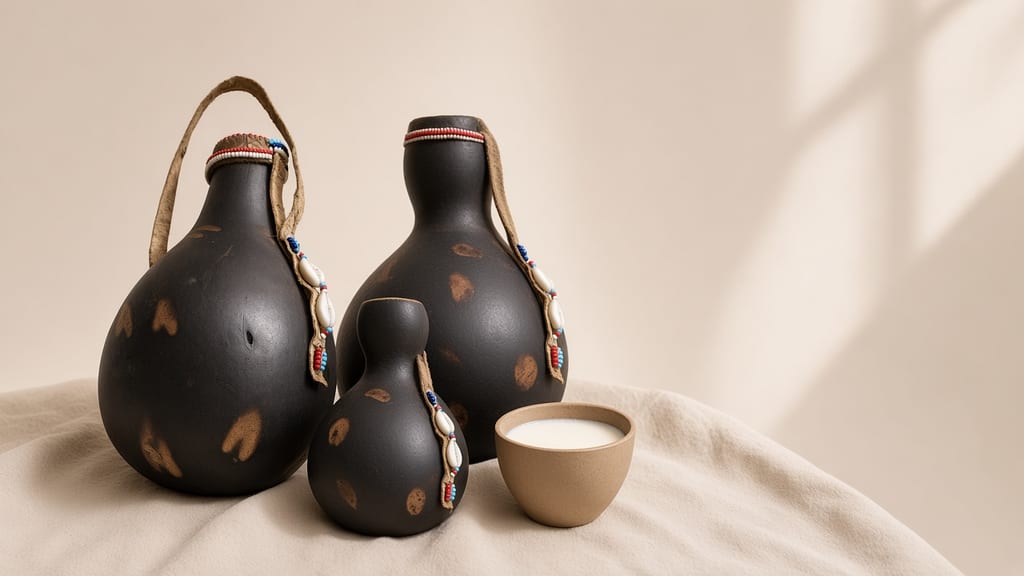
Kalenjin mursik is milk soured in a calabash lined with charcoal from chosen trees. Here are its 1909 rules, the farmers' tree rankings, its smoked-milk neighbours, the cancer studies and the 2026 push to save it.
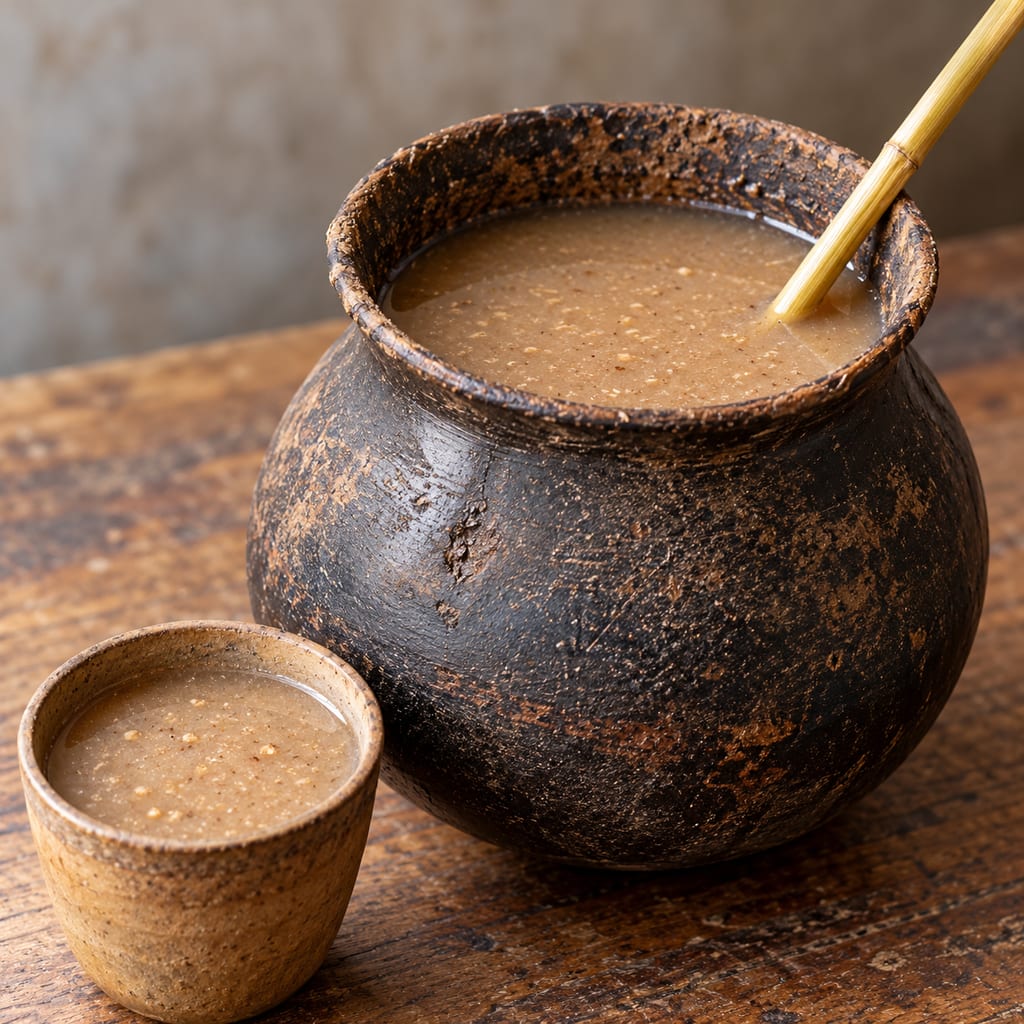
An opaque Kenyan maize beer: fermented maize paste is roasted into tsimbale, then mixed with finger-millet malt called kimera at ten to one and fermented a second time.
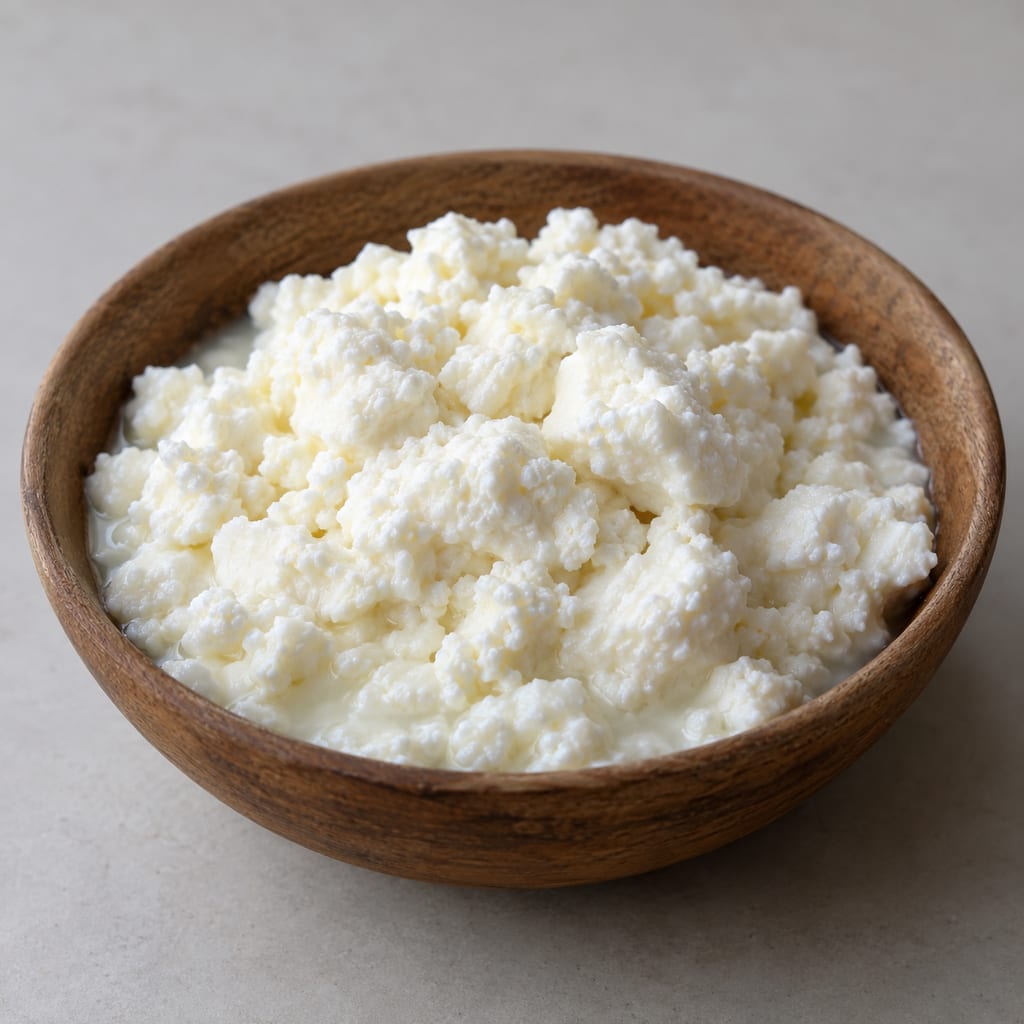
Aarts is a soft Mongolian curd made by draining boiled fermented yogurt; it remains wet, unlike aaruul, which is dried.
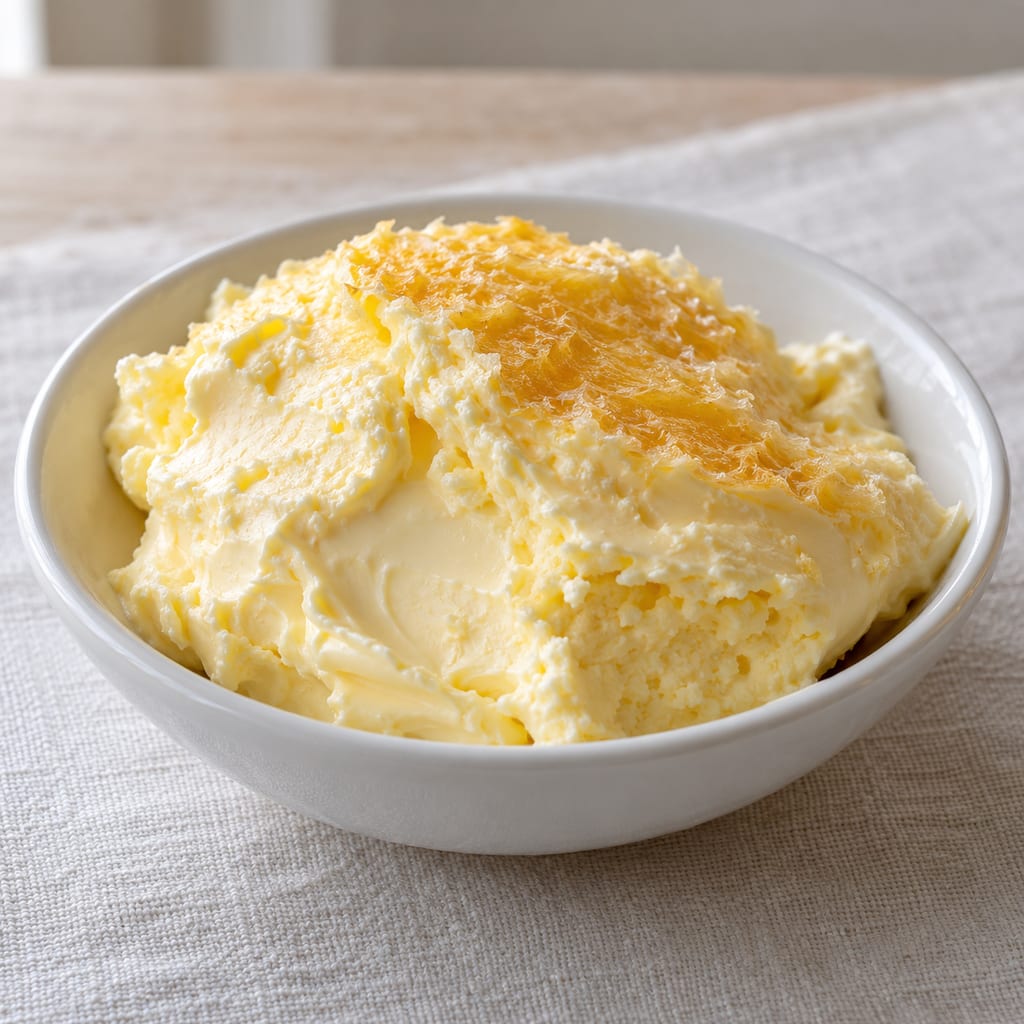
High-fat cream scalded below boiling for at least an hour until a thick crust forms, then cooled hard so the crust sets and the cream beneath thickens.
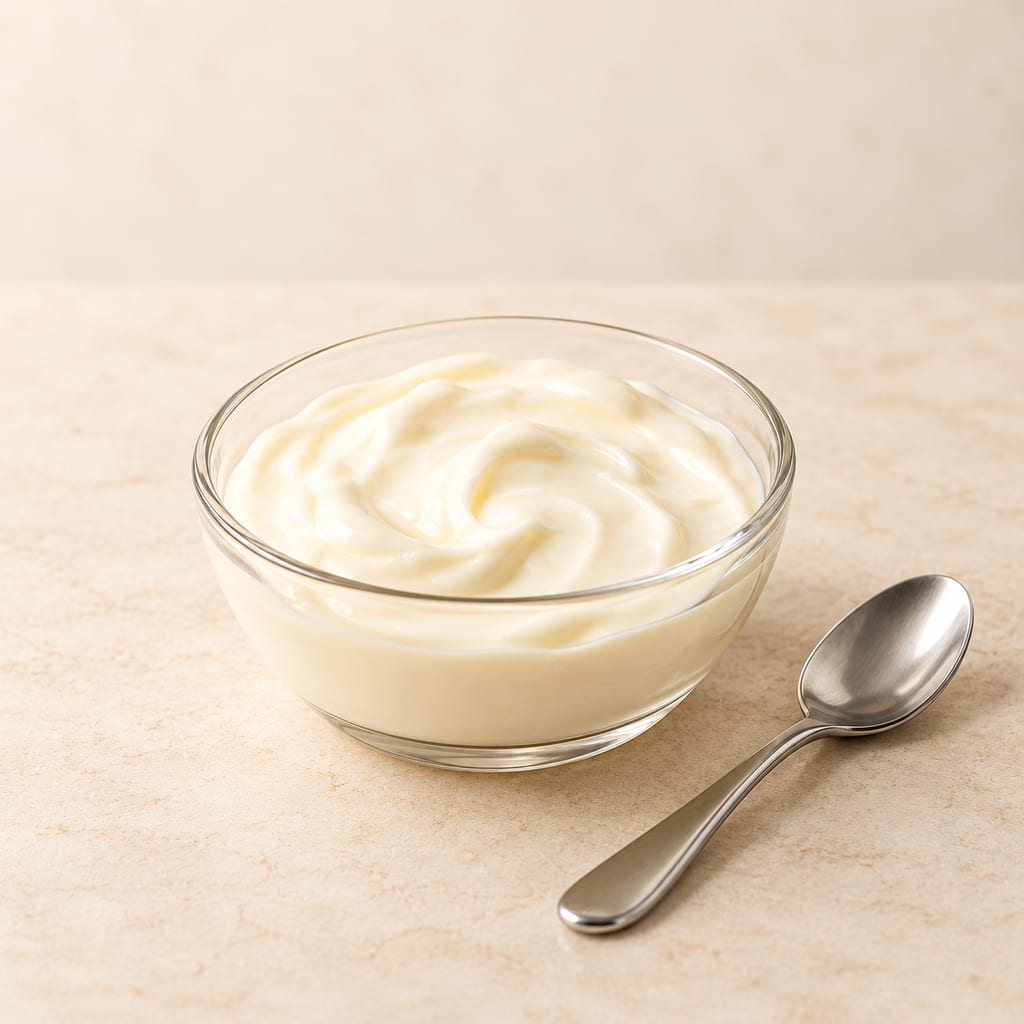
Crème fraîche is cream soured by lactic cultures into a thick, mild topping. It suits fruit and desserts as well as soups, sauces and other savoury dishes.
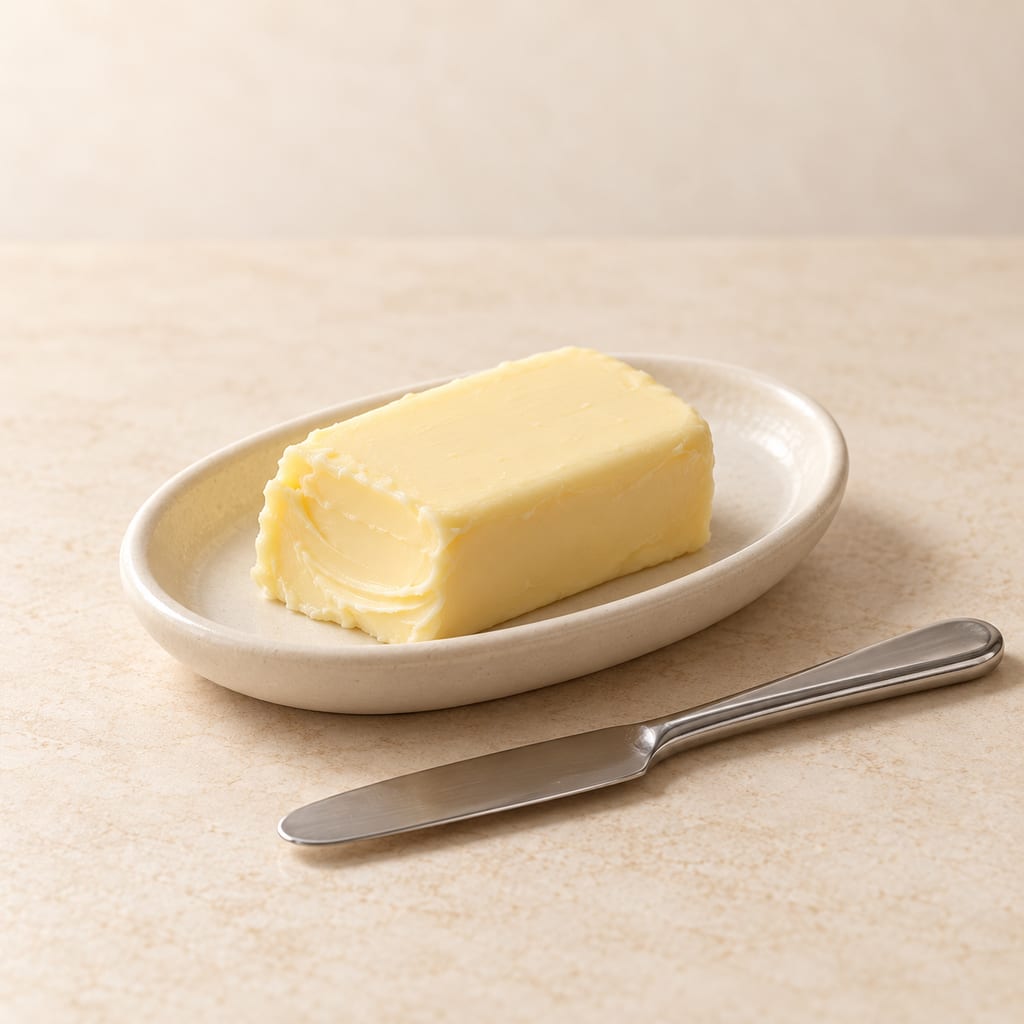
Cultured butter is churned from cream soured with lactic cultures. Its lightly tart flavour comes from the cultured cream, which separates into butter grains and buttermilk.
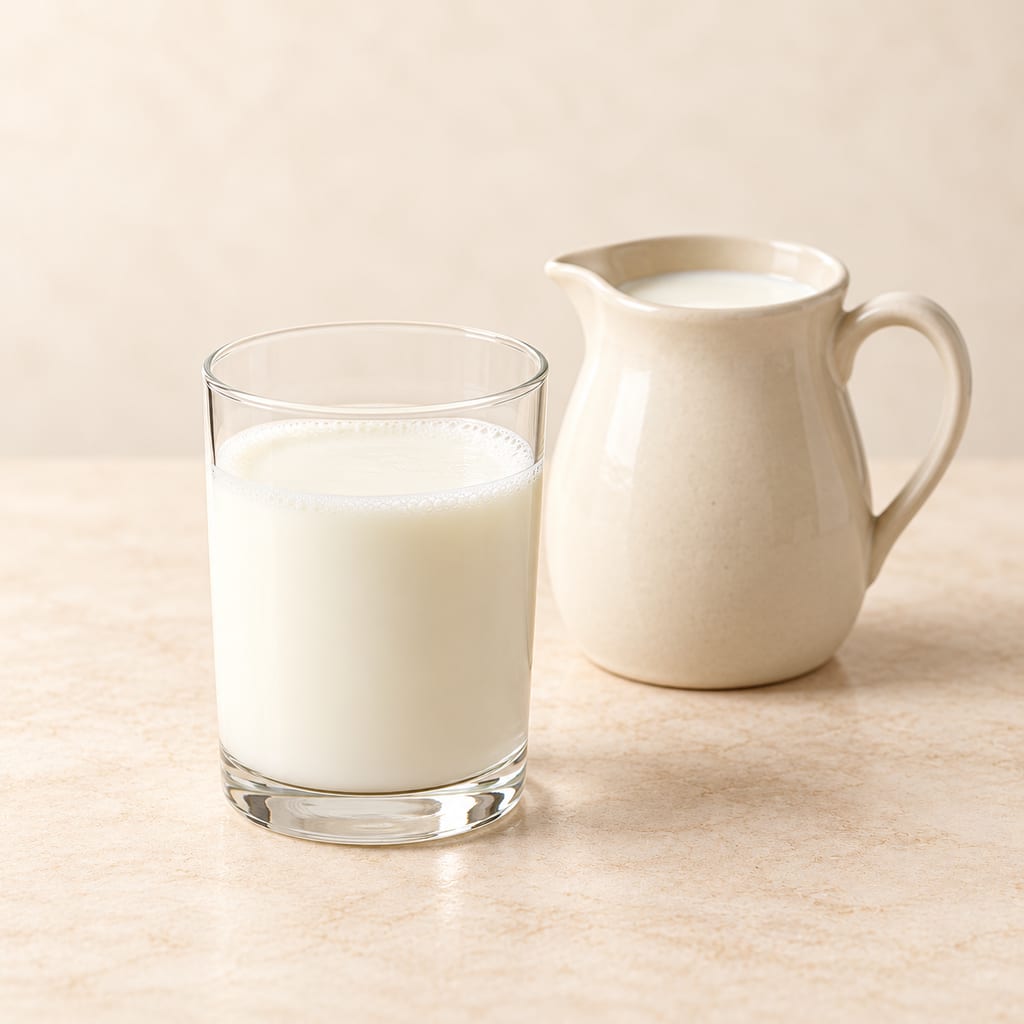
Milk thickened with a packet of buttermilk culture makes a tangy drink and a baking ingredient. This warm-incubated version uses whole milk.
Filmjölk is a Swedish cultured milk with mild acidity and a spoonable body. This recurring batch uses filmjölk from the previous batch to culture fresh milk.
Butter heated until most water leaves and the milk solids separate, giving a fat that keeps far longer than butter. Rendering applies the same heat to animal tissue to make lard and tallow.
Greek-style strained yogurt is cultured whole milk drained through cloth to remove whey. This modern Utah home method makes a thick yogurt from a gallon batch.

Soft, spreadable Calabrian pork sausage made with a great deal of red chilli and fatty pork, stuffed into natural casings, sometimes smoked and matured while staying soft.

A way to add independent temperature logging to an existing food dehydrator without changing its built-in controls or protections. It is a monitoring method, not a rewiring plan.

Pleurotus cystidiosus is the abalone mushroom, a cultivated oyster-type fungus with dark brown caps that grows more slowly and is more demanding than other Pleurotus species.

A dark, balanced vinegar from Emilia-Romagna made by combining cooked or concentrated grape must with wine vinegar, then acetifying and refining it in wood under a protected specification.

A living dairy inoculum that starts controlled cream fermentation, developing acidity and aroma before sour cream or cultured butter is finished.

A small electric incubator holds jars at a selected temperature for yogurt and other documented warm food preparations. Controls, capacity and vessel arrangement vary by model.

Adygean salt is a seasoned table salt associated with Adygea and the wider North Caucasian culinary tradition. Salt is blended with garlic and a variable selection of herbs and spices; the exact mix depends on the named style and maker.

The African Caesar-group mushroom, Amanita masasiensis, is a wild ectomycorrhizal species of central and southern African woodlands, eaten locally. The genus contains deadly poisonous species, so identification needs care.
No community contributions have been published for this entry yet.
Sign in to contribute. Published comments and photos are free to read.
African Journal of Food ScienceHistory · Method · Safety
Spontaneously fermented Kenyan milk products: a review of the current state and future perspectivesMursik is spontaneously fermented cow's milk of the Kalenjin, made in a gourd (sotet) for 3–5 days or more
milk boiled and cooled, poured into the charcoal-lined gourd, kept cool and dry about one week, shaken smooth
eaten after meals or with hot ugali
marks marriage negotiations, weddings and athletic success; given to breastfeeding mothers and initiates
Nieminen data: acetaldehyde above 1,800 µg/L and ethanol above 100 mmol/L in some samples
kule naoto raw milk; amabere amaruranu boiled with enduranerio back-slop
Cited in: Safety warning; What mursik is; Why the milk is smoked; What the laboratories found; Serving; Neighbouring milks
Academic JournalsHistory
Spontaneously fermented Kenyan milk products (full text)full-text reading of the production sequence and neighbouring milks
Journal of Ethnobiology 20(1):75–91History · Method
Management of trees used in mursik (fermented milk) production in Trans-Nzoia District, KenyaTrans-Nzoia fieldwork with 60 farmers, 1996
women scrape gourds with palm-leaf stalk; thumb-thick debarked branch burnt and crushed into charcoal on the gourd wall, repeated until coated, excess removed
fresh milk said to smell and taste like cow urine; bluish-grey colour valued
tree ranking with Senna didymobotrya first; black wattle dropped for urinary blockage in men; eucalyptus tasted like cold medicine
60% planted Senna didymobotrya at the homestead
oral history places the practice about 300 years back, unverified
reasons: taste and flavour 86%, palatability 75%, preservation 73%
Pokot chekha mwaka kept over one year
Cited in: Safety warning; About this method; How the gourd is prepared; The trees behind the taste; Why the milk is smoked; One milk, many households; Neighbouring milks
Clarendon Press (Internet Archive scan)History
The Nandi: their language and folk-loreNandi gourds fumigated with a burning itet stick each time milk is put in; smoke flavour needed for palatability
gourds cleansed with cow's urine then boiling water by women
milk may be drunk fresh or sour but on no account boiled
Cited in: How the gourd is prepared; Why the milk is smoked
Infectious Agents and CancerHistory · Safety
Factors associated with the high prevalence of oesophageal cancer in Western Kenya: a reviewgourd stick sosiot; charcoal suteiywo
woods: Senna didymobotrya, Juniperus procera, Plectranthus barbatus, Olea europaea, wattle
new gourd sweetened for three days with bark of Ozoroa insignis, Pappea capensis or Ficus thonningii in water
evidence linking mursik to oesophageal cancer called inconclusive
Cited in: Safety warning; How the gourd is prepared; The trees behind the taste; Reading the health studies
Cancer Epidemiology, Biomarkers & Prevention 22(1):69–75Safety
Alcohol and acetaldehyde in African fermented milk mursik: a possible etiologic factor for high incidence of esophageal cancer in western Kenya8 Kalenjin starter cultures; 7 produced mutagenic acetaldehyde above 100 µmol/L, 4 above 1,000 µmol/L
yeasts in all samples; Candida krusei with Lactobacillus kefiri tied to higher levels
Cited in: Safety warning; What the laboratories found
PLOS One 20(9):e0324412Safety
Association between traditional fermented milk (mursik) consumption and oesophageal carcinoma among patients presenting to two referral hospitals in Nandi County, Kenya: a case-control studyKapsabet hospitals, 23 November 2023 to 13 January 2024, 33 cases and 131 controls
frequent drinkers OR 9.1 (3.1–26.6); infrequent OR 3.2 (1.1–9.2)
residual confounding and small sample acknowledged; calls for safe, community-owned alternatives
Cited in: Safety warning; Reading the health studies
BMC Public HealthSafety
Environmental and life-style risk factors for esophageal squamous cell carcinoma in Africa: a systematic review and meta-analysisa Kenyan study reported mursik OR 3.72 (1.95–7.10)
Cited in: Safety warning; Reading the health studies
International Journal of CancerSafety · History
Research on esophageal cancer: with personal perspectives from studies in China and KenyaKirui and Nguka survey of 383 Kalenjin families: 32% gave mursik to children under five, about 250 mL a week
hot tea above 65 °C preferred by 99 of 100 Tenwek participants, a confounder
back-slopped starter; mursik sometimes kept over a year
Cited in: What the laboratories found; Reading the health studies
HeliyonSafety
Indigenous knowledge on the practice of milk container fumigation and its effect on microbial safety of milk among pastoral communities in west Guji zone, southern Ethiopiasmoke-treated milk vessels still need PAH study; low microbial counts are not proof of safety
Cited in: Safety warning
UNESCOHistory
Supporting communities to safeguard Kenya's mursik: a taste that nourishes and unites peopleDecember 2025 inventory workshop in Uasin Gishu; mursik made from cow or goat milk in the sotet
Cited in: One milk, many households
UNESCO (26 March 2026)History
Keeping mursiik alive: communities unite to safeguard Kenya's heritage at riskfield mission 17–20 March 2026 in Kericho, Nakuru and Baringo
served when dowry negotiations conclude
an elderly maker now boils milk, tied to livestock vaccination
some young people dislike its look and taste
Cited in: What mursik is; Why the milk is smoked; One milk, many households
The Star (Kenya), 14 January 2026History
Ministry wants mursik on menu for UNESCO safeguardingCulture ministry inventorying mursik for urgent-safeguarding listing; charcoal called wosek
Cited in: What mursik is; How the gourd is prepared
The Standard (Kenya), January 2026Safety
Traditional mursik under scrutiny after family suffers food poisoningten relatives aged 3 to 60 in Chepseon, Kipkelion East, taken to Londiani hospital after sharing about 3 litres
colostrum suspected; warning against adding yeast
Cited in: Safety warning
SNV (16 January 2025)History · Method
Ecosystem sustainability through dairy intensificationChemare Dairy Farmers Cooperative, 1,800 members, Kuresoi North, makes mursik from pasteurised milk with activated charcoal (wosek) from African senna
KSh 130 per kg against KSh 42 for raw milk; Kenya Dairy Board licence
Cited in: About this method
The Standard (Kenya), 2008History
Crowds trek to welcome champJelimo handed a gourd of mursik decorated with flowers and a cowhide wrapper at Eldoret airport, arriving by Kenya Police helicopter
Cited in: Serving
Virginia Polytechnic Institute Extension, 1966Method
Homemade cultured milk products (Series 504)heat milk in water bath to 180 °F (82 °C), hold 30 minutes, cool to 70 °F (21 °C)
2 tsp starter per quart; mix one minute
ripen in water at 68 °F (20 °C) in summer or 72 °F (22 °C) in winter, 12–16 h, until curdled and pleasantly sour
cool below 50 °F (10 °C), stir only to smooth; best flavour 24 h after
save a cup as next starter; new starter at least weekly
Cited in: About this method; Serving; If the batch goes wrong
Utah State University ExtensionMethod · Safety
Buttermilk, the old fashioned waybuttermilk must reach pH 4.6 or less within 48 hours, otherwise discard
Cited in: Safety warning; If the batch goes wrong
Utah State University ExtensionSafety
Tips to safely ferment at homecounter fermentation is not safe; use a controlled water bath
dairy must reach pH 4.6 or less within 48 hours; check with meter or strips to one decimal
re-culture at least weekly
Cited in: About this method; If the batch goes wrong
USDA NIFA / Oregon State University ExtensionSafety
Home pasteurization of milkhome pasteurisation 165 °F (74 °C) for 15 seconds
Cited in: Safety warning
National Center for Home Food Preservation (archived)Safety
Yogurt fact sheetraw milk can carry Salmonella, Listeria and E. coli O157:H7
Cited in: Safety warning
PROTA, Plant Resources of Tropical Africa (J.R.S. Tabuti, 2007), via Pl@ntUseSafety
Senna didymobotrya (Fresen.) H.S.Irwin & Barneby (PROTA)Like other Senna species it is poisonous; decoctions from all plant parts can cause violent vomiting and diarrhoea and may be fatal.
Leaves and roots are used as fish poison.
Ash of burnt twigs coats the inside of milk gourds.
Cited in: The trees behind the taste