Fermented meat around the world
Dry salami, sour pork with rice, matured sheep and aged blubber follow different paths from animal to food. Their stories connect microbes with climate, slaughter, migration and the meals people share.
 FermenteaWhere food goes to change
Hidal · Seedal
Shidal is a fermented fish preparation from Assam, Tripura and neighbouring northeastern regions, made from small dried fish moistened and matured in earthenware. Studies describe salt-free versions that stay solid or pasty.
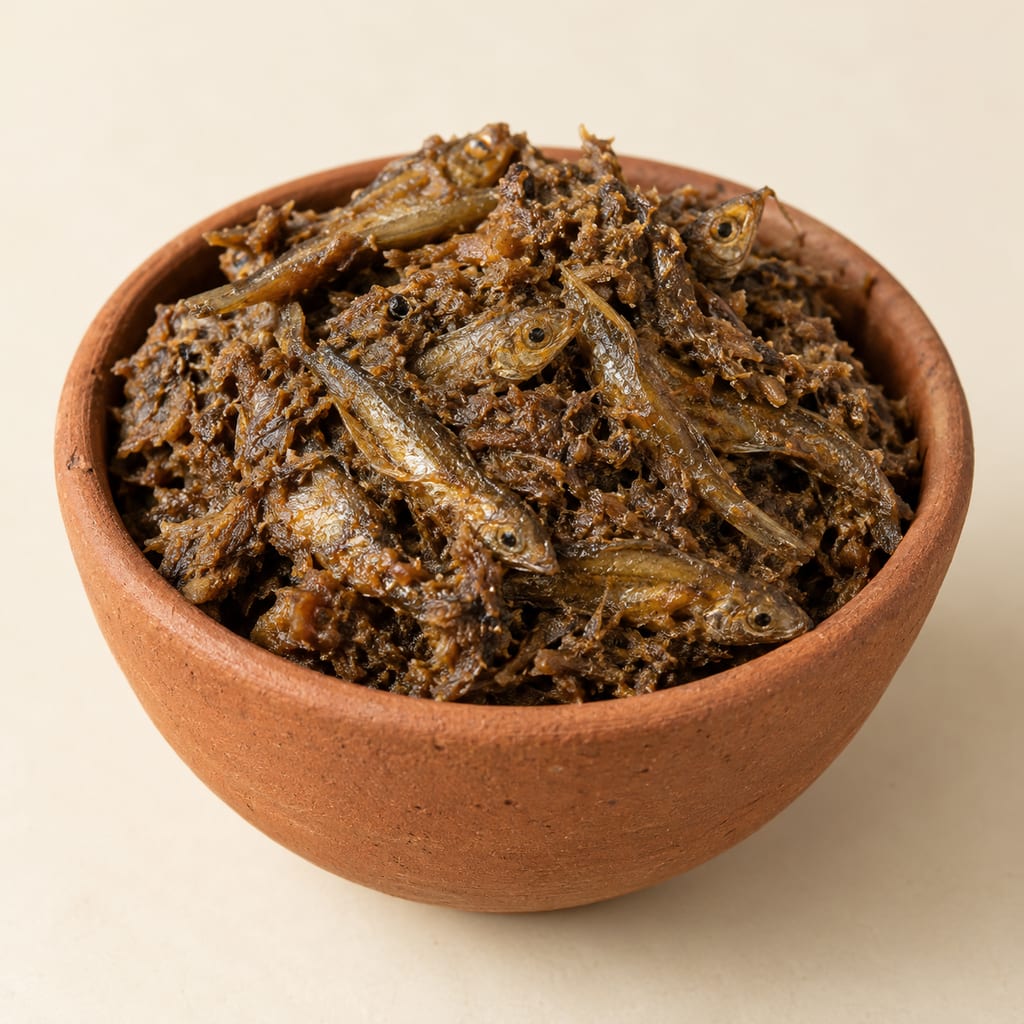
Shidal is a fermented fish preparation from northeastern India. It is made from small fish that are dried, moistened and packed into earthenware vessels to mature. Its texture ranges from solid to pasty, and in the scientific descriptions it can keep much of the fish's shape.
The product is used as a condiment and a seasoning rather than as a clear sauce. Its character comes from the fish itself, not from a long salt brine.
The studies describe a process in which small dried fish is moistened and packed into prepared earthenware for maturation. Several accounts describe a salt-free version, which is an unusual feature among fish ferments. No batch size, moisture level, temperature or duration is given in the sources used here, so none is supplied on this page.
Because the process is not standardised in the sources, home production should not be treated as validated. Any cook who attempts it needs to treat the result with the same caution as any uncontrolled fermented fish.
Shidal sits in a group of northeastern Indian fermented fish products that include ngari from Manipur and hentak, a paste made with aroid. Their methods differ in salt, ingredients and timescale, so they should not be treated as one product.
The name also appears as hidal and seedal in the sources, and spelling varies between regions.
The modern scientific descriptions cited here document the product as used in northeastern India. They do not establish the date when shidal was first made.
Regional documentation; does not establish an origin date or a single village tradition.
Dry salami, sour pork with rice, matured sheep and aged blubber follow different paths from animal to food. Their stories connect microbes with climate, slaughter, migration and the meals people share.
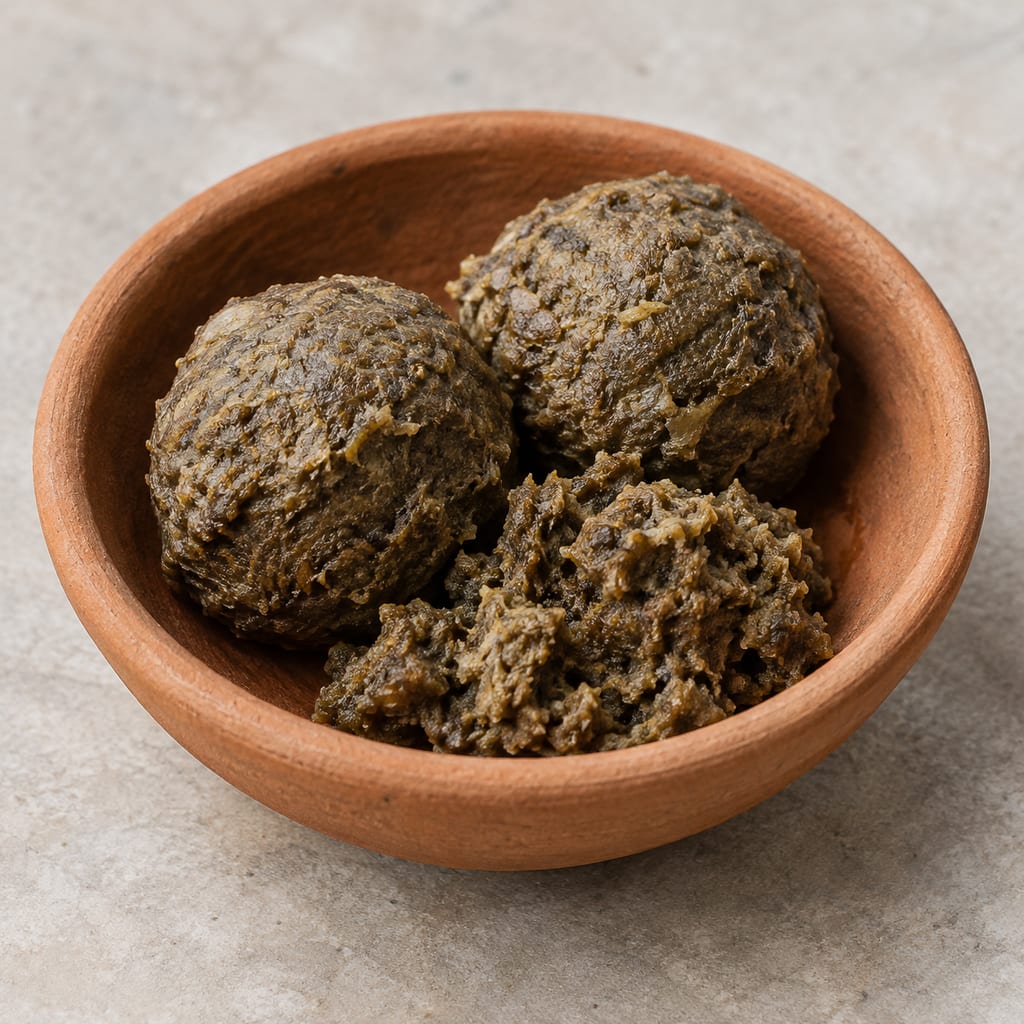
Manipuri fermented fish-and-aroid paste, formed into balls or kept in an earthen pot, used to season Manipuri dishes. Its method is documented in outline only.
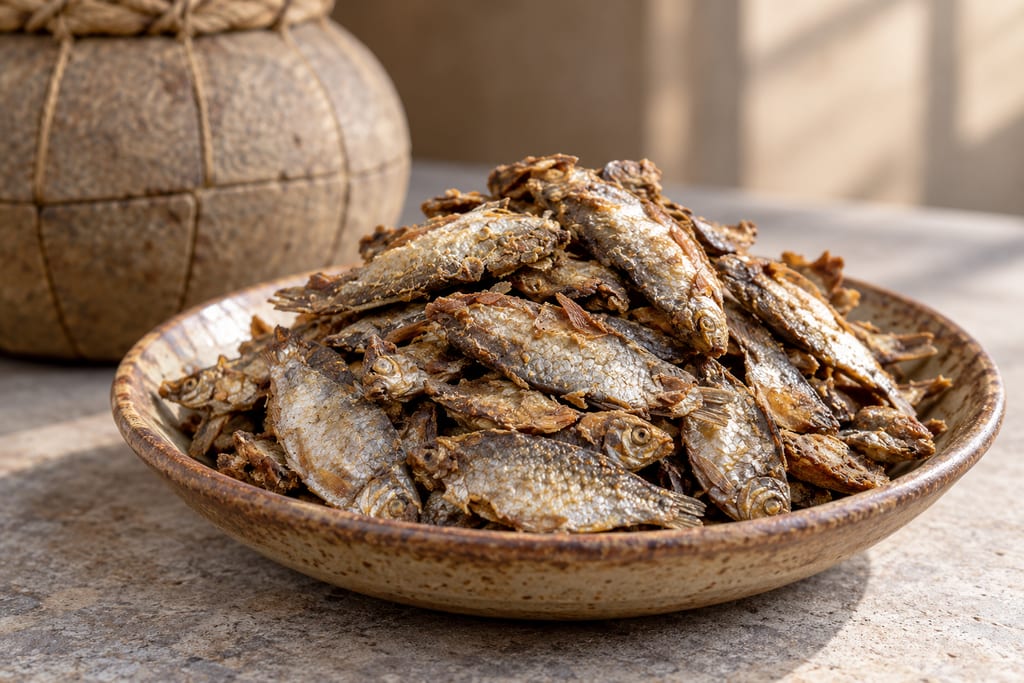
Ngari is a Manipuri fermented fish condiment made from small sun-dried fish, usually Puntius sophore, packed for fermentation. A biochemical study describes a salt-free method; it works as a condiment and ingredient rather than as a filtered sauce.

Aam panna is a tart Indian summer drink made by cooking unripe green mango until its flesh softens, then blending the pulp with sweetener, salt and spices and diluting it with water.
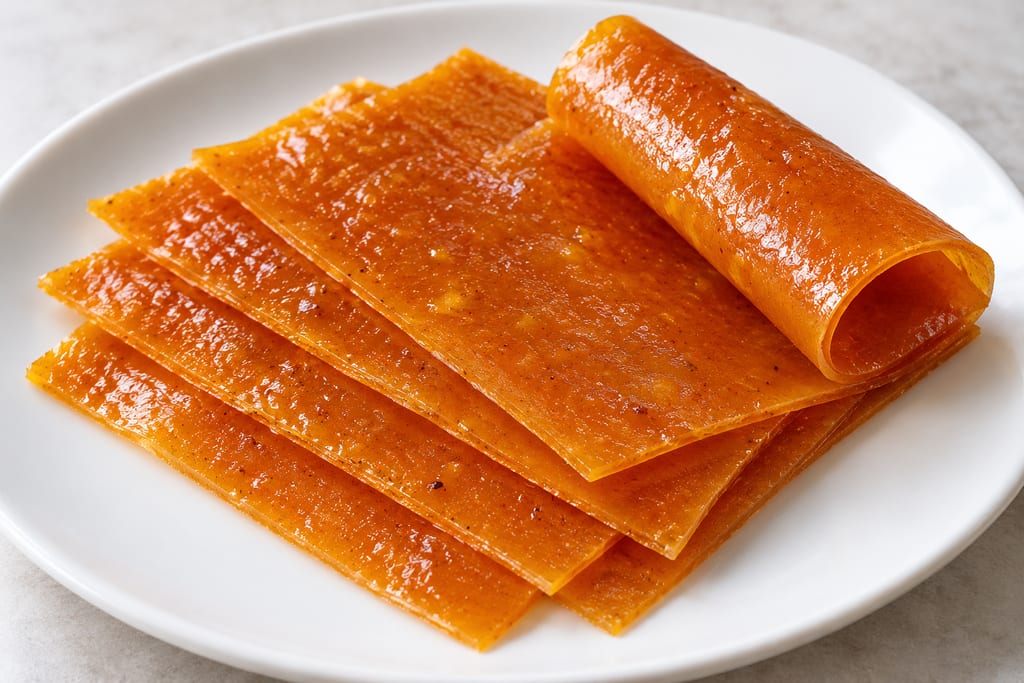
Ripe mango pulp spread thin and dried as a chewy fruit leather. This entry records one controlled unsweetened experiment and distinguishes it from Bengali sun-dried aamshotto and sweetened or spiced variants.

Adrak murabba preserves young ginger in sugar syrup, a sweet South Asian preparation recorded in Indian cookery and food-processing sources.
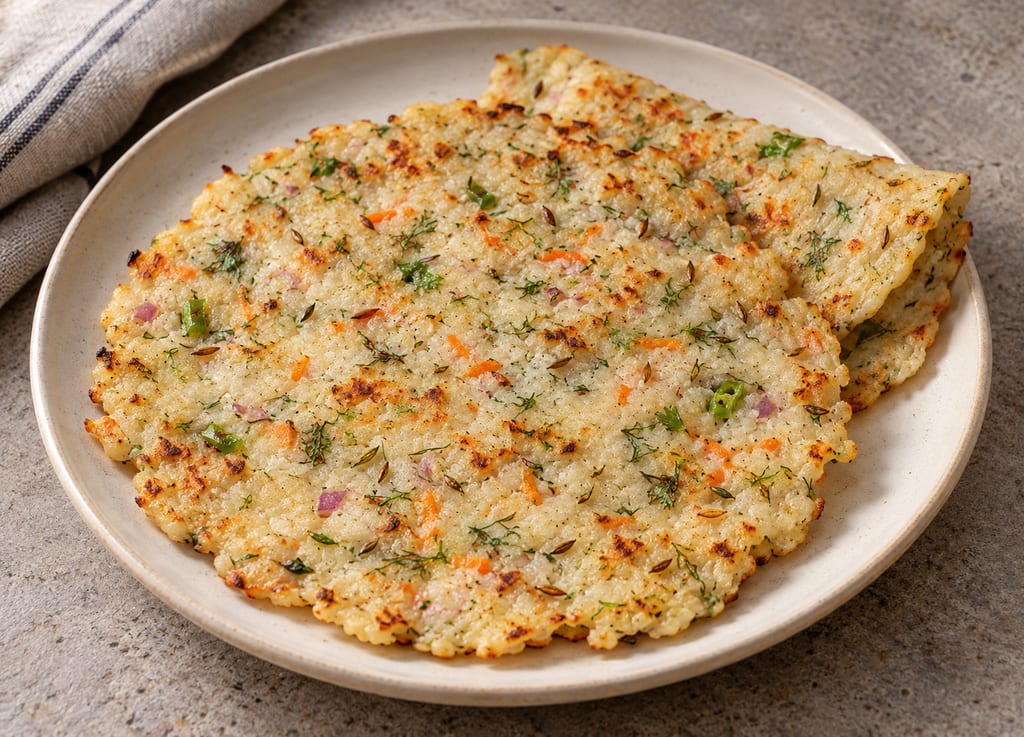
This Karnataka-style akki rotti mixes fine rice flour with vegetables, coconut, herbs and spices, then hand-pats and griddle-cooks the dough.
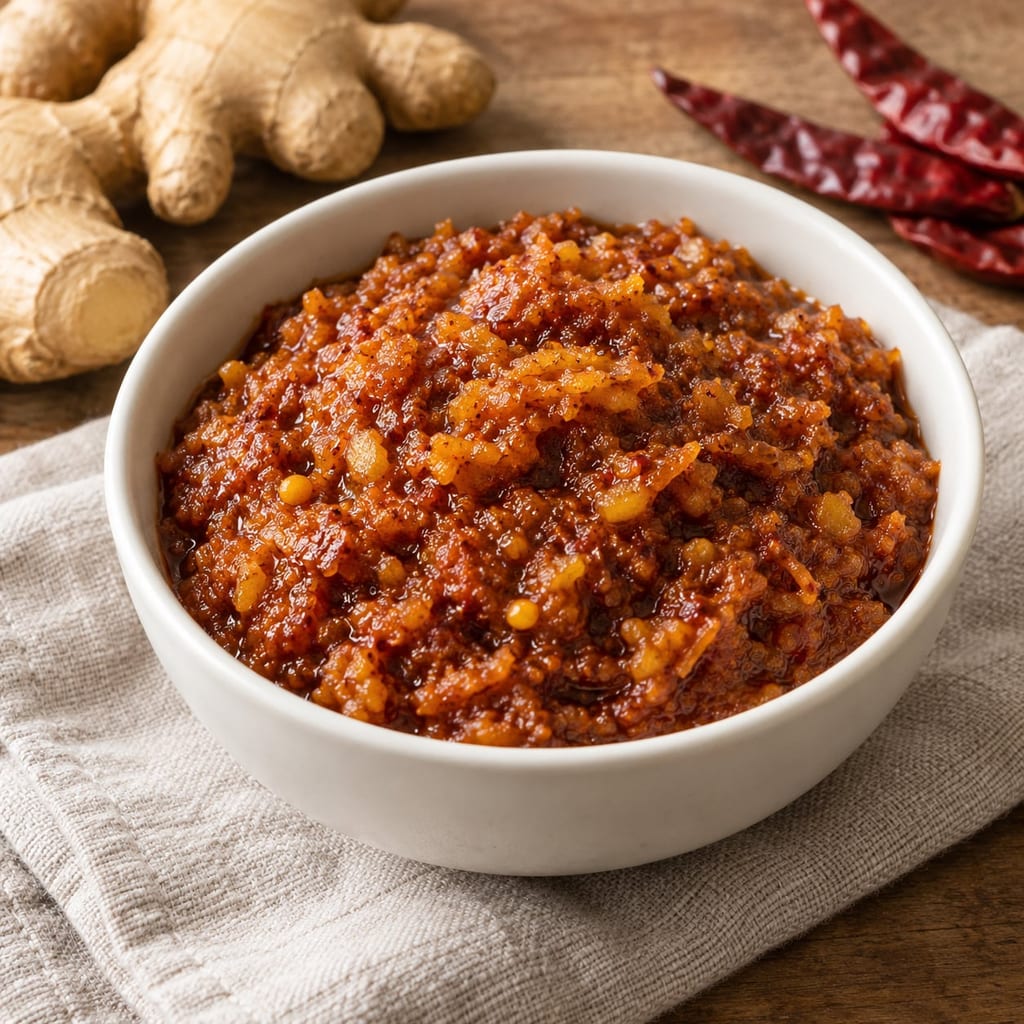
An Andhra ginger-and-urad chutney in which browned dal and briefly fried ginger and chillies are cooled, then ground with jaggery to a coarse paste.
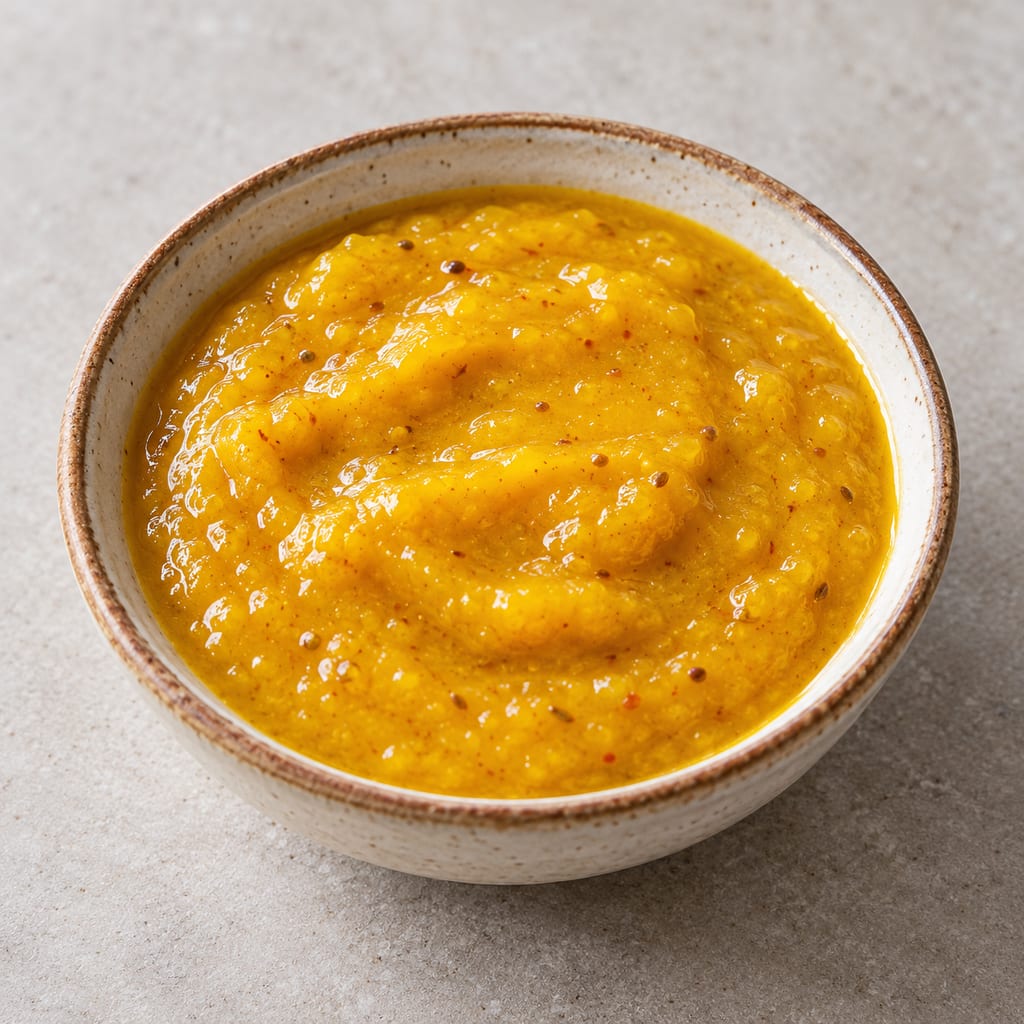
This cooked amba follows a Jewish Food Society recipe that simmers ripe mango with onion, garlic, mustard seed and warm spices into a tangy Middle Eastern condiment.
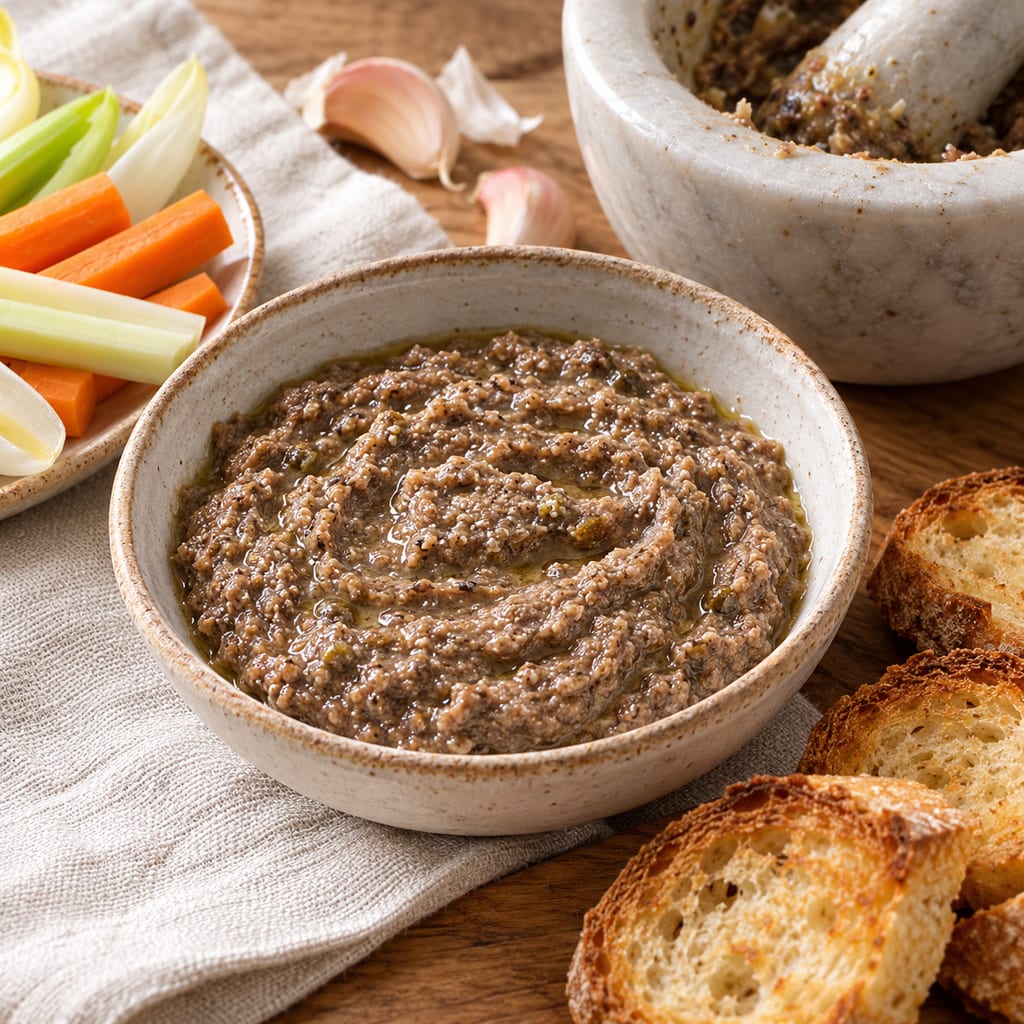
A Provencal dip of anchovies, garlic, capers and olive oil, pounded or blended to a creamy paste and served with raw vegetables, bread and eggs.
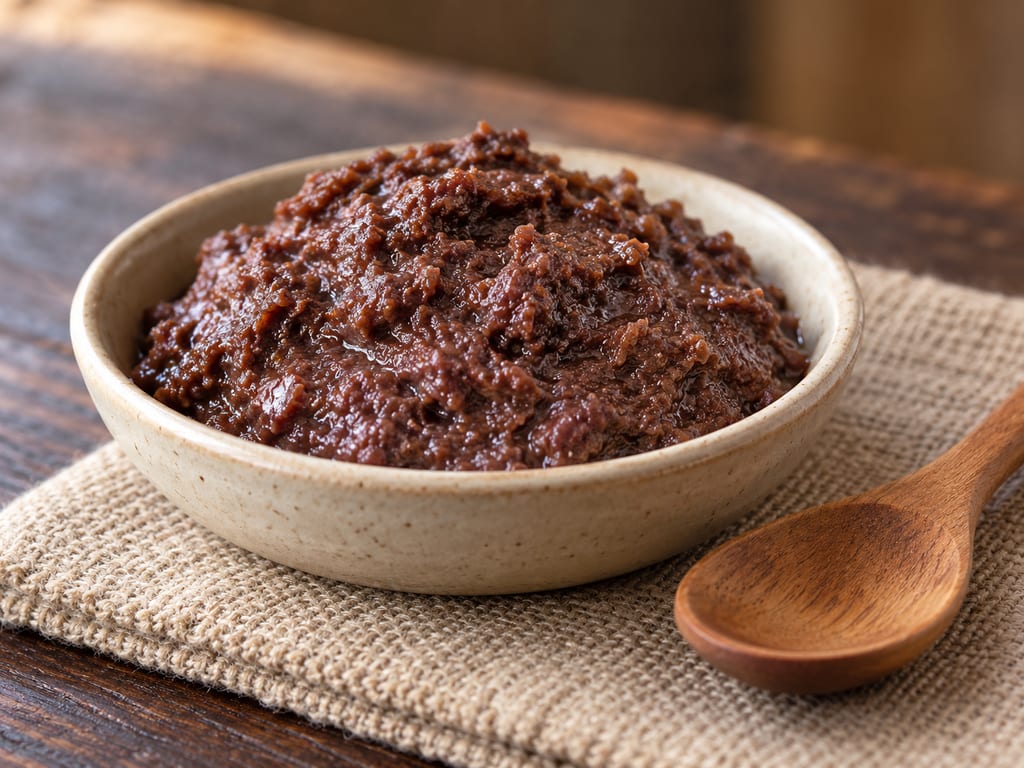
Bagoong isda is a Philippine fish paste: whole small fish salted and left to ferment for a month or more in earthen jars. It is the fish counterpart of bagoong alamang.
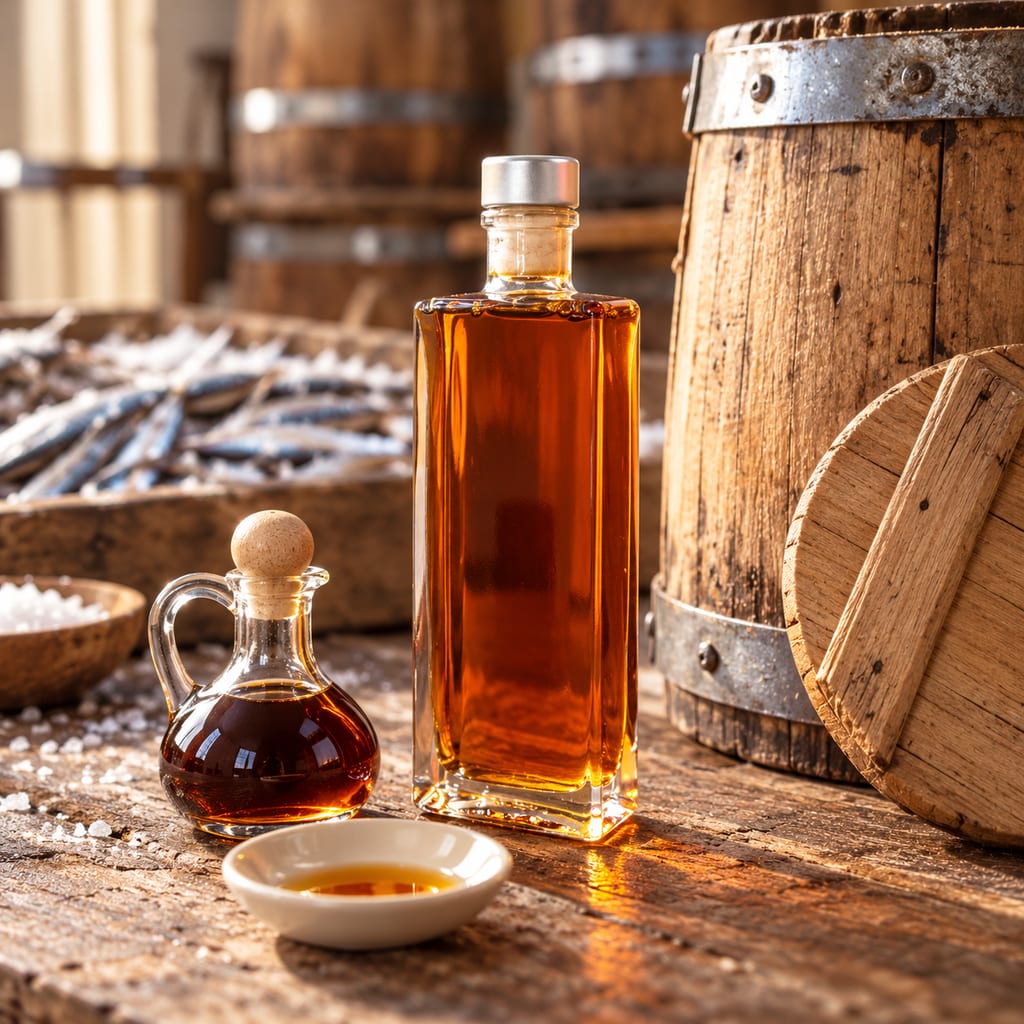
Colatura di alici is the amber liquid drained from salted anchovies matured in wooden containers in Cetara, on the Amalfi coast of Campania, and sold under a protected designation of origin.
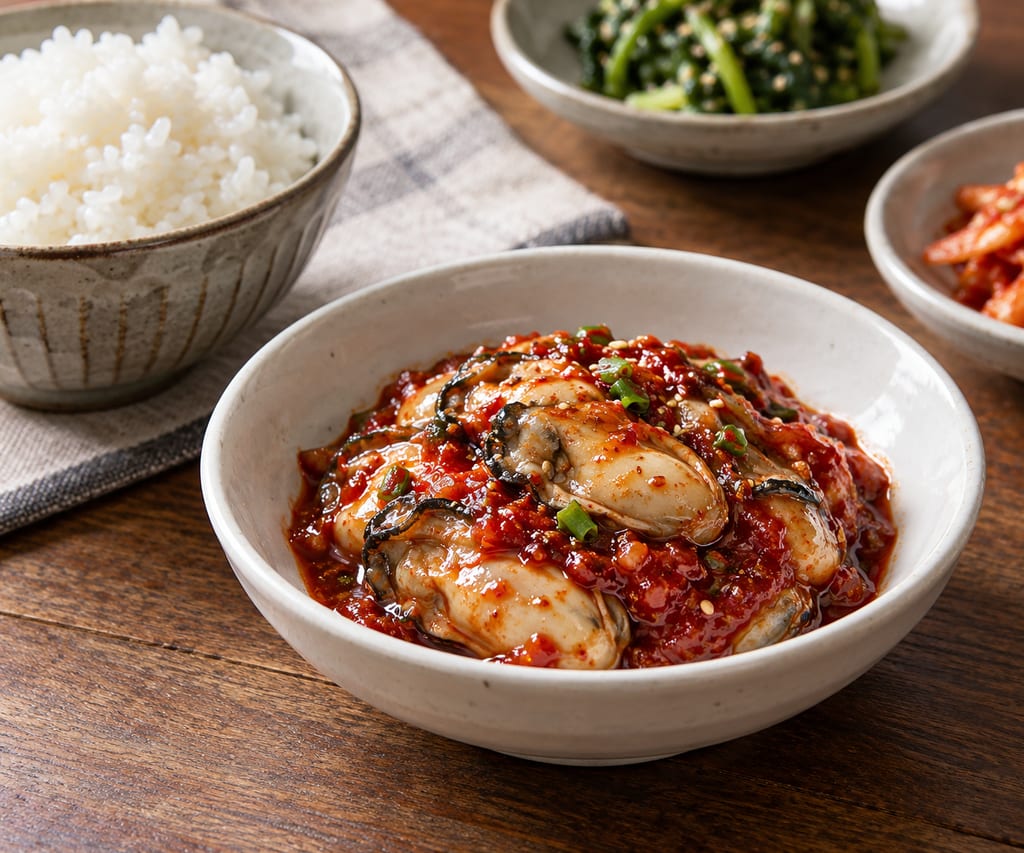
A Korean salted-oyster jeotgal seasoned with chili, associated especially with Seosan and Ganwoldo. This page records its food culture, not a household preparation method.
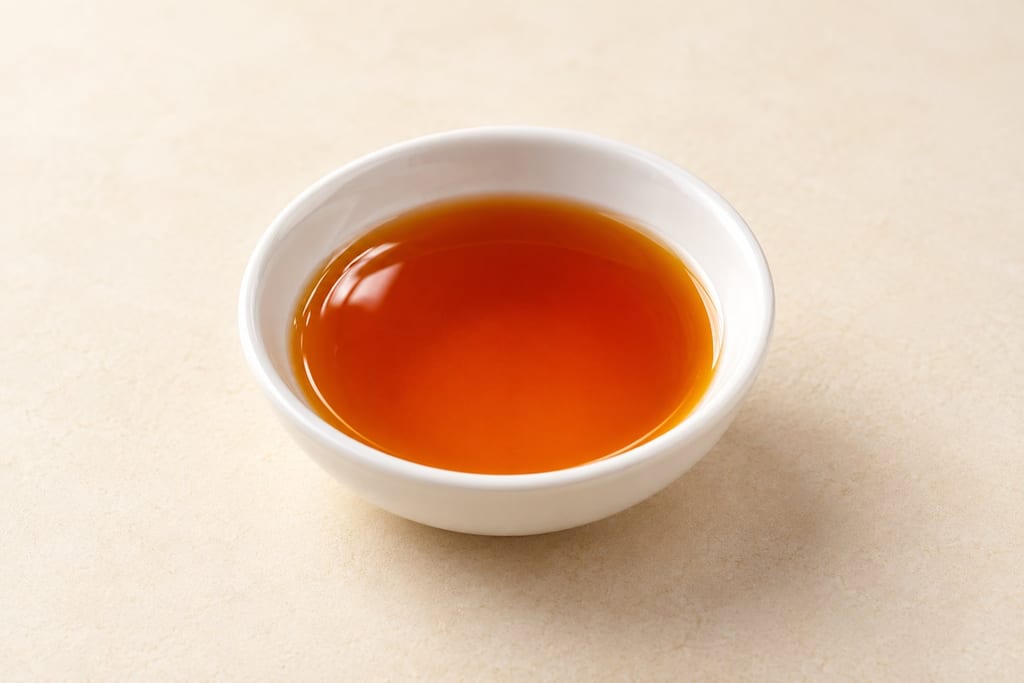
Fish sauce is a clear, salty seasoning made by maturing fish with salt and drawing off the liquid. The broad family includes distinct regional sauces rather than one interchangeable method.
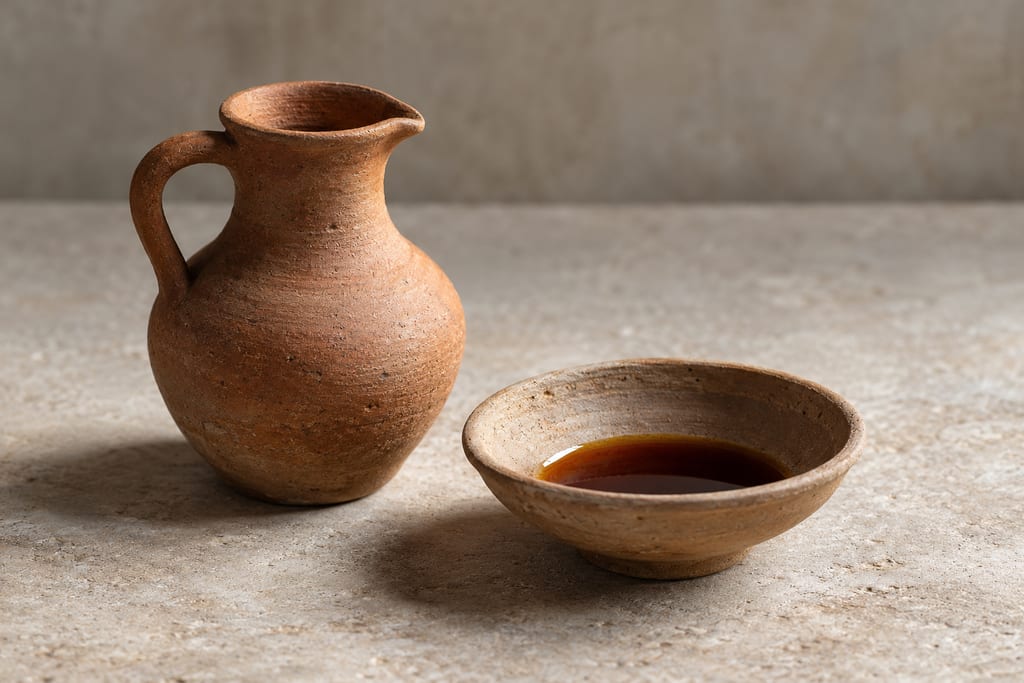
Garum, Greek garos and Latin liquamen, was the fish sauce of the ancient Mediterranean: fish and viscera salted and left in the sun, then drained off as a savoury liquid.
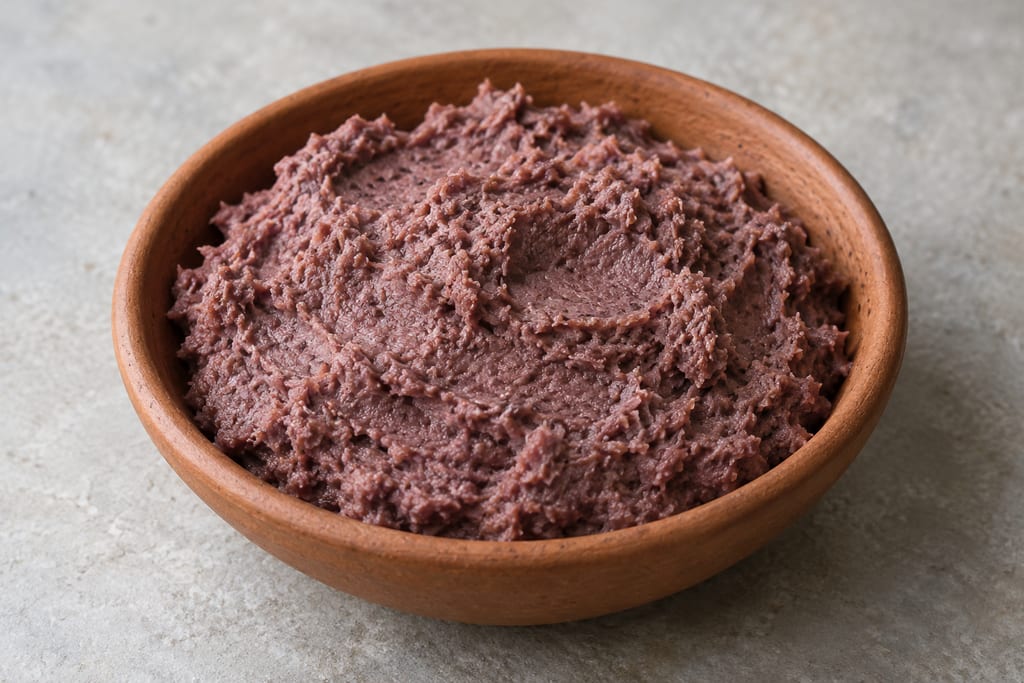
Guinamos is a shrimp paste made on Guimaras in the Philippines: small shrimp salted by hand, sun-dried and trodden by foot until it turns smooth.
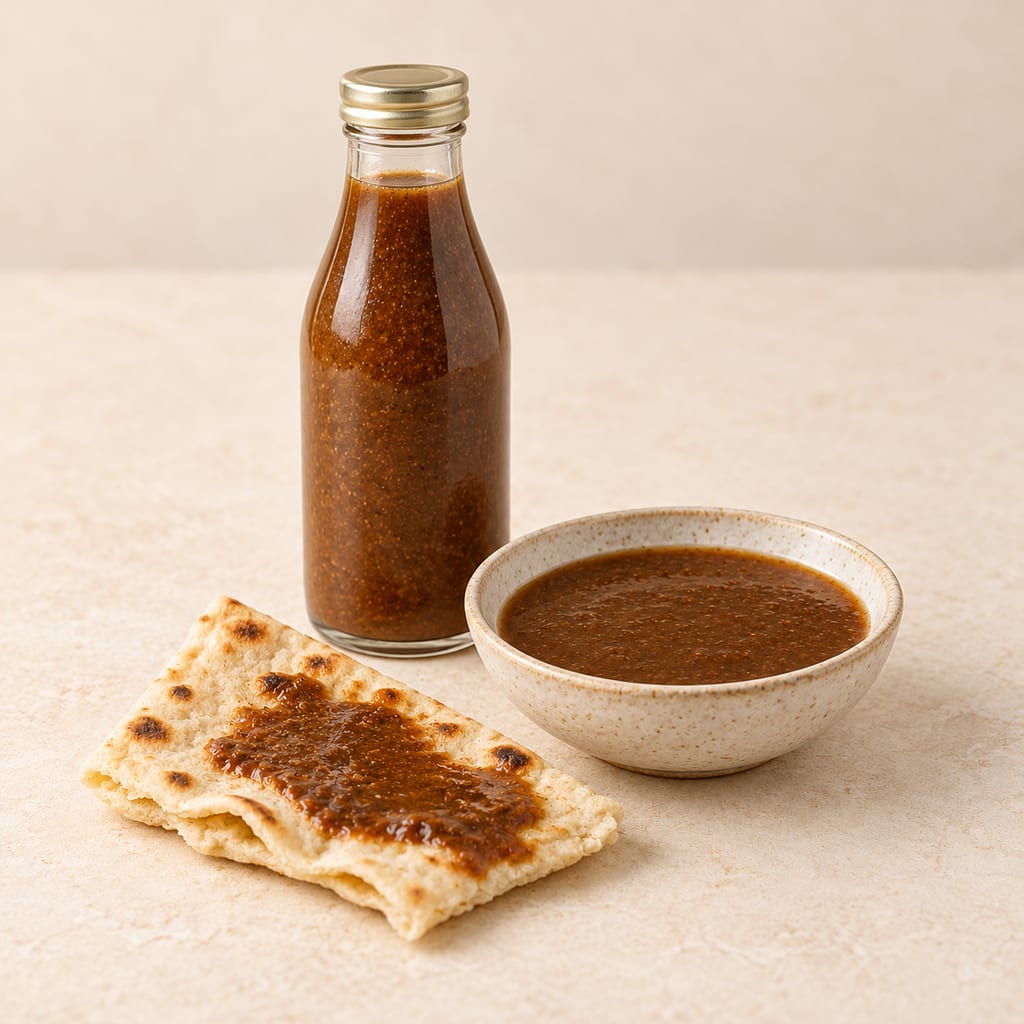
Mahyawa, also written mahyaveh, is a traditional fish sauce from southern Iran, made by salting small sardines or anchovies in water, maturing them in jars and seasoning the filtered liquid with mustard and spices.
No community contributions have been published for this entry yet.
Sign in to contribute. Published comments and photos are free to read.
PubMed CentralMethod · History
Fermented fish products of northeastern India (PMC4711405)Small dried fish moistened and packed into earthenware for maturation
Salt-free products that stay solid or pasty
Cited in: What it is; Method in the sources; Regional relatives