








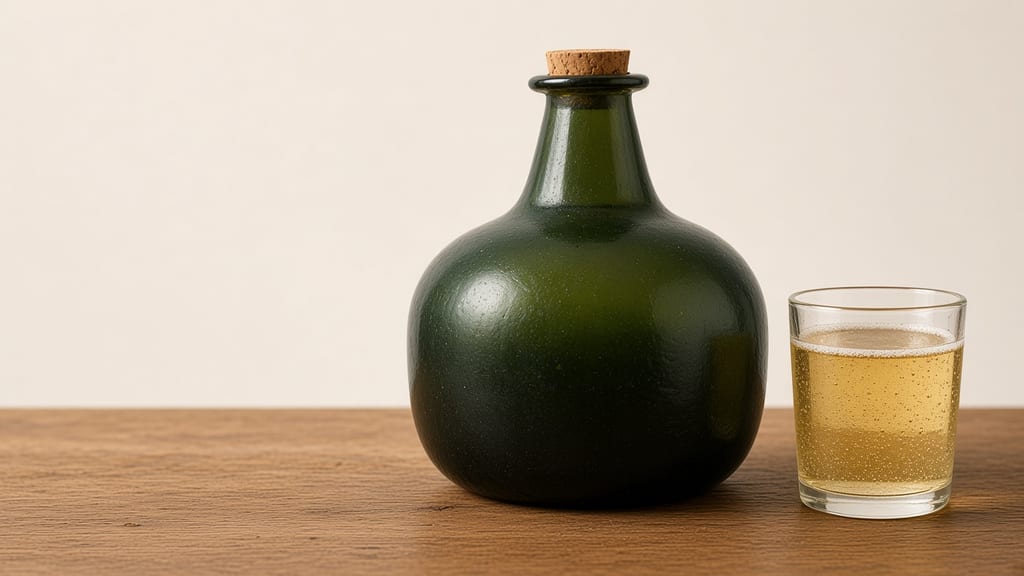
Elevated risk
Seventeenth-century English bottled cider
A lightly sparkling cider bottled before it had finished fermenting, as Sir Paul Neile described it in 1664, with a measured modern method for safe bottle conditioning.
 FermenteaWhere food goes to change
1504 records with their sources, across 11 categories.
A lightly sparkling cider bottled before it had finished fermenting, as Sir Paul Neile described it in 1664, with a measured modern method for safe bottle conditioning.
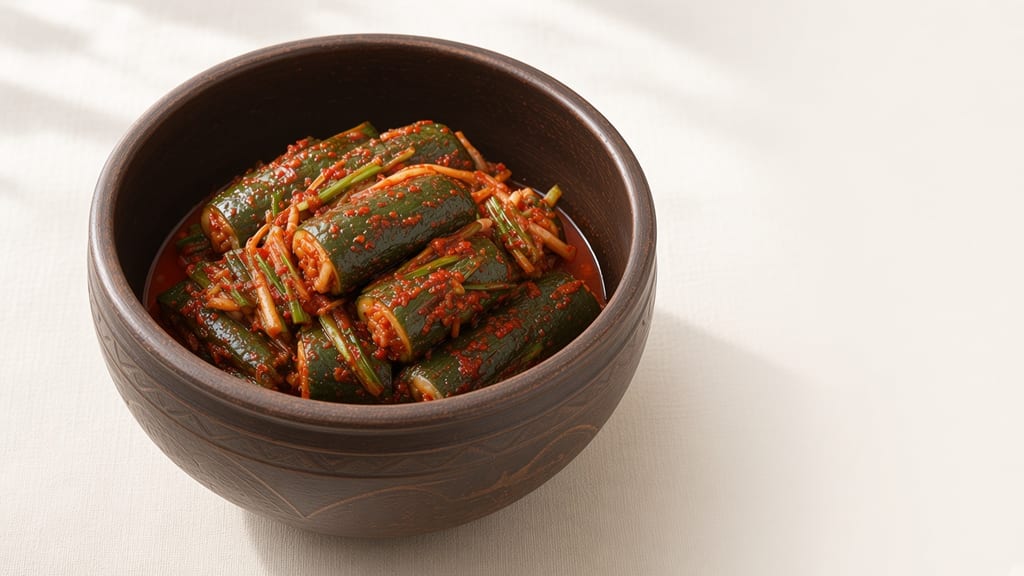
Hwanggwa damjeo is a cucumber kimchi from Yu Jung-rim's Jeungbo sallim gyeongje of 1766. Slit cucumbers are packed with chilli powder and garlic, scalded with hot salted water and sealed overnight.
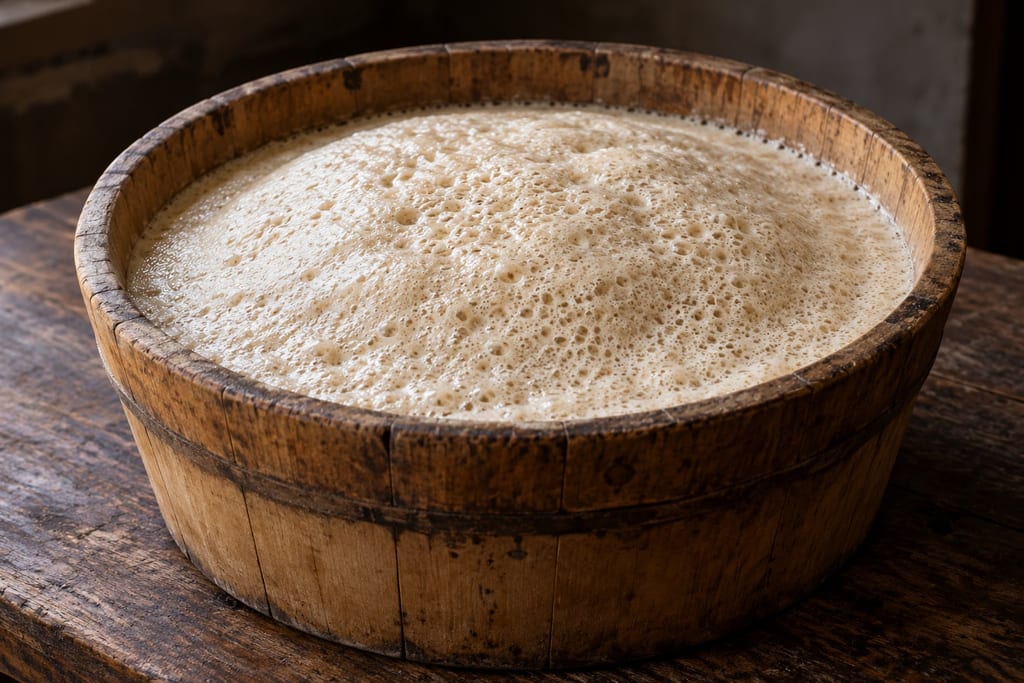
Scotch barm is a Scottish bakery ferment grown in a malt-and-scalded-flour medium and renewed with mature barm from the last batch to leaven successive bread sponges.
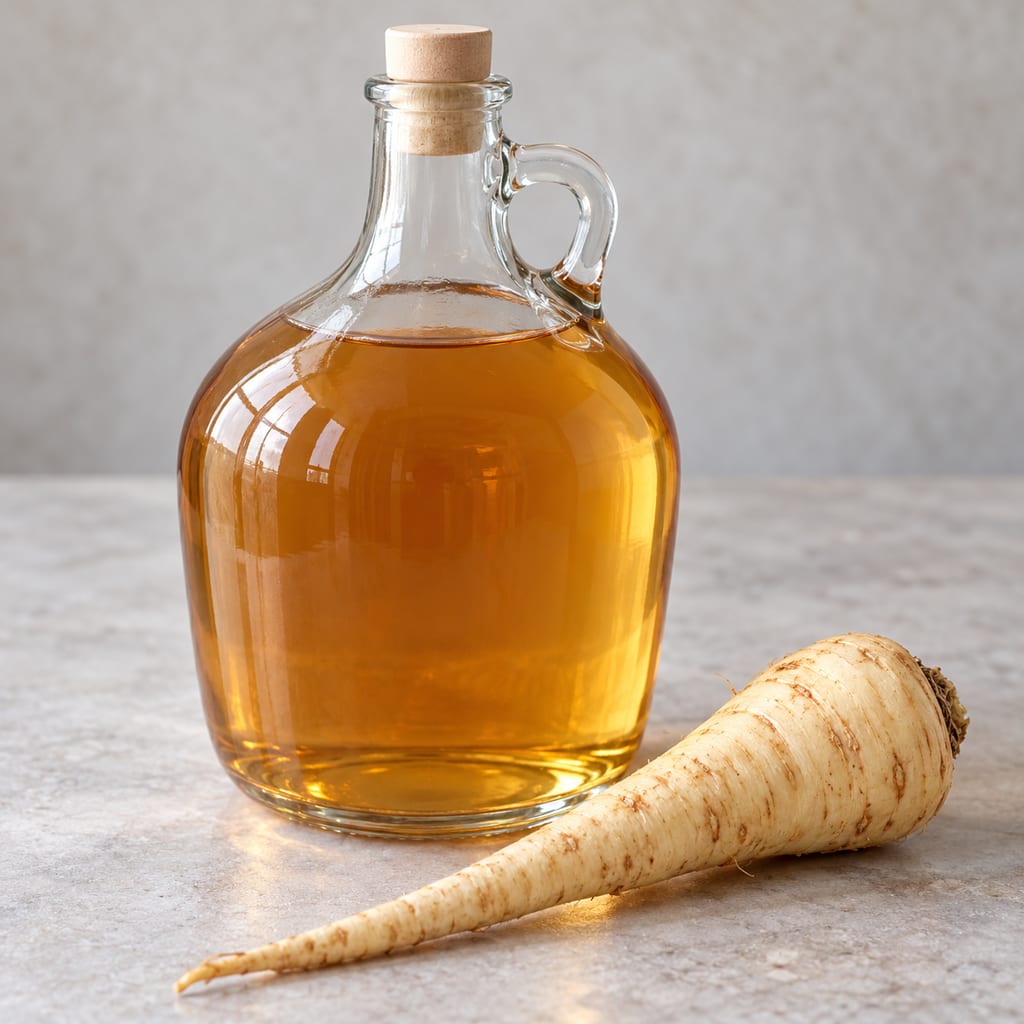
A root wine made from boiled parsnip liquor and lump sugar, fermented with yeast and finished with brandy before bottling.
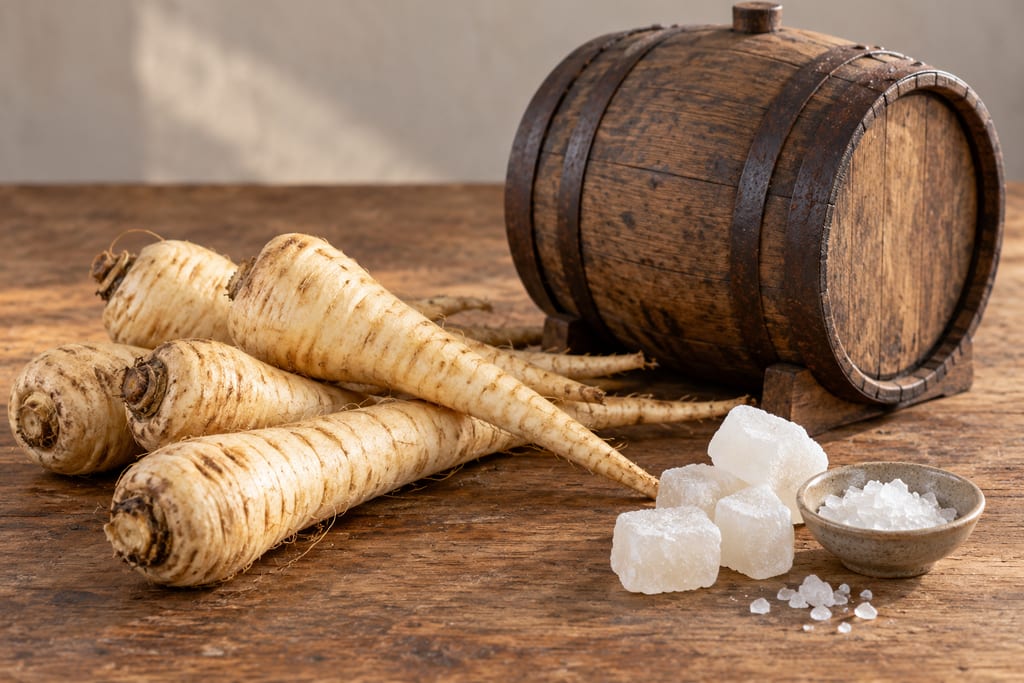
Parsnip liquor ferments with loaf sugar, crude tartar and fresh yeast, then matures in a cask for twelve months before bottling.
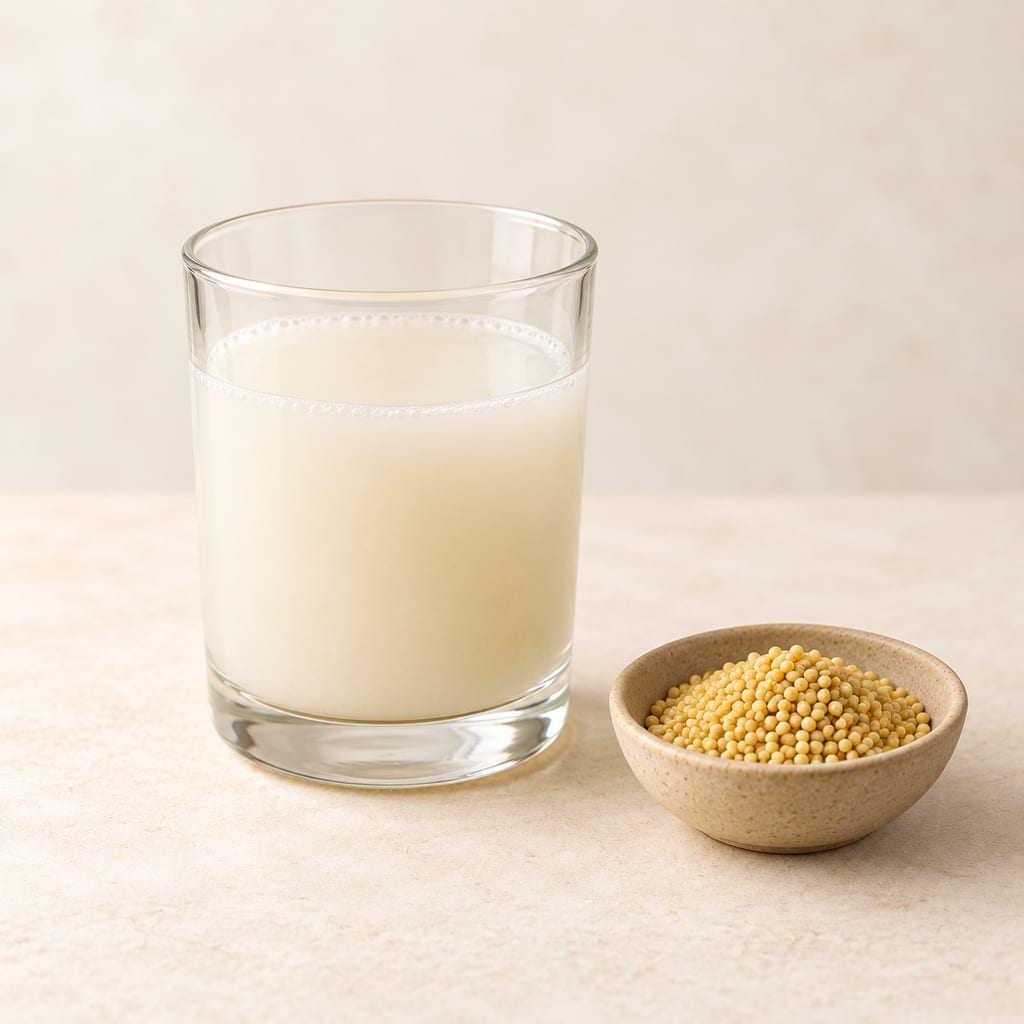
An Ainu grain drink for festivals and housewarmings, made by cooling cooked grain gruel, adding millet malt and holding it in a sake-making vessel.
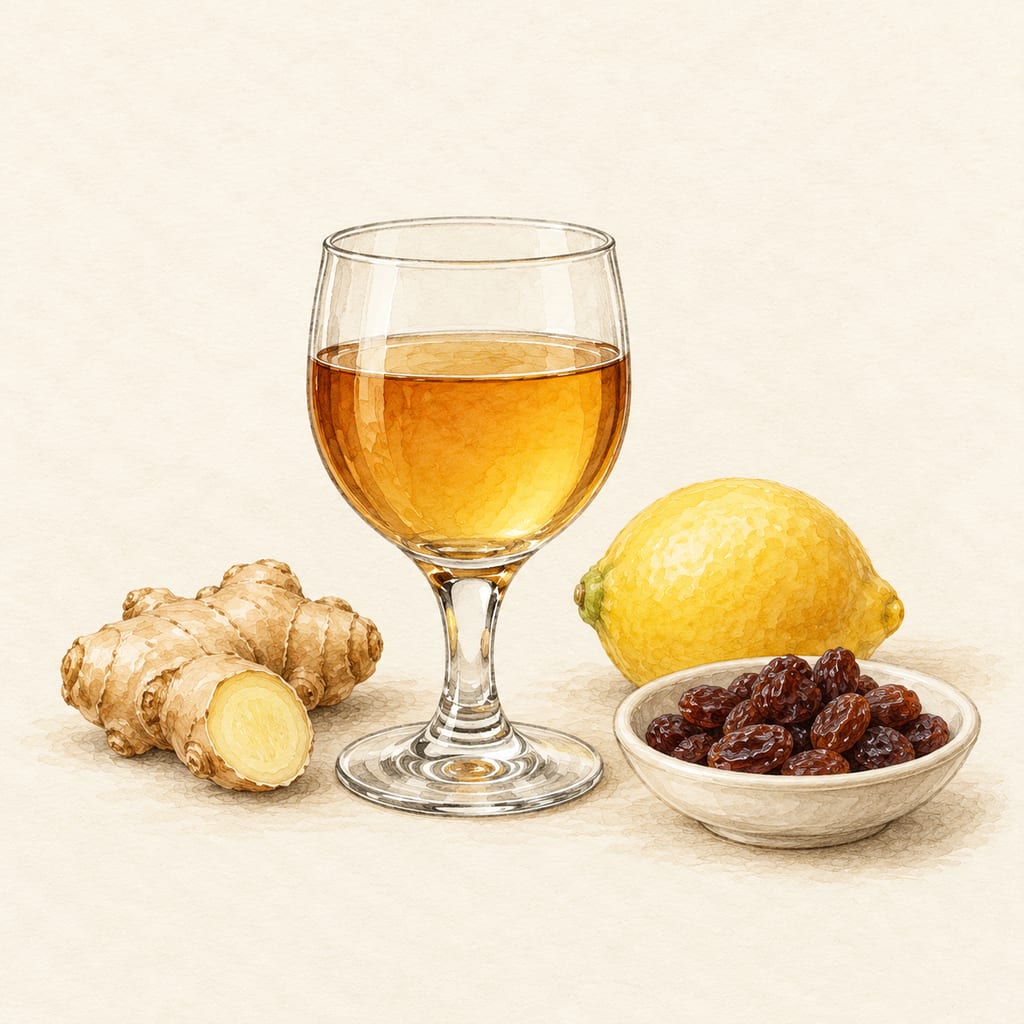
A Victorian household wine of boiled sugar, lemon and bruised ginger, worked on raisins in a cask for a fortnight and finished with brandy, made nine gallons at a time.

Adrak murabba preserves young ginger in sugar syrup, a sweet South Asian preparation recorded in Indian cookery and food-processing sources.
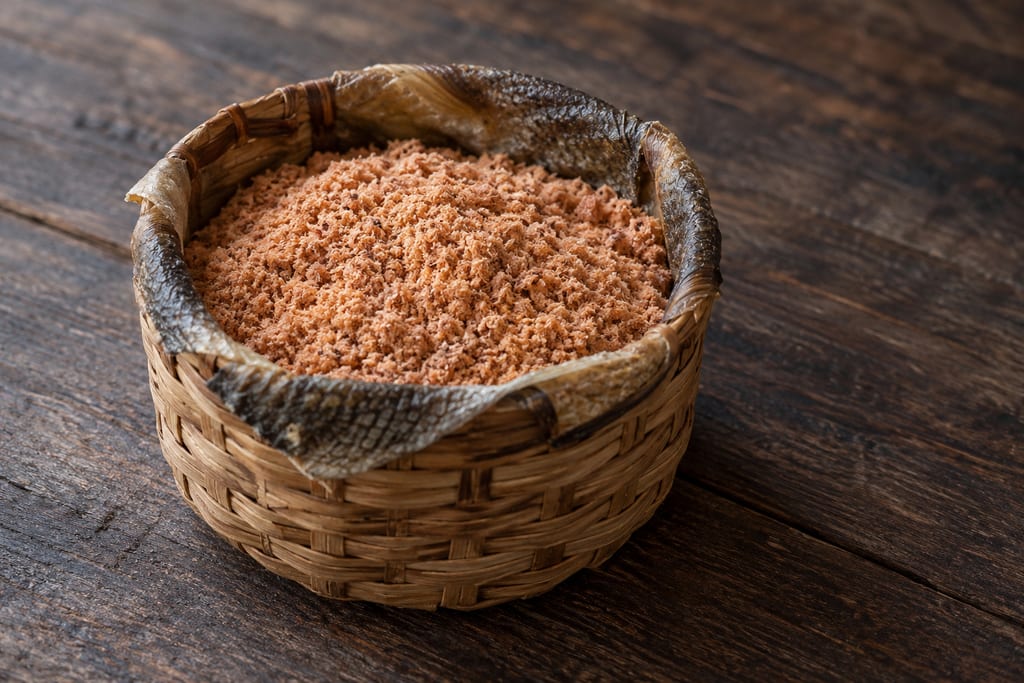
Dried salmon broken down, pounded to a meal and pressed into grass baskets lined with fish skin: the compact trade food of Celilo Falls and The Dalles.
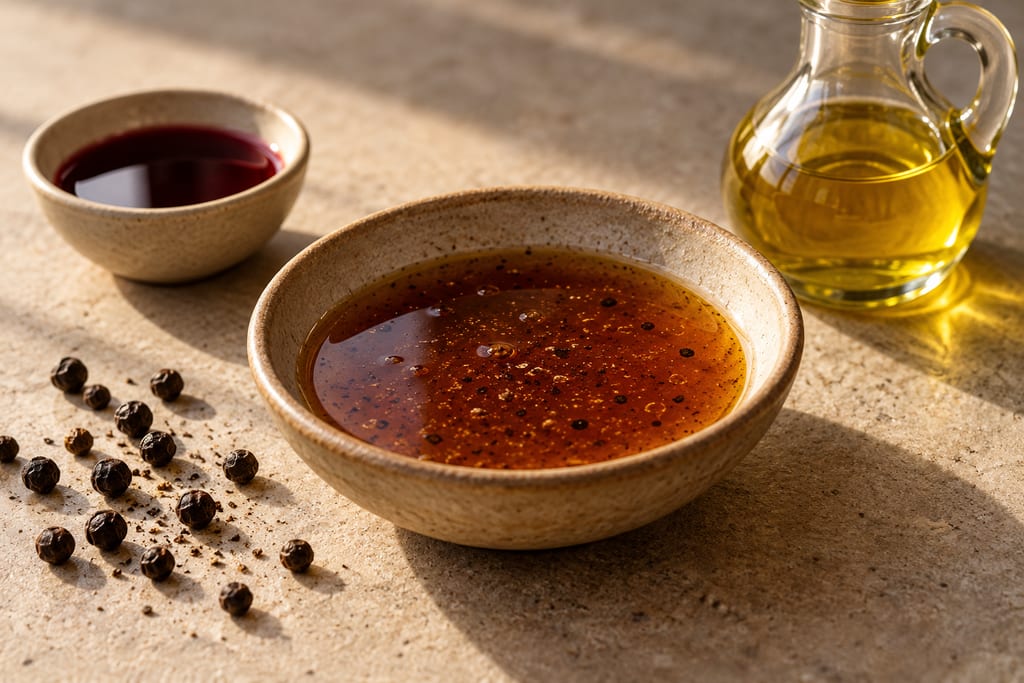
Oenogarum is fish sauce mixed with wine, pepper and often olive oil: a Roman table sauce in the Apicius cookbook, and a reduced, strained sauce in a later medical text.
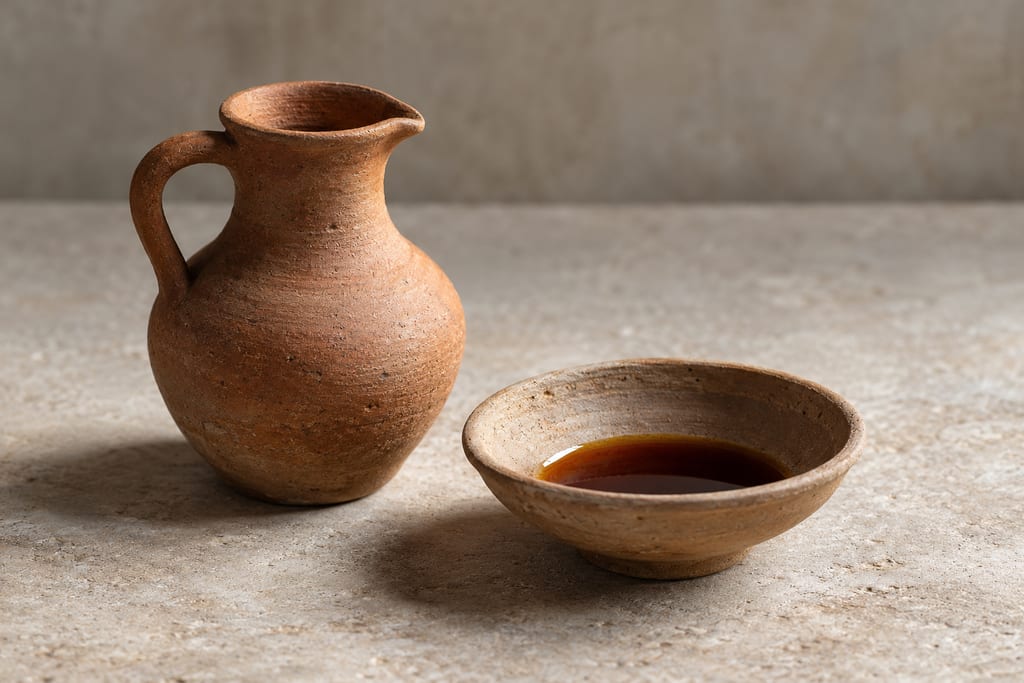
Garum, Greek garos and Latin liquamen, was the fish sauce of the ancient Mediterranean: fish and viscera salted and left in the sun, then drained off as a savoury liquid.
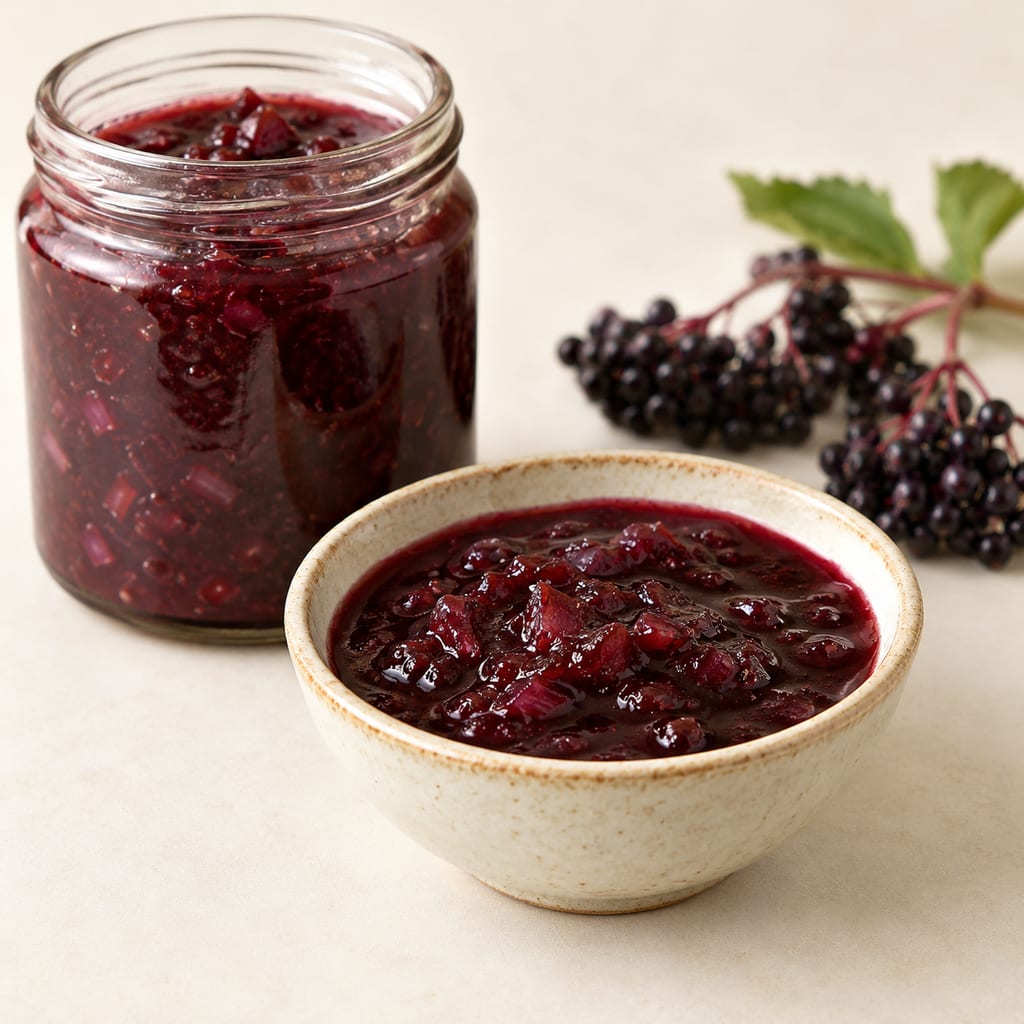
An English elderberry condiment of vinegar, shallots and warm spices, historically called a catsup and tied to Pontac's Head tavern in London.
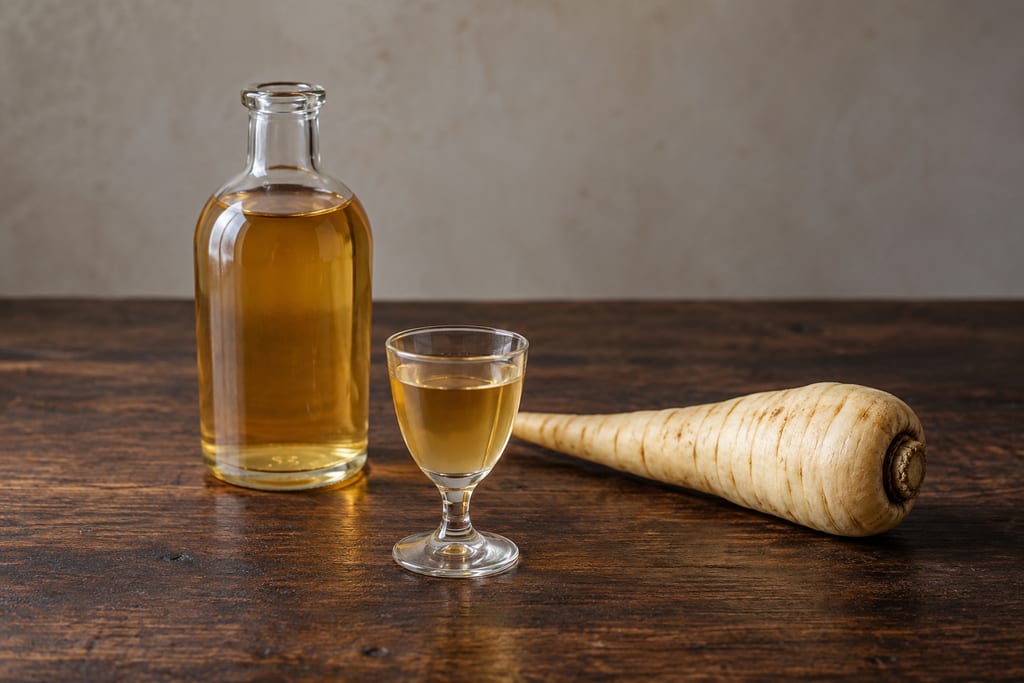
Wright's 1909 compilation records a parsnip wine made from boiled roots, sugar and a little yeast. The liquor spends ten days in a tub, then twelve months in a cask topped up daily only while the wine works over.
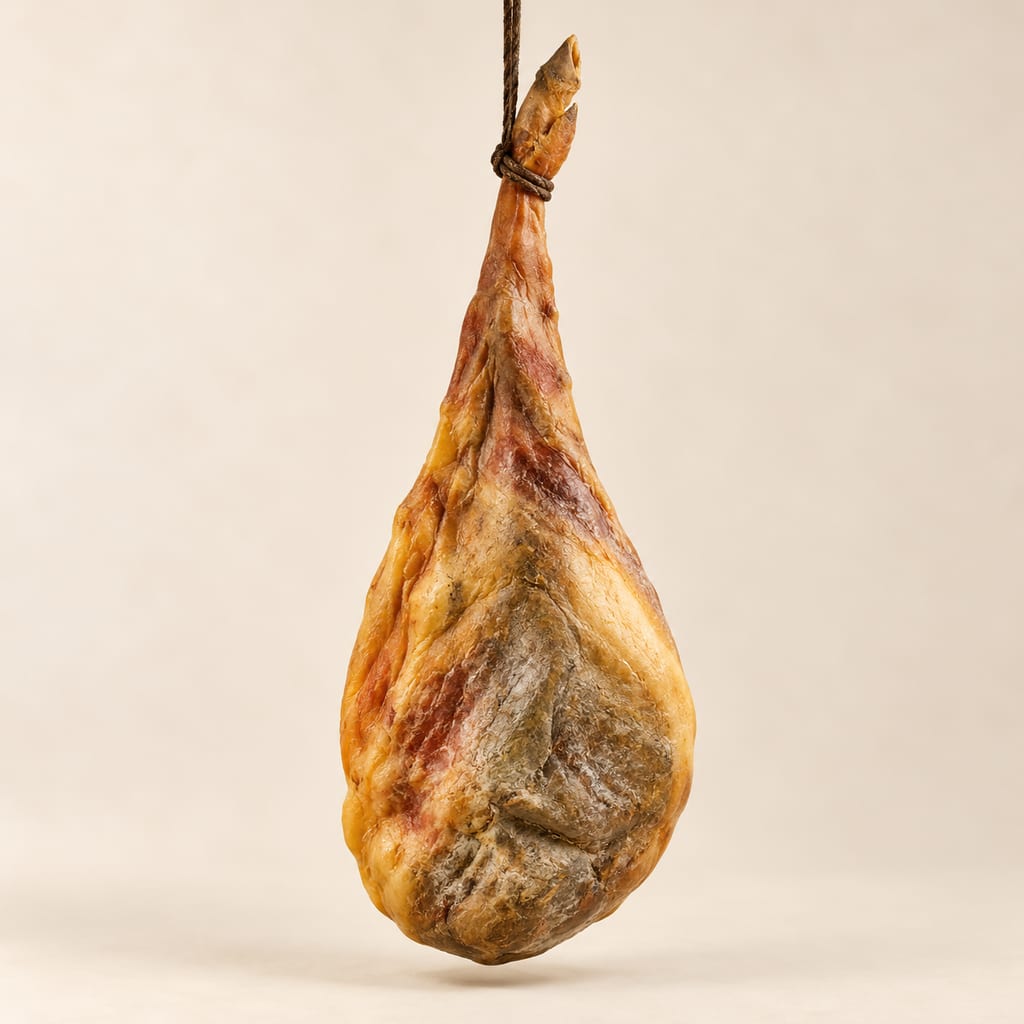
Cato the Elder records a second-century BCE sequence for salting, air-drying, and smoking ham. This historical account is not a validated modern curing protocol.
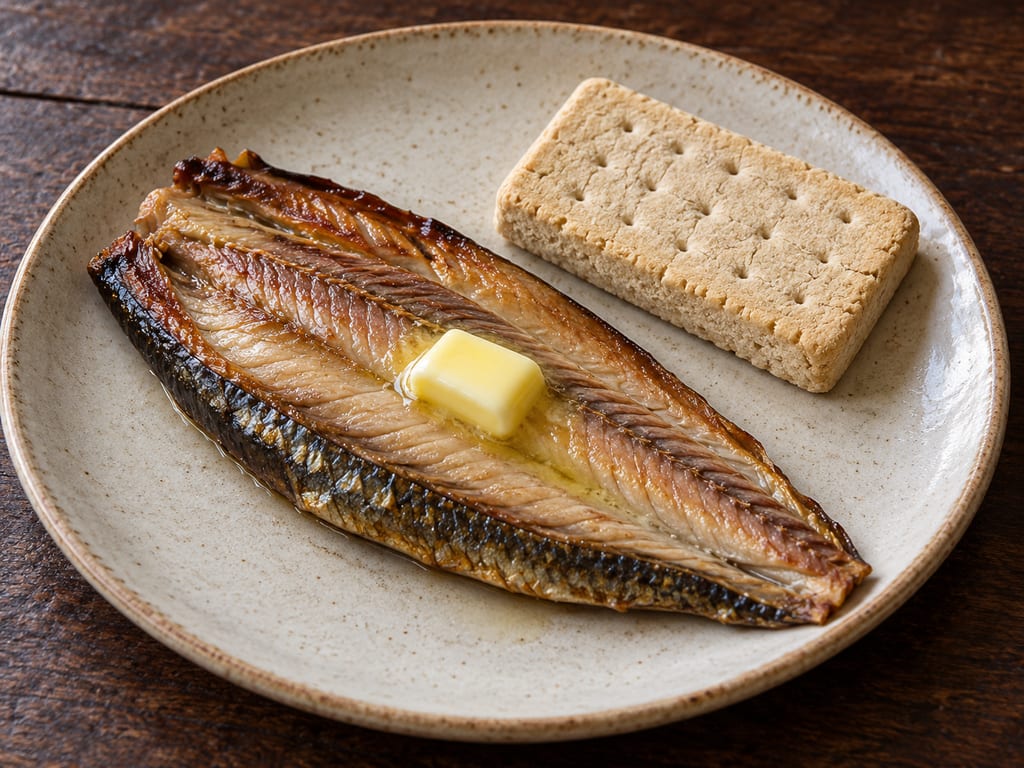
A Victorian way with Great Yarmouth bloaters: the lightly salted, cold-smoked whole herring is broiled and served with fresh butter and a warmed captain's biscuit.