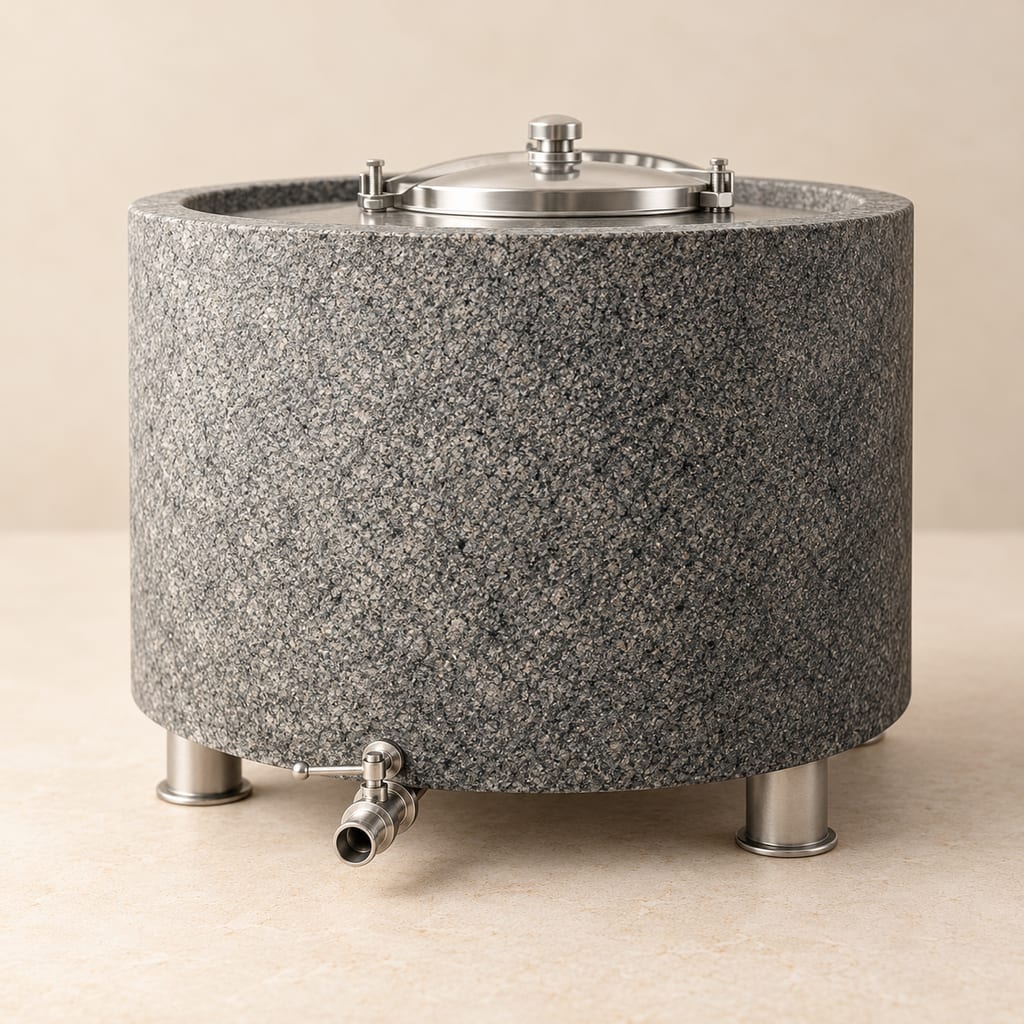
Carved natural-stone wine vessel
A wine fermentation and maturation tank carved from a single granite block, with a thick mineral shell and fitted metal closures and taps.
 FermenteaWhere food goes to change
Equipment · Jars, pots and crocks
Biopythos stoneware wine jar
Factory-made ceramic wine jars are contemporary winery equipment. Biopythos documents a 120 L cast stoneware jar with specified dimensions and optional fittings; stoneware and porcelain are distinct materials, not one universal vessel.
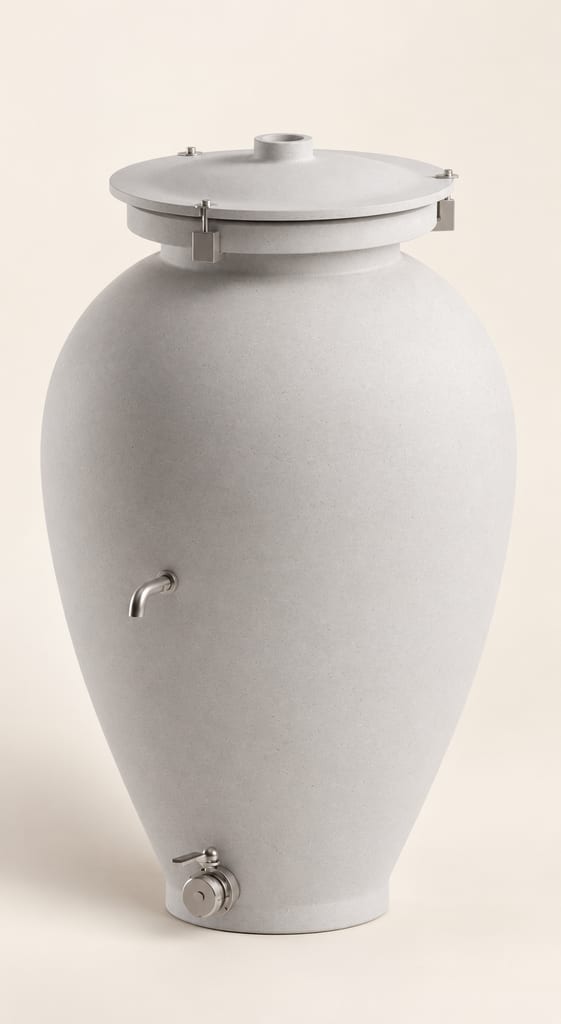
This page focuses on a modern, manufactured ceramic wine vessel rather than treating every clay wine jar as the same object. Biopythos's product line includes stoneware and porcelain formats. One documented example is its 120 L stoneware jar, which the maker presents for wine production, fermentation, ageing or tasting. Its regular moulded profile and fitted cover distinguish this equipment from hand-built qvevri, tinajas and older amphorae, even where a winery uses them for related stages.
The manufacturer lists the 120 L model at 850 mm high, 500 mm in diameter, with a 250 mm opening and a weight of 25 kg. Its official product photograph shows an ovoid, broad-bodied jar with a fitted lid, clamps and lower fittings. The data describe this model only. They are not a general size range for ceramic wine vessels, nor evidence that every version ships with the optional tap, drain, bung or support.
Biopythos makes both stoneware and porcelain wine vessels. A 2022 technical paper reports that the manufacturer's two ceramic bodies differ in composition and porosity, and describes the vessels as cast. That distinction matters: 'ceramic' alone does not tell a winemaker how much air a vessel exchanges with the room. The 120 L product page lists porosity as tailored and the manufacturer says permeability may be adjusted on request, but it does not publish an oxygen-transfer value for this exact model.
The paper's broader discussion notes that dimensions, composition and pore structure influence fermentation and maturation. Its own experiments concern red clays from Spain, not this French jar, so those results should not be assigned directly to Biopythos. The maker describes the jar's smooth interior as easy to clean and lists optional closures and fittings. A food-contact certificate is available on request according to the product page; that statement is not a substitute for checking the documentation for a specific vessel.
Biopythos identifies its jars, amphorae and eggs as made in France and describes plaster-mould casting for its stoneware and porcelain products. Its 120 L stoneware sheet is a 2021 product document. A 2023 Limoges Métropole profile says the company was created in 2016 and describes a developing line of ceramic vessels, including stoneware and porcelain formats. Those dates document a modern manufacturer and model; they do not date the much older history of ceramic vessels in winemaking.
The jar is designed for a winery setting, not buried installation. The official image shows the whole vessel and its fittings, so no cutaway is needed. Some accessories are optional, and the manufacturer reports tailored porosity; a buyer should consult the model-specific sheet before assuming a port, hatch, drain or support is standard. The 120 L dimensions and stoneware body are therefore the clearest reference point for the generated depiction.
A carved natural-stone wine vessel is another modern winery container used for fermentation and maturation. It is a useful comparison, not the same equipment: that page describes a massive granite block, while this example is a manufactured stoneware jar with fitted accessories. Linking the two highlights that vessel material and construction differ even when both participate in wine production.
Biopythos presents contemporary stoneware and porcelain jars, amphorae and eggs. A 2021 product sheet documents its 120 L stoneware jar; this dates the model documentation, not the origin of ceramic winemaking.
The capacity and dimensions given here are for Biopythos's 120 L stoneware jar, not all modern stoneware or porcelain wine vessels.
Source →The manufacturer lists porosity as tailored on the 120 L model and says it can adjust ceramic permeability; no oxygen-transfer measurement for this exact jar is supplied on the product page.
Source →Stoneware and porcelain differ in composition and reported porosity; performance cannot be inferred from the shared word ceramic.
Source →The manufacturer identifies its ceramic vessels as made in France; the product page identifies the 120 L stoneware model. This is a manufacturing association, not an origin claim for wine jars generally.
A wine fermentation and maturation tank carved from a single granite block, with a thick mineral shell and fitted metal closures and taps.
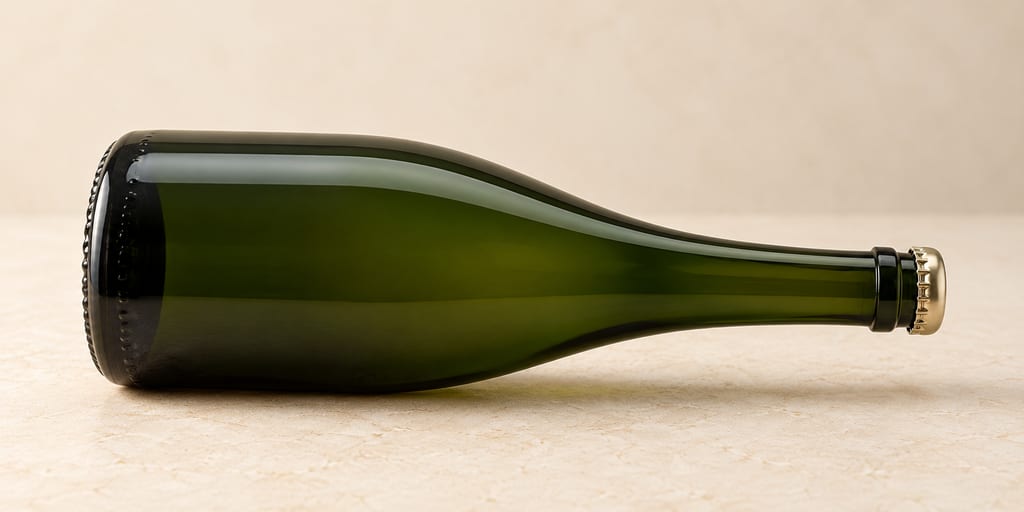
Champagne’s traditional-method bottle holds wine through its second fermentation and subsequent maturation on lees. At tirage it has a crown cap and internal insert; bottle formats and specifications vary.
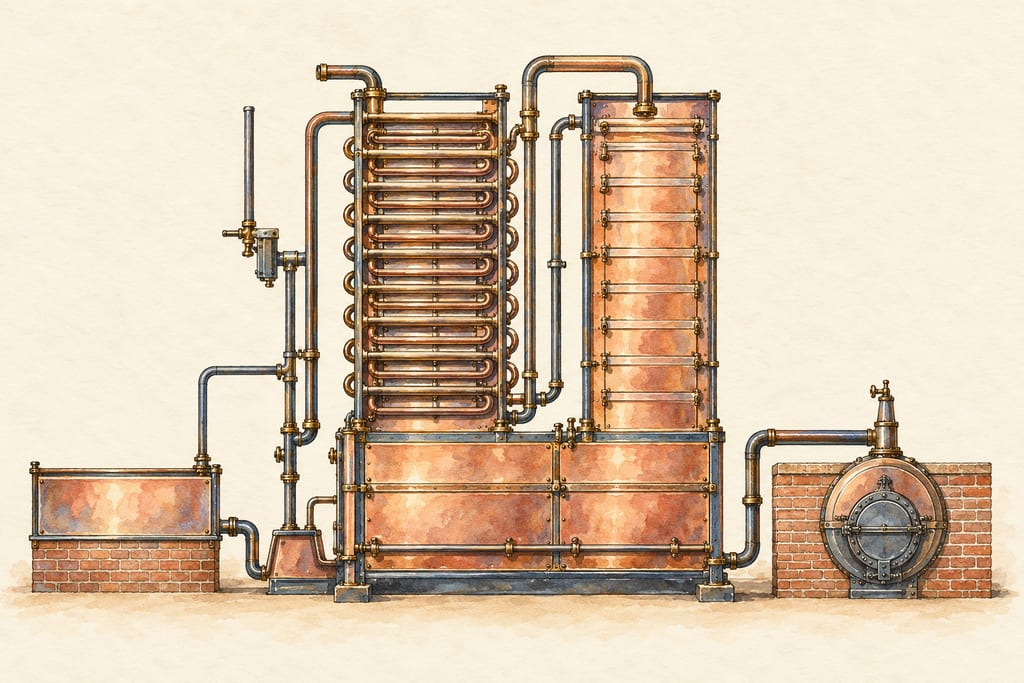
A column still is a distillation apparatus built around one or more vertical columns. Its continuous and rectifying designs appear in several spirits traditions, but materials and product character vary by installation.
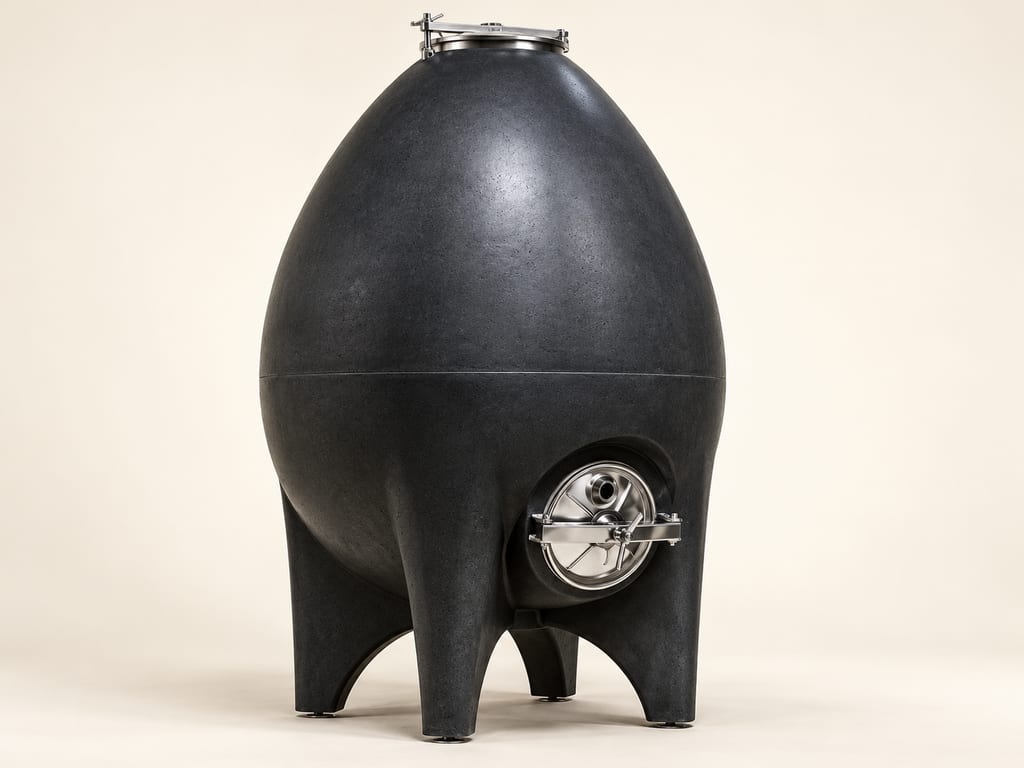
A modern ovoid concrete wine vat with smooth curved walls, made in several sizes and fitted according to model. Used for wine fermentation and maturation; support, access, cooling and interior treatment vary.
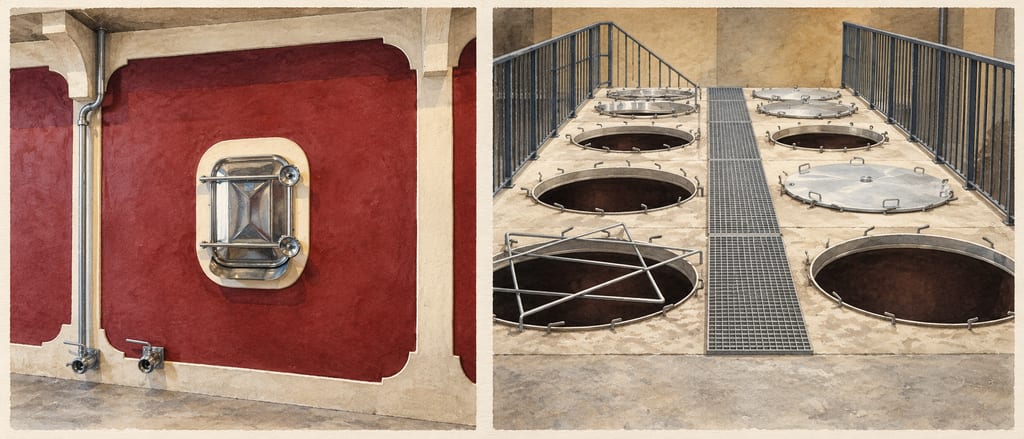
Concrete wine tanks are heavy, fixed vessels in rectangular, cylindrical and tapered forms. Their thermal response and wine contact depend on mix, wall construction and interior finish.
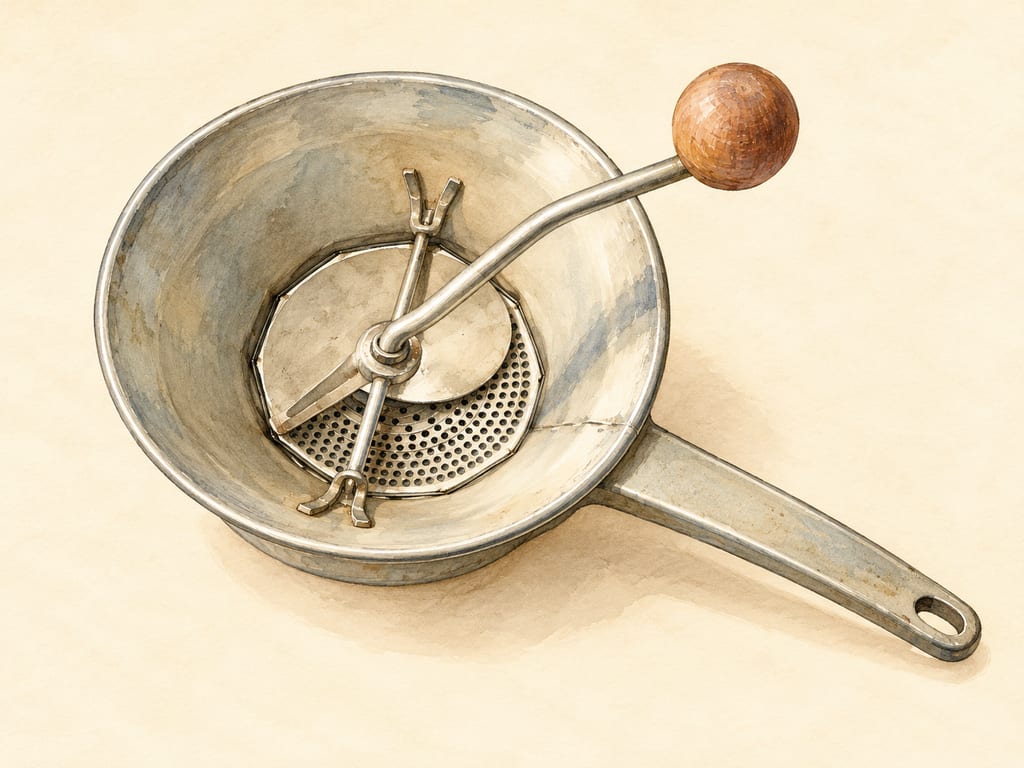
A hand-cranked food mill presses softened food across a perforated disk, producing a purée while keeping larger pieces in the chamber. Its exact shape and disk depend on the model.
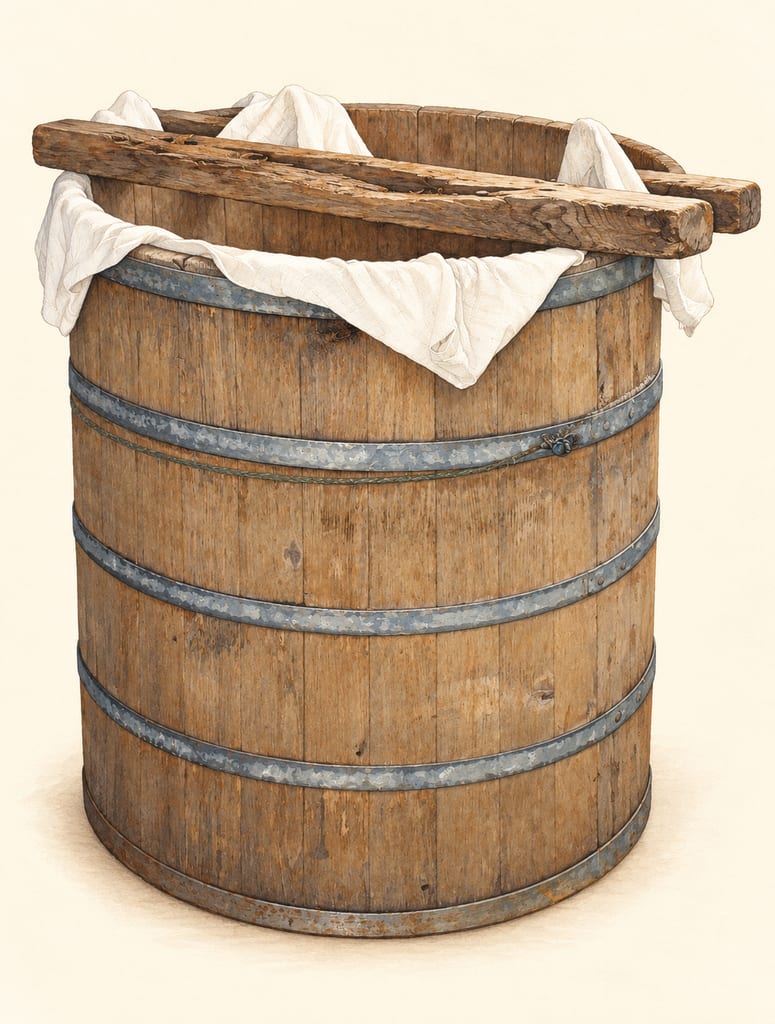
The gerle is a broad wooden vat used to receive and work milk for Salers cheese in its French AOP area. Its coopered form and microbial role are documented, but sources do not establish when this particular vessel first appeared.
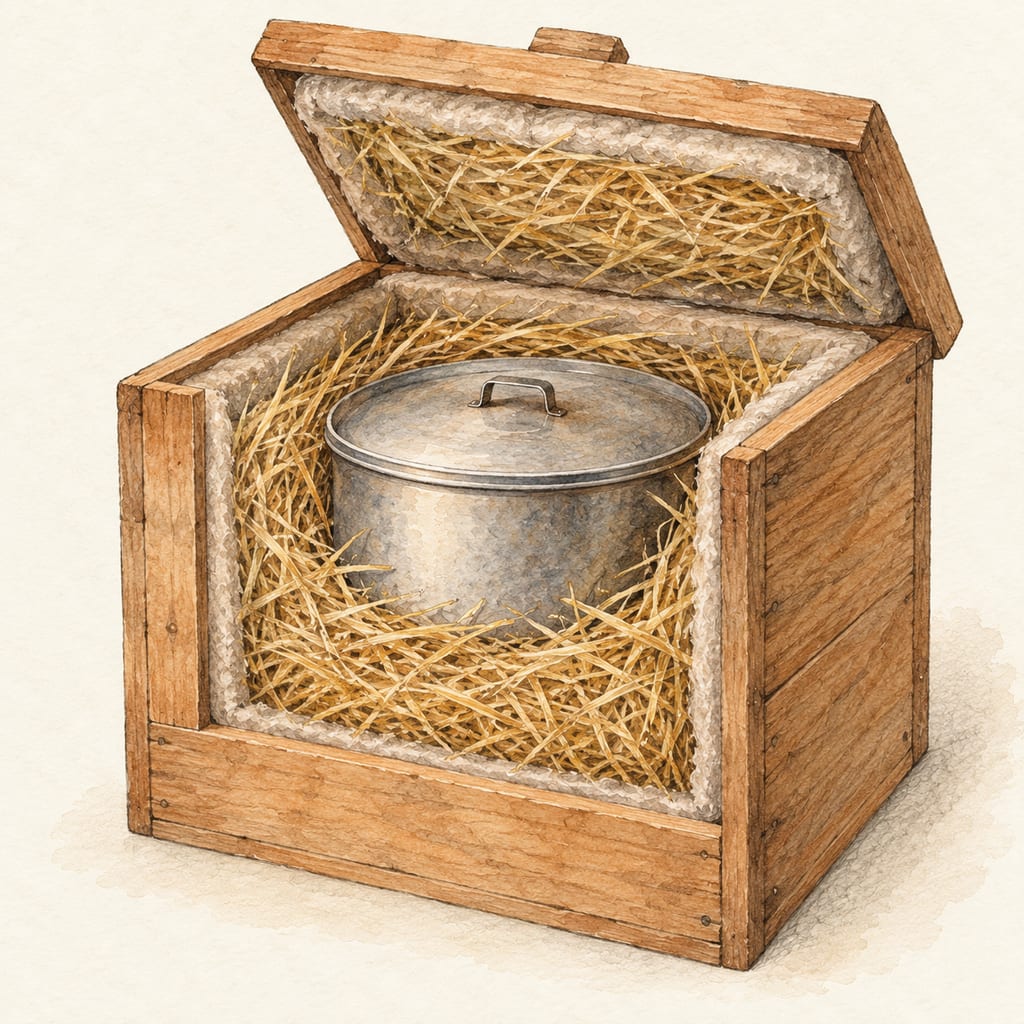
A haybox, also called a fireless or retained-heat cooker, is an insulated enclosure that lets a lidded pot finish cooking in heat already stored in the food after it leaves a stove. It generates no heat and is not a preservation method.
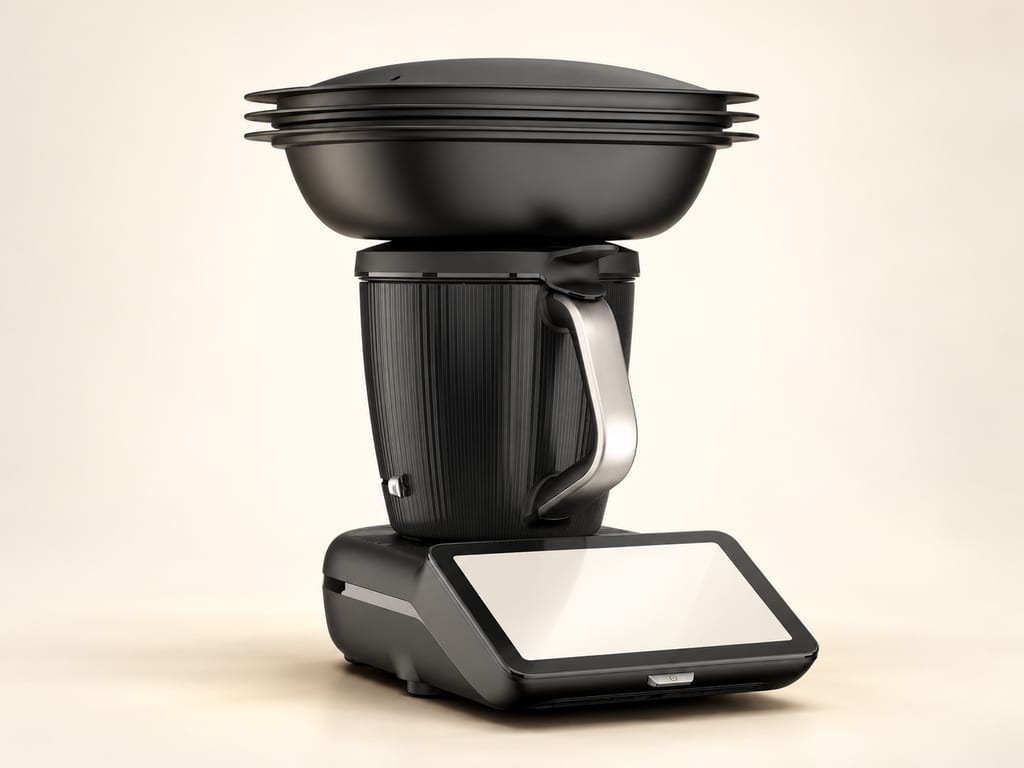
A modern electric countertop machine that heats, chops and stirs food in one mixing bowl. Cookidoo lists Thermomix models for making powidl and quince membrillo, although the full methods are not public on the pages reviewed.

Soft, spreadable Calabrian pork sausage made with a great deal of red chilli and fatty pork, stuffed into natural casings, sometimes smoked and matured while staying soft.

A way to add independent temperature logging to an existing food dehydrator without changing its built-in controls or protections. It is a monitoring method, not a rewiring plan.

Pleurotus cystidiosus is the abalone mushroom, a cultivated oyster-type fungus with dark brown caps that grows more slowly and is more demanding than other Pleurotus species.

A dark, balanced vinegar from Emilia-Romagna made by combining cooked or concentrated grape must with wine vinegar, then acetifying and refining it in wood under a protected specification.

A living dairy inoculum that starts controlled cream fermentation, developing acidity and aroma before sour cream or cultured butter is finished.

A small electric incubator holds jars at a selected temperature for yogurt and other documented warm food preparations. Controls, capacity and vessel arrangement vary by model.

Adygean salt is a seasoned table salt associated with Adygea and the wider North Caucasian culinary tradition. Salt is blended with garlic and a variable selection of herbs and spices; the exact mix depends on the named style and maker.

The African Caesar-group mushroom, Amanita masasiensis, is a wild ectomycorrhizal species of central and southern African woodlands, eaten locally. The genus contains deadly poisonous species, so identification needs care.
No community contributions have been published for this entry yet.
Sign in to contribute. Published comments and photos are free to read.
BiopythosForm · Dimensions · Capacity · Materials · Care · Use · Image
Stoneware jar 120LThe manufacturer specifies a 120 L stoneware jar, 850 mm high, 500 mm in diameter, with a 250 mm opening and listed weight of 25 kg.
The page describes the jar for wine production, fermentation, ageing or tasting and lists smooth interior, tailored porosity and optional lid, seal, clamps, valves, drain, tasting tap and support.
The product is made in France and has a food-contact certificate available on request.
Cited in: A contemporary winery jar; Stoneware, porcelain and performance; Modern manufacture and place; A related modern wine vessel
BiopythosManufacture · Materials · Process
Biopythos: ceramic containers for wine maturationBiopythos manufactures ceramic wine jars, amphorae and eggs in stoneware and porcelain, using plaster-mould casting; its manufacturer page says permeability can be adjusted on request.
The website locates its design and production workshop in the Limoges area and identifies France as the place of manufacture.
Cited in: Stoneware, porcelain and performance; Modern manufacture and place
Open Ceramics / ElsevierMaterials · Method · Context
Red firing clays for the manufacture of vessels for wine fermentation and maturation by means of technological processesThe 2022 paper reports that Biopythos makes stoneware and porcelain vessels by casting and describes different compositions and porosity; these are material distinctions, not a model-specific oxygen-transfer measurement for the 120 L jar.
The paper explains that material composition, vessel dimensions and pore characteristics affect wine fermentation and maturation; its own experiments assess other Spanish clays.
Cited in: Stoneware, porcelain and performance
Limoges MétropoleHistory · Manufacture · Geography
Biopythos fait éclore ses oeufs en céramique à PanazolThe 2023 local-government profile says Biopythos was created in 2016 and describes the company's modern ceramic wine-vessel line, including stoneware and porcelain jars and eggs.
Cited in: Modern manufacture and place