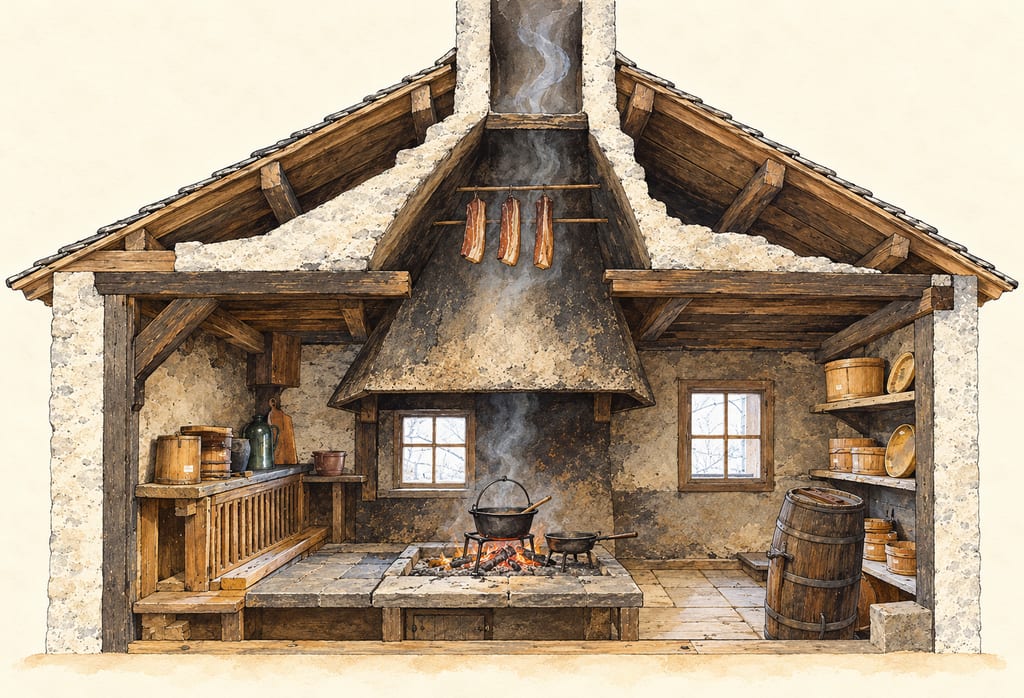
Built structures
Broad hood or chimney chamber
A family of domestic smoking structures that used smoke rising from a hearth: from the Austrian Rauchkuchl spark hood to the Jougne farmhouse meat hood and the Franche-Comté tuyé.
 FermenteaWhere food goes to change
626 sourced equipment pages: vessels, tools, appliances and built structures.
A family of domestic smoking structures that used smoke rising from a hearth: from the Austrian Rauchkuchl spark hood to the Jougne farmhouse meat hood and the Franche-Comté tuyé.
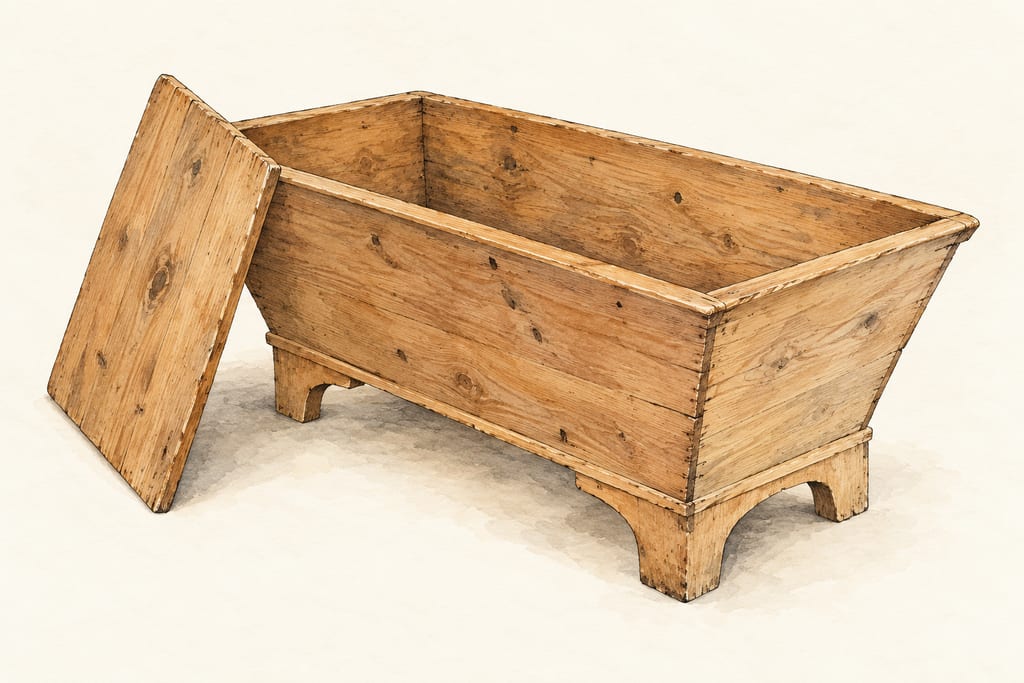
A French maie is a legged wooden chest for hand-kneading bread dough and, in some Auvergnat forms, storing the baked loaves. Its shape and materials vary by region.
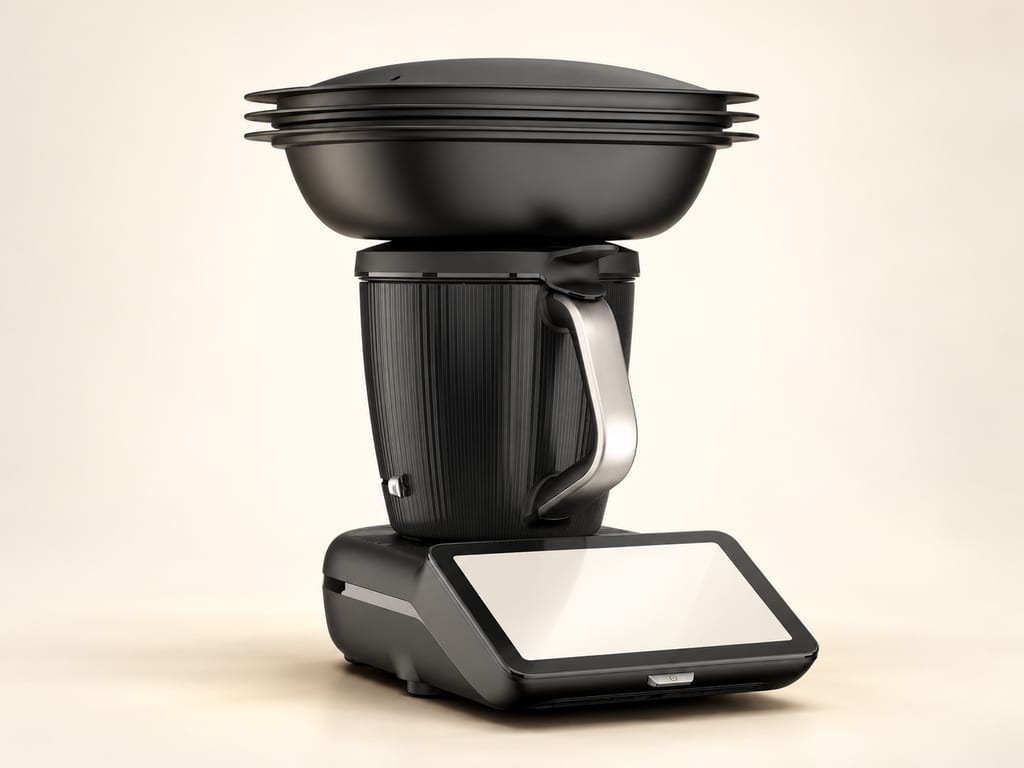
A modern electric countertop machine that heats, chops and stirs food in one mixing bowl. Cookidoo lists Thermomix models for making powidl and quince membrillo, although the full methods are not public on the pages reviewed.
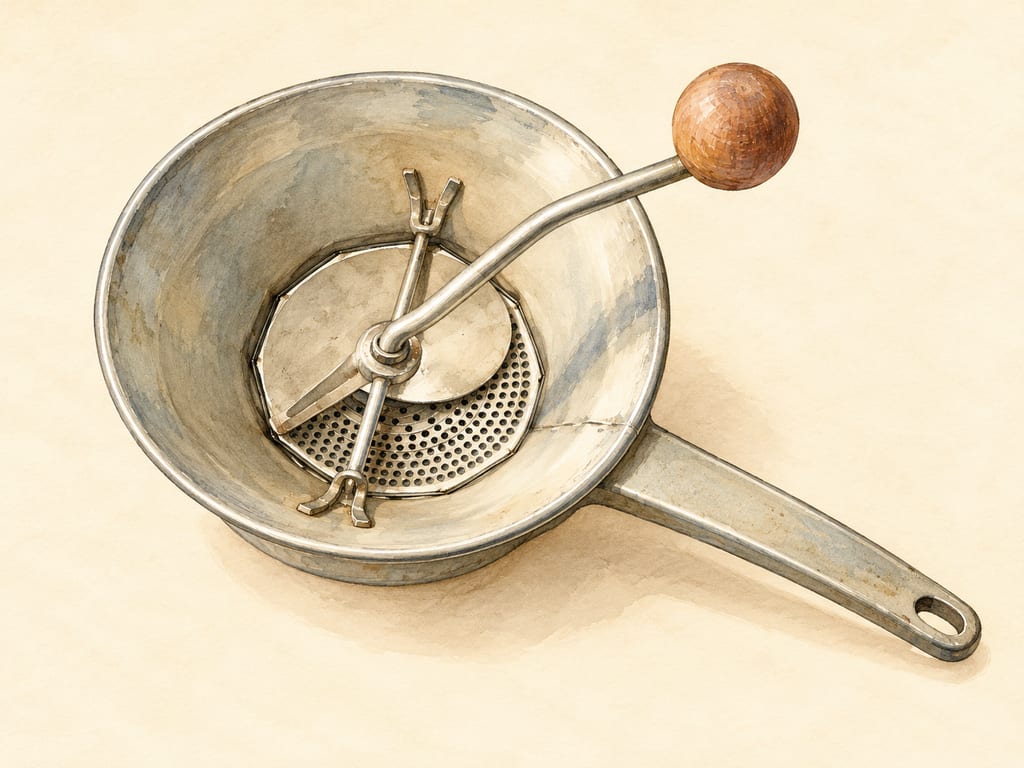
A hand-cranked food mill presses softened food across a perforated disk, producing a purée while keeping larger pieces in the chamber. Its exact shape and disk depend on the model.
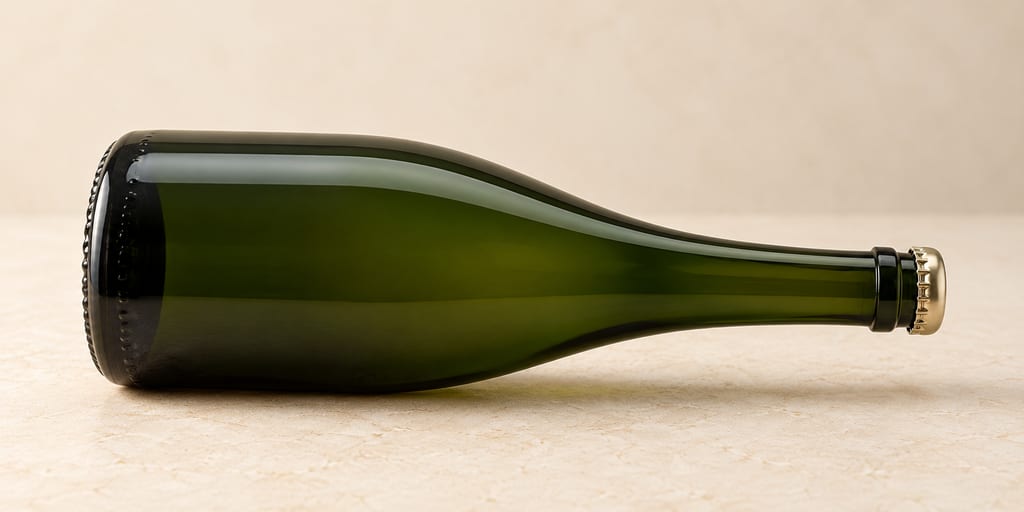
Champagne’s traditional-method bottle holds wine through its second fermentation and subsequent maturation on lees. At tirage it has a crown cap and internal insert; bottle formats and specifications vary.

A goose feather cut at a bevel and soaked before use, its hollow shaft guiding currant pips out one by one while the berry remains whole.
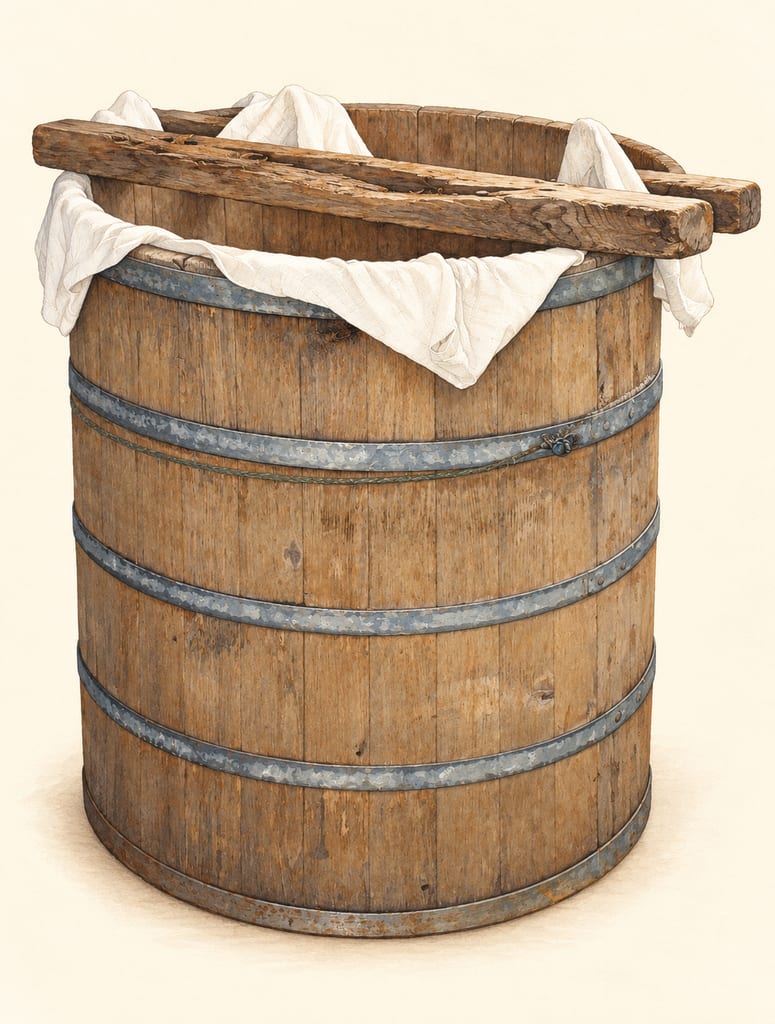
The gerle is a broad wooden vat used to receive and work milk for Salers cheese in its French AOP area. Its coopered form and microbial role are documented, but sources do not establish when this particular vessel first appeared.
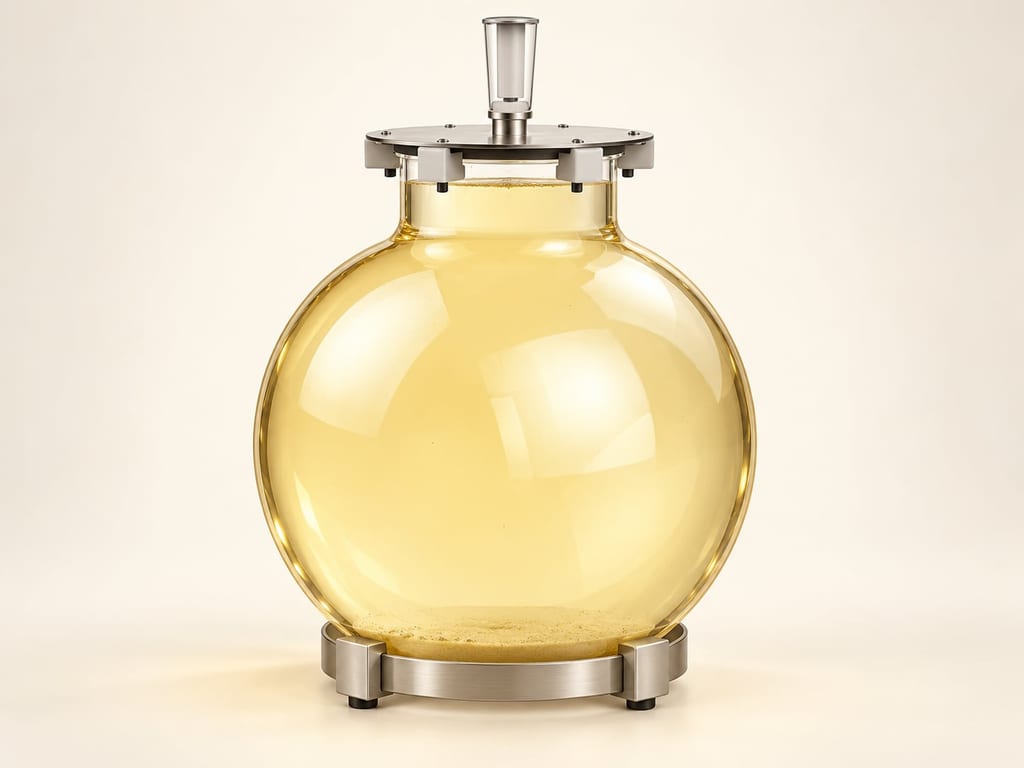
A large, transparent, spherical borosilicate-glass vat designed for modern wine fermentation and maturation. The 220-litre Wineglobe model has a wide neck, fitted lid and support; its use and fittings vary by model.
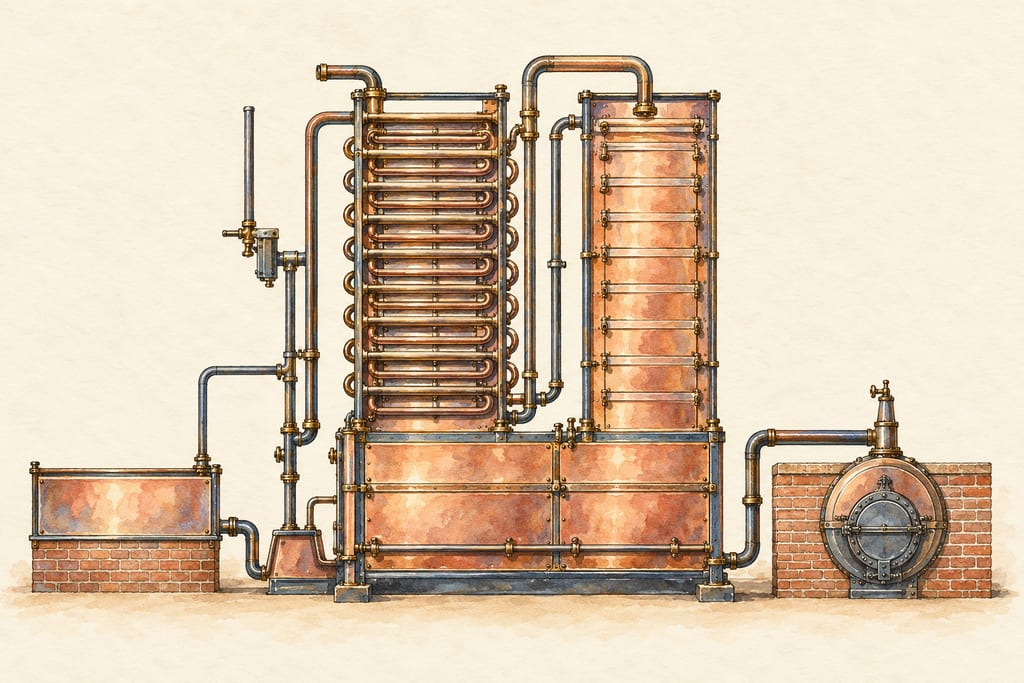
A column still is a distillation apparatus built around one or more vertical columns. Its continuous and rectifying designs appear in several spirits traditions, but materials and product character vary by installation.
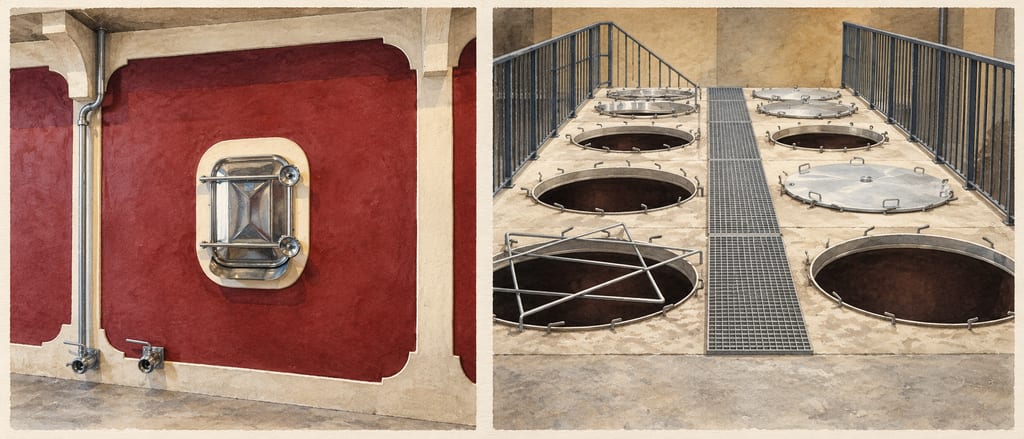
Concrete wine tanks are heavy, fixed vessels in rectangular, cylindrical and tapered forms. Their thermal response and wine contact depend on mix, wall construction and interior finish.
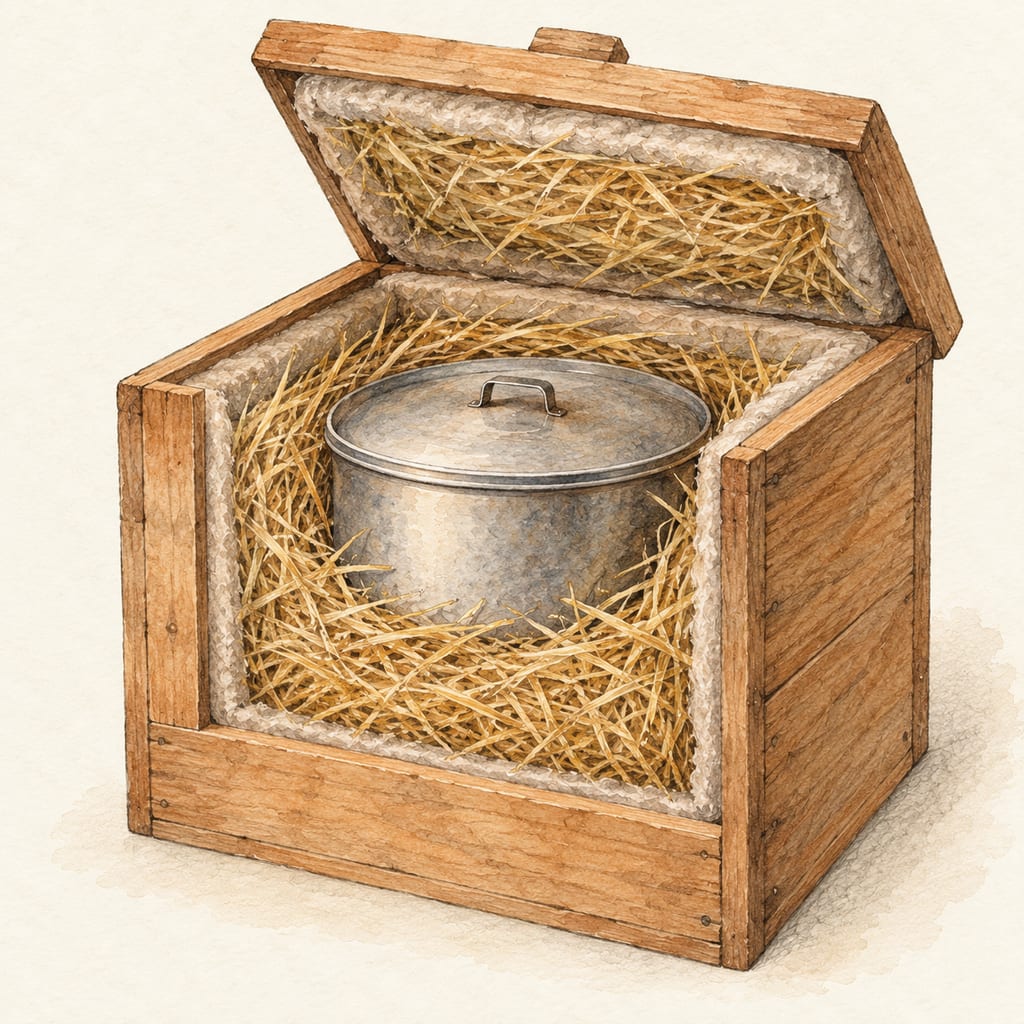
A haybox, also called a fireless or retained-heat cooker, is an insulated enclosure that lets a lidded pot finish cooking in heat already stored in the food after it leaves a stove. It generates no heat and is not a preservation method.
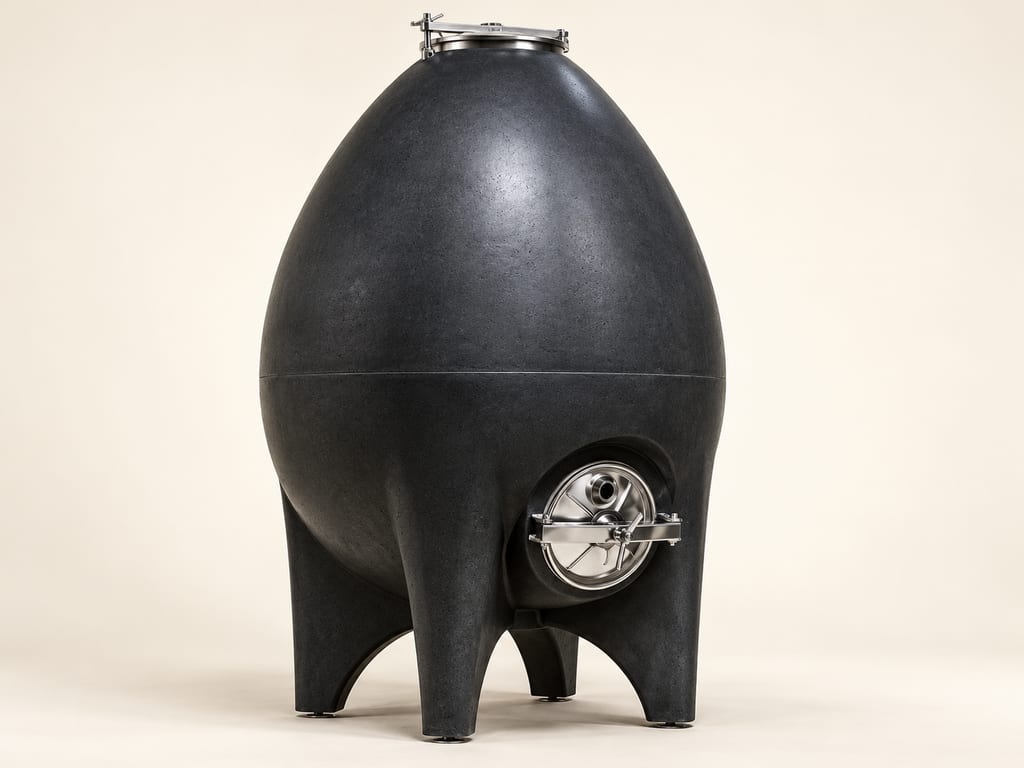
A modern ovoid concrete wine vat with smooth curved walls, made in several sizes and fitted according to model. Used for wine fermentation and maturation; support, access, cooling and interior treatment vary.
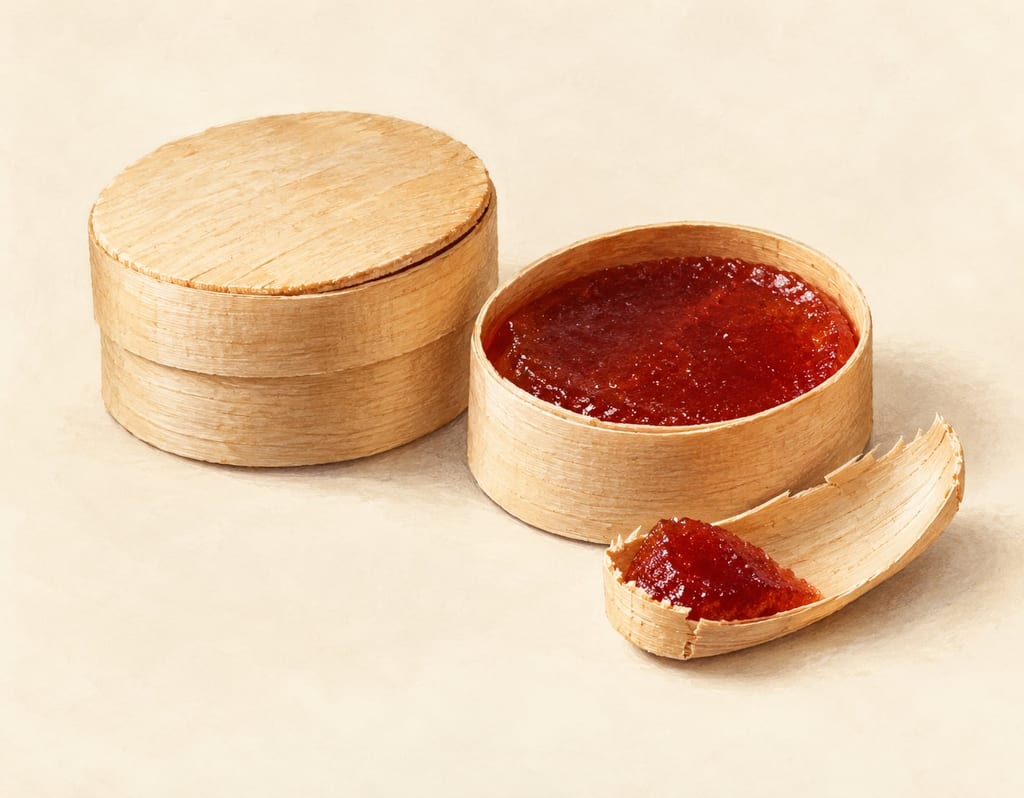
The small round spruce box, or friponne, is the traditional presentation package for Cotignac d'Orléans; the lid can serve as a spoon. Its form is not a fermentation vessel.
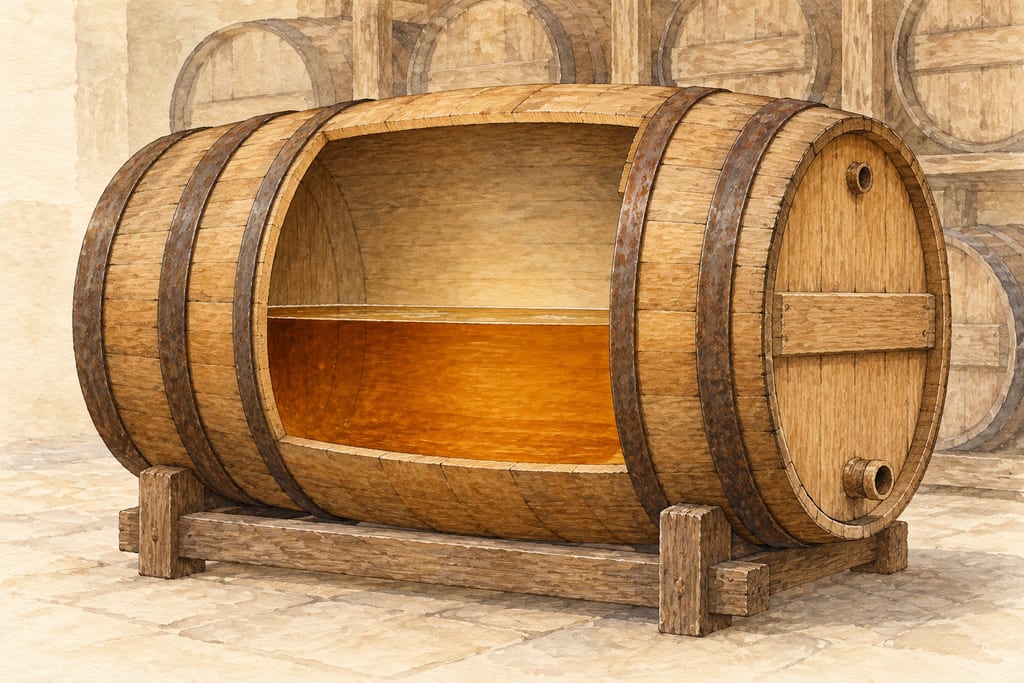
A coopered cask used horizontally for Orléans wine vinegar, with an air chamber and openings that support surface acetification. The method depends on oxygen at the liquid surface; a full, airtight storage cask is a different vessel in use.
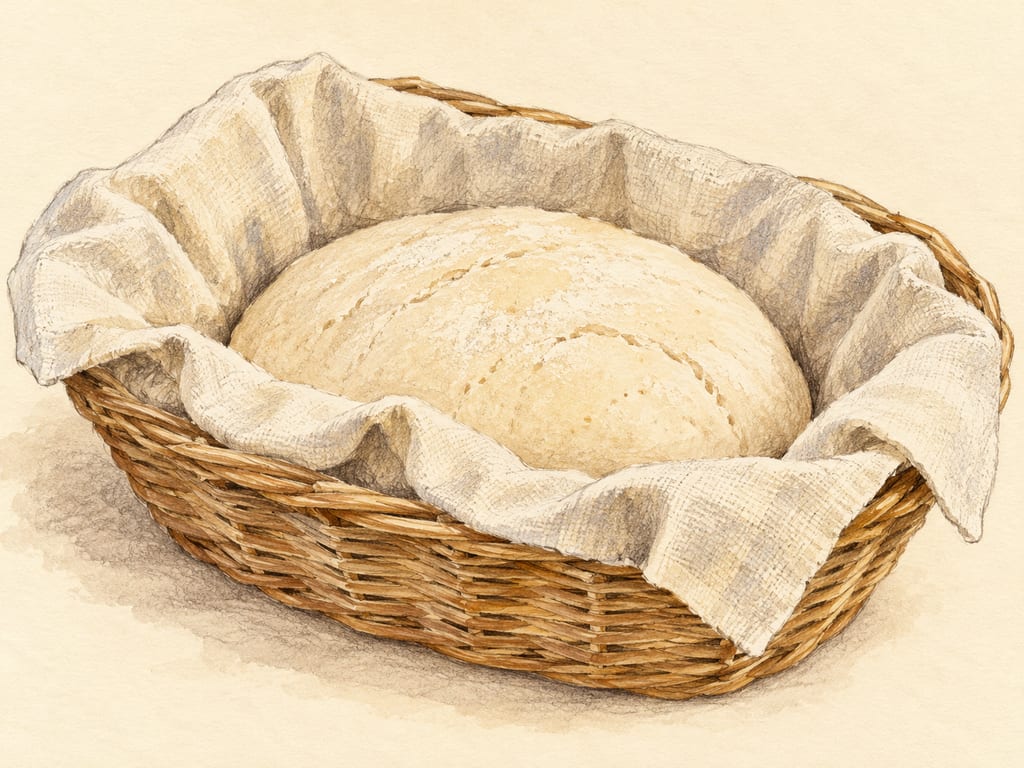
A paillas (also called paillât) is a basket used in the Massif des Bauges for a shaped loaf’s second rise before baking. Local examples include baskets made from blâche, straw or osier, sometimes lined with cloth; the inventory also records a wooden version.
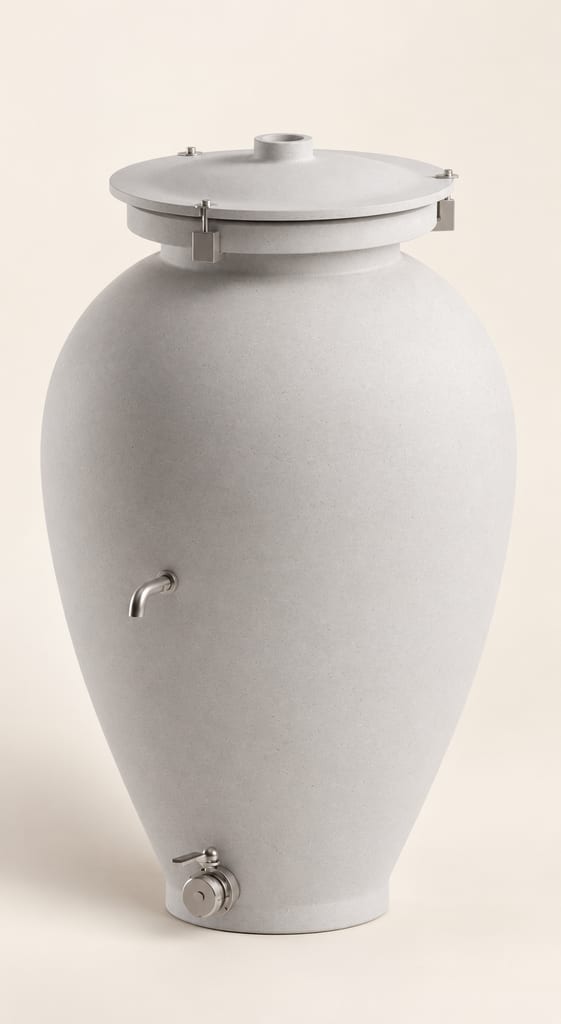
Factory-made ceramic wine jars are contemporary winery equipment. Biopythos documents a 120 L cast stoneware jar with specified dimensions and optional fittings; stoneware and porcelain are distinct materials, not one universal vessel.