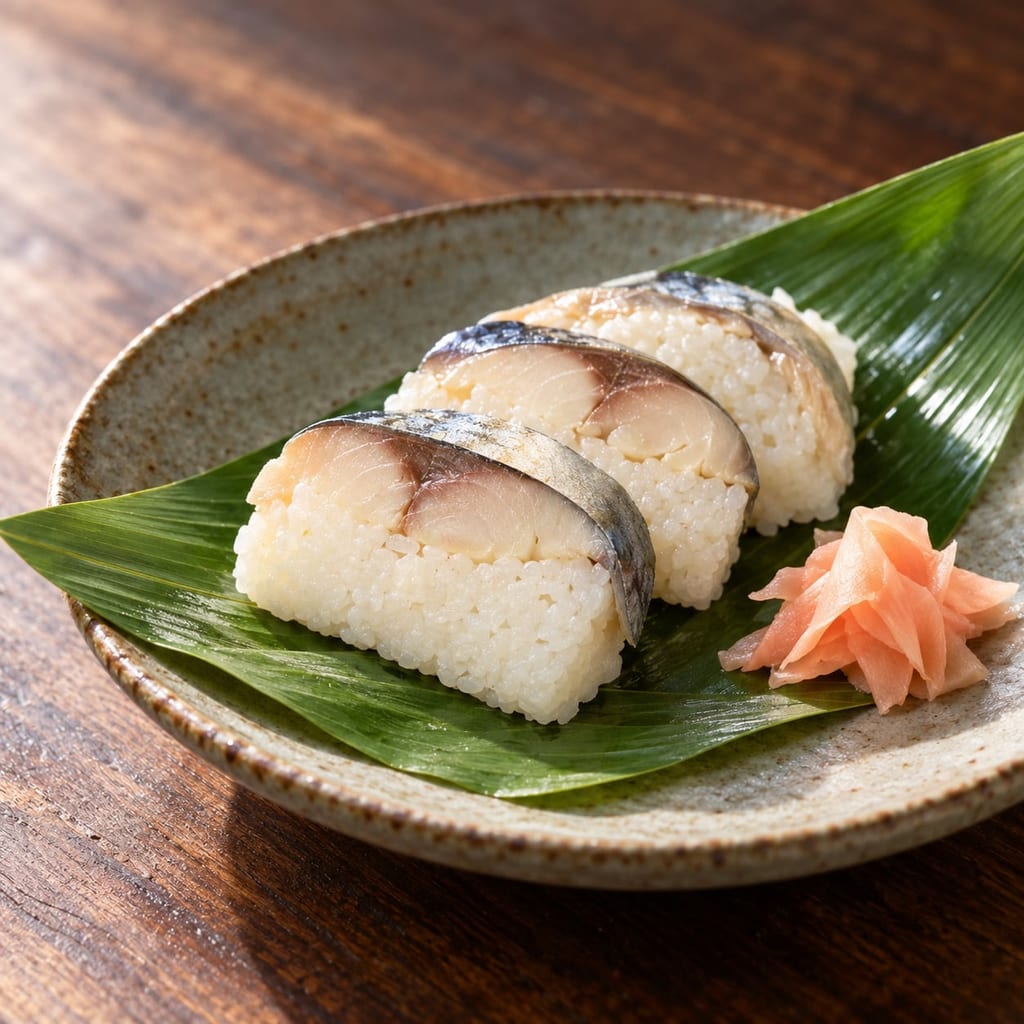
Narezushi
A documentary account of Japanese narezushi, a family of salted-fish and rice ferments. This entry preserves the East Kishu (Mie) source’s identity and regional context without providing a household preparation method.
 FermenteaWhere food goes to change
Equipment · Presses and weights
なれずし桶・重石
A narezushi pressing tub is a wooden bucket or barrel for packing salted fish and rice under a cover and weight. Regional methods vary; some also water-seal the tub.
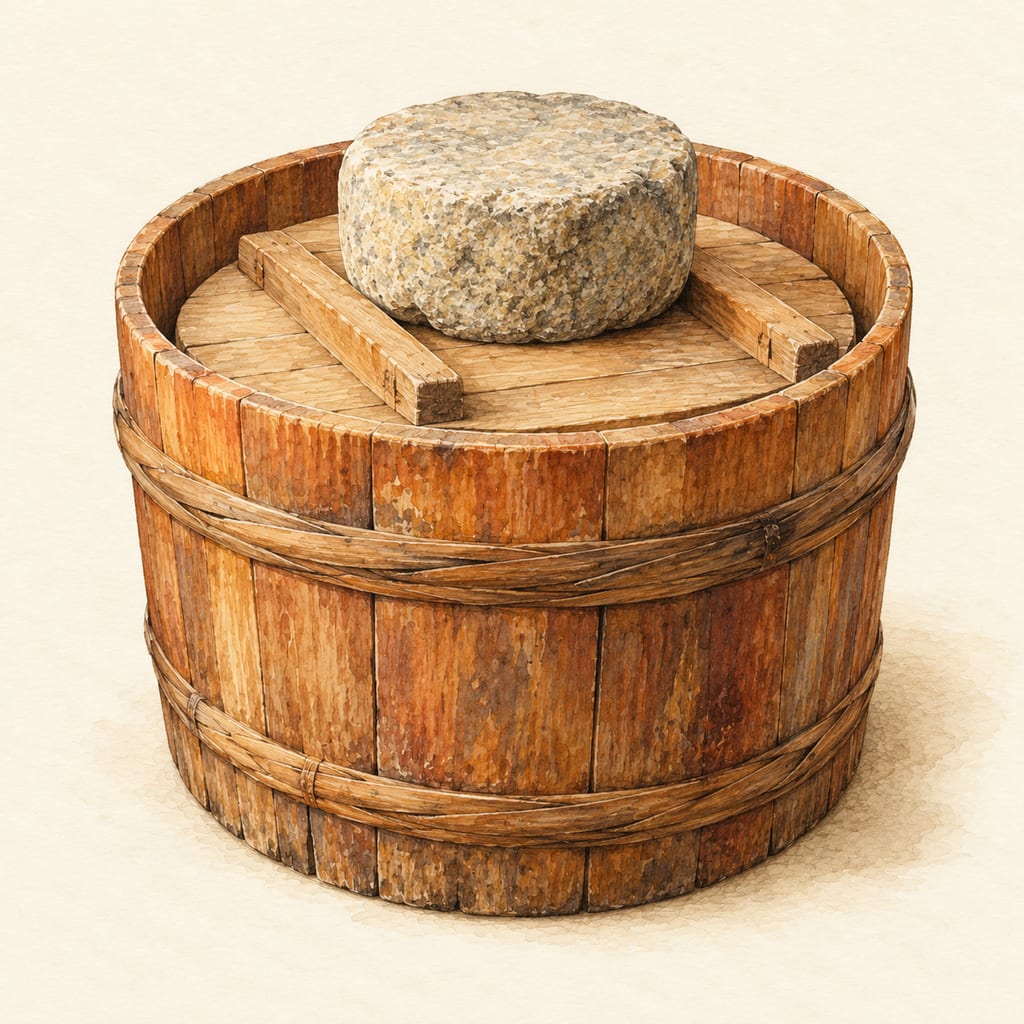
A narezushi pressing tub is a broad wooden bucket or barrel that holds fish and rice during packing and fermentation. Regional food records describe the same working principle in different words: Wakayama's recipe packs wrapped fish firmly in a wooden bucket and puts a weight on top; Mie's recipes use a pickling barrel with a cover and weight. A photograph from a Shiga funazushi storeroom shows traditional wooden tubs beside substantial stone weights. Together these sources document a traditional wooden form and its load, while leaving dimensions, wood species and construction details unspecified.
The tub is not simply a serving container. It confines layers of fish and rice, and the cover and weight keep them pressed into place. Some methods use a wooden cover; the Shiga cultural-property record also describes a bamboo-sheath cover. It does not follow that every tub has the same follower shape or that a single stone size is standard.
The Ministry of Agriculture, Forestry and Fisheries describes a Wakayama narezushi made with salted mackerel, rice and leaves. Once the fish and rice are prepared and wrapped, the bundles are packed tightly into a wooden bucket and weighted. That arrangement holds the compact layers together while they pickle. The record identifies the Arita region as a main lore area and gives local choices of wrapping leaves and fish; it also cautions that recipes vary between households and regions.
This bucket belongs to a fermentation process, not to quick vinegared sushi. The regional account describes salted fish and rice fermenting together, with the wrapped bundles packed in the tub under load. It does not specify a universal tub capacity or say that every Wakayama maker uses identical materials.
Mie's regional account describes narezushi across the prefecture, where fish and rice treatments differ from place to place. In its eastern Kishu example, fish and rice are layered in a pickling barrel, covered, weighted and water-sealed. The cover and weight help keep the packed contents below the surface; the water seal is a separate part of that method, not an inherent feature of every wooden tub.
The same source describes a later pressing step: after pickling, the barrel is inverted and weighted overnight to press out excess moisture before the narezushi is removed. This makes the equipment's role clear across stages. The vessel contains the packed ferment, while its weight maintains pressure and can also be used during the regional draining step. The record does not publish a required load or barrel dimensions.
The Agency for Cultural Affairs records Omi narezushi making in Shiga as an intangible folk technique. In its funa-zushi process, salted fish are arranged in a tub with cooked rice, covered, and weighted to press the contents; water may be added around the tub to exclude air. A 2009 Tokyo Foundation account also documents wooden tubs used by a Shiga maker and notes that the producers keep their containers clean.
These Shiga records help show a traditional weighted-tub form, but they describe a related local practice rather than a template for Wakayama or Mie. Across the sources, the common element is a tub that holds tightly packed fish and rice under a cover and load. Specific fish, leaf or rice arrangements, water seals, timing and pressing sequence remain local choices.
The records do not state a standard length, width, capacity, wood species or stone mass. They also do not establish a single shape for the lid or follower. A photograph can document actual wooden tubs and stones, but it cannot supply measurements for every maker's equipment. Those details should be treated as specimen-specific unless a maker or technical source provides them.
The inspected sources document present or recent regional practice, not the first invention of the tub, a universal cleaning regimen, or a retail source for one. The Tokyo Foundation article reports that one producer family takes care to keep its containers clean; it does not set out a general maintenance procedure. The safe description is therefore functional and regional: a wooden tub, a cover and a weight, used in varying narezushi methods.
Government regional-cuisine records describe the weighted bucket or barrel in Wakayama and Mie. A 2009 Tokyo Foundation account documents traditional wooden tubs in Shiga. These sources attest use and form, not the date or place of invention.
The weight is part of packing and pressing the fish-and-rice layers; it is not a cooking lid or a universal seal. Mie and Shiga records describe additional regional covers and water-sealing practices.
Source →Tub materials, covers, fish, rice preparation and pressing sequence vary by regional recipe. The sources do not establish a single design, capacity or weight for all narezushi.
Source →The MAFF account describes leaf-wrapped narezushi packed in a wooden bucket under a weight; it does not establish the tub's place of invention.
The MAFF account documents varied narezushi methods across Mie, including a pickling barrel, cover, weight and water seal; it does not claim a uniform tub design.
A documentary account of Japanese narezushi, a family of salted-fish and rice ferments. This entry preserves the East Kishu (Mie) source’s identity and regional context without providing a household preparation method.
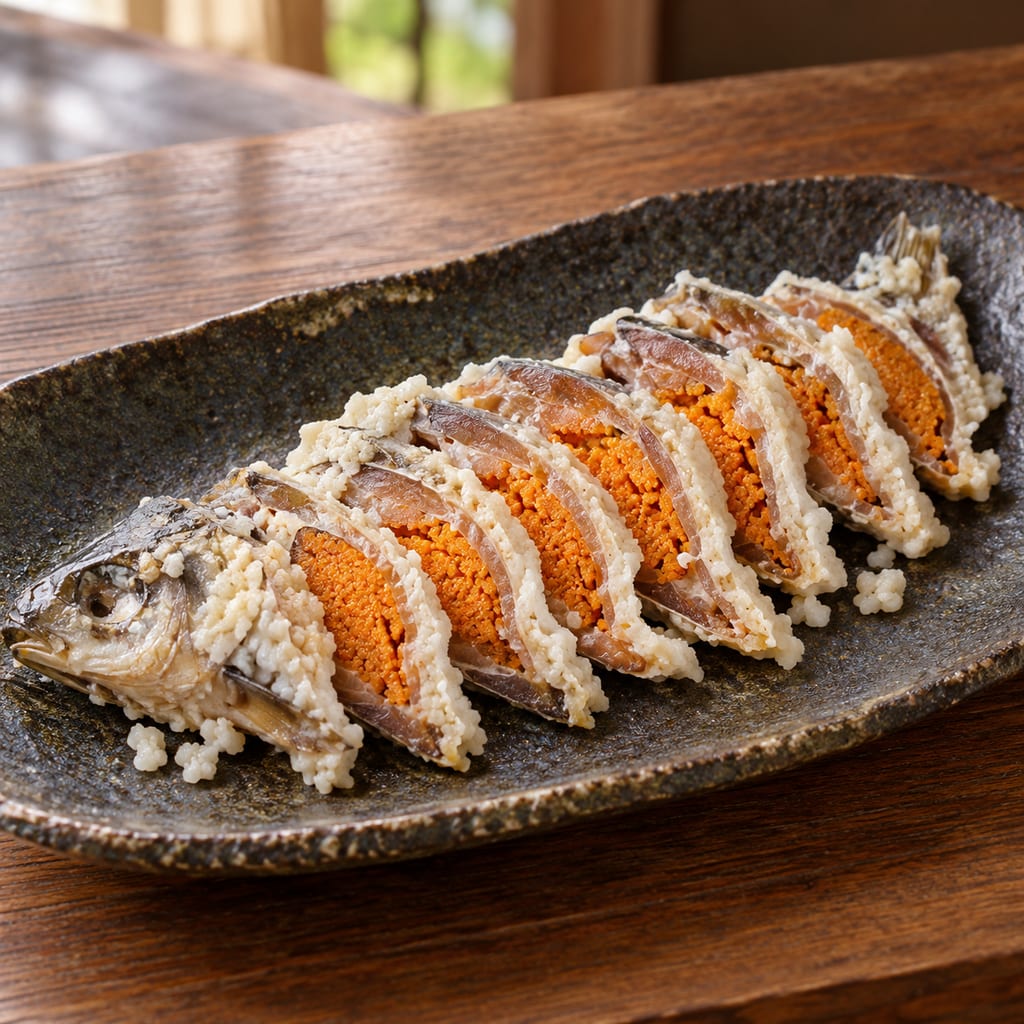
A documentary account of funazushi, Shiga’s long-ripened narezushi associated with Lake Biwa and roe-bearing nigorobuna. It preserves regional, historical and cultural context; it is not a household preparation guide.

A small electric incubator holds jars at a selected temperature for yogurt and other documented warm food preparations. Controls, capacity and vessel arrangement vary by model.
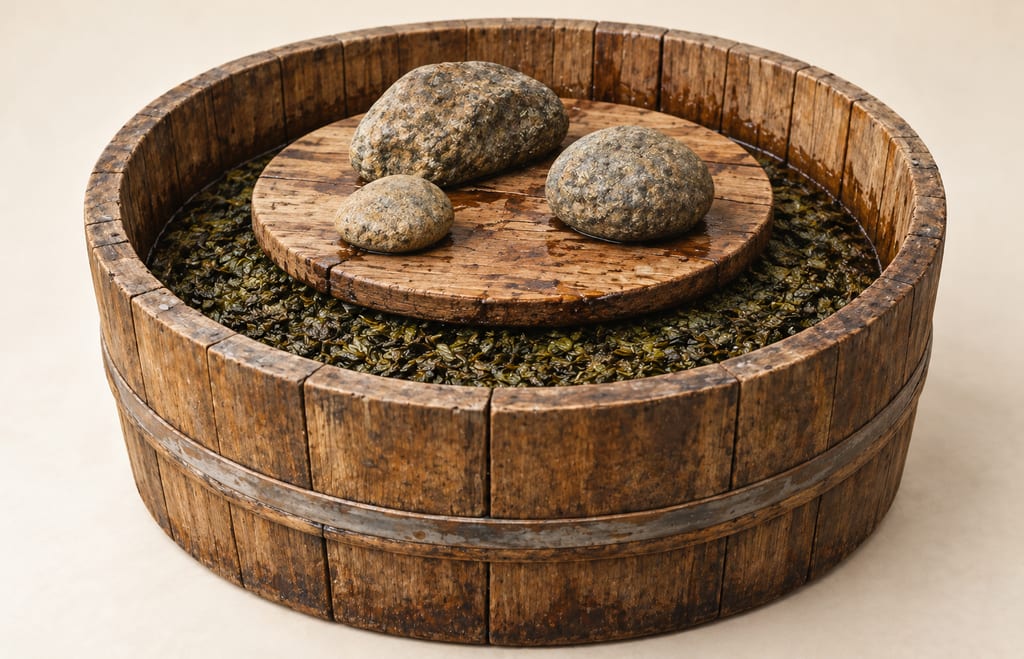
A large wooden tub used in Tokushima to ferment heated, worked Awabancha leaves with their cooking liquor. Its size and construction details are not specified in the sources.
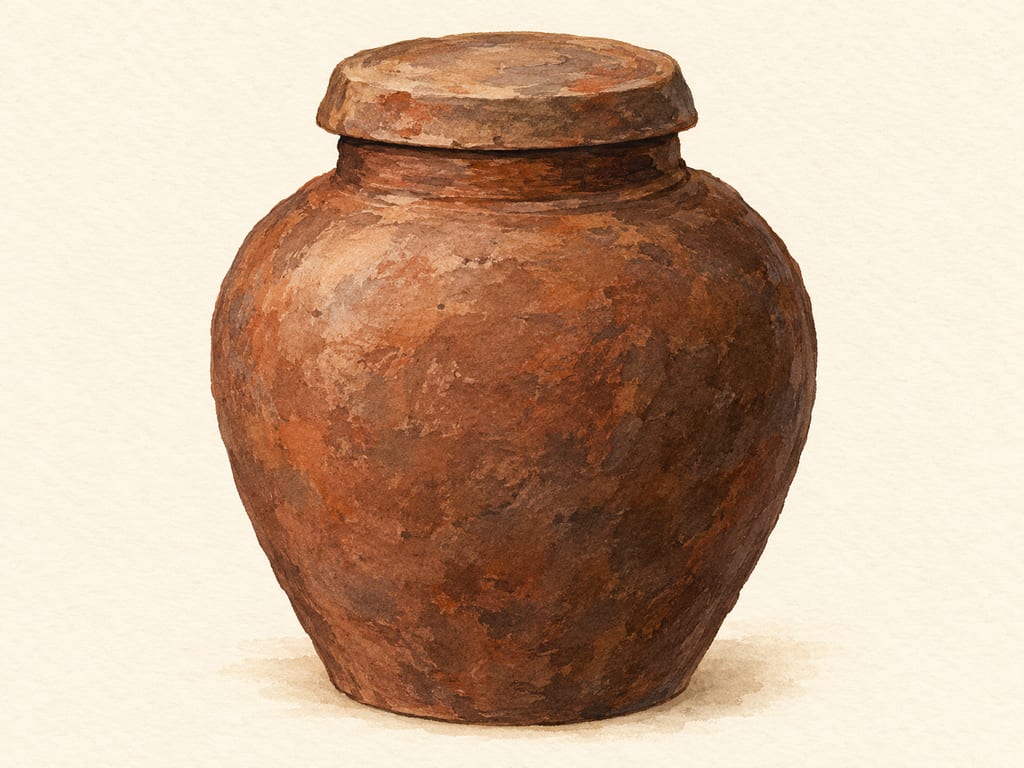
A ceramic jar used in Okinawa to store and mature distilled awamori into kusu; it holds the finished spirit after distillation rather than fermenting the rice mash.
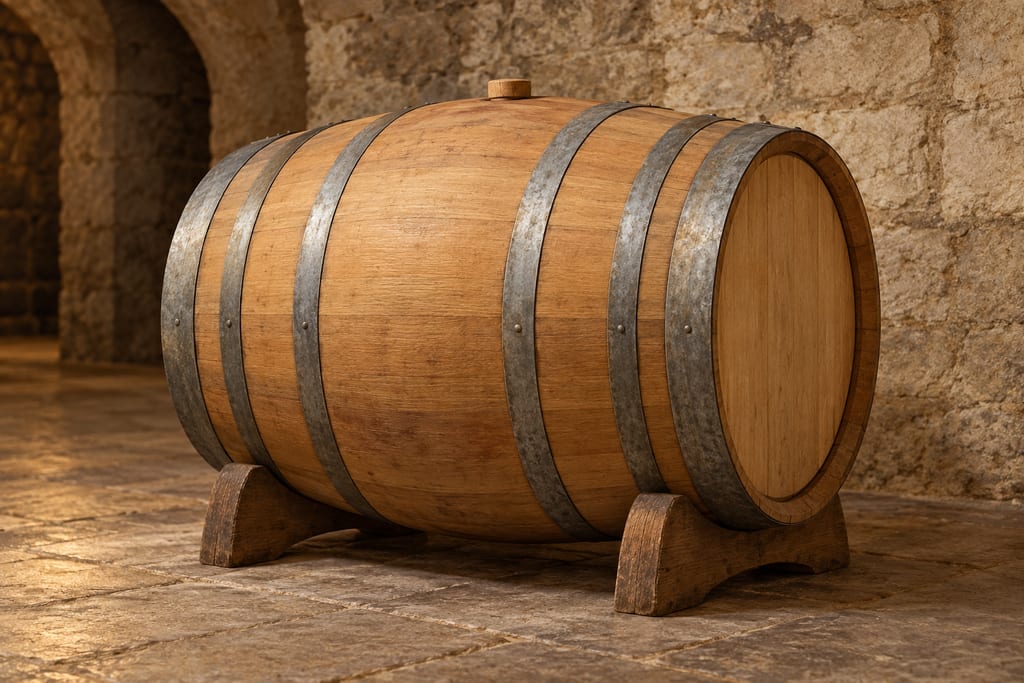
Coopered vessels use shaped staves and hoops, but portable barrels, large foeders and upright wooden vats serve different roles. Materials and uses vary by place and process.
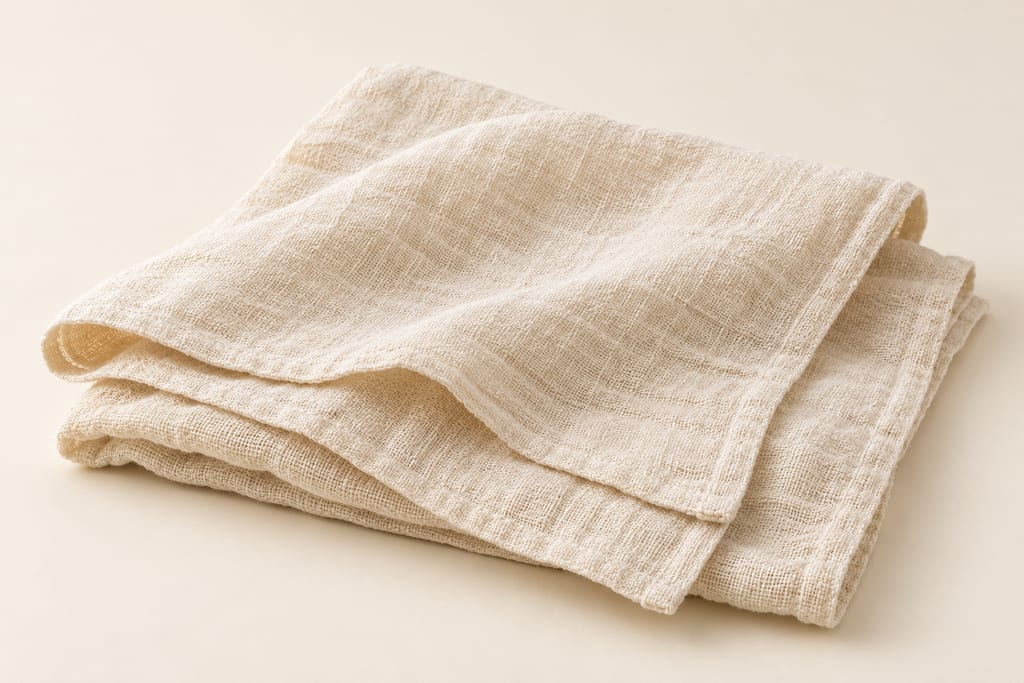
A cloth listed for steaming rice in a rice-koji method and identified as cloth for a koshiki in a brewery-museum caption; its fiber, weave, and size are not specified.
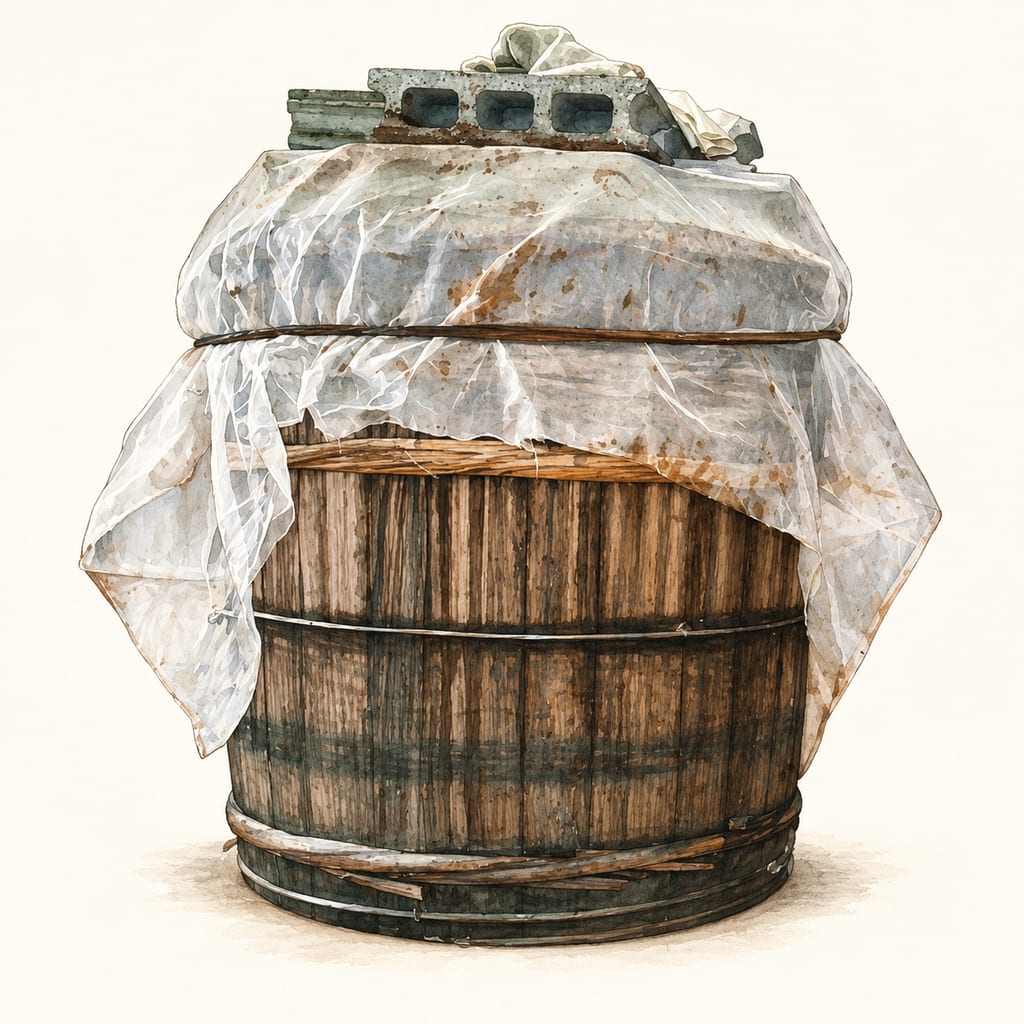
A Goishicha weighted tub holds tea leaves and steaming liquor during the second, wet fermentation stage in Ōtoyo, Kōchi. A current producer photograph documents one covered wooden tub under concrete-block weight.
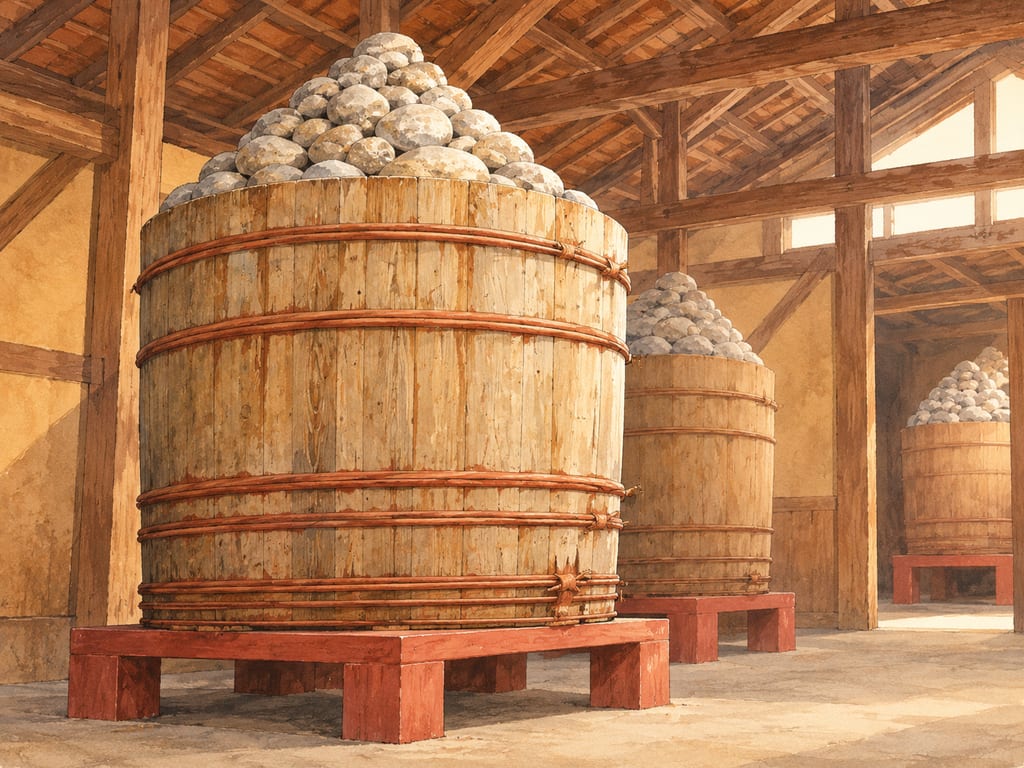
A coopered wooden kioke used by Kakukyu in Okazaki for Hatcho miso: a broad vat capped with a carefully stacked pyramid of river stones during maturation lasting more than two years.
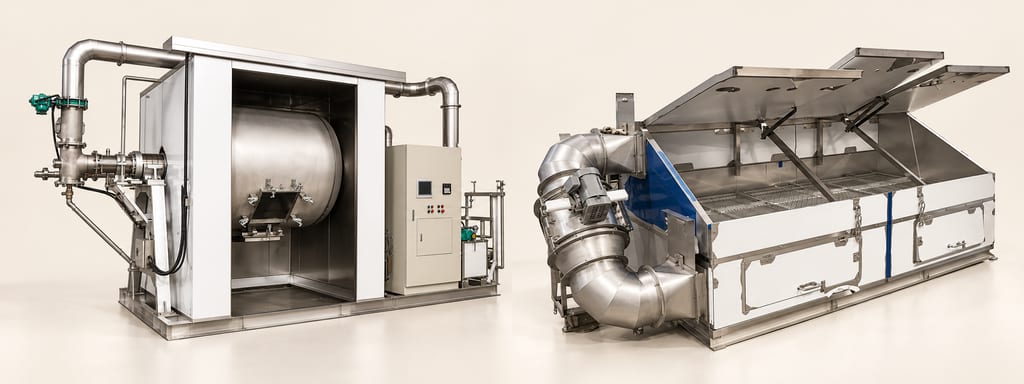
Industrial koji machines cultivate mold on prepared grain before sake, shochu, miso or soy-sauce production. Commercial designs include rotating drums and aerated beds.

Soft, spreadable Calabrian pork sausage made with a great deal of red chilli and fatty pork, stuffed into natural casings, sometimes smoked and matured while staying soft.

A way to add independent temperature logging to an existing food dehydrator without changing its built-in controls or protections. It is a monitoring method, not a rewiring plan.

Pleurotus cystidiosus is the abalone mushroom, a cultivated oyster-type fungus with dark brown caps that grows more slowly and is more demanding than other Pleurotus species.

A dark, balanced vinegar from Emilia-Romagna made by combining cooked or concentrated grape must with wine vinegar, then acetifying and refining it in wood under a protected specification.

A living dairy inoculum that starts controlled cream fermentation, developing acidity and aroma before sour cream or cultured butter is finished.

Adygean salt is a seasoned table salt associated with Adygea and the wider North Caucasian culinary tradition. Salt is blended with garlic and a variable selection of herbs and spices; the exact mix depends on the named style and maker.

The African Caesar-group mushroom, Amanita masasiensis, is a wild ectomycorrhizal species of central and southern African woodlands, eaten locally. The genus contains deadly poisonous species, so identification needs care.
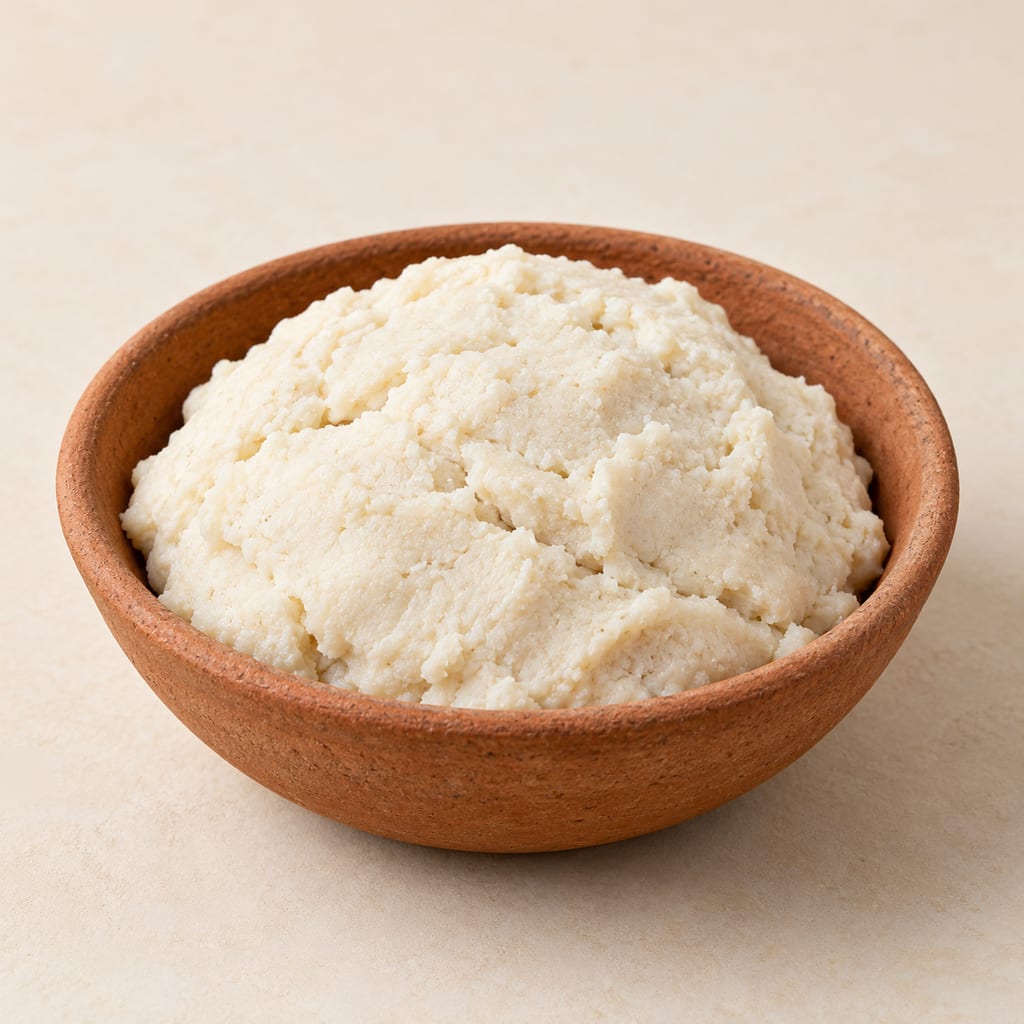
Ghanaian sour cassava dough fermented with traditional inoculum and drained during fermentation. It is used as a base for cooked foods such as banku and akple; process variants and safety outcomes differ.
No community contributions have been published for this entry yet.
Sign in to contribute. Published comments and photos are free to read.
Ministry of Agriculture, Forestry and Fisheries (Japan); Wakayama Prefecture Lifestyle Research Group Liaison CouncilEquipment · Regional use · Method
Narezushi | Our Regional CuisinesIn Wakayama's Arita region, leaf-wrapped narezushi is packed firmly in a wooden bucket under a weight.
The source describes salted mackerel, rice and leaves, and notes differences among local households and areas.
Cited in: A weighted wooden tub; Packing and pressing in Wakayama; What the sources do not standardize
Ministry of Agriculture, Forestry and Fisheries (Japan); Mie Food Culture Research GroupEquipment · Regional use · Method
Narezushi (lactic acid fermented sushi) | Our Regional CuisinesThe Mie regional account names a pickling barrel, a cover and a weight, and says the covered barrel is water-sealed.
Its described method in eastern Kishu inverts the barrel and presses it overnight to remove excess moisture; methods and fish vary across Mie.
Cited in: A weighted wooden tub; Mie methods: barrel, cover and water seal; What the sources do not standardize
The Tokyo Foundation; Chieko Fujita; photographs by Kazuo Kikuchi (23 February 2009)Equipment · Historical context · Image
Funa ZushiThe article documents traditional wooden tubs used to make funazushi at Kitashina in Shiga Prefecture and notes the importance of keeping containers clean.
Its photograph shows wooden fermentation tubs and stone weights; this is a related Shiga example, not evidence that all regional tubs are identical.
Cited in: A weighted wooden tub; A related Shiga example; What the sources do not standardize
Agency for Cultural Affairs, Government of Japan; registered intangible folk cultural property, 22 March 2023Equipment · Regional use · Method
Omi narezushi manufacturing techniques (近江のなれずし製造技術)The record describes Shiga narezushi made in tubs, with fish and rice covered (including with bamboo sheath) and weighted; water can be added around the tub to exclude air.
It documents regional fish and method variation and does not provide standard tub dimensions or a single design.
Cited in: A weighted wooden tub; A related Shiga example