























Elevated risk
Sukuti
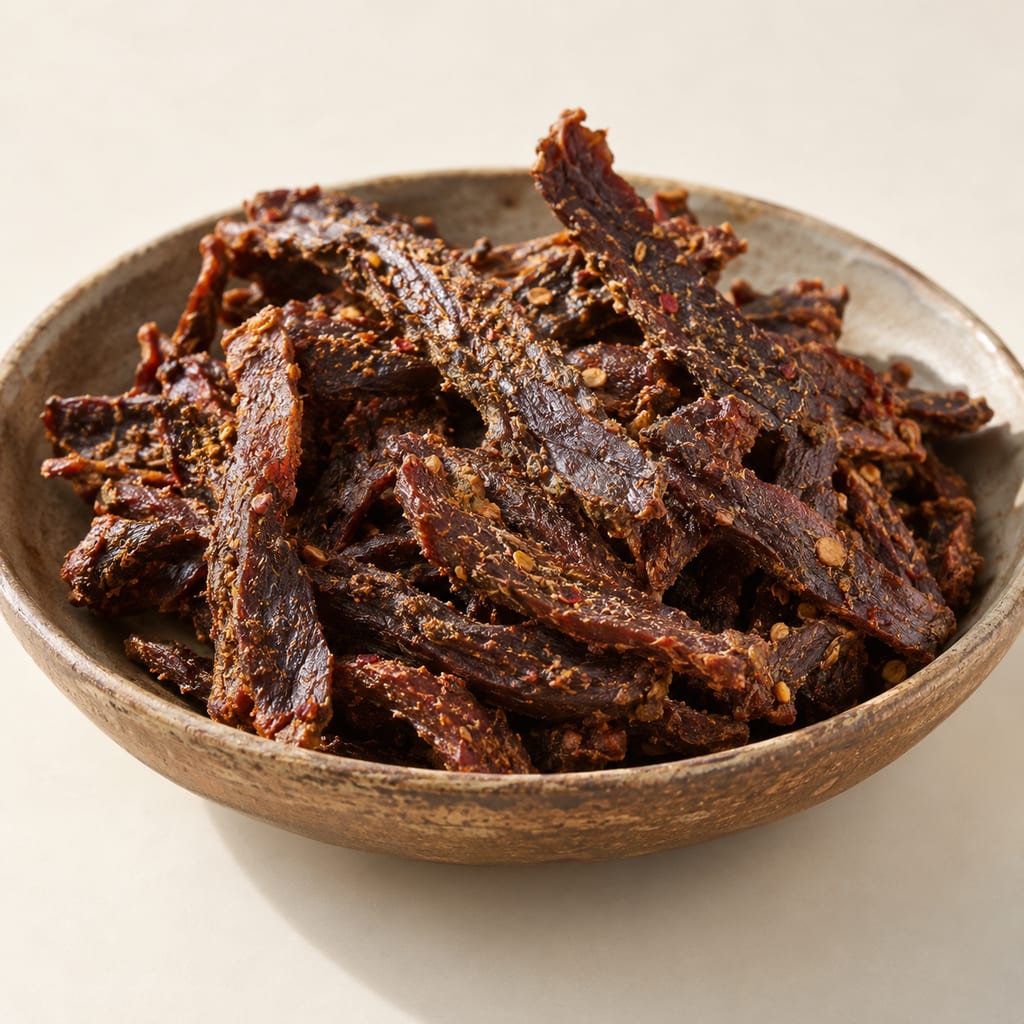
Sukuti is Nepali dried meat, most often buffalo, cut into thin strips, seasoned with spices, dried over smoke or in the sun, and later fried or roasted before eating.
 FermenteaWhere food goes to change
1504 records with their sources, across 11 categories.
 Smoked salted and dried foods16
 Fermented sausage and meat6
 Adjacent and excluded1
 Condiments and enzymatic seasonings1
 Not yet classified1
Sukuti is Nepali dried meat, most often buffalo, cut into thin strips, seasoned with spices, dried over smoke or in the sun, and later fried or roasted before eating.
A documentary account of dried meat strips and their historical uses. It does not provide an operational home method for making shelf-stable jerky at home.
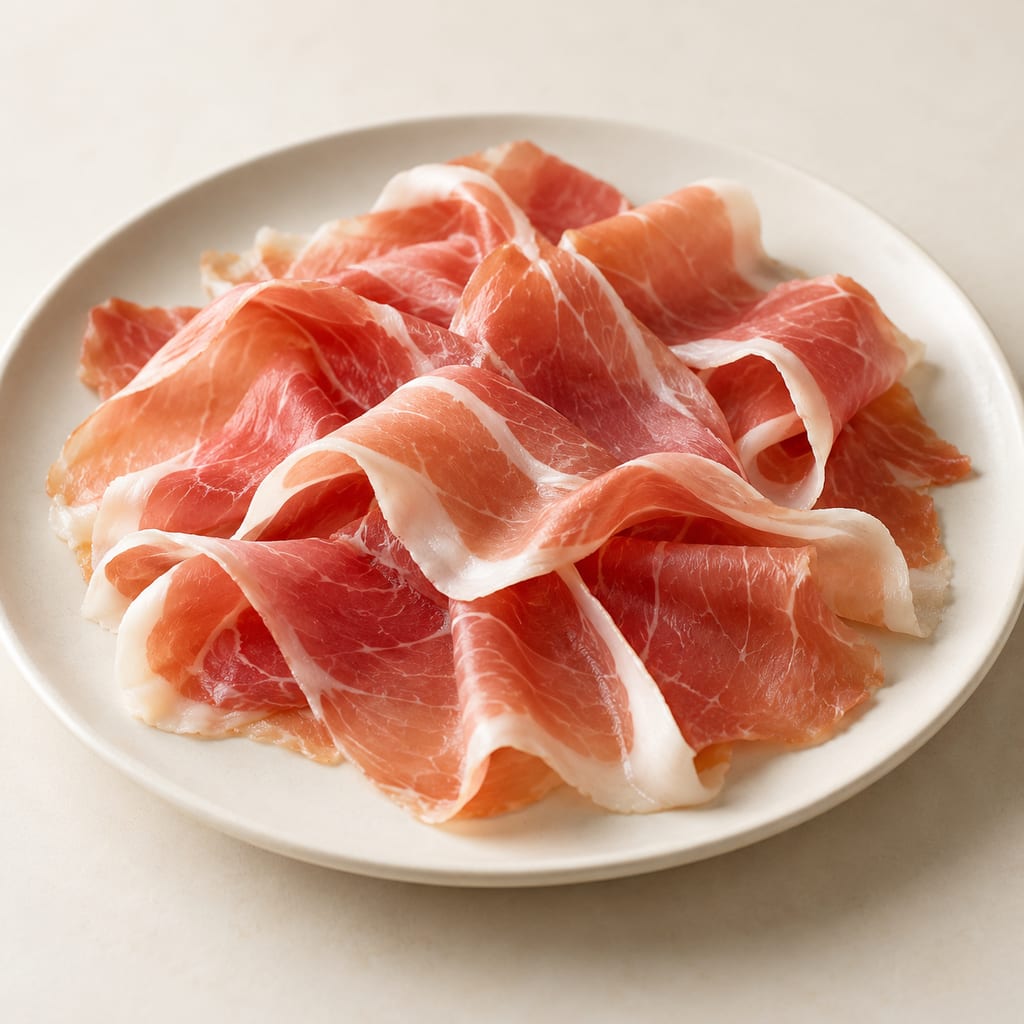
Prosciutto di Parma is a dry-cured, unsmoked ham from the Province of Parma, made from fresh pork legs salted with sea salt and matured for at least 14 months under the protected designation.
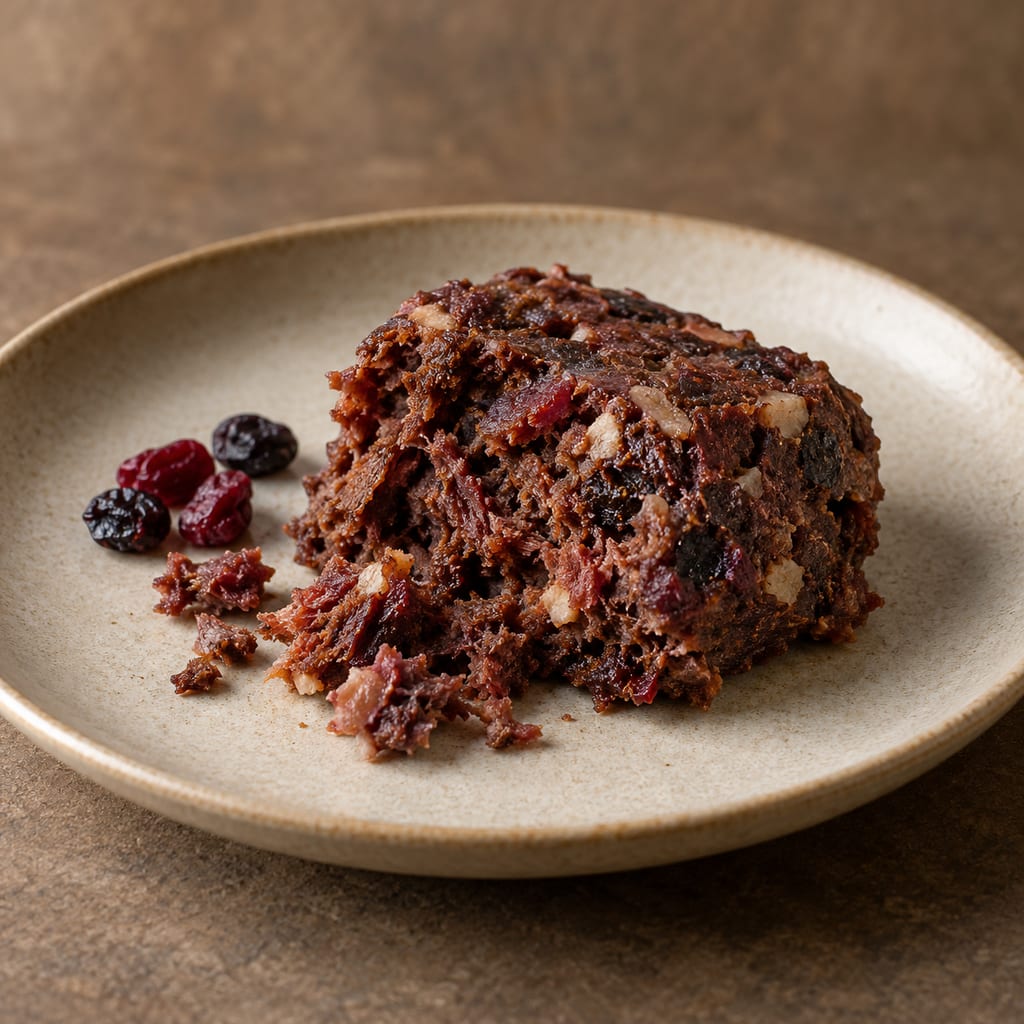
Pemmican is dried meat mixed with rendered animal fat, sometimes with berries. Sources link it to Indigenous North American food traditions and later fur-trade provisioning. This documentary entry gives no home preparation or storage method.
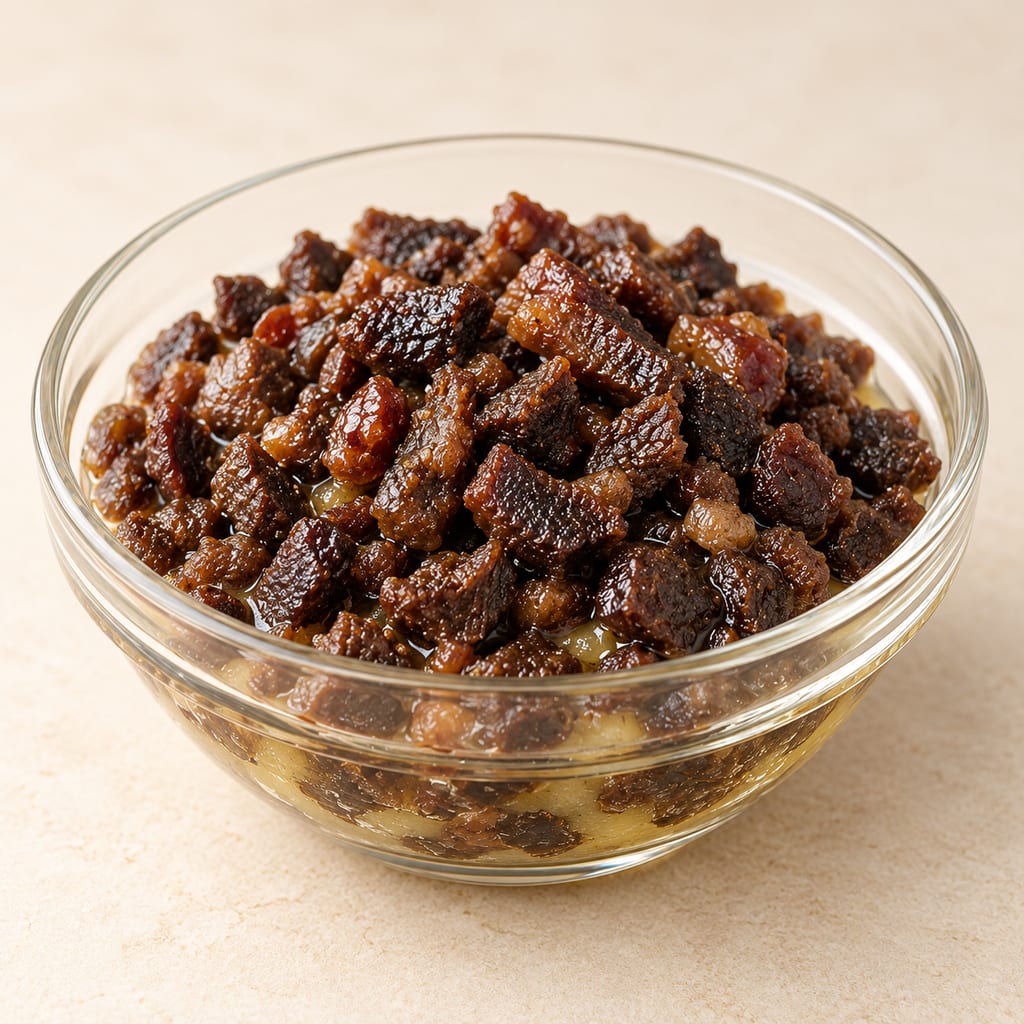
Odka, also called muqmad, is Somali meat that is dried, cut small, fried and kept under fat. It is a dried-meat preserve whose keeping depends on the whole sequence.
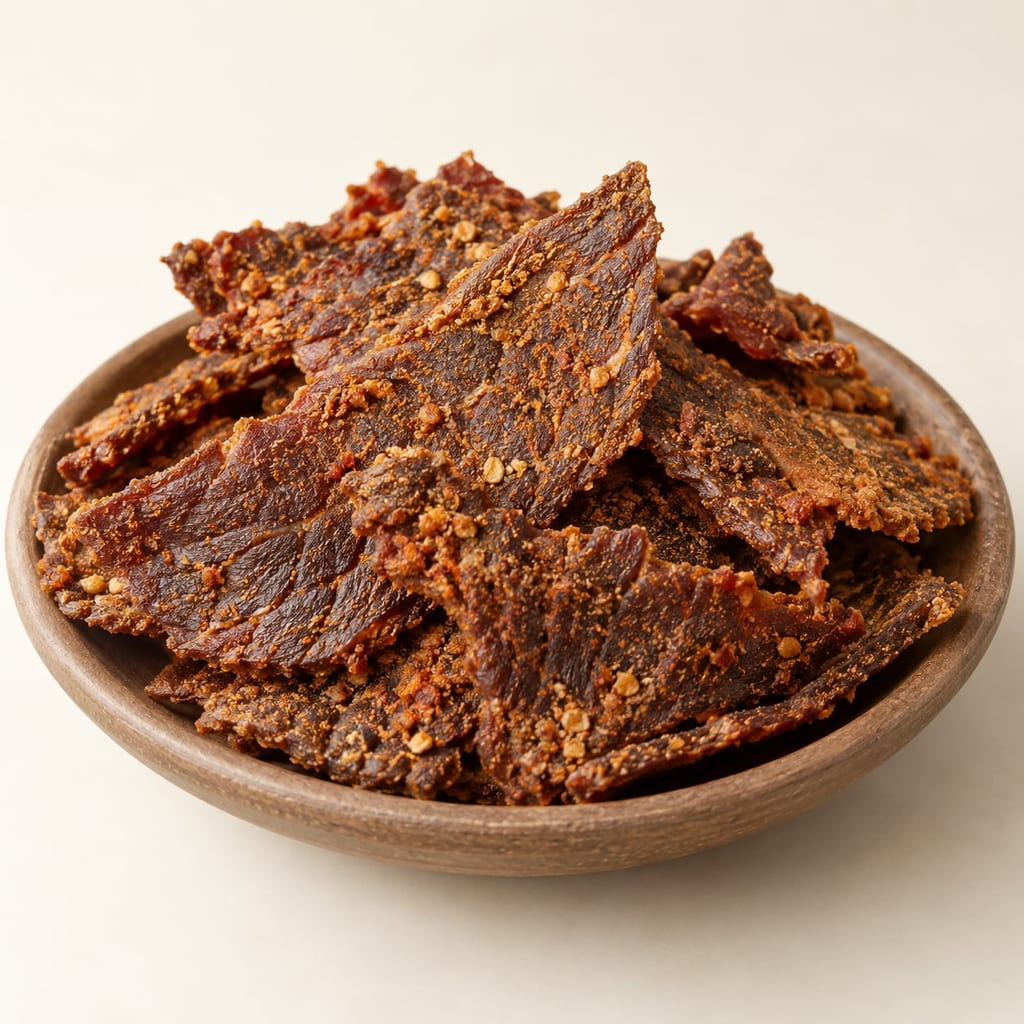
Kilishi is a Hausa-land dried meat from northern Nigeria and southern Niger: thin slices of beef or other meat, dried, coated in a spiced groundnut paste and dried again.
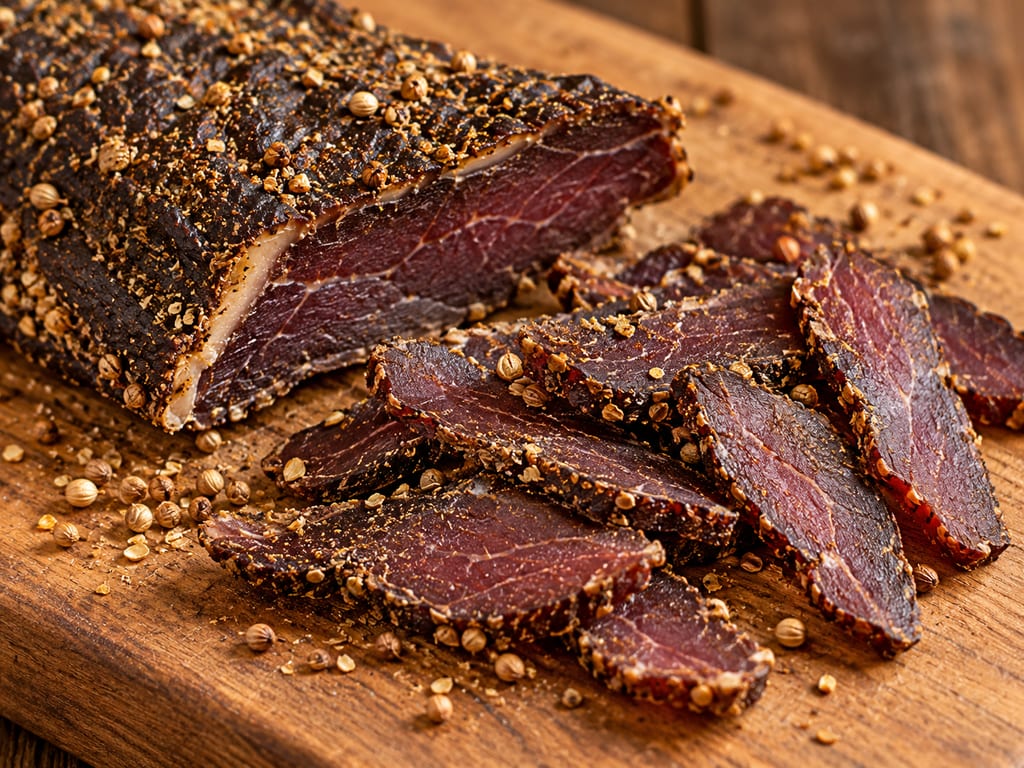
Strips of whole-muscle beef or game seasoned with salt, vinegar, roasted coriander and pepper and air-dried without cooking, sold anywhere from soft and moist to hard and very salty.
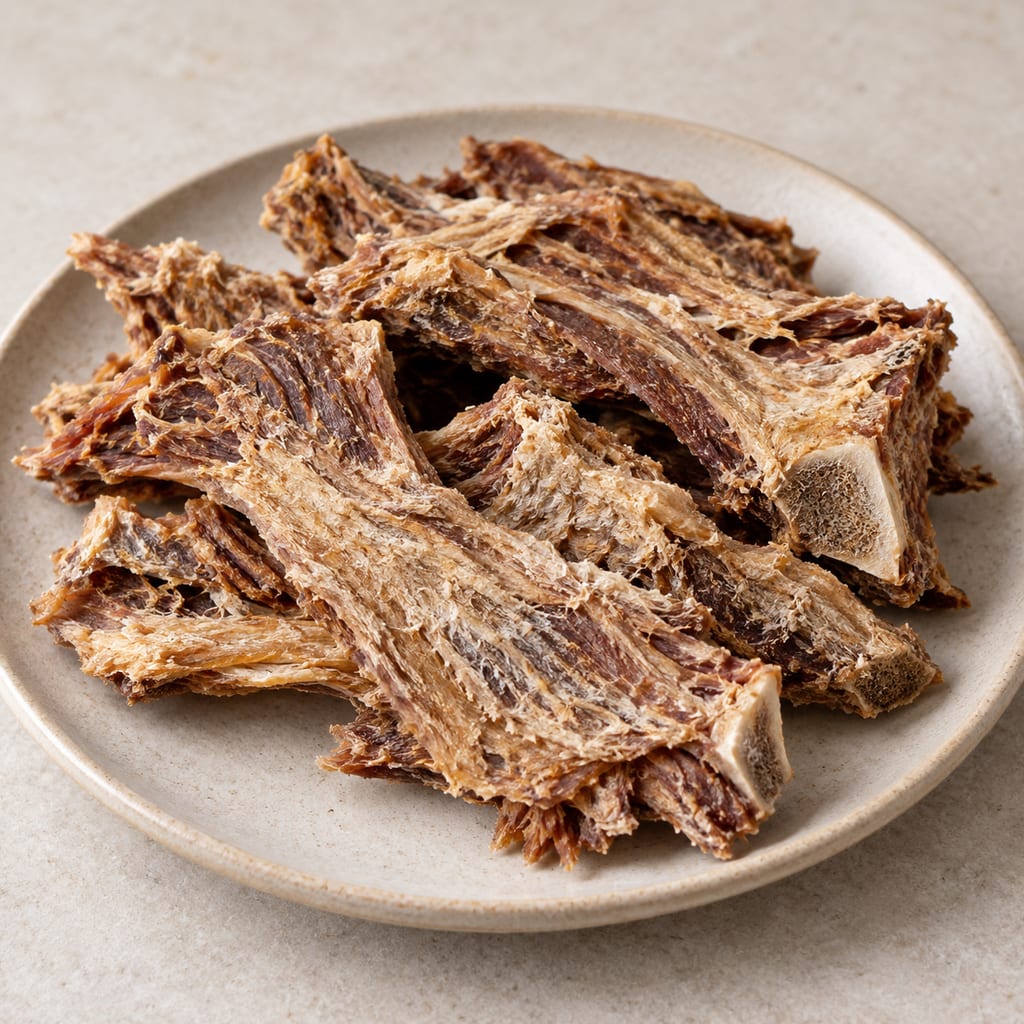
Alpaca charqui is Andean dried meat, made from camelid meat exposed to hot sun by day and frost by night at high altitude, the ancestor of the modern word jerky.
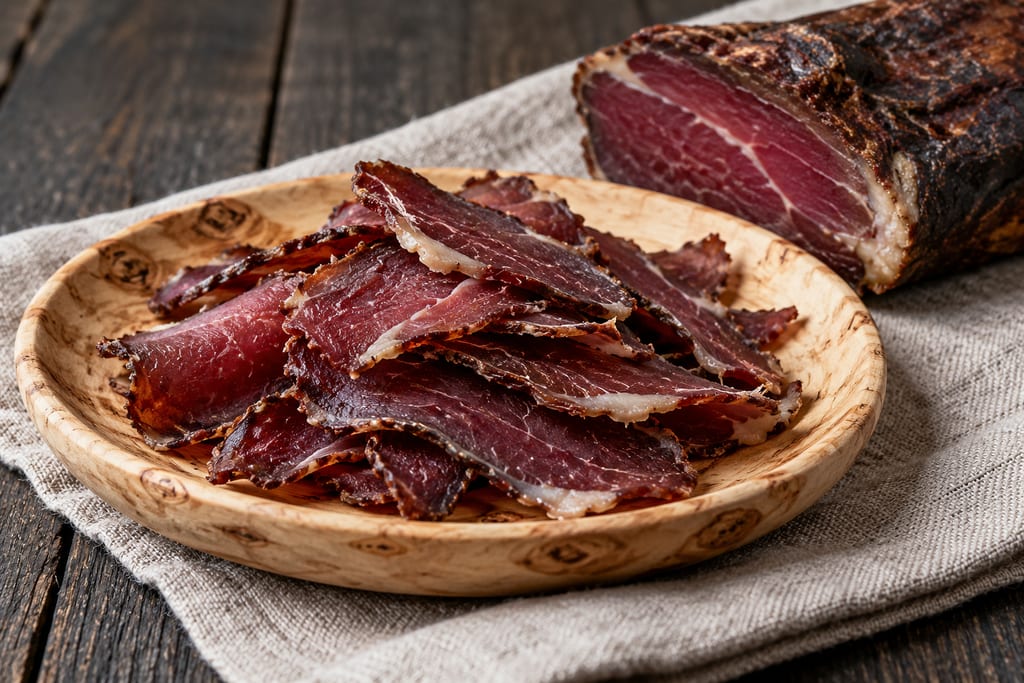
Salted reindeer meat hung in the smoke of a lávvu fire over willow, birch or juniper, then cooled and in some Sámi communities dried outdoors into travelling provisions.
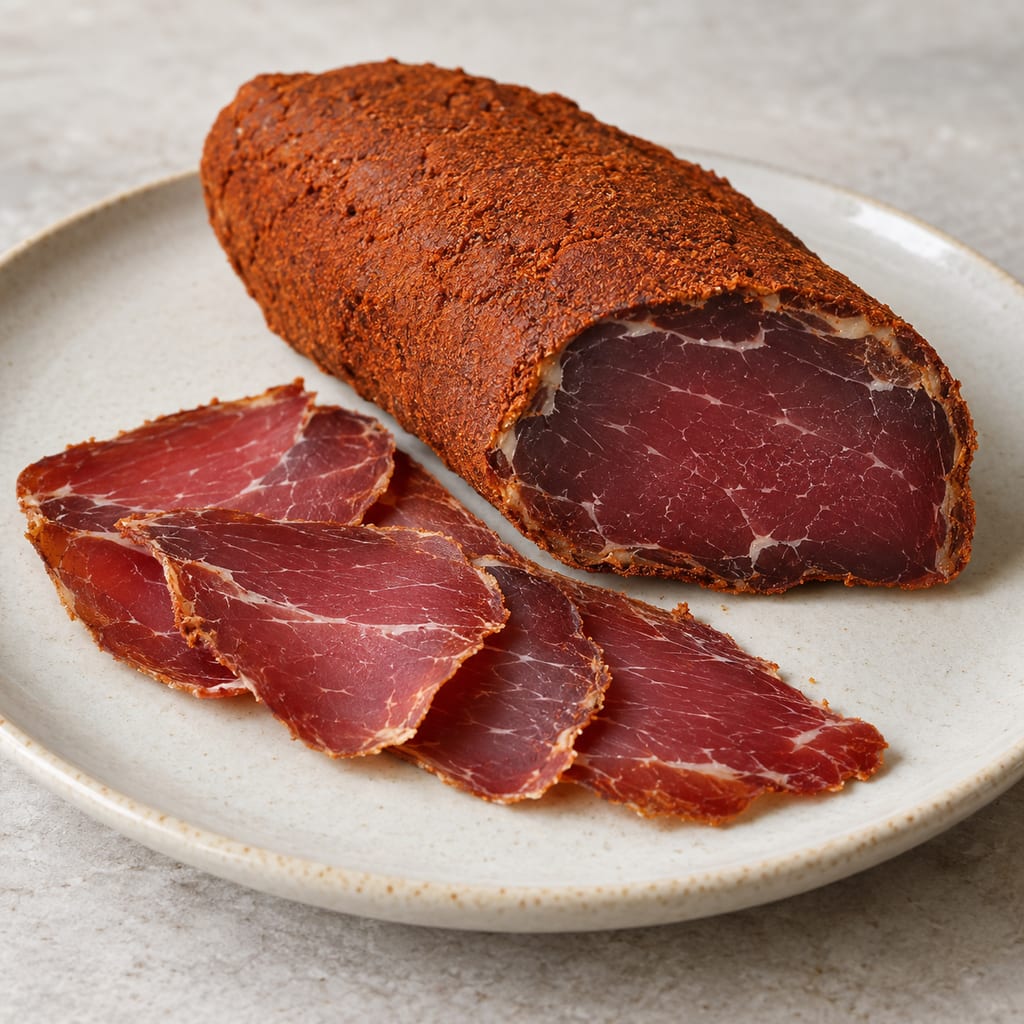
Dry-cured beef salted, air-dried and often coated with a spice paste called çemen before it is sold whole or sliced; a Turkish cured meat whose preservation rests on salting and drying.
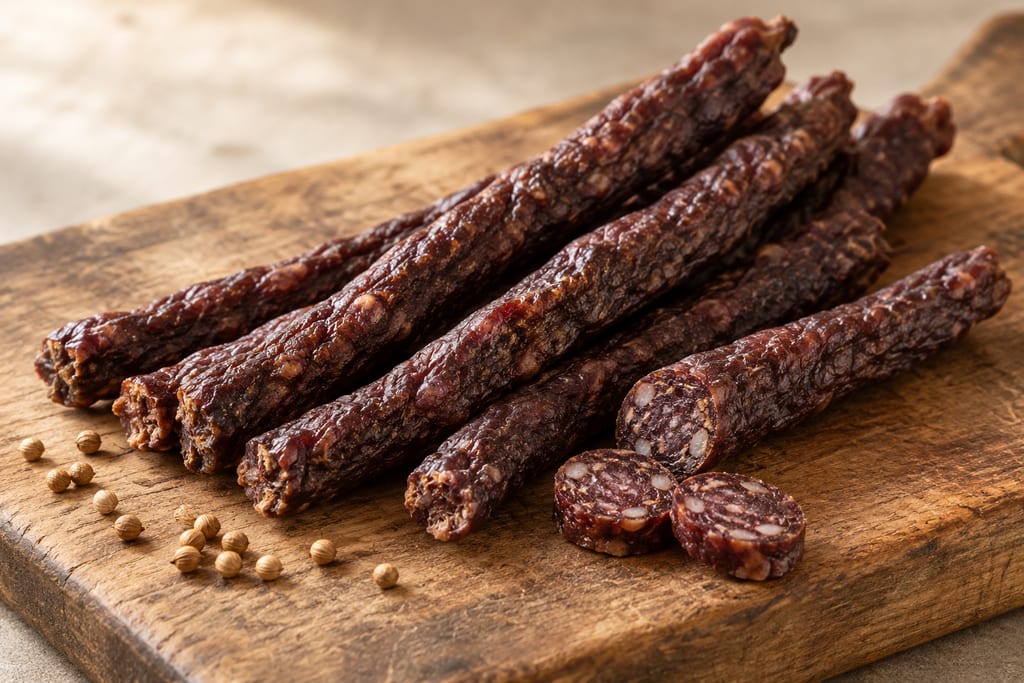
South Africa's dried sausage: seasoned minced meat in narrow casings, dried until it can be eaten without cooking, which makes it a far more demanding product than fresh boerewors.
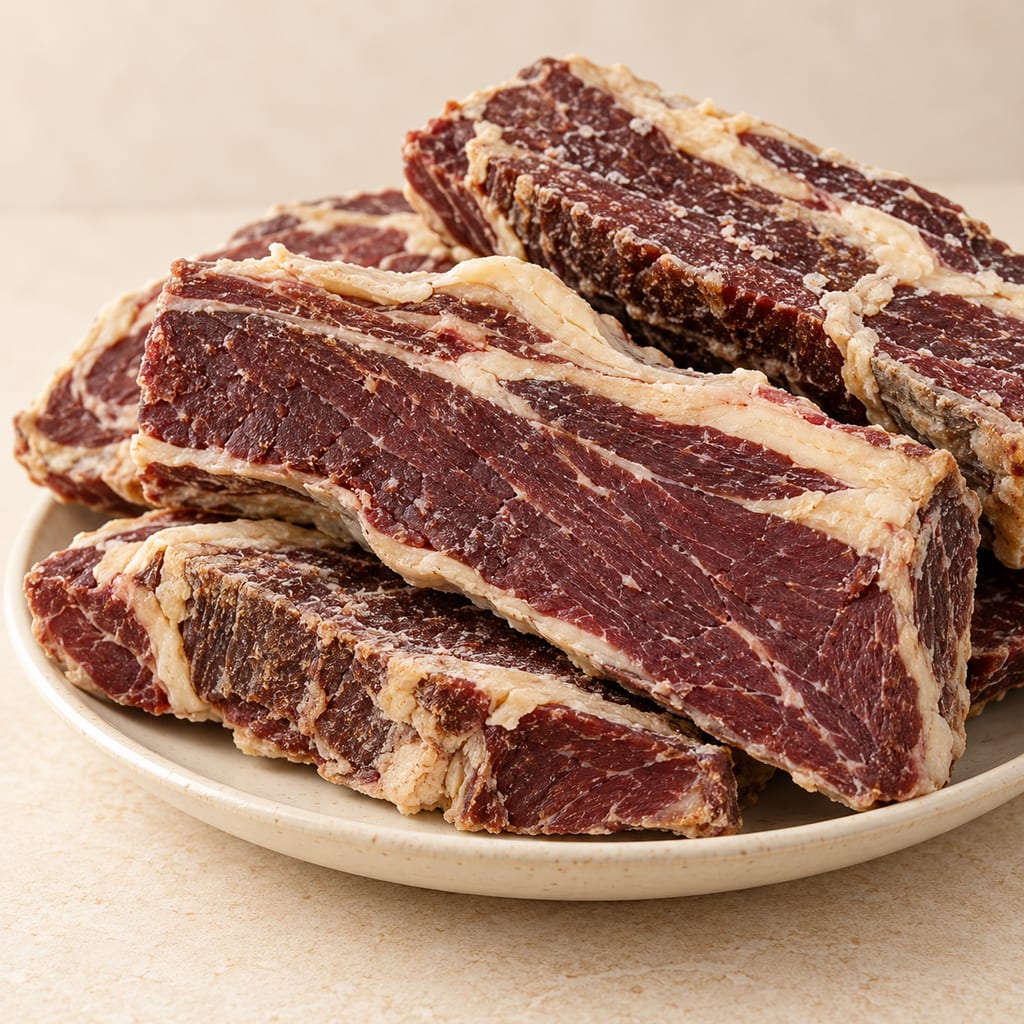
Beef salted heavily and dried into a strongly preserved ingredient that is desalted before it is cooked in stews; a Brazilian form of salt-dried meat that keeps far longer than the lightly salted carne-de-sol.
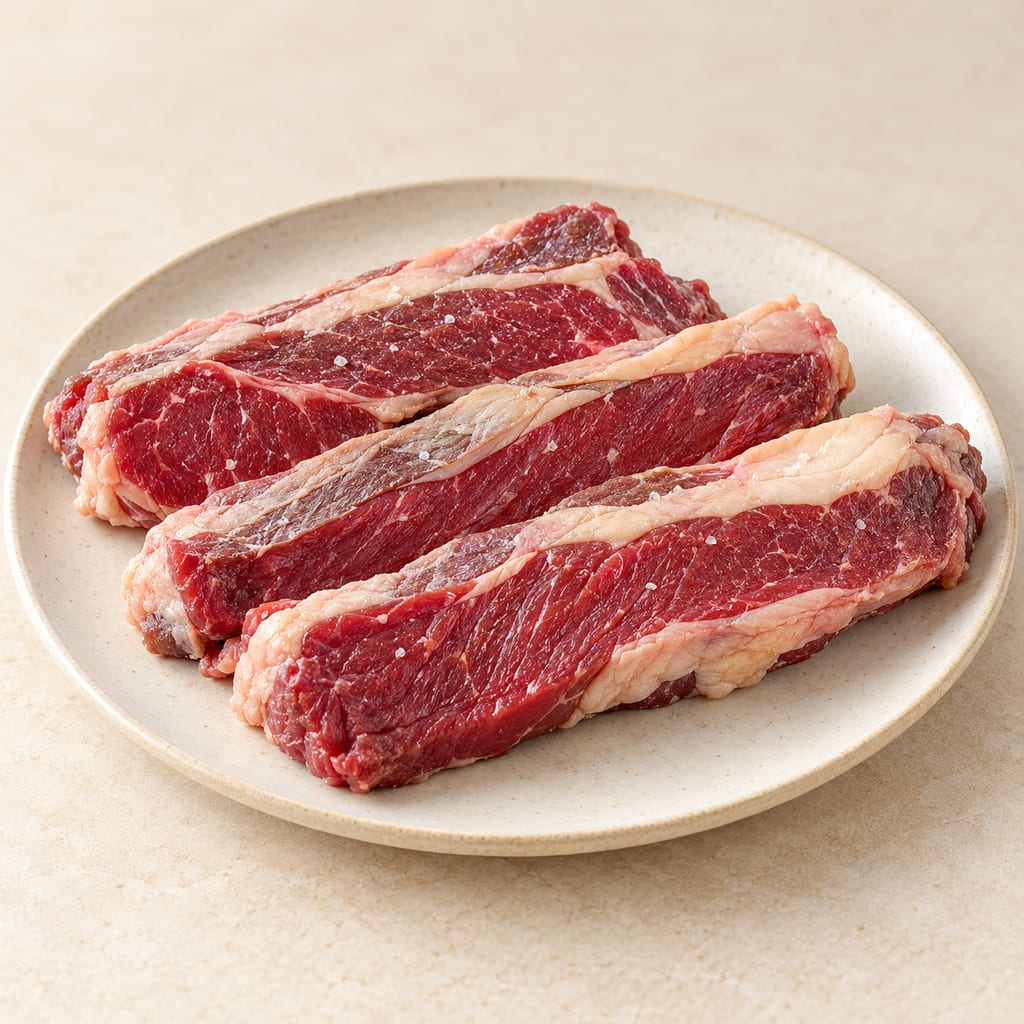
Beef given limited salt and partial surface drying, a short-keeping Brazilian meat that is much less durable than fully dried charque and is treated as a cold-chain product.
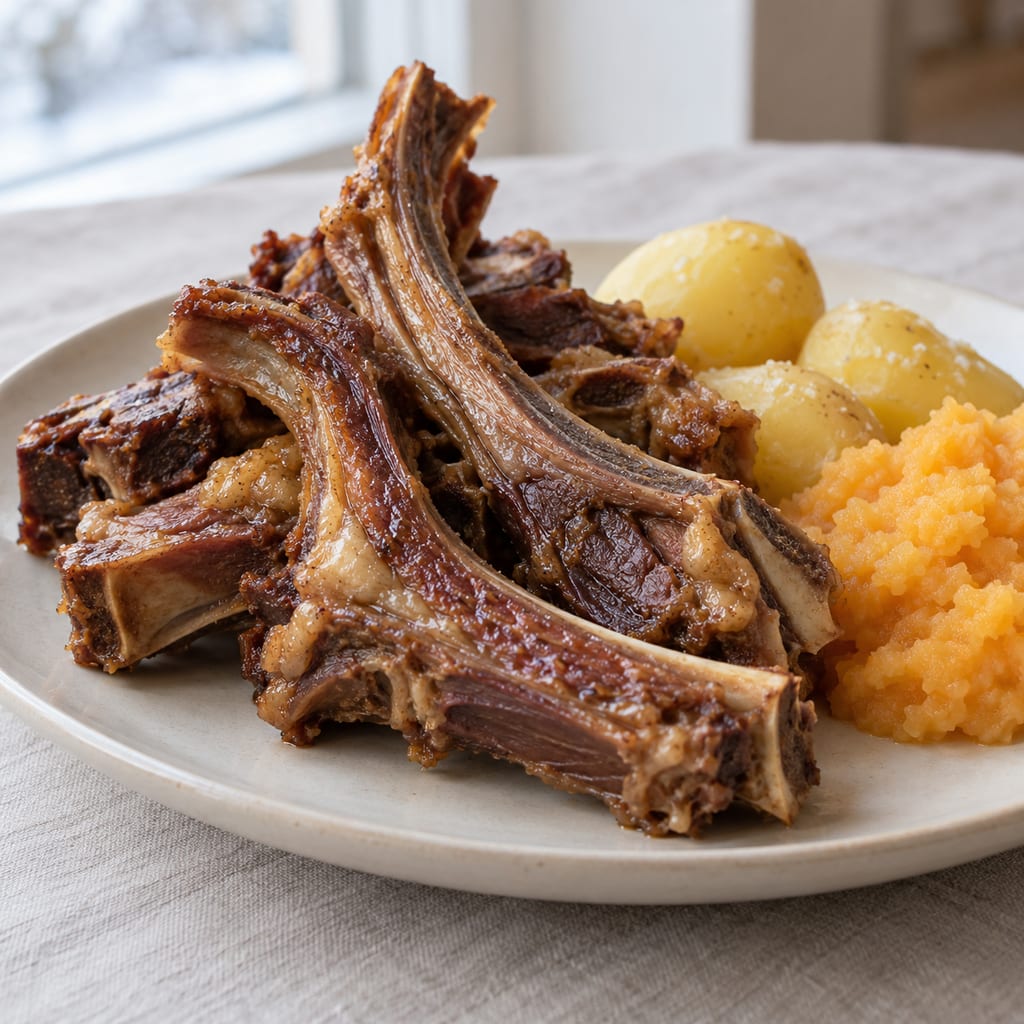
Norwegian Christmas lamb ribs, salted, matured and dried, then soaked and steamed over birch twigs. Smoked and unsmoked versions are both made.
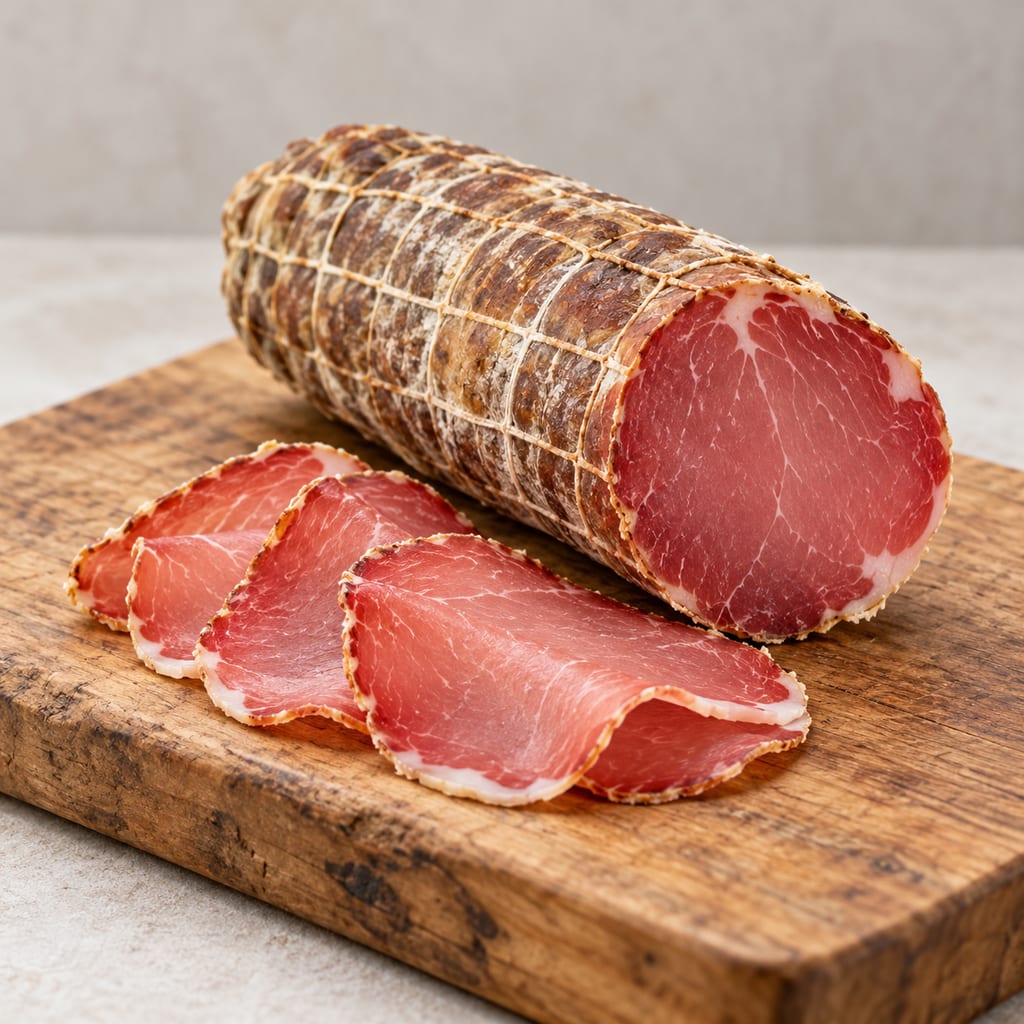
Documentary account of Italian regional cured-loin traditions, including Tuscan and Marche variations; no home-cure instructions are provided because the published professional methods lack validated safety controls.
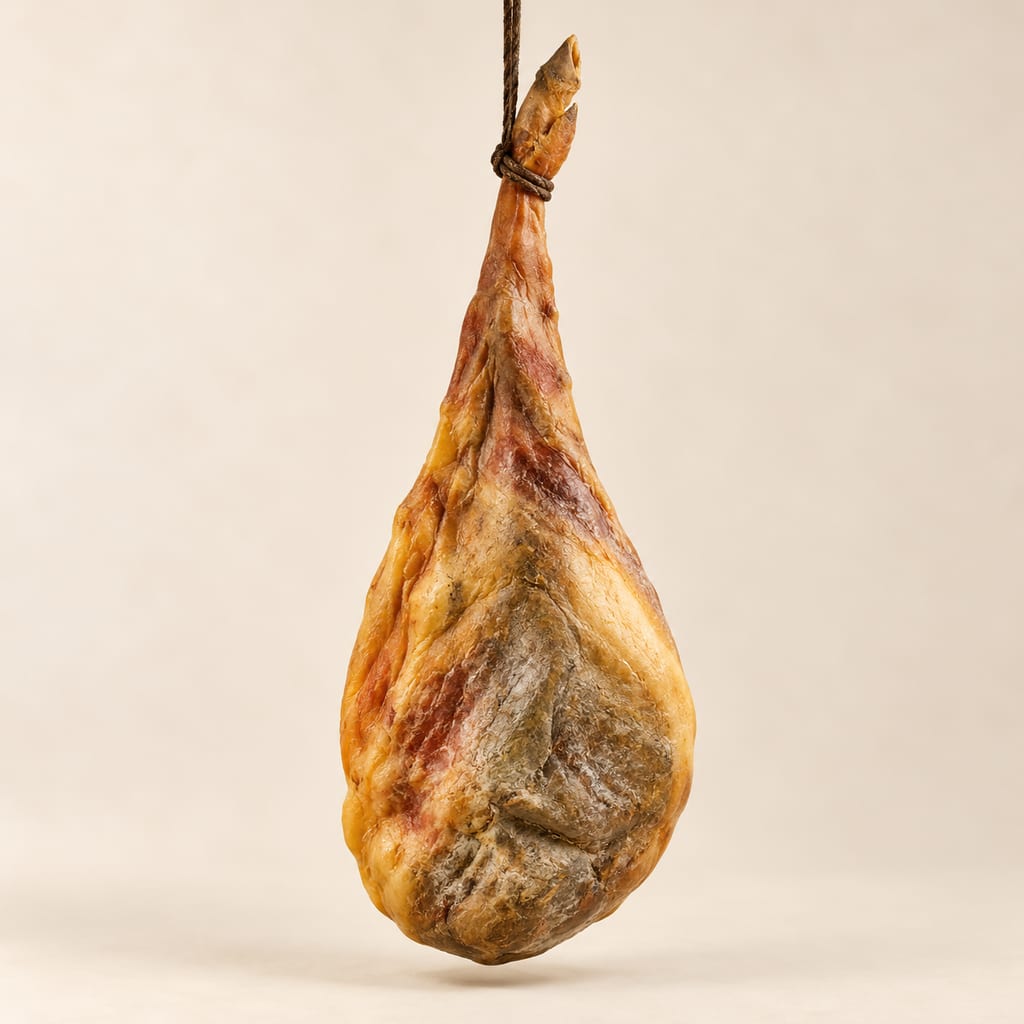
Cato the Elder records a second-century BCE sequence for salting, air-drying, and smoking ham. This historical account is not a validated modern curing protocol.