
Recipes

1504 records with their sources, across 11 categories.

Filtered to

Recipes

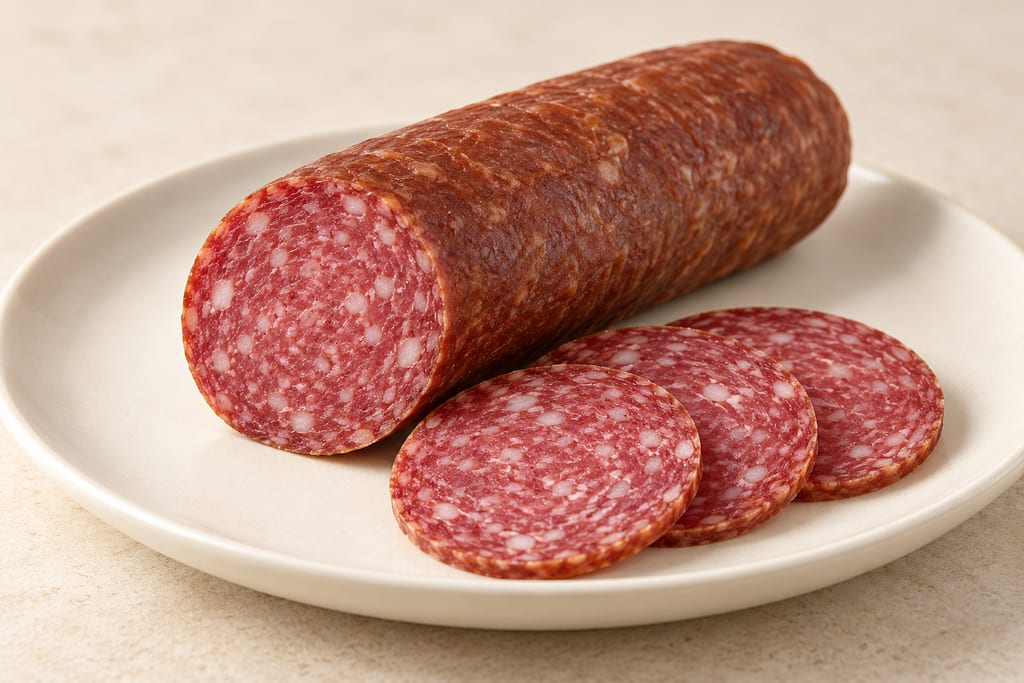
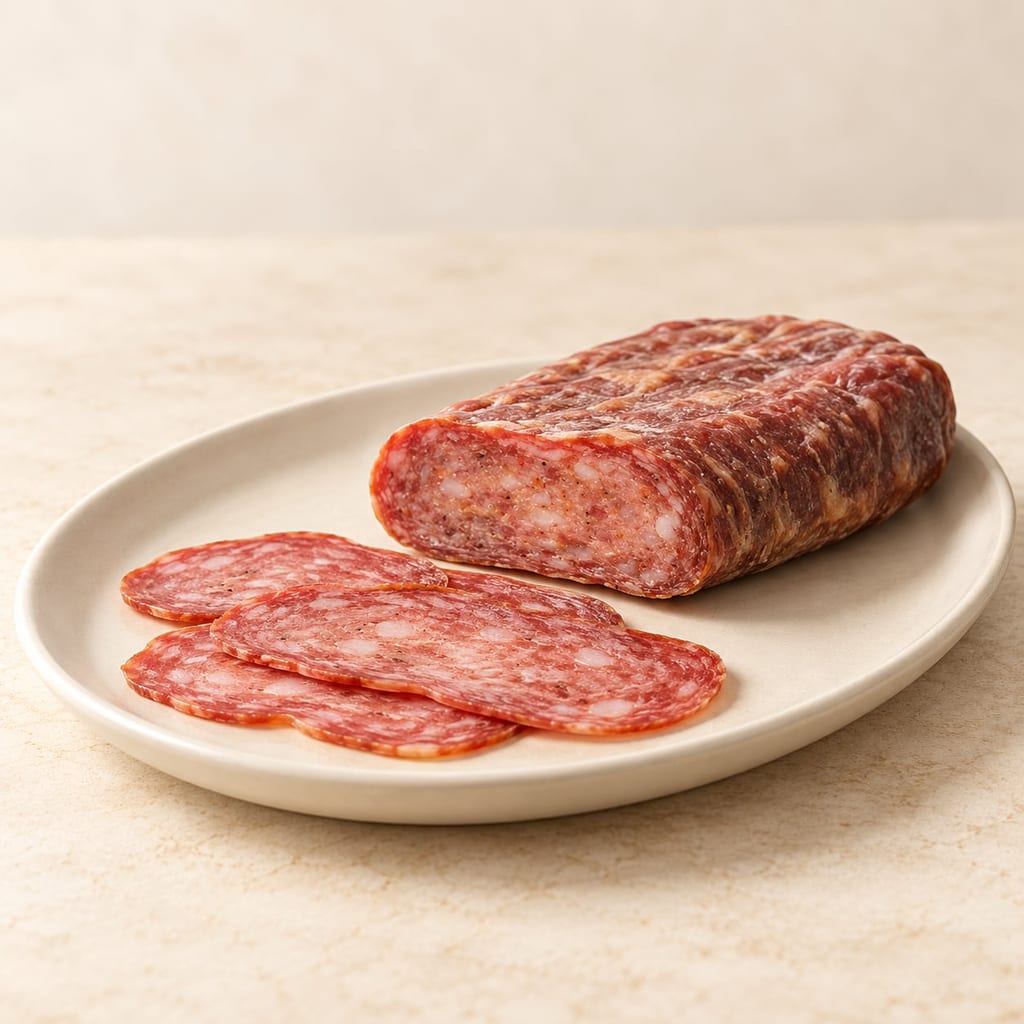
Flattened soppressata section and thin slices on an ivory plate.
High risk

Soppressata di Calabria, starter-cultured

Calabrian soppressata is a flattened pork salami seasoned with pepper and wine. This entry documents a modern starter-cultured adaptation, not household instructions; the process lacks matched pathogen-reduction validation.
Calabria · Modern adaptation
Meat
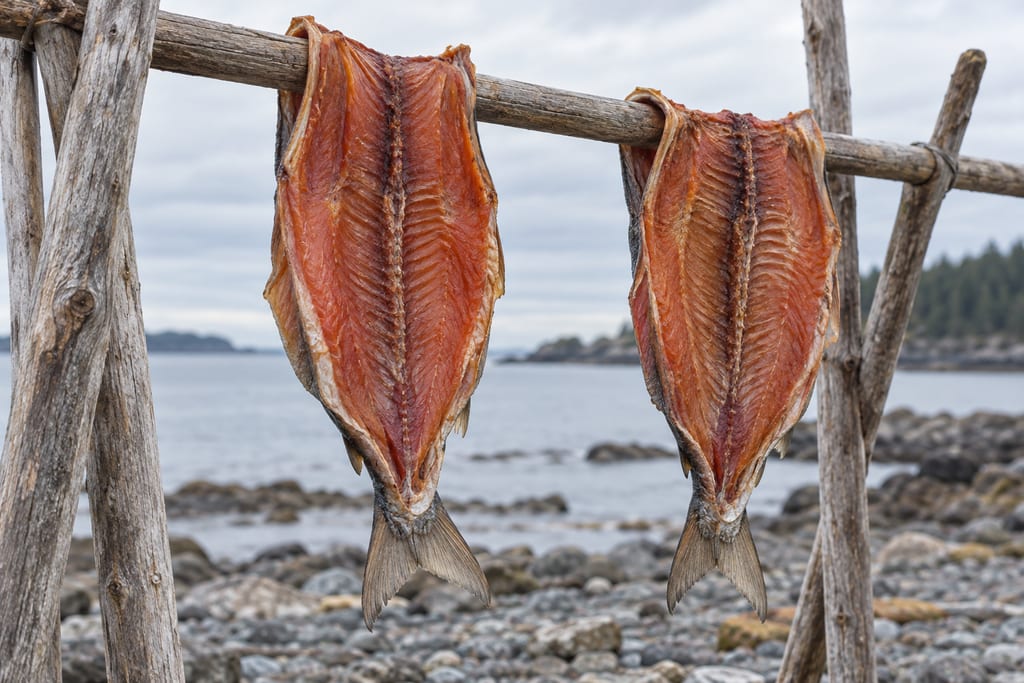
Illustrative opened, air-dried Pacific salmon yukola hanging from a simple wooden rack; not a specific historical household or evidence of a safe drying endpoint.
High risk

Yukola (Nivkh dried salmon)

Pacific salmon opened along the backbone and hung on elevated wooden frameworks to air-dry, the winter provision at the centre of Nivkh household fishing on Sakhalin and the Lower Amur.

Northern Sakhalin · Traditional method
· Fish and seafood
A small cube of red-pink Okinawan tofuyo, its creamy interior visible beneath glossy red-koji sauce, served in a handmade ceramic saucer with a wooden pick.

Tofuyo

An Okinawan fermented tofu: dried tofu cubes matured in rice koji, awamori and salt, traditionally with red Monascus koji, until the curd turns smooth and intensely savoury.

Okinawa Prefecture · Traditional method
· Legumes and seeds
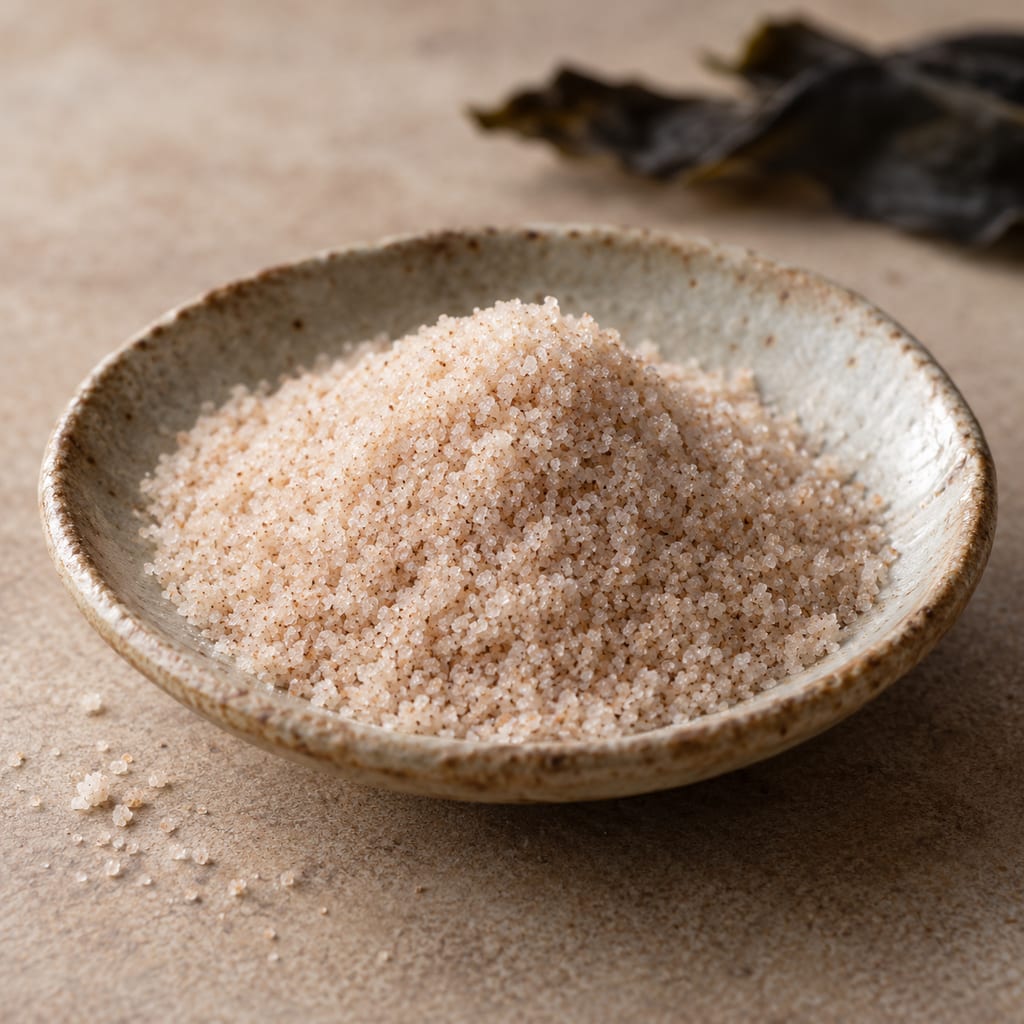
Illustrative finished Awaji moshio Premium, fine pale beige seaweed-salt granules in a plain ceramic dish.

Awaji moshio

Awaji moshio is a modern Japanese seaweed salt made by TaDa PHILOSOPHY from Awaji Island seawater and seaweed. Its premium process concentrates brine, extracts seaweed flavor, then crystallizes, separates, dries and grades the salt.

Awaji Island
· Condiments
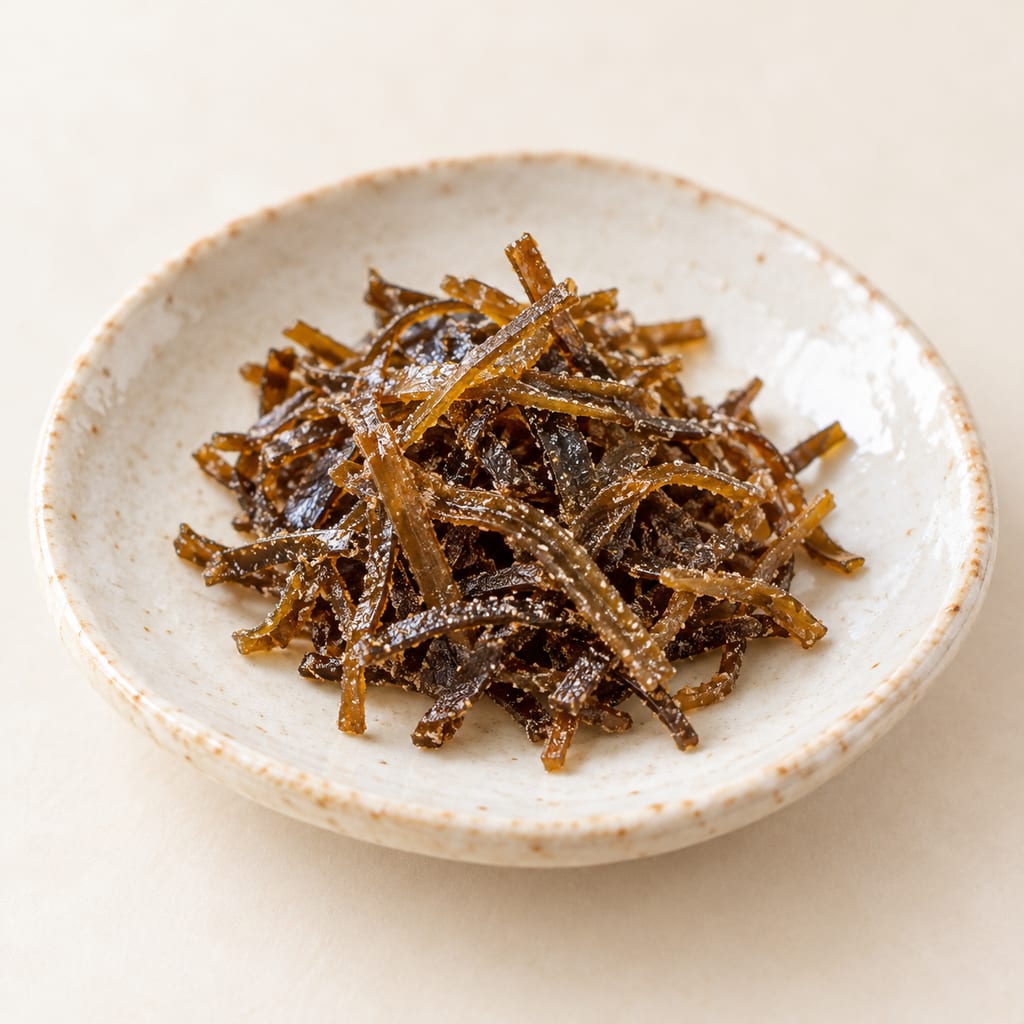
Semi-moist, soy-seasoned kelp strips lightly coated with salt, served on a small ceramic plate.
Elevated risk

Shio Kombu (Seasoned Salted Kelp)

Japanese kelp simmered in soy sauce and seasonings, sometimes dried and salted, eaten with rice or used as an umami seasoning.

Osaka · Traditional method
· Condiments
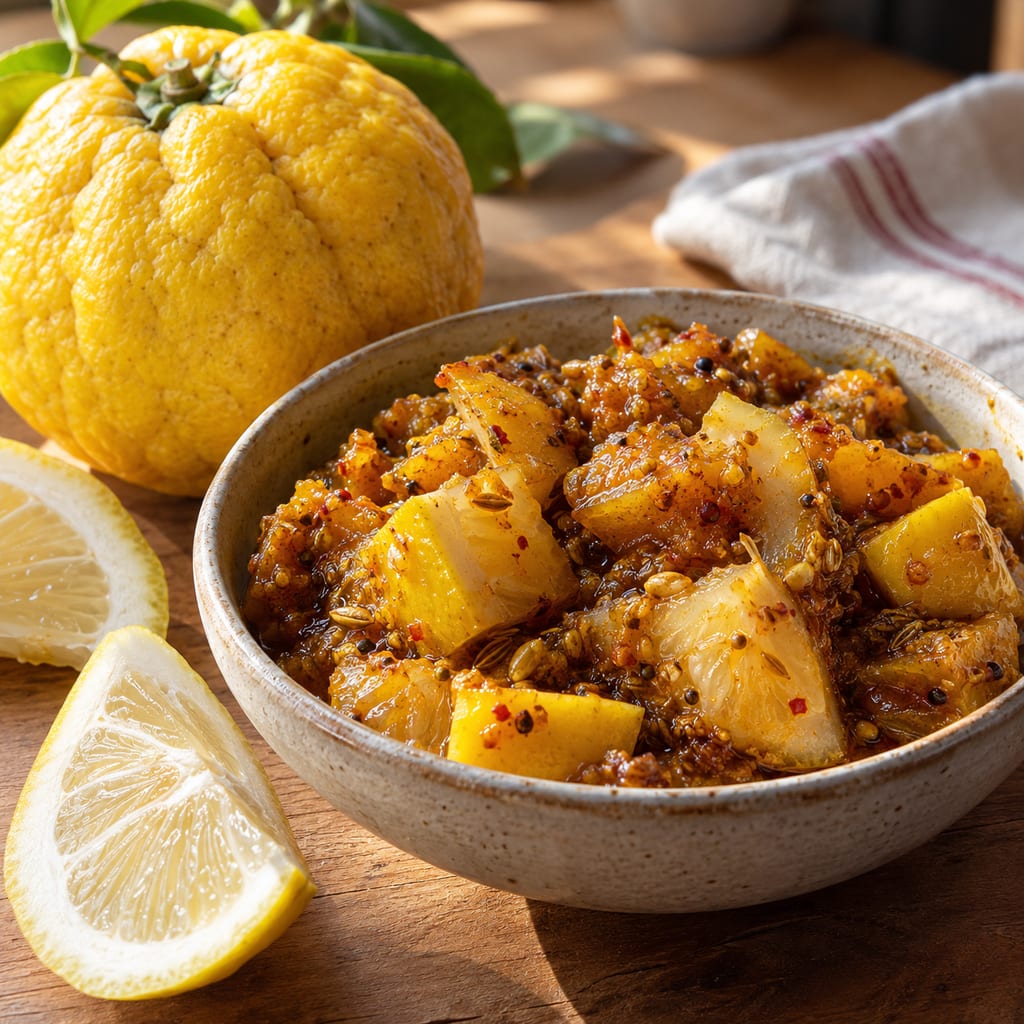
Illustrative Himalayan Galgal pickle: short rectangular pieces of large yellow citrus in a mustard-oil, spice and jaggery pickle, served in a plain ceramic bowl with whole Galgal fruit nearby.

Galgal pickle

Ripe Himalayan galgal is boiled, sun-dried and cooked with mustard oil, spices and jaggery before a further rest in a ceramic jar.

Western Himalayas · Modern method
Fruit
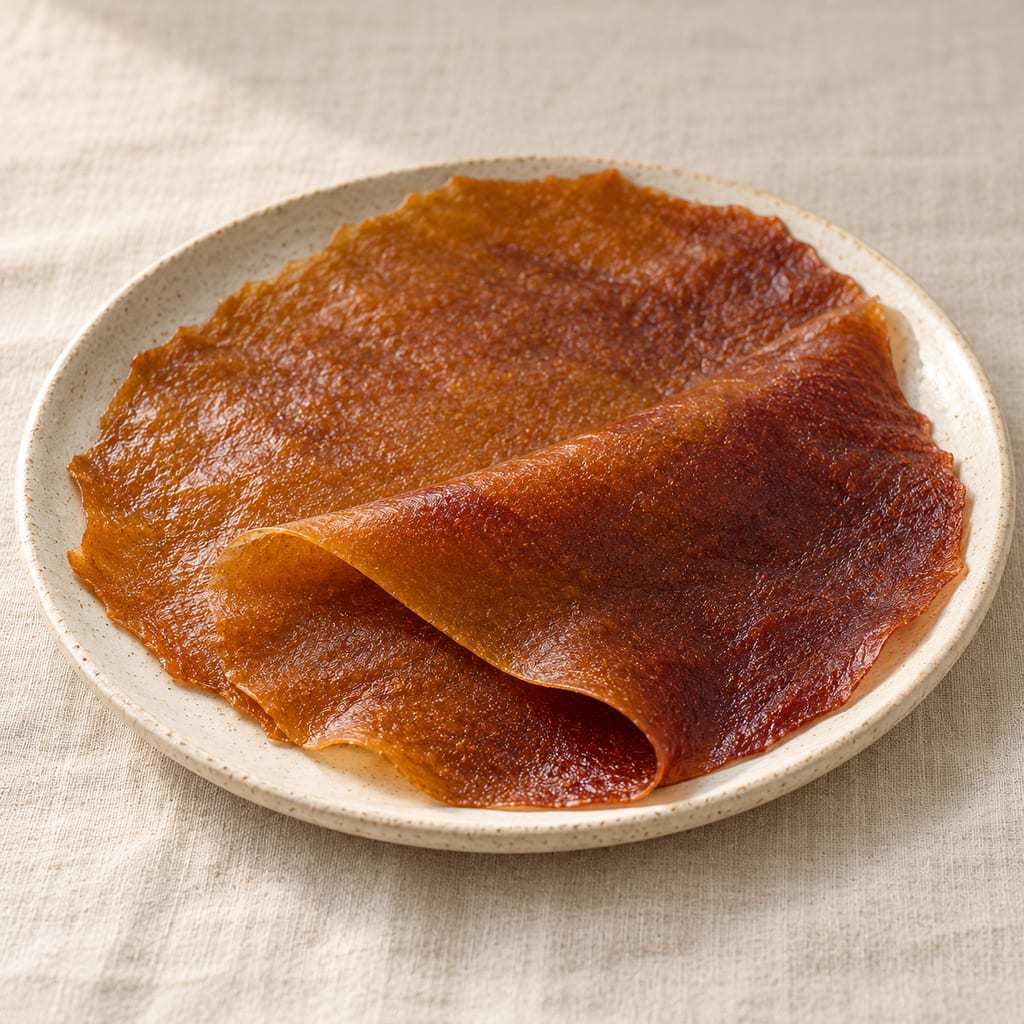
A thin, flexible amber-brown mulberry tklapi sheet loosely folded on a pale ceramic plate.

Meskhetian mulberry tklapi

A reported Khizabavra household method cooks mulberry juice with wheat flour into a thin porridge before drying it on cloth; batch measures and a measured endpoint are absent.

Khizabavra, Aspindza · Traditional method
Fruit
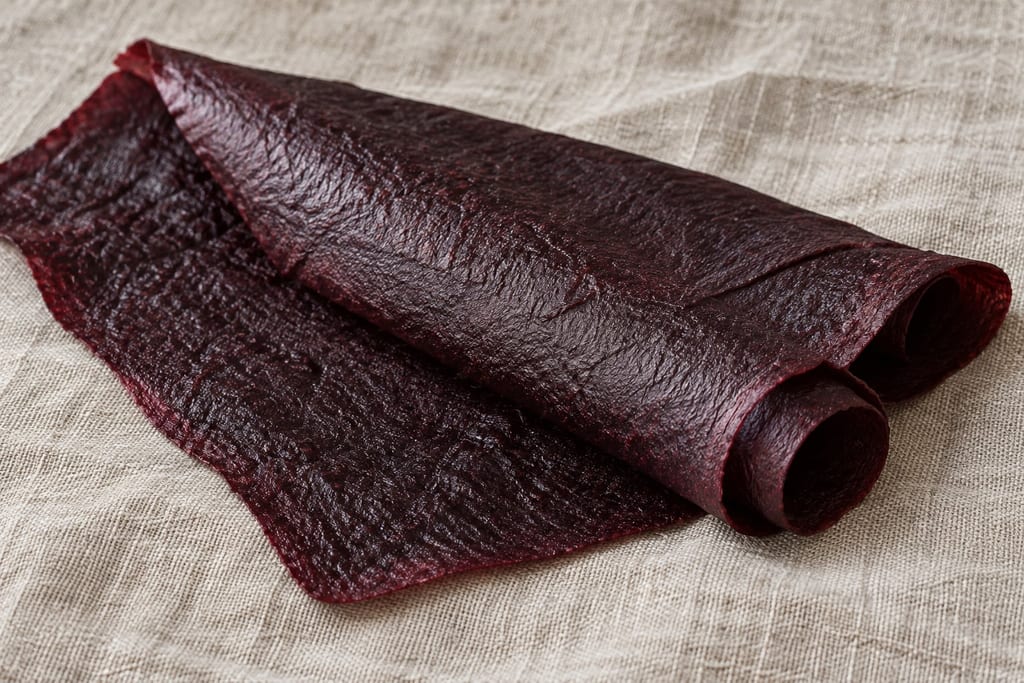
Illustrative rolled sheet of dark mulberry tklapi, the dried fruit sheet described in the FAO Georgian recipe; not a historical photograph.
Elevated risk

Mulberry tklapi

Georgian field notes describe mulberry tklapi with wheat flour but omit how the paste is cooked. FDA warns raw flour can carry harmful bacteria; this incomplete account is documentary, not a home recipe.

Georgia · Traditional method
Fruit
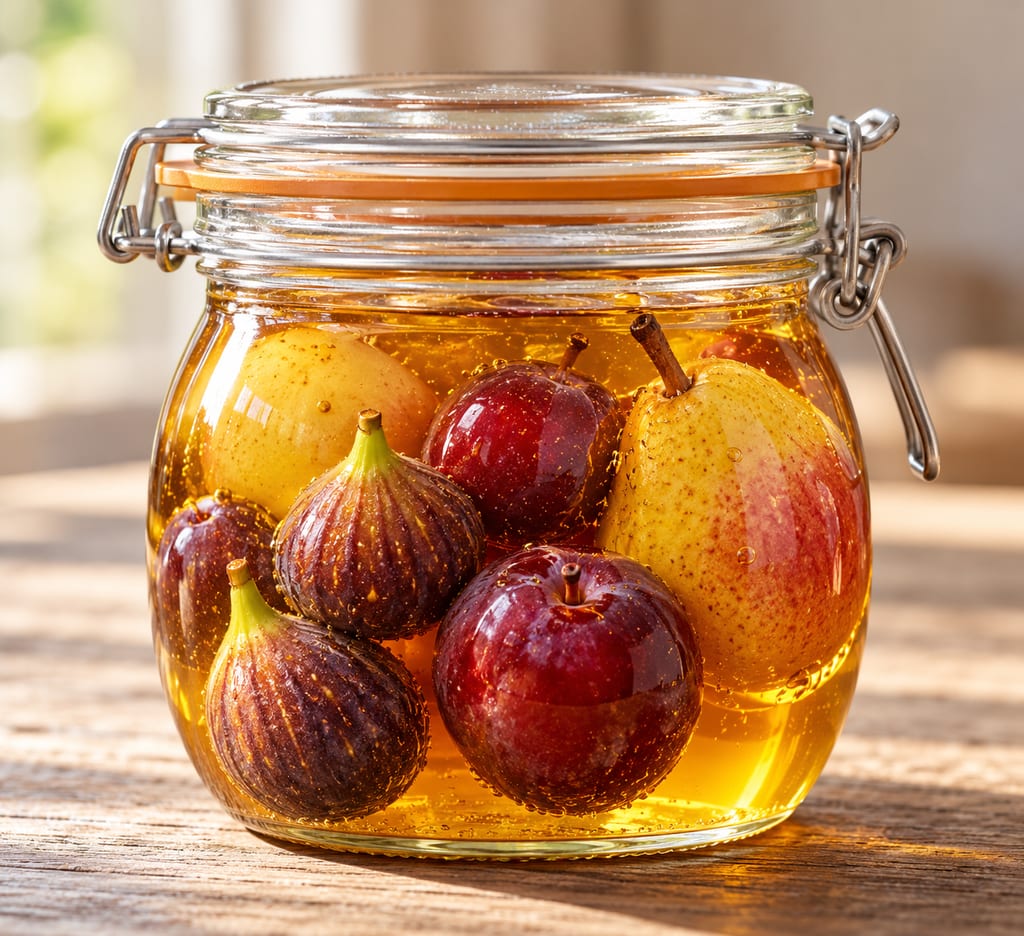
Whole figs, plums, and other fruit surrounded by golden honey in a clear glass vessel, illustrating the fruit-in-honey practice.

Fruit preserved in honey

Fruit and some other foods were placed in honey in ancient Mediterranean kitchens. The honey's concentrated sugar does the preserving, and wet ingredients weaken it.

Mediterranean
Fruit
Compact hand-tied bundles of softened, yellowish-green fermented Assam tea leaves in a banana-leaf-lined woven basket.

Miang

Northern Thai fermented tea leaf: Assam tea leaves tied in bundles, steamed, packed in a lined tank and held under weight for three to four months. Eaten after meals.

Northern Thailand
Tea, cocoa and coffee
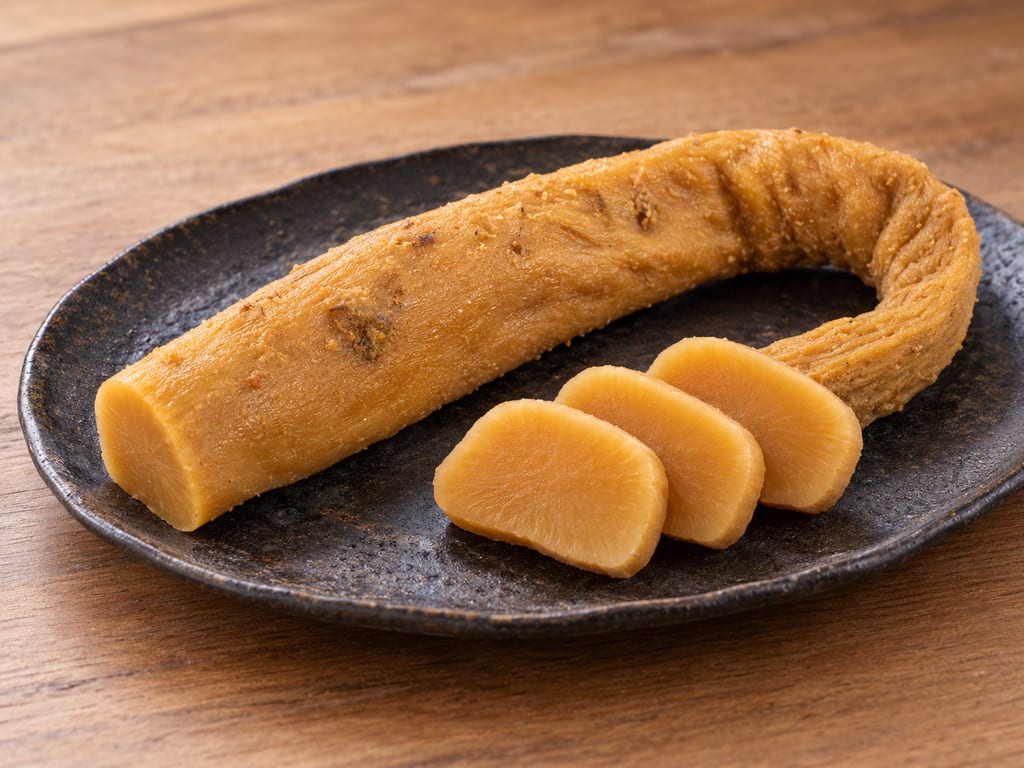
A long golden-brown Ise takuan daikon pickle with three cut slices on a dark ceramic plate.

Ise takuan

Regional takuan from Ise City, Mie, made with Misono daikon dried on a rack, then matured in a weighted barrel of rice bran and salt for months to years.

Ise, Mie Prefecture
Vegetables
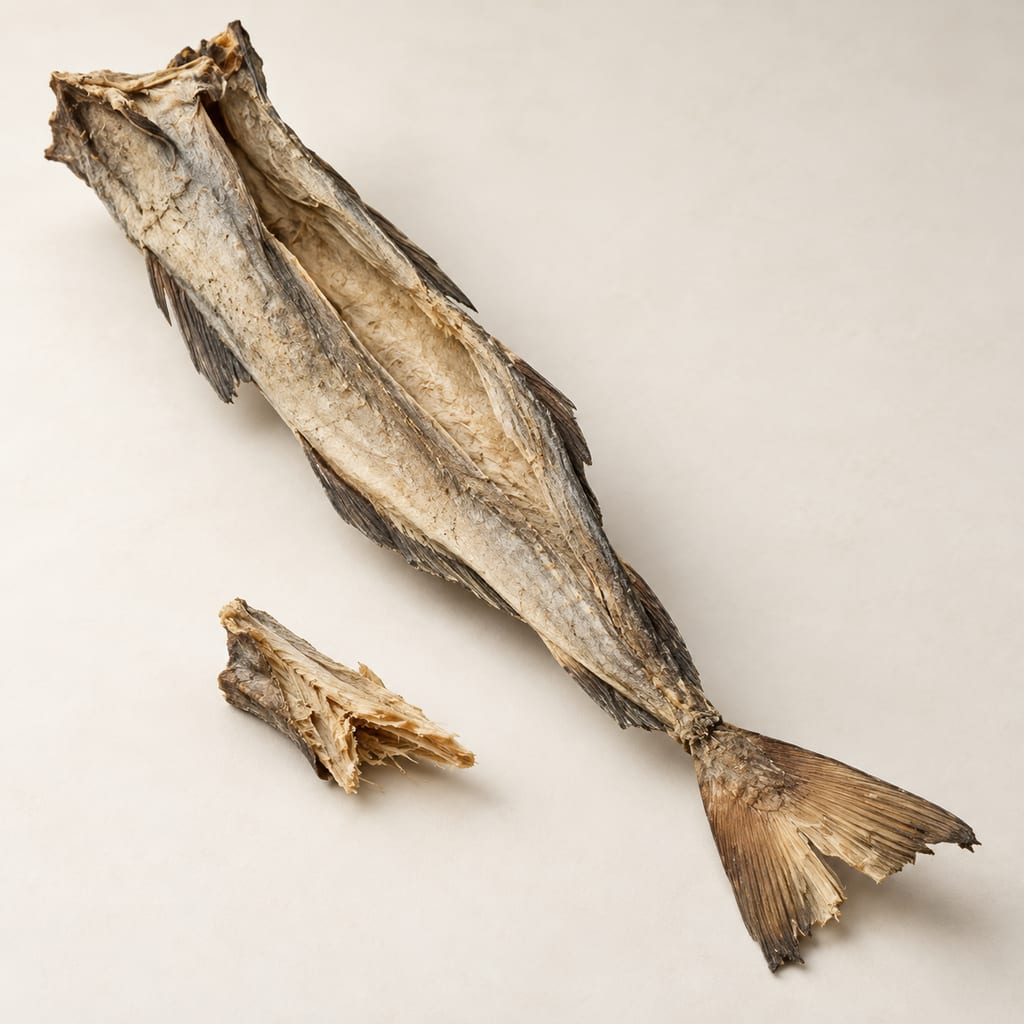
Finished Norwegian stockfish, unsalted air-dried cod, split open with its tied tail and a dry broken sample.
High risk

Stockfish

Cod hung on open racks in cold northern air until most of its water has gone, leaving a hard, light, unsalted fish that keeps and travels and must be soaked for days before cooking.

Lofoten · Traditional method
· Fish and seafood
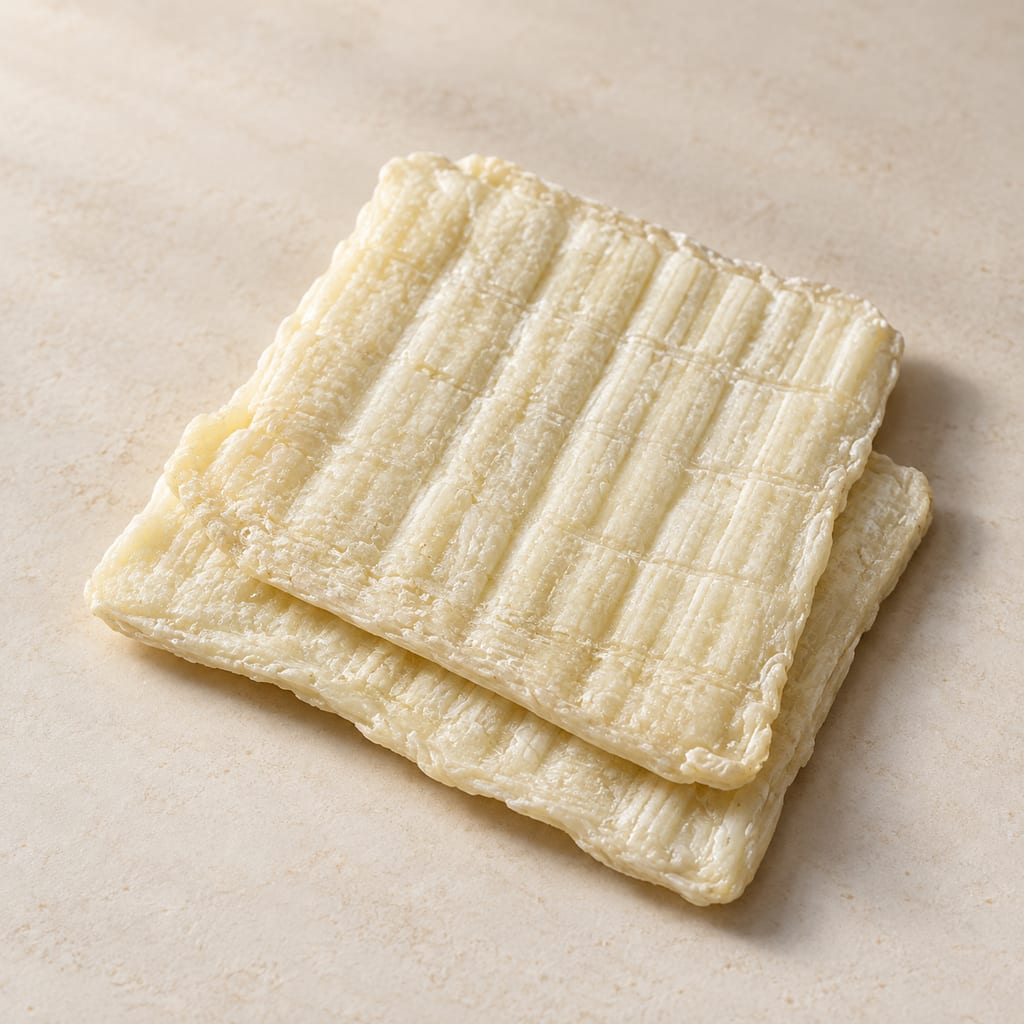
Two thin, pale Tchoukou dried cheese sheets with subtle mat impressions.
Elevated risk

Tchoukou

Tchoukou, also called Tikomart, is a thin, dry Nigerien cheese made to keep seasonal milk for later use. Documented methods use animal rennet, shape drained curd into sheets and dry it.

Niger
· Dairy
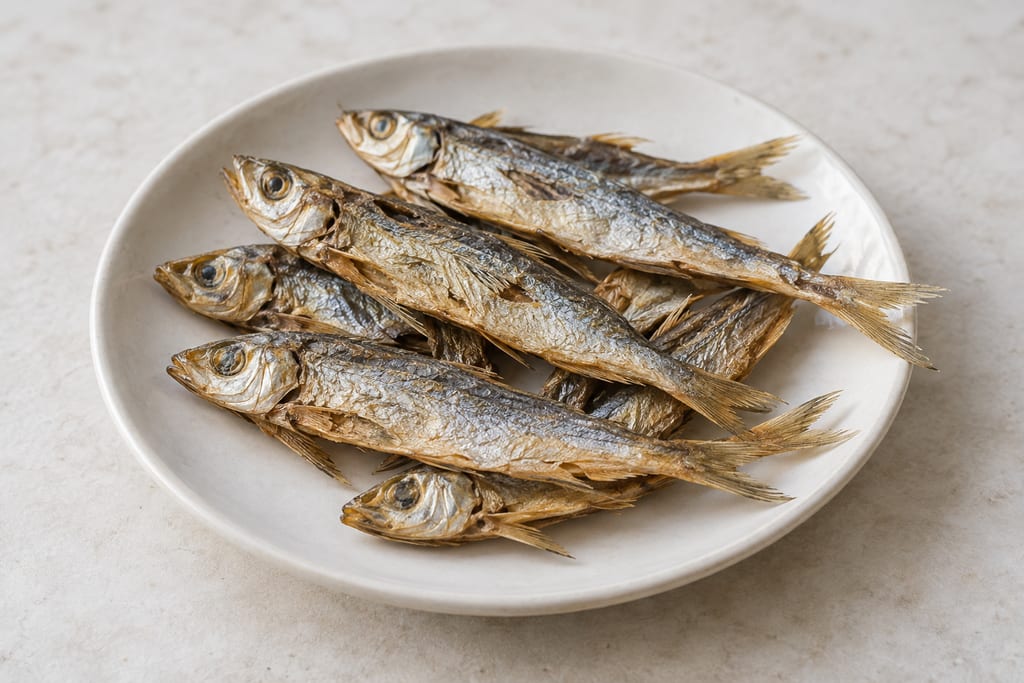
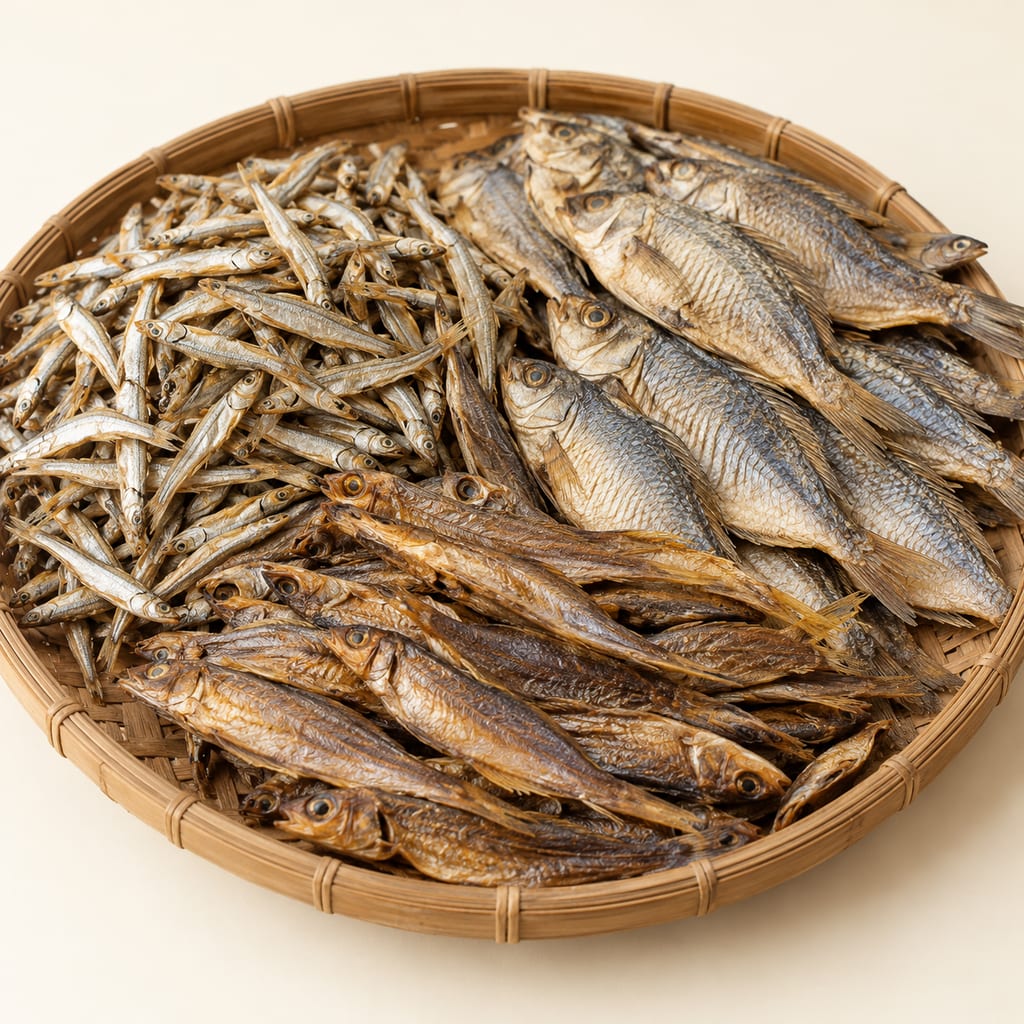
Illustrative view of small whole dried fish associated with Senegalese Tambadiang; species and exact appearance vary by source.
High risk

Tambadiang

Tambadiang is a Senegalese preparation of small whole fish that is pickled or salted and then dried. Sources differ on fish and process details; no single validated recipe or safety endpoint is established.

Joal
· Fish and seafood
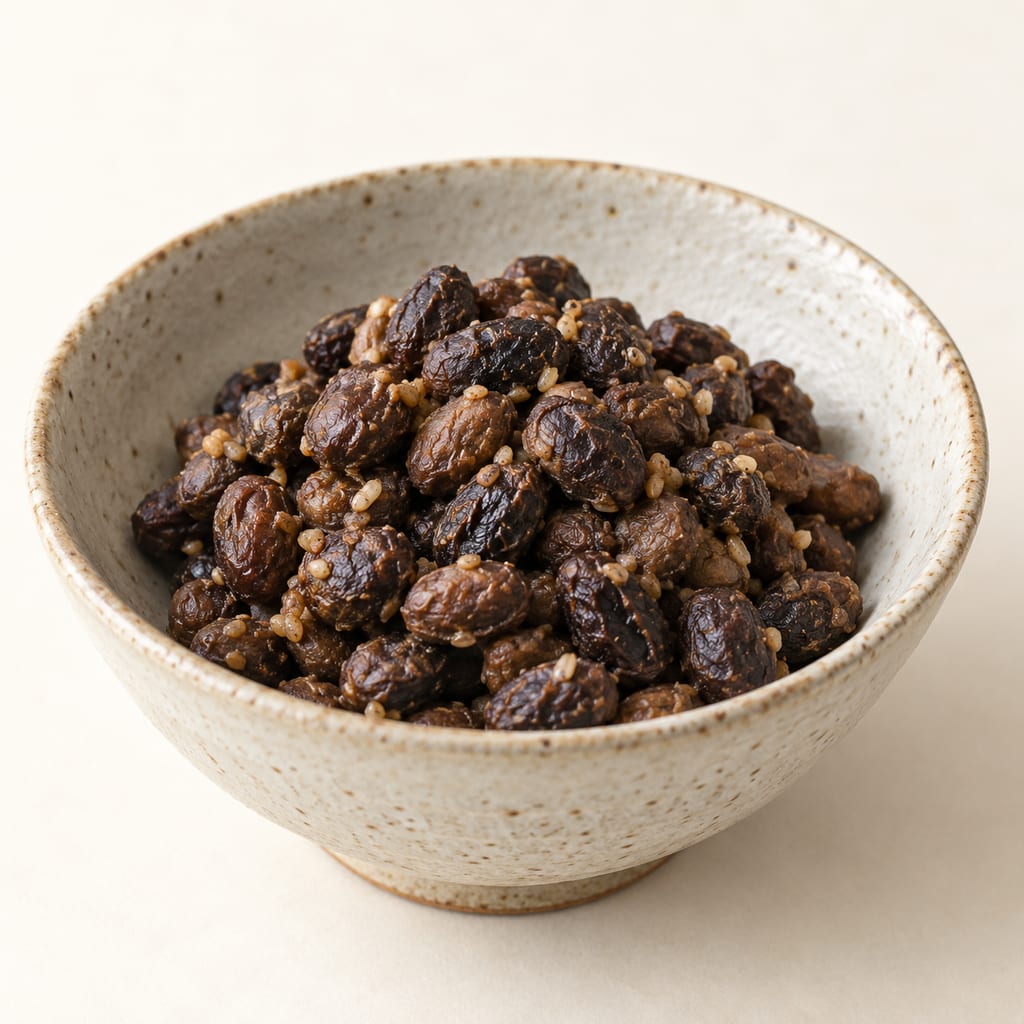
Photograph of Shiokara natto (hama natto, tera natto).

Shiokara natto (hama natto, tera natto)

A Japanese family of salted, dark, non-stringy natto made from whole soybeans, roasted grain and salt water, with names such as hama-natto, Daitokuji-natto and tera-natto. Not the sticky Bacillus natto.

Japan
· Legumes and seeds
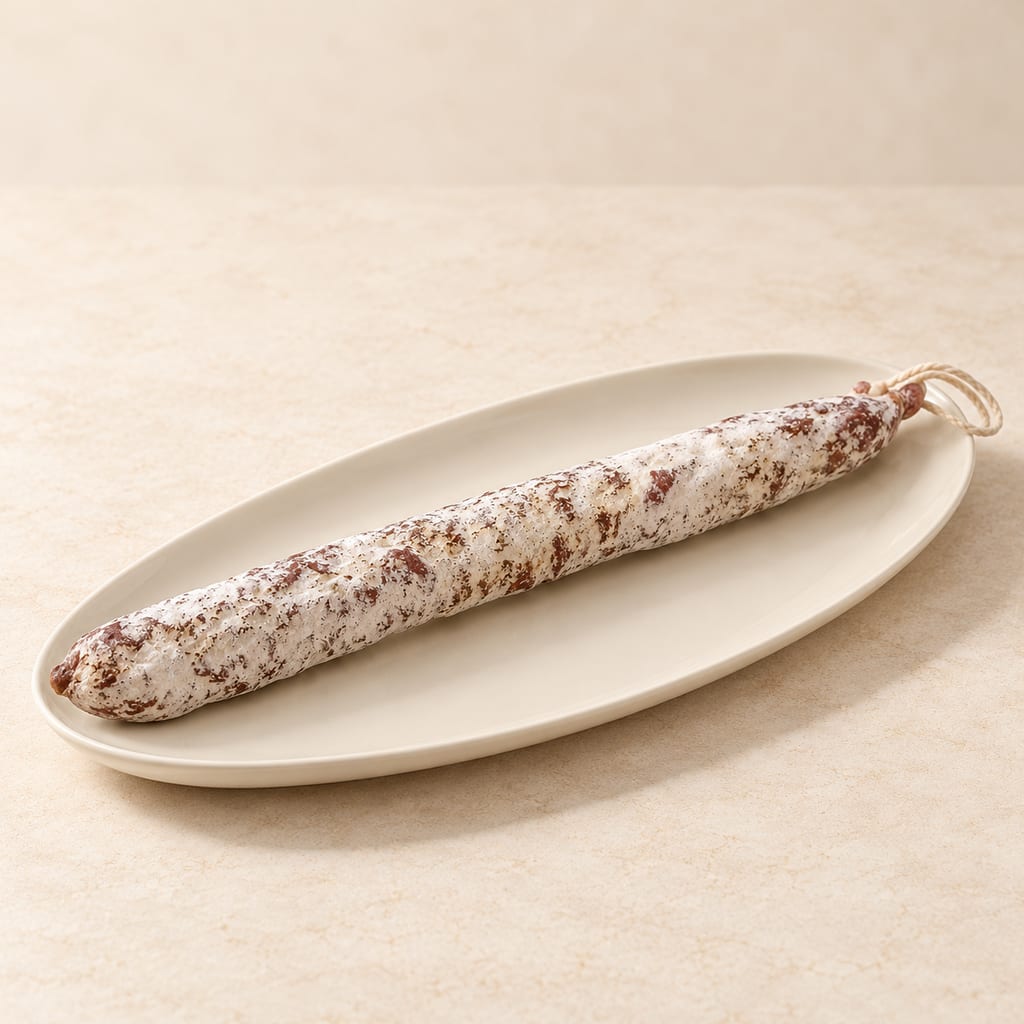
Whole slender fuet with a patchy white surface bloom on an ivory platter.
High risk

Fuet, starter-cultured

A documentary account of a modern starter-cultured Fuet formula and its place in Catalan sausage culture. The cited raw-pork process lacks matched safety validation, so this page does not present it as a household recipe.

Catalonia, Spain · Modern adaptation
Meat
Chunky galgal pickle in amber-red mustard oil with fennel and thyme seeds, shown as a conservative illustration of the Himachal survey method.

Galgal pickle with fennel and thyme

In a surveyed Himachal method, ripe galgal is blanched, sun-dried, cooked with mustard oil, fennel and thyme, then left to ferment.

Kullu district, Himachal Pradesh · Traditional method
Fruit
Generic dry-cured sausage with a cut face and several slices on an ivory plate; illustrative, not a process validation.
High risk

Fermented dry sausage

A family of salted minced-meat sausages fermented in casings, then dried and sometimes smoked. This description is not a validated household method; critical safety limits are not established.


· Meat
Illustrative finished Lunu dehi: light-brown whole salted limes with visible cuts, chilli and peppercorns in a little vinegar-lime juice, served in an open bowl.

Lunu dehi

Lunu dehi is Sri Lankan salted lime pickle. This version sun-dries cut, salt-stuffed ripe limes, then packs them with dried lime juice, chillies, spices and vinegar.

Sri Lanka · Traditional method
Fruit
Photograph of Yeet (Senegalese fermented sea snail).
High risk

Yeet (Senegalese fermented sea snail)

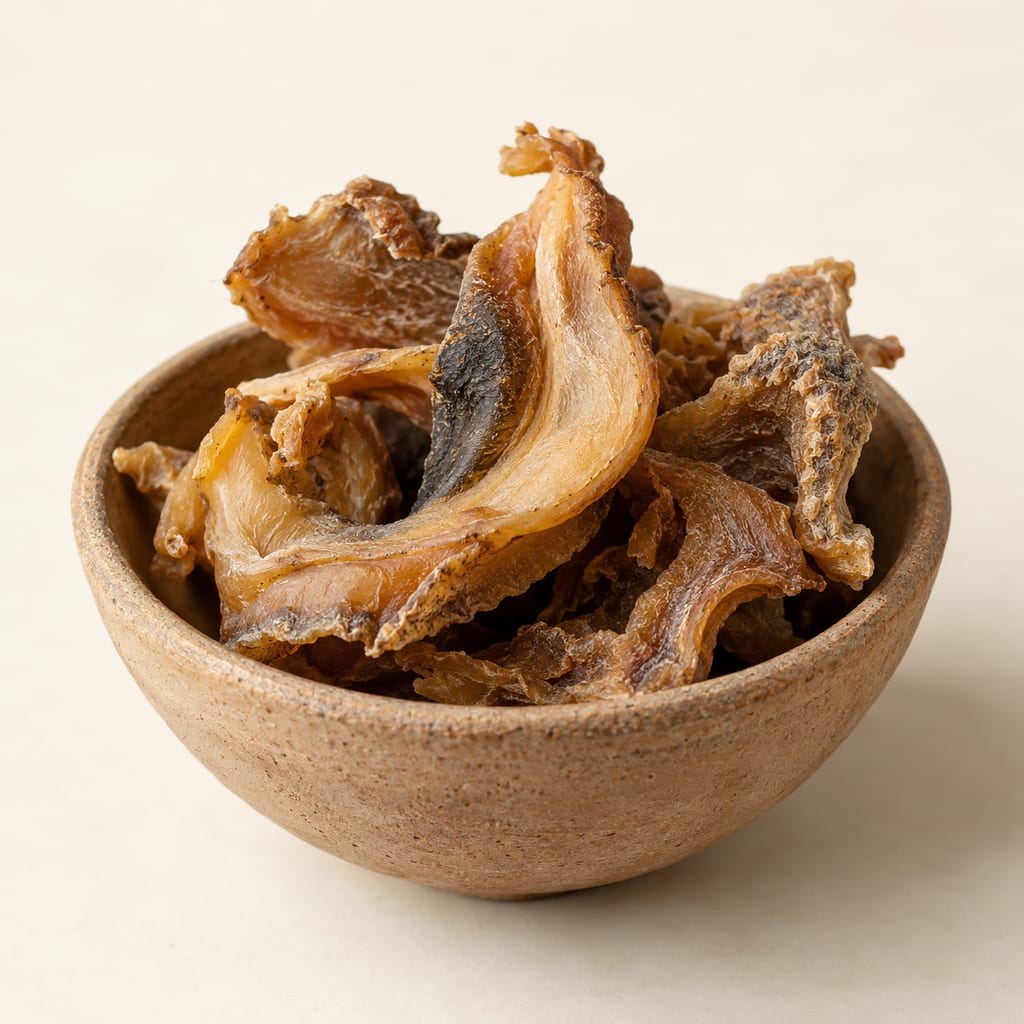
Yeet is a Senegalese condiment made by fermenting and drying Cymbium sea-snail flesh; published accounts describe different fermentation vessels and durations.

Senegal
· Fish and seafood
Photograph of Tunta (moraya, white chuño).

Tunta (moraya, white chuño)

Potatoes frozen and thawed as for black chuño, then washed or soaked for a long time before drying, giving a pale highland tuber product with different bitterness and colour.

High Andes
Grains and starches
Photograph of Tipak.

Tipak

Tipak is a Kapingamarangi breadfruit product: cooked breadfruit mashed, spread into sheets, sun-dried, rolled and wrapped in pandanus leaves as provisions for later.

Kapingamarangi Atoll
Grains and starches
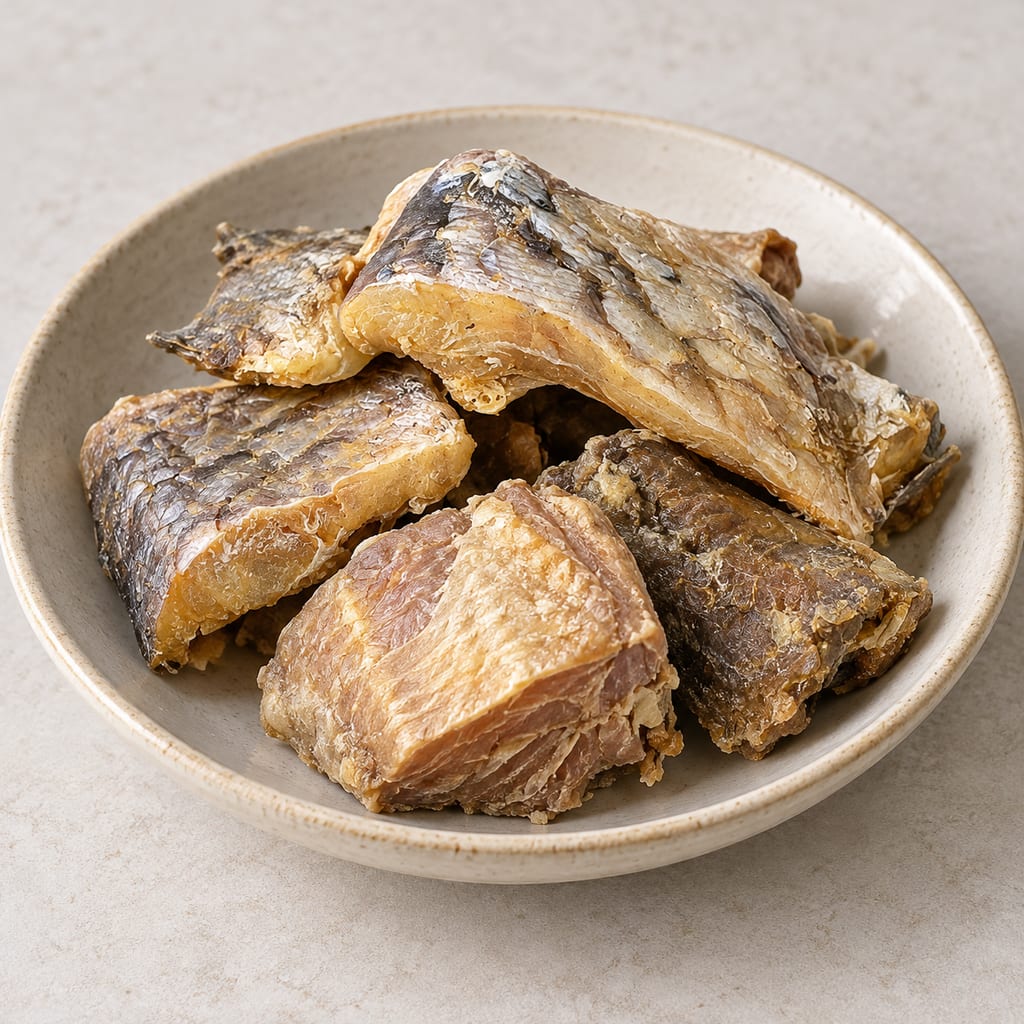
Photograph of Takuan-zuke.

Takuan-zuke

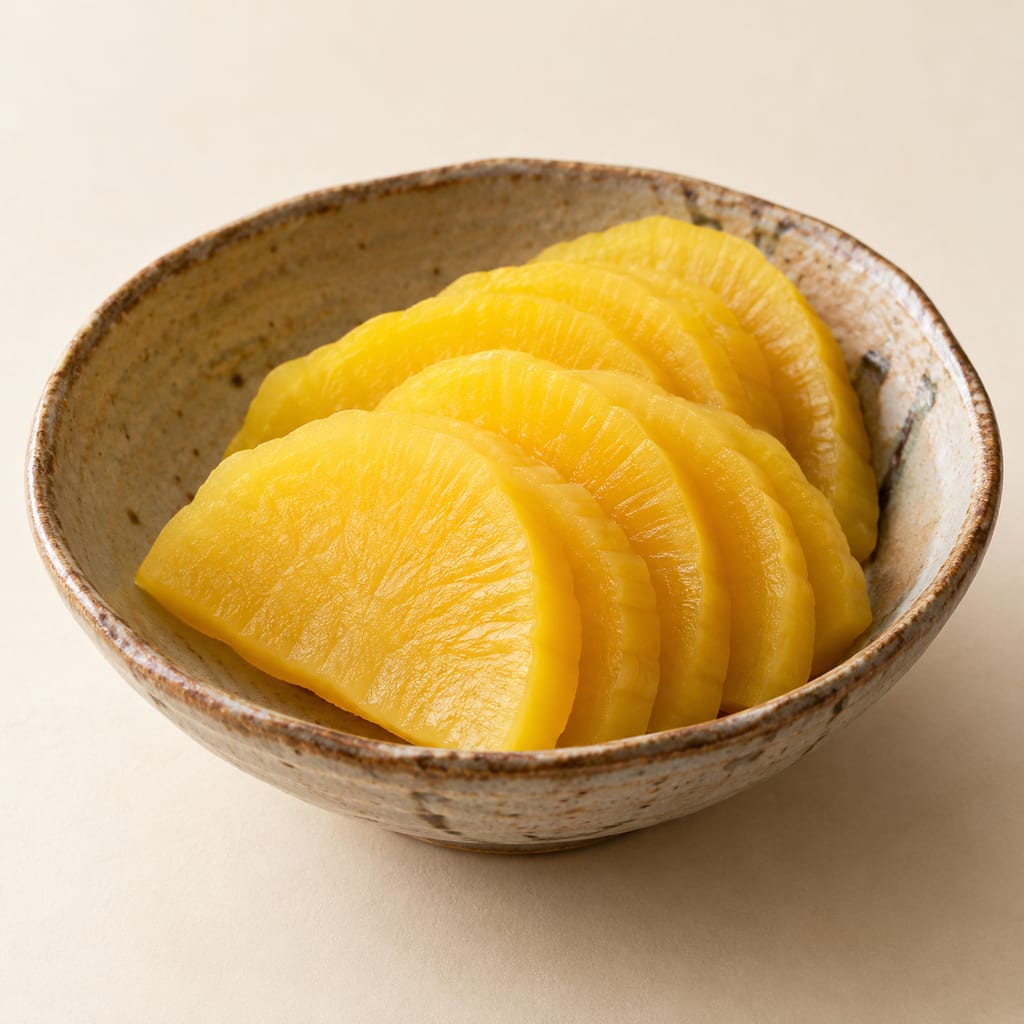
Japanese pickle of daikon roots dried for about two to three weeks, then matured for months in rice bran and salt under weight. Yamagata is its named association.
Kaminoyama, Yamagata
Vegetables
Photograph of Salal berry cakes.

Salal berry cakes

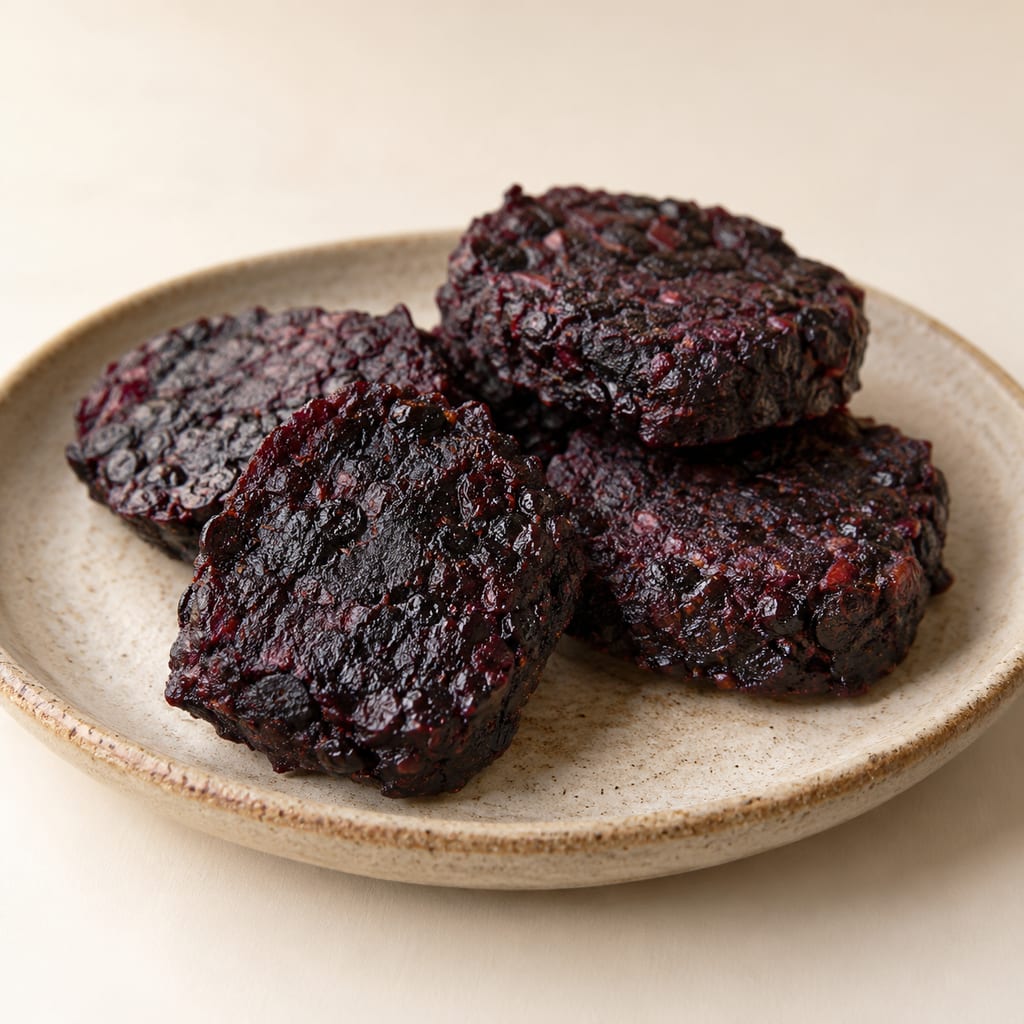
Salal berries pulped, formed into cakes and dried, a compact berry reserve of the northwestern American coast.

Northwestern American coast
Fruit
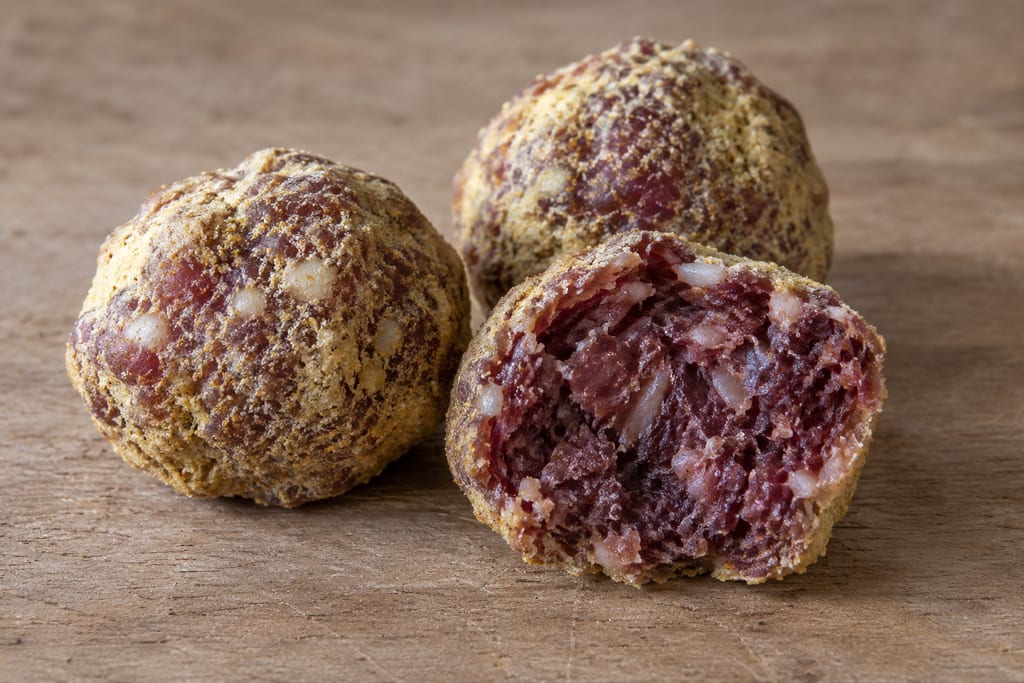
Illustrative documentary image of maize-coated, smoke-dried Pitina-inspired pork-and-lamb balls described in the cited home video; not a validated product, safe-to-eat endpoint, or Pitina IGP item.
High risk

Pitina-inspired pork and lamb meatballs

Small maize-coated meatballs in a modern pork-and-lamb variant associated with Pitina; this is a documentary account, not a validated method or a claim of Pitina IGP.

Friuli Venezia Giulia
Meat
Split dried kusaya grilled to a deep amber brown and served simply on a plain ceramic plate.
Elevated risk

Kusaya

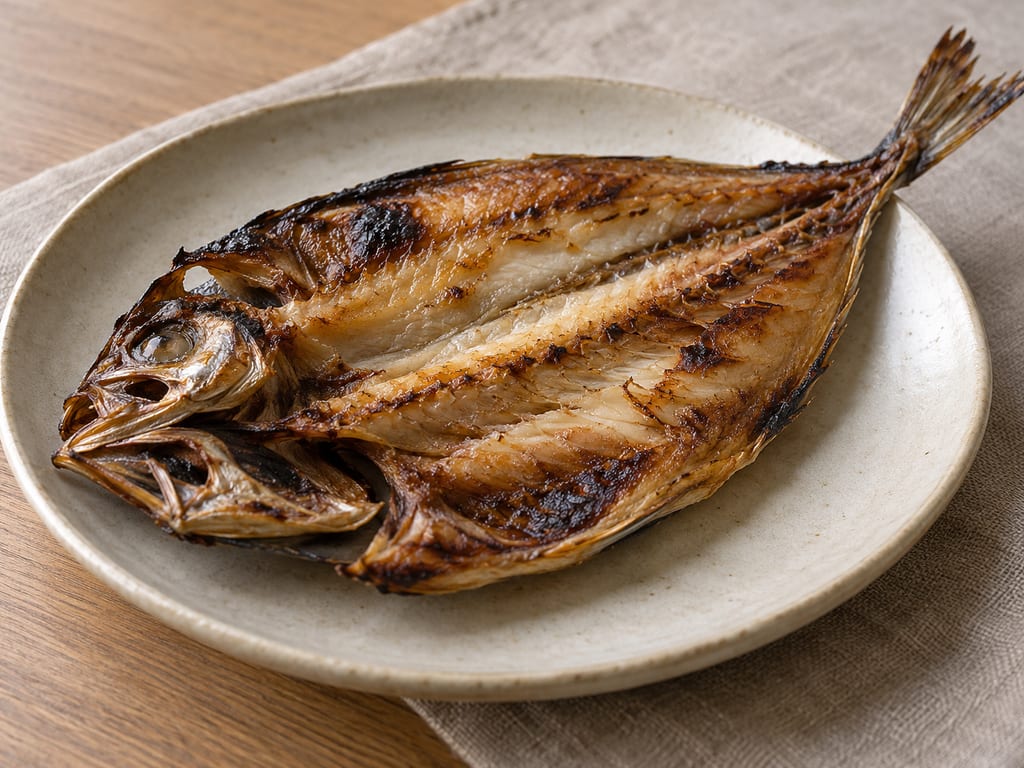
Izu Islands fish cured by repeated immersion in a maintained microbial brine, then dried. The reused brine, not drying alone, is what defines the product.

Izu Islands, Japan
· Fish and seafood
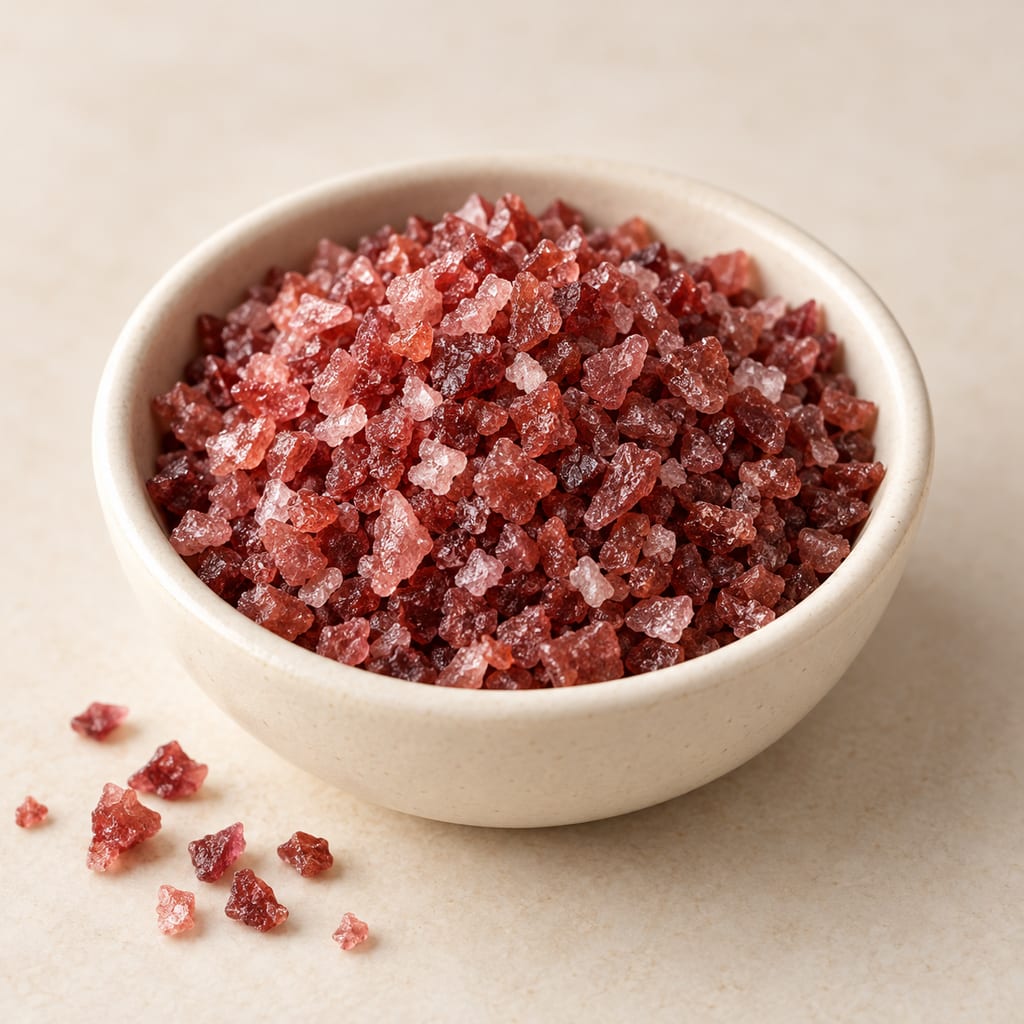
A small ivory dish of dry, coarse wine-infused finishing salt, tinted rose-red to burgundy.

Wine-infused salt

Wine-infused salt is coarse food salt carrying wine colour and aroma after a wine-and-salt mixture is reduced and dried. This version follows a Missouri Wines method at a one-to-three salt-to-wine ratio.

Missouri · Modern method
Condiments
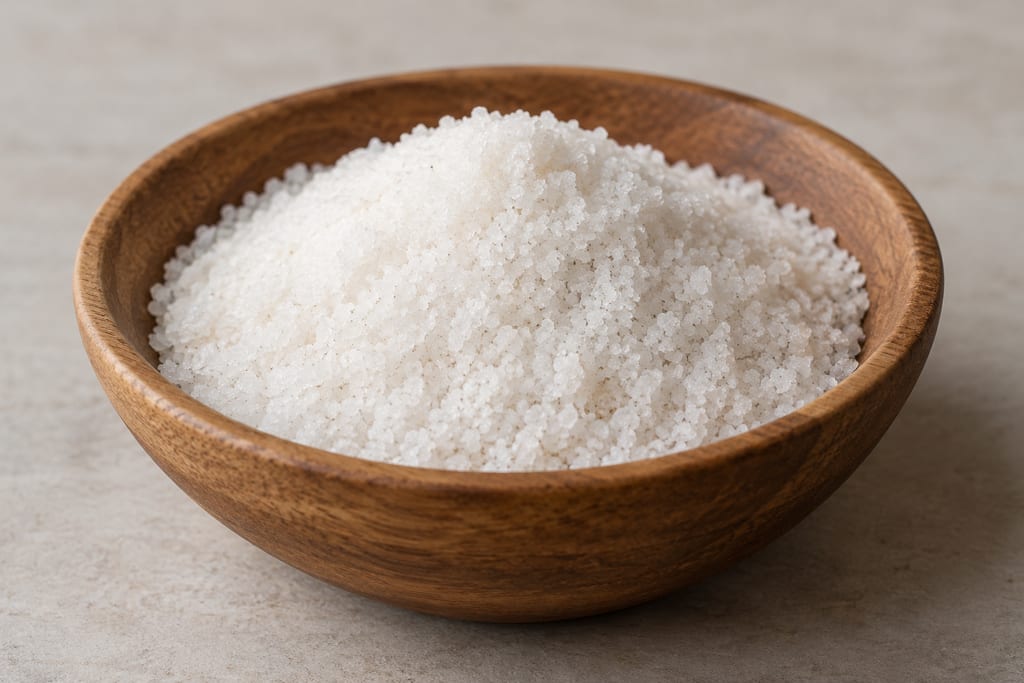
A modest bowl of fine pale Asin sa buy-o salt crystals, shown without packaging.

Asin sa buy-o

Asin sa buy-o is a fine sea salt made in Panayunan, Botolan, and packed in a woven nipa pouch called a buy-o. Salt-bearing coastal earth is leached with seawater, and the brine is boiled to crystals.

Botolan · Traditional method
· Condiments
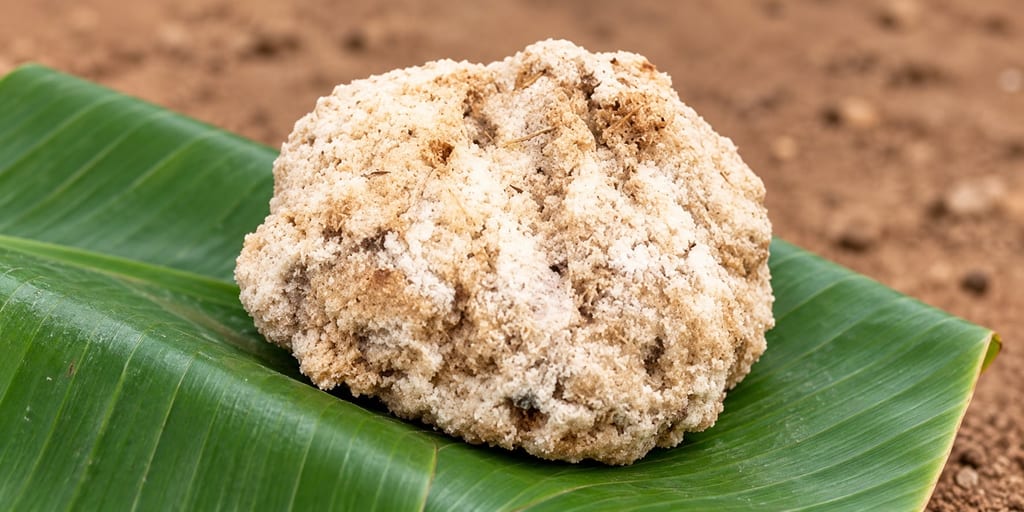
Illustrative still life of one reported pale, porous Nzoia River reed salt block on a banana leaf; colour and texture are not standardized.
Elevated risk

Nzoia River reed salt

Nzoia River reed salt is a Bukusu seasoning made by leaching and evaporating the ash of mature muchua reeds. Its sources document a local method, but provide neither a measured formula nor verified mineral composition.
Nabuyole, Webuye, Bungoma County · Traditional method
· Condiments
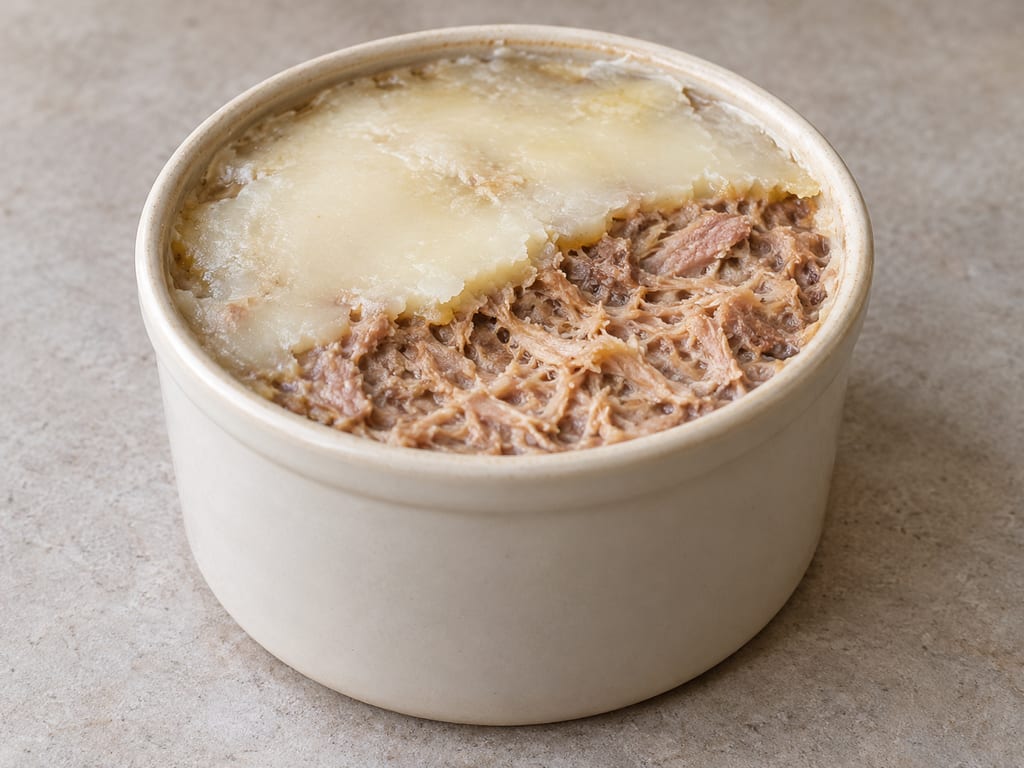
Illustrative rillettes: cooked meat shredded into fine fibers in a plain ceramic crock beneath a pale rendered-fat layer; the species and regional style are not specified.
Elevated risk

Rillettes

Cooked meat or fish shredded or pounded, packed into pots and covered with fat. Heat, salt, moisture reduction and the fat cover work together, and the texture separates rillettes from whole-piece confit.

Historical Europe
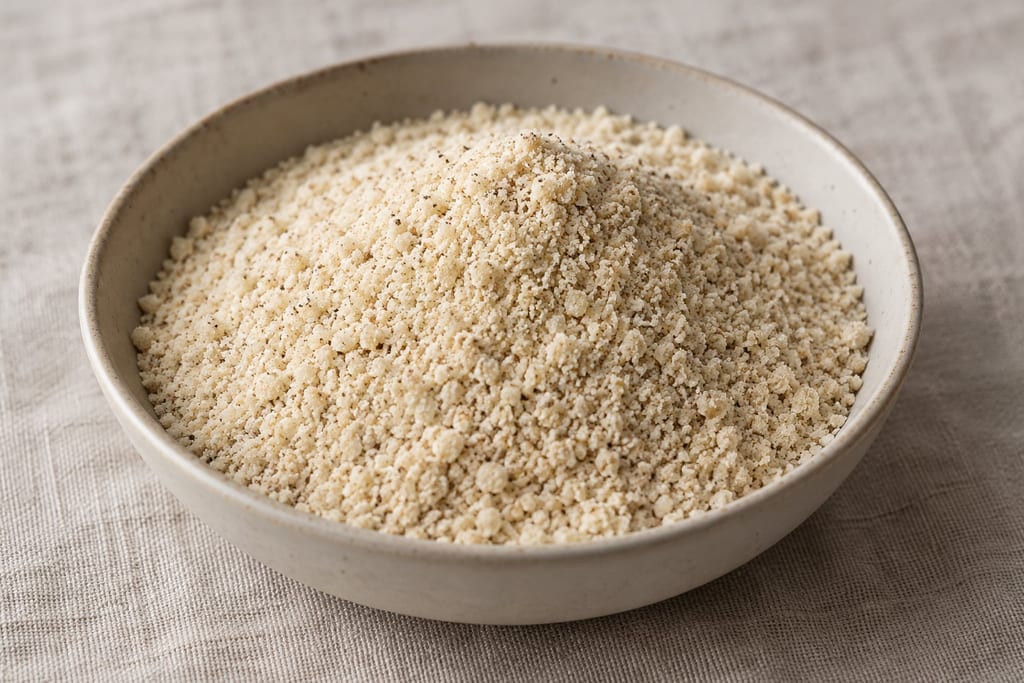
A shallow ceramic bowl of pale beige dry Kishk powder, with a fine but slightly granular texture.

Kishk (dry)

Bulgur mixed with fermented dairy, fermented again and dried, then powdered. The dry kishk is a shelf-stable composite staple used as an acid, savoury base for soup.

Western Asia and neighbouring regions
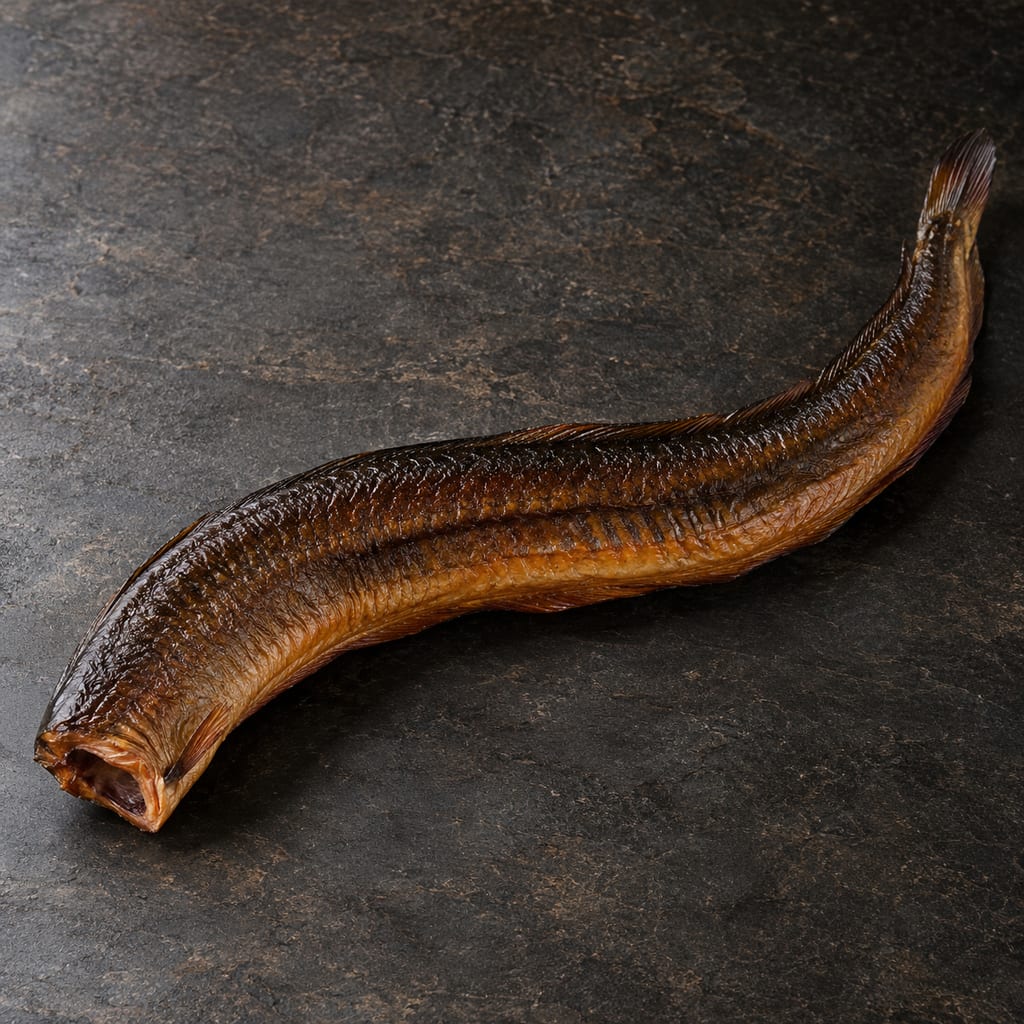
An editorial depiction of smoked kooyang, with the head removed and the curved eel resting on dark slate.

Gunditjmara smoked eel

Short-finned eels, kooyang, smoked for a sustained period in the hollows of large trees at Budj Bim in south-western Victoria, a combined heat, smoke and drying method of the Gunditjmara people.

Kurtonitj, Budj Bim · Traditional method
· Fish and seafood
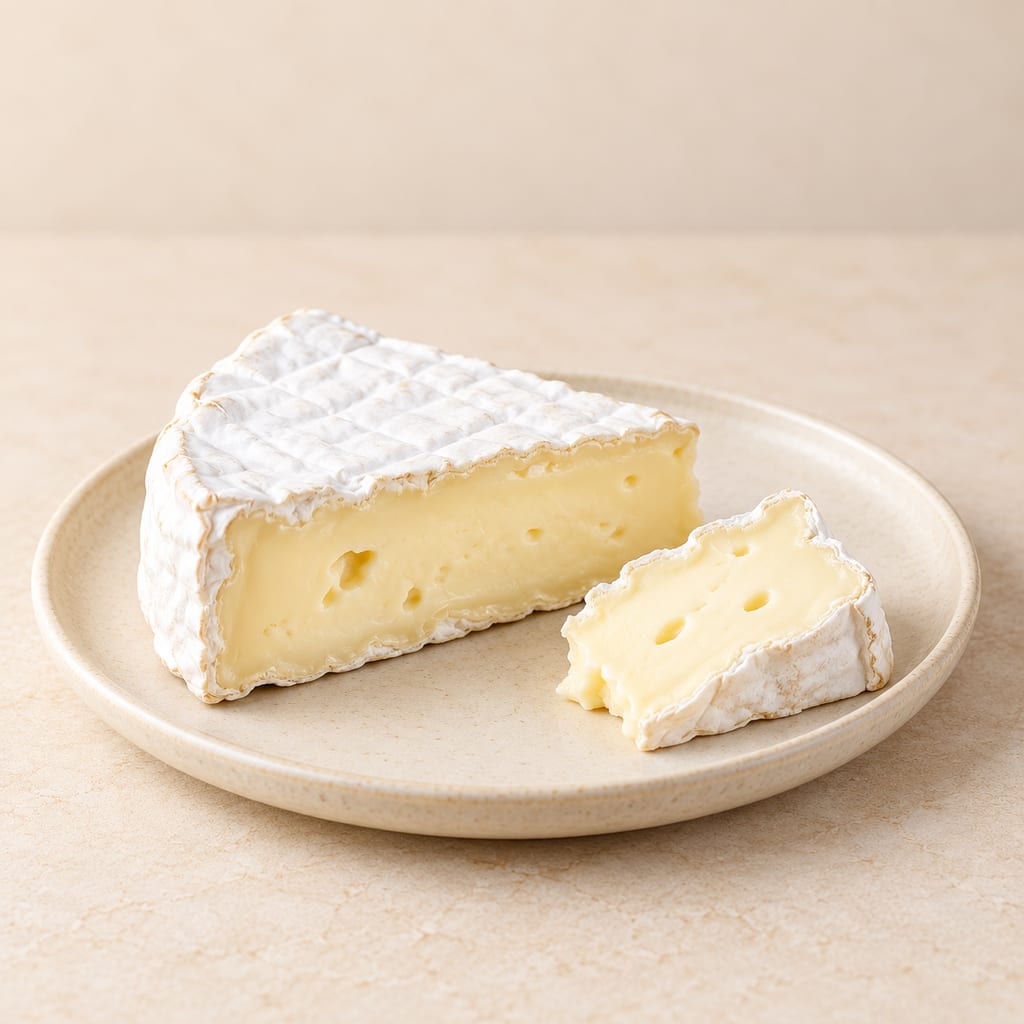
Creamy Brie wedge and a smaller slice with white bloomy rind on an ivory plate.
Elevated risk

Brie, cream-enriched

A cream-enriched Brie with a white bloomy rind and a softening center, made from pasteurized milk with lactic and surface cultures.

Brie, Île-de-France, France · Modern adaptation
· Dairy
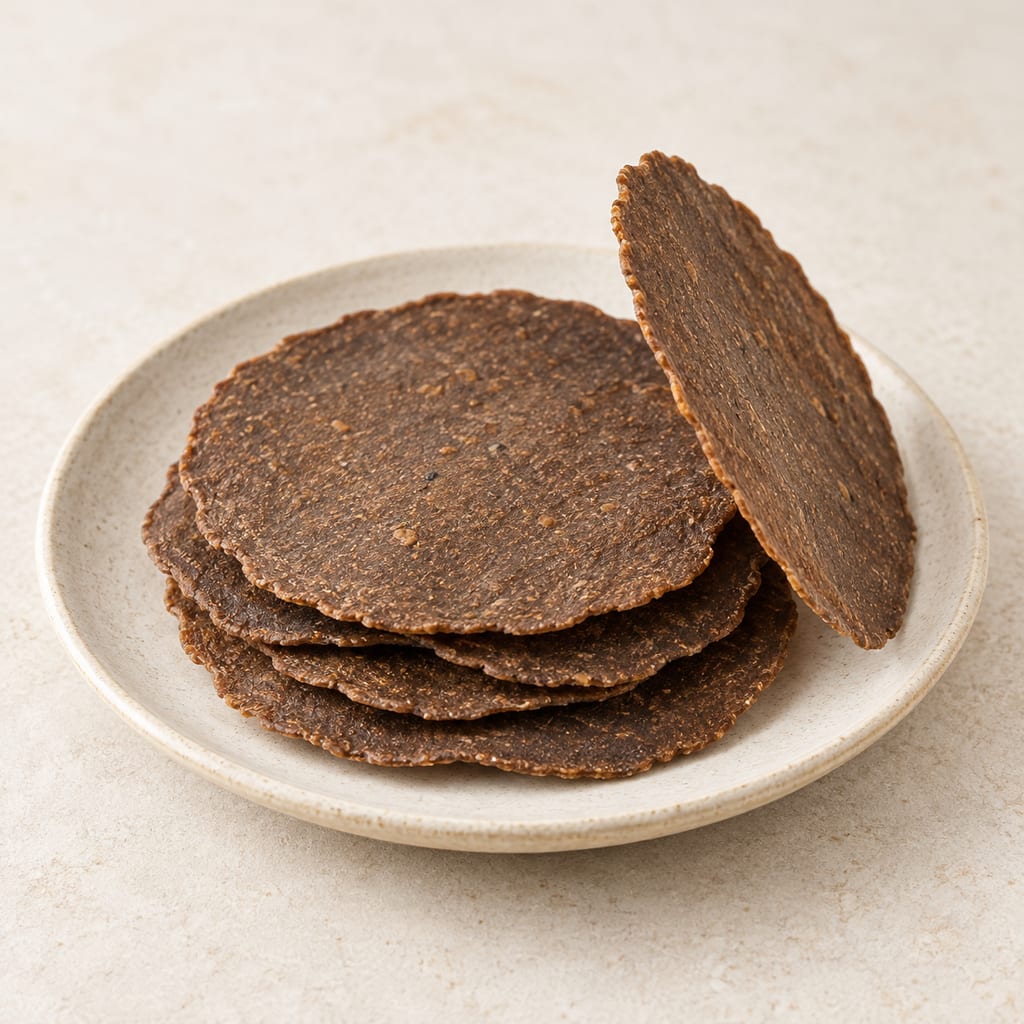
Illustrative Northern Thai thua nao khaep: a small stack of flat, dry brown fermented-soybean discs, one tilted upright to show its thin profile; visual interpretation, not a verified batch.

Thua nao (dried)

Northern Thai fermented soybean shaped while still soft into flat cakes and dried, so the bacterial soybean ferment becomes a durable, shelf-stable seasoning reserve.

Northern Thailand
· Legumes and seeds
Photograph of Sukuti.
Elevated risk

Sukuti

Sukuti is Nepali dried meat, most often buffalo, cut into thin strips, seasoned with spices, dried over smoke or in the sun, and later fried or roasted before eating.

Nepal
Meat
Photograph of Solar-tent dried usipa, utaka and ndunduma.
High risk

Solar-tent dried usipa, utaka and ndunduma

Small Lake Malawi fish, usipa, utaka and ndunduma, dried on racks inside UV-treated polythene solar tents. Tested in Malawi as a drier, less lossy alternative to open sun drying on racks.

Malawi · Traditional method
· Fish and seafood
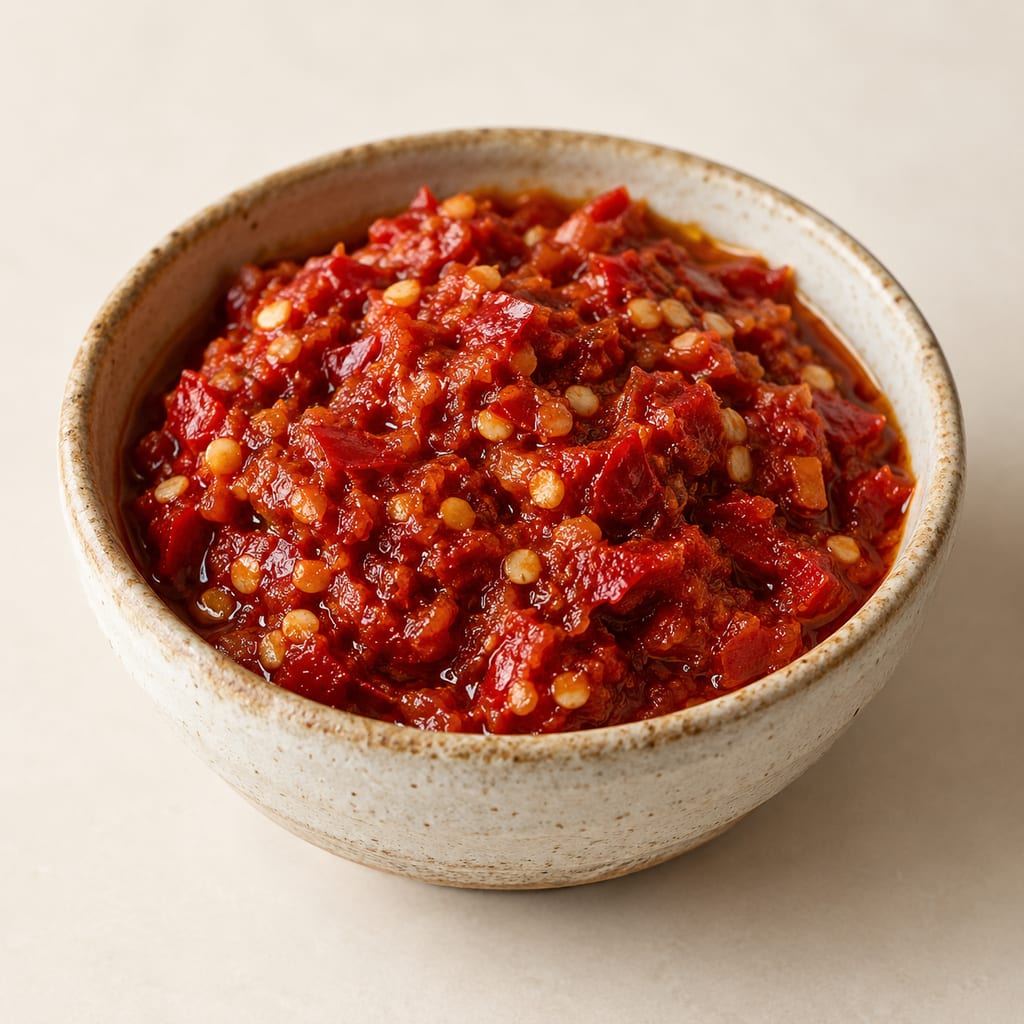
Photograph of Shatta.
Elevated risk

Shatta

Shatta is a Palestinian chilli paste with many household forms. Abeer Najjar’s family-inspired version oven-dries salted fresh chillies, then mixes them with vinegar and olive oil for a source-described room-temperature ferment.

Palestine
· Condiments
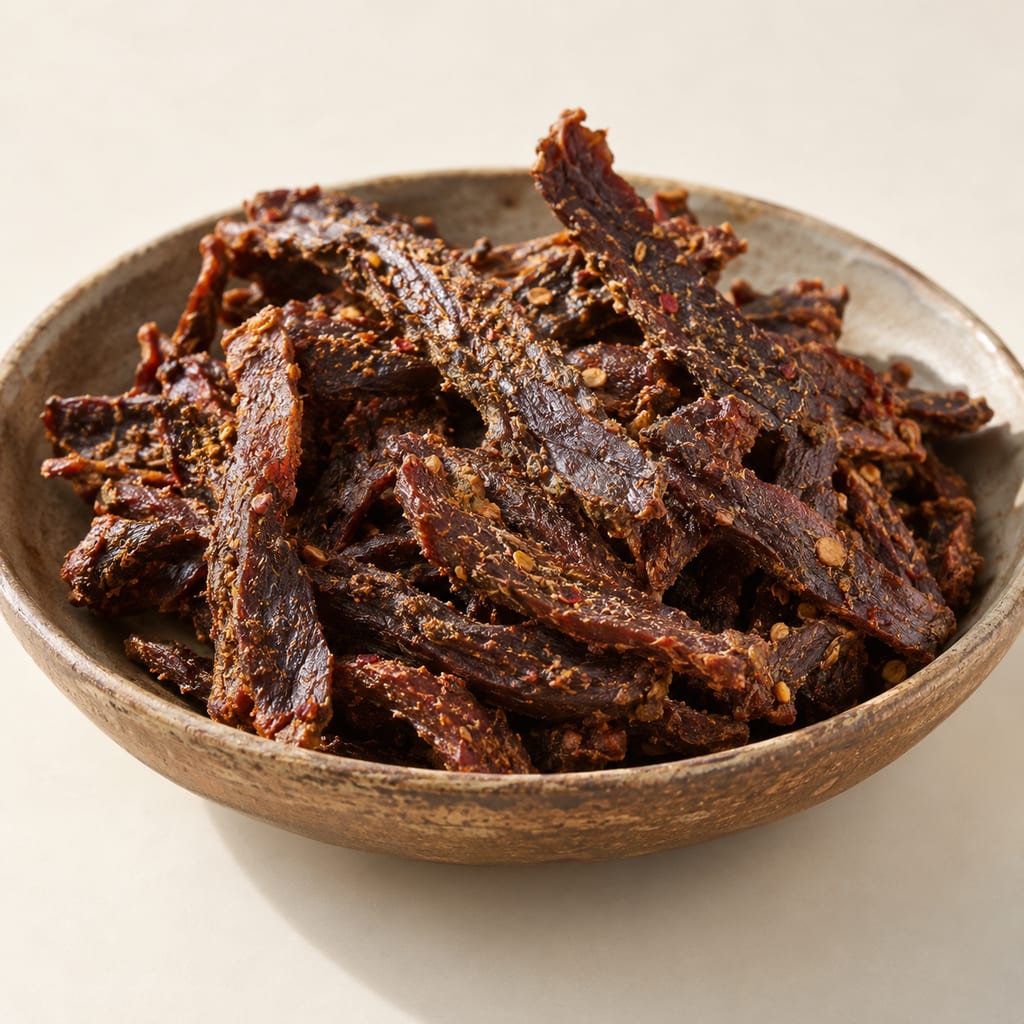
Illustrative still life of finished dried meat strips on a plain ceramic plate; a generic visual that does not depict a particular tradition or validated process.
High risk

Jerky

A documentary account of dried meat strips and their historical uses. It does not provide an operational home method for making shelf-stable jerky at home.

Indigenous Americas
Meat
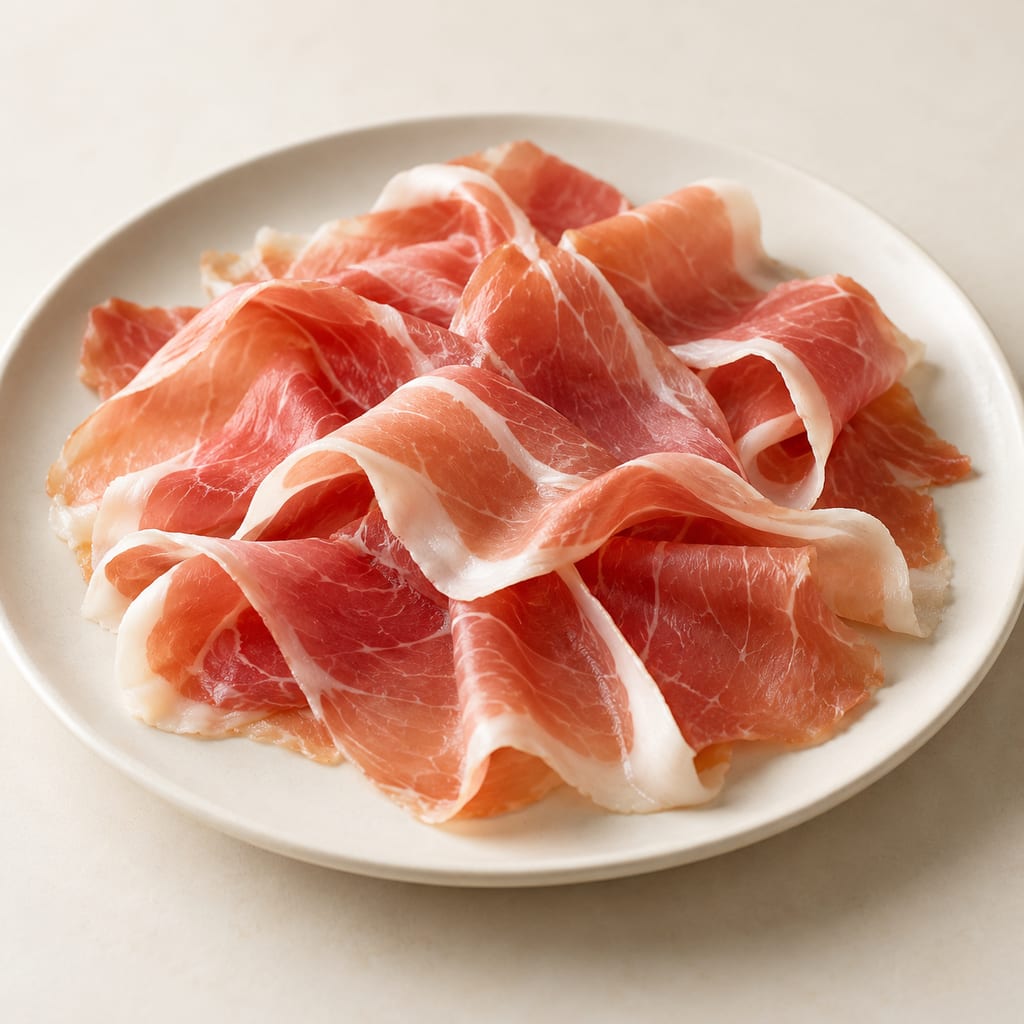
Photograph of Prosciutto di Parma.
High risk

Prosciutto di Parma

Prosciutto di Parma is a dry-cured, unsmoked ham from the Province of Parma, made from fresh pork legs salted with sea salt and matured for at least 14 months under the protected designation.
Parma · Traditional method
· Meat
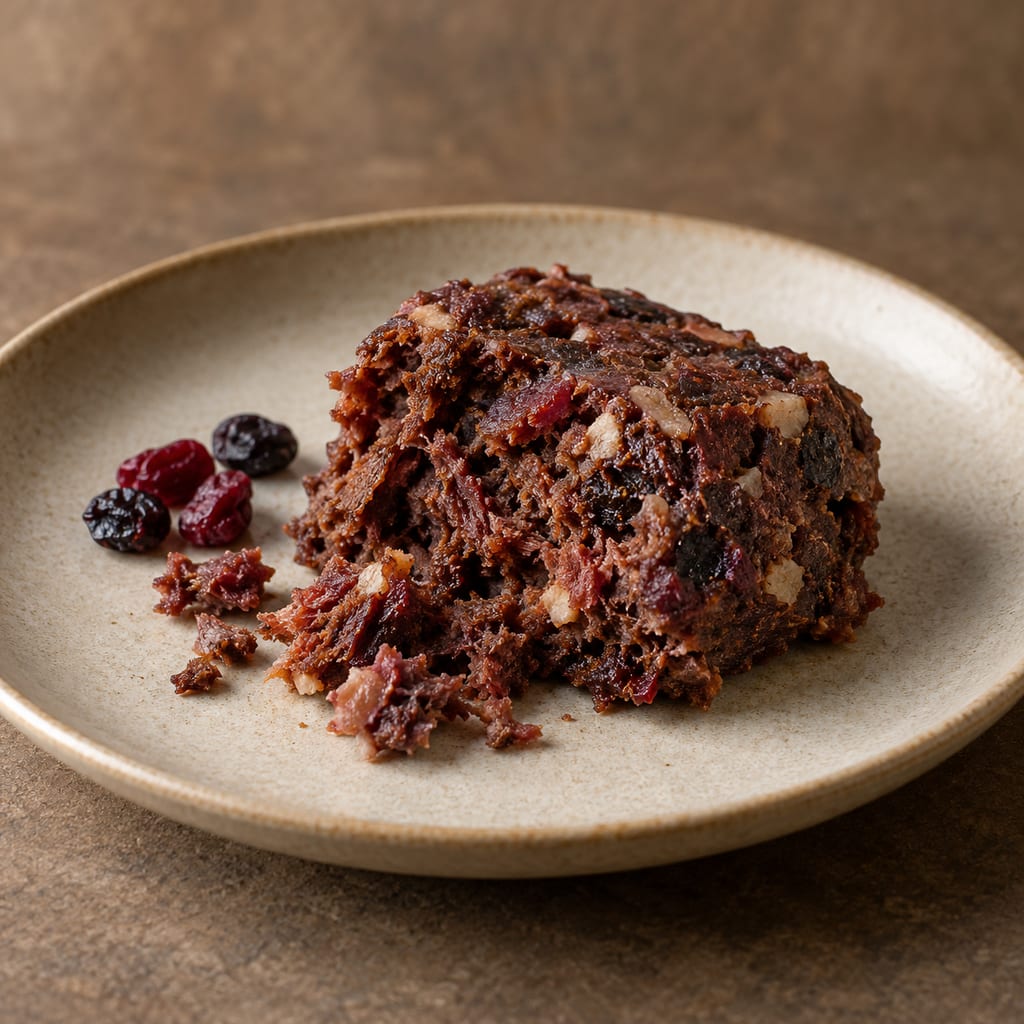
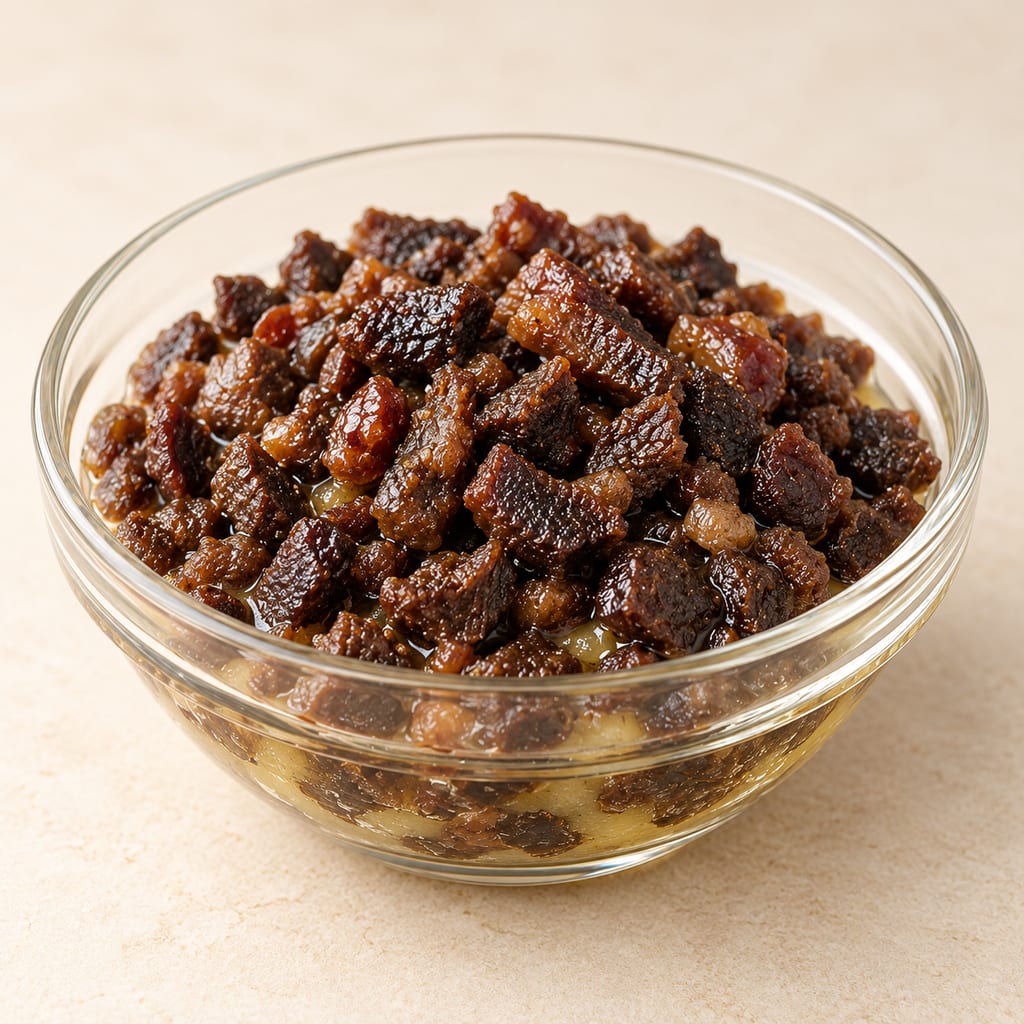
Illustrative still life of a compact, crumbly dried-meat-and-fat mixture with a few dried berries on a plain dish; it does not represent a specific historical batch or preparation method.
High risk

Pemmican

Pemmican is dried meat mixed with rendered animal fat, sometimes with berries. Sources link it to Indigenous North American food traditions and later fur-trade provisioning. This documentary entry gives no home preparation or storage method.

North America
Meat
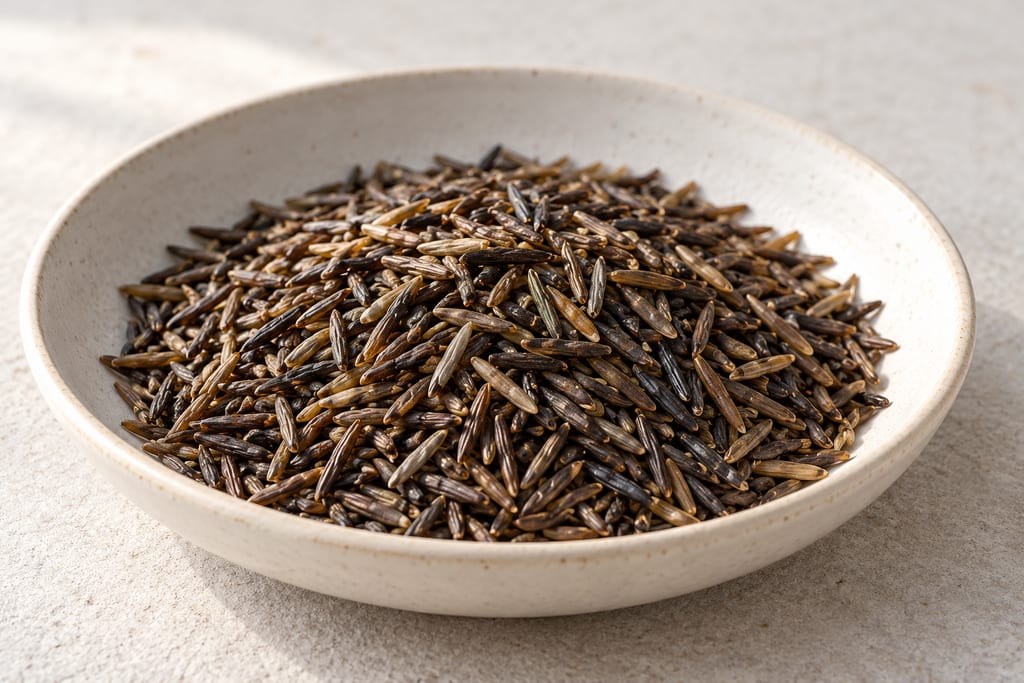
Illustrative dry, parched and hulled manoomin kernels in a plain dish; not a record of a specific harvest or processing batch.

Parched wild rice (manoomin)

Harvested wild rice dried, parched over heat and hulled, a step that keeps the grain for storage in Ojibwe food systems and does more than cook it.

Ojibwe homeland
Grains and starches
Small dark brown pieces of Somali muqmad (oodkac), the dried and fried preserved meat, lightly coated with rendered fat in a plain glass bowl.

Muqmad (oodkac)

Odka, also called muqmad, is Somali meat that is dried, cut small, fried and kept under fat. It is a dried-meat preserve whose keeping depends on the whole sequence.

Somalia
Meat
Finished Ghanaian Momone pieces in a small ceramic dish.
High risk

Momone

Momone is a Ghanaian salted and fermented fish condiment made from varied marine fish. Historical surveys describe both semi-dried and drier products, with salting and drying methods differing across coastal communities.

Ghana
· Fish and seafood
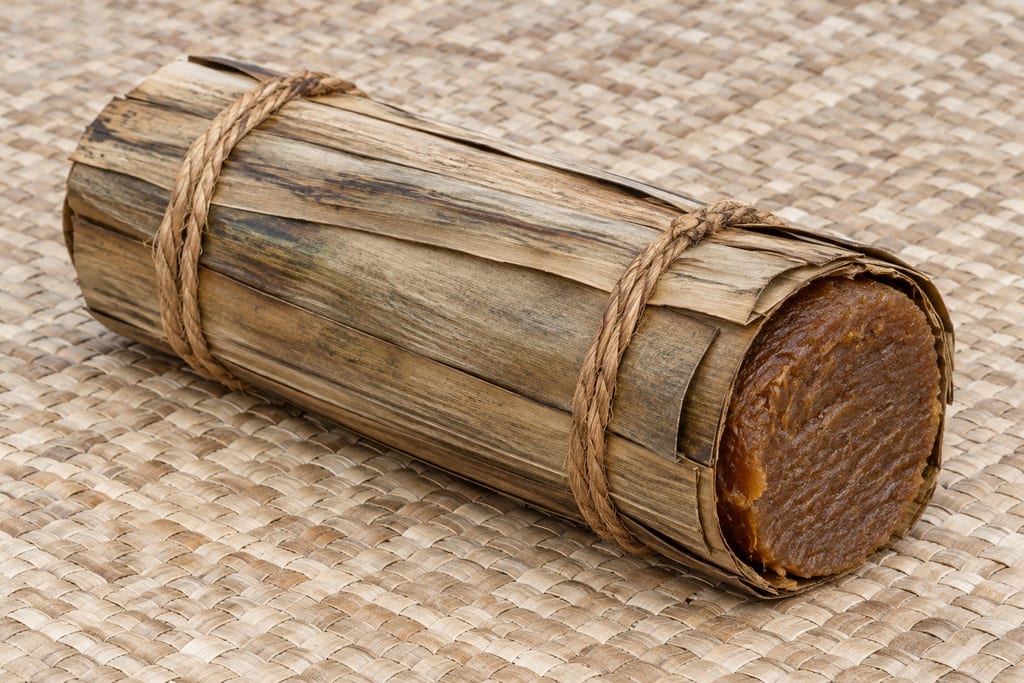
A compact dried pandanus-paste roll wrapped in pandanus leaves and tied with coconut-fibre cord, with its dense amber-brown interior visible at one end.

Mokan (Marshallese pandanus cakes)

Pandanus fruit cooked, pulped and dried in the sun, then dried further with heat and wrapped for storage in the Marshall Islands.

Marshall Islands
Fruit
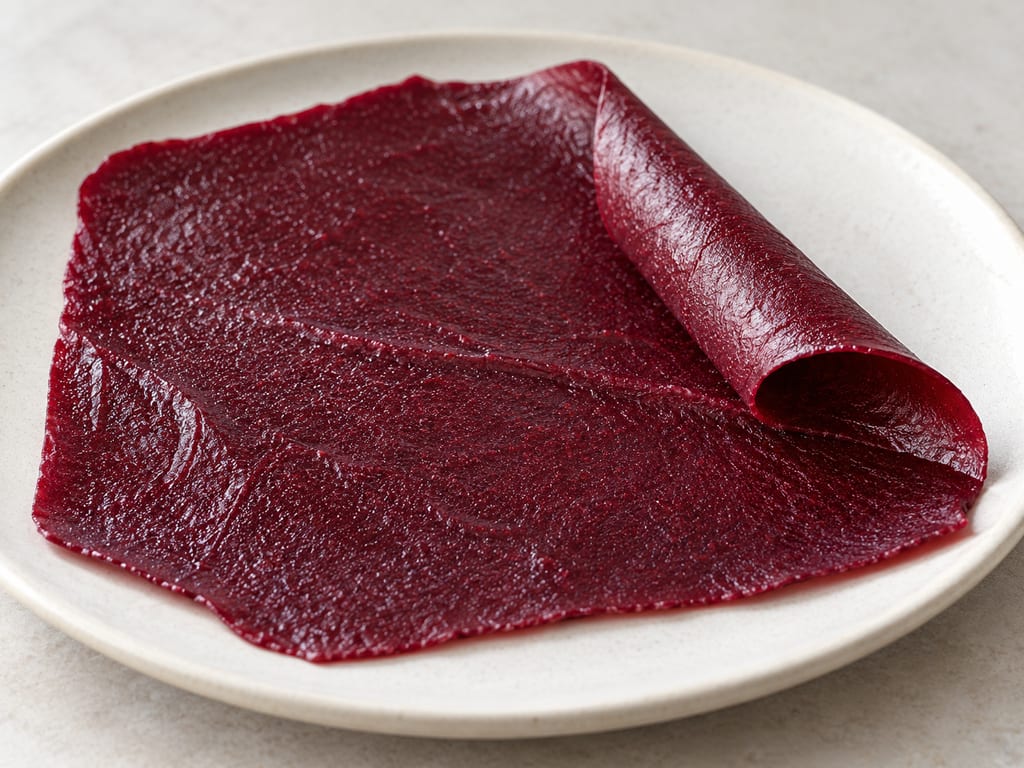
A thin dark fruit-leather sheet on a pale plate, with one edge rolled back to show its flexible dried texture.

Fruit leather

Fruit pulp spread into thin sheets or shaped into cakes and dried, a compact, portable way of keeping fruit in western and central Asia and among Indigenous North Americans.

Western and central Asia
Fruit
Coarse red-brown merkén seasoning in a small ceramic bowl, with dried red chiles beside it.

Merkén

Merkén is the Mapuche seasoning of dried, smoked and ground ají cacho de cabra chile, sometimes with toasted coriander seed and salt, made in the Maule and La Araucanía regions of Chile.

Maule region, Chile
· Condiments
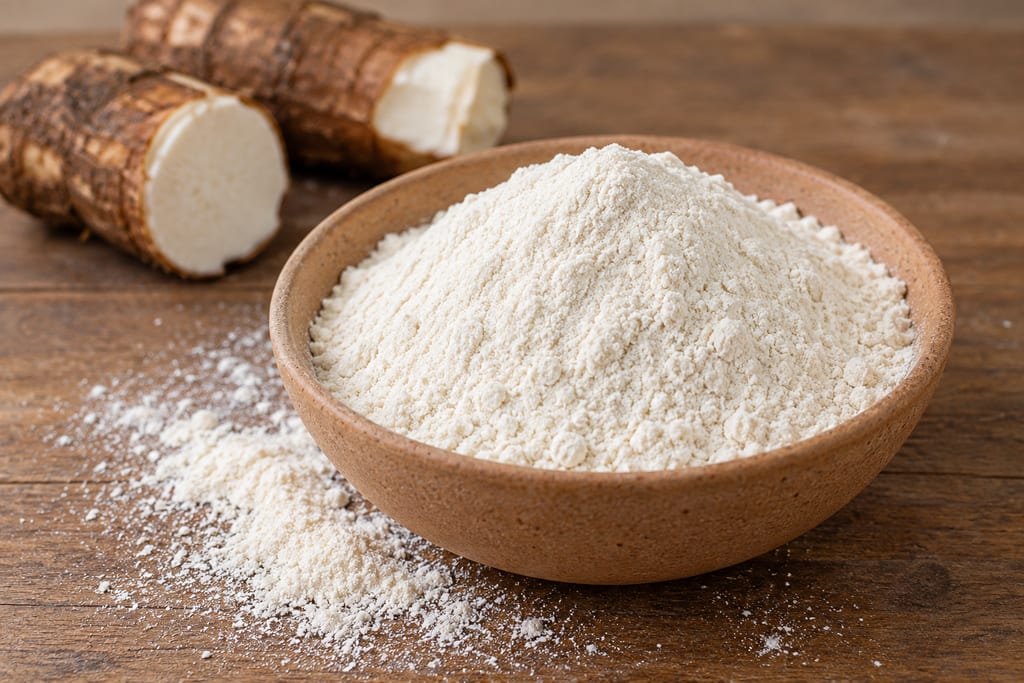
Fine pale Lafun cassava flour in a shallow ceramic bowl, with dried cassava pieces softly out of focus behind it.
Elevated risk

Lafun

Lafun is a Nigerian fermented cassava flour described in historical accounts. This record documents reported processing stages, not a validated household method or a batch-specific cyanogen and moisture safety endpoint.

Nigeria
· Grains and starches
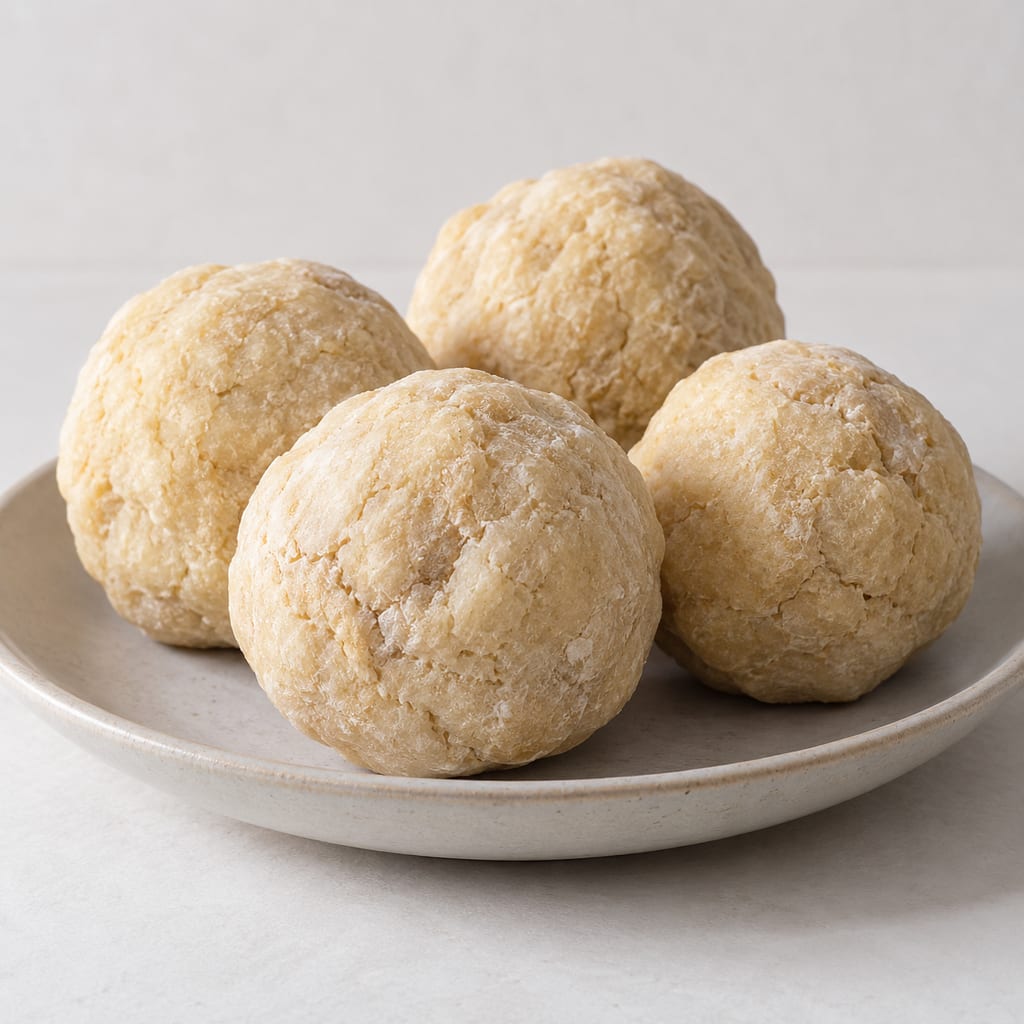
Illustrative rendering of Cameroonian Kumkum as round dried cassava balls described in IITA references; color and surface texture are interpretive because exact appearance is not specified.
High risk

Kumkum

Kumkum is a Cameroonian fermented-cassava preparation described as balls dried over a fireplace and stored or milled into flour. Sources also describe a sun-dried market form; they give no Kumkum-specific safety endpoint.

Cameroon · Traditional method
· Grains and starches
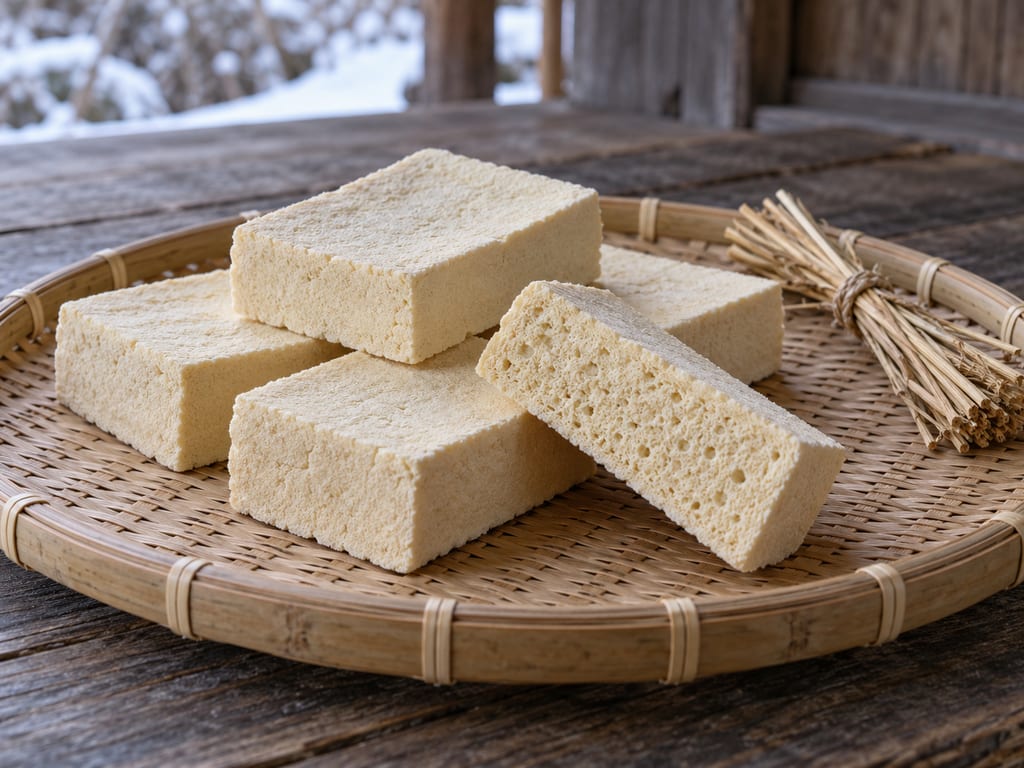
Dry porous kōya-dōfu blocks on a woven tray in a quiet winter setting.

Koya-dofu (freeze-dried tofu)

Tofu frozen, thawed, pressed and dried into a porous, durable soybean food; Japanese sources trace the tradition to the late Kamakura period.

Japan
Legumes and seeds
Two whole gray-tan dried salted tilapia displayed on an ivory plate.
High risk

Koobi

Koobi is Ghanaian salted and dried tilapia. Sources differ on the brief ripening stage and drying period, and do not establish a single validated household process. This entry records documented variants and their limits.

Ghana
· Fish and seafood