Recipes

1504 records with their sources, across 11 categories.

Filtered to

Recipes

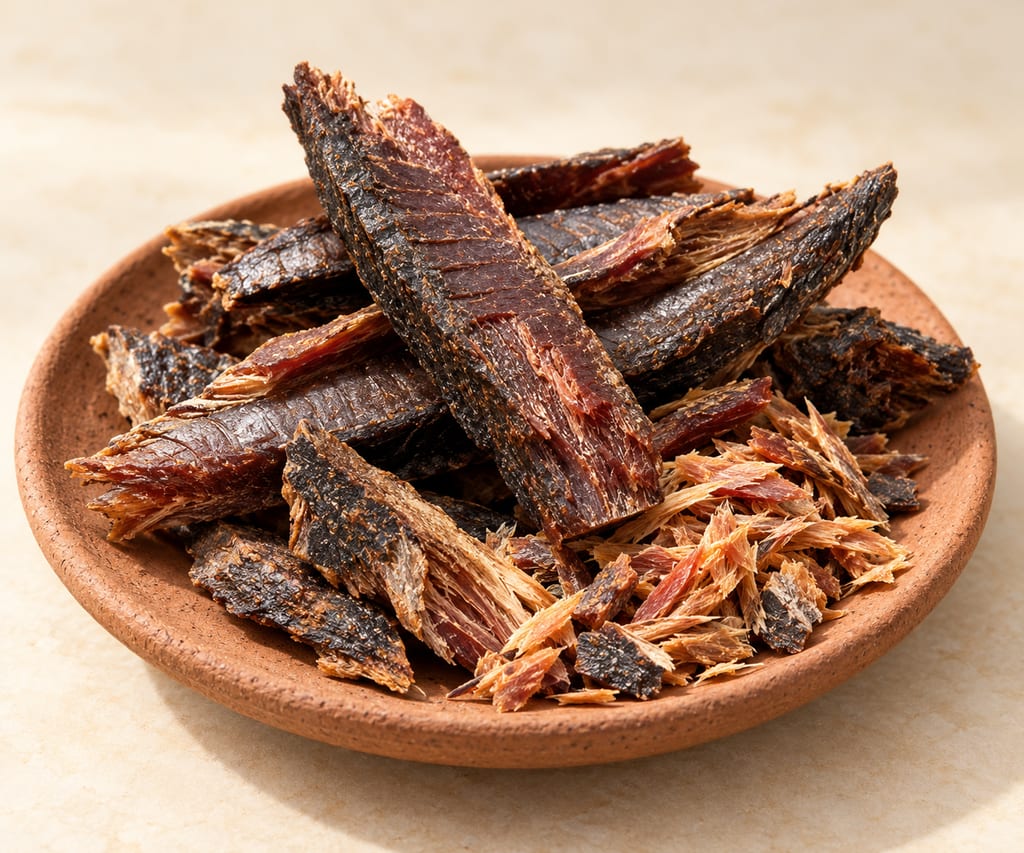
Hard smoked and dried tuna pieces with fibrous cut faces and thin shavings on an earthenware plate.
High risk

Maldive fish

Maldive fish is a hard, smoke-dried tuna product made in the Maldives and traded especially to Sri Lanka, where it is known as umbalakada. Cooks shave or pound it into a concentrated savory seasoning for sambols, curries and other dishes.

Maldives · Traditional method
· Fish and seafood
A hard, dark smoke-dried Arabushi bonito block rests on a wooden board beside a few thin bonito shavings and a traditional hand-shaver.
High risk

Arabushi (smoke-dried bonito)

Japanese skipjack tuna cooked, then repeatedly smoked and dried over a wood fire by the hand-fired tebiyama method into a hard block for shaving into dashi: the first stage of katsuobushi.

Nakiri, Daio, Shima · Traditional method
· Fish and seafood
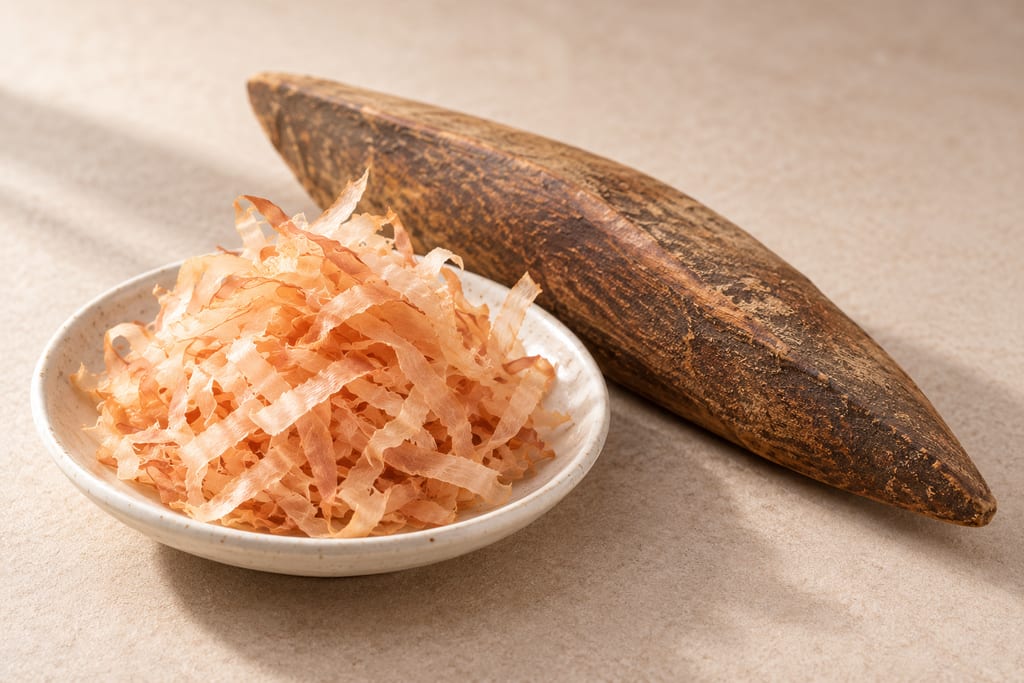
Dry pale katsuobushi flakes in a shallow ceramic dish beside a dark, hard honkarebushi block.
High risk

Bonito flakes (katsuobushi)

Katsuobushi is skipjack tuna cooked, smoked and dried into a hard block that is shaved into flakes for dashi and toppings. Some styles stop at the smoke-dried stage; others receive carefully managed mold maturation.

Japan · Traditional method
· Fish and seafood
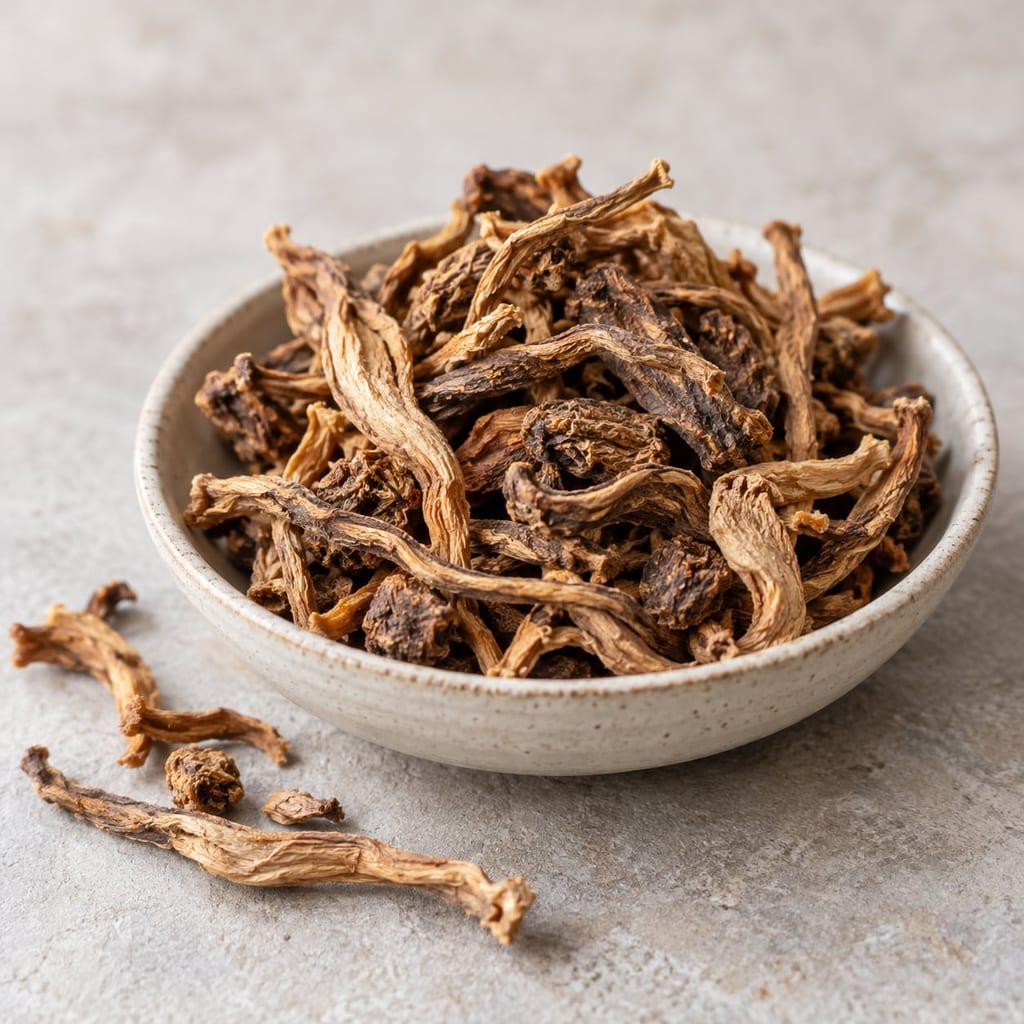
Illustrative finished Sinki, dried fermented radish-root shreds in muted tan and brown tones, loosely arranged in a plain bowl.
Elevated risk

Sinki

Sinki is a salt-free, fermented radish-taproot product dried after fermentation. Published jar and pit accounts use different conditions; neither supplies a validated home-preservation endpoint.

Himalaya, Nepal · Traditional method
· Vegetables
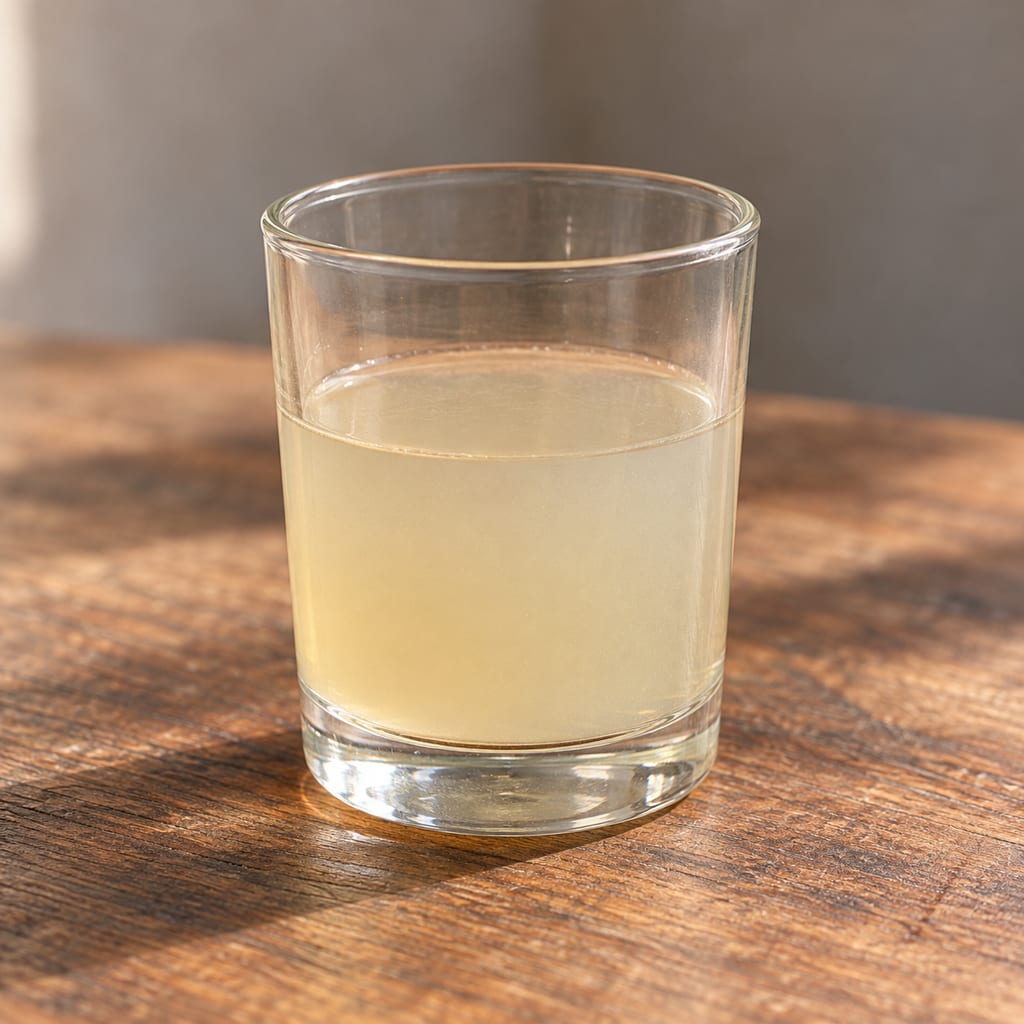
A small clear glass holding a pale straw-gold, slightly cloudy finished rice beverage on a plain wooden tabletop.

Judima

Judima is a Dimasa fermented rice drink from Assam. A 2022 Dhansiri account describes humao starter and rice fermentation, but sources disagree on the thembra bark species and do not provide a complete or validated home batch.

Dima Hasao District · Traditional method
· Drinks
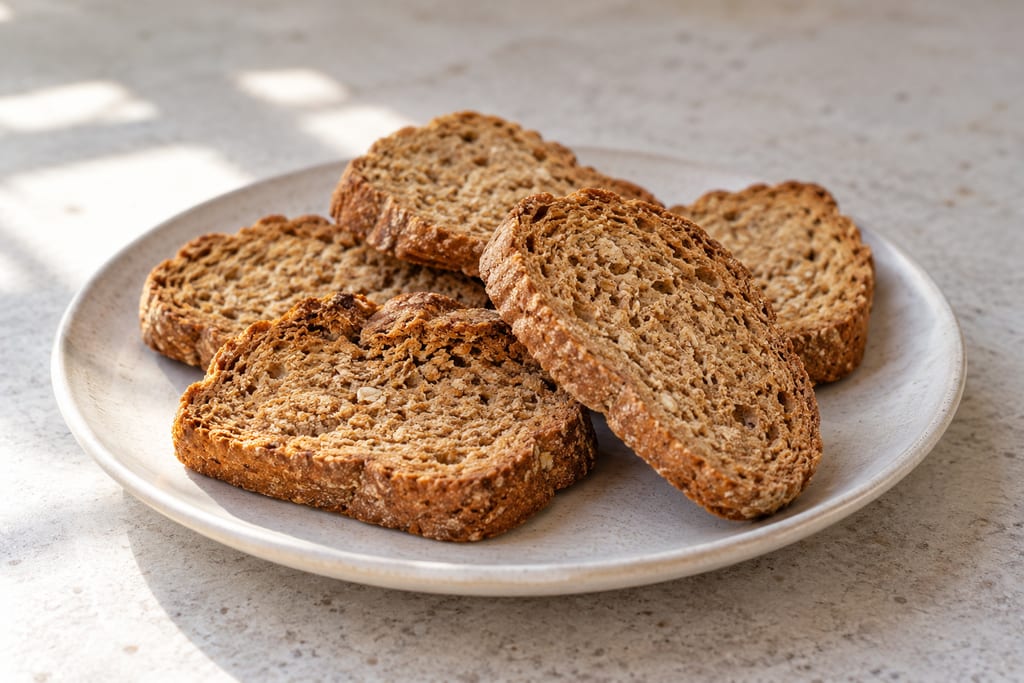
Finished Cretan barley-wheat paximadi rusks, twice-baked and served plain on a plate.

Paximadi kritiko (Cretan barley-wheat rusk)

Elena Paravantes gives a modern 50/50 whole-grain barley and wheat rusk recipe, shaped as one scored loaf, baked, separated into slices and dried in a low oven. The second rise has no stated duration.

Crete, Greece · Modern method
· Grains and starches
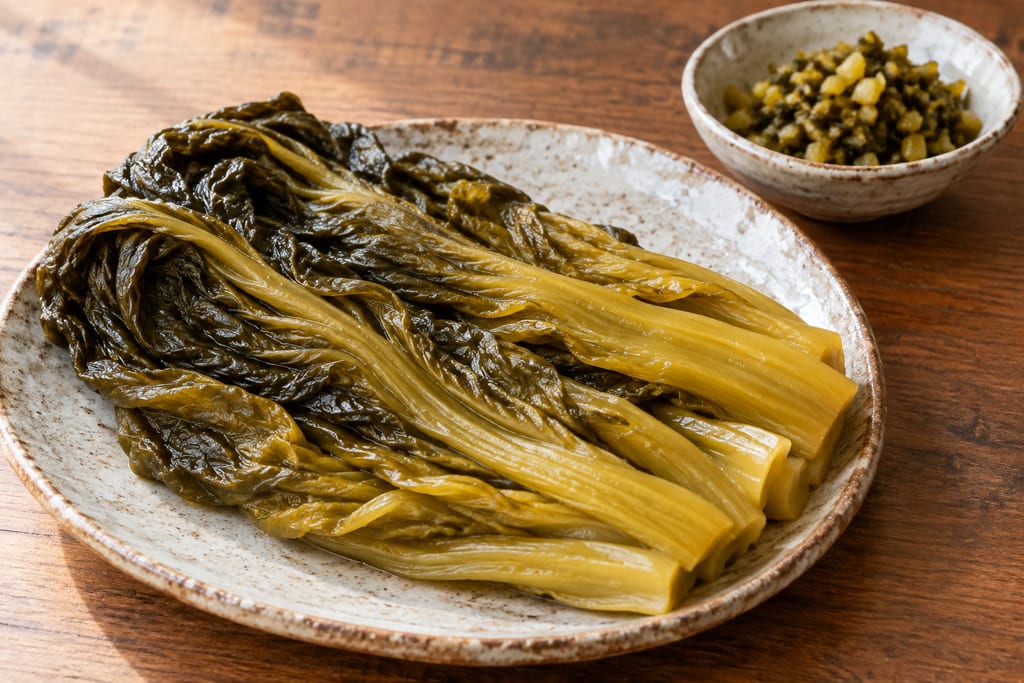
Whole olive-gold Setaka pickled takana leaves with thick stems, alongside finely chopped takana in a small bowl.

Setaka no takana-zuke

Giant red mustard leaves are dried, layered with salt and chile, pressed in a wooden tub, drained after a week and left through the rainy season.

Chikugo Region, Fukuoka, Japan · Traditional method
· Vegetables
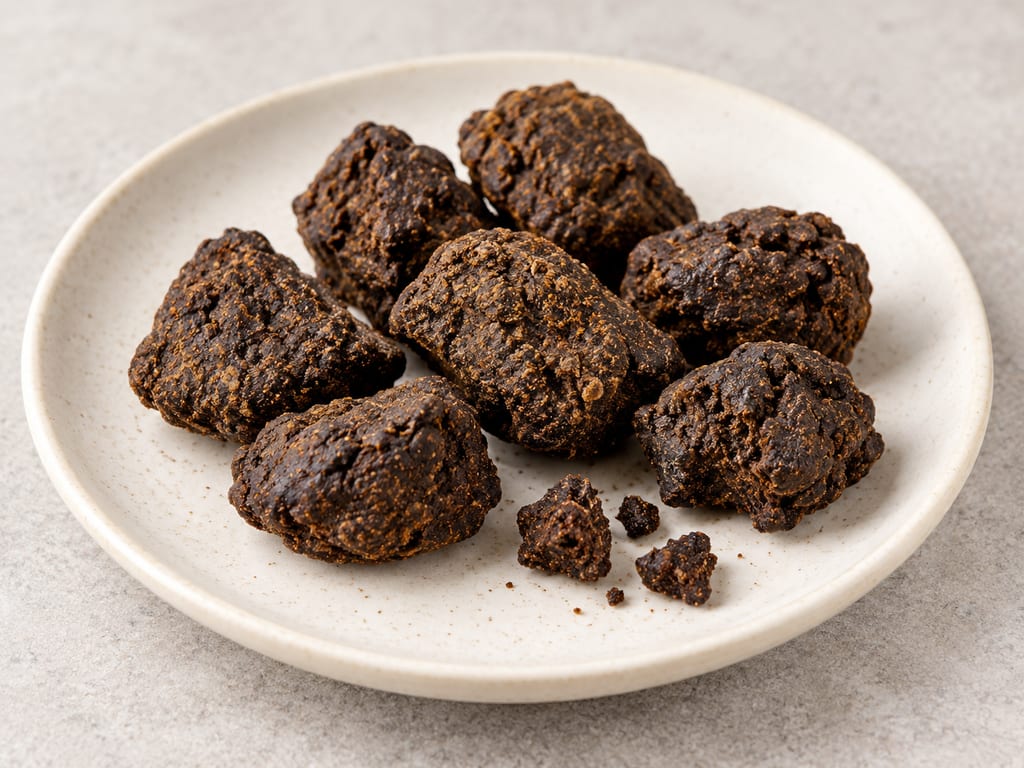
Dark irregularly molded dried Ogiri-okpei condiment pieces on a pale plate.
High risk

Ogiri-okpei from Prosopis seeds

Ogiri-okpei is a Nigerian condiment of cooked Prosopis africana cotyledons left to ferment spontaneously in leaf-lined containers, then ground and dried.

Awka, Anambra State, Nigeria · Traditional method
· Legumes and seeds
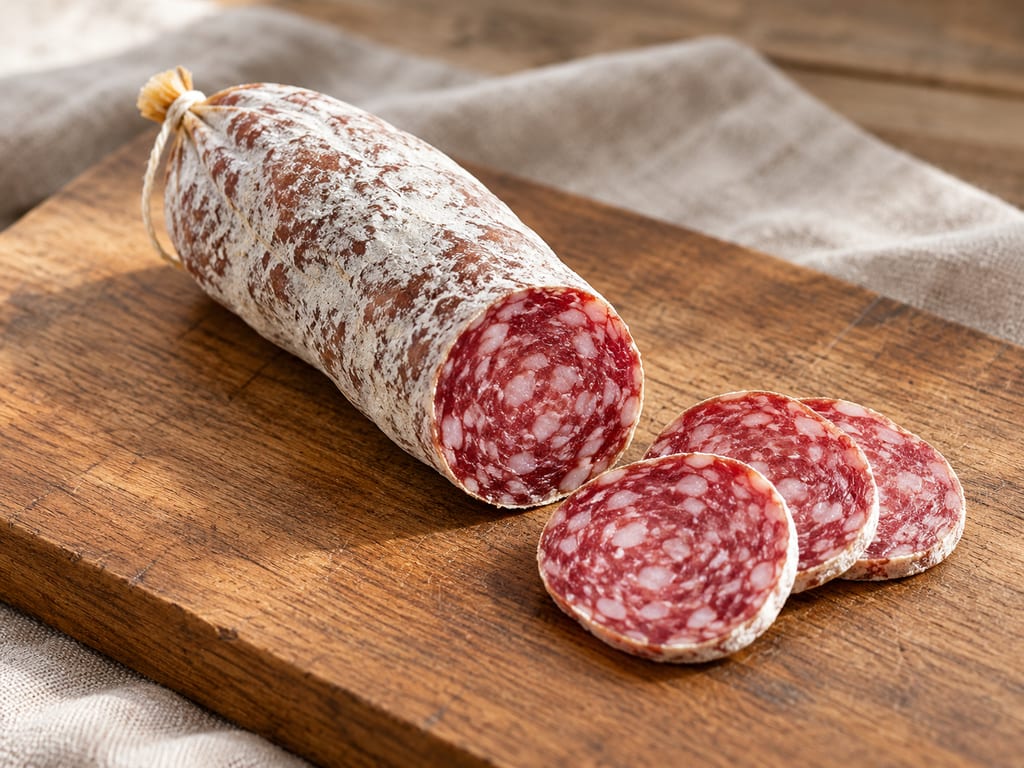
An unbranded small Italian cacciatore-style dry-cured salami with pale casing and thin ruby-red slices on a wooden board.
High risk

Cacciatore salami

Small Italian hunter-style salami of lean pork, firm fat, salt, pepper and garlic, mildly acidified and dry-matured; protected as Salamini Italiani alla Cacciatora DOP.

Lombardy · Traditional method
· Meat
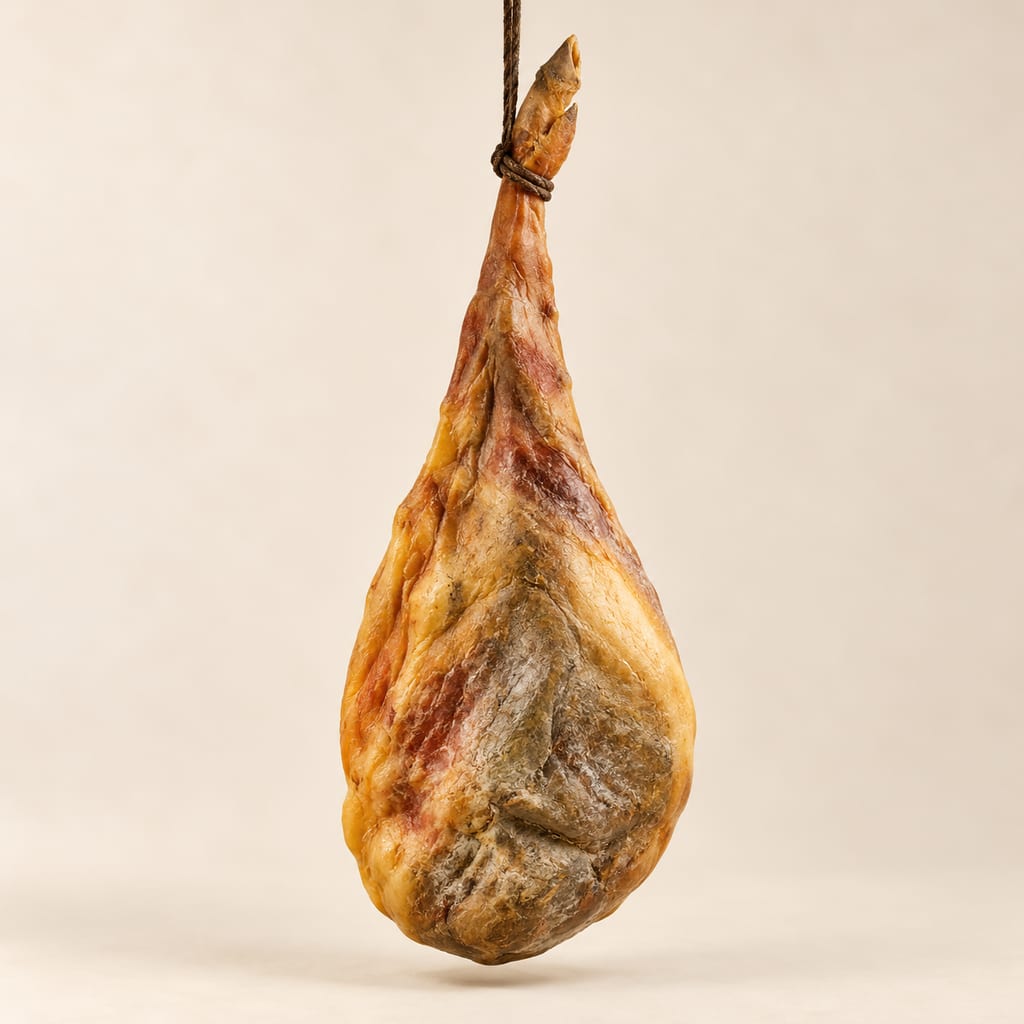
Illustrative category depiction of a whole cured ham; the source does not preserve the exact appearance of Cato's ham.
High risk

Cato’s salted ham

Cato the Elder records a second-century BCE sequence for salting, air-drying, and smoking ham. This historical account is not a validated modern curing protocol.

Historical attestation
· Meat
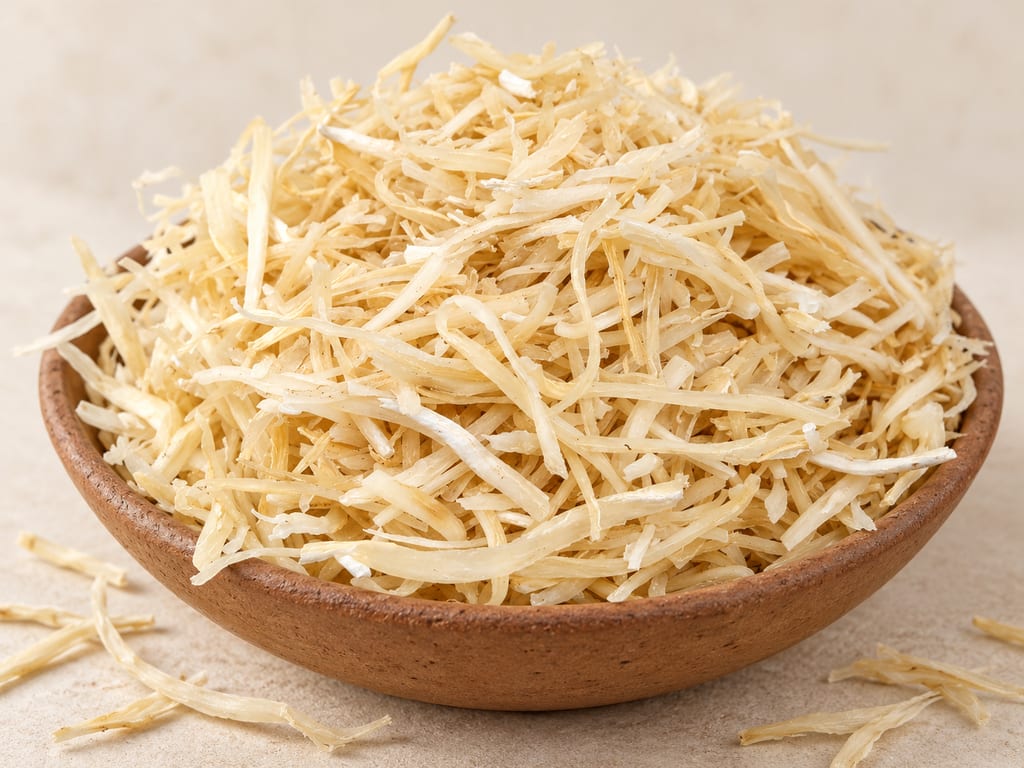
Dried Abacha, pale shredded cassava strips piled in a shallow earthenware bowl.
High risk

Abacha

Abacha is a fermented cassava-strip preparation from southeastern Nigeria, sold wet or dried and later rehydrated for meals such as African salad.

Southeastern Nigeria
Grains and starches
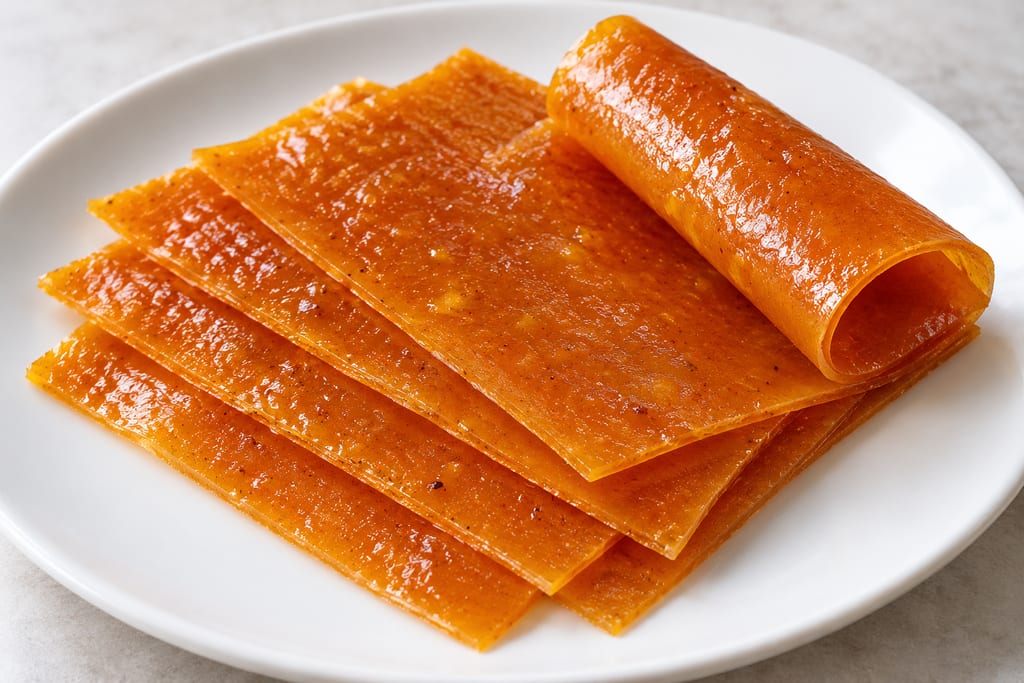
Thin amber mango leather sheets stacked on a white plate, with one sheet rolled at the edge.

Aam papad

Ripe mango pulp spread thin and dried as a chewy fruit leather. This entry records one controlled unsweetened experiment and distinguishes it from Bengali sun-dried aamshotto and sweetened or spiced variants.

India · Modern method
· Fruit
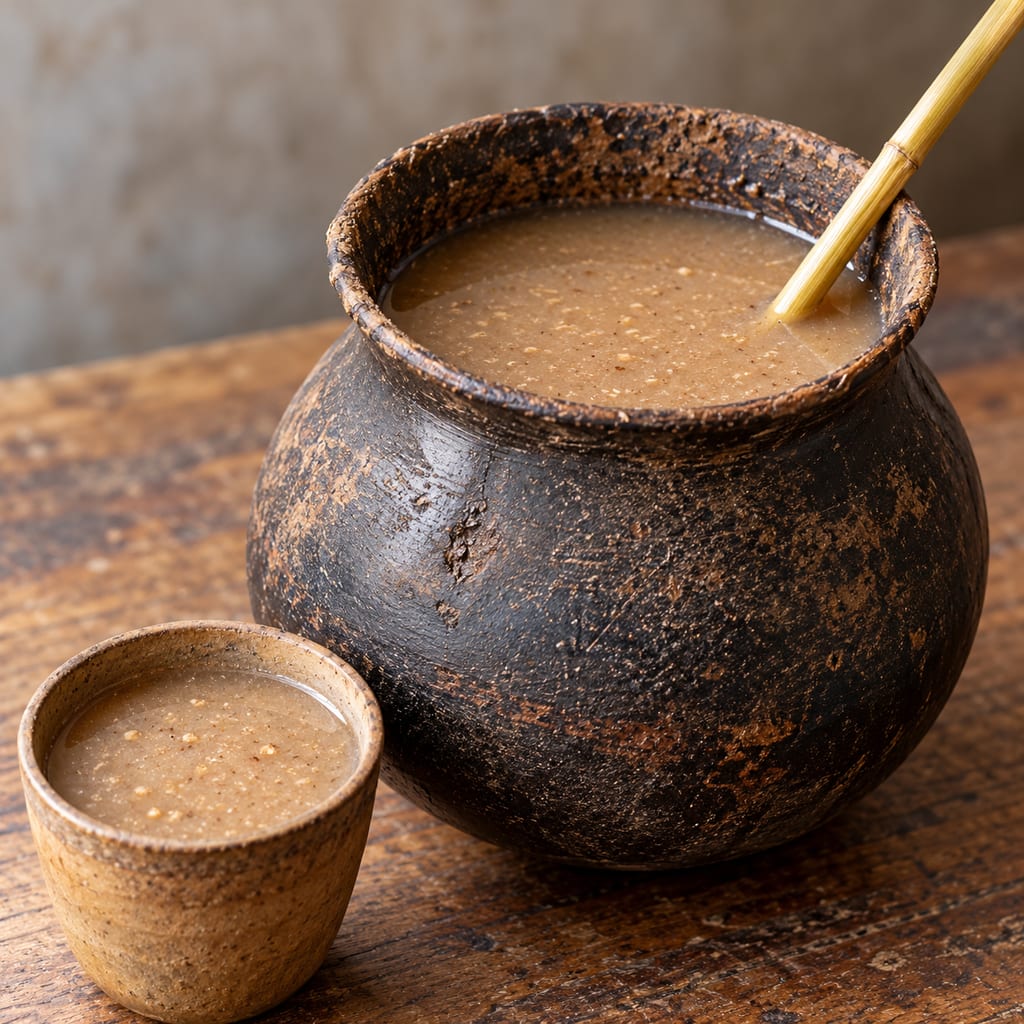
Thick, opaque tan-brown busaa in a plain serving pot with a reed straw and small cup.
Elevated risk

Luhya busaa with roasted maize and finger-millet malt

An opaque Kenyan maize beer: fermented maize paste is roasted into tsimbale, then mixed with finger-millet malt called kimera at ten to one and fermented a second time.

Kericho County · Traditional method
· Drinks
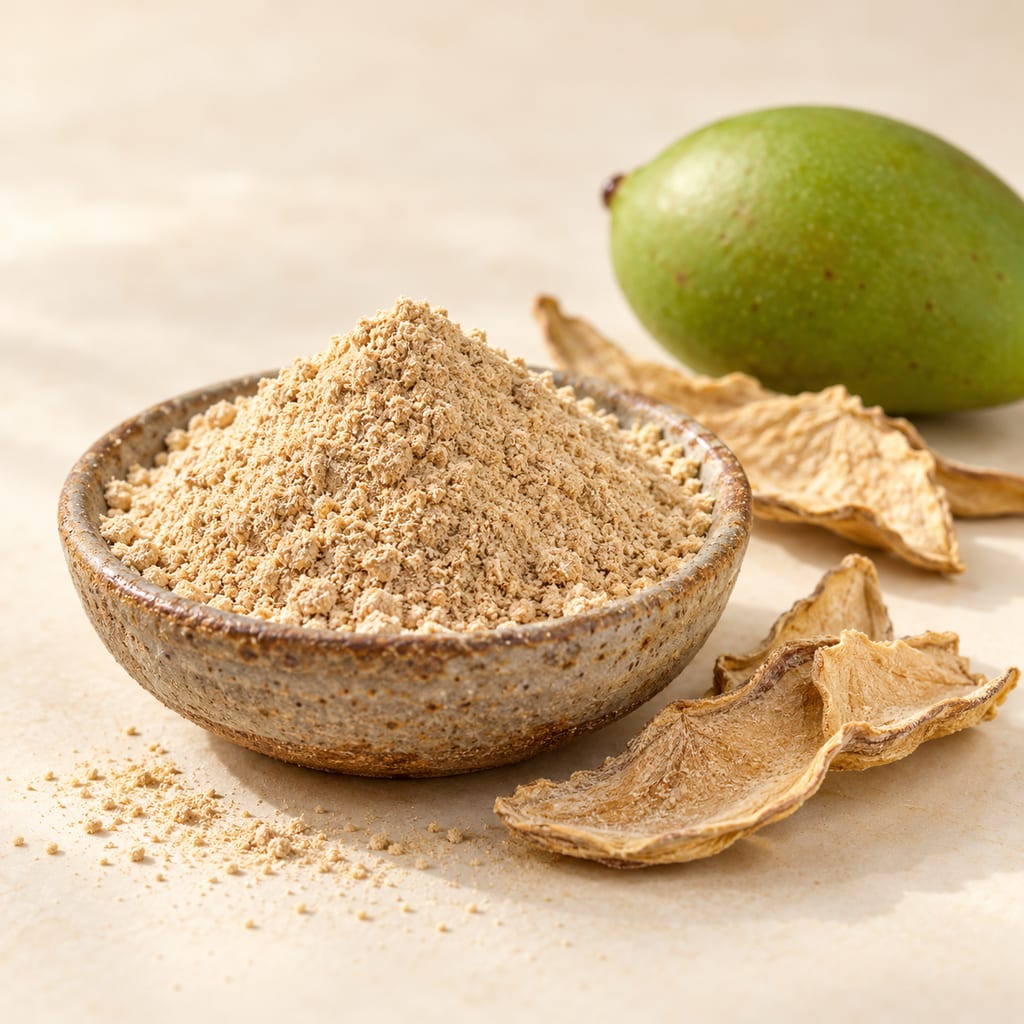
A bowl of pale tan amchur powder beside dried unripe mango slices and a green mango.

Amchur powder from sun-dried unripe mango

Thin slices of sour unripe mango are sun-dried over four days and ground into a tangy powder, following a five-fruit account published with an Indian mango study.

Modern method
Fruit
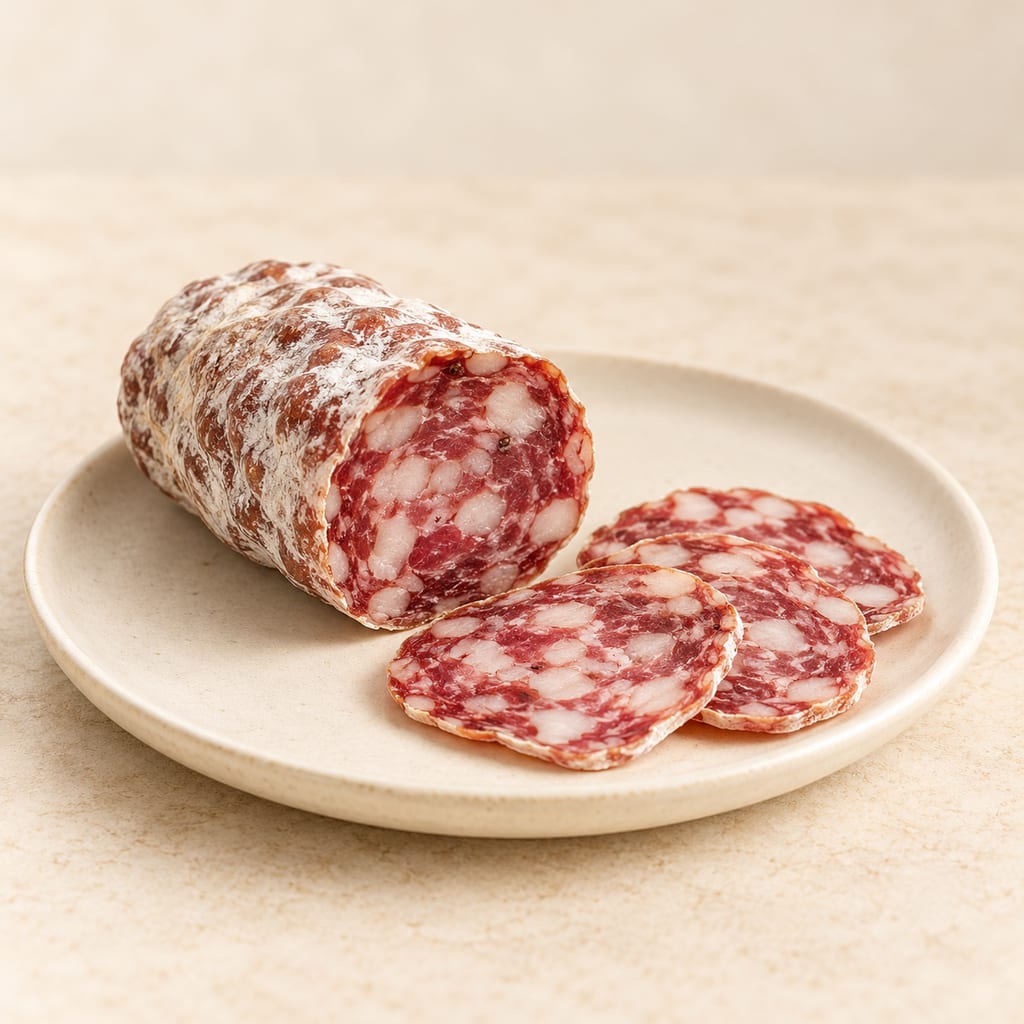
Cut saucisson sec and thin slices with pale fat pieces on an ivory plate.
High risk

Saucisson sec, starter-cultured

Saucisson sec is a French dry sausage of seasoned pork and fat. This version uses Flavor of Italy starter, white wine and an optional Mold 600 surface culture.

France · Modern adaptation
· Meat
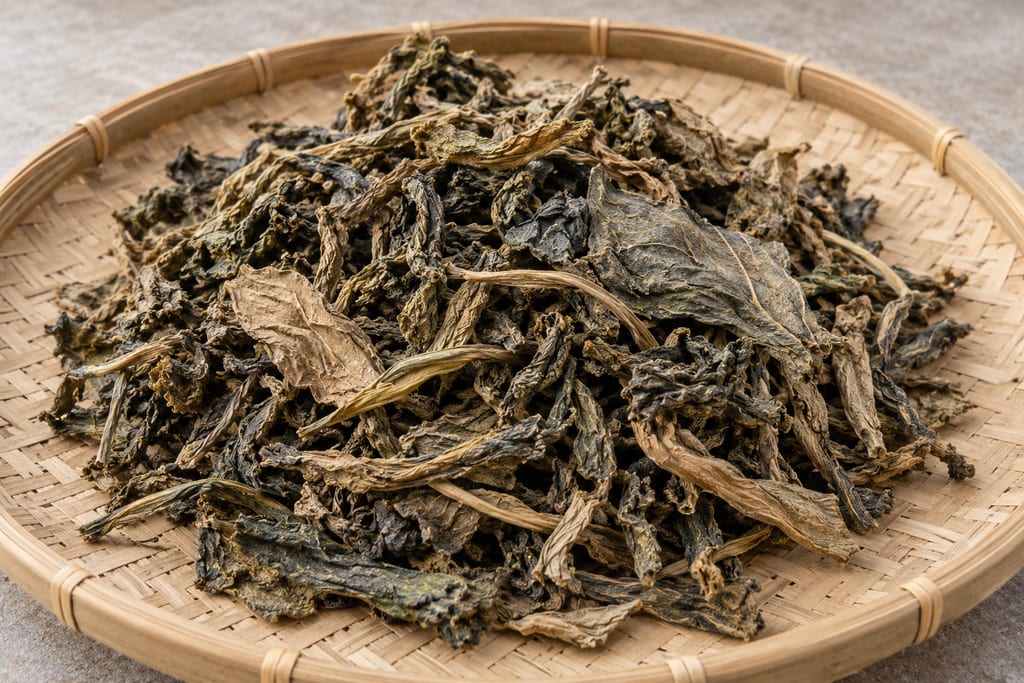
Original editorial depiction of dried Rayo-sag gundruk as dark, crinkled fermented leaves on a woven drying tray; the plant variety is not visually identifiable.
Elevated risk

Rayo-sag gundruk

Wilted and shredded Brassica rapa rayo-sag leaves, packed under warm water in earthenware, fermented five to seven days, then sun-dried as Nepali gundruk.

Himalaya, Nepal · Traditional method
· Vegetables
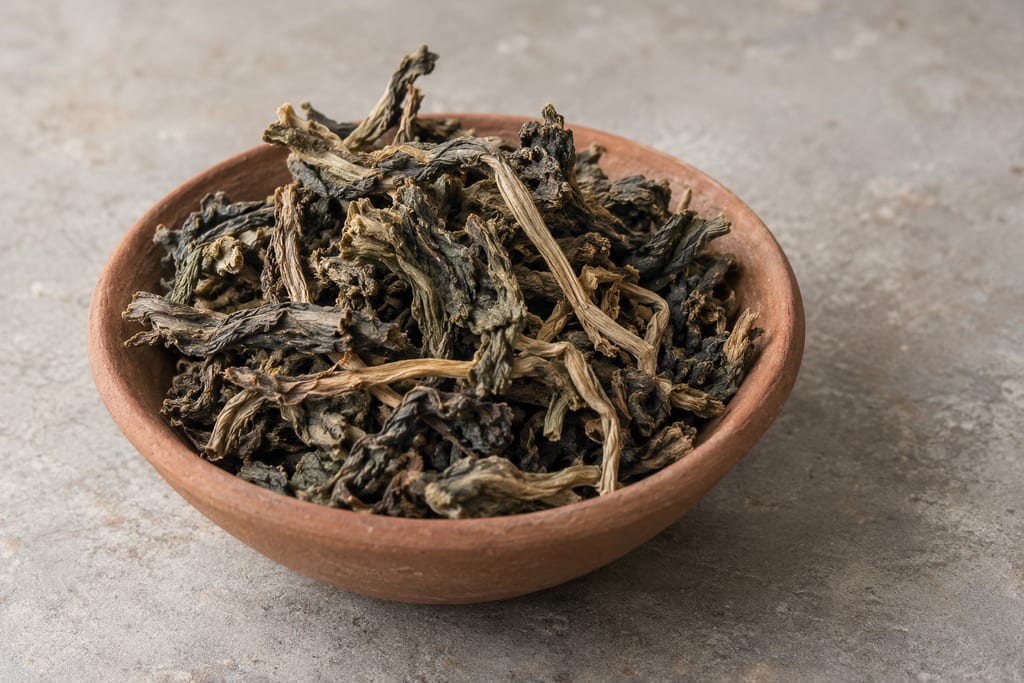
An original editorial depiction of dried radish-leaf gundruk, dark fermented greens in an earthenware bowl.
Elevated risk

Radish-leaf gundruk

Radish greens wilted, packed into an earthen pot with warm water and fermented without salt, then sun-dried into Nepal's dark, sour gundruk.

Himalaya, Nepal · Traditional method
· Vegetables
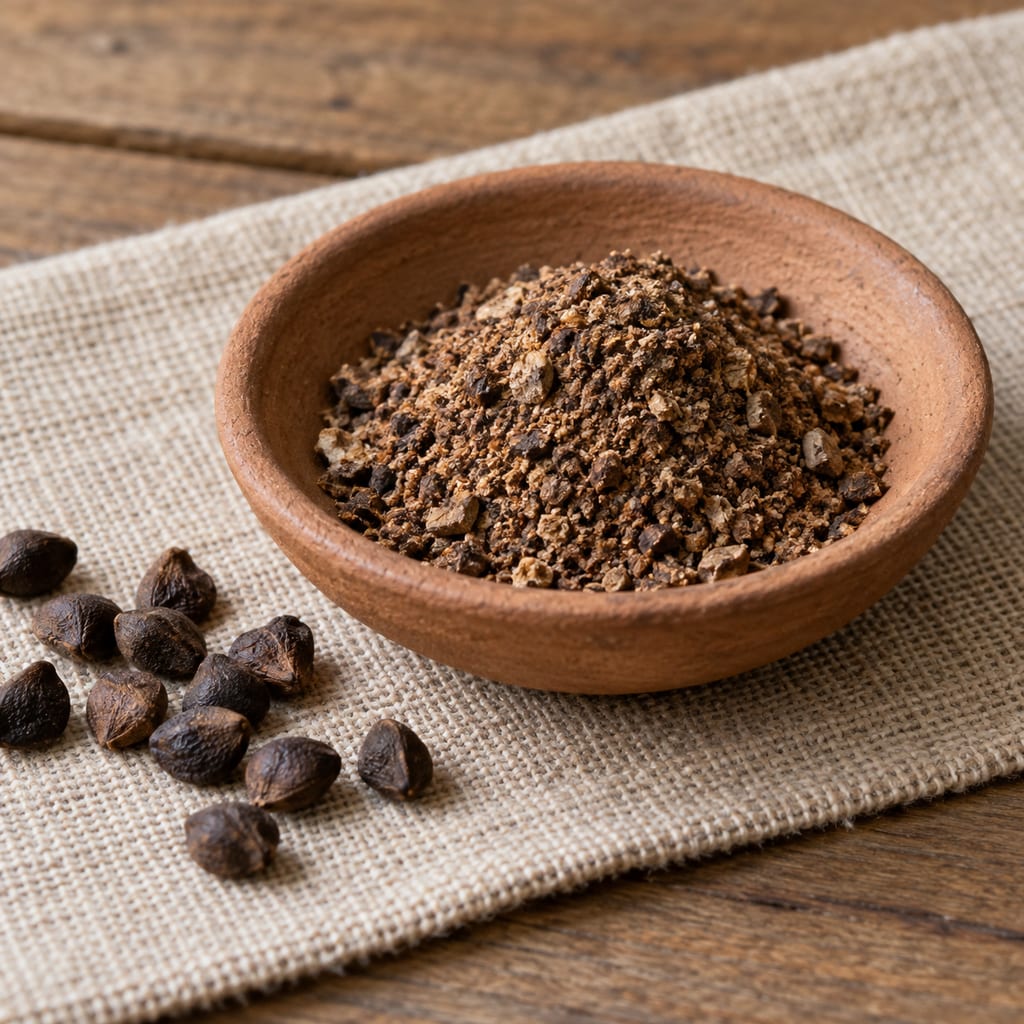
Illustrative reconstruction of Yanyanku as ground dried fermented roselle seeds; the exact experimental batch appearance is not documented.

Yanyanku

A traditional Beninese inoculum made from fermented roselle, cotton or baobab seeds, rich in bacterial spores, added to cooked African locust beans to speed up fermentation and soften them into sonru.

Benin · Traditional method
· Condiments
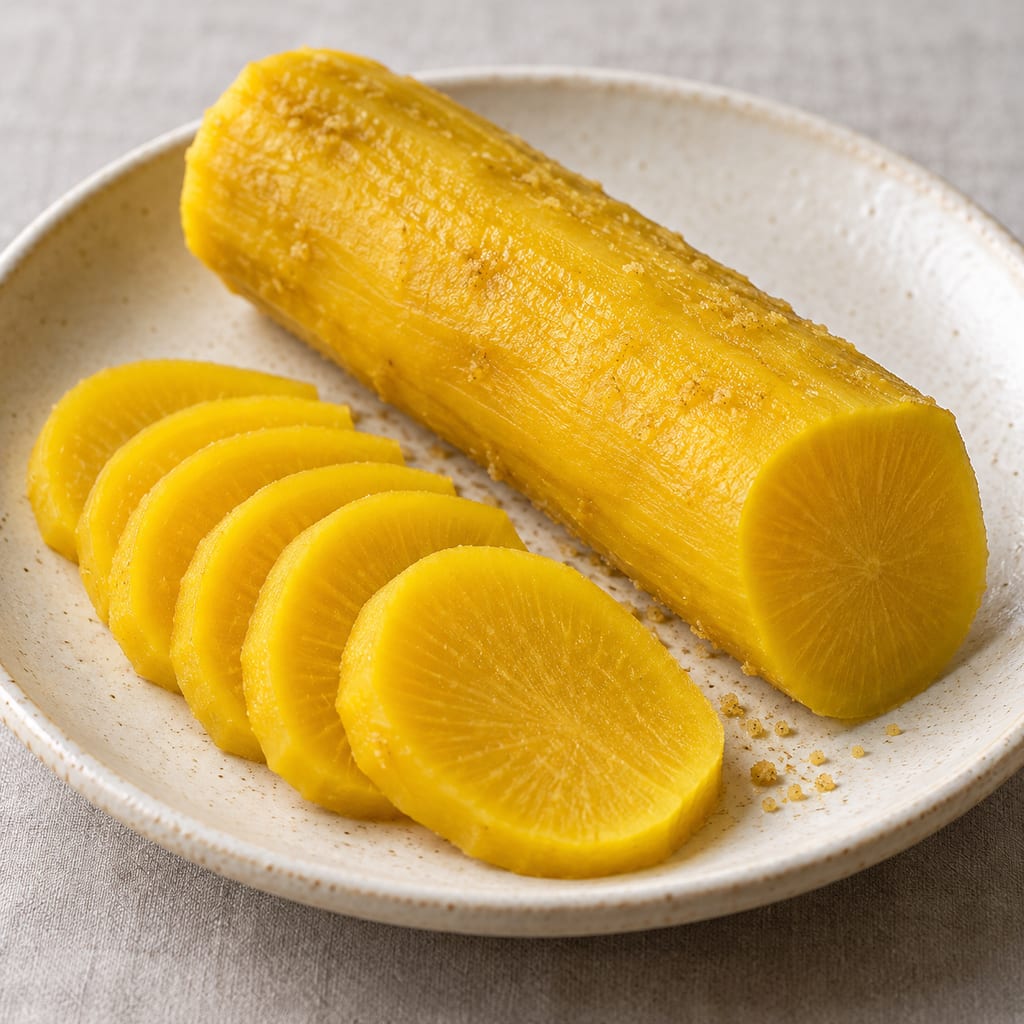
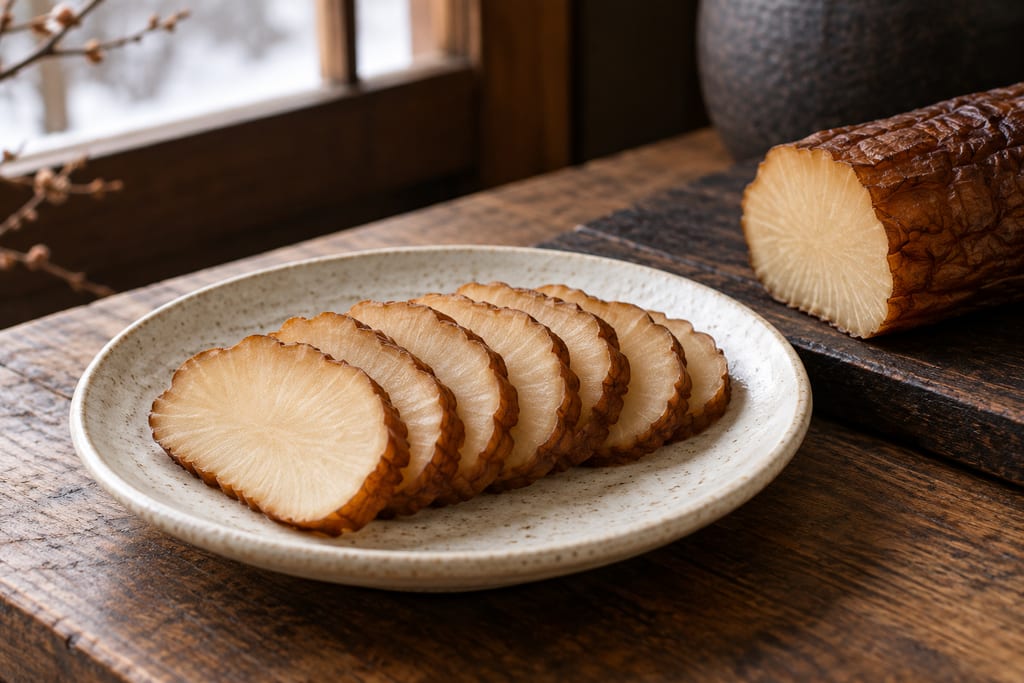
Illustrative finished turmeric-seasoned takuan-zuke, with a firm yellow rice-bran-pickled daikon and several thin slices on a plain ceramic plate.

Takuan (rice-bran fermented daikon)

Daikon is dried until pliable, then layered in seasoned rice bran and pressed for a long fermentation.

Japan · Modern method
· Vegetables
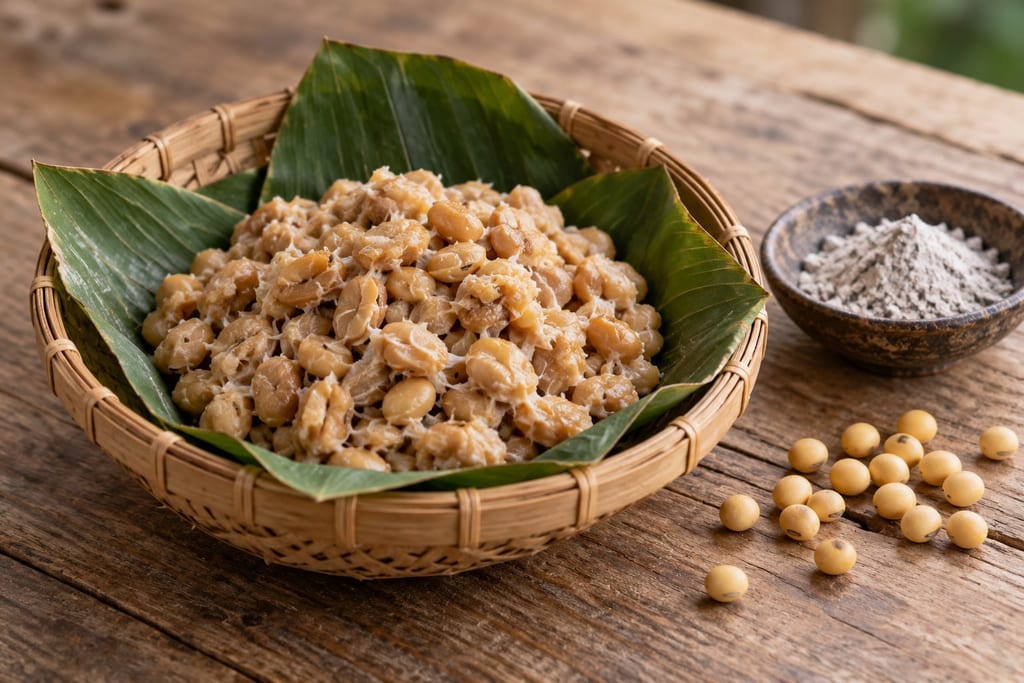
A coarse dark brown axone fermented soybean preparation on a banana leaf.
High risk

Axone

Soybeans boiled soft and fermented in a leaf-lined basket by the hearth, then in many Naga households pounded, wrapped in leaves and fermented again into a dark, pungent seasoning paste.

Nagaland · Traditional method
· Legumes and seeds
Dark, wrinkled smoked plums in a cream bowl.

Suska sechlońska

Małopolska plums smoked and part-dried over a wood fire in a regional kiln for several days, giving a dark, concentrated fruit with a protected name.

Sechna and neighbouring communes · Traditional method
Fruit
Thin slices of amber-brown smoked daikon pickle on a ceramic plate, with a whole iburigakko behind.

Iburigakko

Iburigakko is Akita pickled daikon dried with smoke before it is fermented in rice bran.

Akita Prefecture · Traditional method
Vegetables
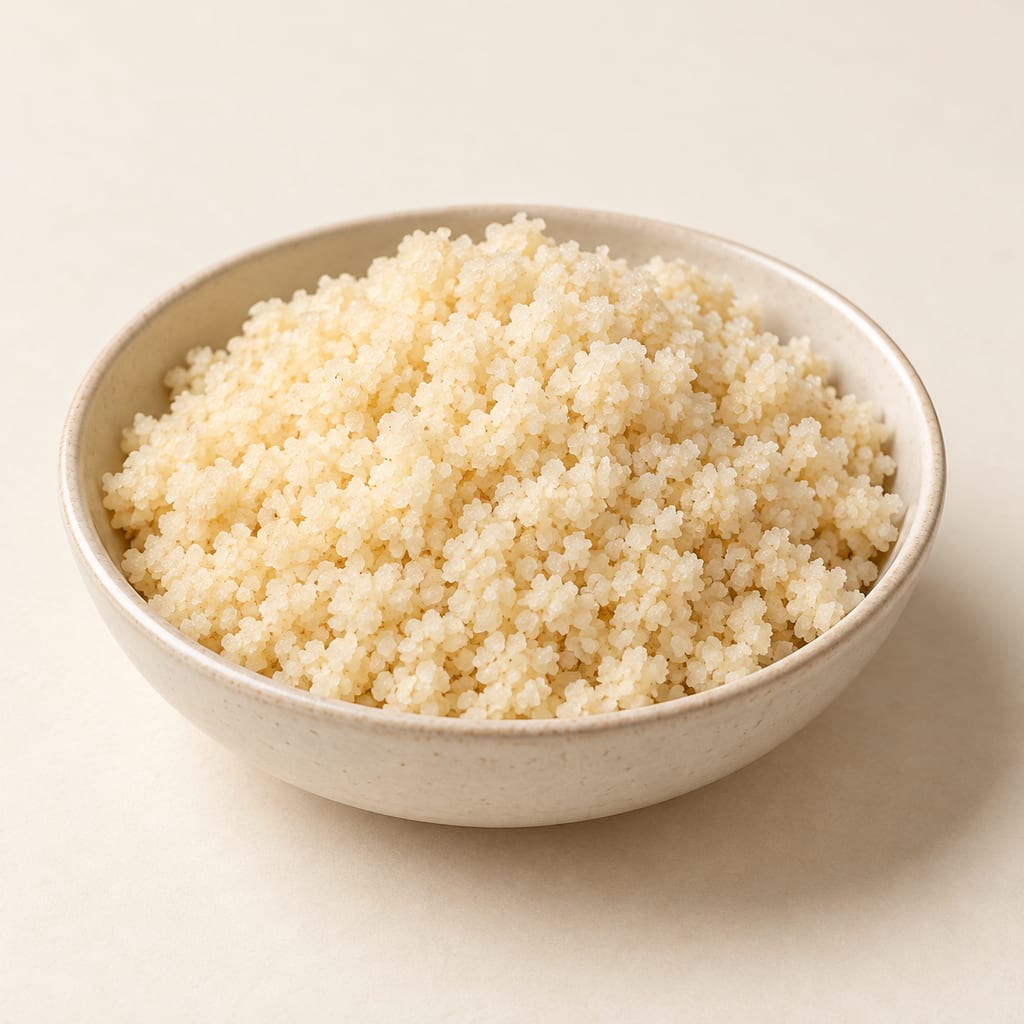
A shallow cream bowl of pale, fluffy steamed Attiéké cassava granules on a warm ivory background.
Elevated risk

Attiéké from fermented cassava pulp

Attiéké is an Ivorian staple of grated cassava fermented with a traditional inoculum, then pressed, sieved, granulated, dried and steamed into fine couscous-like grains.

Côte d’Ivoire · Modern method
· Grains and starches
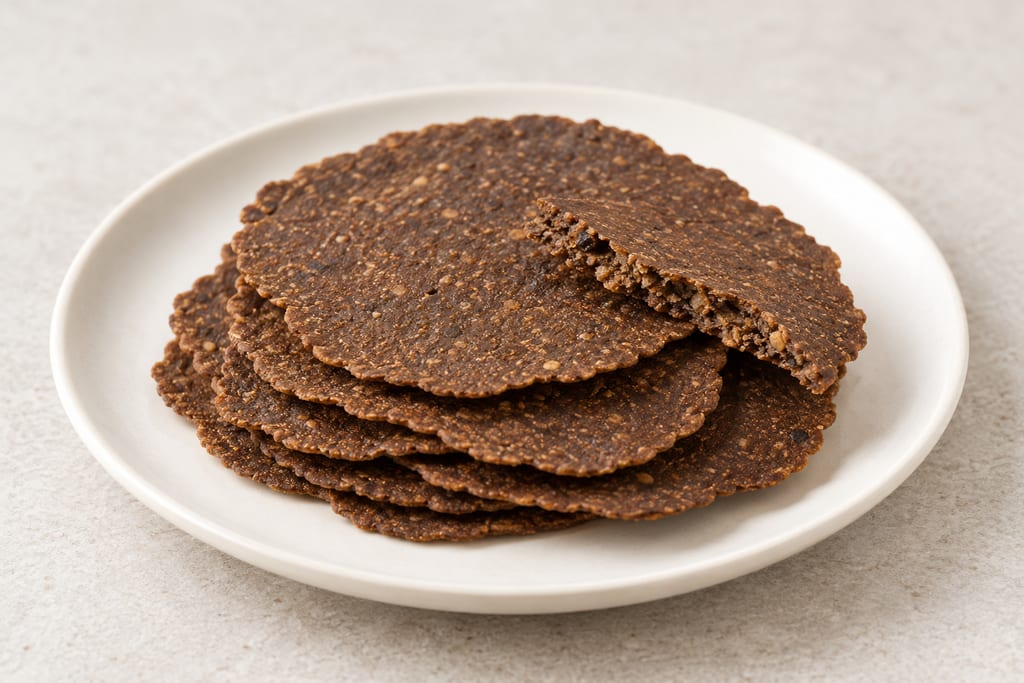
Dark brown dried thua nao discs made from black soybeans, stacked on a plain white plate.
High risk

Black soybean thua nao with Bacillus subtilis

Black soybeans cooked, inoculated with a named Bacillus subtilis culture and fermented warm and humid into northern Thailand's thua nao, then optionally dried into thin discs.

Chiang Mai Province, Thailand · Modern method
· Legumes and seeds
Kinema’s sticky split soybeans arranged in a leaf-lined woven basket, with dry soybeans and a separate dish of wood ash.
High risk

Kinema with firewood ash

A sticky fermented soybean food of the eastern Himalaya, made here with a measured addition of firewood ash as an alkaline aid to the bacteria that drive it.

Eastern Nepal · Modern method
· Legumes and seeds
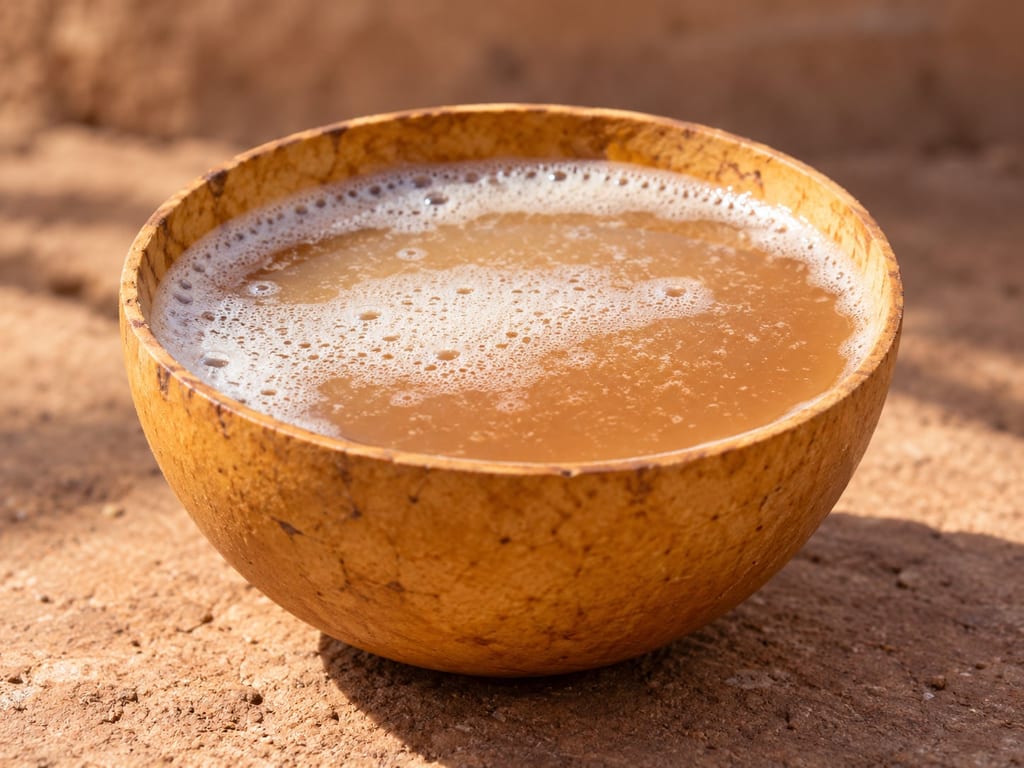
Cloudy ochre-brown malted-sorghum bili-bili with a soft natural foam in an unpainted calabash bowl.
Elevated risk

Maroua bitter bili-bili from malted sorghum

An alcoholic, opaque and bitter sorghum beer from Maroua, northern Cameroon, made from malted sorghum and fermented with a chai starter.

Maroua · Traditional method
· Drinks
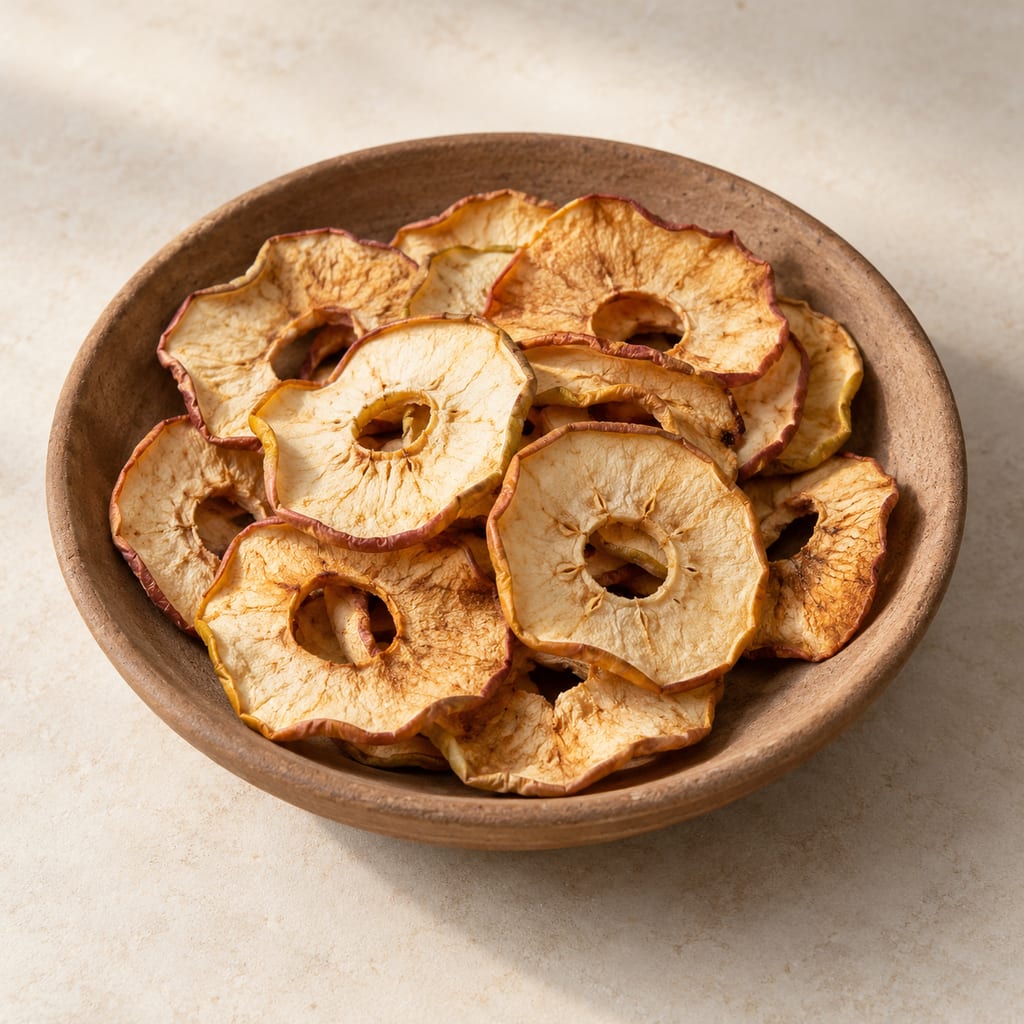
Illustrative modern reconstruction of dried apple rings in a plain earthenware dish.
Elevated risk

Dried fruit and berries (Viking Age, reconstructed)

Apple slices dried until most of their water has gone, shrinking and concentrating into leathery or crisp rings, with the modern controls that a plausible old technique turns out to need.

Northern Europe · Modern method
· Fruit
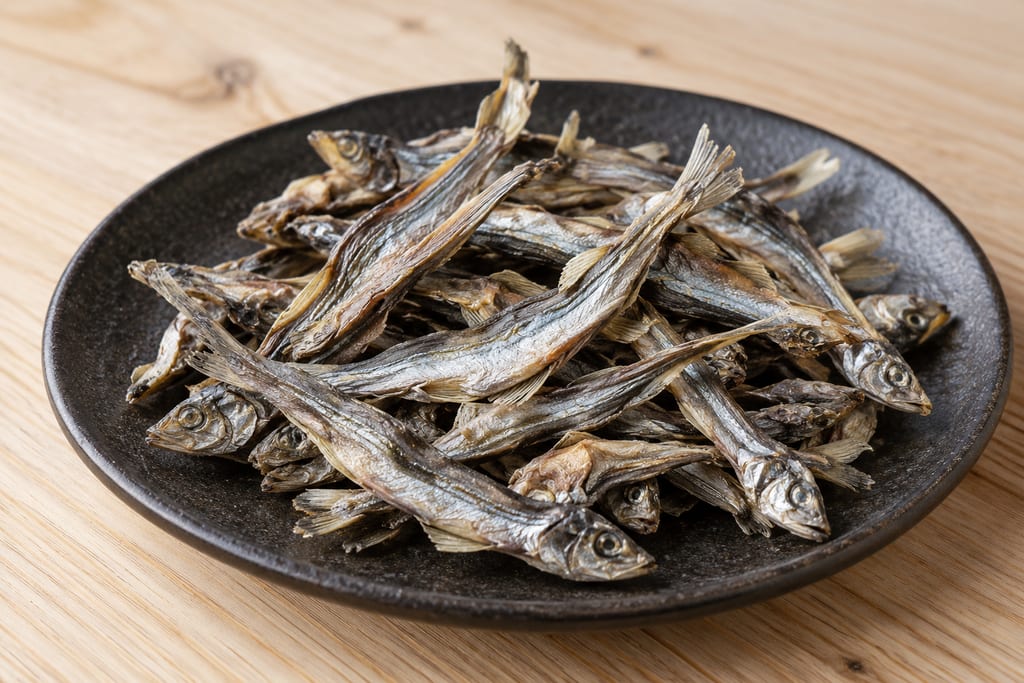
A small portion of finished whole dried Greenlandic capelin, slender and slightly curled with heads, fins and tails intact, served on a dark plate.
High risk

Dried ammassat / ammassaat

Greenlandic capelin dried whole on rocks, among crowberry vegetation or on buildings, and the microbial research that has made this small fish unusually well studied.

Greenland · Traditional method
Fish and seafood