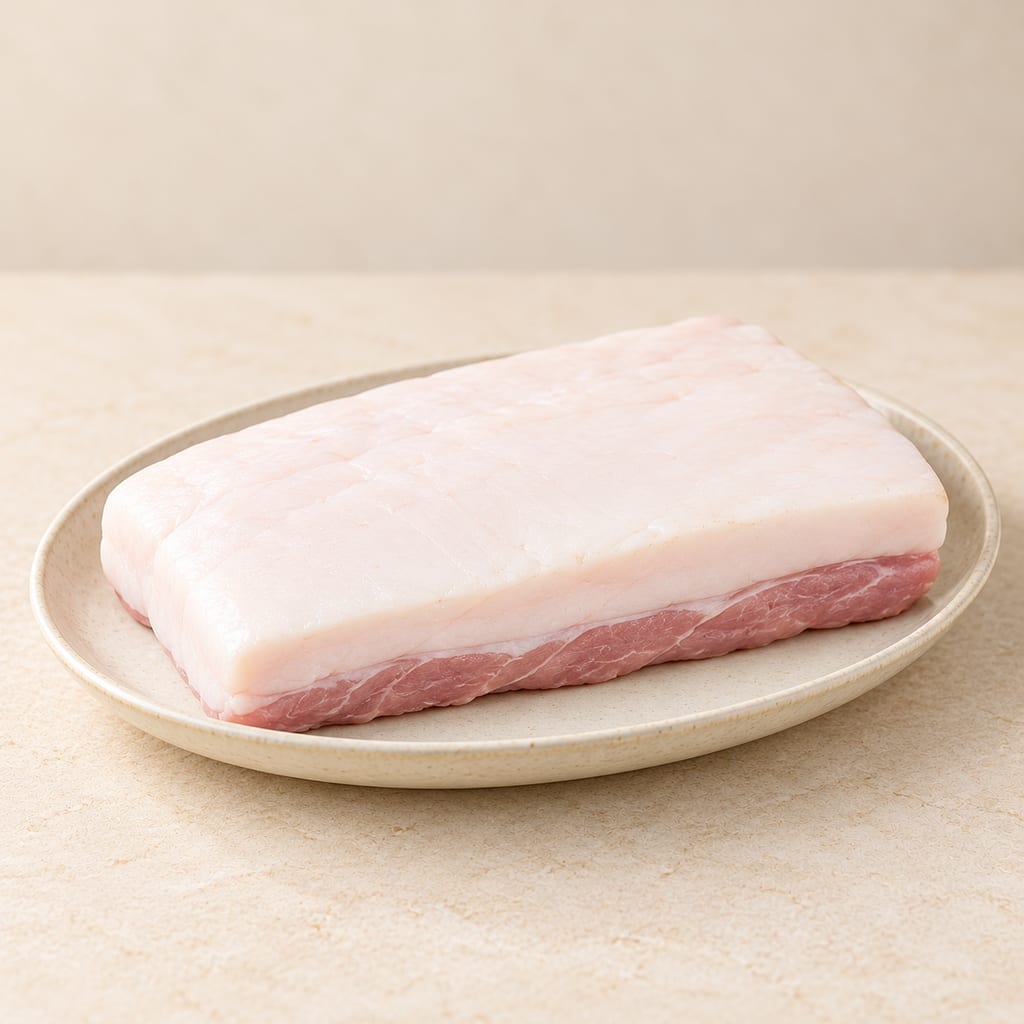
Pork back fat
Unrendered subcutaneous pork fat provides distinct pale pieces, texture and lipid flavor precursors in sausage, and differs from belly, leaf fat and rendered lard.
 FermenteaWhere food goes to change
škvarky a sádlo · škvaření sádla · home-rendered lard and cracklings · smalec i skwarki · Grammelschmalz
Cubed pig fat rendered slowly until the cracklings turn amber, then strained into lard. The Czech zabijačka method, with its Polish, Hungarian, Slovak, Austrian and Serbian relatives.
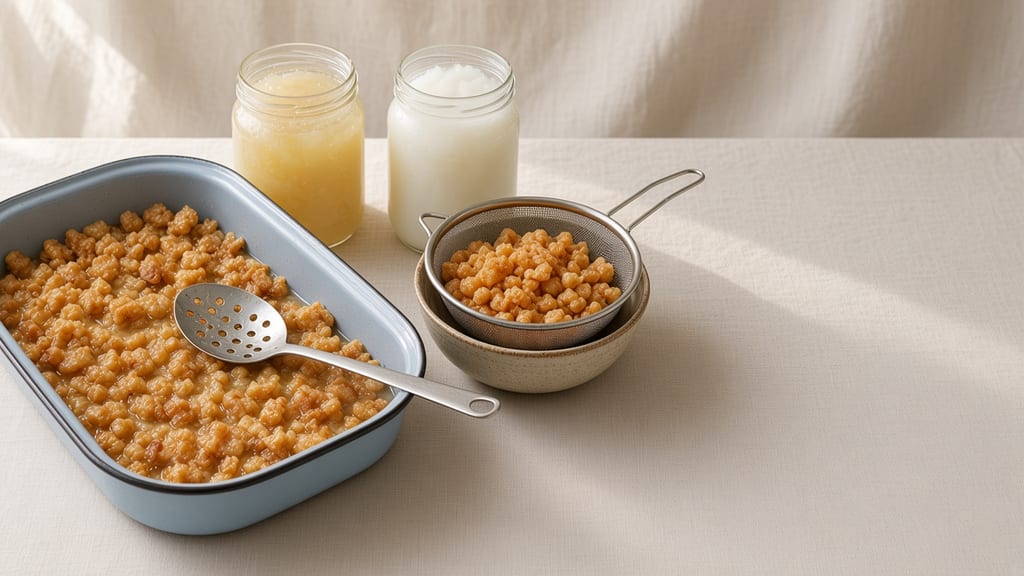
Škvarky and sádlo come out of one pan. Cubes of pig fat go in, the fat runs out and becomes sádlo, lard, and the shrunken pieces that stay behind are škvarky, cracklings. Czech households made both at the zabijačka, the pig-killing held in winter before Christmas or in the carnival weeks of masopust. The point of the day was to secure meat and fat until spring.
The Czech national ethnographic encyclopedia describes how the fat was divided. The inner fat, plsní sádlo, and the outer back fat, řemenové sádlo, came off first. Intestinal fat was washed and rendered by itself. Raw fat was either salted for smoking as slanina or cut up and rendered into sádlo and škvarky.
The lard was eaten on bread and used for baking and frying, for jíška, the roux, and as the dressing fat for potatoes, porridge, dumplings, pulses and cabbage. It also went into zhřívanice, spirit warmed with hot lard. The encyclopedia records both sádlo and škvarky being packed into stoneware for the months ahead.
The recipe has one real enemy, too much heat. J. W. Cole of the University of Tennessee told American meat scientists in 1949 that the rendering fat should never pass 240–250 °F, about 116–121 °C. Overheating raises the free fatty acids, darkens the lard and shortens its keeping. Over an open fire he wanted frequent stirring and the even heat of hardwood.
He gave two signs of the end point. The cracklings turn amber, and if any rind is left on, small white blisters form on it. And no more moisture rises from the pan, which you can check by holding a cold lid over it and looking for condensation.
The rest of his advice is in the method. Use fresh fat, since fat held near freezing for more than five to seven days already shows rising free fatty acids. Take off skin for whiter, firmer lard and take off lean, which browns early. Cut cubes of about 2.5 cm or grind. Avoid copper and rusty iron. Strain hot through muslin. Cool fast and stir, without whipping. Keep small, full, sealed containers dark at about 4 °C.
In the Czech version the fat is cubed, rendered in a wide pan and stirred until the škvarky are golden. The lard goes into a crock and sets white. The škvarky are eaten warm with bread and salt, ground into škvarková pomazánka, or kept for baking.
Radio Prague noted in 2022 that cracklings are usually left unsalted so that they stay crisp, which is why salt goes in when they are ground into a spread.
The ethnographic encyclopedia also records škvarky as a seasoning in potato cookery: a baked potato dish salted with garlic and sometimes škvarky, and potato pancakes that became a treat when škvarky or smoked meat went in.
Kashubian cooks in Pomerania, as recorded on Poland's list of traditional products, rendered at the pig-killing ahead of Christmas, Easter, weddings, christenings and first communions. They cut the słonina very fine and melted it in a pan over a small fire, so that "i pianka była i skraweczki dochodziły równo": there was foam, and the little pieces cooked through evenly.
Chopped onion went in, and garlic if wanted. When the skwarki were golden the pan came off the heat, and marjoram rubbed between the hands, pepper and salt were added. The smalec was poured into vessels and stirred as it cooled so the skwarki would not sink. Some cooks strained off part of the skwarki, ground them and kept them as cooking fat.
In Kociewie, households rendered twice a year at świniobicie, before Easter and before Christmas, and added onion, apple and marjoram. In 2016 Radio Katowice took a Silesian recipe from the dresser of Stefania Dyduch: 1 kg of słonina cut in fine cubes and fried golden with a wooden spoon, a grated sour apple added near the end, five chopped prunes if you like, about 3 more minutes, then into a stone pot. That smalec ze skwarkami, lard with the cracklings left in, has its own recipe on this site.
The Magyar Néprajzi Lexikon gives the Hungarian method with one extra step. Mainly in the western part of the language area, the pieces of fat were first thrown briefly into boiling water, called köpesztés or abárolás. Then the skin was pulled off and the fat was cut in small cubes and melted. The cracklings are called töpörtyű or tepertő, csörge in western Transdanubia, pörc in central and eastern Transdanubia and kurcina between the Danube and the Tisza.
In the 20th century a second kind spread among the peasants of the Great Plain, especially east of the Tisza. Bőrös tepertő is cut from the fleshy belly with the skin on, in pieces half a palm to a palm across, scored and fried skin and all. It was made to be eaten rather than as a by-product of lard. East of the Tisza the word pörc means this large skin-on kind.
Tepertő from the pig-killing was a breakfast or a supper by itself, and corn flatbreads were often baked with it. The lexicon's entry on disznóölés lists fat rendering, zsírsütés, as women's work, alongside cleaning the guts and making sausage. The Hungarian specification for tepertős pogácsa gives crackling as 12–13 % protein and 82–84 % fat.
The Slovak encyclopedia of traditional culture defines oškvarky as the pieces of fat left after rendering masť, mostly from pork slanina and less often from poultry. Because they hold more than half fat, they were pressed again to win more lard.
Fresh oškvarky were served with bread as a dish. Ground and covered with lard in glass jars, they became a bread spread. They went into oškvarkové pagáčiky and were used to dress porridge, boiled potatoes and stewed cabbage.
Austria writes the home method into its food code. Hausschmalz, the best grade of lard, is made from fresh back fat or Bauchfilz, the fat inside the belly, melted out in fairly small amounts in open vessels over direct heat and with particular care. Its quality marks are freshness and a clean roasted smell and taste. Nothing else goes in.
Grammeln, also called Grieben, are the tissue left when the fat is melted out. Only pig fat may be sold under that name. They must hold at least 20 % fat and be free of bone splinters and burnt pieces. Grammelschmalz is lard with the Grammeln left in, with no more than 2 % water. The code allows only settling, pressing or centrifuging to part the fat from the tissue.
In Valjevo, in western Serbia, a festival has been held since 2006 for one kind of čvarci. The local news site vamedia reports that it began on Miholjdan with the butcher Slavan Batočanin, and that the 20th edition was set for 3–4 October 2026 by the Kolubara.
The organisers describe duvan čvarci, tobacco cracklings, as the speciality. The fat is rendered for hours and wrung through clean cloth until the pieces fall apart into thin golden threads that look like tobacco. Ordinary chunky cracklings are called šoder čvarci. The organisers call the festival's crowd more than 100,000; no independent count is available.
Because cracklings are mostly fat, they can stand in for lard in savoury baking. The Kociewie entry on Poland's list says the lard with its skrzeczki was used for frying and baking in place of other fats. The Hungarian pogácsa specification requires that at least 60 % of the fat in tepertős pogácsa come from crackling.
Ground cracklings under a layer of lard make a spread. Ground cracklings with egg, onion and mustard make škvarková pomazánka. Whole cracklings worked into yeast dough make škvarkové placky, and crackling cream rolled into dough makes tepertős pogácsa.
Comenius wrote in Orbis pictus, 1658, that fat and tallow are let out or fried out. The Czech national ethnographic encyclopedia quotes the line in its entry on zabijačka, the winter pig-killing.
The encyclopedia describes the household cycle that lasted into the late 20th century. The pig was killed in winter, before Christmas or during masopust. The inner and outer fat came off, the intestinal fat was washed and rendered, and the rest was salted for slanina or cut for sádlo and škvarky. Both went into stoneware to last until spring. Freezers reached village households in the 1970s and 1980s.
Scaling: linear
Cooking too hot raises free fatty acids, darkens the lard and shortens its keeping.
Hazard sourceAir, heat, light and metal speed the breakdown of the fat; rancid lard cannot be repaired.
Hazard sourceCopper and rusty iron can combine with the fat into salts that make it less stable.
Hazard sourceKeep the rendering fat at or below the stated limit
Control sourceRender until no moisture condenses on a cold lid
Control sourceStore in small full sealed containers in the dark and cold
Control sourceHot fat burns. Keep children away from the pan and add nothing wet to hot lard.
The storage advice is about quality; no tested shelf life is given for home lard or cracklings.
Household rendering at the winter pig-killing.
Kashubian and Silesian smalec rendering.
Tepertő and its regional names and methods.
Oškvarky pressed and used in the kitchen.
Hausschmalz and Grammelschmalz as defined in the food code.
Duvan čvarci as described by the town's festival organisers.
Unrendered subcutaneous pork fat provides distinct pale pieces, texture and lipid flavor precursors in sausage, and differs from belly, leaf fat and rendered lard.
Pig adipose tissue used raw in some fermented meats and made into distinct products such as cured lardo, salo and rendered lard. Cut and firmness affect processing.
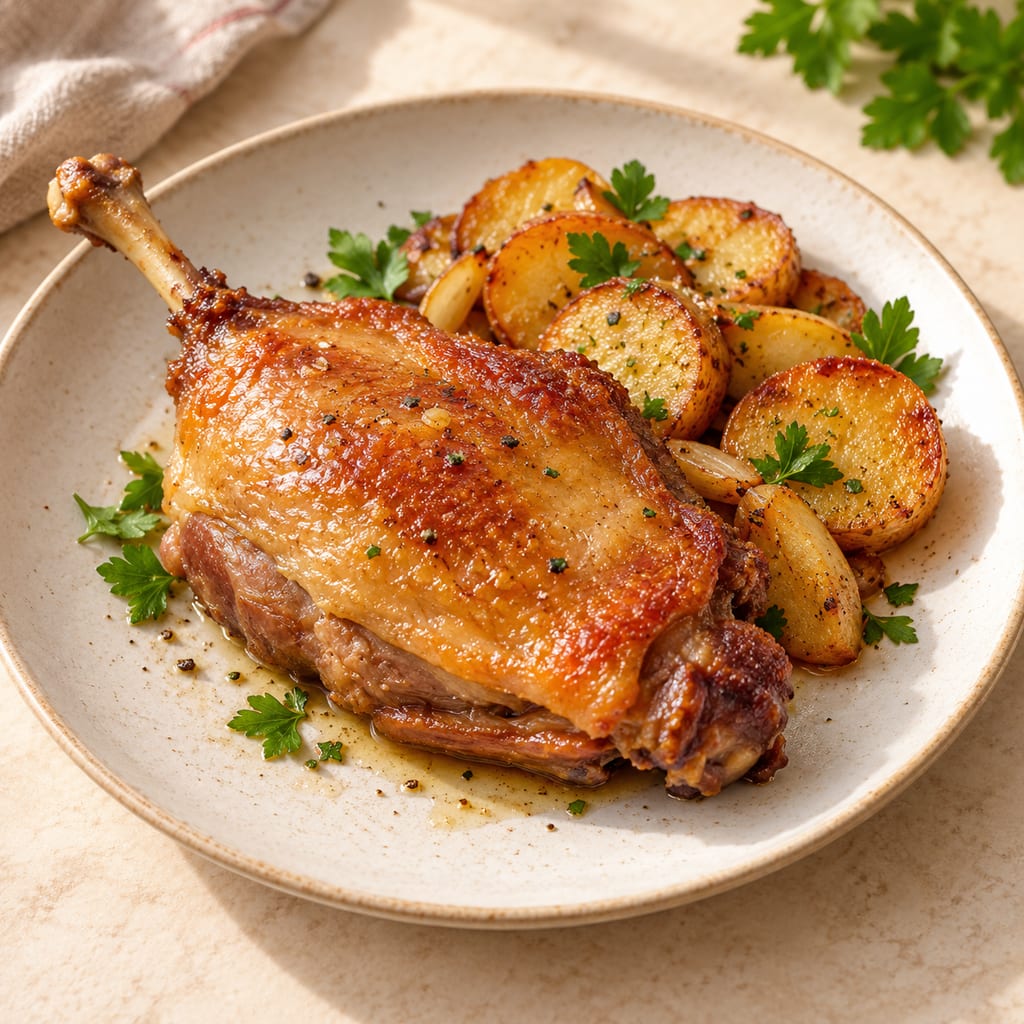
Meat salted, slowly cooked in its own fat and kept under a covering of that fat. The fat cap limits air but does not acidify or sterilise, so home confit needs refrigeration or freezing.
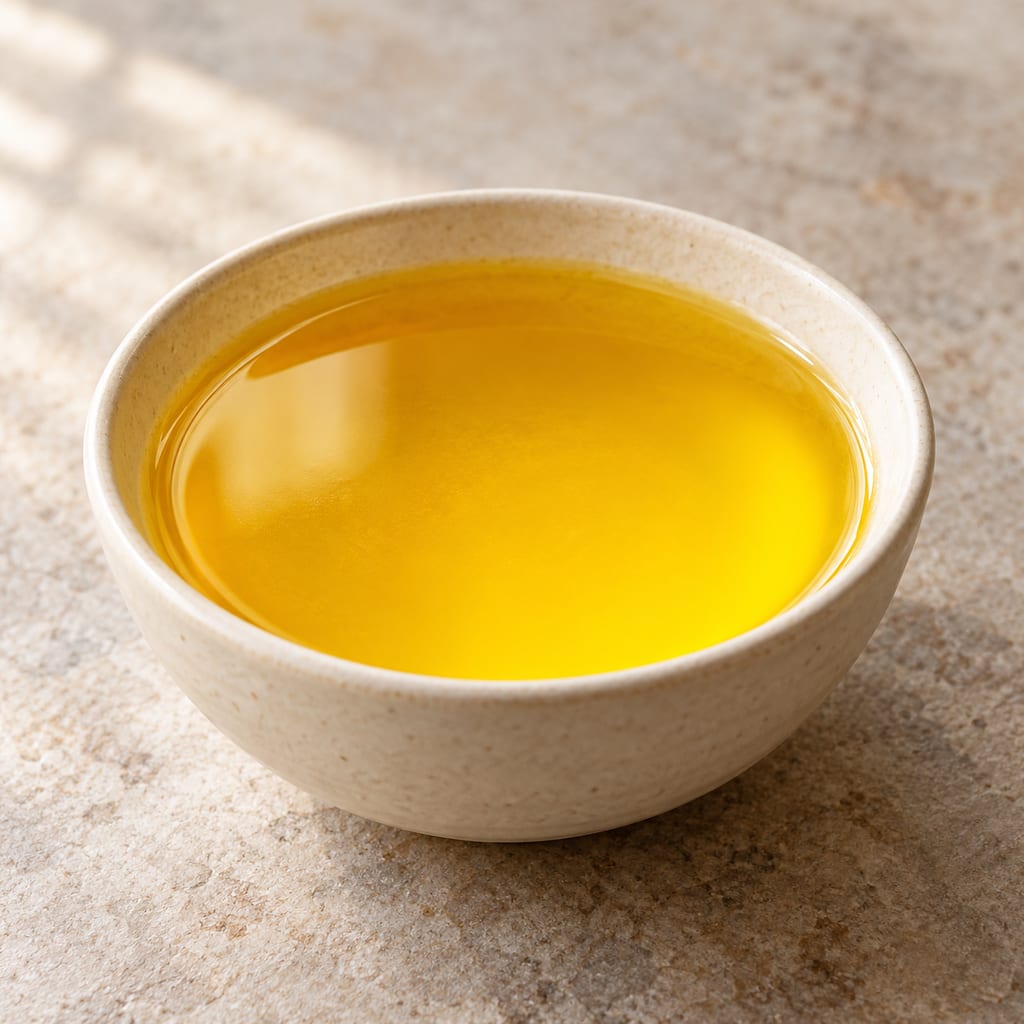
Butter heated until most water leaves and the milk solids separate, giving a fat that keeps far longer than butter. Rendering applies the same heat to animal tissue to make lard and tallow.
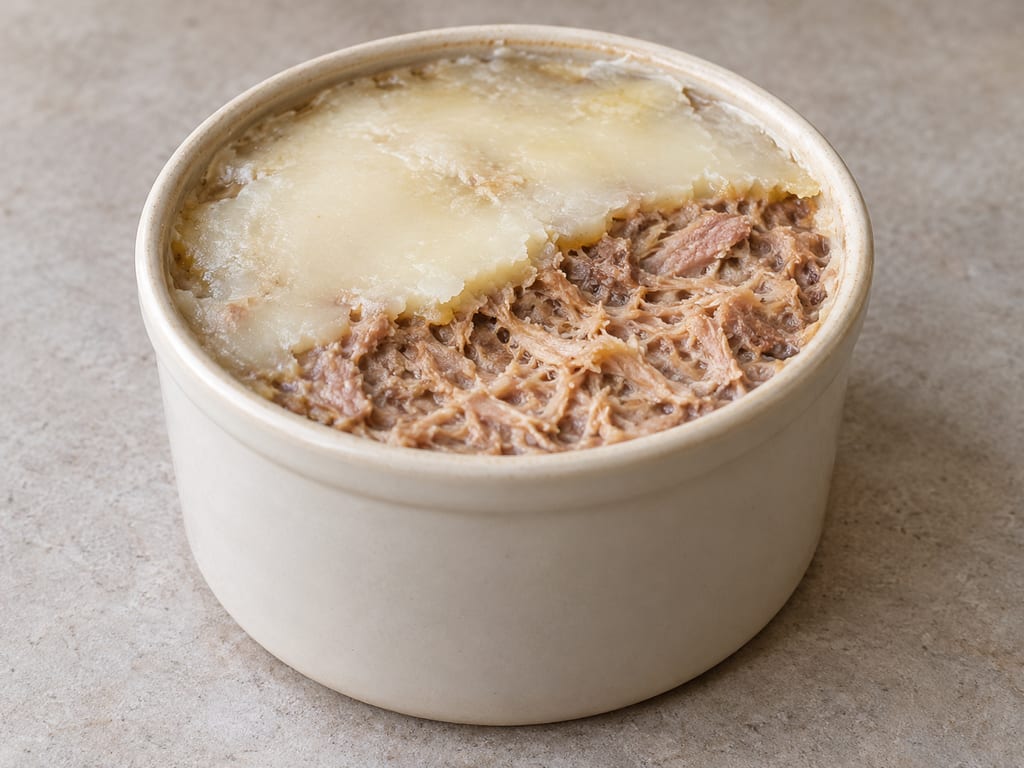
Cooked meat or fish shredded or pounded, packed into pots and covered with fat. Heat, salt, moisture reduction and the fat cover work together, and the texture separates rillettes from whole-piece confit.
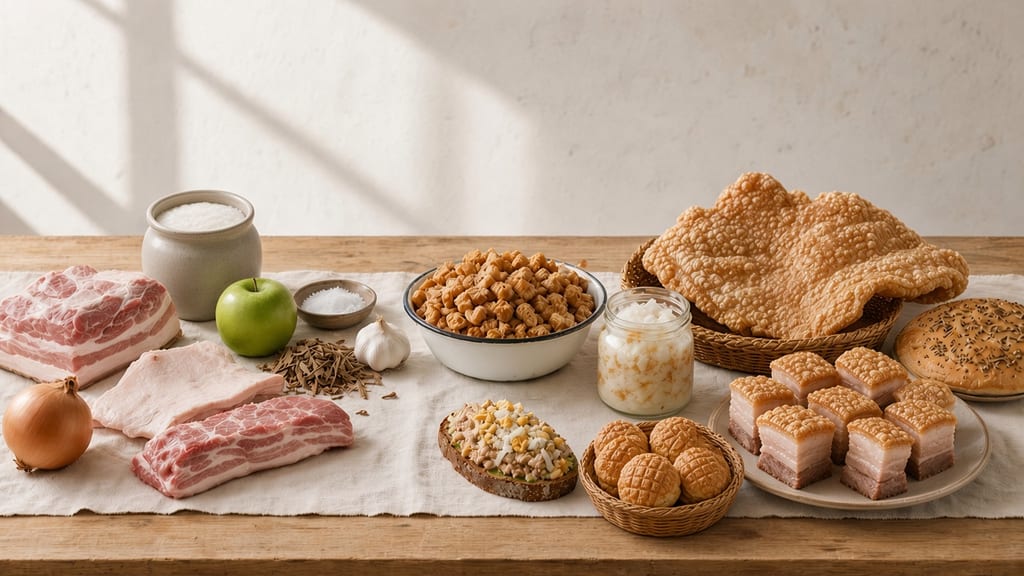
Škvarky, skwarki, tepertő, chicharrón, gratons. How cooks render pig fat, dry and fry skin, press and wring the pieces, and bake with them, from the Czech pig-killing to Mexico and Soria.

Pracharanda is finely reduced dried pear used as a topping on porridge, dumplings and cakes in Czech sources. Accounts of its preparation differ.
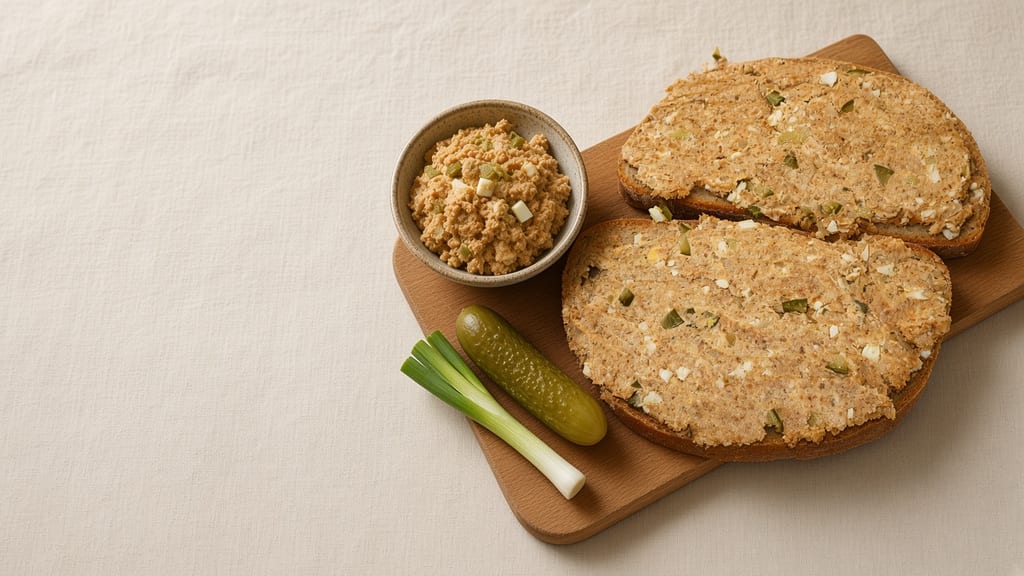
Ground or roughly chopped škvarky bound with a little lard, onion, mustard and hard-boiled egg, spread on fresh bread. A zabijačka leftover that became a pub staple.
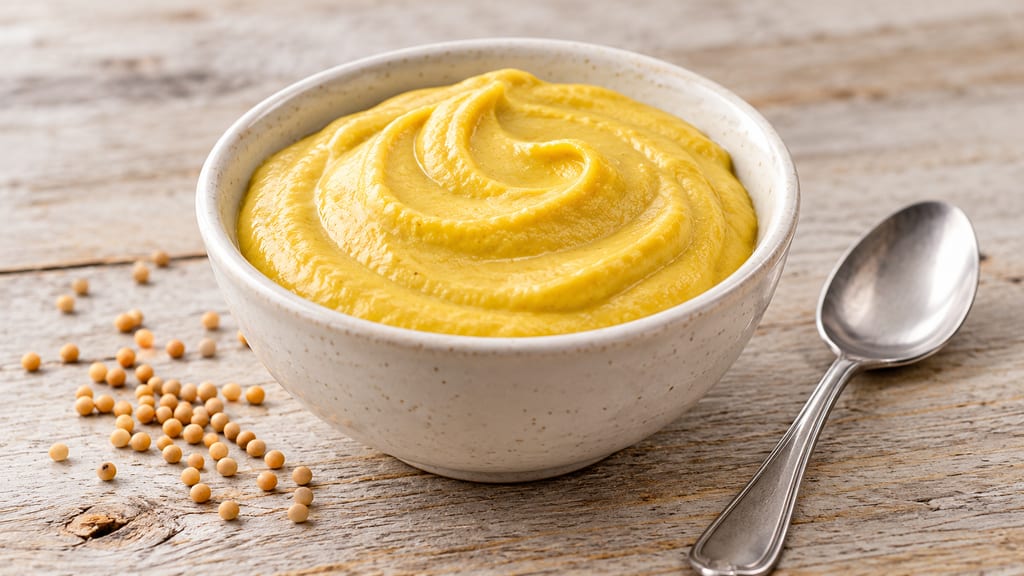
A mild, creamy Czech-style table mustard made from ground seed, vinegar, water, salt and a little sweetness. This home version follows a Czech Television formula and is not a copy of SPAK’s proprietary product.
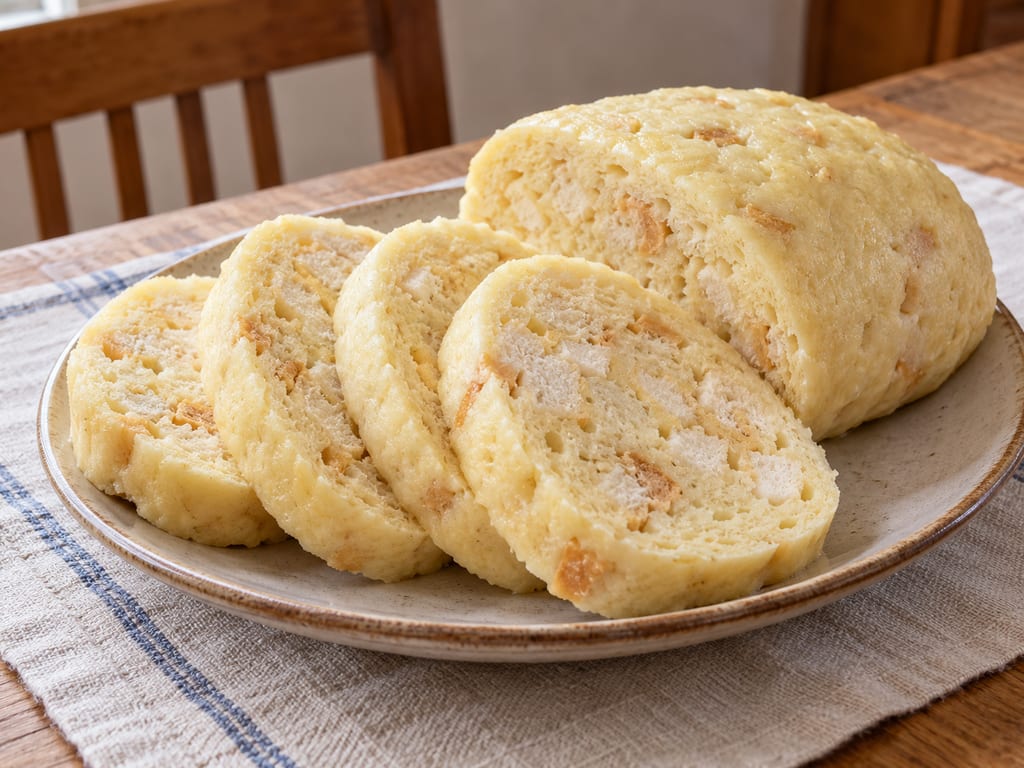
Czech houskové knedlíky are yeast-raised flour dumplings studded with stale white roll cubes, shaped as logs and steamed until tender for serving with sauce.
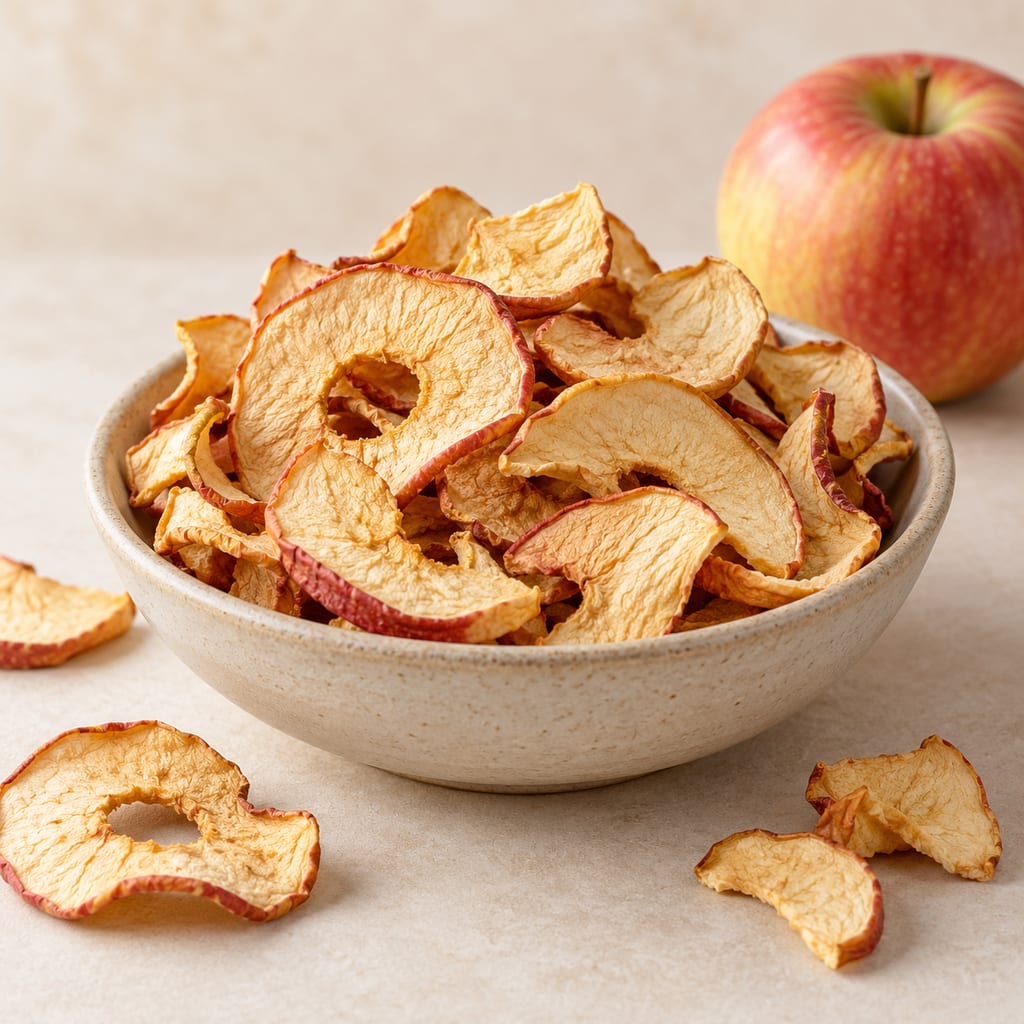
Křížaly are Czech dried apple or pear pieces. The name has regional meanings beyond apple slices, and drying practice varies by place and dryer.
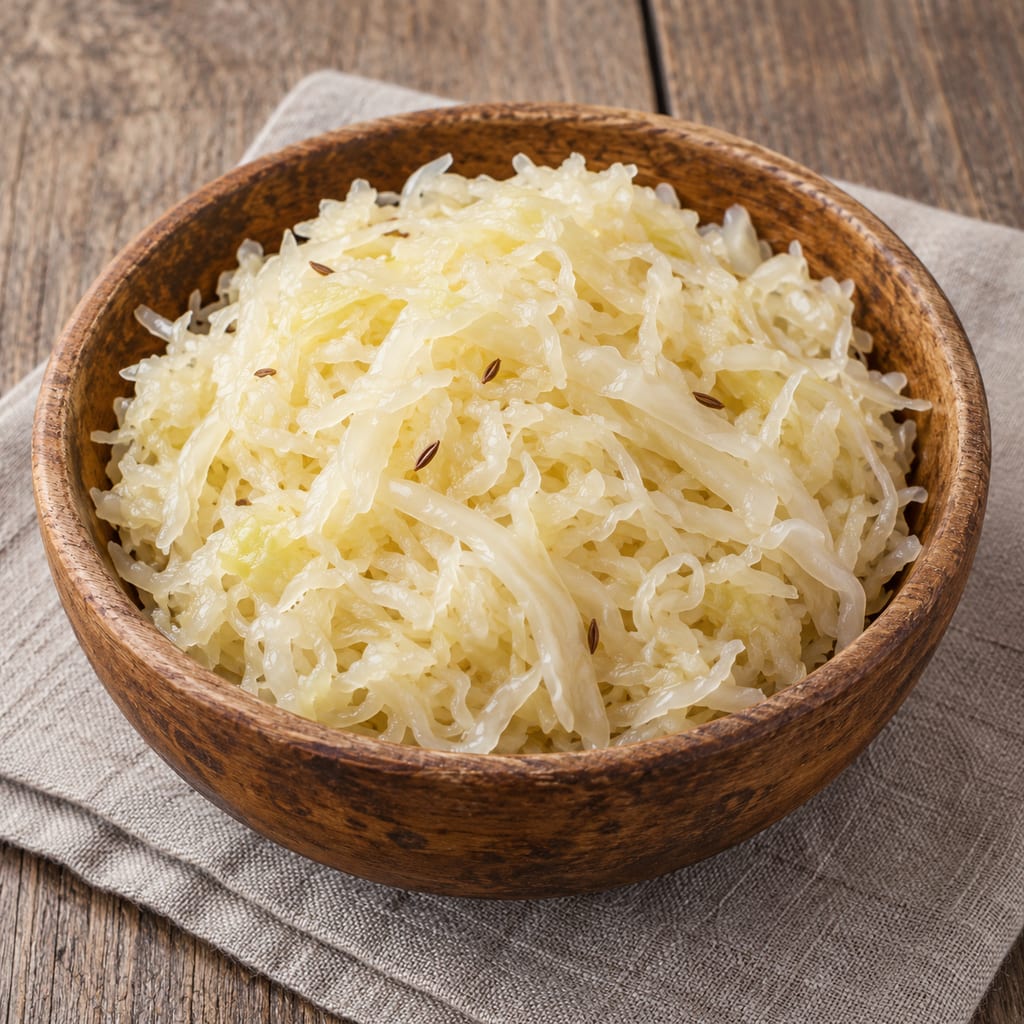
Kysané zeľí is Czech sour cabbage: shredded cabbage layered with salt and caraway and pressed in a wooden barrel. The regional account is descriptive and gives no validated salt ratio or endpoint.

Meat-trim koji garum is a savoury liquid seasoning made by holding meat scraps with rice koji, salt and water at steady warmth before straining the mash.
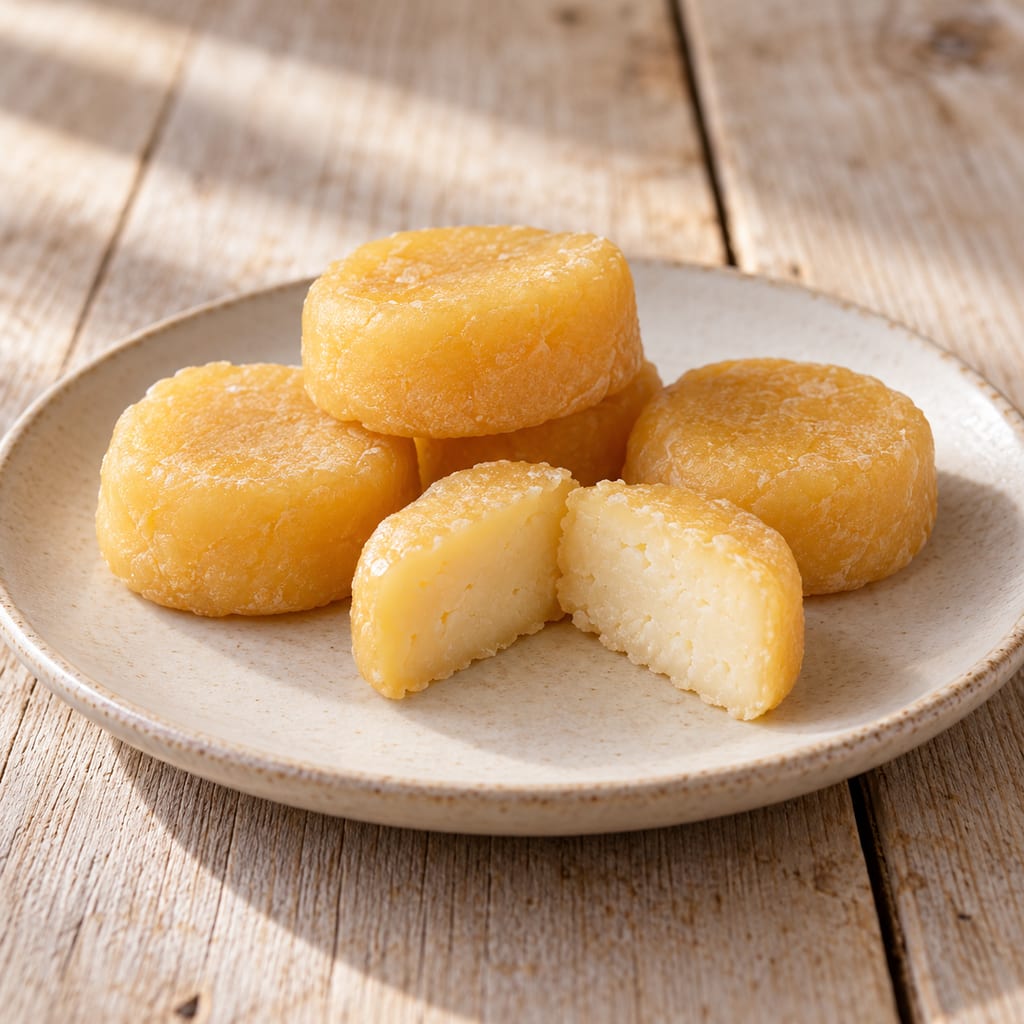
A ripened Czech table cheese made from skimmed acid-set curd, salted, cultured and ripened from the surface inward, with a golden smear and a paler centre.
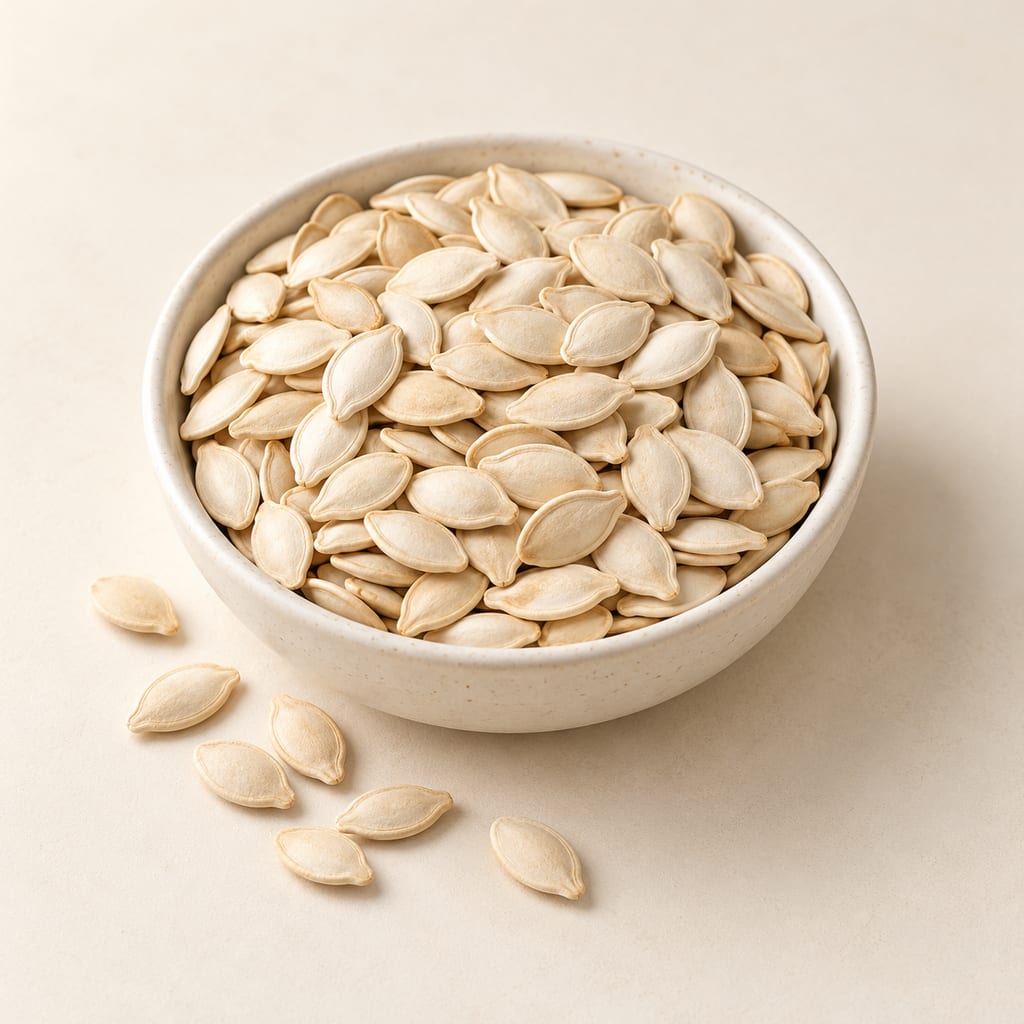
Washed pumpkin seeds dried gently for storage, with an optional roasting step before eating. Refrigerate or freeze the cooled seeds.
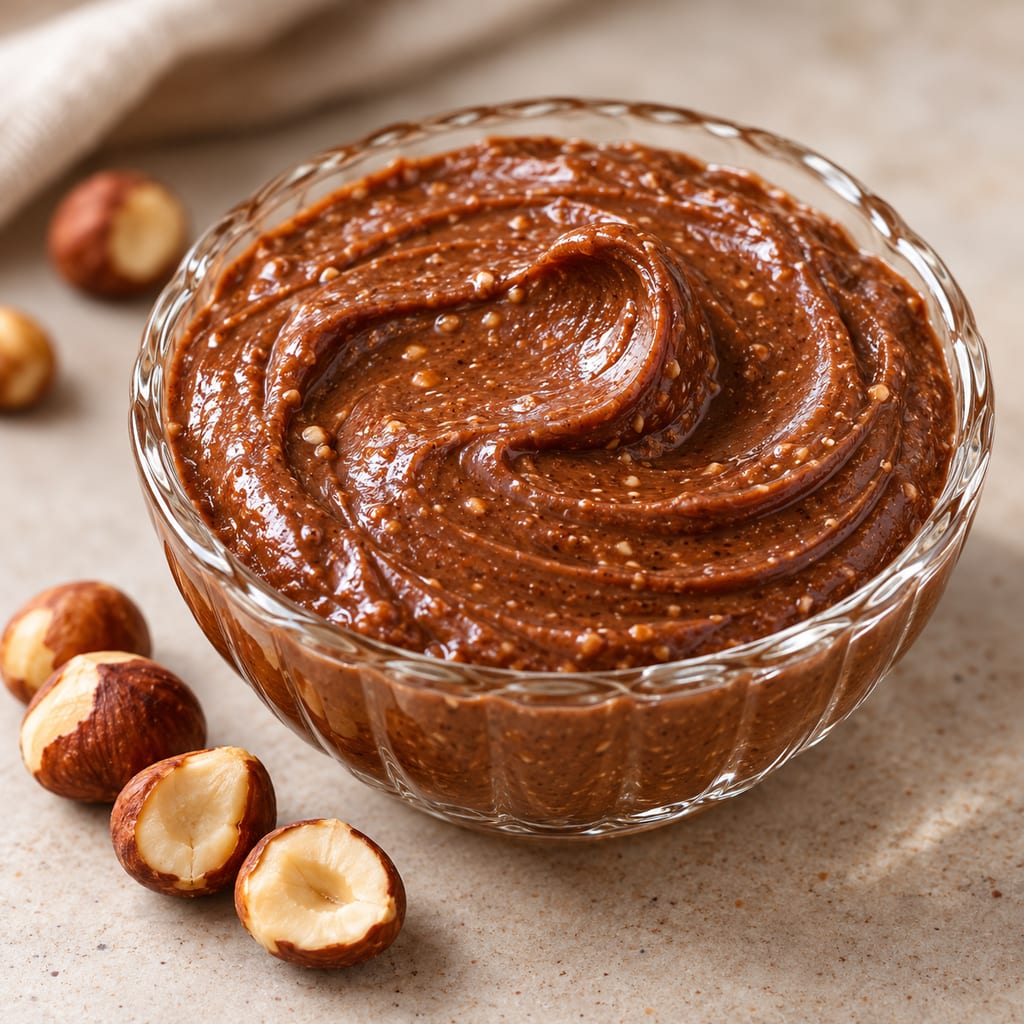
Roasted, skinned hazelnuts refined in a stone melanger into a fluid paste, then sweetened and finished with cocoa as a gianduja-style spread.

Peanut butter is a paste of ground roasted peanuts, usually with salt. Smooth and granular versions come from the same method, differing in how finely the nuts are ground.
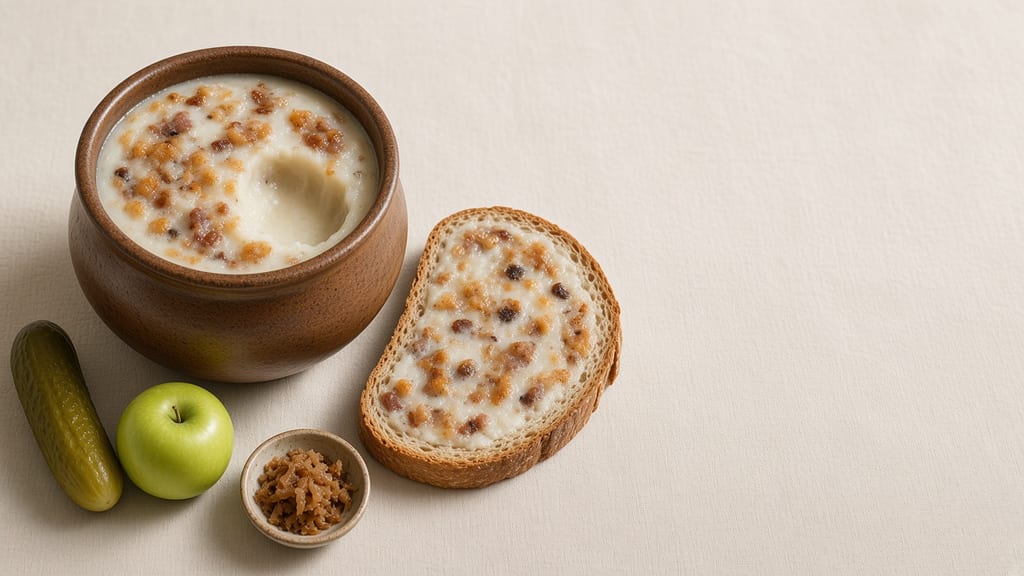
Finely cubed słonina rendered golden with apple and onion, seasoned with marjoram and poured into a crock with the skwarki left in. Includes szary smalec, the grey Kujawy lard made from ground cracklings.
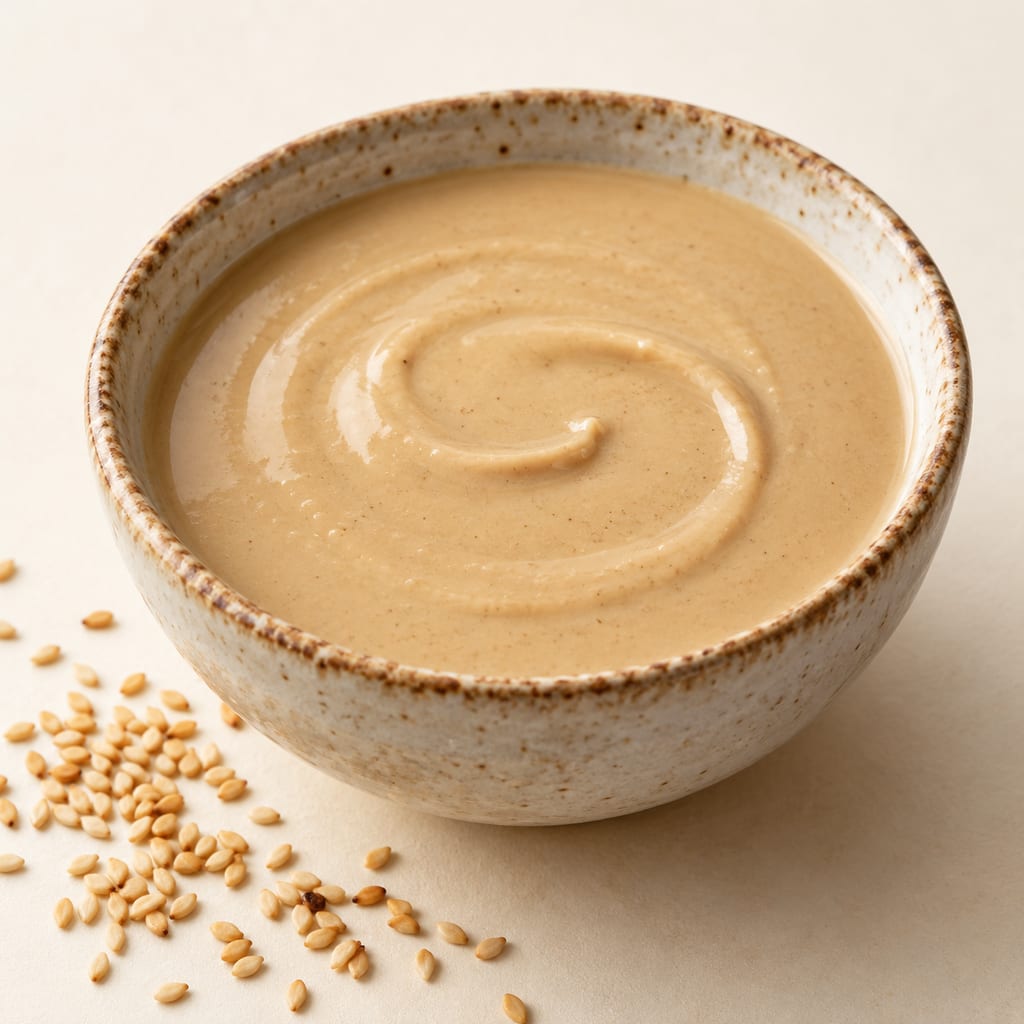
Toasted sesame seeds ground to a pourable paste, made by two manufacturer routes: a high-speed blender in minutes, or a stone chocolate refiner over three hours.

A gelling polysaccharide extracted from red seaweeds, sold as kanten strips or powder; it sets firm at a low concentration and stays solid until about 85 °C.

A Dominican table and seasoning condiment of sour orange juice, mixed with lime and salt and bottled raw; garlic, oregano or a hot pepper may be added for meat or a spicier bottle.

Cicerbita alpina is an alpine perennial whose tender shoots and leaves have been eaten raw or cooked. Sámi milk preparations and modern Carnian dishes are distinct uses, with serious identification and preservation limits.

Japanese skipjack tuna cooked, then repeatedly smoked and dried over a wood fire by the hand-fired tebiyama method into a hard block for shaving into dashi: the first stage of katsuobushi.

A Swedish-style spirit vinegar made by fermenting neutral alcohol with live vinegar bacteria, with a separate guide to commercial ättika strengths.

A yeast-raised wheat ring shaped from a firm dough, briefly boiled and baked. This source-batch formula gives a gently malted crust and a chewy crumb.

A warm dip of garlic, anchovy and olive oil, often enriched with butter, that Piedmont serves over a flame with raw and cooked vegetables and bread.

Bechamel is a white sauce of milk thickened with a butter and flour roux, one of the French mother sauces, and the base from which Mornay and other cheese and cream sauces are made.
No community contributions have been published for this entry yet.
Sign in to contribute. Published comments and photos are free to read.
Reciprocal Meat Conference Proceedings, American Meat Science Association, 1949Method · Safety
Processing and storage problems of lardFresh fat; FFA rises after 5–7 days at 32–35 °F
Remove skin and lean; cube 1 inch or grind; render intestinal fat separately
Do not exceed 240–250 °F; open fire with stirring and hardwood
No copper or rusty iron
Doneness: amber cracklings, white blisters, no moisture on cold lid
Strain through muslin; cool fast while stirring, do not whip
Rancidity irreversible; small full sealed containers, about 40 °F, not over 60 °F
Cited in: What the method controls
Etnologický ústav AV ČR / Mladá fronta, 2007History · Method
Národopisná encyklopedie Čech, Moravy a Slezska, vol. Z: entry "zabijačka"Comenius 1658
Winter pig-killing before Christmas and in masopust
Inner and outer fat; intestinal fat rendered apart; slanina or sádlo and škvarky
Uses of sádlo including zhřívanice
Stored in stoneware; freezers 1970s–80s
Cited in: The pan at the pig-killing
Etnologický ústav AV ČR / Mladá fronta, 2007Uses
Národopisná encyklopedie Čech, Moravy a Slezska, vol. B: entry "brambory" (pp. 63–64)Škvarky in baked potato dishes and potato placky
Cited in: Czech škvarky
Radio Prague International, 31 August 2022Method
Czech Food Classics: Pork crackling spreadCracklings usually unsalted to stay crisp
Cited in: Czech škvarky
Ministerstwo Rolnictwa i Rozwoju Wsi, gov.plMethod · History
Smalec ze skwarkami (Smôłt ze szpérkama), Lista Produktów TradycyjnychOccasions
Fine-cut fat over a small fire with foam
Onion, optional garlic; off the heat when golden; marjoram, pepper, salt
Stirred while cooling; some skwarki ground as cooking fat
Cited in: Polish skwarki and smalec
Ministerstwo Rolnictwa i Rozwoju Wsi, gov.plMethod · Uses
Szmalec kociewski ze skrzeczkami, Lista Produktów TradycyjnychTwice a year at świniobicie; onion, apple, marjoram
Used for frying and baking instead of other fats
Cited in: Polish skwarki and smalec; Using the lard and the cracklings
Radio Katowice, 19 July 2016Method
SmalecStefania Dyduch: 1 kg słonina, sour apple, salt, pepper, optional 5 prunes; fine cubes fried golden with a wooden spoon; 3 min more; stone pot
Cited in: Polish skwarki and smalec
Magyar Néprajzi Lexikon, Akadémiai Kiadó, 1977–1982 (MEK edition)Method · History
töpörtyűKöpesztés or abárolás mainly in the west
Regional names
Bőrös tepertő on the 20th-century Great Plain
Breakfast or supper; corn flatbreads baked with it
Cited in: Hungarian tepertő
Magyar Néprajzi Lexikon, Akadémiai Kiadó, 1977–1982 (MEK edition)History
disznóölésZsírsütés listed as women's work
Cited in: Hungarian tepertő
Official Journal of the European Union (copy hosted by GOV.UK)Identity
Publication of an application for a TSG: Tepertős pogácsa, OJ C 94, 10 March 2016Crackling 12–13 % protein, 82–84 % fat
At least 60 % of the fat from crackling
Cited in: Hungarian tepertő; Using the lard and the cracklings
Centrum pre tradičnú ľudovú kultúru, Encyklopédia tradičnej ľudovej kultúry SlovenskaMethod · Uses
OškvarkyMore than half fat, pressed further
Uses with bread, in jars, in pagáčiky, as dressing fat
Cited in: Slovak oškvarky; Using the lard and the cracklings
Österreichisches Lebensmittelbuch (Codex Alimentarius Austriacus)Identity
Österreichisches Lebensmittelbuch B 30, 1.5.1 Speisefette von LandtierenSeparation only by settling, pressing or centrifuging
Hausschmalz definition
Grammelschmalz water not over 2 %
Cited in: Austrian Grammeln
Österreichisches Lebensmittelbuch (Codex Alimentarius Austriacus)Identity
Österreichisches Lebensmittelbuch B 30, 1.5.3 Grammeln (Grieben)Grammeln definition; at least 20 % fat; pig fat only; no bone splinters or burnt pieces
Cited in: Austrian Grammeln
vamedia.info, Valjevo, 16 September 2026Method · History
Najavljen 20. festival duvan čvarakaFestival since 2006 on Miholjdan; butcher Slavan Batočanin
20th edition 3–4 October 2026
Duvan vs šoder čvarci; hours of rendering, wrung through cloth
Organisers' claim of over 100,000 visitors
Cited in: Serbian čvarci