
Kakisu (persimmon vinegar)
Japanese vinegar from ripe persimmons: yeast turns the fruit sugar to alcohol and acetic bacteria turn that to acid; made at home in a month and by makers in Wakayama and Nagasaki over several years.
 FermenteaWhere food goes to change
Modern method
Apple cider vinegar
Apple vinegar made at home from whole fruit or peelings and cores, sugared and fermented first to alcohol by yeast and then to acetic acid by bacteria in open air.
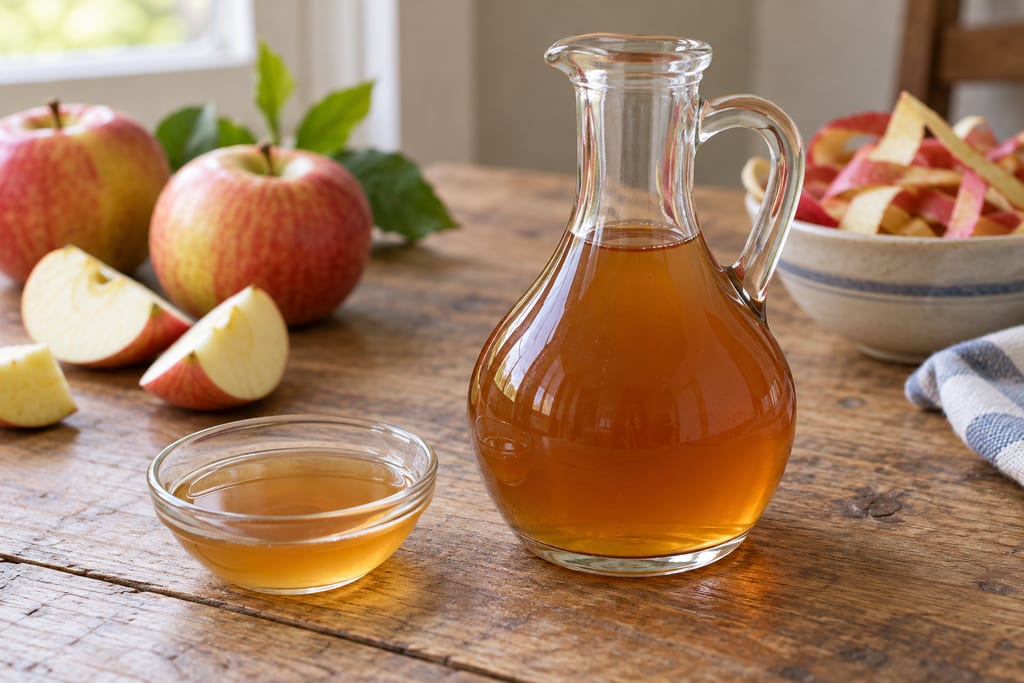
Apple cider vinegar is an acidic condiment produced through the microbial conversion of apple-derived sugars into alcohol and then into acetic acid.
Commercial apple cider vinegar is usually produced from fermented apple juice or cider.
The household preparation on this page uses a different starting mixture: fresh apples or apple scraps, cane sugar and water.
That distinction matters.
Fermenting apple pieces in sugar water is not chemically identical to fermenting pressed apple juice. The proportion of apple-derived sugars, acids and other soluble compounds may be very different.
Nevertheless, both methods can produce an apple-flavoured vinegar when alcoholic fermentation and subsequent acetic-acid fermentation are successful.
This recipe comes from a contemporary American home-fermentation method.
It is intended to produce a culinary condiment, not a standardized vinegar suitable for preserving food.
The finished acidity is not measured. It must not be used in home canning or preservation recipes that require a known vinegar strength.
The term mother of vinegar describes a microbial-associated biofilm or pellicle that can form during vinegar production.
It is not one particular microbial species.
English — Apple cider vinegar
English — Apple vinegar
English — Apple-scrap vinegar
Czech — Jablečný ocet
German — Apfelessig
French — Vinaigre de cidre
Italian — Aceto di mele
Spanish — Vinagre de manzana
Apple — Malus domestica
Common fermentation yeast — Saccharomyces cerevisiae
Important acetic-acid bacteria — Acetobacter and related genera
Vinegar production has a long history associated with fermented alcoholic liquids.
Fruit wines, cereal beers and other alcoholic beverages can undergo acetic-acid fermentation when suitable bacteria and oxygen are present.
Apple vinegar developed in regions where apples and cider were important agricultural products.
However, the American Homebrewers Association's modern apple-scrap recipe is not evidence for a particular ancient preparation.
Its precise quantities, cheesecloth cover, household jars and two-stage schedule belong to a contemporary formulation.
That distinction should be retained in a historical reference database.
Apple cider itself has a long history in European and American food traditions.
Vinegar production from cider is a logical extension of alcoholic fermentation, but it should not be assumed that every historical apple-vinegar producer followed the same method.
Vinegar production depends upon two linked transformations.
The first converts sugar into ethanol.
The second converts ethanol into acetic acid.
The two processes involve different microorganisms and different oxygen requirements.
Yeasts metabolize fermentable sugars, producing ethanol and carbon dioxide.
In the apple-scrap recipe, fermentable sugars come from both the fruit and the added cane sugar.
Yeast activity can begin naturally if suitable organisms are present.
No measured commercial yeast addition is specified in the recipe.
Acetic-acid bacteria oxidize ethanol into acetic acid when oxygen is available.
This stage requires access to air.
A completely sealed, oxygen-deprived vessel is therefore unsuitable for ordinary surface-culture vinegar production.
The recipe uses a breathable cloth cover rather than an airtight lid.
The cloth allows gas exchange while helping keep out insects and debris.
Apples contain water, sugars, organic acids, pectin, polyphenols and numerous aroma compounds.
The proportions vary with cultivar and ripeness.
Common apple sugars include fructose, glucose and sucrose.
Malic acid is a major contributor to apple acidity.
These substances influence the flavour of the starting mixture and the finished vinegar.
The recipe permits different apple varieties.
A mixture of sweet and tart apples can produce a different result from using only one cultivar.
However, the source does not establish a measured sugar or acid requirement for the fruit.
The choice of apple is therefore a flavour variable rather than a validated process-control specification.
Apple peels and cores retain flavour compounds and some sugars.
They can therefore contribute to an infused fermentation mixture.
Using scraps also reduces food waste.
However, scraps have a variable composition.
A jar filled mostly with peels may differ substantially from one filled with apple flesh.
The resulting sugar concentration and extractable material are not standardized.
This is another reason the method cannot be assumed to produce vinegar of a particular acidity.
Only sound, clean fruit material should be used.
Mouldy, rotten or visibly deteriorated apples are unsuitable.
American Homebrewers Association one-litre nominal formulation · Actual strained yield not specified
The published rule is 1 tablespoon cane sugar per cup of water.
The recipe describes filling jars approximately three-quarters with fruit.
There is an important capacity issue: the listed fruit quantity plus 1 L water cannot all fit into a single 1 L jar.
The formulation should therefore be distributed among appropriately sized jars or prepared in a vessel with sufficient capacity.
The source does not establish the exact number or size of jars required for the stated combined ingredients.
The one-litre designation is a nominal recipe size, not a guaranteed final vinegar yield.
Fresh apples or apple scraps — 1–1.5 lb, approximately 454–680 g
Cane sugar — 4 tablespoons
Filtered water — 1 L
Provide flavour, some natural sugars and apple-derived acids.
Supplies additional fermentable sugar.
The amount influences potential ethanol production during the first stage.
Extracts soluble material from the apples and provides the liquid phase of the fermentation.
Yeasts and bacteria may establish themselves in the mixture.
The method does not specify a defined starter culture, so their exact composition is uncontrolled.
Use clean glass fermentation jars of sufficient capacity, a strainer, funnel, stirring implement, breathable cheesecloth, elastic bands or suitable jar rings, and a food-safe fermentation weight.
A weight helps prevent apple pieces from floating above the liquid.
No pressure-rated fermentation bottle is required for the open stages because the method specifically uses breathable covers.
A finished-product bottle is different from an active fermentation vessel.
Packaging should not occur while significant uncontrolled gas production remains.
Clean and sanitize the jars and utensils.
Wash fresh apples or scraps under cool running water.
Remove stems from whole apples and cut the fruit into smaller pieces.
Reject any mouldy, rotten or visibly deteriorated material.
Follow the sanitizer manufacturer's directions for dilution and rinsing.
Place apples or scraps into the clean jars, filling them approximately three-quarters full.
Use enough total vessel capacity for the fruit and water.
Dissolve 4 tablespoons cane sugar in approximately 1 cup of the filtered water.
Stir until the sugar is distributed.
Pour the sugar solution over the apples.
Add the remaining filtered water until the fruit is submerged.
Leave headspace at the top of each jar; the figure did not survive the supplied file.
The exact number of jars is not specified.
Use a clean, sanitized fermentation weight if necessary.
Apple material exposed above the liquid is more susceptible to mould growth.
The weight should be compatible with the vessel and should not introduce reactive or unsuitable materials.
Secure cheesecloth over the jar opening.
Do not install an airtight lid for the active fermentation.
The mixture needs gas exchange.
Place the jars in a dark location at room temperature for two to three weeks.
The source does not give a numerical temperature range.
Check every few days that fruit remains submerged and no mould has appeared.
Bubbles and foam may develop.
At approximately the end of the third week, strain the liquid through a sanitized strainer into a clean container.
Remove and discard or compost the fruit solids.
Return the strained liquid to the clean jars.
Cover again with breathable cloth.
Leave in a dark, room-temperature location for another three to four weeks.
The method describes swirling or stirring every few days.
The liquid should develop a recognizably vinegar-like aroma and taste.
The recipe gives no required pH or titratable-acidity value.
Taste can help assess whether the vinegar is pleasant as a condiment, but it cannot establish the acid concentration needed for food preservation.
Once the desired sensory character is reached, transfer to an appropriate clean container.
The published method suggests a swing-top bottle or similar package.
Because the process has no measured fermentation-completion endpoint, packaging live liquid in tightly sealed containers needs caution.
The method is not a validated shelf-stable bottling protocol.
The first stage retains apple pieces.
During this period, water extracts material from the fruit while microorganisms begin fermenting available sugars.
The second stage removes the solids.
This reduces the amount of floating fruit material and provides a liquid medium in which acetic-acid bacteria may continue working.
Oxygen is especially important during vinegar development.
The long second stage allows the vinegar character to become more pronounced.
However, the transitions are not biologically absolute.
Alcoholic fermentation and acetic-acid activity may overlap.
Different microorganisms can be active at the same time.
The two-stage division is a practical household method rather than proof of a perfectly separated fermentation sequence.
A mother of vinegar may appear as a soft, gelatinous or membranous structure.
Certain acetic-acid bacteria produce cellulose as they grow.
That bacterial cellulose can form a visible pellicle.
The mother may be translucent, white, beige or otherwise affected by the liquid.
It can become thicker over time.
However, not every surface film is necessarily a healthy vinegar mother.
Other microorganisms can also form films.
Appearance alone cannot establish which organisms are present.
The formation of a mother does not prove that the vinegar has reached a specified acidity.
Acetic-acid bacteria require oxygen to oxidize ethanol efficiently.
That makes vinegar fermentation different from an ordinary anaerobic alcoholic fermentation.
The surface area exposed to air can influence oxygen availability.
A narrow vessel and a wide vessel may therefore behave differently.
The cloth cover permits oxygen exchange without tightly sealing the container.
Stirring or swirling can also change oxygen distribution.
The recipe does not quantify dissolved oxygen, airflow or surface-area requirements.
It should not be converted into a precisely controlled industrial acetification process without additional validation.
Acetic acid is responsible for much of vinegar's characteristic sharpness.
Its concentration influences flavour and preservation behaviour.
Acetic-acid bacteria oxidize ethanol through enzyme-mediated reactions.
The simplified overall transformation is:
\[ \mathrm{C_2H_5OH + O_2 \rightarrow CH_3COOH + H_2O} \]
This describes ethanol becoming acetic acid and water through oxidation.
Real fermentation involves living cells, intermediate reactions and multiple metabolites.
The final vinegar may contain residual ethanol, organic acids from apples and other fermentation compounds.
Two measurements are particularly important.
pH describes hydrogen-ion activity and indicates how acidic the liquid environment is.
Titratable acidity measures the quantity of acid neutralized under defined analytical conditions.
They are related but not interchangeable.
Two vinegars with similar pH may have different titratable acidities.
Commercial vinegar used in home preservation is commonly standardized to 5% acidity.
A home-made vinegar cannot be assumed to meet that standard merely because it tastes sour or has a low pH.
Even a measured pH does not automatically establish the required acetic-acid concentration.
Home canning and pickling rely on tested recipes and known acid concentrations.
The National Center for Home Food Preservation recommends commercially prepared vinegar labelled 5% acidity for relevant tested recipes.
Homemade vinegar varies too much in composition and acidity to substitute safely.
The sugar-based apple-scrap method does not measure acetic acid.
It also does not provide a validated process for producing uniform acidity throughout a finished preserved food.
It must therefore be restricted to ordinary culinary use rather than used as the preserving acid in shelf-stable pickles or canned vegetables.
Starts with apple juice or cider rather than whole fruit scraps in sugar water.
Uses apple peels, cores or chopped fruit with water and sugar, as in this recipe.
Introduces an existing suitable vinegar culture to encourage acetic-acid fermentation.
May use controlled alcoholic fermentation, controlled acetification, filtration, pasteurization or other stabilization methods.
These approaches belong to the same broad vinegar family, but their process parameters are not interchangeable.
Apple vinegar is a culinary acid.
It can be used in salad dressings, sauces, marinades and other preparations where flavour is the main purpose.
Its acidity can balance sweetness and richness.
The apple character may be more pronounced in some homemade versions than in others.
Because the exact acidity is unknown, the amount added to food should be adjusted for taste rather than substituted into a tested preservation recipe.
The liquid may produce bubbles during the early stages.
A vinegar-like aroma should gradually develop.
A cellulose mother may form.
The colour depends on the apples and extraction.
Some sediment may be present.
The absence of a mother does not necessarily mean the process failed.
Likewise, the presence of a mother does not prove that the product is safe or sufficiently acidic for preservation.
Apple pieces rise above the liquid: Use a suitable clean weight and check that the fruit remains submerged.
Visible fuzzy mould: Discard the batch.
Unexpected coloured growth: Treat it as possible contamination rather than assuming it is a vinegar mother.
The liquid remains sweet: Alcoholic fermentation or subsequent acetification may be incomplete.
The liquid smells alcoholic but not vinegary: Acetic-acid fermentation may not have progressed sufficiently.
The vinegar becomes very sharp: Acidification may have continued beyond the desired flavour.
The liquid has a putrid or rotten smell: Discard it.
A surface film appears: It may be a vinegar mother or another microbial film; appearance alone is not sufficient for identification.
Use sound apples and clean equipment.
Keep fruit pieces submerged.
Use breathable covers during active fermentation.
Do not use an airtight lid while carbon dioxide production may continue.
Discard mouldy or otherwise visibly contaminated batches.
The recipe has no validated shelf life or measured final acid concentration.
Store the finished condiment appropriately and do not treat it as commercially standardized vinegar.
Never use this homemade vinegar for home canning or shelf-stable pickling.
A contemporary home-fermentation recipe published by the American Homebrewers Association. It is not evidence for the origin or historical practice of apple vinegar.
Yield 1 L nominal water-and-jar recipe; finished liquid yield not stated · Scaling: source batch only
The recipe source says uncovered apples are susceptible to mold and instructs keeping fruit below the liquid; it directs discarding a batch with other-colored foam.
Hazard sourceUniversity of Georgia Extension cautions that homemade vinegar has unknown, variable acidity and must not be used for home-canned pickled foods.
Hazard sourceKeep apple pieces submerged, use a breathable cheesecloth cover rather than a sealed lid during fermentation, and discard a batch with mold or unexpected colored growth.
Control sourceDo not use homemade vinegar for home-canned pickles or other preserved foods; its acidity is not standardized.
Control sourceThis recipe does not measure acetic acid concentration. Flavor preference or a visible vinegar mother does not establish a preservation-safe acidity.
Never use this homemade vinegar for canning or pickling; use a tested recipe and commercially bottled vinegar with the specified acidity.
The jar must vent through cheesecloth during fermentation; sealing it can trap gas and build pressure.
This records the recipe's contemporary US publication context, not the origin of vinegar-making.
Japanese vinegar from ripe persimmons: yeast turns the fruit sugar to alcohol and acetic bacteria turn that to acid; made at home in a month and by makers in Wakayama and Nagasaki over several years.
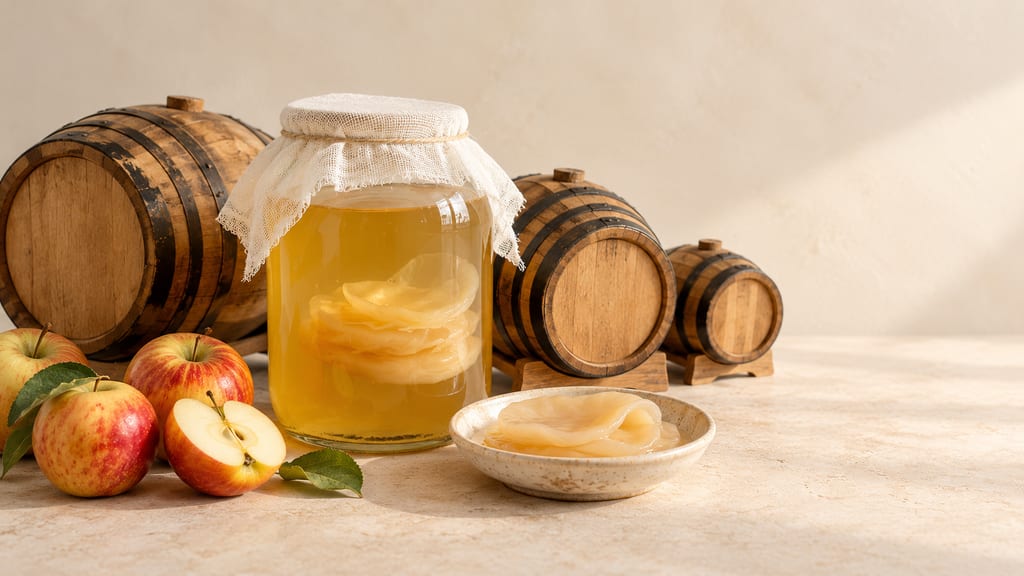
Vinegar forms when bacteria and oxygen turn alcohol into acetic acid. This reference follows wine, fruit, grain and sap through that change, the ways of supplying oxygen, the measurements and the choices that finish a bottle.
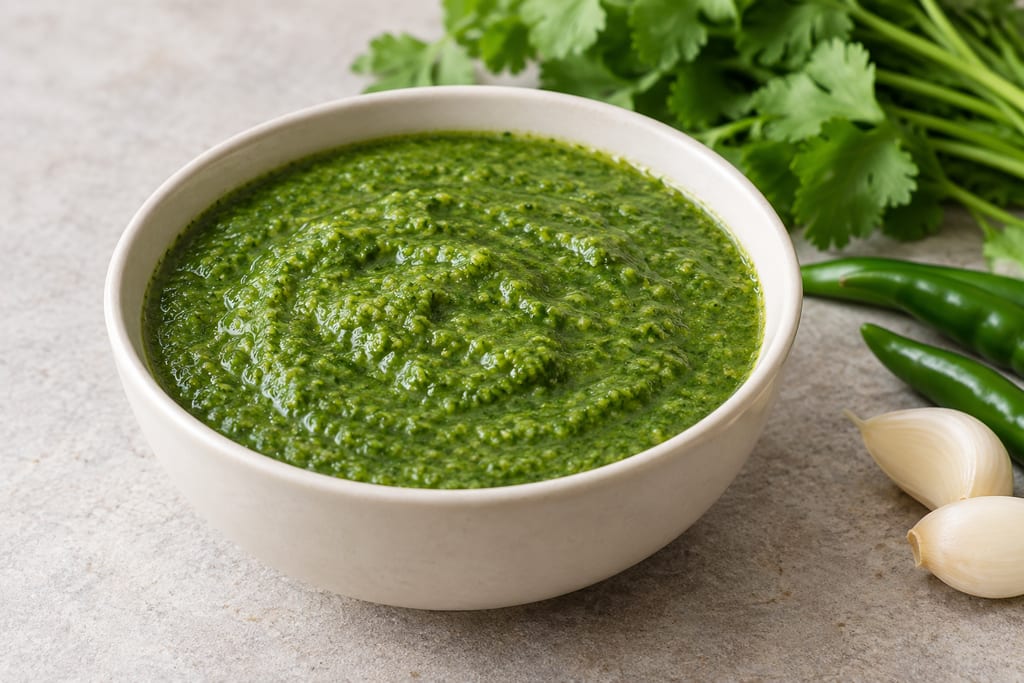
Afghan coriander chatni is a sharp, hot herb sauce with garlic and vinegar. A 2008 Afghanistan manual records green or red pepper and optional walnut; heat and household versions vary.
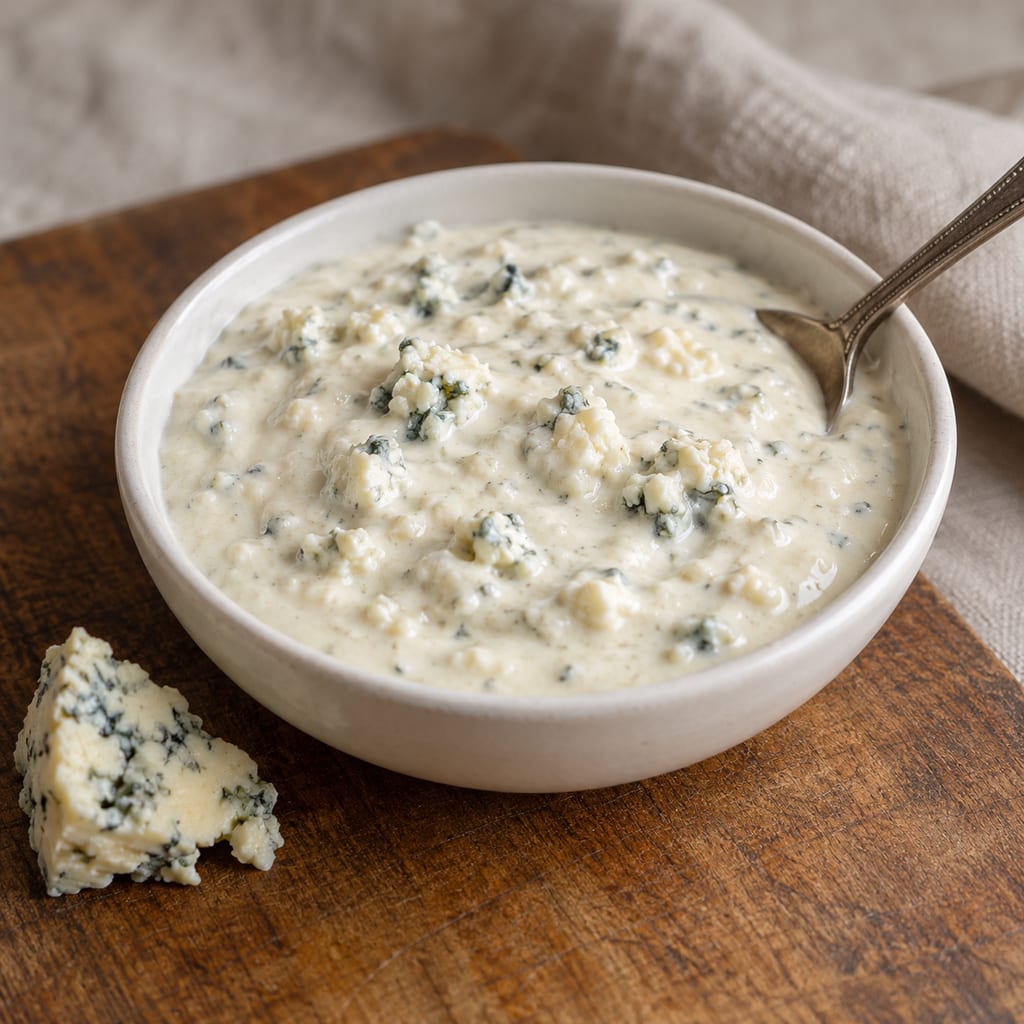
Blue cheese dressing is a creamy dressing built on crumbled blue cheese mashed into buttermilk, with sour cream, mayonnaise, vinegar and seasoning, and kept cold for up to two weeks.
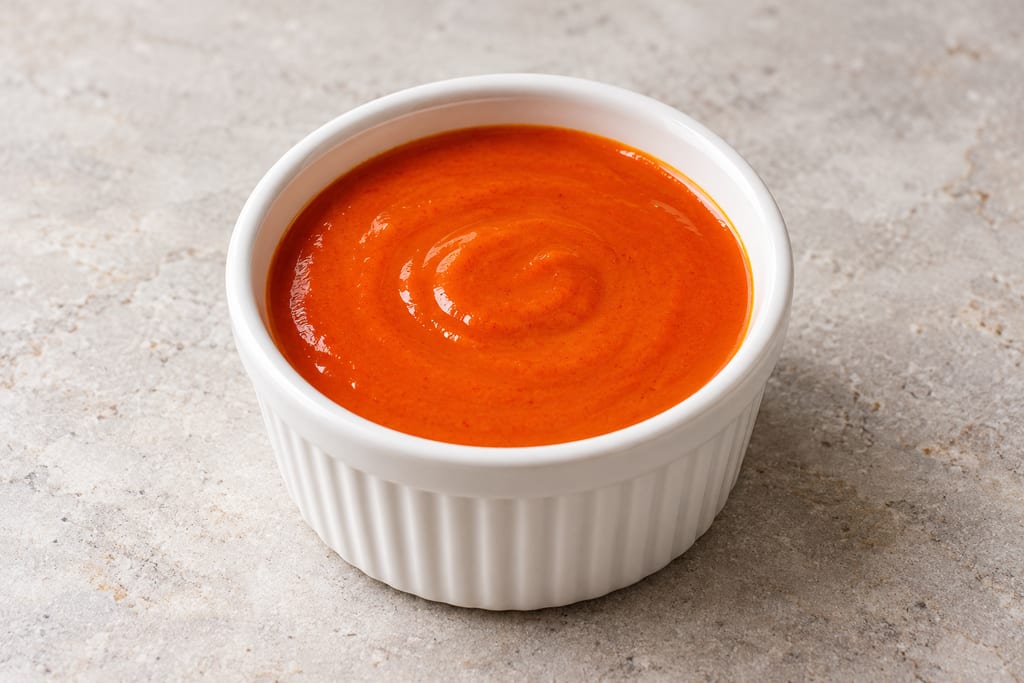
A warm, buttery cayenne sauce made by melting butter into a hot pepper sauce, first tossed onto fried chicken wings in Buffalo, New York.
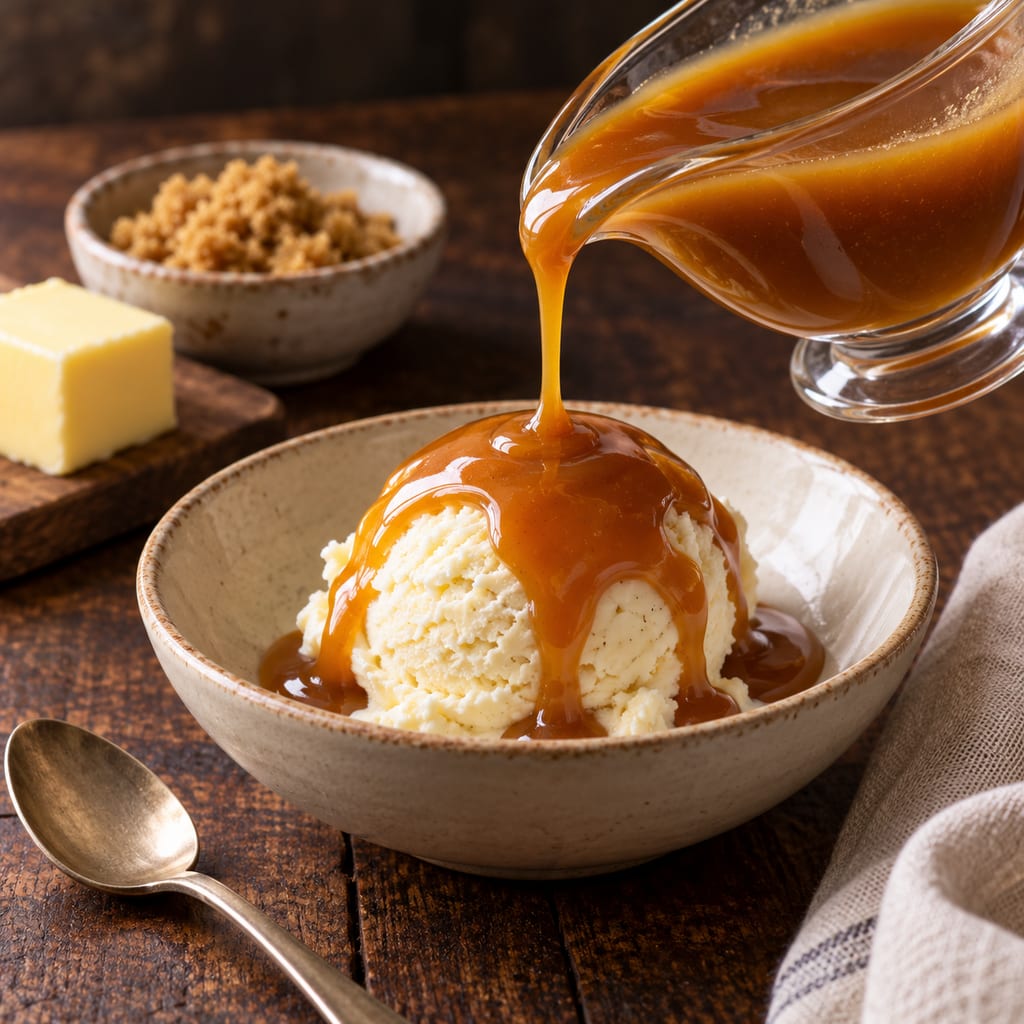
A pourable dessert sauce of brown sugar, butter and cream, with a little corn syrup and salt. It is the sauce form of the butterscotch confection and is made without water, unlike caramel.
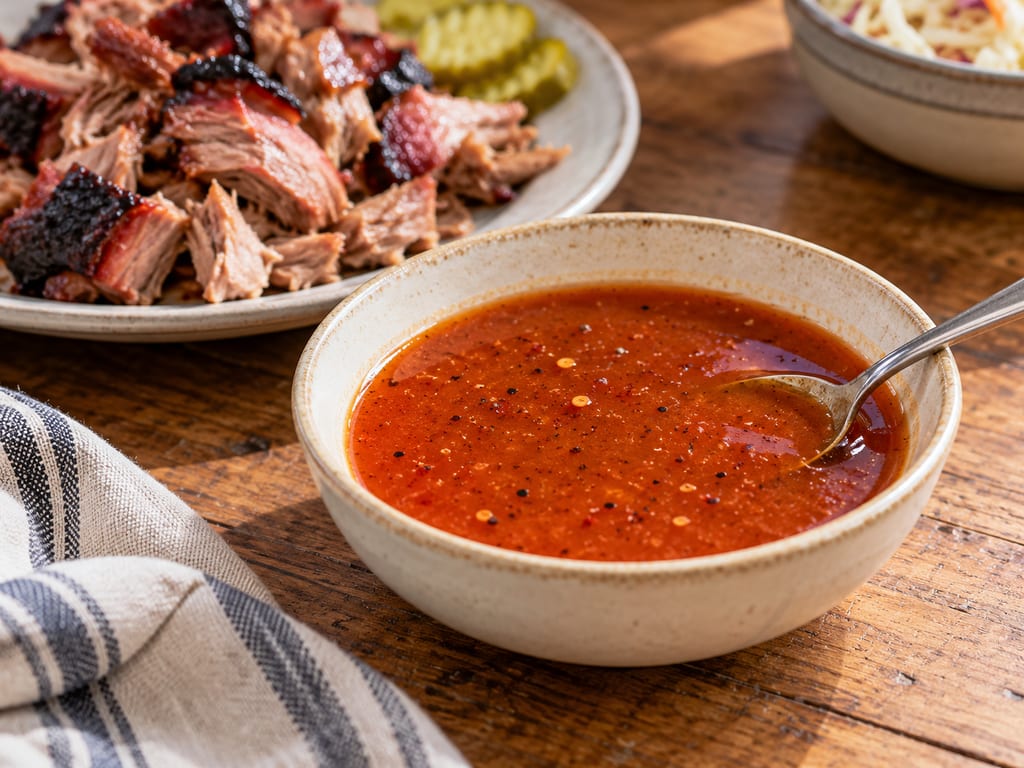
Light tomato barbecue sauce is a thin, sharp South Carolina sauce: a vinegar and pepper base with a small amount of ketchup, sitting between the clear vinegar sauce and the sweeter tomato sauces.
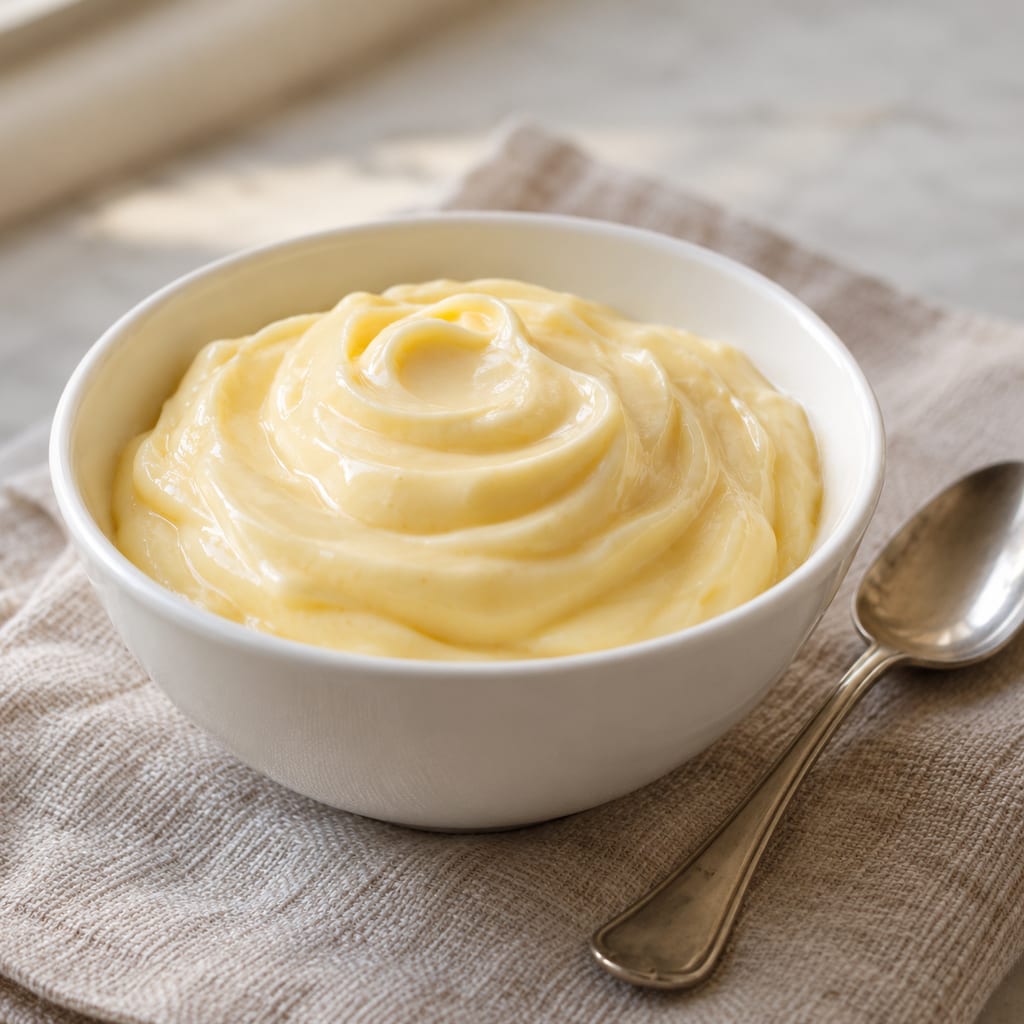
A cooked-yolk mayonnaise documented in the University of Tennessee Extension’s 2007 Egg University Handbook. The egg mixture is heated before oil is emulsified into it.
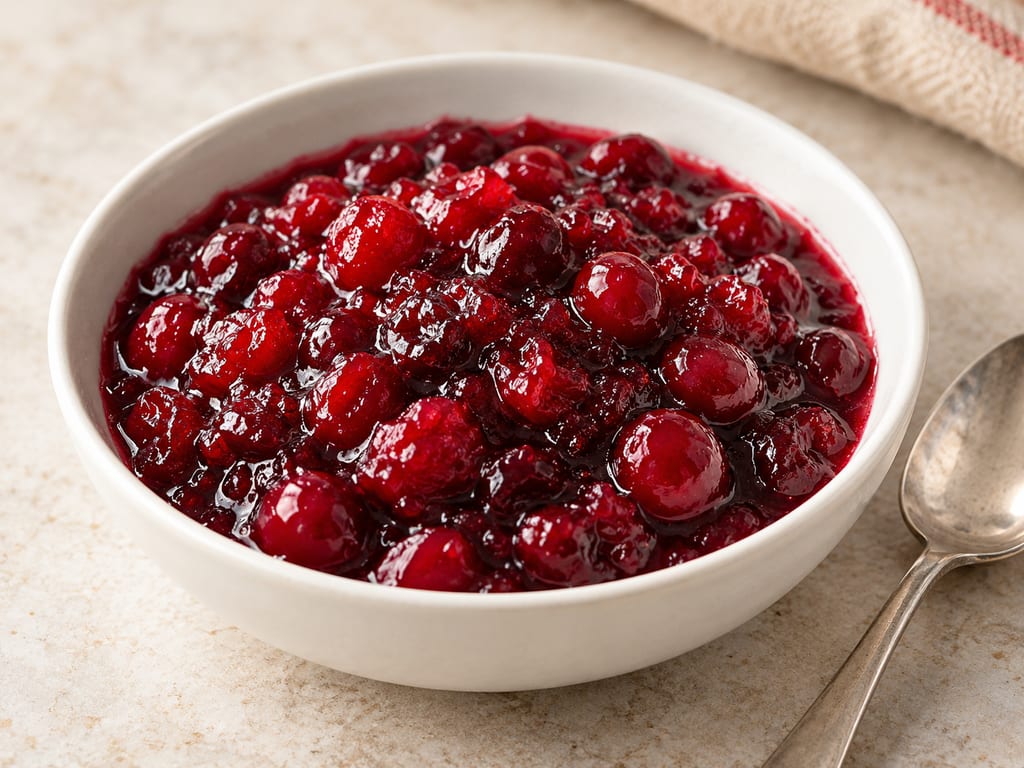
Cranberry sauce is a sauce of cranberries cooked in sugar syrup until the berries burst and thicken, served with roast turkey, pork, chicken and ham.
A liquid set with a little gelatin, frozen solid, then thawed through cloth in the refrigerator so that clear liquid drips out and the cloudy gel stays behind.

Protected Italian vinegar made only from cooked grape must, fermented and aged in a battery of wooden barrels for at least 12 years: sweet, sharp and syrupy.

A Dominican table and seasoning condiment of sour orange juice, mixed with lime and salt and bottled raw; garlic, oregano or a hot pepper may be added for meat or a spicier bottle.

Japanese reddish-brown vinegar from sake lees matured about three years, turned to vinegar by acetic bacteria; the vinegar of Handa and Edomae sushi rice.

A Swedish-style spirit vinegar made by fermenting neutral alcohol with live vinegar bacteria, with a separate guide to commercial ättika strengths.
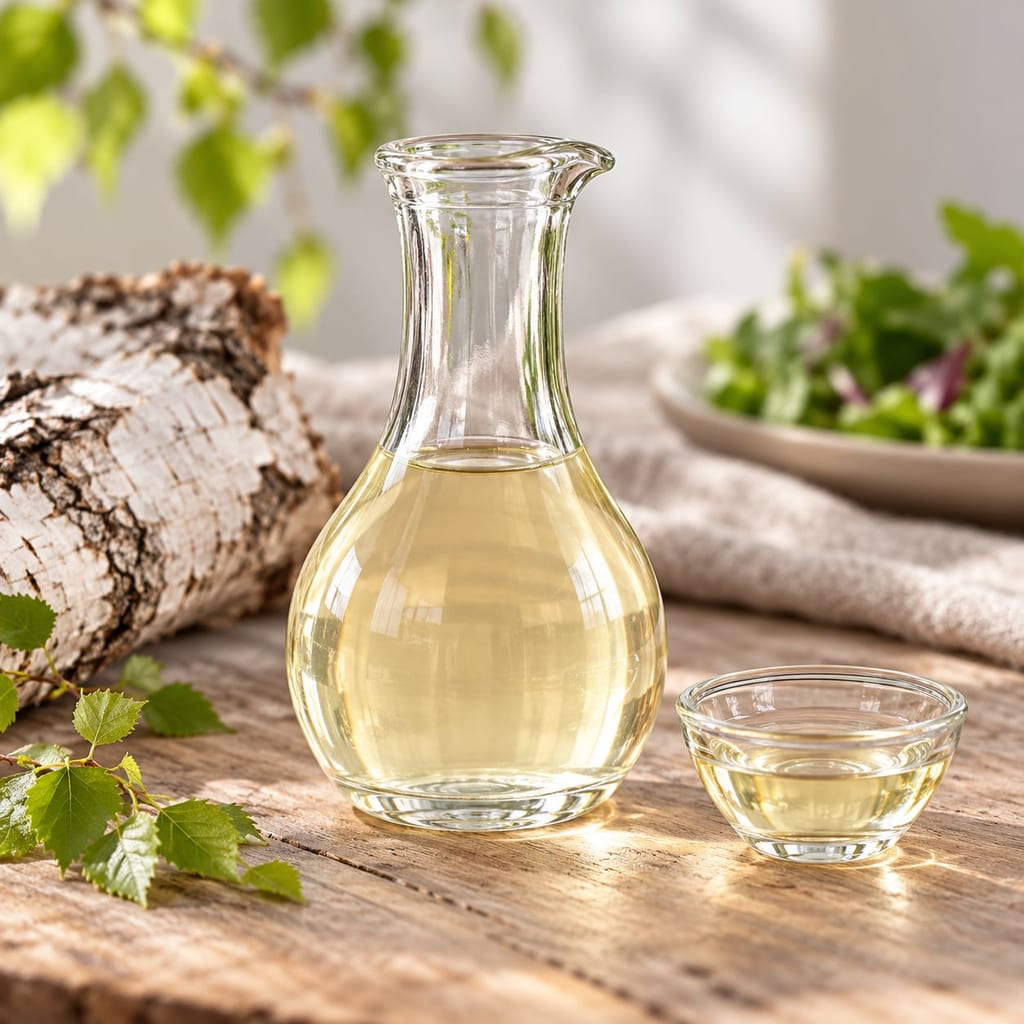
Vinegar from spring birch sap fermented to alcohol and then acetic acid, usually with added sugar or honey because the sap is so dilute; made in Sweden and described in older eastern European accounts.
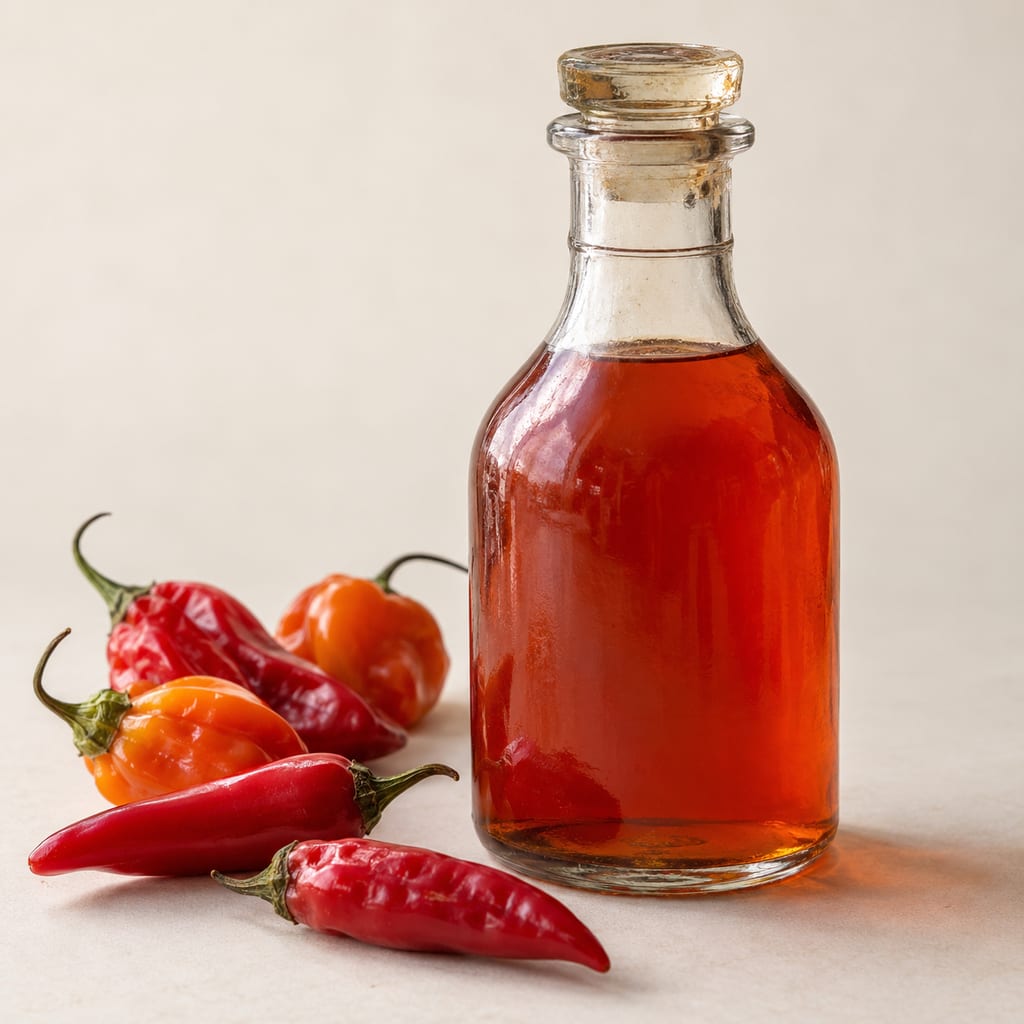
Mary Randolph's pepper vinegar: ripe pepper pods simmered in vinegar until the liquid is reduced to one quart, then strained for use in gravies and catsups. From The Virginia Housewife.
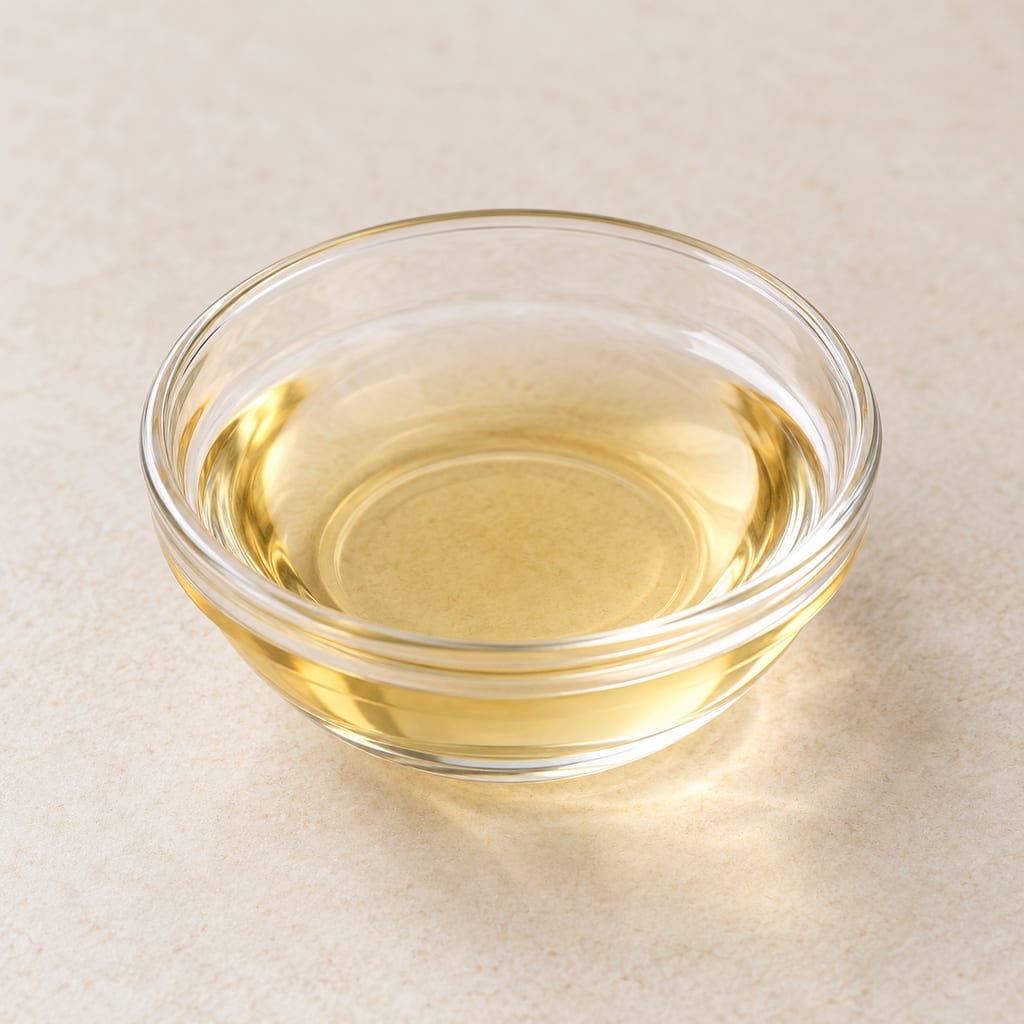
A Japanese mixed seasoning of vinegar, sugar and salt for sushi rice. Ratios vary with the rice batch and style; this version follows Marukan Vinegar's formula for two go of rice.
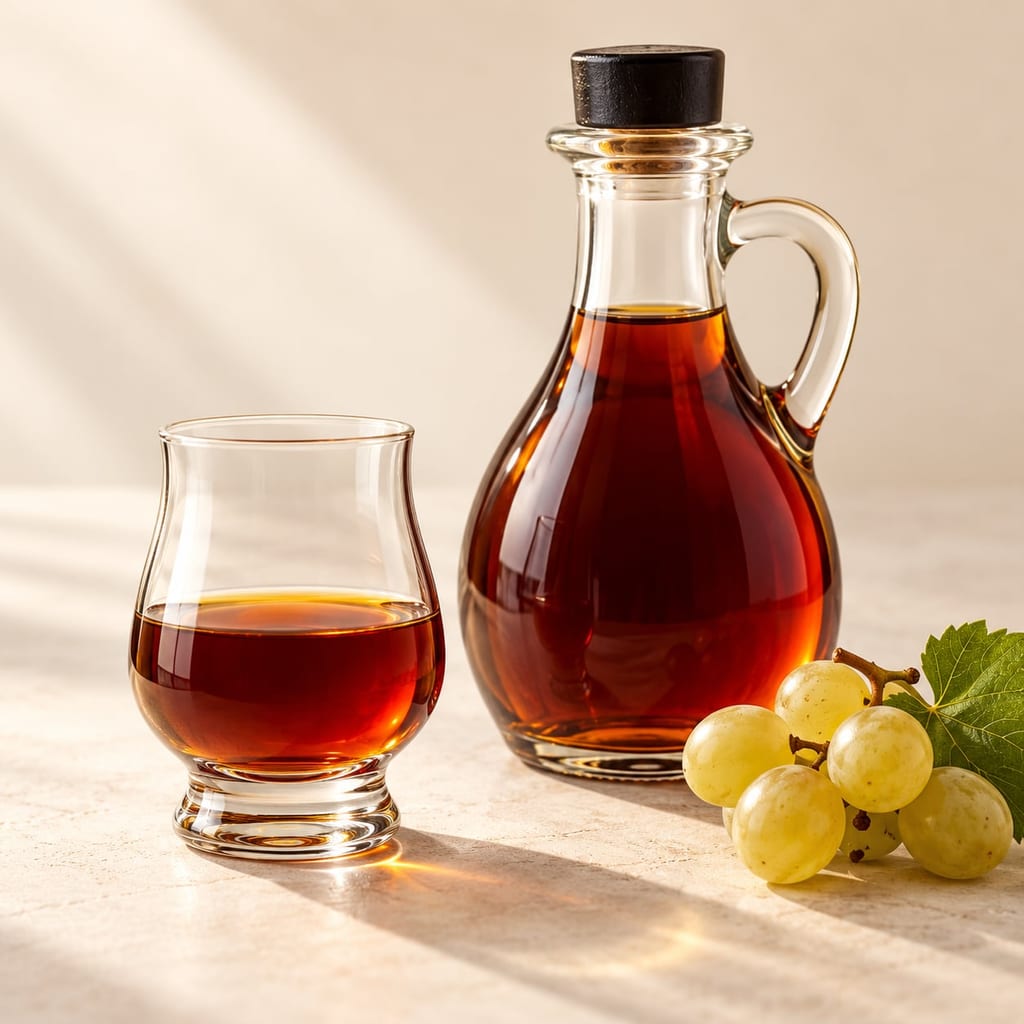
Vinagre de Jerez is made by acetifying eligible Jerez wines and ageing the vinegar in wood. Its protected name belongs to a defined Andalusian zone and a cellar tradition joining wine, oxygen, acetic bacteria and long ageing.
No community contributions have been published for this entry yet.
Sign in to contribute. Published comments and photos are free to read.
American Homebrewers AssociationInspiration · Process · Location · Safety
How to Make Apple Cider Vinegar at HomeOne-liter formula: 1–1.5 lb apples or scraps, 4 tbsp cane sugar and 1 L filtered water
Open cheesecloth fermentation in two stages, 2–3 weeks then strain and another 3–4 weeks
Need for oxygen, keeping fruit submerged, and gas-pressure risk from a sealed container; method does not measure acidity.
Cited in: Apple vinegar made from fruit and sugar; Names and identity; History of apple vinegar; Two different fermentations; Alcoholic fermentation; Acetic-acid fermentation; Apple chemistry; Why apple scraps can be used; Ingredients; Apples; Cane sugar; Water; Naturally occurring microorganisms; Equipment; Stage 1 — Prepare and clean; Stage 2 — Fill the containers; Stage 3 — Dissolve sugar; Stage 4 — Add water; Stage 5 — Keep the apples submerged; Stage 6 — Cover with cloth; Stage 7 — First fermentation; Stage 8 — Strain; Stage 9 — Continue fermentation; Stage 10 — Assess acidity; Stage 11 — Package as a condiment; Why the recipe has two stages; Understanding the mother of vinegar; The role of oxygen; The chemistry of acetic acid; Acidity is not the same as pH; Why the vinegar cannot be used for canning; Pressed-cider vinegar; Apple-scrap vinegar; Mother-inoculated vinegar; Commercial cider vinegar; How apple vinegar is used; Signs of successful fermentation; Troubleshooting; Safety and storage
University of Georgia Cooperative Extension / National Center for Home Food PreservationSafety
Making Apple CiderHomemade vinegar acidity is not carefully controlled and should not be used for home-canned pickled foods.
Cited in: Alcoholic fermentation; Safety and storage
National Center for Home Food PreservationSafety
National Center for Home Food Preservation — General Information on FermentingGeneral Information on Fermenting
Cited in: Alcoholic fermentation; Safety and storage
National Center for Home Food PreservationSafety
National Center for Home Food Preservation — General Information on PicklingGeneral Information on Pickling
Penn State ExtensionSafety
Penn State Extension — Ingredients Used in Home Food PreservationIngredients Used in Home Food Preservation
Penn State ExtensionSafety · Method
Penn State Extension — Acidifying Canned Products for SafetyAcidifying Canned Products for Safety
Cited in: Apple vinegar made from fruit and sugar; Names and identity; History of apple vinegar; Two different fermentations; Acetic-acid fermentation; Apple chemistry; Why apple scraps can be used; Ingredients; Apples; Cane sugar; Water; Naturally occurring microorganisms; Equipment; Stage 1 — Prepare and clean; Stage 2 — Fill the containers; Stage 3 — Dissolve sugar; Stage 4 — Add water; Stage 5 — Keep the apples submerged; Stage 6 — Cover with cloth; Stage 7 — First fermentation; Stage 8 — Strain; Stage 9 — Continue fermentation; Stage 10 — Assess acidity; Stage 11 — Package as a condiment; Why the recipe has two stages; Understanding the mother of vinegar; The role of oxygen; The chemistry of acetic acid; Acidity is not the same as pH; Why the vinegar cannot be used for canning; Pressed-cider vinegar; Apple-scrap vinegar; Mother-inoculated vinegar; Commercial cider vinegar; How apple vinegar is used; Signs of successful fermentation; Troubleshooting
UK GovernmentSafety
UK Government — Consumer Advice for Food Preservation at HomeConsumer Advice for Food Preservation at Home