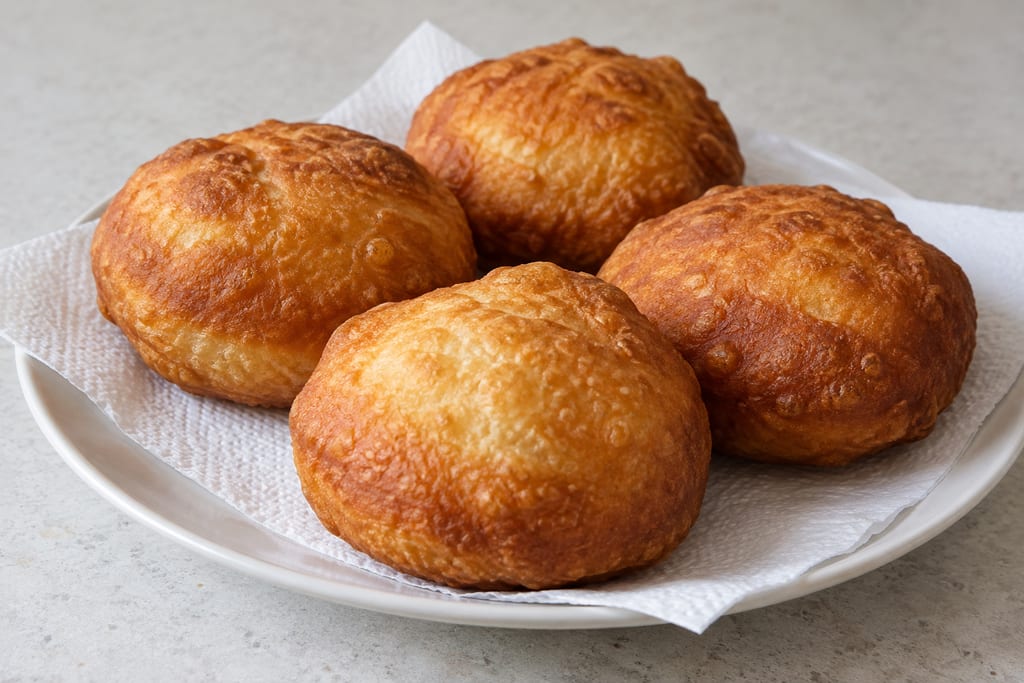
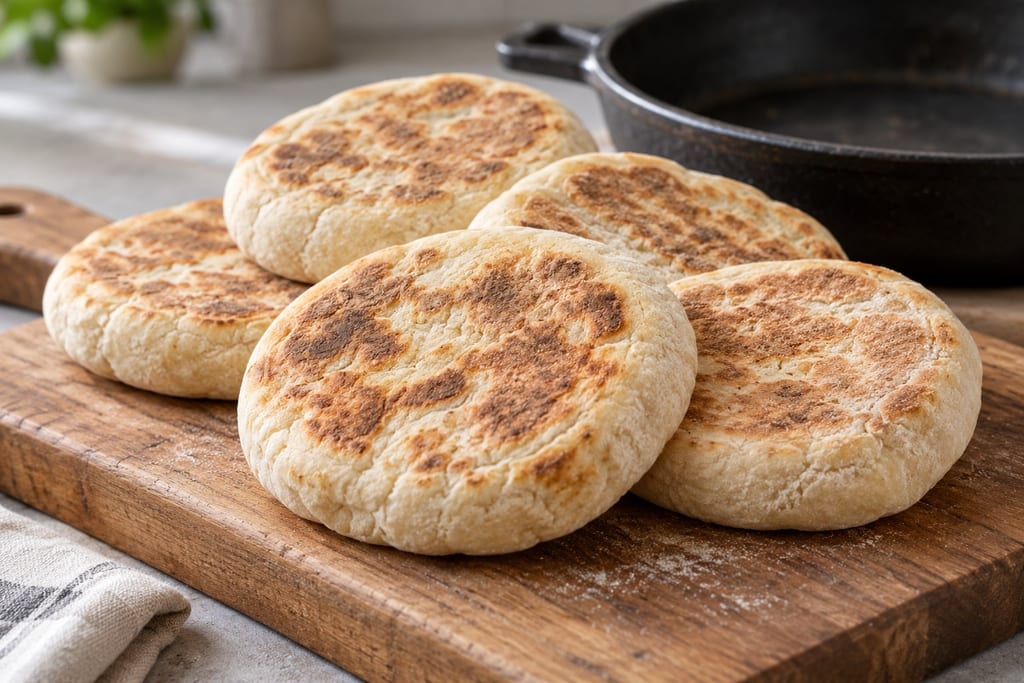
This source gives one South African vetkoek formula: wheat flour, margarine, instant yeast, lukewarm water, salt and sugar. It makes 24 portions, each shaped into a ball and deep-fried. The recipe page also suggests serving the finished bread with polony, cheese or atchar.
After kneading, the dough rests for 10 minutes. It is divided into 24 pieces, covered and left to rise for 20 minutes. Lift the risen portions carefully from the greased tray so they keep their shape. Frying uses hot oil, so work in manageable batches and take care when lowering and removing the dough.
The source lists 160°C as its oil temperature and about five minutes per side, or until golden brown. It does not give an internal-temperature endpoint. This entry records one measured home-style batch; it is not evidence that all preparations using these names share the same formula.
South African Tourism describes vetkoek alongside the names magwenya and smagwinya. Its account includes savoury mince fillings and sweet service with jam, with some versions coated in sugar after frying. Those options place the fried bread across savoury and sweet meals rather than defining one required filling.
This page follows the separate I Love 2 Bake margarine-and-instant-yeast formula for 24 pieces. The tourism description supplies naming and serving context; it does not show that every preparation under these names uses the same dough. Neither source establishes a first attestation or a precise birthplace.
The inspected South African recipe page gives a yeast-raised vetkoek batch and suggests local serving variations including polony, cheese and atchar. It does not date the food's first attestation or establish one universal formula for vetkoek, amagwinya and magwinya.
amount not stated; source says fill a large saucepan about one-third full
Method
Risks and precautions · Standard risk
Raw flour and dough
The wheat flour is handled before frying; raw flour can carry germs.
Hazard source
Hot frying oil
The recipe deep-fries risen dough at the source's stated 160°C oil temperature.
Hazard source
Do not taste raw dough. Wash hands, bowls, utensils and work surfaces after handling flour or dough.
Control source
Use the source's 160°C oil target, keep the saucepan about one-third full, and lower and remove dough carefully with a suitable utensil.
Control source
Keep hot oil attended and keep water away from the frying pot. Take care when lowering dough and draining the finished vetkoek.
Mix the flour, salt and sugar in a large bowl. Rub the margarine into the flour with your fingertips, then mix in the instant yeast.
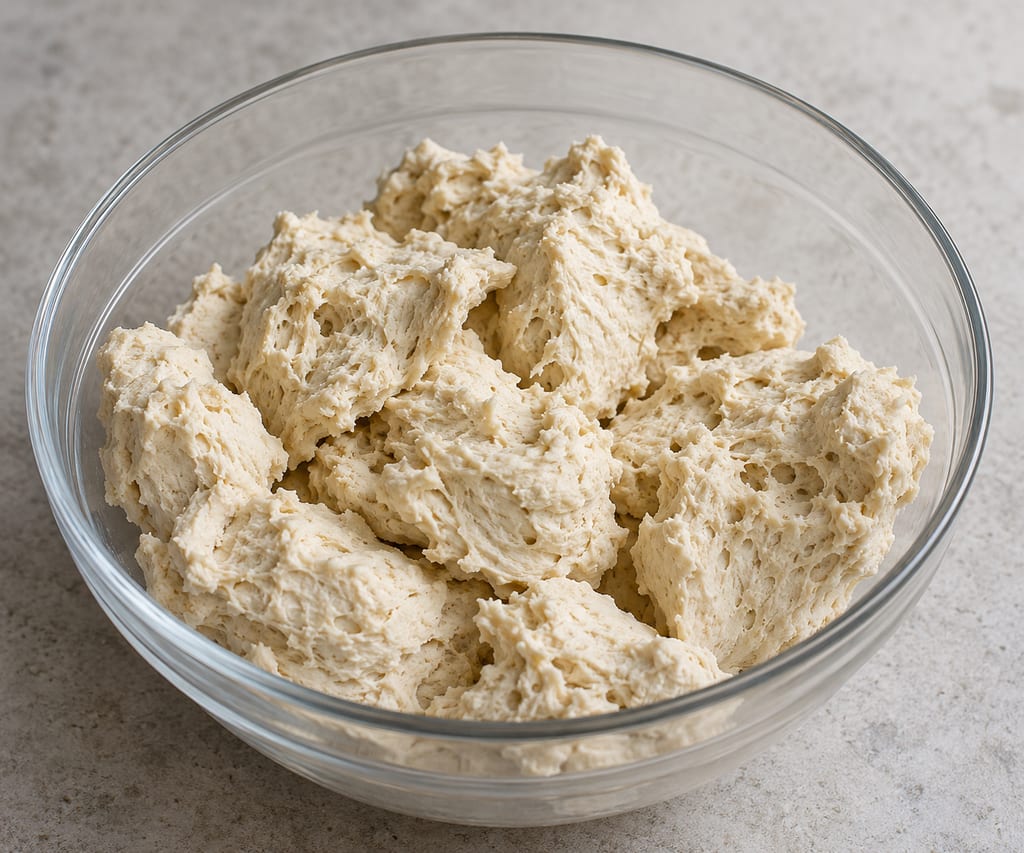
Add the lukewarm water and mix to a soft dough, adding a little more water only if needed. Knead until smooth and elastic.
Cover the dough and leave it to rest for 10 minutes. Knock it down and roll it into a log. Cut into 24 equal pieces and shape each into a ball.
Set the balls on a well-greased tray so they can be lifted without deflating. Cover and let them rise in a warm place for 20 minutes.
Pour oil into a large, deep saucepan to about one-third of its depth. Heat it to 160°C, the temperature specified by the source.
Carefully lower the risen dough balls into the oil in batches that fit without crowding, placing the risen side down first. Fry about 5 minutes on one side, turn, and fry about 5 minutes more, or until golden brown.
Lift the vetkoek out with a draining spoon and drain on paper towel or brown paper. Serve plain or with a filling such as polony, cheese or atchar.
Conditions
Yield24 vetkoek
Fermentation0.5 h
Temperature160°C
Places
South Africa
Documented preparation · Country evidence
The South African I Love 2 Bake recipe presents this vetkoek batch and gives local serving variations; it documents one formula, not every dish called vetkoek or amagwinya.
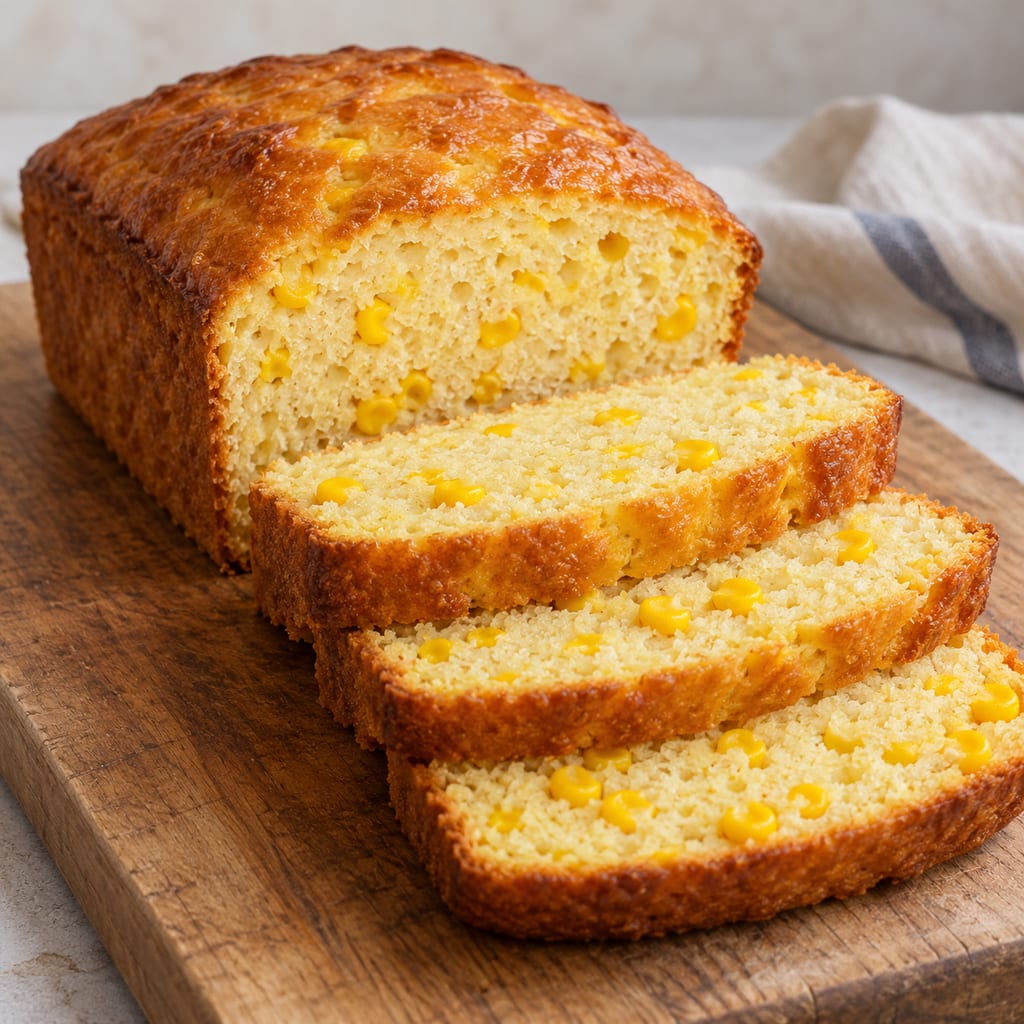
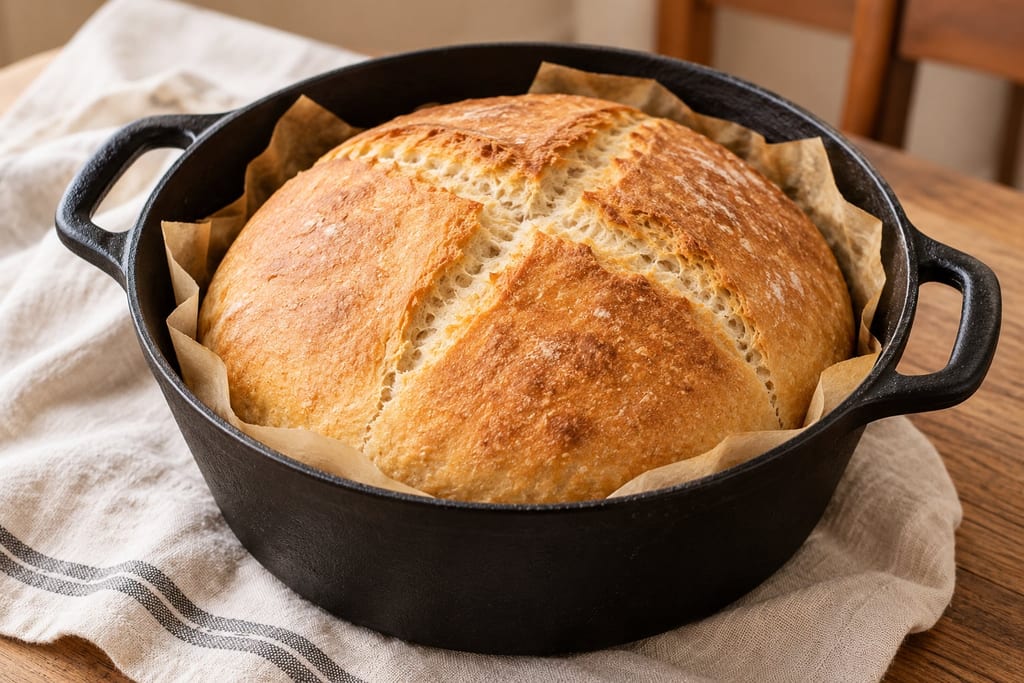
A South African sweetcorn loaf made from a rich, yeast-raised batter with both creamed sweetcorn and drained kernels. This version is baked in a loaf tin; it is distinct from steamed mielie breads and from maize-meal quick breads.
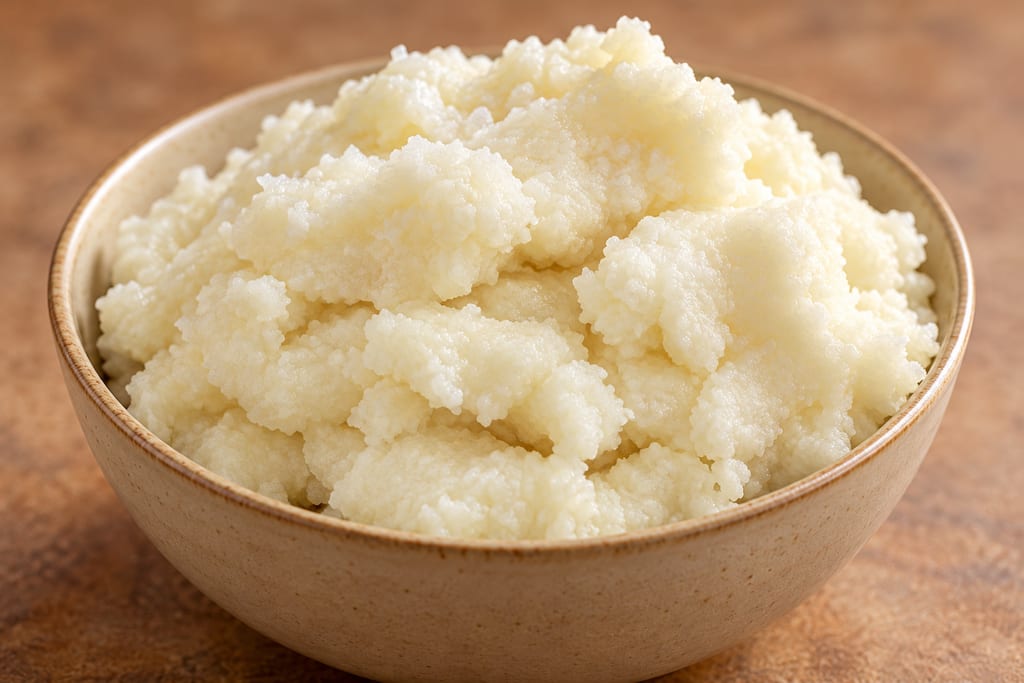
South Africa's maize-meal porridge, which the same white meal turns into a soft breakfast pap, a firm sliceable mound or the separate moist granules of phuthu depending only on water and handling.
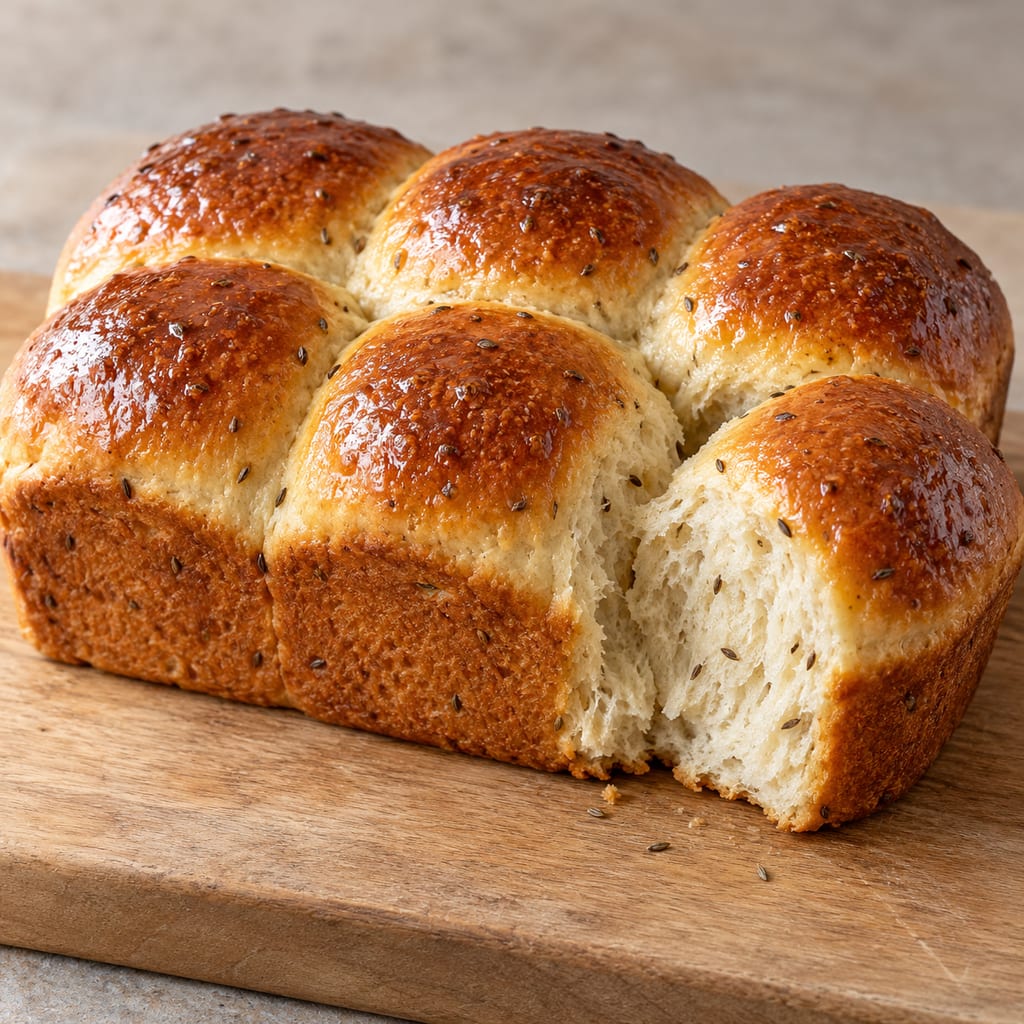
This modern South African mosbolletjies recipe uses white grape juice and instant yeast in an anise-scented enriched dough. It makes two pull-apart loaves; grape juice with commercial yeast is not the traditional fermenting-must leaven.
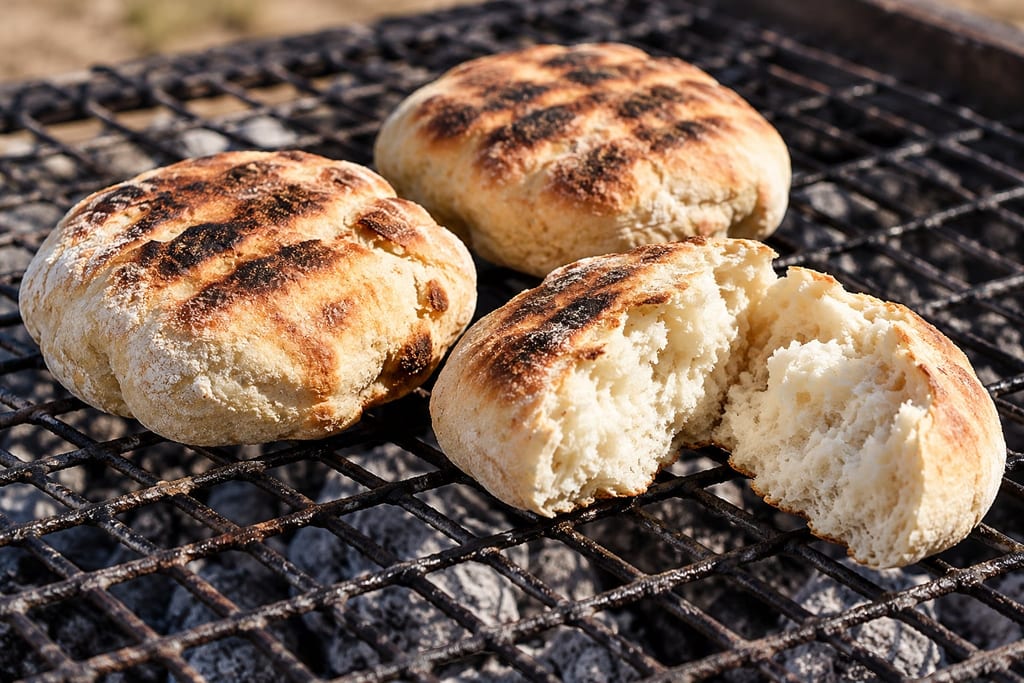
Roosterkoek is a small yeast-raised South African bread cooked over gentle braai coals. This enriched dough rises twice and is turned on the grid until browned and cooked through.
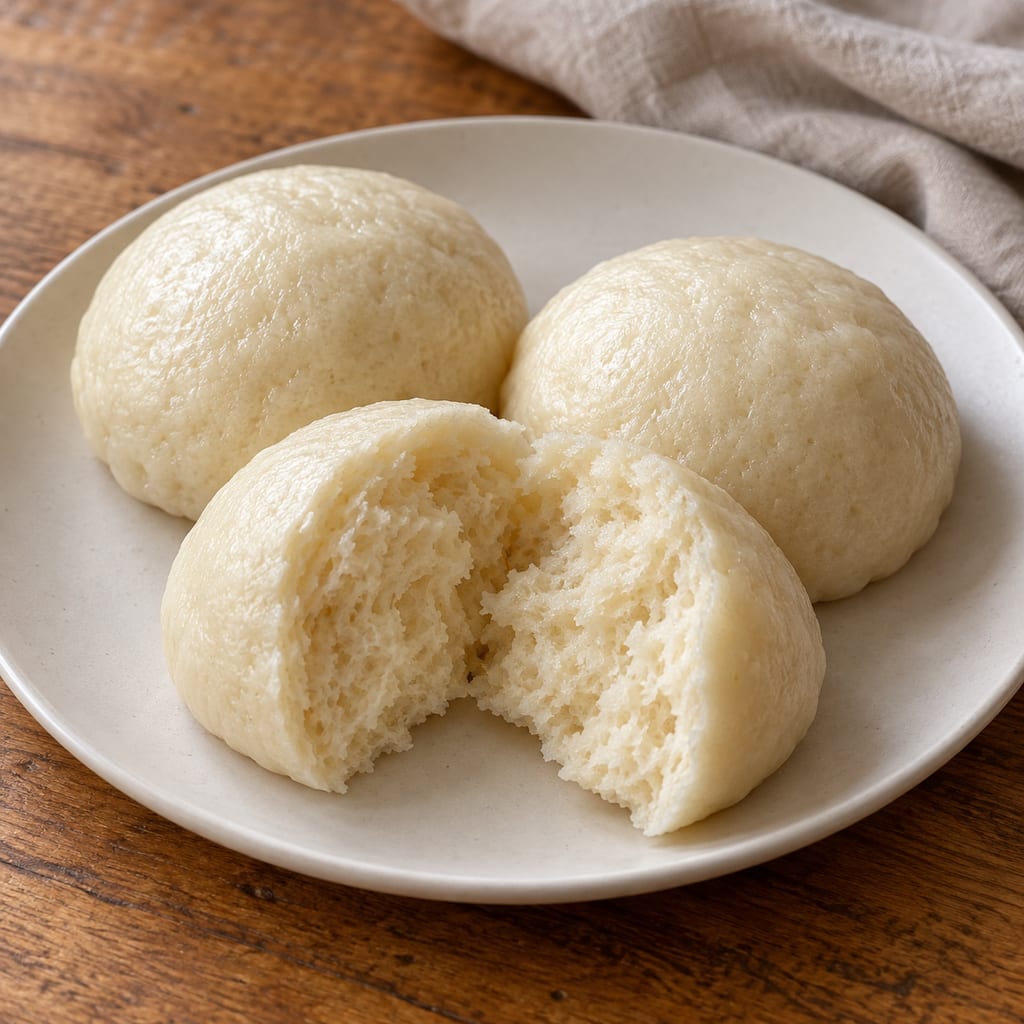
This tin-steamed South African dombolo uses yeast dough with bread flour and olive oil. It rises twice, steams for about an hour, and is checked with a clean skewer.
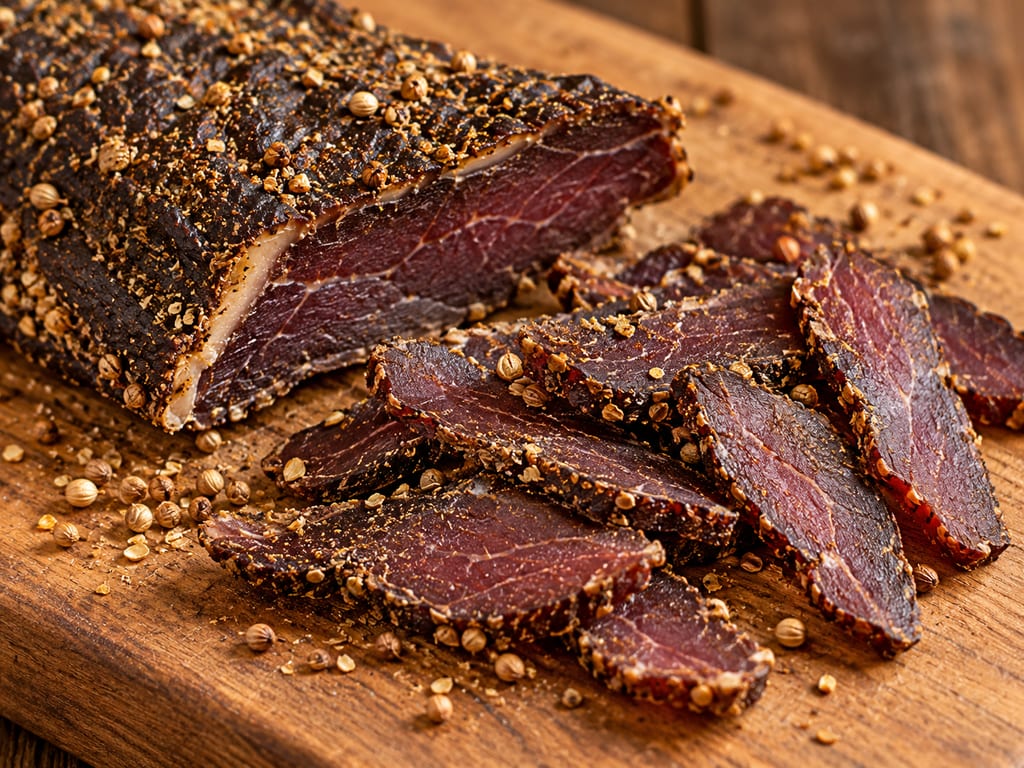
Strips of whole-muscle beef or game seasoned with salt, vinegar, roasted coriander and pepper and air-dried without cooking, sold anywhere from soft and moist to hard and very salty.
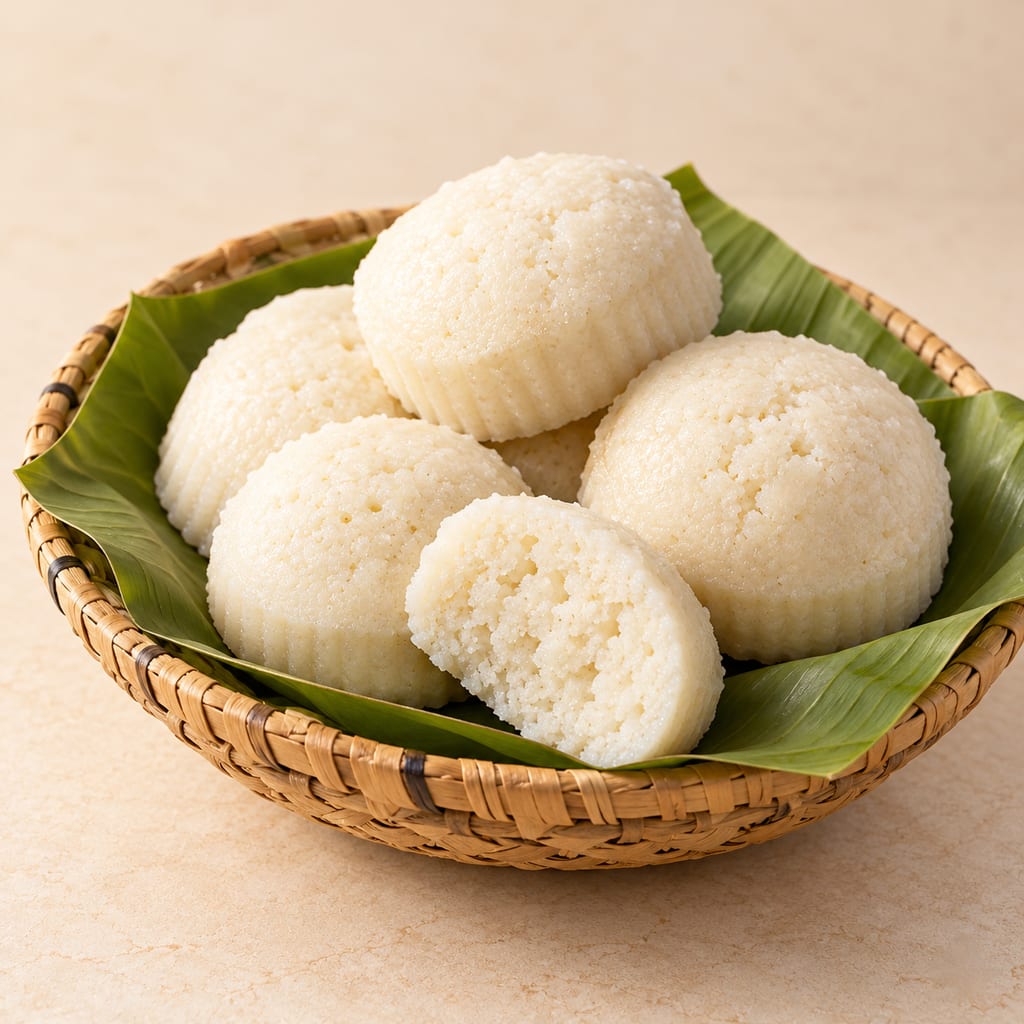
Soft, lightly tangy steamed cereal bread documented across Benin and Togo. This page gives one measured rice-flour research method; maize-based Ablo and mixed-grain versions remain distinct traditions.
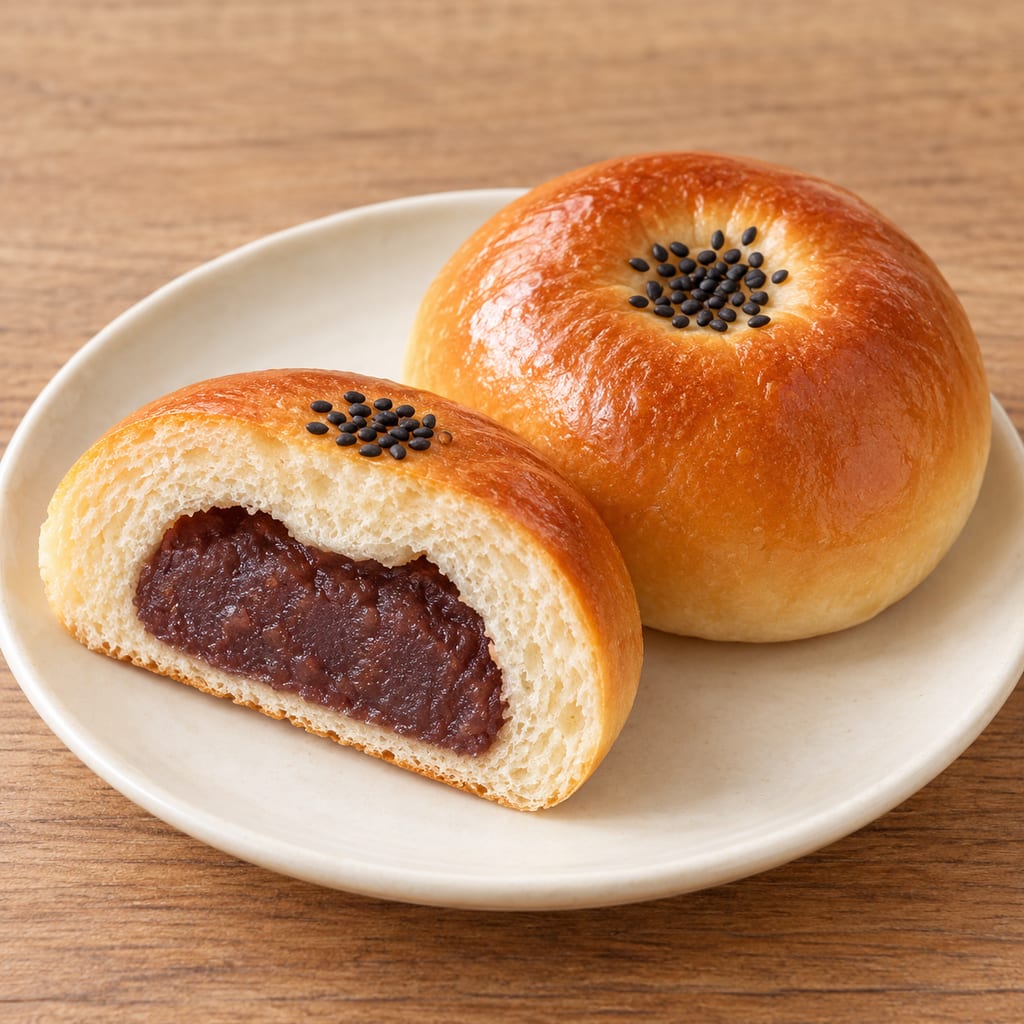
Anpan is a soft wheat bun filled with sweet red-bean paste and finished with egg wash and black sesame. This dough rises with commercial instant yeast.
Moroccan semolina pancakes made from a thin yeast batter, rested until foamy and cooked on one side until the surface sets with a honeycomb of holes. This source-specific batch makes sixteen 5-inch pancakes.
Biga is an Italian bread preferment of flour, water and a little yeast, usually a stiff unsalted mass of about 45 per cent water, fermented ahead and then mixed into the final dough.
Sweet-potato wheat breads with fresh yeast, browned in a pan and finished in the oven. This is the bread component of Teleculinária's scrambled-egg dish.
Community
No community contributions have been published for this entry yet.
Share what you made
Sign in to contribute. Published comments and photos are free to read.
Gives a 24-piece South African recipe with flour, salt, sugar, margarine, Anchor instant yeast, lukewarm water and oil for frying.
Specifies a 10-minute dough rest, portioning, 20-minute rise, saucepan filled about one-third, oil temperature of 160°C, roughly 5 minutes per side and draining.
Lists serving variations including polony, cheese and atchar.
Cited in: A South African vetkoek batch; Names and ways of serving
Describes vetkoek, magwenya and smagwinya as deep-fried dough balls served savoury with mince or sweet with jam, sometimes sugar-coated. Names and accompaniments do not establish identical formulas.