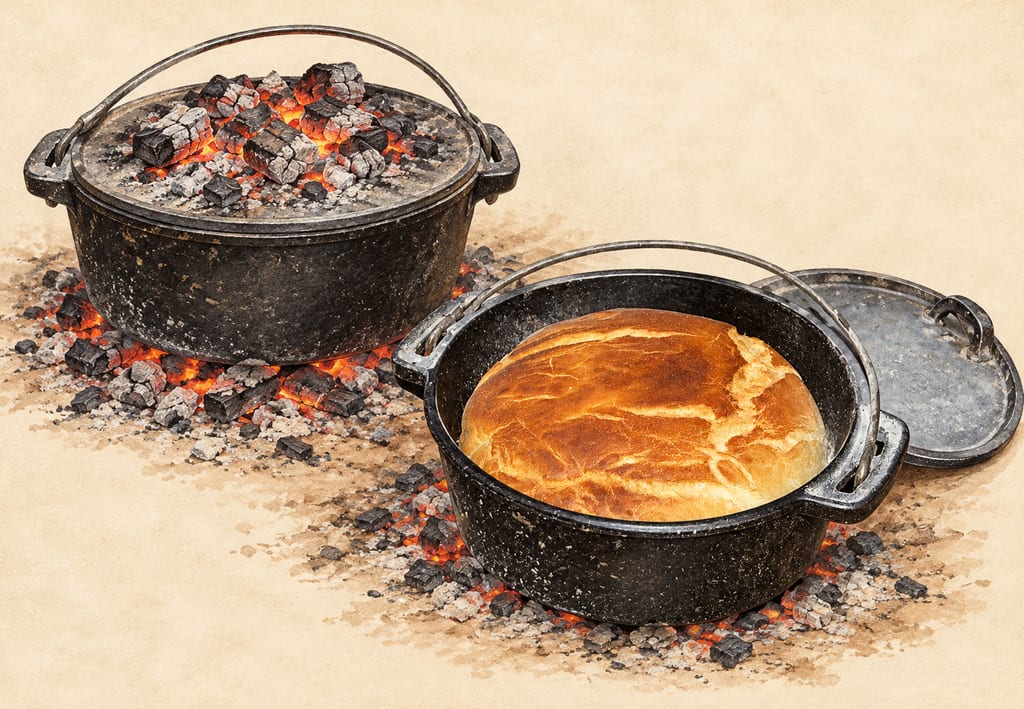
Potbrood pot
A closed cast-iron pot used to bake potbrood with heat from the hearth or embers; documented in South African English by 1883 and in a contemporary Namibian recipe.
 FermenteaWhere food goes to change
Modern adaptation
pot bread
A modern South African potbrood home method: a yeast dough proofs in a 4 L cast-iron pot and bakes covered, then uncovered, in a domestic oven.
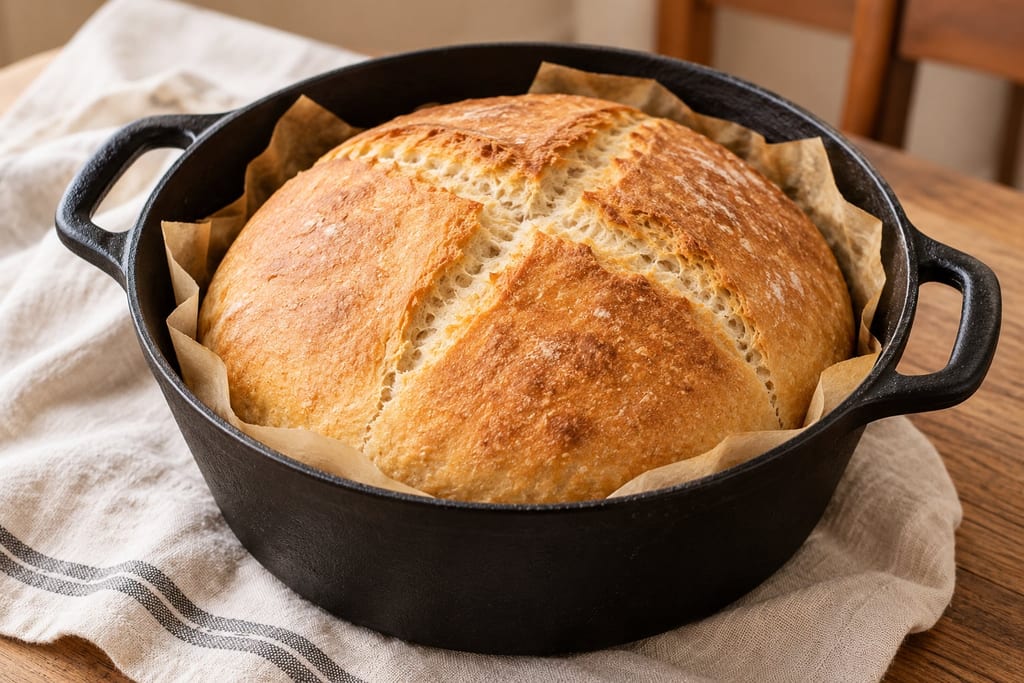
Angie Dixon describes potbrood as South African braai bread and presents this measured basic white-bread formula for a 4 L cast-iron pot in a domestic oven. It is one modern home route for potbrood; this recipe keeps to the single oven method and its measured dough.
The page gives a separate outdoor braai procedure using a tripod and coals on the lid. These steps use the domestic oven route throughout; do not combine the fire directions with the oven schedule.
The measured batch uses 750 g strong or high-grade white bread flour, 7.5 g table salt, 540 g lukewarm water, 15 g yeast, 30 g sugar, and 30 g vegetable oil. The salt is mixed through the flour. In a separate jug, the water, yeast, and sugar are left until bubbles and foam begin, then added to the flour. Add the dough oil and knead on low speed for eight to ten minutes, until a small piece stretches thinly without tearing.
Turn the dough in about a tablespoon of oil in a bowl, cover it with a clean towel, and let it rise until doubled. The detailed instructions give 30–90 minutes for this first rise; a cooler kitchen or a mixer-warmed dough changes the pace. This exact recipe uses two rises, with the second judged by spring-back rather than by a fixed clock time.
Line a 4 L cast-iron pot or Dutch oven with baking paper that reaches up the sides. If the pot has a flat lid, coat its inside with oil as well: the dough can rise high enough to touch it. Press air out of the risen dough, fold its edges into the middle, and draw the ball toward you until the outer surface is taut. Set it seam-side down in the pot and let it rise again under a clean towel until a light indentation springs back about halfway.
Remove the towel before the pot goes in the oven. Score a cross about 2.5 cm deep and splash the surface lightly with water. This formula is sized for the named pot; the source does not provide a scale-up rule.
Heat a conventional oven to 220°C or a fan oven to 200°C. Put the lid on the pot and bake for 25 minutes. Remove the lid and bake for 20 minutes more. The article gives 90°C as its internal doneness reading, but pairs it with 190°F, an inconsistent conversion. This record keeps the Celsius figure and does not treat it as a microbiological safety limit.
Cast iron and its lid stay hot after baking. Use oven mitts, set the pot on a stable heat-safe surface, and confirm the pot and lid are rated for the chosen oven temperature. Do not taste the dough before it is baked; raw flour can carry germs. Lift the loaf out using the paper and let it cool before slicing.
Angie Dixon identifies potbrood as South African braai bread and presents this measured formula as a domestic-oven adaptation. No earliest date or specific birthplace is established.
Yield 18 thick slices · Scaling: source batch only
Uncooked flour and dough can carry harmful germs and should not be tasted before baking.
Hazard sourceThe method uses a lidded cast-iron pot in a 220°C oven; the pot and lid can cause severe burns.
Hazard sourceDo not taste raw dough. Wash hands, bowls, utensils, and counters after handling raw flour or dough, and bake as directed.
Control sourceUse oven-rated cookware and lid, oven mitts, and a stable heat-safe surface when moving or opening the hot pot. Keep the oven at the stated 220°C conventional or 200°C fan setting.
Control sourceThis recipe uses a heavy covered pot at high oven heat. Confirm that the pot and lid are rated for the oven setting, and use oven mitts when moving them.
The recipe's 90°C internal reading is a baking doneness cue. It is not a validated microbiological limit; follow the full bake and do not taste raw dough.
The author identifies potbrood as South African braai bread and this formula as a domestic-oven adaptation; no province or birthplace is claimed.
A closed cast-iron pot used to bake potbrood with heat from the hearth or embers; documented in South African English by 1883 and in a contemporary Namibian recipe.
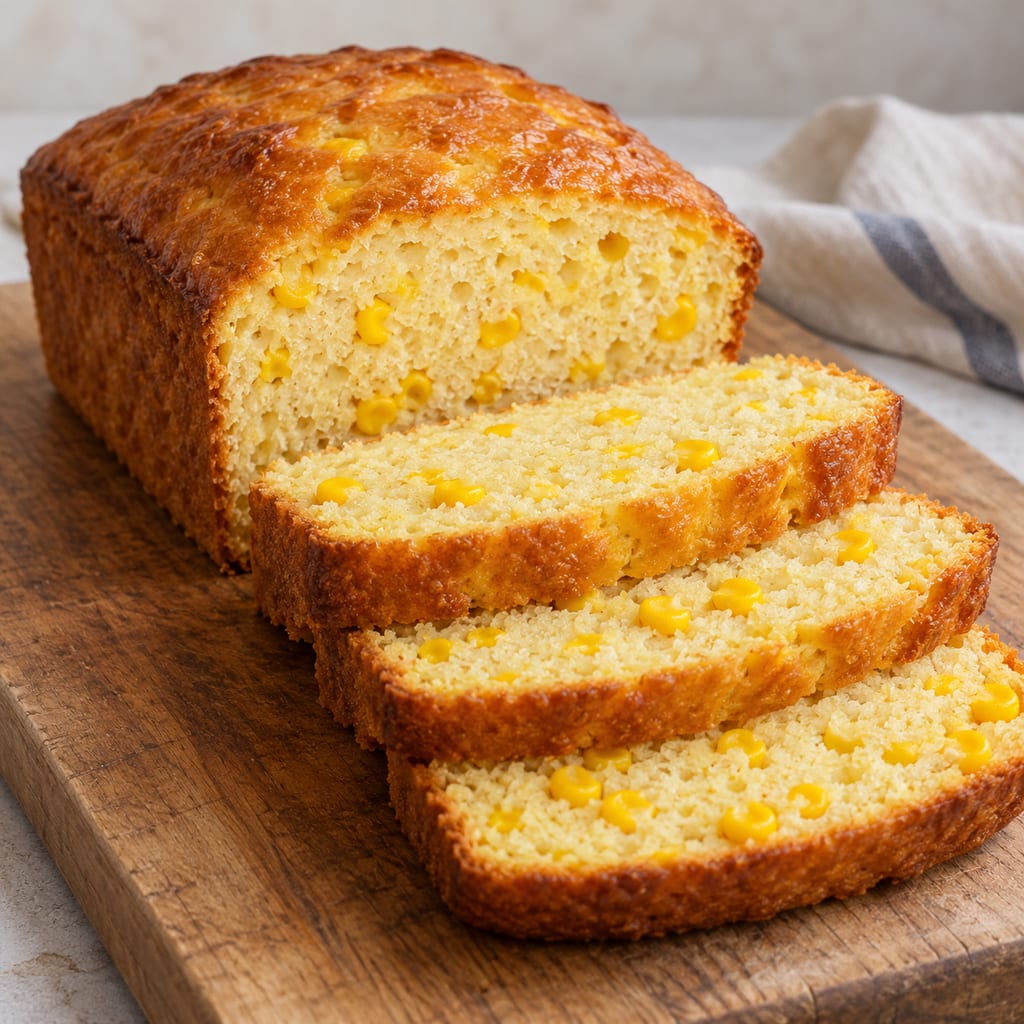
A South African sweetcorn loaf made from a rich, yeast-raised batter with both creamed sweetcorn and drained kernels. This version is baked in a loaf tin; it is distinct from steamed mielie breads and from maize-meal quick breads.
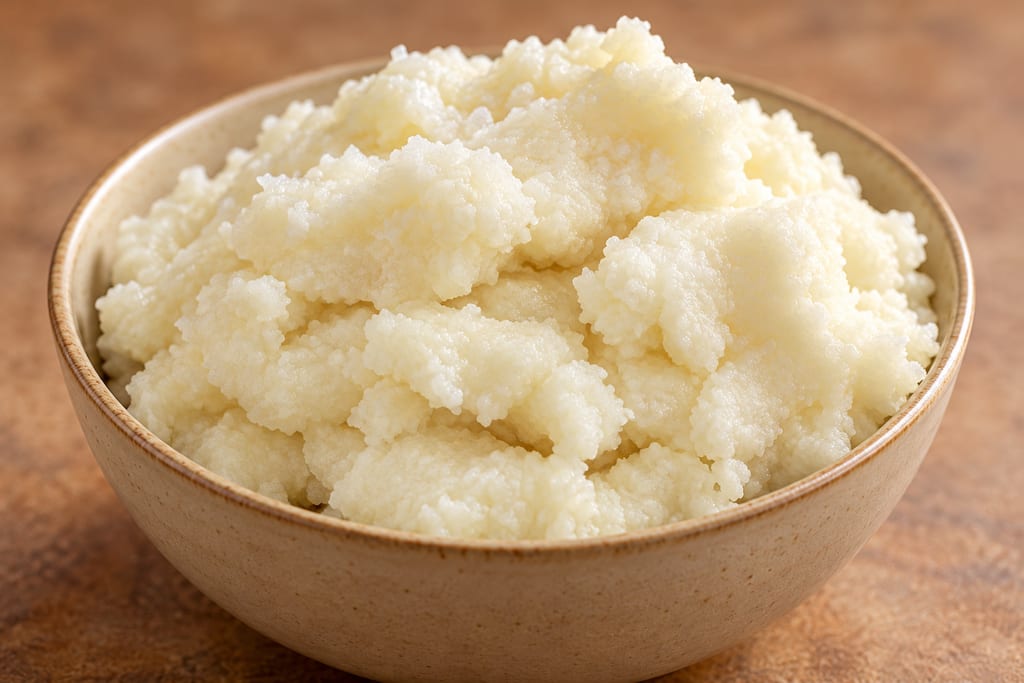
South Africa's maize-meal porridge, which the same white meal turns into a soft breakfast pap, a firm sliceable mound or the separate moist granules of phuthu depending only on water and handling.
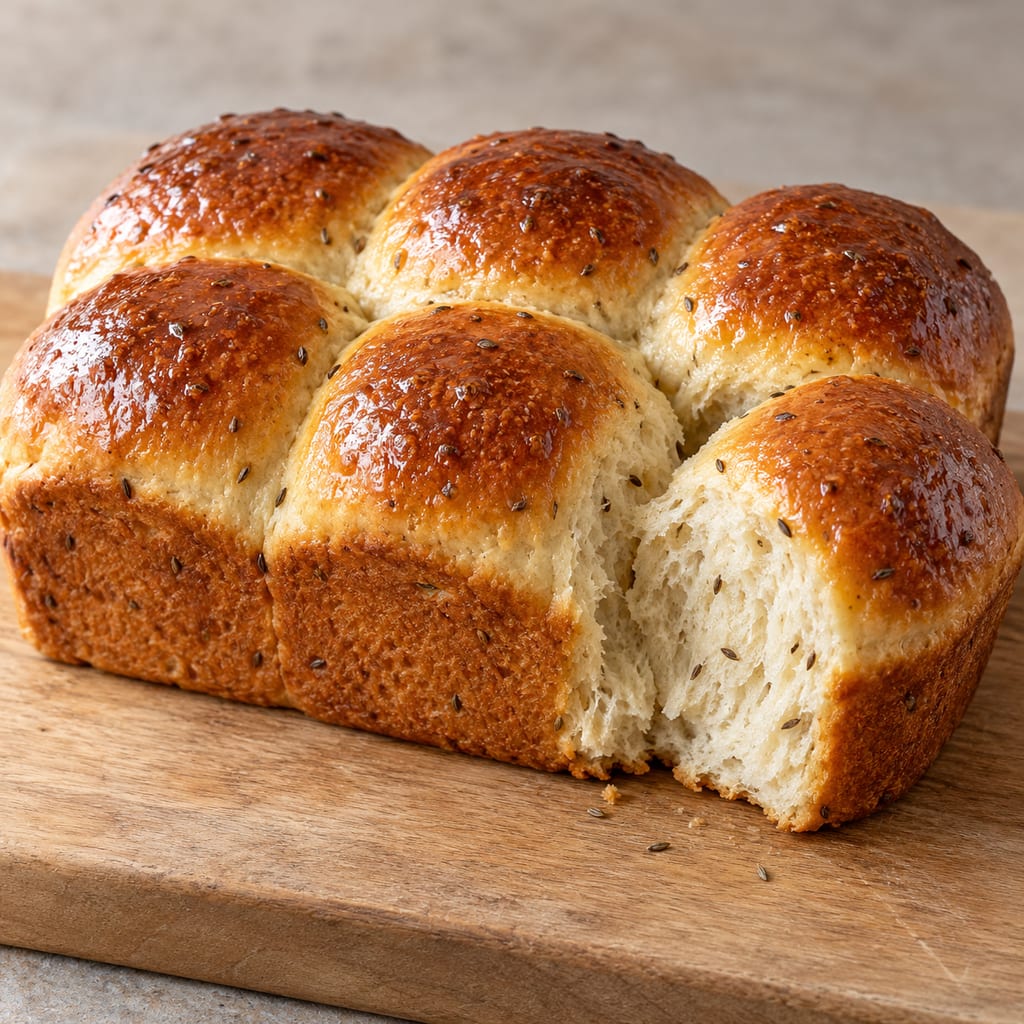
This modern South African mosbolletjies recipe uses white grape juice and instant yeast in an anise-scented enriched dough. It makes two pull-apart loaves; grape juice with commercial yeast is not the traditional fermenting-must leaven.
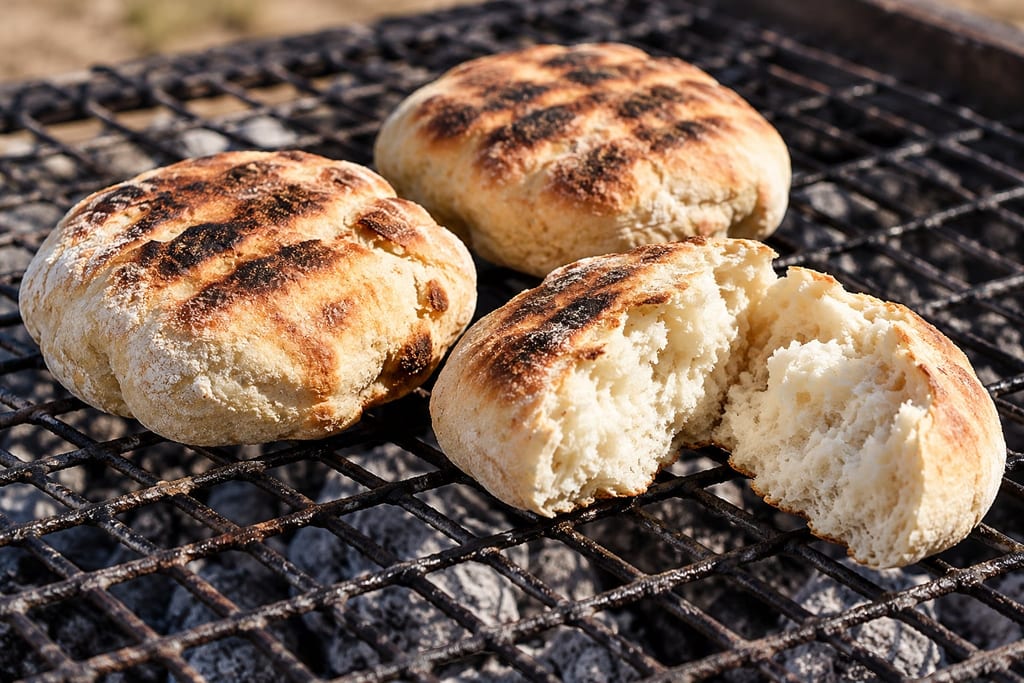
Roosterkoek is a small yeast-raised South African bread cooked over gentle braai coals. This enriched dough rises twice and is turned on the grid until browned and cooked through.
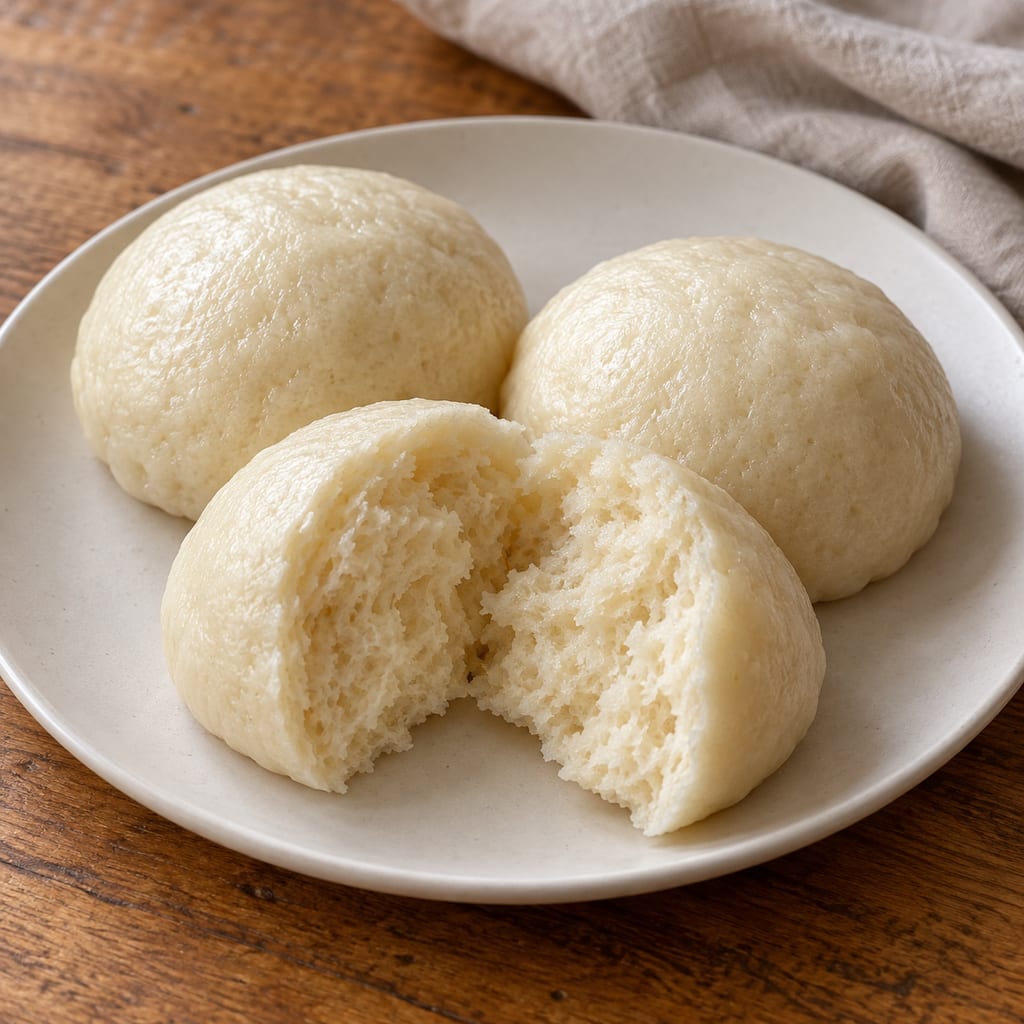
This tin-steamed South African dombolo uses yeast dough with bread flour and olive oil. It rises twice, steams for about an hour, and is checked with a clean skewer.
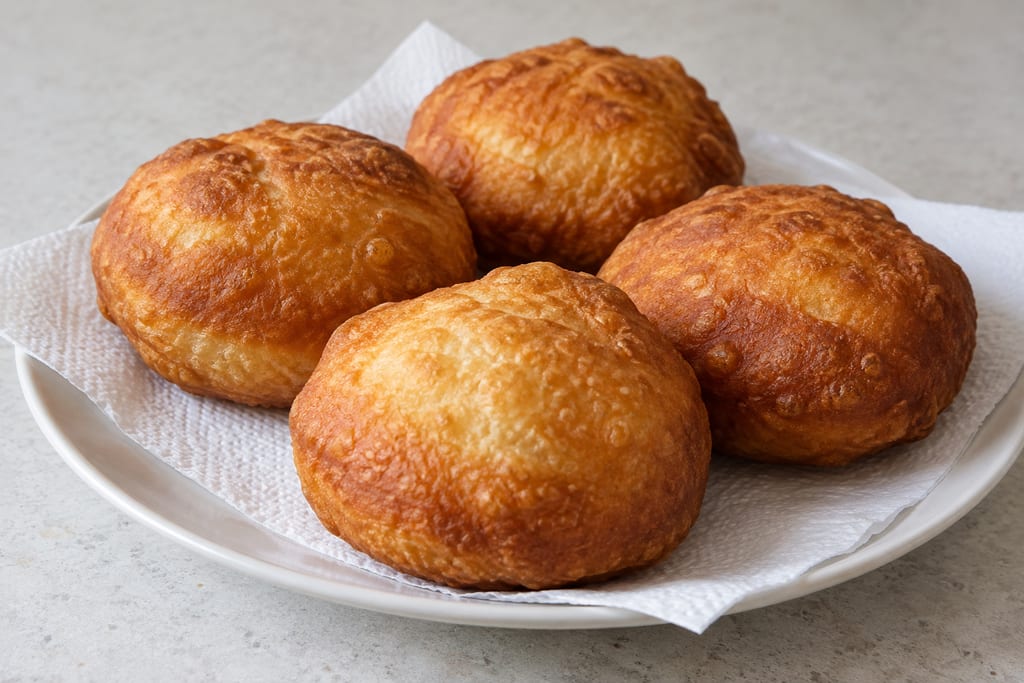
This South African vetkoek batch uses margarine-enriched wheat dough with instant yeast, shaped into 24 portions and deep-fried until golden.
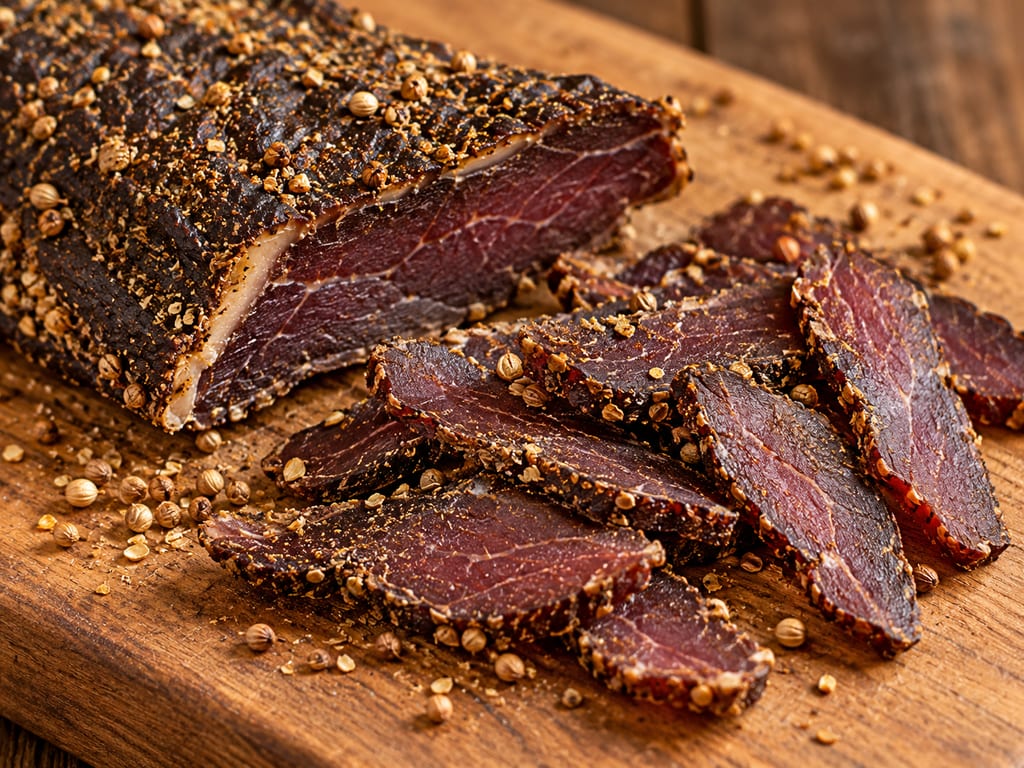
Strips of whole-muscle beef or game seasoned with salt, vinegar, roasted coriander and pepper and air-dried without cooking, sold anywhere from soft and moist to hard and very salty.
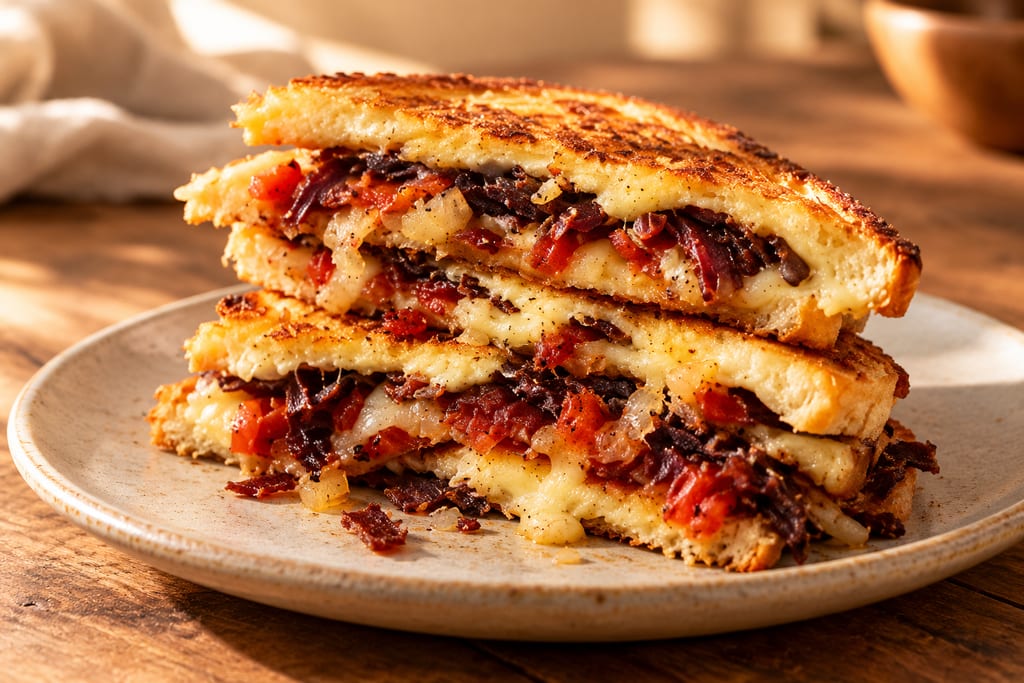
Chopped biltong, sweet onion, cream cheese and Cheddar fill bread toasted in a hinged grid over gentle coals, then finished with biltong dust.
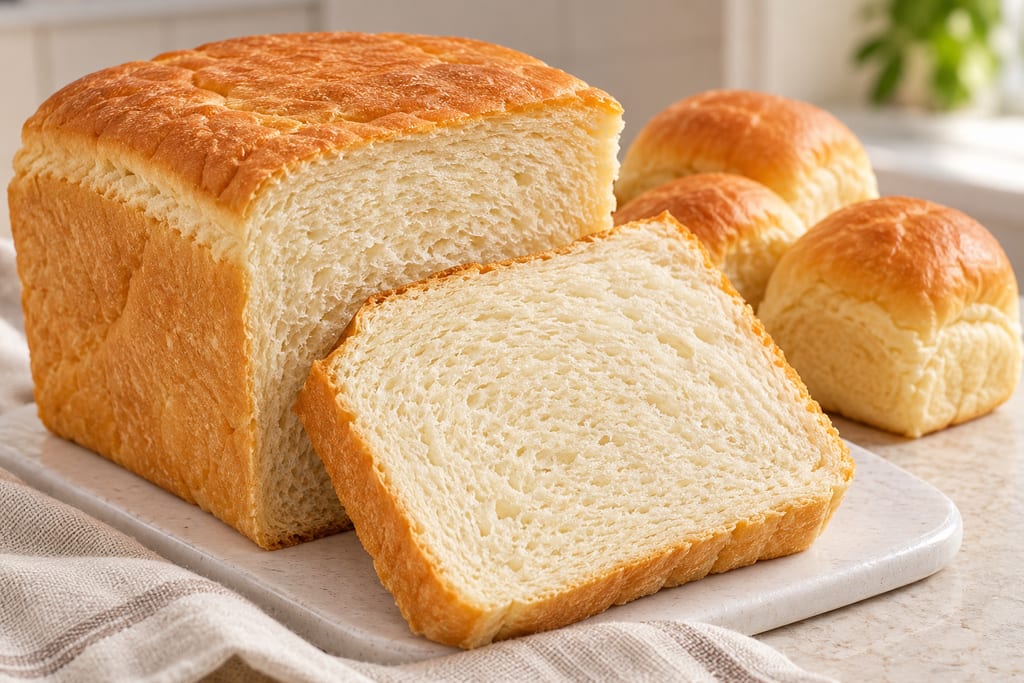
This softer home-style Agege bread uses a scalded flour paste, an enriched yeast dough and a 9×5-inch loaf pan, with rolls from the extra dough.
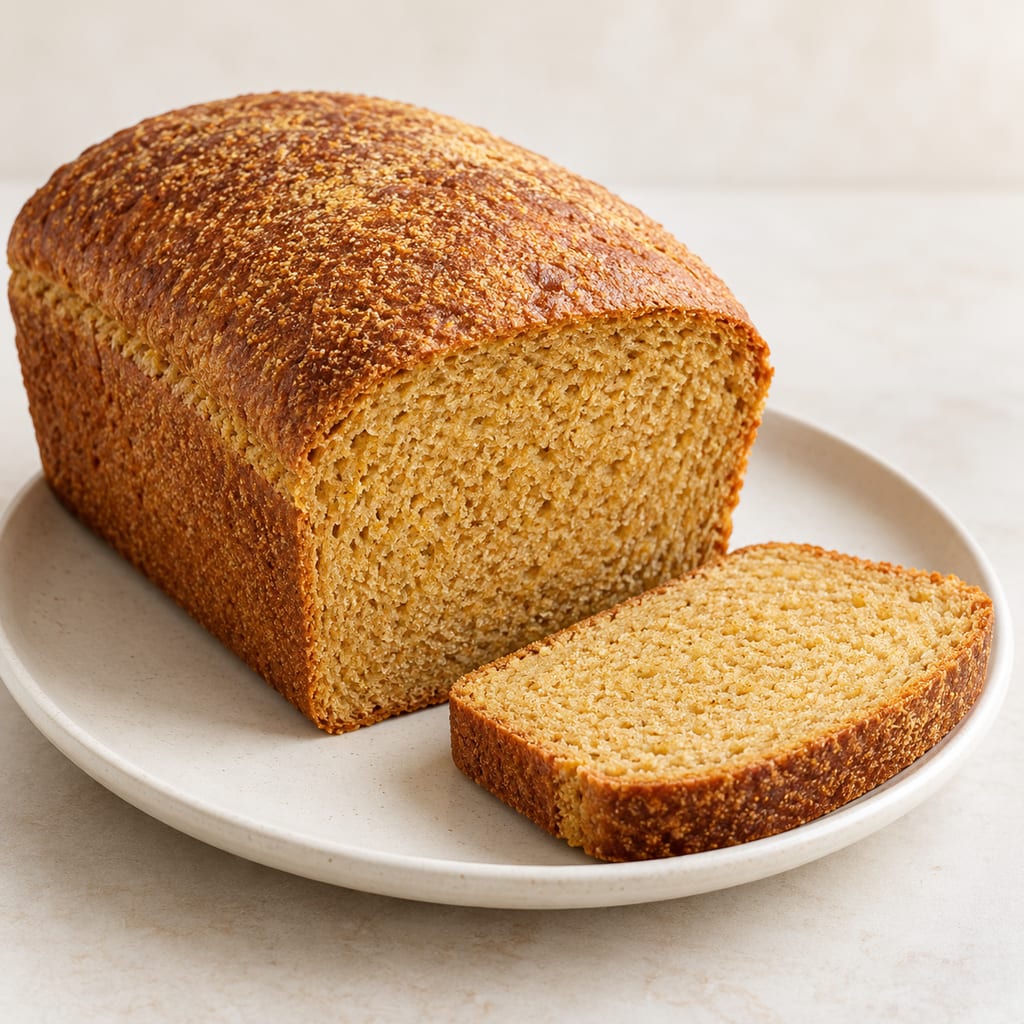
Anadama is a New England yeast loaf made with wheat flour, cornmeal and molasses. Scalded cornmeal enriches the dough, while molasses lends sweetness and a dark crust; it is especially good toasted or beside soup and baked beans.

A yeast-raised wheat ring shaped from a firm dough, briefly boiled and baked. This source-batch formula gives a gently malted crust and a chewy crumb.
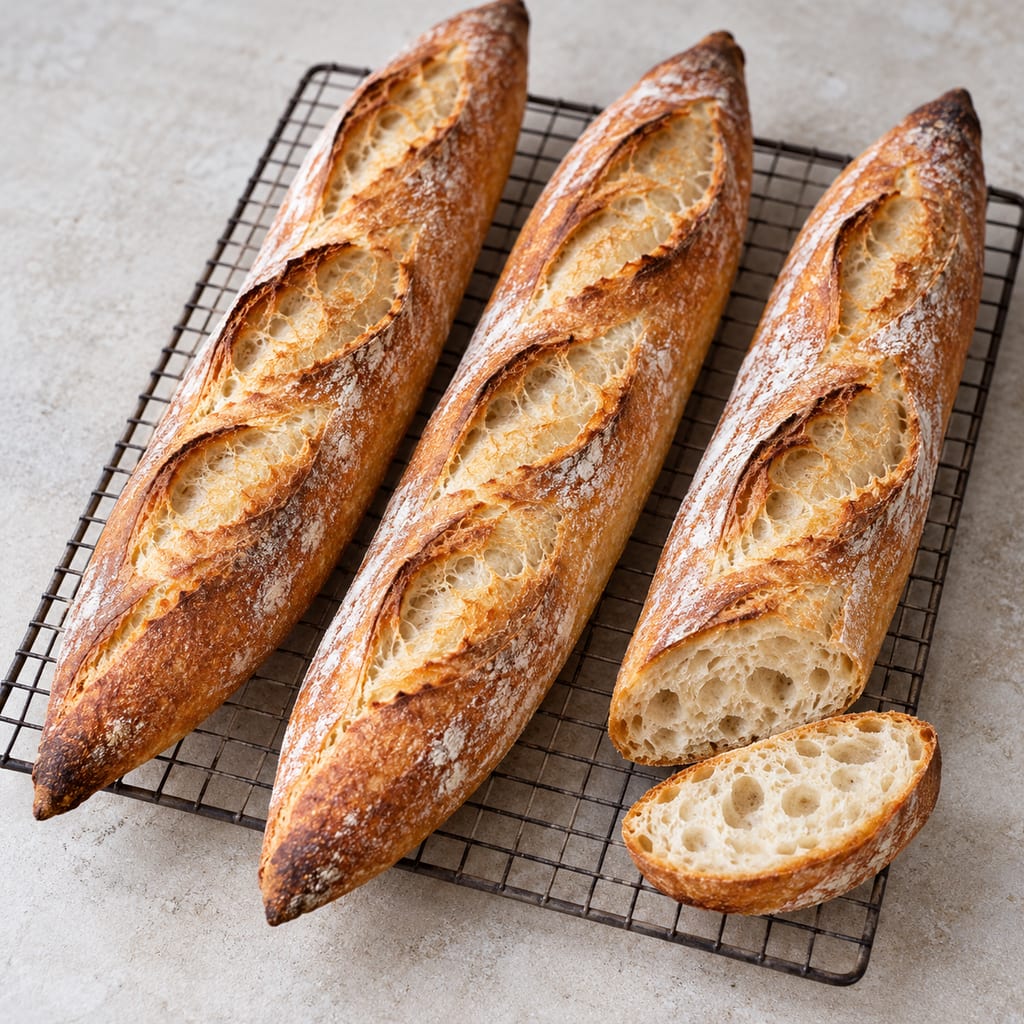
Three long, crusty wheat loaves made with an overnight yeast poolish, shaped by hand and baked with steam for a crisp crust.
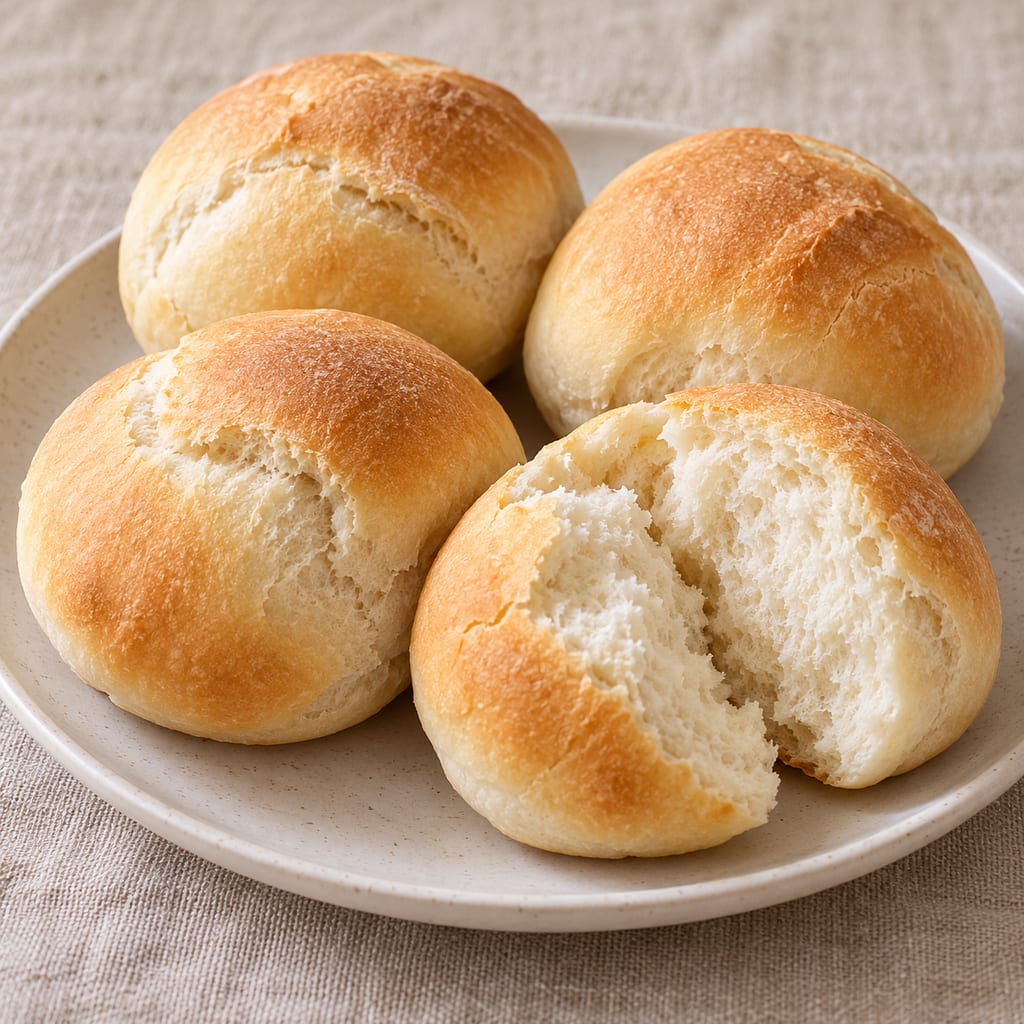
A lightly salted, yeast-raised Barbadian roll, baked in a dozen-roll home batch and often split for cutters.
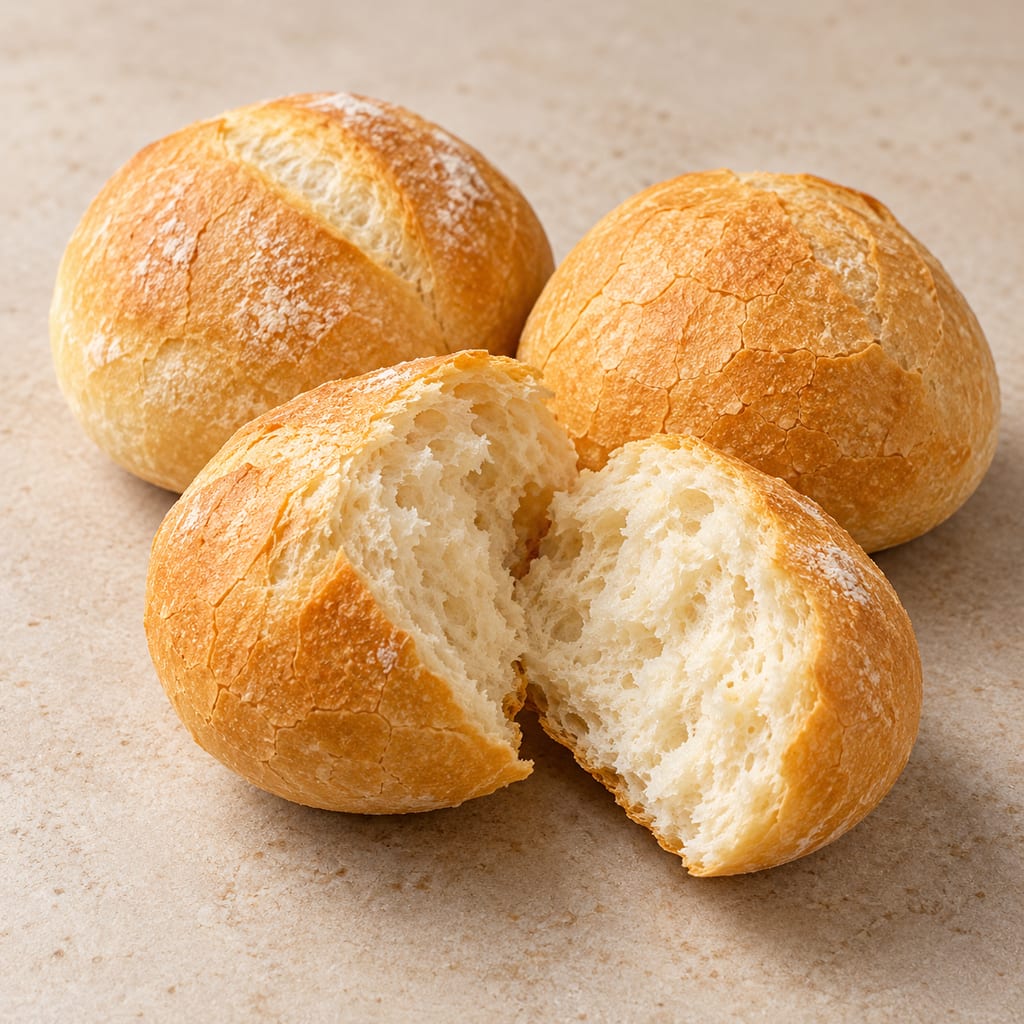
A crisp Belgian roll made from a supplier’s Croc-flour dough, mixed by hand or machine, proofed in rounds and baked with steam.
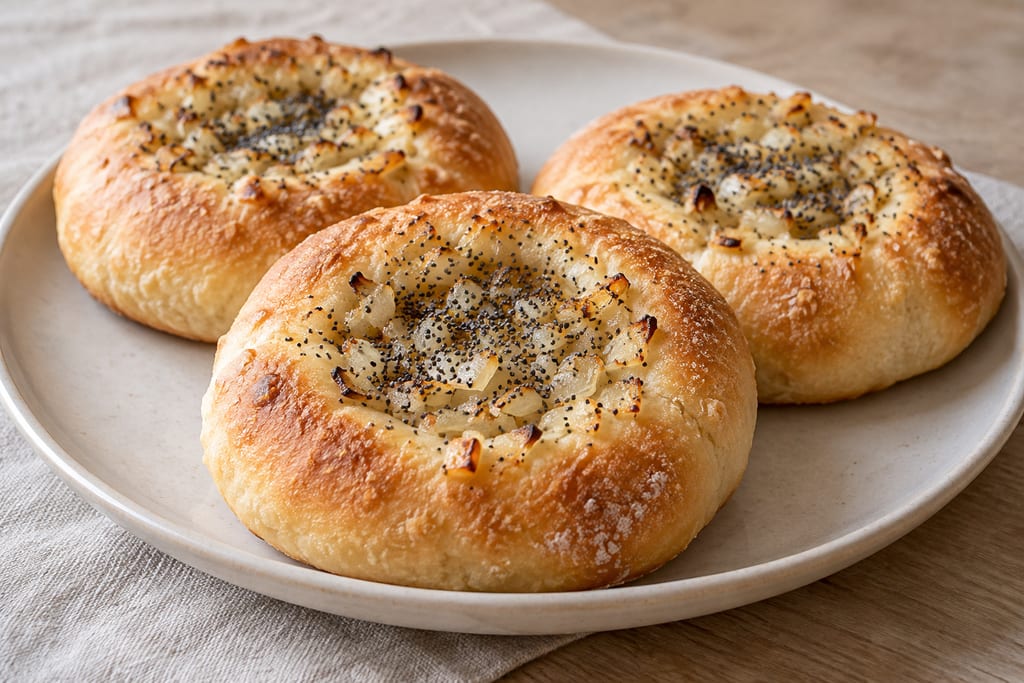
Bialys are soft, yeasted wheat rolls baked without boiling, each shaped with an onion-filled central depression instead of a hole.
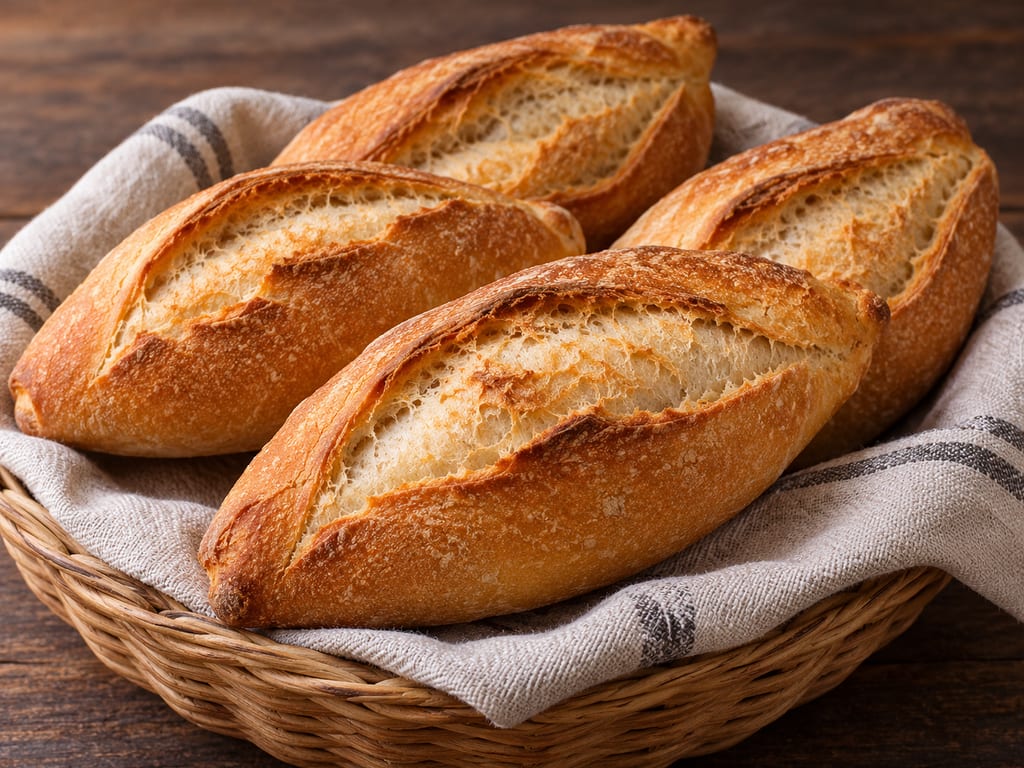
A measured, commercial-yeast home method for Guadalajara-style birote salado, with a six-hour preferment, shaped rolls and a two-temperature steam bake. This formula contains no egg.
No community contributions have been published for this entry yet.
Sign in to contribute. Published comments and photos are free to read.
Salty GingerRecipe · Method · Geography
Potbrood / Pot BreadMeasured 750 g flour, 7.5 g salt, 540 g water, 15 g yeast, 30 g sugar, 30 g dough oil and 2–3 tbsp bowl/pot oil; a 4 L pot; two proofing stages; 220°C conventional or 200°C fan oven; covered for 25 minutes then uncovered for 20; 90°C doneness cue. The author describes this as an oven version of South African braai bread.
Cited in: A South African pot-baked bread; Make and proof the dough; Shape for a 4 L pot; Use the domestic oven route
Centers for Disease Control and PreventionFood safety
Raw Flour and DoughUncooked flour and dough may carry germs; do not taste raw dough; follow recipe baking instructions; clean hands, utensils, and surfaces after handling flour or dough.
Cited in: Use the domestic oven route