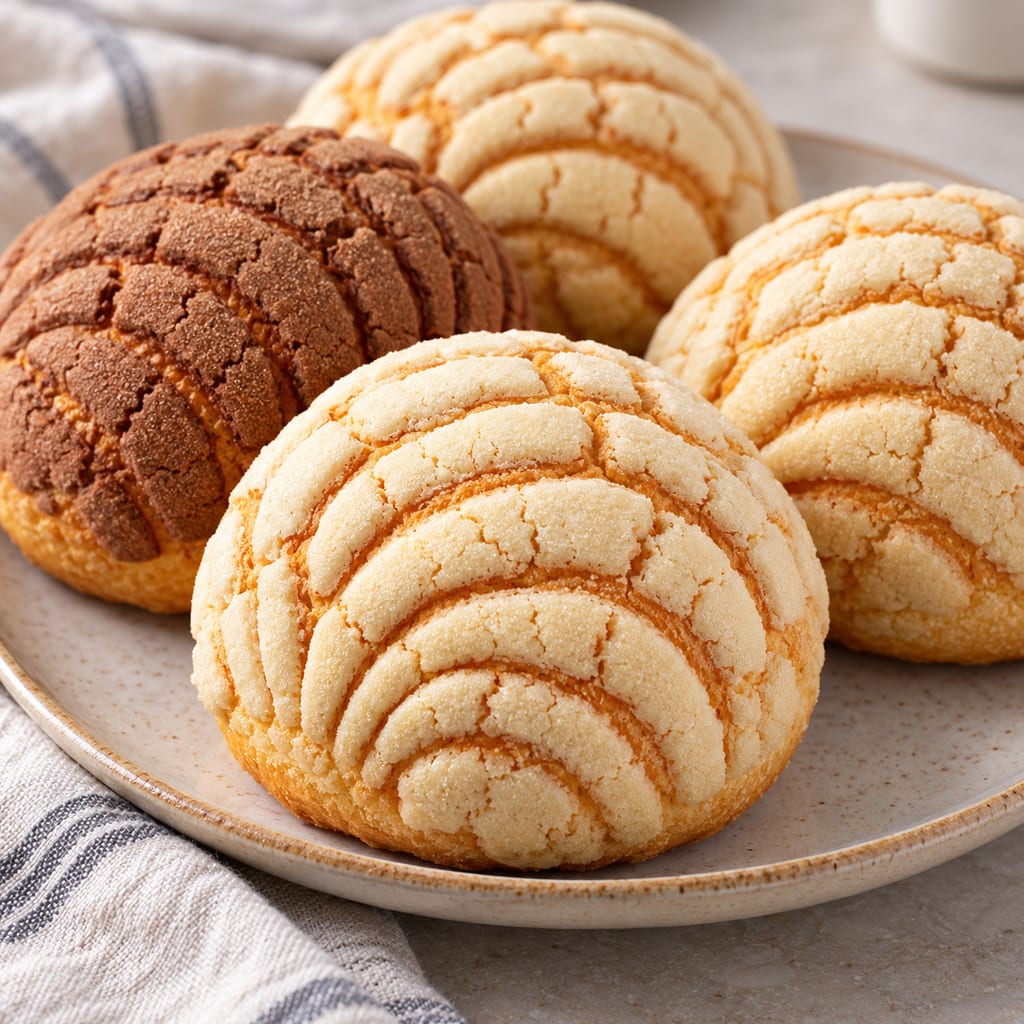
Mosbolletjies · mosbolletjie · mosbolletjies with grape juice
Loading ratings…
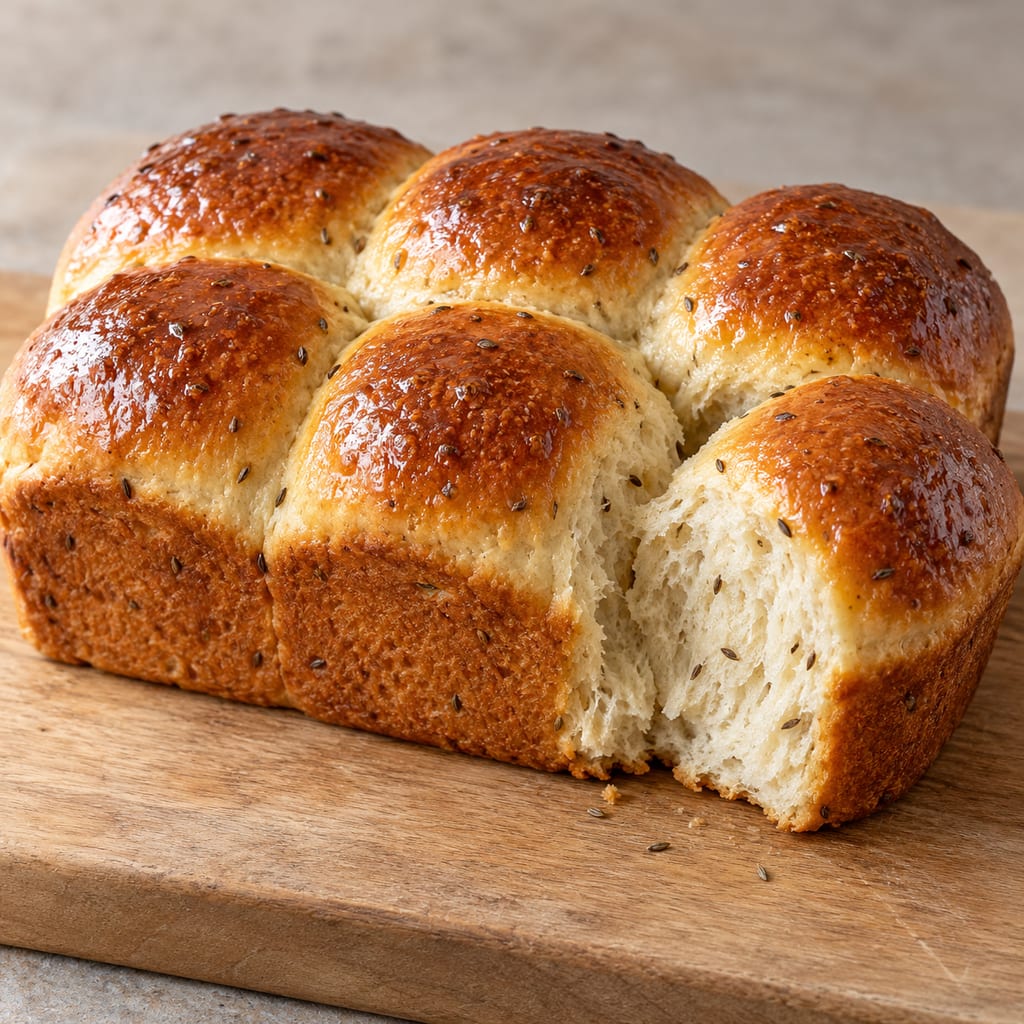
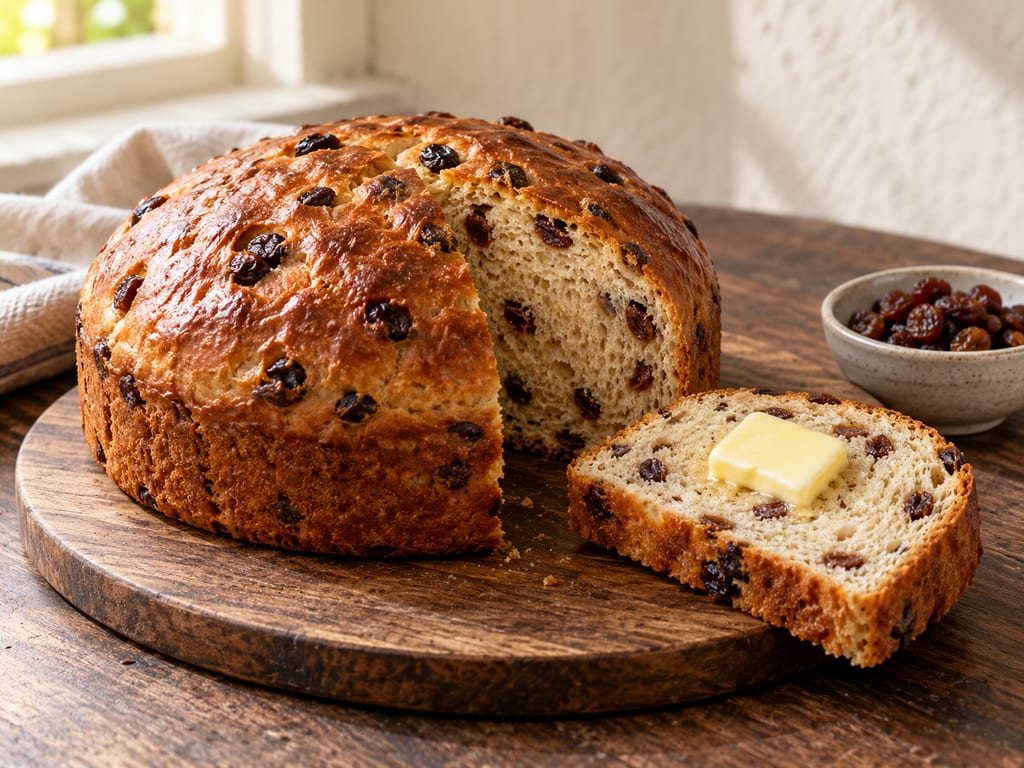
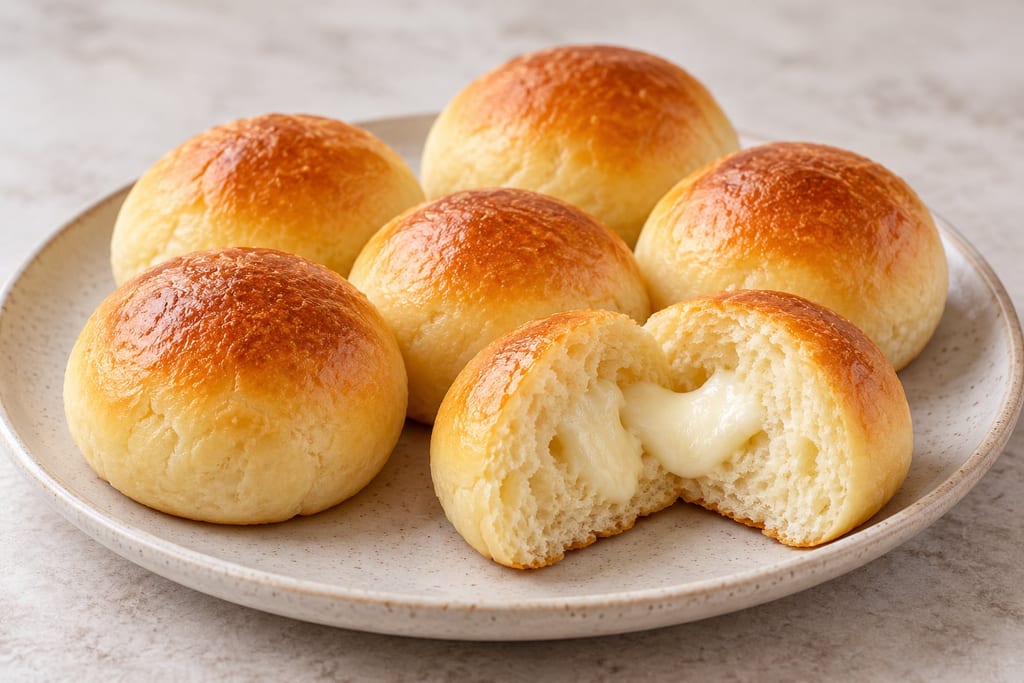
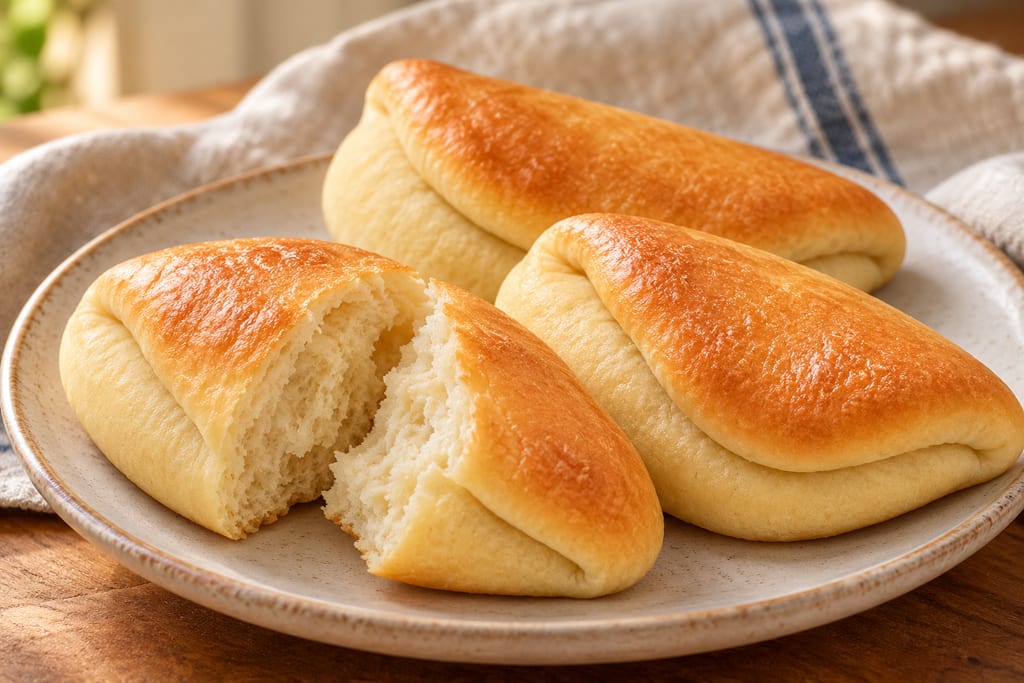
This modern South African mosbolletjies recipe uses white grape juice and instant yeast in an anise-scented enriched dough. It makes two pull-apart loaves; grape juice with commercial yeast is not the traditional fermenting-must leaven.
The mosbolletjie is a small, sweet-spiced yeast bun from the Cape of South Africa, and the grape juice is what sets it apart from an ordinary bun. The name is recorded in the Dictionary of South African English, which defines it as a bun and quotes dated references from 1890 and 1891. Those citations are the earliest written attestations the sources give; they date the word in print, not the invention of the bun.
The bun is tied to the wine-harvest country of the Cape Winelands. Wines of South Africa and Visit SA Winelands both link it to the must of the grape harvest, and this page keeps that association separate from any claim about a single origin.
The traditional bun was raised with grape must. Wines of South Africa describes a must-based method and gives its guidance in degrees Balling, a measure of the sugar in the juice. In this tradition the dough is leavened by the fermenting must rather than by a packaged yeast, and the page does not add a microbiological account beyond what the source gives.
The recipe on this page is a modern adaptation, and the recipe states this plainly. It uses white grape juice heated and combined with warm milk and water, and it raises the dough with commercial instant yeast. It does not claim that grape juice plus commercial yeast reproduces the seasonal fermenting leaven. The published method keeps two things apart: the must-leavened tradition, which depends on the harvest, and the adapted household bun, which can be made at any time of year.
The dough is built from cake flour, salt, sugar, instant yeast, butter, fennel or aniseed, white grape juice, warm milk and warm water. Honey syrup, made from honey and hot water, is the glaze. The dough is shaped into balls and packed into two loaf tins, and the source gives the buns' rises and bake in its method.
The recipe gives its measures in cups and spoons and in grams, and some amounts are approximate. This page keeps the recipe's own units rather than converting them into a finer measure than the recipe supports.
The Woolworths TASTE recipe describes a first rise of about thirty minutes, a second rise of thirty to forty-five minutes, and a bake at 180 °C for thirty to forty minutes. The page metadata gives a different proving time and a different serving count from the method, so the two disagree. The recipe keeps those figures as printed rather than choosing one, and the method's own numbers are the ones the bake is built around.
No proving temperature is given, no storage duration is stated, and no internal temperature is given as the end point of the bake. Doneness is left to the golden colour and a fully baked crumb as the method describes, not to a number the source does not supply.
The CDC advises against eating raw flour or raw dough, and that caution applies here: the dough must be baked, not tasted, and hands, bowls and surfaces should be washed after handling raw flour. The standard yeast-bread method in this source is not given any further safety control by the sources reviewed, and this page does not add one.
Mosbolletjies are South African sweet buns historically leavened with partially fermented grape or raisin juice and often flavoured with aniseed. The 1890 and 1891 references are dated evidence, not an origin date. This recipe is a modern adaptation using white grape juice and commercial yeast, so it does not reproduce the traditional must-leavening process.
Ingredients
Yield 12 pieces in 2 loaves · Scaling: source batch only
Cake flour
1 kg
Salt
9.9 mL2 tsp as recorded
Sugar
100 g
for dough
Instant yeast
10 g
Fennel seeds
59 mL4 tbsp as recorded
source allows aniseed instead
ButterMelted
100 g
White grape juiceHeated
237 mL1 cup as recorded
not fermented grape must
MilkWarm
118 mL½ cup as recorded
WaterWarm
237 mL1 cup as recorded
for dough
Honey
59 mL¼ cup as recorded
for simple syrup
WaterHot
30 mL2 tbsp as recorded
for simple syrup
Method
Risks and precautions · Standard risk
Raw flour in dough
Uncooked flour can carry germs; do not taste raw dough and clean hands, bowls, tools and work surfaces after handling.
Hazard source
Do not eat raw dough. Bake the loaves at the source's oven setting and time, until the buns are baked through; clean equipment and surfaces after handling raw flour.
Control source
The source provides an oven setting and bake time, but no product-specific internal endpoint. Do not use surface color alone as proof that the center is cooked.
Heat the oven to 180°C. Sift the flour, salt and dough sugar into a large bowl. Stir in the instant yeast and fennel seeds.
Add the melted butter, heated grape juice, warm milk and warm water. Mix to a soft dough. Knead for 5–10 minutes by hand on a lightly floured surface or with a mixer dough hook until smooth and elastic.
Put the dough in a well-oiled bowl, cover it and leave it in a warm place for about 30 minutes, or until doubled.
Turn the dough onto a floured surface, press out the gas and knead for another 5 minutes. Divide it into six equal portions, then divide each portion in two to make 12 pieces.
Shape each piece into a ball. Arrange six balls tightly in each of two 20–23 cm loaf tins.
Mix the honey with 2 tablespoons hot water to make the simple syrup. Brush the risen dough with syrup, then prove for 30–45 minutes.
Bake for 30–40 minutes, or until golden brown. Cool slightly, turn the loaves onto a wire rack and brush with the remaining syrup before serving.
Conditions
Yield12 pieces in 2 loaves
Active time20 min
Fermentation1–1.25 h
Temperature controlAmbient, monitored
Places
South Africa
Modern adaptation · Country evidence
This recipe is a modern grape-juice and commercial-yeast method from a South African recipe publisher.
The sources associate traditional fermenting-must mosbolletjies with the Cape wine harvest; this is distinct from the grape-juice-and-commercial-yeast recipe recorded here.
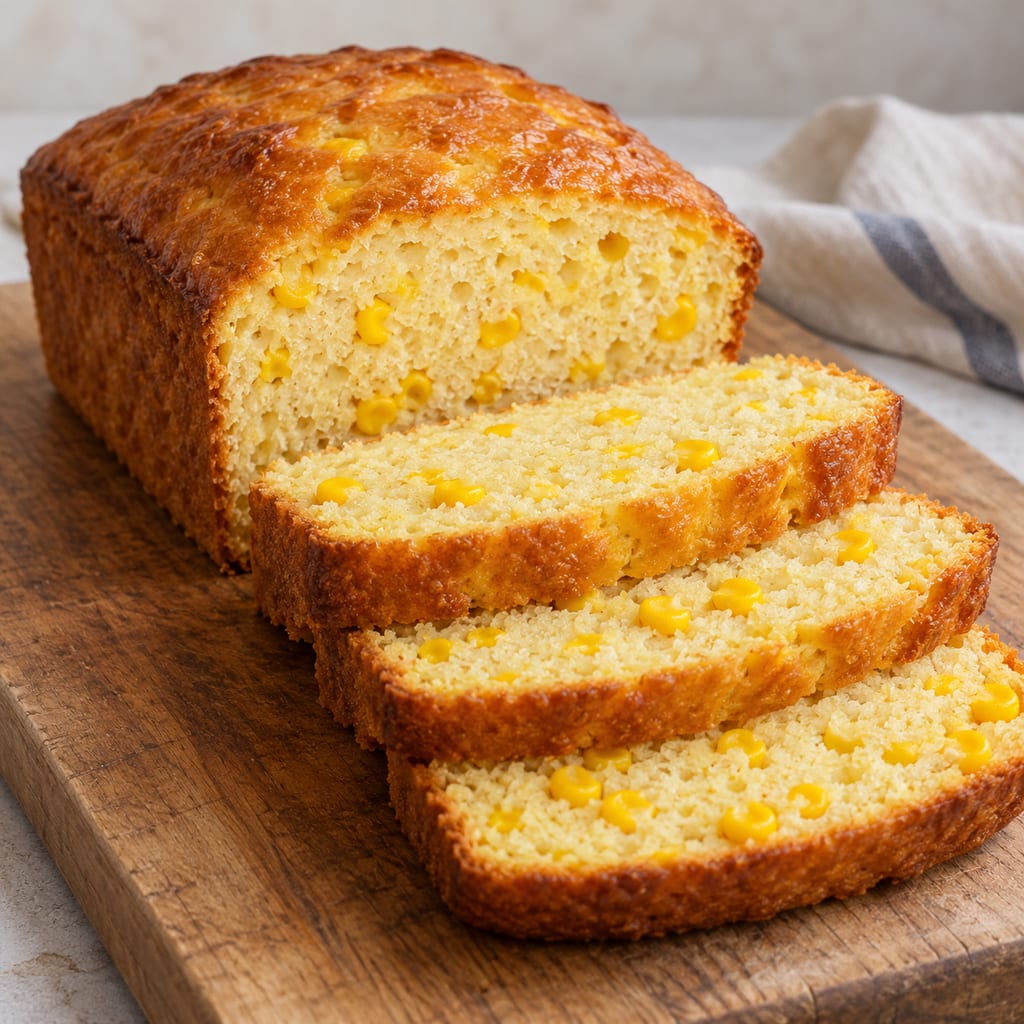
A South African sweetcorn loaf made from a rich, yeast-raised batter with both creamed sweetcorn and drained kernels. This version is baked in a loaf tin; it is distinct from steamed mielie breads and from maize-meal quick breads.
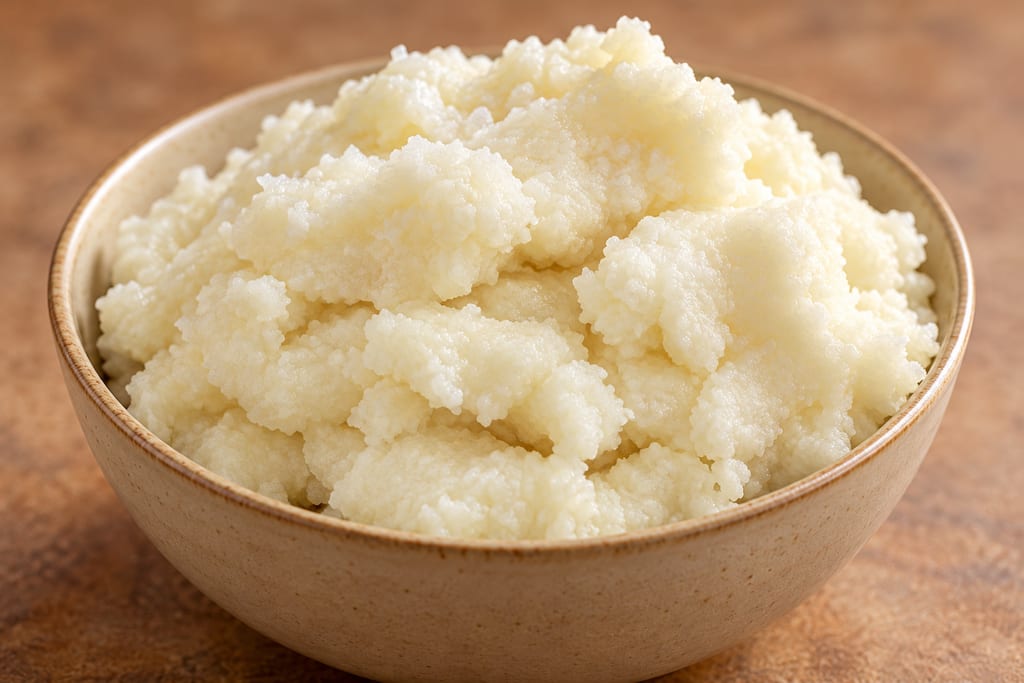
South Africa's maize-meal porridge, which the same white meal turns into a soft breakfast pap, a firm sliceable mound or the separate moist granules of phuthu depending only on water and handling.
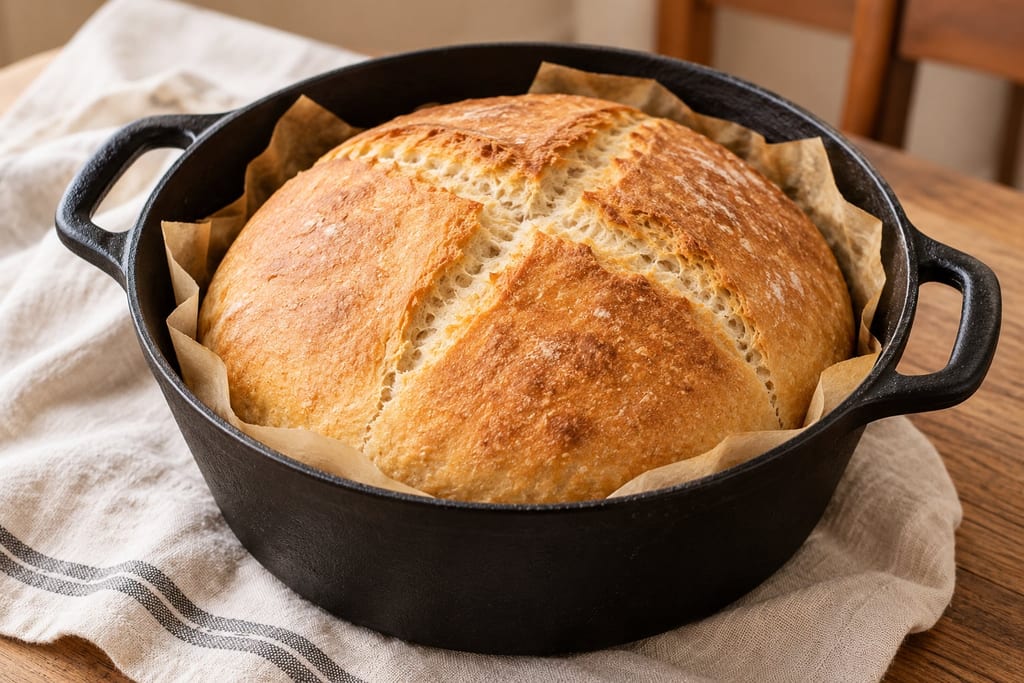
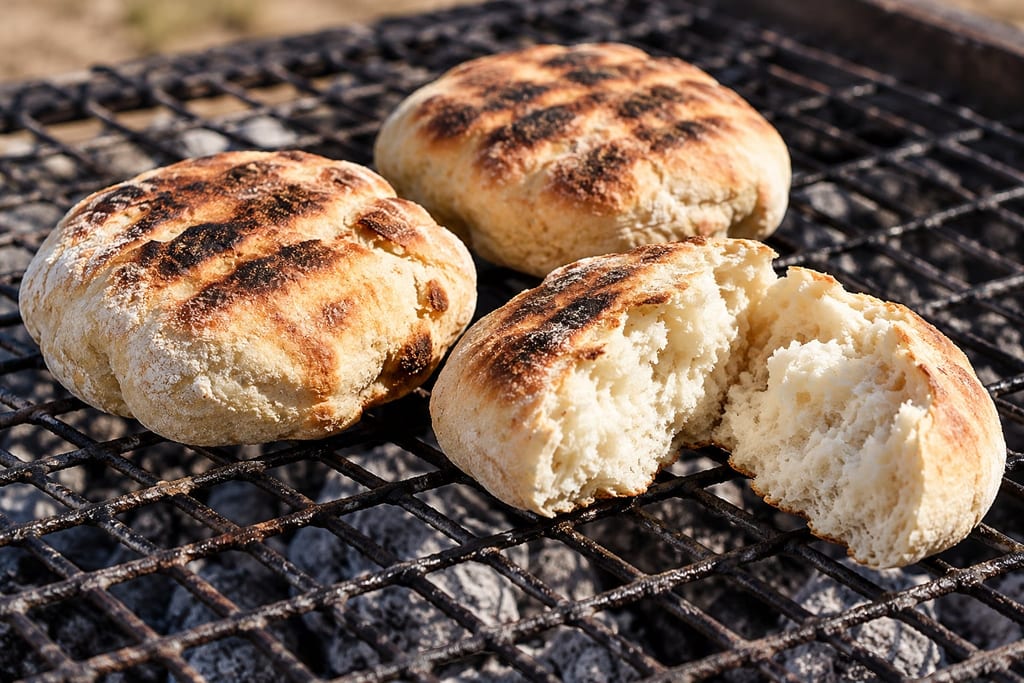
Roosterkoek is a small yeast-raised South African bread cooked over gentle braai coals. This enriched dough rises twice and is turned on the grid until browned and cooked through.
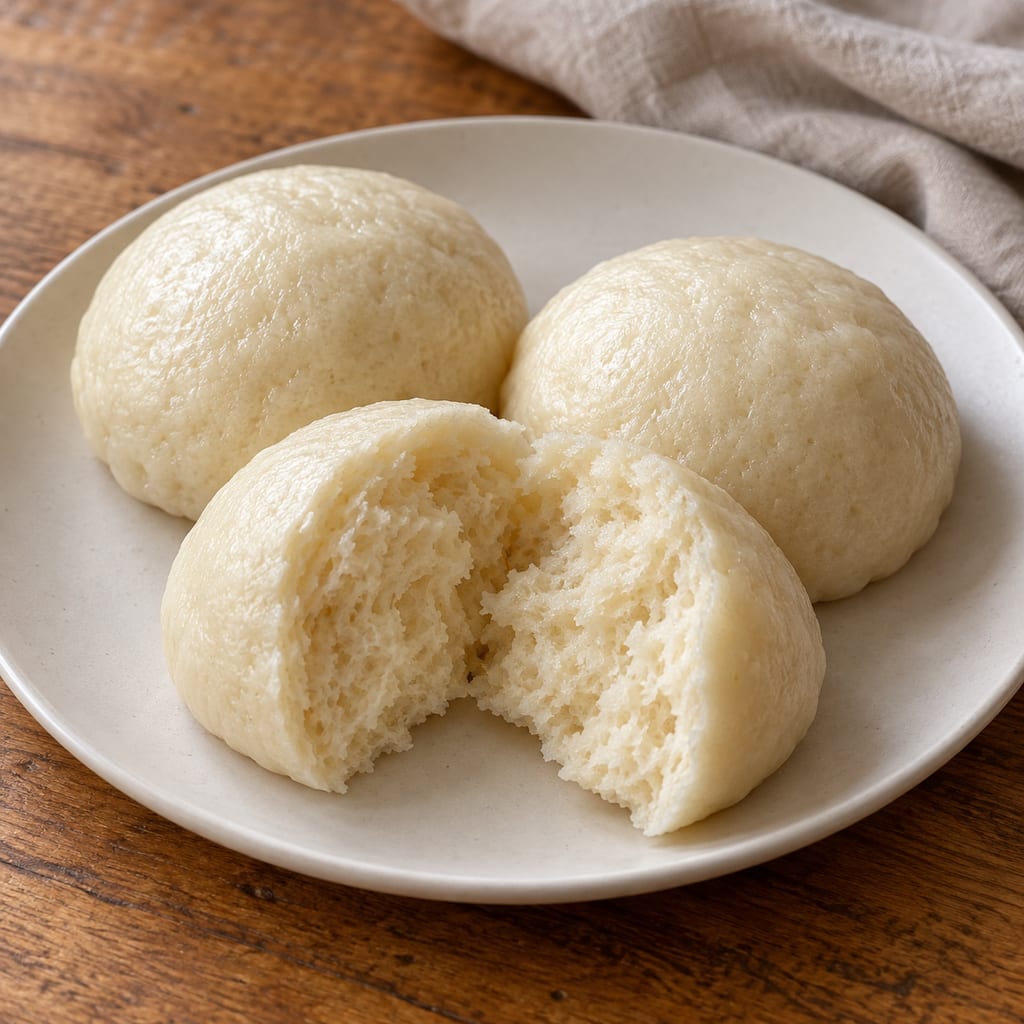
This tin-steamed South African dombolo uses yeast dough with bread flour and olive oil. It rises twice, steams for about an hour, and is checked with a clean skewer.
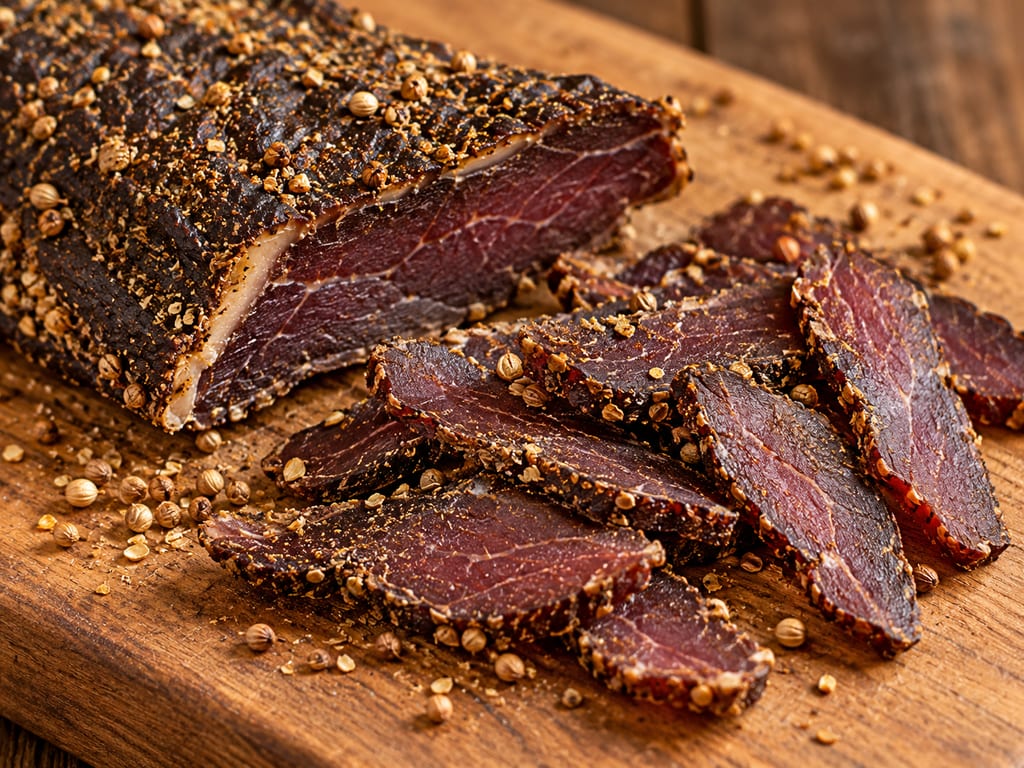
Strips of whole-muscle beef or game seasoned with salt, vinegar, roasted coriander and pepper and air-dried without cooking, sold anywhere from soft and moist to hard and very salty.
Bint al-sahn is a Yemeni celebration and home bread built from thin, egg-rich yeast dough layers brushed with ghee or butter. This source-specific version makes one round cake, baked until golden and served warm with honey.
Mexican sweet rolls with a soft enriched yeast dough and a separate scored sugar-flour topping shaped like a shell. This version makes 15 rolls and uses a chilled dough rest before final proofing.
A Cap-Pelé boucanière is an Acadian herring-smoking building. The documented Willie Niles example is a one-storey wood-frame structure with a ridge smoke vent and interior bays for hanging fish-bearing cannes.
Achcharu is a family of Sri Lankan vinegar pickles made with mixed vegetables or seasonal fruit and a piquant spice dressing. This version is a quick, refrigerated, non-fermented mixed-vegetable pickle.
The acocote is a long, hollowed and dried gourd used to draw aguamiel from a mature maguey. It is a harvesting tool: the sap is transferred to a separate vessel before it ferments into pulque.
Parkia biglobosa seeds are fermented into regional West African seasonings, including nététou, iru, dawadawa and soumbala. The yellow fruit pulp is a separate food, and names and methods vary by place.
Japanese reddish-brown vinegar from sake lees matured about three years, turned to vinegar by acetic bacteria; the vinegar of Handa and Edomae sushi rice.
The almond mushroom, Agaricus subrufescens, was cultivated in eastern North America in the 1800s, lost its market, and returned as a cultivated mushroom from Brazil, where it is grown under several names.
Community
No community contributions have been published for this entry yet.
Share what you made
Sign in to contribute. Published comments and photos are free to read.
Measured modern method: 1 kg cake flour, 2 tsp salt, 100 g sugar, 10 g instant yeast, 4 tbsp fennel or aniseed, 100 g butter, 1 cup heated white grape juice, ½ cup warm milk and 1 cup warm water; syrup uses ¼ cup honey and 2 tbsp hot water.
The dough is kneaded 5–10 minutes, proved about 30 minutes until doubled, kneaded again, made into 12 balls packed into two 20–23 cm loaf tins, proved 30–45 minutes, brushed with syrup, baked at 180°C for 30–40 minutes and brushed again after turning onto a wire rack.
Cited in: Must, leaven and the modern adaptation; Ingredients and their measures; Timing and the source discrepancies
Accessed 2026-10-29
Dictionary Unit for South African EnglishIdentity · History
Defines mosbolletjie as a sweet bun made with a yeast of partially fermented grape or raisin juice, often flavoured with aniseed and eaten fresh or as a rusk.
Quotes Cape Cookery (1890), Hilda’s Where Is It? (1891), and other dated usages. The 1890 and 1891 entries are dated attestations, not an invention date.
Describes fermenting grape juice as the crucial seasonal ingredient in traditional mosbolletjies, connects it with the Cape wine harvest, and reproduces Francina Blaauw’s De Wetshof recipe using fermenting must.
The cited must recipe specifies 17° Balling as an intended sweetness; this record does not convert the source's must method into the modern grape-juice-and-commercial-yeast recipe.
Cited in: A Cape bun made with grape must; Must, leaven and the modern adaptation
Identifies mosbolletjies with the South African Cape Winelands grape harvest and traditional fermented grape must.
The article’s baker says to substitute grape juice and add instant yeast if must is unavailable, explicitly distinguishing that modern substitute from must leavening.