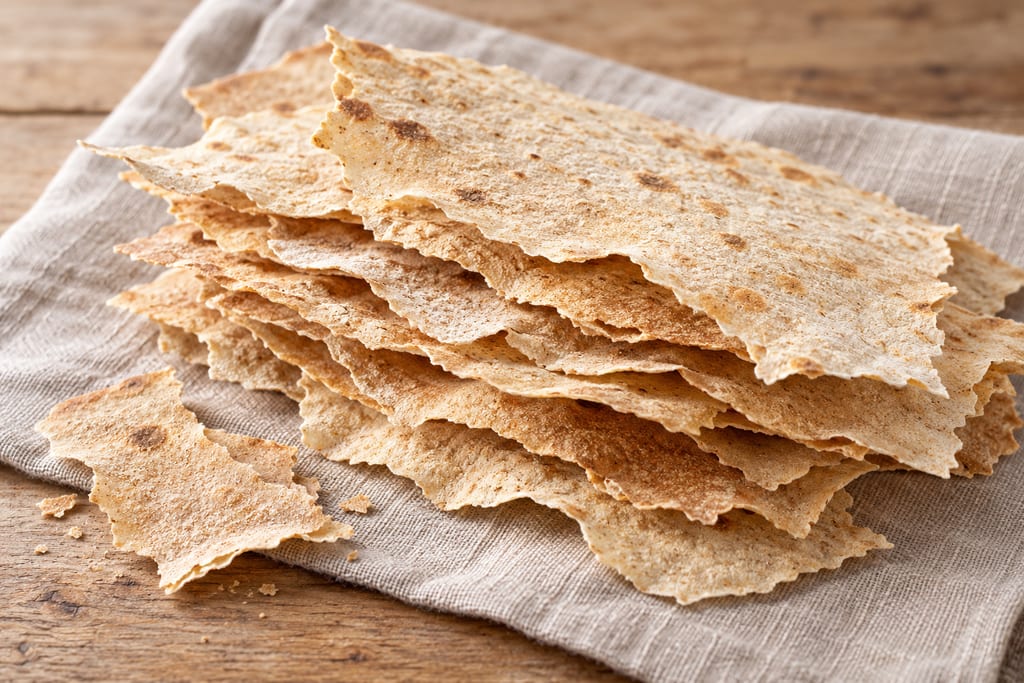
Flatbrød (Onsøy recipe attributed to Lisa Kjenne)
Thin, unleavened Norwegian flatbread made from sifted wheat and oat flours, fine whole rye, salt and water, then rolled with barley flour and cooked on a takke.
 FermenteaWhere food goes to change
Equipment · Baking surfaces and griddles
takke · Griddle · steketakke
A heated iron or stone plate for fat-free baking of thin breads. Norwegian sources document the takke and stone bakstehelle, from wood-fired hearths to modern electric models.
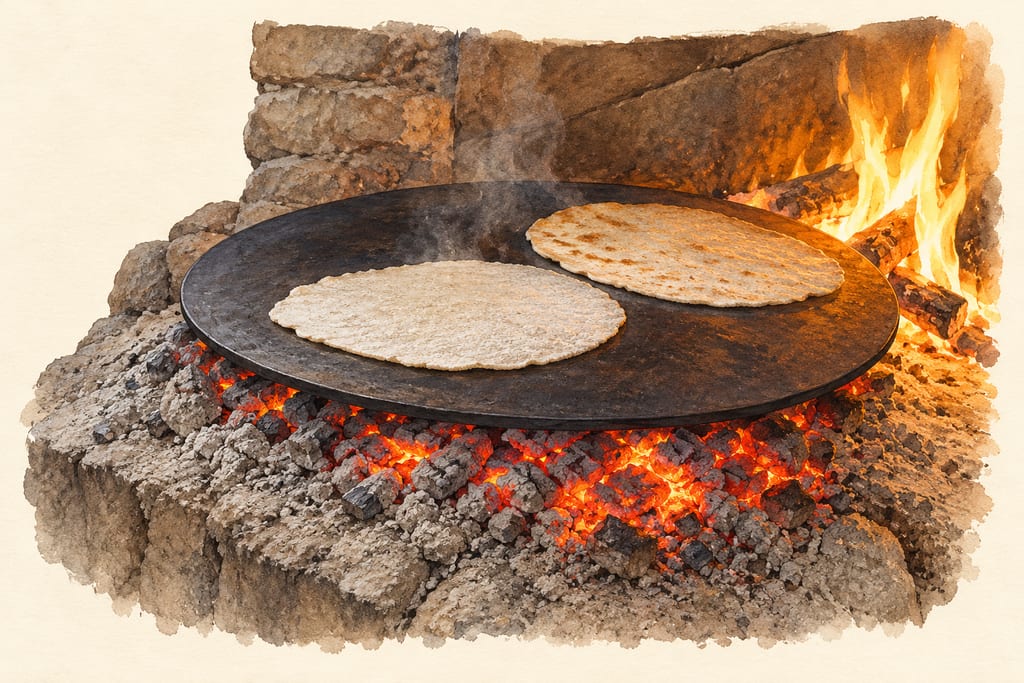
A hot dry griddle is a flat heated surface for cooking thin bread directly, without a bath of cooking fat. In Norwegian use, the names include takke and steketakke. Store norske leksikon describes the takke as a thick iron plate or slab for flatbrød and lefser; a stone version is commonly soapstone and called a bakstehelle. These names cover related tools, not one standard model.
Traditional takker were heated on wood-fired stoves or ovens, or by a fire within or beneath the plate. Some stood on legs over a fire. Modern household takker are often electric, a later construction with a different heat source. The old and new forms share the work of heating a flat surface, but the materials, supports and controls vary.
A Møre og Romsdal teaching recipe calls for a takke alongside a rolling pin, baking paddle, brush and roller. The dough is rolled very thin, moved onto the hot surface, and cooked until its upper face begins to dry. The baker turns it and continues until it has a few light brown spots. Some leives can be folded and finished drying in an oven; the griddle is one step in the process, not a container for holding a batch.
That recipe gives a 60 cm takke for one portion size. It is a regional example rather than a universal dimension. Other documented modern electric griddles vary in diameter, while older iron and stone forms need not match a household electric plate.
Store norske leksikon cites archaeological finds showing that flatbread baking on a bakstehelle was common in the 1100s. This supports a medieval Norwegian tradition of cooking bread on a heated stone slab. It does not date the exact iron plate shown in the museum photograph, nor does it show that modern electric takker share the same construction.
The inspected sources do not give one capacity, a universal diameter, a single manufacturing route or aftercare instructions for all griddles. The museum photograph documents a traditional iron plate above embers in a baking demonstration; it grounds the form and heat relationship, not the age of that particular object.
Store norske leksikon says archaeological finds confirm flatbread baking on bakstehelle was common in the 1100s. It describes traditional iron takker heated on a wood-fired stove or oven, and modern electric models. This establishes a history of related dry baking surfaces, not the origin date of a single griddle design.
The 12th-century evidence concerns flatbread baking on a stone bakstehelle; it does not establish when a particular iron takke form began.
Source →The 60 cm size is one Møre og Romsdal recipe example, not a universal specification.
Source →The medieval evidence concerns flatbread baking on bakstehelle, not the date of every iron or electric griddle.
A regional recipe specifies a takke; it does not establish one design used throughout Norway.
Thin, unleavened Norwegian flatbread made from sifted wheat and oat flours, fine whole rye, salt and water, then rolled with barley flour and cooked on a takke.
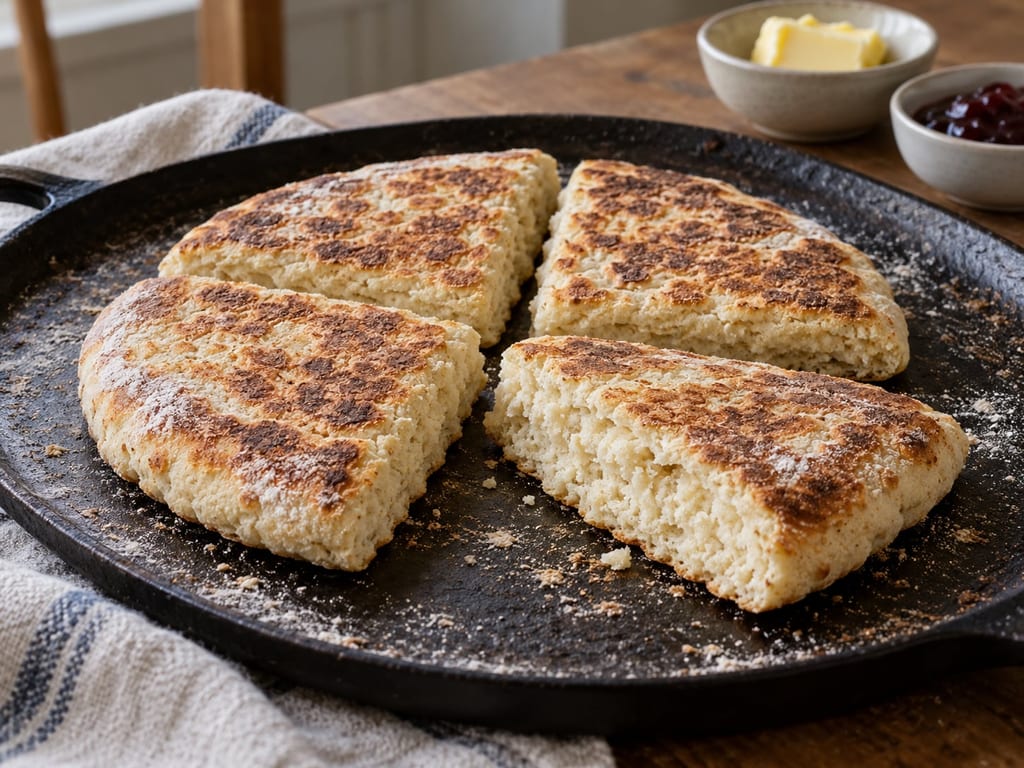
A buttermilk-and-soda wheat dough cut into quarters and cooked on a griddle, following Paula's plain version for Discover Ulster-Scots.
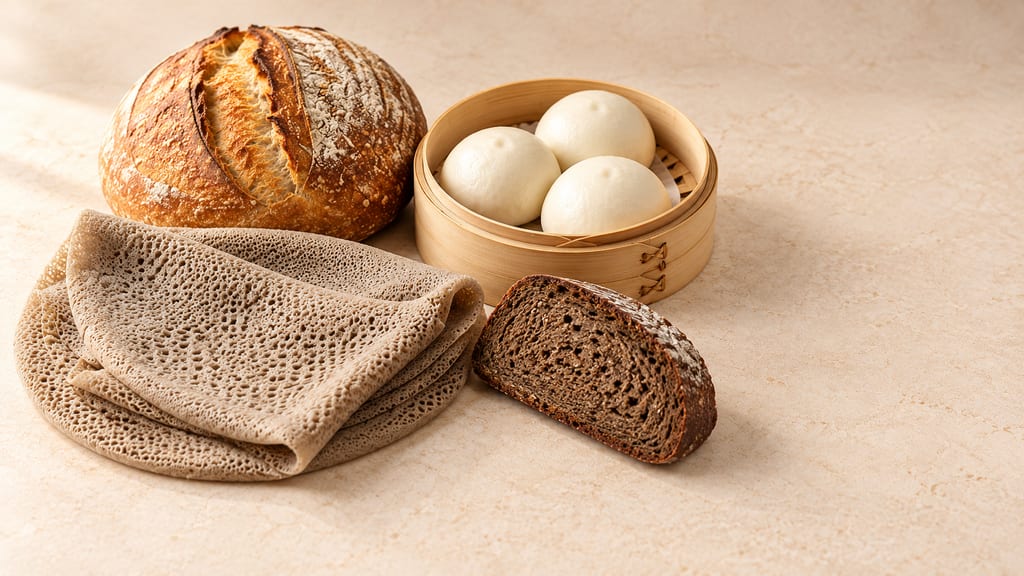
From the baguette and the steamed bun to injera, titiyas, Finnish rye and cassava bread: how grain, microbes and heat answer the question of what bread is for.
A thin stone griddle used over an open hearth. Norwegian archaeology documents the established tradition from the early Middle Ages; a Viking-period origin is only a cautious suggestion linked to Shetland.
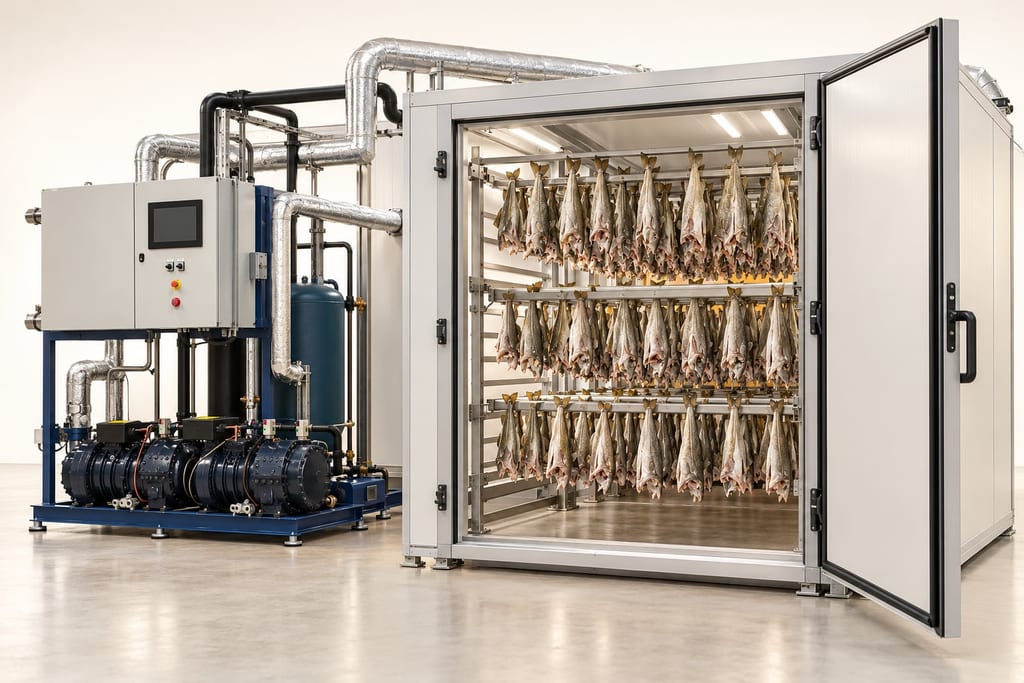
A modern industrial system for controlled indoor drying of stockfish. Documented Norwegian examples combine a drying chamber or duct with heat-pump dehumidification and process monitoring; the evidence does not describe a household cabinet.
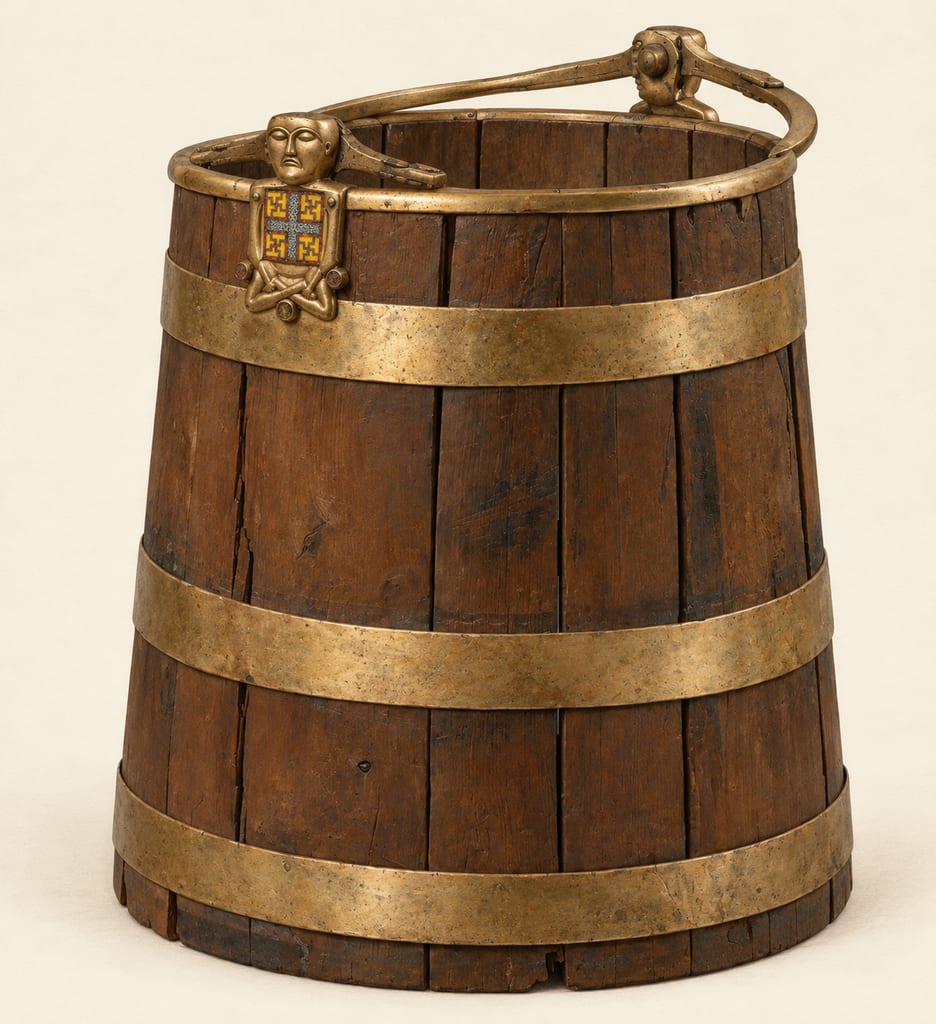
The Oseberg bucket is a 36 cm yew stave vessel bound in bronze, its enamelled human fittings a rare record of skilled craft and elite display.
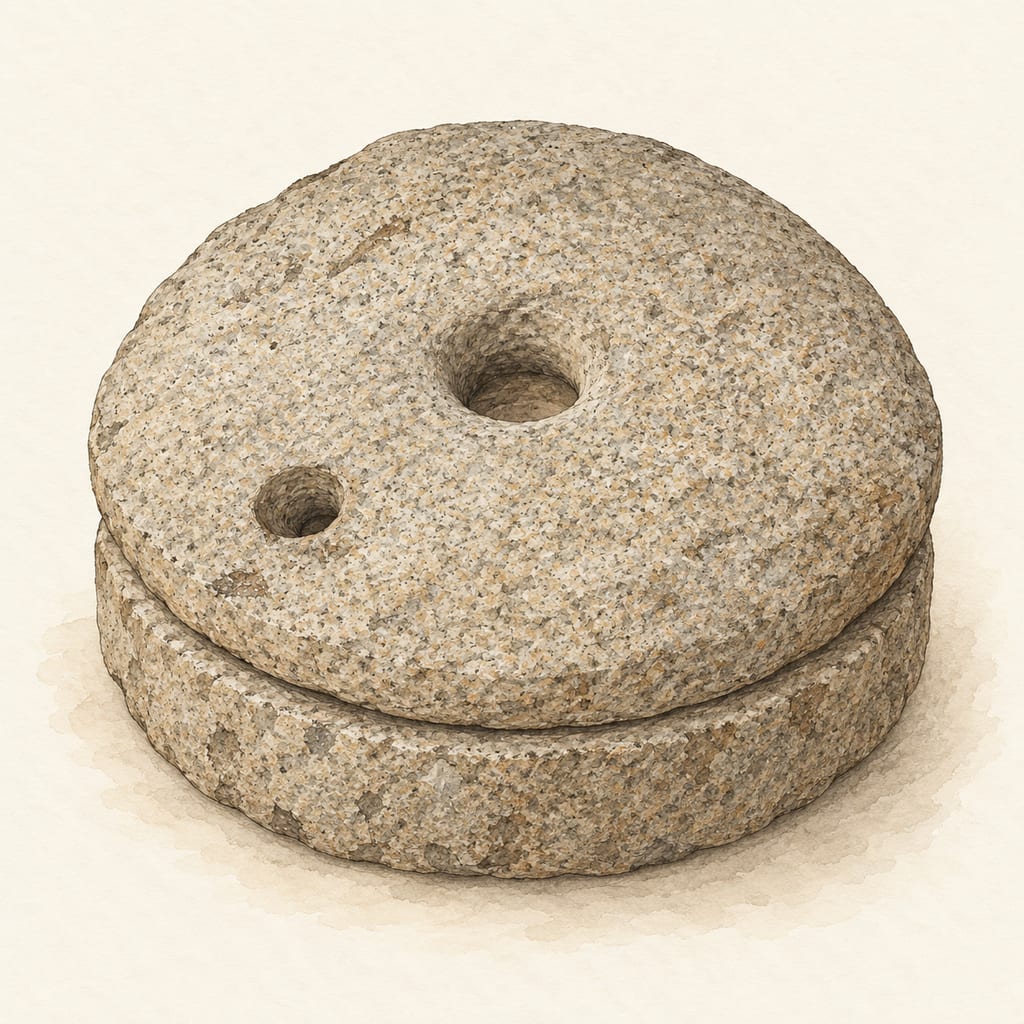
A rotary quern is a hand-operated mill with a runner turning over a fixed bedstone to grind grain. Scandinavian household use of rotary querns increased around the beginning of the Viking Age.
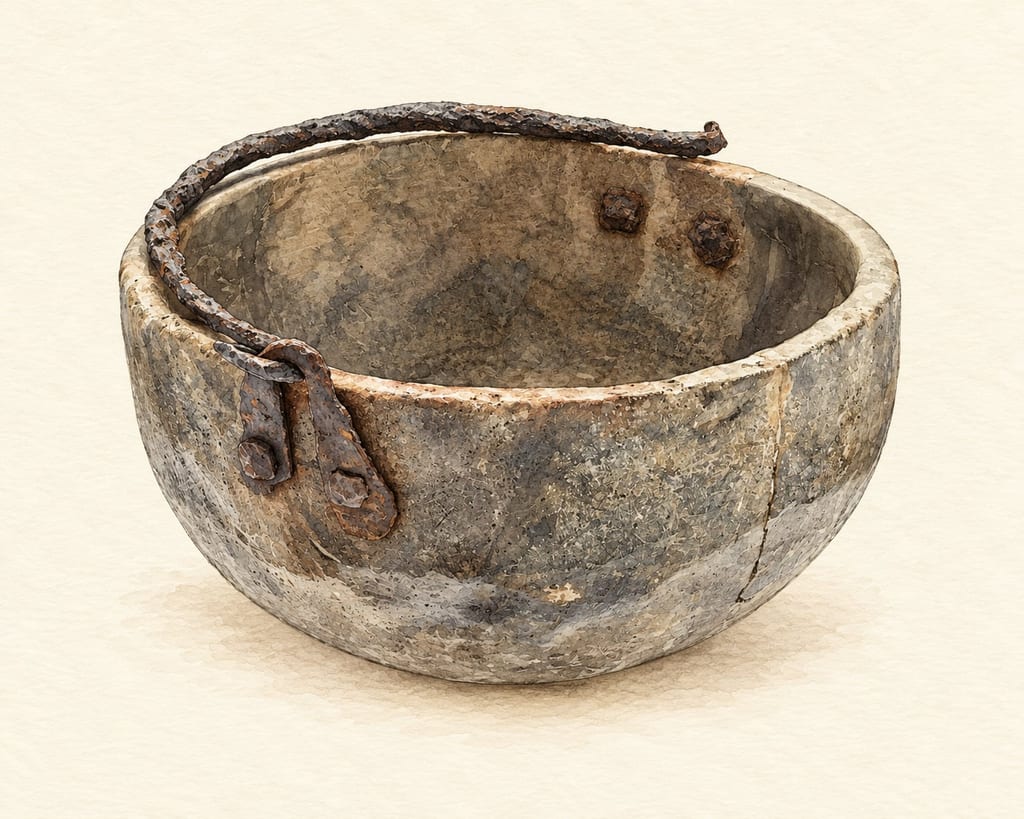
A Viking Age cooking pot carved from soapstone, exemplified by a partly reconstructed Birka grave find with iron handle fittings. Similar vessels were used across Scandinavia, but their forms and later handles changed over time.
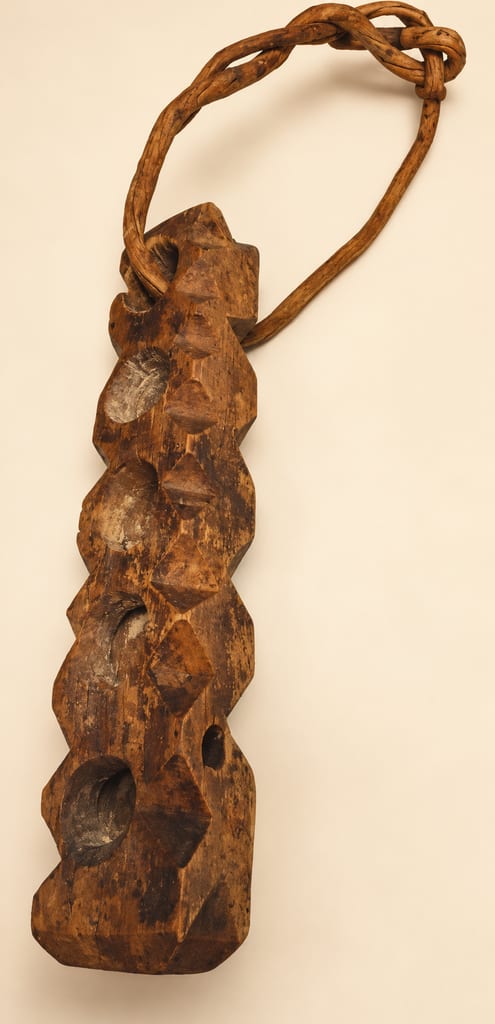
A carved wooden carrier used in Norwegian farmhouse brewing to dry and keep yeast-rich material between batches; its holes and hanging loop distinguish it from a linked wooden yeast ring.
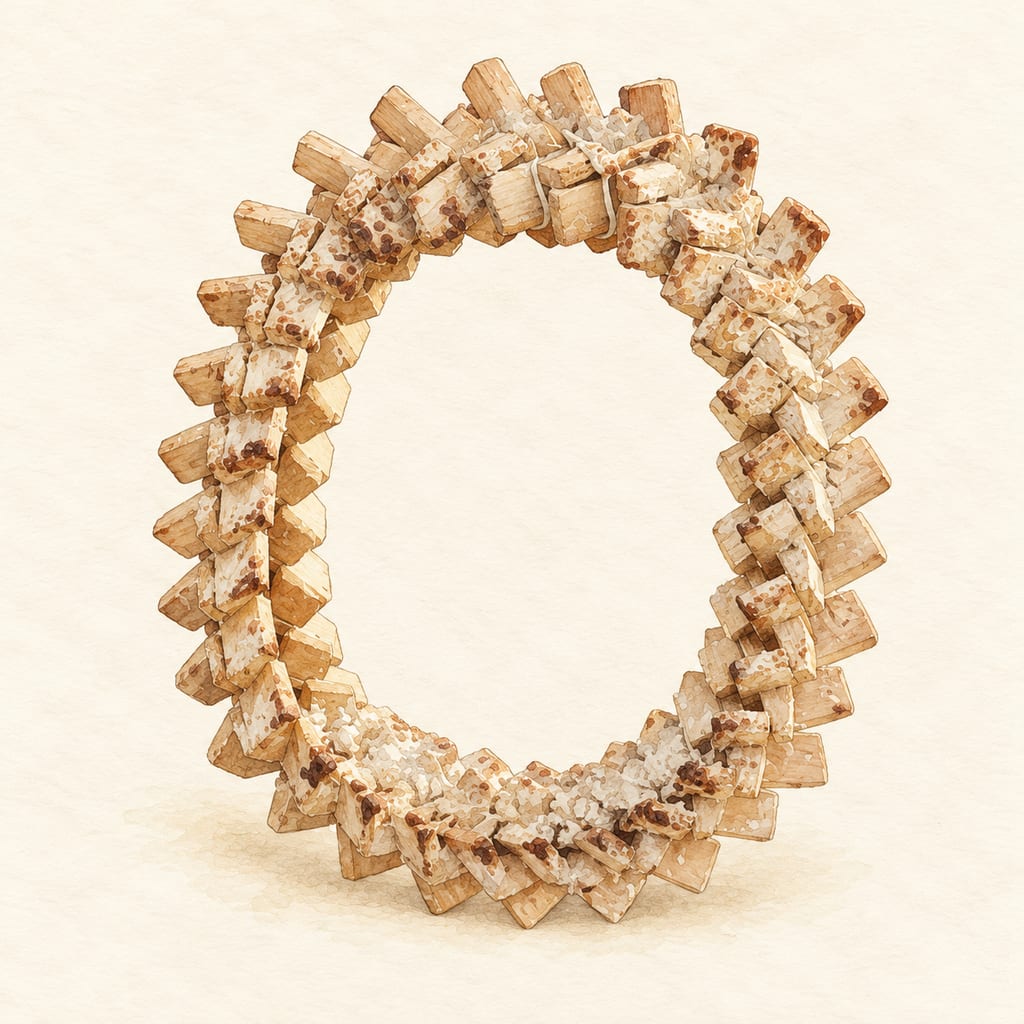
A yeast ring (Norwegian gjærkrans) is an open wooden carrier that holds yeast from a previous brew while it dries for reuse. Lars Marius Garshol documented a linked-block ring in use at a farmhouse brewery in Vestbygda outside Voss.

Protected Italian vinegar made only from cooked grape must, fermented and aged in a battery of wooden barrels for at least 12 years: sweet, sharp and syrupy.

Airag is Mongolia’s fermented mare’s-milk drink, traditionally churned with saved starter in a reusable cowhide khokhuur.

Appam, or hoppers, are South Indian and Sri Lankan rice pancakes made from a fermented coconut-and-rice batter and cooked in a curved pan to a crisp lacy rim and a soft, spongy centre.

Auricularia tremellosa is a wood ear fungus of the genus that supplies most dried wood ear sold in China; its own food record is thin, and the culinary practice described here comes from the closely related wood ear species.

Ayran is Turkey’s cold, savoury yogurt drink: plain yogurt is loosened with water and lightly salted, then whisked smooth or aerated into a soft cap of foam.

Crushed or milled barley cooked in water until the starch softens and the mixture thickens, the plainest way a northern household turned stored grain into a meal, here with apple and hazelnut.

Black carrot is the anthocyanin-pigmented Eastern carrot (Daucus carota var. atrorubens), the purple root that preceded orange types and still colours kanji and şalgam.
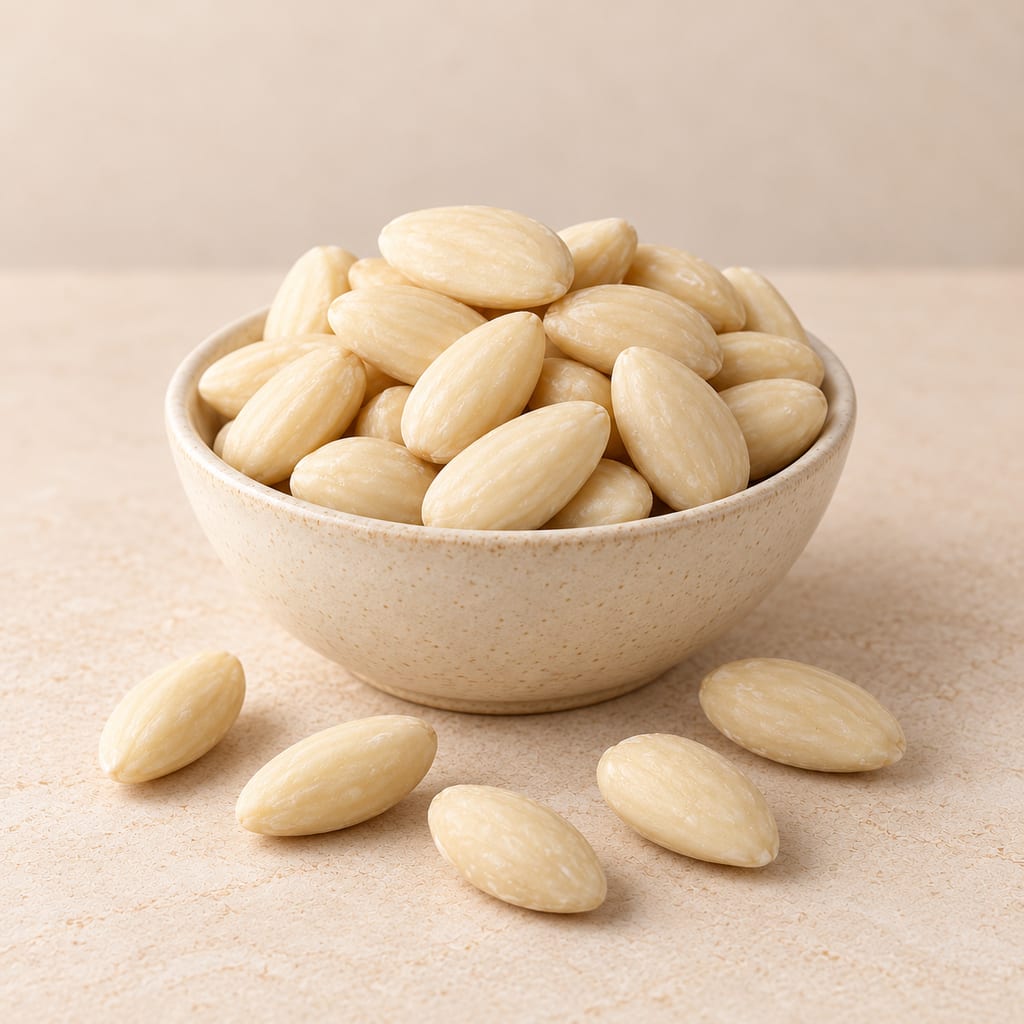
Blanched almonds are sweet almond kernels with the brown seed coat removed. A documented amla murabba cooks ten optional slivered kernels into the finishing syrup with spices and saffron.
No community contributions have been published for this entry yet.
Sign in to contribute. Published comments and photos are free to read.
Store norske leksikonEquipment · History · Method · Geography
TakkeA takke is a thick iron plate or slab used for flatbreads such as flatbrød and lefser; a soapstone form is called a bakstehelle.
Traditional takker used wood heat from stoves or ovens, or stood on legs over fire; modern household models are commonly electric.
Archaeological findings support flatbread baking on bakstehelle in Norway by the 12th century.
Cited in: A broad, dry baking surface; Baking Norwegian flatbrød; History and evidence limits
Norsk Tradisjonsmat / Norges BygdekvinnelagMethod · Equipment · Geography
FlatbrødThe Møre og Romsdal teaching recipe uses a takke for flatbrød and gives a 60 cm griddle as one batch example.
The thin bread is baked on the hot takke until it begins to dry, turned until lightly browned, and may be finished in an oven.
Cited in: Baking Norwegian flatbrød
Norsk FolkemuseumImage reference
Baking lefseThe inspected museum photograph shows a round dark iron griddle above glowing coals, with thin breads cooking; it is an illustrative baking scene, not a dated artefact. The page credits Morten Brun / Norsk Folkemuseum and does not state an open image license.
Cited in: History and evidence limits