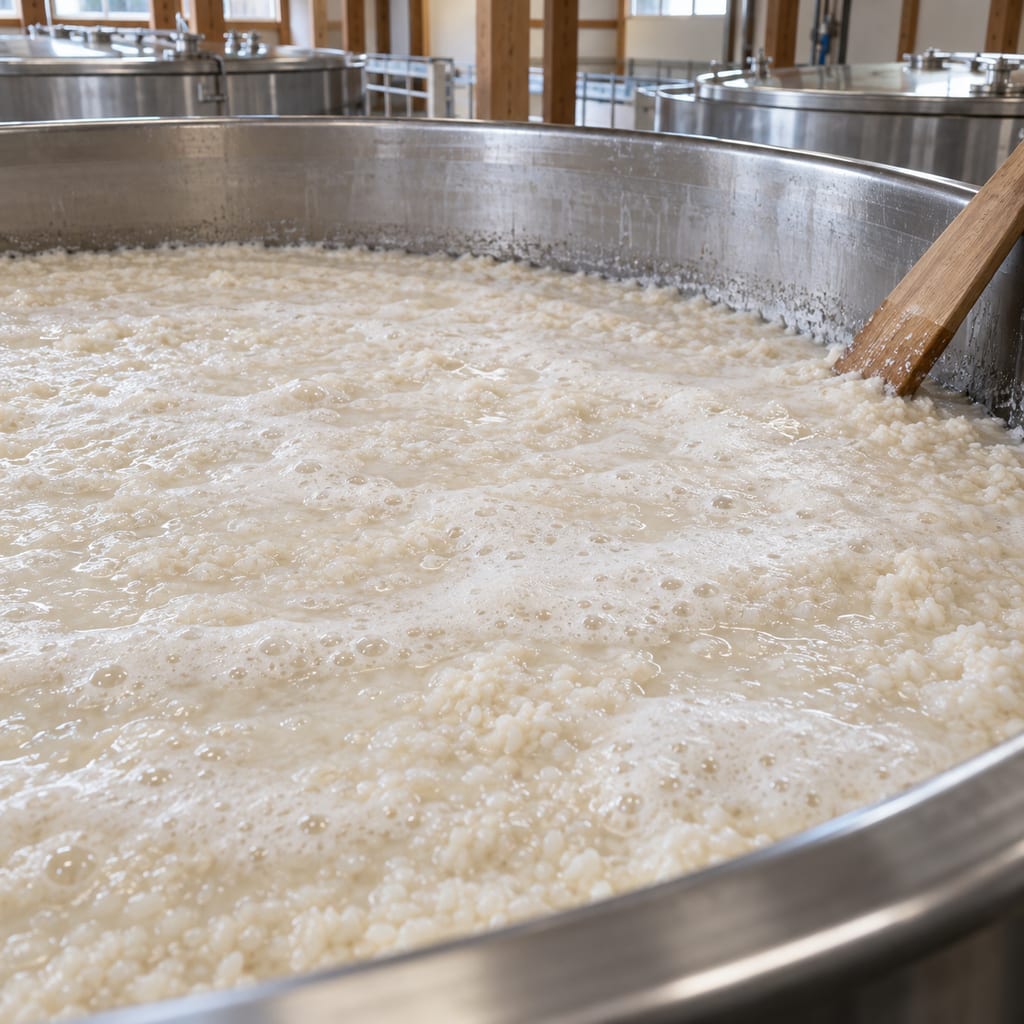
Nihonshu / seishu (Japanese rice sake)
Nihonshu (日本酒), or seishu, is Japanese rice sake: steamed rice, rice koji, water and a yeast starter ferment together in one mash, which is then pressed and finished.
 FermenteaWhere food goes to change
Equipment · Bags, sacks and casings
酒袋 · saka-bukuro · sakabukuro · sake bag · sake pressing bag
A sake pressing bag holds moromi while cloth separates liquid sake from rice-and-yeast lees. Traditional fune presses stack filled bags; material and shape vary by method and period.
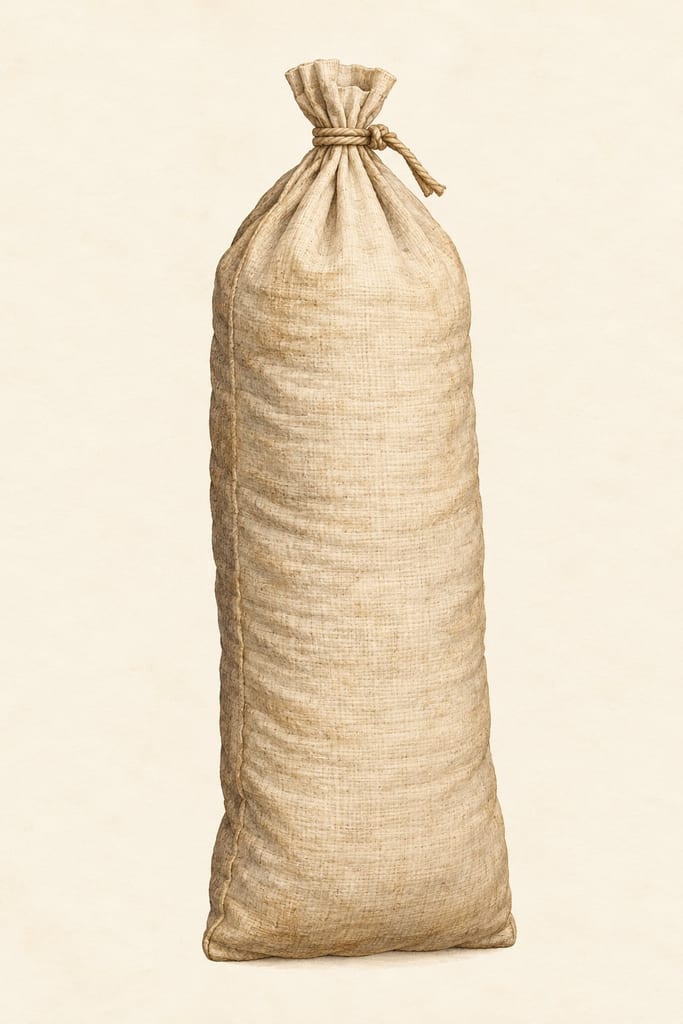
A sake pressing bag, 酒袋 (saka-bukuro), holds moromi—the fermented rice mash—while liquid sake drains through the cloth and solids remain as sake kasu, or lees. The bag is therefore a separator used at the end of brewing, not a fermentation vessel. A Japanese sake museum's historical account describes the lees being removed from the bag after pressing.
The name covers more than one arrangement. A tube-shaped bag may be hung so the liquid drips out, while bags can also be laid into a press. The National Research Institute of Brewing treats these as distinct pressing methods rather than one universal setup.
In traditional fune pressing, bags filled with moromi are stacked inside a vat-shaped press. The National Research Institute of Brewing explains that the weight of the stacked bags first produces a natural flow; pressure can then be applied gradually from above. Sake drains out while rice, kōji and yeast remain in the cloth bags.
The Nada Sake Research glossary describes long fune bags holding about 5–9 litres of mash and says the remaining sake cake is removed after pressing. That range describes the glossary's fune-bag examples, not every sake bag. Its separate fukuro-tsuri bags have a different form and material.
Fukurozuri (also called shizuku-tori) suspends bags so sake drips out without pressure; funeshibori places mash-filled bags in a fune and presses them from above. A brewery's description of traditional pressing also records a lever-driven method that applies pressure to a lid above the bags. These are related ways to separate the same mash, but their bag shape, material and loading differ.
Machine presses have become widespread, and bag pressing has declined; the bag is not a standard component in every modern brewery. The high-end hanging method and the fune method are different arrangements, not one universal setup.
The glossary contrasts older coarsely woven cotton with contemporary synthetics such as nylon, Teviron and Tetron. It notes that durable modern textiles can be easier to care for and make the pressed cake easier to remove. These descriptions show change over time, not a fixed historical material standard.
No source here specifies a single bag for every sake style, a universal pressing schedule, or a home-batch dimension. The linked museum photograph shows workers handling sake bags and lees in a documented traditional process; the generated hero is an illustration of one fune-style bag, not a photograph or reconstruction of a named artifact.
The Hakushika Memorial Museum of Sake presents traditional sake brewing from the Meiji through Showa periods and describes mash pressed in a sake bag with a fune, leaving lees in the bag. The National Research Institute of Brewing distinguishes hanging cloth-bag pressing from stacked bags in a fune and machine pressing.
The sources describe Japanese sake pressing practices at country level; they do not identify one regional origin for the bag.
Nihonshu (日本酒), or seishu, is Japanese rice sake: steamed rice, rice koji, water and a yeast starter ferment together in one mash, which is then pressed and finished.

A small electric incubator holds jars at a selected temperature for yogurt and other documented warm food preparations. Controls, capacity and vessel arrangement vary by model.
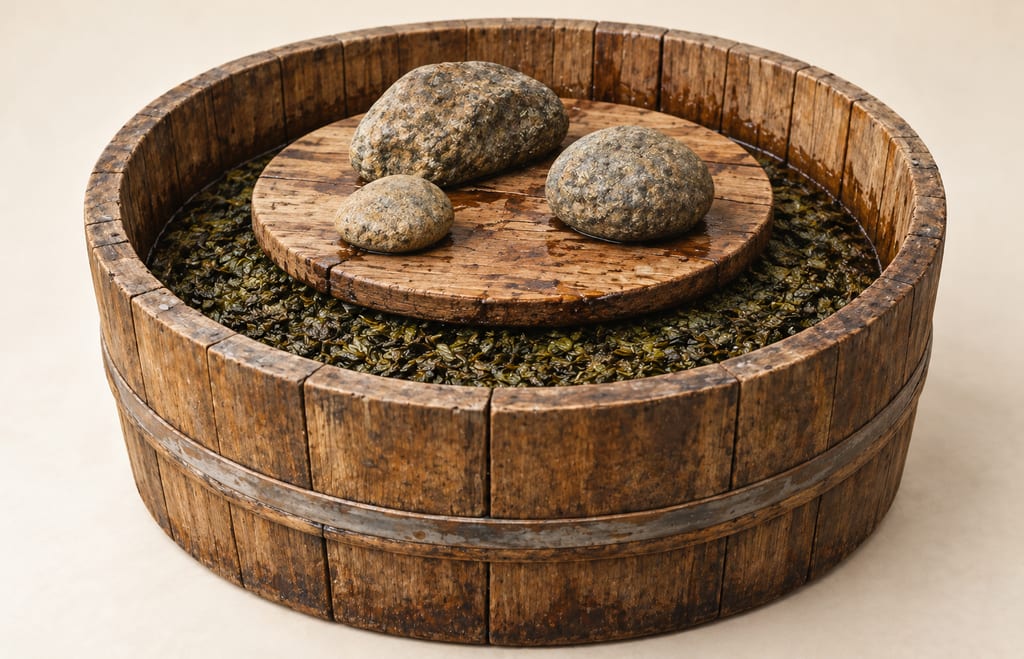
A large wooden tub used in Tokushima to ferment heated, worked Awabancha leaves with their cooking liquor. Its size and construction details are not specified in the sources.
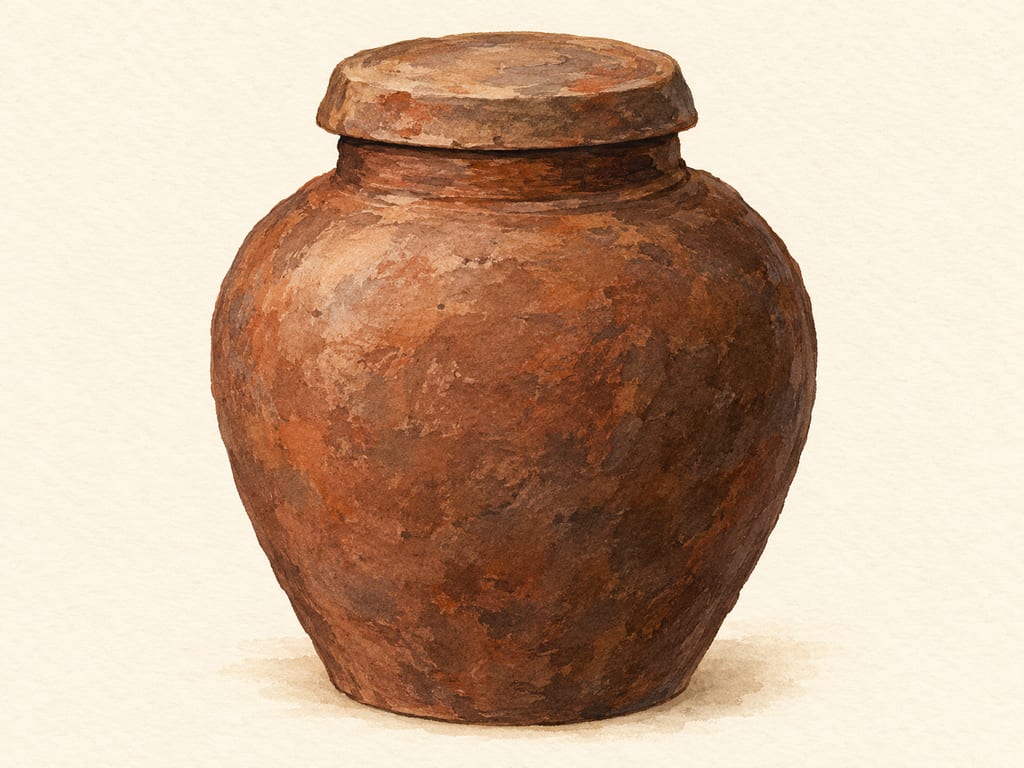
A ceramic jar used in Okinawa to store and mature distilled awamori into kusu; it holds the finished spirit after distillation rather than fermenting the rice mash.
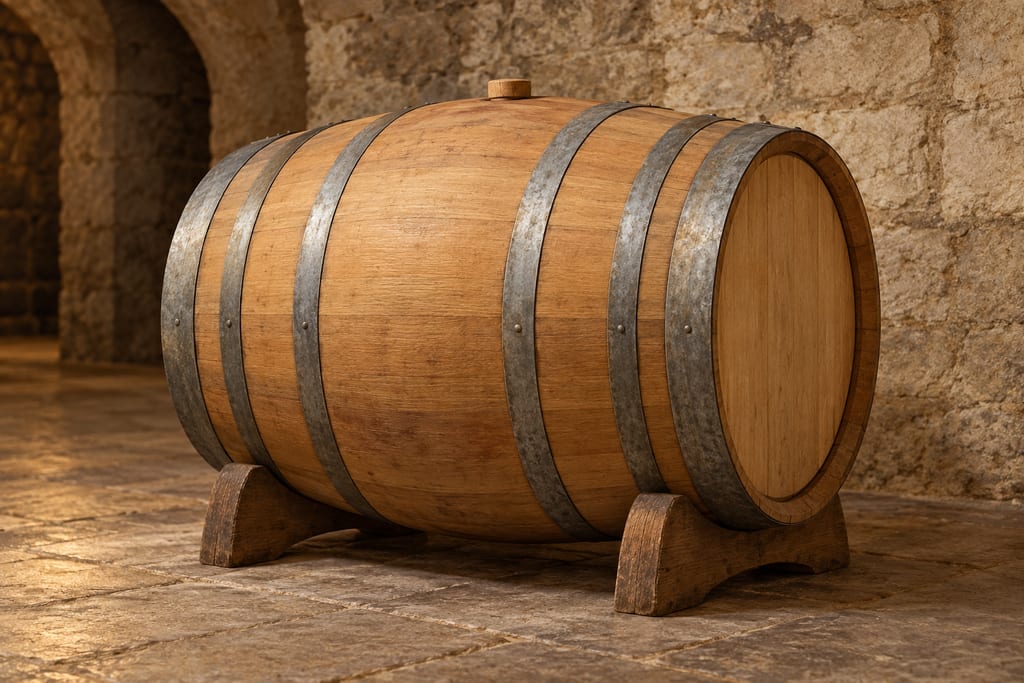
Coopered vessels use shaped staves and hoops, but portable barrels, large foeders and upright wooden vats serve different roles. Materials and uses vary by place and process.
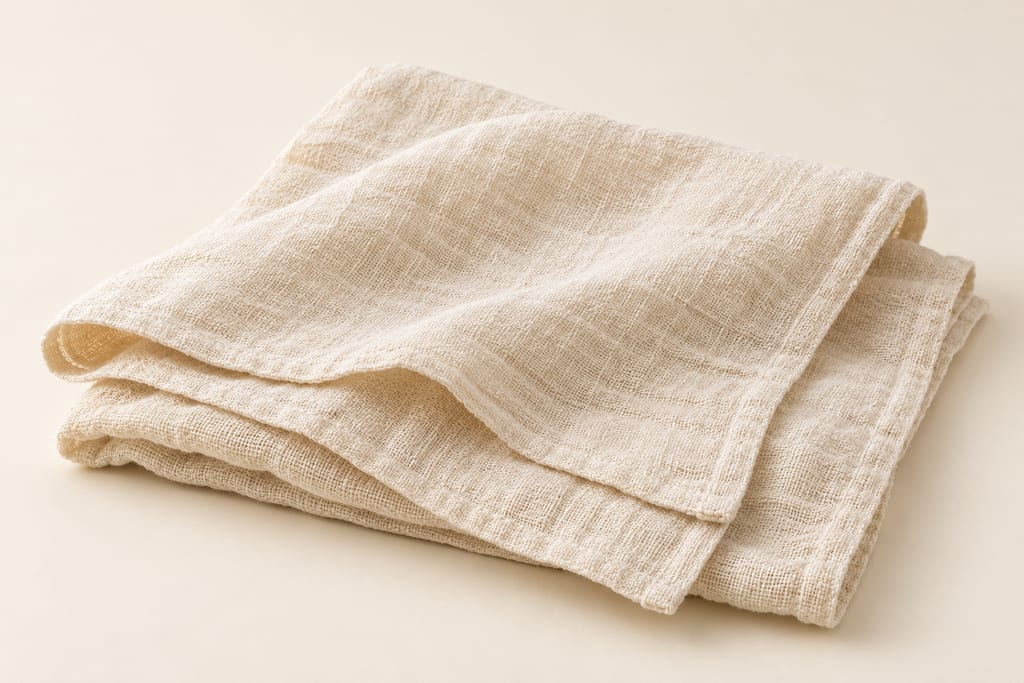
A cloth listed for steaming rice in a rice-koji method and identified as cloth for a koshiki in a brewery-museum caption; its fiber, weave, and size are not specified.
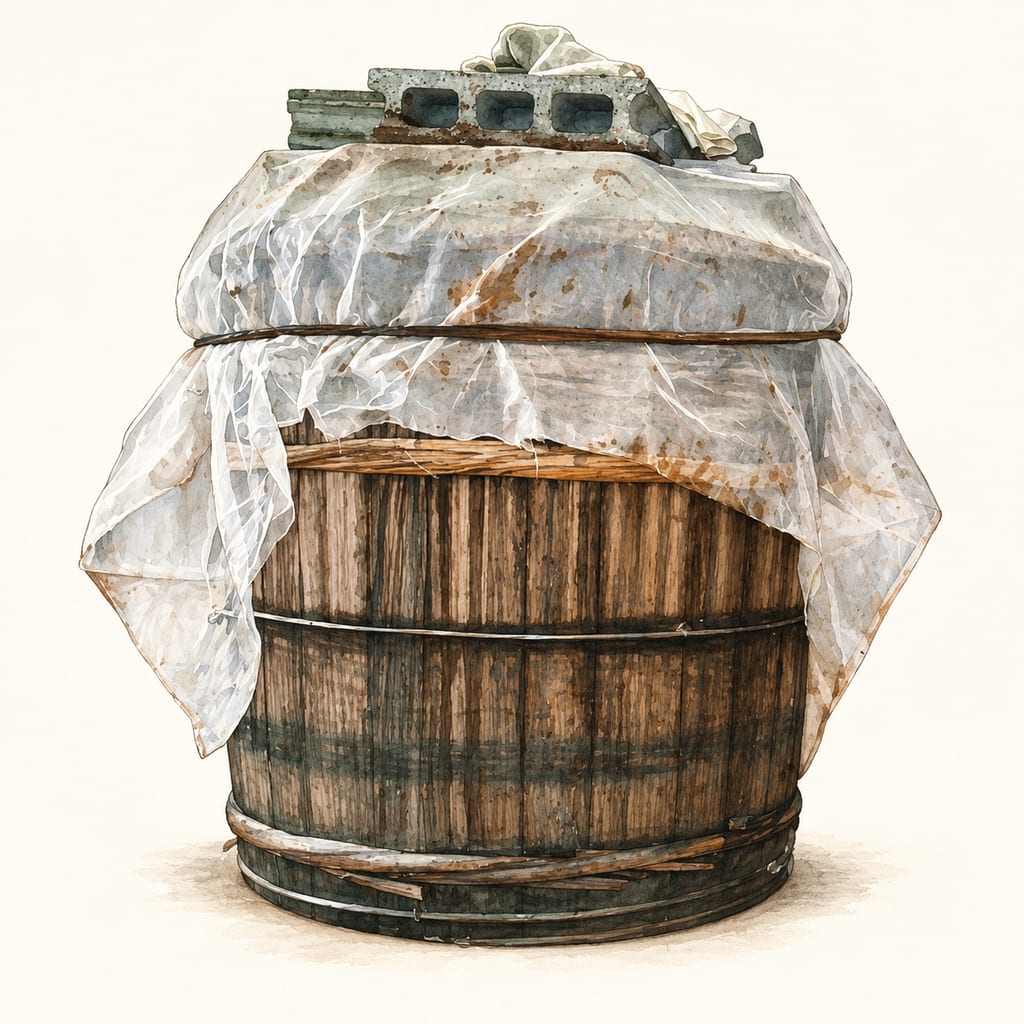
A Goishicha weighted tub holds tea leaves and steaming liquor during the second, wet fermentation stage in Ōtoyo, Kōchi. A current producer photograph documents one covered wooden tub under concrete-block weight.
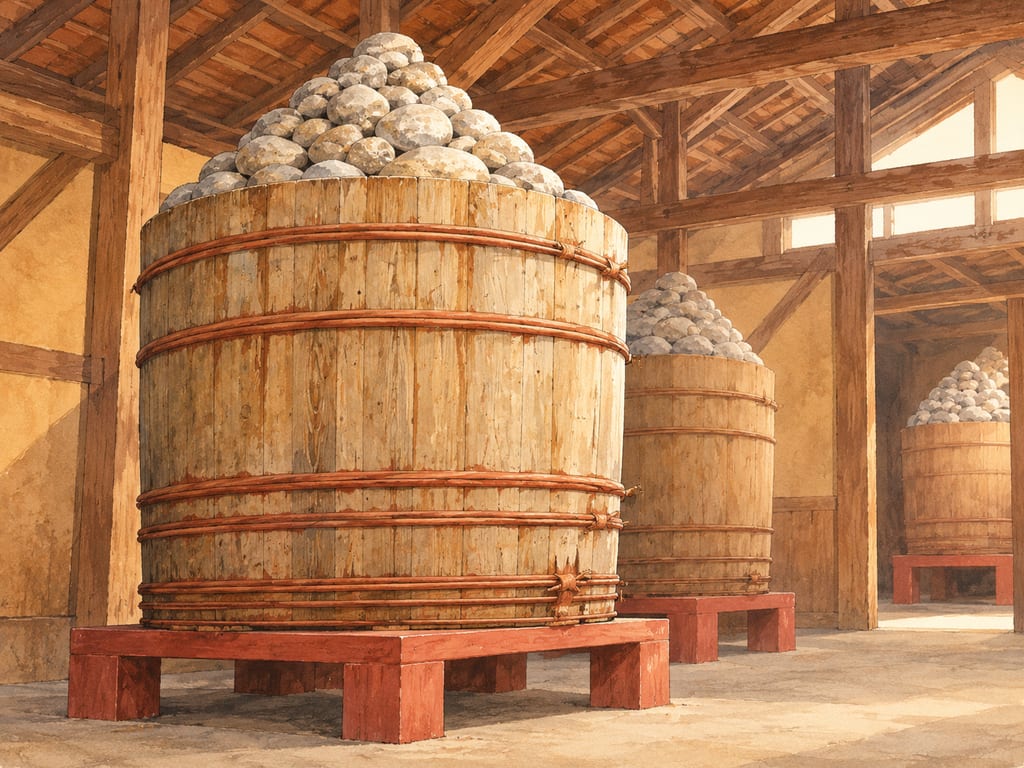
A coopered wooden kioke used by Kakukyu in Okazaki for Hatcho miso: a broad vat capped with a carefully stacked pyramid of river stones during maturation lasting more than two years.
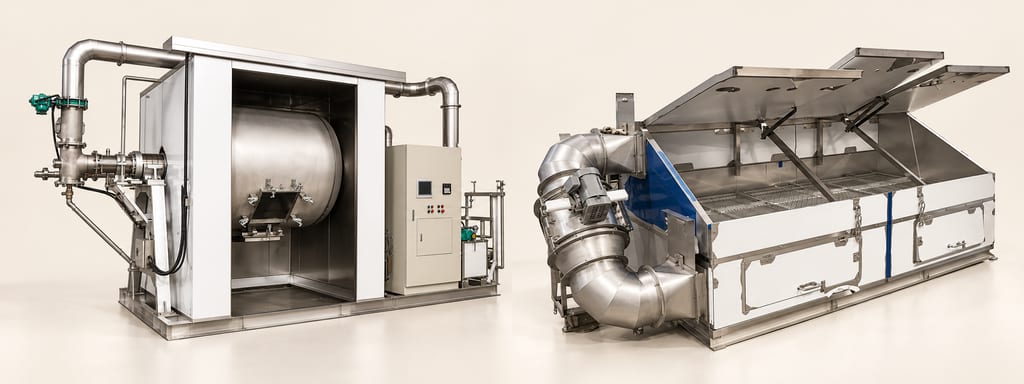
Industrial koji machines cultivate mold on prepared grain before sake, shochu, miso or soy-sauce production. Commercial designs include rotating drums and aerated beds.

A Cap-Pelé boucanière is an Acadian herring-smoking building. The documented Willie Niles example is a one-storey wood-frame structure with a ridge smoke vent and interior bays for hanging fish-bearing cannes.

Achcharu is a family of Sri Lankan vinegar pickles made with mixed vegetables or seasonal fruit and a piquant spice dressing. This version is a quick, refrigerated, non-fermented mixed-vegetable pickle.

The acocote is a long, hollowed and dried gourd used to draw aguamiel from a mature maguey. It is a harvesting tool: the sap is transferred to a separate vessel before it ferments into pulque.

Adrak murabba preserves young ginger in sugar syrup, a sweet South Asian preparation recorded in Indian cookery and food-processing sources.

Parkia biglobosa seeds are fermented into regional West African seasonings, including nététou, iru, dawadawa and soumbala. The yellow fruit pulp is a separate food, and names and methods vary by place.

Japanese reddish-brown vinegar from sake lees matured about three years, turned to vinegar by acetic bacteria; the vinegar of Handa and Edomae sushi rice.

A refined common-wheat flour blended for a broad range of baking; its protein and behavior vary with wheat, milling and market.

The almond mushroom, Agaricus subrufescens, was cultivated in eastern North America in the 1800s, lost its market, and returned as a cultivated mushroom from Brazil, where it is grown under several names.
No community contributions have been published for this entry yet.
Sign in to contribute. Published comments and photos are free to read.
Society for Nada Sake ResearchMaterials · Method · Capacity
Saka-bukuro | Sake GlossaryThe glossary defines saka-bukuro as a sake-pressing bag used with moromi and sake cake.
It describes long fune bags holding about 5–9 litres, and says the pressed cake is removed after pressing.
It distinguishes historical coarsely woven cotton from current synthetic fibers and notes that bag pressing has declined as machine presses spread; fukuro-tsuri bags differ in form and material.
Cited in: A cloth filter for sake mash; Bags in a fune press; Two forms, two pressing methods; Materials and limits
National Research Institute of BrewingMethod · History
The Story of Sake No. 2: The Integration of Science and TechnologyThe NRIB describes hanging a cloth bag for drip pressing, stacking bags of mash in a fune, and automatic filter presses as distinct methods.
In fune pressing, the weight of stacked bags produces initial flow and pressure may be raised gradually; the source describes sake and sake cake separation.
Cited in: A cloth filter for sake mash; Bags in a fune press; Two forms, two pressing methods
Hakushika Memorial Museum of SakeHistory · Method
Traditional Sake Brewing Process Part 2The museum frames the traditional process it describes across the Meiji-to-Showa period, 1868–1989.
It says moromi is pressed in a sake bag with a fune, leaving sake lees in the bag to be removed; its photo documents workers peeling lees from sake bags.
Cited in: A cloth filter for sake mash; Materials and limits
Nakano no SakaguraMethod
Press machine・Cedar casksThe brewery distinguishes fukurozuri, where bags of mash hang and drip without pressure, from funeshibori, where sacks are pressed in a fune.
It describes a traditional lever method pressing a lid above mash-filled sacks.
Cited in: Two forms, two pressing methods