Sauerreuben (fermented turnips)
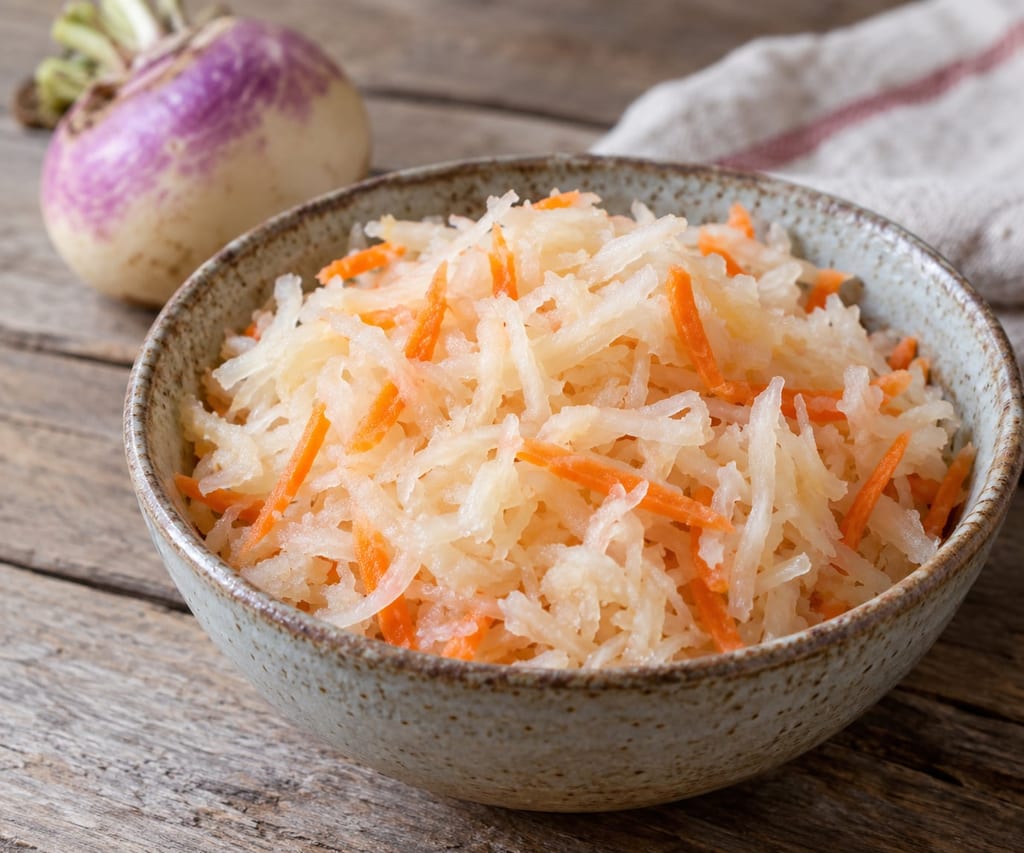
Shredded turnips and carrots are dry-salted, pressed beneath their juice and fermented as a cabbage-free kraut-style preserve.
 FermenteaWhere food goes to change
Compote aux raves · Rape acidule · Swiss fermented turnips
Swiss fermented white turnips, cut into strips, salted and fermented like sauerkraut; called compote aux raves in French-speaking Switzerland.
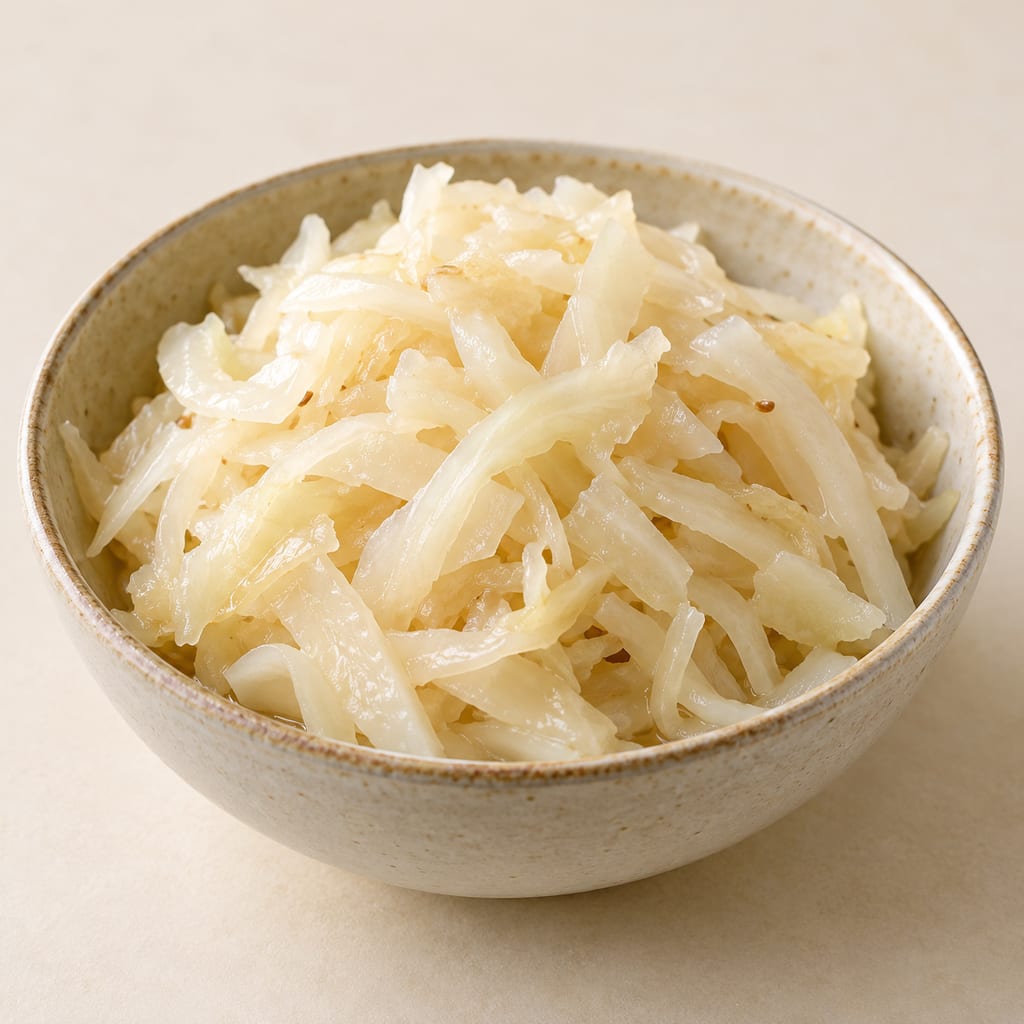
Sauerrüben is the Swiss German name for fermented white turnips. The Dictionnaire suisse romand defines compote aux raves as turnip strips fermented in a preparation like sauerkraut and equates the French term with Sauerrüben. The Swiss heritage inventory also lists the Italian rape acidule; how widely that term is used is not established.
The word compote does not settle the method. The inventory distinguishes raw grated vegetables that were fermented from a coarser cooked preparation that was probably preserved with vinegar, and describes them as separate, historically coexisting methods; its vinegar explanation is qualified. The sources also differ on the cut, thick strands in one and thin strips in the other, and that difference is left as it is.
The inventory names Aargau as the main present-day production centre and records historical consumption there. A current producer, Dreyer AG, says its autumn turnips come from Aargau and in smaller part the Bernese Seeland, harvested from October to November; the inventory places traditional consumption from October through winter. These are regional and seasonal observations, not evidence that Aargau was the birthplace.
The inventory quotes Jérôme Bock's 1539 wording about salting turnips like Kumpost, the clearest cited reference to salted turnips. A 1565 quotation records turnips bought for conpotaz, which does not show whether they were fermented. The cited book and abbey account were not examined, so both are mediated attestations.
Dreyer describes its own production: turnips are cut into sticks, salted, tamped into a fermentation vat and sealed. It reports two to ten weeks for sauerkraut and Sauerrüben together and up to 18 months of storage for its pasteurised commercial products. These figures are one producer's, not a regional standard or a home schedule.
Dictionary examples show compote aux raves cooked with pork and served with boiled potatoes. A Swiss glossary describes the fermented turnips served raw or cooked, in salads, on tarts, beside choucroute or with meat. Räbebappe, mashed autumn turnip and potato, is a cooked dish and not another name for the ferment. The reviewed sources establish no household formula, turnip-specific microbial study, endpoint or validated storage control.
A 1539 reference to salted turnips is quoted in the Swiss heritage inventory; a 1565 quotation records turnips bought for conpotaz, which alone does not show they were fermented.
Scaling: source batch only
The sources give one producer's commercial description and no household formula, endpoint or validated storage controls.
Hazard sourceUse a separately validated vegetable-fermentation method for salt rate, endpoint and storage; the producer's 18-month figure applies to its pasteurised commercial products, and smell or taste does not establish safety.
Control sourceNo household salt rate, fermentation endpoint or storage guidance is established.
The heritage inventory names Aargau as the main present-day production centre and records historical consumption there; this does not make it the birthplace.
The multilingual inventory entry includes these cantons; it does not prove identical names or methods in each.
Shredded turnips and carrots are dry-salted, pressed beneath their juice and fermented as a cabbage-free kraut-style preserve.
Quark is a soft, fresh curd cheese used in spreads and desserts. This small home batch sets milk with mesophilic culture and rennet before refrigerated drainage.
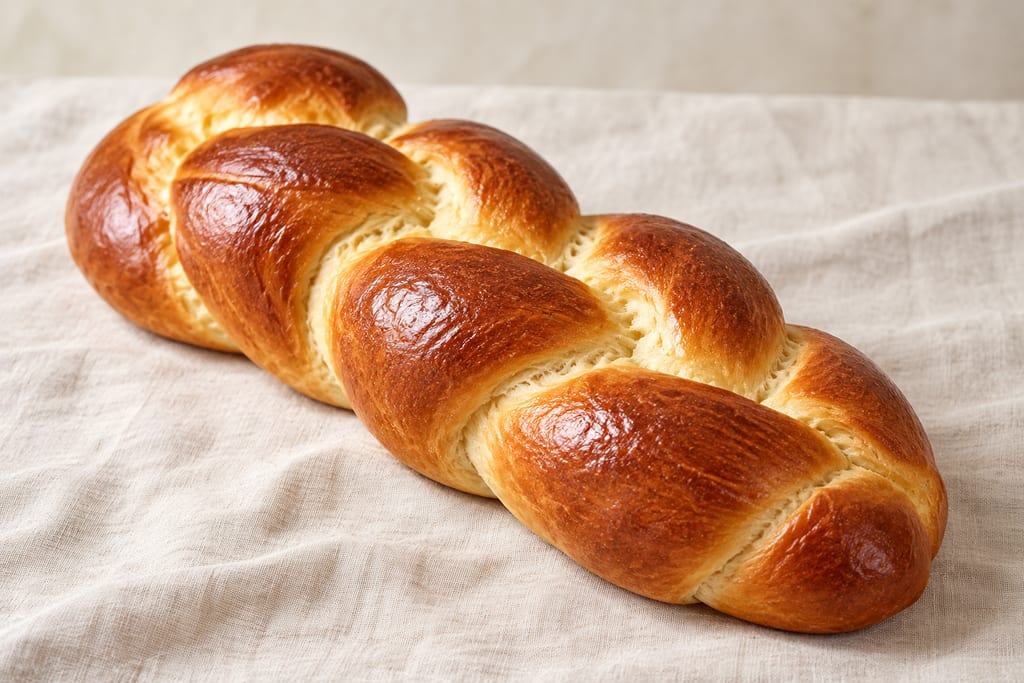
A Swiss braided yeast loaf enriched with milk and butter and brushed with egg yolk.
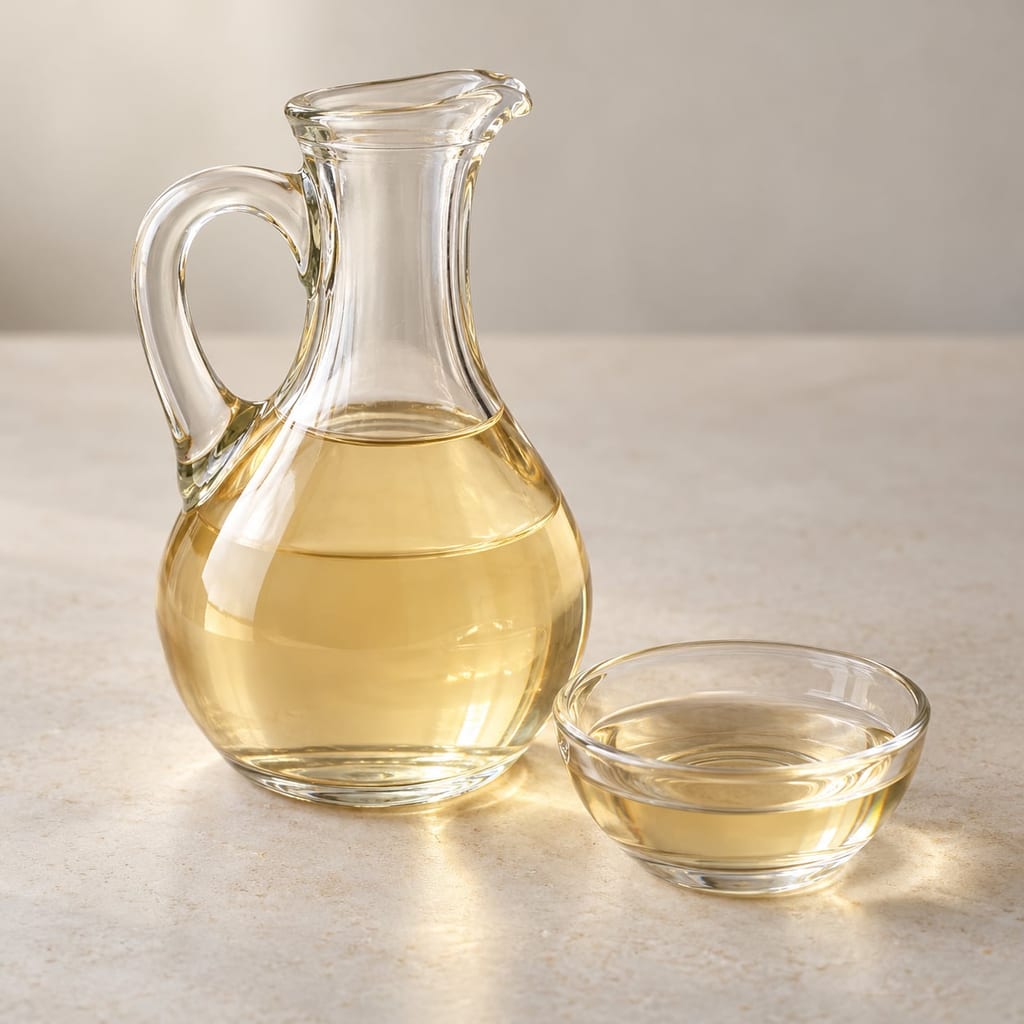
Vinegar made by fermenting the lactose of cheese whey to alcohol with a Kluyveromyces yeast and then to acetic acid; sold in Switzerland as Lactavinaigre from the 1950s.
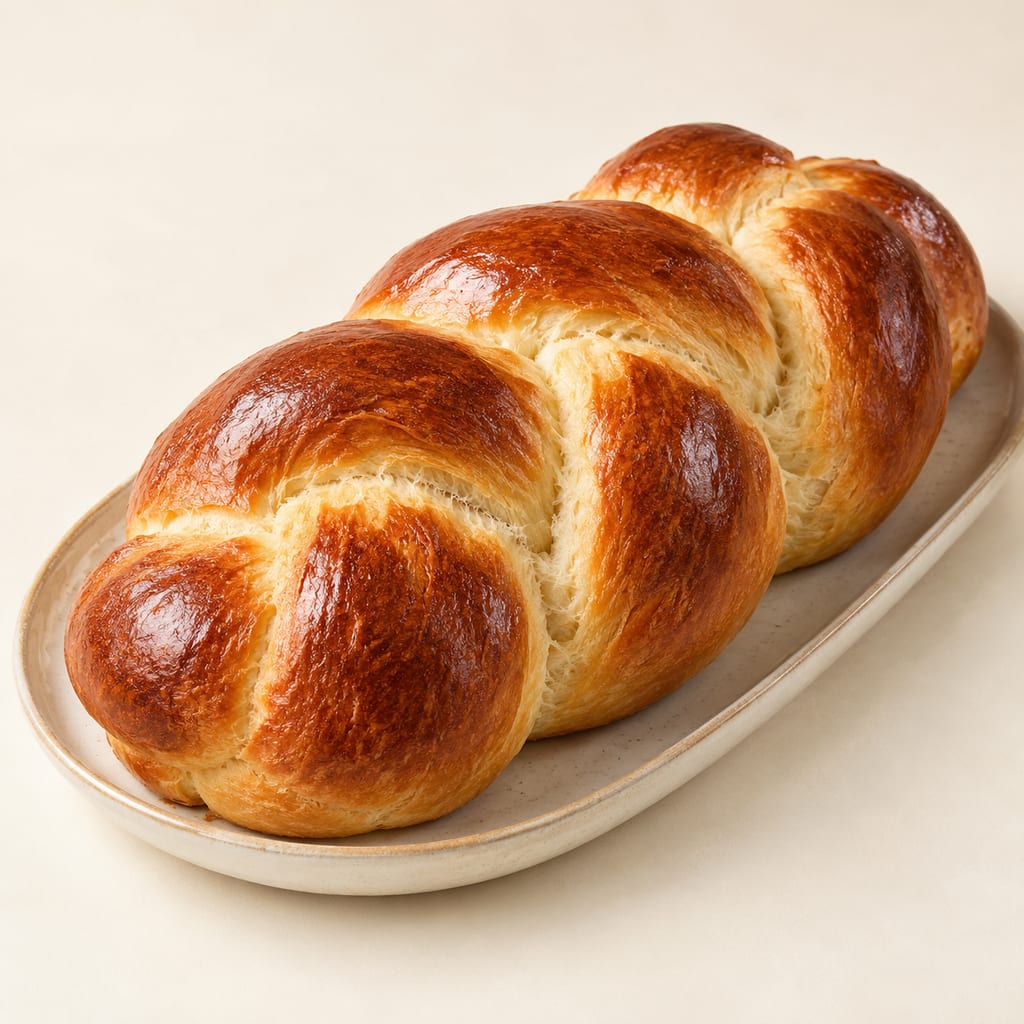
Zopf, also called Züpfe, is an enriched Swiss yeast loaf with butter and milk, shaped as a two-strand braid and brushed with egg before baking.
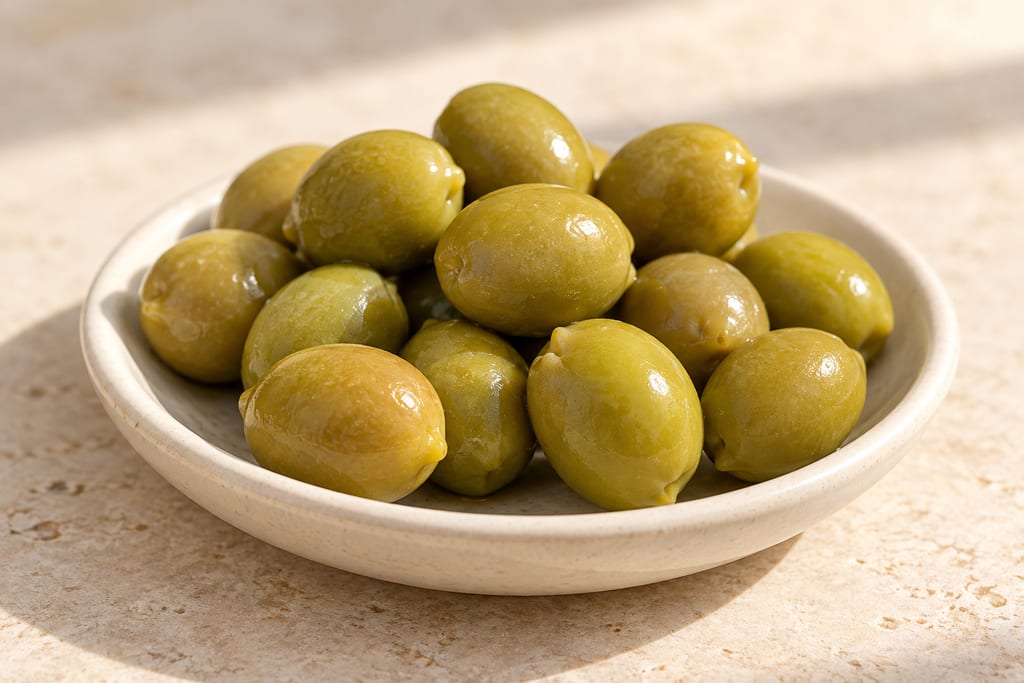
A Portuguese table-olive product from the Negrinha cultivar in northeastern Portugal, sold in three commercial styles, two of them brined fermentations and one oxidised to black.
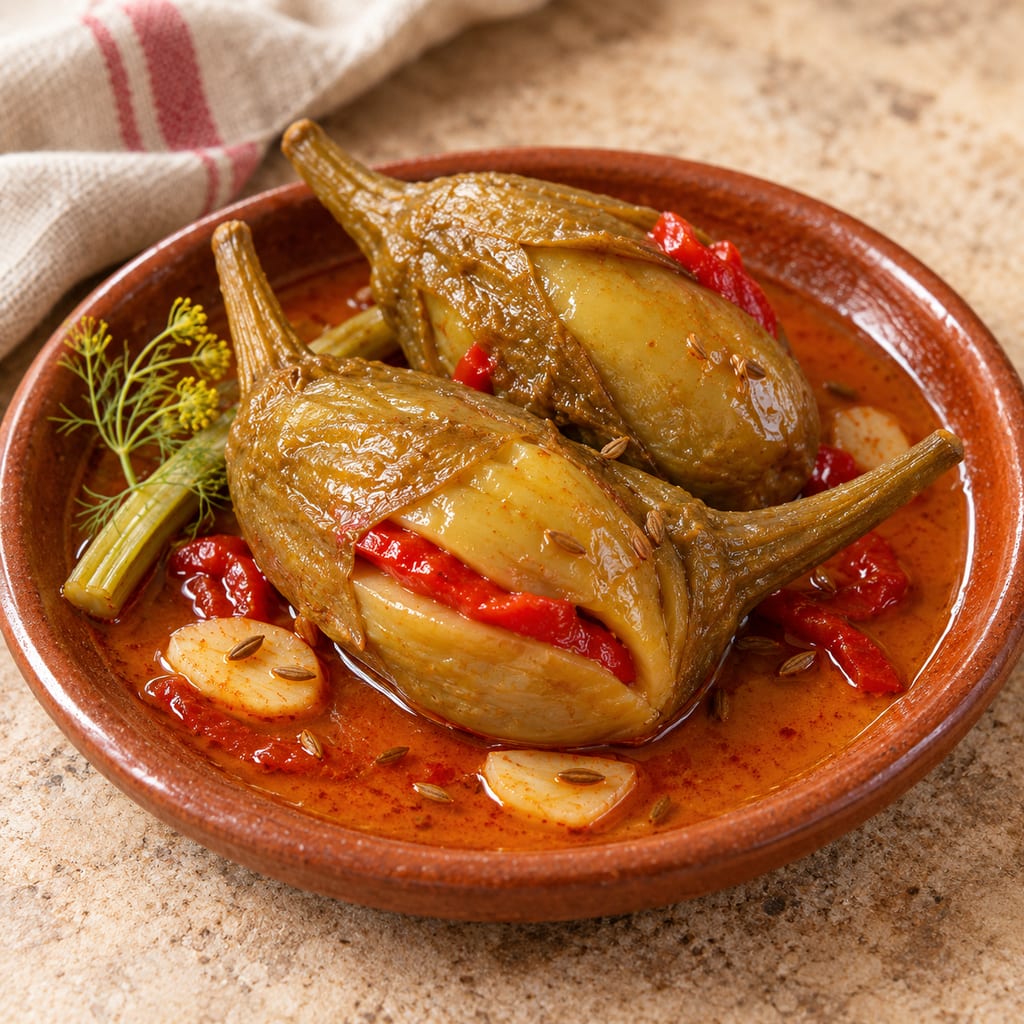
A protected aubergine preserve from Ciudad Real in Spain: tender fruit of the local Dealmagro variety, cooked briefly and then fermented in a vinegared, paprika-seasoned dressing.
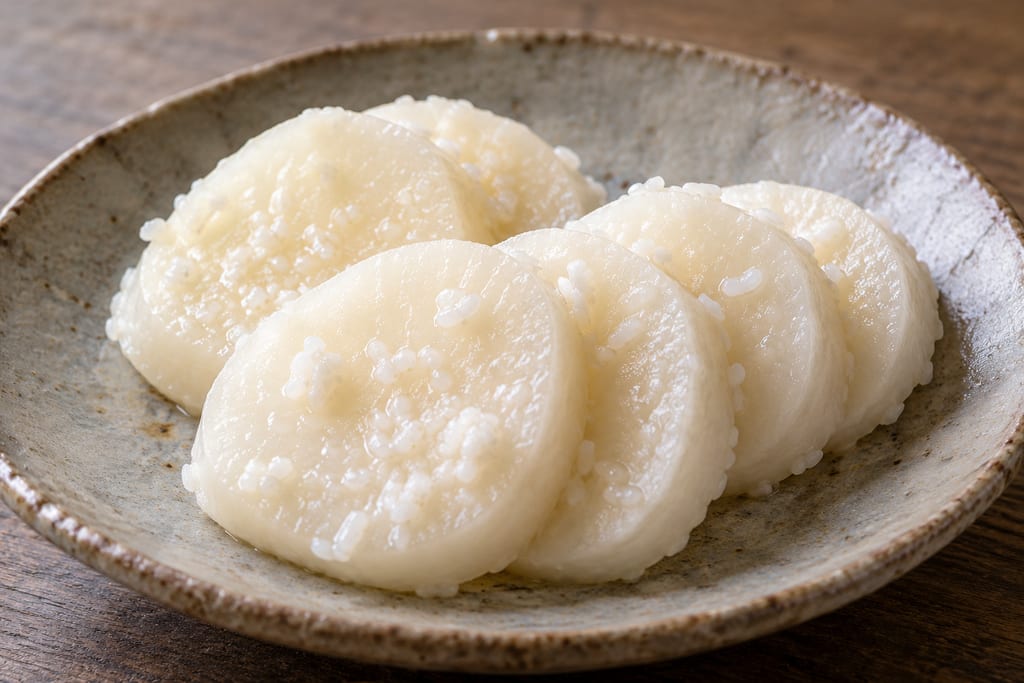
A sweet, crisp Japanese daikon pickle from Tokyo's Nihonbashi district, made by salting fresh radish and dressing it in rice koji, sugar or koji amazake without the heavy drying used for takuan.
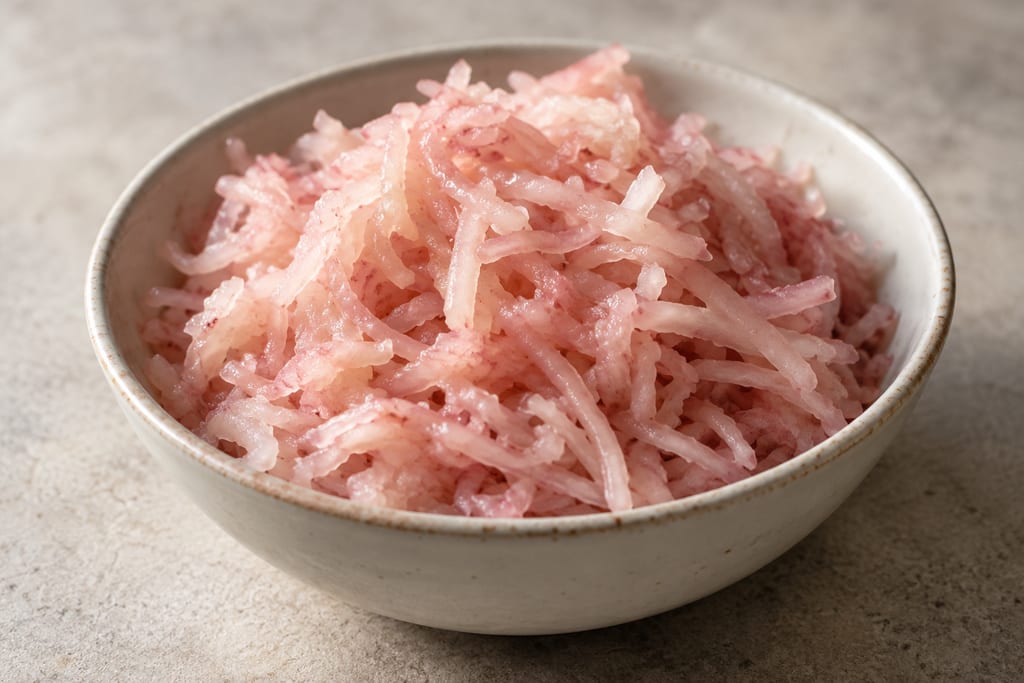
Source-specific Brovada DOP producer method for Friuli Venezia Giulia turnips and red-grape marc. This records a regulated producer process; it is not a validated home-scale recipe.
An industrial fermentation patio places factory-made fiberglass-reinforced polyester olive tanks below floor level, with drainage and transfer infrastructure arranged around the buried vessels.
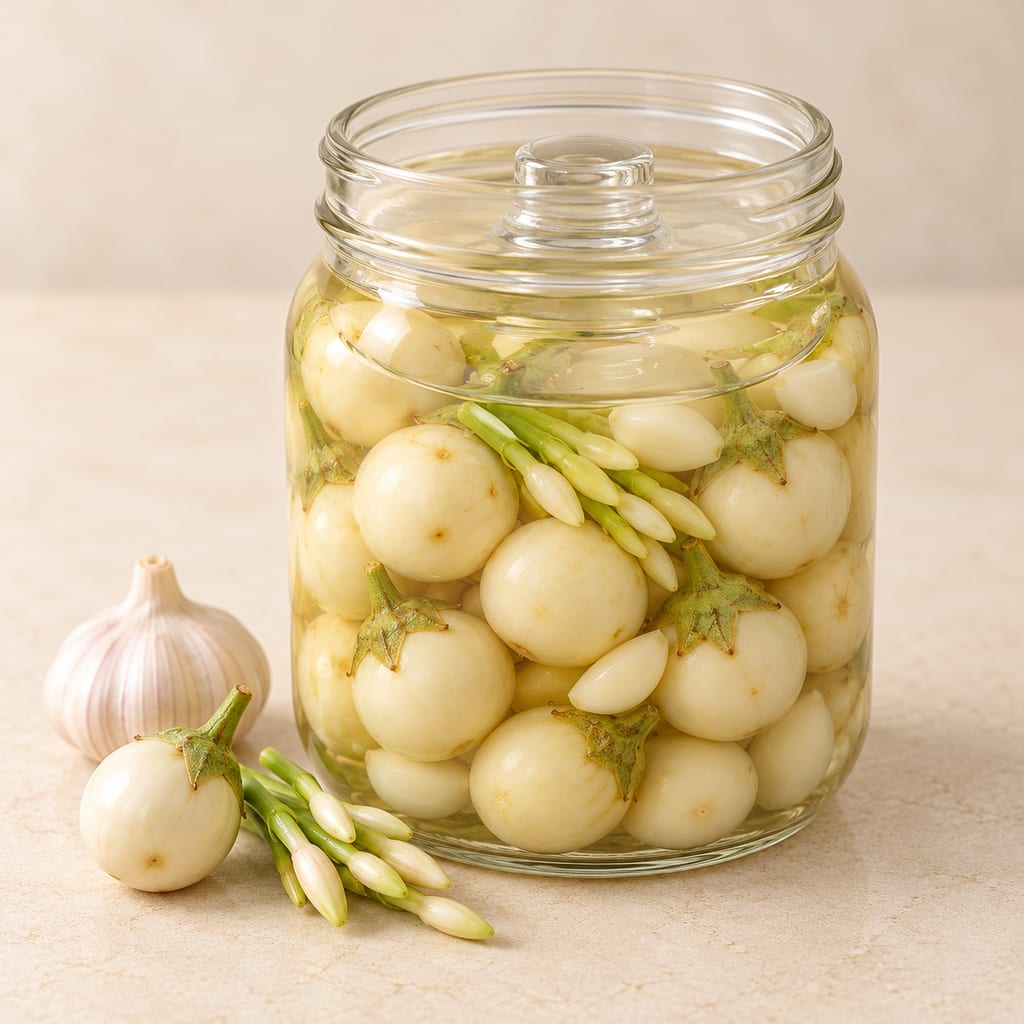
Vietnamese salted and fermented small eggplant, dried on the day of purchase, then held submerged in warm salty water with garlic and galingale flower for a week or longer.
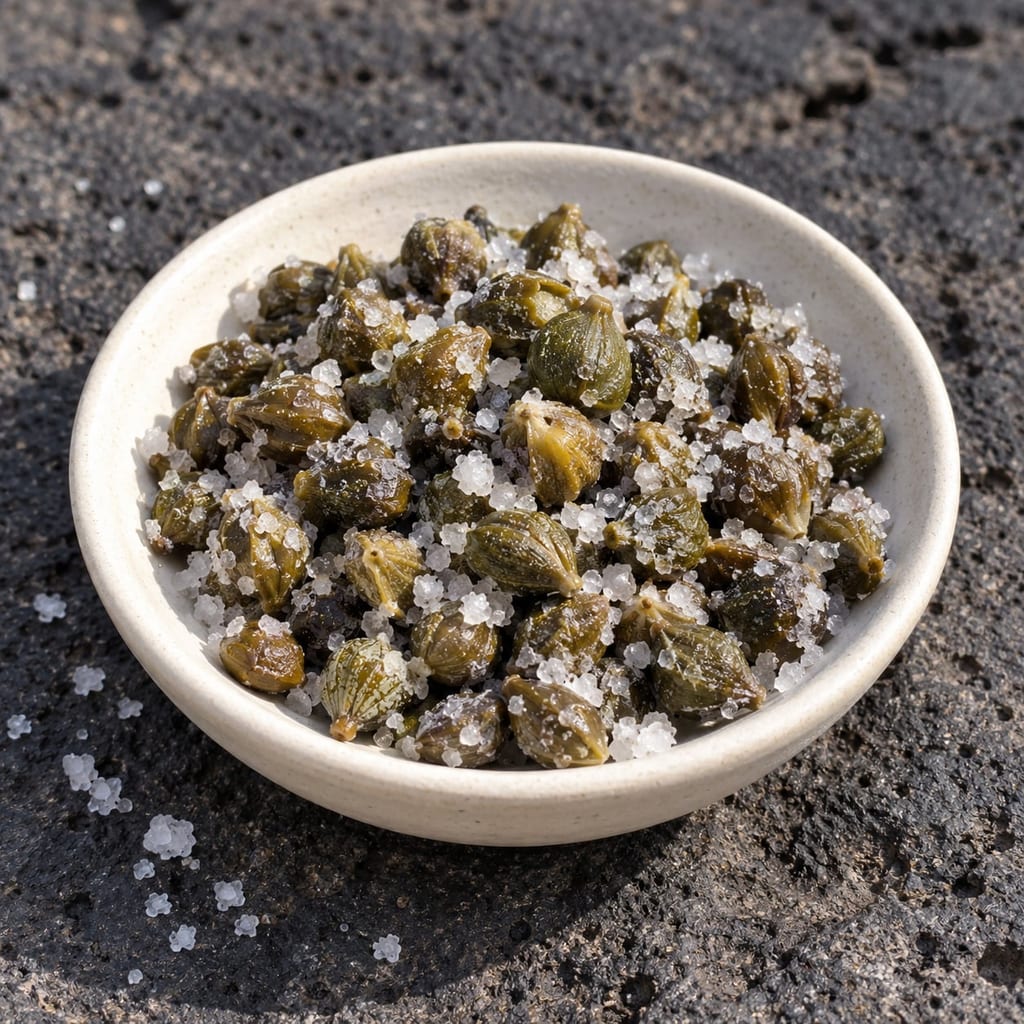
A protected Sicilian product: unopened caper buds from the island of Pantelleria, dry-salted with sea salt in a two-stage process that encourages lactic fermentation.
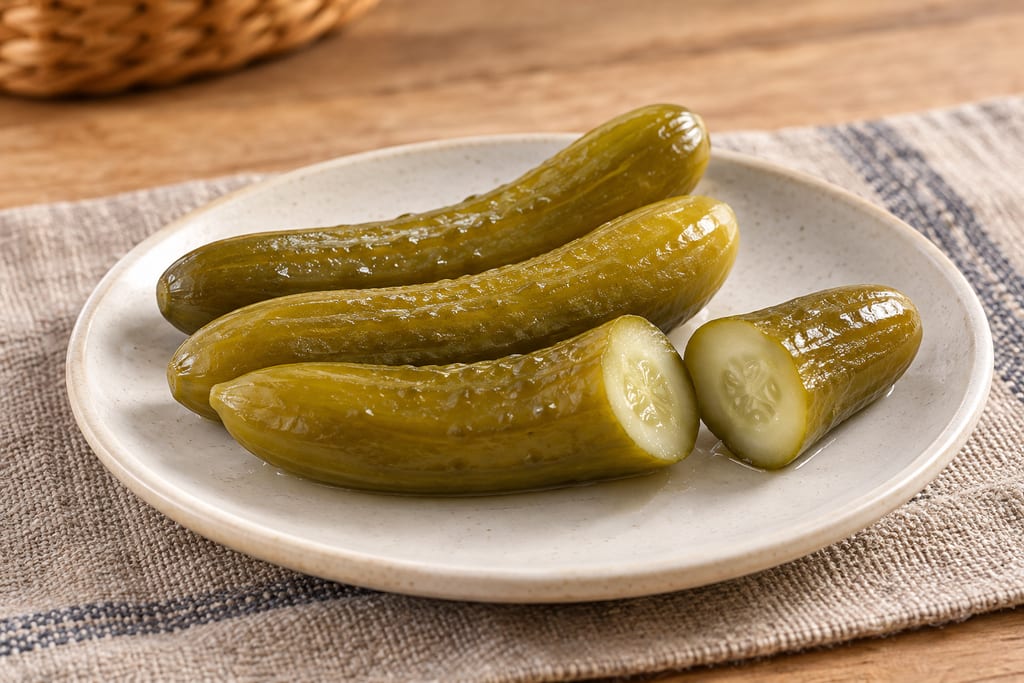
Çubuk turşusu is a registered pickle from Çubuk district in Ankara. Its cucumber variant is sold as Salatalık Turşusu, and a commercial specification sets its brine and room-temperature period.

A gelling polysaccharide extracted from red seaweeds, sold as kanten strips or powder; it sets firm at a low concentration and stays solid until about 85 °C.

A Dominican table and seasoning condiment of sour orange juice, mixed with lime and salt and bottled raw; garlic, oregano or a hot pepper may be added for meat or a spicier bottle.

Cicerbita alpina is an alpine perennial whose tender shoots and leaves have been eaten raw or cooked. Sámi milk preparations and modern Carnian dishes are distinct uses, with serious identification and preservation limits.

Japanese skipjack tuna cooked, then repeatedly smoked and dried over a wood fire by the hand-fired tebiyama method into a hard block for shaving into dashi: the first stage of katsuobushi.

A Swedish-style spirit vinegar made by fermenting neutral alcohol with live vinegar bacteria, with a separate guide to commercial ättika strengths.

A yeast-raised wheat ring shaped from a firm dough, briefly boiled and baked. This source-batch formula gives a gently malted crust and a chewy crumb.

A warm dip of garlic, anchovy and olive oil, often enriched with butter, that Piedmont serves over a flame with raw and cooked vegetables and bread.

Bechamel is a white sauce of milk thickened with a butter and flour roux, one of the French mother sauces, and the base from which Mornay and other cheese and cream sauces are made.
No community contributions have been published for this entry yet.
Sign in to contribute. Published comments and photos are free to read.
Association Patrimoine Culinaire SuisseHistory · Geography
Compote aux raves et choucrouteThick strands; Aargau main production centre; Bern, Vaud, Zurich in entry; Italian rape acidule
Raw grated fermented versus coarser cooked, probably vinegar-preserved preparation
1539 and 1565 quotations; consumption October through winter
Cited in: What it is; Place, season and history
Association Kulinarisches Erbe der SchweizHistory
Sauerrüben und SauerkrautGerman-language entry of the same inventory record
Dictionnaire suisse romandIdentity · Use
Dictionnaire suisse romand: compote (aux raves)Compote aux raves as turnip strips fermented like sauerkraut, equated with Sauerrüben; thin strips
Cooked with pork and served with boiled potatoes
Cited in: What it is; Production and use
Dreyer AG, Gerolfingen, SwitzerlandMethod
So entstehen Sauerkraut und SauerrübenTurnips prepared into sticks, salted, tamped into a vat and sealed
Two to ten weeks for sauerkraut and Sauerrüben together; up to 18 months storage for pasteurised commercial products
Turnips from Aargau and the Bernese Seeland, harvested October to November
Cited in: Place, season and history; Production and use
Migusto / MigrosUse
Compote aux ravesFermented turnips served raw or cooked, in salads, on tarts, with choucroute or meat dishes
Cited in: Production and use