












































Elevated risk
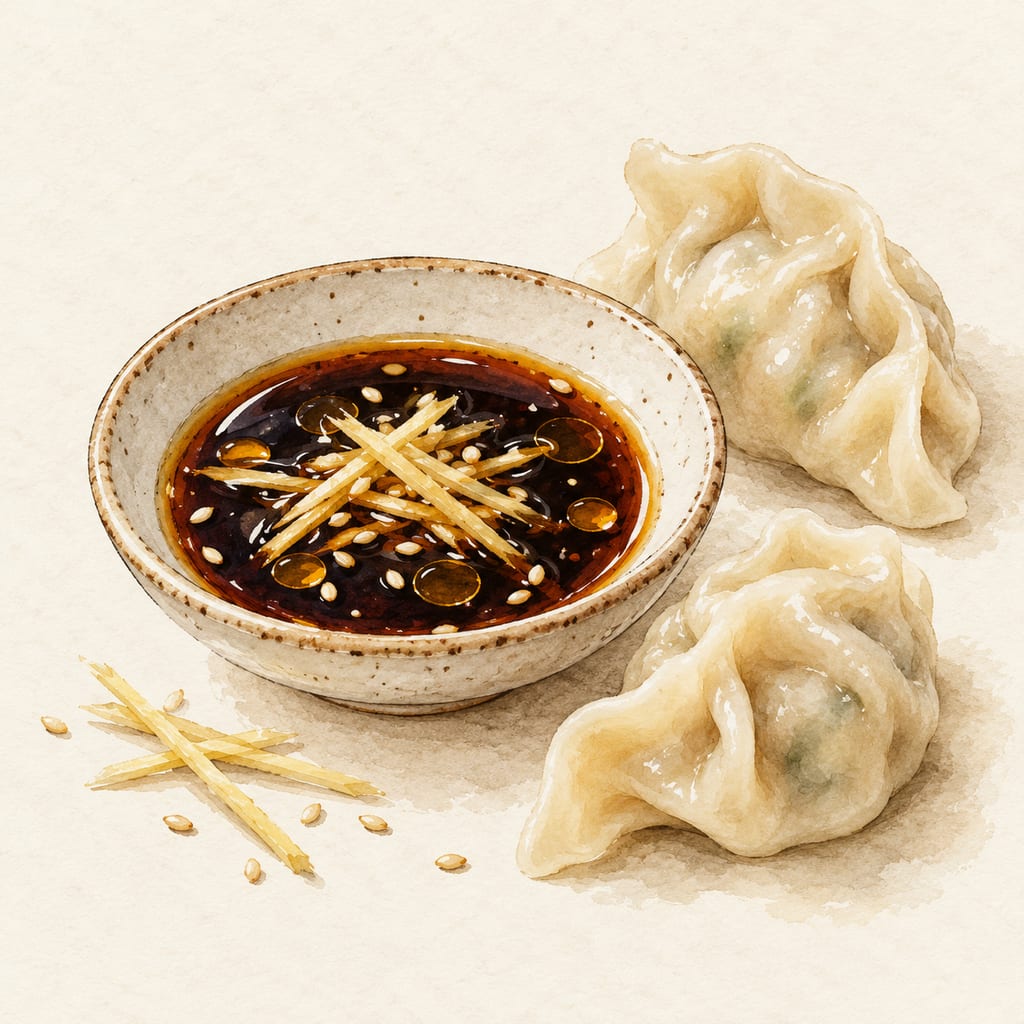
Soy–black-vinegar dumpling dip
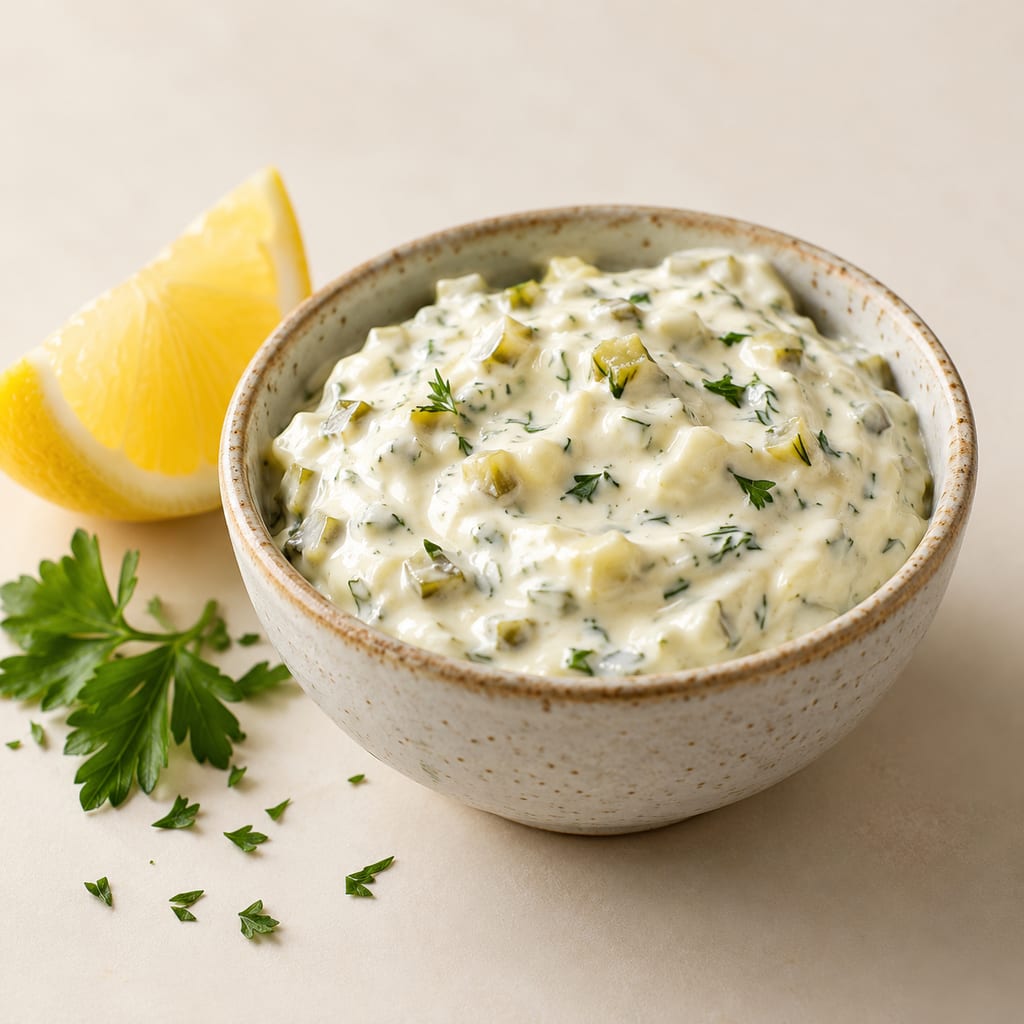
An untested small-batch soy and Zhenjiang black-vinegar dip with ginger and sesame oil, adapted as a modern accompaniment for dumplings or cooked vegetables.
 FermenteaWhere food goes to change
1504 records with their sources, across 11 categories.
 Fermented, enzyme-ripened and mixed seasonings328
 Fruit preserves10
 Legume, seed and plant-protein ferments10
 Garum and fish sauces8
 Adjacent and excluded7
 Koji, mold starters and mold-ripened ferments4
 Acid and oil pickles3
 Fermented fruit and fruit-derived foods3
 Vegetable lactic3
 Dairy ferments2
 Smoked salted and dried foods2
 Cheese1
 Not yet classified1Fermented, enzyme-ripened and mixed seasonings328Fruit preserves10Legume, seed and plant-protein ferments10Garum and fish sauces8Adjacent and excluded7Koji, mold starters and mold-ripened ferments4Acid and oil pickles3Fermented fruit and fruit-derived foods3Vegetable lactic3Dairy ferments2Smoked salted and dried foods2Cheese1Not yet classified1
An untested small-batch soy and Zhenjiang black-vinegar dip with ginger and sesame oil, adapted as a modern accompaniment for dumplings or cooked vegetables.
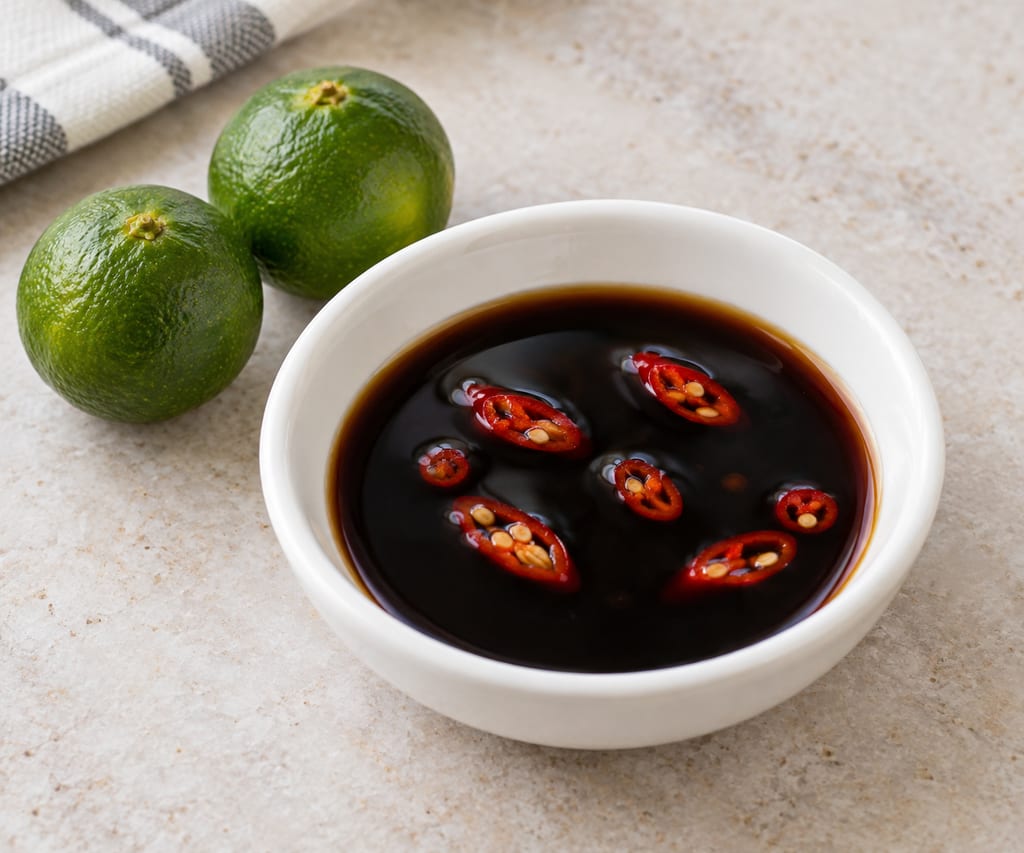
Toyomansi is a Filipino table dip of soy sauce and calamansi juice, served with grilled or fried foods; this version adds sliced chilli and optional sugar.
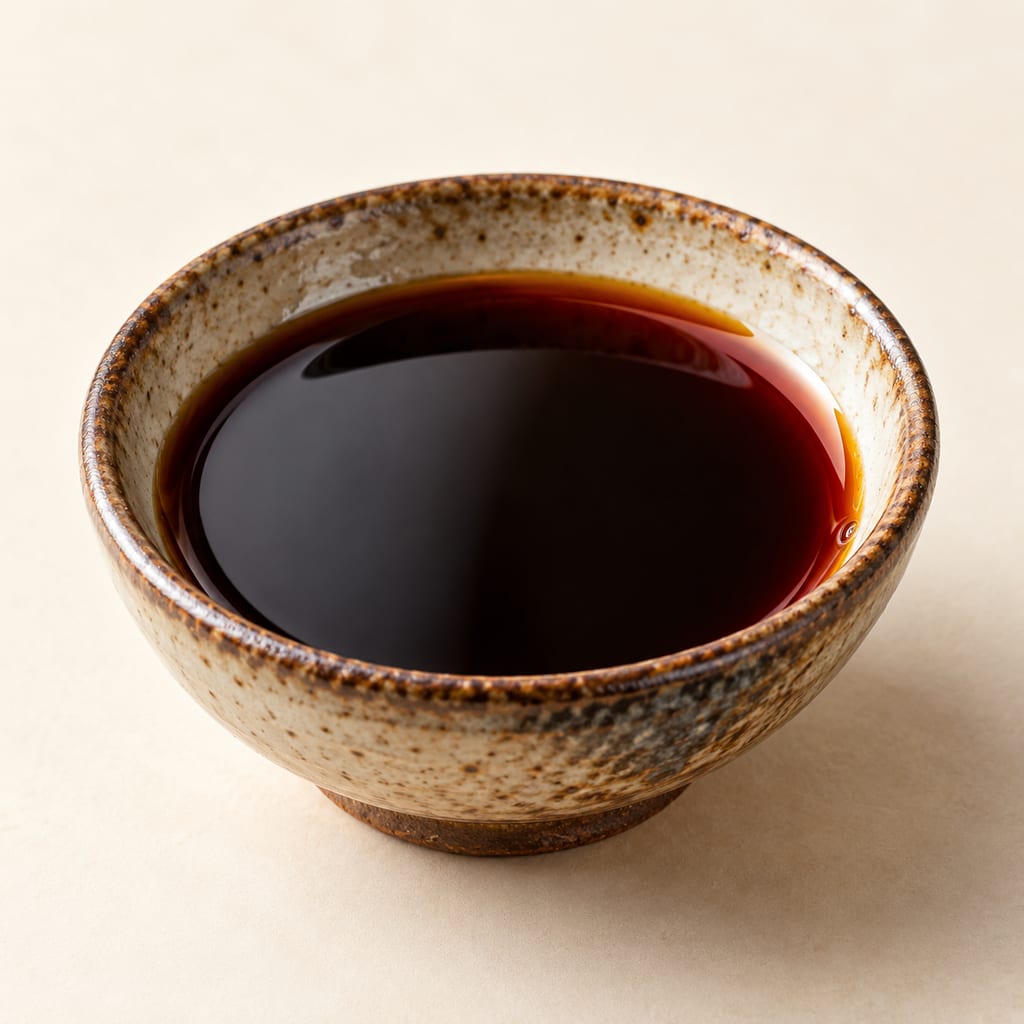
Saishikomi shoyu is a double-brewed soy sauce: a second moromi is made with a finished soy sauce in place of salt water, which makes a dark, concentrated sauce with softer salt.
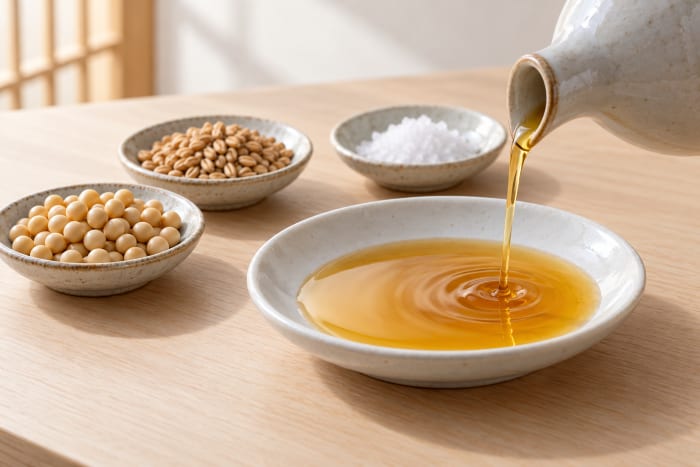
Usukuchi is Japan's light-coloured soy sauce, a Kansai style identified by its pale colour rather than by lower salt, with the colour set by production choices made during brewing.
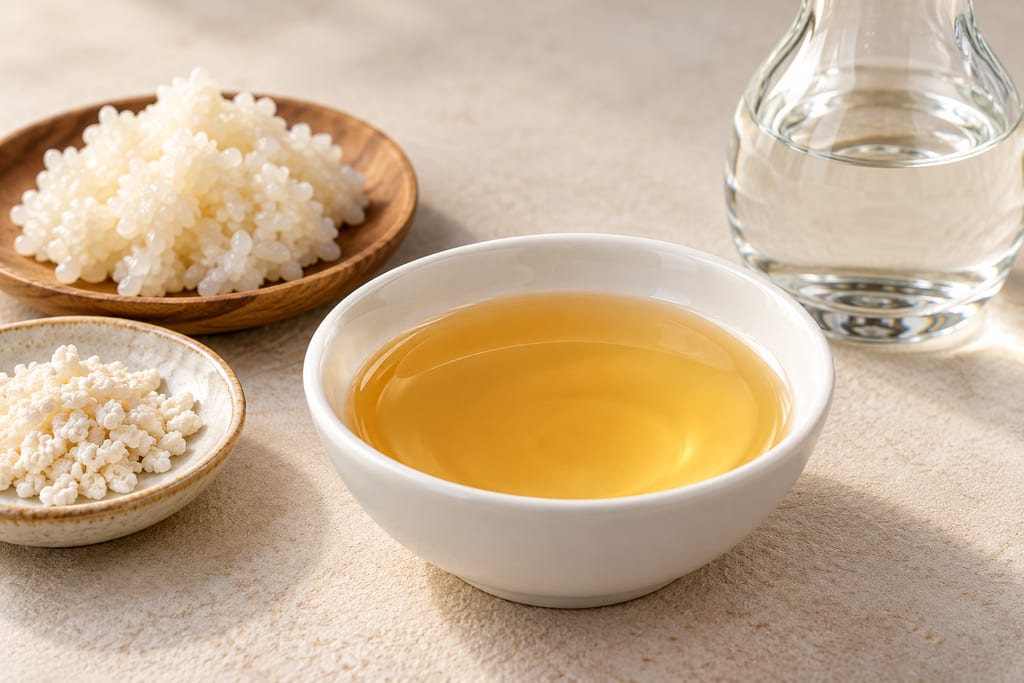
Hon-mirin is a Japanese rice seasoning made by saccharifying glutinous rice with rice koji in shochu, then pressing and usually heating the mash.
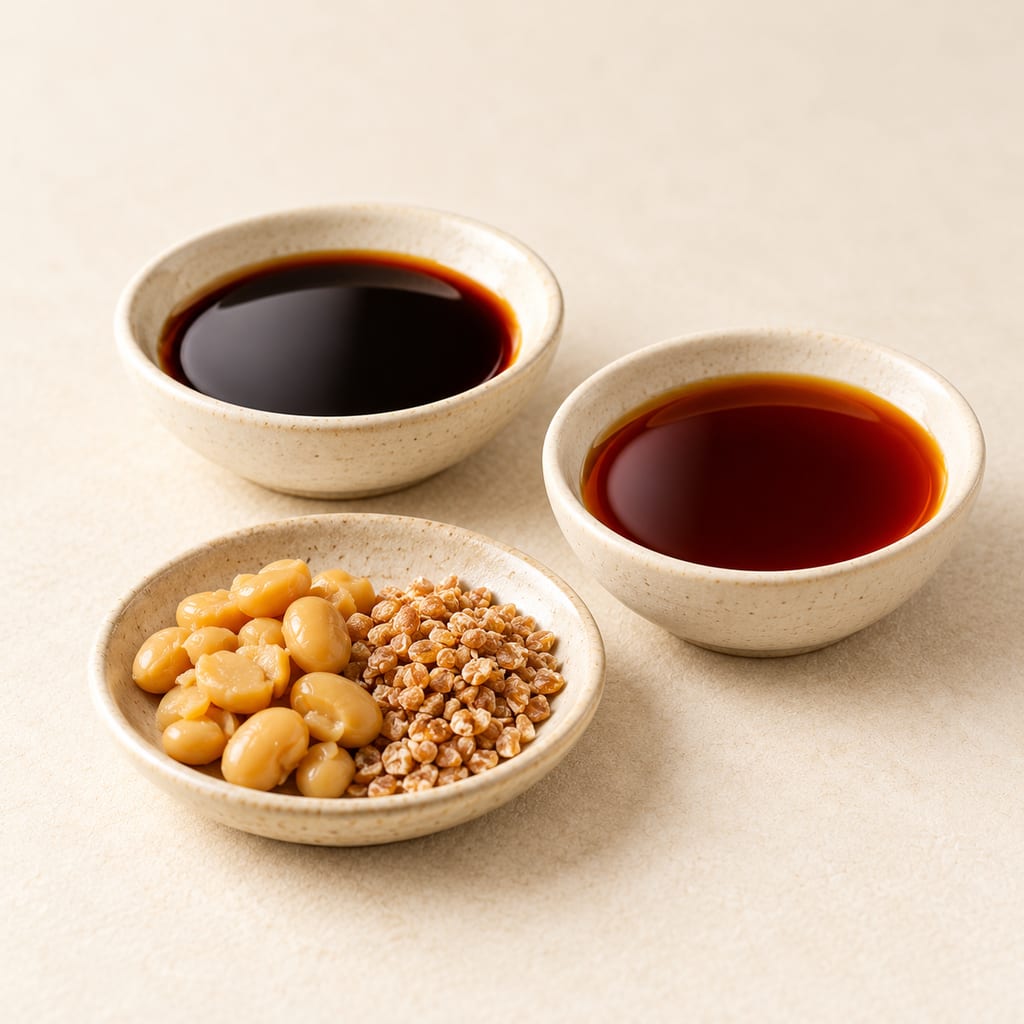
Jiangyou is the Chinese soy sauce family, an umbrella term for light, dark and seasoned sauces made by two main process families: high-salt liquid-state and low-salt solid-state brewing.
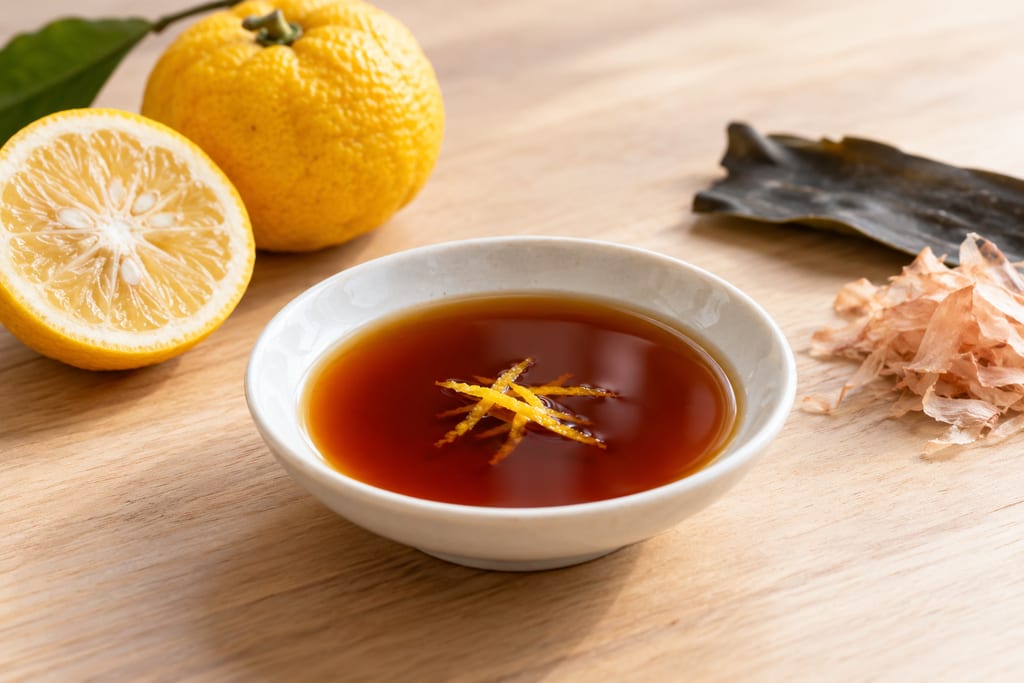
This quick ponzu combines soy sauce, vinegar, hon mirin, kombu, dried bonito and yuzu juice after a brief boil and a warm extraction; the recipe serves five.
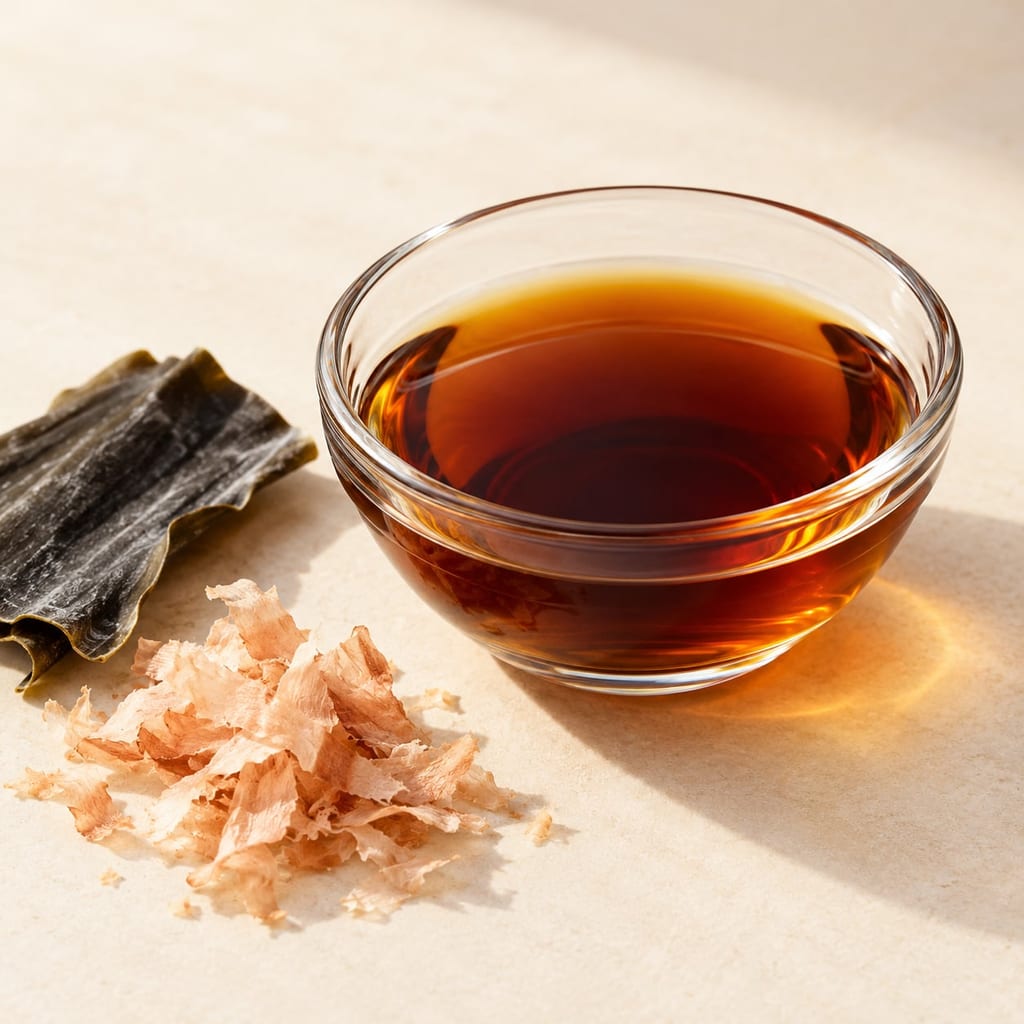
Mentsuyu seasons Japanese noodles with dashi, soy sauce and mirin. Two home formulas are recorded here: a 2012 light-soy and bonito sauce, and a concentrate diluted 1:2 for dipping or 1:4 for hot soup.
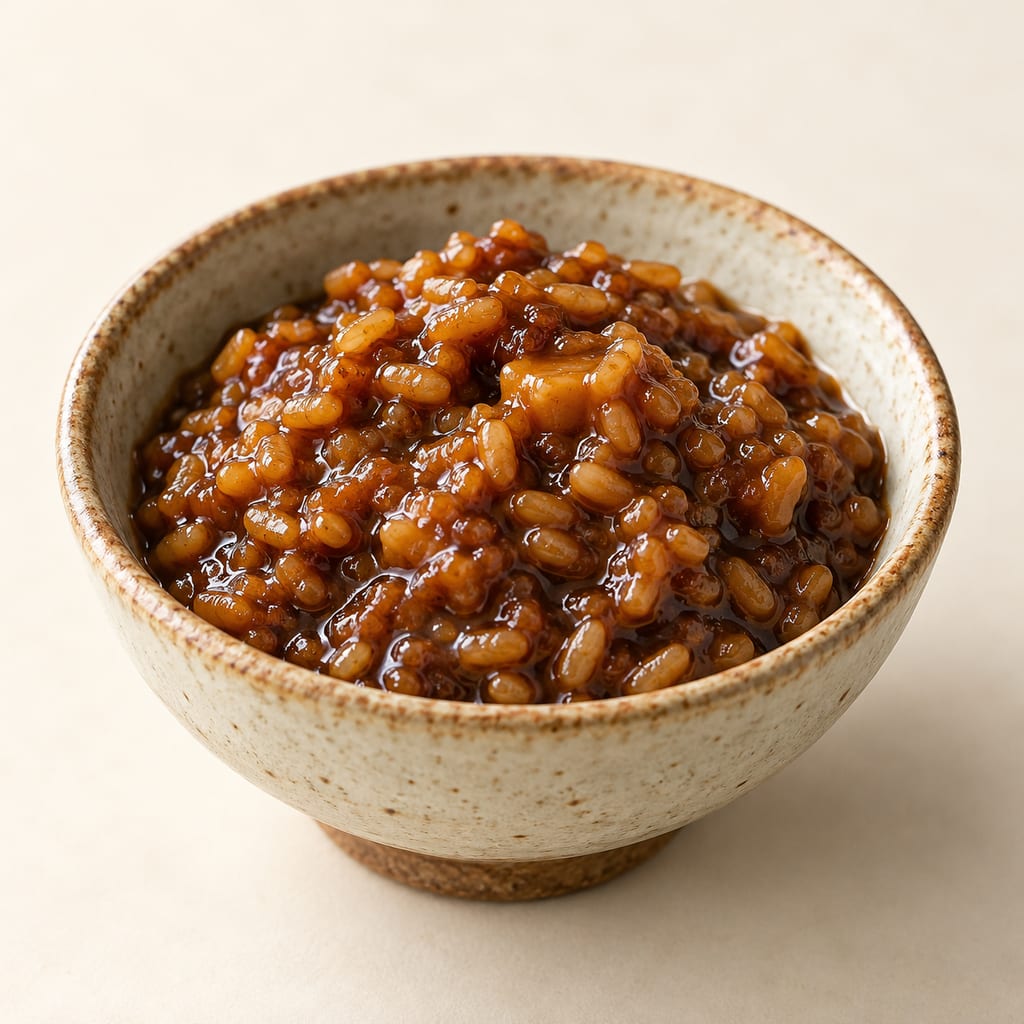
A Japanese kitchen condiment of rice koji matured in soy sauce until the grains turn soft and sweet. The same name also means the mould-grown soybean and wheat used to brew soy sauce.
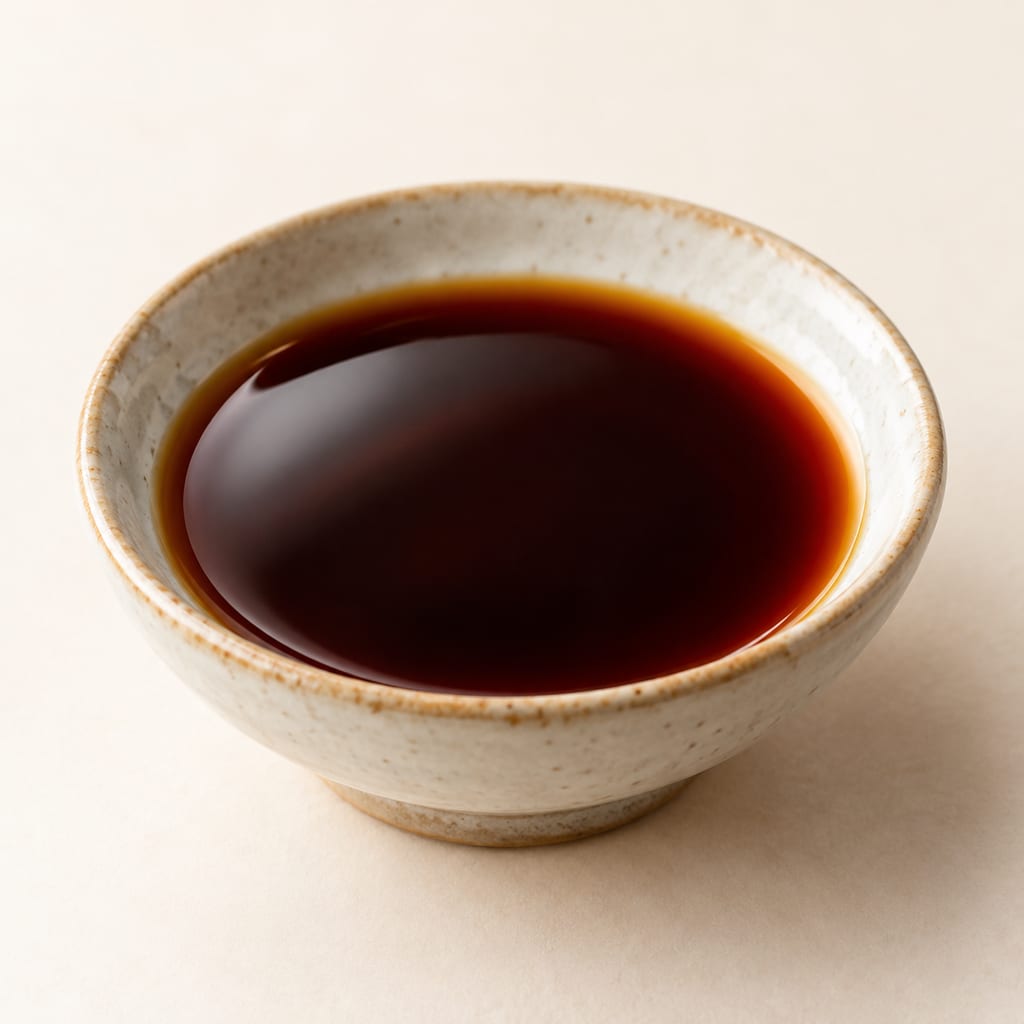
Japan's standard all-purpose soy sauce: soybeans and wheat grown over with koji mould, brined, fermented for months, pressed and usually heated into a reddish-brown, savoury liquid.
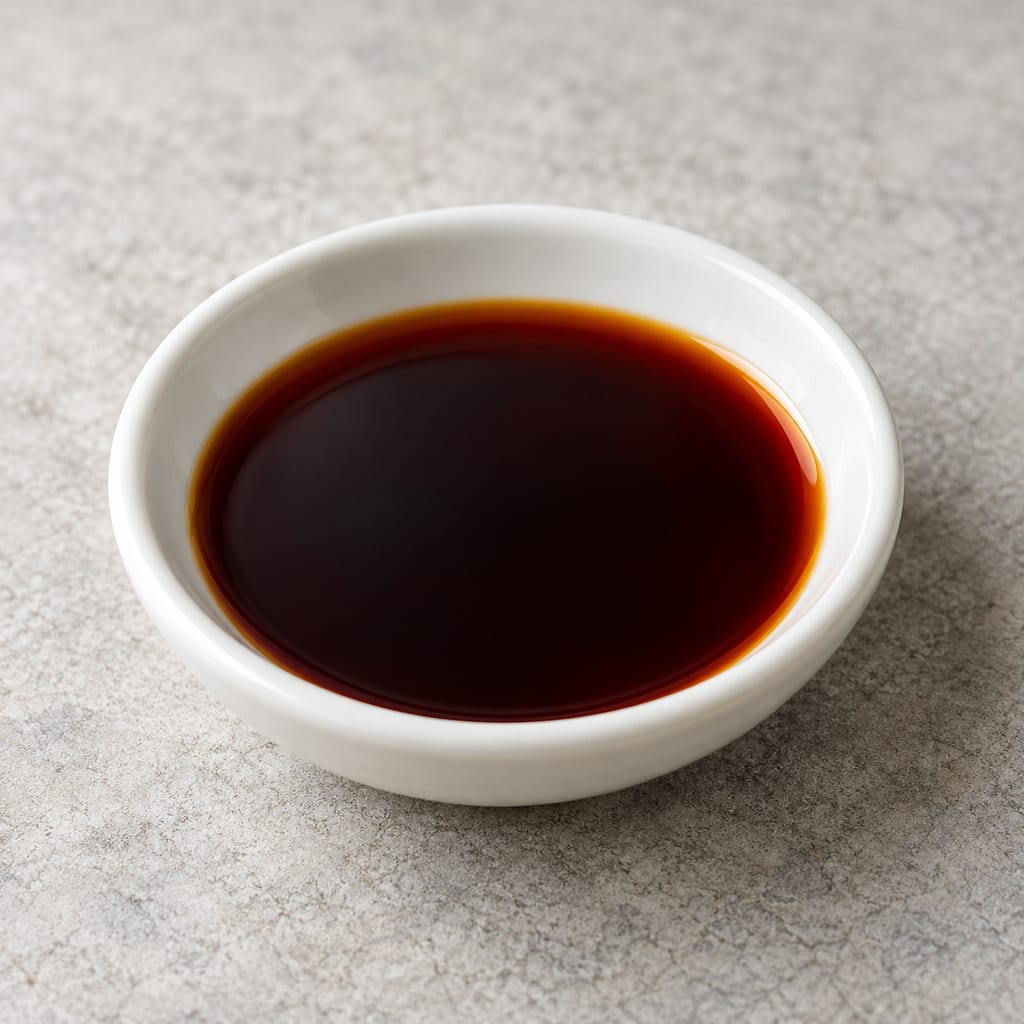
Soy sauce is a salted liquid seasoning made by growing koji mould on soybeans and grain, maturing the mash in brine and pressing out the liquid. Japan's shoyu is the best-documented form.