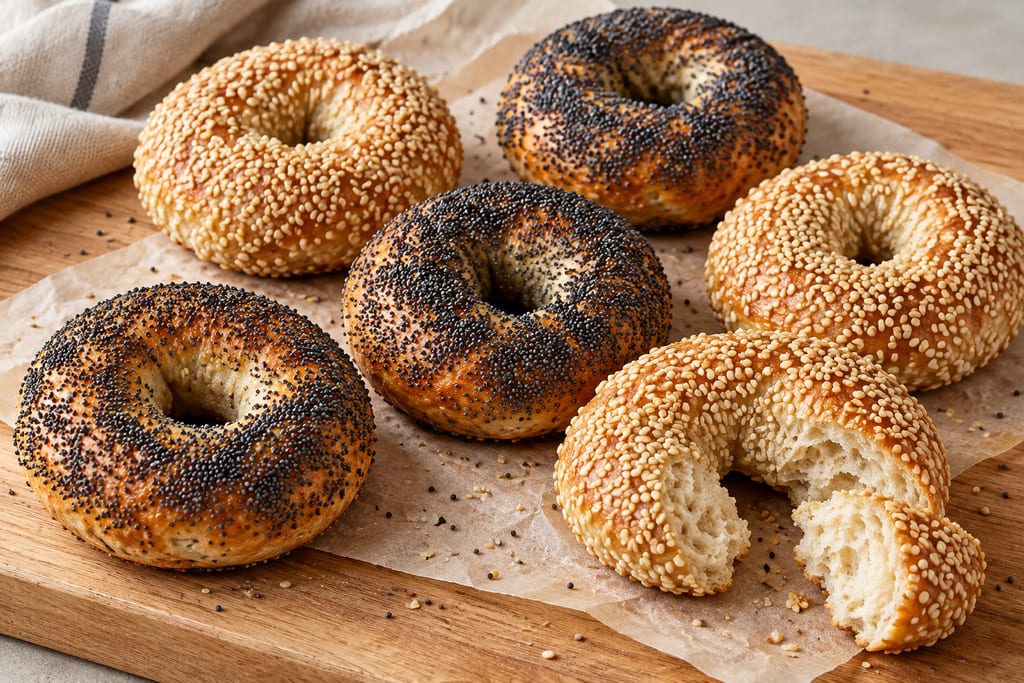
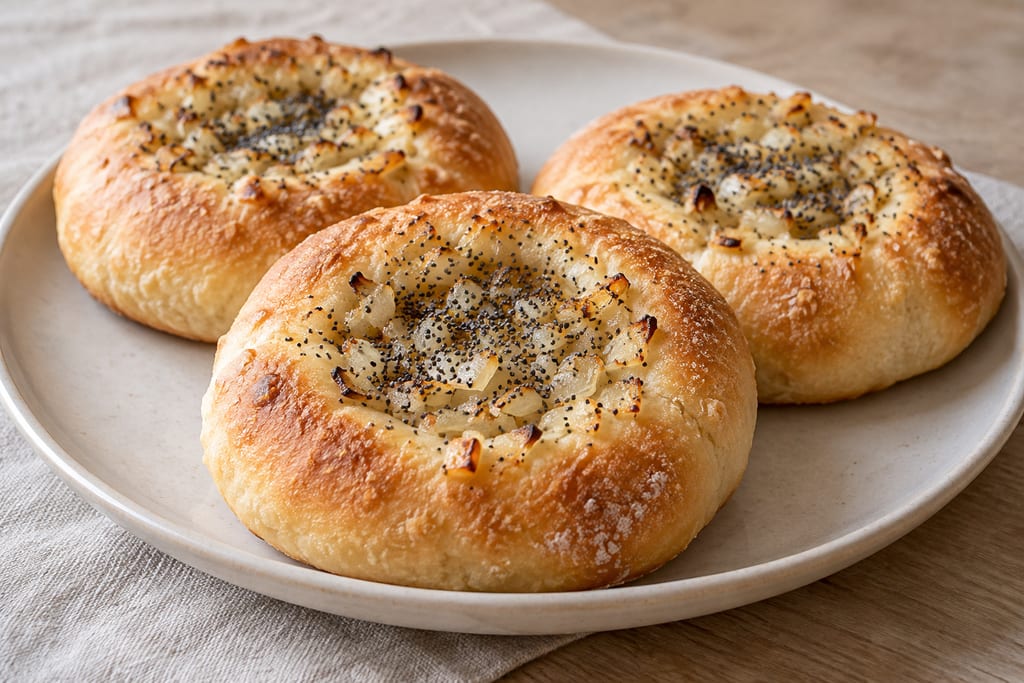
King Arthur Baking presents this recipe as a home version of a Québec classic. Its account distinguishes the style from New York bagels by their relatively slender shape, slight sweetness and sweetened boiling liquid. A Montreal bakery describes its own product in similar terms and identifies its own wood-fired bake; that business account is useful evidence of one producer’s practice, not a formula shared by every bakery.
The measured method here belongs to King Arthur Baking: eight rings from one dough, a brief simmer on both sides, seed coating and baking on a preheated stone. The stone is the source’s home-oven substitute for a wood-fired oven. It preserves the ring, sweet boil and seed finish, while smoke and the irregular heat of a live hearth remain outside this adaptation.
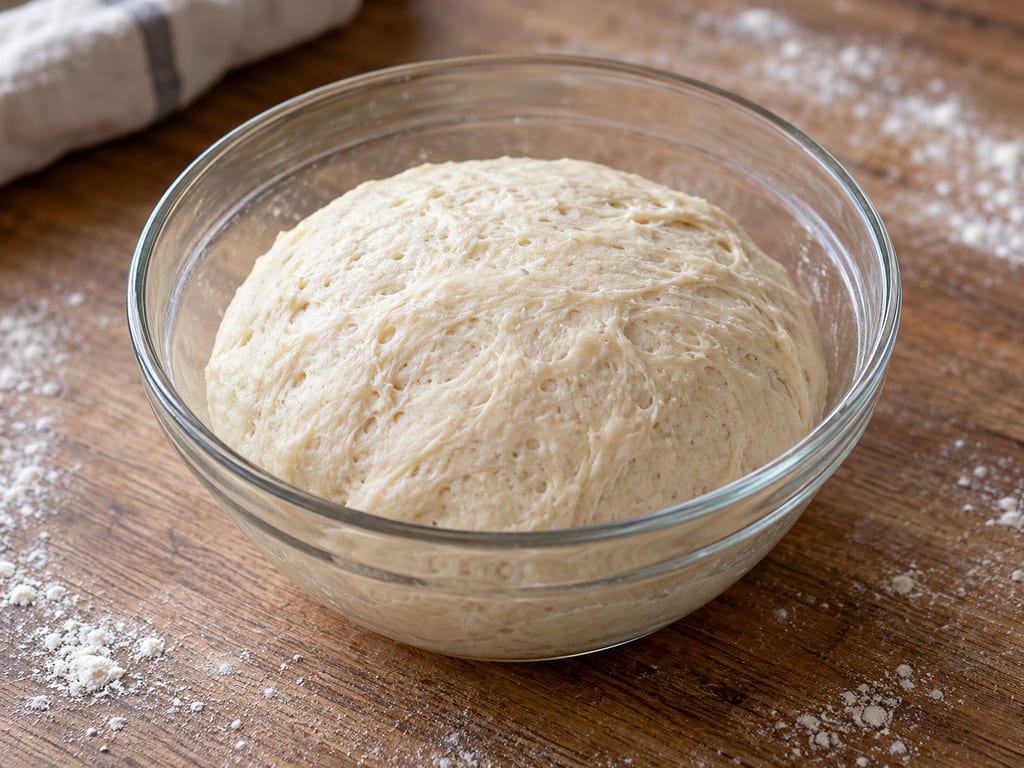
The dough is deliberately firm. Start at the lower end of the flour range and add only what is needed for a smooth dough that no longer clings to your fingers. Use the dough’s spring-back and near-doubling as cues for the rises; the source does not assign a room temperature or a numeric water temperature.
The final stages move between a simmering pot and a 475°F oven. Arrange the work area before boiling, handle the bagels with a slotted spoon and keep excess parchment off the hot stone. King Arthur Baking notes that parchment can char in this temperature range, so watch exposed edges throughout baking.
Treat the mixed dough as raw food. The CDC warns that uncooked flour can carry germs and advises against tasting raw dough; bake as directed and wash hands, bowls, utensils and work surfaces after handling flour or dough.
King Arthur Baking calls its method a home-oven adaptation of a Québec classic. This source supports a regional association and a modern recipe, but not a first attestation or an exact origin date.
Uncooked flour can carry pathogens, so the dough must not be tasted before baking.
Hazard source
Hot liquid, stone and oven
The recipe requires simmering water and moving bagels onto a stone preheated to 475°F.
Hazard source
Parchment charring
The source warns that parchment edges can char between 450°F and 500°F.
Hazard source
Do not eat raw dough; bake using the recipe directions, then wash hands, bowls, utensils and counters after handling flour and dough.
Control source
Use a slotted spoon to handle bagels in the simmering liquid and take care when loading and unloading the preheated stone.
Control source
Trim excess parchment and closely watch exposed edges during baking at 475°F.
Control source
The source provides no numerical temperature for lukewarm dough water or the proofing environment.
This home-oven method does not reproduce the wood-fired oven's smoke and hearth behaviour.
Sesame or poppy seeds are selected toppings; check the package and avoid any seed allergy.
Combine the lukewarm dough water, maple syrup, yeast, 390 g flour and salt until a firm dough forms. Knead by hand for 10–12 minutes or in a mixer with dough hook at medium speed for 8 minutes, adding up to 30 g more flour as needed. The dough should become smooth, elastic and non-sticky and spring back when poked.
Put the dough in a greased bowl, cover it and let it rise for about 1½ hours, until almost doubled. Line a baking sheet with parchment and spread the seeds in a shallow bowl.
Deflate the dough and divide it into eight equal pieces. Roll each into a 6-inch rope; wrap it around your fingers, overlap the ends and roll your palm across the seam to seal a ring.
Set the rings on the lined sheet, cover and let them rise slightly while you heat a baking stone in the oven to 475°F. In a large saucepan, bring about 3 inches of water and either the honey or malt syrup to a boil.
Check that the bagels have puffed only slightly and still spring back when lightly touched. Reduce the liquid to a simmer. Cook two or three at a time for 1 minute on each side, then lift them out with a slotted spoon and coat them in seeds.
Trim excess parchment, turn the baking sheet over and place the parchment and bagels on its back. Slide the parchment onto the preheated stone. Bake at 475°F for 18–23 minutes, until deep golden brown. Watch the exposed parchment edges closely; at this heat they can char. Transfer the bagels to a rack to cool.
Eat within a day or slice and freeze for longer storage; the source gives up to two months for frozen bagels.
Conditions
Yield8 bagels
Active time90 min
Fermentation1.5 h
Places
Québec
Documented preparation · Region evidence
The source calls its home adaptation a Québec classic. This supports a regional association, not a precise birthplace or date.
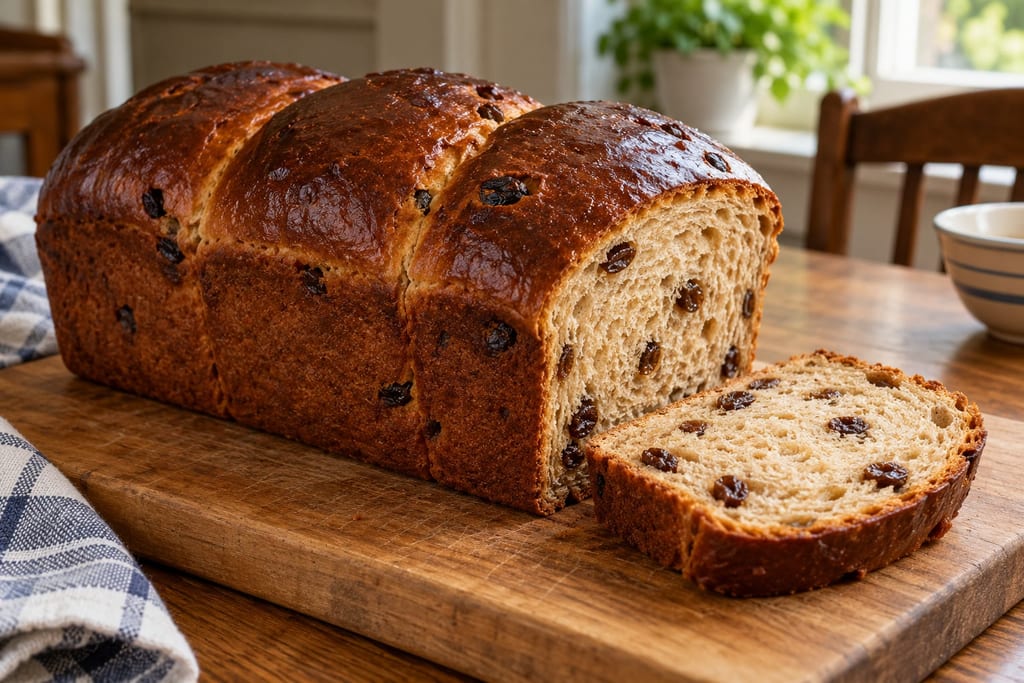
A Newfoundland family-style sweet yeast loaf with molasses, raisins, cinnamon and cloves. This version follows a half-batch adaptation of Nanny Hemeon's family formula; it is not a standard recipe for all Newfoundland households.
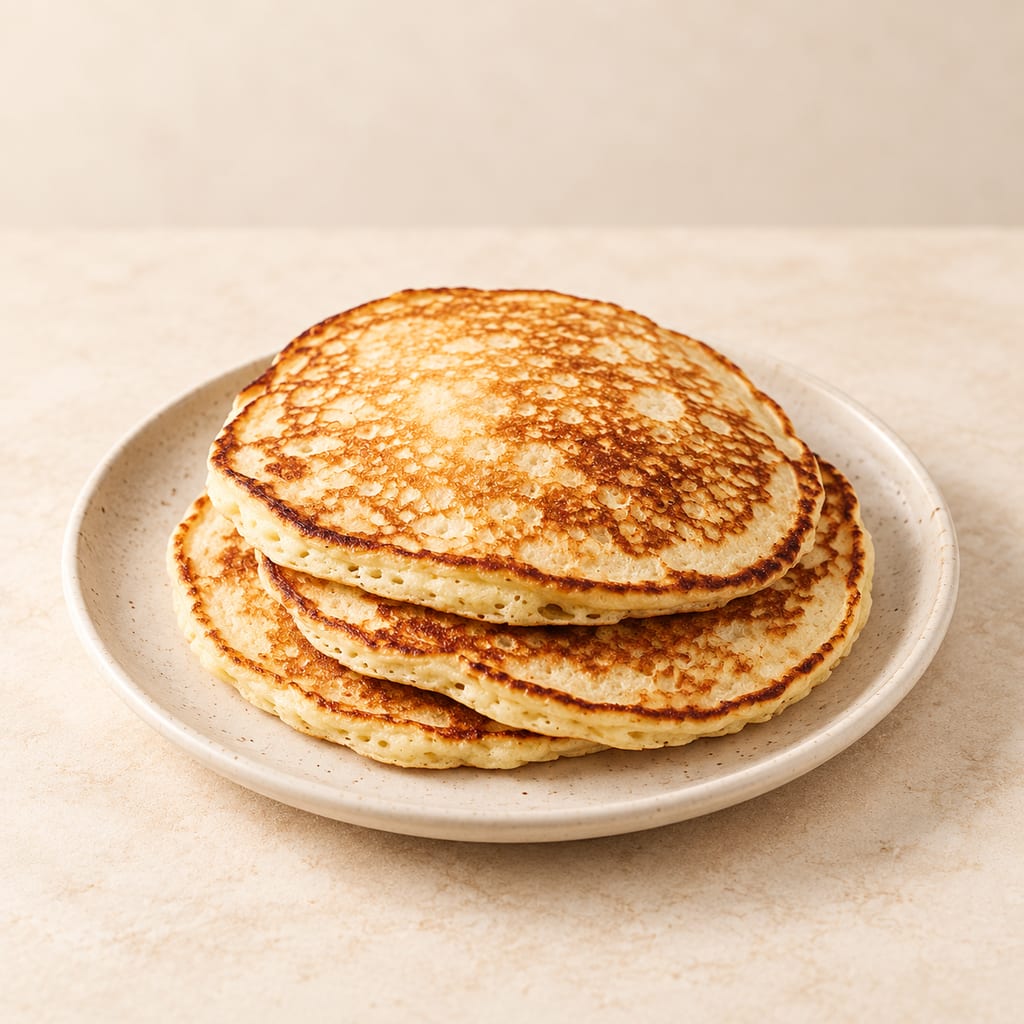
Buttermilk, flour and sourdough discard rest overnight before eggs and baking soda turn the sponge into a griddle batter. The finished pancakes are tender and lightly tangy.
Pâte fermentée is a bread preferment made from salted, yeasted dough set aside to ferment and mixed into a later batch, carrying developed dough and fermentation products with it.
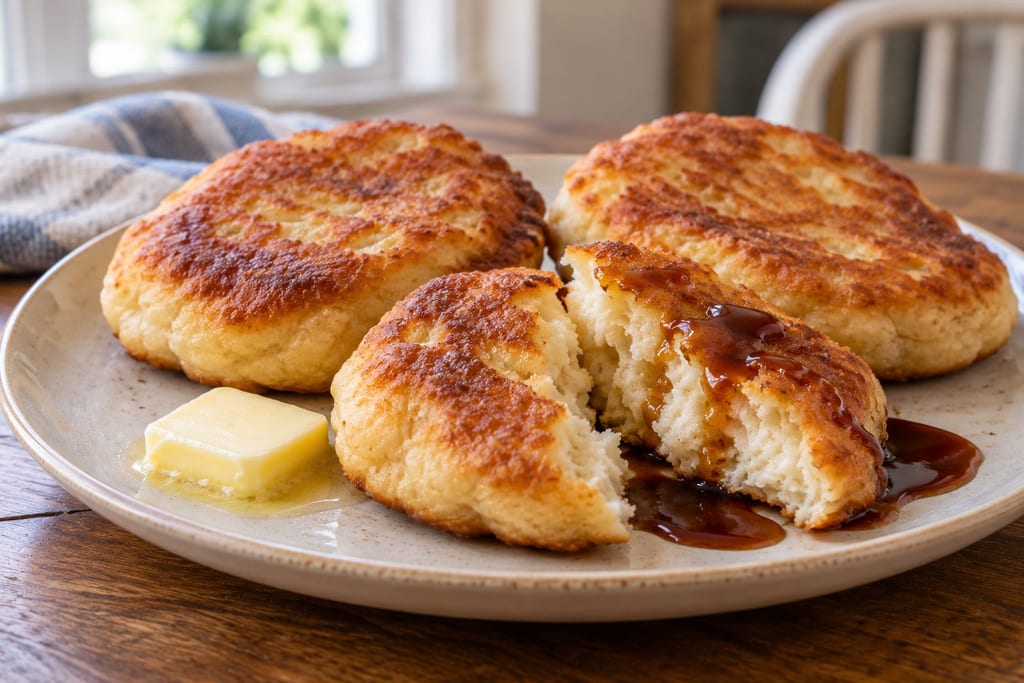
This flour, baking-powder and oil dough is Parks Canada’s contemporary Métis-interpreter version prepared at Rocky Mountain House; its specific recipe origin is unknown.
Skim milk is cultured slowly, cut into curds, warmed and drained to make fresh cottage cheese. Cold-water washing softens its flavour before cream and salt are added.
Anadama is a New England yeast loaf made with wheat flour, cornmeal and molasses. Scalded cornmeal enriches the dough, while molasses lends sweetness and a dark crust; it is especially good toasted or beside soup and baked beans.
A measured, commercial-yeast home method for Guadalajara-style birote salado, with a six-hour preferment, shaped rolls and a two-temperature steam bake. This formula contains no egg.
Community
No community contributions have been published for this entry yet.
Share what you made
Sign in to contribute. Published comments and photos are free to read.