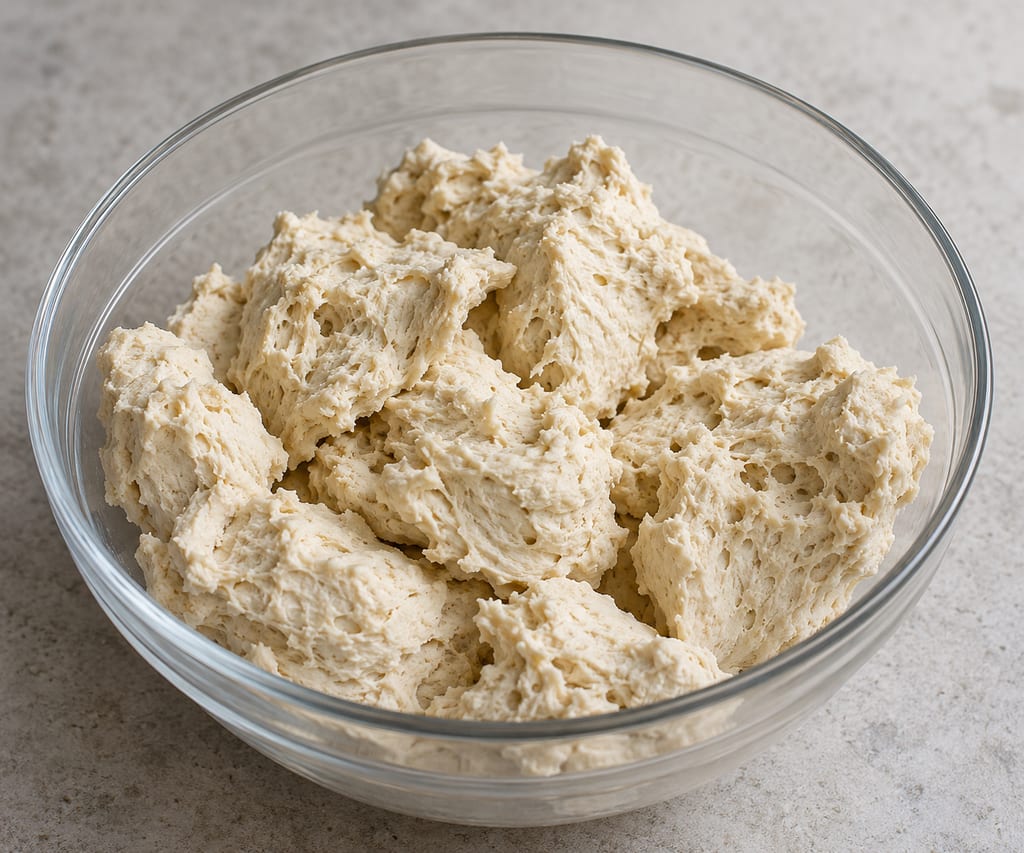
Biga
Biga is an Italian bread preferment of flour, water and a little yeast, usually a stiff unsalted mass of about 45 per cent water, fermented ahead and then mixed into the final dough.
 FermenteaWhere food goes to change
Modern method
Pandoro · Pandoro di Verona
A fruit-free Italian festive enriched bread, baked in a tall star-shaped mould and finished with powdered sugar. This home batch follows one published baker’s-yeast method; it does not represent every pandoro formula.
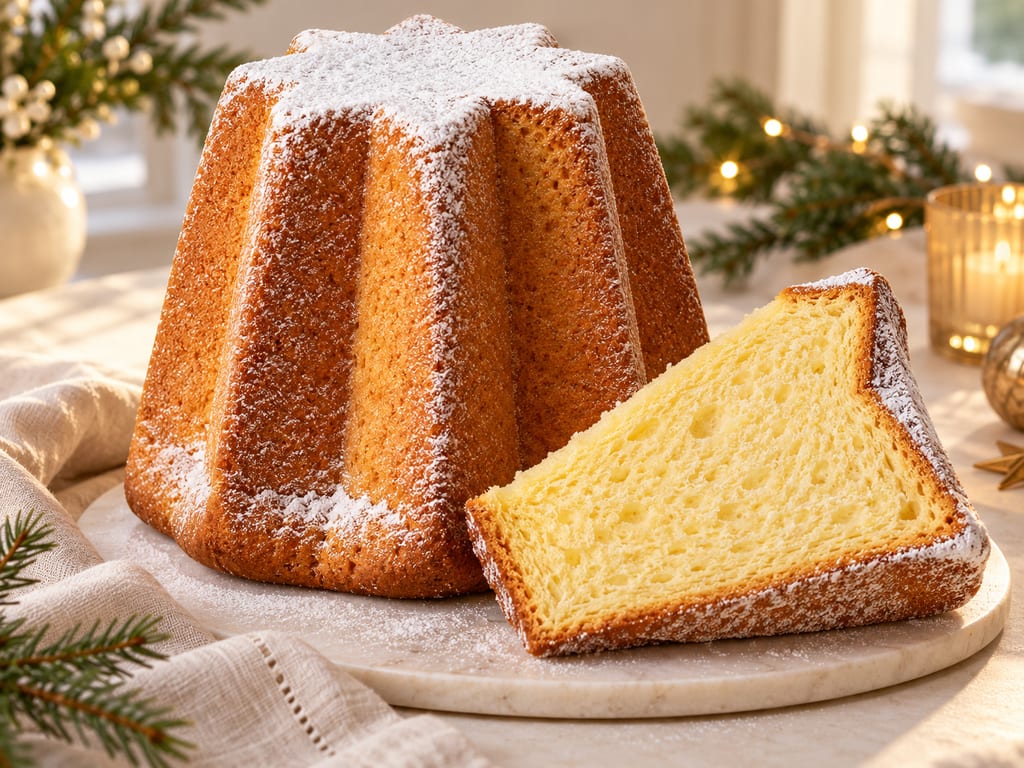
Pandoro is associated with Verona as a festive enriched bread. The municipal account places Melegatti's industrial-protection application in 1894 and reports contemporary paternity disputes. Earlier antecedents remain outside the evidence inspected here.
Yield 1 1 kg pandoro · Scaling: source batch only
Unbaked flour and raw eggs can carry pathogens; the dough is handled through multiple stages before baking.
Hazard sourceThe hot metal mould and loaf can burn during oven removal and unmoulding.
Hazard sourceDo not taste raw dough; wash hands, utensils and surfaces after handling flour, eggs or dough, and bake the dough according to the recipe.
Control sourceUse dry oven mitts and stable heat-safe surfaces when handling the mould; allow the loaf to cool as directed before turning it out.
Control sourceThis is a long, enriched dough method. The source gives timed rests and visual proof cues rather than a dough-temperature target; avoid substituting an assumed temperature or shortening stages without testing.
Use the 92°C centre endpoint given by the recipe source; do not rely on colour alone.
The recipe page gives no storage duration. It recommends bagging only after the loaf is completely cool; do not infer a shelf life.
The municipality identifies pandoro with Verona and recounts its commercial history there; this is a regional association, not a claim that all related enriched breads began at one point.
Biga is an Italian bread preferment of flour, water and a little yeast, usually a stiff unsalted mass of about 45 per cent water, fermented ahead and then mixed into the final dough.
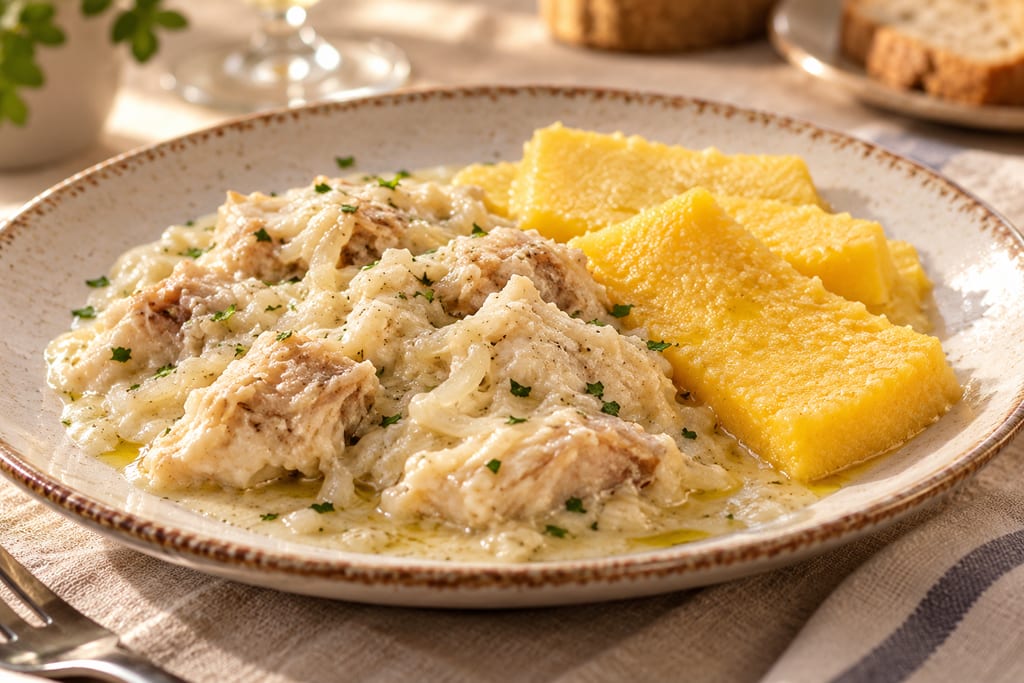
Stockfish from Vicenza, left barely bubbling for hours with onion, preserved anchovy, olive oil, milk and a little cheese until it is tender under a dense pale sauce, and eaten with polenta.
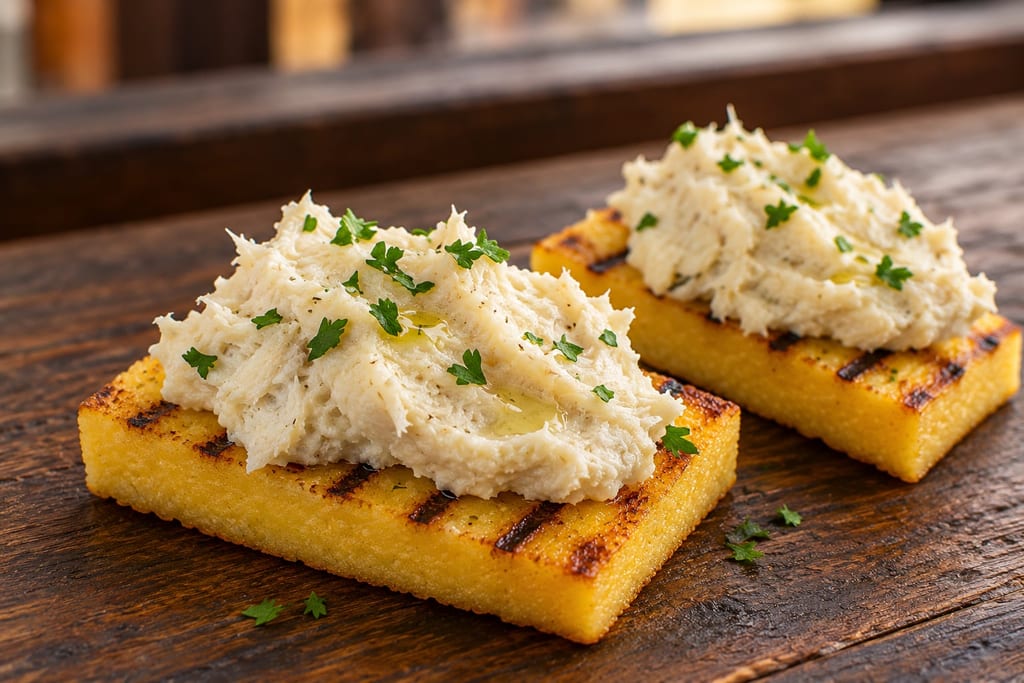
A Venetian cicchetto of cooked unsalted stockfish beaten with oil until it turns into a pale, aerated cream, spooned onto grilled polenta in the city's wine bars.
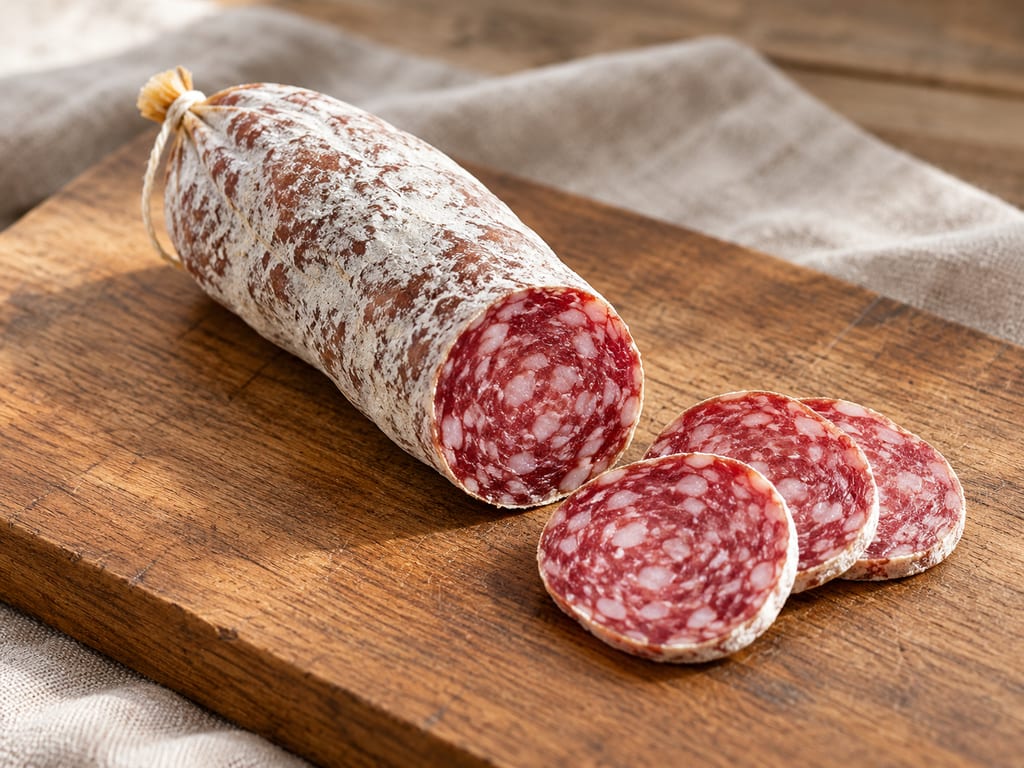
Small Italian hunter-style salami of lean pork, firm fat, salt, pepper and garlic, mildly acidified and dry-matured; protected as Salamini Italiani alla Cacciatora DOP.
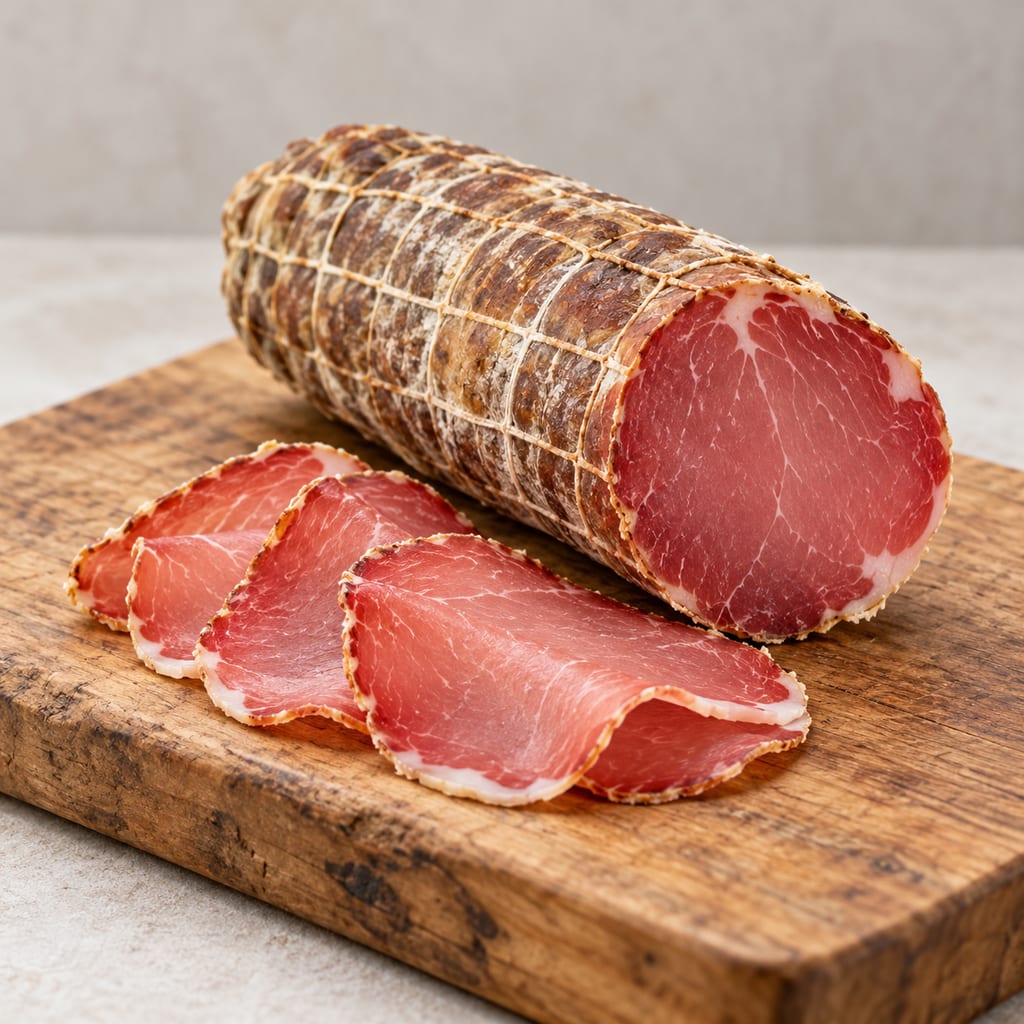
Documentary account of Italian regional cured-loin traditions, including Tuscan and Marche variations; no home-cure instructions are provided because the published professional methods lack validated safety controls.
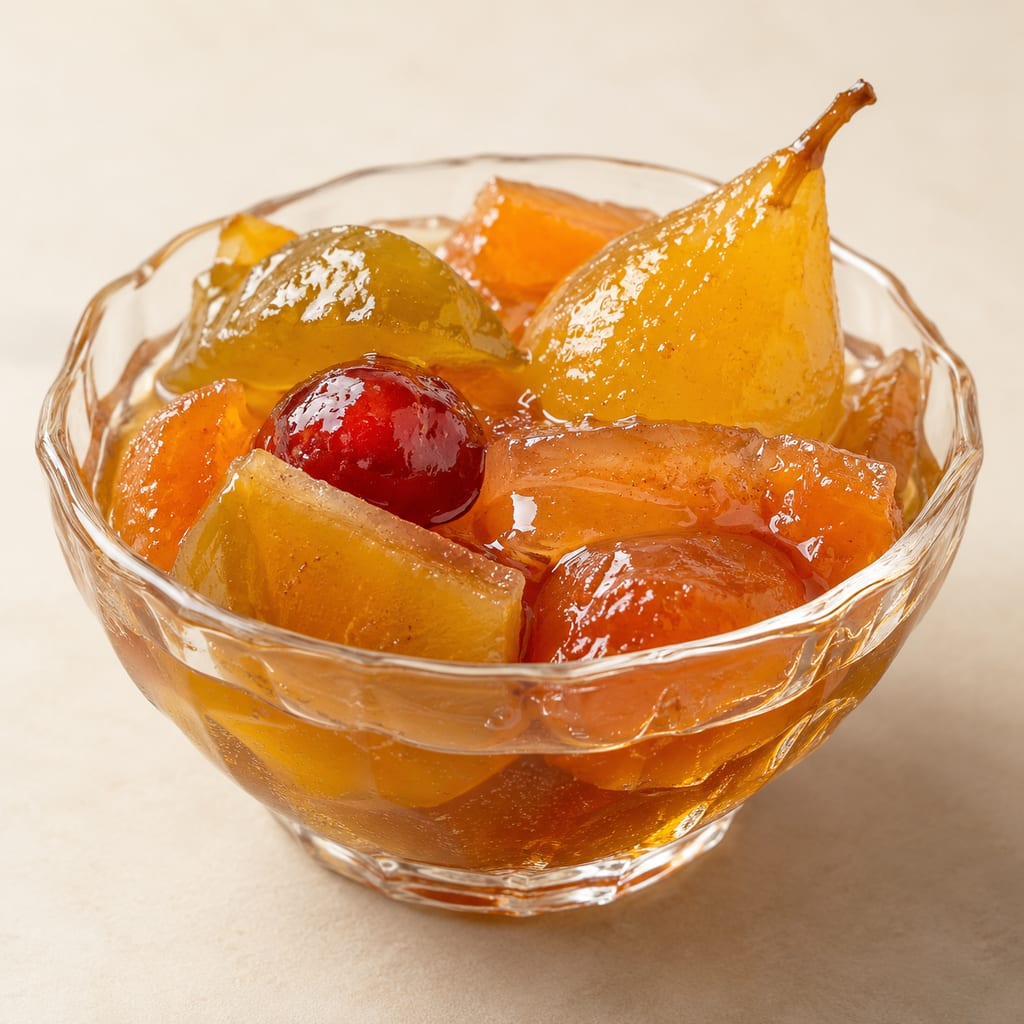
Mostarda is a northern Italian condiment of candied fruit in a mustard-flavoured syrup, served with boiled meats and cheeses.
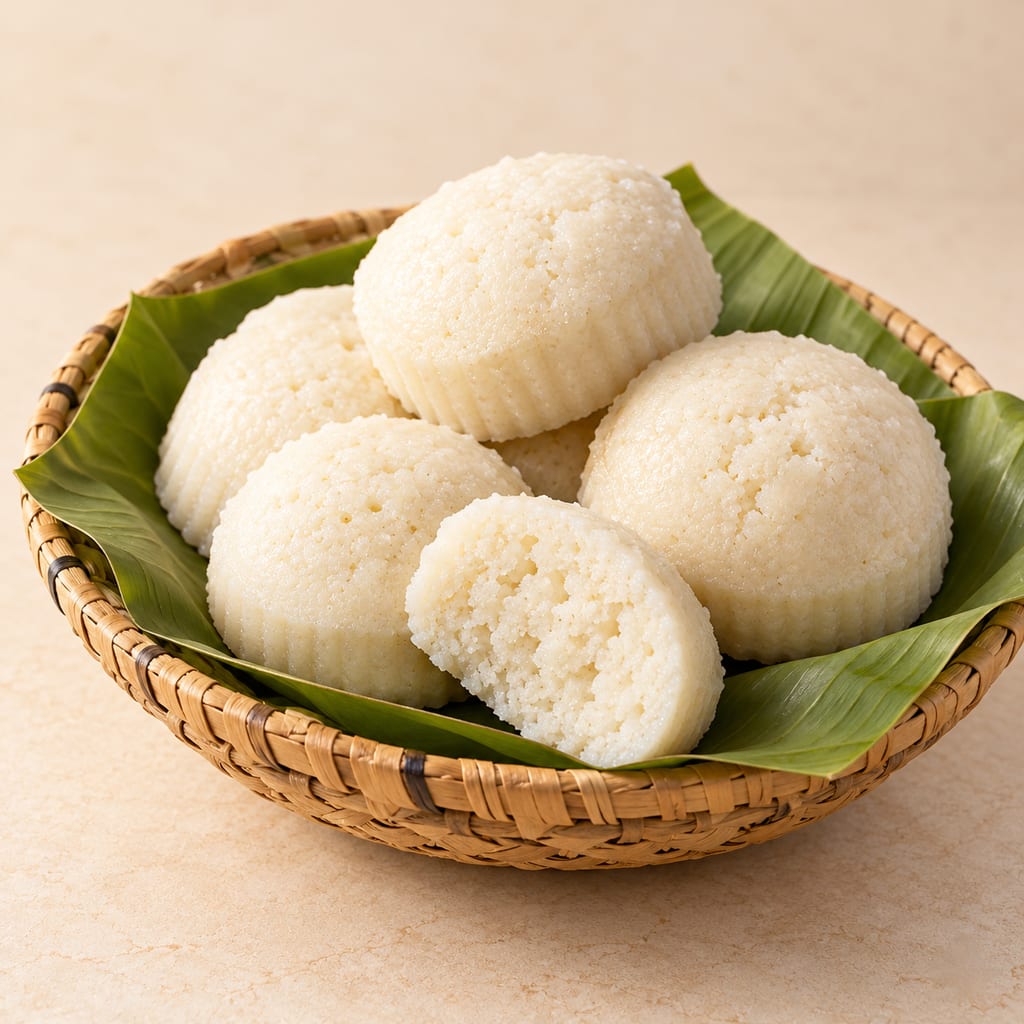
Soft, lightly tangy steamed cereal bread documented across Benin and Togo. This page gives one measured rice-flour research method; maize-based Ablo and mixed-grain versions remain distinct traditions.
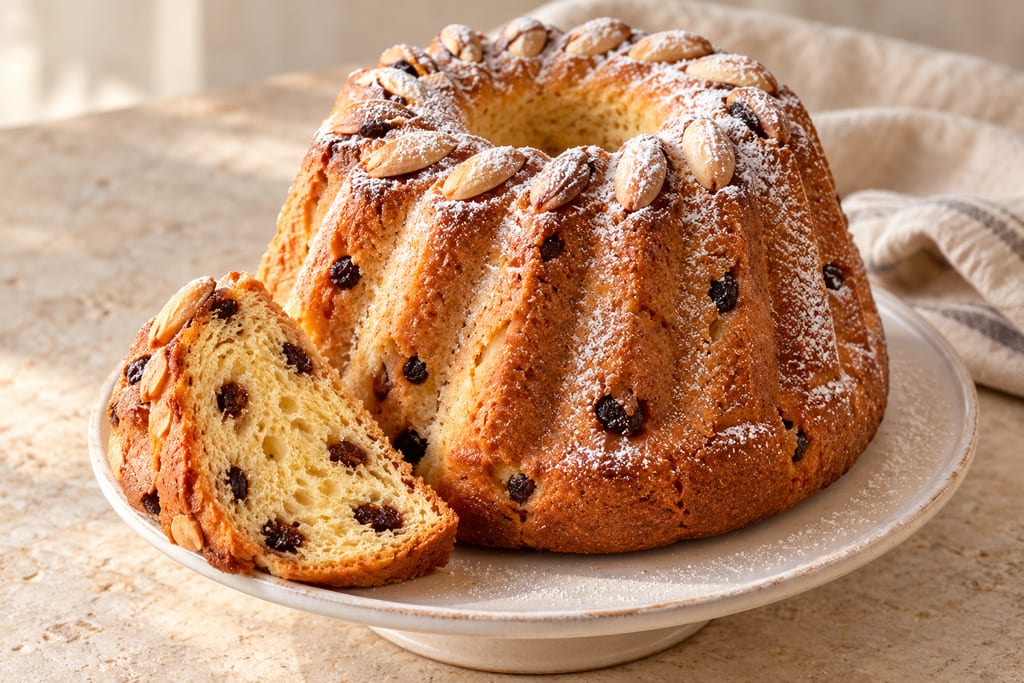
An enriched Alsatian yeast ring with raisins and almonds, kneaded with butter, proofed in a fluted mould and baked until browned.
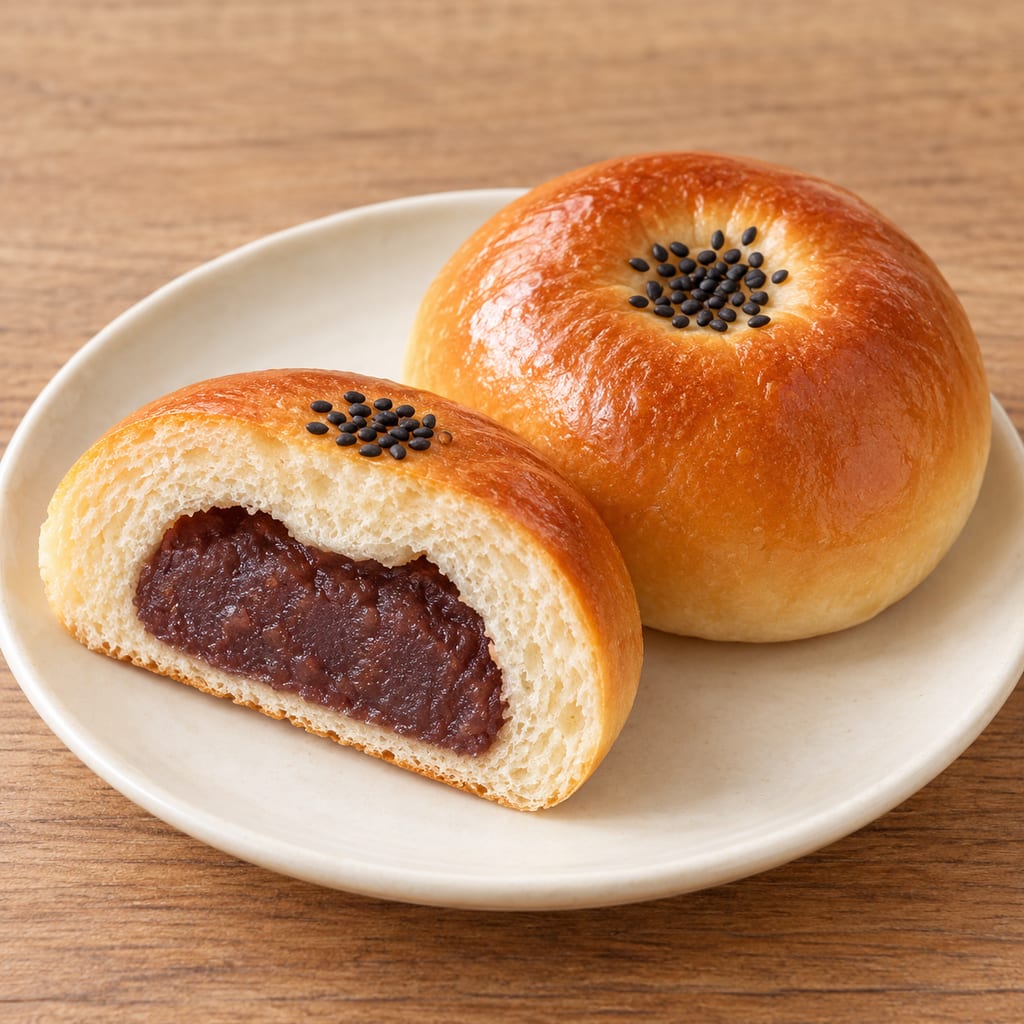
Anpan is a soft wheat bun filled with sweet red-bean paste and finished with egg wash and black sesame. This dough rises with commercial instant yeast.
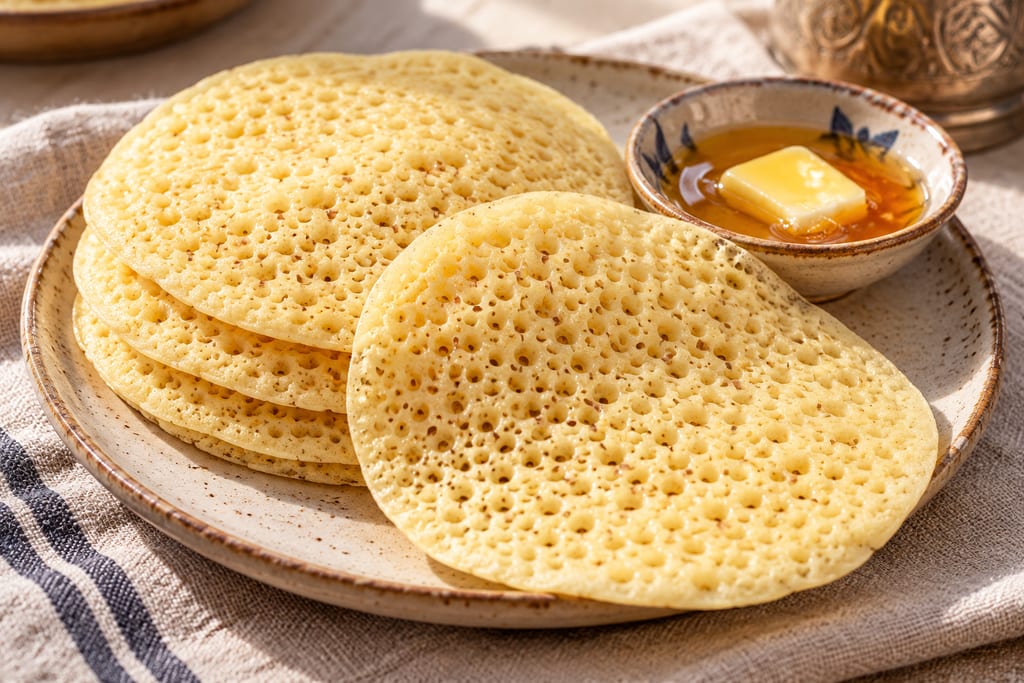
Moroccan semolina pancakes made from a thin yeast batter, rested until foamy and cooked on one side until the surface sets with a honeycomb of holes. This source-specific batch makes sixteen 5-inch pancakes.
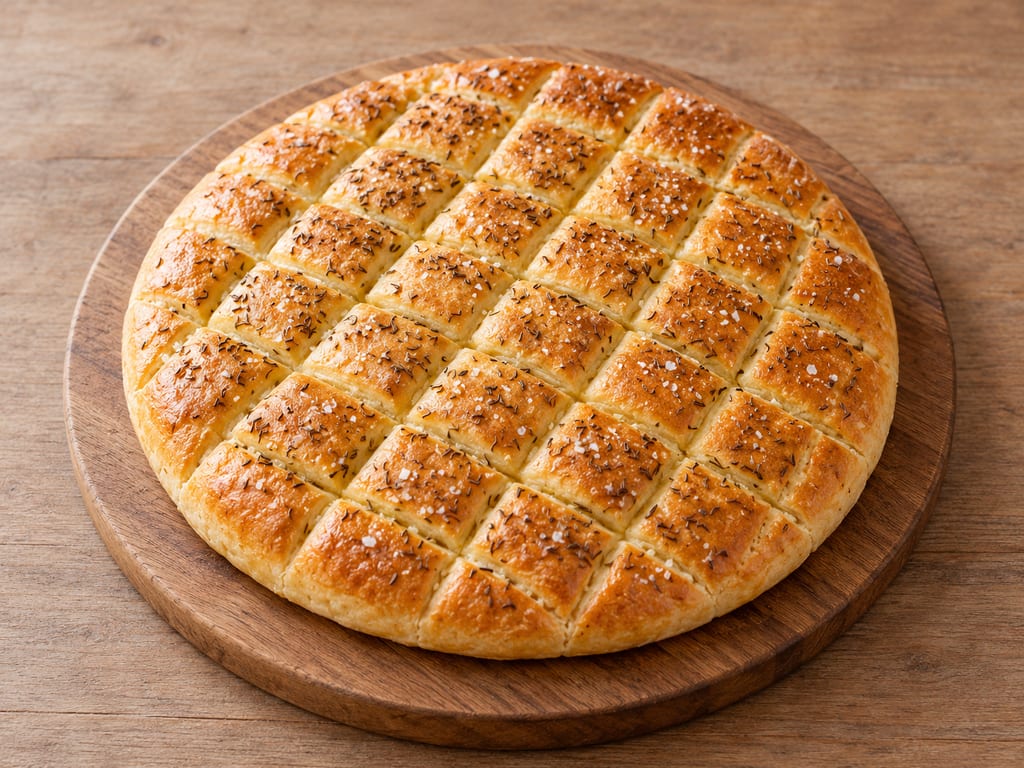
A round Slovenian flatbread scored in a grid and topped with caraway and coarse salt.
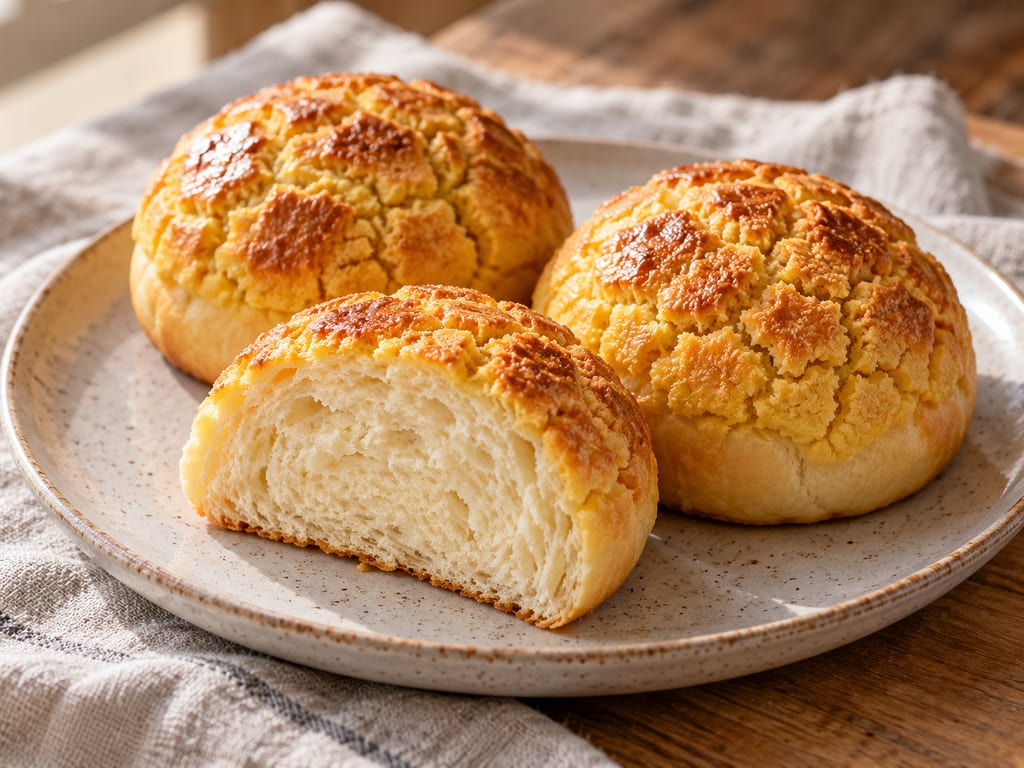
Hong Kong-style pineapple buns have soft yeast dough beneath a crisp, sweet pastry topping.
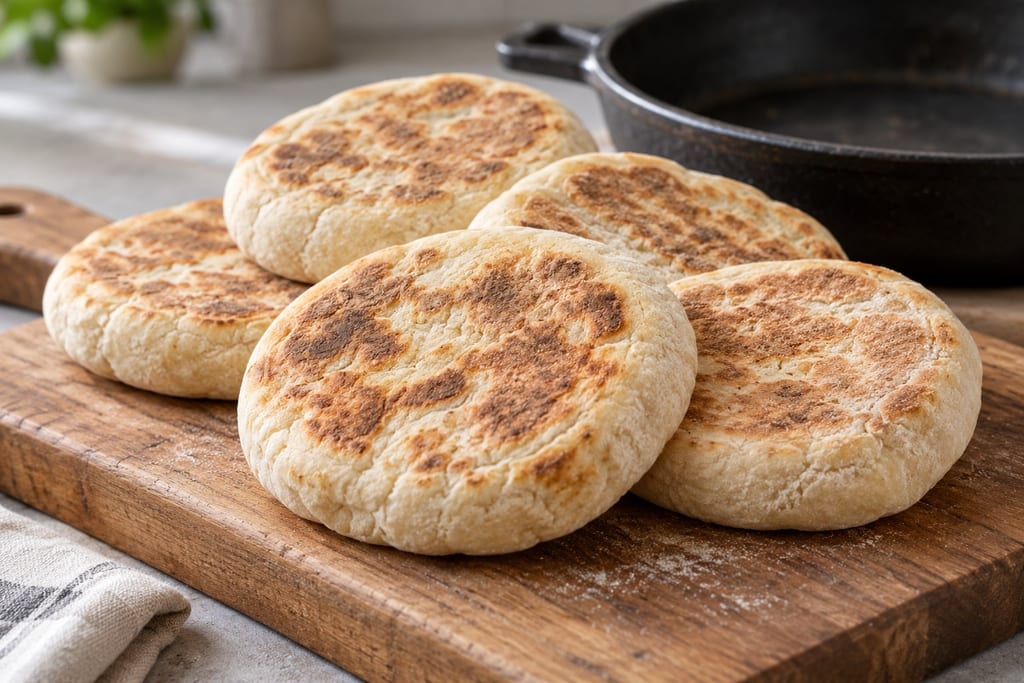
Sweet-potato wheat breads with fresh yeast, browned in a pan and finished in the oven. This is the bread component of Teleculinária's scrambled-egg dish.
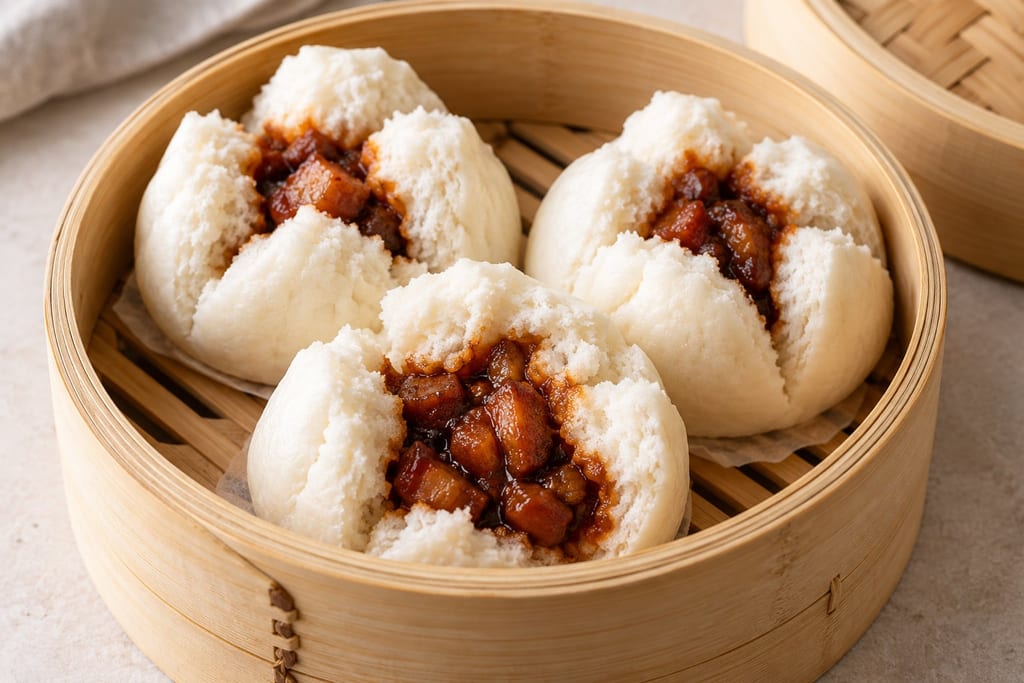
Fourteen fluffy steamed buns filled with cooked char siu and a thickened oyster-soy sauce.

A Cap-Pelé boucanière is an Acadian herring-smoking building. The documented Willie Niles example is a one-storey wood-frame structure with a ridge smoke vent and interior bays for hanging fish-bearing cannes.

Achcharu is a family of Sri Lankan vinegar pickles made with mixed vegetables or seasonal fruit and a piquant spice dressing. This version is a quick, refrigerated, non-fermented mixed-vegetable pickle.

The acocote is a long, hollowed and dried gourd used to draw aguamiel from a mature maguey. It is a harvesting tool: the sap is transferred to a separate vessel before it ferments into pulque.

Adrak murabba preserves young ginger in sugar syrup, a sweet South Asian preparation recorded in Indian cookery and food-processing sources.

Parkia biglobosa seeds are fermented into regional West African seasonings, including nététou, iru, dawadawa and soumbala. The yellow fruit pulp is a separate food, and names and methods vary by place.

Japanese reddish-brown vinegar from sake lees matured about three years, turned to vinegar by acetic bacteria; the vinegar of Handa and Edomae sushi rice.

A refined common-wheat flour blended for a broad range of baking; its protein and behavior vary with wheat, milling and market.

The almond mushroom, Agaricus subrufescens, was cultivated in eastern North America in the 1800s, lost its market, and returned as a cultivated mushroom from Brazil, where it is grown under several names.
No community contributions have been published for this entry yet.
Sign in to contribute. Published comments and photos are free to read.
GialloZafferanoInspiration · Method
PandoroSource-specific 1 kg formula and baker's-yeast biga and staged enriched dough method.
Eight-hour biga, two-stage rise with refrigeration, careful butter incorporation, proof to mould rim, 170°C bake and 92°C centre endpoint.
The source says to bag only when completely cool and gives no storage duration.
Comune di Verona, Ufficio StampaHistory · Geography
Giardini di via Raggio di Sole intitolati a Domenico Melegatti, inventore del PandoroPandoro's association with Verona and the star-shaped mould attributed to Melegatti.
Municipal account gives 14 October 1894 as the traditional date of Melegatti's industrial-protection application and records paternity disputes.
Centers for Disease Control and PreventionSafety
Raw Flour and DoughRaw flour and eggs can contain germs; do not eat raw dough; wash hands, utensils and surfaces after handling.