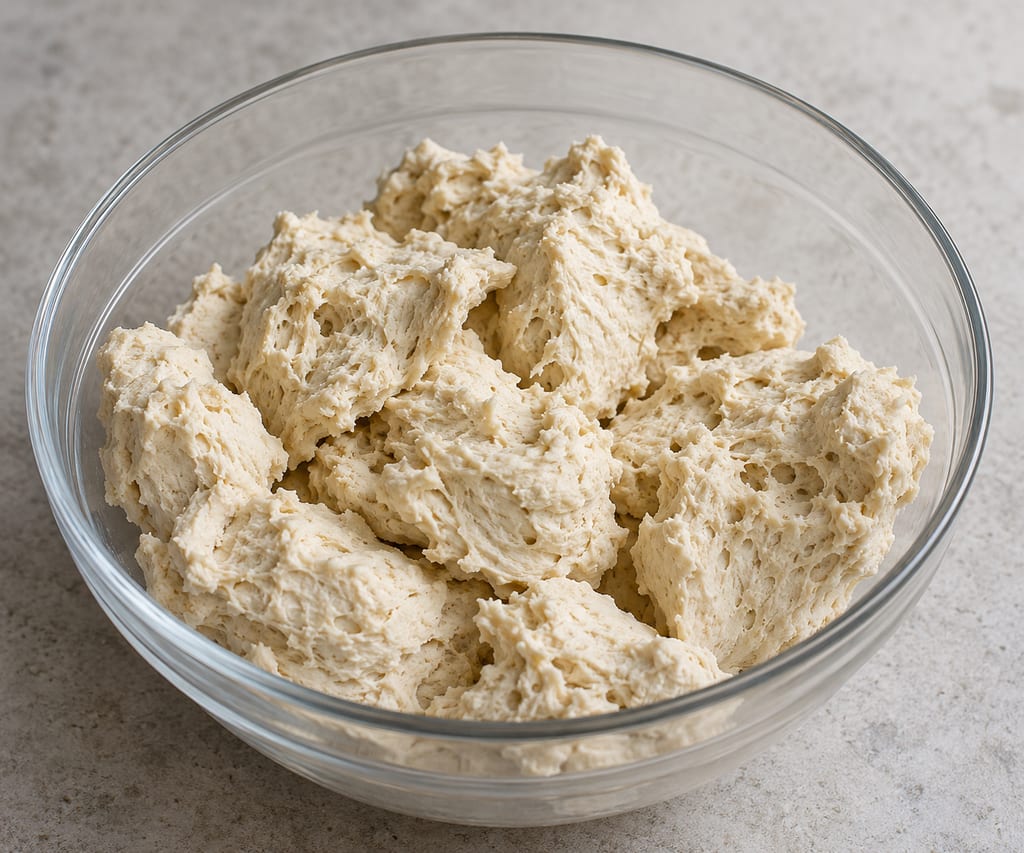
Biga
Biga is an Italian bread preferment of flour, water and a little yeast, usually a stiff unsalted mass of about 45 per cent water, fermented ahead and then mixed into the final dough.
 FermenteaWhere food goes to change
Ciabatta · Rustic Italian Ciabatta
A wet, yeast-raised ciabatta made with an overnight biga, folded dough and two long proofs, then baked as two loaves at staged oven temperatures.
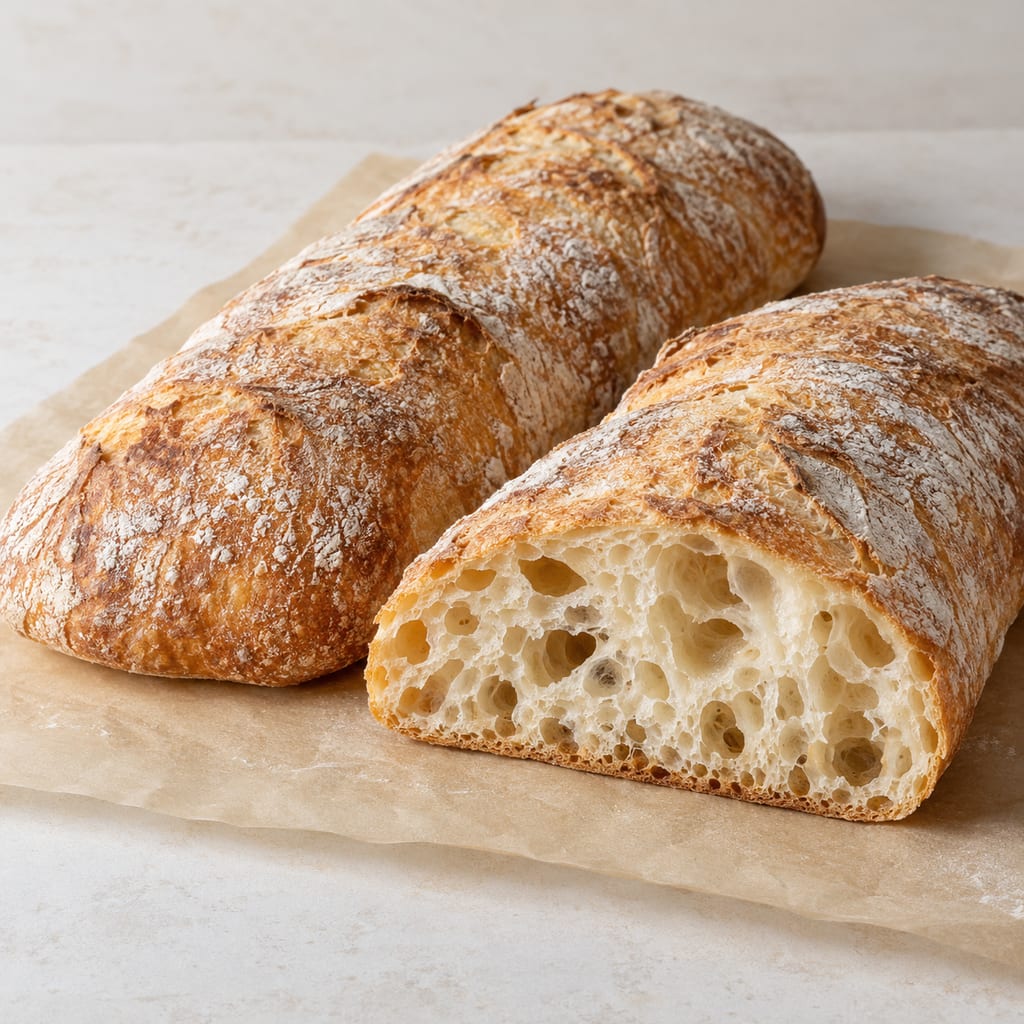
This version follows King Arthur Baking's Rustic Italian Ciabatta recipe by PJ Hamel. A yeast biga rests for 12–16 hours before the final dough is mixed. The method then uses two bowl folds and a final proof to build the open, irregular crumb associated with this formula. King Arthur calls it a rustic Italian loaf and suggests olive oil or an Italian-style sandwich; this page records that source's home recipe, not a historic formula or a single protected regional standard.
The source measures two loaves. The biga takes 226 g bread flour, 170 g cool water and 1/8 teaspoon instant or active dry yeast. The final dough uses another 226 g bread flour, 170 g lukewarm water, 1 teaspoon yeast and 9 g salt. The recipe gives cups alongside flour weights; the metric weights are used here for the measured formula.
Stir the biga ingredients together, cover the bowl and leave it at room temperature for 12–16 hours. PJ Hamel then adds lukewarm water to the biga and mixes it. Flour, yeast and salt are combined separately before joining the liquid mixture. A stand mixer with dough hook runs on low for about 2 minutes, then medium for 3–4 minutes, until the dough is elastic and sticky. The page advises against adding flour unless the mixture is truly soupy.
Cover the dough for a 1-hour rise. Using a wet hand, lift one side of the dough and press it into the centre; repeat 8–12 times around the bowl. Cover it and rise for another hour. The recipe relies on these folds and rests to handle the wet dough; it does not call for conventional kneading by hand or additional proofing flour mixed into the dough.
Turn the dough onto a generously floured surface, dust the top and stretch it gently to an 8 × 10 inch rectangle. Cut two pieces measuring about 4 × 10 inches. Transfer them to flour-dusted parchment or linen with about 6 inches between the loaves, cover and proof for 1–2 hours. The source's cue is a puffy loaf whose fingertip indentation stays visible for a few seconds and fills very slowly.
Heat the oven to 500°F about 30 minutes before baking, with a stone heating in the middle if you use one. Spritz the dough with water or follow the optional steam method. Transfer loaves on parchment to the stone or to a baking sheet, then lower the oven to 425°F. Bake about 22–25 minutes until golden brown. Turn the oven off, place the loaves on the middle rack, open the door about 2 inches and let them cool completely inside.
Raw flour can carry harmful bacteria. Do not taste the biga or uncooked dough, and wash hands, bowls and tools after mixing. The optional steam method pours boiling water into a hot cast-iron pan; King Arthur advises using oven mitts to protect hands and arms. Its page also warns that many parchment papers are not rated for 500°F and exposed edges may char between 450°F and 500°F. Trim excess parchment and watch it closely, or use the baking-sheet option if the parchment is unsuitable.
King Arthur recommends eating the bread within a couple days for best quality or wrapping and freezing it for longer storage. That is the publisher's quality advice, not a validated safety limit. The page gives no internal doneness temperature.
This entry records King Arthur Baking's contemporary two-loaf Rustic Italian Ciabatta recipe, updated on 12 November 2025. The page calls it an Italian loaf but does not establish ciabatta's first appearance, a precise birthplace or the history of the broader bread family. Its measured home formula is not presented here as a historic or definitive regional recipe.
Yield 2 loaves · Scaling: source batch only
The biga and dough contain raw flour; flour can carry harmful bacteria and uncooked dough should not be tasted.
Hazard sourceThe recipe uses a 500°F oven and offers an optional method that pours boiling water into a hot cast-iron pan to make steam.
Hazard sourceKing Arthur warns that many parchment papers are rated below 500°F and exposed edges can char between 450°F and 500°F.
Hazard sourceDo not taste the raw biga or dough; wash hands, bowls and utensils after handling flour.
Control sourceFor the optional steam method, use oven mitts to protect hands and arms while handling the hot pan and pouring boiling water; close the oven door promptly as the recipe directs.
Control sourceIf using parchment at high oven temperatures, trim exposed edges and watch it closely for charring; use a source-approved baking-sheet route if parchment is unsuitable for the oven.
Control sourceDo not taste raw flour dough; cook it before eating.
The optional steam step uses boiling water beside a 500°F oven. Wear oven mitts and keep hands and arms clear of steam.
Check the parchment manufacturer's temperature rating; exposed edges can char at the source's 500°F preheat.
The recipe page calls this a rustic Italian loaf. The measured home method is a contemporary King Arthur recipe; this country-level label records its stated style and does not claim a precise origin or historic formula.
Biga is an Italian bread preferment of flour, water and a little yeast, usually a stiff unsalted mass of about 45 per cent water, fermented ahead and then mixed into the final dough.
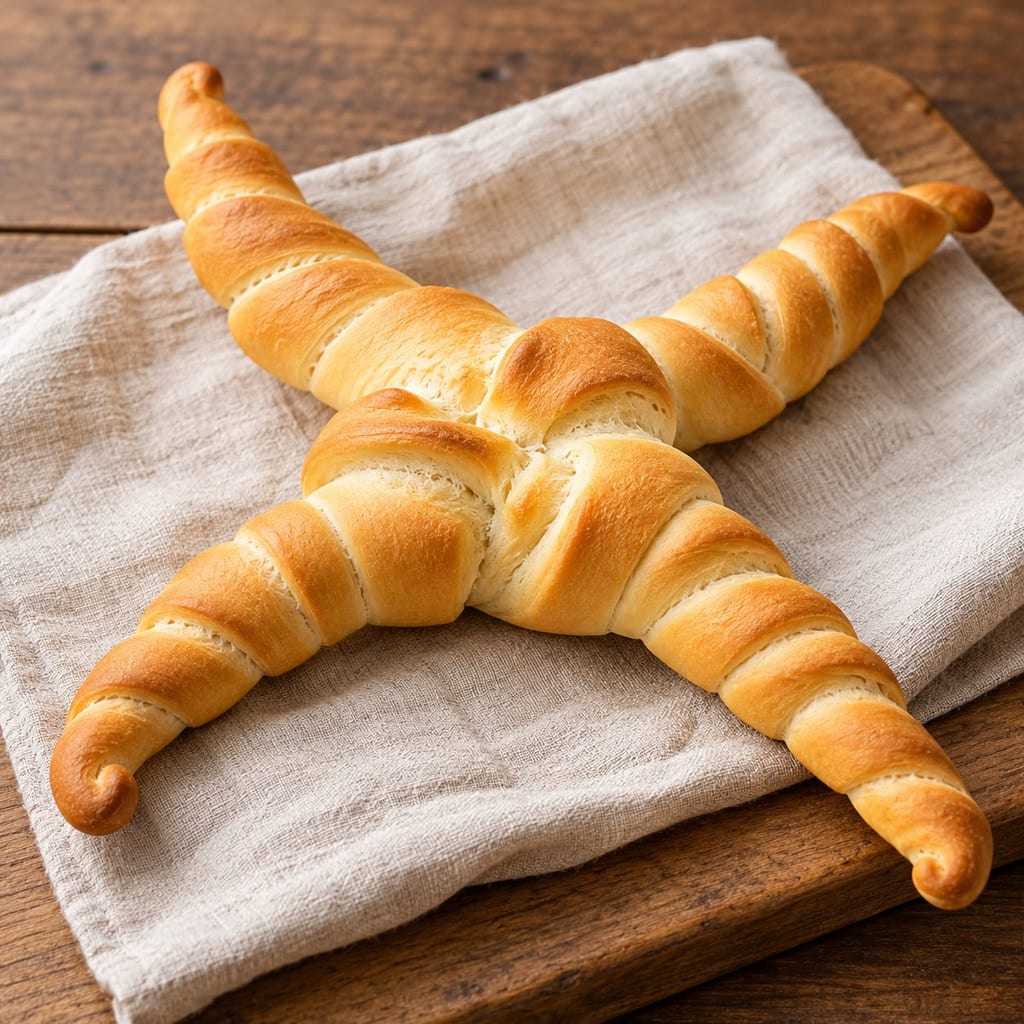
Ferrara’s paired bread twists have four pointed horns joined at a soft centre. This VisitFerrara home recipe uses type 0 flour, water, oil, lard, malt and a choice of sourdough or yeast.
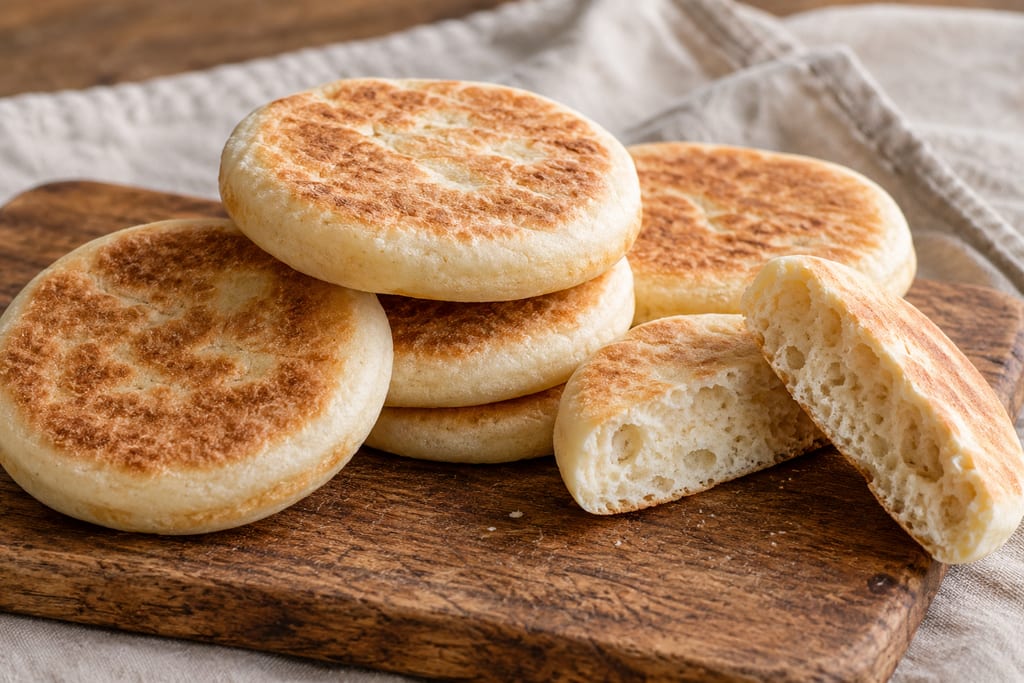
Small Modenese yeast breads cooked between hot plates and served warm.
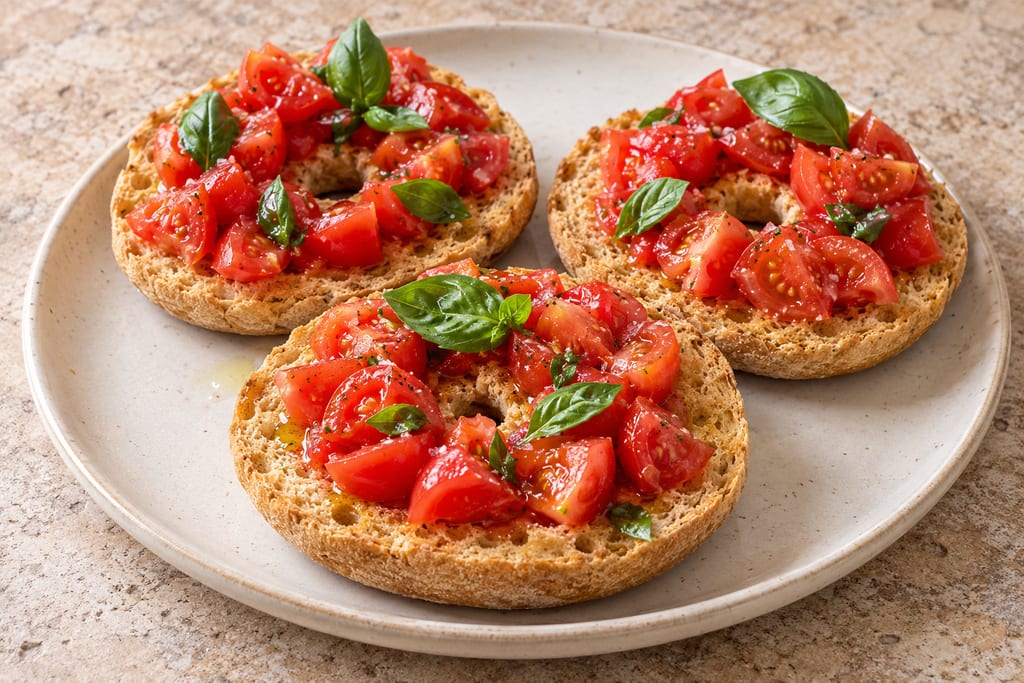
Puglian wheat-and-semolina bread rings are baked, split, then dried in a second bake; briefly moisten and top them before serving.
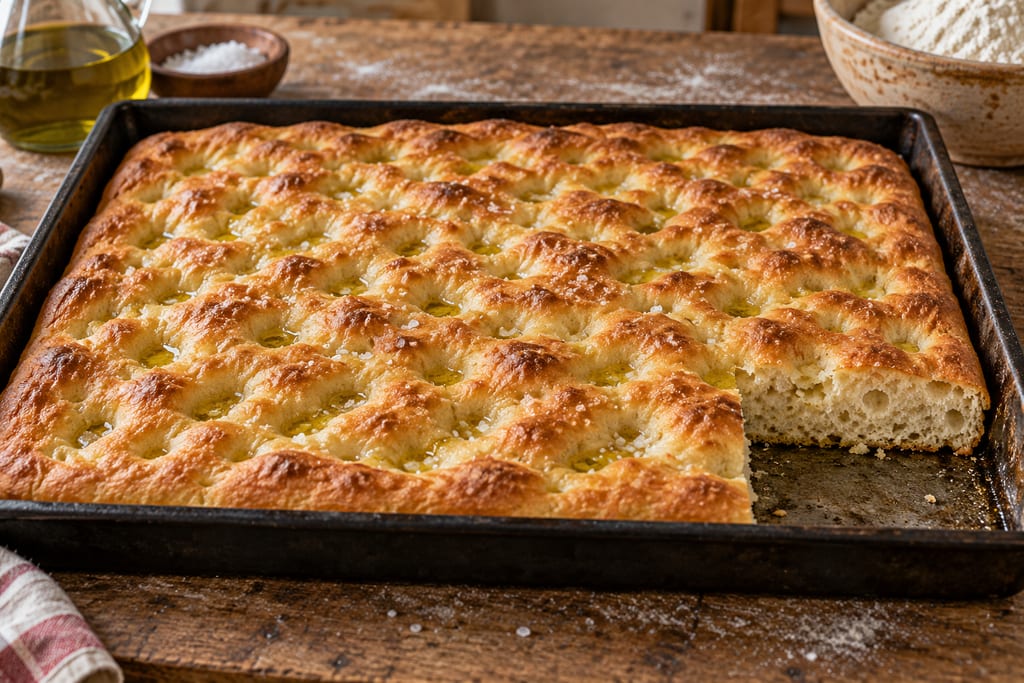
Fresh-yeast focaccia with olive oil and brine in its dimples, made in two 30 × 40 cm trays. It is separate from the sourdough focaccia formula.
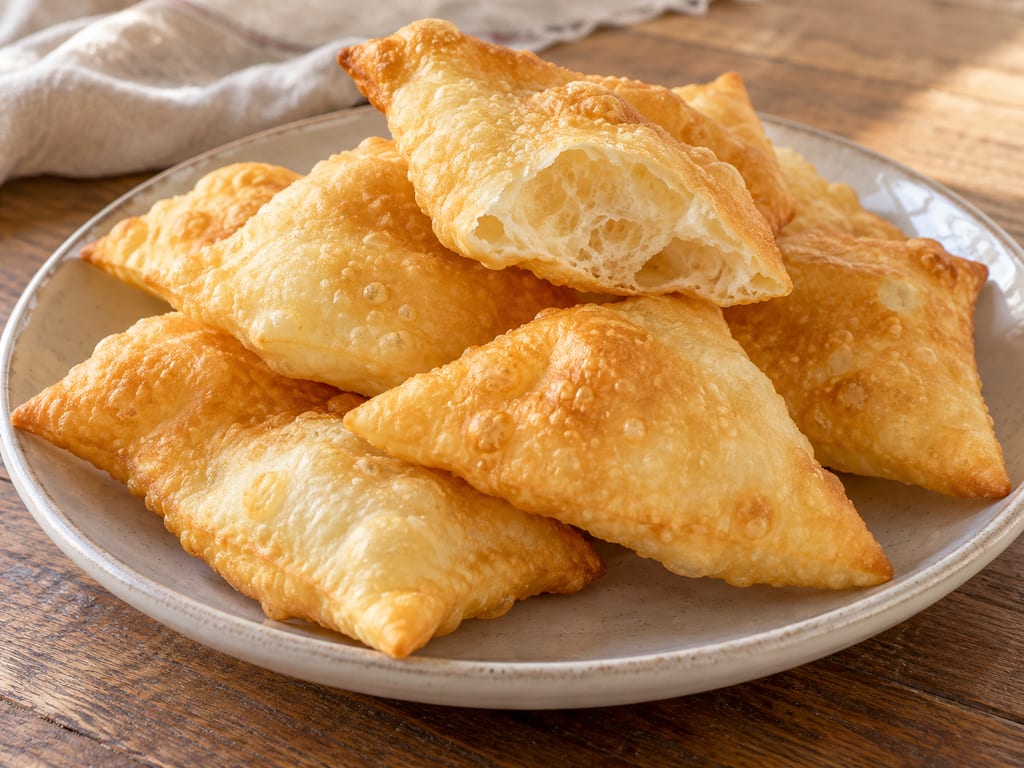
This Emilia-Romagna home version uses a measured flour-and-milk dough with yeast, shapes it into small diamonds or squares, and fries them in peanut oil.
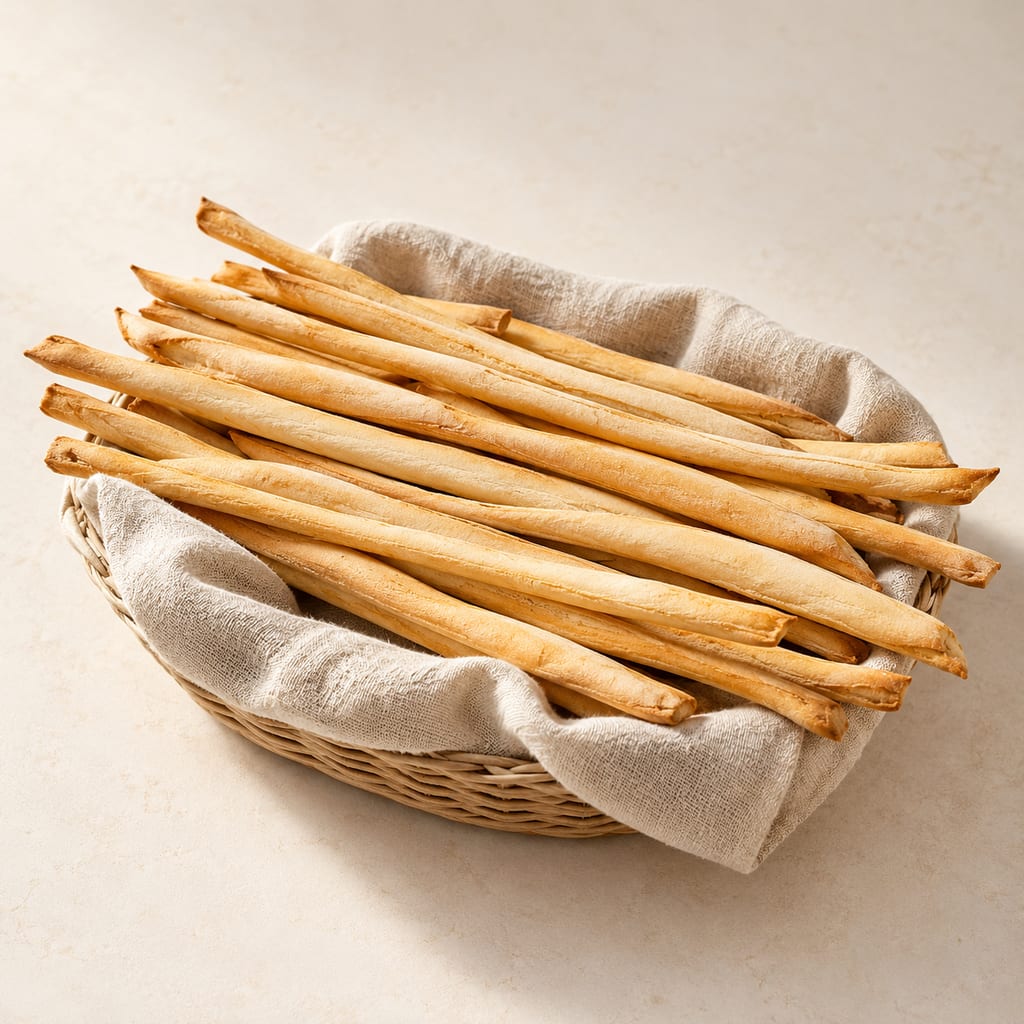
A measured Torino baker’s formula for hand-stretched grissini, baked until crisp and dry.
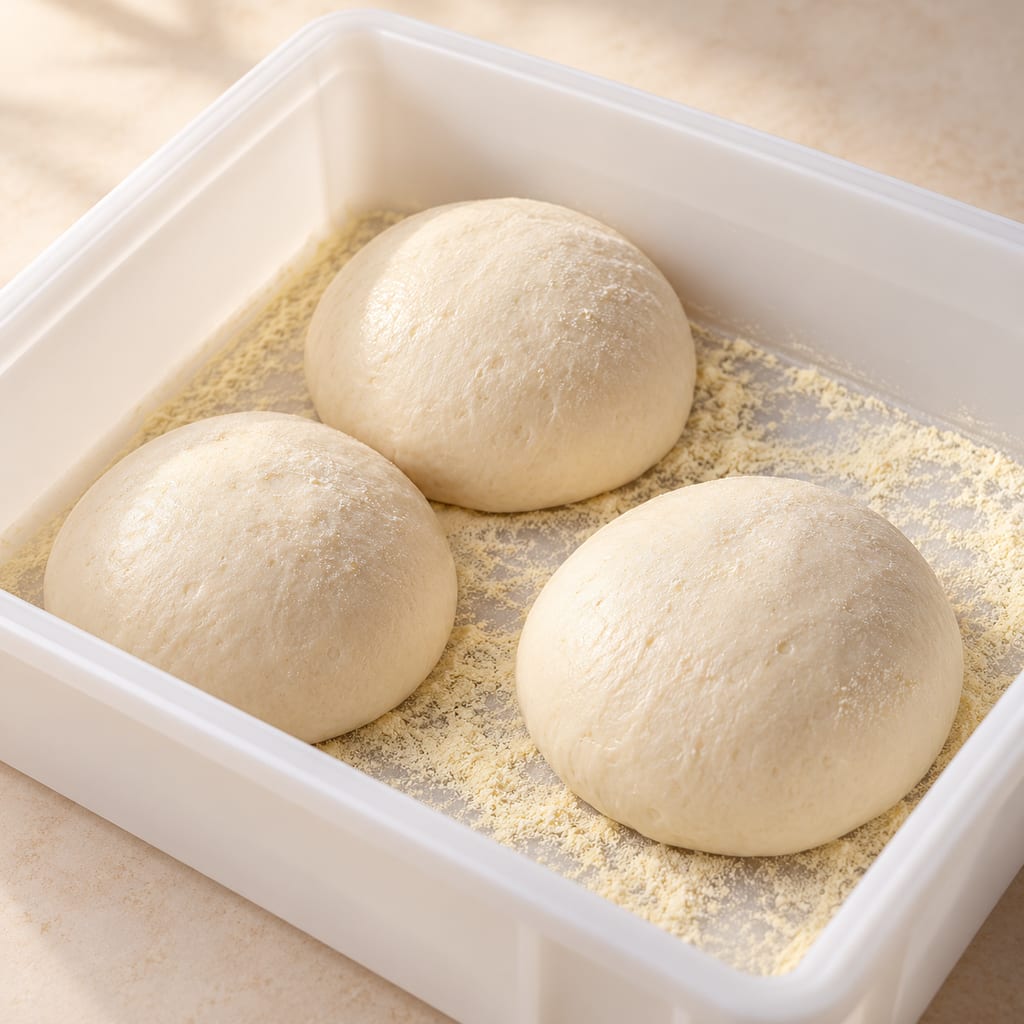
An AVPN regulation formula for Neapolitan pizza dough uses wheat flour, water, salt and fresh brewer’s yeast. Flour absorption and proofing conditions determine the exact dough point and yeast dose.
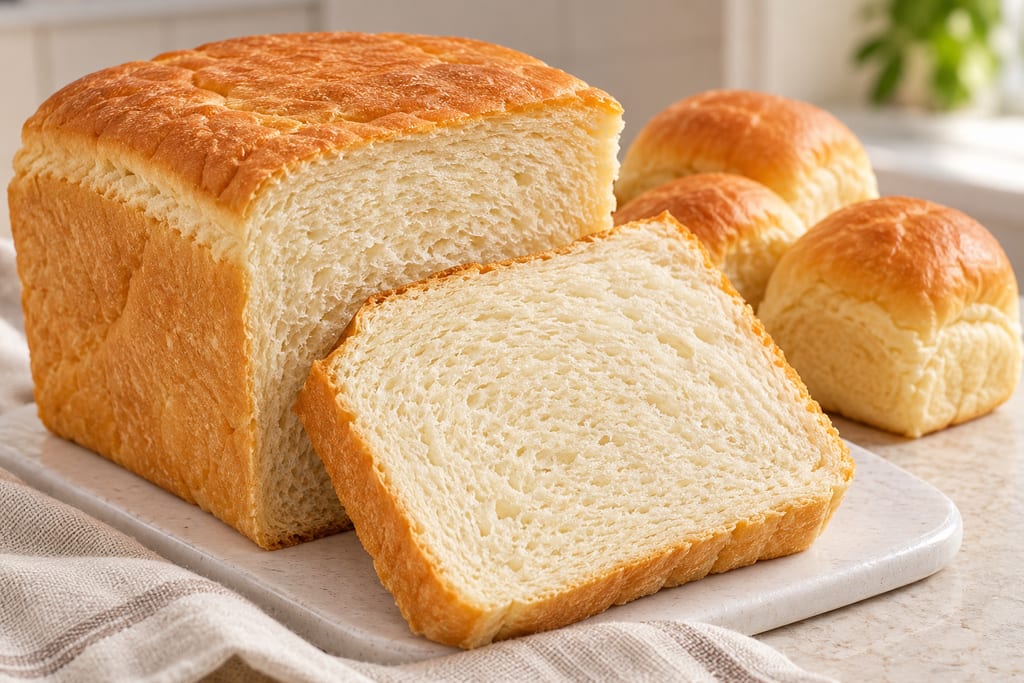
This softer home-style Agege bread uses a scalded flour paste, an enriched yeast dough and a 9×5-inch loaf pan, with rolls from the extra dough.
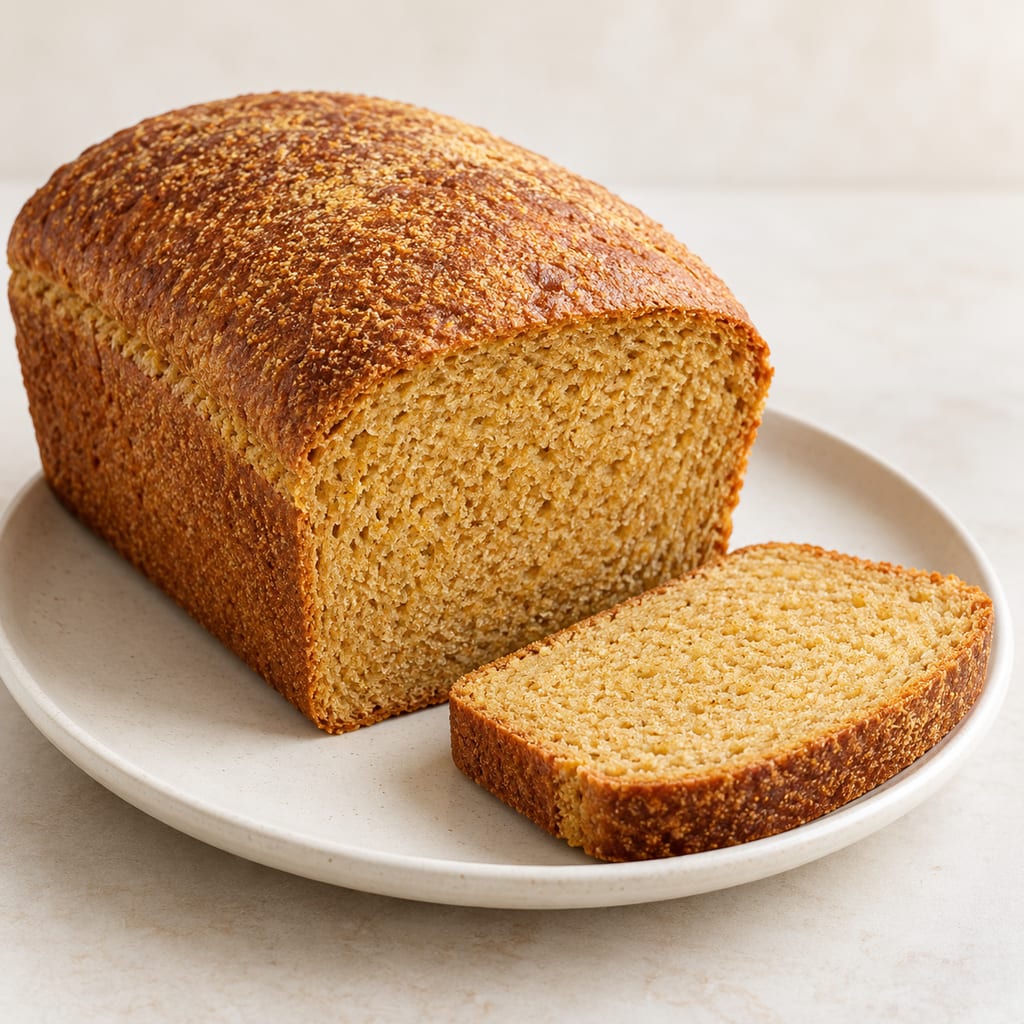
Anadama is a New England yeast loaf made with wheat flour, cornmeal and molasses. Scalded cornmeal enriches the dough, while molasses lends sweetness and a dark crust; it is especially good toasted or beside soup and baked beans.

A yeast-raised wheat ring shaped from a firm dough, briefly boiled and baked. This source-batch formula gives a gently malted crust and a chewy crumb.
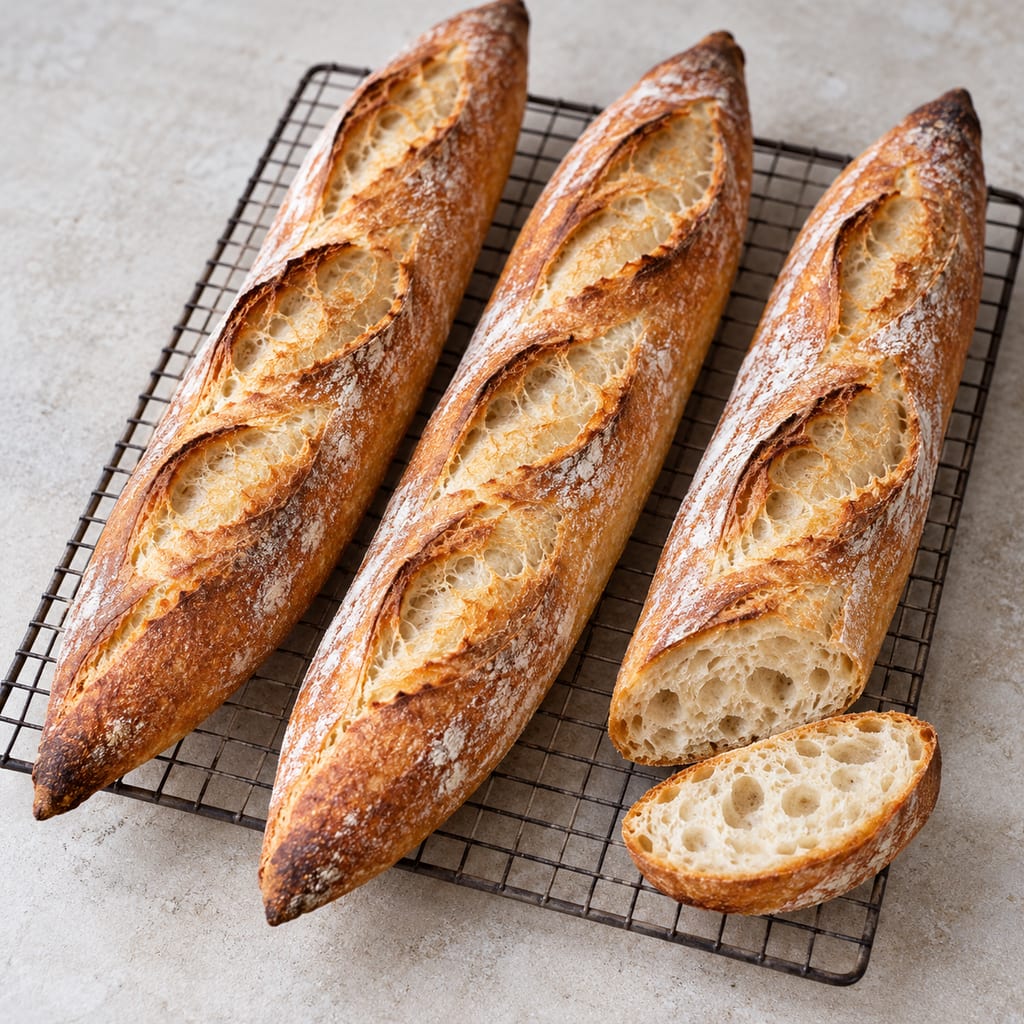
Three long, crusty wheat loaves made with an overnight yeast poolish, shaped by hand and baked with steam for a crisp crust.
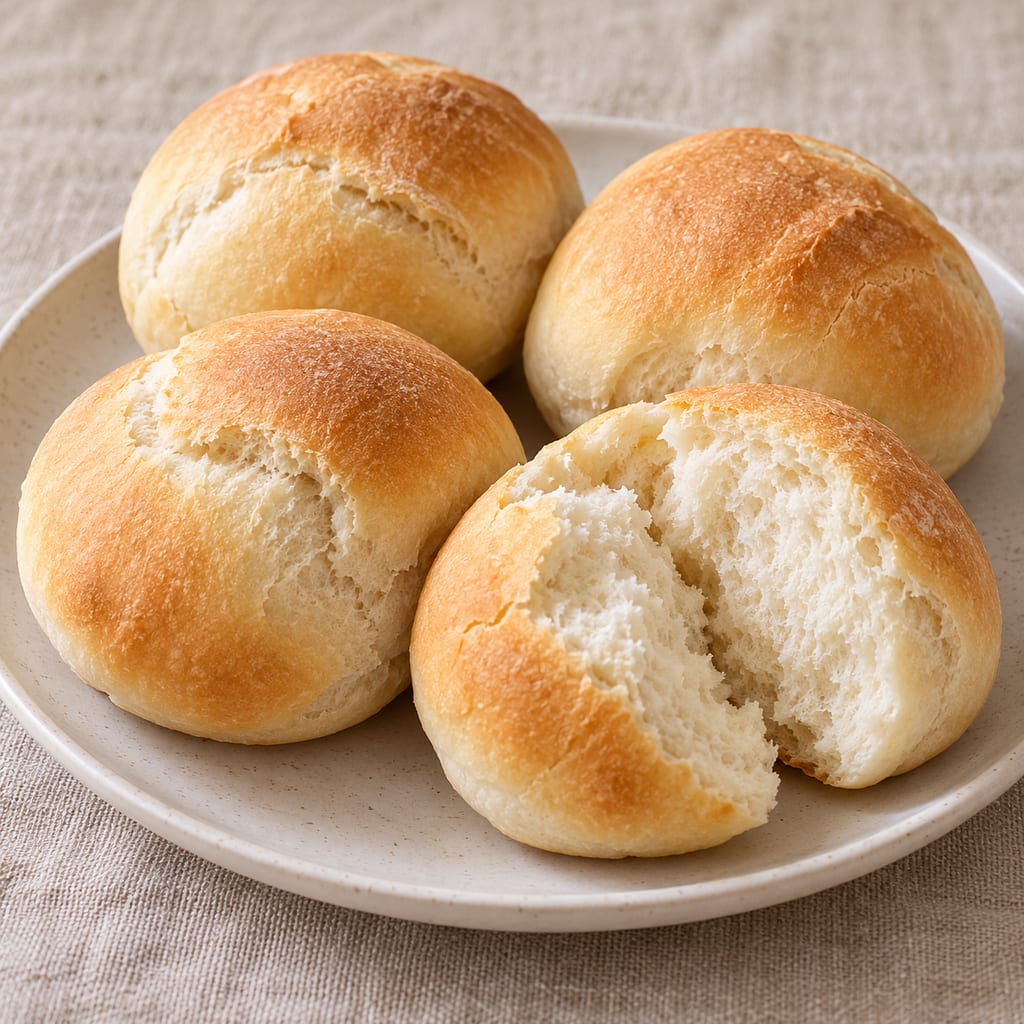
A lightly salted, yeast-raised Barbadian roll, baked in a dozen-roll home batch and often split for cutters.
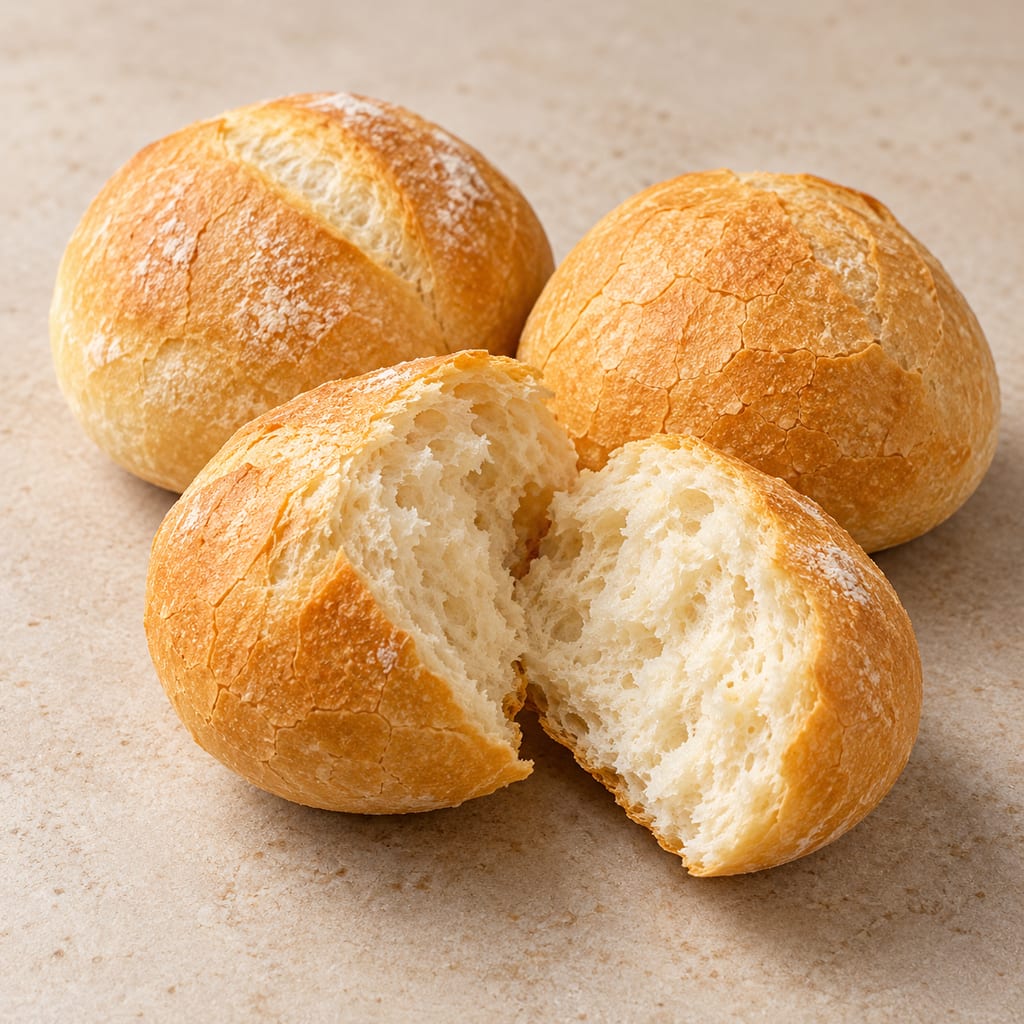
A crisp Belgian roll made from a supplier’s Croc-flour dough, mixed by hand or machine, proofed in rounds and baked with steam.
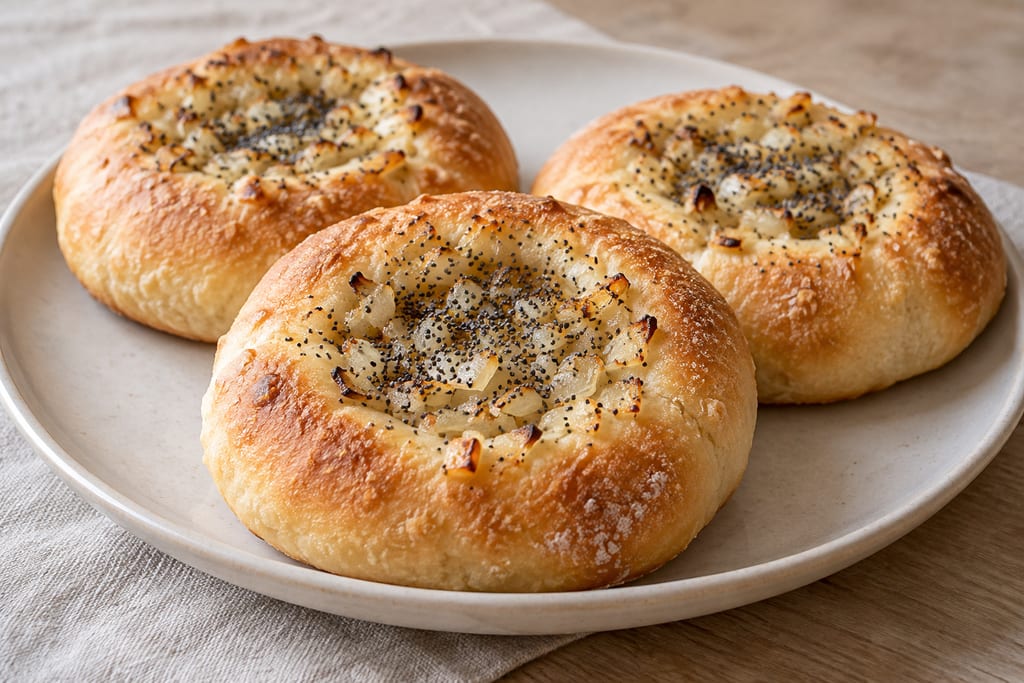
Bialys are soft, yeasted wheat rolls baked without boiling, each shaped with an onion-filled central depression instead of a hole.
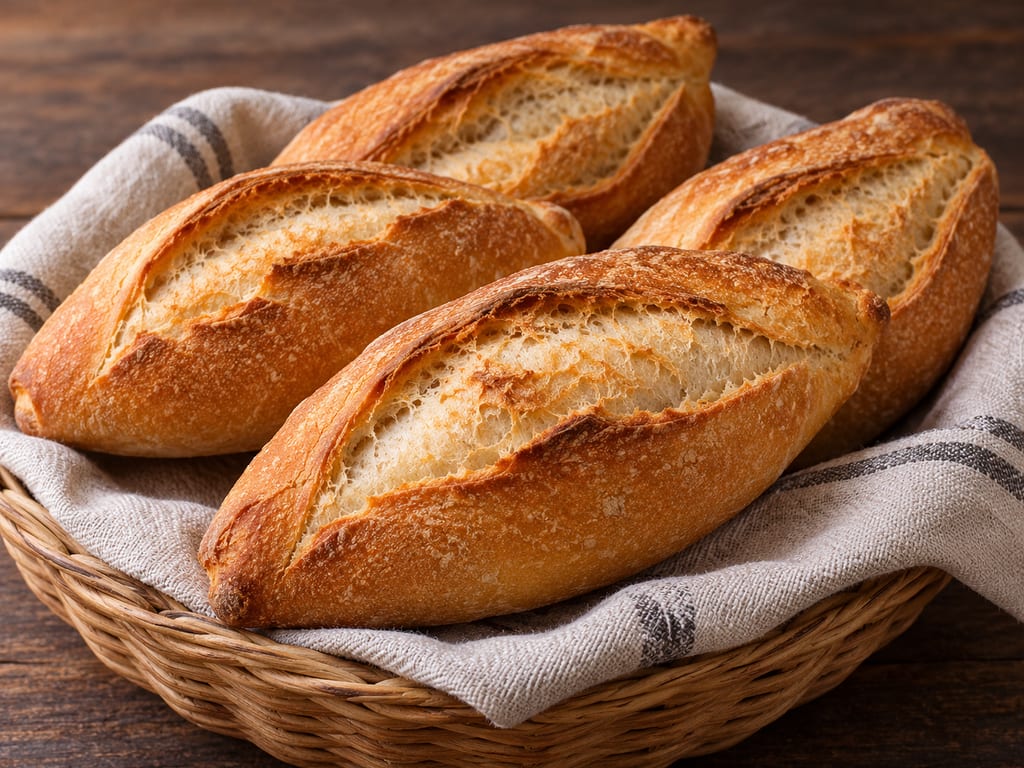
A measured, commercial-yeast home method for Guadalajara-style birote salado, with a six-hour preferment, shaped rolls and a two-temperature steam bake. This formula contains no egg.
No community contributions have been published for this entry yet.
Sign in to contribute. Published comments and photos are free to read.
King Arthur BakingInspiration · Method · Food use · History · Geography
Rustic Italian CiabattaThe page identifies its recipe as Rustic Italian Ciabatta, updated 12 November 2025; it yields two loaves, lists 15 minutes hands-on, 18 hours 40 minutes total and 22–25 minutes baking.
The measured biga uses 170 g cool water, 226 g bread flour and 1/8 tsp instant or active dry yeast, resting covered at room temperature for 12–16 hours. The dough adds 170 g lukewarm water, 226 g flour, 1 tsp yeast and 9 g salt; mixer kneading, two 1-hour rises, 8–12 folds, shaping and a 1–2-hour final proof follow.
The page specifies a 500°F preheat, reduction to 425°F and an approximately 22–25-minute bake, with baking-stone and baking-sheet paths, optional steam, golden-brown color and full cooling in the switched-off oven.
Its tips warn about handling boiling water for steam and about parchment-paper temperature ratings and charring. The page suggests using fresh bread within a couple days or wrapping and freezing it longer; this is presented as the baker's quality guidance, not a validated safety duration.
Cited in: A contemporary two-loaf formula; Build the biga and mix the dough; Shape, proof and bake; Flour, steam and parchment
U.S. Food and Drug AdministrationSafety
Handling Flour Safely: What You Need to KnowFlour is raw and may carry harmful bacteria; do not taste raw flour, dough or batter, and wash hands, utensils, bowls and surfaces after handling flour.
Cited in: Flour, steam and parchment