



















































Elevated risk
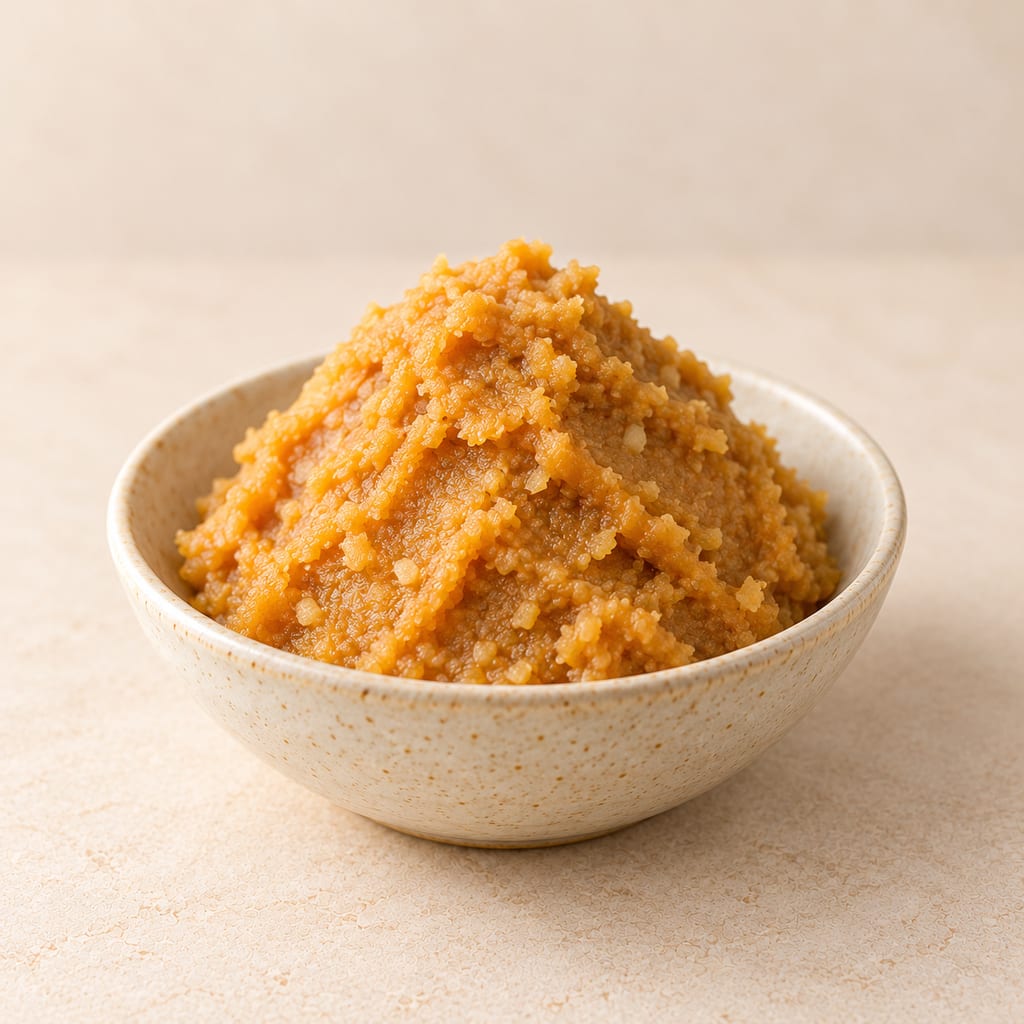
Rice-koji soybean miso
A traditional Japanese fermented paste made by mixing cooked soybeans with rice koji and salt. This guide details the ratio, the long enzymatic breakdown, and the months-long maturation required for depth.
 FermenteaWhere food goes to change
1504 records with their sources, across 11 categories.
 Fermented, enzyme-ripened and mixed seasonings328
 Fruit preserves10
 Legume, seed and plant-protein ferments10
 Garum and fish sauces8
 Adjacent and excluded7
 Koji, mold starters and mold-ripened ferments4
 Acid and oil pickles3
 Fermented fruit and fruit-derived foods3
 Vegetable lactic3
 Dairy ferments2
 Smoked salted and dried foods2
 Cheese1
 Not yet classified1
 Legume, seed and plant-protein ferments31
 Adjacent and excluded10
 Koji, mold starters and mold-ripened ferments7
 Fermented, enzyme-ripened and mixed seasonings2
 Garum and fish sauces2
 Not yet classified2
 Grain and starch ferments1
 Smoked salted and dried foods1
A traditional Japanese fermented paste made by mixing cooked soybeans with rice koji and salt. This guide details the ratio, the long enzymatic breakdown, and the months-long maturation required for depth.
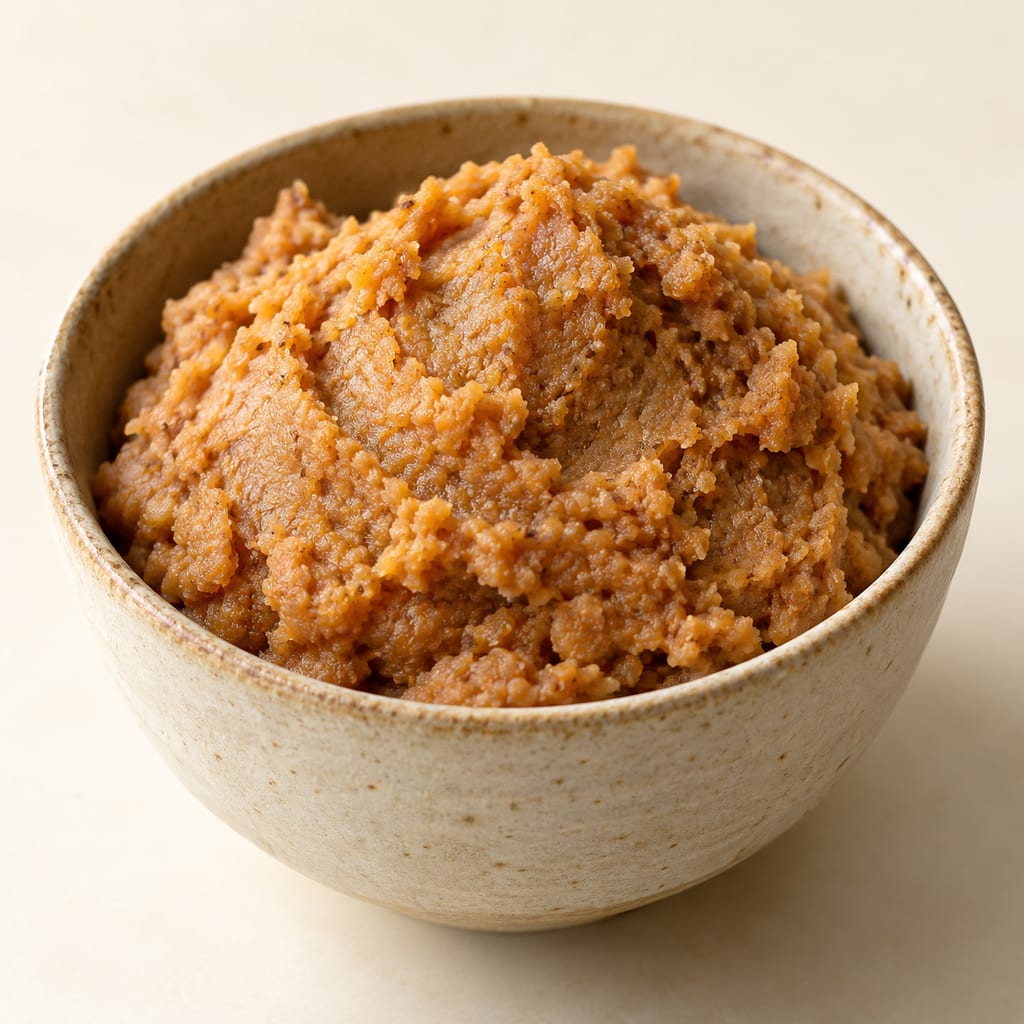
A home miso made from equal parts soybeans, chickpeas and Great Northern beans, cooked and mixed with rice koji and salt, then aged in a crock.
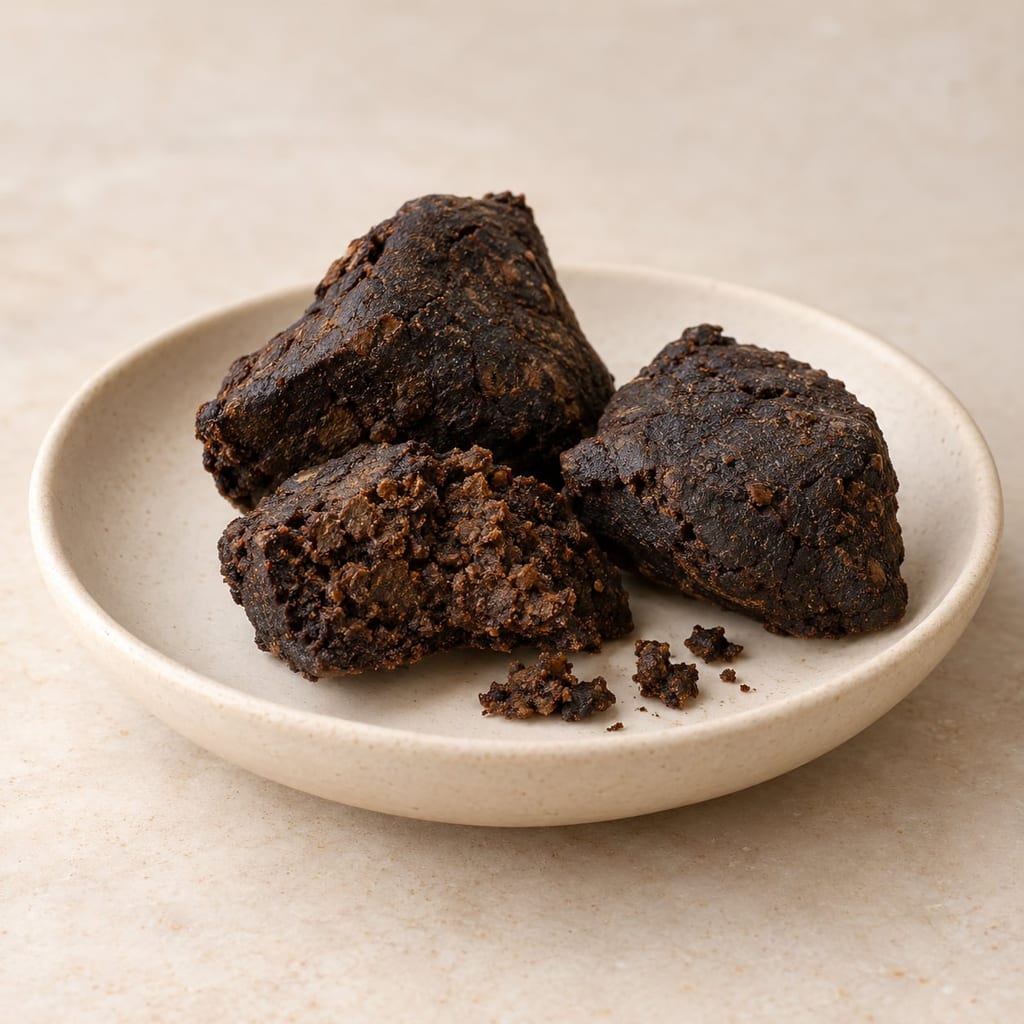
Okpiye, also written okpeye, is a Nigerian condiment from fermented Prosopis africana seeds; published studies describe laboratory batches, not a validated home method.
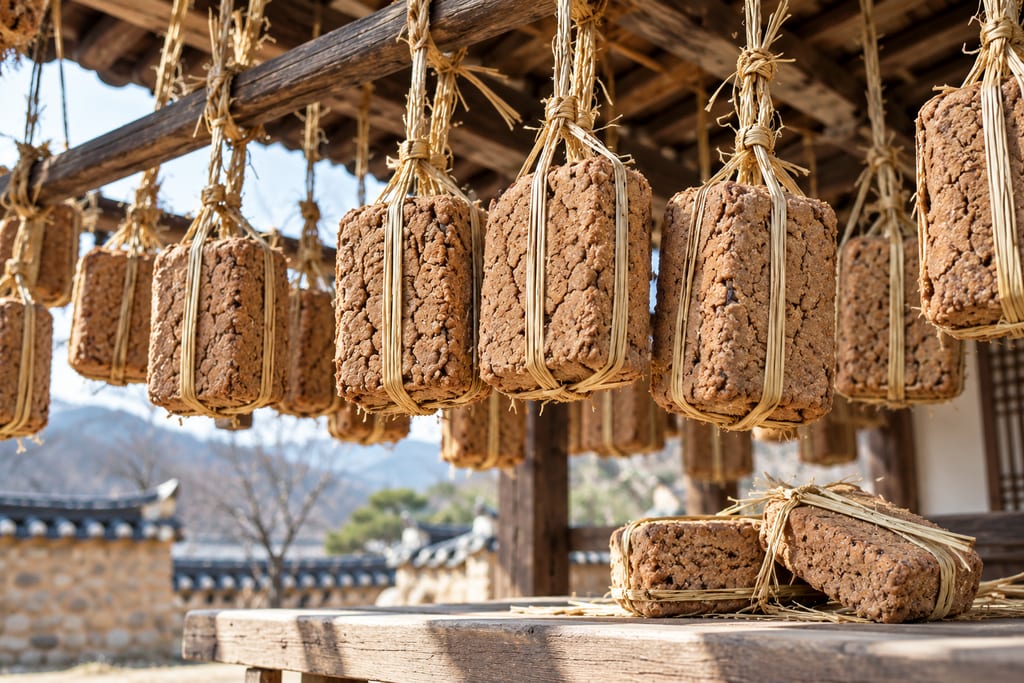
A cooked soybean brick, shaped and dried, that is fermented as a solid and later brined to make the Korean soy paste doenjang and the soy sauce ganjang.
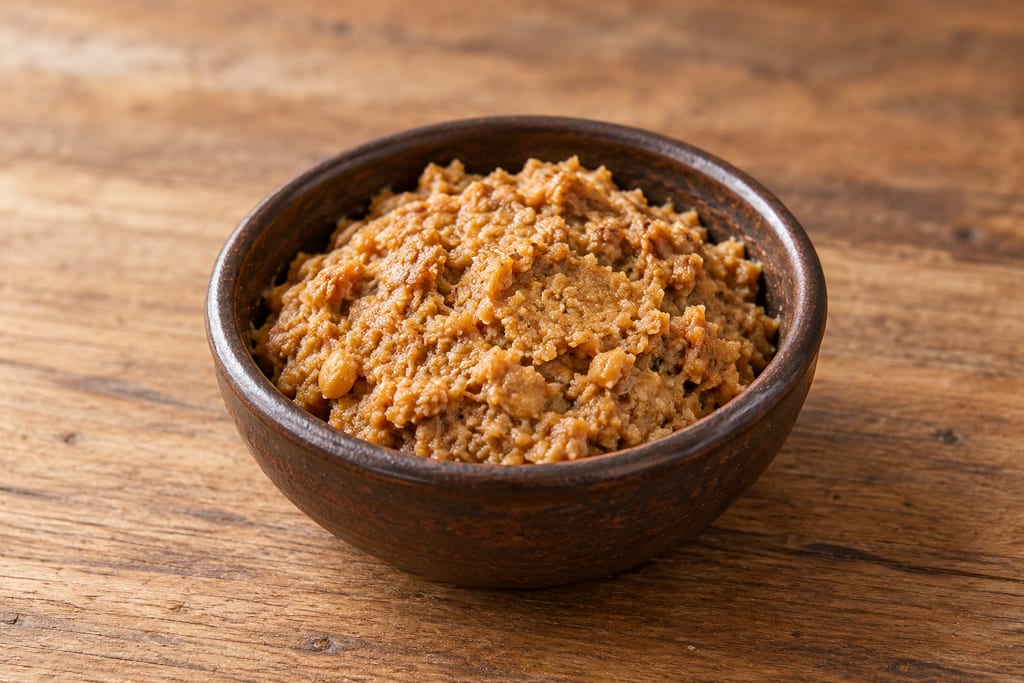
Doenjang (된장) is a Korean fermented soybean paste made by brining meju, separating ganjang, then mashing and aging the solids. This recipe follows one documented Sunchang processing study.
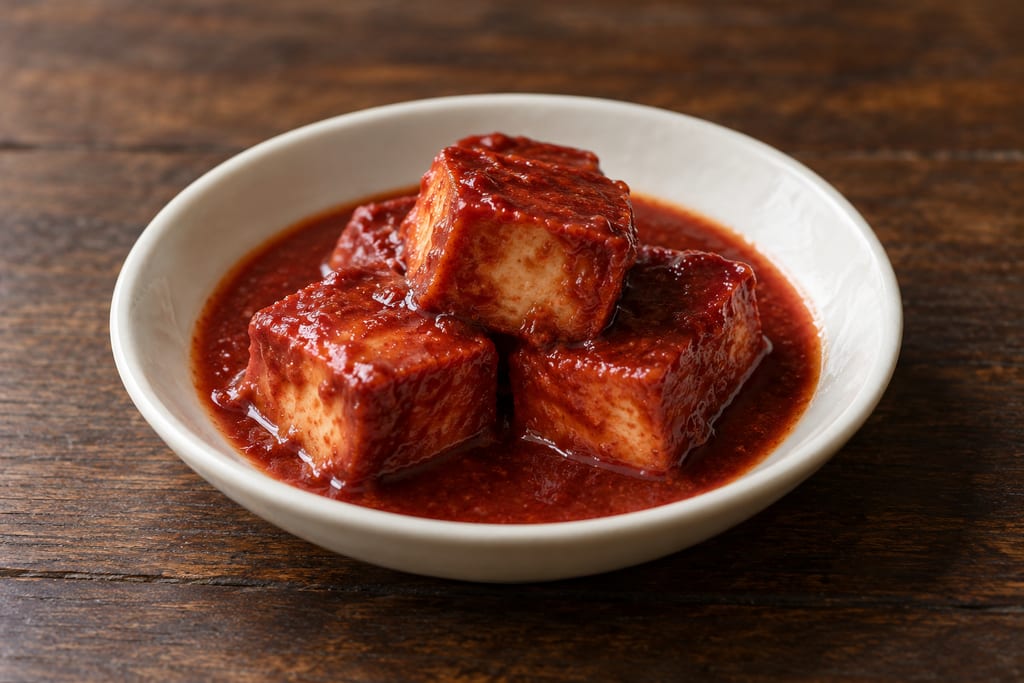
Red sufu is tofu grown with an identified Mucor racemosus mould, salted, seasoned with red pepper and zanthoxylum, then matured under brine for 180 days.
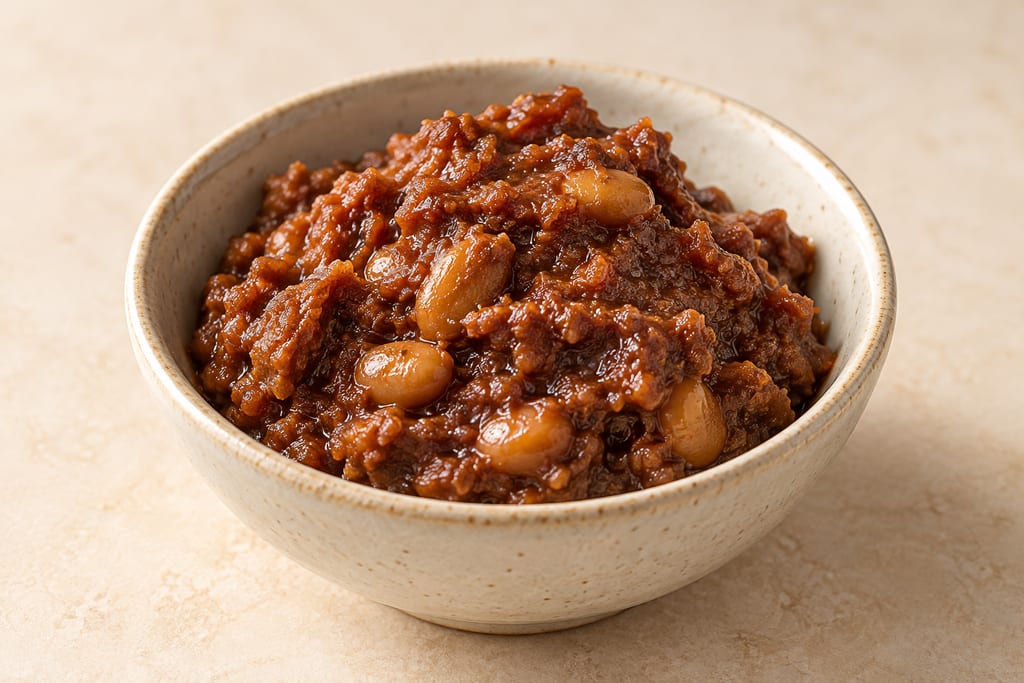
An Indonesian savoury soybean paste built in two stages: cooked beans and roasted flour carry a mould fermentation, then mature in salt brine into a thick, salty seasoning.
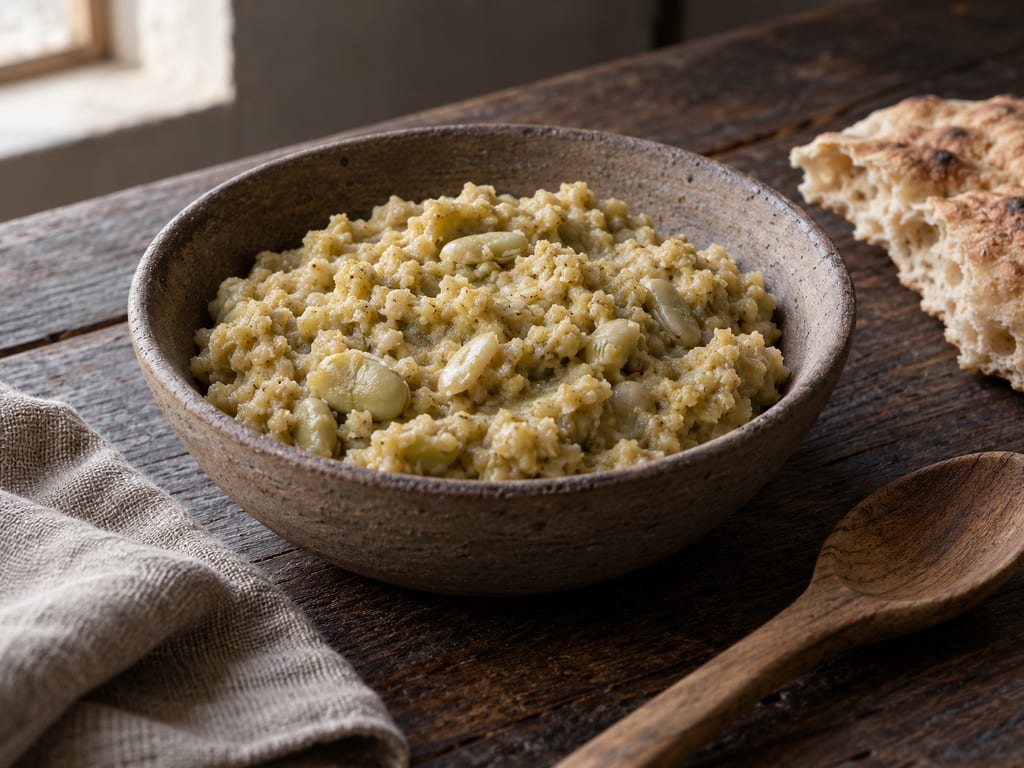
Cooked broad beans crushed to a thick paste with garlic and salt, a museum preparation built on the one European pulse that was already old when the Viking Age began.
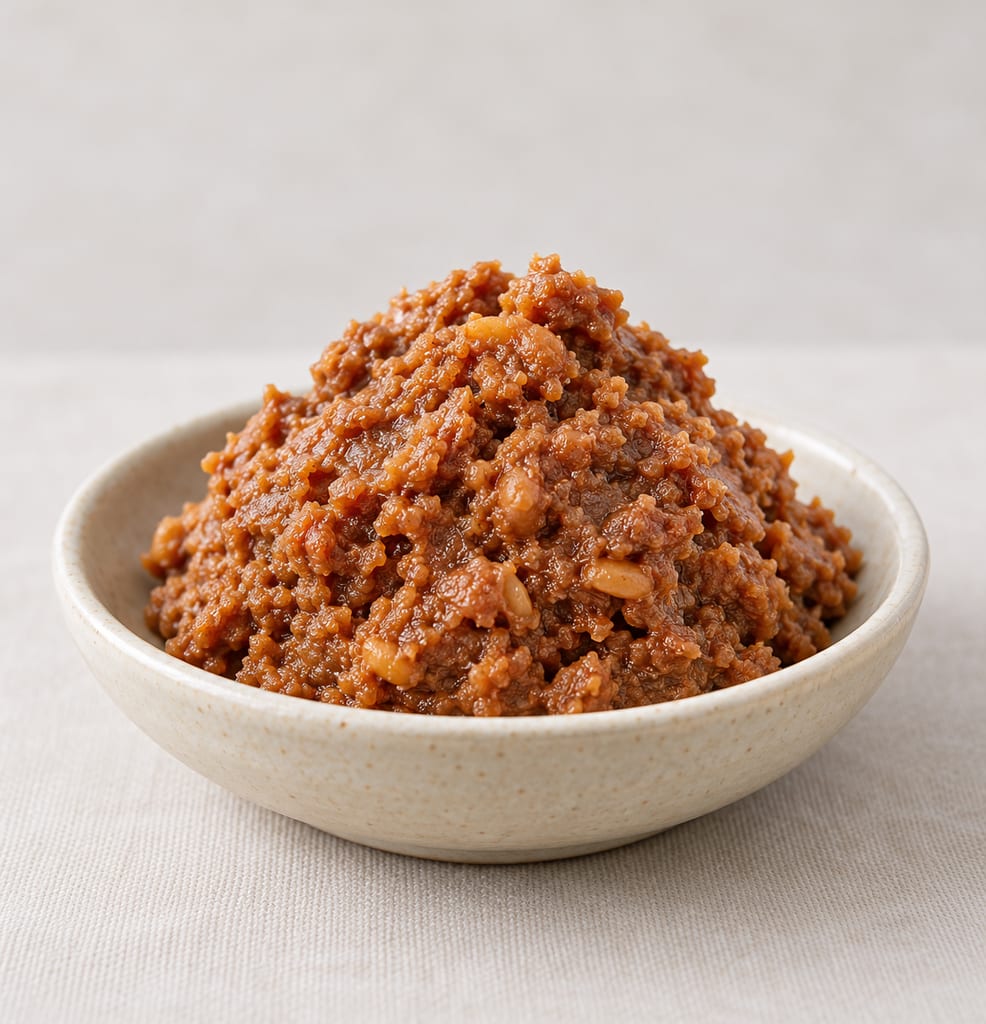
A Korean fermented soybean paste built on rice koji instead of traditional meju blocks, matured warm for thirty days with salt holding the water activity down.