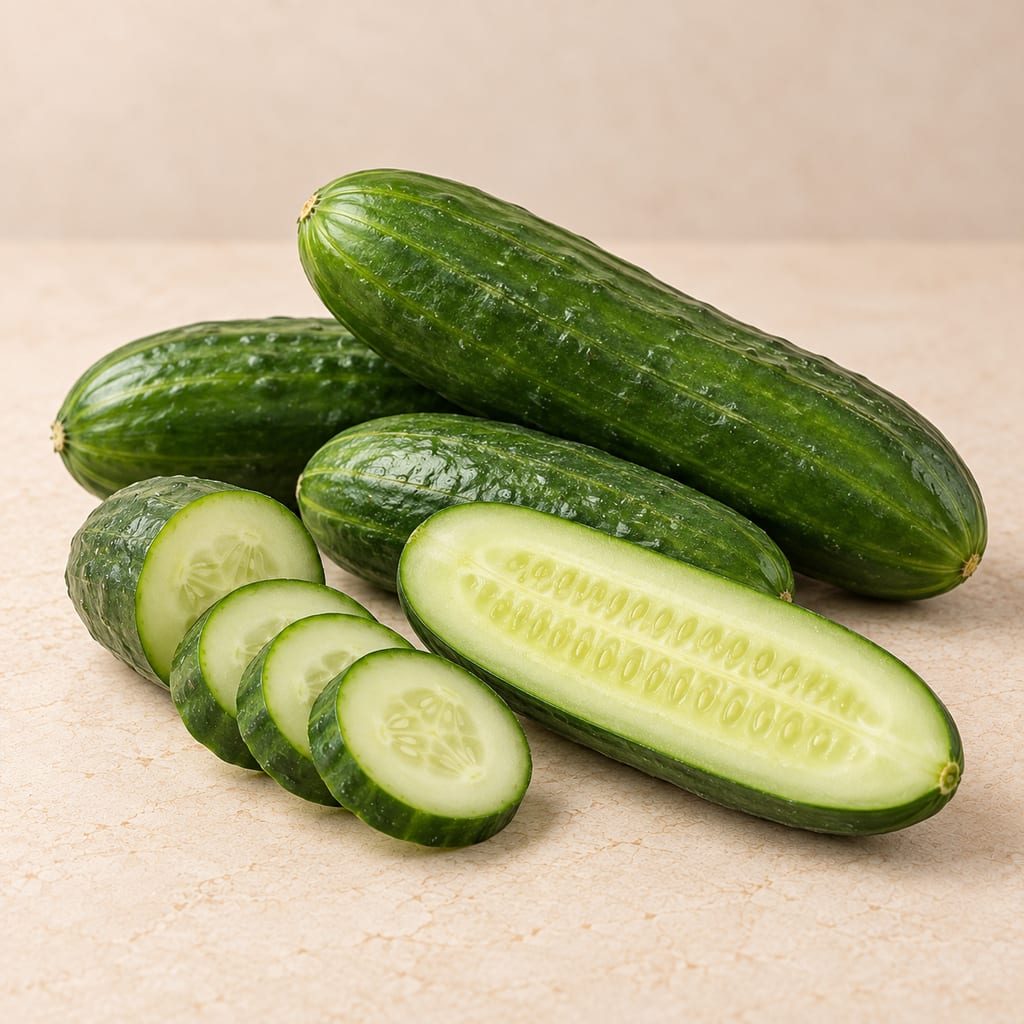
Cucumber
Cucumber is the watery fruit of Cucumis sativus, domesticated in India, and the classic raw material of brine pickles from New York dills to Nepali khalpi and Korean oi-sobagi.
 FermenteaWhere food goes to change
Traditional method
Fermented pickles
Trimmed cucumbers layered with dill and covered with a salt brine containing 5% vinegar, weighted and fermented three to six weeks.
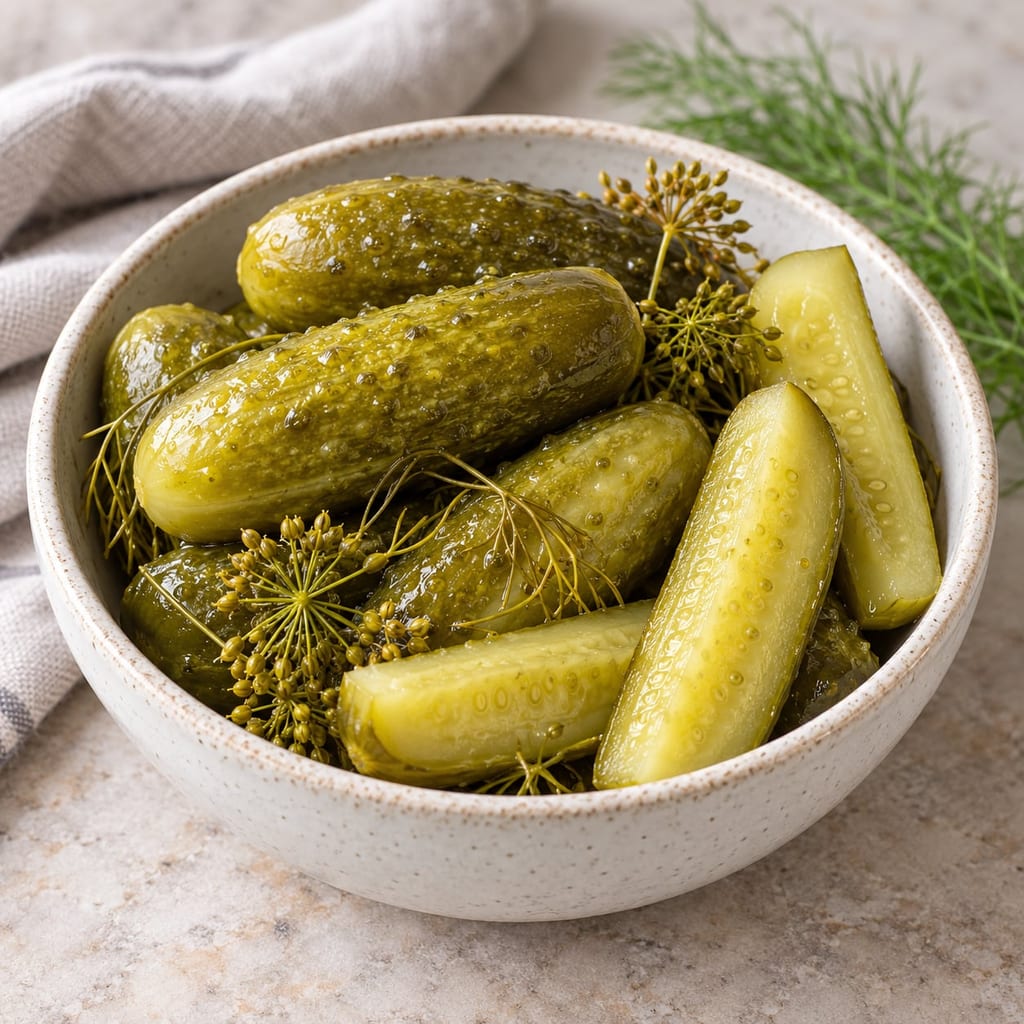
Fermented dill pickles are cucumbers preserved in a salt brine through the activity of lactic acid bacteria. They acquire their sourness gradually as microorganisms metabolise available sugars and produce organic acids.
They differ fundamentally from cucumbers that are simply immersed in vinegar.
A vinegar pickle receives most of its acidity directly from the pickling liquid. A fermented cucumber develops much of its characteristic acidity during a biological process.
The recipe retained in the Fermentea database uses both fermentation and a relatively small measured quantity of vinegar. The vinegar is part of the starting brine, but the cucumbers are still allowed to ferment for several weeks.
The finished pickles should be pleasantly sour, distinctly flavoured with dill and firm enough to retain some crunch.
The main ingredient is Cucumis sativus, the cultivated cucumber. Dill is Anethum graveolens.
The recipe described here is the measured formulation published by the United States National Center for Home Food Preservation (NCHFP). It should be followed as a complete process rather than combined casually with quantities from unrelated recipes.
Polish — Ogórki kiszone
German — Salzgurken
Lithuanian — Rauginti agurkai
American English — Fermented dill pickles, sour pickles
The American term kosher dill may refer to a garlic-and-dill flavour tradition rather than a product that has necessarily been certified kosher. The terms are not interchangeable without checking the individual product.
Cucumbers originated in southern Asia and spread into other agricultural regions over a long period.
Their cultivation became established across parts of Asia, the Middle East and Europe.
Pickling techniques evolved because cucumbers are seasonal and contain substantial water. Without appropriate preservation, they deteriorate relatively quickly.
Salt-brined cucumbers became particularly important in eastern and central European food traditions.
Polish ogórki kiszone and related Slavic preparations are closely associated with lactic fermentation.
German-speaking regions have traditions of salted and fermented cucumbers, including Spreewälder Gurken. However, that regional designation covers several types of pickled cucumber, and not every commercially sold product is made by identical fermentation.
The American dill-pickle tradition was influenced by European immigrant food cultures, especially eastern European Jewish communities.
The NCHFP recipe is a modern scientifically grounded formulation for home preservation. The record's American geographical classification reflects the source of the tested recipe, not a claim that fermentation of cucumbers originated in the United States.
No precise invention date for the broader fermented cucumber tradition can be established from these sources.
Cucumbers contain a very high proportion of water.
Their texture is supported by plant cell walls and the water pressure inside the cells.
Small pickling cucumbers are useful because their size allows brine to penetrate more evenly than it would through a very large mature fruit.
The NCHFP formulation calls for cucumbers approximately 4 inches long.
That size is a practical specification in its recipe, not a botanical definition of every cucumber suitable for fermentation worldwide.
Firm, freshly harvested cucumbers are preferable to soft or deteriorating ones.
A cucumber that has already begun breaking down is unlikely to recover a crisp texture during fermentation.
It is also important to select undamaged produce, because bruised areas can provide sites where spoilage progresses.
Fresh cucumbers carry microorganisms from their growing and handling environment.
Salt changes the environment in which those organisms must survive.
Some microorganisms are inhibited, while salt-tolerant lactic acid bacteria can continue growing.
These bacteria use sugars released from cucumber tissues and convert them into organic acids.
Lactic acid is especially important.
As acid accumulates, the brine becomes more acidic, changing both flavour and the conditions available for other microorganisms.
The population of microorganisms is not constant.
Different species may be important at different stages.
Leuconostoc species can contribute to early vegetable fermentations, while Lactiplantibacillus plantarum and other acid-tolerant organisms may become prominent later.
Fermented cucumber research also describes Lactobacillus and Pediococcus groups, together with organisms capable of producing defects.
The outcome depends on initial microbial populations, salt concentration, temperature, oxygen exposure and cucumber quality.
A fermenting cucumber is therefore an ecosystem, not merely a vegetable sitting in salty water.
Salt serves several purposes.
It draws some liquid from the cucumber tissues and changes osmotic conditions.
It influences which microorganisms can grow.
It also affects texture and the pace of fermentation.
The amount cannot be reduced arbitrarily while retaining confidence in the original tested recipe.
The recorded method specifies ½ cup salt for each gallon of container capacity, together with its accompanying water and vinegar quantities.
Because volume measurements of different salts can correspond to different weights, use suitable canning or pickling salt.
A replacement salt with very different grain size may not provide an equivalent quantity when measured by volume.
The goal is not simply to make the pickles taste salty. It is to maintain the conditions under which the documented process works.
The NCHFP procedure requires the removal of a thin slice from the cucumber's blossom end.
The blossom end may contain enzymes associated with the softening of cucumber tissues.
Enzymatic changes affecting pectin and other cell-wall components can reduce firmness.
Removing this end helps protect texture.
These measurements belong to the tested preparation and should not be replaced with an unspecified instruction simply to trim the cucumbers.
Source quantities for each 1 US gallon of fermentation-container capacity. The recorded method does not state a single fixed finished yield.
Pickling cucumbers, approximately 4 inches long — 4 lb
Dill seed — 2 tablespoons
Or fresh or dried dill heads — 4–5 heads
Canning or pickling salt — ½ cup
Vinegar with 5% acidity — ¼ cup
Water — 8 cups
Optional seasonings from the same recipe:
2 garlic cloves
2 dried red peppers
2 teaspoons whole mixed pickling spices
The dill options are alternatives: the recorded method says 2 tablespoons dill seed or 4–5 dill heads, not 2 tablespoons of any unspecified form of dill.
An earlier version of this record used the general word “dill”; keeping the distinction between seed and heads matters for the measure.
Use a clean suitable fermentation container, an appropriate food-grade weight and a cover compatible with fermentation.
A container used for non-food chemicals is not suitable.
Glazed ceramic vessels must be food-safe, and unsuitable reactive metals should not be used.
The fermenting cucumbers need to remain beneath the brine.
Weights can provide that control.
The container must also accommodate gas produced during fermentation.
An ordinary tightly sealed jar is not an appropriate substitute for a properly managed fermentation vessel unless its closure allows safe gas release.
Choose 4 lb of sound pickling cucumbers for each gallon of container capacity.
Reject vegetables showing rot, substantial bruising or soft deterioration.
Use the cucumbers as fresh as practicable.
Wash the cucumbers thoroughly under clean running water.
Remove soil and other visible contamination without damaging their skins unnecessarily.
Cut 1⁄16 inch from each cucumber's blossom end.
Discard the blossom-end slices.
Measure either 2 tablespoons dill seed or 4–5 heads of fresh or dried dill.
If using optional garlic, dried pepper or mixed pickling spices, measure them as specified.
Do not substitute a different collection of spices while assuming the whole recipe has been independently validated with that change.
Place approximately half of the dill and chosen spices in the bottom of the clean fermentation container.
Arrange the cucumbers above them.
Keep the vegetables reasonably compact without crushing them.
Add the remaining dill and spices.
This distributes aroma throughout the vessel rather than concentrating everything beneath the cucumbers.
Dissolve ½ cup canning or pickling salt in the 8 cups water and ¼ cup 5% vinegar specified for the recipe.
Mix sufficiently to distribute the salt.
The vinegar contributes some initial acidity but does not eliminate the need for fermentation.
Pour the liquid into the fermentation vessel.
Ensure the cucumbers are covered.
Add a suitable weight.
The goal is to prevent the fruit from floating above the brine, where oxygen exposure and contamination may compromise the process.
Use one of the source's temperature schedules:
70–75°F (21–24°C) — Approximately 3–4 weeks
55–65°F (13–18°C) — Approximately 5–6 weeks
Avoid temperatures above 80°F (27°C) because excessive softening can occur.
These periods are alternatives based on temperature, not a single 3–6-week range that ignores conditions.
Inspect the ferment several times each week as instructed.
Keep the cucumbers submerged.
Remove surface scum or mould promptly in the circumstances described by the source.
If the cucumbers become soft, slimy or develop a disagreeable smell, discard the batch.
Do not taste suspicious material.
The finished product may be kept refrigerated, following the original source's storage guidance, or processed using its tested canning procedure.
The NCHFP states that fully fermented pickles can be stored in the original container for approximately 4–6 months when refrigerated, provided they are inspected regularly and remain in sound condition.
That is a source-specific statement, not permission to keep a fermentation of unknown progress unrefrigerated.
The crispness of a cucumber depends on its cell-wall structure and internal water pressure.
Salt changes the movement of water through plant tissues.
Acidity also affects the environment around those structures.
Enzymes produced by plants or microorganisms can degrade pectin and related materials.
Certain undesirable microorganisms possess softening enzymes that cause serious texture defects.
This explains why a successful fermented cucumber should become sour without becoming slimy.
Some change in firmness is expected.
Complete collapse into a slippery, soft mass is not normal.
Modern producers may control texture through cultivar selection, raw-material freshness and precise process conditions.
The home recipe depends heavily on choosing suitable cucumbers and maintaining its specified brine and temperature.
Ogórki kiszone are strongly associated with Polish household preservation.
Garlic, dill and horseradish leaves or roots may appear in traditional variations.
The cucumbers are served with substantial savoury meals and can be used in zupa ogórkowa, sour cucumber soup.
Salt-fermented cucumbers are used as side dishes and ingredients in soups and salads.
Some preparations include garlic, dill and other aromatic leaves.
The precise proportions differ between recipes and households.
Fermented cucumber traditions overlap with wider pickling practices.
Some German regional products use vinegar, others fermentation, and still others combinations of curing techniques.
The word Gurke alone does not identify the preservation method.
Sour dill pickles became part of delicatessen and sandwich culture.
Some are fully fermented, some only partly fermented, and others are simply acidified with vinegar.
Labels and processing information matter more than the word dill alone.
They can be eaten cold as a side dish or snack.
They complement fatty meats because acidity contrasts with richness.
In Polish cooking, fermented cucumbers are grated or chopped into soups.
They can be diced into salads, served with rye bread or eaten alongside potatoes.
In American-style sandwiches, slices provide crunch, sourness and dill aroma.
Heating changes texture and aroma, but fermented cucumbers can still contribute flavour to cooked dishes.
The brine may also be used in certain recipes, provided it comes from a properly prepared and safely stored product.
Cloudiness can develop as microorganisms multiply and particles enter the liquid.
Gas bubbles may be visible during active fermentation.
Cucumbers gradually change from bright green to a darker, more translucent appearance.
The aroma should develop towards the expected clean sour-pickle character.
These observations are useful indicators of process development, not independent proof of food safety.
Soft, slimy cucumbers indicate a failed batch.
An offensive smell is a reason for rejection.
Floating cucumbers are a process problem because parts of the food may no longer be protected by brine.
Excessive warmth can accelerate softening.
Insufficient souring may reflect unsuitable conditions, but a batch of unknown condition should not be rescued by arbitrary additions of vinegar or salt.
The NCHFP provides a separate tested procedure for canning fully fermented dill pickles.
The fermented brine is heated according to its instructions, and the pickles are packed into suitable jars.
Processing times vary by jar size and altitude.
The recorded account also describes an alternative low-temperature pasteurisation method using 180–185°F for 30 minutes, with strict temperature control.
Such a procedure must be followed in full rather than adapted from an isolated temperature figure.
Low-temperature pasteurisation is not suitable for arbitrary untested pickle recipes.
Anyone planning room-temperature shelf storage should use the complete, current NCHFP canning instructions for the applicable jar and altitude.
The recipe has measured fermentation conditions, but that does not mean every cucumber fermentation uses the same ratios.
A traditional Polish or Russian pickle made with a different brine is a separate preparation requiring its own controls.
Do not assume a strong sour smell, cloudiness or bubbles establish safe acidity.
Likewise, the absence of bubbles is not a universal safety endpoint.
The finished pickles should be handled and stored according to the documented process.
Measured per gallon vessel.
Scaling: source batch only
Poor brine coverage or inadequate acidity monitoring can allow spoilage; recipe-specific validated limits are not established.
Hazard sourceUse clean food-grade equipment, keep produce submerged and monitor acidity; no universal endpoint is supplied for this recipe.
Control sourceThe source supports this broad area and no precise location.
Cucumber is the watery fruit of Cucumis sativus, domesticated in India, and the classic raw material of brine pickles from New York dills to Nepali khalpi and Korean oi-sobagi.
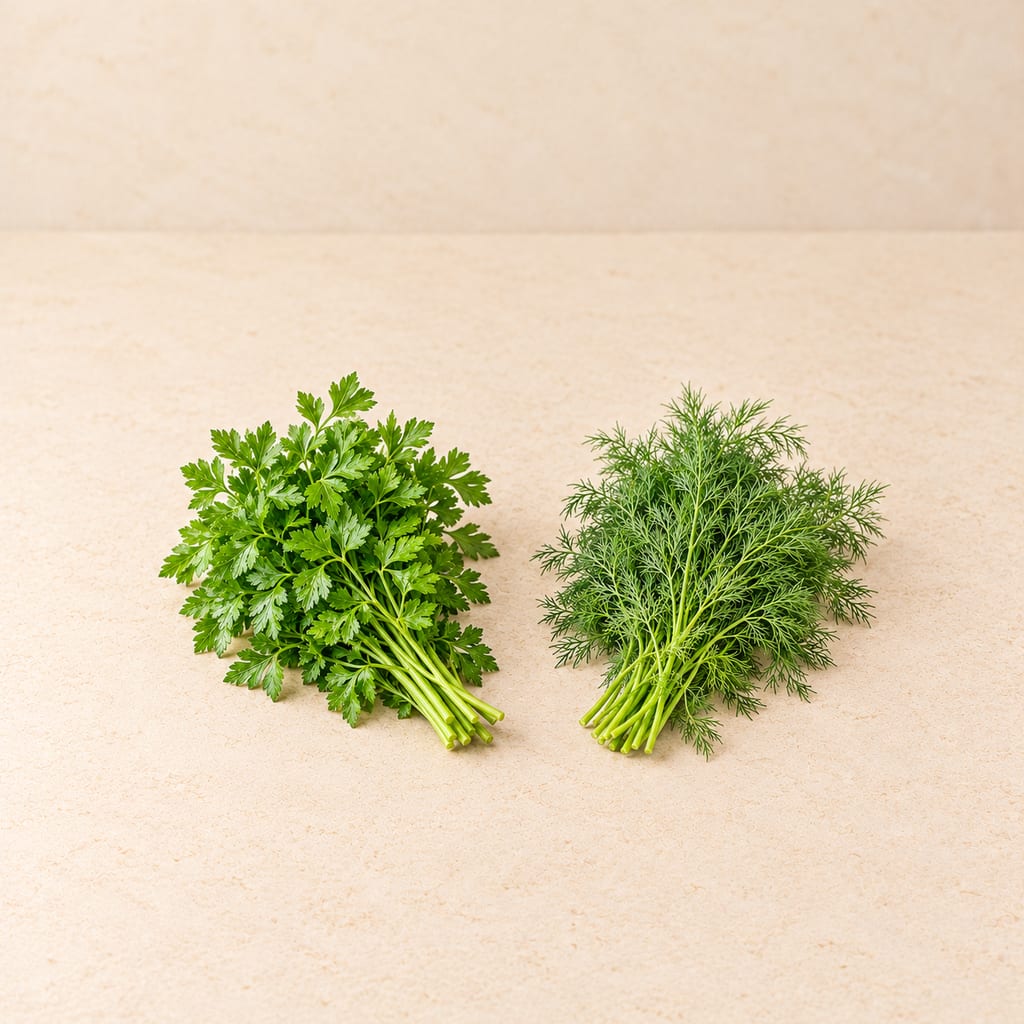
Parsley and dill are two leafy herbs of the carrot family, used fresh for their green, clean flavour. Dill also gives its name to dill pickles, the best-known cucumber ferment.
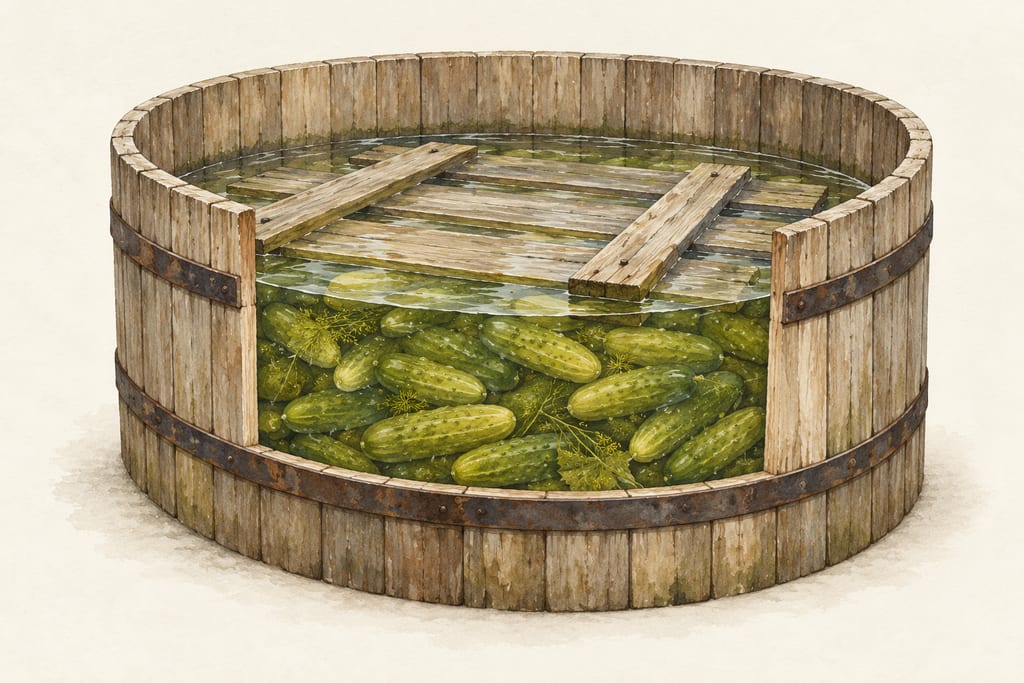
A bulk brining vat holds cucumbers and other vegetables under cover brine for fermentation and storage. North Carolina sources document a mid-century wooden tank yard and later outdoor fiberglass systems.
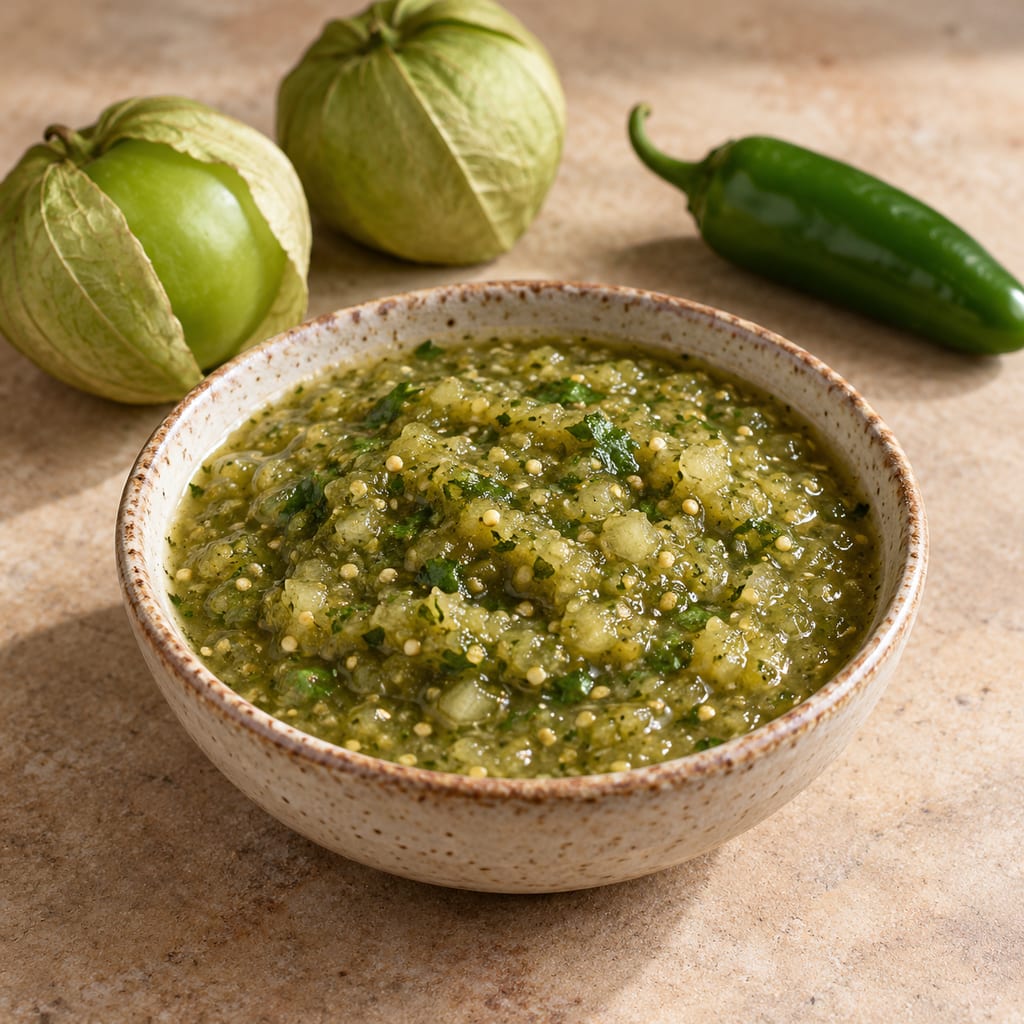
Tomatillos, chiles, onion, lime and herbs are salted and fermented together as a mixed salsa.
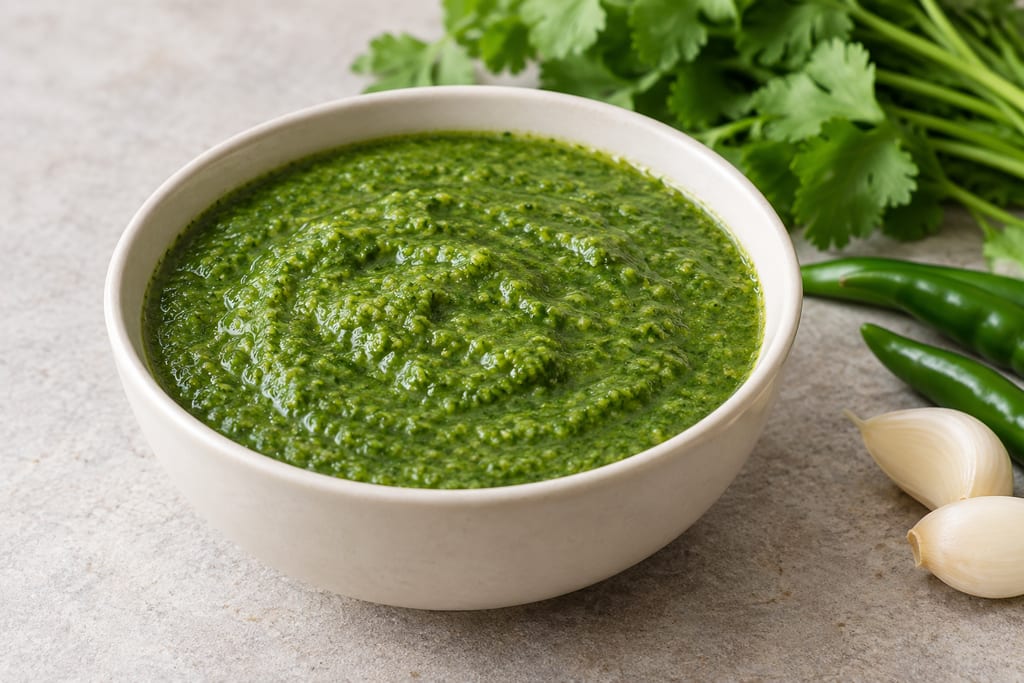
Afghan coriander chatni is a sharp, hot herb sauce with garlic and vinegar. A 2008 Afghanistan manual records green or red pepper and optional walnut; heat and household versions vary.
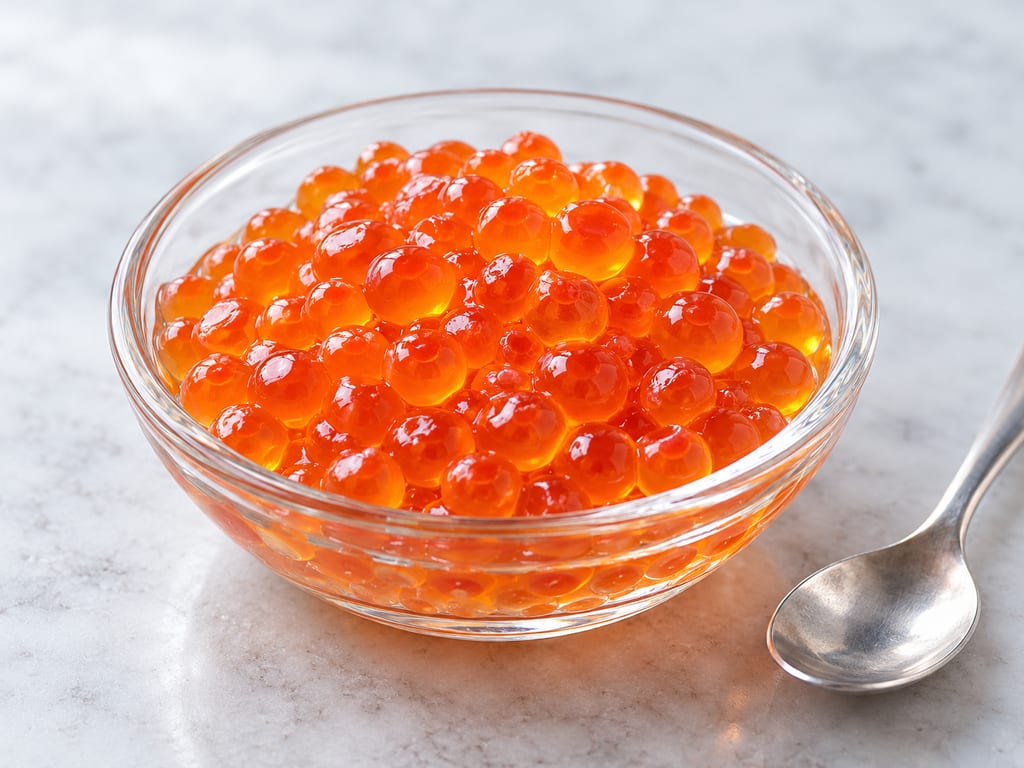
Salmon roe is separated from skeins and treated in two salt-water stages using a University of Alaska Extension formula.
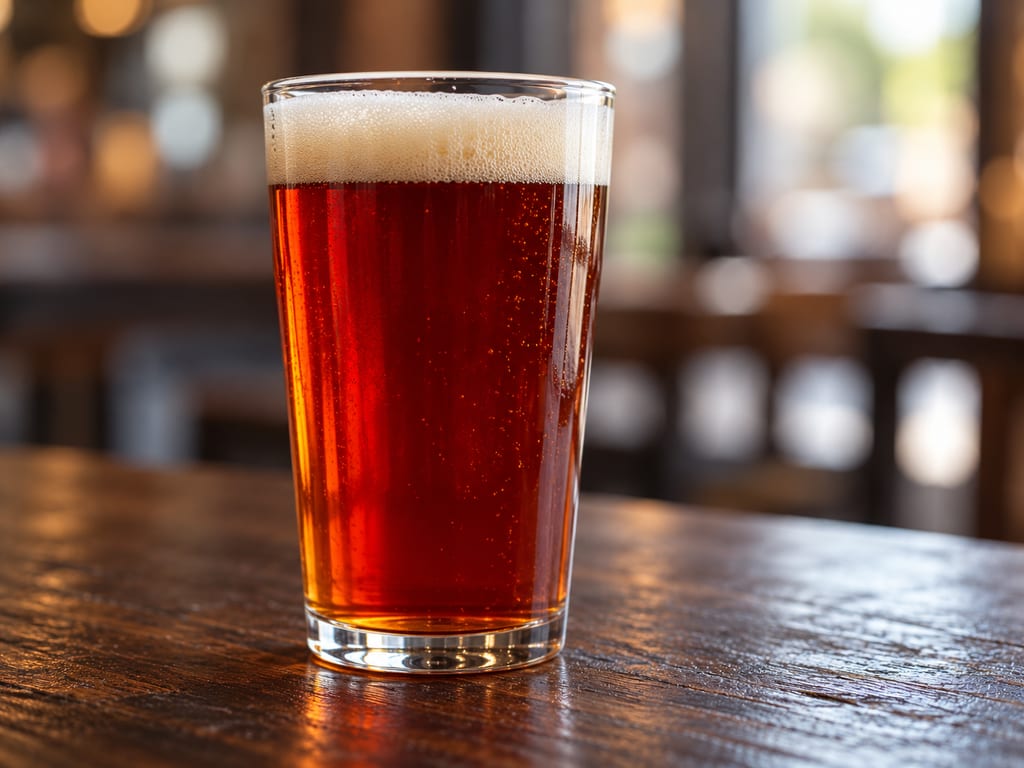
A deep amber-red American ale brewed from pale, Munich, CaraVienne and chocolate malts, bittered with Columbus hops and finished with Amarillo.

Kodiak salmon, halibut and cod cut as seg'aq and hung on an initaq rack to become tamuuq, with kac'amaasaq and kupcuunaq named as different results.
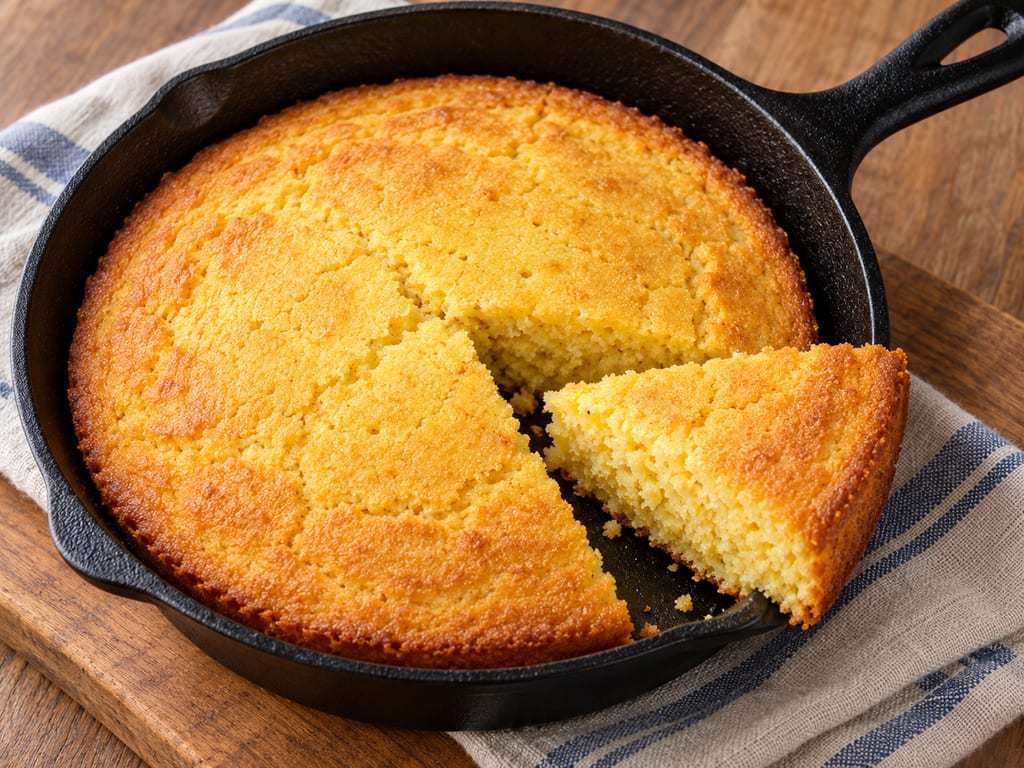
A modern cornmeal-and-wheat cornbread that King Arthur Baking describes as a compromise between Northern and Southern styles. The batter is baked in a pan or as muffins and served warm.
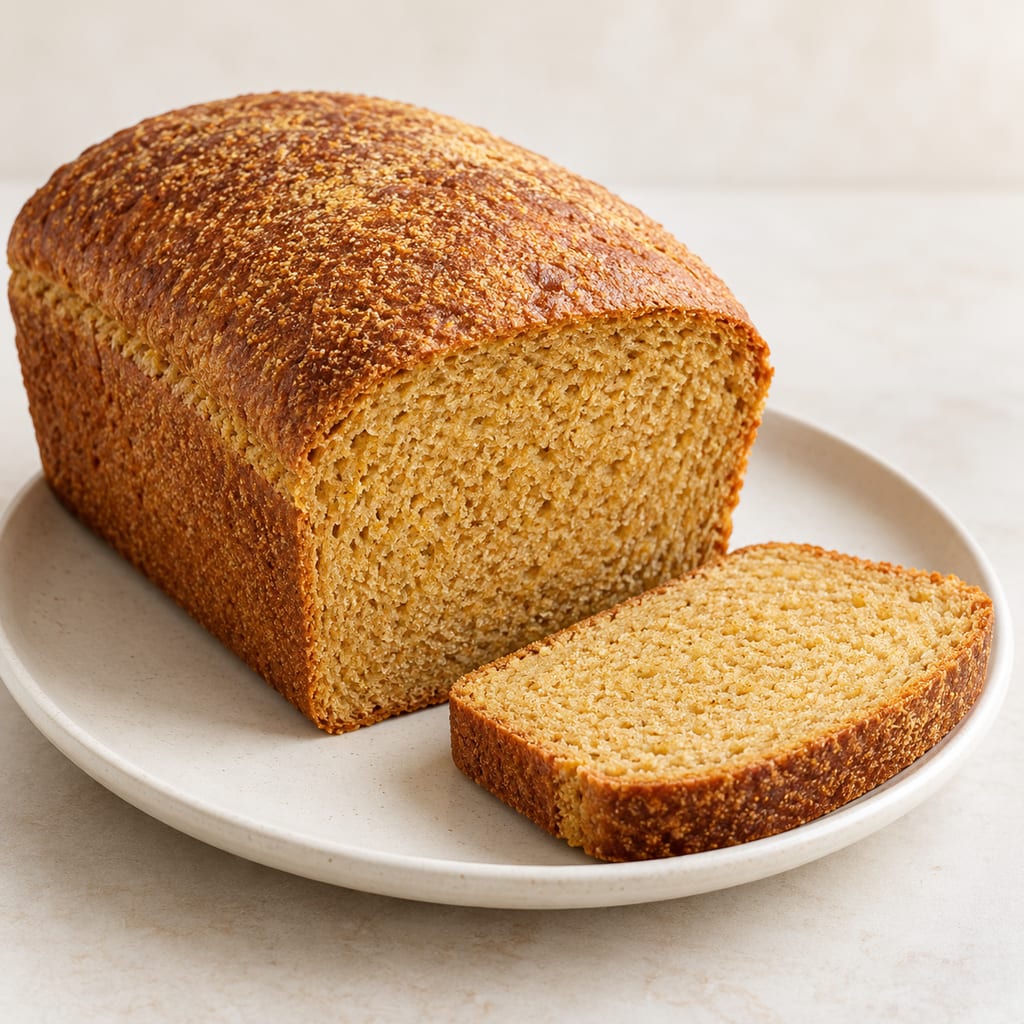
Anadama is a New England yeast loaf made with wheat flour, cornmeal and molasses. Scalded cornmeal enriches the dough, while molasses lends sweetness and a dark crust; it is especially good toasted or beside soup and baked beans.
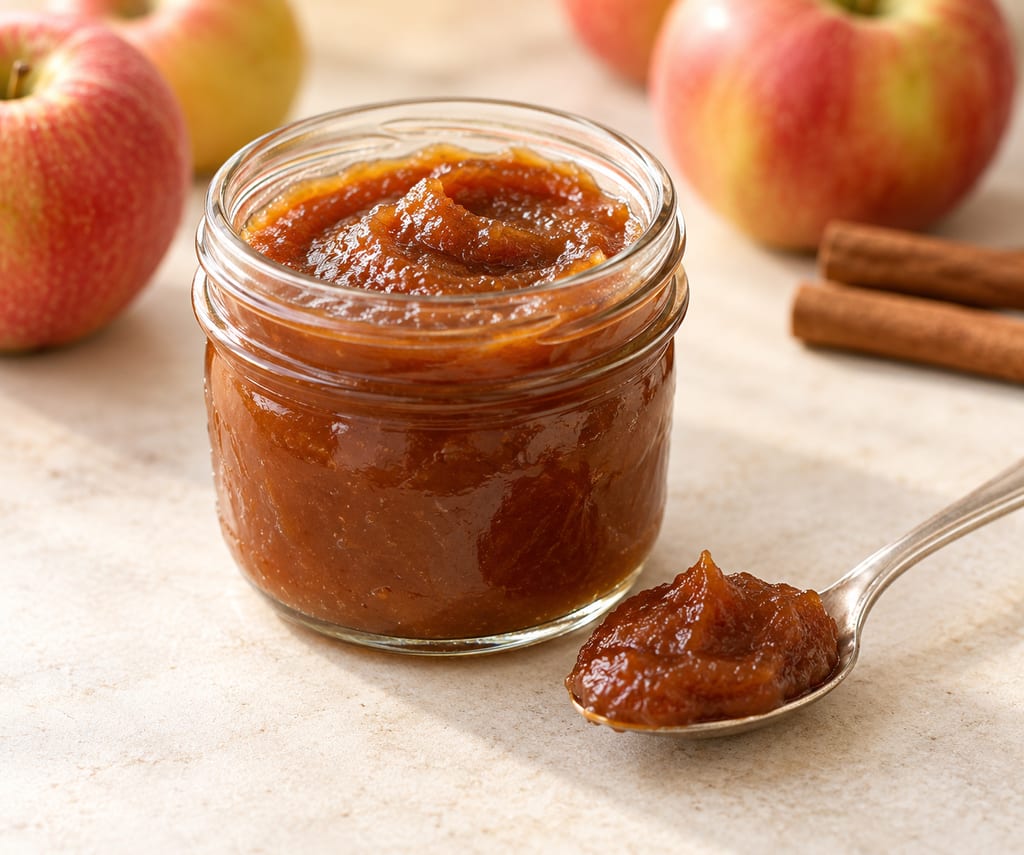
Apple butter is a smooth, concentrated apple preserve cooked with cider, vinegar, two sugars and spices, then hot-filled and processed in a boiling-water canner using the published jar-size and elevation schedule.
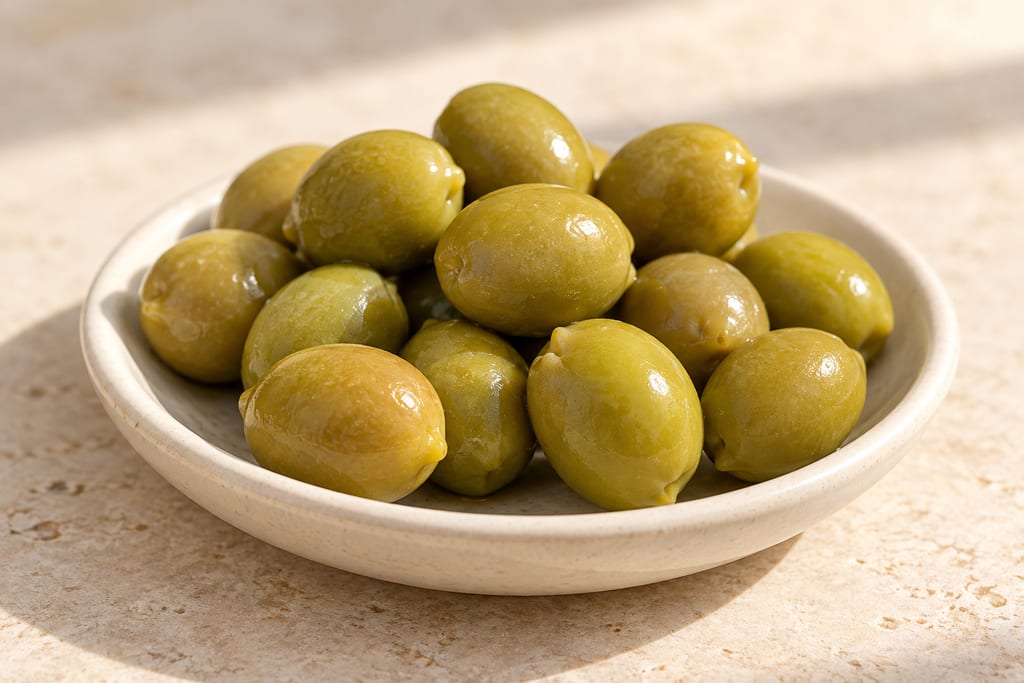
A Portuguese table-olive product from the Negrinha cultivar in northeastern Portugal, sold in three commercial styles, two of them brined fermentations and one oxidised to black.
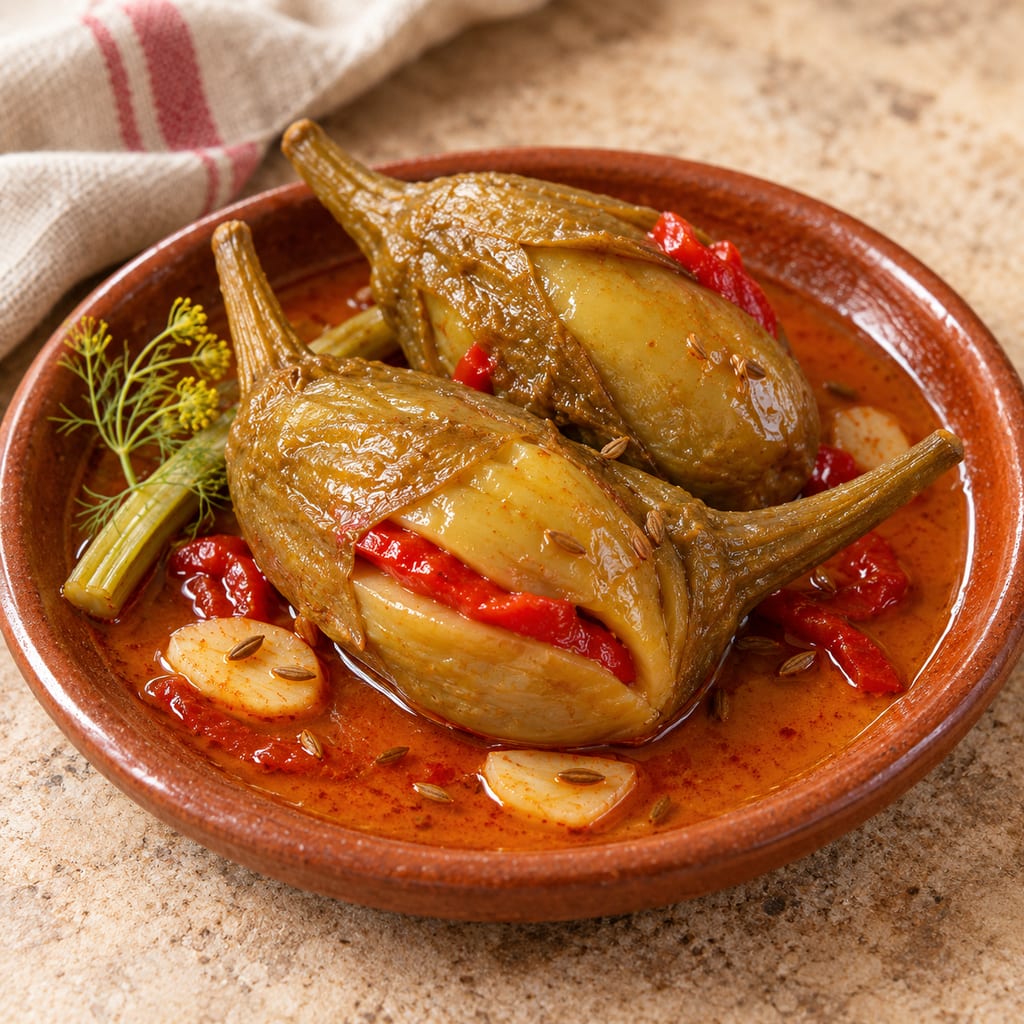
A protected aubergine preserve from Ciudad Real in Spain: tender fruit of the local Dealmagro variety, cooked briefly and then fermented in a vinegared, paprika-seasoned dressing.
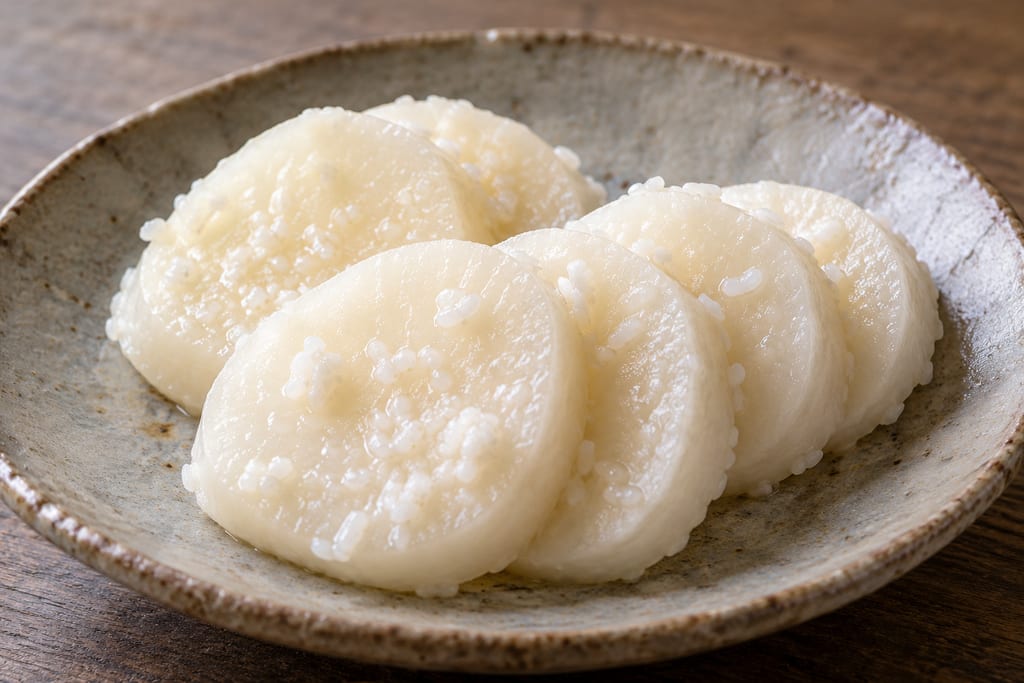
A sweet, crisp Japanese daikon pickle from Tokyo's Nihonbashi district, made by salting fresh radish and dressing it in rice koji, sugar or koji amazake without the heavy drying used for takuan.
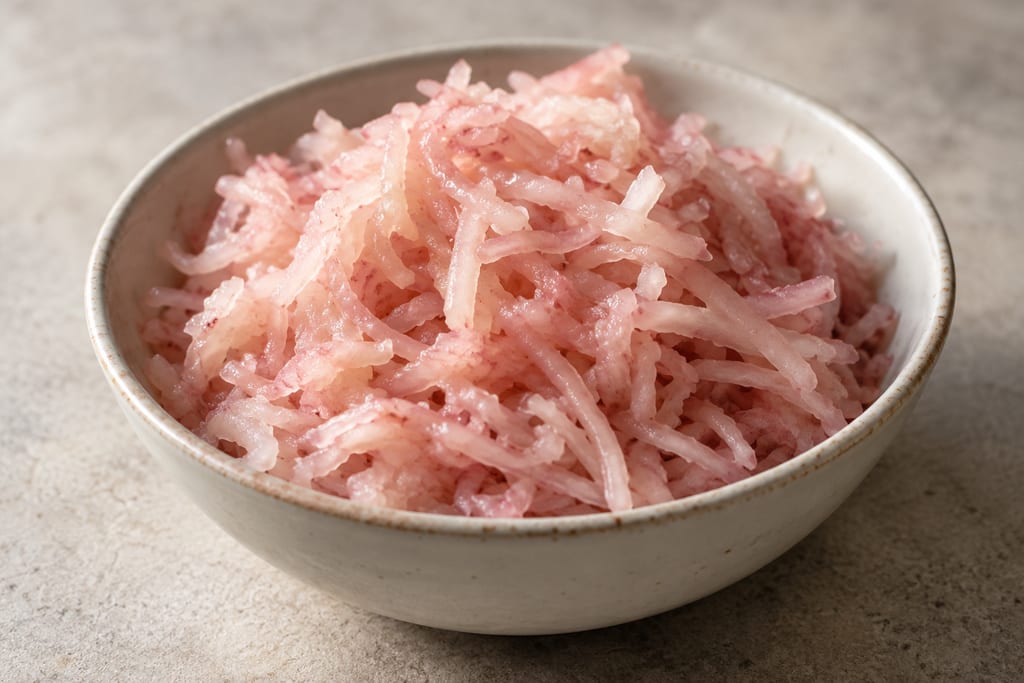
Source-specific Brovada DOP producer method for Friuli Venezia Giulia turnips and red-grape marc. This records a regulated producer process; it is not a validated home-scale recipe.
An industrial fermentation patio places factory-made fiberglass-reinforced polyester olive tanks below floor level, with drainage and transfer infrastructure arranged around the buried vessels.
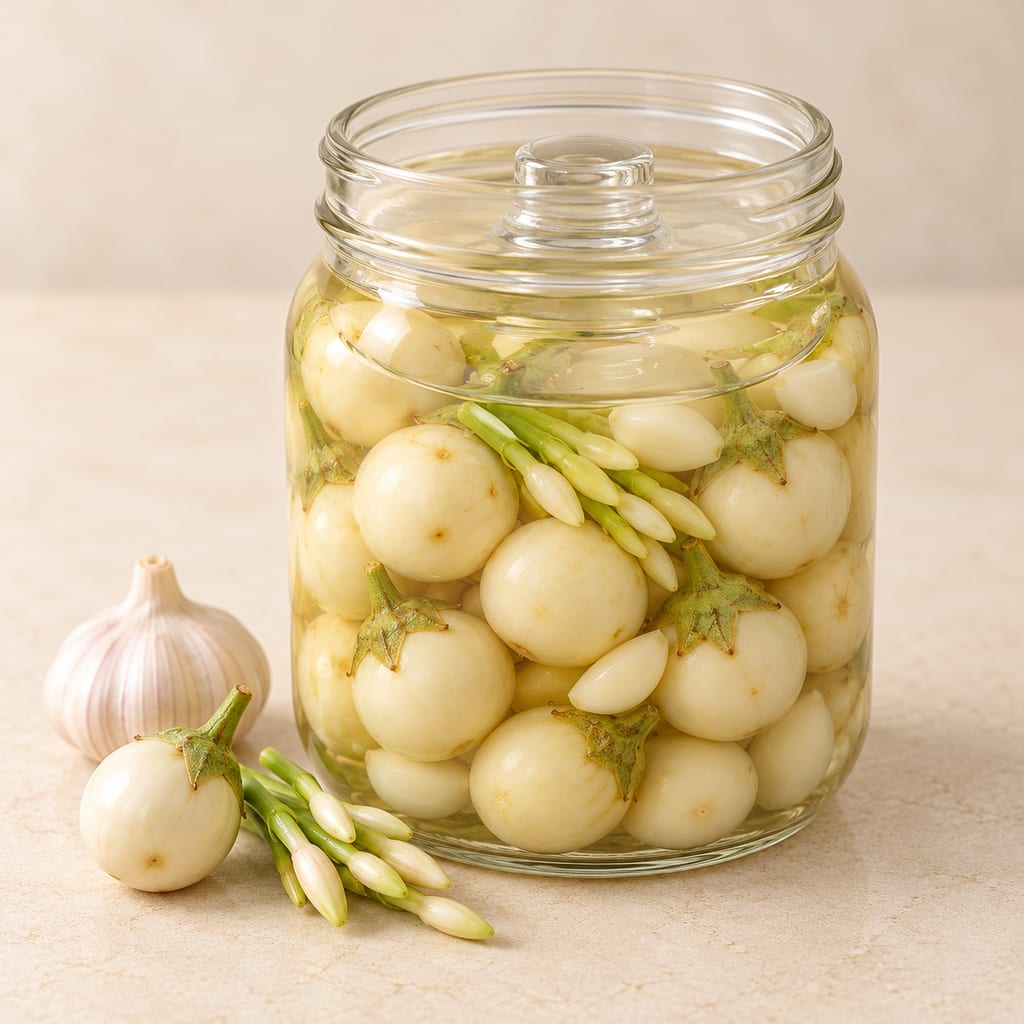
Vietnamese salted and fermented small eggplant, dried on the day of purchase, then held submerged in warm salty water with garlic and galingale flower for a week or longer.
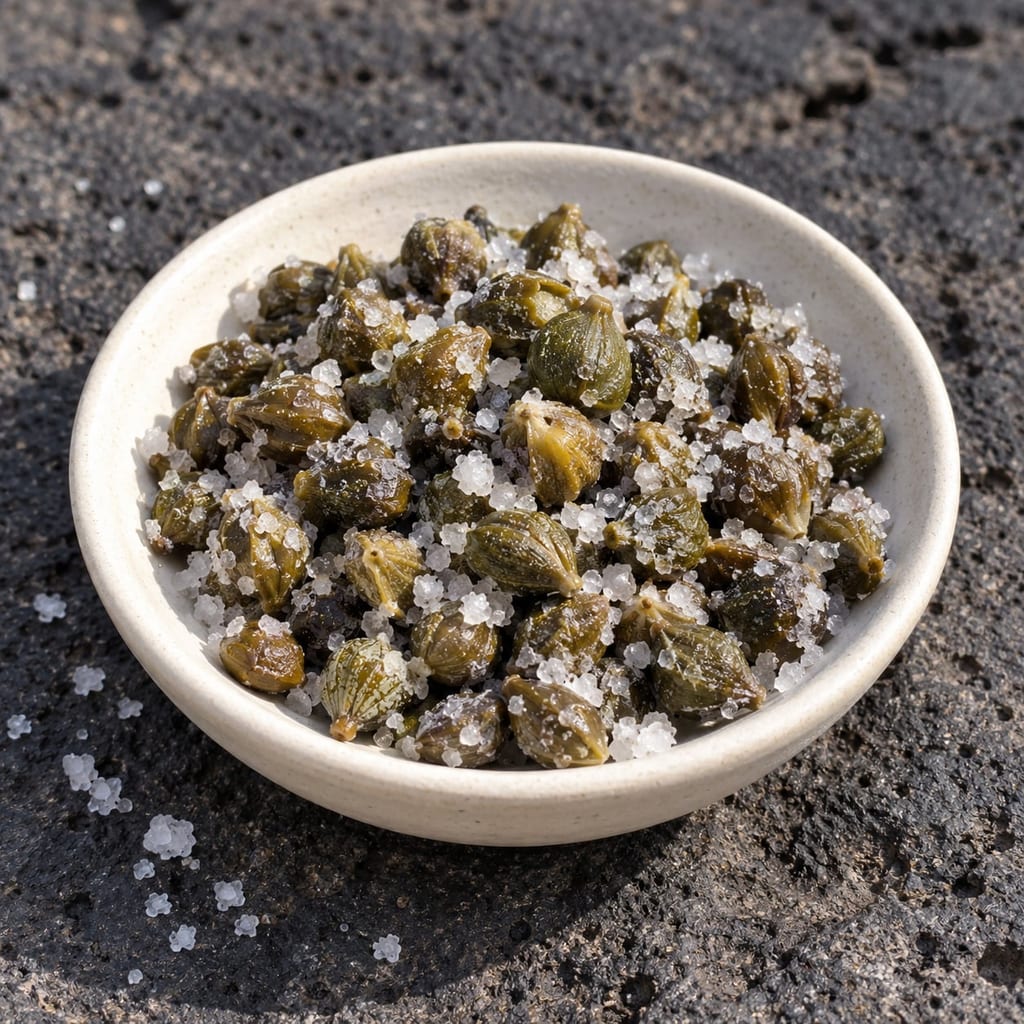
A protected Sicilian product: unopened caper buds from the island of Pantelleria, dry-salted with sea salt in a two-stage process that encourages lactic fermentation.
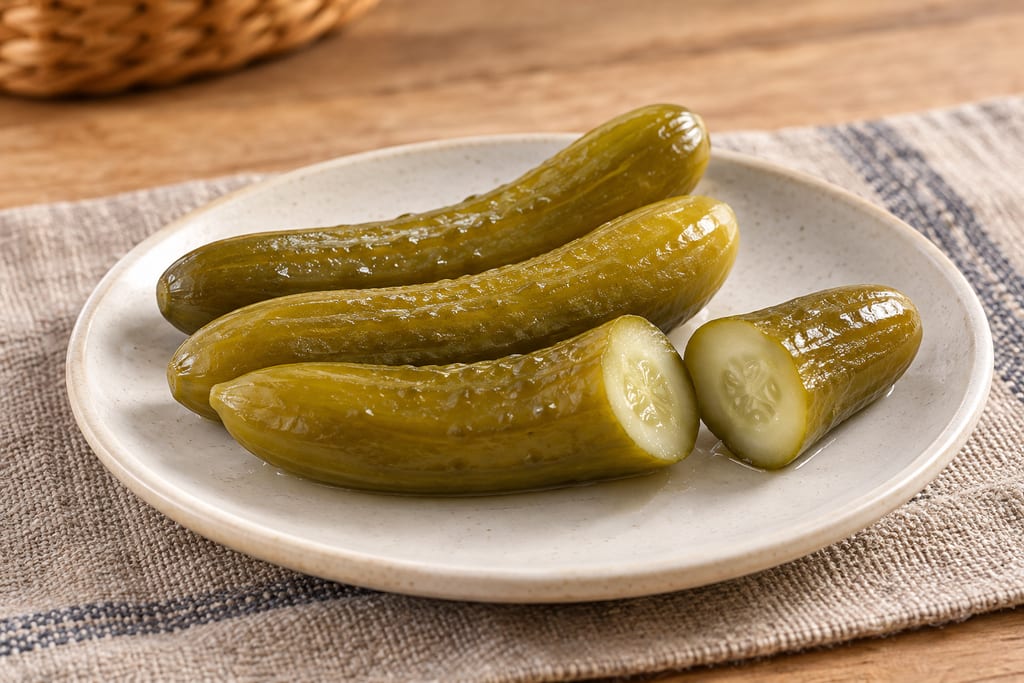
Çubuk turşusu is a registered pickle from Çubuk district in Ankara. Its cucumber variant is sold as Salatalık Turşusu, and a commercial specification sets its brine and room-temperature period.
No community contributions have been published for this entry yet.
Sign in to contribute. Published comments and photos are free to read.
NCHFPInspiration
Dill Picklesmeasured fermented pickle method
Cited in: What are fermented dill pickles?; Names in different languages; Historical background; Why pickling cucumbers are different; How lactic fermentation works; Why salt matters; Why the blossom end is removed; Ingredients; Equipment; Stage 1 — Select and inspect; Stage 2 — Wash; Stage 3 — Trim; Stage 4 — Prepare the seasonings; Stage 5 — Begin packing; Stage 6 — Finish the arrangement; Stage 7 — Prepare the brine; Stage 8 — Cover the cucumbers; Stage 9 — Ferment; Stage 10 — Monitor the vessel; Stage 11 — Finish and store; Why fermentation changes cucumber texture; Poland; Ukraine and Russia; Germany; United States; How fermented dill pickles are eaten; Canning the finished pickles
University of Minnesota ExtensionSafety
Preserving food at home: FermentationProduce fermentation equipment, acidity monitoring and submersion controls.
Cited in: Ingredients; Equipment; Stage 1 — Select and inspect; Stage 2 — Wash; Stage 3 — Trim; Stage 4 — Prepare the seasonings; Stage 5 — Begin packing; Stage 6 — Finish the arrangement; Stage 7 — Prepare the brine; Stage 8 — Cover the cucumbers; Stage 9 — Ferment; Stage 10 — Monitor the vessel; Stage 11 — Finish and store; How fermented dill pickles are eaten; Signs of progress and failure; Historical and safety limits
Penn State ExtensionSafety
Let's Preserve: Sauerkraut and PicklesTested-process scope and spoilage cautions.
Cited in: Ingredients; Equipment; Stage 1 — Select and inspect; Stage 2 — Wash; Stage 3 — Trim; Stage 4 — Prepare the seasonings; Stage 5 — Begin packing; Stage 6 — Finish the arrangement; Stage 7 — Prepare the brine; Stage 8 — Cover the cucumbers; Stage 9 — Ferment; Stage 10 — Monitor the vessel; Stage 11 — Finish and store; How fermented dill pickles are eaten; Signs of progress and failure; Historical and safety limits
National Center for Home Food PreservationReference
National Center for Home Food Preservation — Dill Picklesfull measured method, temperature schedules, storage and canning. National Center for Home Food Preservation
Cited in: Ingredients; Equipment; Stage 1 — Select and inspect; Stage 2 — Wash; Stage 3 — Trim; Stage 4 — Prepare the seasonings; Stage 5 — Begin packing; Stage 6 — Finish the arrangement; Stage 7 — Prepare the brine; Stage 8 — Cover the cucumbers; Stage 9 — Ferment; Stage 10 — Monitor the vessel; Stage 11 — Finish and store; How fermented dill pickles are eaten
NCHFPReference
NCHFP — Fermenting Foodsequipment, weights and safety
Cited in: Ingredients; Equipment; Stage 1 — Select and inspect; Stage 2 — Wash; Stage 3 — Trim; Stage 4 — Prepare the seasonings; Stage 5 — Begin packing; Stage 6 — Finish the arrangement; Stage 7 — Prepare the brine; Stage 8 — Cover the cucumbers; Stage 9 — Ferment; Stage 10 — Monitor the vessel; Stage 11 — Finish and store; How fermented dill pickles are eaten; Signs of progress and failure; Historical and safety limits
University of Minnesota ExtensionReference
University of Minnesota Extension — Fermenting vegetablesfood-safety principles and acidity
Cited in: Ingredients; Equipment; Stage 1 — Select and inspect; Stage 2 — Wash; Stage 3 — Trim; Stage 4 — Prepare the seasonings; Stage 5 — Begin packing; Stage 6 — Finish the arrangement; Stage 7 — Prepare the brine; Stage 8 — Cover the cucumbers; Stage 9 — Ferment; Stage 10 — Monitor the vessel; Stage 11 — Finish and store; How fermented dill pickles are eaten; Signs of progress and failure; Historical and safety limits