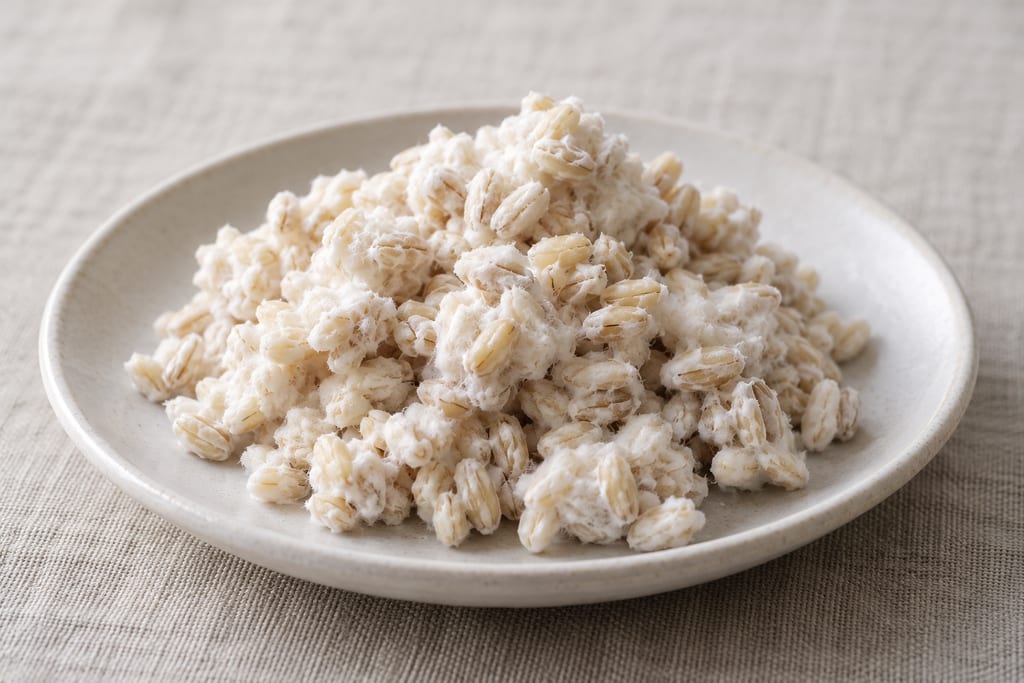
Barley koji
Steamed pearled barley grown into a white koji cake with Aspergillus oryzae over about 36 hours in a 30 °C chamber, turned three times under a damp cloth.
 FermenteaWhere food goes to change
醤(ひしお) · Hishio paste · ひしお · 醤 · 醬 · Hishio-koji relish
Hishio is soybean-and-barley koji soaked in soy sauce and water and stirred daily for about two weeks, a spoonable relish that descends from the grain pastes of Japan's Nara court.
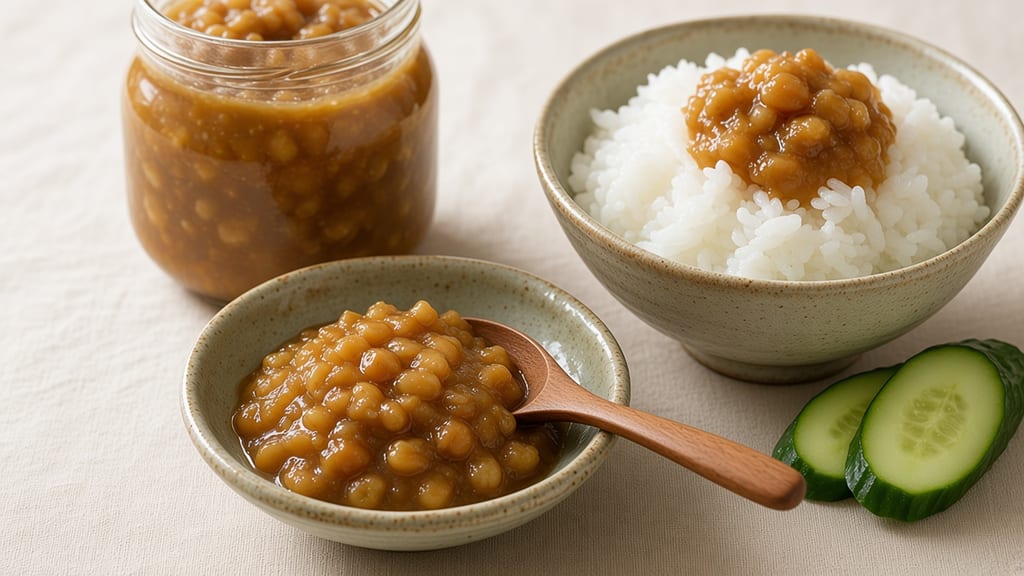
Hishio is a brown, spoonable relish of whole grains. Barley and soybeans that have been grown with koji mould are soaked in soy sauce and water and stirred once a day. In about two weeks the grains swell and soften, the liquid thickens, and the mixture tastes of salt, soy and a sweetness that comes from the koji itself. Japanese makers sell it as a kind of namemiso, a miso for eating straight from the spoon rather than for soup.
The word is old and loose. In Japanese, hishio written 醤 has meant a seasoning made by fermenting ingredients with koji and salt. The same character, read jiang in Chinese, covers meat and fish pastes, grain pastes and, today, almost anything thick enough to spread. This page is about the grain hishio of Japan: what the Nara and Heian court made, how that became a table relish, and how home cooks make it now from bagged koji.
The method below is a current maker's recipe. The court formula of the 10th century survives as a list of ingredients with no instructions, so it appears in the history sections and is not presented as something to cook.
One 550 g bag of dried hishio koji, 600 ml soy sauce and 300 ml water go into a container of at least 1.5 litres. The mixture is stirred daily for about two weeks at room temperature, best at 20–35 °C, and then kept in the refrigerator. The recipe comes from Meitō Miso Honpo, a miso maker in Setouchi, Okayama.
A second maker, Suzuki Kōji-ten, uses 300 g koji, 300 ml soy sauce and 150 ml water and calls it ready after about a week at around 20 °C. The ratios are close. The difference in time comes mostly from the koji, which each maker grows and dries in its own way, so follow the instructions printed on the bag you buy.
The equipment is a lidded container, a spoon and kitchen paper. A wide-mouthed jar makes the daily wipe easier than a narrow bottle, and a clear one lets you watch the grains change. Neither maker says what to do about a missed day of stirring, so start the batch in a fortnight when you will be at home.
Hishio koji is not rice koji. It is a mix of barley koji and soybean koji, and the barley is what gives the finished relish its chewy grains. Meitō's koji is made from Okayama barley and soybeans and dried after the mould has grown. Dried koji keeps for months unopened; once the bag is open the maker asks for refrigeration at 10 °C or below.
The soy sauce supplies all of the salt. Suzuki Kōji-ten recommends a sauce made only of wheat, soybeans and salt. Avoid reduced-salt soy sauce. It changes the one thing in the jar that holds back unwanted microbes, and no tested lower limit exists for this condiment.
Suzuki Kōji-ten also asks for filtered water rather than straight tap water. Kombu is optional. Meitō suggests two pieces about 7 cm square, torn small, because they swell as they soak.
The first day looks wrong. The dried grains drink the liquid within hours, and by the second morning the jar holds a stiff, dry-looking mass. Meitō is firm that you should not add water. Over the next days the koji enzymes break down starch and protein in the grains and the mixture loosens on its own.
Daily stirring does two jobs. It brings grains from the bottom into contact with the liquid so they soften evenly, and it keeps the surface from sitting still long enough for wild mould to settle. Wiping the walls matters for the same reason. Meitō singles out grains stuck to the inside of the container as the place where mould starts.
Warmth speeds everything. Meitō gives 20–35 °C as the working range and about 30 °C as the temperature where fermentation runs fastest, and suggests a heated room in winter.
On day one the mixture is watery. On day two it is stiff. By about day fourteen the barley grains are soft enough to crush with a tongue, the soybeans are tender, and the whole mass is thick and glossy, somewhere between a loose miso and a chunky sauce. The smell turns sweet and nutty.
Left at room temperature after that point, hishio keeps changing. Meitō notes that it darkens and loses its sweetness, which is why the maker tells you to refrigerate it once the taste suits you. The maker gives 6 months from mixing as the period to eat it in, and that is a quality figure rather than a tested safety limit.
Hishio is one of the oldest named seasonings in Japan. Under the Taihō Code of 701 the imperial kitchen bureau, the Ōkashiwade-shiki, had two officials whose post was the shuhishio, the master of hishio. A later revision made their workshop an office of its own, the hishio-in.
The Man'yōshū, the 8th-century poetry anthology, has a short poem by Naga no Imiki Okimaro built around five foods on a banquet table. In the Nara Prefecture museum's gloss, the poet wants sea bream dressed with hishio and vinegar pounded with wild garlic, and begs not to be shown a bowl of water-leek broth. It is a joke about a cheap dish next to an expensive one, and the expensive one comes with hishio.
The Engishiki, a book of administrative rules completed in 927, gives the palace hishio its numbers. For the emperor's table it lists 3 koku of soybeans, 1 tō 5 shō of rice, about 4 shō of glutinous rice for the koji, 1 tō 5 shō each of wheat and sake, and 1.5 koku of salt, to make 1.5 koku of hishio with 300 kin of firewood. One koku is ten tō, and one tō is ten shō. Rations for officials left out the glutinous rice. Leftover hishio solids were salted again to make a second-grade soe-bishio. The book lists ingredients only; it gives no method and no water.
Iino Ryōichi's study of the Engishiki for the Kikkoman food-culture journal adds up the supply chain. Twelve provinces, Ōmi first among them, sent soybeans for hishio, about 355 koku a year, which were dried in the sun on long mats before use. The hishio office turned out 150 koku of hishio a year in 100 jars, and 65 koku of the second grade in 50 jars.
In modern measure, Iino puts 150 koku at about 10.8 kilolitres, or roughly 30 litres a day for the whole court. Half of that output was set aside for the emperor's table. Hishio was a ration of rank, served to senior people, while a coarser kasu-bishio, hishio with its solids left in, went into pickles. The Engishiki even lists abalone pickled in it.
The hishio office did not survive the Heian period intact. The chronicle Hyakurenshō records that it burned in 1127, together with the Imperial Household Ministry and the water office.
The palace hishio of the Engishiki was mostly soybeans, with wheat at only 5% of the soybean weight. Later Japanese soy sauce uses roughly equal soybeans and wheat. Iino reads the old product as something like tamari, a dark liquid taken from a mostly soybean mash.
That liquid did not last. Iino traces the four-condiment tray of the court, salt, vinegar, sake and hishio, through records of the 12th to 14th centuries. In a record of 1164 the hishio on that tray is replaced by irori, a stock boiled from soybeans or bonito, and an early Kamakura-period book of etiquette for monastic households puts miso where the hishio should be. A late Kamakura-period dictionary files hishio under aemono, dressed foods. By then hishio meant a thick paste with the grains still in it.
That is the line the modern bagged koji follows. Today's hishio keeps its grains and is eaten from the spoon, on hot rice, with raw cucumber or as a bed for pickling vegetables. The 10th-century Wamyōshō dictionary had already defined hishio as a bean paste, and a 12th-century poet used "to make miso of hishio" as an image for muddling two things that look alike.
Since 2010 the Nara Prefecture Soy Sauce Industry Cooperative has sold kodai hishio, an attempt at a Nara-period grain hishio. It came out of a group formed in 2009 by the food historian Yokoi Keiko's Nara-shoku study group, the prefectural industrial technology centre and the cooperative, and went on sale for the 1,300th anniversary of the Heijō capital.
It is made from black soybeans, barley, kaoliang and salt. The agriculture ministry's description says the grains are made into koji and soaked in brine, and that the full method is not public. The cooperative warns that the koji is alive and that a jar can pop when opened, even from the refrigerator. That makes it a reconstruction with a modern process, not a recovered ancient one.
Shoyu-koji, the condiment of rice koji soaked in soy sauce, is the closest relative on this site. Hishio uses barley and soybean koji instead of rice koji, so the grains stay firmer and the taste is deeper and less sweet. Kinzanji miso is a namemiso of soybeans, barley, salt and chopped vegetables that have usually been salted first, matured for months up to a year. Its salt comes from salt itself, not from a finished soy sauce.
Soy sauce itself sits at the other end. Its brewers use roughly equal soybeans and wheat, ferment the mash for months and press out the liquid. Home hishio keeps the grains, uses finished soy sauce as its salt and is ready in weeks.
Meitō suggests hishio on freshly cooked rice, with raw cucumber or other vegetables, and as a pickling bed. Suzuki Kōji-ten lists it as a marinade for meat and fish, a seasoning for stir-fries, a dip for hot pot and a seasoning for pickles. Keep anything that has touched raw meat or fish out of the main jar.
Use a clean, dry spoon every time. Hishio is salty, so a teaspoon goes a long way on rice.
For a pickling bed, bury cut vegetables such as cucumber in a few spoonfuls of hishio in a small separate dish rather than in the main jar, so the water drawn out of the vegetables does not thin the whole batch.
Fuzzy growth of any colour on the surface or the walls is unwanted mould. USDA's Food Safety and Inspection Service notes that moulds tolerate salt better than most spoilage organisms and can grow in the refrigerator, and it advises discarding moist foods, legumes among them, once mould appears, because the threads reach below the surface. Throw the whole batch away rather than scraping off a spot.
A jar that stays stiff after several days is usually too cold. Move it somewhere warmer and keep stirring. A jar that darkens fast and turns less sweet has spent too long warm and should go into the refrigerator.
No food-safety authority has tested a home hishio recipe. Sweet smell and soft grains show the texture has developed; they do not show the batch is safe.
A court office for hishio, the shuhishio, sat in the imperial kitchen bureau under the Taihō Code of 701. The Engishiki, completed in 927, gives the palace formula: 3 koku of soybeans, rice and glutinous-rice koji, wheat, sake and 1.5 koku of salt, yielding 1.5 koku of hishio. By the late Kamakura period liquid hishio had given way to paste hishio eaten as a relish. The home method here is a 21st-century maker's recipe using commercial hishio koji and soy sauce.
Scaling: keep the koji, soy sauce and water in the published ratio of 550 g : 600 ml : 300 ml; do not cut the soy sauce or add extra water.
The maker warns that grains left on the container walls are where mould starts. USDA FSIS notes that moulds tolerate salt better than most spoilage organisms and can grow at refrigerator temperatures.
Hazard sourceAlmost all the salt comes from the soy sauce. Extra water or a reduced-salt sauce lowers the salt that slows unwanted microbes, and no tested lower limit exists for this condiment.
Hazard sourceThe koji contains soybeans and barley, and ordinary soy sauce contains wheat and soybeans.
Hazard sourceThe 6-month figure is the maker's quality guidance for its own koji. It is not a tested microbial limit for every batch or every koji brand.
Hazard sourceUse the published quantities and a full-salt brewed soy sauce.
Control sourceClean the container, wipe its walls after every stir and keep the lid on.
Control sourceRefrigerate the finished hishio.
Control sourceDiscard the whole batch if mould appears; do not cut it out.
Control sourceUse prepared, food-grade hishio koji, not grain with mould of unknown origin.
Sweet smell and soft grains show the texture has developed; they do not show the batch is safe.
The 2-week and 6-month figures are quality times from the maker, not safety deadlines.
No validated pH, salt or water-activity endpoint exists for home hishio.
The court office for hishio is named in the Taihō Code of 701; this dates the record, not the start of the practice.
The Engishiki sets out the palace hishio formula and the hishio office of the imperial kitchen; it says nothing of household making elsewhere.
Home of the miso maker whose published home method this page follows; it is where the koji is made, not where hishio began.
A modern reconstruction of a Nara-period grain hishio sold by the prefectural soy sauce cooperative since 2010.
Steamed pearled barley grown into a white koji cake with Aspergillus oryzae over about 36 hours in a 30 °C chamber, turned three times under a damp cloth.
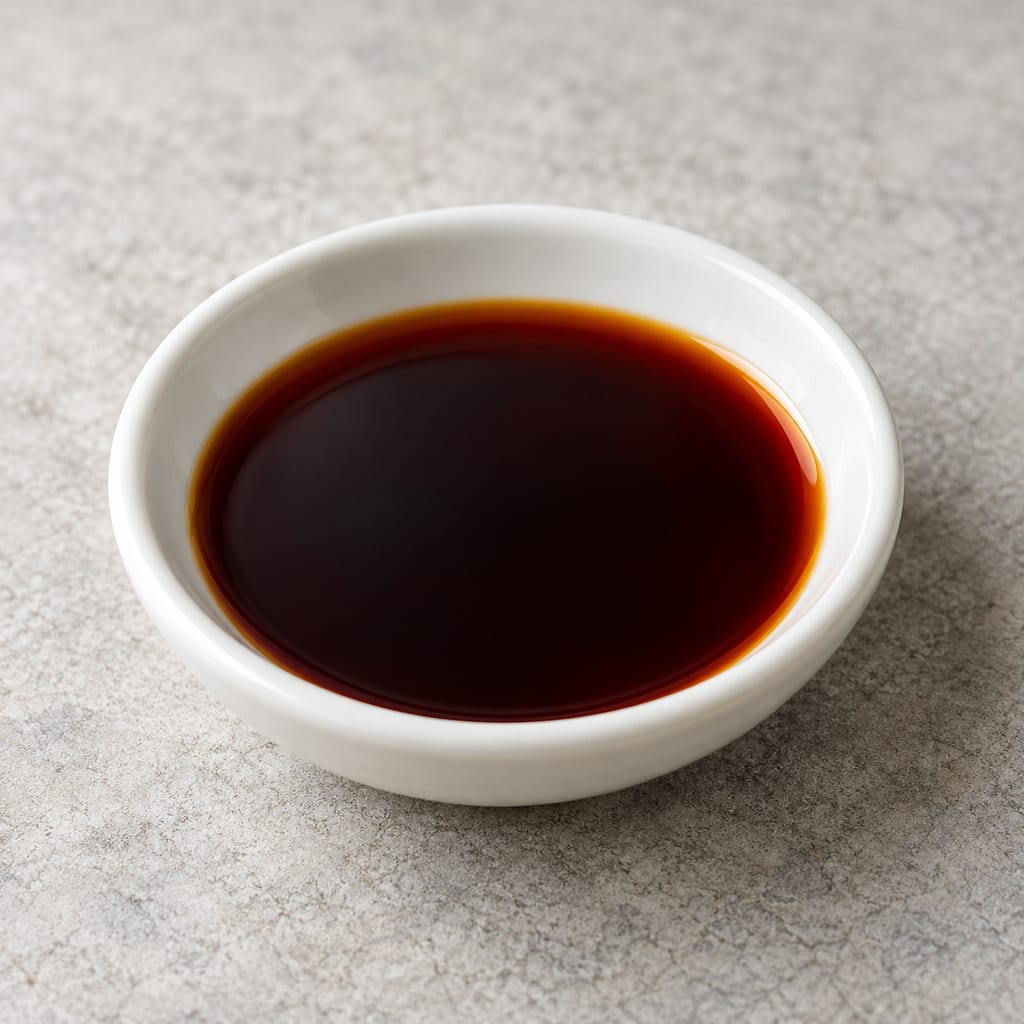
Soy sauce is a salted liquid seasoning made by growing koji mould on soybeans and grain, maturing the mash in brine and pressing out the liquid. Japan's shoyu is the best-documented form.
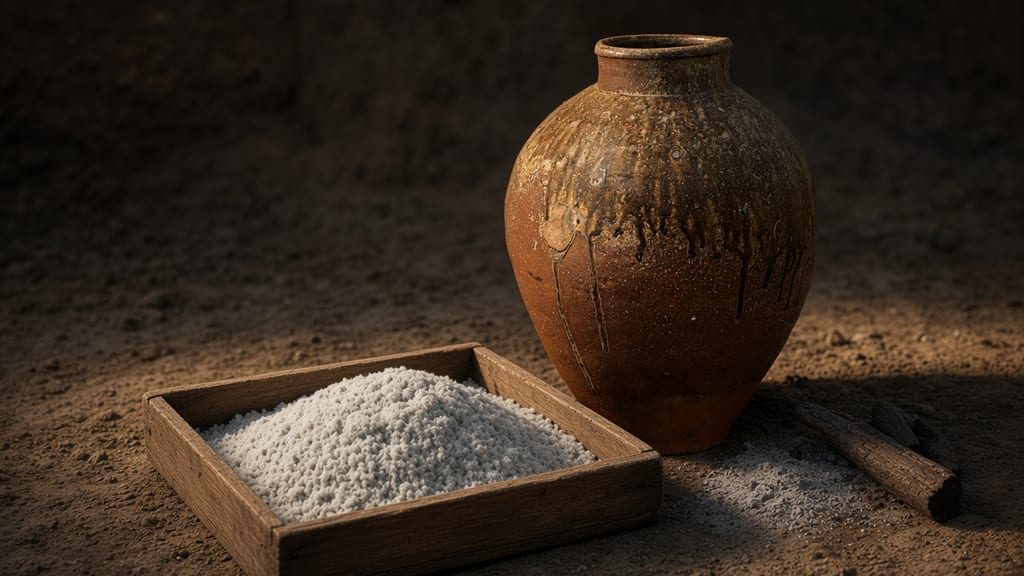
In 1419 a shogun gave one Kyoto shrine's koji makers a monopoly and smashed the brewers' koji rooms. In 1444 the brewers and Mount Hiei won it back, and Kitano Shrine burned.
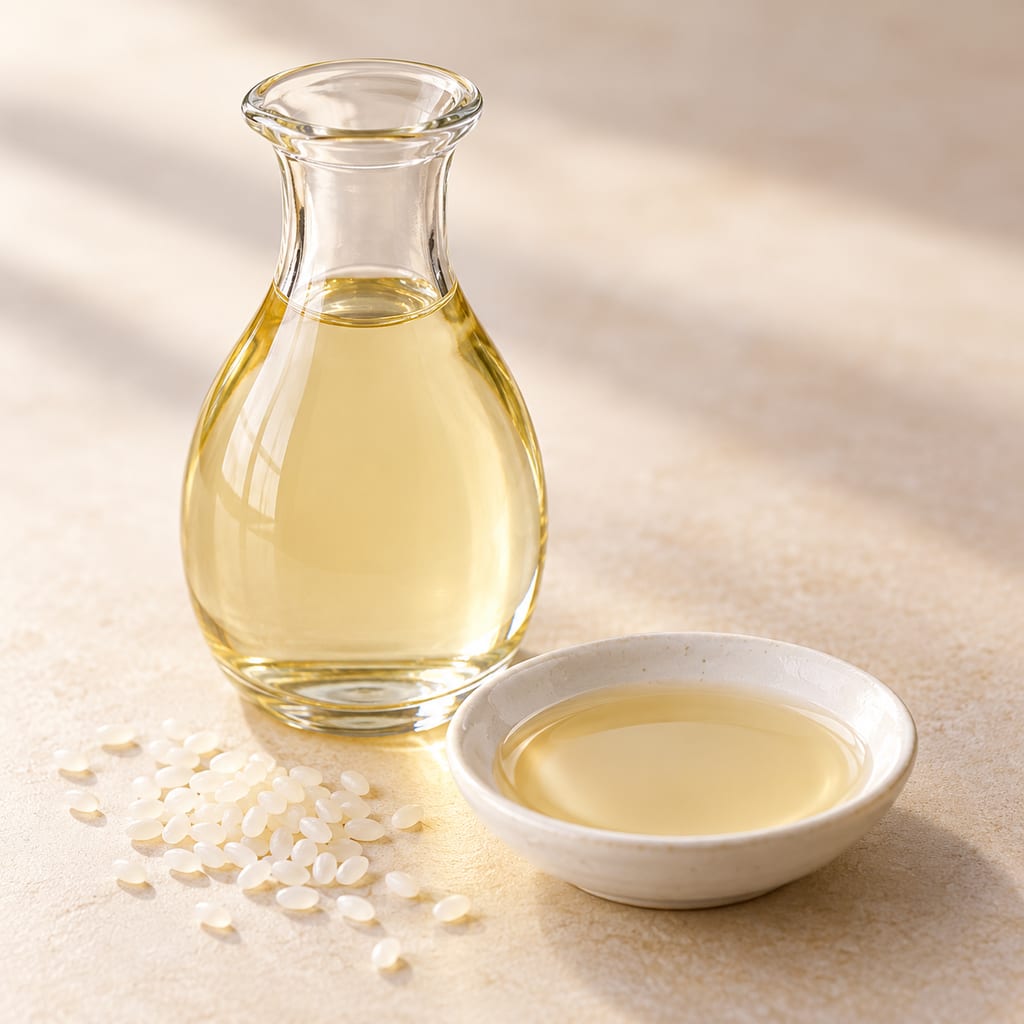
Japanese komezu is a pale, unseasoned rice vinegar made through alcoholic and acetic fermentation; rice, water, koji and yeast shape its character.
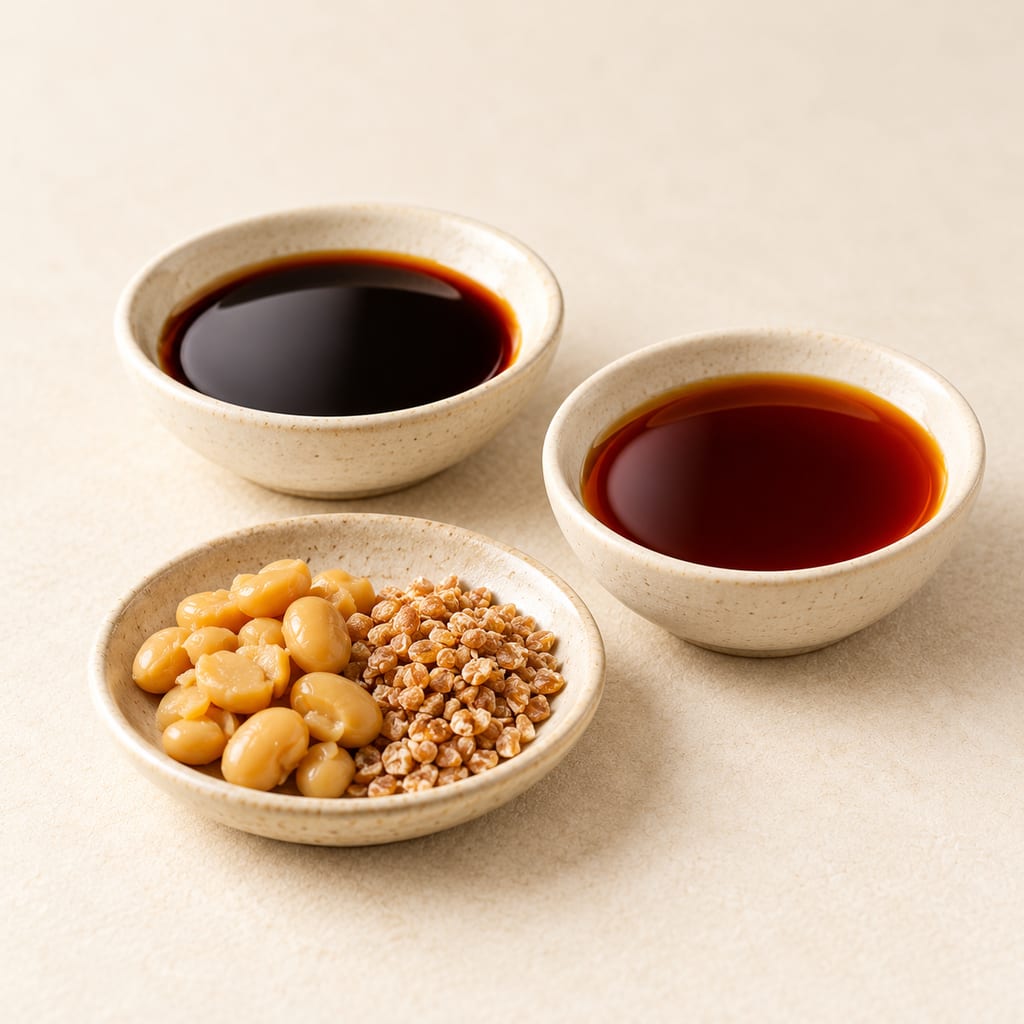
Jiangyou is the Chinese soy sauce family, an umbrella term for light, dark and seasoned sauces made by two main process families: high-salt liquid-state and low-salt solid-state brewing.
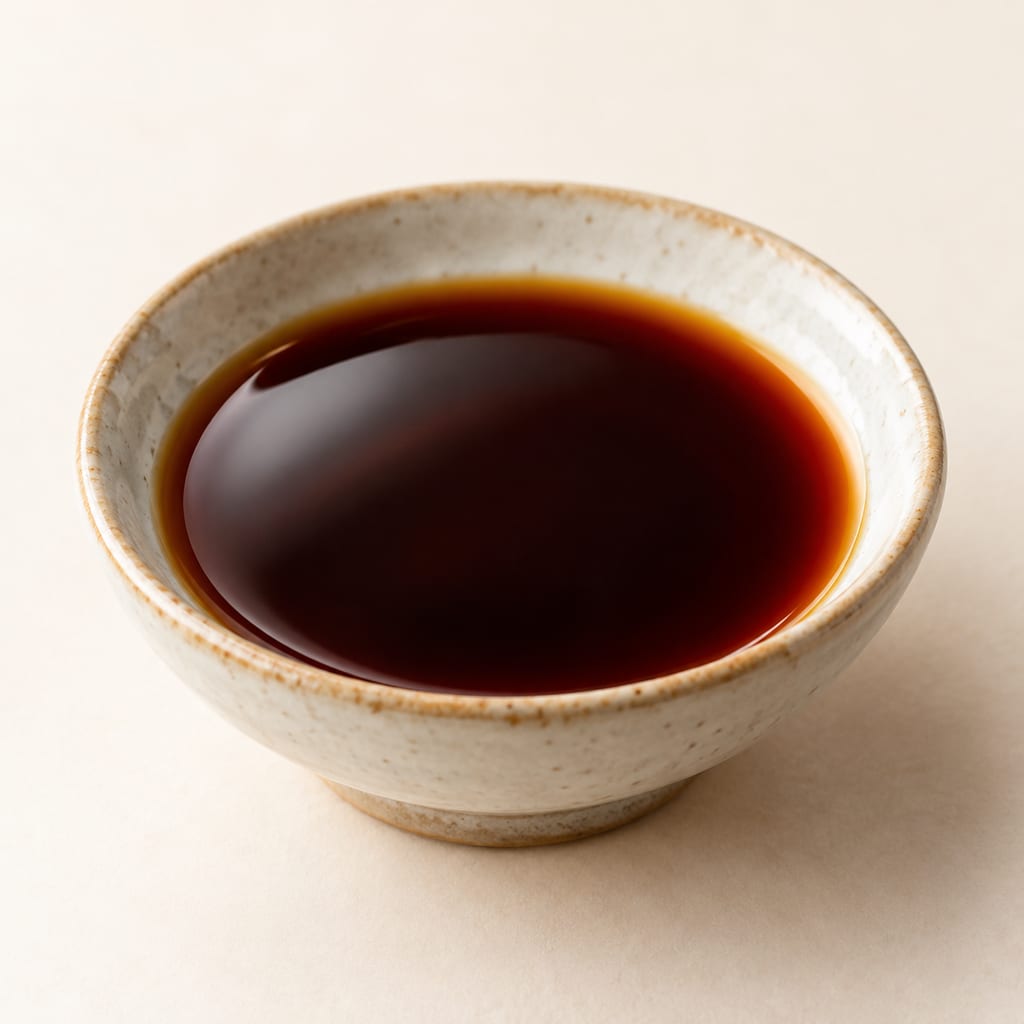
Japan's standard all-purpose soy sauce: soybeans and wheat grown over with koji mould, brined, fermented for months, pressed and usually heated into a reddish-brown, savoury liquid.
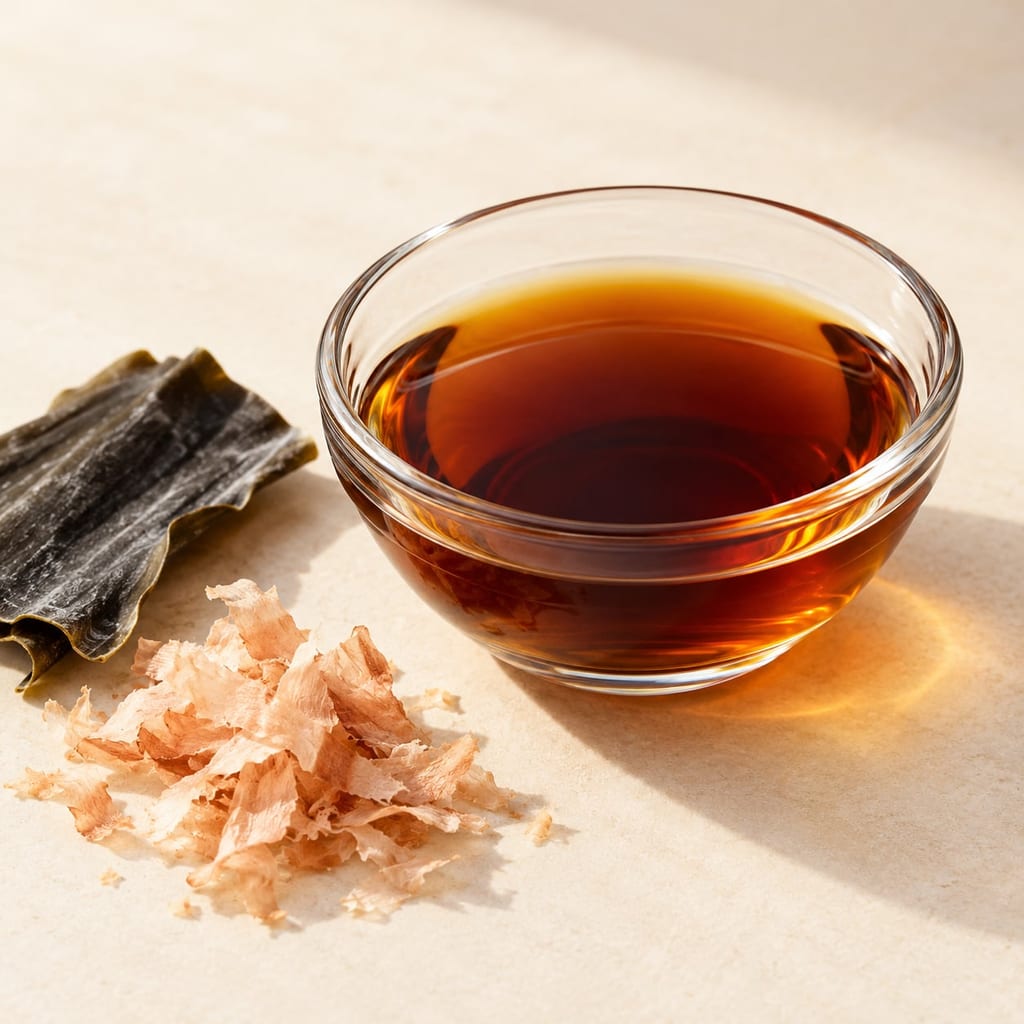
Mentsuyu seasons Japanese noodles with dashi, soy sauce and mirin. Two home formulas are recorded here: a 2012 light-soy and bonito sauce, and a concentrate diluted 1:2 for dipping or 1:4 for hot soup.
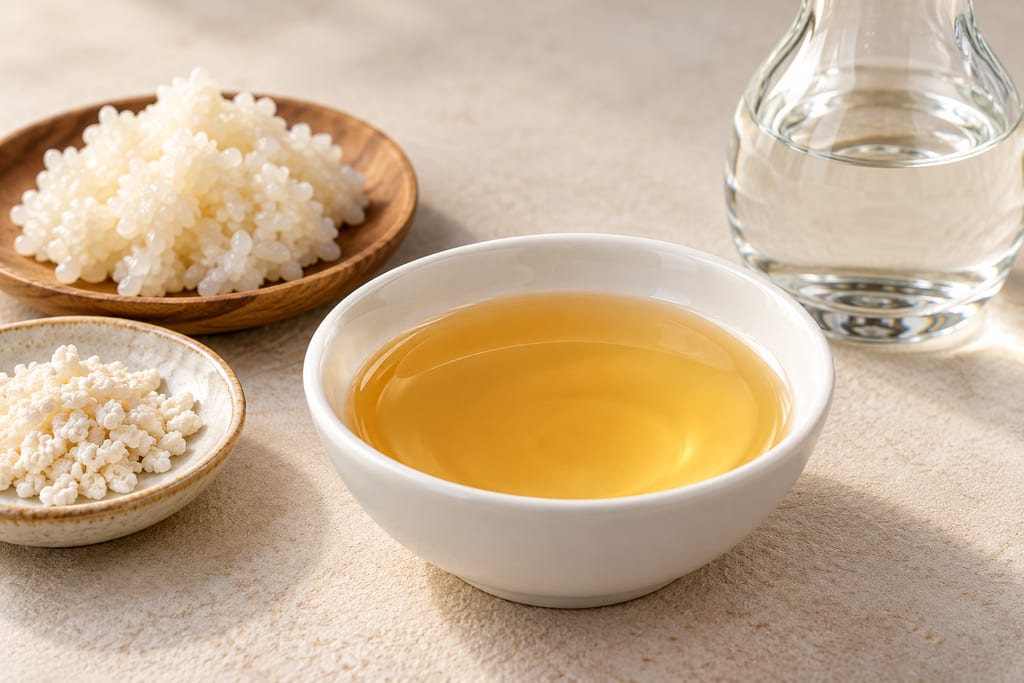
Hon-mirin is a Japanese rice seasoning made by saccharifying glutinous rice with rice koji in shochu, then pressing and usually heating the mash.
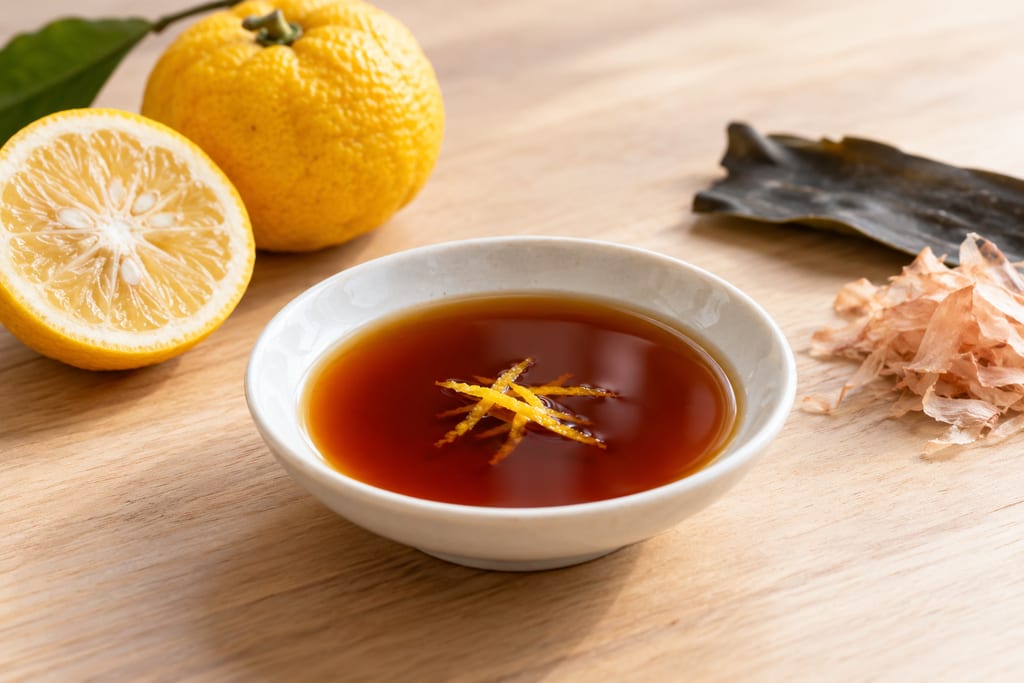
This quick ponzu combines soy sauce, vinegar, hon mirin, kombu, dried bonito and yuzu juice after a brief boil and a warm extraction; the recipe serves five.
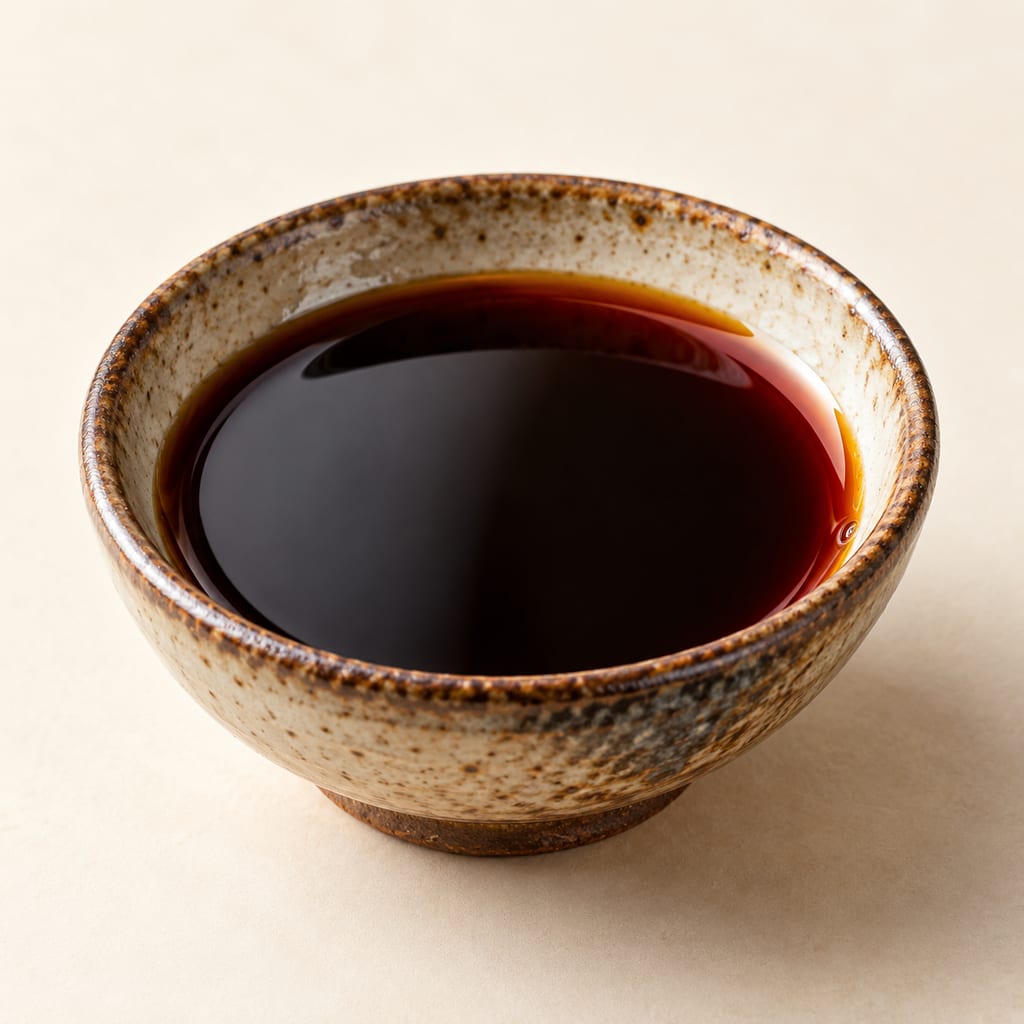
Saishikomi shoyu is a double-brewed soy sauce: a second moromi is made with a finished soy sauce in place of salt water, which makes a dark, concentrated sauce with softer salt.
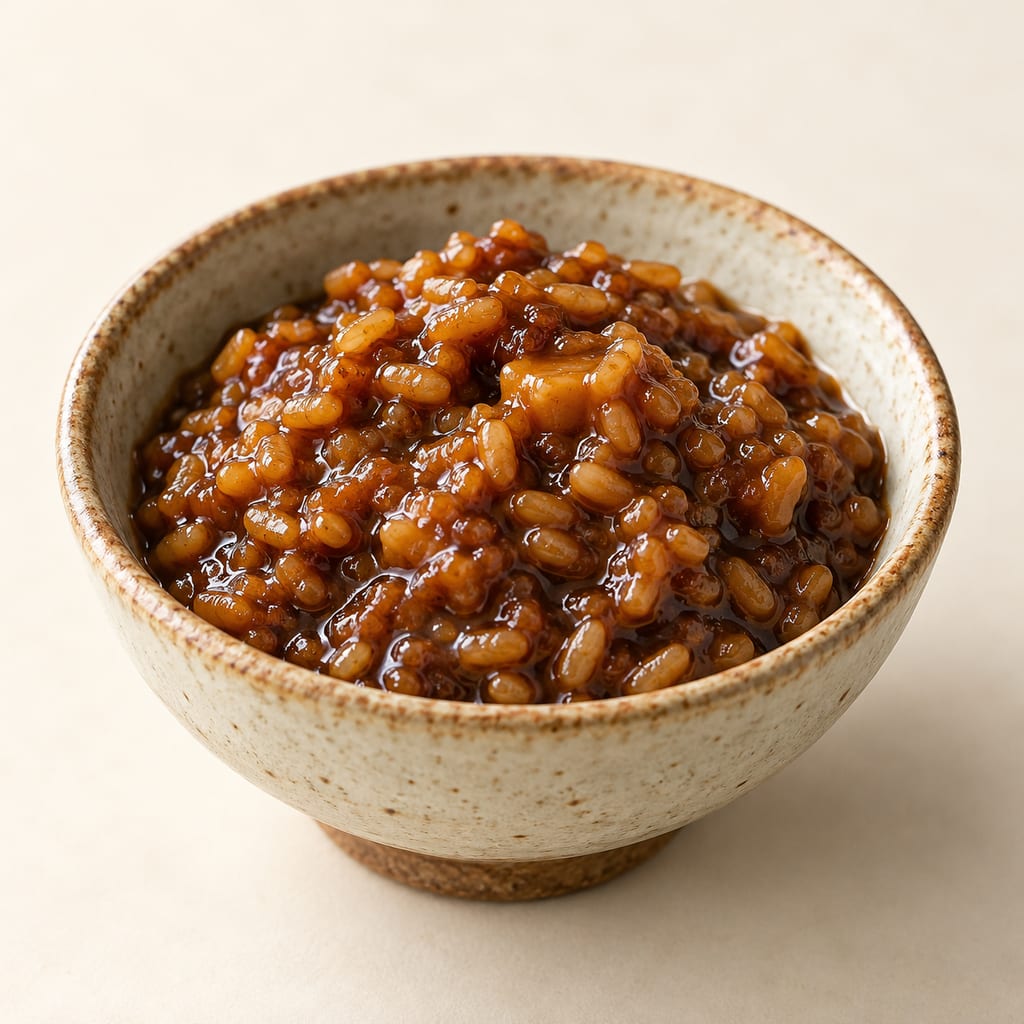
A Japanese kitchen condiment of rice koji matured in soy sauce until the grains turn soft and sweet. The same name also means the mould-grown soybean and wheat used to brew soy sauce.
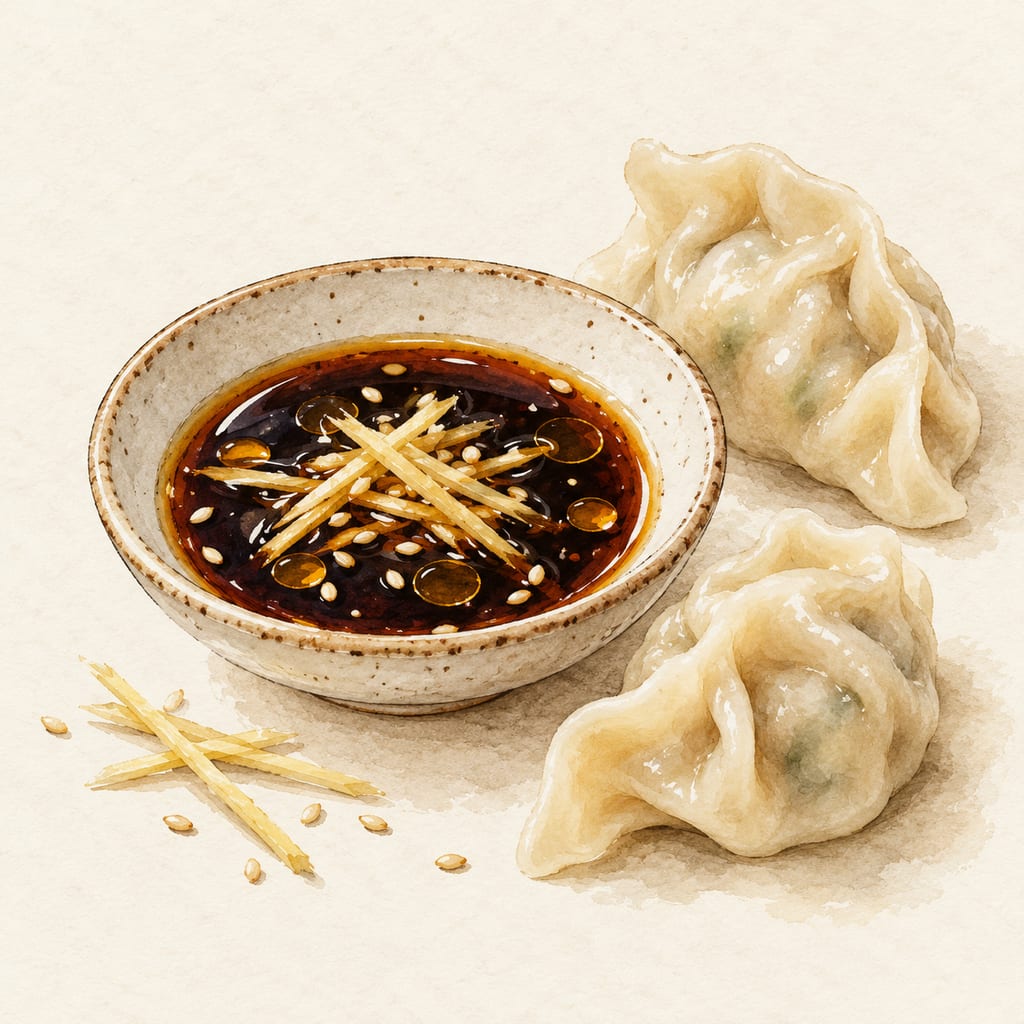
An untested small-batch soy and Zhenjiang black-vinegar dip with ginger and sesame oil, adapted as a modern accompaniment for dumplings or cooked vegetables.

Soft, spreadable Calabrian pork sausage made with a great deal of red chilli and fatty pork, stuffed into natural casings, sometimes smoked and matured while staying soft.

A way to add independent temperature logging to an existing food dehydrator without changing its built-in controls or protections. It is a monitoring method, not a rewiring plan.

Pleurotus cystidiosus is the abalone mushroom, a cultivated oyster-type fungus with dark brown caps that grows more slowly and is more demanding than other Pleurotus species.

A dark, balanced vinegar from Emilia-Romagna made by combining cooked or concentrated grape must with wine vinegar, then acetifying and refining it in wood under a protected specification.

A living dairy inoculum that starts controlled cream fermentation, developing acidity and aroma before sour cream or cultured butter is finished.

A small electric incubator holds jars at a selected temperature for yogurt and other documented warm food preparations. Controls, capacity and vessel arrangement vary by model.

Adygean salt is a seasoned table salt associated with Adygea and the wider North Caucasian culinary tradition. Salt is blended with garlic and a variable selection of herbs and spices; the exact mix depends on the named style and maker.

The African Caesar-group mushroom, Amanita masasiensis, is a wild ectomycorrhizal species of central and southern African woodlands, eaten locally. The genus contains deadly poisonous species, so identification needs care.
No community contributions have been published for this entry yet.
Sign in to contribute. Published comments and photos are free to read.
Meitō Miso Honpo (名刀味噌本舗), Setouchi, OkayamaMethod · Safety
旨味たっぷりの発酵調味料 ひしお550 g hishio koji, 600 ml soy sauce, 300 ml water, optional 2 pieces of 7 × 7 cm kombu
Container of 1.5 litres or more, cleaned with shōchū or boiling water
Wipe the inner walls because grains left there mould
Stir daily for 2 weeks; 20–35 °C best; heated room in winter
Day 2 the koji is stiff; do not add water
Left at room temperature it darkens and loses sweetness; refrigerate
Eaten on rice or with raw cucumber, or used as a pickling bed
Cited in: What it is; The batch at a glance; Choosing the koji, the soy sauce and the water; Why the steps run in this order; What the jar should look like; From a liquid to a relish; Hishio and its neighbours; Using it; When it goes wrong
Meitō Miso Honpo (名刀味噌本舗)Method · Identity · Safety
ひしおの糀Dried hishio koji of Okayama barley and soybeans, 550 g bag
About 30 °C is where fermentation goes fastest
Refrigerate when the taste suits; stir occasionally; eat within 6 months of mixing
Opened koji kept at 10 °C or below
Cited in: What it is; Choosing the koji, the soy sauce and the water; Why the steps run in this order; What the jar should look like
Suzuki Kōji-ten (鈴木こうじ店), 2024Method · Comparative method
ひしお(醤)の作り方300 g hishio koji of barley and soybean koji, 300 ml soy sauce, 150 ml water
About 1 week at around 20 °C with daily stirring
Soy sauce of wheat, soybeans and salt only; filtered rather than tap water
Refrigerate; about half a year
Uses: marinade for meat and fish, stir-fries, hot-pot dip, pickles
Cited in: The batch at a glance; Choosing the koji, the soy sauce and the water; Using it
Iino Ryōichi, FOOD CULTURE No. 2, Kikkoman Institute for International Food CultureHistory
醤油の歴史② 平安期における醤Hishio office (醤院) of the imperial kitchen; burned in 1127 with the Imperial Household Ministry and water office (Hyakurenshō)
150 koku of hishio and 65 koku of soe-bishio a year in 100 and 50 jars; half the hishio for the emperor's table
Soybeans for hishio sent from Ōmi and 11 other provinces, about 355 koku a year, dried on long mats
150 koku is about 10.8 kilolitres, about 30 litres a day
Wheat only 5% of the soybeans, against equal parts in later soy sauce; old liquid hishio like tamari
Kasu-bishio used for pickles, including abalone
1164 record: irori replaces hishio on the four-condiment tray; early Kamakura etiquette book puts miso in its place; late Kamakura dictionary files hishio as aemono
Wamyōshō: 醤は豆醢也; Sanboku kikashū みそひしを joke
Cited in: What it is; A law code, a poem and a palace formula; How much the court made; From a liquid to a relish; Hishio and its neighbours
Miso sommelier site, transcribing the Gendai Shichōsha facsimile editionHistory · Primary text
『延喜式』 巻第三十三 大膳下 造雑物法供御醤料: 大豆三石, 米一斗五升, 蘖料 糯米四升余, 小麦・酒各一斗五升, 塩一石五斗, 得一石五斗, 薪三百斤
Rations for officials omit the glutinous rice
添醤: 醤滓一石, 塩三斗五升
Cited in: A law code, a poem and a palace formula
Nara Prefecture Complex of Man'yō Culture, Man'yō HyakkaHistory
万葉集 巻16-3829 歌詳細Poem by Naga no Imiki Okimaro naming vinegar, hishio, wild garlic, sea bream and water leek
Gloss: hishio and vinegar with garlic, wanting sea bream; do not show me a water-leek broth
Cited in: A law code, a poem and a palace formula
Nara Prefecture Soy Sauce Industry CooperativeHistory · Modern adaptation
古代ひしおTaihō Code 701 placed two shuhishio officials in the imperial kitchen bureau
Later independent as the hishio office
Reconstruction researched with Yokoi Keiko of the Nara-shoku study group; sold from 2010
Black soybeans, barley, kaoliang and salt; live koji, refrigerate; the lid can pop
Cited in: A law code, a poem and a palace formula; A modern reconstruction from Nara
Ministry of Agriculture, Forestry and Fisheries, Nippon Dentō-shoku ZukanModern adaptation
古代ひしお、奈良醤油Hishio group formed 2009 by the Nara-shoku study group, the Nara industrial technology centre and the cooperative
Commercialised 2010 for the 1300th anniversary of the Heijō capital
Grains made into koji and soaked in brine; full method not published
Cited in: A modern reconstruction from Nara
Japan Soy Sauce Brewers AssociationHistory
The history of soy sauceHishio named in the Taihō Code of 701
Japanese WikipediaContext
金山寺味噌Brewed namemiso of soybeans, barley, chopped vegetables usually salted first, and salt
Matured for several months to a year
Cited in: Hishio and its neighbours
USDA Food Safety and Inspection ServiceSafety
Molds on Food: Are They Dangerous?Moulds tolerate salt better than most food invaders and grow at refrigerator temperatures
High-moisture foods with mould should be discarded; legumes listed as discard
Cited in: When it goes wrong