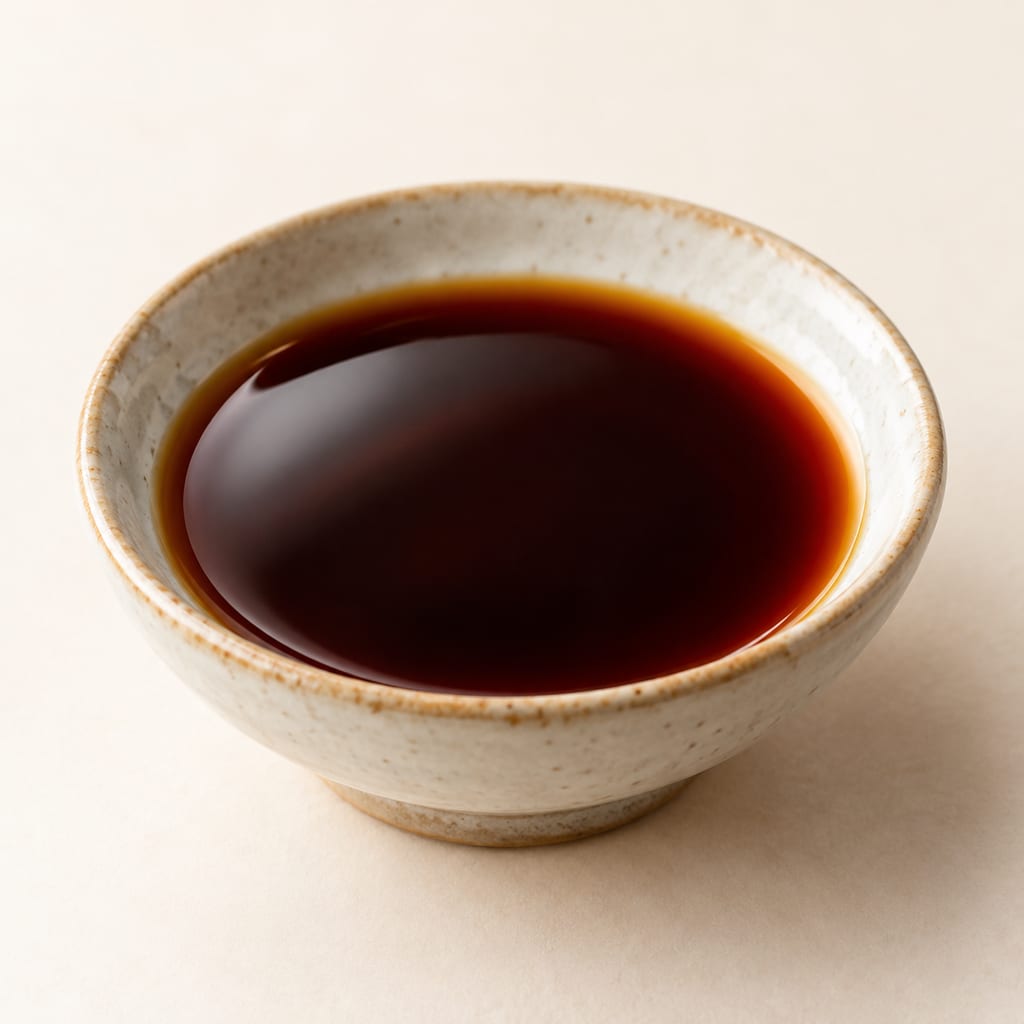
Koikuchi soy sauce
Japan's standard all-purpose soy sauce: soybeans and wheat grown over with koji mould, brined, fermented for months, pressed and usually heated into a reddish-brown, savoury liquid.
 FermenteaWhere food goes to change
ごまだれ (goma-dare · style designation)
A sesame-rich goma-dare-style dipping sauce made by loosening toasted sesame paste with water, soy sauce, rice vinegar and sugar; this original development formula remains untested.
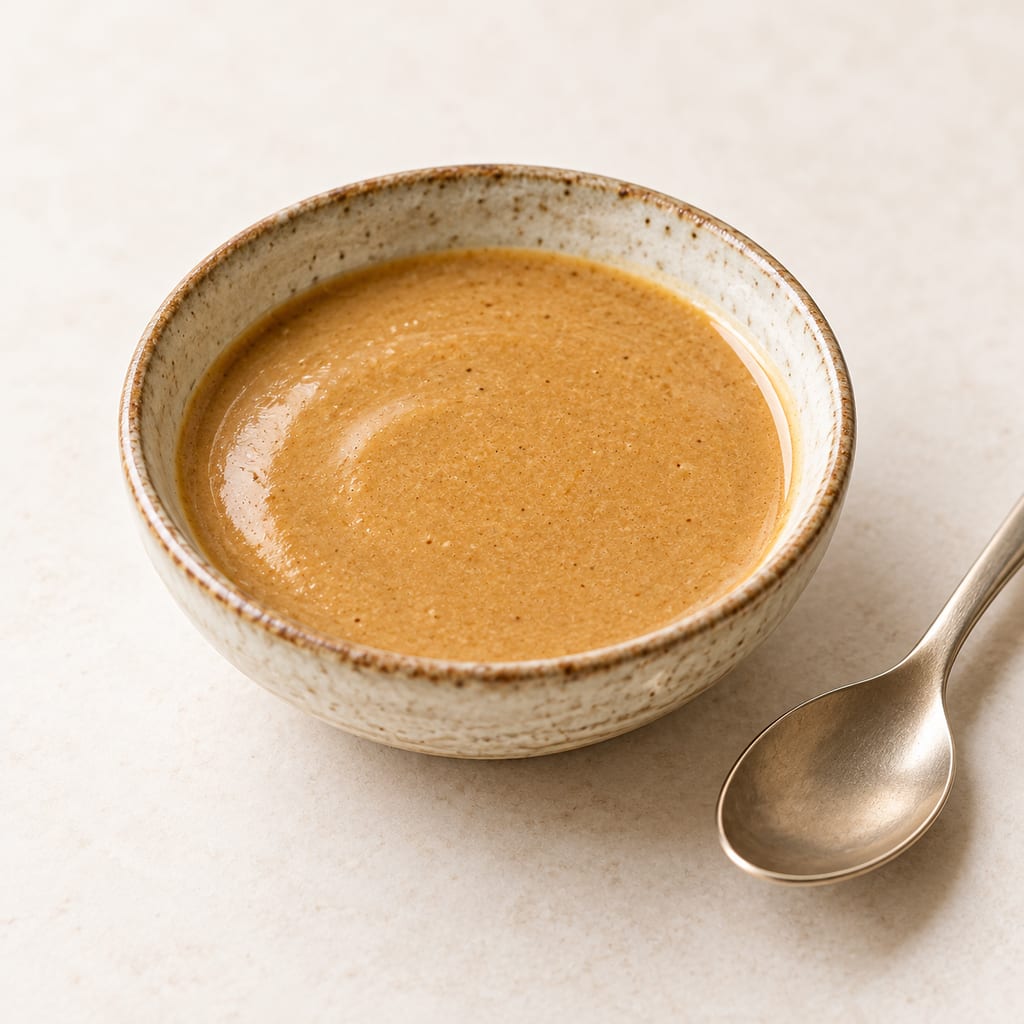
Goma-dare literally joins goma, sesame, with tare or dare, a sauce. In contemporary Japanese cooking it commonly means a sesame-based dipping sauce, often served alongside ponzu at shabu-shabu. The family name does not prescribe a single fixed formula: restaurant and household versions vary in richness, sweetness, acidity, aromatics and thickness. This entry records one clearly bounded, sesame-forward development formula, without mayonnaise; it should not be mistaken for a canonical restaurant recipe.
The intended result here is a mixed sauce whose body comes from sesame paste (or finely ground seeds), thinned with water and seasoned with soy sauce, rice vinegar and sugar. Toasted sesame oil reinforces the sesame aroma. The formula contains no live culture, fermentation stage or preservation step.
Goma-dare is especially familiar as a shabu-shabu accompaniment. Japan’s government account describes shabu-shabu as a comparatively recent restaurant form, associated with a Kyoto adaptation of a hot-pot dish in the twentieth century. It notes that sesame dipping sauce varies from one restaurant to another. That evidence situates the sauce in modern restaurant dining; it does not establish when sesame tare was first made, nor does it justify assigning this particular formula an origin date.
In shabu-shabu, thin slices and vegetables are cooked briefly in a shared pot of simmering broth, then dipped in sauce. The Japan Livestock Products Export Promotion Council describes sesame sauce and ponzu as familiar alternatives. Sesame sauce gives diners a richer, nut-centered counterpoint to a brighter citrus-soy dip. Kikkoman’s published home recipe is one documented variation: it combines white sesame paste with soy sauce, mirin and hot water, and serves it with ponzu. That distinct formula shows why a general name should not conceal differences in ingredients or method.
Toasted sesame contributes both fat and finely divided solids, which is why a paste can make a sauce feel fuller than a soy-and-vinegar dip. Japanese sesame pastes vary in roast and grind; stirring the jar before weighing matters because oil and solids can separate during storage. Finely ground toasted seeds are a practical alternative, though their texture may remain more granular than a smooth commercial paste. The two options share toasted sesame as their main flavor, but they are not guaranteed to produce identical texture.
Roasting changes aroma. A 1994 sensory study of roasted sesame found nutty, sesame-like notes desirable and burnt notes less preferred; it does not prescribe a roast for this recipe. Use paste or already toasted seeds here rather than improvising a high-heat roasting step. The added sesame oil is a small seasoning dose, not the sauce’s only source of sesame flavor. The government’s shabu-shabu feature quotes a restaurant cook who prepares sesame sauce daily because sesame oil’s aroma degrades; this supports freshness as a quality concern in that restaurant context, not a measured shelf-life claim for this home formula.
Water loosens the dense paste and makes it easier to whisk. Add it gradually: sesame pastes differ in grind and thickness, and the target depends on whether the sauce will cling to hot-pot ingredients or pour over vegetables. Start with the specified 50 g, then add only what is needed. Extra water changes the yield and dilution, so it should not be silently included in the nominal 200 g formula.
Soy sauce supplies salt and savory depth; Japanese soy sauce is the intended style, but products vary in saltiness and wheat content. Unseasoned rice vinegar contributes acidity without the added sweetness and salt found in seasoned sushi vinegar. Sugar rounds the sharp edges and balances the vinegar. Toasted sesame oil carries a concentrated roasted aroma, so the small measured amount helps keep it in a supporting role. These are ingredient functions inferred from their culinary use in the cited recipes, not laboratory measurements of this exact mixture.
The order matters for ease rather than preservation: disperse water into paste first, then whisk in the remaining seasonings. Dissolving sugar thoroughly gives a more even taste. The method does not claim a stable emulsion, and visible separation can be corrected by stirring before serving.
Goma-dare is one member of a broad Japanese sesame-food vocabulary, not a synonym for every sesame condiment. Goma-ae is a preparation in which vegetables such as spinach are dressed or coated with ground sesame, often with soy and sugar. It is generally used as a vegetable side dish rather than as a free-pouring hot-pot dip. Traditional hand grinding in a ridged suribachi and modern ready-made sesame products provide different routes to sesame texture, but the ingredients and intended use still distinguish the resulting dishes.
Published goma-dare-style sauces also depart substantially from this formula. Kikkoman’s version includes mirin and hot water. JETRO’s tsukedare example uses tahini, rice vinegar, white miso, honey, soy, sesame oil, mustard and water; it documents another sesame dipping sauce, not a direct conversion of this recipe. A light tahini may be used as an explicitly named substitution if Japanese sesame paste is unavailable, but its flavor differs. For a creamy mayonnaise dressing, mix a portion of this finished sauce with mayonnaise only at serving; this creates a new, perishable mixture and does not inherit the mayonnaise jar’s storage history.
Serve goma-dare with cooked hot-pot ingredients, vegetables or noodles. It may also be used as a salad dressing after thinning, as shown by modern sesame-sauce variations, although this recipe is not a tested salad-dressing formulation. Taste with the food it is meant to accompany: a strongly flavored broth, unsalted vegetables and noodles will each change how the same sauce seems.
This sauce contains sesame and soy, and soy sauce may contain wheat. Check the label of the specific product, especially when cooking for someone with an allergy. Keep the sauce refrigerated and use clean utensils. The source archive’s 48-hour working window is deliberately conservative for this untested water-containing mixture; it is not evidence that the recipe was tested for that duration or a universal safety guarantee. Discard if handling has been uncertain. No room-temperature storage or home-canning method has been established.
Goma-dare is associated with modern shabu-shabu service, but the sources consulted do not establish a first date for the sauce itself. Shabu-shabu’s restaurant history is comparatively recent; accounts describe its adaptation in Kyoto in the twentieth century. This recipe is an original, untested development formula, not a transcription of a historical restaurant formula.
Yield 200 g · Scaling: scale ingredients proportionally; adjust added water only to consistency
The sauce contains sesame and soy; soy sauce may also contain wheat. Check package labels and communicate these ingredients to diners.
Hazard sourceRefrigerate promptly in a clean, covered container.
Control sourceUntested development formulation: not kitchen-tested, sensory-validated or shelf-life tested.
The 48-hour period is a conservative working convention, not a measured shelf life.
Not a validated room-temperature storage or canning recipe.
This records the documented Japanese modern shabu-shabu serving context for goma-dare; it does not claim an exclusive origin or date the sauce's first use.
Japan's standard all-purpose soy sauce: soybeans and wheat grown over with koji mould, brined, fermented for months, pressed and usually heated into a reddish-brown, savoury liquid.
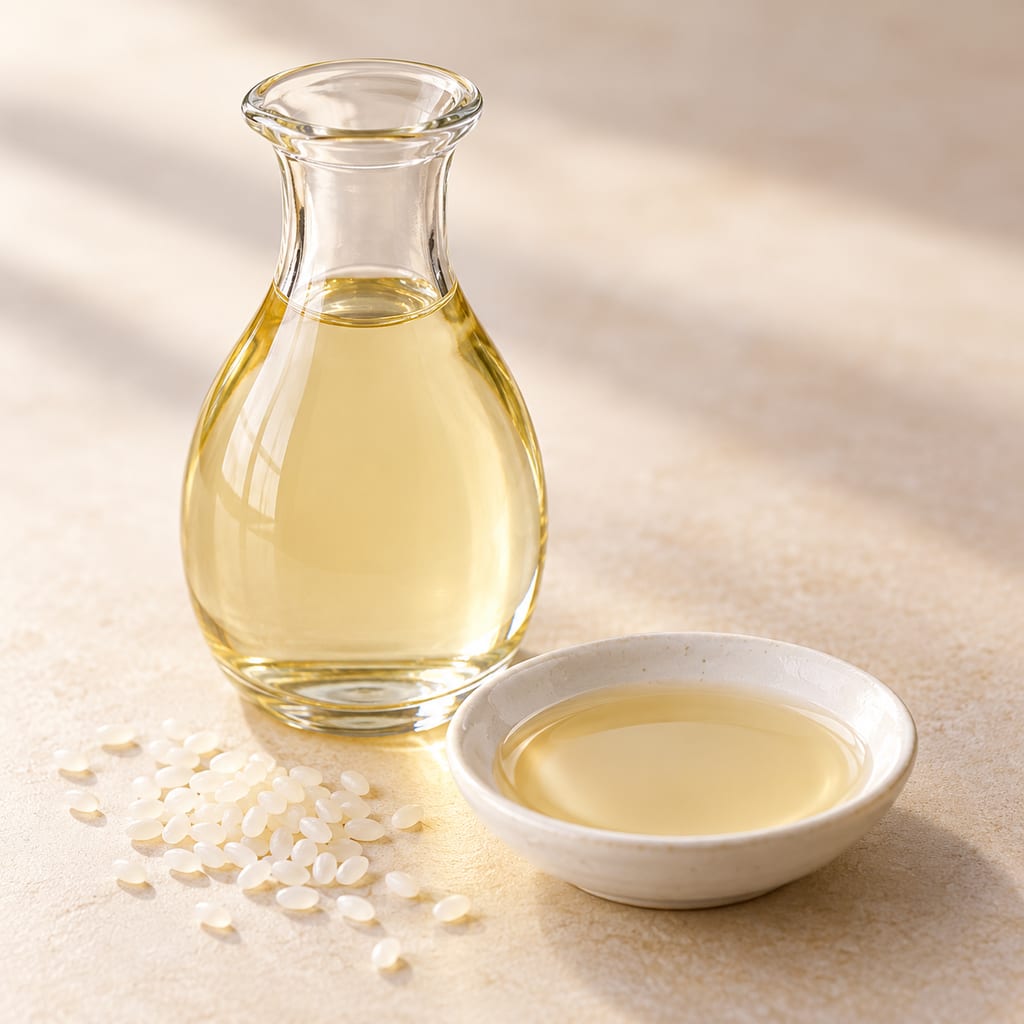
Japanese komezu is a pale, unseasoned rice vinegar made through alcoholic and acetic fermentation; rice, water, koji and yeast shape its character.

Japanese reddish-brown vinegar from sake lees matured about three years, turned to vinegar by acetic bacteria; the vinegar of Handa and Edomae sushi rice.
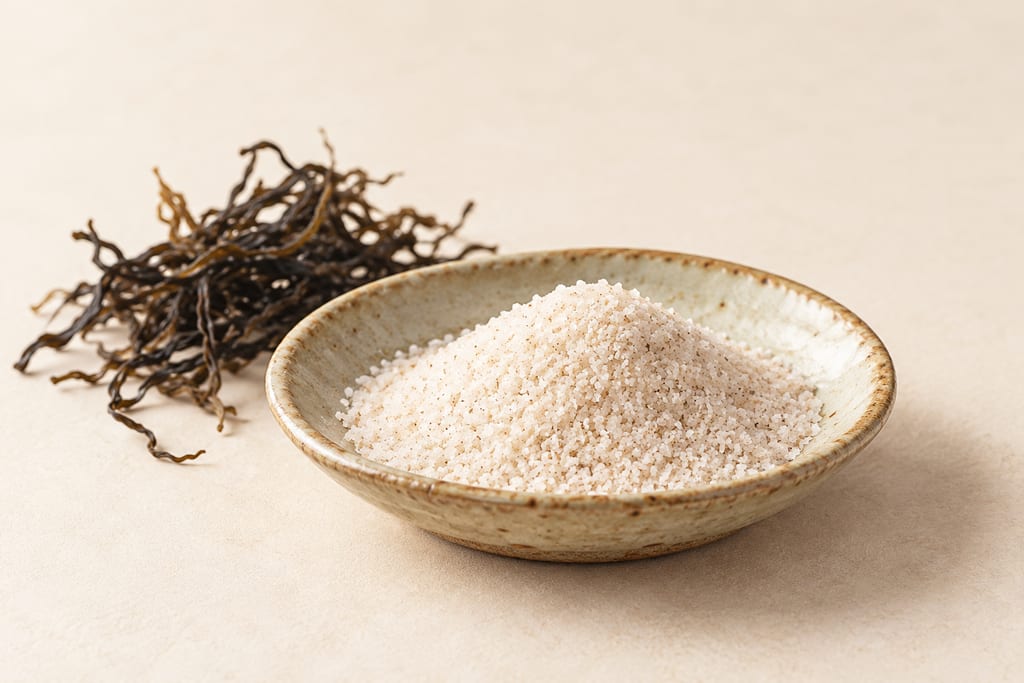
Amabito no Moshio is a modern, pale beige Japanese seaweed salt made from Seto Inland Sea water and hondawara seaweed. Its documented factory method concentrates filtered brine in kettles, then separates and dries the salt.
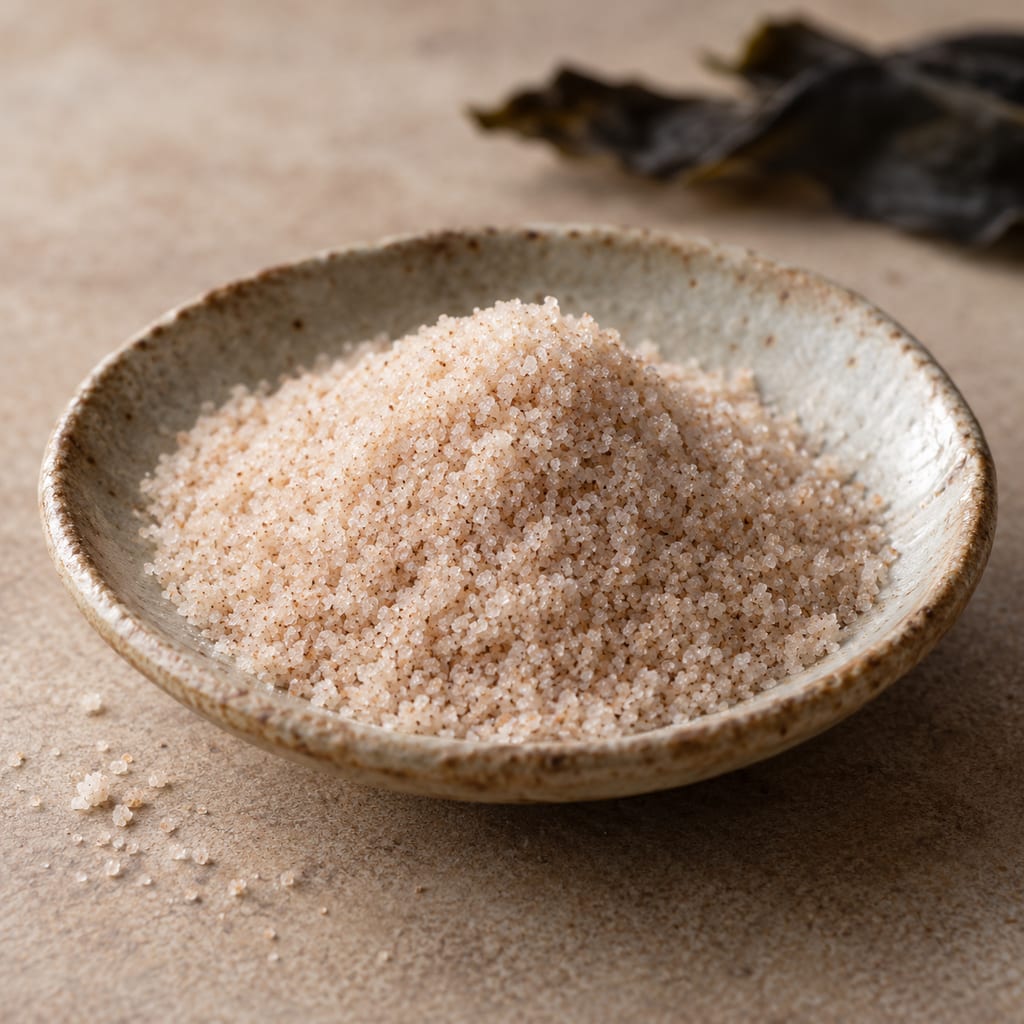
Awaji moshio is a modern Japanese seaweed salt made by TaDa PHILOSOPHY from Awaji Island seawater and seaweed. Its premium process concentrates brine, extracts seaweed flavor, then crystallizes, separates, dries and grades the salt.
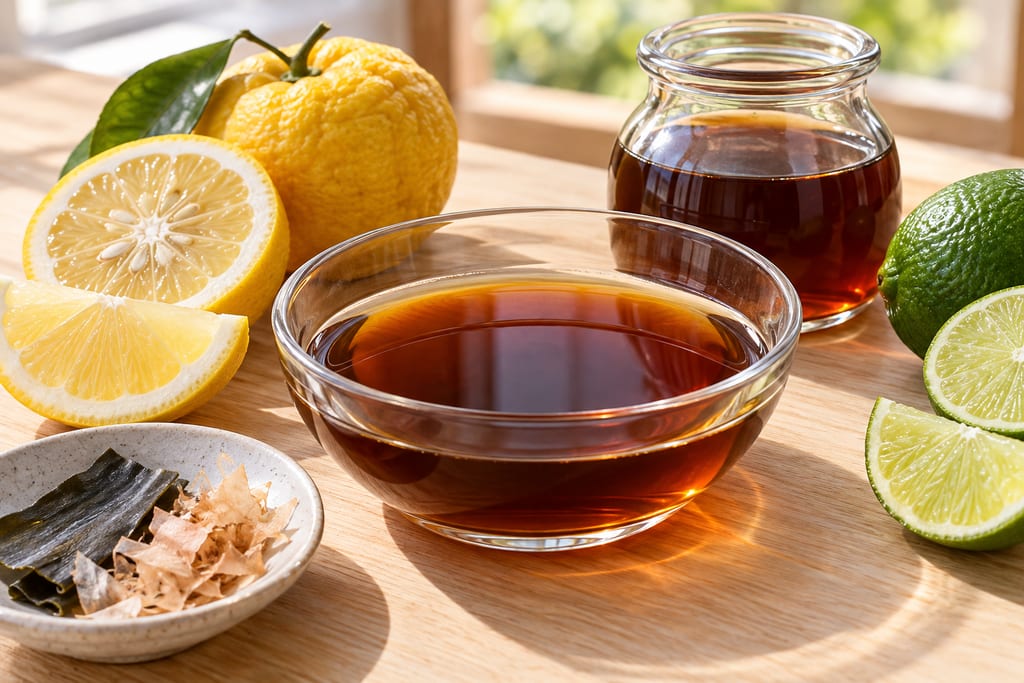
This fresh ponzu-shoyu mixes Japanese koikuchi soy sauce with yuzu or a lemon-lime blend, rice vinegar, water and sugar; optional kombu and bonito give a short chilled infusion.
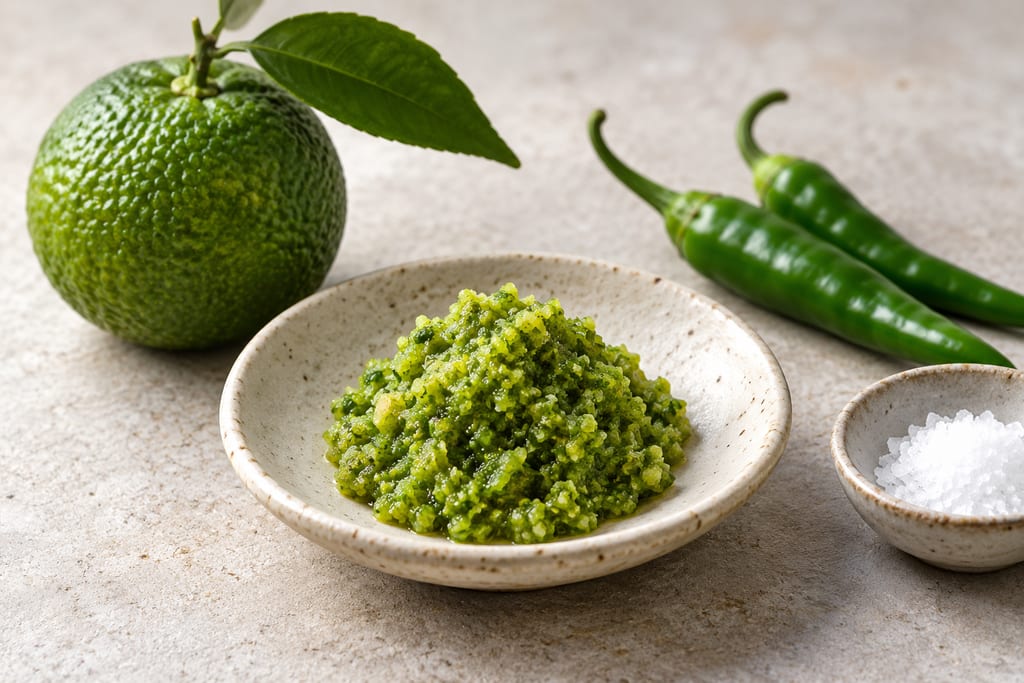
A fresh, uncooked yuzu and green chilli paste inspired by Kyushu’s yuzu kosho, made here as an untested small-batch seasoning rather than a preservation formula.
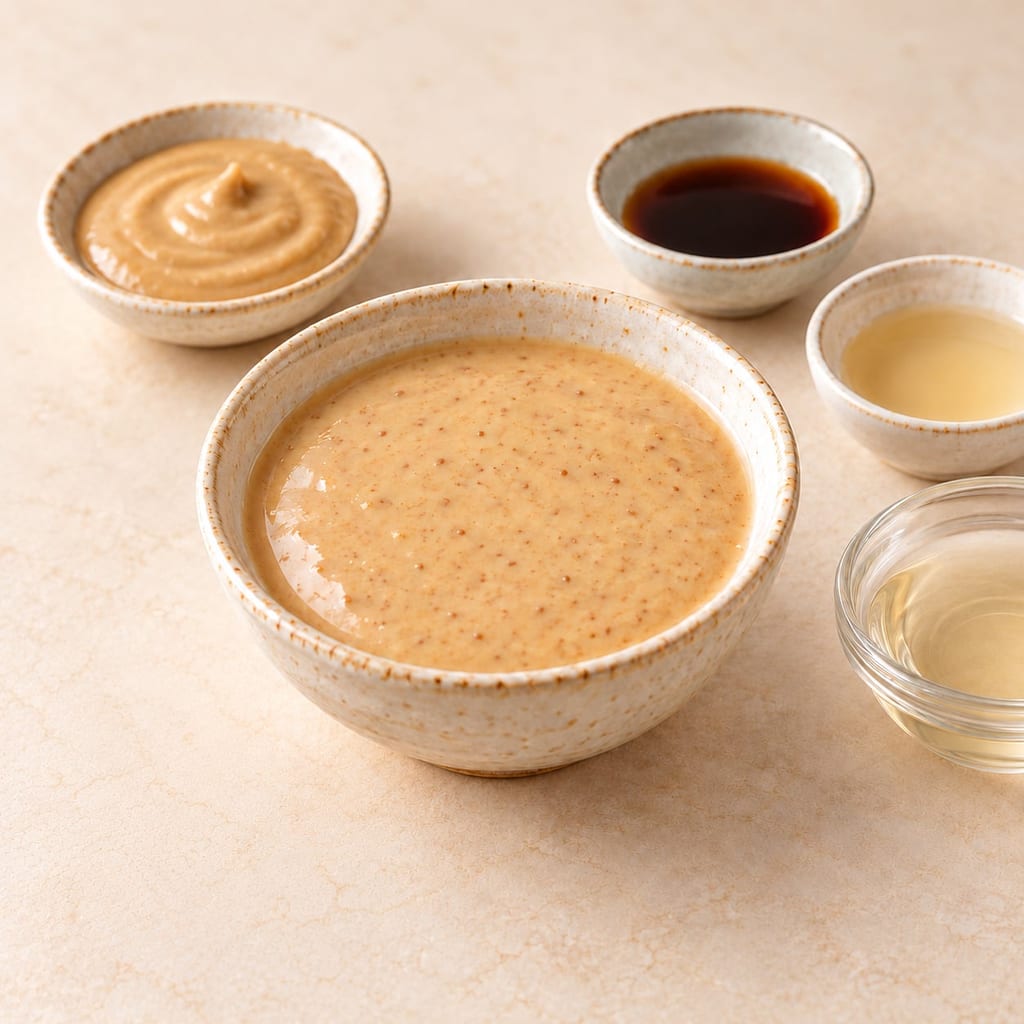
A creamy Japanese sesame dipping sauce with soy, rice vinegar and dashi. Gradual mixing turns the thick sesame paste into a smooth sauce.
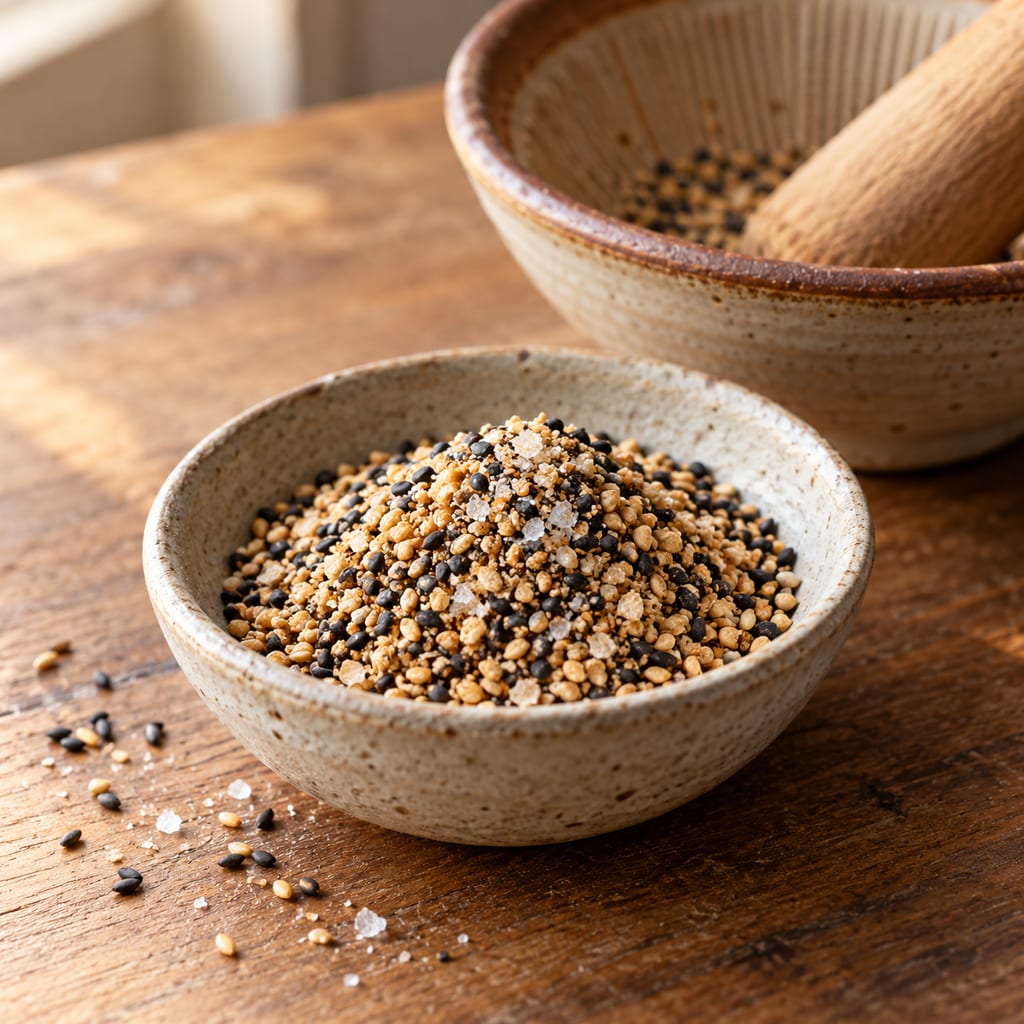
Toasted sesame seeds and sea salt are ground together into a coarse seasoning for rice. This small pan-roasted batch keeps most of the seed texture.
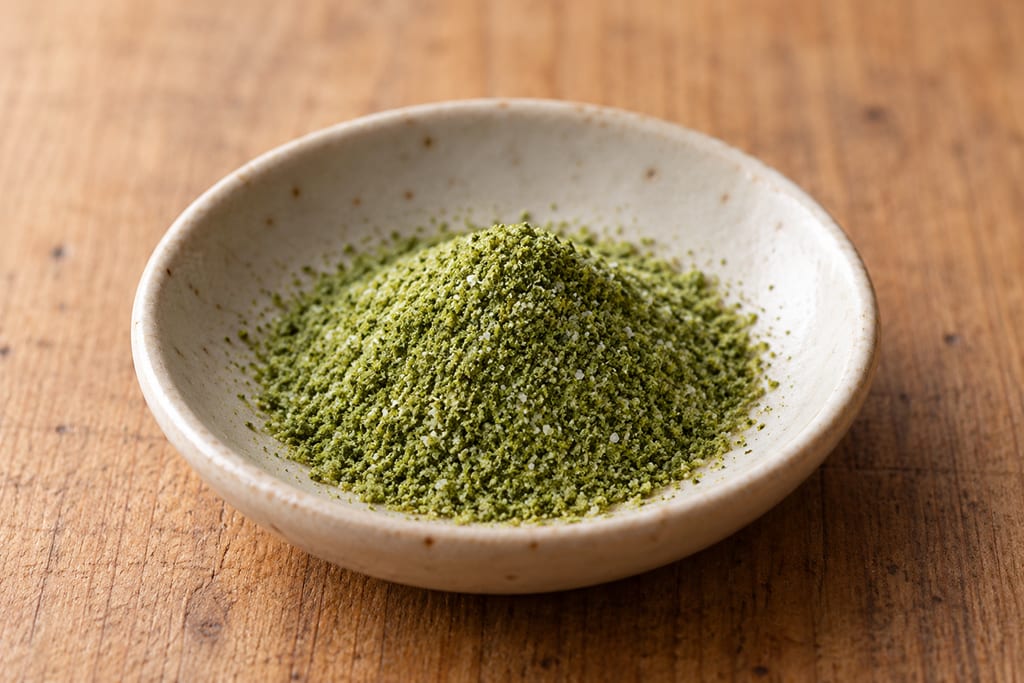
Green tea leaf salt is a dry seasoning made by grinding tea leaves, sieving them and mixing the powder with fine salt. This Japanese-style version follows a documented equal-parts method.
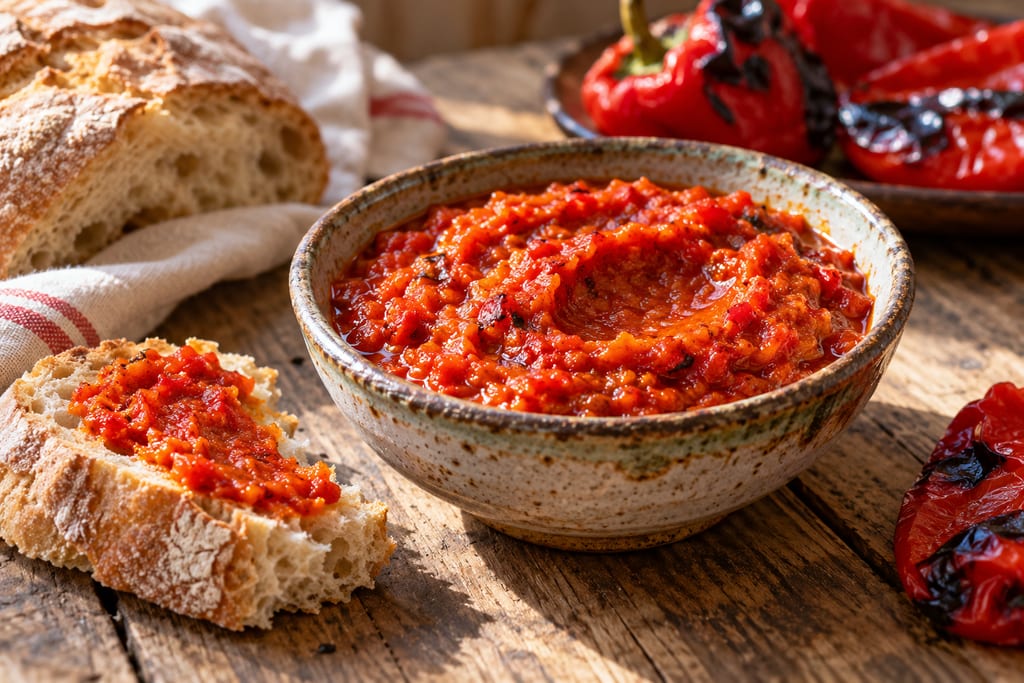
Ajvar is a cooked Balkan pepper preserve built around roasted red peppers, peeled, drained, ground and slowly fried with oil and seasoning. Leskovac’s protected version is a pepper specialty; regional versions vary.
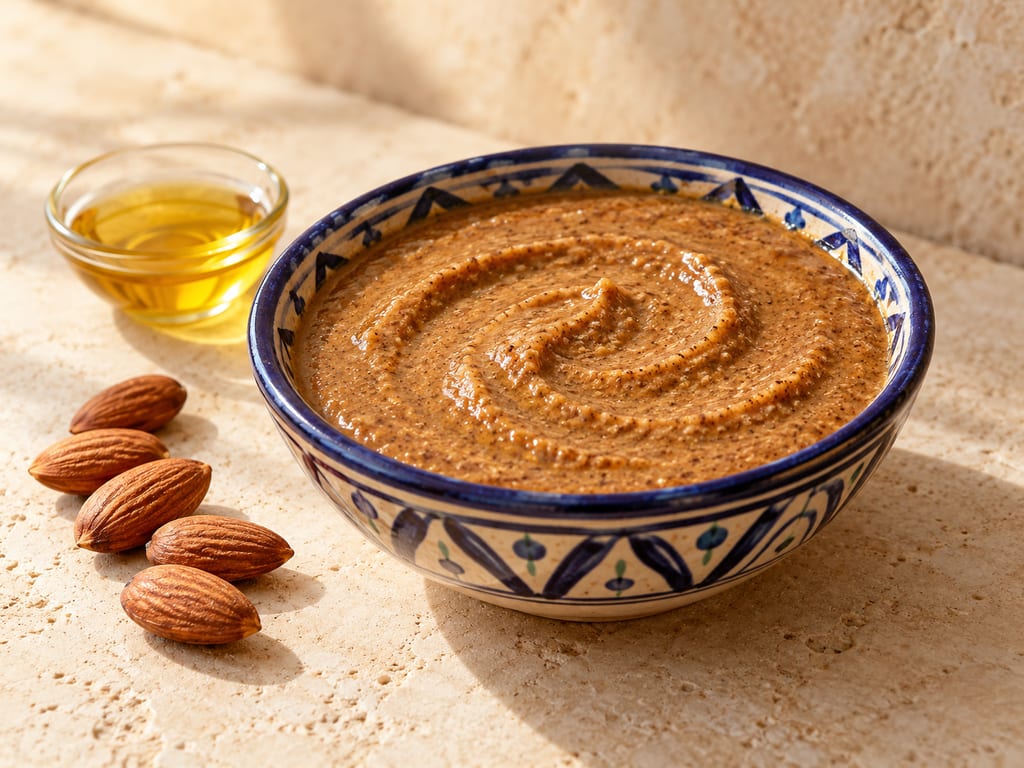
Amlou is a nutty, lightly sweet Moroccan spread of roasted almonds, culinary argan oil and honey. The almonds are ground first, then loosened with oil and sweetened; the balance can range from a thick spread to a dip.
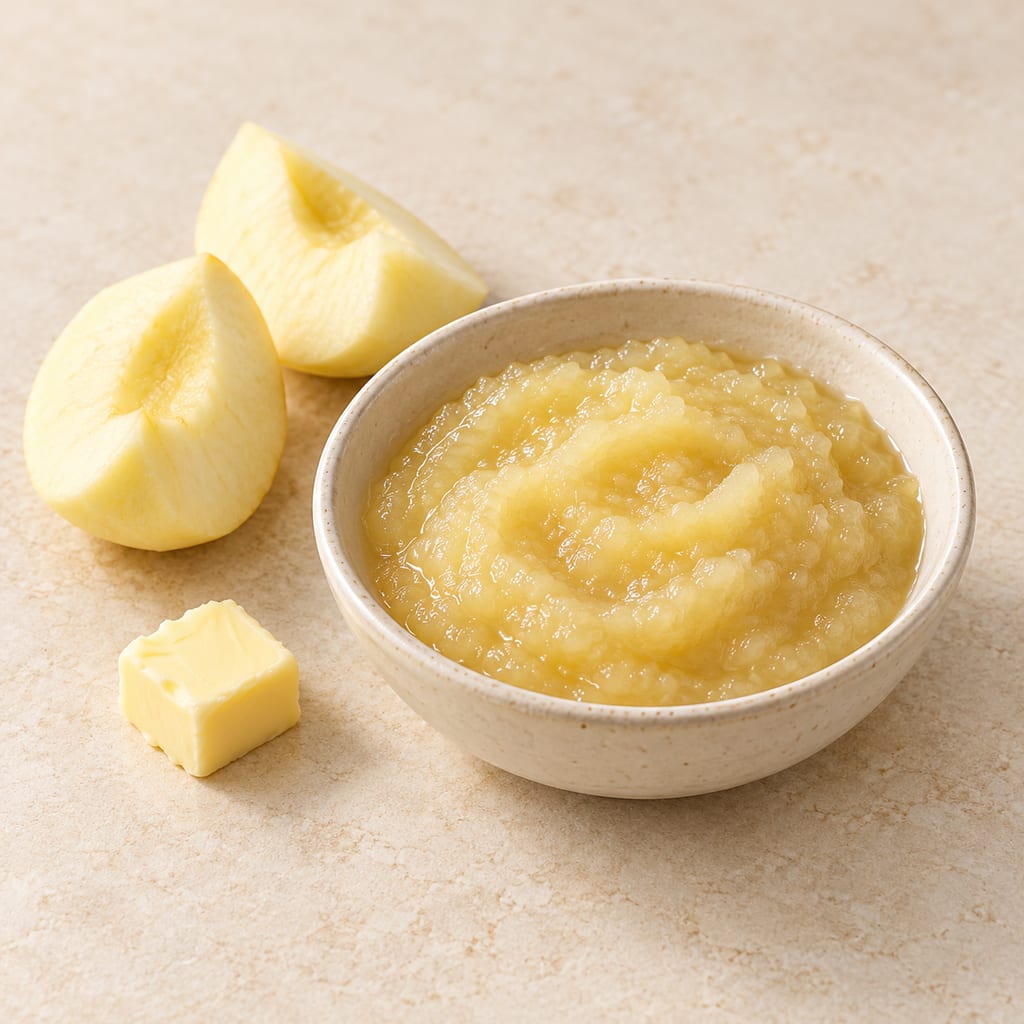
Apple sauce for goose and pork is a plain English accompaniment: cooked apples pulped with water, then sweetened with sugar and finished with a little butter.

A warm dip of garlic, anchovy and olive oil, often enriched with butter, that Piedmont serves over a flame with raw and cooked vegetables and bread.
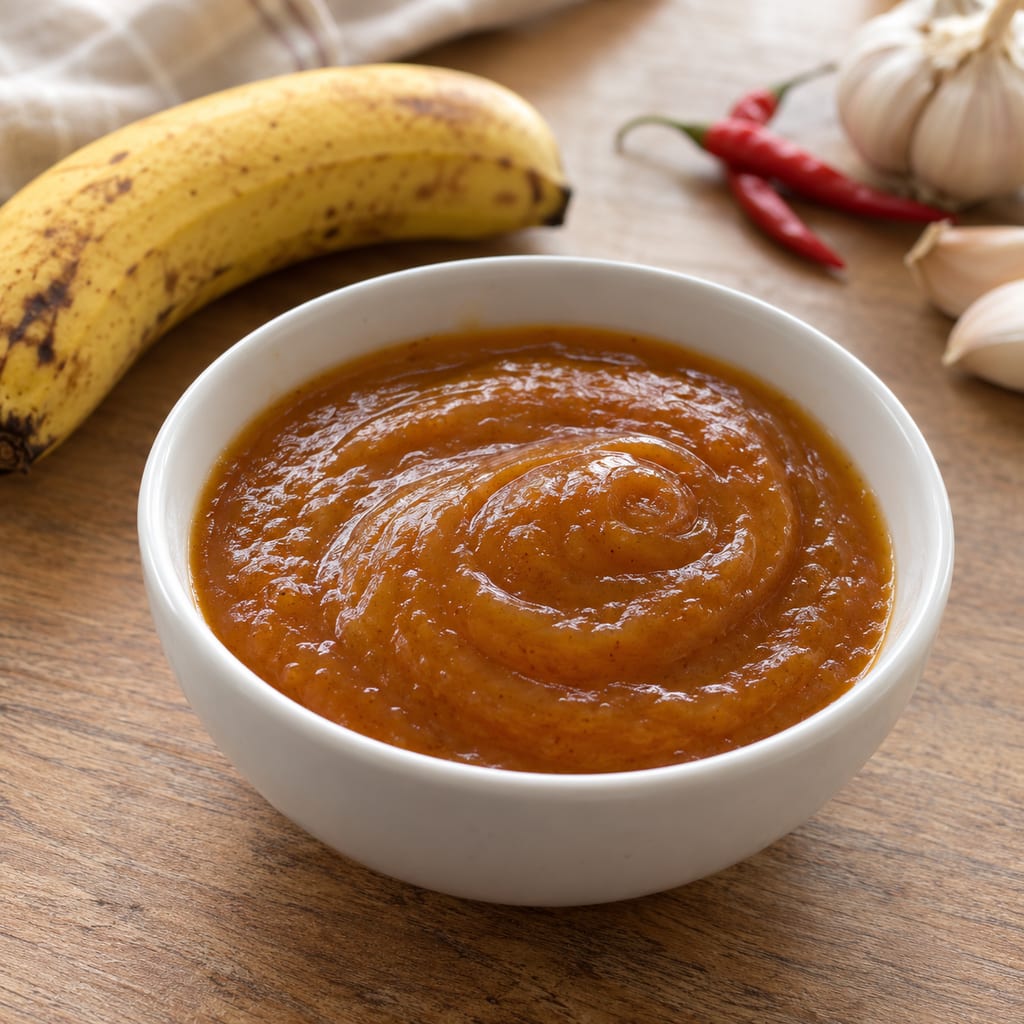
A sweet-hot table sauce of ripe banana simmered with vinegar, sugar, onion, garlic and fresh chilli, in the manner of Philippine banana ketchup. An untested development batch of about 500 g.
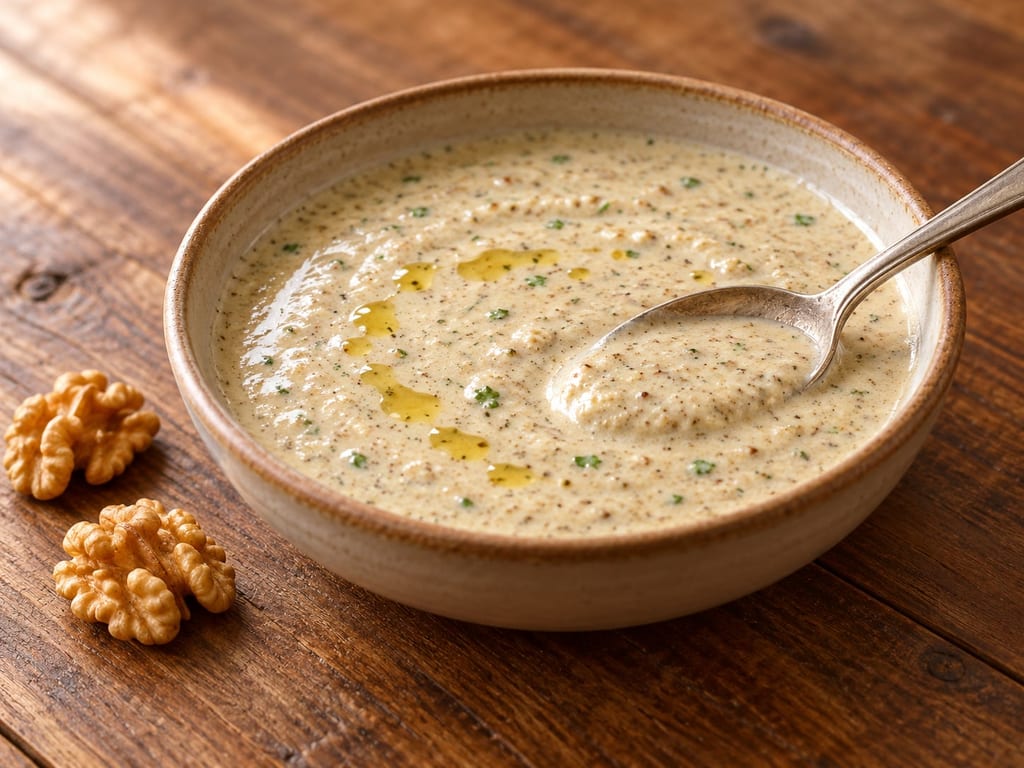
A Georgian walnut sauce of ground walnuts, garlic, vinegar and spices, thinned with water or broth. It is served with poultry, vegetables and bread, and is the sauce of the dish satsivi.
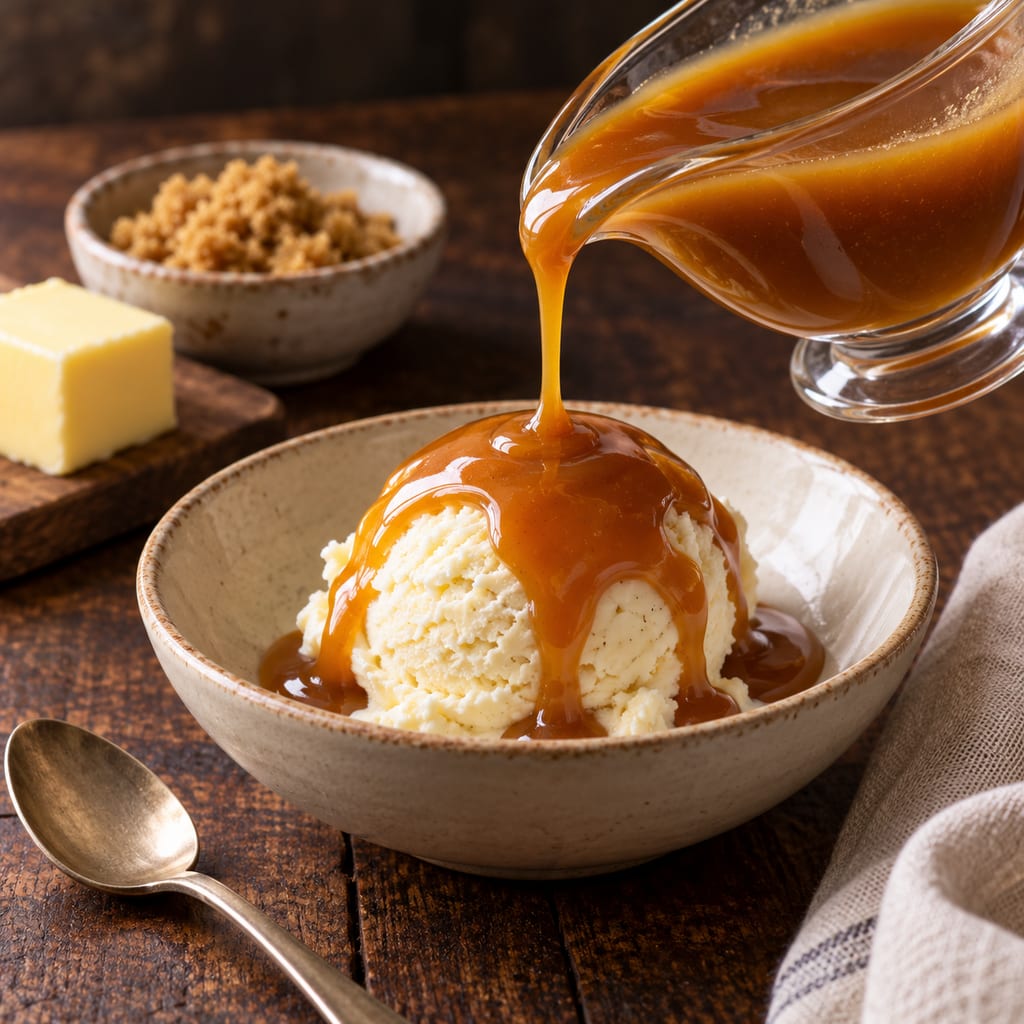
A pourable dessert sauce of brown sugar, butter and cream, with a little corn syrup and salt. It is the sauce form of the butterscotch confection and is made without water, unlike caramel.
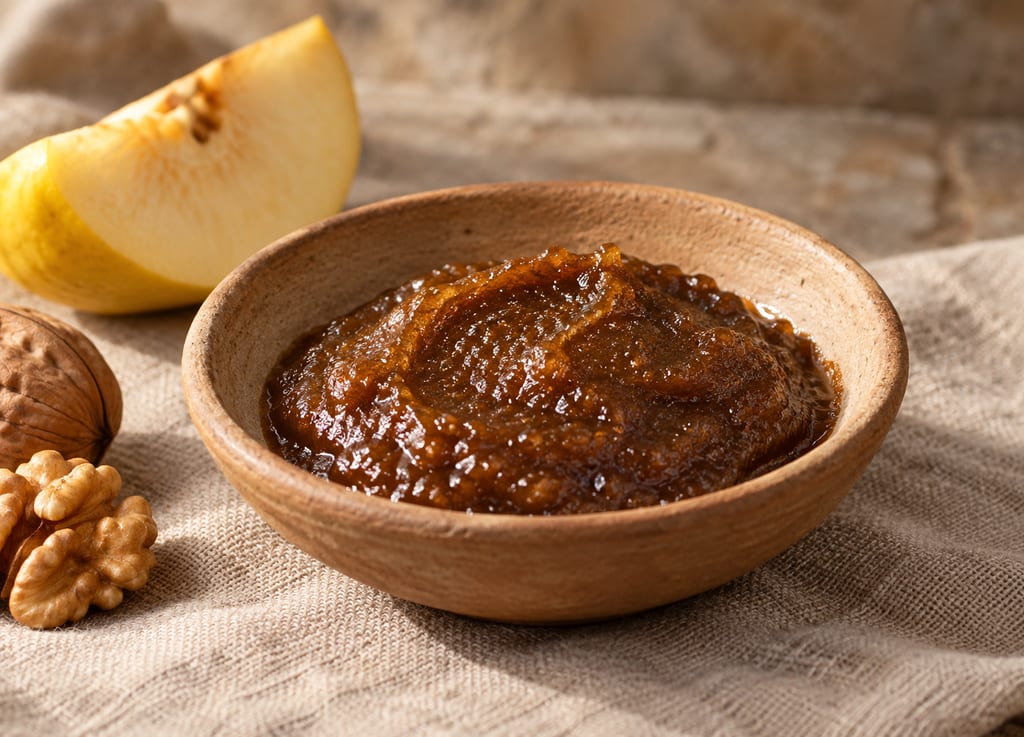
Byzantine murrī is a cooked imitation of murrī from the medieval Arabic repertoire, made from scorched honey, toasted bread, walnuts, quince, carob and spices rather than from a long grain fermentation.
No community contributions have been published for this entry yet.
Sign in to contribute. Published comments and photos are free to read.
Government of Japan, Highlighting JapanHistory · Use · Method context
Friendship and Shabu-ShabuShabu-shabu is described as a relatively recent restaurant form associated with a Kyoto adaptation in the twentieth century.
Sesame goma-dare is a dipping accompaniment and varies by restaurant.
A restaurant cook discusses daily preparation and sesame-oil aroma degradation.
Cited in: What goma-dare is; A modern hot-pot context; Sesame, paste and texture; Serving and handling
Japan Livestock Products Export Promotion CouncilUse
Shabu-shabuThinly sliced ingredients are cooked briefly in broth and eaten with sauces including sesame and ponzu.
Cited in: A modern hot-pot context
Kikkoman CorporationVariation · Method
Shabu Shabu (Japanese Hot Pot with Thinly Sliced Beef)A documented sauce variation combines white sesame paste with soy sauce, mirin and hot water, and accompanies ponzu.
Cited in: What goma-dare is; A modern hot-pot context; How the seasoning works; Related sesame preparations and variations
Just One CookbookMethod · Identity
How to Make Sesame Sauce (Goma Dare)Explains the goma-dare name and documents a sesame sauce variation using sesame, soy, vinegar and dashi.
Cited in: What goma-dare is; How the seasoning works
JETRO Taste of JapanVariation · Use
Dipping Sauce (Tsukedare)Documents a tahini-based sesame dipping sauce variation and its use with hot pot and vegetables.
Cited in: How the seasoning works; Related sesame preparations and variations
Nippon.comContext · Variations
Great Goma: Popular Japanese Dishes Made with SesameDescribes sesame grinding and a range of distinct sesame preparations including goma-ae and sesame paste products.
Cited in: Sesame, paste and texture; Related sesame preparations and variations
Ministry of Agriculture, Forestry and Fisheries, JapanVariation
ほうれん草のごま和え (Spinach goma-ae)Documents spinach coated with seasoned sesame as goma-ae, a separate vegetable preparation.
Cited in: Related sesame preparations and variations
Journal of Home Economics of JapanIngredient context
Influences of Roasting Conditions on Qualities of Roasted Sesame SeedsReports sensory preferences for nutty sesame-like aroma over burnt aroma in roasted sesame.
Cited in: Sesame, paste and texture
U.S. Food and Drug AdministrationSafety
Have Food Allergies? Read the LabelFDA identifies sesame and soy among major food allergens and recommends reading packaged-food labels.
Cited in: Serving and handling