














































High risk
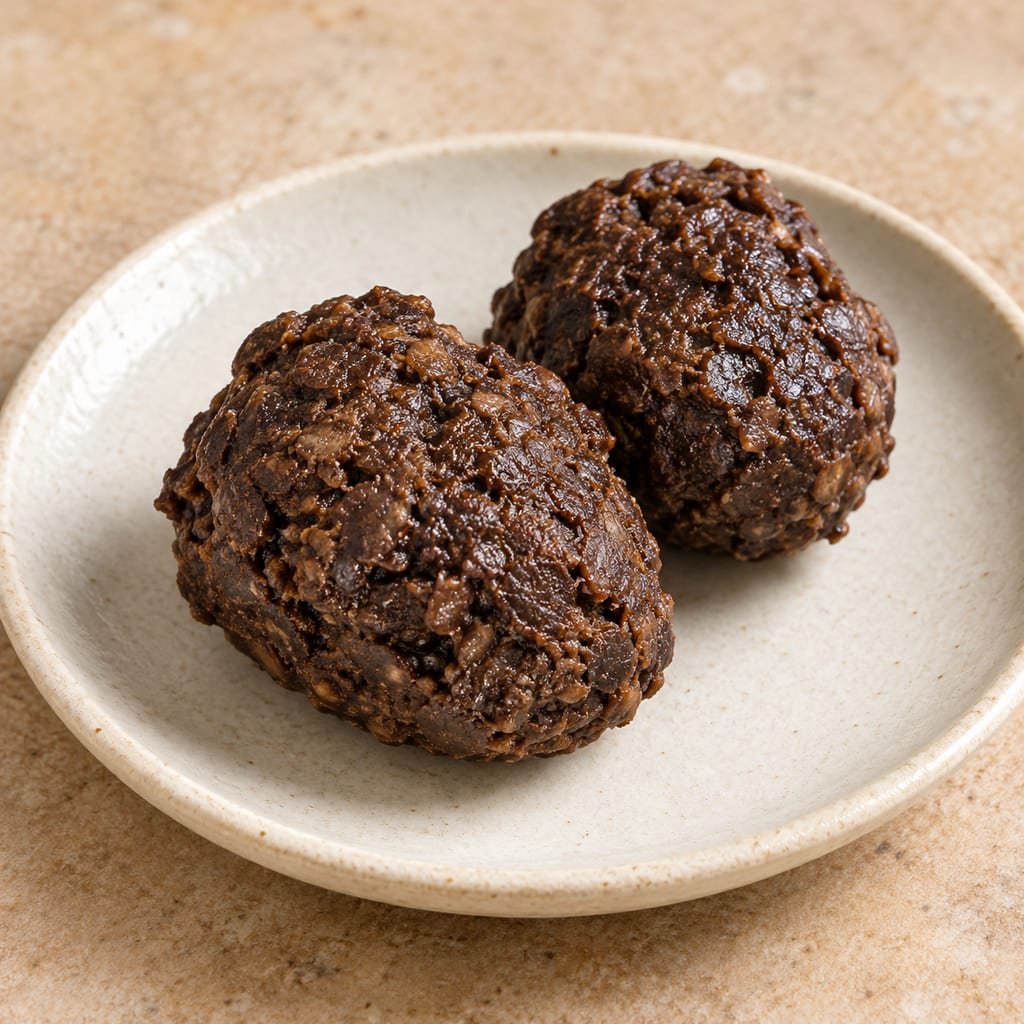
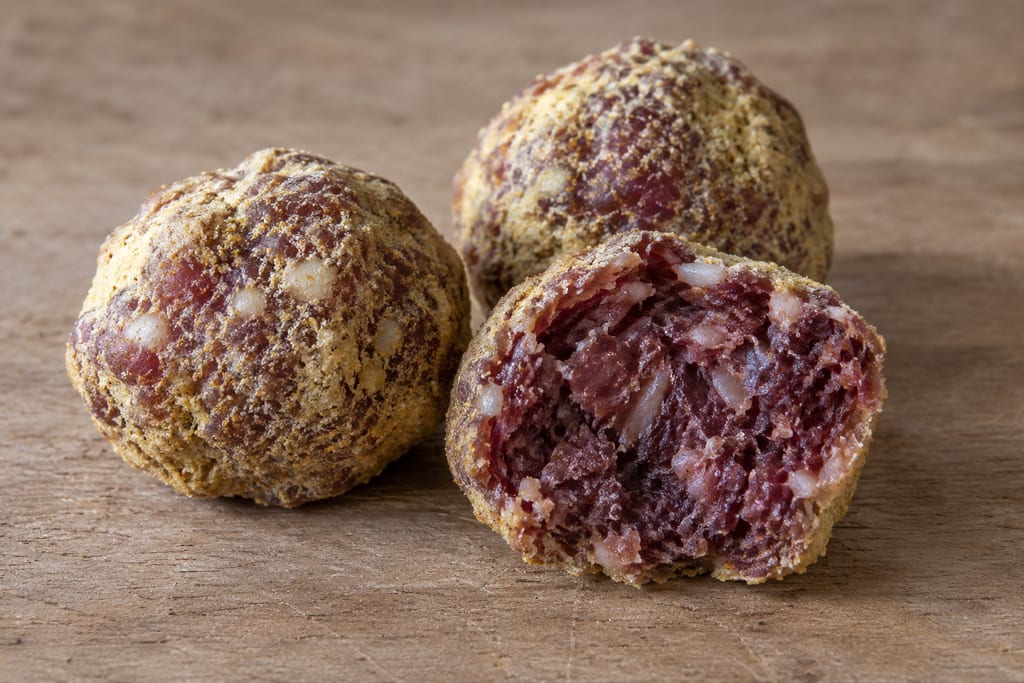
Pitina-inspired pork and lamb meatballs
Small maize-coated meatballs in a modern pork-and-lamb variant associated with Pitina; this is a documentary account, not a validated method or a claim of Pitina IGP.
 FermenteaWhere food goes to change
1504 records with their sources, across 11 categories.
 Fermented, enzyme-ripened and mixed seasonings328
 Fruit preserves10
 Legume, seed and plant-protein ferments10
 Garum and fish sauces8
 Adjacent and excluded7
 Koji, mold starters and mold-ripened ferments4
 Acid and oil pickles3
 Fermented fruit and fruit-derived foods3
 Vegetable lactic3
 Dairy ferments2
 Smoked salted and dried foods2
 Cheese1
 Not yet classified1
Small maize-coated meatballs in a modern pork-and-lamb variant associated with Pitina; this is a documentary account, not a validated method or a claim of Pitina IGP.
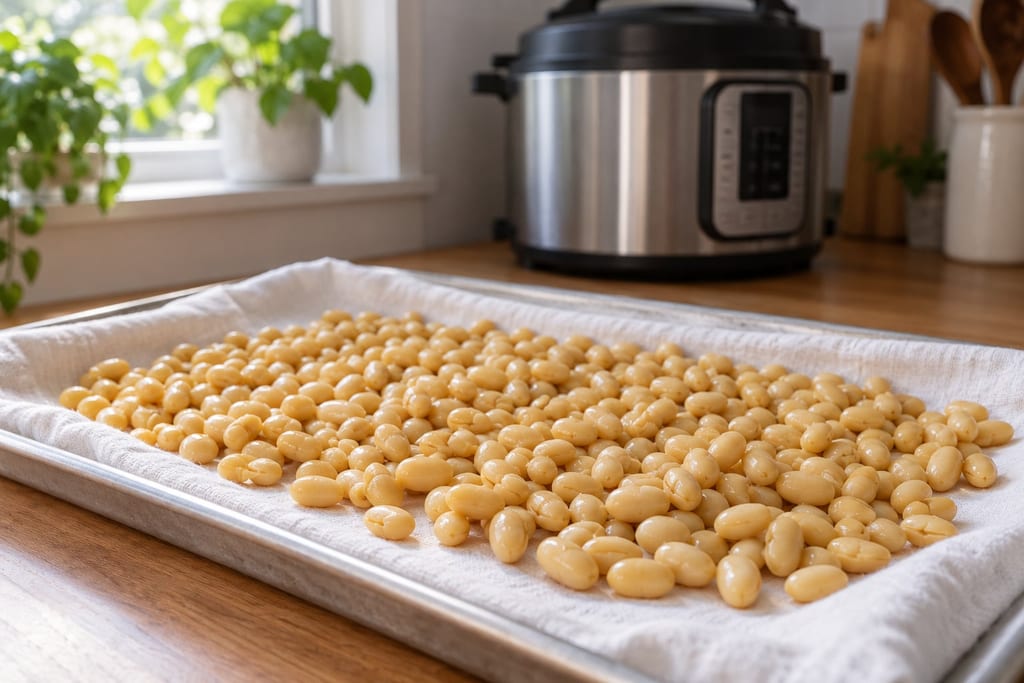
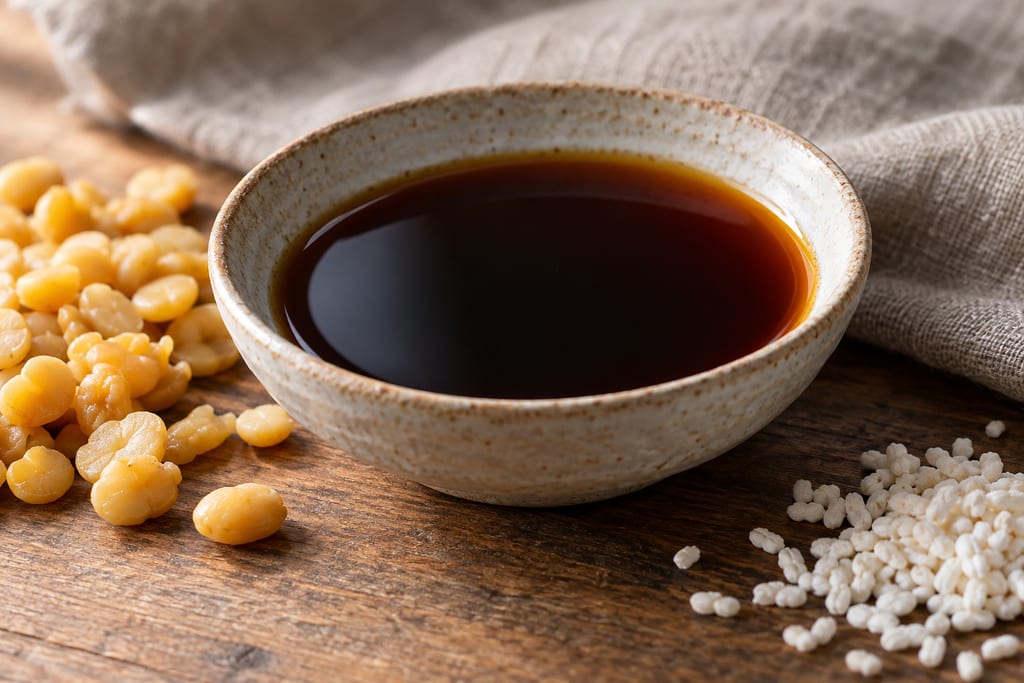
Soaked soybeans softened under pressure in a multicooker instead of simmered for an hour or more, then drained, dried and cooled quickly before inoculation.
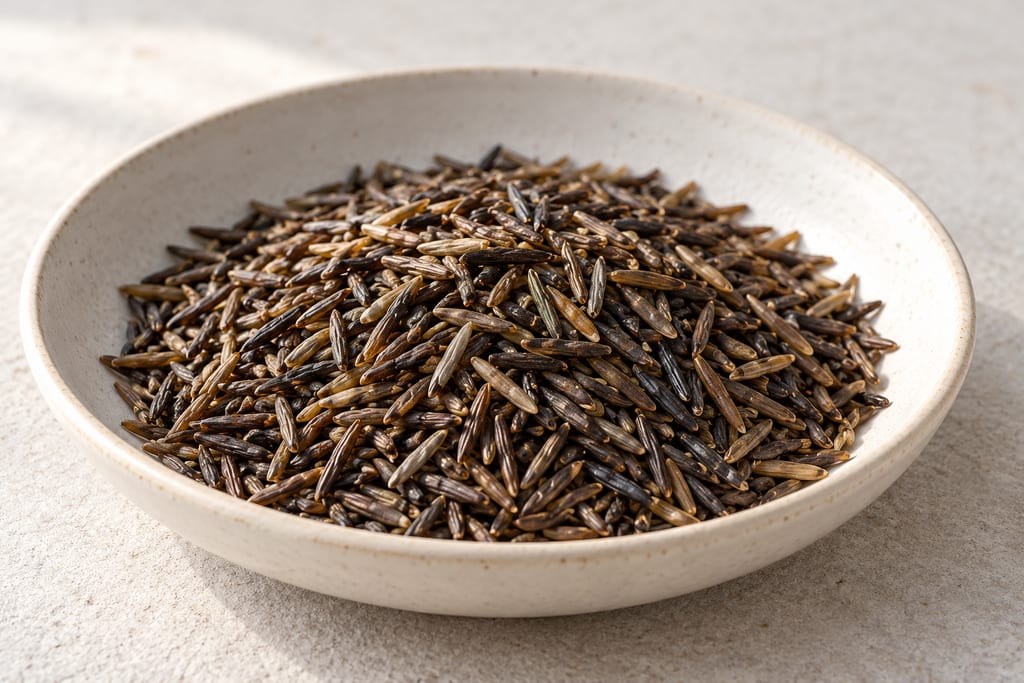
Harvested wild rice dried, parched over heat and hulled, a step that keeps the grain for storage in Ojibwe food systems and does more than cook it.

A cultural account of luk niang dong, a Thai djenkol-bean pickle associated with southern Thailand. Not a recipe or eating recommendation: sources do not establish that pickling controls djenkolism.
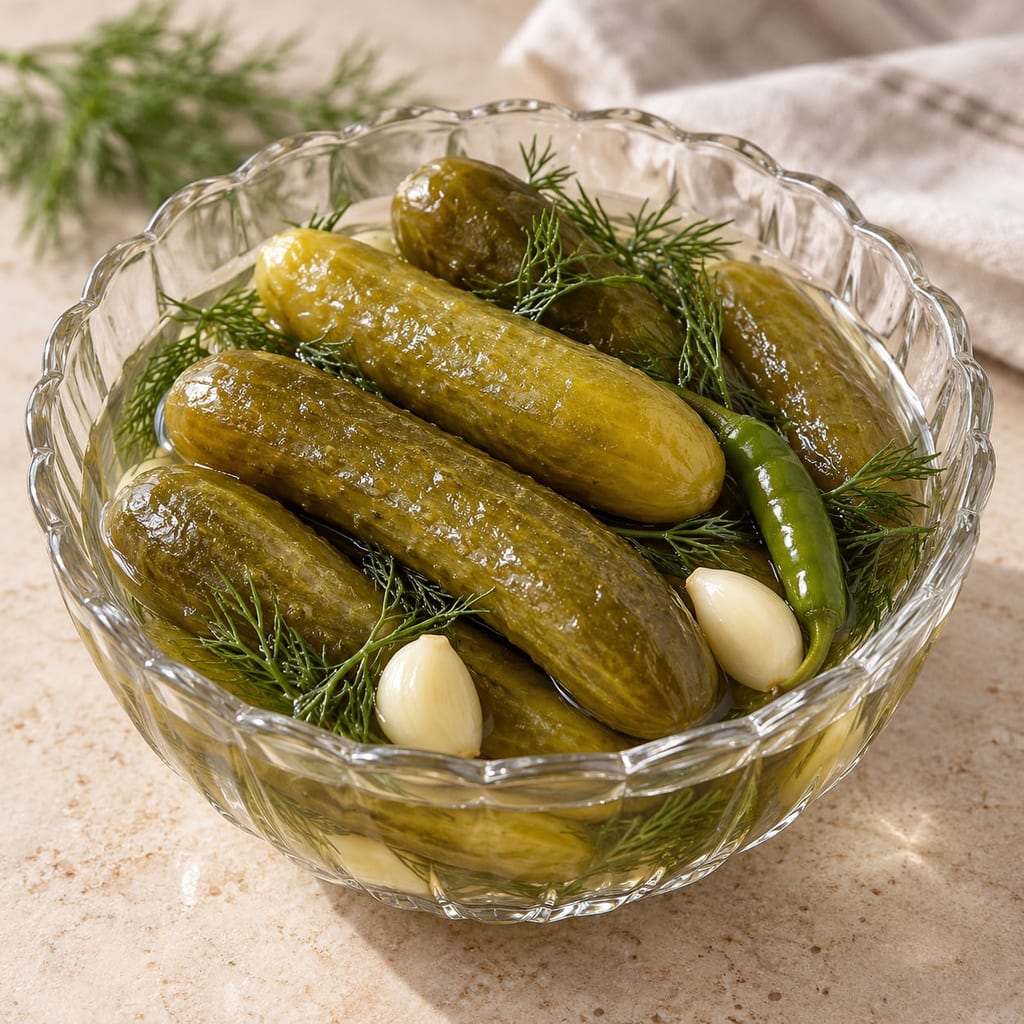
Khiyār shūr is an Iranian cucumber pickle made in several ways; one household account in salt water is set out here, while vinegar recipes and acidified laboratory brines are kept separate.

A firm, pressed halloumi-style cheese made here from raw cow milk. Raw milk can carry harmful germs; this documented method is not validated for home production.
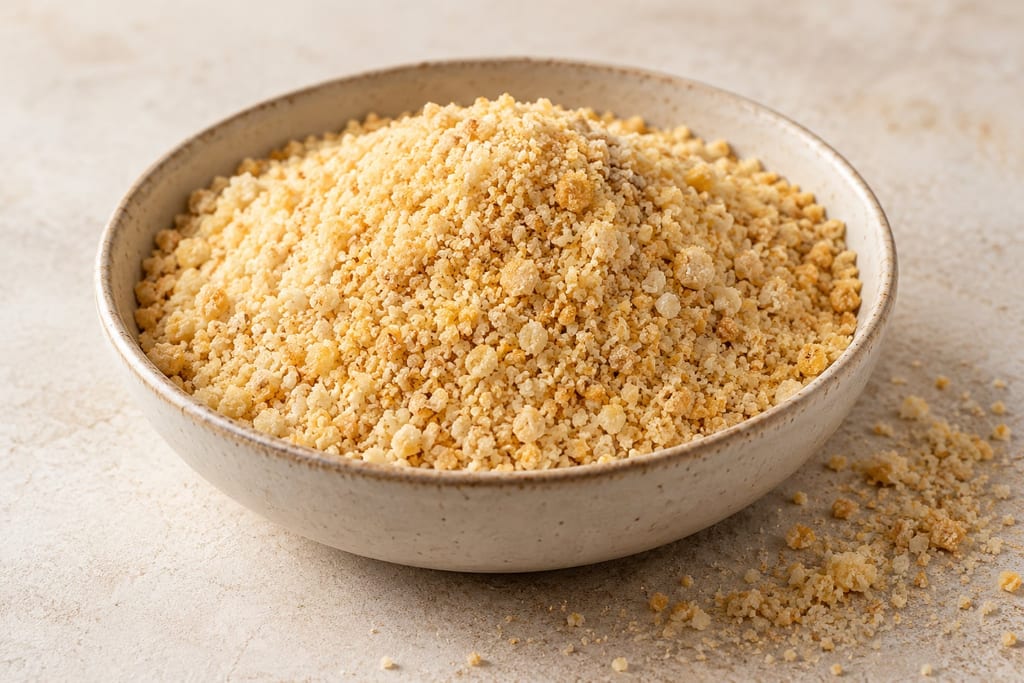
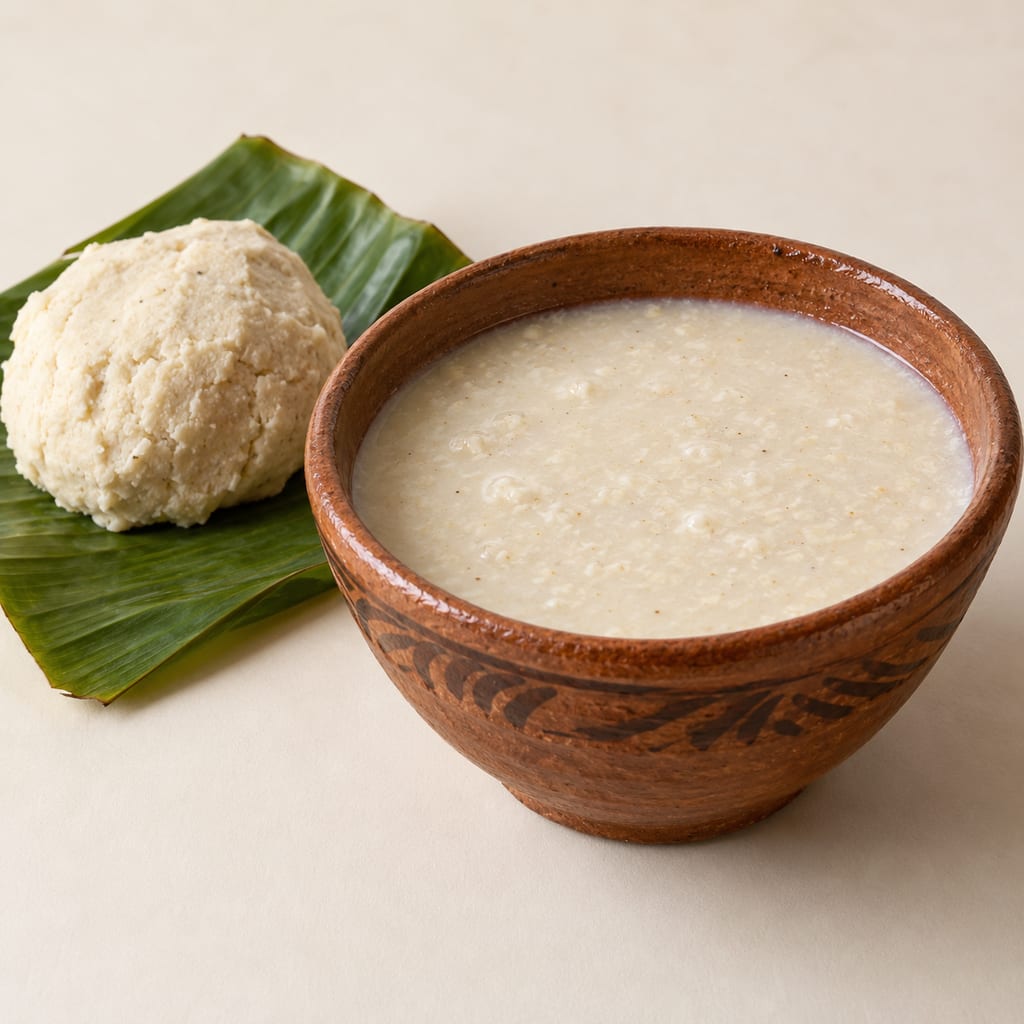
Farinha is a coarse, durable cassava meal made by grating, pressing, sifting and roasting or drying cassava. Processing is used to reduce cyanogenic compounds, but this account is not a validated detoxification procedure.
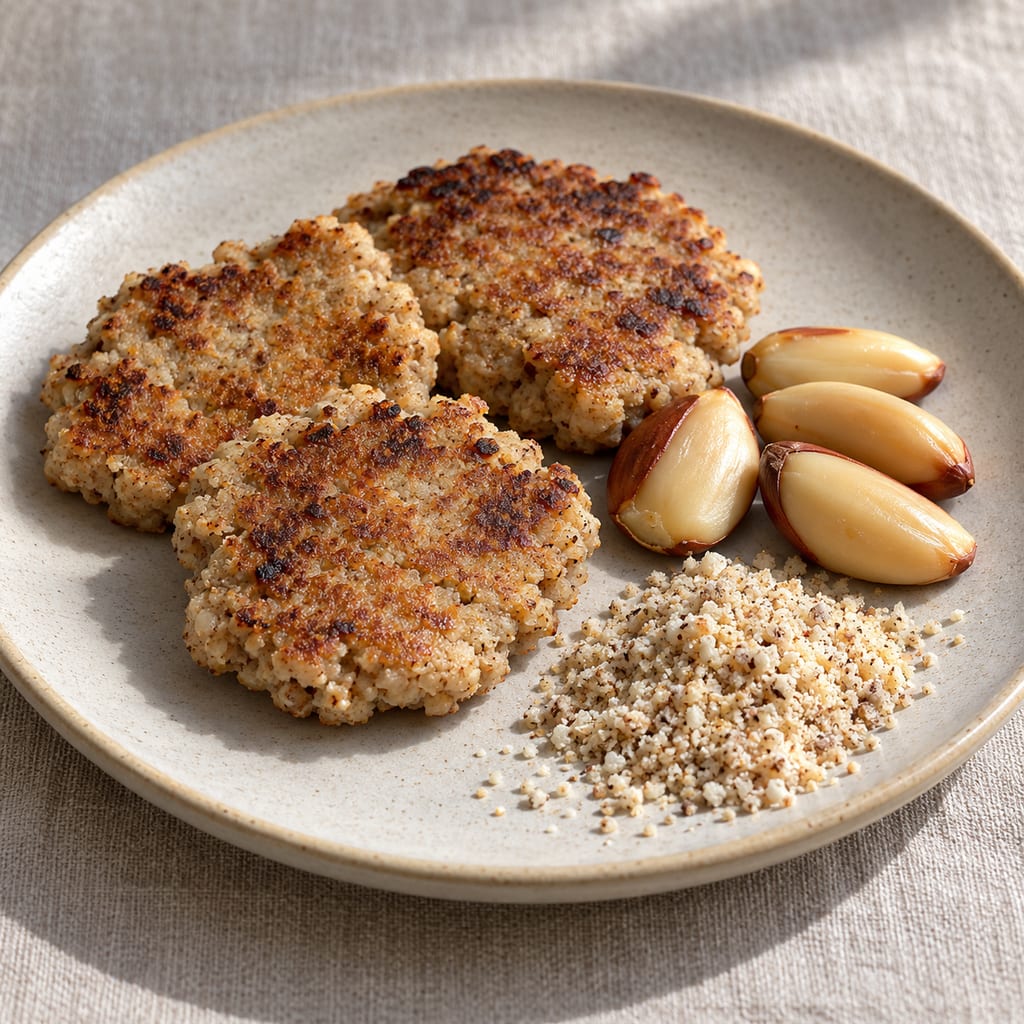
Bunya nuts were cooked and kept in wet ground or water by peoples of south-eastern Queensland, and were also roasted, ground and pressed into cakes that could be cooked again and stored for later use.

Shaped dough dried thoroughly into a portable staple that keeps far longer than fresh dough, in Mediterranean and Asian food systems.
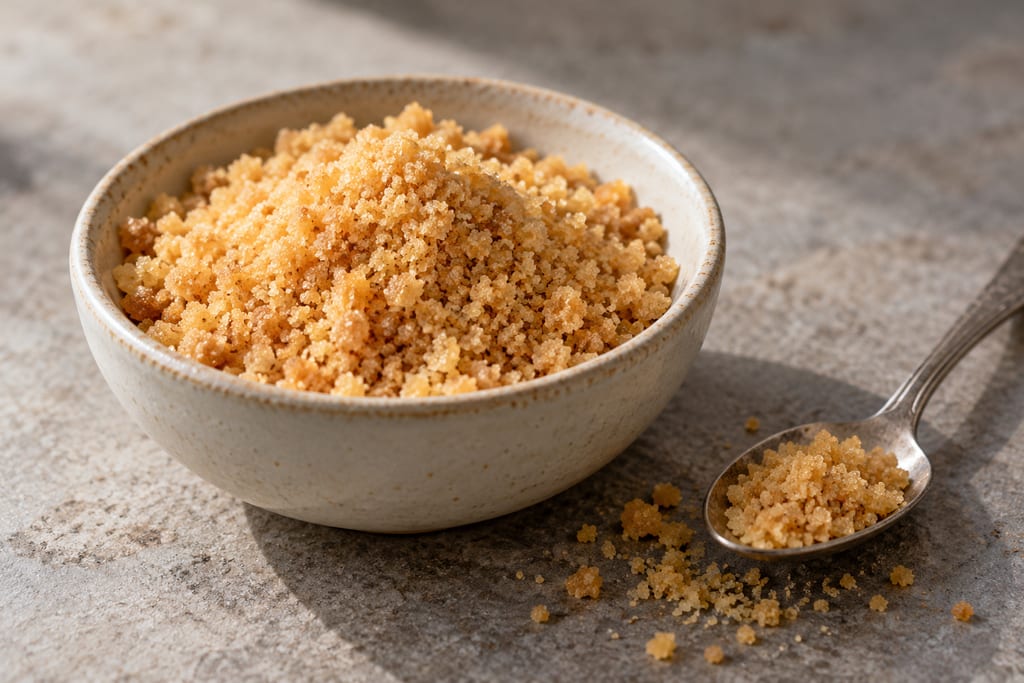
Maple sugar is sap from maple trees boiled down until it granulates. Great Lakes Indigenous makers stored the concentrated sugar for later use and for exchange.
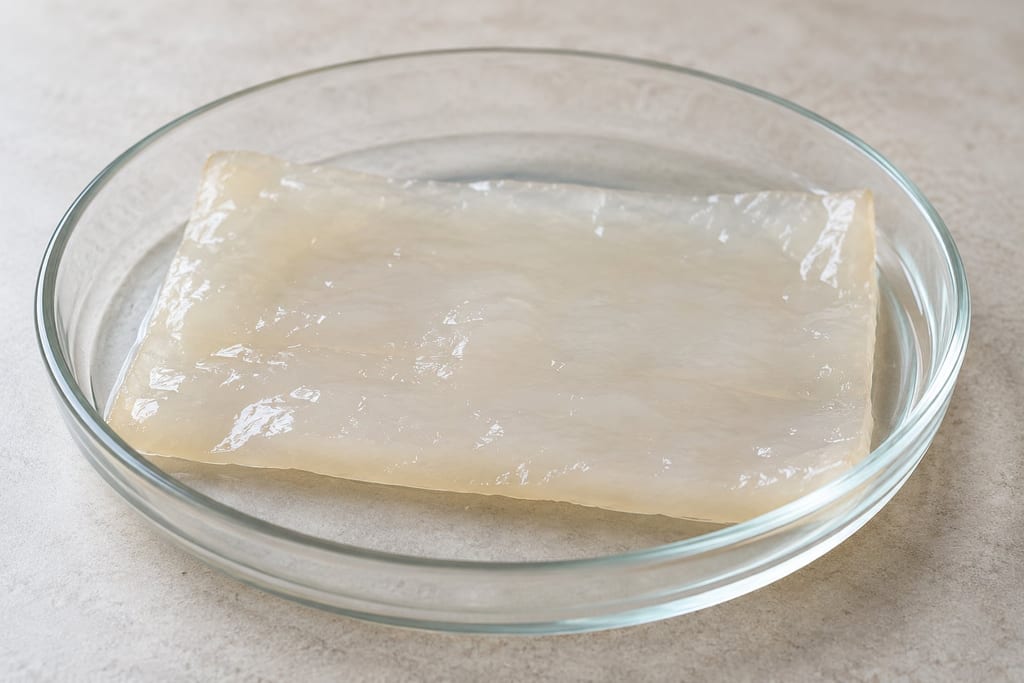
Nata de piña is a translucent cellulose gel grown from a pineapple-peel liquid instead of coconut water. A bacterial starter is added to the cooled peel extract and the pellicle forms over 14 to 28 days in a laboratory study.
A mayonnaise sauce with chopped gherkins or capers, herbs and lemon, served with fried and grilled fish. It was named in nineteenth-century France alongside steak tartare.
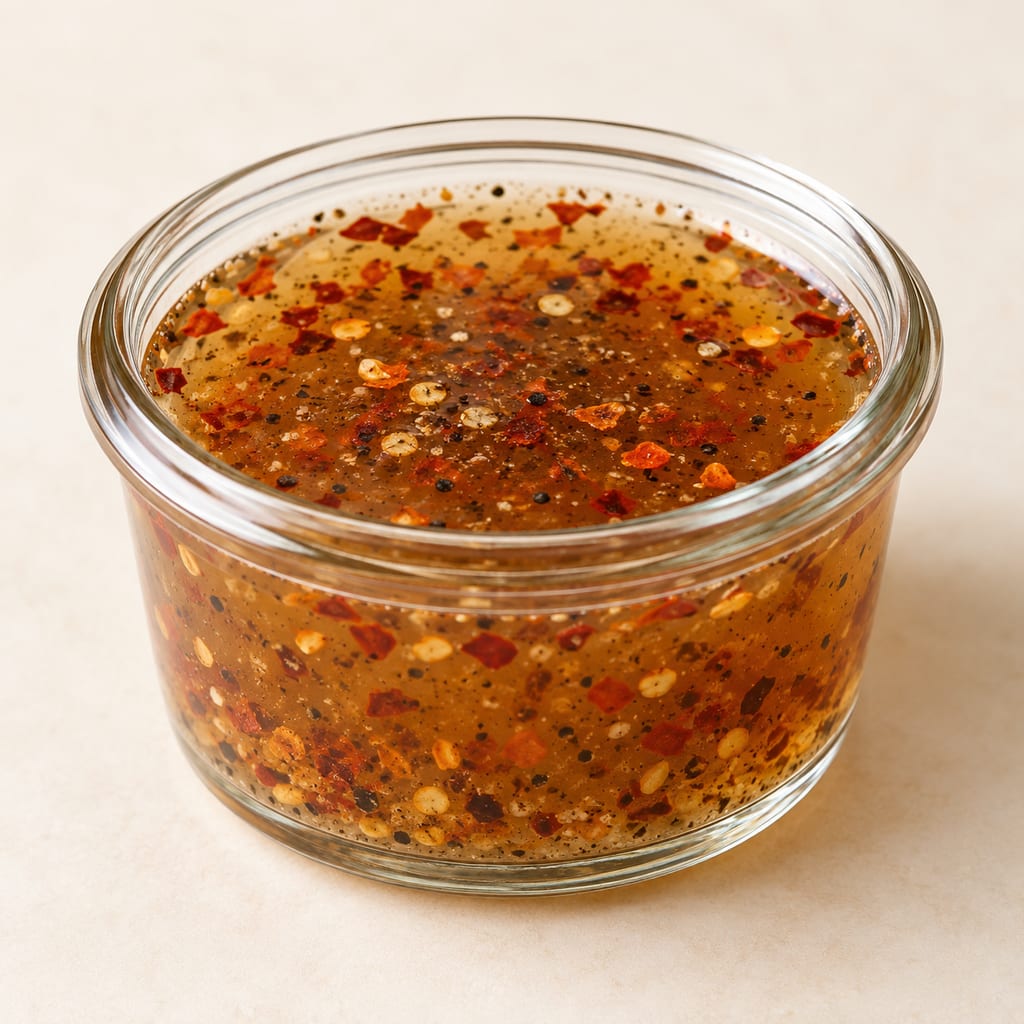
A thin eastern North Carolina sauce of distilled vinegar, pepper flakes, black pepper and salt, mixed cold and used to season chopped or pulled pork.