

















































Awaji moshio
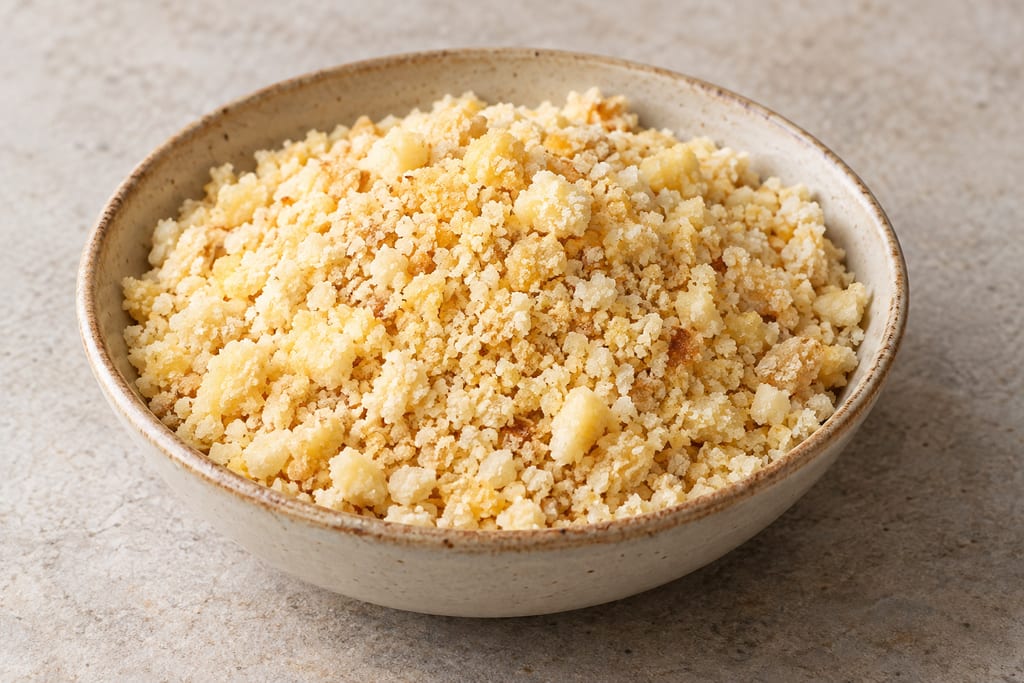
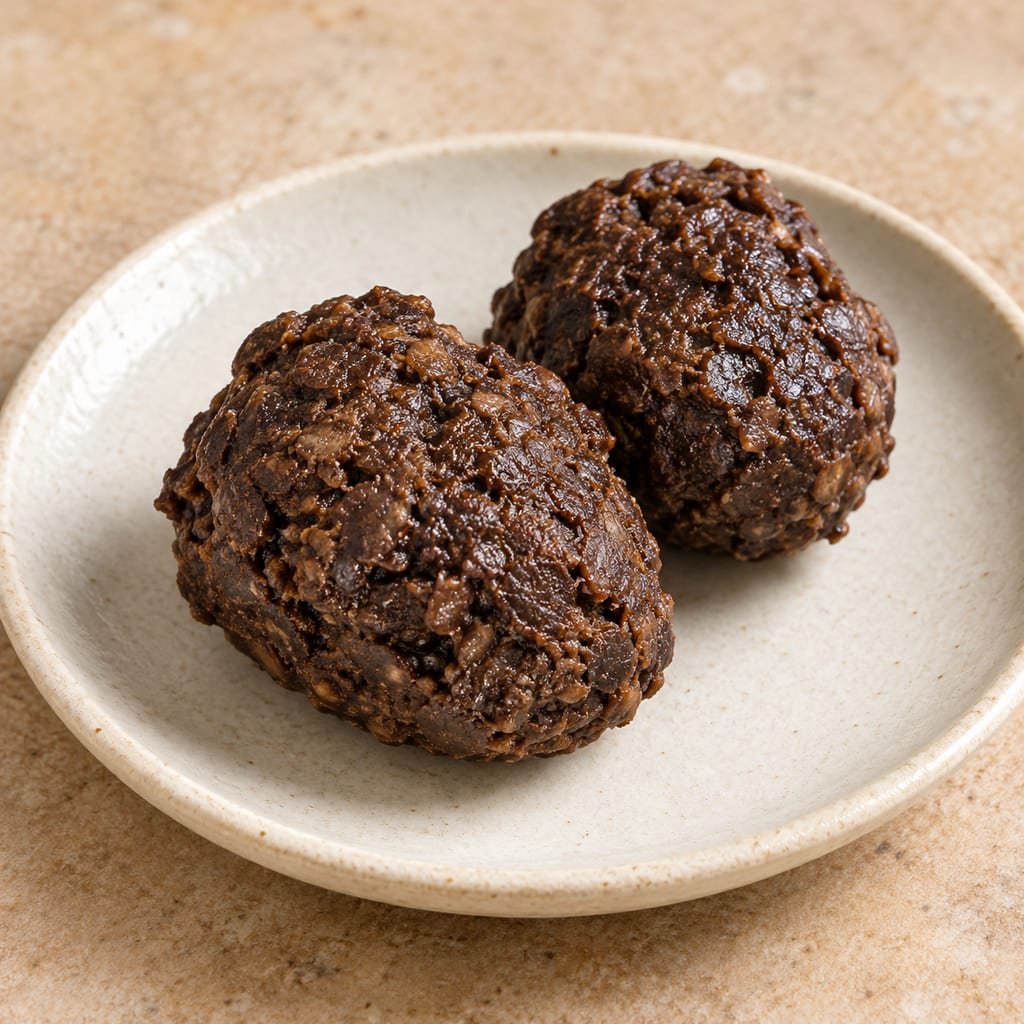
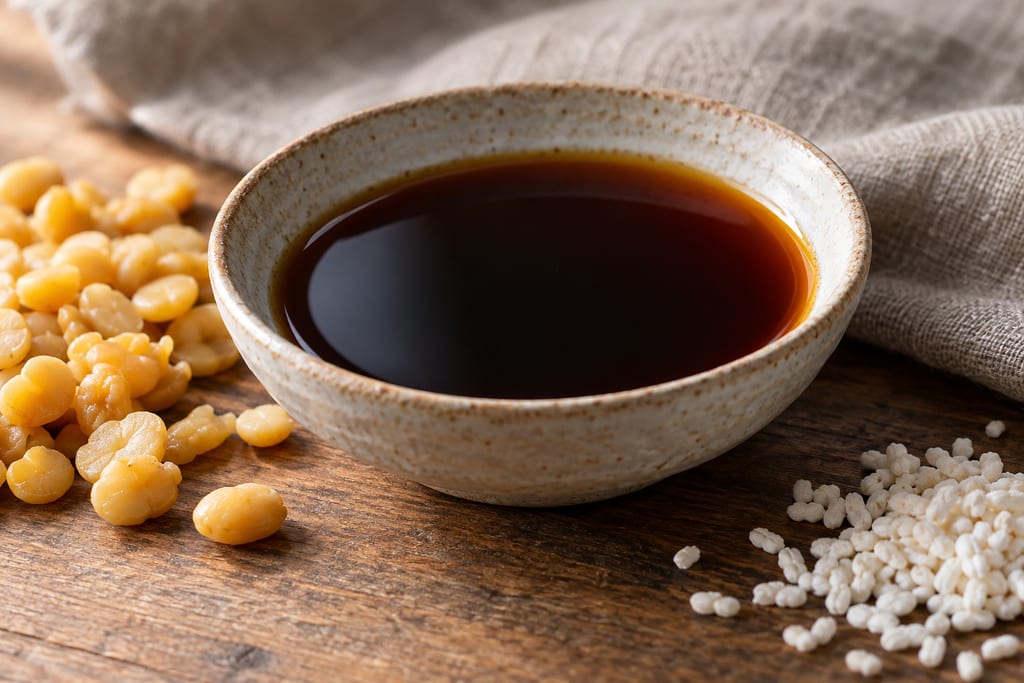
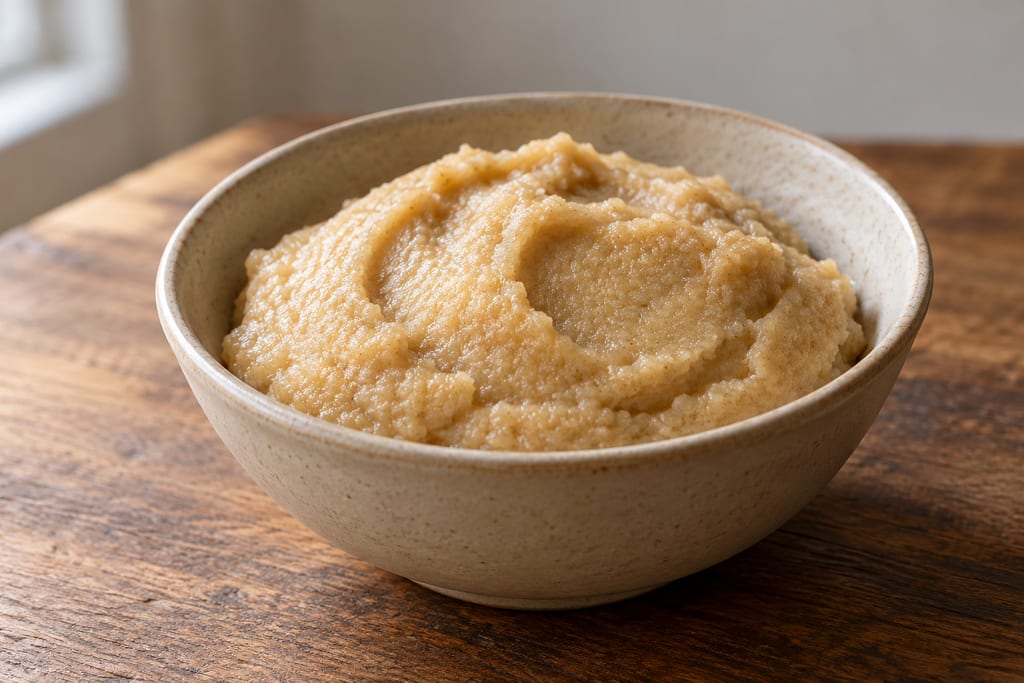
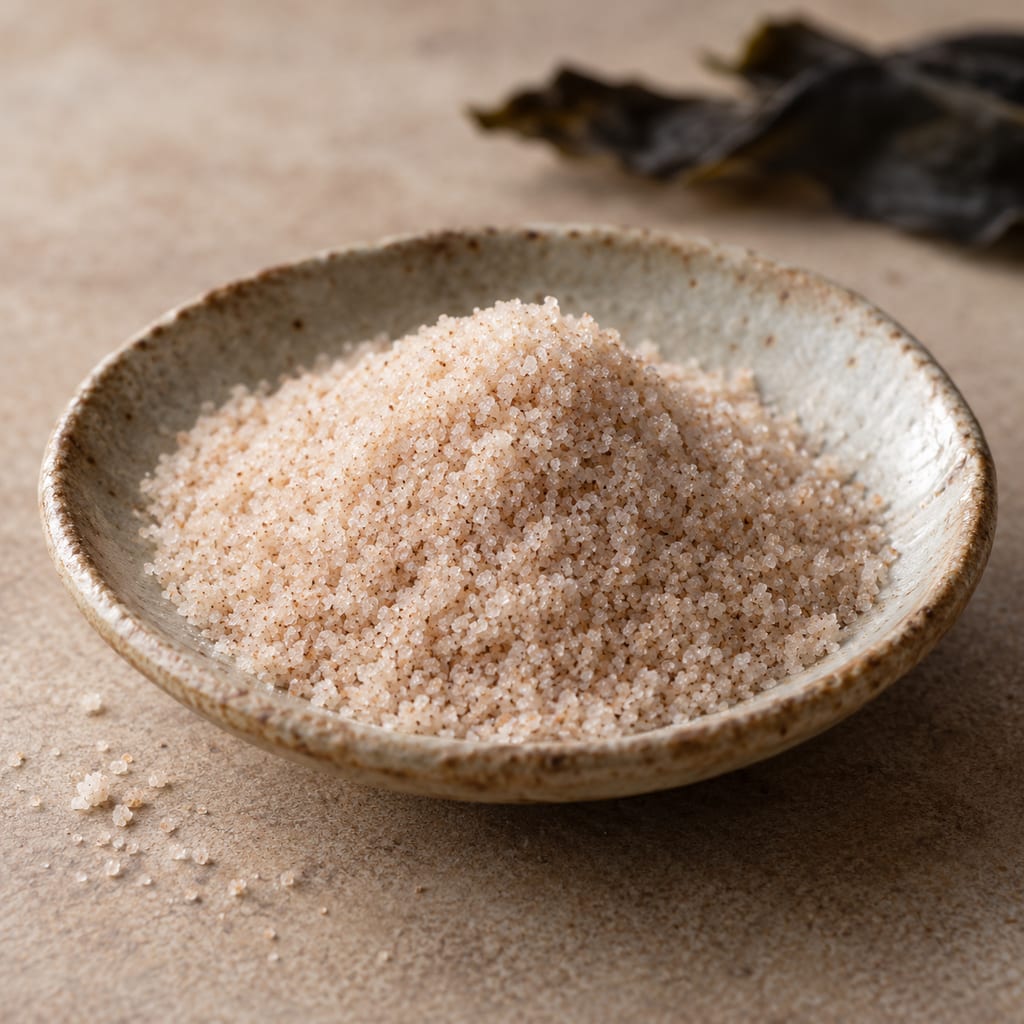
Awaji moshio is a modern Japanese seaweed salt made by TaDa PHILOSOPHY from Awaji Island seawater and seaweed. Its premium process concentrates brine, extracts seaweed flavor, then crystallizes, separates, dries and grades the salt.
 FermenteaWhere food goes to change
1504 records with their sources, across 11 categories.
 Fermented, enzyme-ripened and mixed seasonings328
 Fruit preserves10
 Legume, seed and plant-protein ferments10
 Garum and fish sauces8
 Adjacent and excluded7
 Koji, mold starters and mold-ripened ferments4
 Acid and oil pickles3
 Fermented fruit and fruit-derived foods3
 Vegetable lactic3
 Dairy ferments2
 Smoked salted and dried foods2
 Cheese1
 Not yet classified1Fermented, enzyme-ripened and mixed seasonings328Fruit preserves10Legume, seed and plant-protein ferments10Garum and fish sauces8Adjacent and excluded7Koji, mold starters and mold-ripened ferments4Acid and oil pickles3Fermented fruit and fruit-derived foods3Vegetable lactic3Dairy ferments2Smoked salted and dried foods2Cheese1Not yet classified1
Awaji moshio is a modern Japanese seaweed salt made by TaDa PHILOSOPHY from Awaji Island seawater and seaweed. Its premium process concentrates brine, extracts seaweed flavor, then crystallizes, separates, dries and grades the salt.
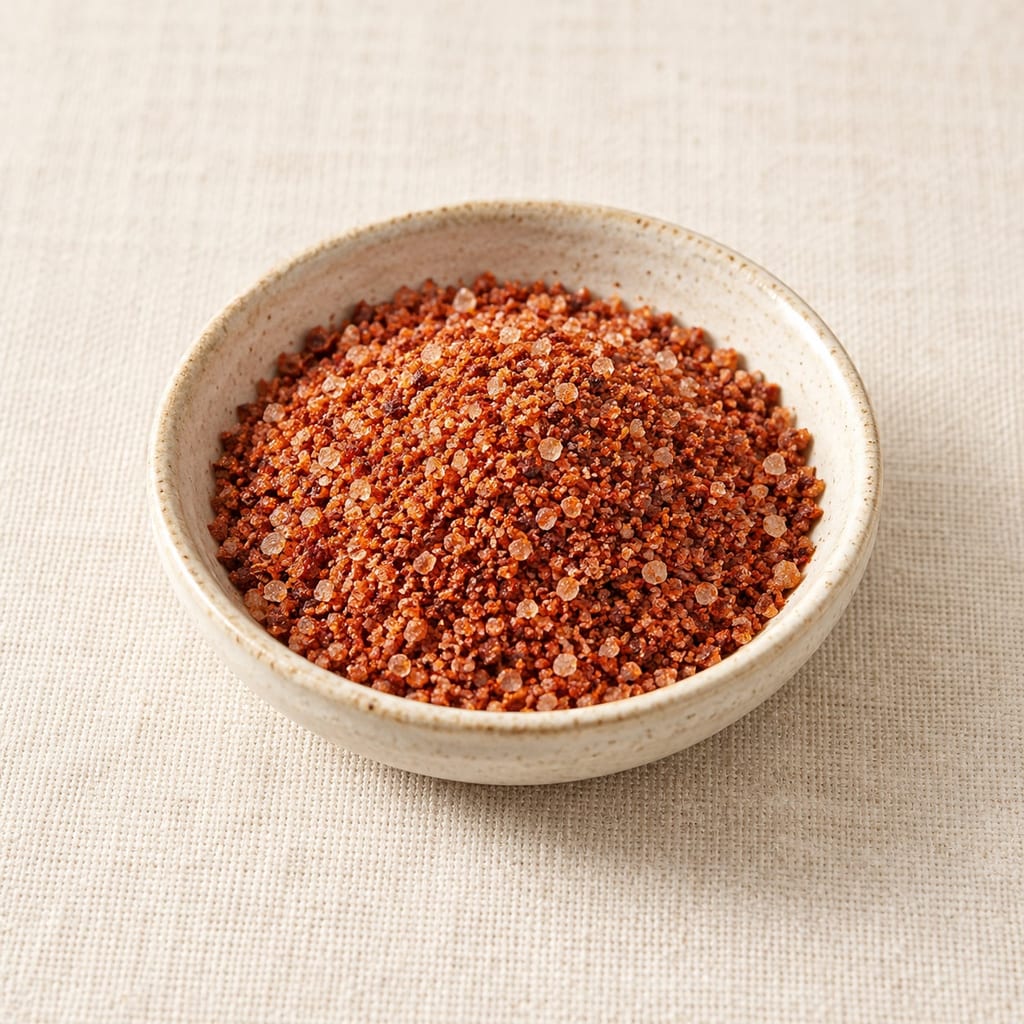
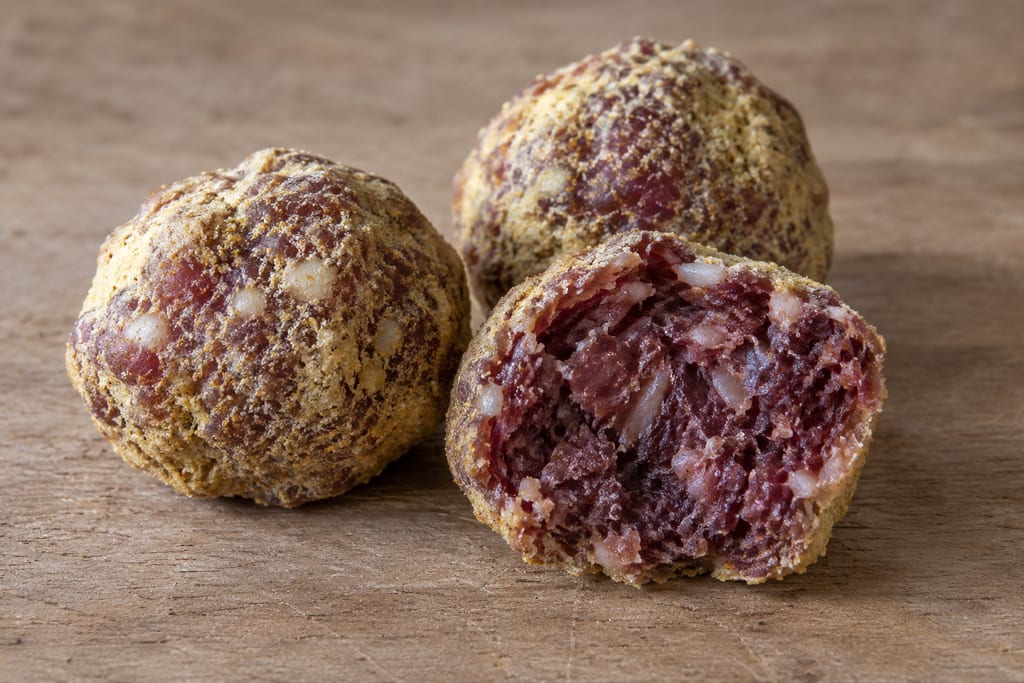
A dry Mexican seasoning of maguey worm, salt and chile, most closely associated in published accounts with Oaxaca and commonly served with mezcal, citrus and fruit.
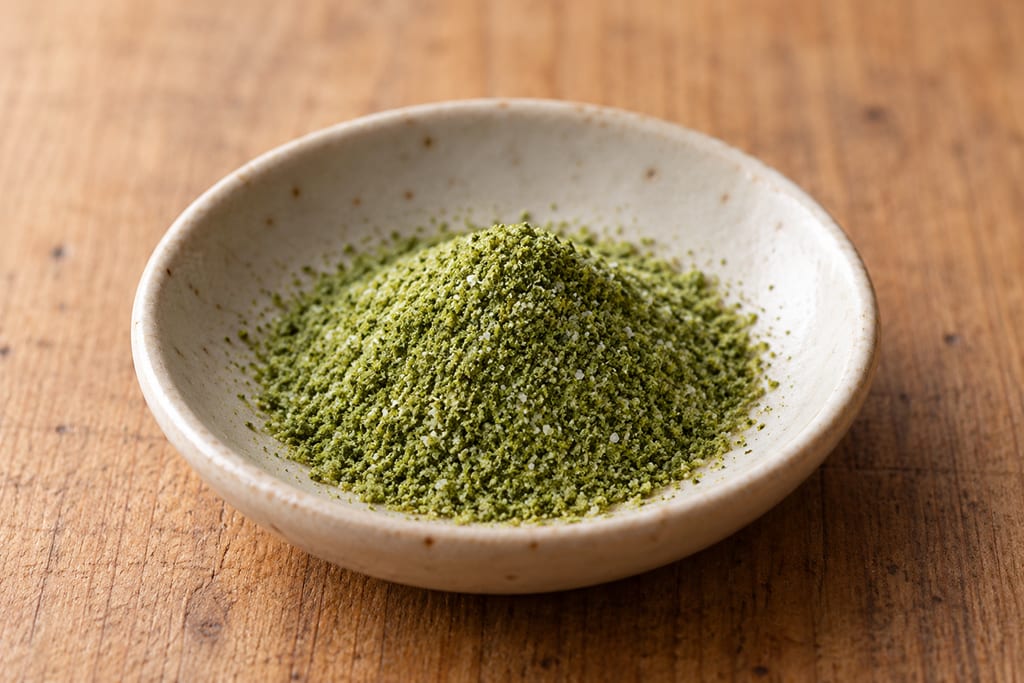
Green tea leaf salt is a dry seasoning made by grinding tea leaves, sieving them and mixing the powder with fine salt. This Japanese-style version follows a documented equal-parts method.
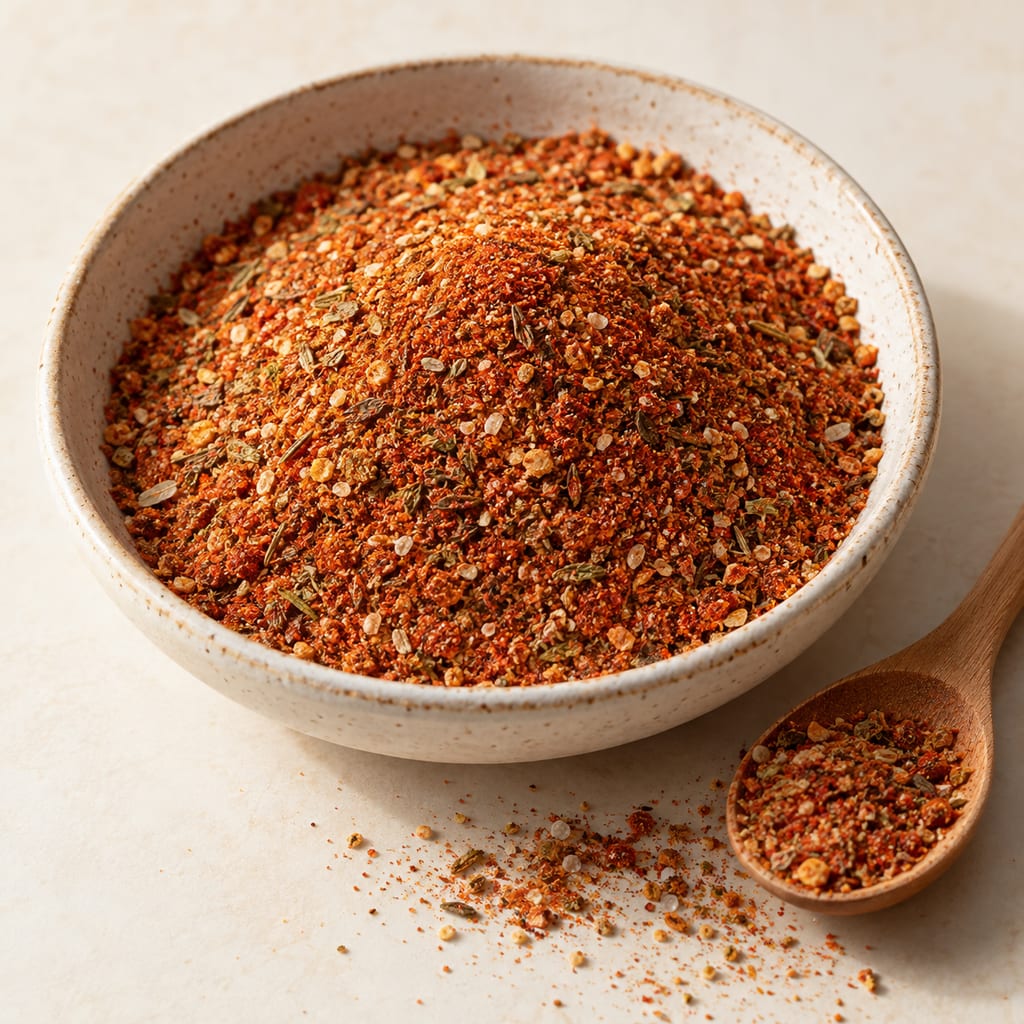
Bulgarian dry seasoning of salt, paprika, dried herbs and spices, with household and regional variations.
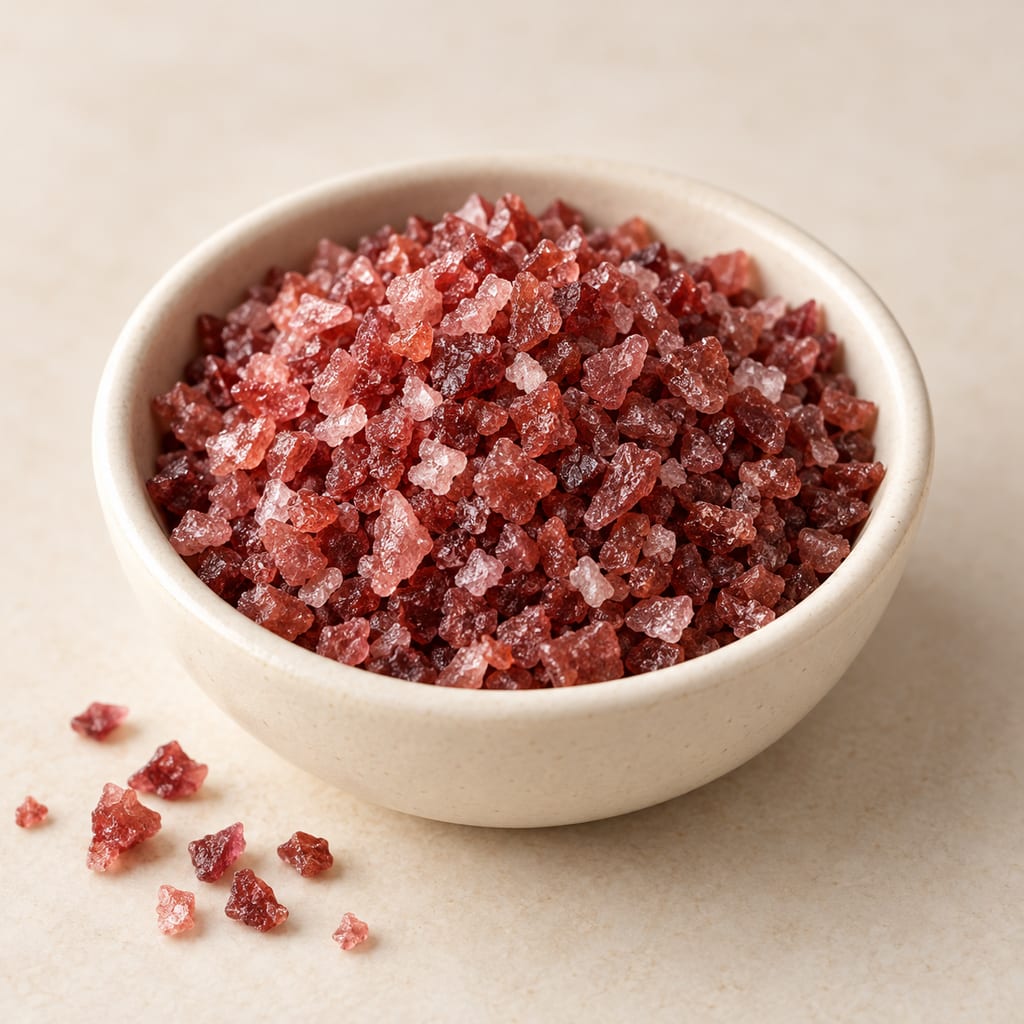
Wine-infused salt is coarse food salt carrying wine colour and aroma after a wine-and-salt mixture is reduced and dried. This version follows a Missouri Wines method at a one-to-three salt-to-wine ratio.
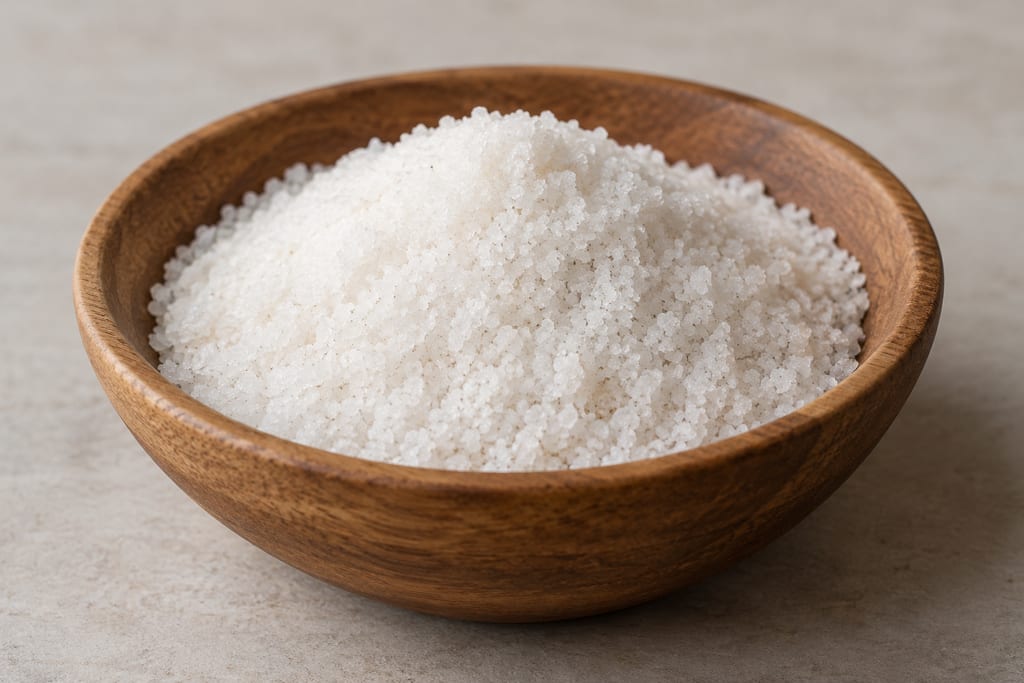
Asin sa buy-o is a fine sea salt made in Panayunan, Botolan, and packed in a woven nipa pouch called a buy-o. Salt-bearing coastal earth is leached with seawater, and the brine is boiled to crystals.
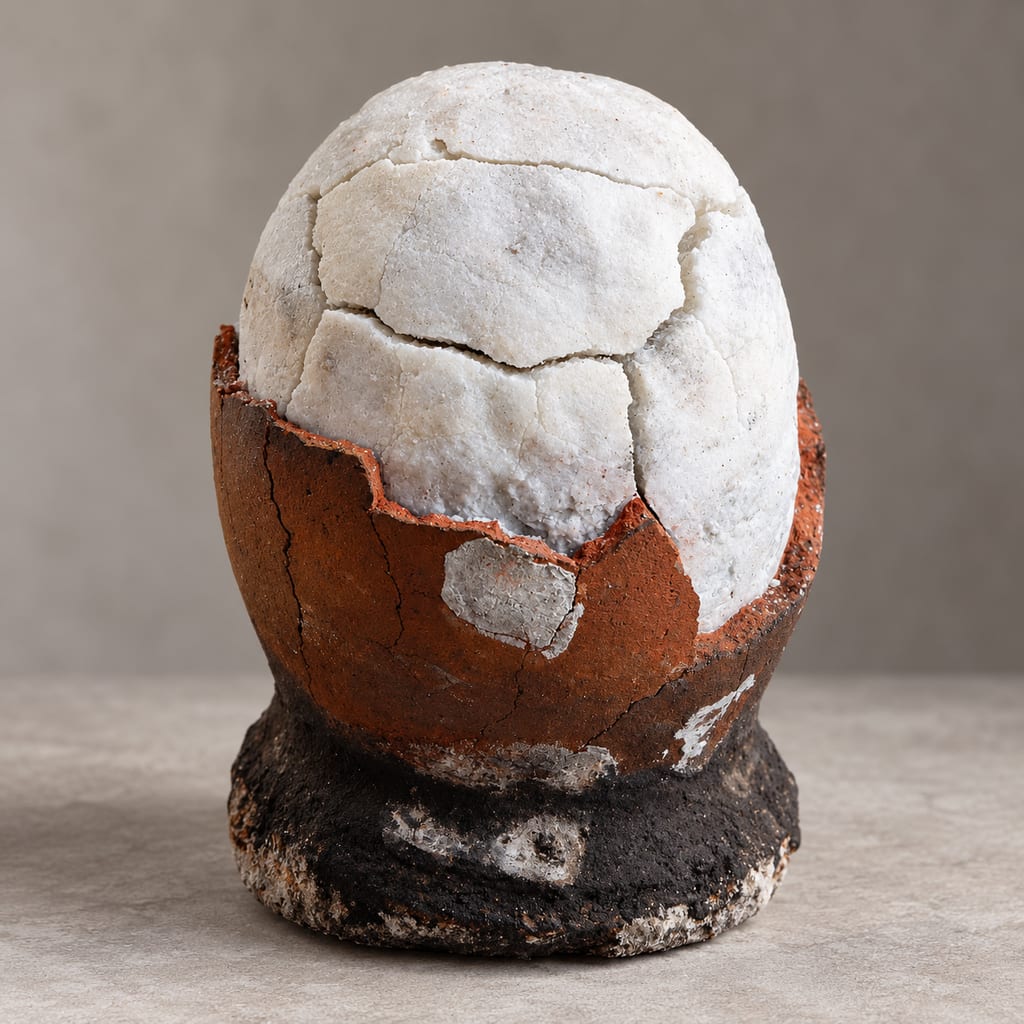
Asin tibuok is a Boholano salt-making craft that turns seawater-soaked coconut husks into a salt-rich ash, brine and formed sea salt in specialized clay pots. This record follows one published account of the community process; it is not a validated household formula.
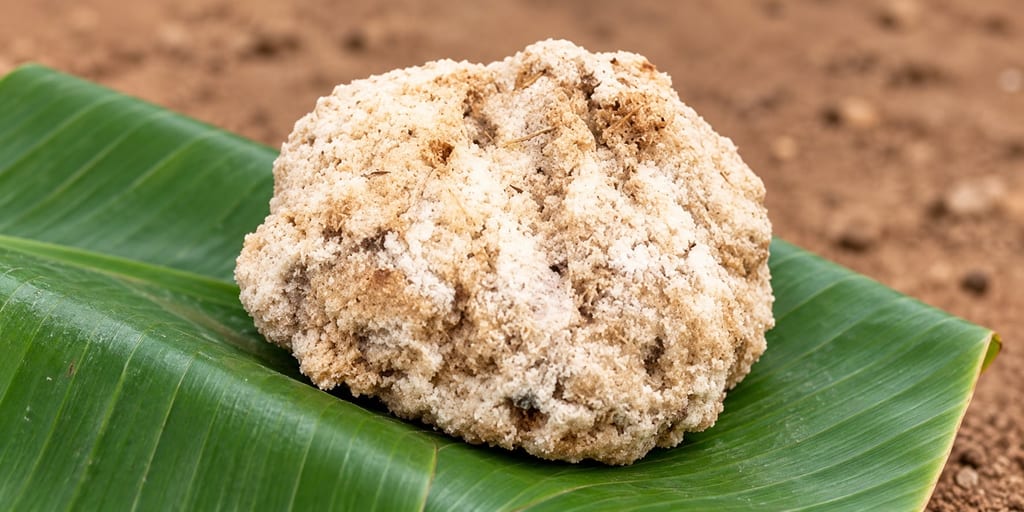
Nzoia River reed salt is a Bukusu seasoning made by leaching and evaporating the ash of mature muchua reeds. Its sources document a local method, but provide neither a measured formula nor verified mineral composition.

Adygean salt is a seasoned table salt associated with Adygea and the wider North Caucasian culinary tradition. Salt is blended with garlic and a variable selection of herbs and spices; the exact mix depends on the named style and maker.
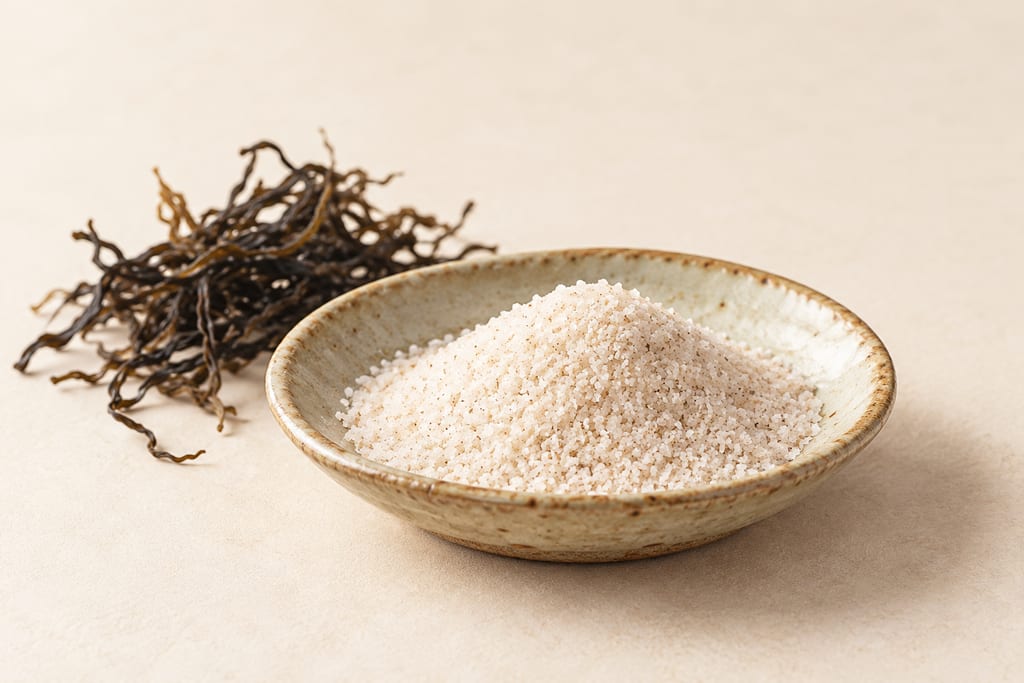
Amabito no Moshio is a modern, pale beige Japanese seaweed salt made from Seto Inland Sea water and hondawara seaweed. Its documented factory method concentrates filtered brine in kettles, then separates and dries the salt.