









































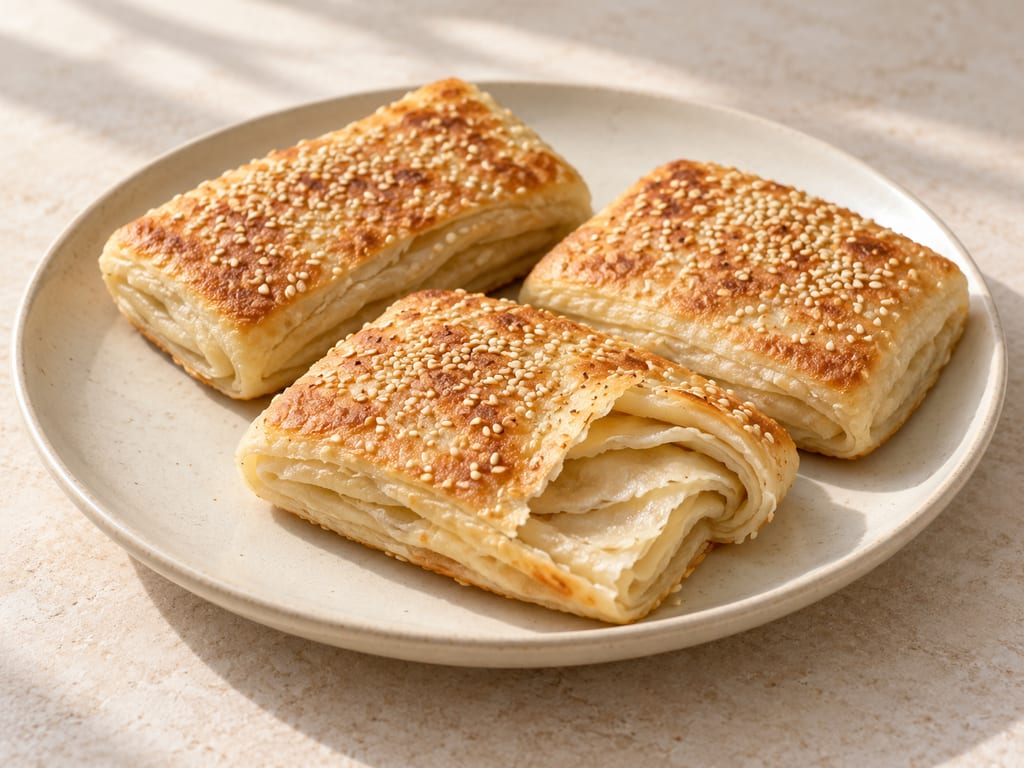
Taiwanese Sesame Shao Bing
A Taichung family recipe uses a hot-and-cool water dough, vegetable-oil roux, repeated folds and sesame seeds for crisp, layered shaobing.
 FermenteaWhere food goes to change
1504 records with their sources, across 11 categories.
 Cereal, grain, root and starch fermentations95
 Unfermented breads27
 Koji, mold starters and mold-ripened ferments2
 Beverages1
 Not yet classified1
A Taichung family recipe uses a hot-and-cool water dough, vegetable-oil roux, repeated folds and sesame seeds for crisp, layered shaobing.
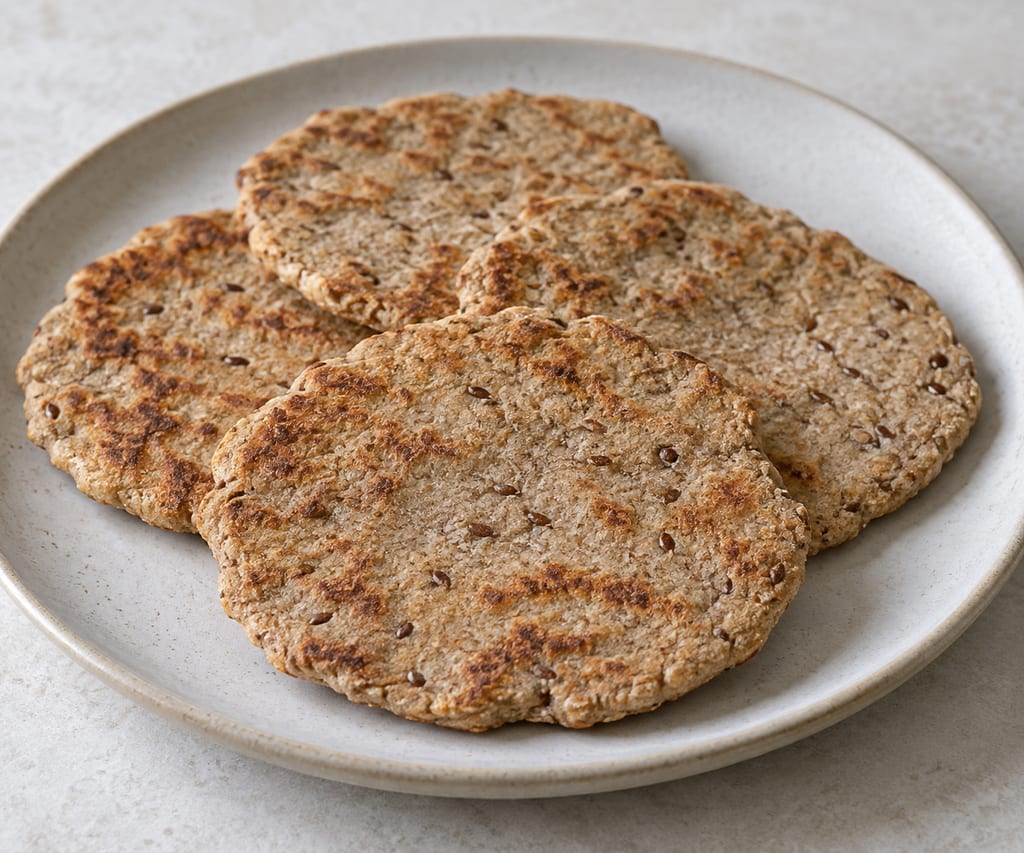
A small, dense cake of ground barley mixed with liquid and cooked against a hot surface, the form a low-gluten northern cereal takes when a household turns stored grain into bread.
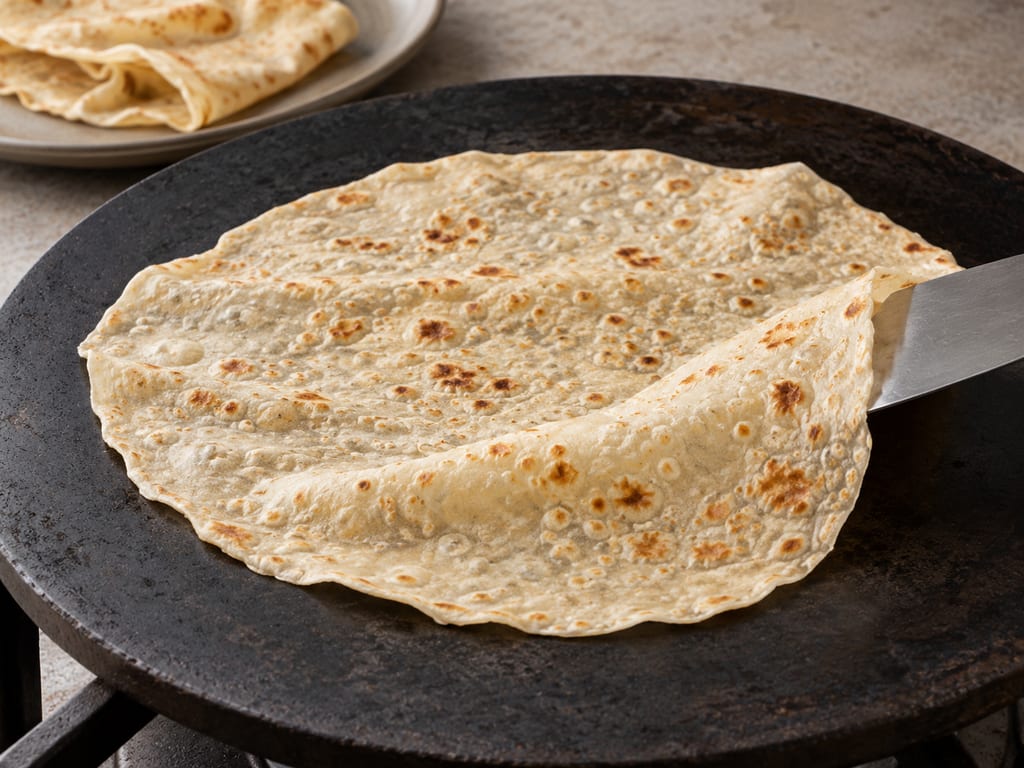
Regag is a thin Emirati wheat bread cooked on an ungreased pan. This measured home method uses a soft dough that rests covered, then gets spread thin with a palette knife or bench scraper.
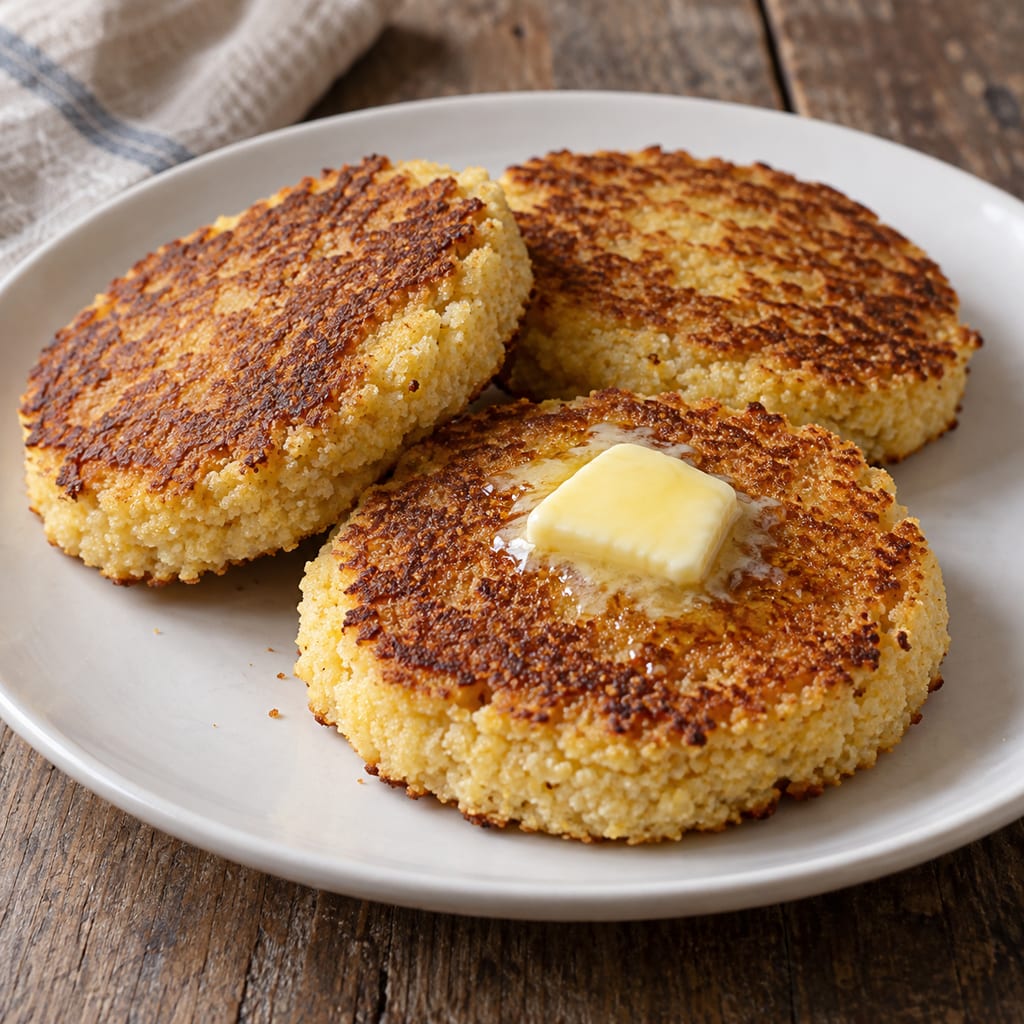
Thicker cornmeal cakes scalded with boiling water and cooked in butter. This South County formula is separate from thin Newport milk-batter cakes and Caribbean wheat breads.
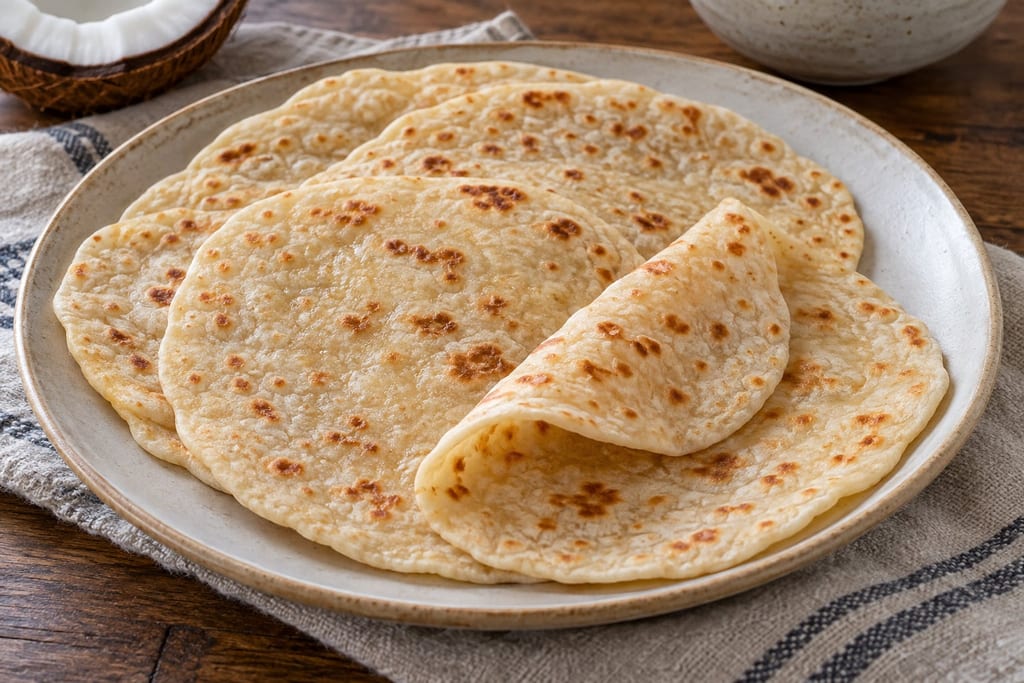
A sweet, soft CHamoru flour titiyas made with wheat flour, coconut milk, butter and cream of coconut, rolled thin and cooked on a dry skillet.
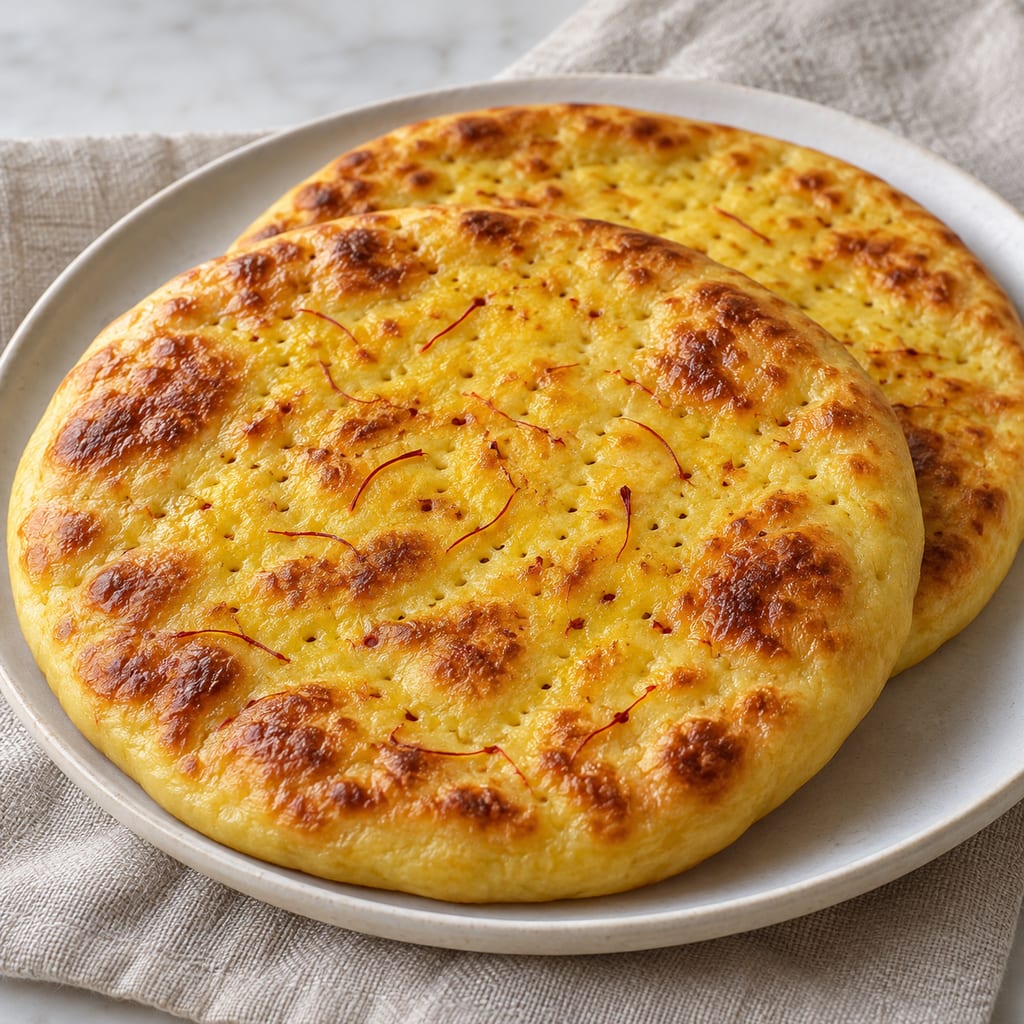
Dassana Amit’s measured sheermal makes eight mildly sweet, saffron-brushed flatbreads without a leavener. Milk, cardamom and a large quantity of ghee enrich the dough, which can be cooked on a covered skillet or baked.
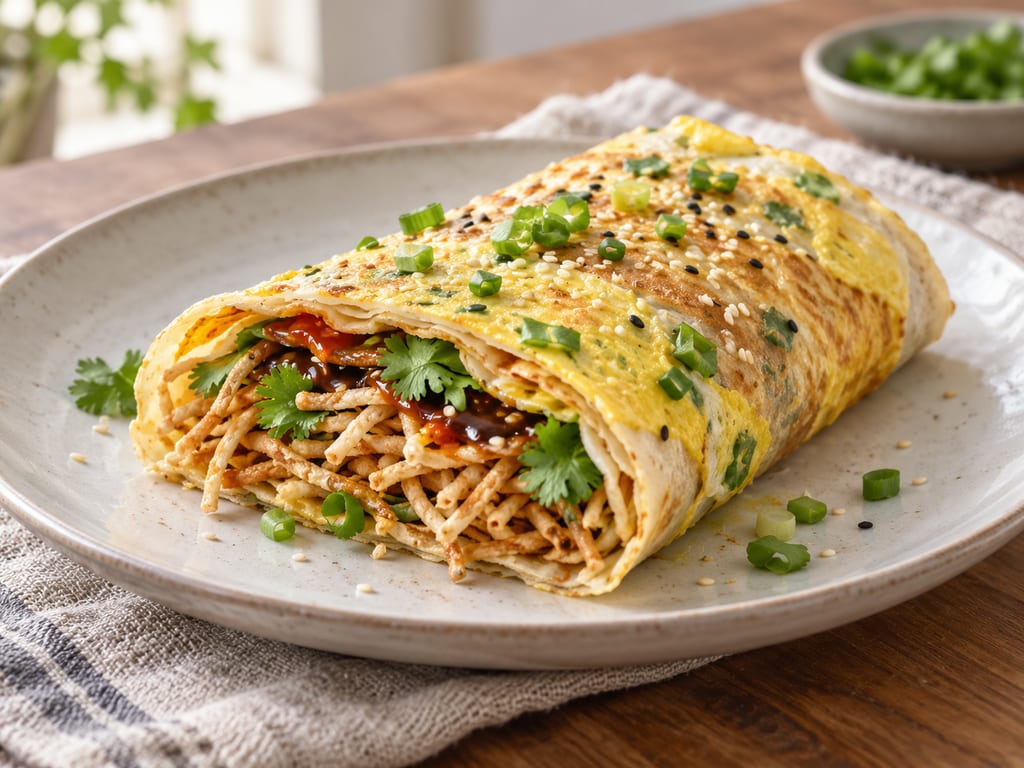
A four-serving home adaptation of jianbing: thin wheat batter cooked with egg, spring onion and sesame, then folded around crisp fried noodles and sauce.
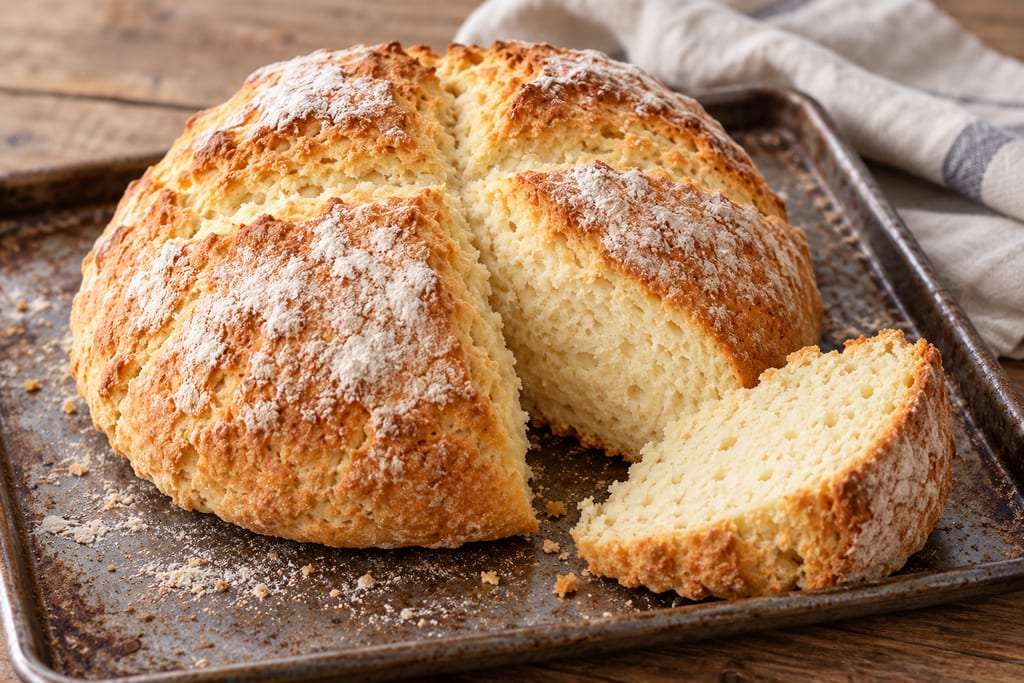
A source-specific Irish quick loaf of plain flour, bicarbonate of soda, buttermilk, egg and butter, mixed briefly and baked as a cross-marked round.
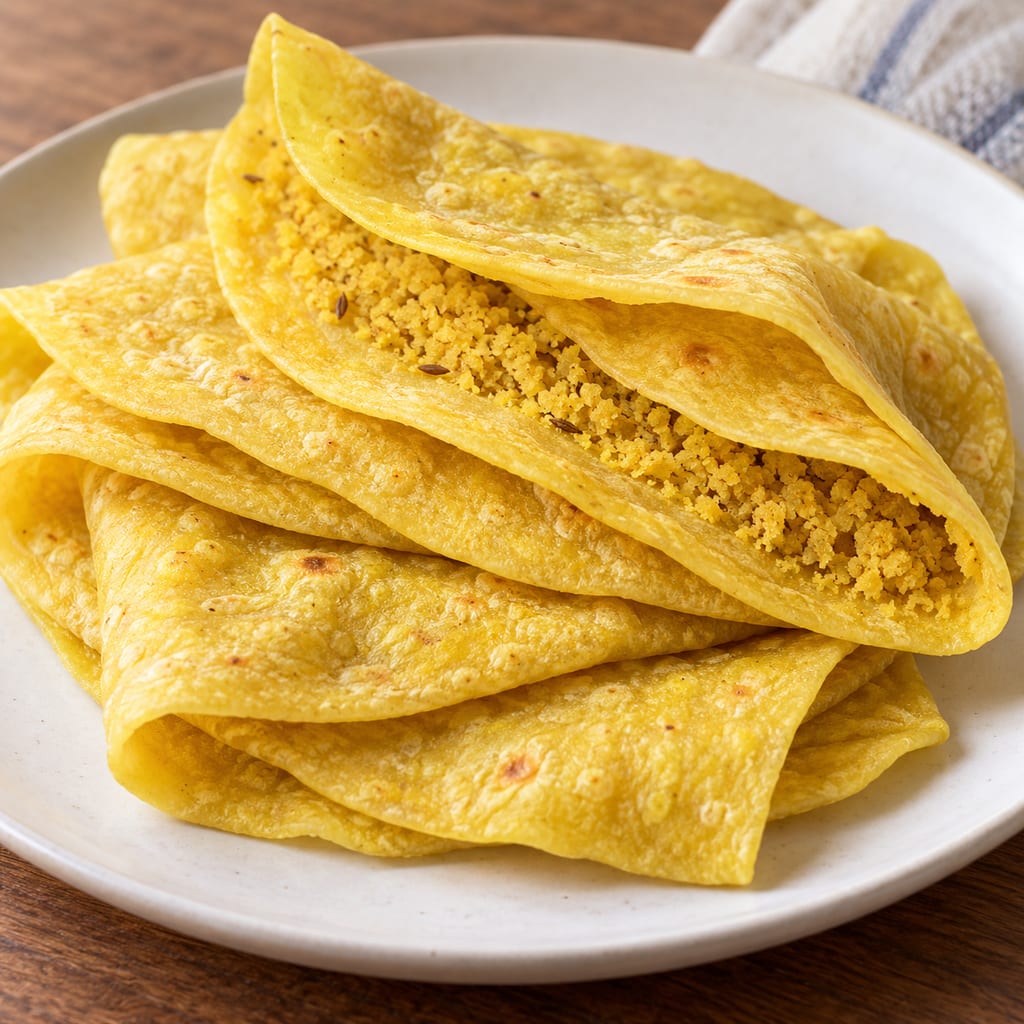
Kavi Hurrydoss’s Mauritian dholl puri encloses finely ground cumin-seasoned yellow split peas in wheat dough, then rolls and griddle-cooks each filled bread.
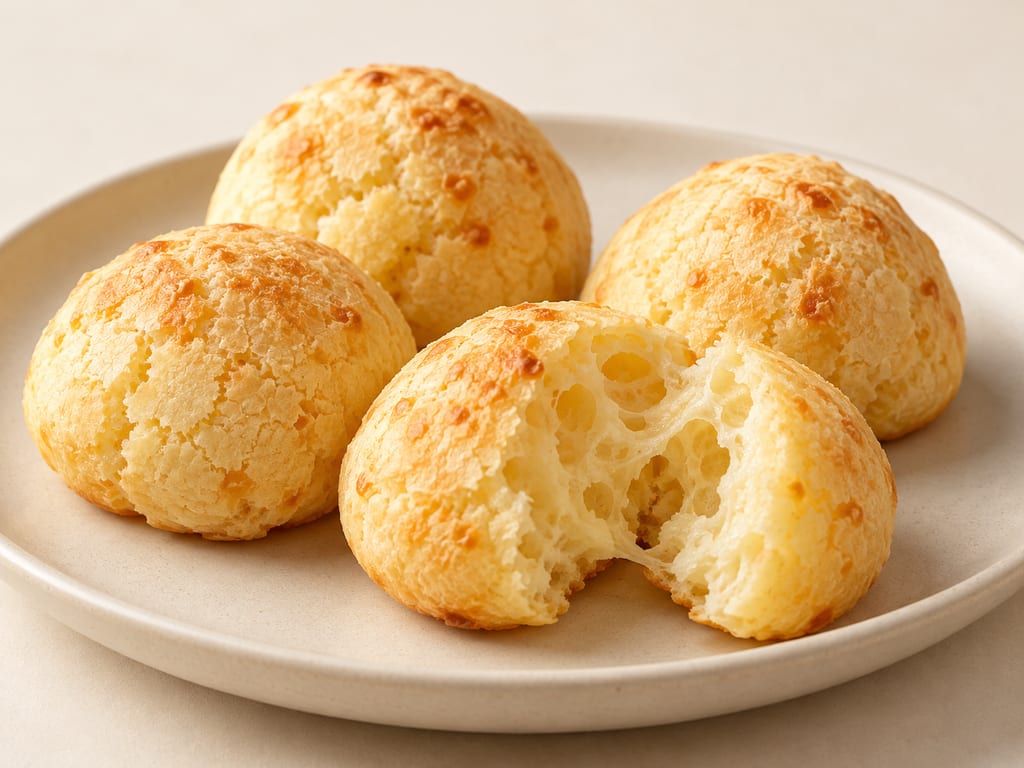
Scooped tapioca-starch buns made by scalding the starch, then beating in garlic, cheese and eggs. This named version has no dough-fermentation stage.
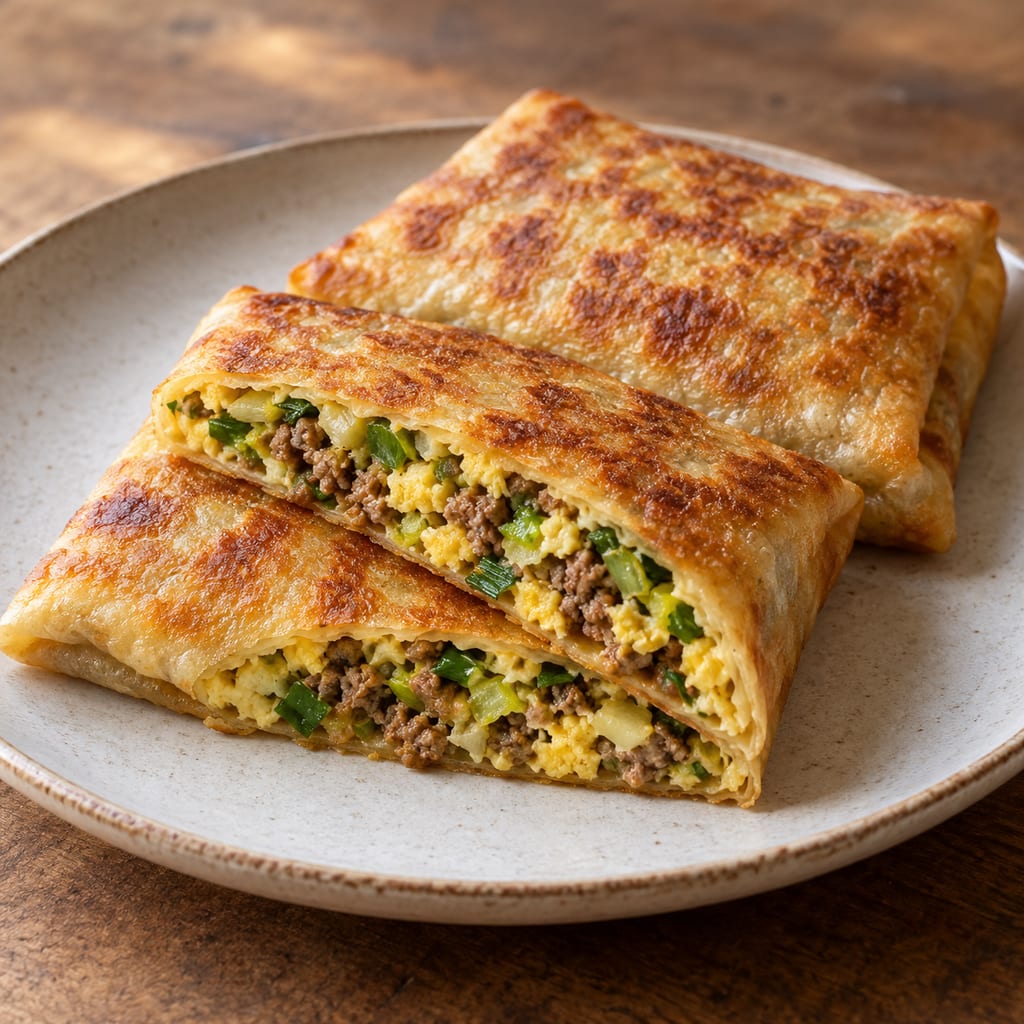
A Javanese-style Indonesian savoury parcel of thin rested wheat dough folded around curry-seasoned beef and egg, then cooked in an oiled skillet.
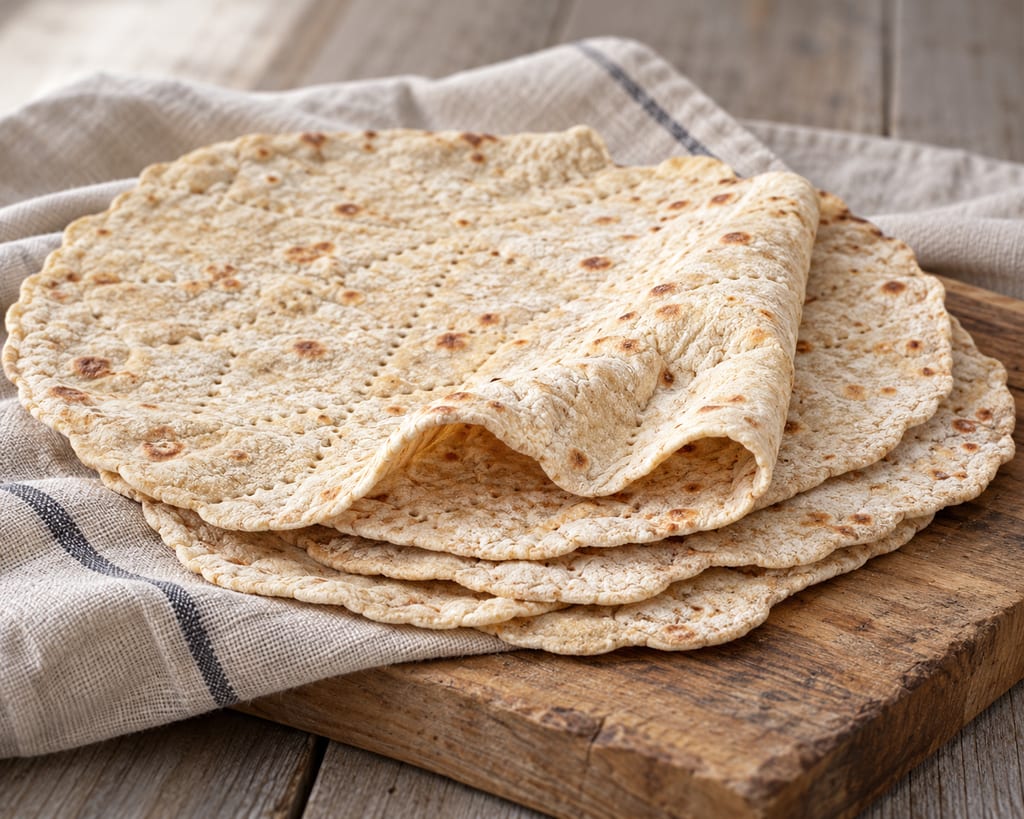
Tunnbröd is Sweden’s family of thin, docked flatbreads, baked soft for immediate meals or dried crisp for the pantry. This home recipe follows a northern Swedish soft rye-and-wheat version scented with anise and fennel.
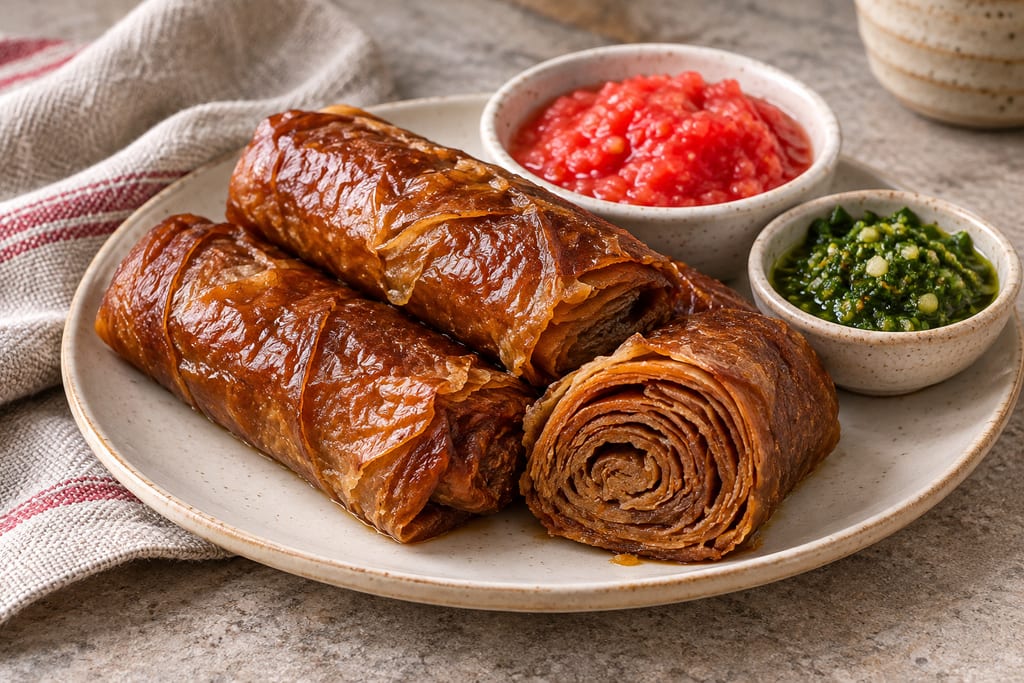
Jachnun is a rolled, butter-layered wheat pastry baked covered for hours at very low oven heat and served warm, often with grated tomato and schug.
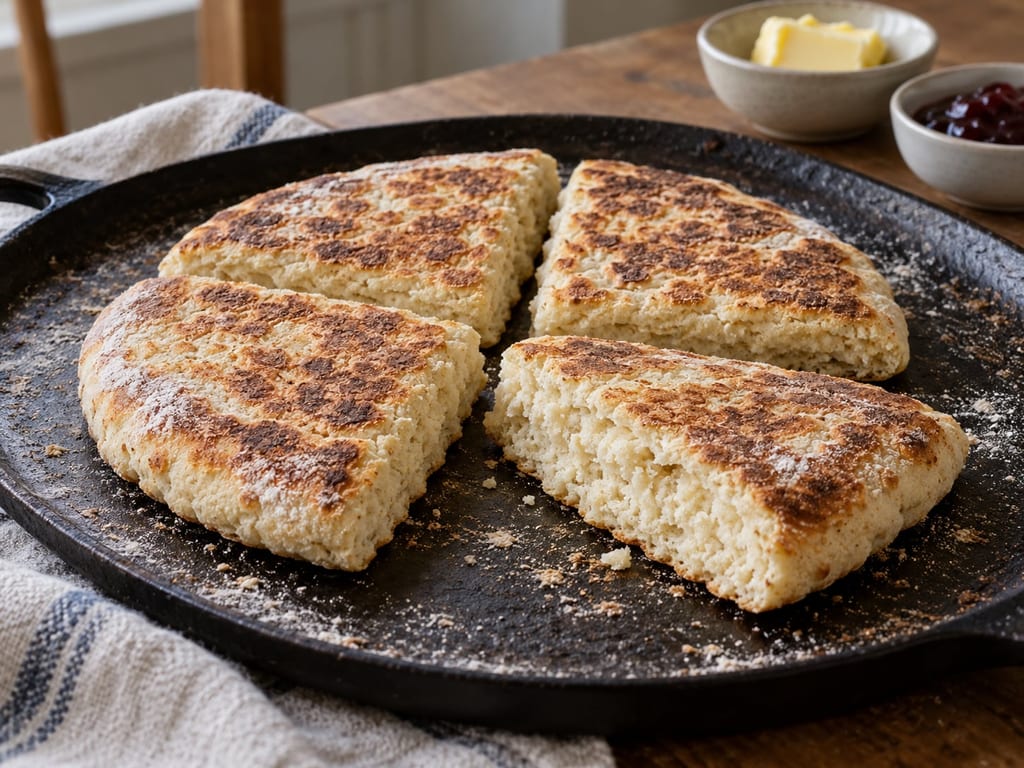
A buttermilk-and-soda wheat dough cut into quarters and cooked on a griddle, following Paula's plain version for Discover Ulster-Scots.
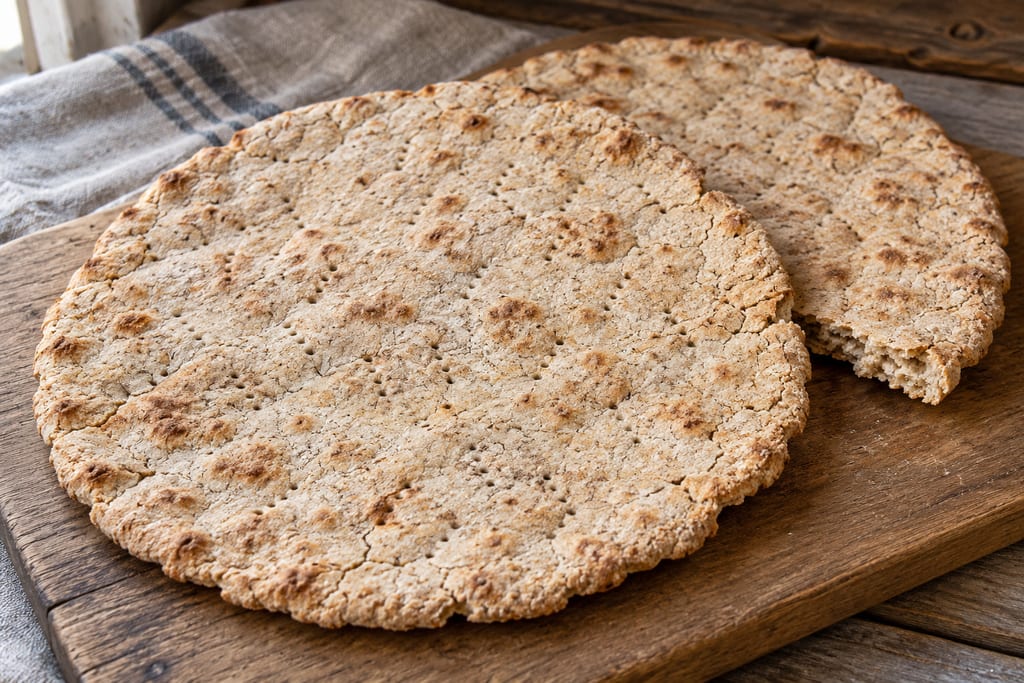
Two barley flatbreads made with cold dough and baked rapidly on a hot sheet, following Timo Lepistö's northern Finnish formula.
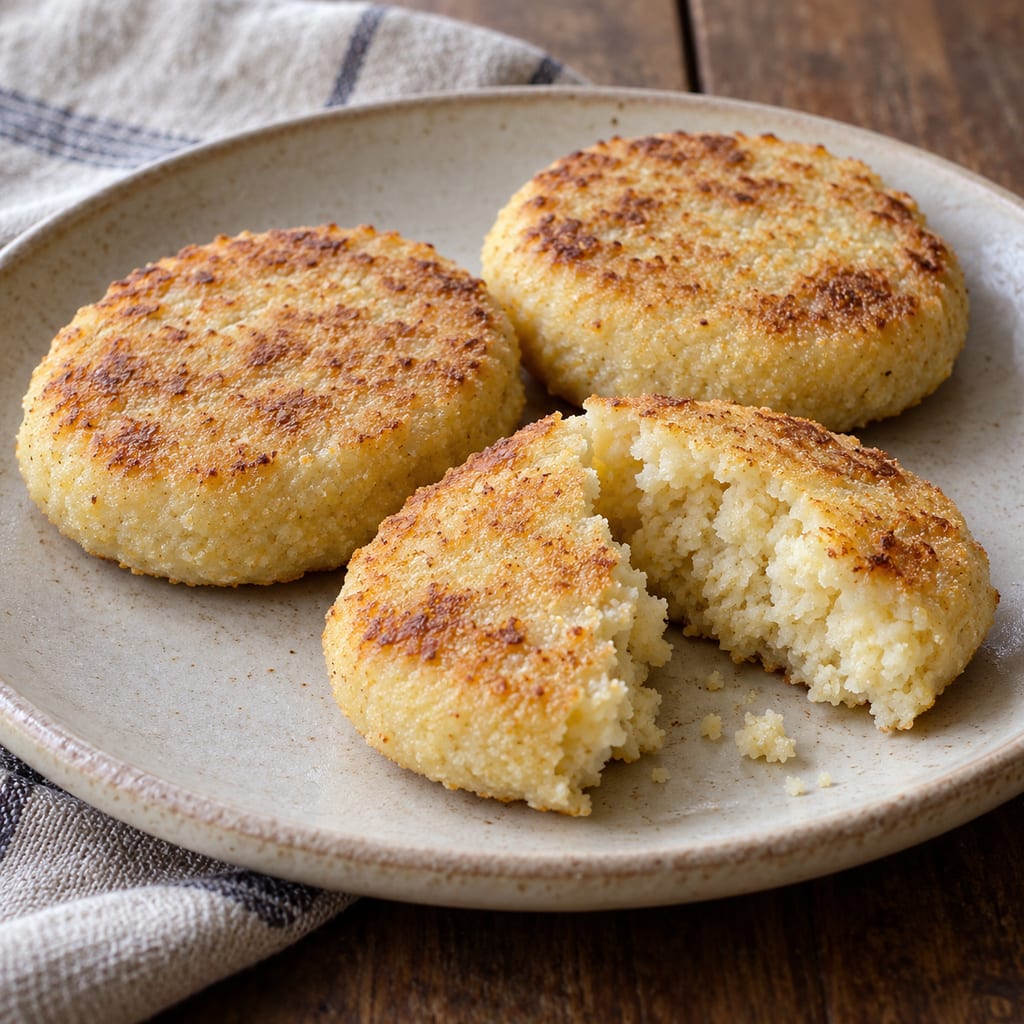
Unleavened cornmeal cakes mixed with cold water and cooked on both sides in a covered-then-uncovered pan. Cheese is served alongside rather than mixed into this dough.
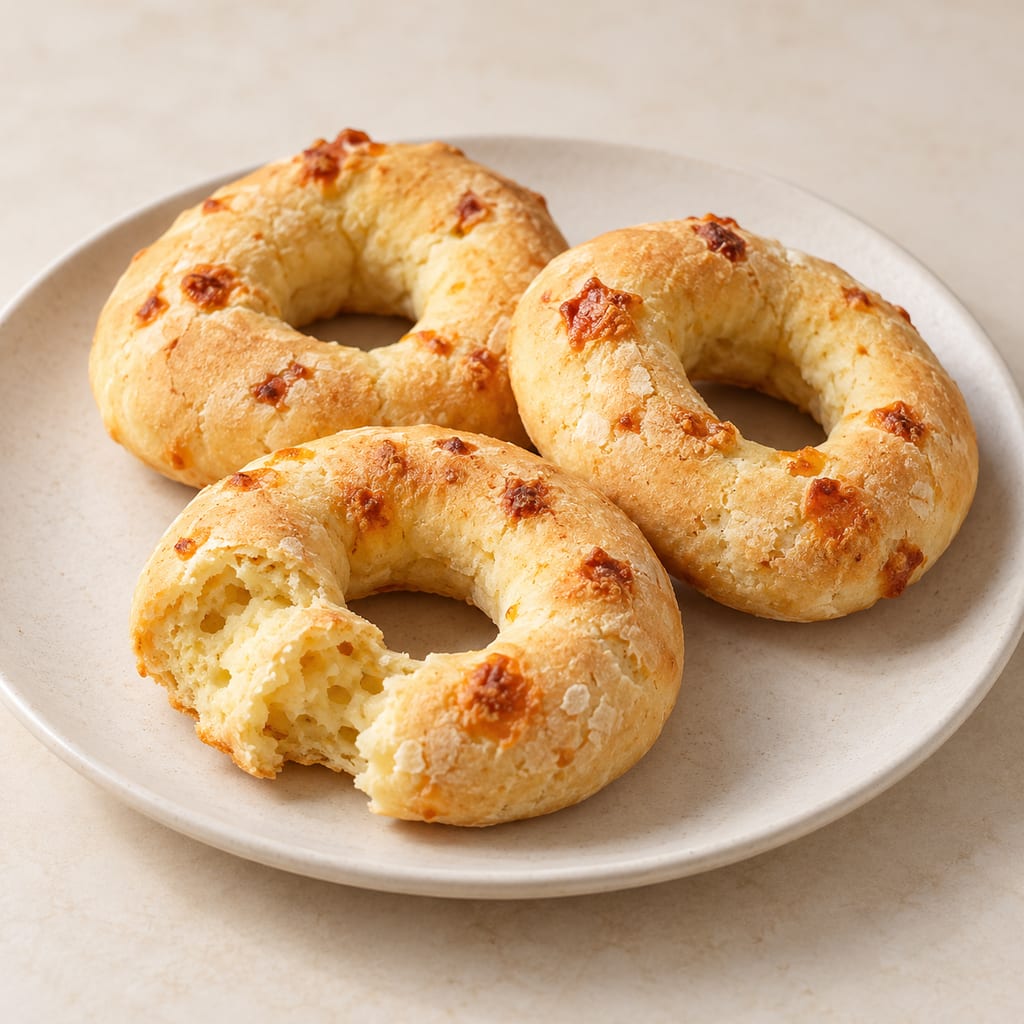
Cassava-starch cheese rings made with mozzarella, eggs and milk, with optional anise. This modern version uses baking powder and no dough fermentation.
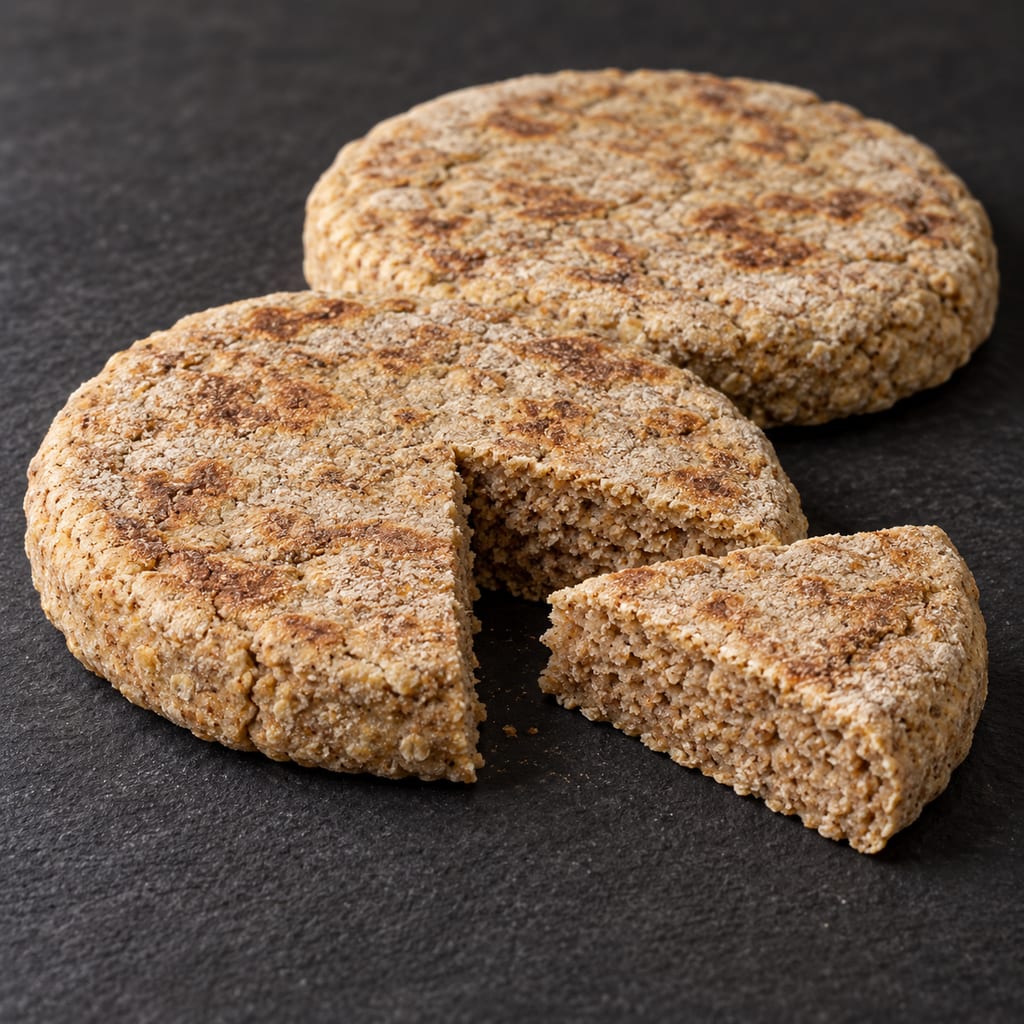
Two round, chemically raised bannocks made with equal weights of white flour and beremeal, barley flour or oat flour, following Anne Johnson's Orkney formula.
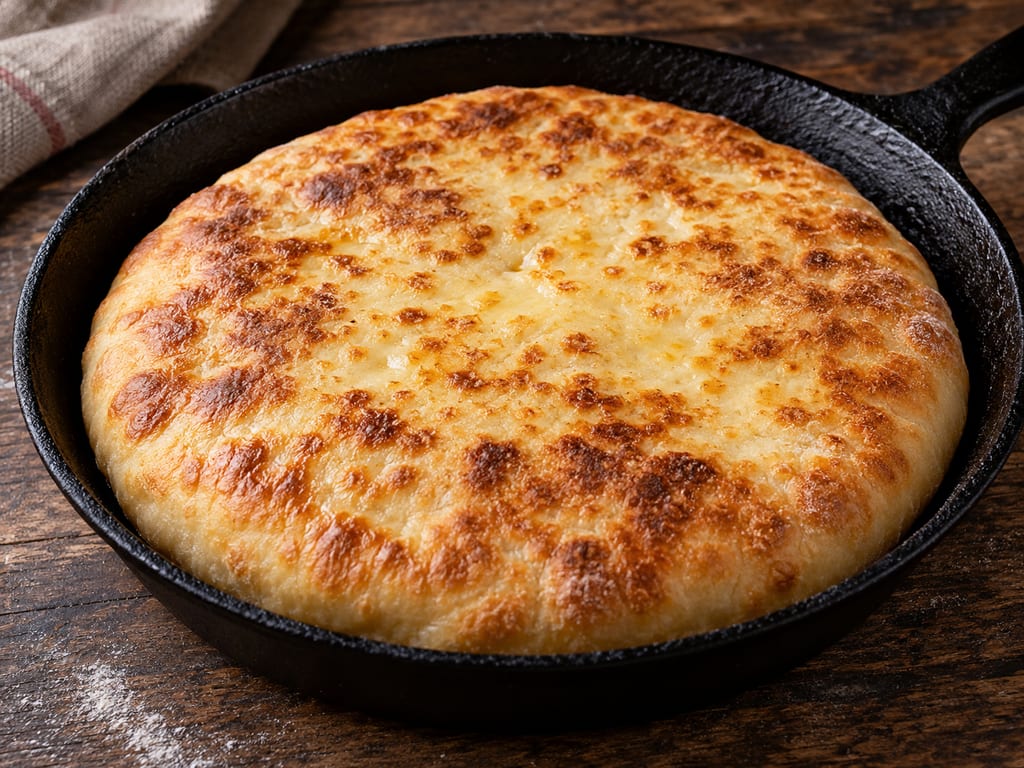
Closed round cheese breads made with sour-cream dough and cooked in a frying pan. This named Gunda version has no added yeast or proofing stage.

Youtiao are Chinese breakfast crullers made from soft baking-powder dough, chilled overnight, stretched into paired strips and fried until light golden.
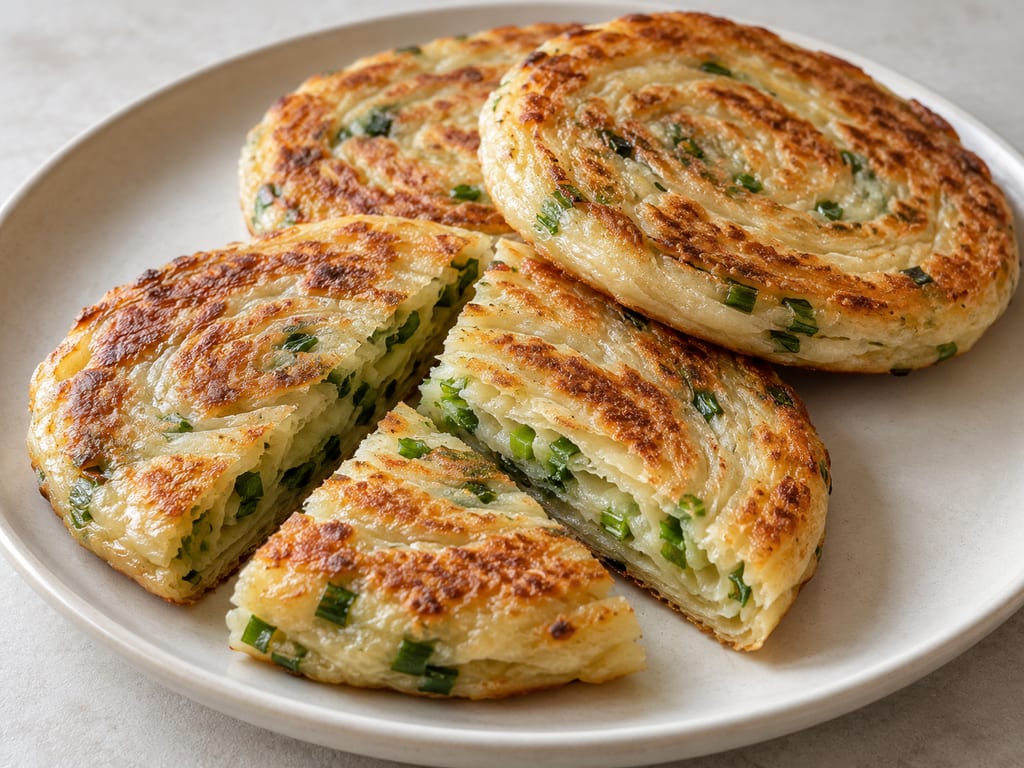
Bill Leung’s Shanghai-style scallion pancakes layer soft wheat dough with scallions and an oil-flour paste, then fry and finish in the oven.
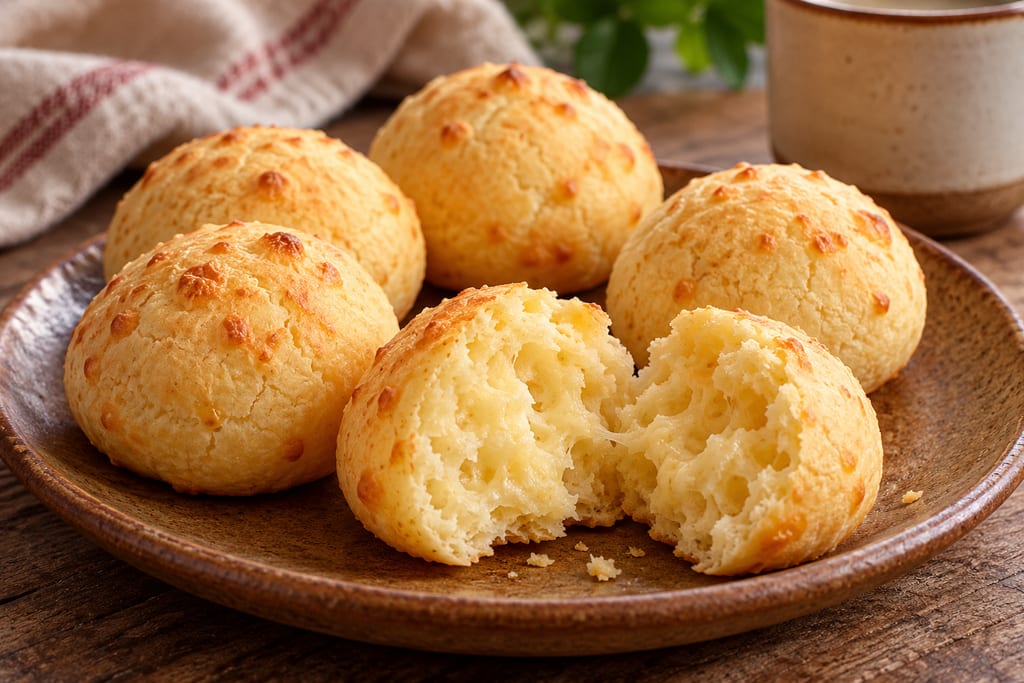
Small cassava-starch cheese breads mixed in a processor, chilled, baked and briefly browned under a broiler. This is Laylita's Ecuadorian-style formula.
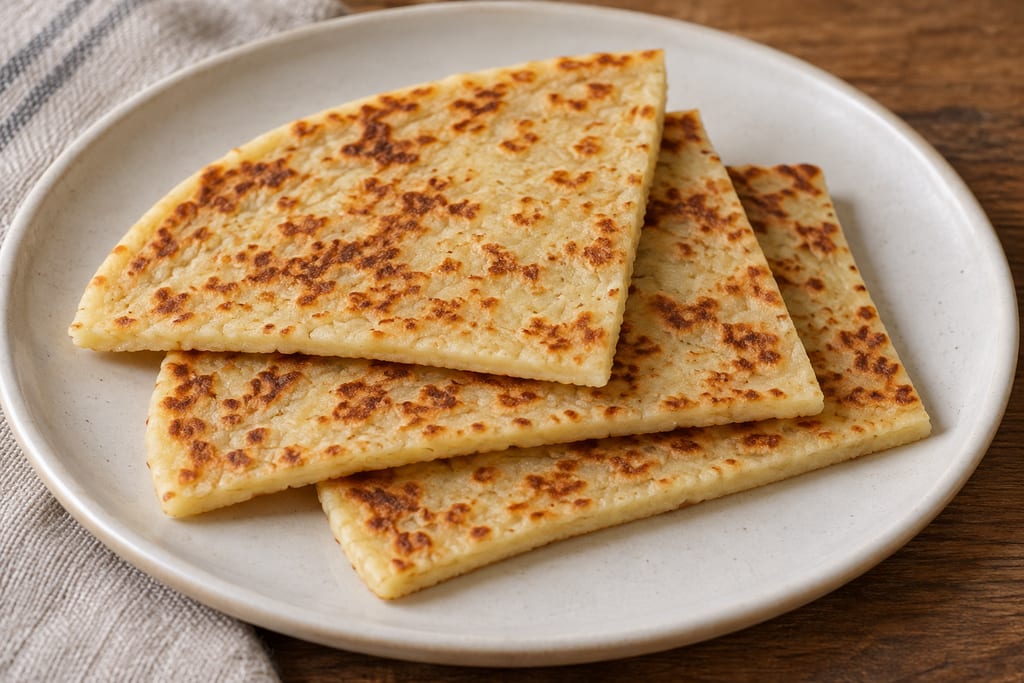
Scottish Scran’s batch combines boiled potatoes, butter and flour, then cooks three thin rounds on a dry pan.
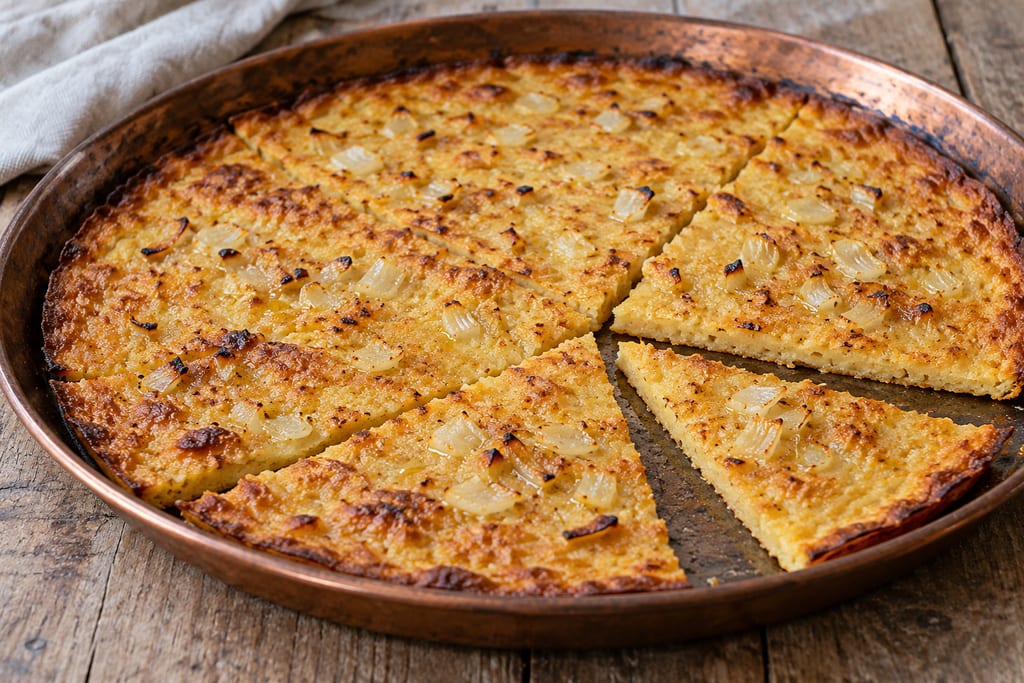
This farinata is a chickpea-flour batter baked with olive oil in a pan. The Riviera dei Fiori version makes six and uses a 200–250°C oven.
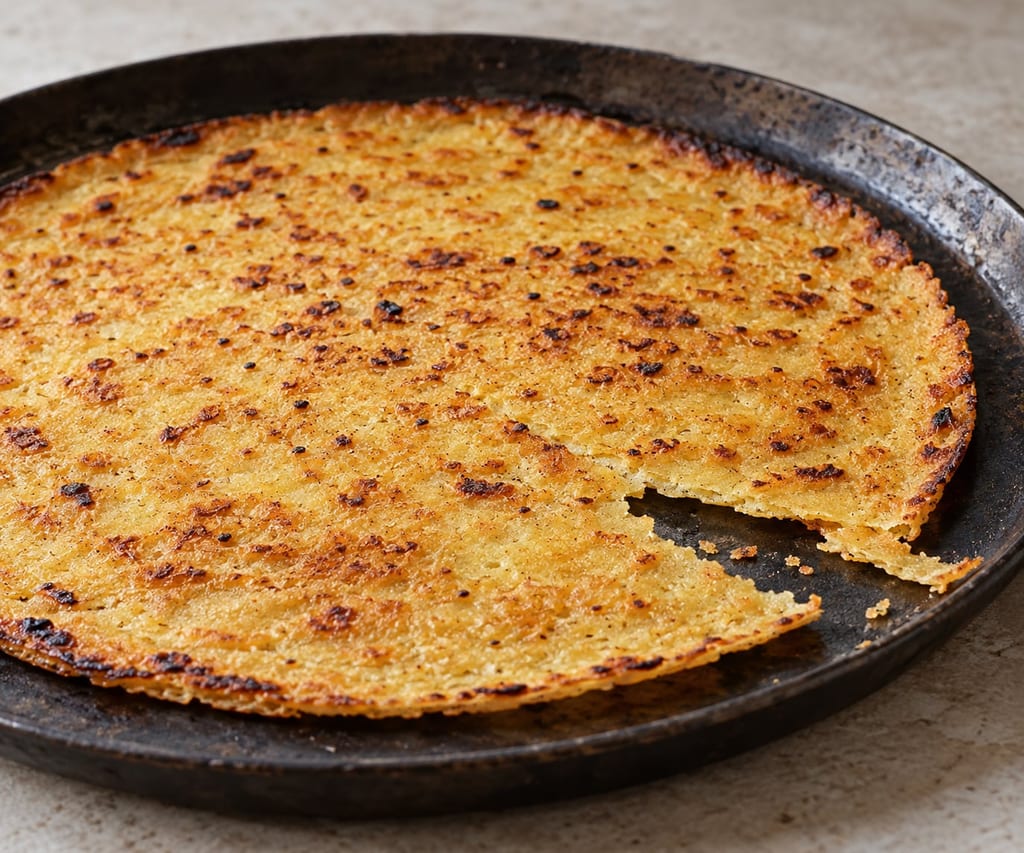
A Nice socca batter of chickpea flour, water, olive oil and salt, spread thin on a 50-centimetre copper plate and baked very hot. This formula is distinct from the Genoese farinata page.
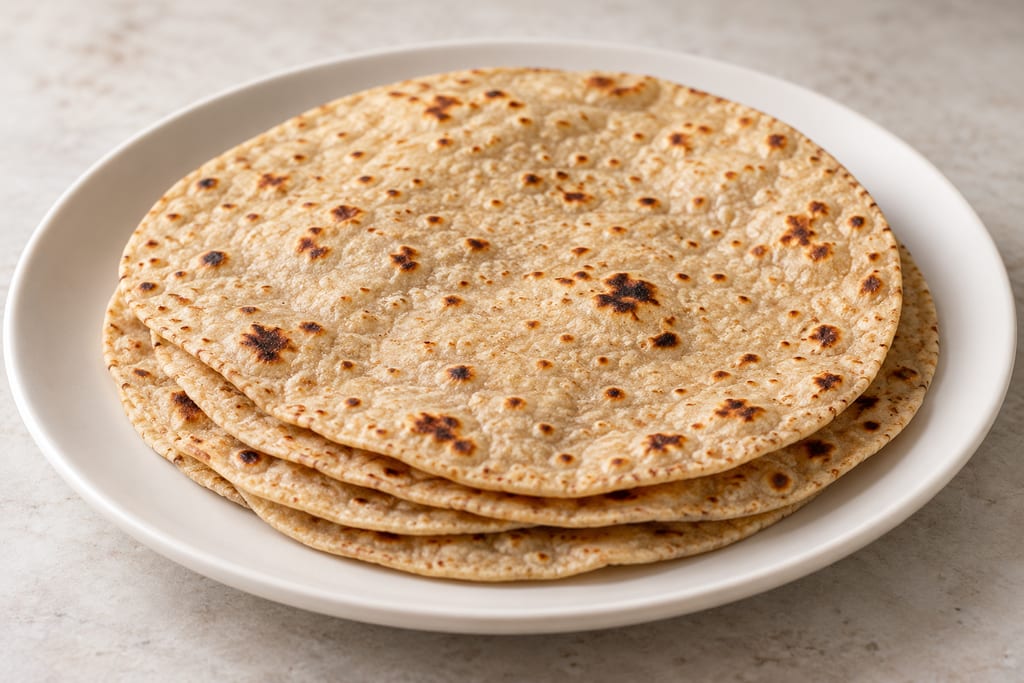
This measured chapati uses whole-wheat atta and water, with salt and oil or ghee optional. Rest the dough, roll it thin and cook through on a hot tawa; it is distinct from the partly cooked, puffed phulka route.
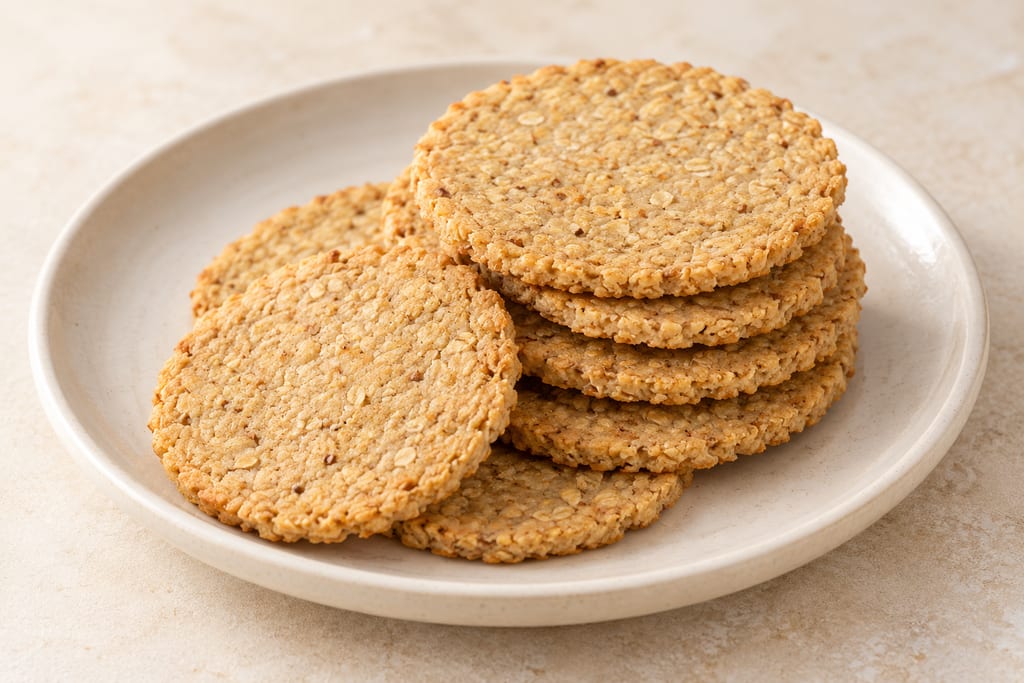
A thin Scottish oatcake of medium oatmeal, butter, salt, bicarbonate of soda and boiling water. This measured oven adaptation differs from older girdle methods and soft, yeasted Staffordshire oatcakes.