












































Skyr
Skyr is Iceland’s thick, tart fresh cheese. This home method cultures skim milk with fresh skyr and rennet, then drains the curd under refrigeration.
 FermenteaWhere food goes to change
1504 records with their sources, across 11 categories.
Skyr is Iceland’s thick, tart fresh cheese. This home method cultures skim milk with fresh skyr and rennet, then drains the curd under refrigeration.
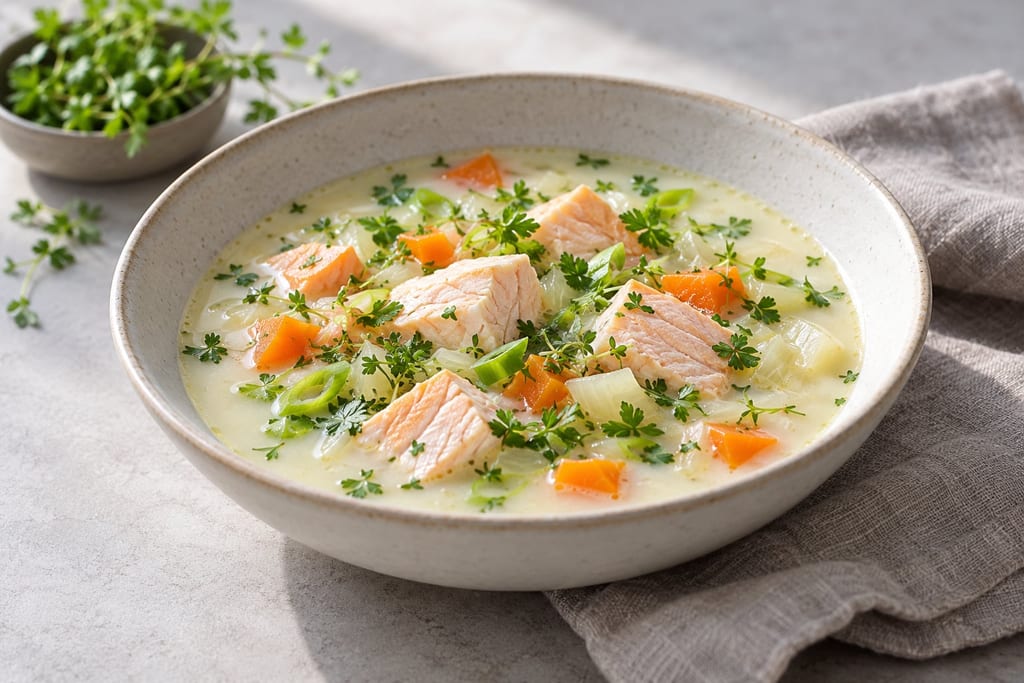
Trout or salmon poached at the end of a simmered broth of onion and root vegetables, a present-day reconstruction of coastal cooking built on excavated fish bones and a boiling pot.
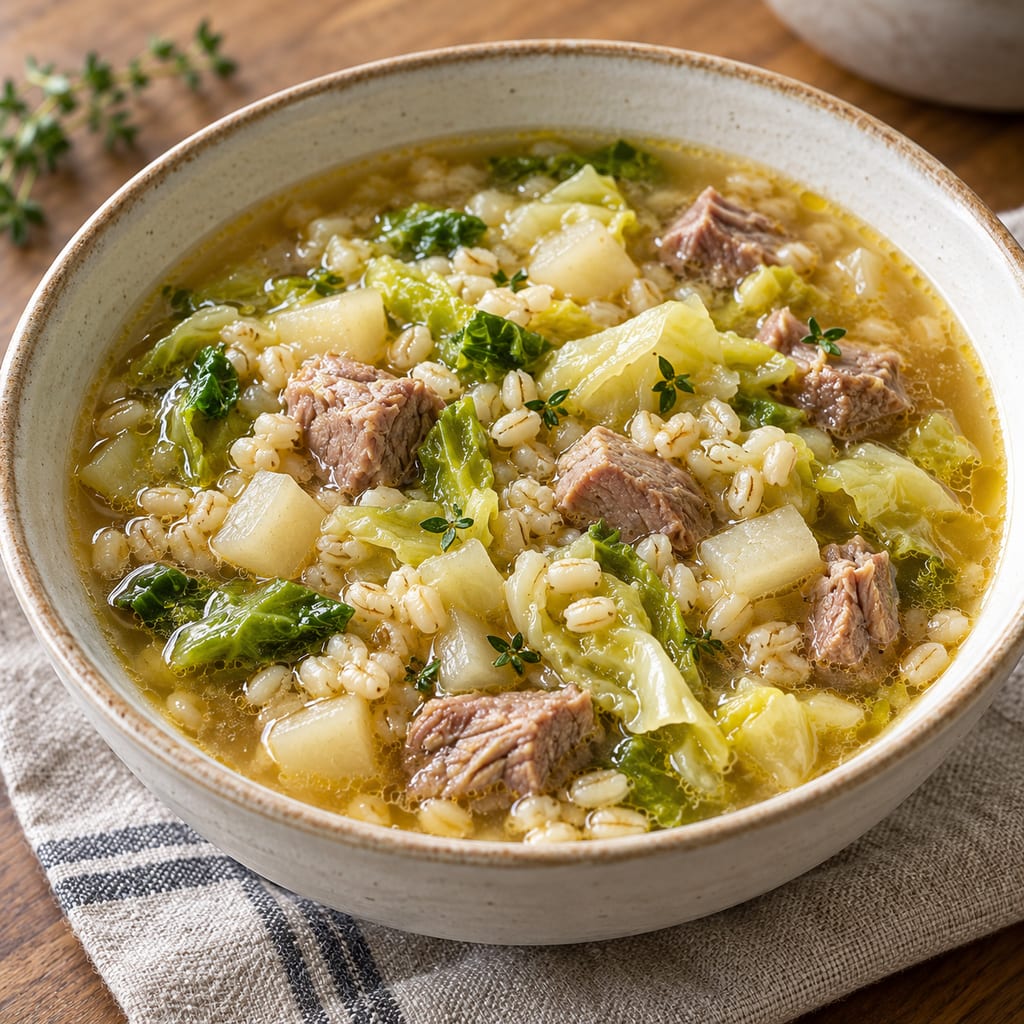
Lamb shoulder simmered with pearl barley, turnip and leafy cabbage in one pot, a present-day reconstruction built from the animals, grains and vegetables of northern European farming.
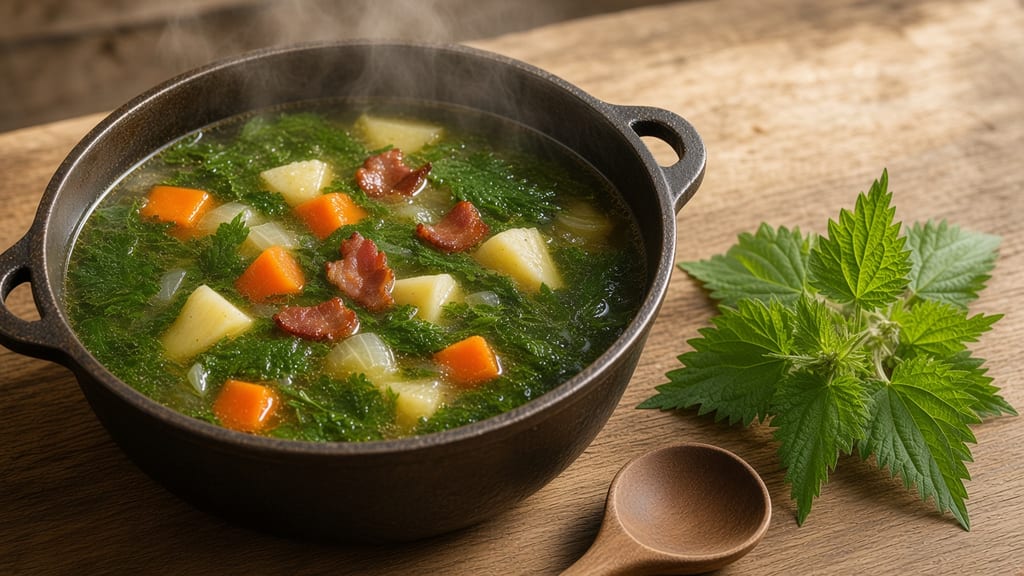
Young stinging nettle shoots cooked with bacon, onion, garlic and three roots into a thick spring soup, from a Danish Viking museum's recipe, with a meat-broth variation and ember-baked turnips.
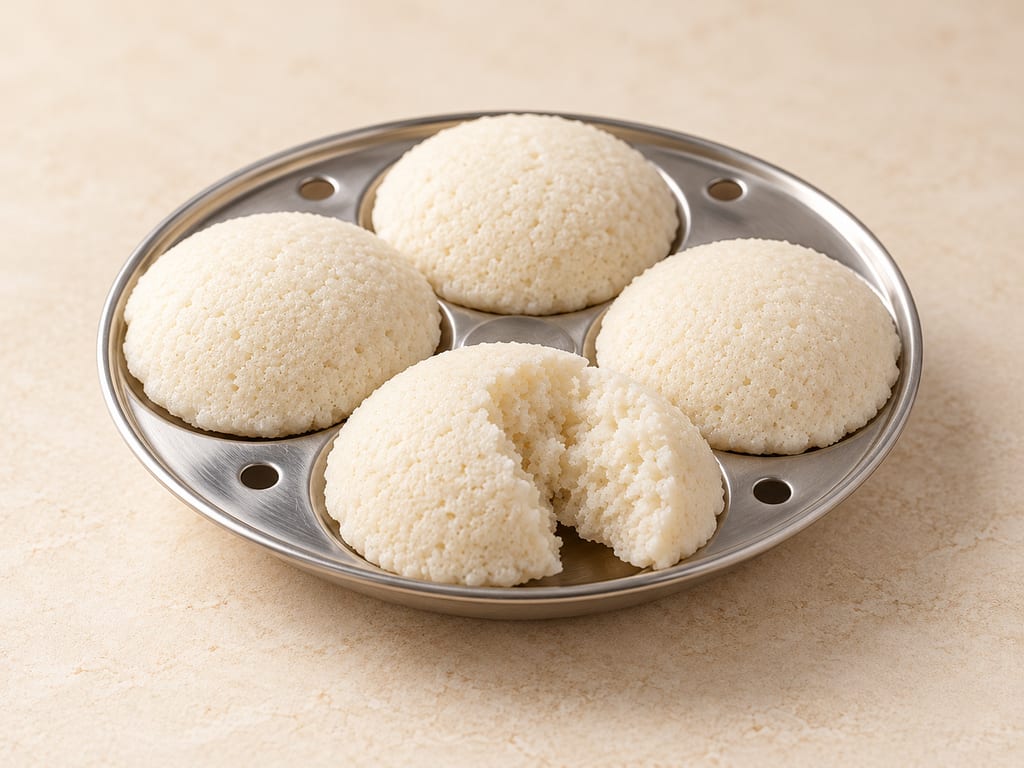
Rice and black gram are soaked separately, ground, salted and fermented into a thick batter for idli. The batter is portioned into moulds and steamed into soft savoury cakes.
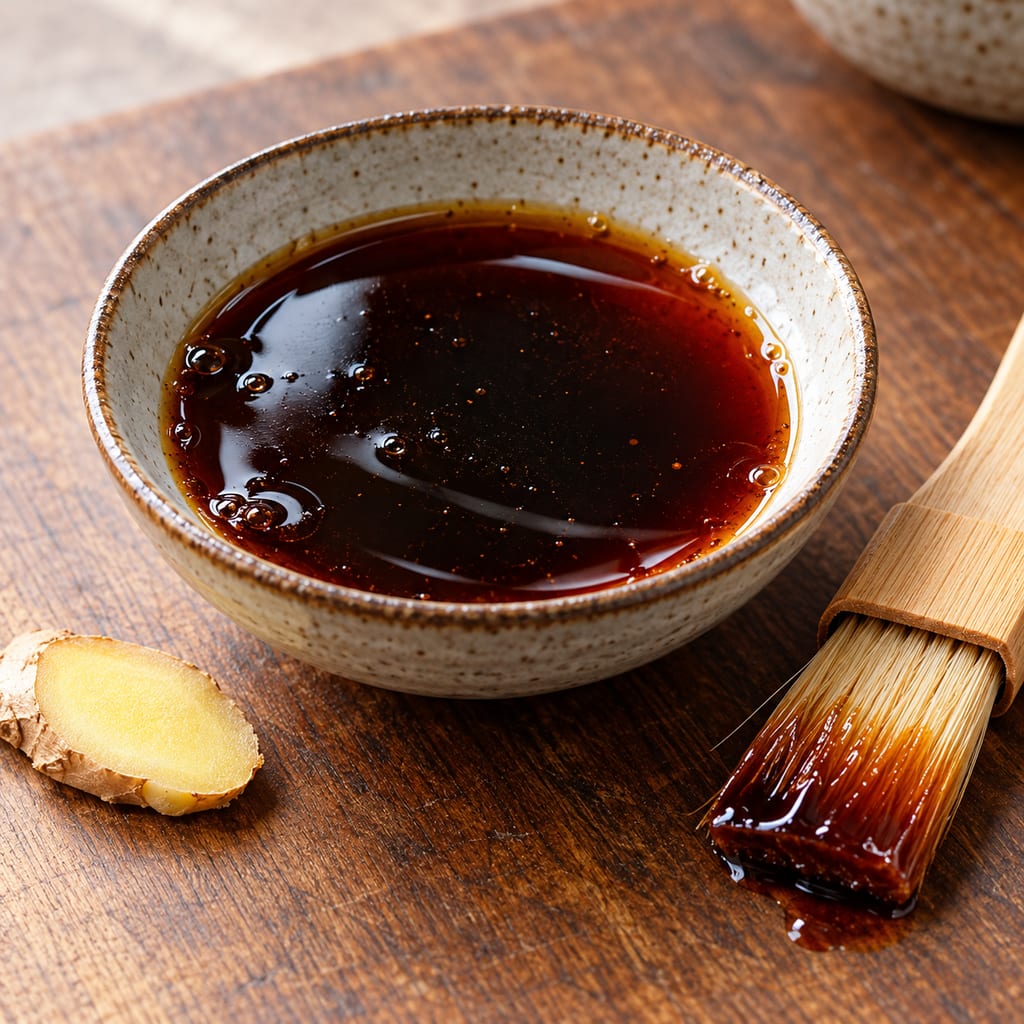
A modern tare-style glaze of koikuchi soy sauce, mirin, water, sugar and optional ginger, gently reduced and brushed onto food near the end of cooking.
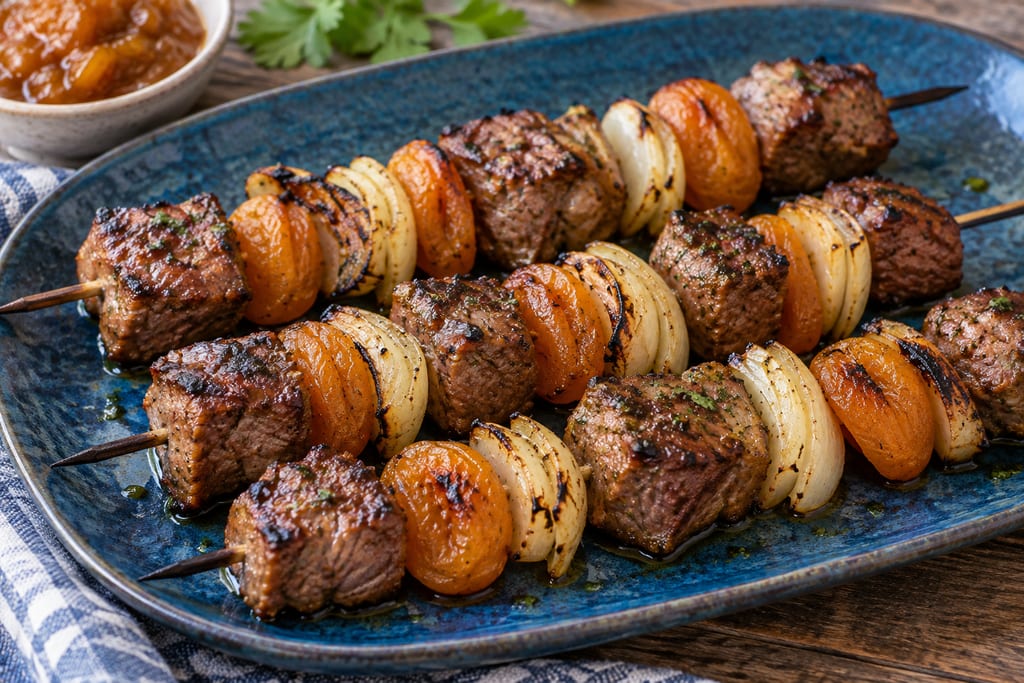
Cape skewers of marinated lamb or mutton threaded with onion, fat or dried fruit and grilled, their marinade balancing curry spice against vinegar or tamarind and something sweet.
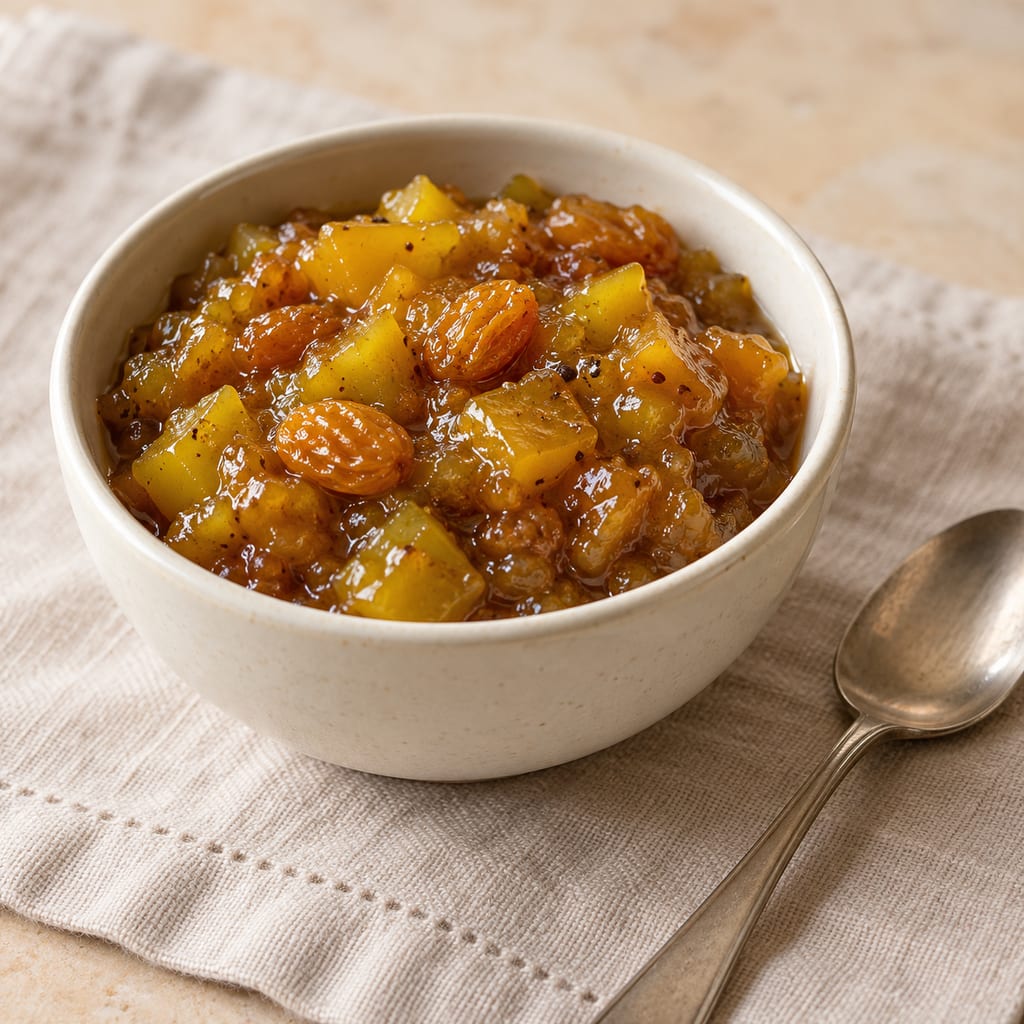
Hard green mango is cooked with vinegar, sugar, raisins, ginger, garlic and chilli in this tested US home-canning recipe.
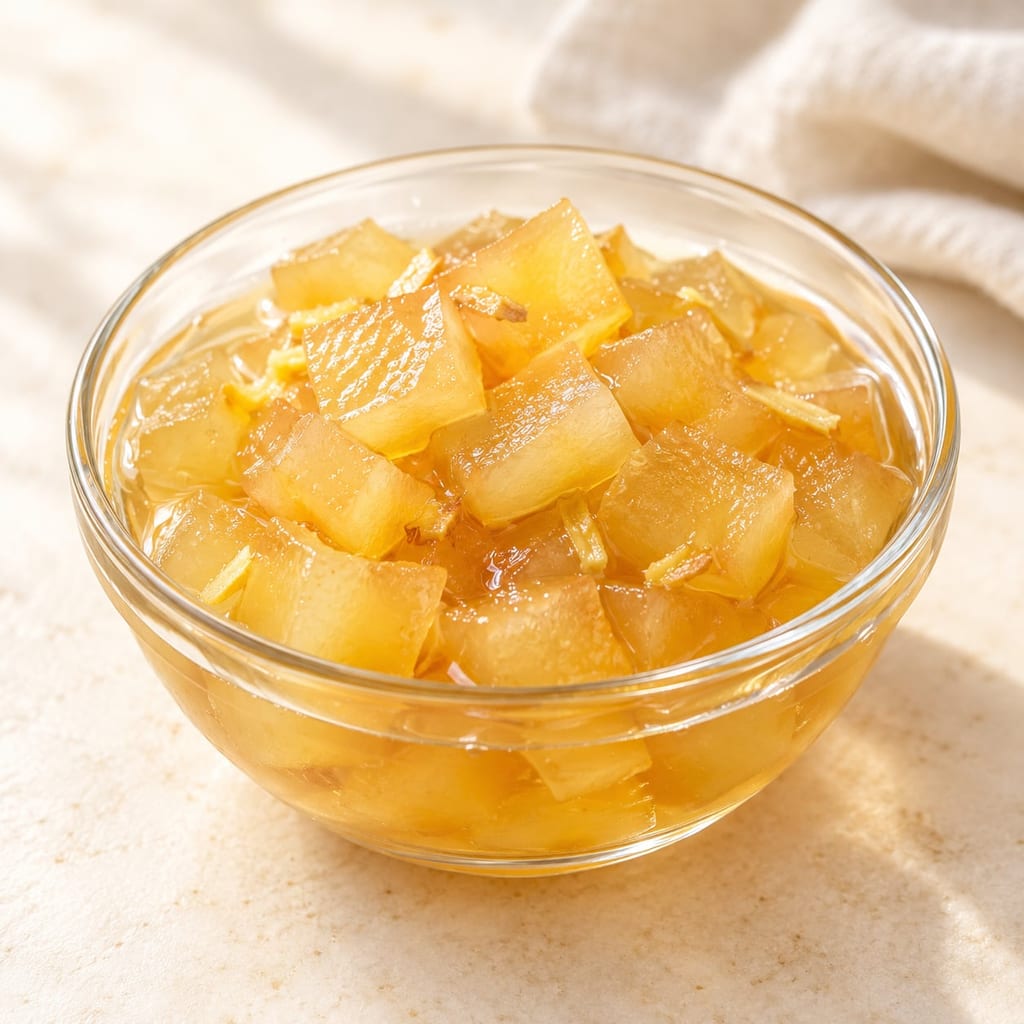
A measured, refrigerated prototype cooks ordinary watermelon’s white rind in lemon, ginger and sugar syrup. It is inspired by makataan konfyt but does not reproduce the traditional fruit or its lime-water treatment.
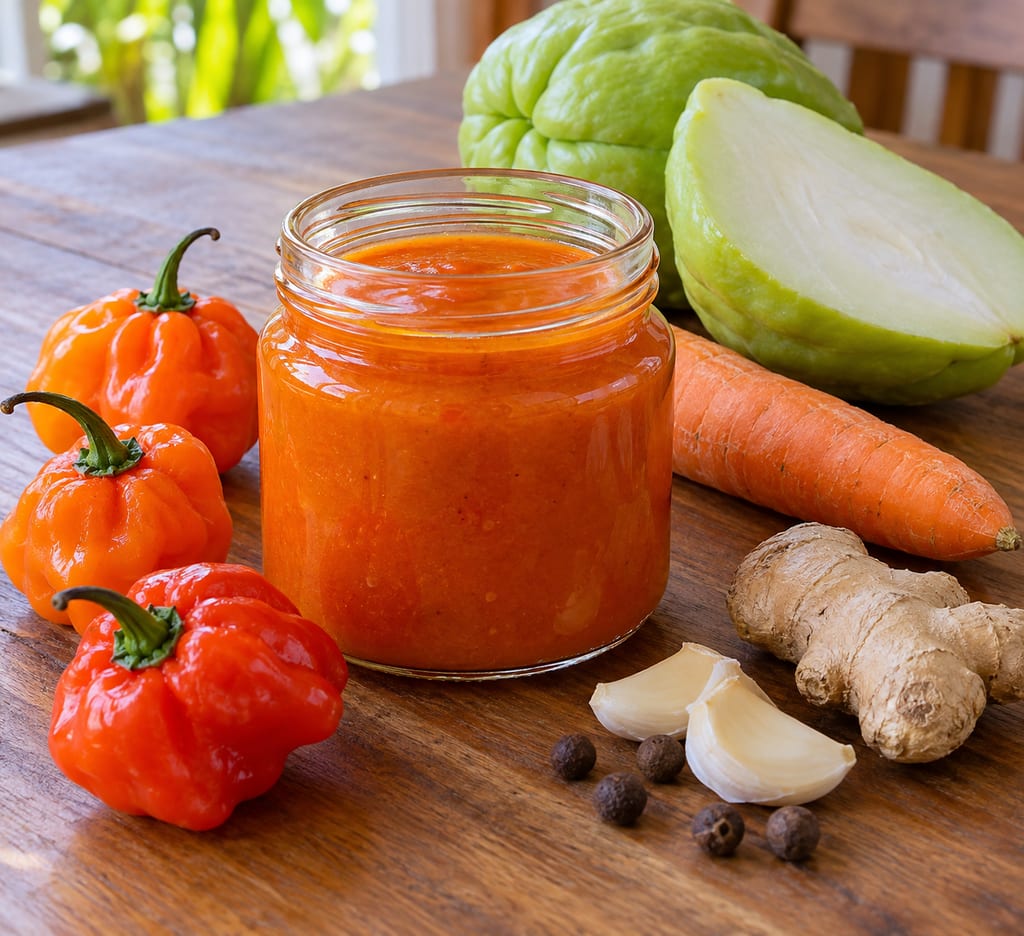
This Jamaican recipe cooks Scotch bonnet peppers with carrot, cho cho, onion, garlic, ginger, allspice and vinegar, then blends and strains the mixture.
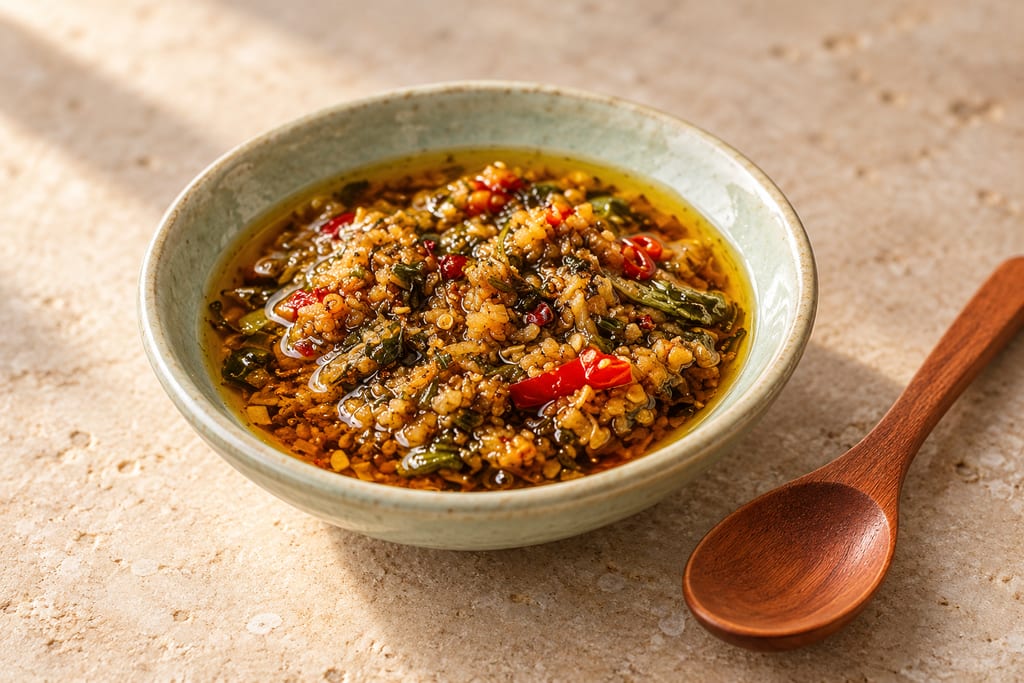
A Cantonese condiment of ginger, garlic, scallion and fresh chilli fried slowly in oil and seasoned with soy sauce, sugar, wine and salt, served over roast meats and poached chicken.

A spicy South African vegetable relish of onion, carrot, pepper, tomato, curry seasoning and beans, cooked briefly and served warm or cold beside pap and grilled meat.
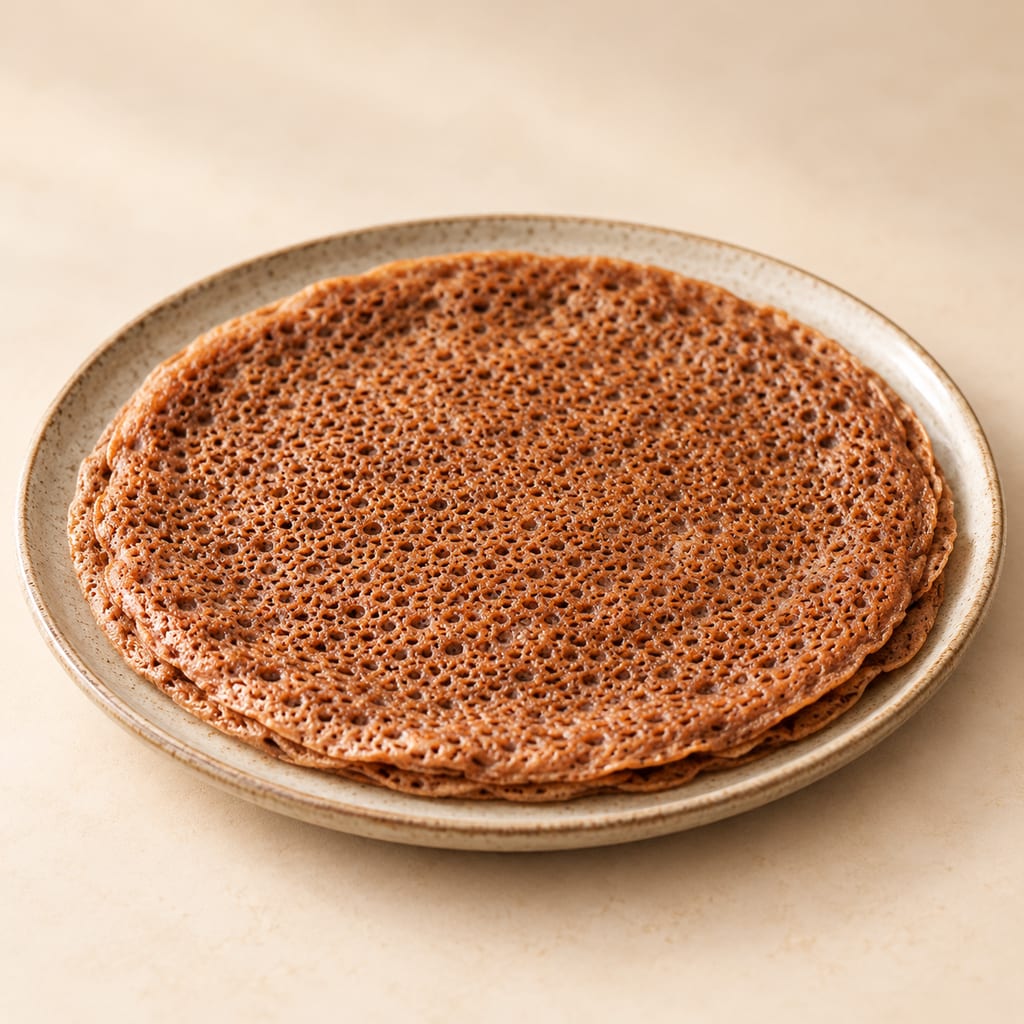
A modern home adaptation of Ethiopian injera using a 24-hour fermentation window. This method balances traditional souring with accessible ingredients like baking powder or starter cultures to achieve the characteristic porous texture.
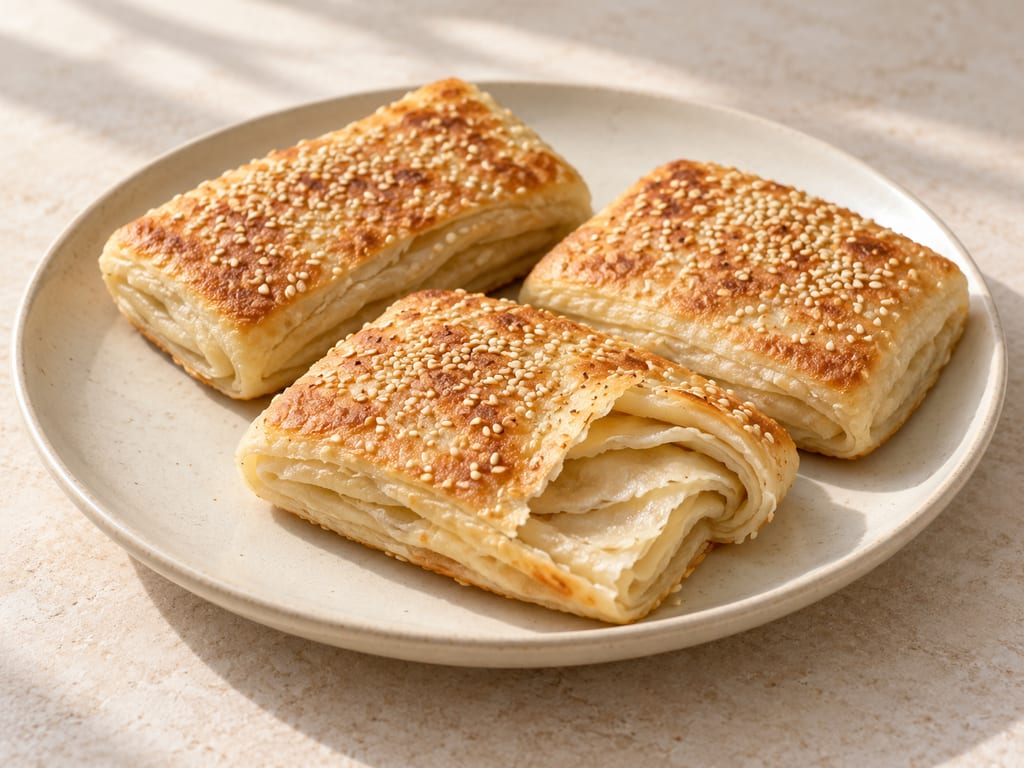
A Taichung family recipe uses a hot-and-cool water dough, vegetable-oil roux, repeated folds and sesame seeds for crisp, layered shaobing.
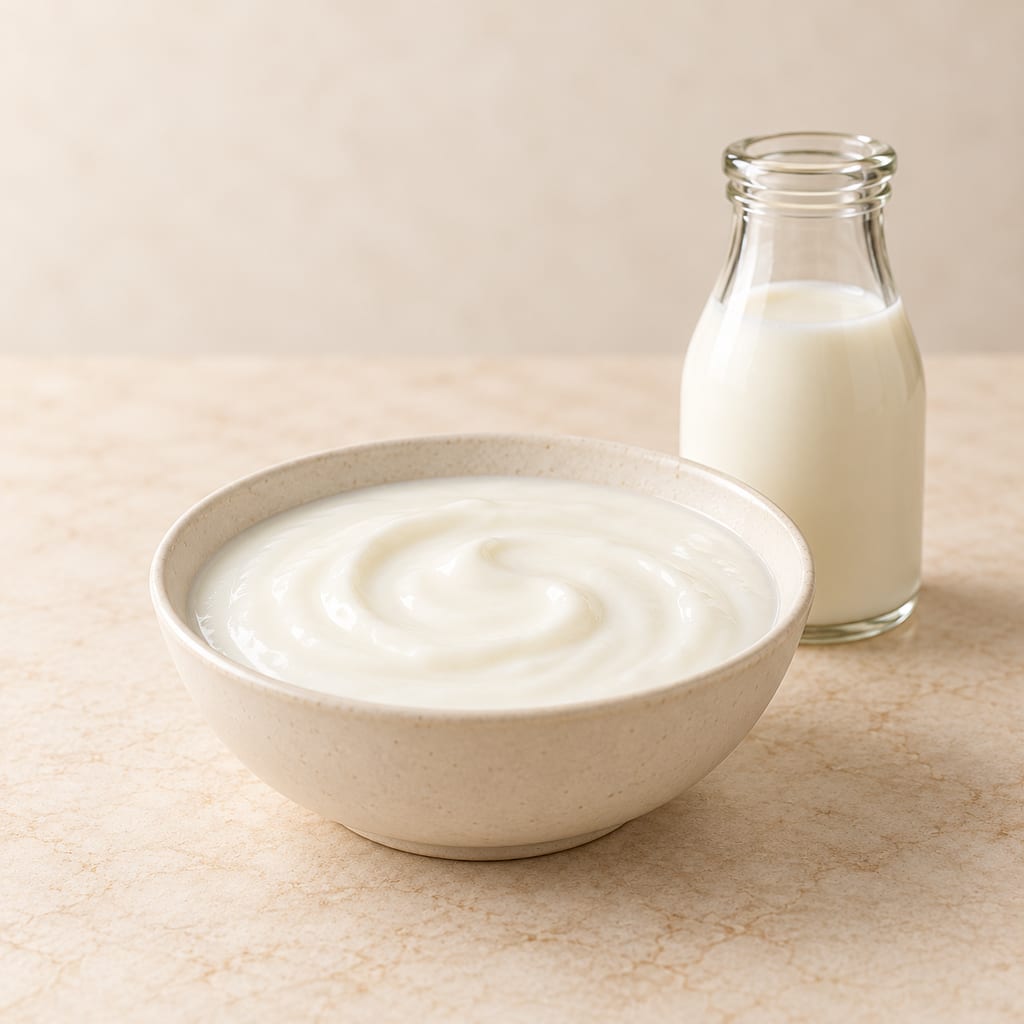
This plain yogurt is heated, cultured warm and stirred smooth after chilling. A Canadian home method uses fresh plain yogurt to start the lactic fermentation.
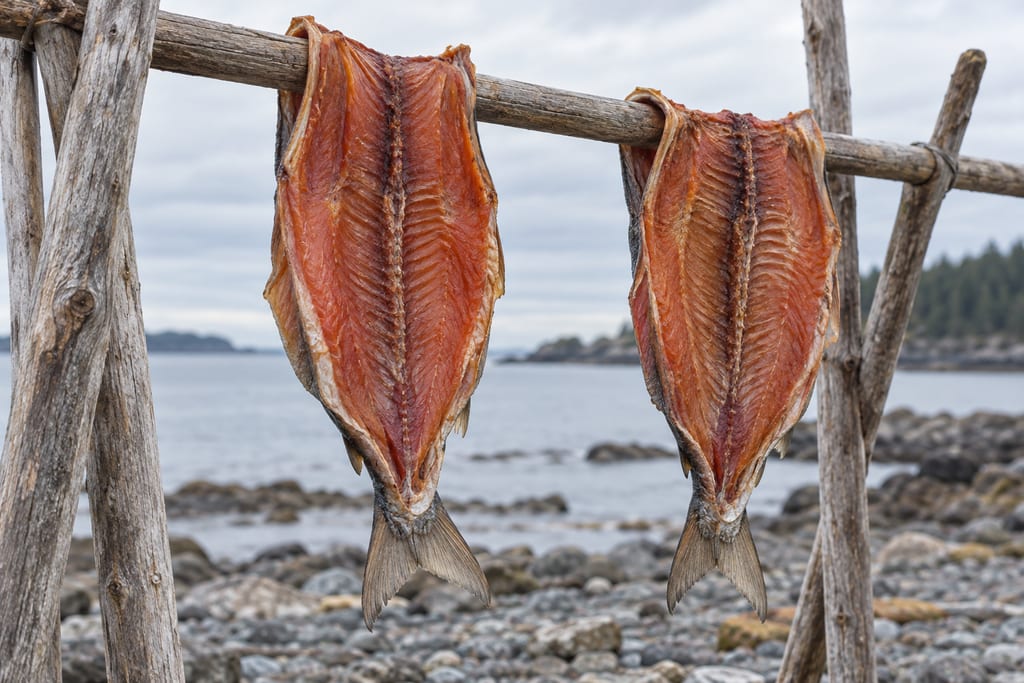
Pacific salmon opened along the backbone and hung on elevated wooden frameworks to air-dry, the winter provision at the centre of Nivkh household fishing on Sakhalin and the Lower Amur.
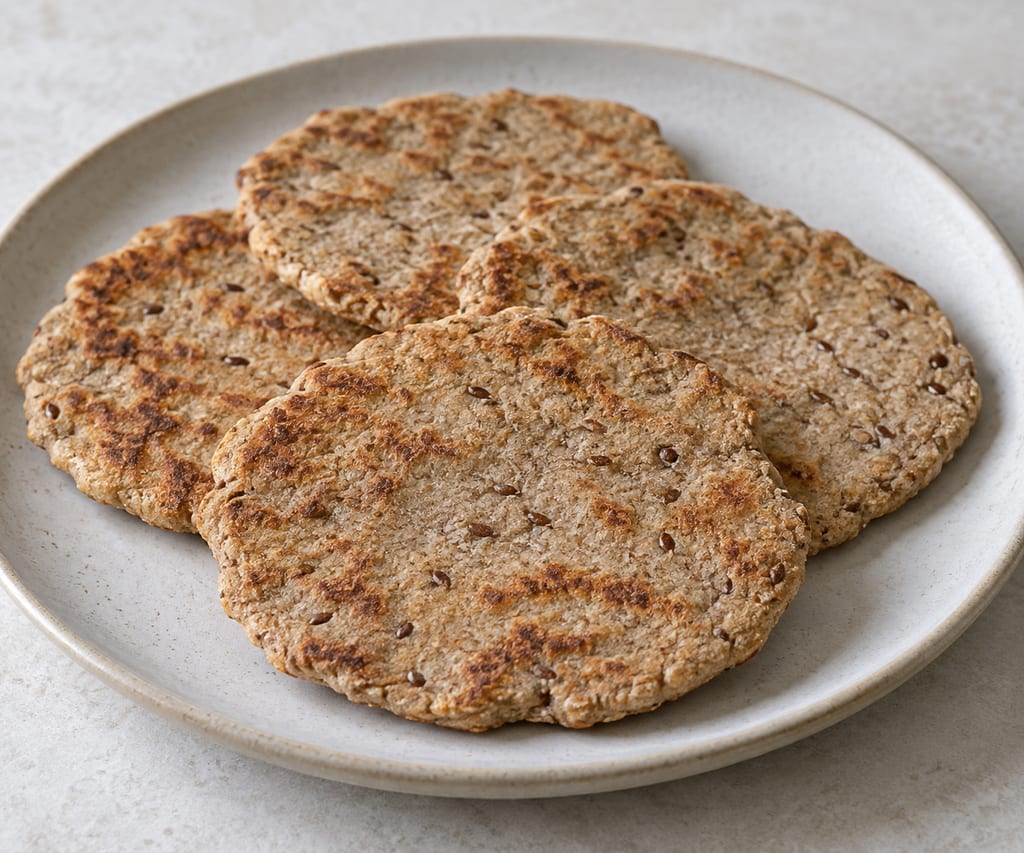
A small, dense cake of ground barley mixed with liquid and cooked against a hot surface, the form a low-gluten northern cereal takes when a household turns stored grain into bread.
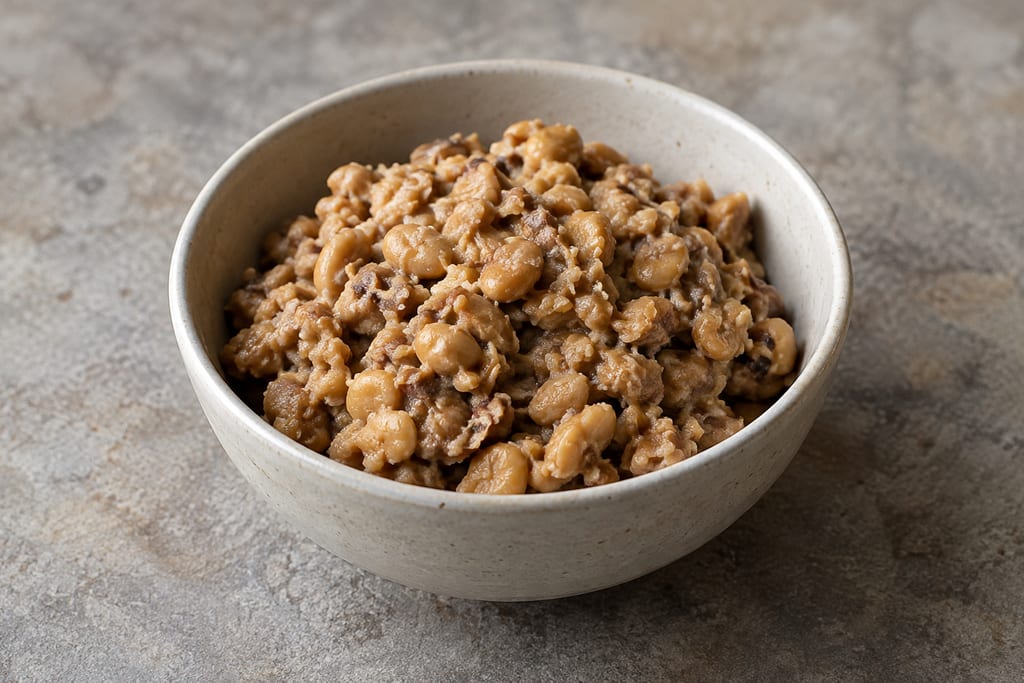
A Khasi and Jaintia fermented soybean food from Meghalaya: cooked beans ferment naturally in leaf-lined baskets above a fire, giving a sticky, pungent, savoury mass.
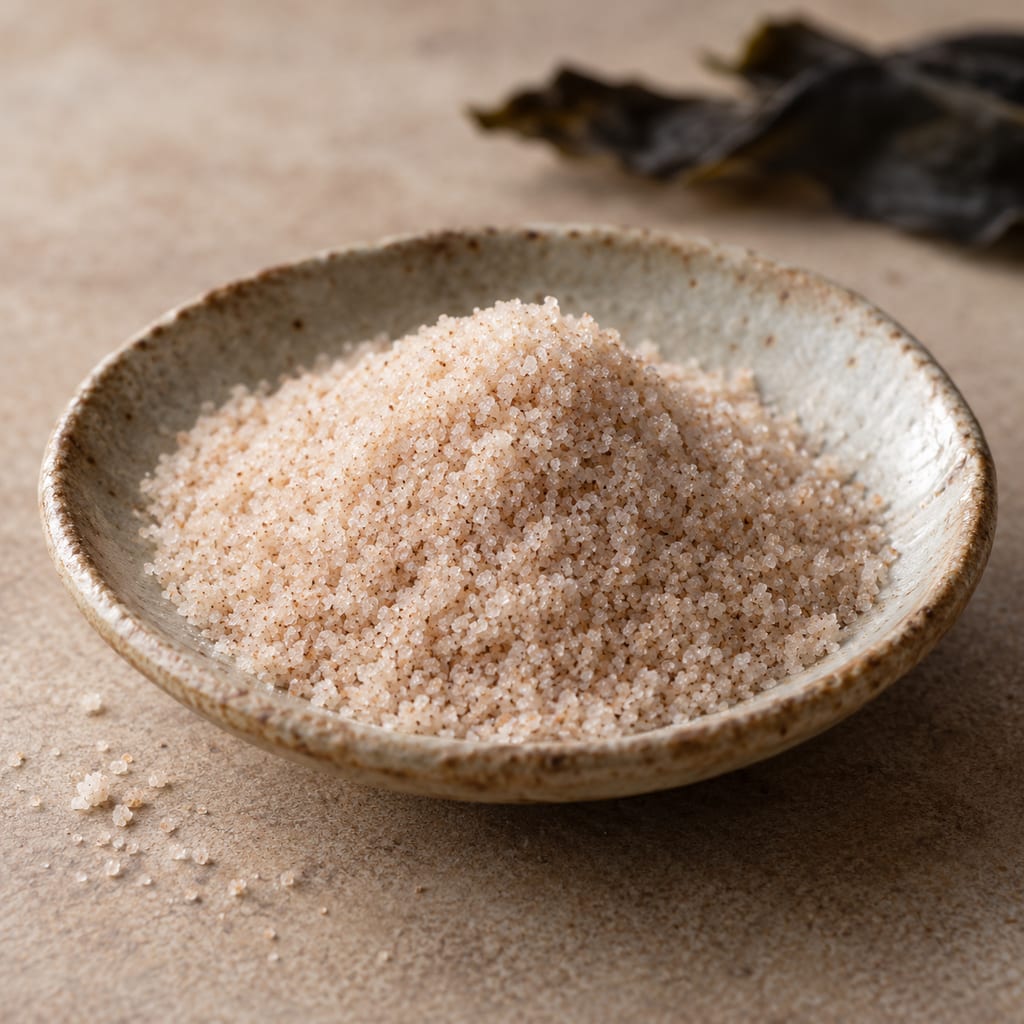
Awaji moshio is a modern Japanese seaweed salt made by TaDa PHILOSOPHY from Awaji Island seawater and seaweed. Its premium process concentrates brine, extracts seaweed flavor, then crystallizes, separates, dries and grades the salt.
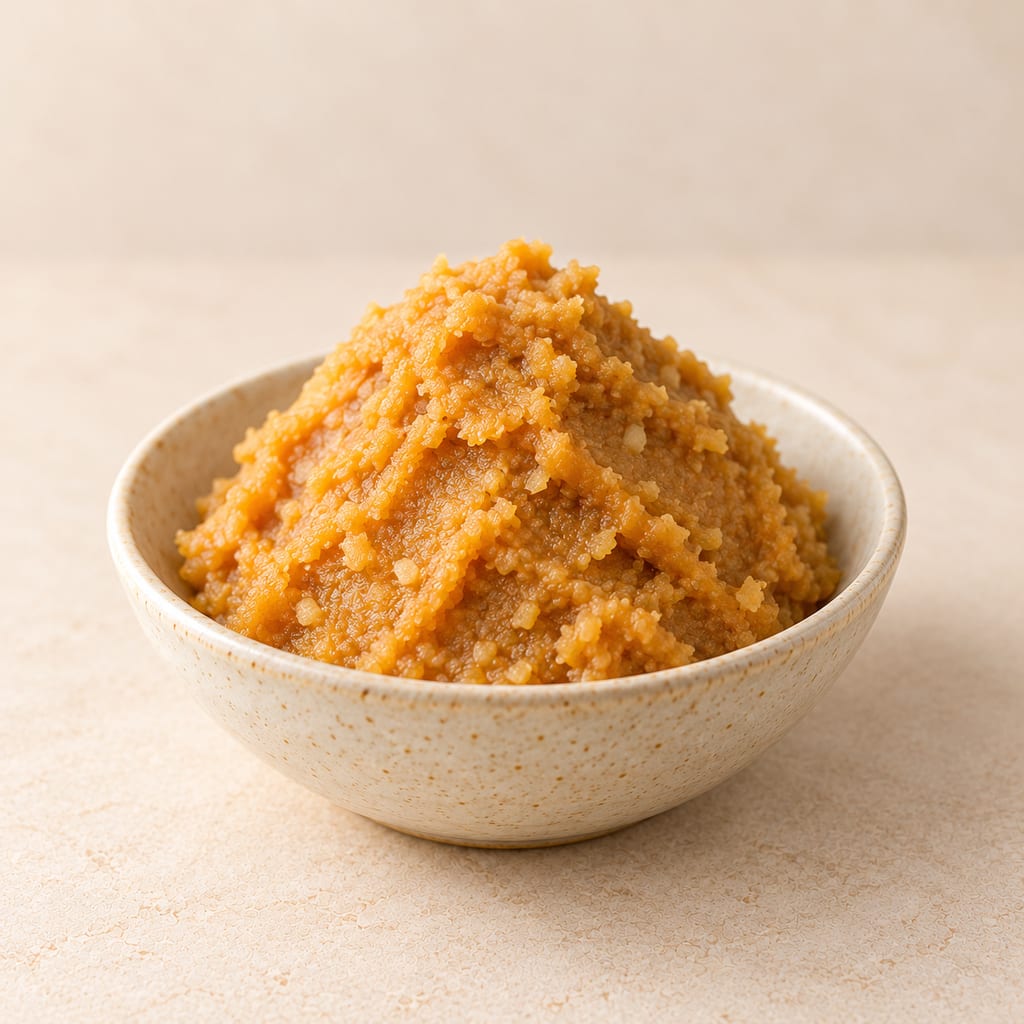
A traditional Japanese fermented paste made by mixing cooked soybeans with rice koji and salt. This guide details the ratio, the long enzymatic breakdown, and the months-long maturation required for depth.
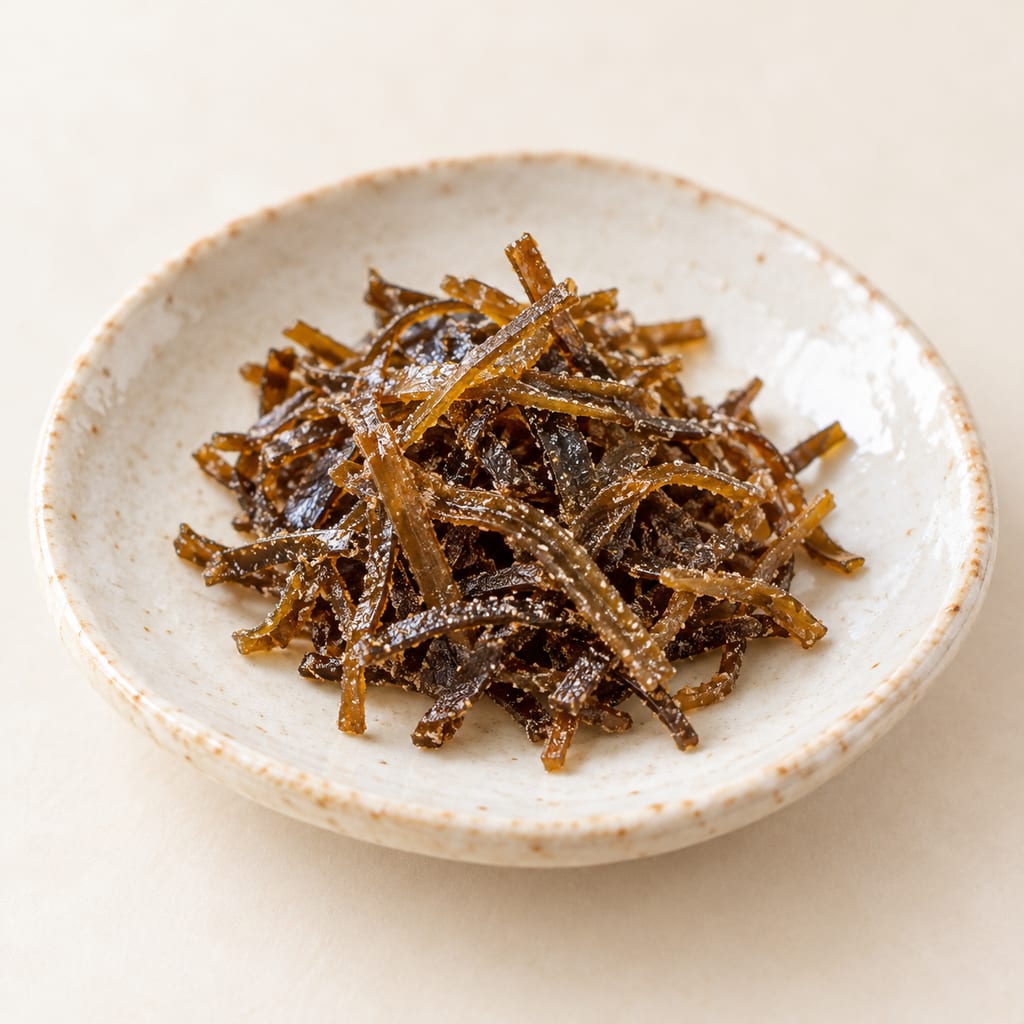
Japanese kelp simmered in soy sauce and seasonings, sometimes dried and salted, eaten with rice or used as an umami seasoning.
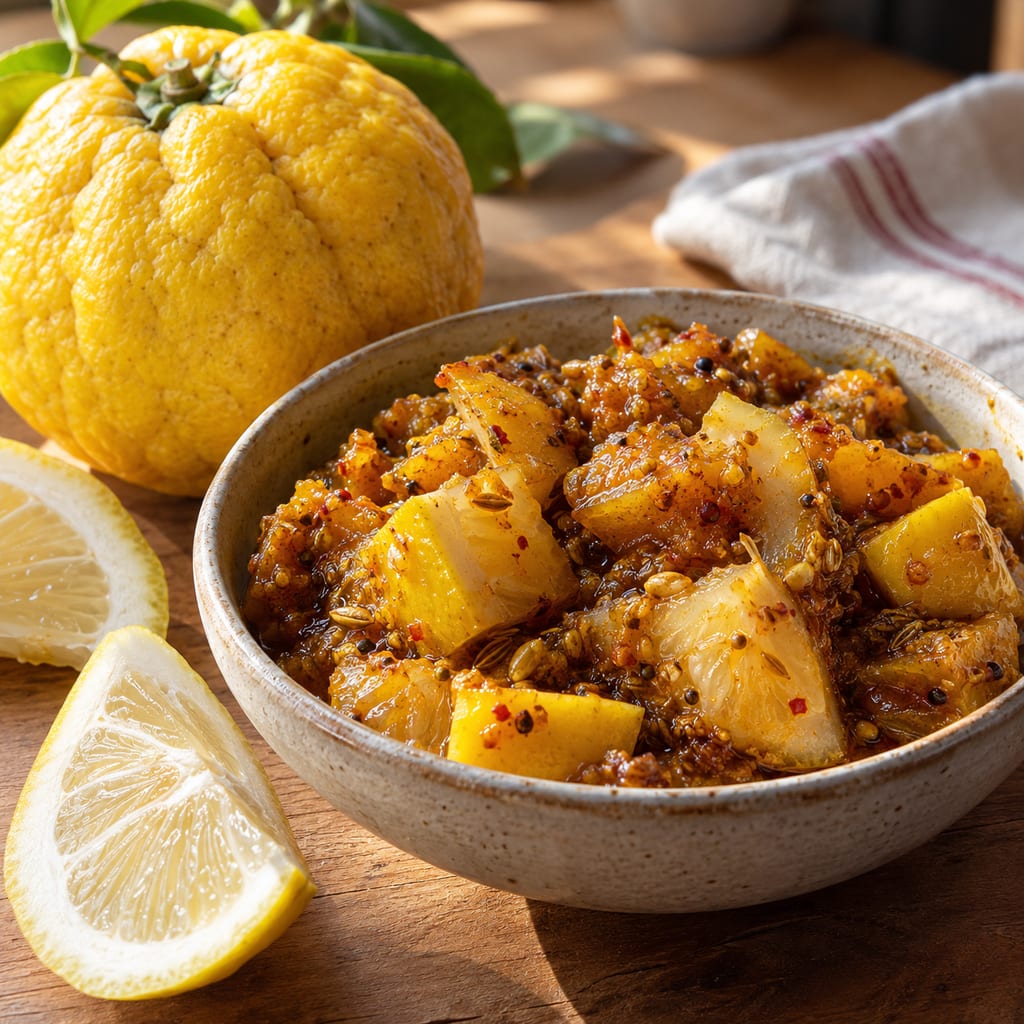
Ripe Himalayan galgal is boiled, sun-dried and cooked with mustard oil, spices and jaggery before a further rest in a ceramic jar.
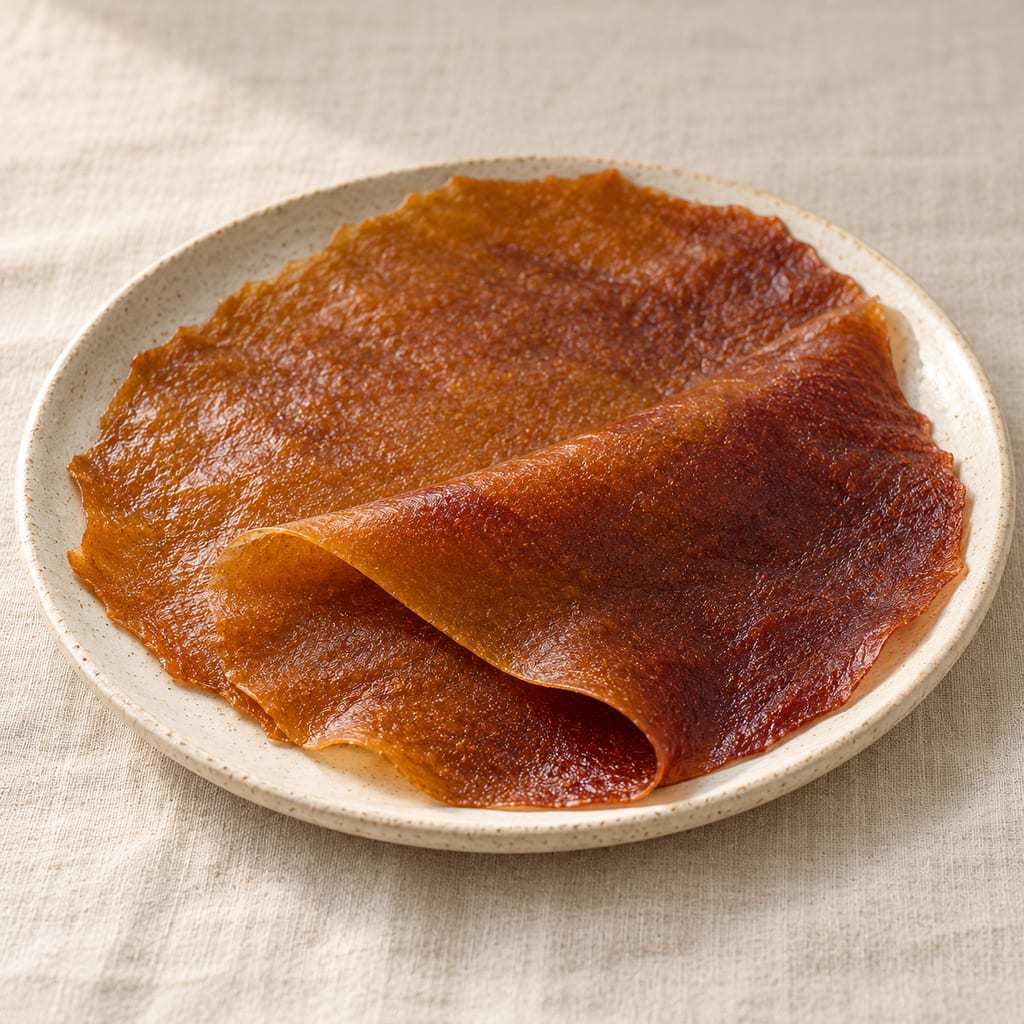
A reported Khizabavra household method cooks mulberry juice with wheat flour into a thin porridge before drying it on cloth; batch measures and a measured endpoint are absent.
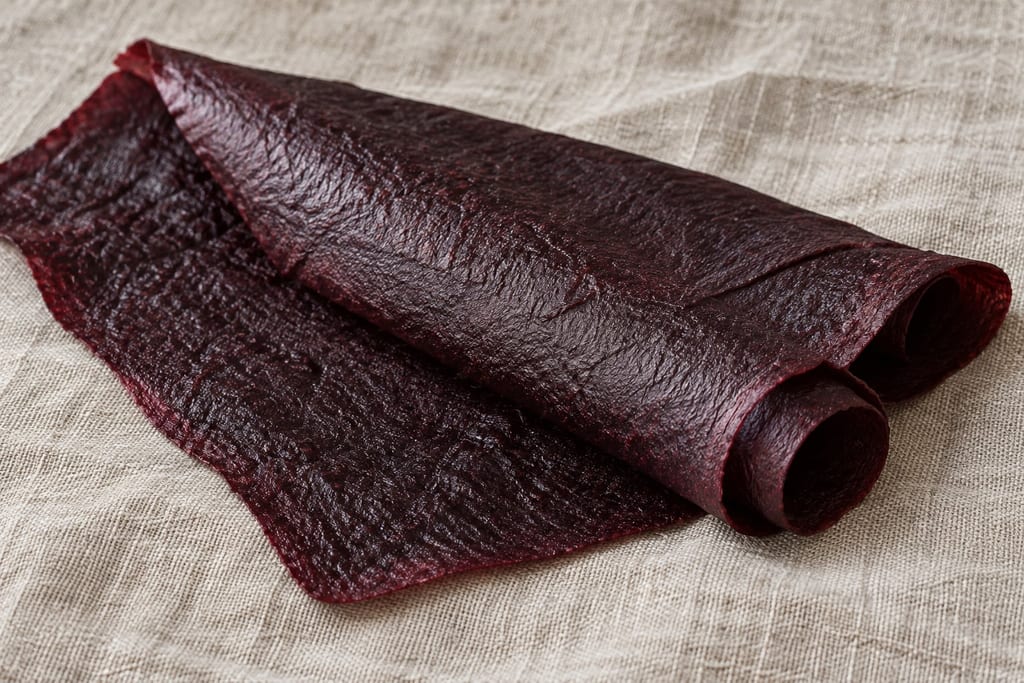
Georgian field notes describe mulberry tklapi with wheat flour but omit how the paste is cooked. FDA warns raw flour can carry harmful bacteria; this incomplete account is documentary, not a home recipe.
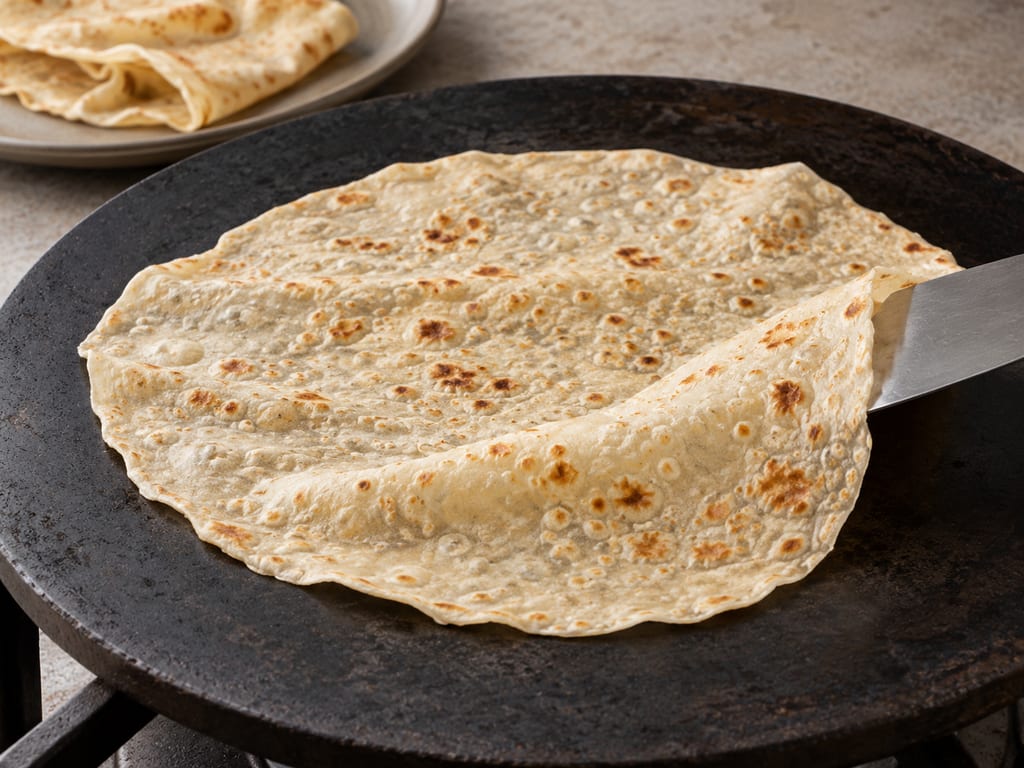
Regag is a thin Emirati wheat bread cooked on an ungreased pan. This measured home method uses a soft dough that rests covered, then gets spread thin with a palette knife or bench scraper.
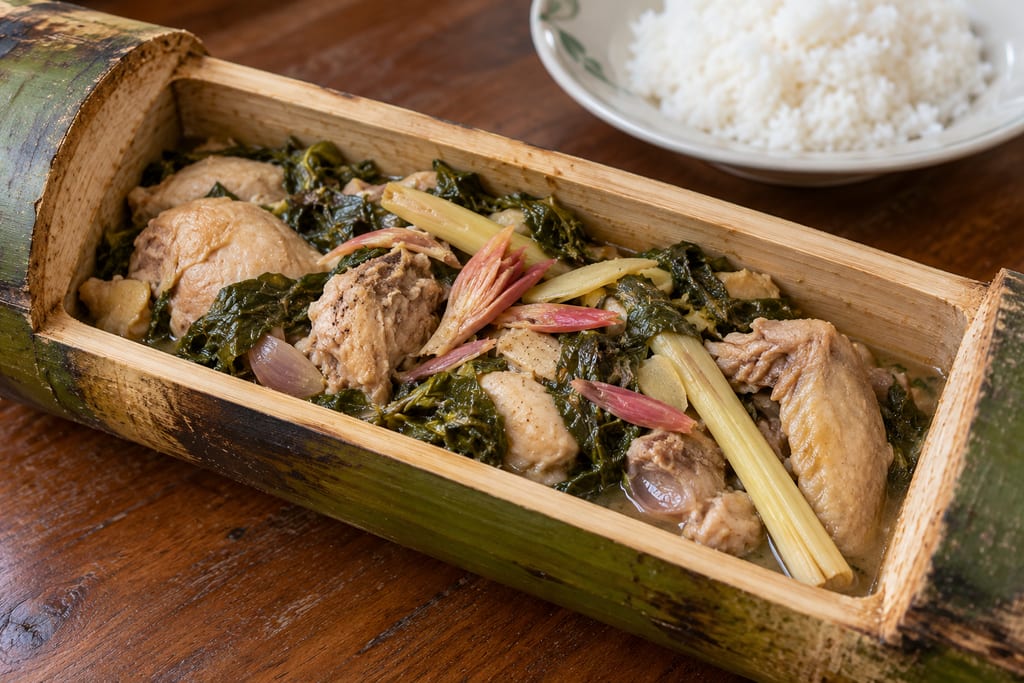
Manuk pansuh is Iban chicken cooked slowly inside a fresh bamboo tube with aromatics and leafy greens. The bamboo holds the food and shapes the steamy, fragrant cooking environment; recipes vary by household and locality.
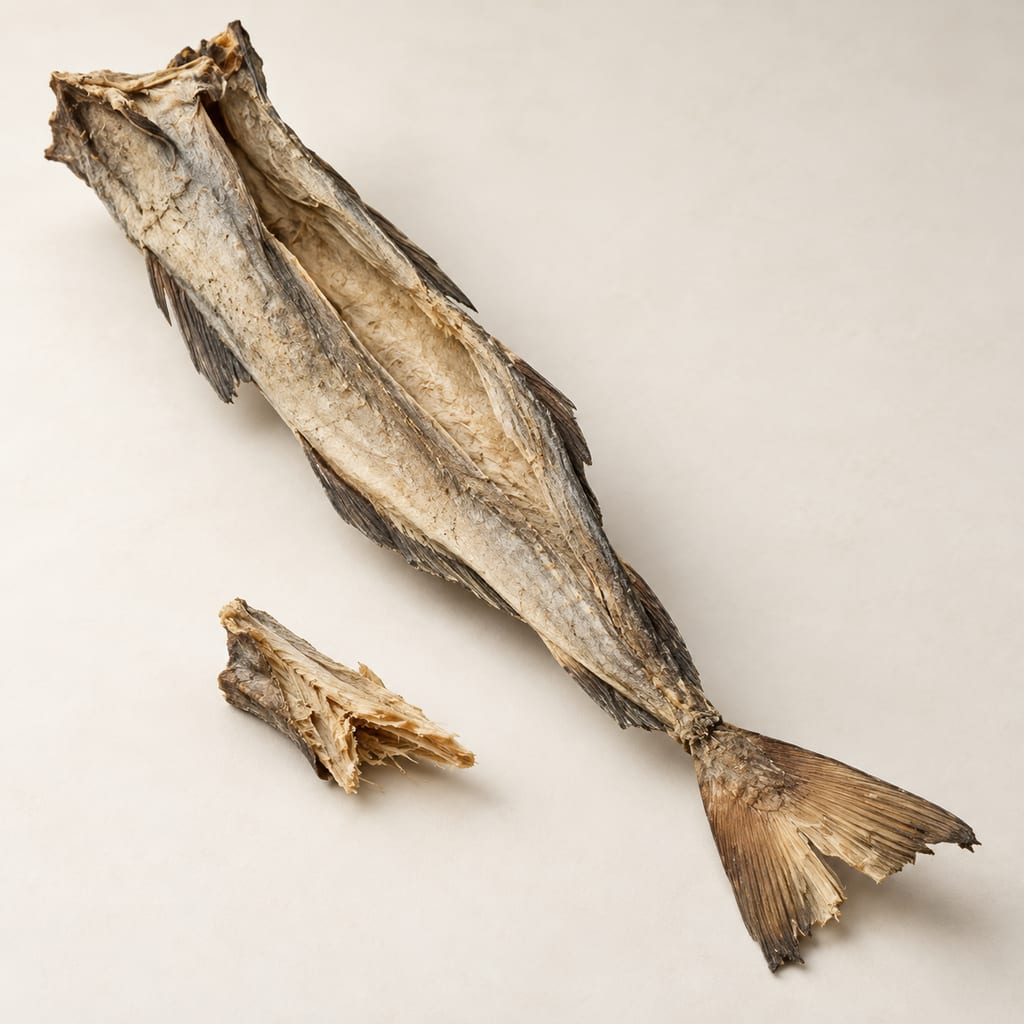
Cod hung on open racks in cold northern air until most of its water has gone, leaving a hard, light, unsalted fish that keeps and travels and must be soaked for days before cooking.
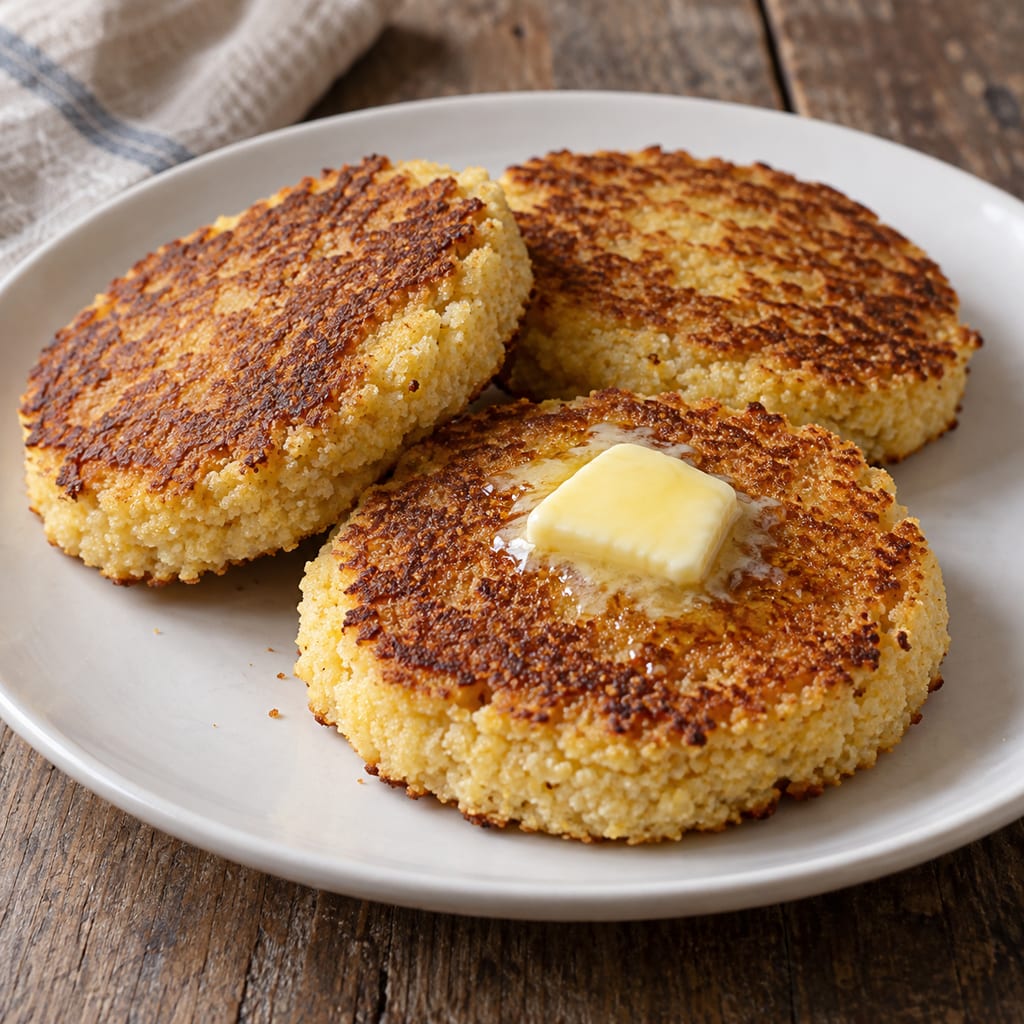
Thicker cornmeal cakes scalded with boiling water and cooked in butter. This South County formula is separate from thin Newport milk-batter cakes and Caribbean wheat breads.
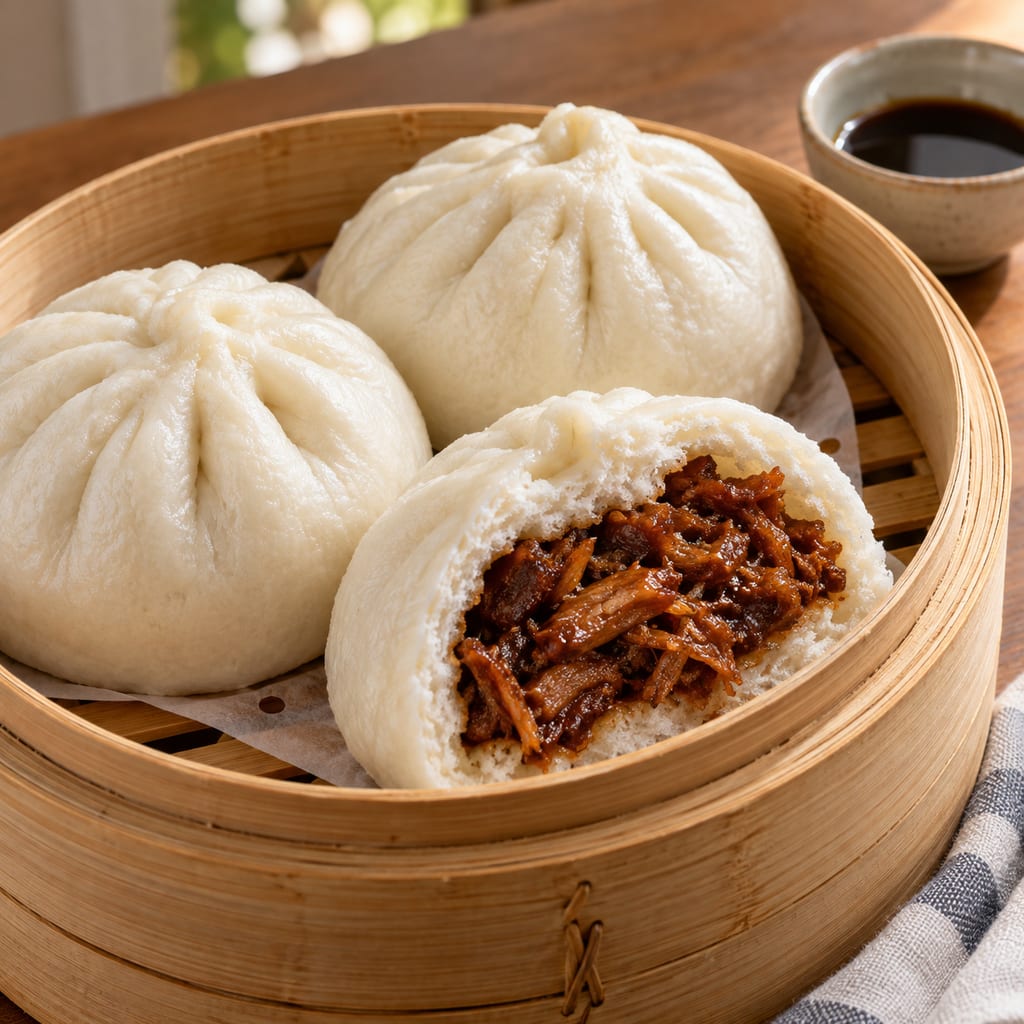
Filipino siopao pairs a soft steamed wheat bun with a sweet-savoury pork asado filling and a separate sauce made from its braising liquid.
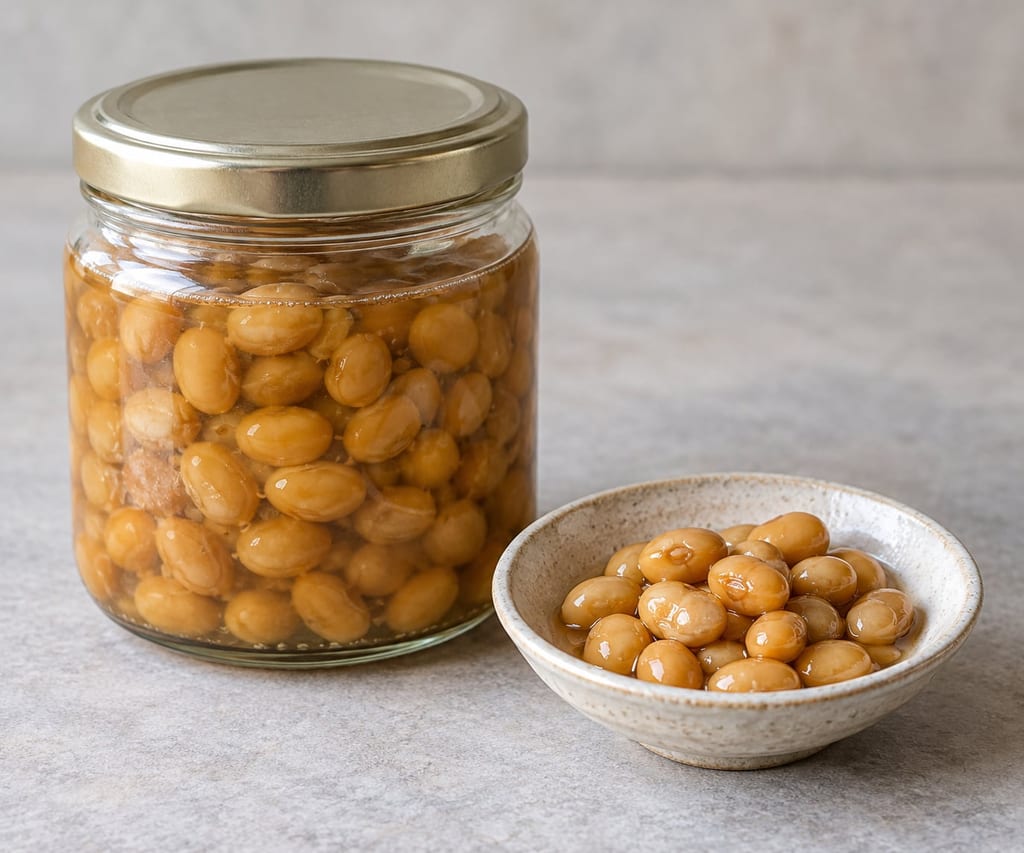
A Cambodian fermented soybean food in which cooked beans ferment into a sticky alkaline mass, then are preserved and matured in salt brine, sometimes sweetened with sugar.
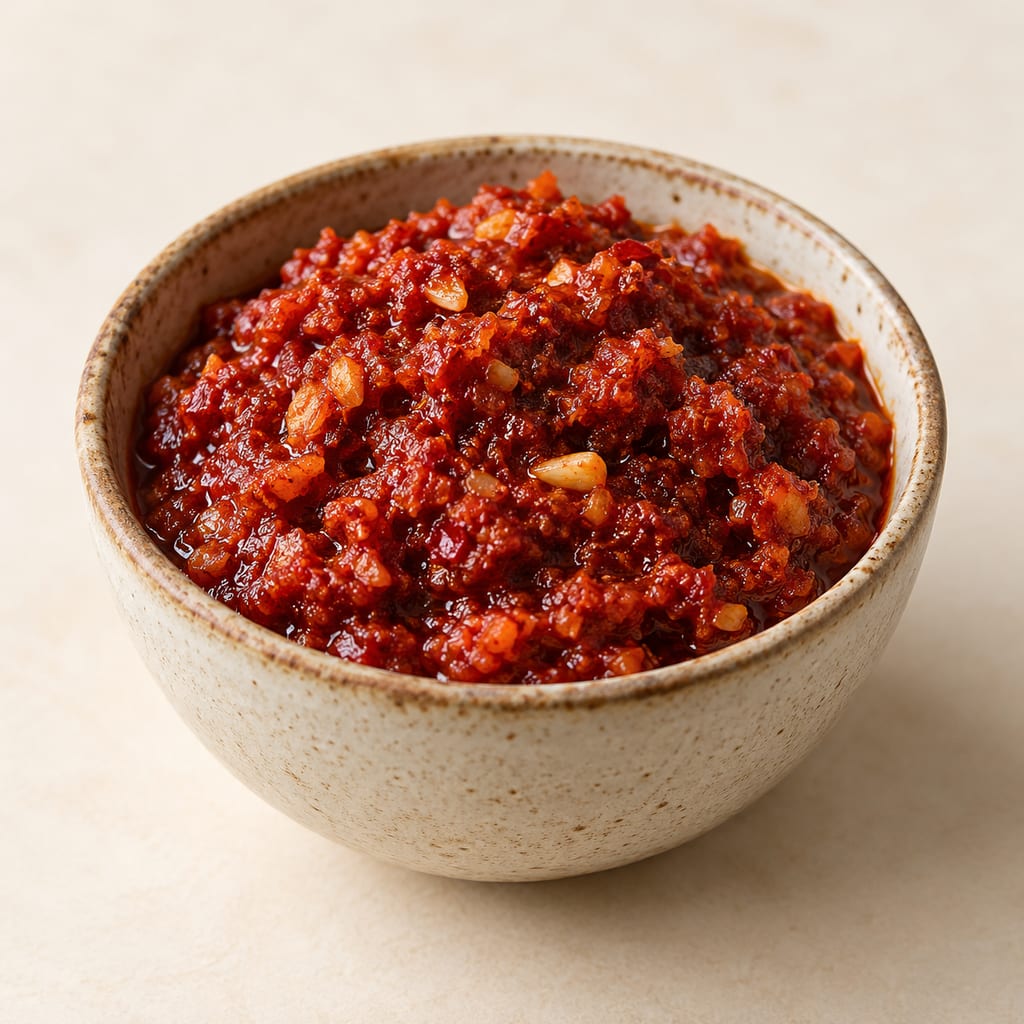
A chilli and garlic paste from the Libyan Jewish community, built on steamed dried peppers, garlic and cumin, now a common condiment in Israel.
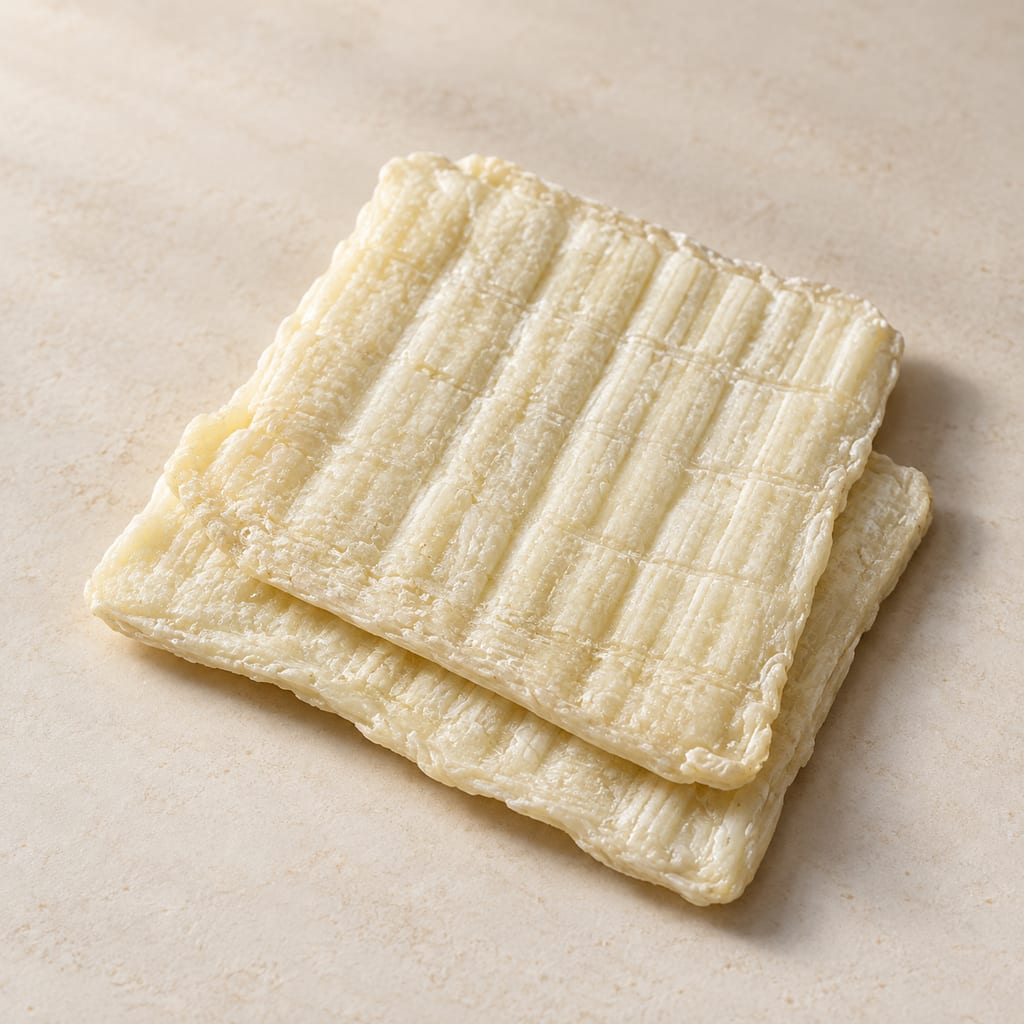
Tchoukou, also called Tikomart, is a thin, dry Nigerien cheese made to keep seasonal milk for later use. Documented methods use animal rennet, shape drained curd into sheets and dry it.
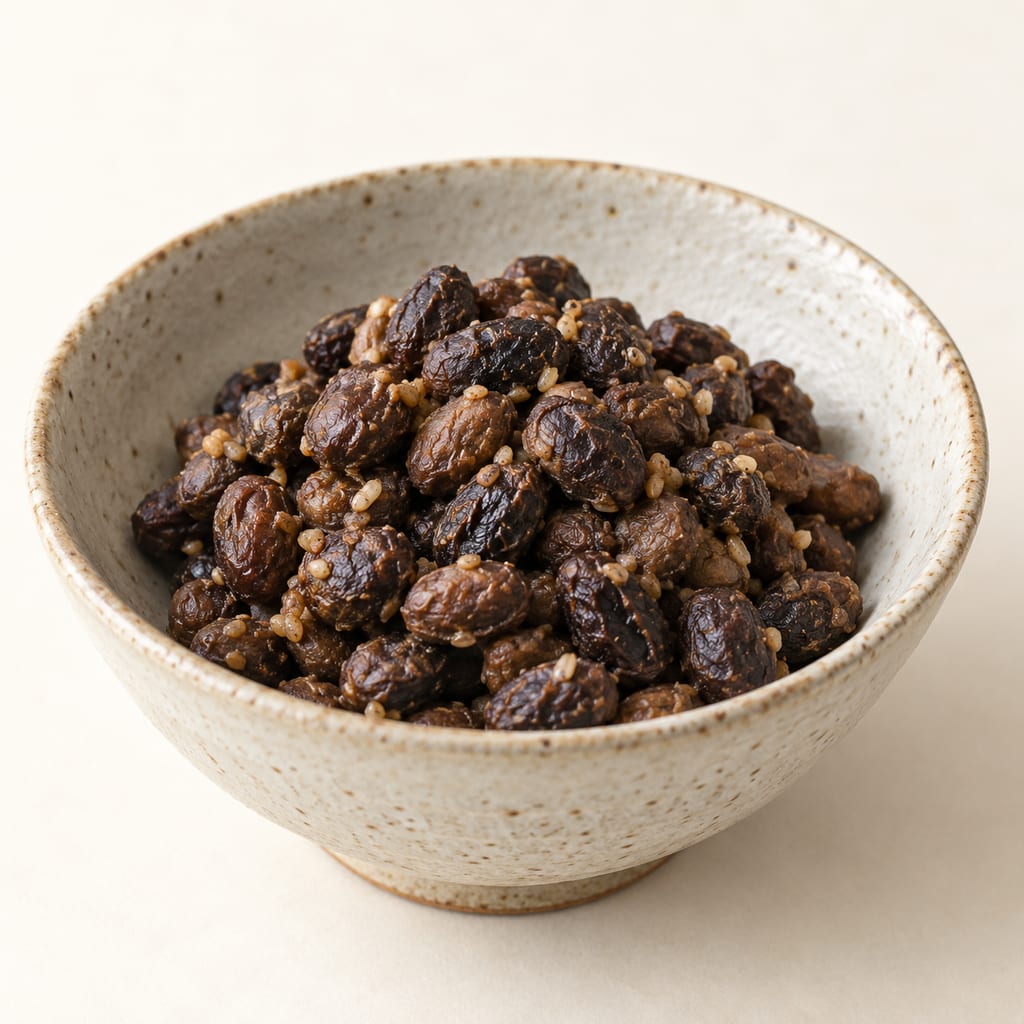
A Japanese family of salted, dark, non-stringy natto made from whole soybeans, roasted grain and salt water, with names such as hama-natto, Daitokuji-natto and tera-natto. Not the sticky Bacillus natto.
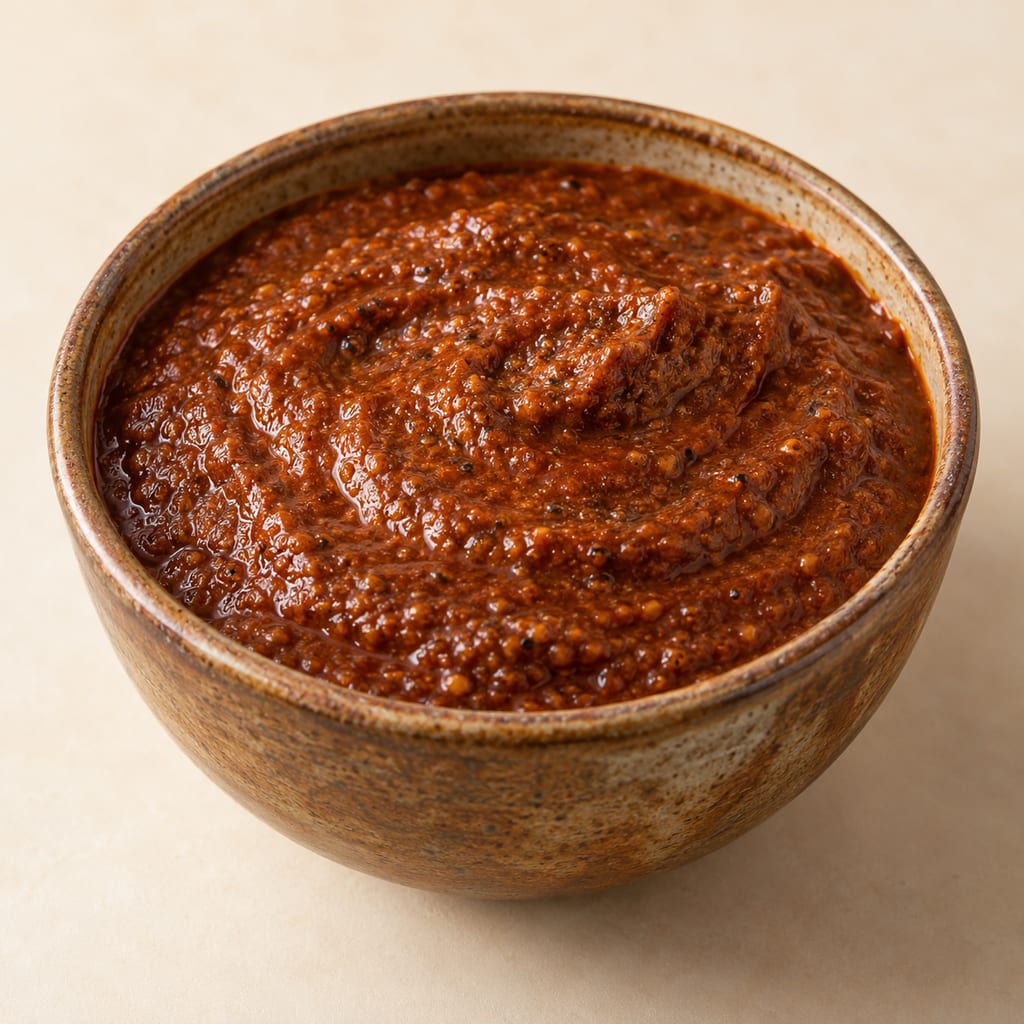
The roasted chile, seed and vegetable sauce that thickens and colours Guatemalan pepián stew.

Buttermilk, flour and sourdough discard rest overnight before eggs and baking soda turn the sponge into a griddle batter. The finished pancakes are tender and lightly tangy.
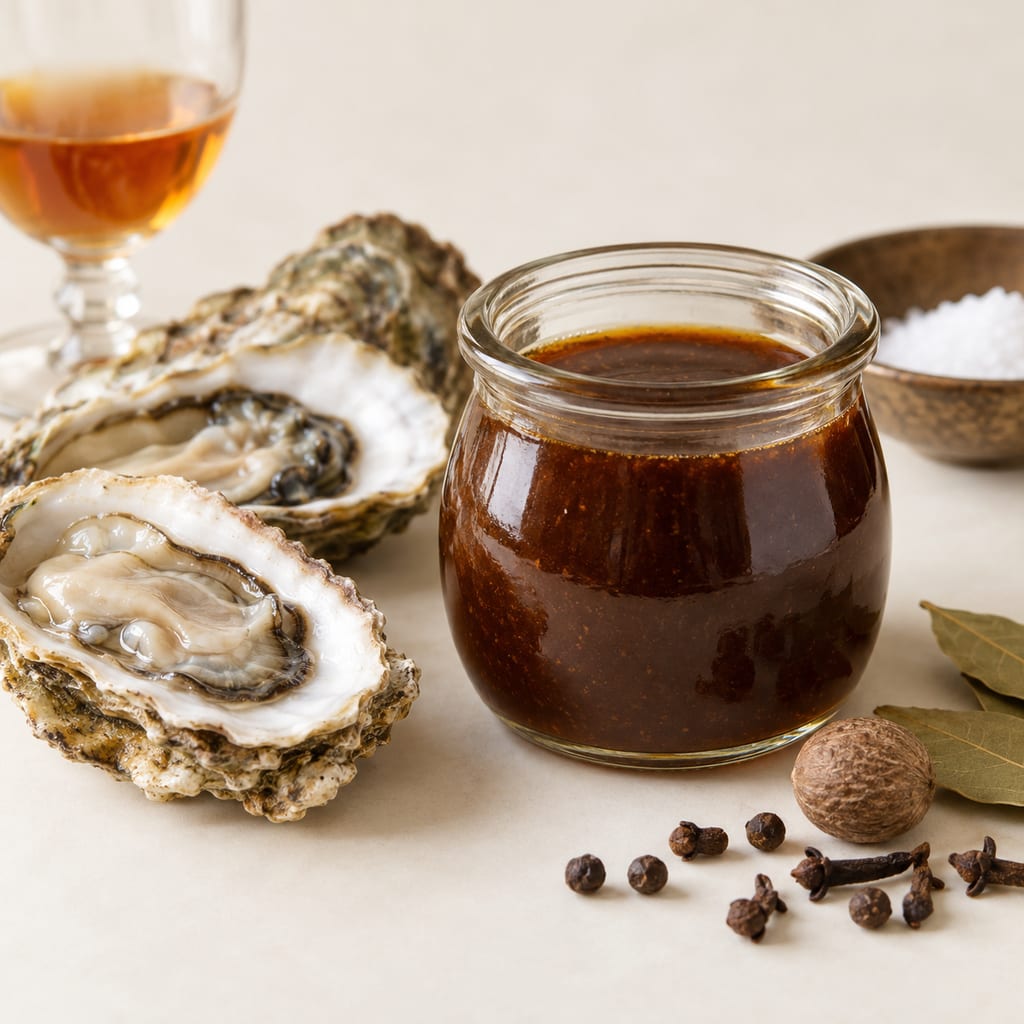
Oyster ketchup is a Victorian English shellfish seasoning documented in Mrs Beeton’s 1861 household manual. The page records the historical formula and serving role as evidence, not as a safe modern recipe.

Maple sap of about two percent sugar boiled down in a shallow pan until it reaches syrup density, the sugar concentration the standard defines, then filtered hot and packed hot.
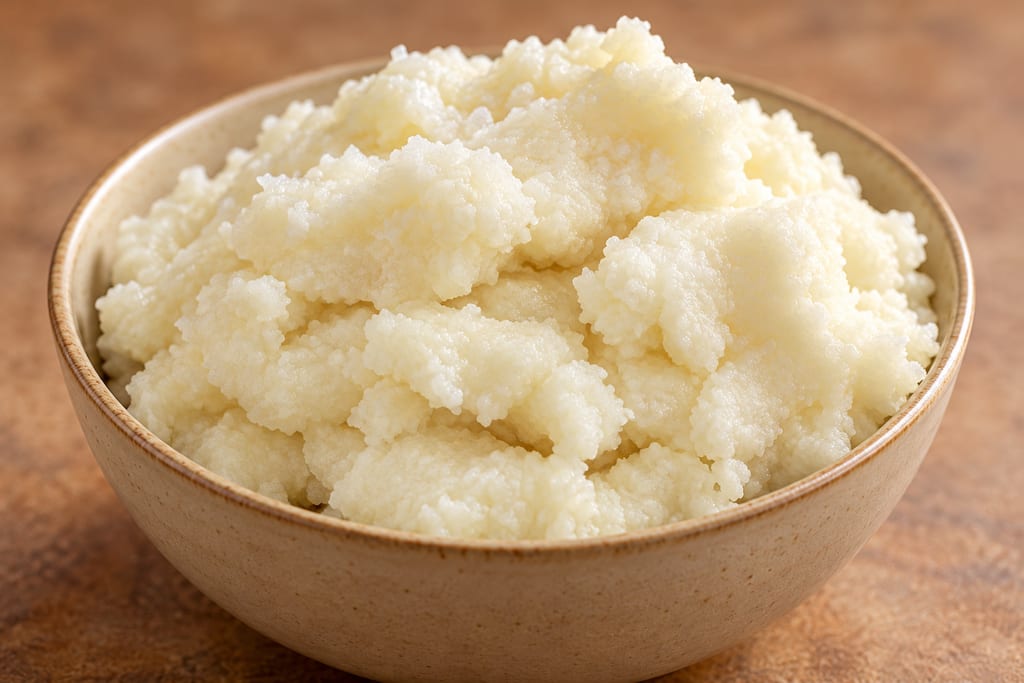
South Africa's maize-meal porridge, which the same white meal turns into a soft breakfast pap, a firm sliceable mound or the separate moist granules of phuthu depending only on water and handling.
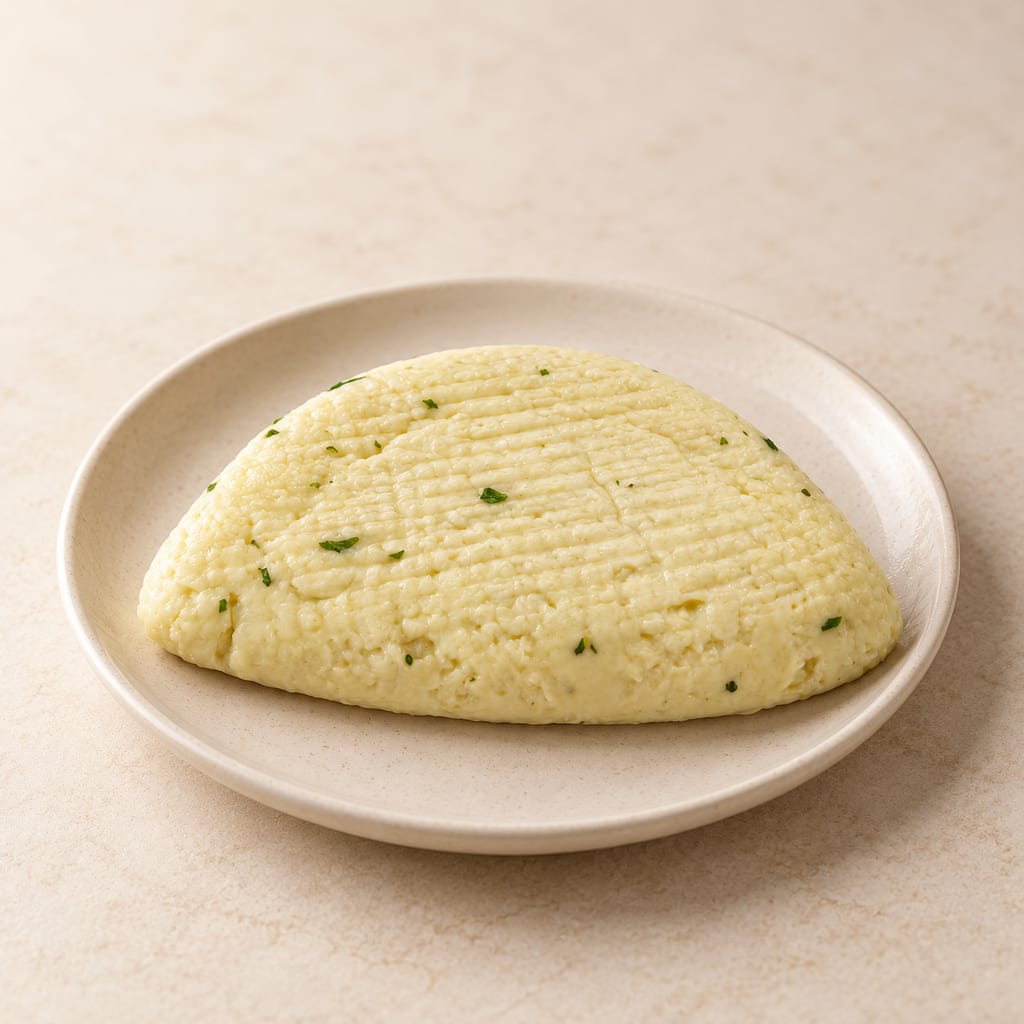
A firm cow-milk cheese cooked in hot whey, salted and folded with optional mint. This fresh halloumi keeps its shape when grilled or pan-fried.

Hypeabis’s mini version shapes a sweet yeast dough into one crocodile, fills its body and feet with chocolate sprinkles, and bakes it at 150°C.

In a surveyed Himachal method, ripe galgal is blanched, sun-dried, cooked with mustard oil, fennel and thyme, then left to ferment.
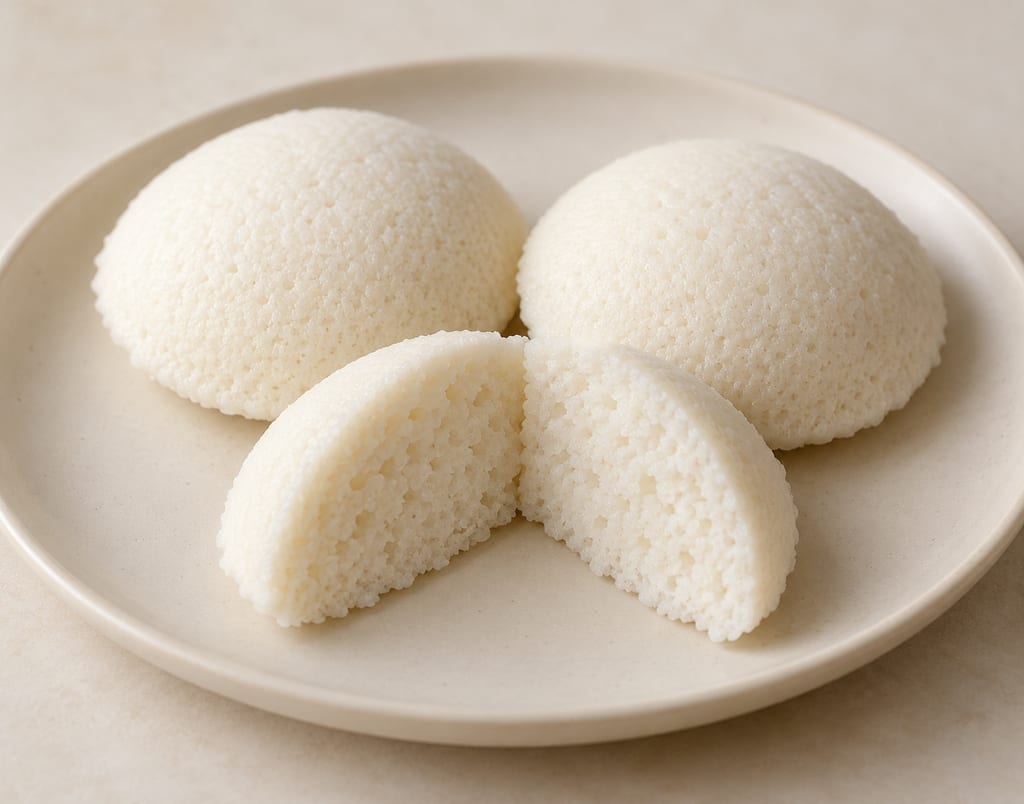
Rice and urad idli uses a source-specific naturally fermented grain and urad batter, then cooks it by steaming in moulds. The creator leaves some process measures unquantified.
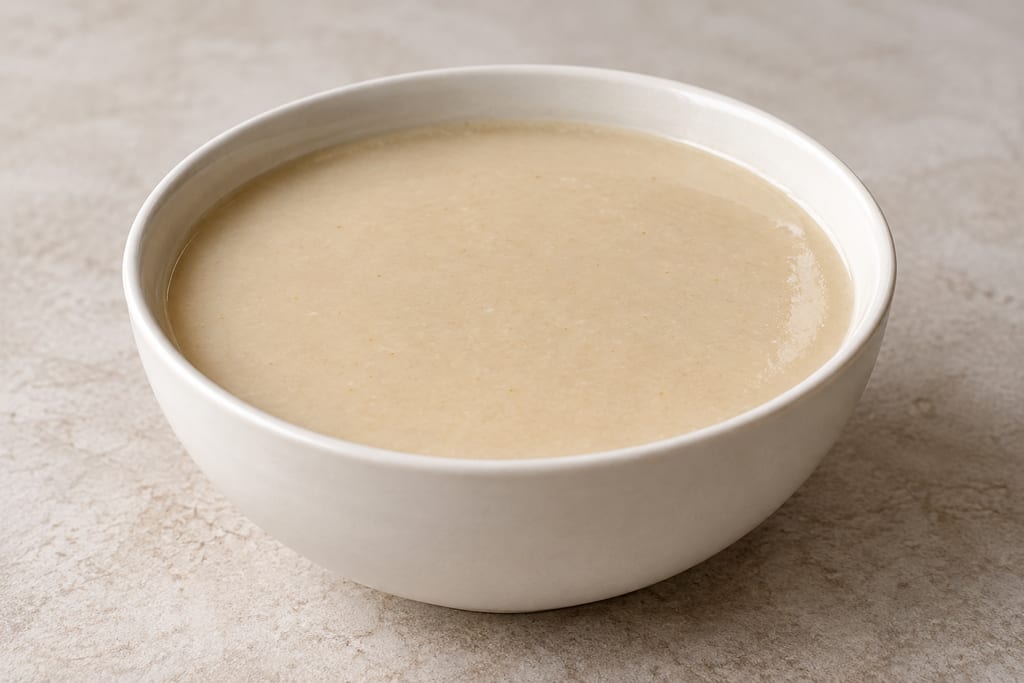
A fermented pearl-millet gruel documented in Ouagadougou, Burkina Faso. Whole grain is soaked, wet-milled and sieved; the settled paste ferments again before it is cooked with its liquid.
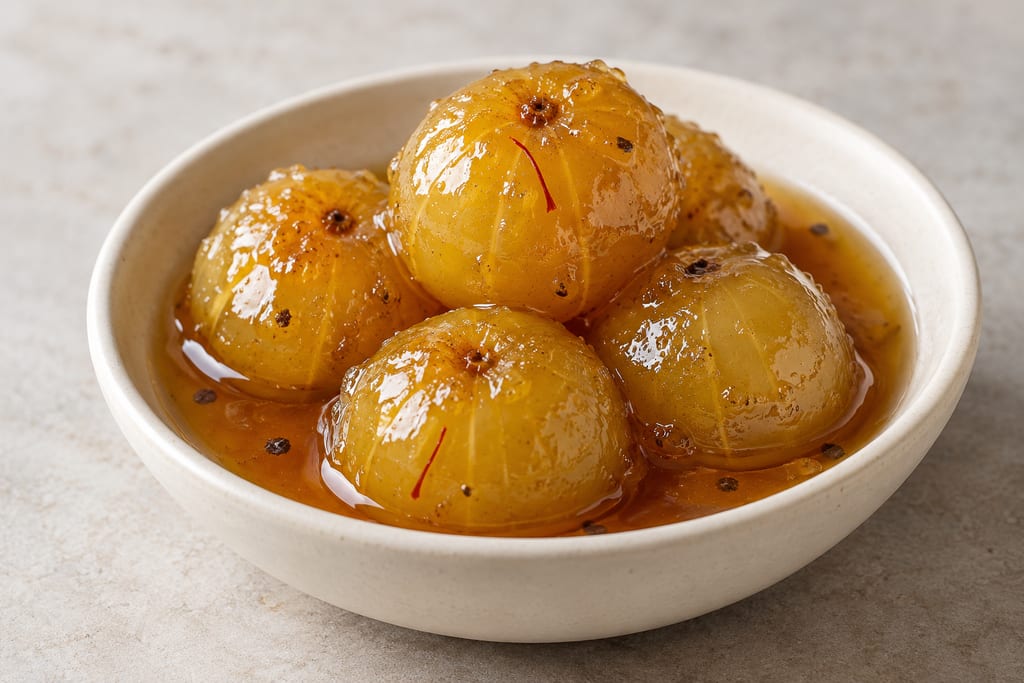
Amla murabba preserves whole Indian gooseberries in a heavy sugar syrup scented with cardamom and sharpened with pepper and black salt. This household method soaks the fruit before cooking.
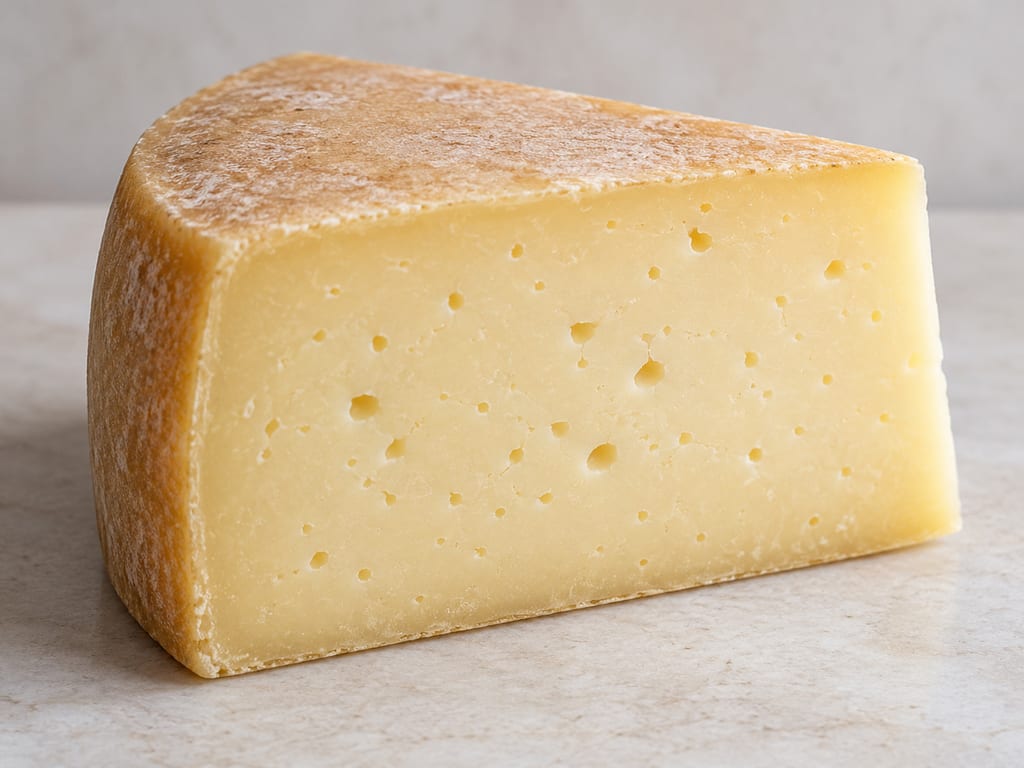
This Cypriot graviera is a hard sheep-milk cheese with a dry rind and round eyes. Its curd is heated, pressed and dry-salted before a long cool ripening.
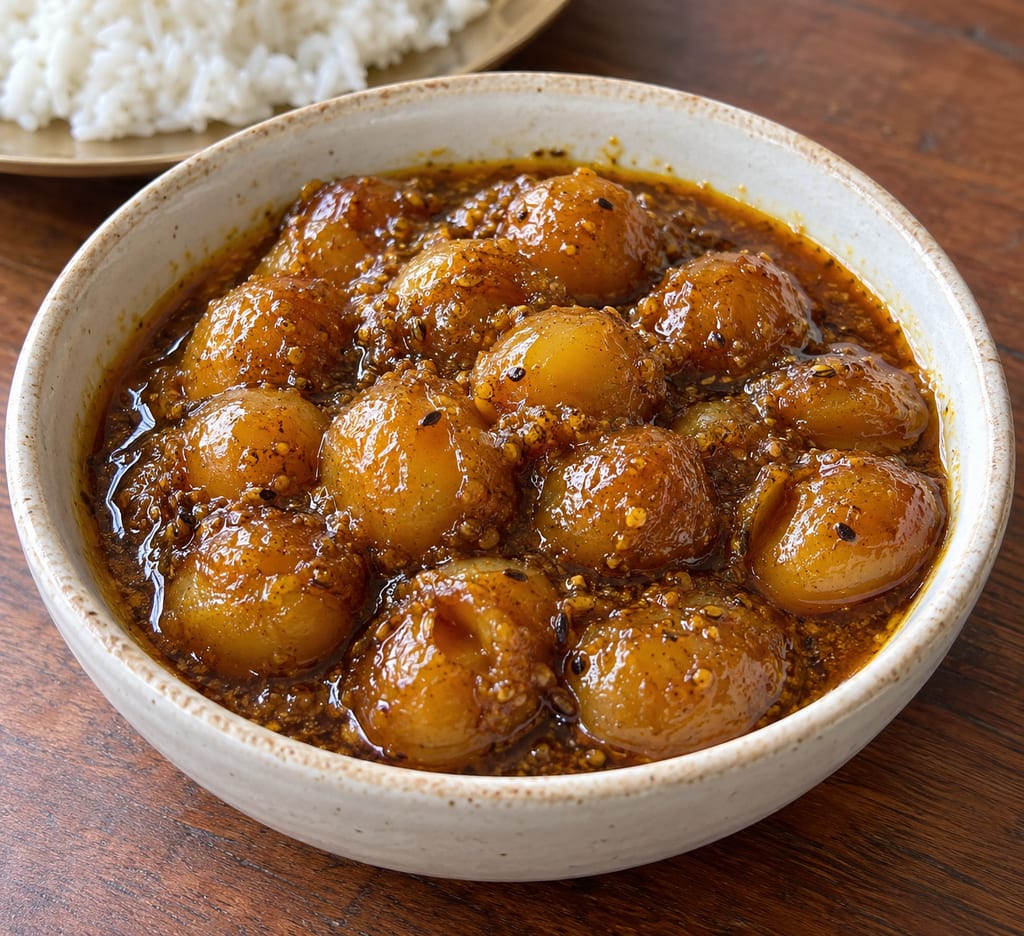
Ripe Nepali lapsi is boiled, peeled and cooked with mustard oil, salt, sugar and roasted spices to make a sweet-sour achar served alongside a meal.
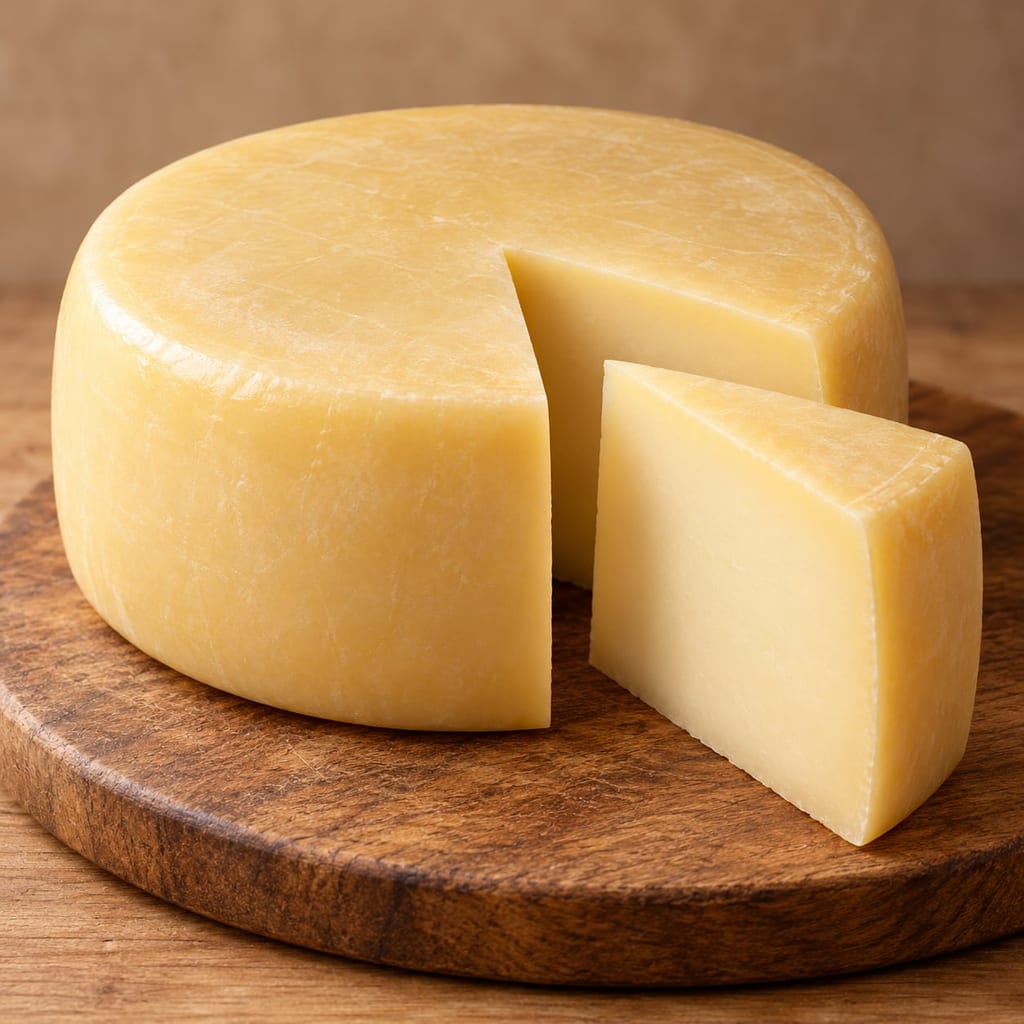
Kashkaval is a firm sheep-milk cheese whose acidified curd is worked in hot brine. This large-batch method finishes with repeated dry salting, wax coating and cool ripening.
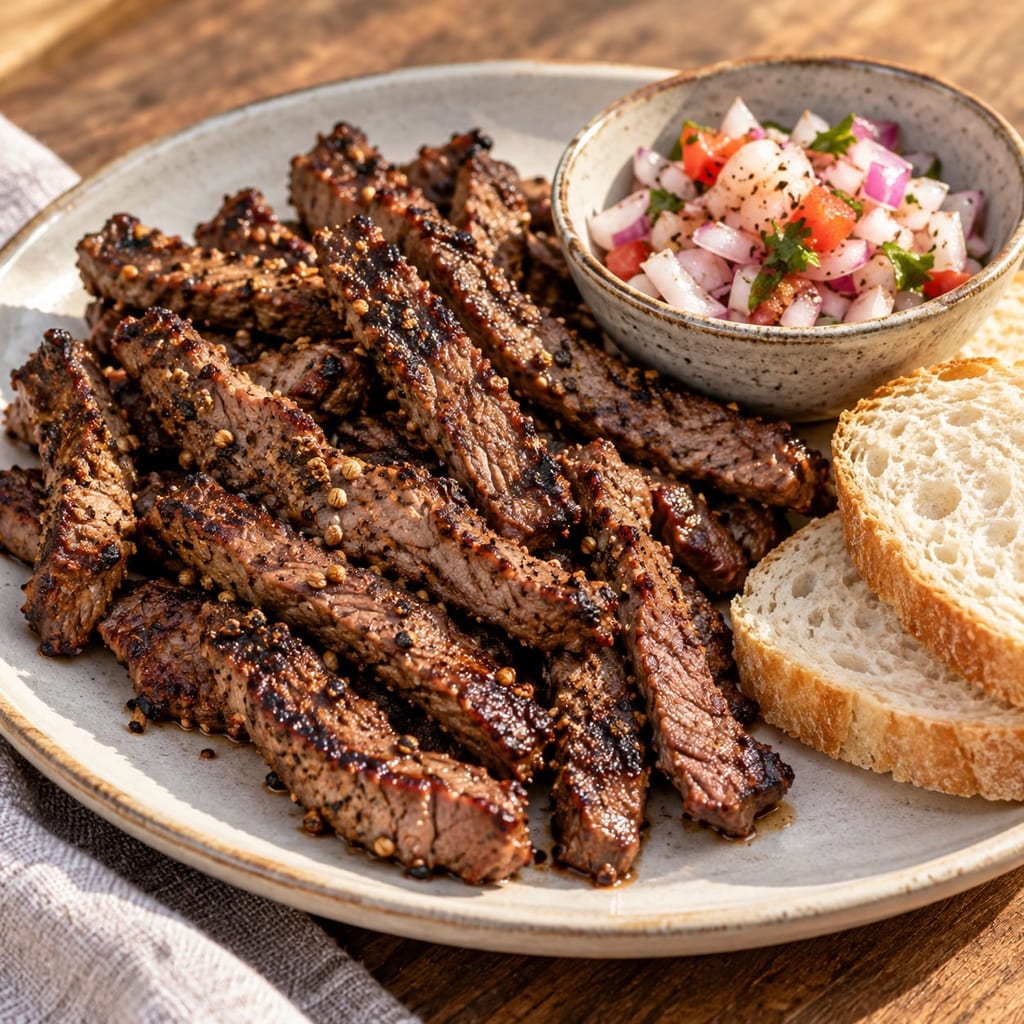
Beef rump takes vinegar, toasted coriander and pepper from the flavour family of tassal, then meets a thermometer-checked braai fire as a fresh-cooked meal.
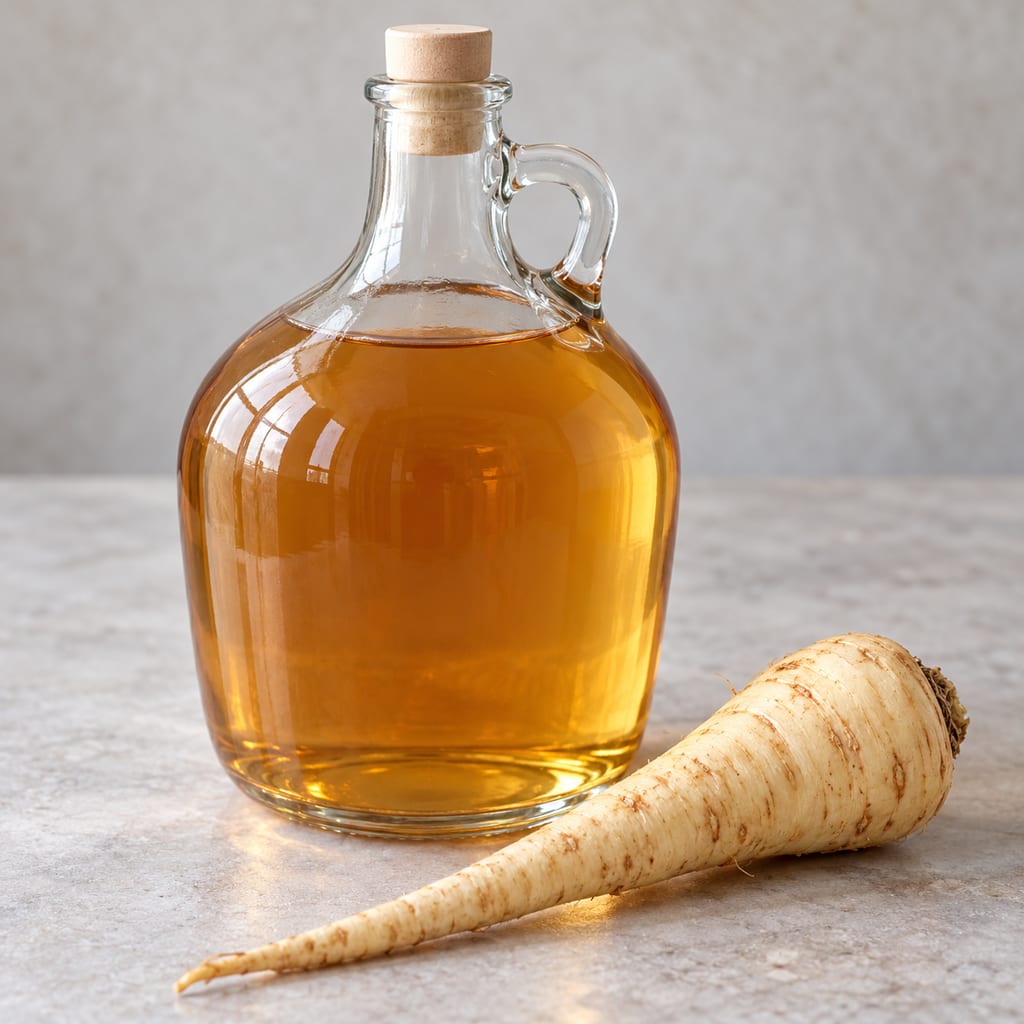
A root wine made from boiled parsnip liquor and lump sugar, fermented with yeast and finished with brandy before bottling.

Cooked-bean koji garum is a dark liquid seasoning made from soft-cooked beans, rice koji, salt and water. A long warm hold lets koji enzymes break down the mash.