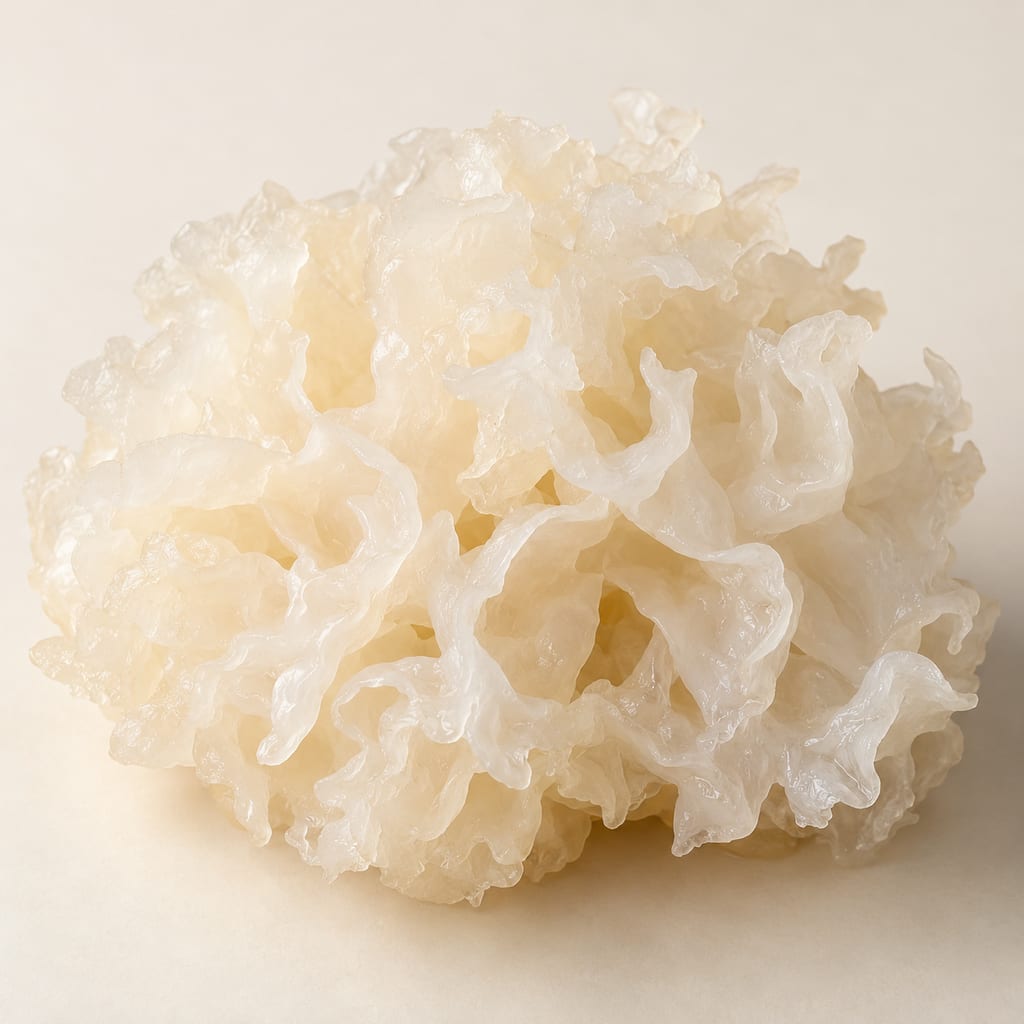
Snow fungus
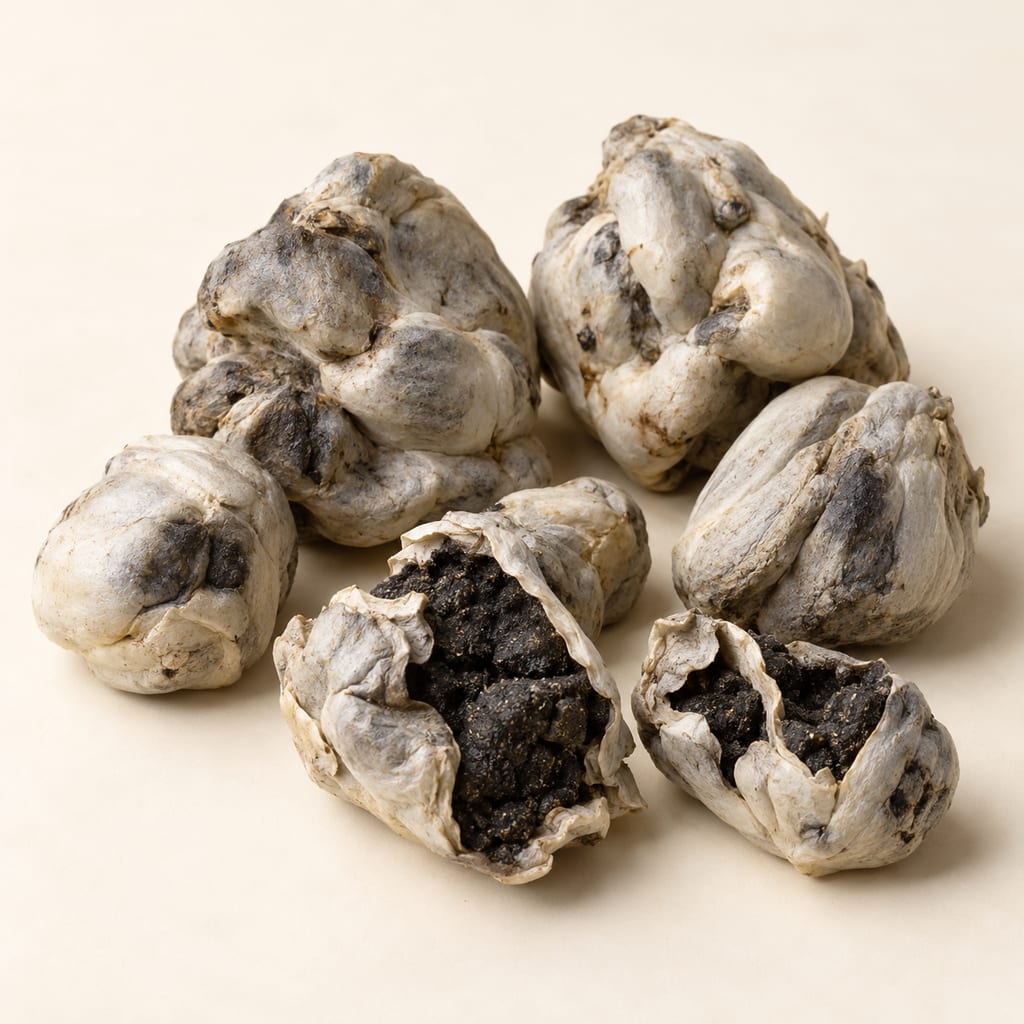
Snow fungus, Tremella fuciformis, is a white, gelatinous fungus that grows on dead broadleaf wood, and it was farmed for centuries in China before cultivation became a regular practice.
 FermenteaWhere food goes to change
1086 articles on substrates, cultures and additives.
 Edible mushrooms319
 Brittlegills24
 Truffles19
 Milkcaps17
 Termite mushrooms17
 Morels4
 Stinkhorn fungi4
 Fungi3
Snow fungus, Tremella fuciformis, is a white, gelatinous fungus that grows on dead broadleaf wood, and it was farmed for centuries in China before cultivation became a regular practice.
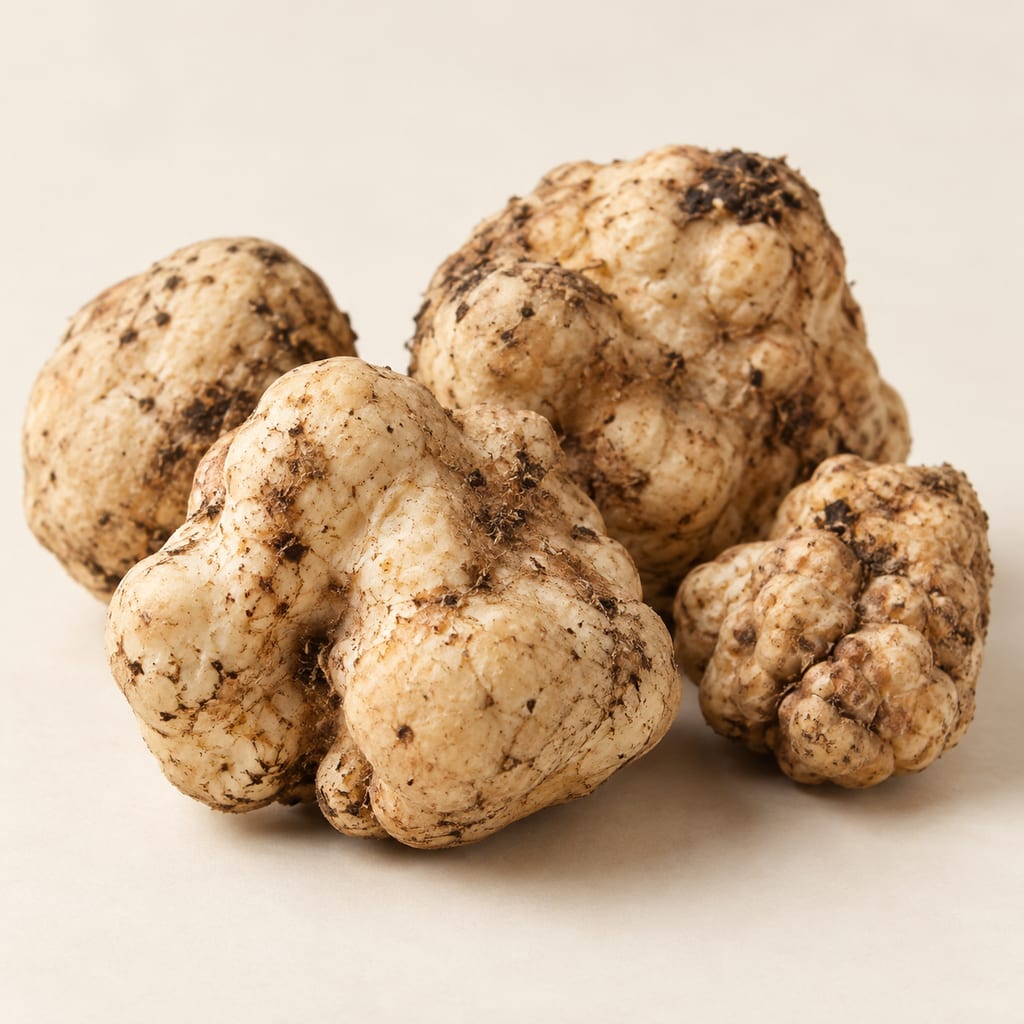
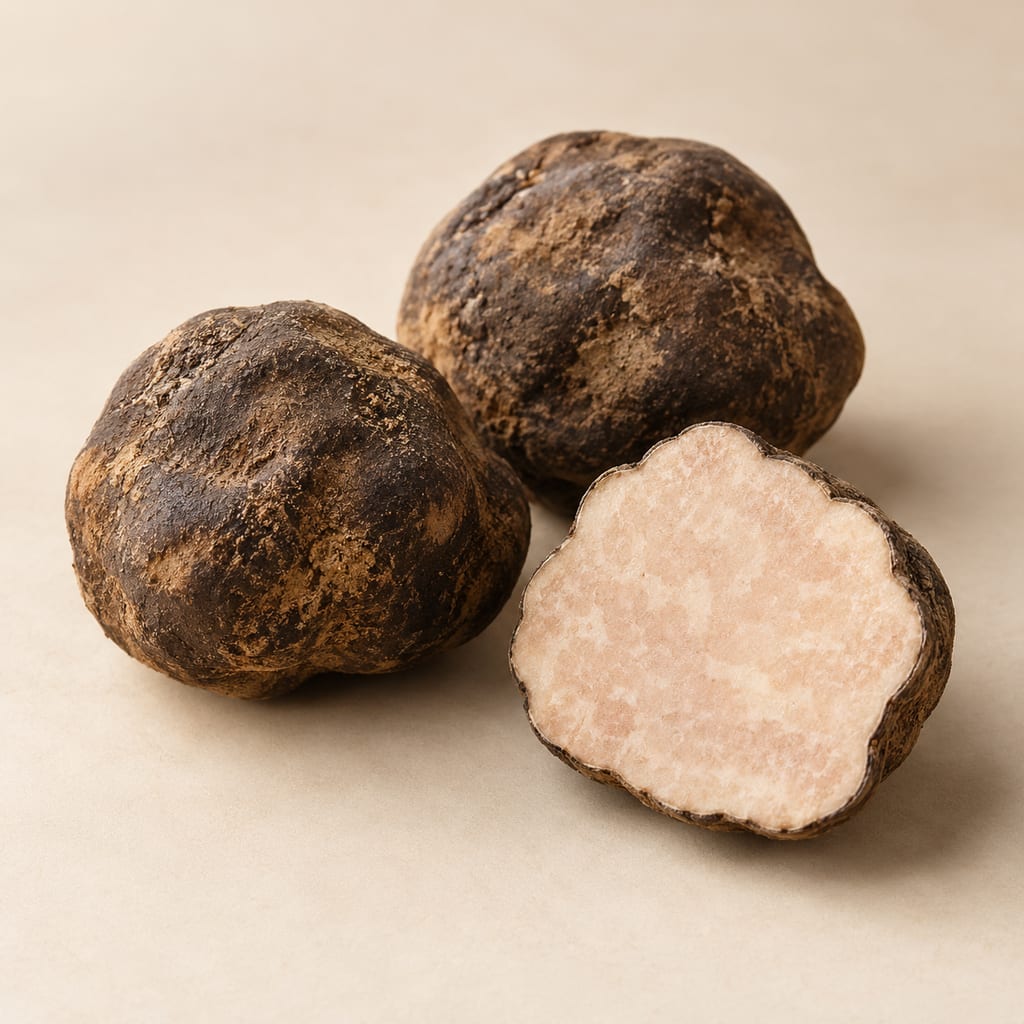
The Oregon spring white truffle, Tuber gibbosum, is a wild truffle of Douglas-fir forests in the Pacific Northwest, valued for a garlic, spice and cheese aroma that often develops only after harvest.
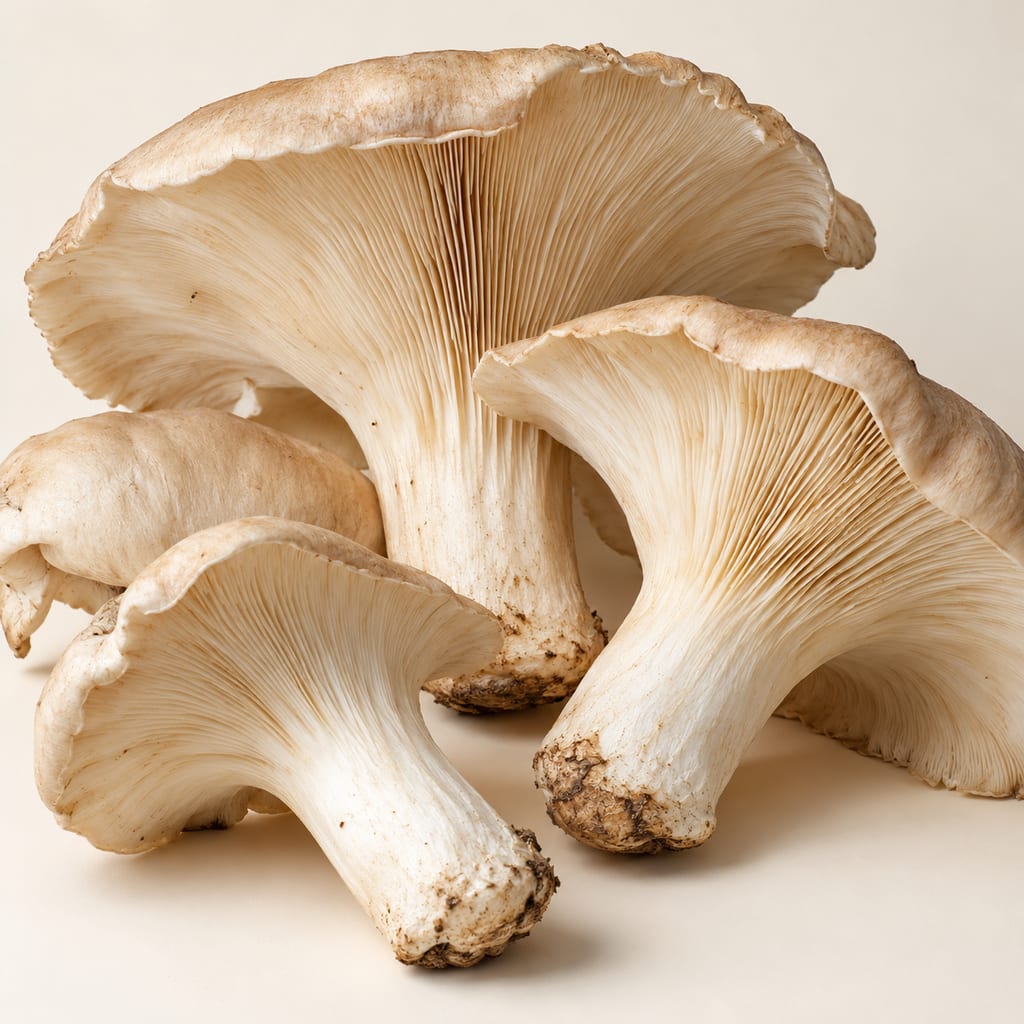
The giant oyster, Pleurotus giganteus, is a large tropical wild mushroom that was once named Lentinus giganteus and is now placed in the oyster genus, eaten in Thailand and Sri Lanka and only recently grown on purpose.

The almond mushroom, Agaricus subrufescens, was cultivated in eastern North America in the 1800s, lost its market, and returned as a cultivated mushroom from Brazil, where it is grown under several names.
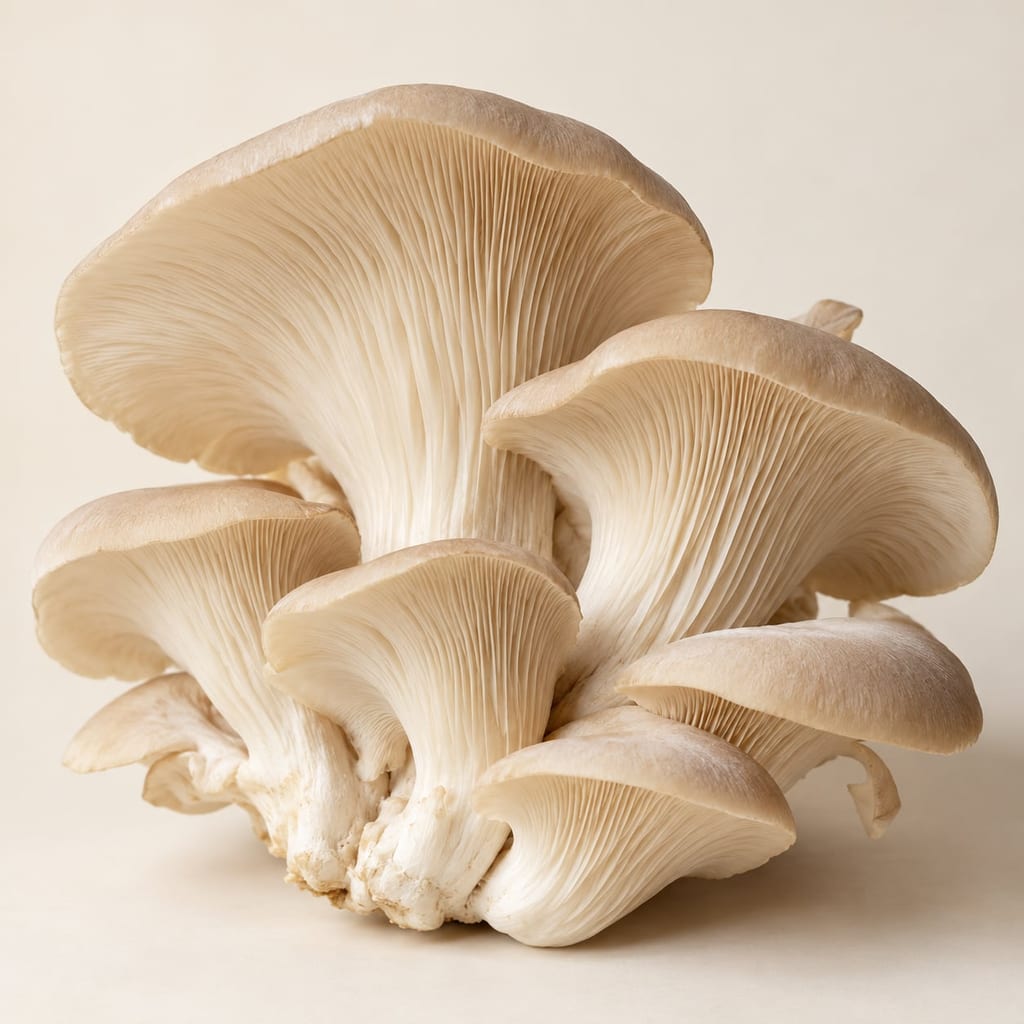
The phoenix oyster, Pleurotus pulmonarius, is a close relative of the oyster mushroom that prefers warmer weather, appears later in summer and is grown on wood-based and straw substrates.
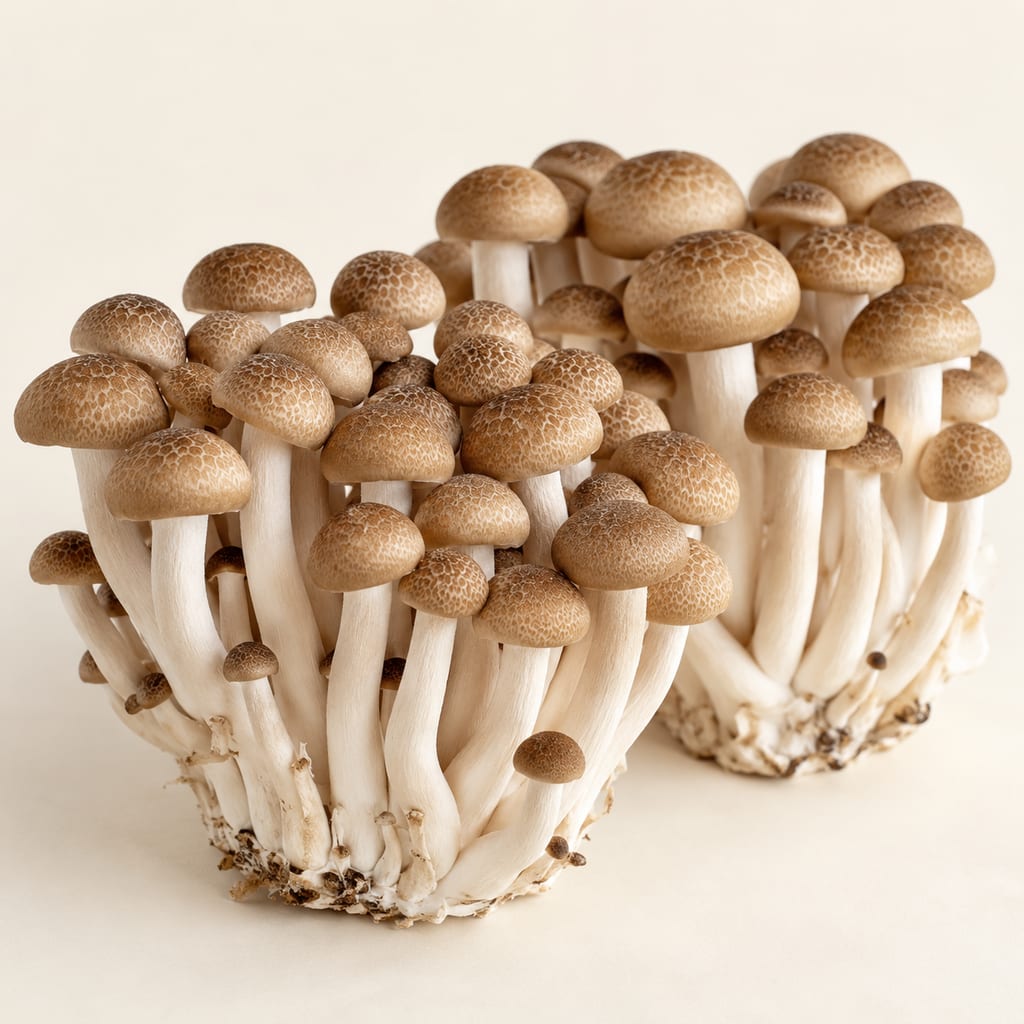
The beech mushroom, known in Japan as shimeji, is a firm, nutty cultivated mushroom sold in brown and white forms, and it needs cooking to remove its bitterness and toughness.
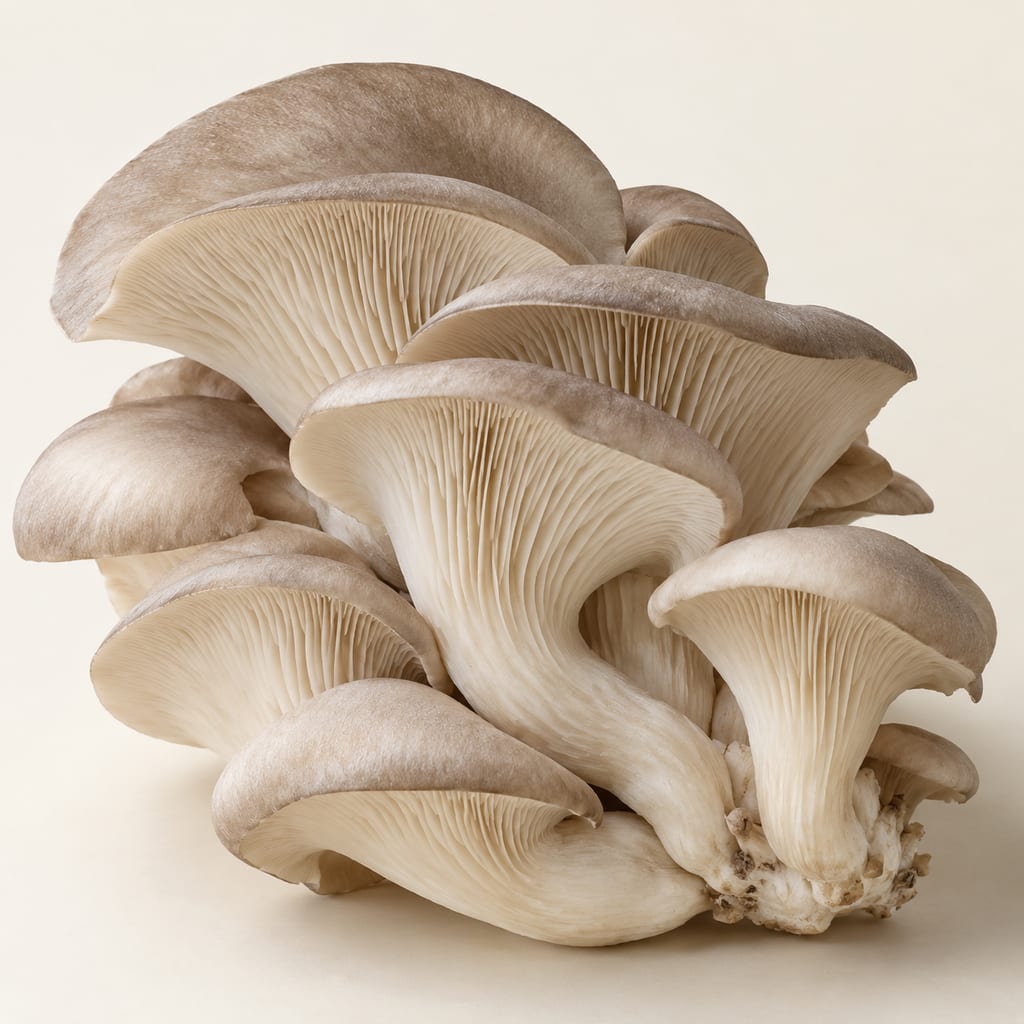
The oyster mushroom, Pleurotus ostreatus, is the most widely grown Pleurotus species, cultivated on straw, sawdust and agricultural waste, and its commercial history is shorter and less settled than its reputation suggests.
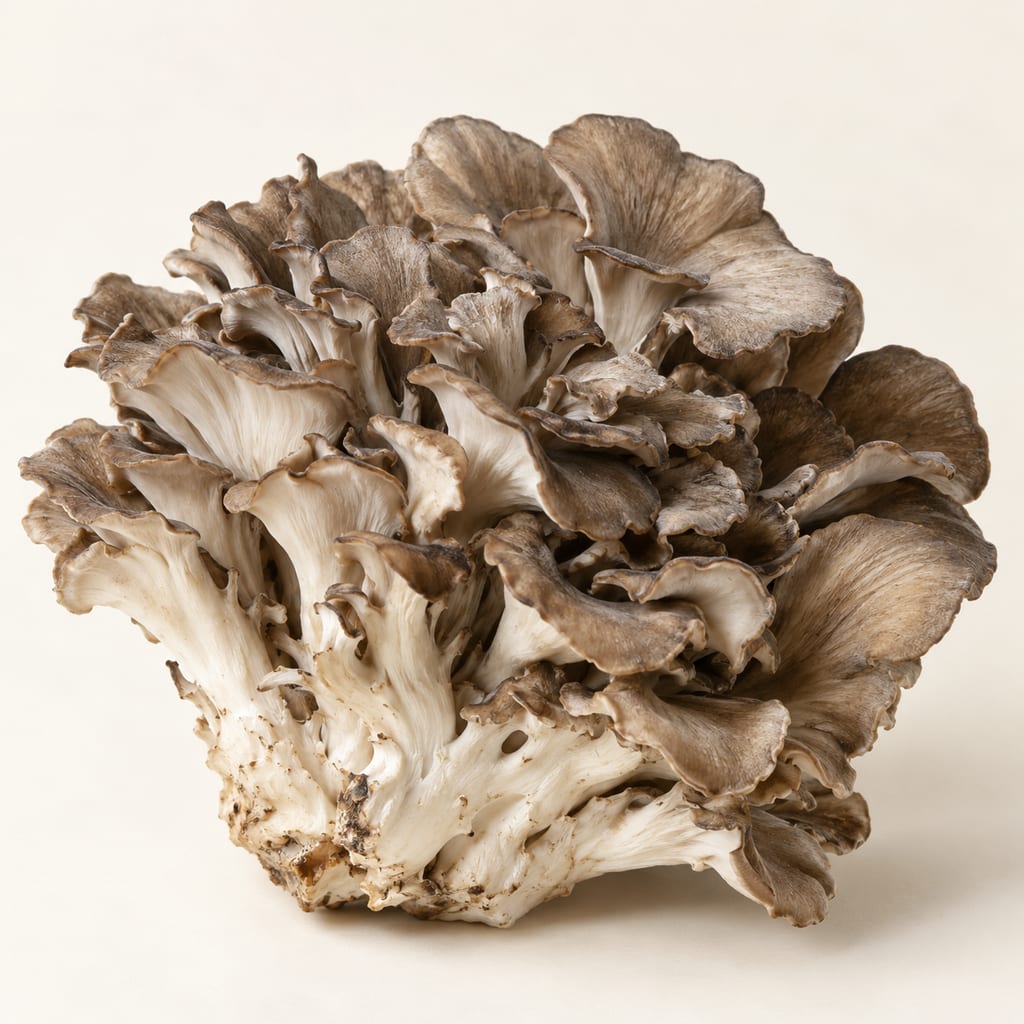
Maitake, Grifola frondosa, is a clustered polypore that grows at the base of old trees, eaten in China and Japan for centuries and cultivated indoors since the 1980s.
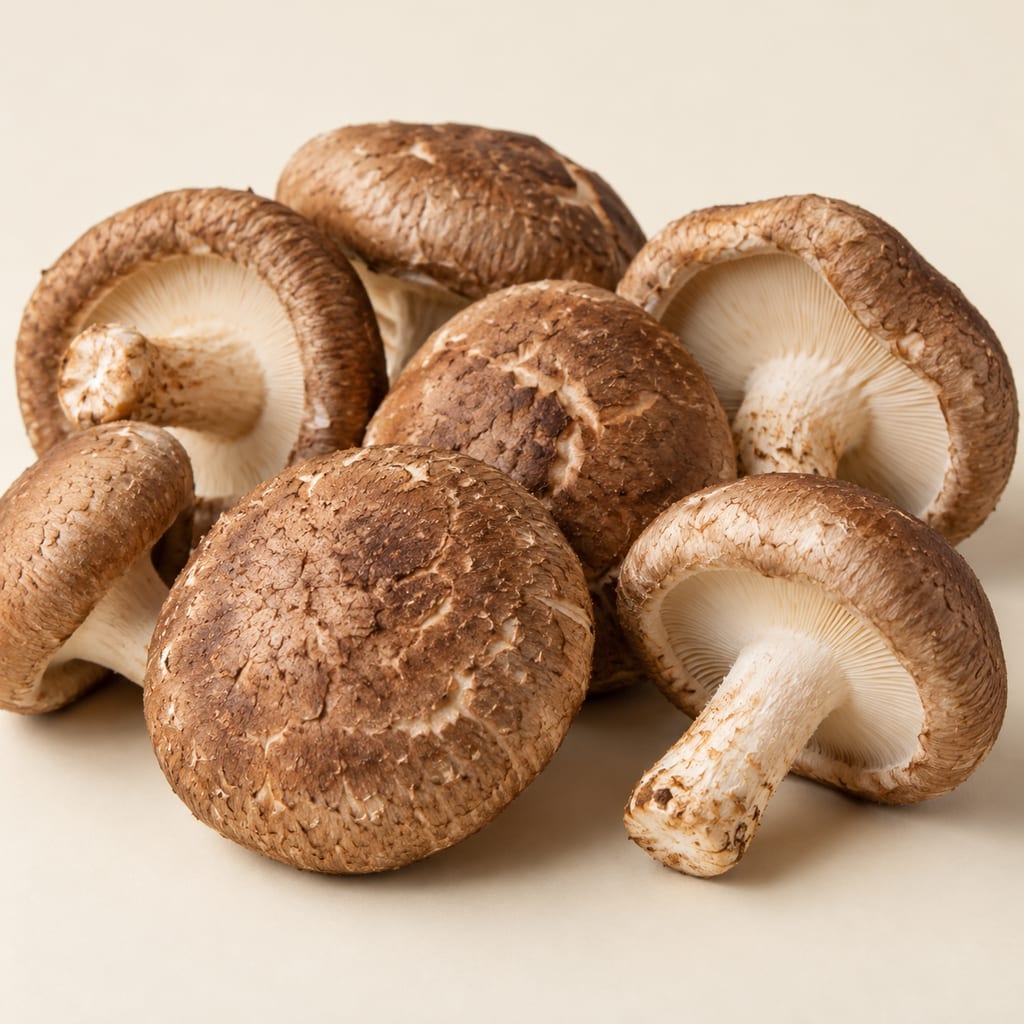
Shiitake, Lentinula edodes, is a wood-rotting mushroom cultivated in East Asia for centuries on logs and sawdust, and dried for storage and stock.
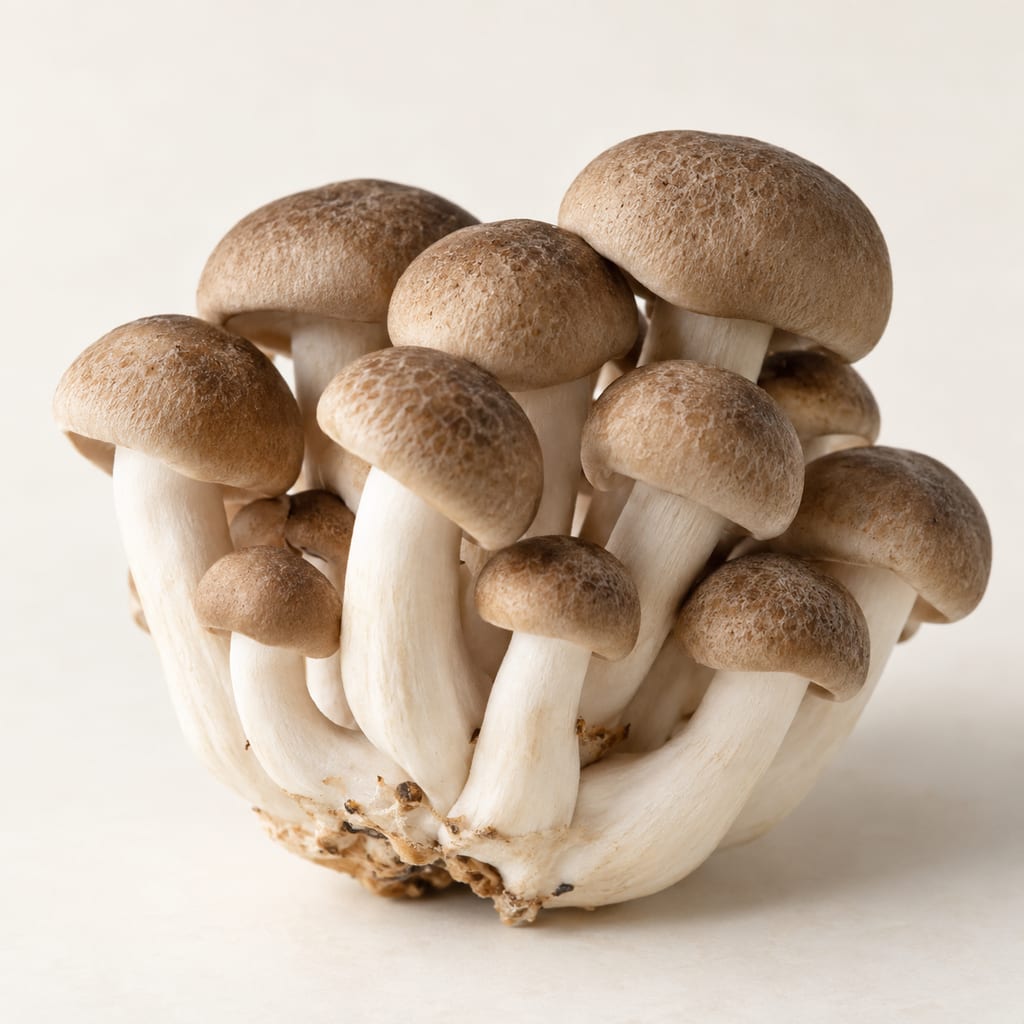
Hon-shimeji is the cultivated Japanese mushroom Lyophyllum shimeji, prized for its firm texture and clean, nutty flavour, and one of the few ectomycorrhizal mushrooms grown commercially without a host tree.
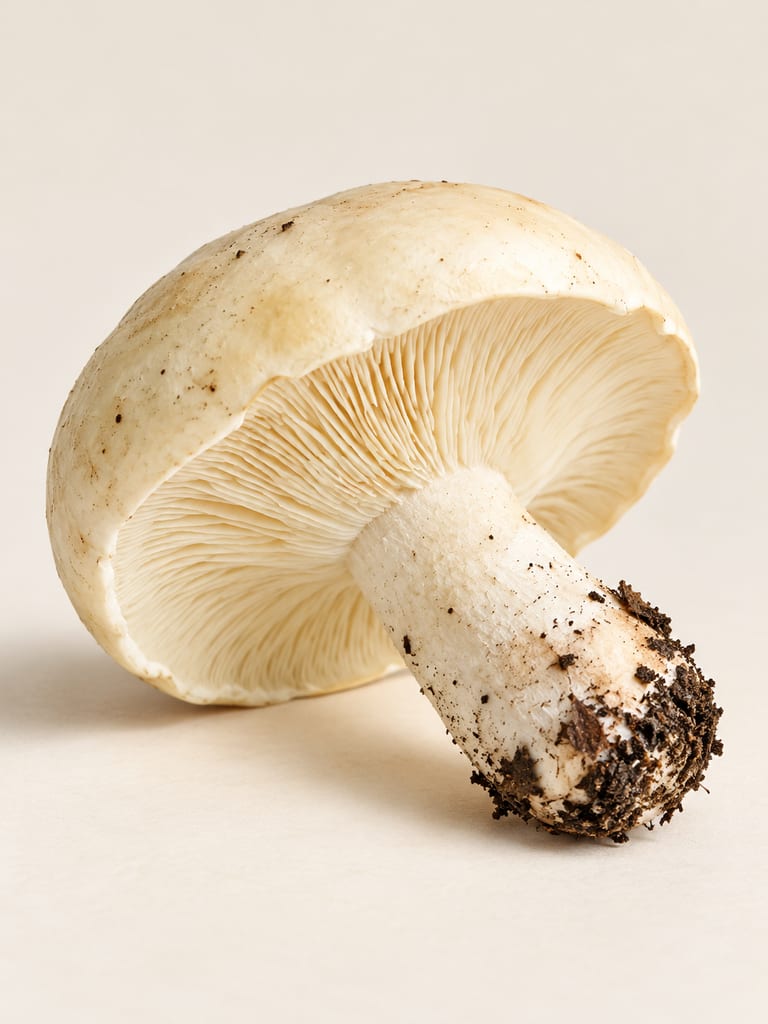
Calocybe gambosa is a spring wild mushroom valued as food in several regions. Pale caps, crowded gills and a flour-like scent are descriptive traits, not a safe identification.
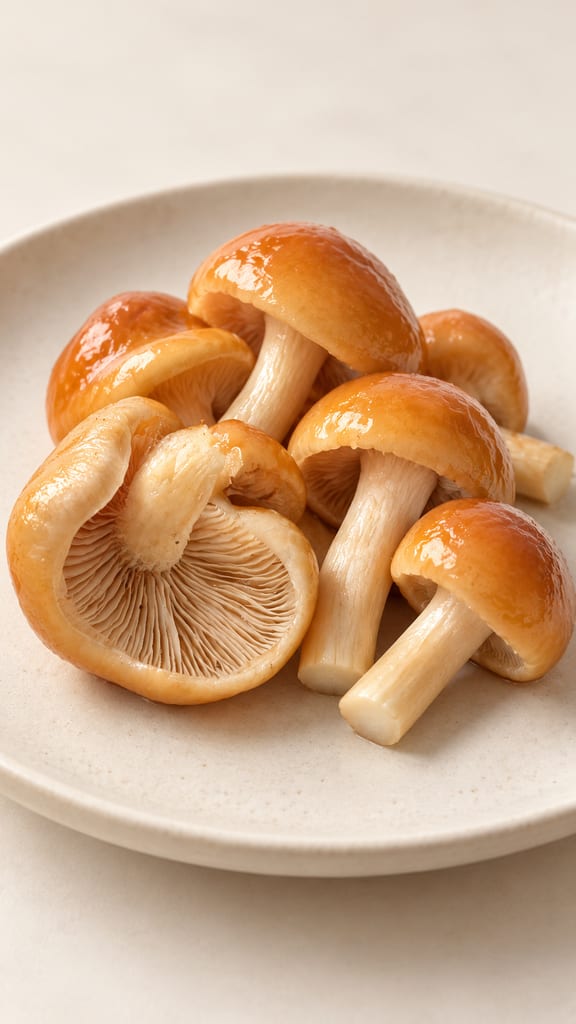
Nameko is a small Japanese mushroom with amber caps and a naturally slippery surface, eaten fresh in soups and other dishes and cultivated on wood-based media.
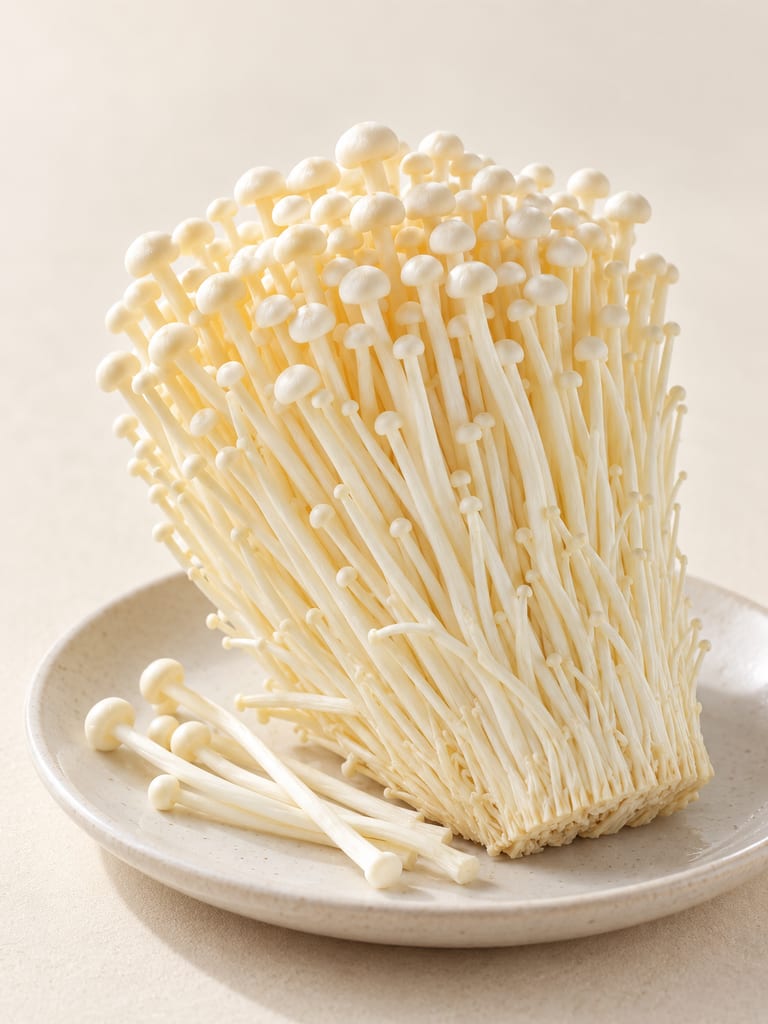
Enoki is the cultivated East Asian winter mushroom, Flammulina filiformis: a mild, crisp, slender-stemmed fungus used in soups and hot pots and best cooked thoroughly.
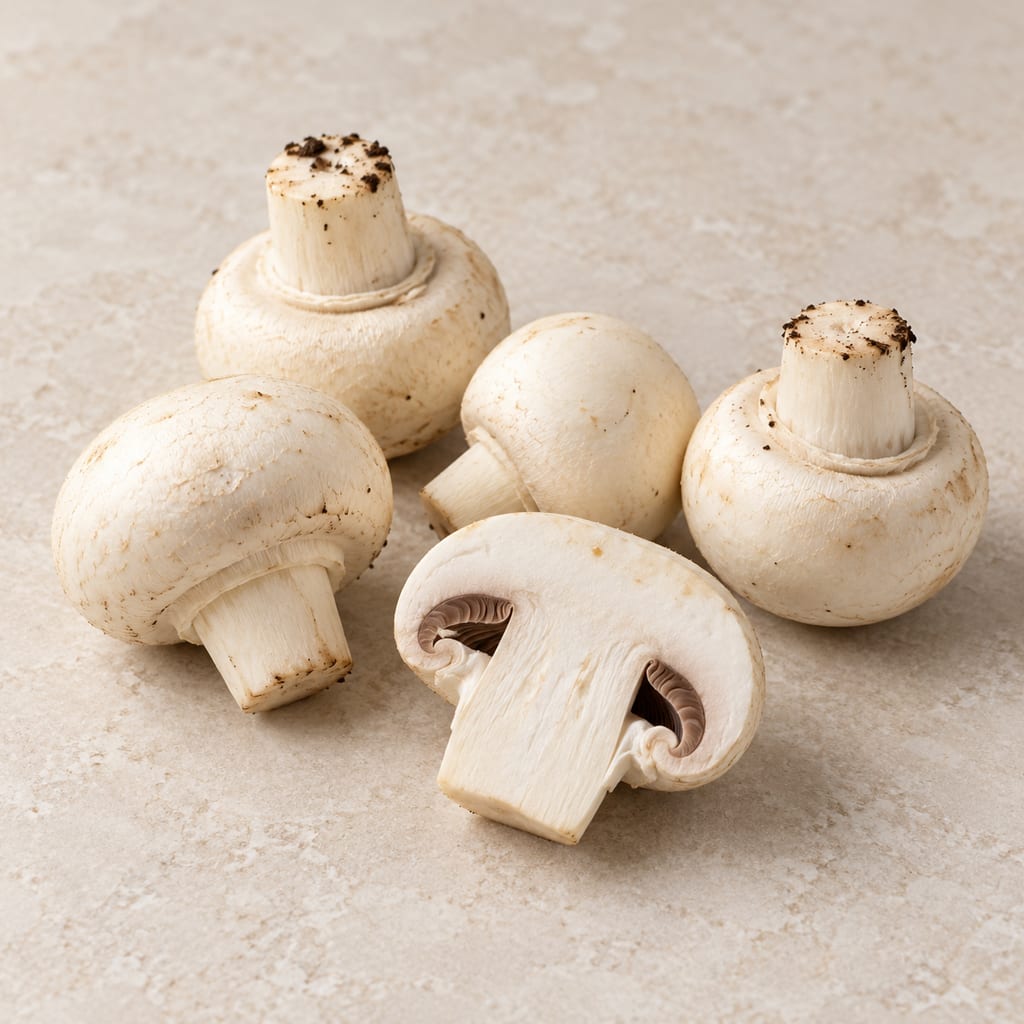
A cultivated form of Agaricus bisporus sold young as a button and at more mature stages as cremini or portobello, used fresh or preserved in everyday cooking.
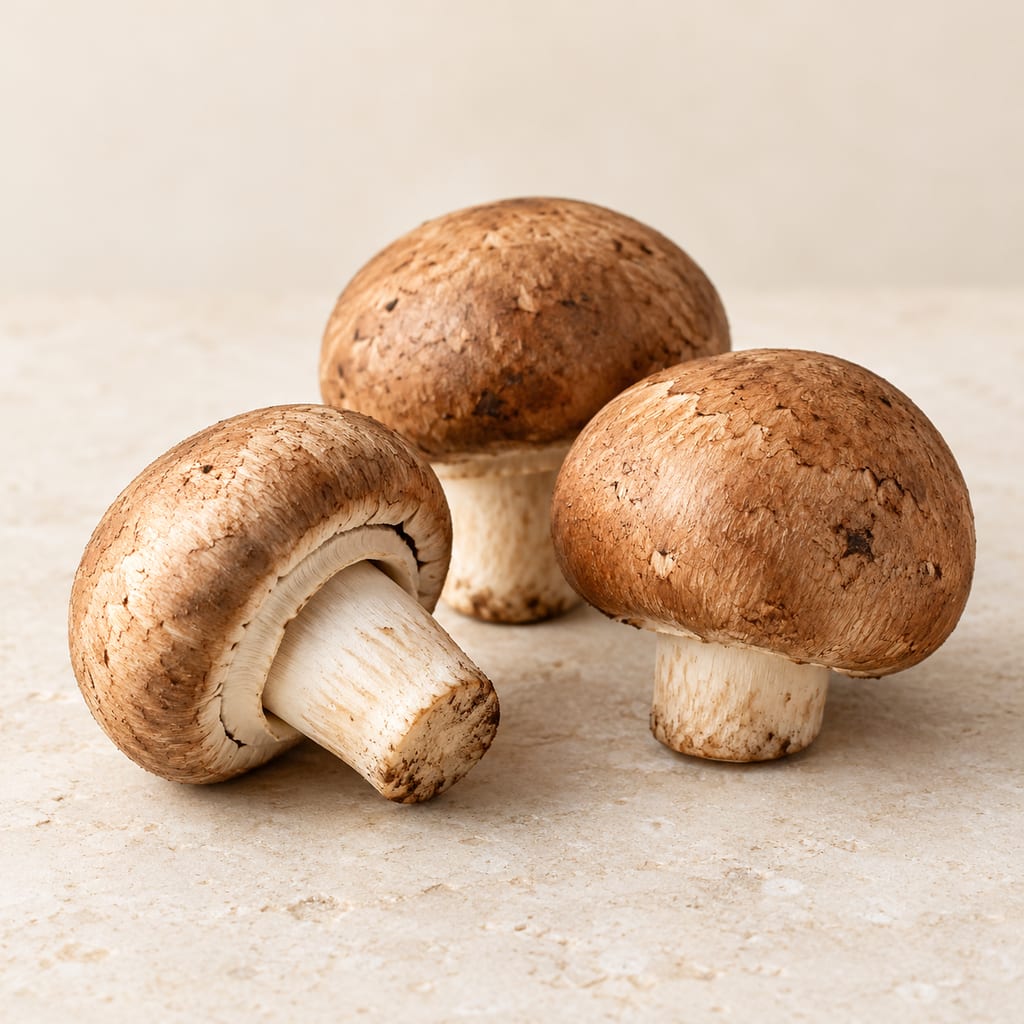
Chestnut mushroom is a brown-capped cultivated form of Agaricus bisporus used as a savoury kitchen ingredient.
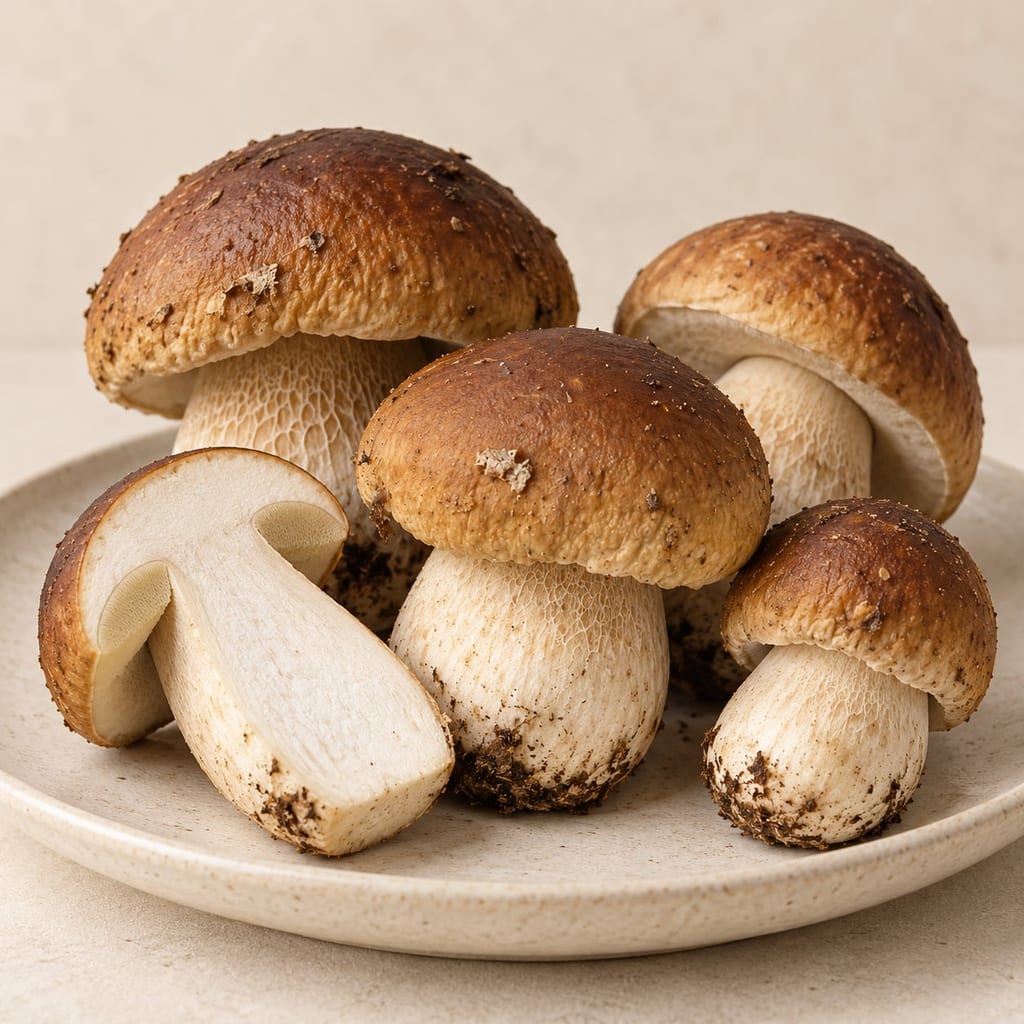
Porcini are prized wild ectomycorrhizal mushrooms from several closely related Boletus species, harvested chiefly from forests and sold fresh, dried or frozen for their firm texture and concentrated savoury aroma.
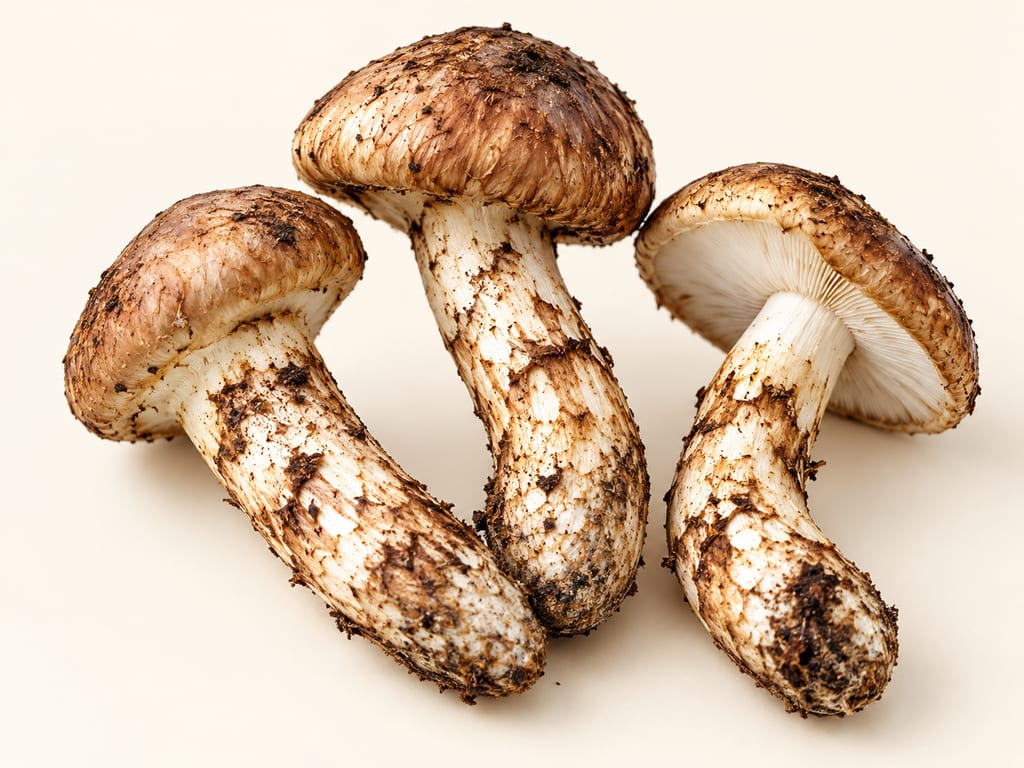
Matsutake is a prized wild ectomycorrhizal mushroom associated with pine and other forest trees, valued especially in Japan, Korea and China for its distinctive spicy aroma, firm texture and seasonal rarity.
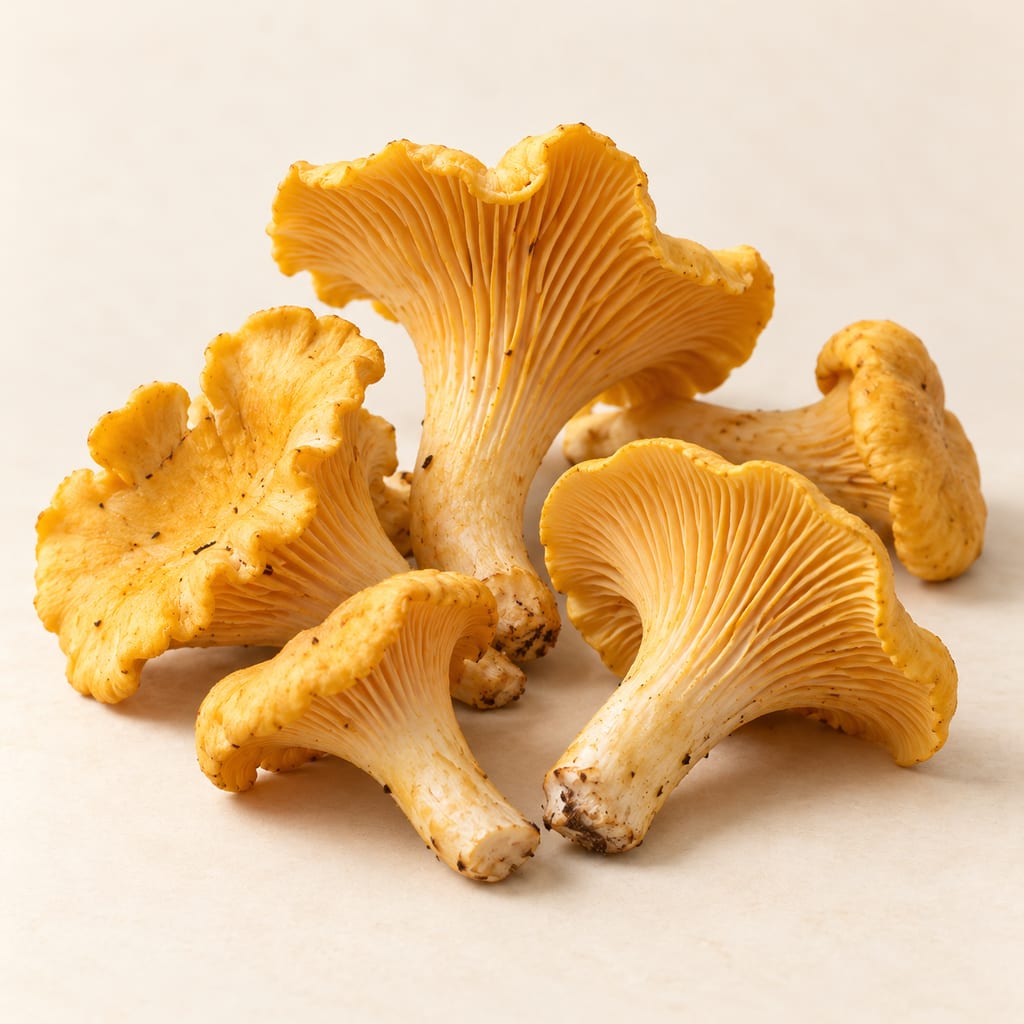
Chanterelles are wild, tree-associated edible mushrooms, particularly the European golden chanterelle Cantharellus cibarius, prized for their firm flesh, fruity aroma and use fresh, frozen, dried or pickled.
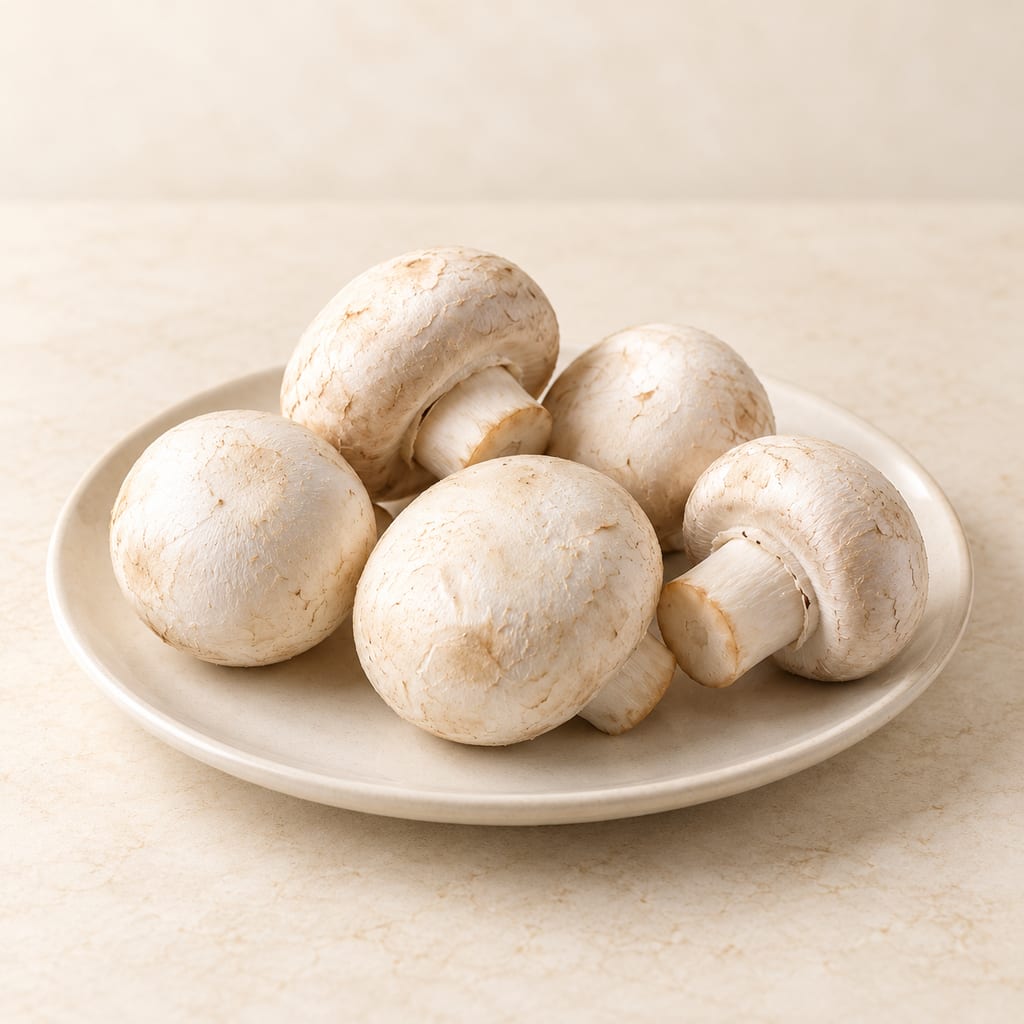
Mushrooms are the edible fruiting bodies of fungi, cultivated or gathered, and each species has its own texture, aroma and handling needs. Fresh, dried and roasted forms differ in water and in flavour compounds.