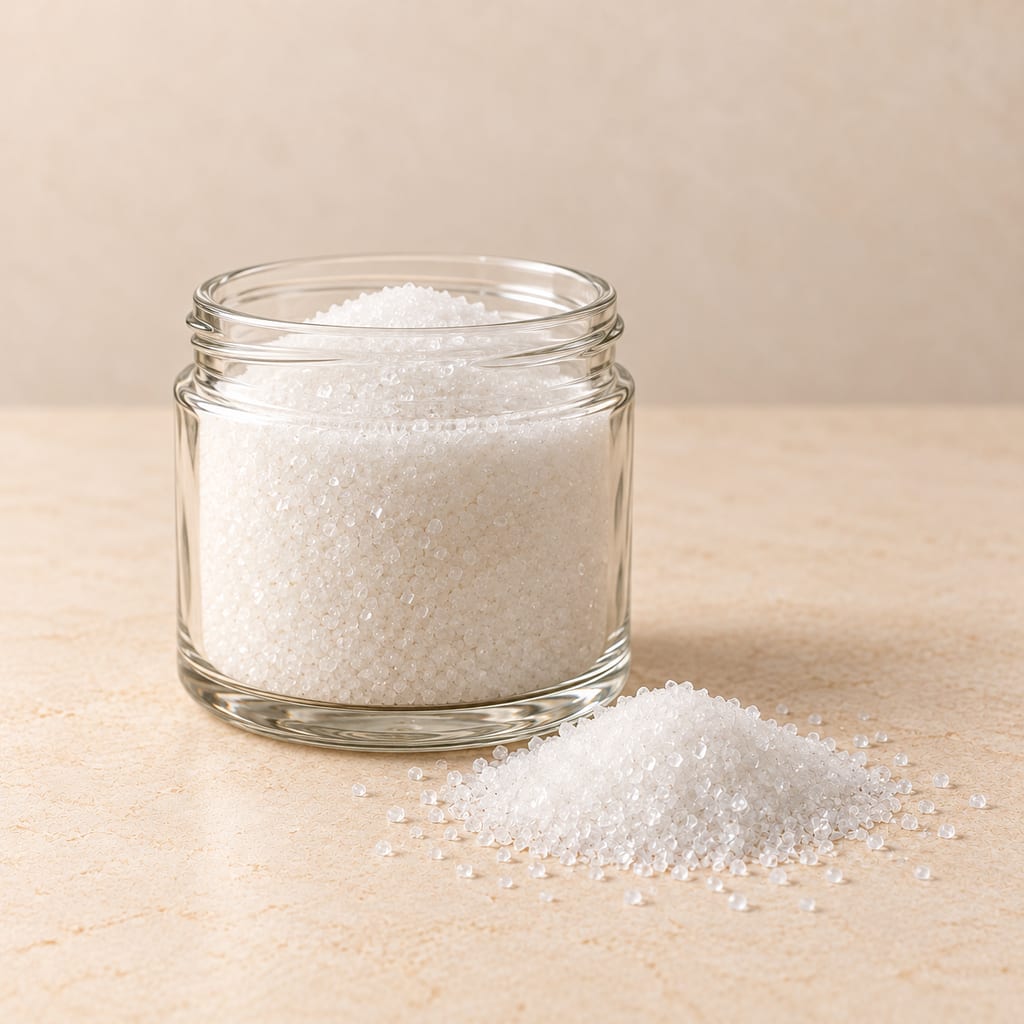
Sugar
Sugar is a family of sweeteners with different forms and food roles; refined white sucrose may come from cane or beet, while less refined forms add other flavours and moisture.
 FermenteaWhere food goes to change
きんかんの甘露煮 · Kinkan no kanroni · Sweet-simmered kumquats
Whole kumquats are slit, blanched and simmered gently in fresh water and sugar until the peel softens and the liquid thickens. This Imari municipal recipe gives a sugar range rather than a fixed ratio.
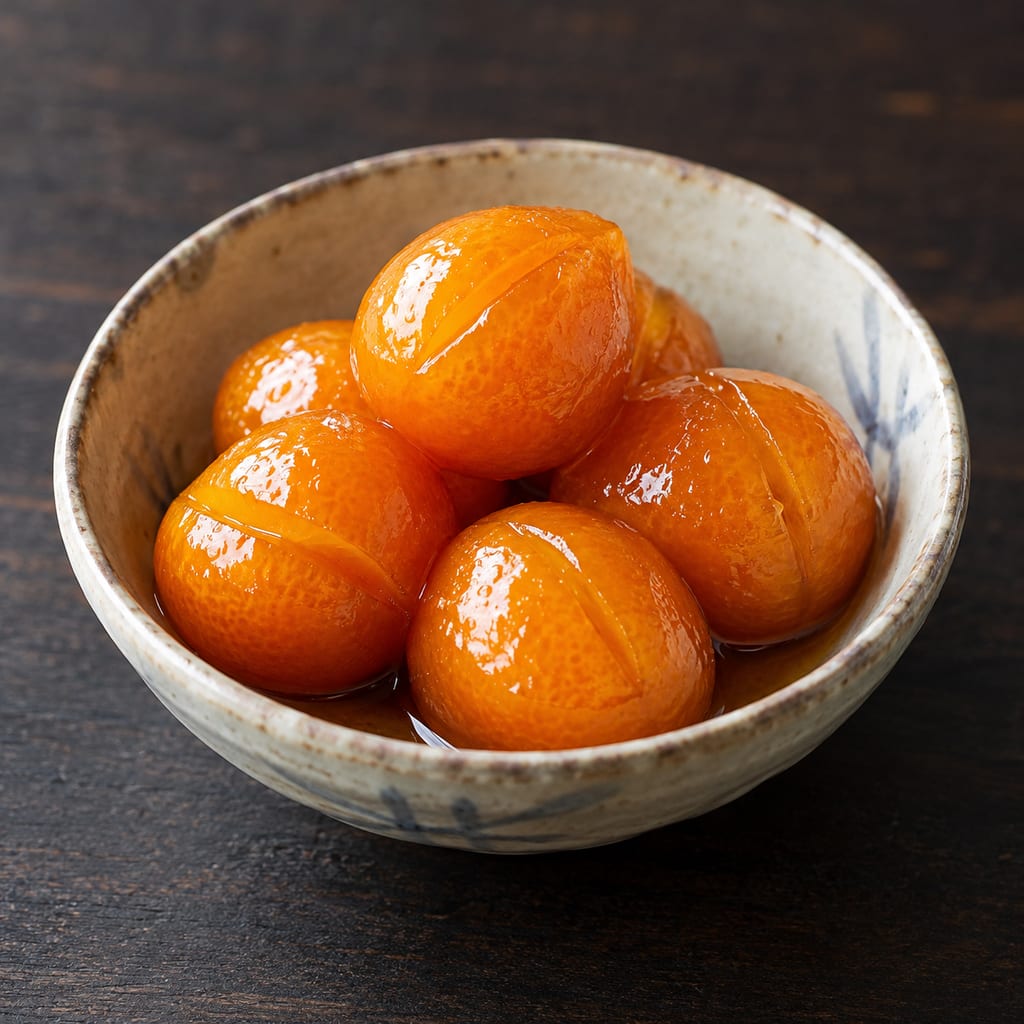
Kanroni (甘露煮) is a Japanese way of cooking food slowly in sugar and water until it turns sweet, soft and glossy. Kinkan are kumquats, small citrus fruit eaten whole, peel and all. Kinkan no kanroni applies the method to the fruit.
The Imari City recipe gives a household version rather than a fixed formula. It calls for about 500 g of kumquats, between 100 g and 250 g of sugar, and enough water to cover the fruit, and it lists four servings. The sugar range is the main decision the cook makes, because it sets how sweet and how thick the finished syrup will be.
The method is short. Each fruit is washed and given small slits, and accessible seeds may be removed with a toothpick. The kumquats are blanched in plenty of water for about three minutes, and the blanching water is discarded. The fruit is then covered with fresh water, sugar is added, and the pan is simmered on low heat until the peel softens and the liquid thickens.
The source does not give a measured water volume, a simmering time, a syrup concentration or a cooking temperature. The end point is visual and tactile: the peel is soft and the syrup has thickened. For that reason the cooking conditions in this record are unknown rather than estimated.
The recipe gives no packing, sealing or storage time, so this record makes no shelf-stable claim. The preparation should be kept refrigerated or frozen.
The Imari City recipe is credited to the Imari and Nishimatsuura Rural Women's Group Study Association, whose booklet on home-made sweets is named on the page. The city page was last updated on 1 February 2016. It documents a municipal household recipe in Imari, Saga Prefecture; it does not establish that this is the origin of the dish across Japan.
Kumquat preparations appear elsewhere in the database with different identities and methods, including Vietnamese mut quat, salted kumquats and kumquat tea. They are separate records and should not be read as variants of this one.
The Imari municipal recipe collection identifies this preparation as kinkan no kanroni and credits the Imari and Nishimatsuura rural women's group study association's booklet Furusato no kaori wo tsutaeru tedzukuri oyatsu. The page does not date the origin of Japanese sweet-simmered kumquats.
Yield 4 servings · Scaling: source batch only
The municipal recipe gives no measured preserve endpoint, packing process or storage duration. The atlas adaptation limits this formula to refrigerator or freezer storage.
Hazard sourceKeep the atlas adaptation within its stated refrigerator/freezer-only scope; no validated shelf-stable process or storage duration is provided.
Control sourceThis is a refrigerator/freezer prototype, not a shelf-stable canning recipe. No storage duration is established.
Imari City publishes this recipe, attributed to a local rural women's group booklet; this documents a local association, not the origin of kanroni.
Sugar is a family of sweeteners with different forms and food roles; refined white sucrose may come from cane or beet, while less refined forms add other flavours and moisture.
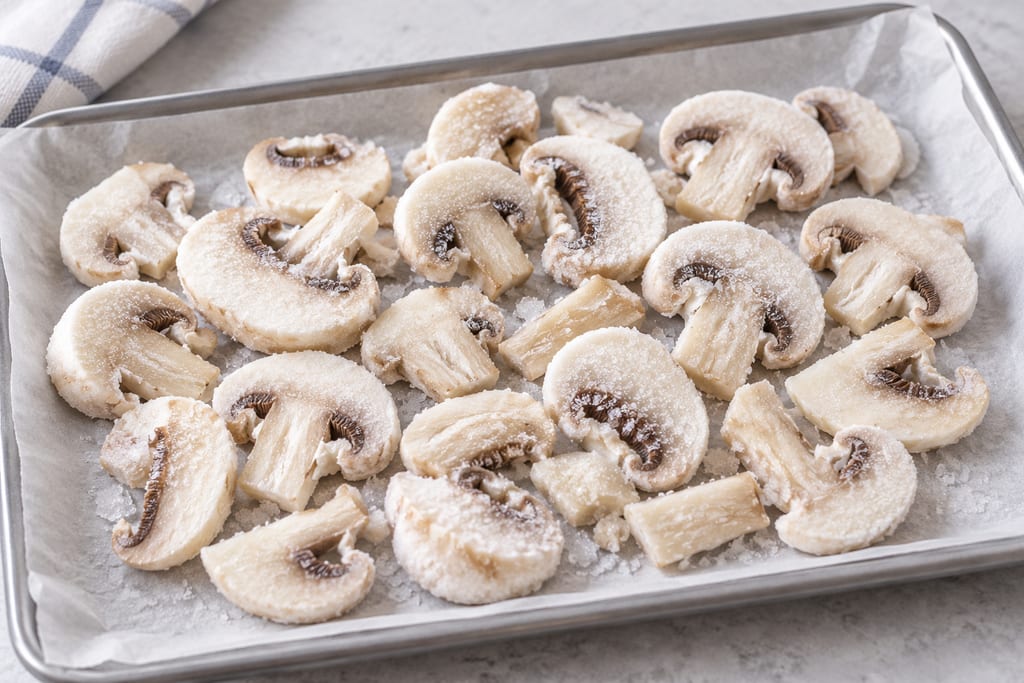
Frozen raw mushrooms are cleaned mushrooms frozen without a preheating step, the variant a Japanese forest-volunteer manual describes beside its cooked version.

Salted mushrooms are a traditional wild-mushroom preserve, especially of Finnish and Russian milk caps, made by layering boiled mushrooms with coarse salt or keeping them under brine, and kept cold.
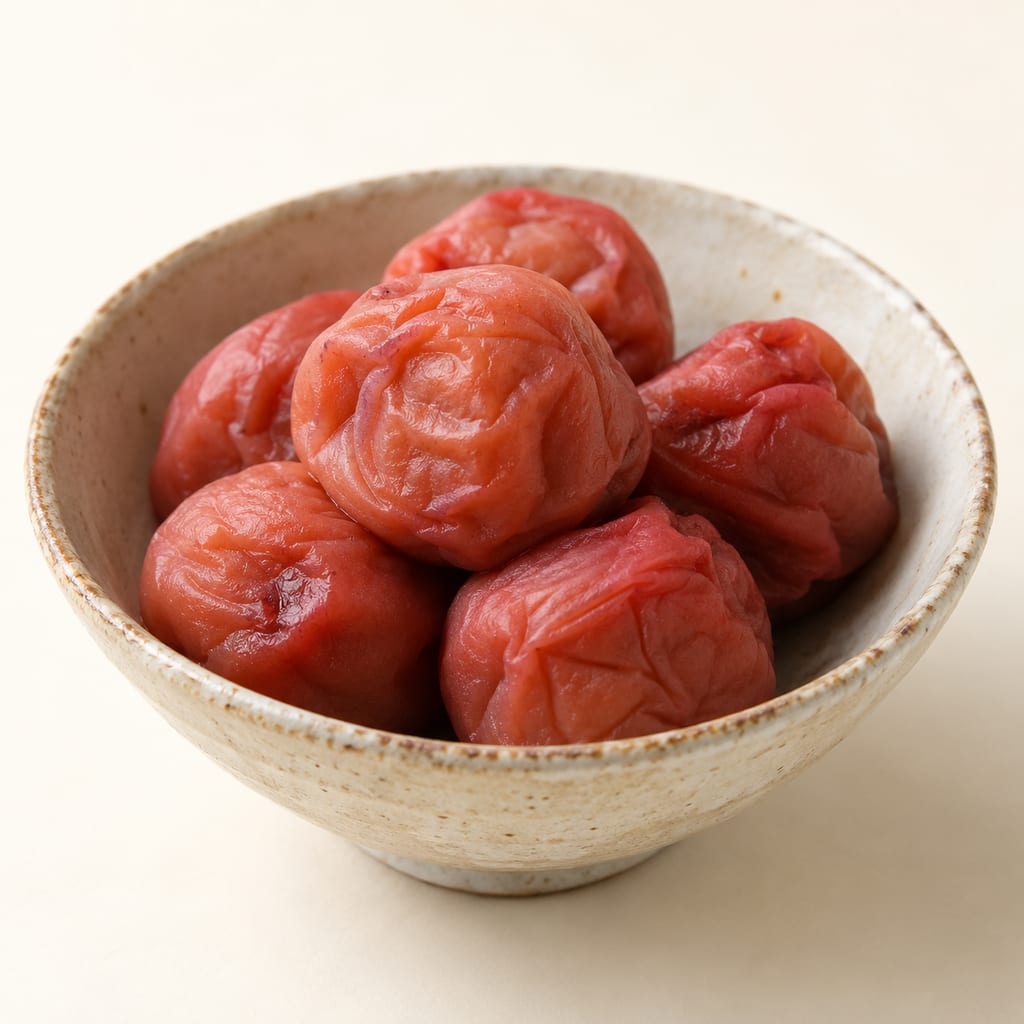
Naturally acidic ume fruit salted and sometimes dried in Japan; the salt, the fruit’s own acidity and the loss of moisture supply the preservation, and the preparation is not always fermented.

Japanese reddish-brown vinegar from sake lees matured about three years, turned to vinegar by acetic bacteria; the vinegar of Handa and Edomae sushi rice.

A thick, naturally sweet rice-and-koji preparation used to add body and sweetness to marinades, dressings and sauces. This method follows a published Marukome home recipe and is an enzyme-conversion hold, not a way to grow koji mould.
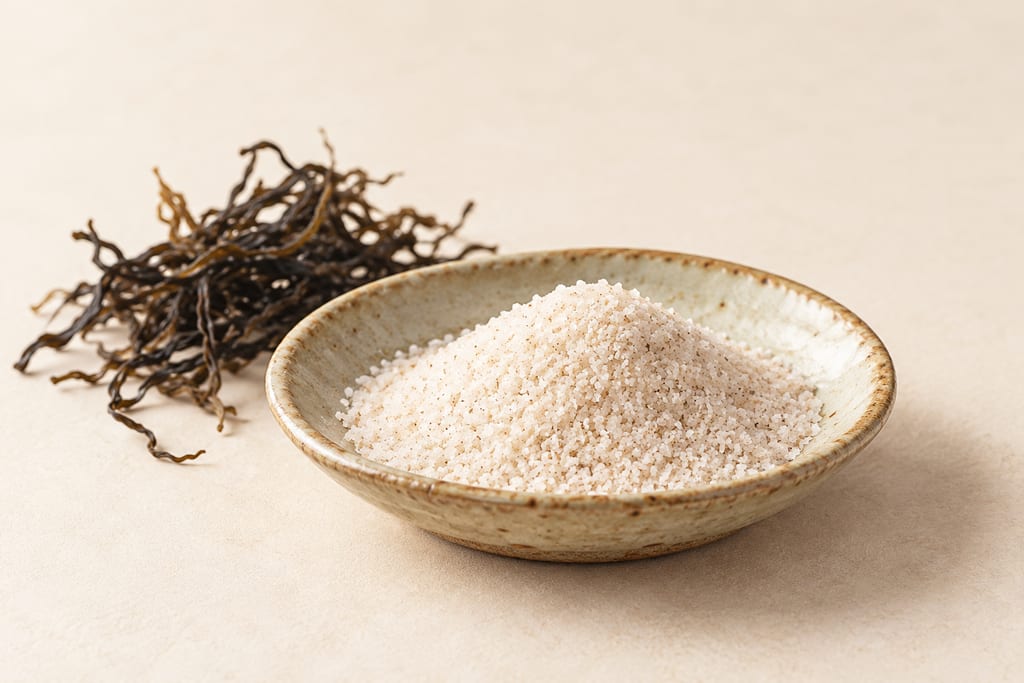
Amabito no Moshio is a modern, pale beige Japanese seaweed salt made from Seto Inland Sea water and hondawara seaweed. Its documented factory method concentrates filtered brine in kettles, then separates and dries the salt.

Anpan is a soft wheat bun filled with sweet red-bean paste and finished with egg wash and black sesame. This dough rises with commercial instant yeast.

Japanese skipjack tuna cooked, then repeatedly smoked and dried over a wood fire by the hand-fired tebiyama method into a hard block for shaving into dashi: the first stage of katsuobushi.

Adrak murabba preserves young ginger in sugar syrup, a sweet South Asian preparation recorded in Indian cookery and food-processing sources.
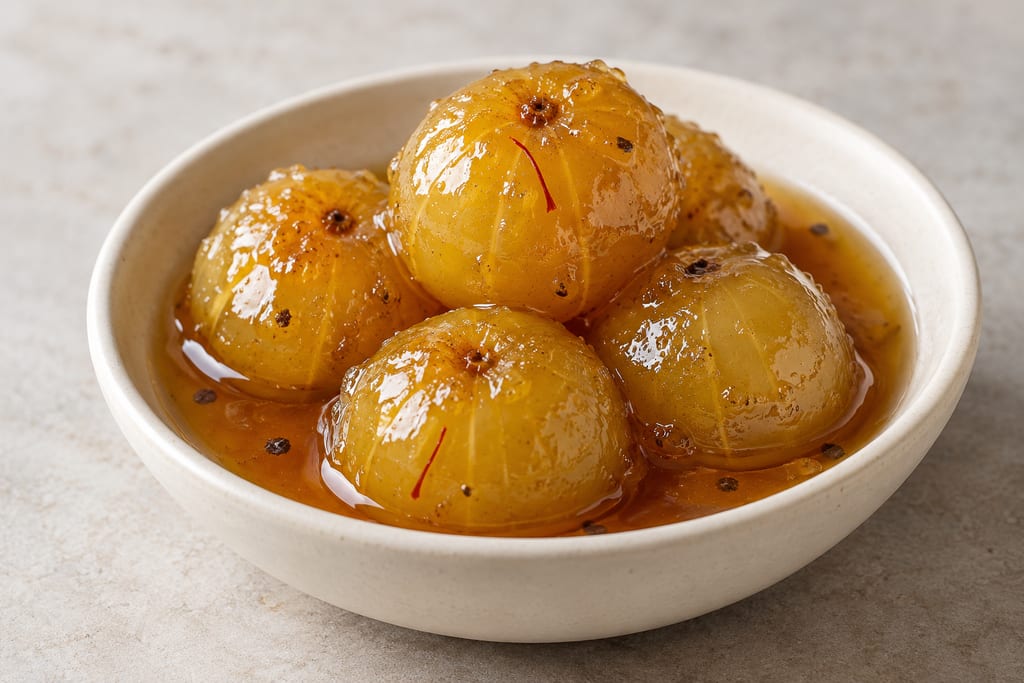
Amla murabba preserves whole Indian gooseberries in a heavy sugar syrup scented with cardamom and sharpened with pepper and black salt. This household method soaks the fruit before cooking.
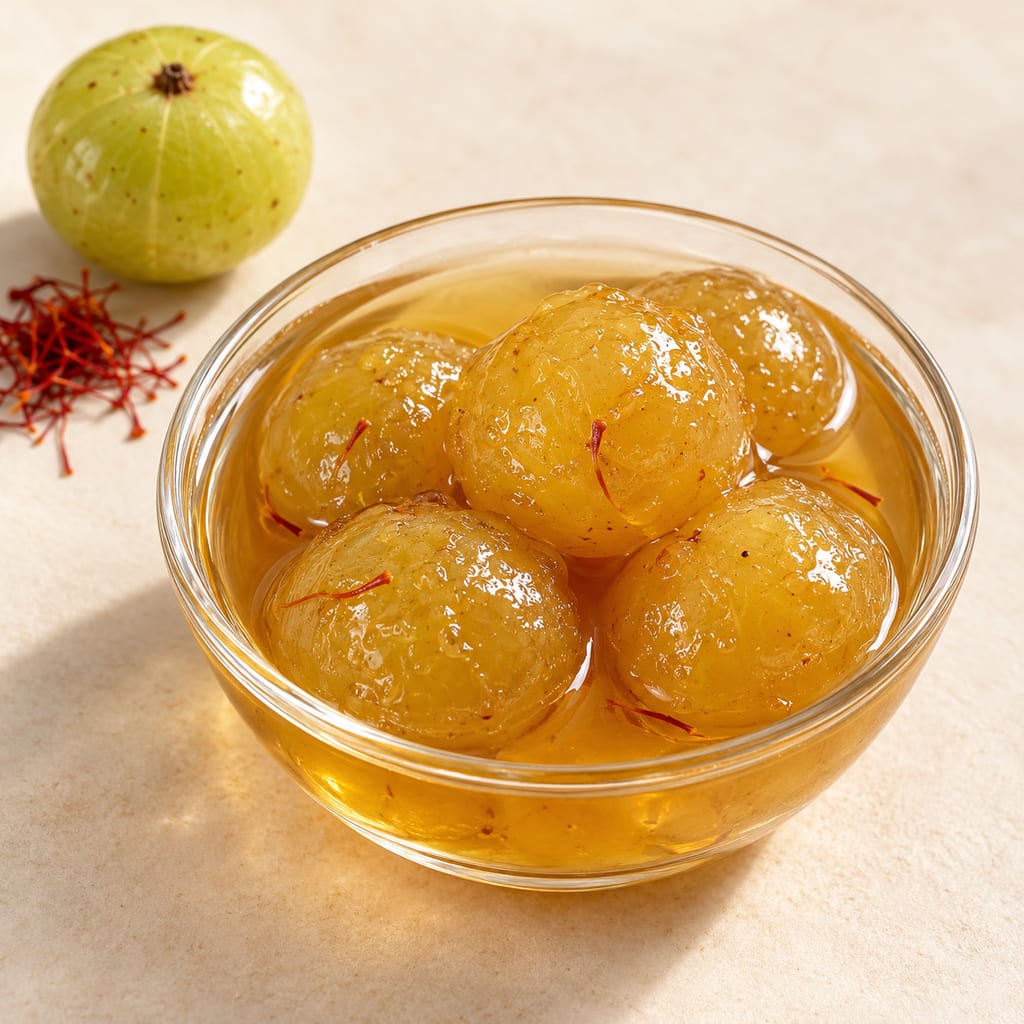
Whole amla simmer in sugar syrup with saffron, black cardamom and pepper in this chef's version of the Indian fruit preserve. The fruit is soaked overnight before cooking.
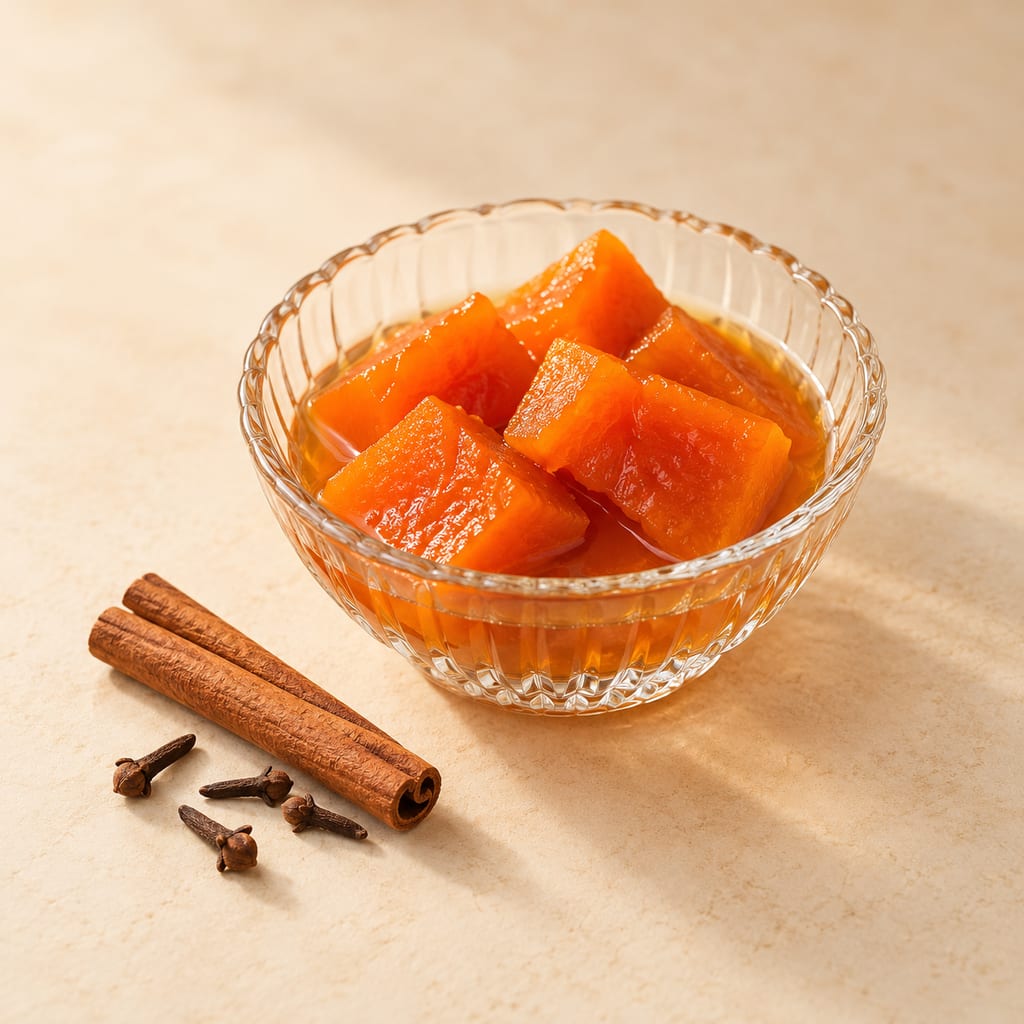
Brazilian doce de abóbora: Freeze for winter; small fresh portion refrigerated up to 48 hours.
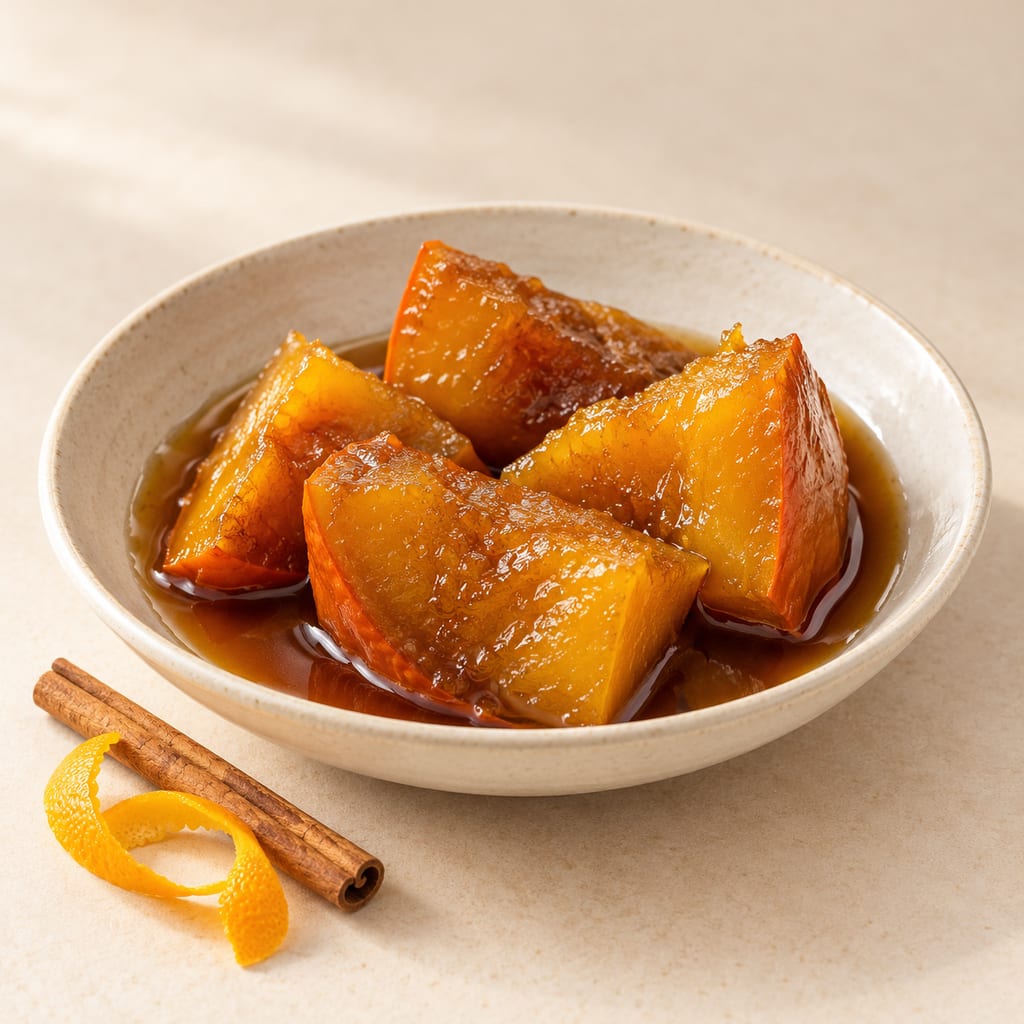
Rind-on pumpkin simmered with piloncillo, orange and cinnamon until glazed. This Mexican sweet keeps refrigerated for up to one week.
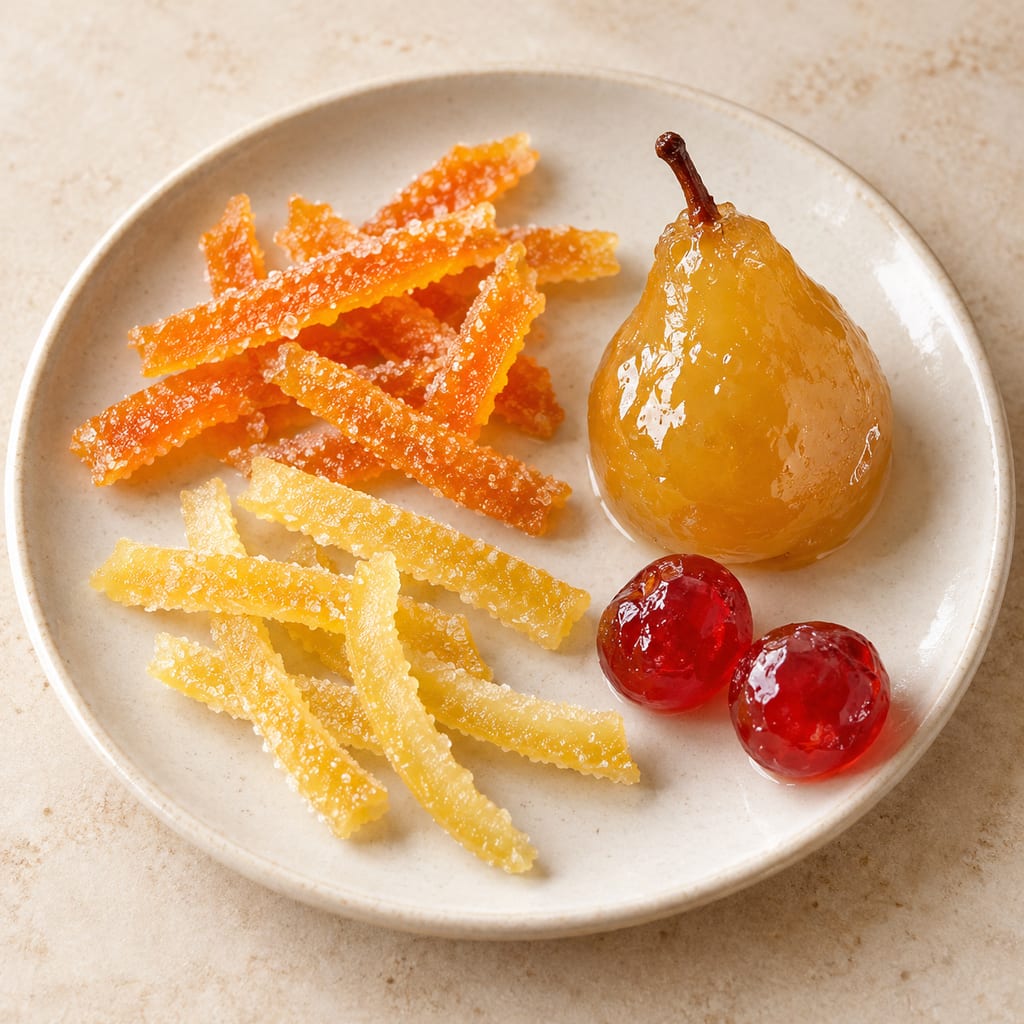
Candied fruit is fruit that has been repeatedly steeped in concentrated sugar syrup, which replaces part of its water with sugar, often followed by drying. It differs from fruit served in a thin syrup.
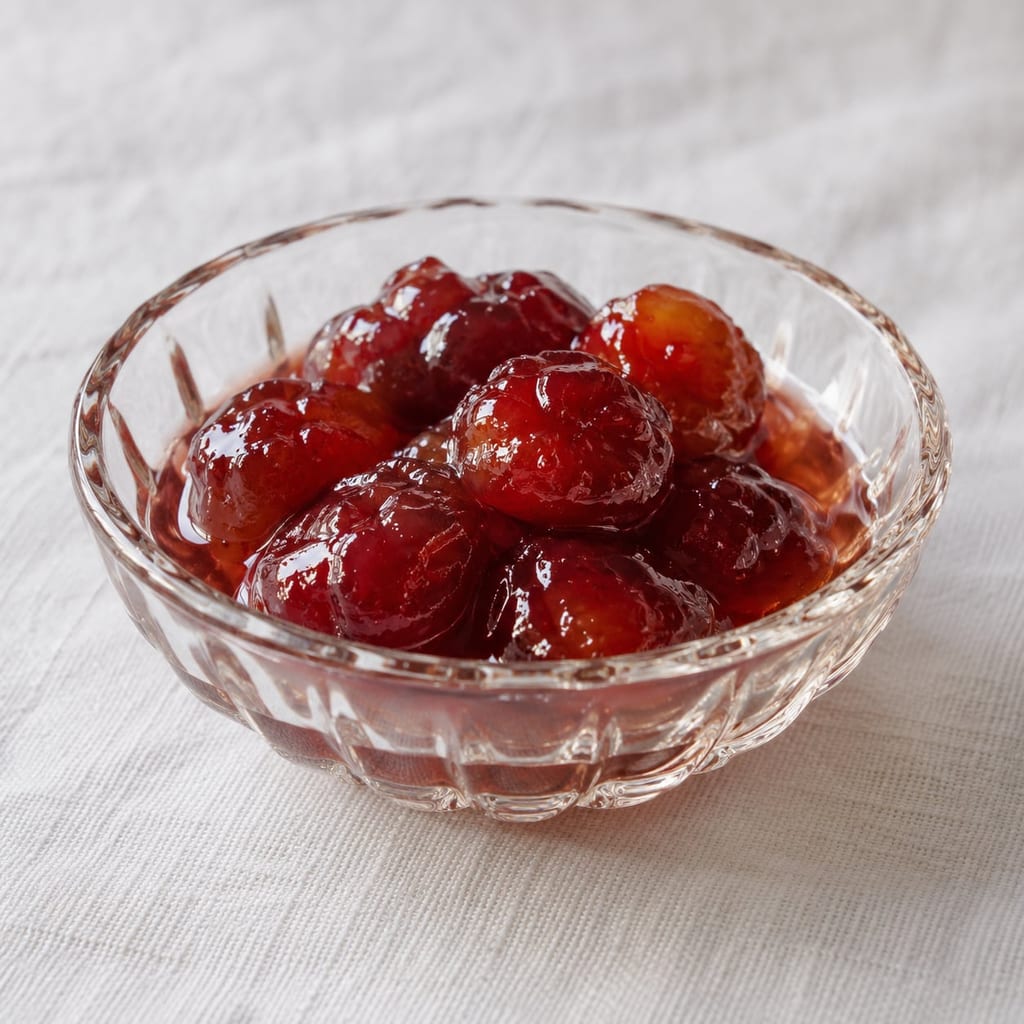
Cypriot cherry glyka made by layering firm pitted cherries with sugar, briefly boiling them, chilling overnight, and boiling again to concentrate the syrup. This version is refrigerated and has no shelf-stable canning process.
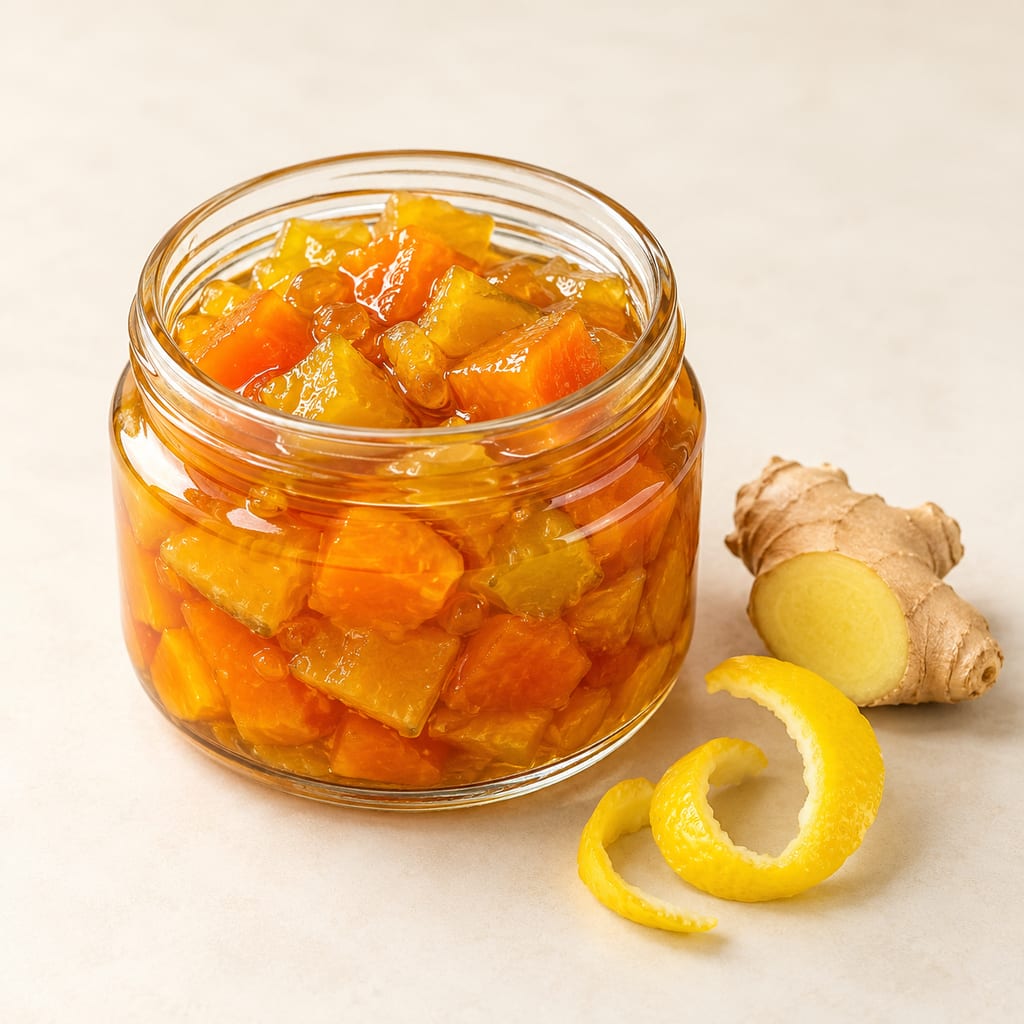
English lemon-and-ginger preserved pumpkin, after an 1861 recipe: Freeze for winter; small fresh portion refrigerated up to 48 hours.

Soft, spreadable Calabrian pork sausage made with a great deal of red chilli and fatty pork, stuffed into natural casings, sometimes smoked and matured while staying soft.

A way to add independent temperature logging to an existing food dehydrator without changing its built-in controls or protections. It is a monitoring method, not a rewiring plan.

Pleurotus cystidiosus is the abalone mushroom, a cultivated oyster-type fungus with dark brown caps that grows more slowly and is more demanding than other Pleurotus species.

A dark, balanced vinegar from Emilia-Romagna made by combining cooked or concentrated grape must with wine vinegar, then acetifying and refining it in wood under a protected specification.

A living dairy inoculum that starts controlled cream fermentation, developing acidity and aroma before sour cream or cultured butter is finished.

A small electric incubator holds jars at a selected temperature for yogurt and other documented warm food preparations. Controls, capacity and vessel arrangement vary by model.

Adygean salt is a seasoned table salt associated with Adygea and the wider North Caucasian culinary tradition. Salt is blended with garlic and a variable selection of herbs and spices; the exact mix depends on the named style and maker.

The African Caesar-group mushroom, Amanita masasiensis, is a wild ectomycorrhizal species of central and southern African woodlands, eaten locally. The genus contains deadly poisonous species, so identification needs care.
No community contributions have been published for this entry yet.
Sign in to contribute. Published comments and photos are free to read.
Imari City; recipe credited to Imari and Nishimatsuura Rural Women's Group Study Association, Furusato no kaori wo tsutaeru tedzukuri oyatsuProcess · Geography · History
No.23 きんかんの甘露煮The page lists a four-serving recipe: 500 g kumquats, 100–250 g sugar and water to taste/amount needed.
It directs readers to wash and slit the fruit, optionally remove seeds, blanch for about 3 minutes and discard the liquid, then simmer in fresh water and sugar over low heat until the peel softens and the liquid thickens.
The municipal page was updated 1 February 2016 and credits a local rural women's group booklet; it does not state the origin of kanroni or give measured water, simmer duration, a validated packing process or storage duration.
Cited in: What kanroni is; Method and what the source leaves open; Source and place