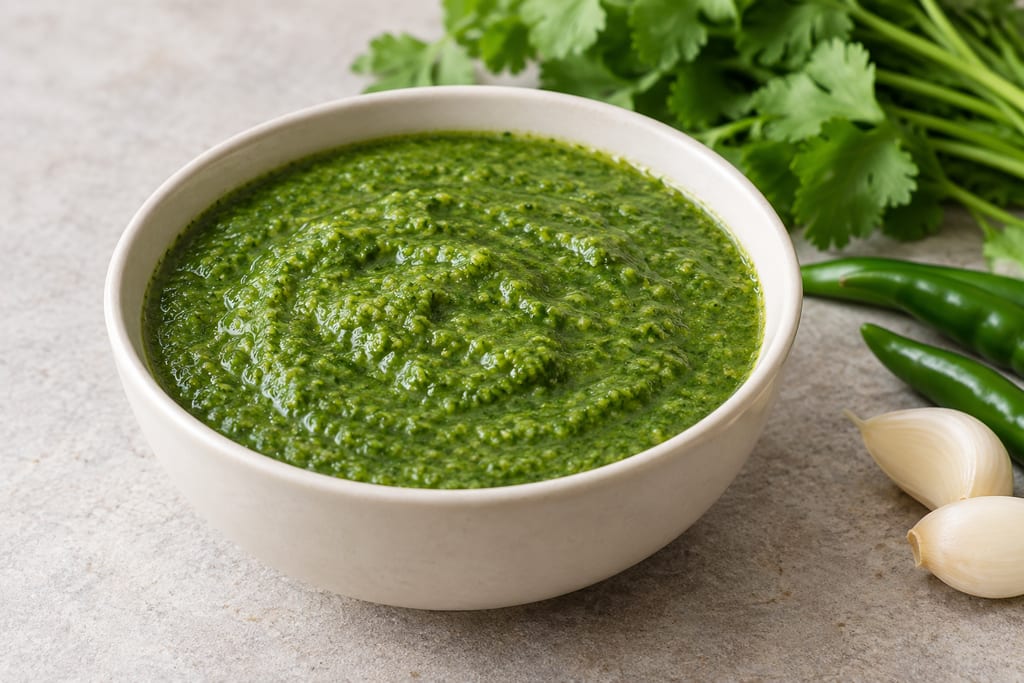
Afghan chutney (chatney)
Afghan coriander chatni is a sharp, hot herb sauce with garlic and vinegar. A 2008 Afghanistan manual records green or red pepper and optional walnut; heat and household versions vary.
 FermenteaWhere food goes to change
Carolina gold barbecue sauce · mustard barbecue sauce
South Carolina mustard barbecue sauce is a yellow-to-golden sauce built on prepared mustard, balanced with vinegar, sweetness and spice, and associated with the Midlands of the state.
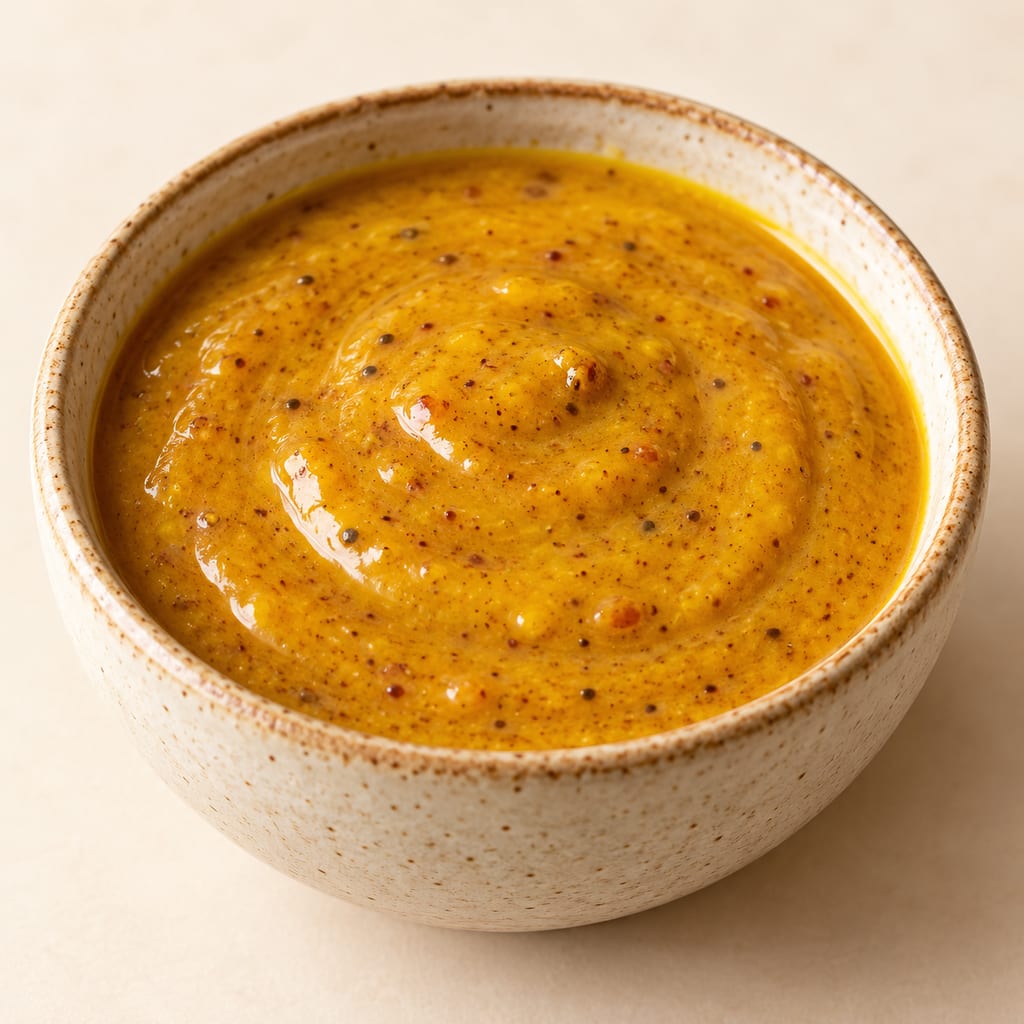
South Carolina mustard barbecue sauce is yellow to golden in colour and takes its character from prepared mustard. The sauce balances mustard's sharpness with vinegar, sweetness and spices, so it is tangy rather than hot. It is usually thin enough to brush or pour and is one of the sauces most associated with the state's barbecue.
The style is also called Carolina gold in some sources, a name that refers to the colour of the sauce.
Mustard sauce is usually placed in the Midlands of South Carolina. The Midlands association is repeated across sources, and one suggestion is that German settlers, who arrived in the Carolina Midlands in the 1700s and brought a love of mustard, shaped the sauce. Some accounts link the Dukes family's German origin to the sauce, and a barbecue site notes that the family's influence is widely repeated.
The sources treat the German theory as plausible but unproven. Destination BBQ calls it conjecture at best, and it notes that the same argument would apply to Texas barbecue, which also has many German families. Other accounts point to the original vinegar and pepper sauce as the starting point.
The sauce is built on mustard, vinegar and spices, with a sweetener. Sources differ on the sweetener: honey, brown sugar or molasses appear in some recipes, and one source describes sugar rather than molasses. Yellow mustard is the usual choice, and some recipes blend several mustards.
The research formulation for this record uses yellow mustard, cider vinegar and honey with spices. It is an untested modern branch, and the sources give no cooking time, temperature or storage limit for it.
The first recorded mustard recipe and its date are not established by a primary source. The German origin is inference. The sauce is not a preserved product, and the sources give no storage limit.
Mustard barbecue sauce is one of the South Carolina sauces, and modern sources describe it as the most widely known of the four. One barbecue site places the first recorded mustard sauce recipe near Holly Hill in the early 1930s, but that claim is not established by a primary source. The German-settler origin is widely repeated and is inference, not documented fact.
Scaling: quantities are not established; do not scale from this record.
The research formulation is untested and is not validated for room-temperature storage.
The Midlands association is repeated in sources; the link to German settlers is an inference that the sources do not prove.
Afghan coriander chatni is a sharp, hot herb sauce with garlic and vinegar. A 2008 Afghanistan manual records green or red pepper and optional walnut; heat and household versions vary.
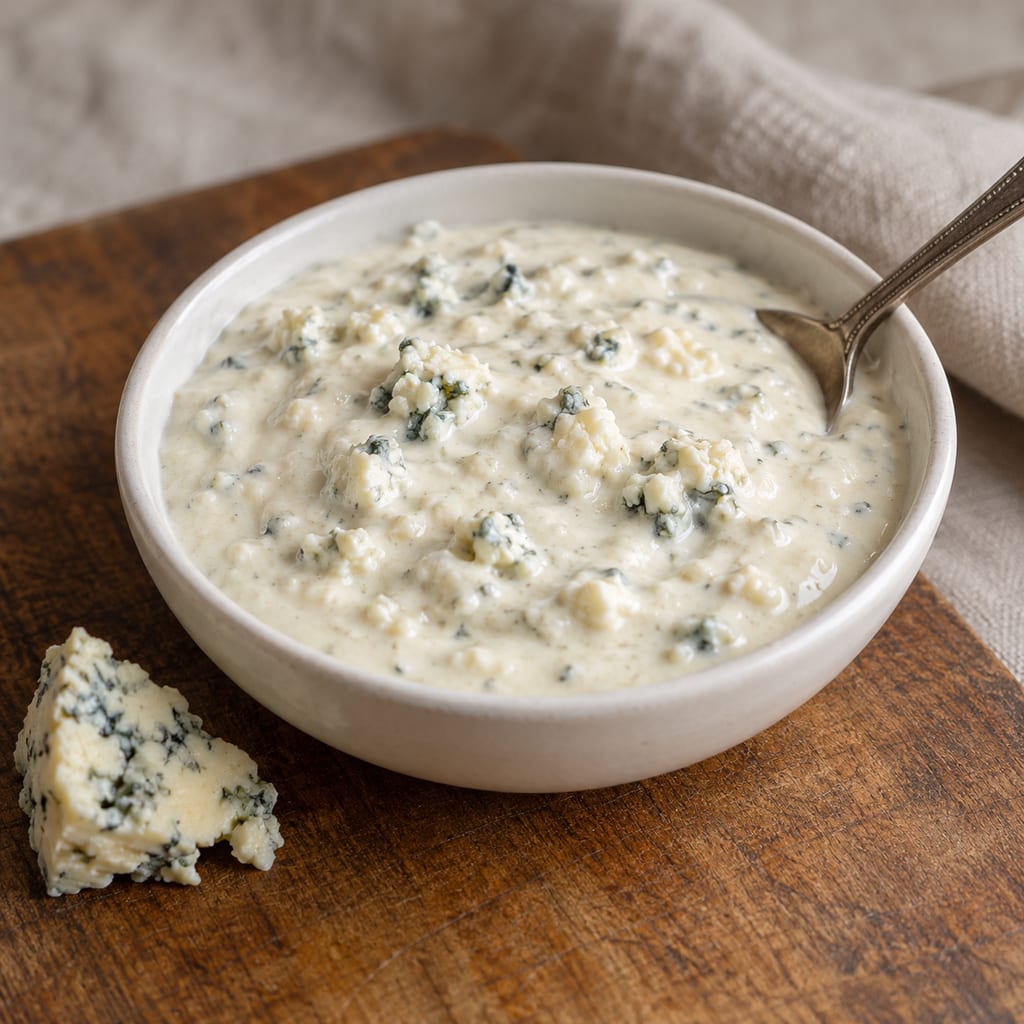
Blue cheese dressing is a creamy dressing built on crumbled blue cheese mashed into buttermilk, with sour cream, mayonnaise, vinegar and seasoning, and kept cold for up to two weeks.
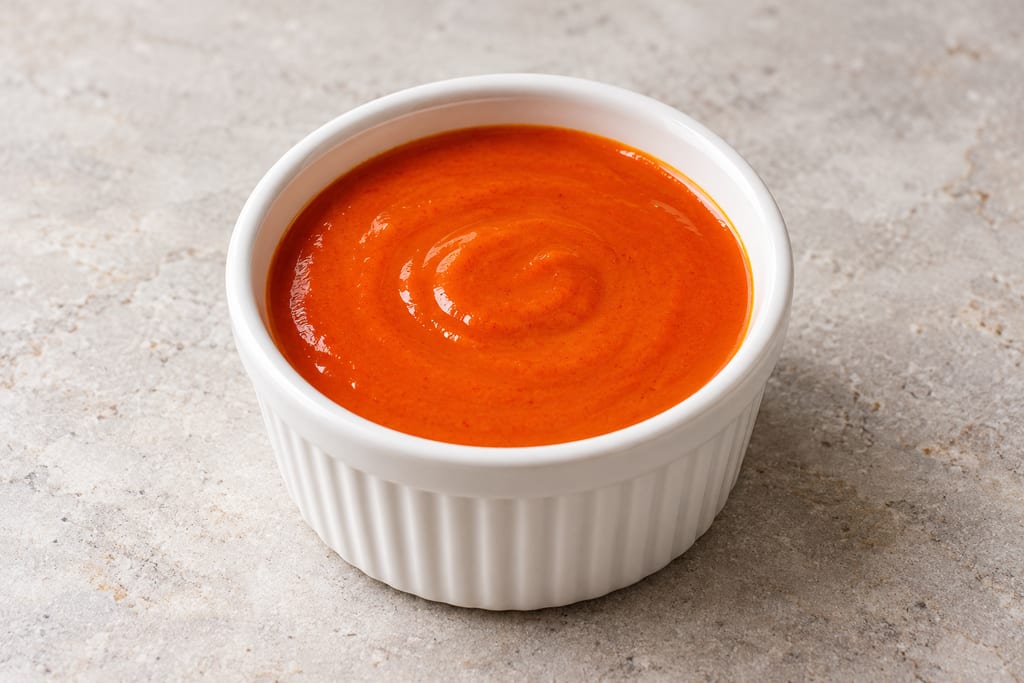
A warm, buttery cayenne sauce made by melting butter into a hot pepper sauce, first tossed onto fried chicken wings in Buffalo, New York.
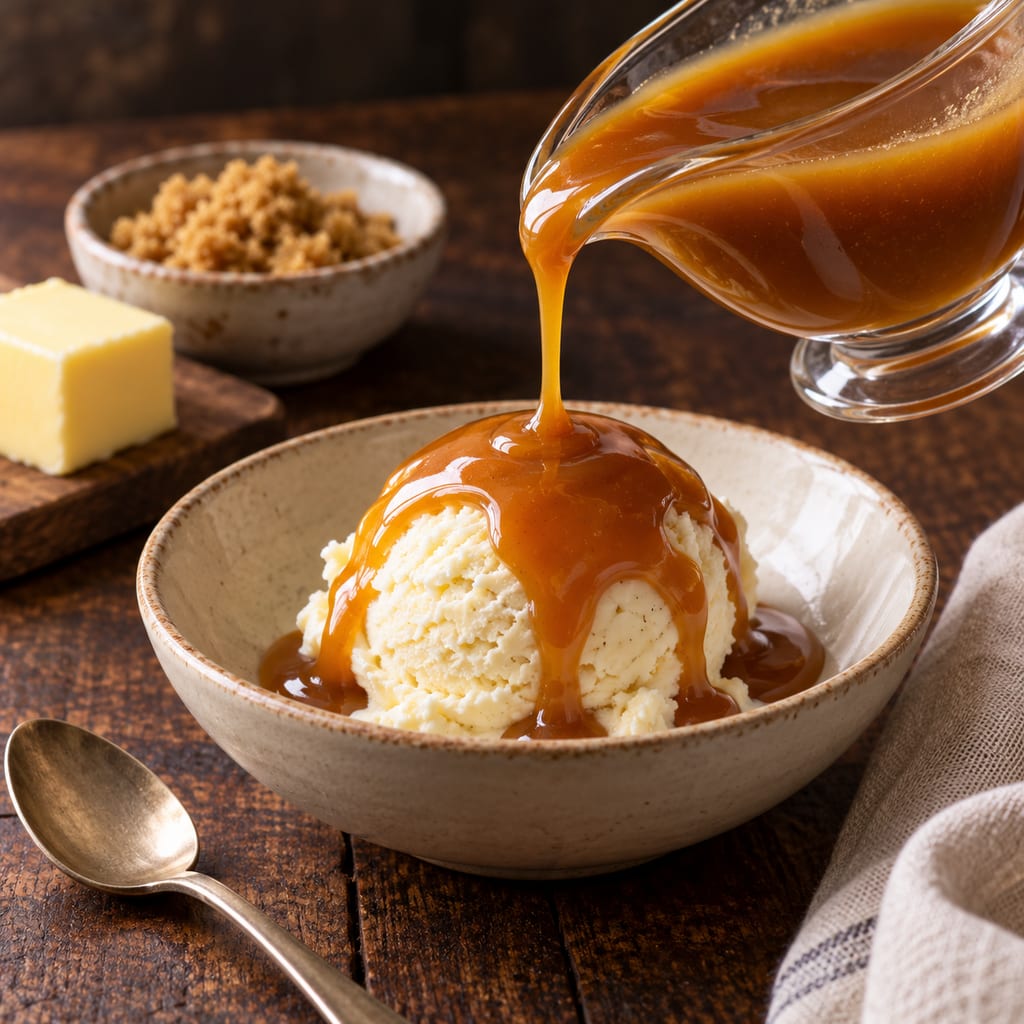
A pourable dessert sauce of brown sugar, butter and cream, with a little corn syrup and salt. It is the sauce form of the butterscotch confection and is made without water, unlike caramel.
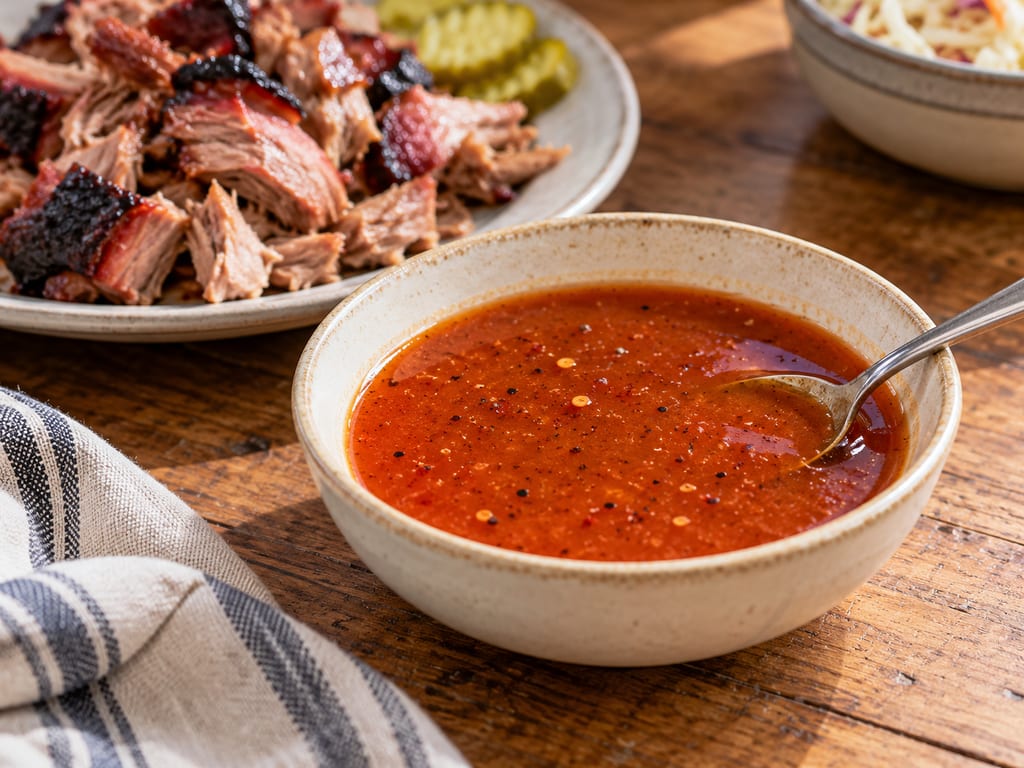
Light tomato barbecue sauce is a thin, sharp South Carolina sauce: a vinegar and pepper base with a small amount of ketchup, sitting between the clear vinegar sauce and the sweeter tomato sauces.
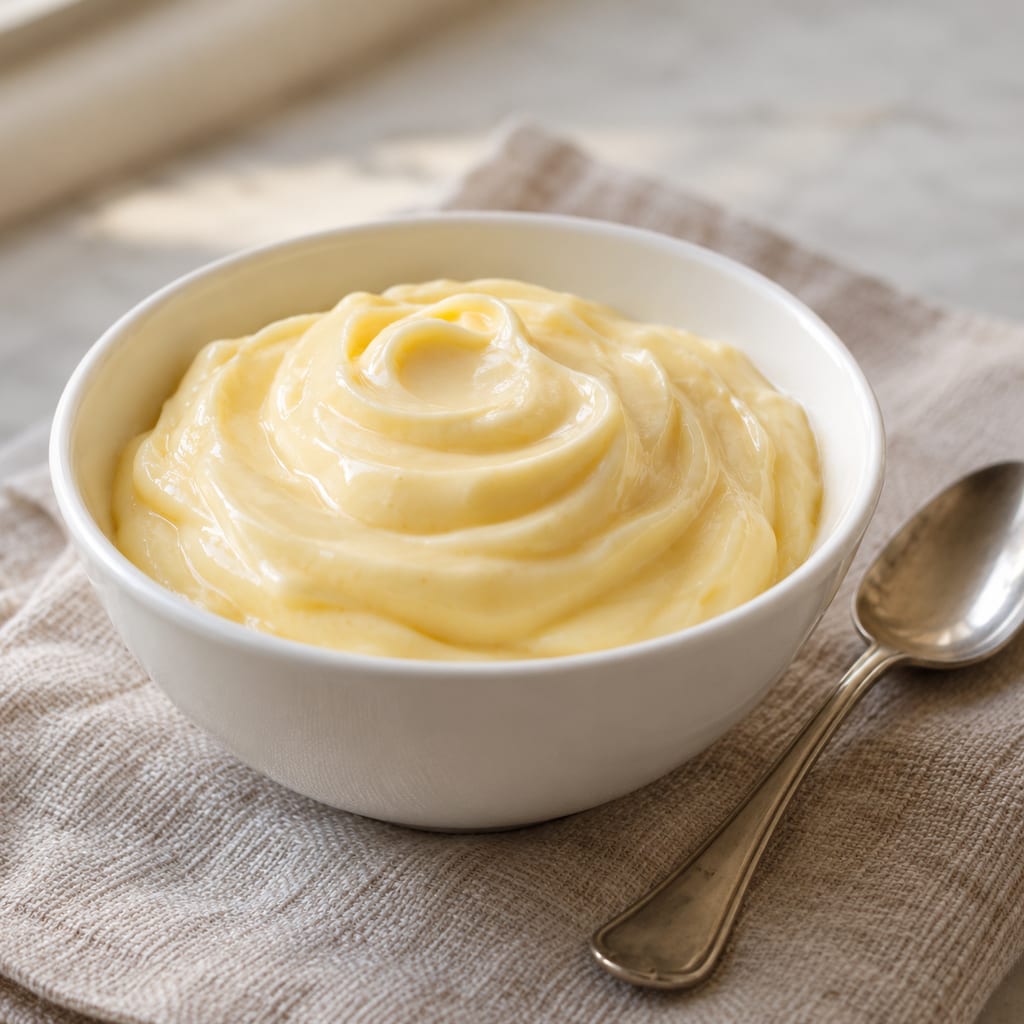
A cooked-yolk mayonnaise documented in the University of Tennessee Extension’s 2007 Egg University Handbook. The egg mixture is heated before oil is emulsified into it.
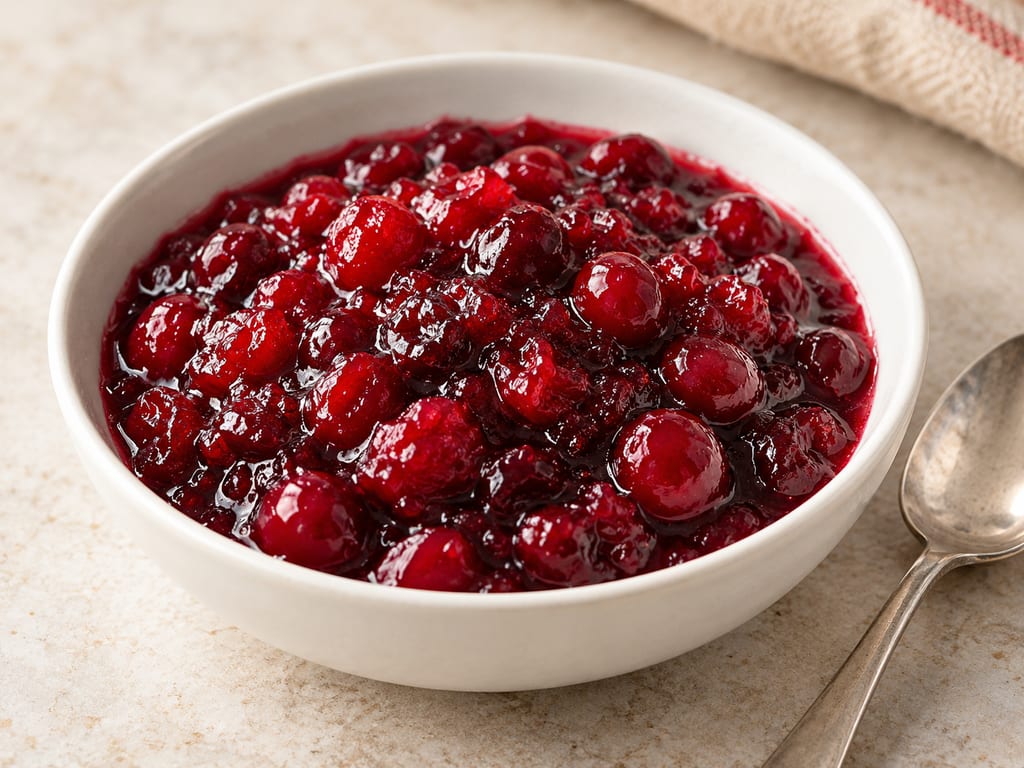
Cranberry sauce is a sauce of cranberries cooked in sugar syrup until the berries burst and thicken, served with roast turkey, pork, chicken and ham.
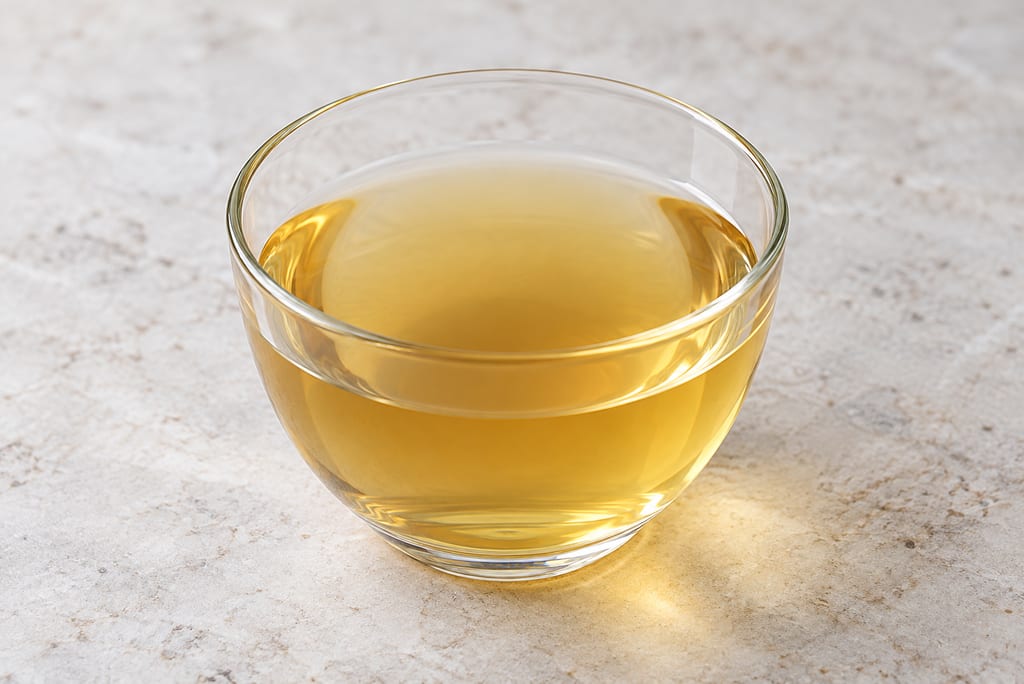
A liquid set with a little gelatin, frozen solid, then thawed through cloth in the refrigerator so that clear liquid drips out and the cloudy gel stays behind.
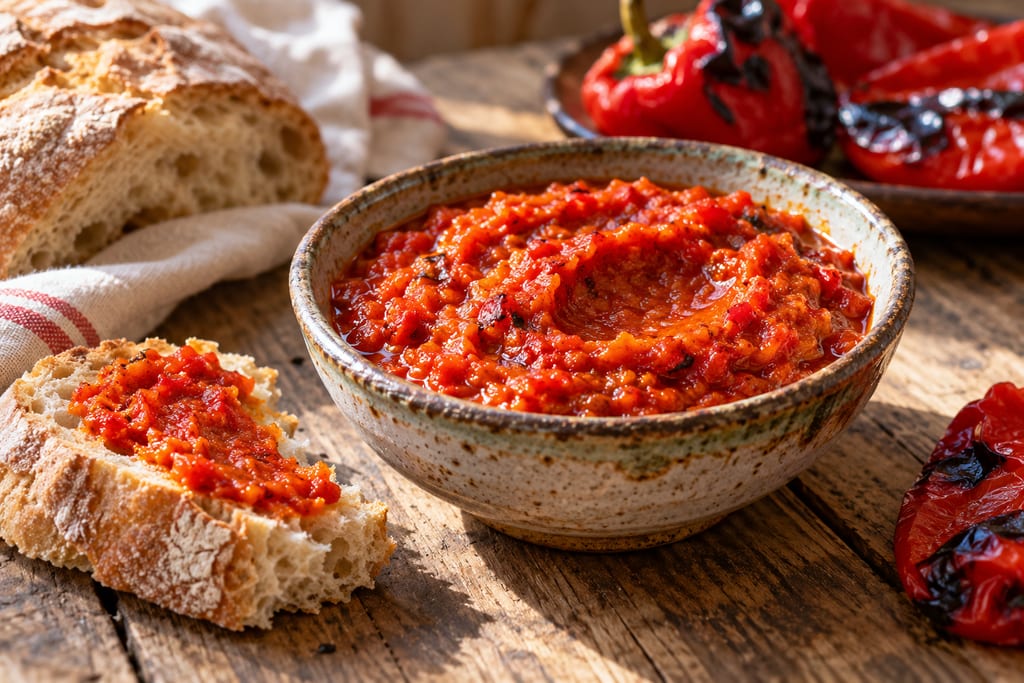
Ajvar is a cooked Balkan pepper preserve built around roasted red peppers, peeled, drained, ground and slowly fried with oil and seasoning. Leskovac’s protected version is a pepper specialty; regional versions vary.
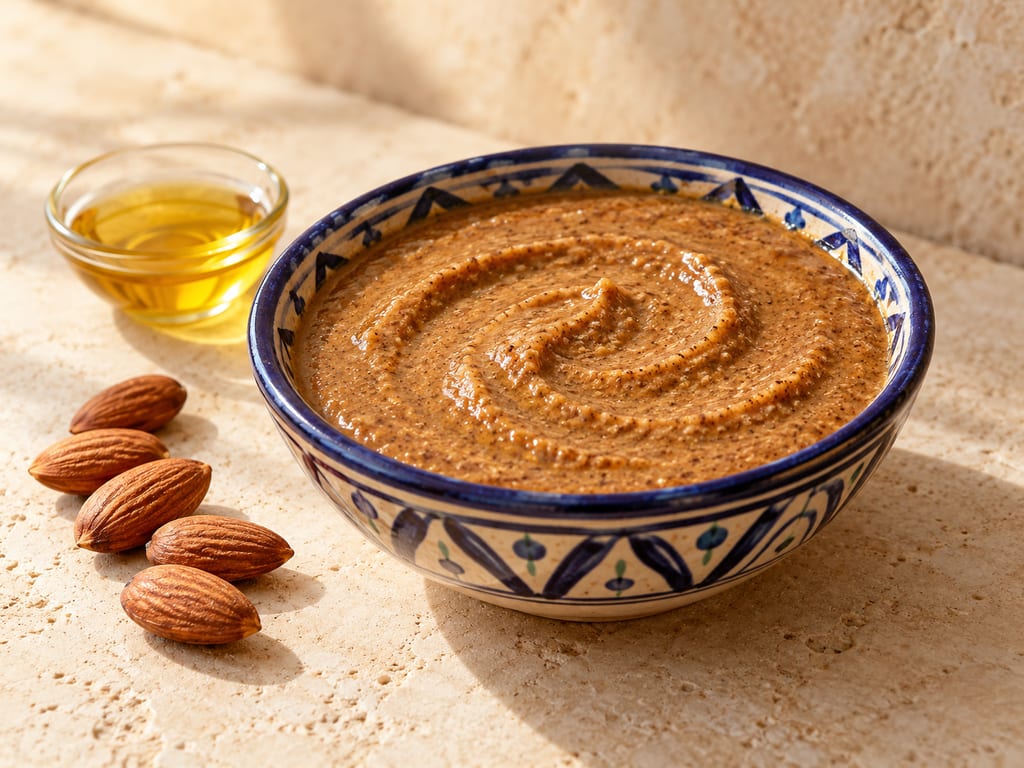
Amlou is a nutty, lightly sweet Moroccan spread of roasted almonds, culinary argan oil and honey. The almonds are ground first, then loosened with oil and sweetened; the balance can range from a thick spread to a dip.
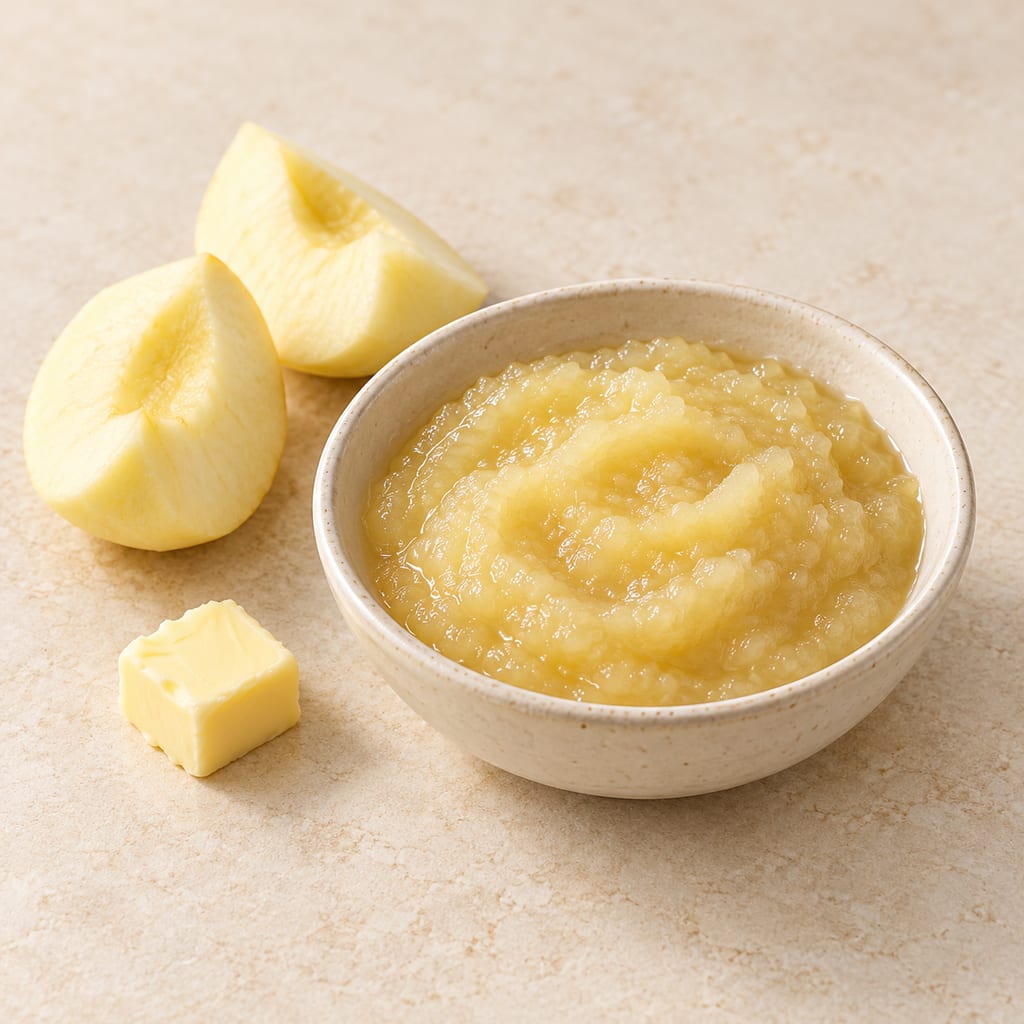
Apple sauce for goose and pork is a plain English accompaniment: cooked apples pulped with water, then sweetened with sugar and finished with a little butter.

A warm dip of garlic, anchovy and olive oil, often enriched with butter, that Piedmont serves over a flame with raw and cooked vegetables and bread.
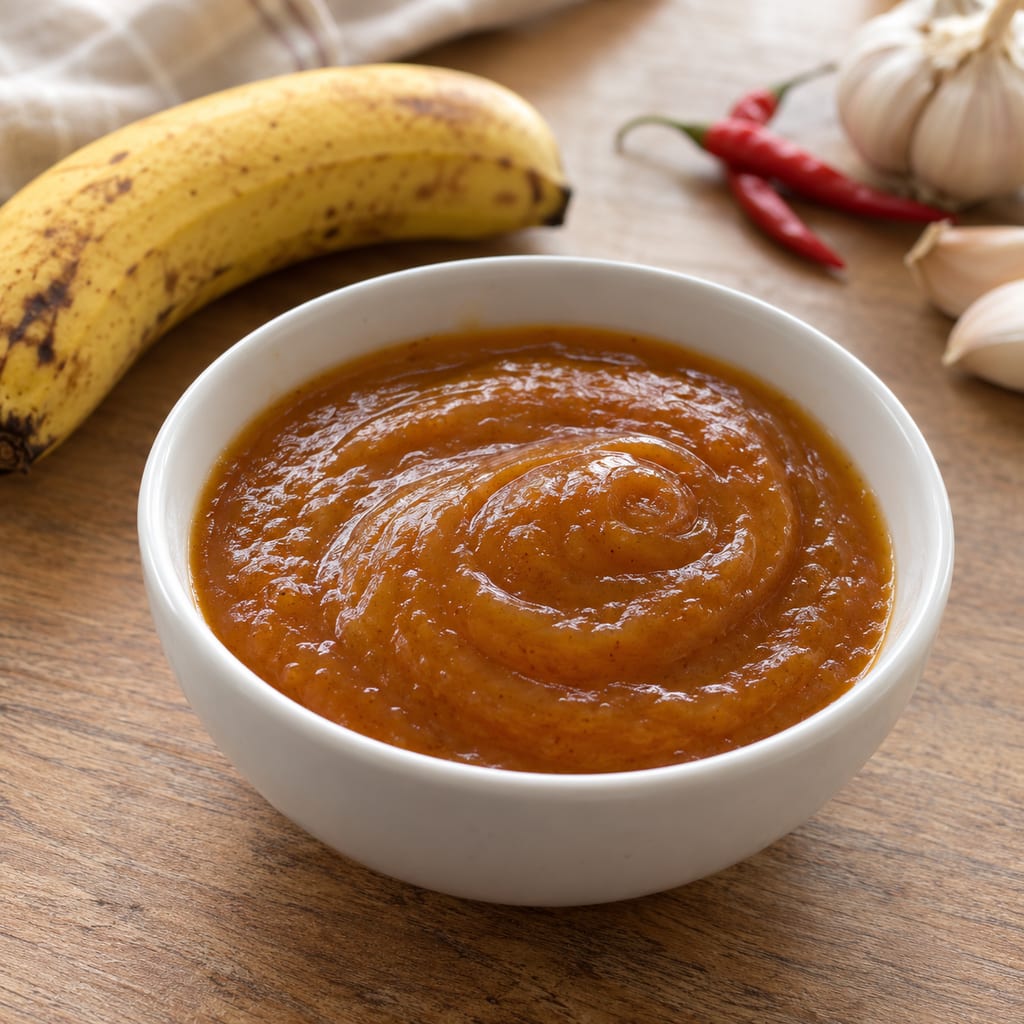
A sweet-hot table sauce of ripe banana simmered with vinegar, sugar, onion, garlic and fresh chilli, in the manner of Philippine banana ketchup. An untested development batch of about 500 g.
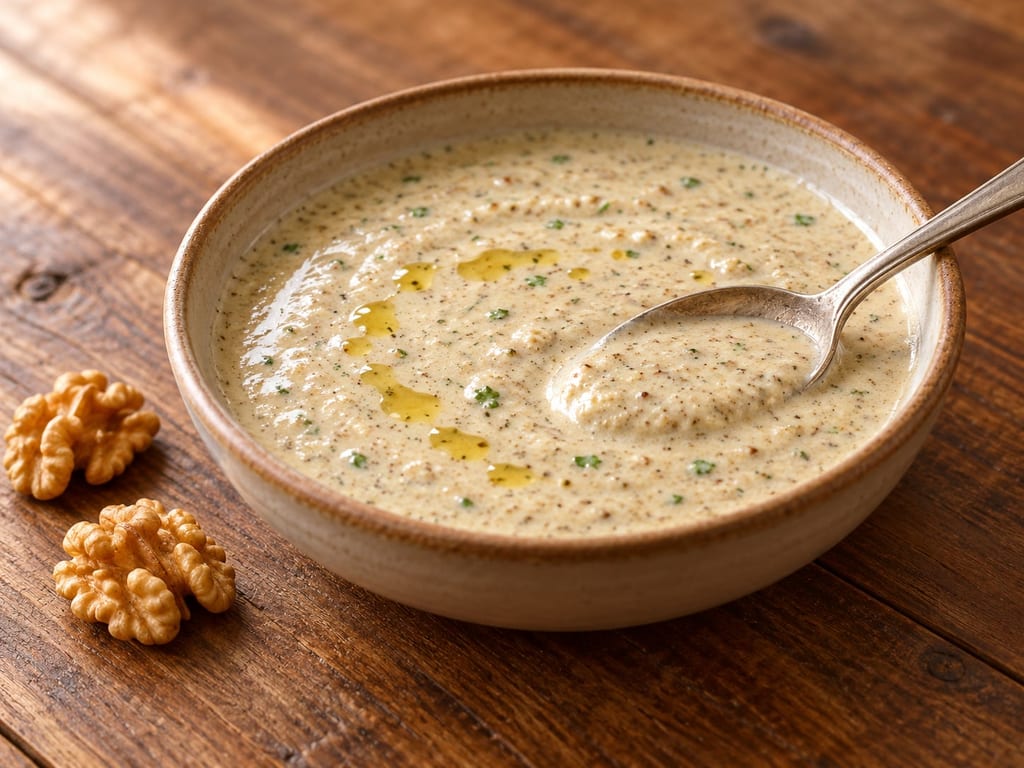
A Georgian walnut sauce of ground walnuts, garlic, vinegar and spices, thinned with water or broth. It is served with poultry, vegetables and bread, and is the sauce of the dish satsivi.
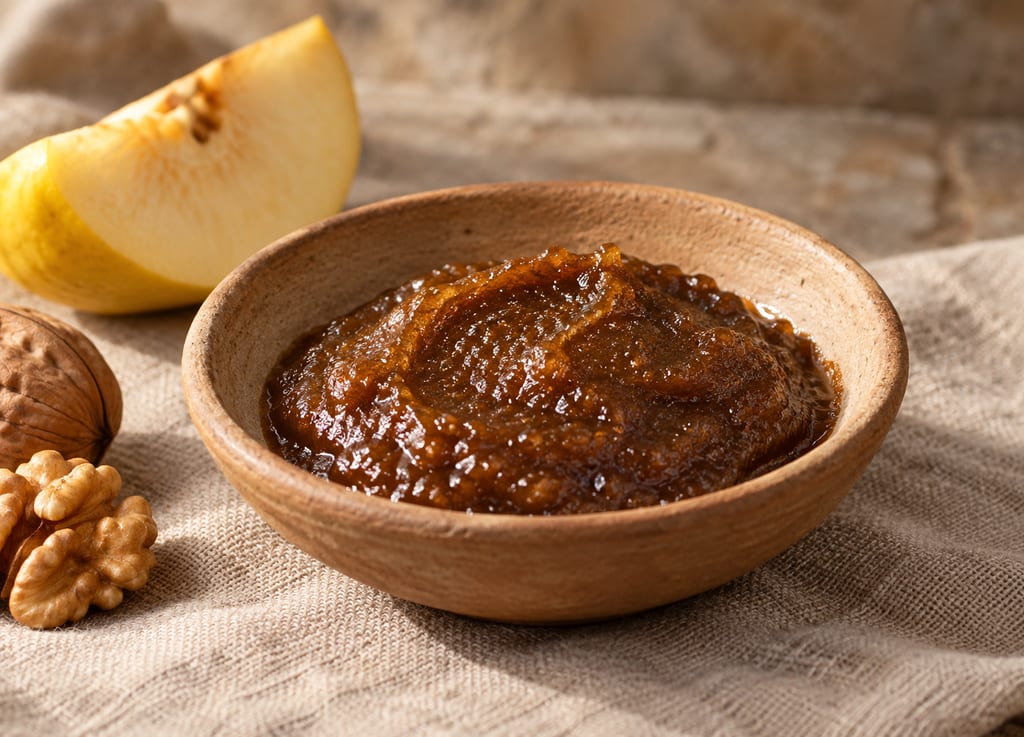
Byzantine murrī is a cooked imitation of murrī from the medieval Arabic repertoire, made from scorched honey, toasted bread, walnuts, quince, carob and spices rather than from a long grain fermentation.
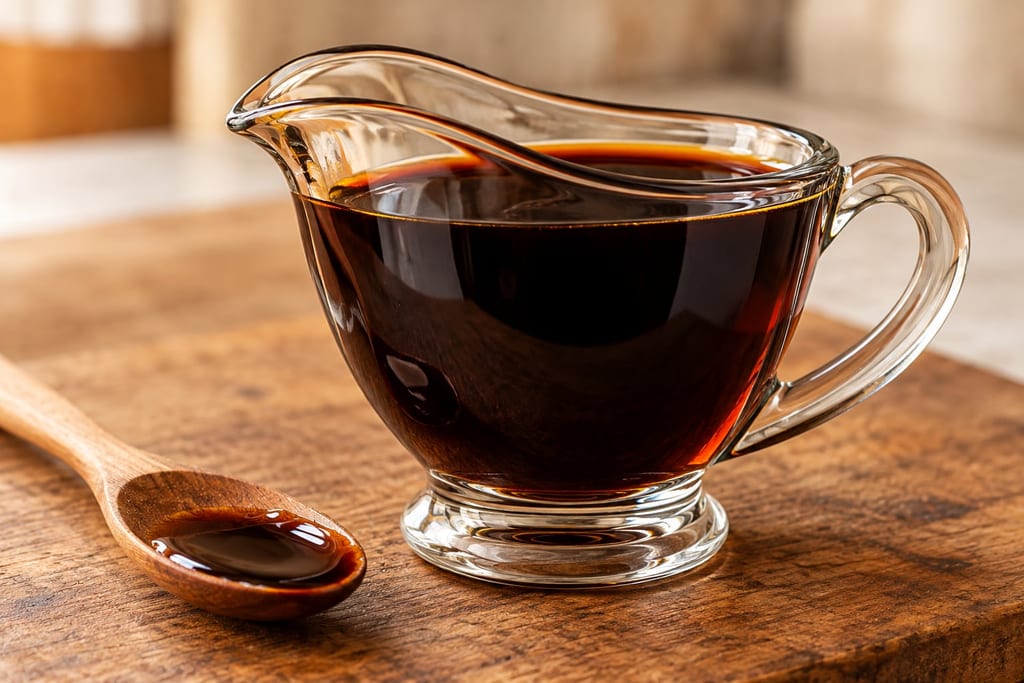
Caribbean browning is a dark liquid of deeply caramelised sugar, used in small amounts for colour and a smoky, bitter-sweet flavour in stews and black cake.

A Cap-Pelé boucanière is an Acadian herring-smoking building. The documented Willie Niles example is a one-storey wood-frame structure with a ridge smoke vent and interior bays for hanging fish-bearing cannes.

Achcharu is a family of Sri Lankan vinegar pickles made with mixed vegetables or seasonal fruit and a piquant spice dressing. This version is a quick, refrigerated, non-fermented mixed-vegetable pickle.

The acocote is a long, hollowed and dried gourd used to draw aguamiel from a mature maguey. It is a harvesting tool: the sap is transferred to a separate vessel before it ferments into pulque.

Adrak murabba preserves young ginger in sugar syrup, a sweet South Asian preparation recorded in Indian cookery and food-processing sources.

Parkia biglobosa seeds are fermented into regional West African seasonings, including nététou, iru, dawadawa and soumbala. The yellow fruit pulp is a separate food, and names and methods vary by place.

Japanese reddish-brown vinegar from sake lees matured about three years, turned to vinegar by acetic bacteria; the vinegar of Handa and Edomae sushi rice.

A refined common-wheat flour blended for a broad range of baking; its protein and behavior vary with wheat, milling and market.

The almond mushroom, Agaricus subrufescens, was cultivated in eastern North America in the 1800s, lost its market, and returned as a cultivated mushroom from Brazil, where it is grown under several names.
No community contributions have been published for this entry yet.
Sign in to contribute. Published comments and photos are free to read.
Destination BBQHistory · Method
Carolina Gold mustard barbecue sauce historyCalls the German-settler theory conjecture at best; places the first mustard sauce recipe possibly near Holly Hill in the early 1930s; describes mustard-vinegar sauce sweetened with honey, brown sugar or molasses.
Cited in: What it is; Origins and the German question; How it is made; Notes
WikipediaHistory
Dukes Bar-B-QueAssociates the Dukes family's German origin with mustard barbecue sauce as a possible influence; the sources treat the link as a suggestion.
Cited in: Origins and the German question
Tasting TableMethod
The 4 Types Of South Carolina Barbecue Sauce, ExplainedTypically built on yellow mustard and apple cider vinegar, sweetened with sugar rather than molasses.
Cited in: What it is; How it is made