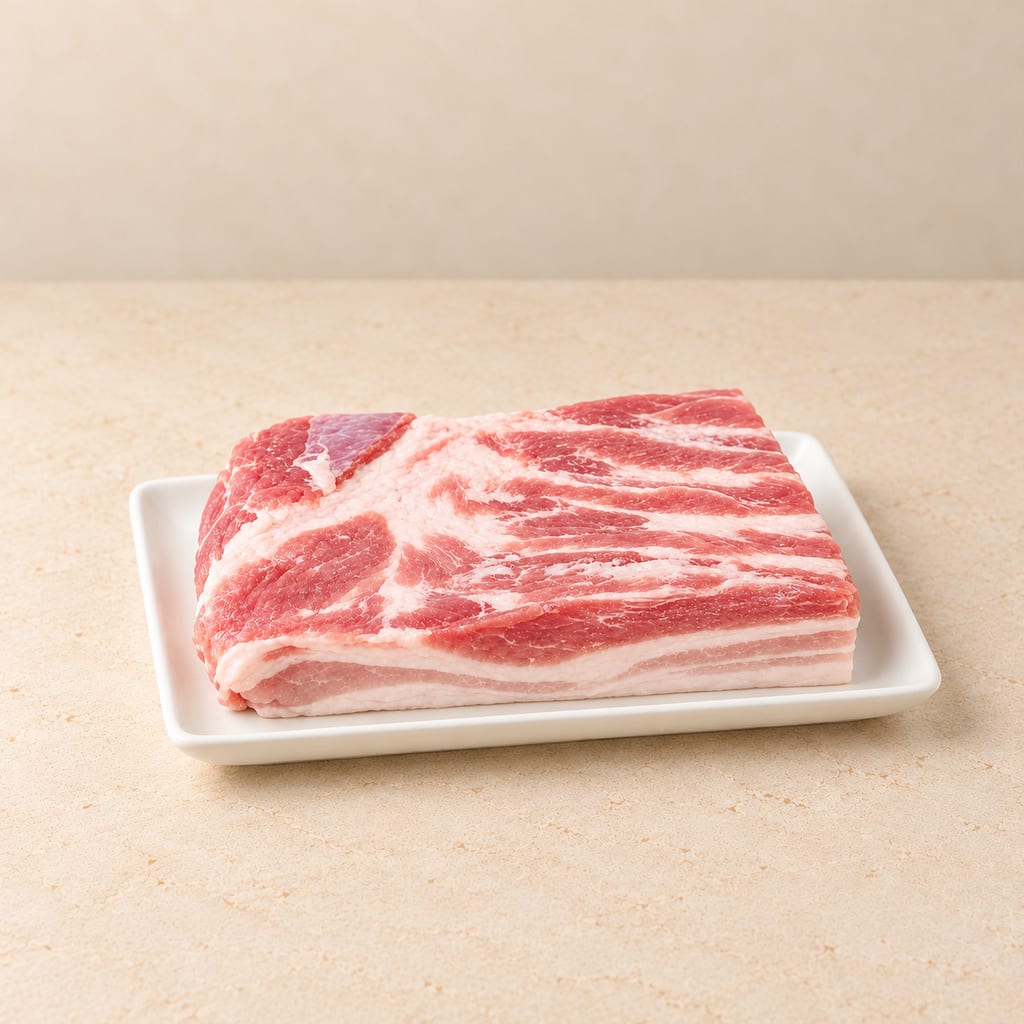
Fatty pork belly
Raw pork belly combines muscle and adipose tissue in layers. Its fat content varies, and a recipe weight of belly is not a measured weight of pure fat.
 FermenteaWhere food goes to change
torrezno de Soria · torrezno del alma · torreznos · IGP Torrezno de Soria
Cured pork belly with the rind on, fried slowly and then hard until the rind blisters crisp. A protected product of the Spanish province of Soria.
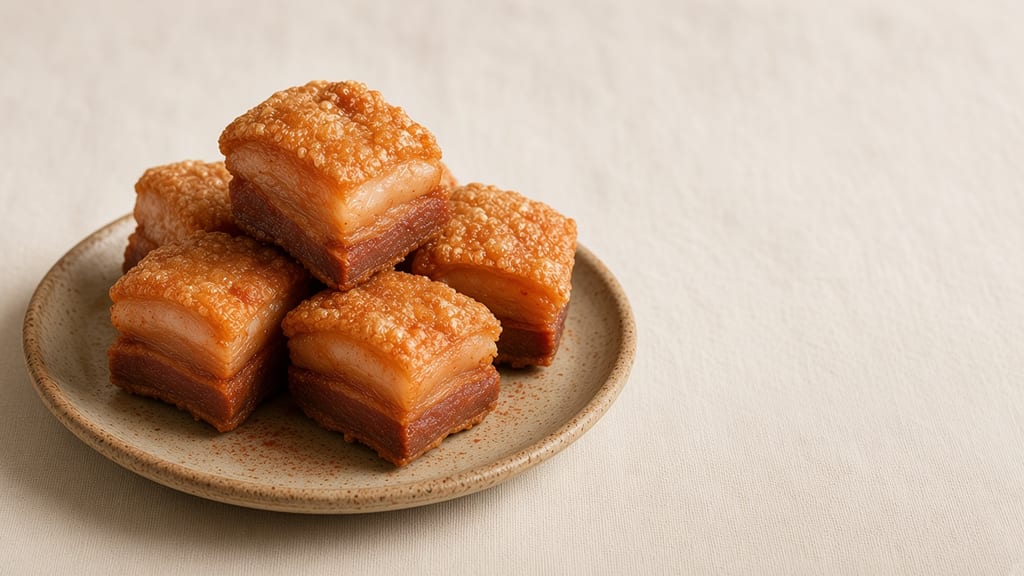
Torrezno de Soria is pork belly with its rind, salted and cured, then fried until the rind blisters and turns crisp over layers of fat and lean. Since 2024 it has been a Protected Geographical Indication, and only cured belly made in the province of Soria may carry the name.
Its specification ties the cut to the old Soria pig-killing. Pedro Iglesia Hernández, writing on the matanza in Soria in 1991, described households opening the pig from the chest along two curved lines, not with one cut down the middle. That took out a spindle-shaped piece of streaky fat shaped like a cuttlefish, called the íntima, the alma or the entrealma. The word alma means soul.
Torreznos cut from that piece were eaten on the first day of the matanza. Later local writers call them torreznos del alma. The oldest written link the specification cites is from 1964, when Manuel García Matos wrote that gachas and the torrezno were frequent in the daily food of Soria villages.
The cure happens before the cook buys it. Makers trim fresh belly from white pigs into a rectangle, keep the rind and the layers of fat, lean and fat, and salt it, by dry salt or in brine for one to three days at 0–8 °C. Pimentón and other spices are optional. The belly is then dried for two to ten days at 5–30 °C.
The finished piece is at most 6 cm thick, 25 to 55 cm long and 15 to 35 cm wide. Its moisture is 20 to 40 % and its protein 15 to 25 %. It is sold to be fried.
The makers' association asks for one thing above all, a very dry rind. If the rind is damp, it should air for about 24 hours before frying. Their pan method uses only about 2 mm of oil. Slices about 2 cm thick go in rind down and fry on low heat for about 20 minutes. Then the heat goes up and each side fries for about 10 minutes.
For other kitchens the association gives an oven start at 250 °C with the rind up for about 10 minutes, finished in a pan, about 5 minutes at 180 °C for precooked torreznos and 20 minutes at 200 °C in an air fryer.
RTVE's 2014 programme on the torrezno printed a home method that cooks the belly twice in more oil. Cubes of 3 to 4 cm go into 250 to 300 ml of cold sunflower oil for 500 g of belly. They cook gently for about an hour, come out to drain and cool, and are fried again at 180 to 200 °C so the rind puffs.
The two methods share a rule. The fat first melts slowly, and the rind crisps only at the end, in high heat.
Álvaro Molina, the Colombian chef of Casa Molina, told El Colombiano in 2025 that Colombia's chicharrón descends from the torrezno de Soria. That is his view, and no other source here dates the link.
Hungary's skin-on bőrös tepertő is cut from belly with the rind on and fried skin and all, and it is described on the škvarky page.
The PGI specification ties the cut to the Soria pig-killing. Pedro Iglesia Hernández, in La matanza en tierras sorianas, published in 1991, describes Soria households opening the pig from the chest to take out a spindle-shaped piece of streaky fat called the íntima, alma or entrealma, and torreznos made from it. The first written record linking the torrezno to Soria in the specification is Manuel García Matos in 1964, who wrote that gachas and the torrezno were frequent in the daily food of Soria villages.
The EU registered Torrezno de Soria as a Protected Geographical Indication by Commission Implementing Regulation 2024/2892 of 12 November 2024.
Scaling: linear
The rind spits and blisters when the heat goes up.
Hazard sourceThe second fry uses oil at 180–200 °C.
Hazard sourceDry the rind well before frying
Control sourceDrain and cool the slow-cooked pieces before the hot fry
Control sourceKeep water away from the hot oil.
Cooked torreznos are best eaten at once; no source gives a keeping time after frying.
The whole province of Soria is the PGI area for making the cured product.
Raw pork belly combines muscle and adipose tissue in layers. Its fat content varies, and a recipe weight of belly is not a measured weight of pure fat.
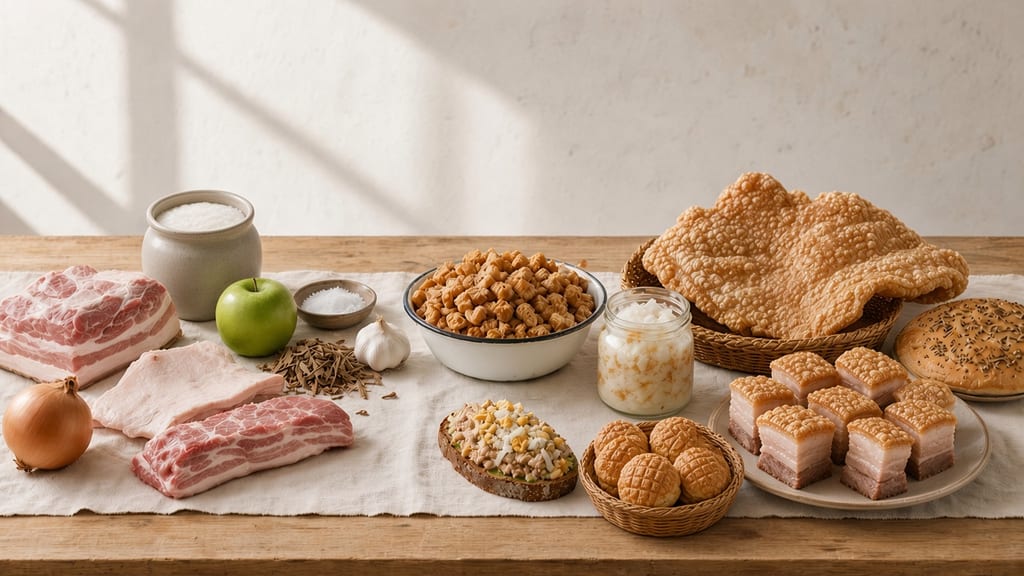
Škvarky, skwarki, tepertő, chicharrón, gratons. How cooks render pig fat, dry and fry skin, press and wring the pieces, and bake with them, from the Czech pig-killing to Mexico and Soria.
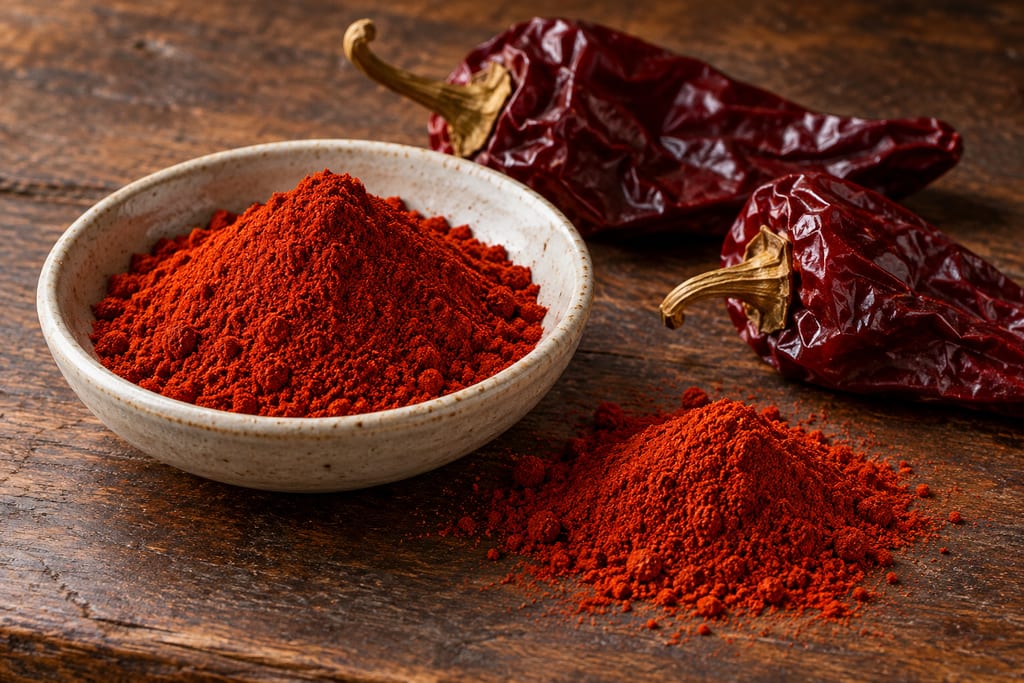
Spanish smoked paprika from Capsicum peppers dried over oak or holm-oak smoke in a dryer called a secadero, then ground. Protected by a designation of origin in La Vera.
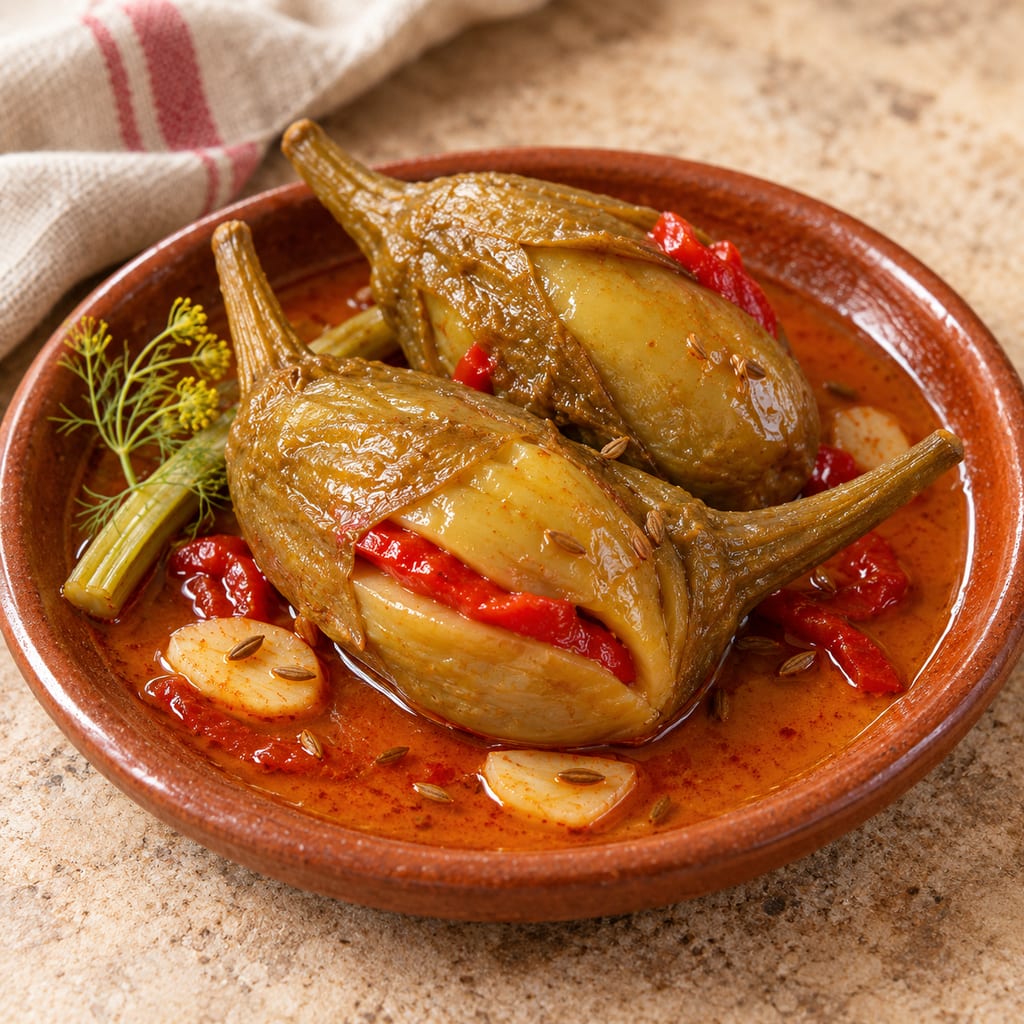
A protected aubergine preserve from Ciudad Real in Spain: tender fruit of the local Dealmagro variety, cooked briefly and then fermented in a vinegared, paprika-seasoned dressing.
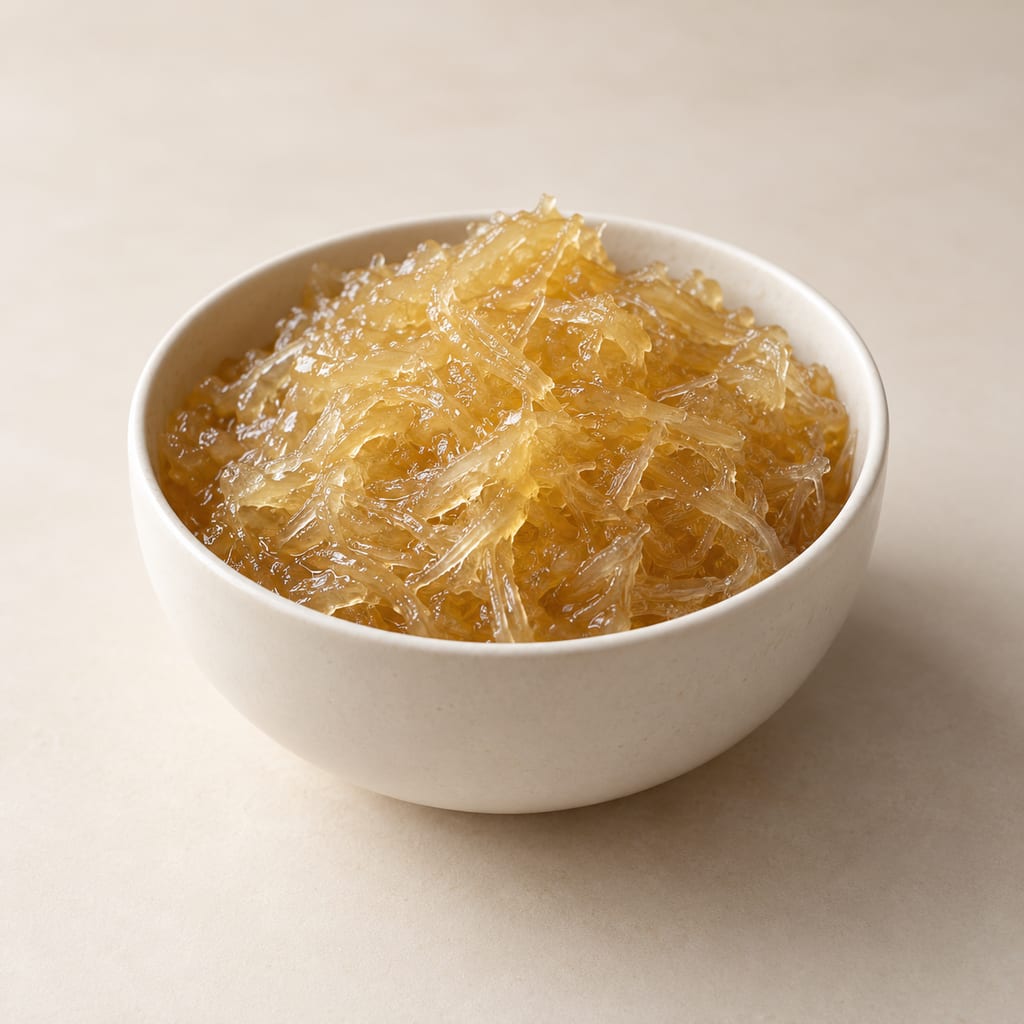
Fine strands of Cucurbita ficifolia cooked in an equal weight of sugar, then portioned for refrigerator or freezer storage. Ordinary orange pumpkin does not give the same fibres.
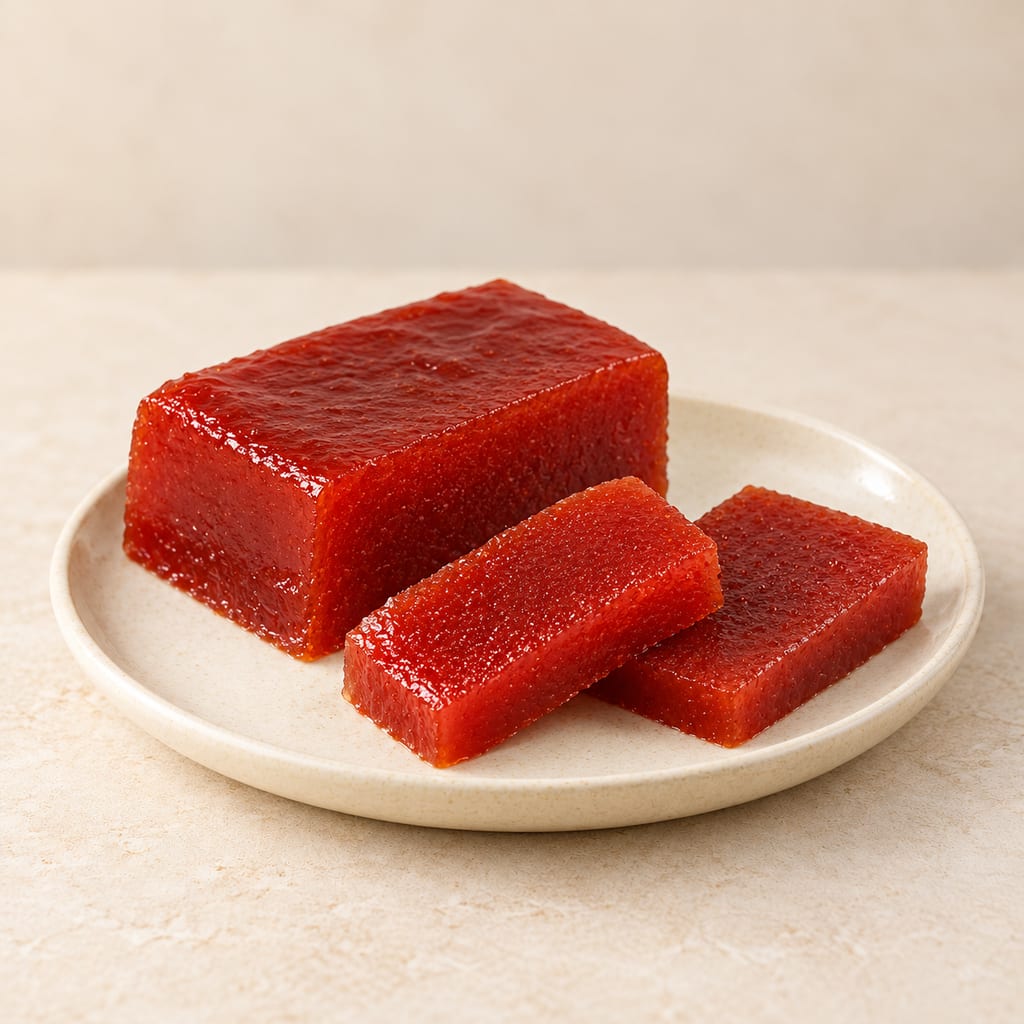
Dulce de membrillo is quince cooked with sugar into a firm paste for slicing. This family method softens the fruit in a pressure cooker, then blends it and leaves it to set.
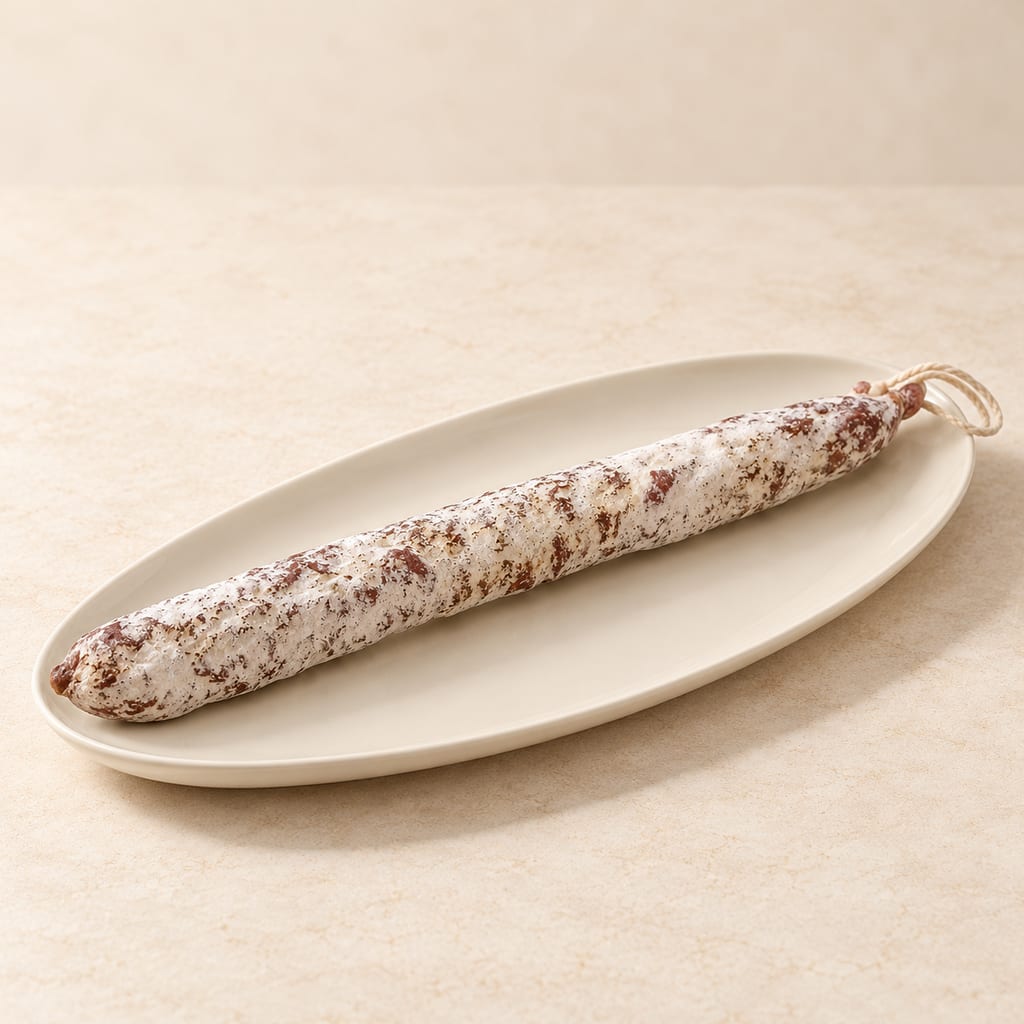
A documentary account of a modern starter-cultured Fuet formula and its place in Catalan sausage culture. The cited raw-pork process lacks matched safety validation, so this page does not present it as a household recipe.
Garum, Greek garos and Latin liquamen, was the fish sauce of the ancient Mediterranean: fish and viscera salted and left in the sun, then drained off as a savoury liquid.
Mojo criollo is a Cuban sauce of garlic and sour orange juice with oil and herbs, used to marinate roast pork and as a dip.
A red sauce of garlic, dried or fresh red pepper, paprika and cumin in olive oil and vinegar, served with salt-cooked potatoes across the Canary Islands.
Lesego Semenya’s contemporary South African stew combines browned boerewors, chickpeas, tomato, spinach and warm spices.
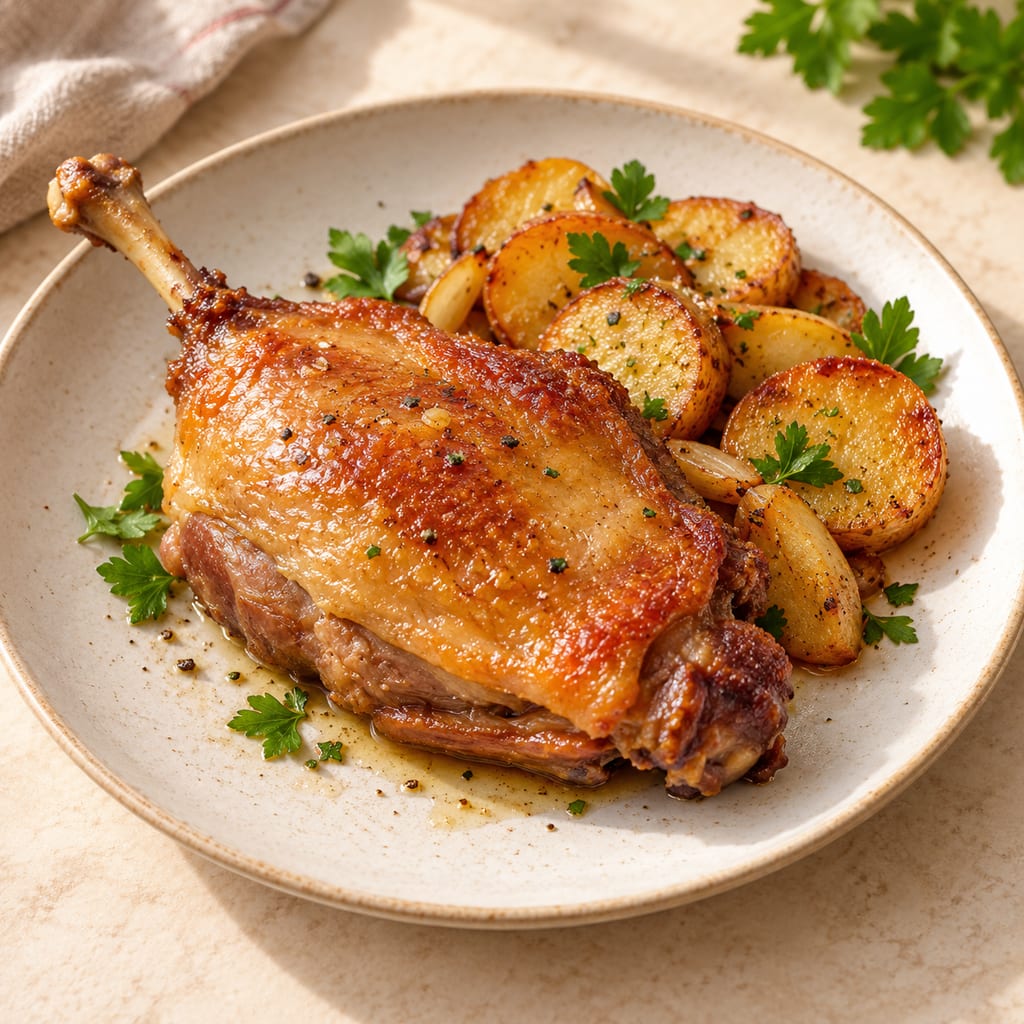
Meat salted, slowly cooked in its own fat and kept under a covering of that fat. The fat cap limits air but does not acidify or sterilise, so home confit needs refrigeration or freezing.
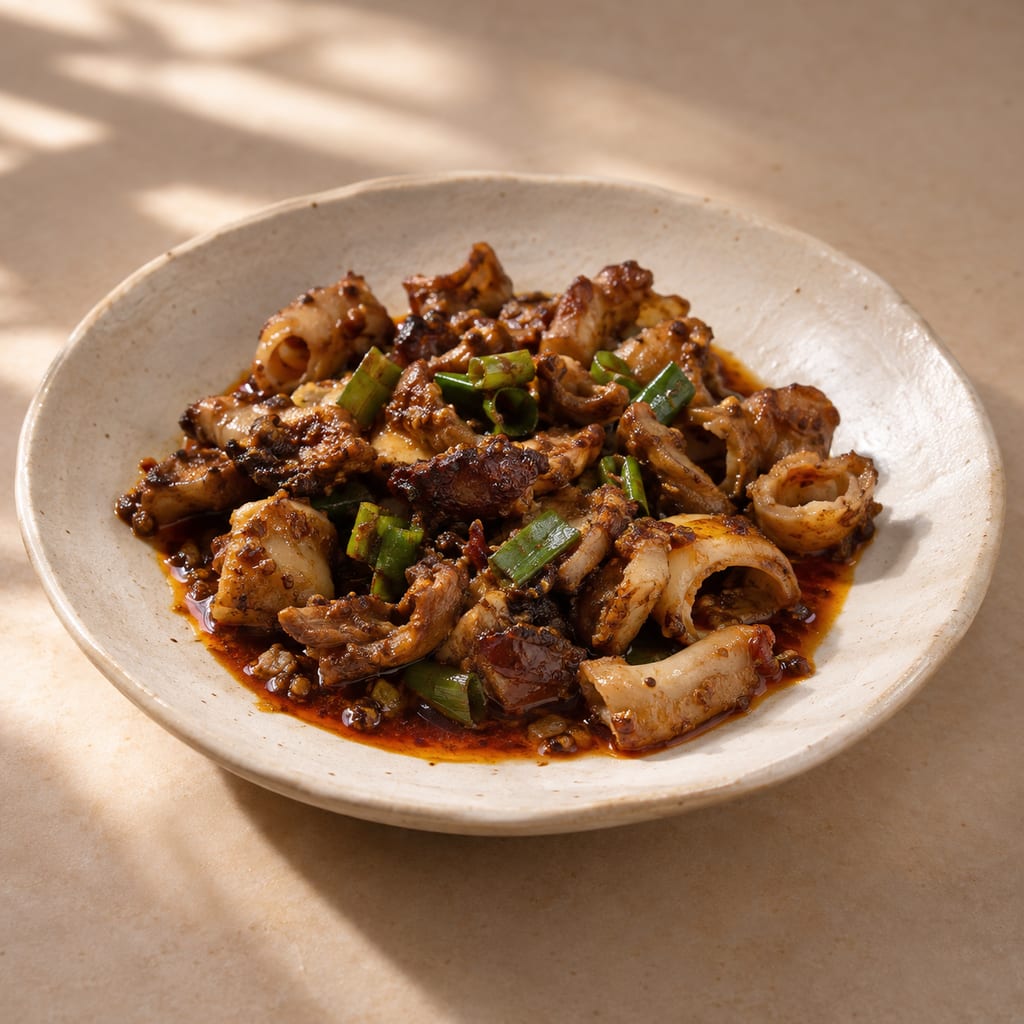
A Dushan restaurant dish of pork large intestine cooked with the fermented condiment chousuan.
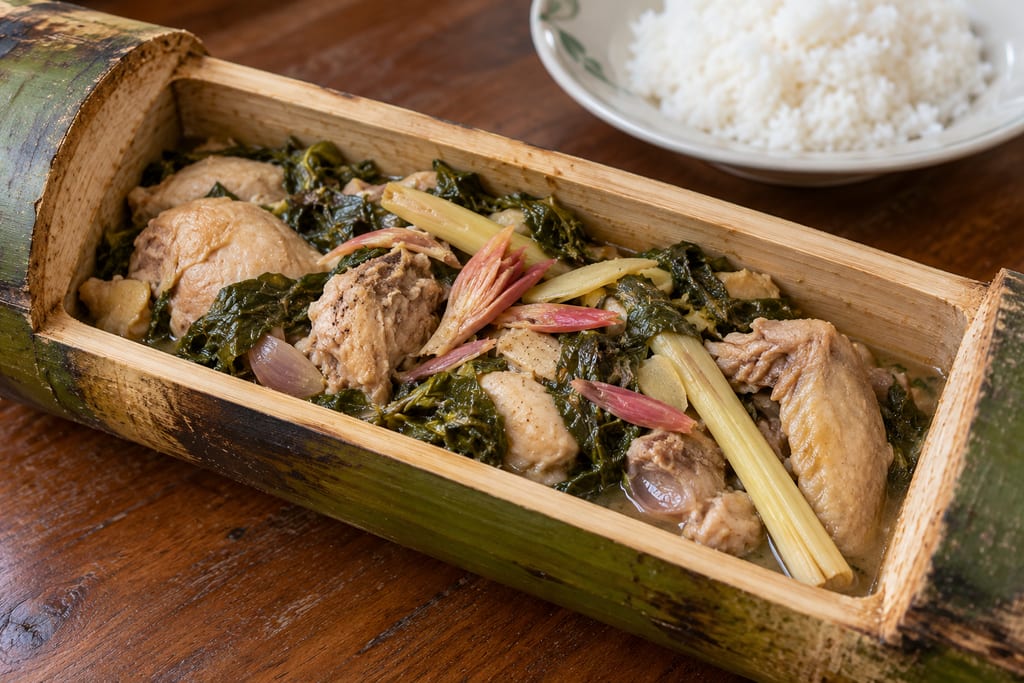
Manuk pansuh is Iban chicken cooked slowly inside a fresh bamboo tube with aromatics and leafy greens. The bamboo holds the food and shapes the steamy, fragrant cooking environment; recipes vary by household and locality.
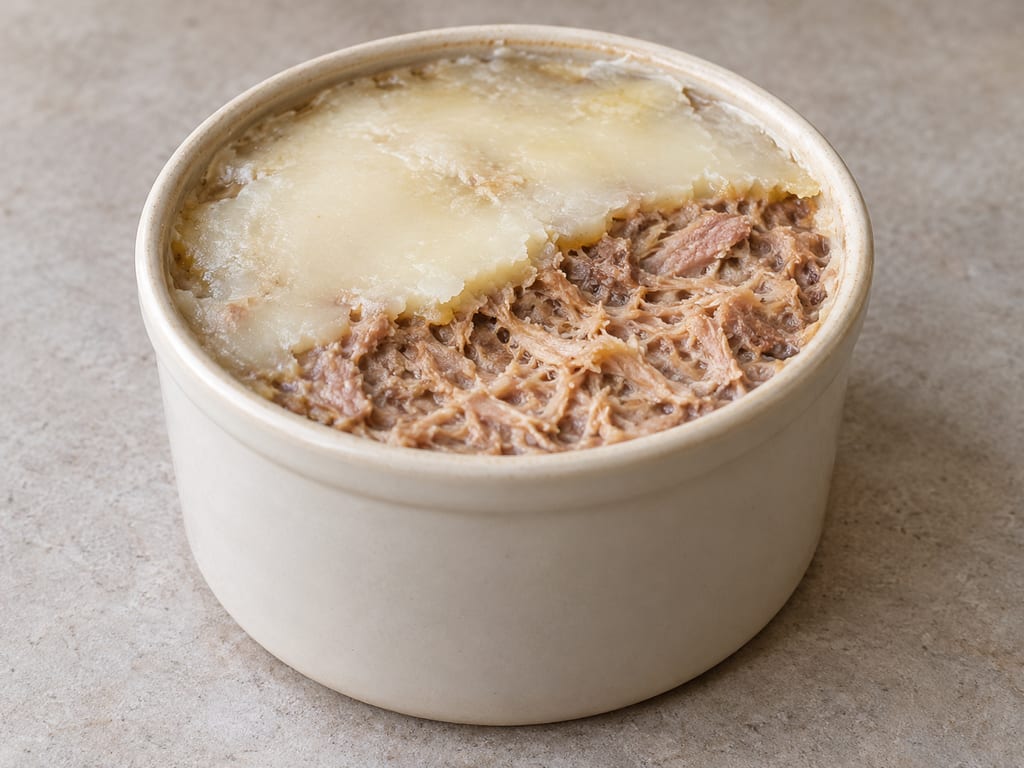
Cooked meat or fish shredded or pounded, packed into pots and covered with fat. Heat, salt, moisture reduction and the fat cover work together, and the texture separates rillettes from whole-piece confit.

Omani celebration dish of spiced meat wrapped in leaves, sewn into palm-fibre bags and cooked in a sealed pit of embers for up to a day.
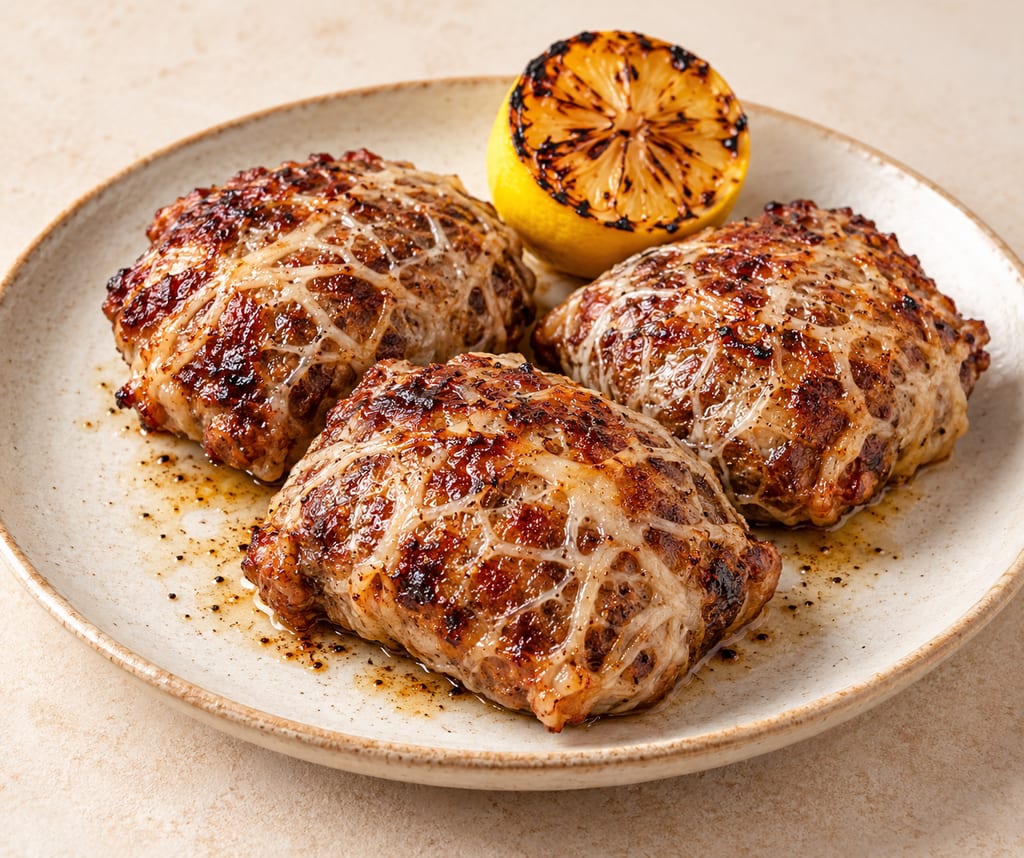
South African braai parcels of seasoned lamb liver wrapped in caul fat (netvet), which crisps and renders as the filling cooks.
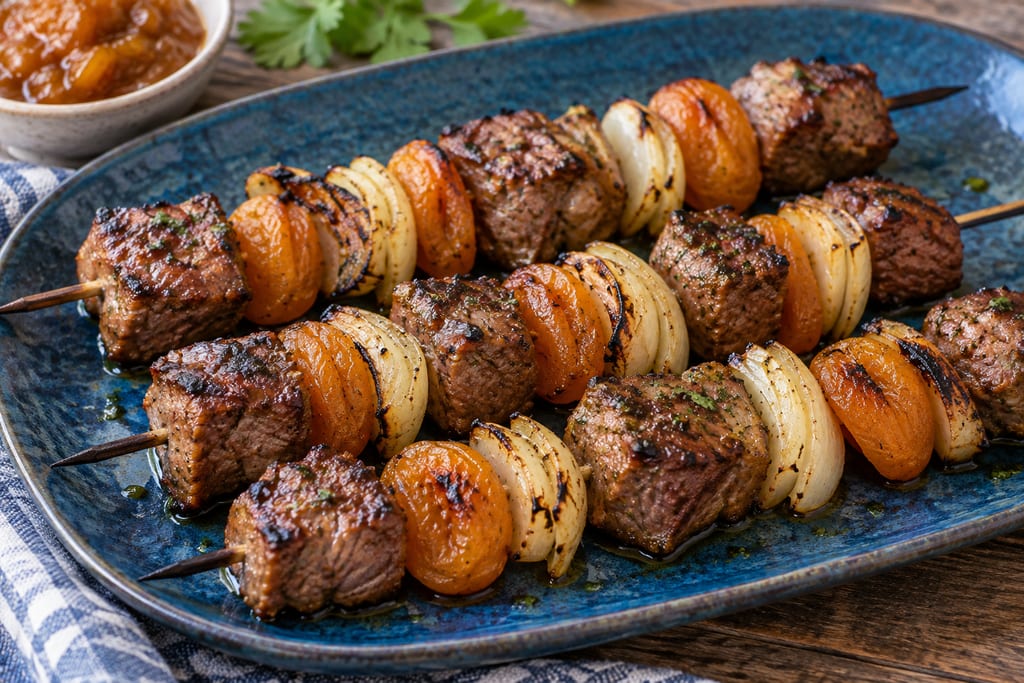
Cape skewers of marinated lamb or mutton threaded with onion, fat or dried fruit and grilled, their marinade balancing curry spice against vinegar or tamarind and something sweet.

Soft, spreadable Calabrian pork sausage made with a great deal of red chilli and fatty pork, stuffed into natural casings, sometimes smoked and matured while staying soft.

A way to add independent temperature logging to an existing food dehydrator without changing its built-in controls or protections. It is a monitoring method, not a rewiring plan.

Pleurotus cystidiosus is the abalone mushroom, a cultivated oyster-type fungus with dark brown caps that grows more slowly and is more demanding than other Pleurotus species.

A dark, balanced vinegar from Emilia-Romagna made by combining cooked or concentrated grape must with wine vinegar, then acetifying and refining it in wood under a protected specification.

A living dairy inoculum that starts controlled cream fermentation, developing acidity and aroma before sour cream or cultured butter is finished.

A small electric incubator holds jars at a selected temperature for yogurt and other documented warm food preparations. Controls, capacity and vessel arrangement vary by model.

Adygean salt is a seasoned table salt associated with Adygea and the wider North Caucasian culinary tradition. Salt is blended with garlic and a variable selection of herbs and spices; the exact mix depends on the named style and maker.

The African Caesar-group mushroom, Amanita masasiensis, is a wild ectomycorrhizal species of central and southern African woodlands, eaten locally. The genus contains deadly poisonous species, so identification needs care.
No community contributions have been published for this entry yet.
Sign in to contribute. Published comments and photos are free to read.
Instituto Tecnológico Agrario de Castilla y León (ITACyL)Definition · History · Method
Pliego de condiciones de la Indicación Geográfica Protegida "Torrezno de Soria"Fresh white-pig belly with rind, salted, optional pimentón and spices, cured
Fresh piece trimmed to 15 × 35 to 25 × 55 cm, at most 8 cm thick; three layers tocino/magro/tocino plus rind
Product: at most 6 cm thick, 25–55 cm long, 15–35 cm wide; moisture 20–40 %, protein 15–25 %
Brine 1–3 days at 0–8 °C; cure 2–10 days at 5–30 °C
Area: whole province of Soria
Íntima, alma, entrealma at the Soria matanza (Iglesia 1991); torreznos del alma on the first day
García Matos 1964 first written link
Jornadas ritogastronómicas de la matanza, 25th anniversary in 1999
Implementing Regulation (EU) 2024/2892 of 12 November 2024
Cited in: Belly from the soul; What the maker does
Asociación de Fabricantes de Torrezno de SoriaMethod
¿Cómo freírlo?Rind must be very dry; air 24 hours if needed
Pan with about 2 mm oil; 2 cm slices rind down on low heat about 20 minutes; then high heat about 10 minutes a side
Oven 250 °C rind up about 10 minutes then pan; precooked 180 °C about 5 minutes; air fryer 200 °C 20 minutes
Cited in: Low, then high
RTVE, 24 December 2014Method
Receta de torreznos de Soria500 g belly; 250–300 ml sunflower oil; 3–4 cm cubes into cold oil; gentle about 60 minutes; drain and cool; finish at 180–200 °C
Cited in: The slow-cooked version
El Colombiano, 3 May 2025Context
Todo lo que quería saber de los chicharrones (y cómo prepararlo mejor)Molina says the Colombian chicharrón descends from the torrezno de Soria
Cited in: Relatives