




















High risk
Hákarl
A documentary account of Icelandic hákarl, fermented and dried Greenland shark. It describes cultural context and one production study, not a home preparation method.
 FermenteaWhere food goes to change
1504 records with their sources, across 11 categories.
 Garum and fish sauces15Fermented whole fish and seafood4
 Smoked salted and dried foods1
A documentary account of Icelandic hákarl, fermented and dried Greenland shark. It describes cultural context and one production study, not a home preparation method.
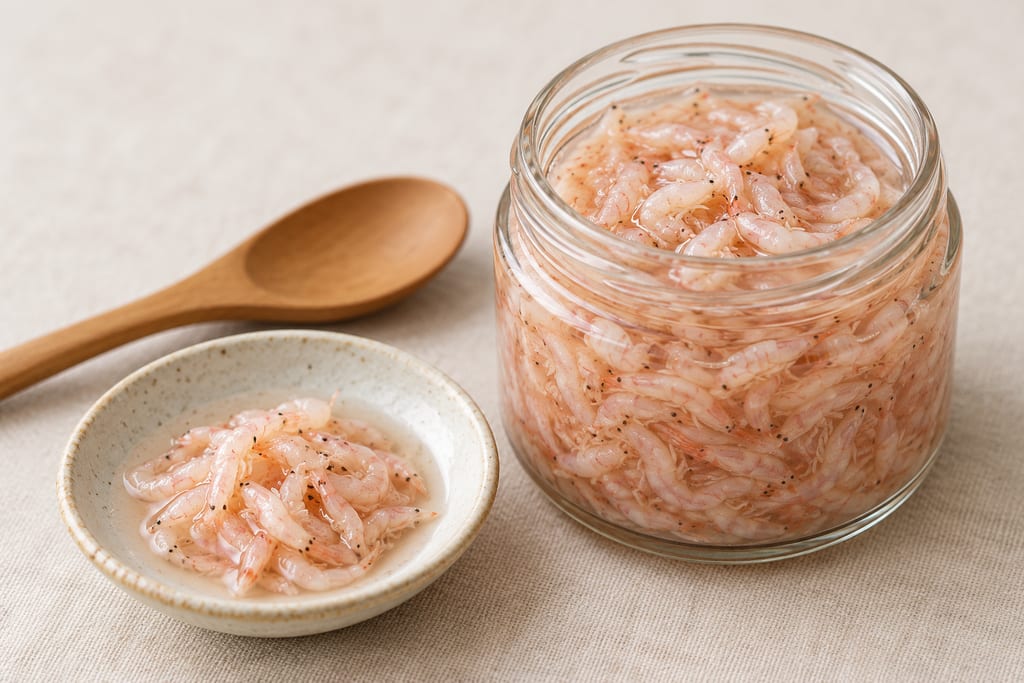
Korean fermented seafood made by salting whole small shrimp and maturing them in their own brine, used as a seasoning, in kimchi and with pork.
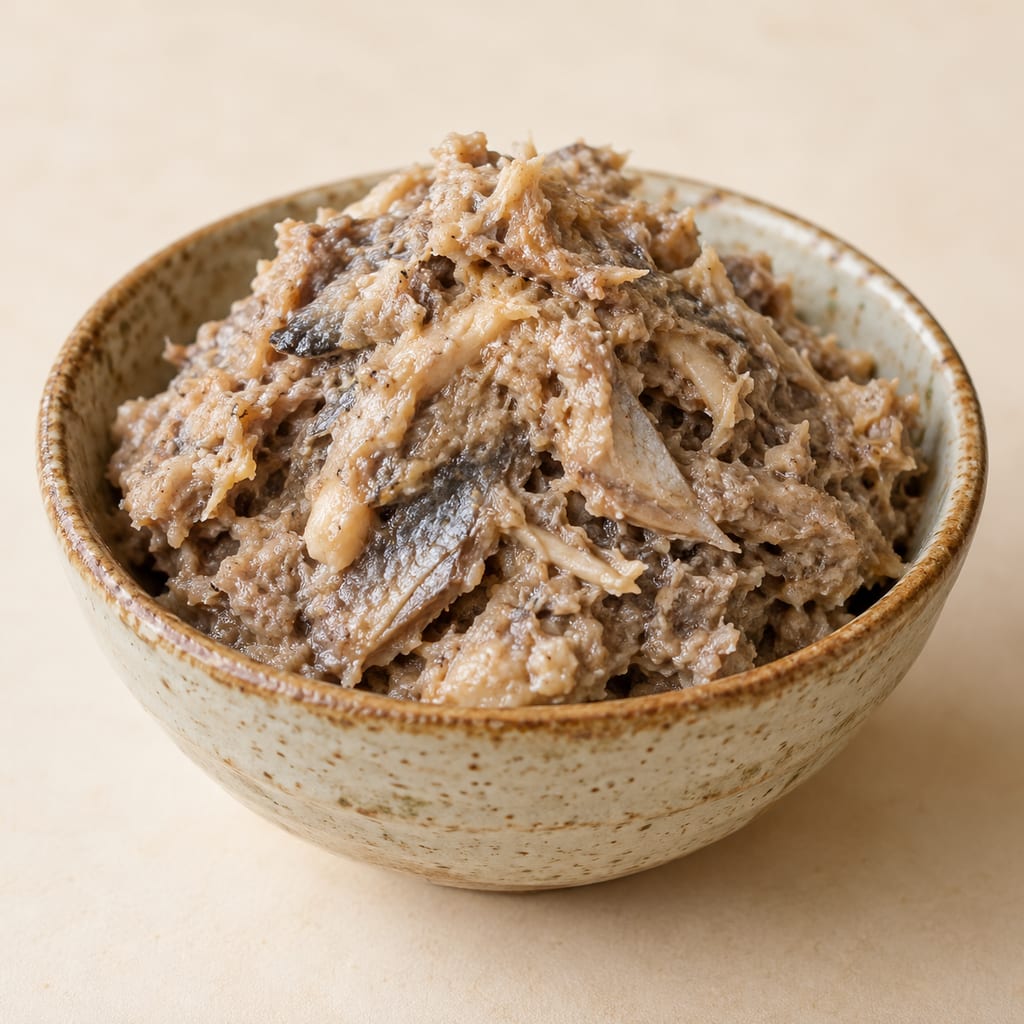
Cambodian fermented freshwater fish paste, central to Khmer cuisine. This entry documents source-specific production accounts and study conditions; it does not give a validated household process.
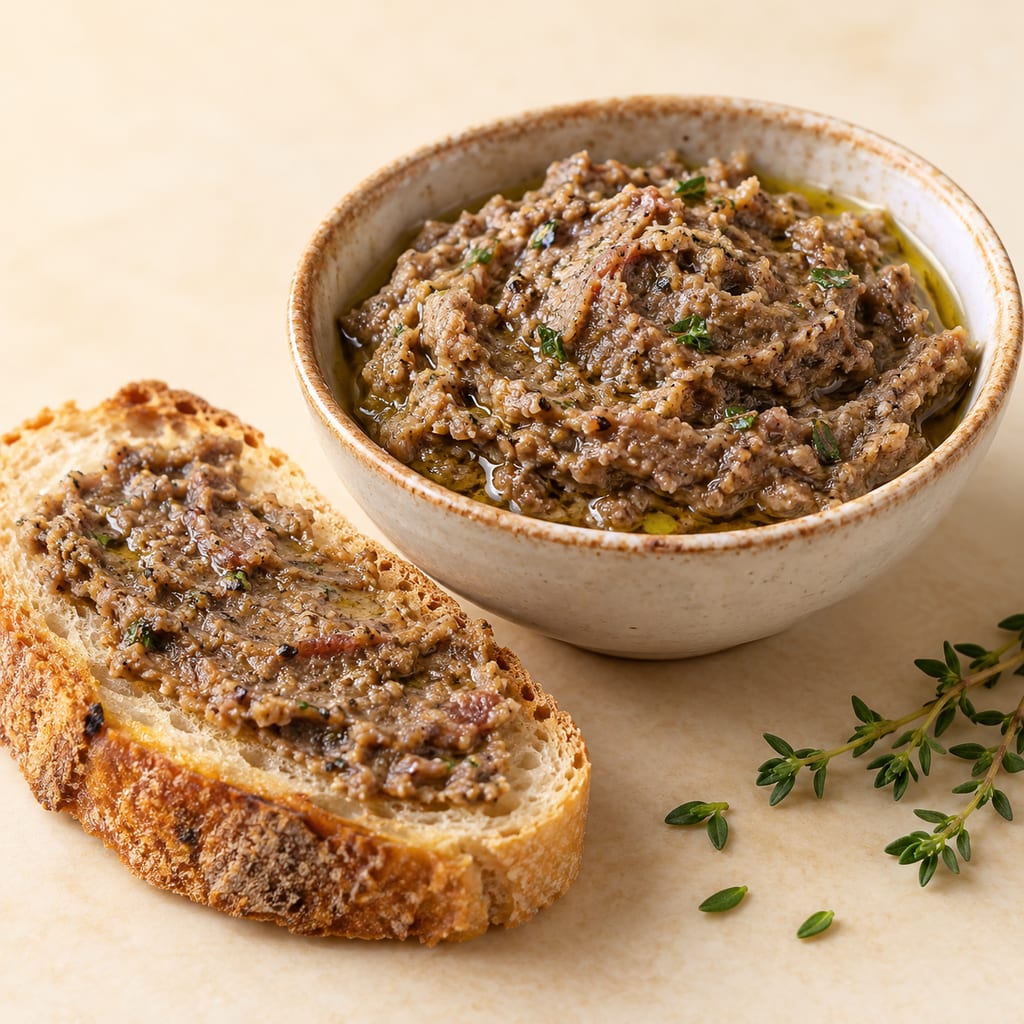
A salted, fermented paste of small fish from Nice, pounded with olive oil, spices and herbs and spread on bread. Unlike a clear fish sauce, it keeps the solids in the finished condiment.
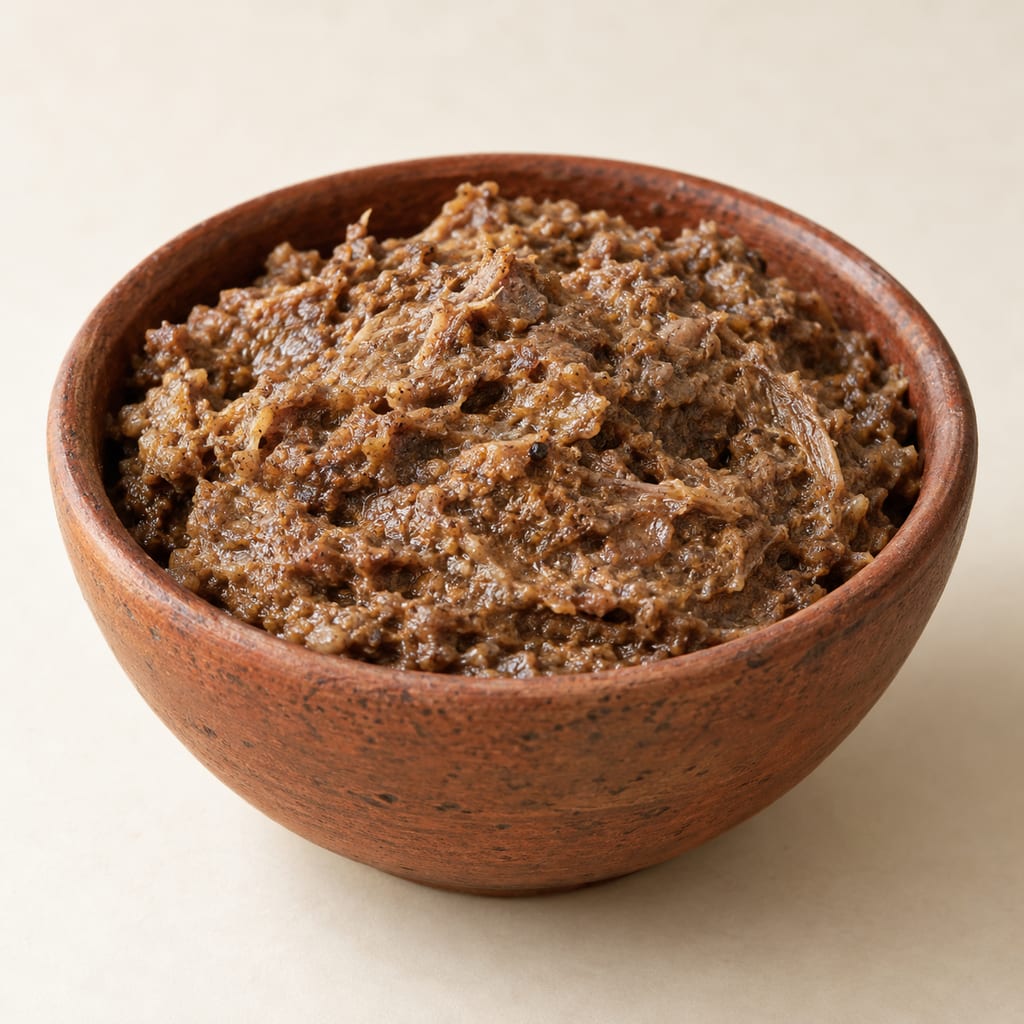
Terkin, also called meluha, is a Sudanese fermented fish paste or sauce. Sources describe raw and cooked forms and different processing methods; none establishes validated safety controls.
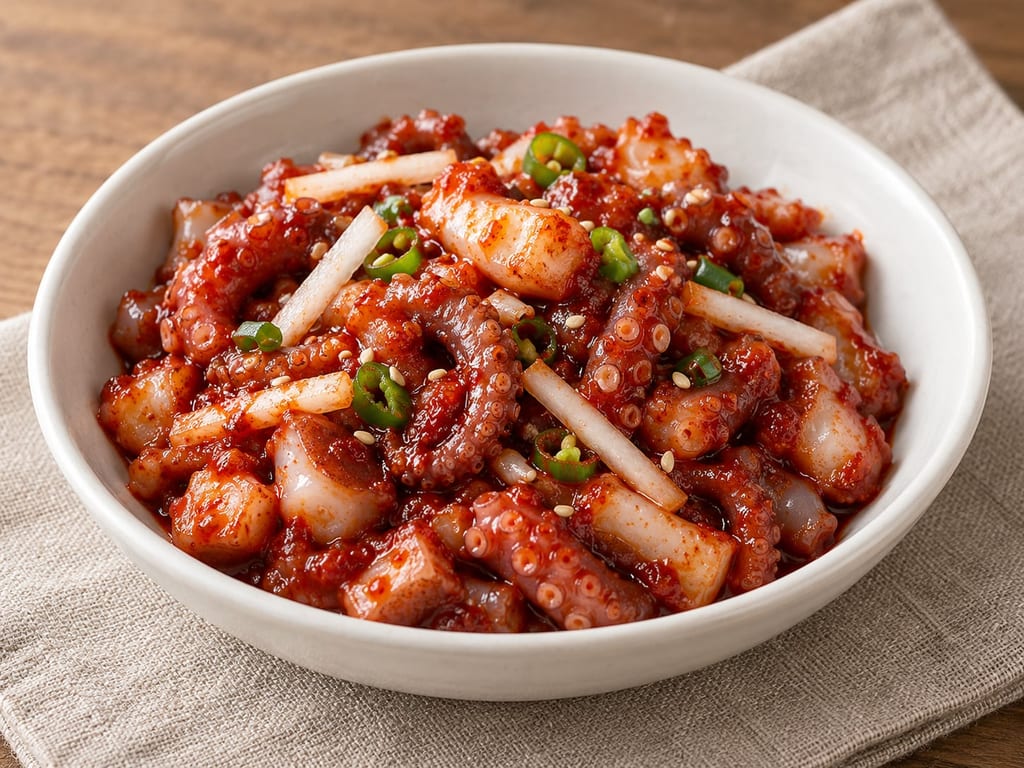
Nakji jeotgal is Korean salted octopus, served among jeotgal varieties with rice. This entry documents the dish and one creator’s quick-home version; it does not provide a household preparation method.
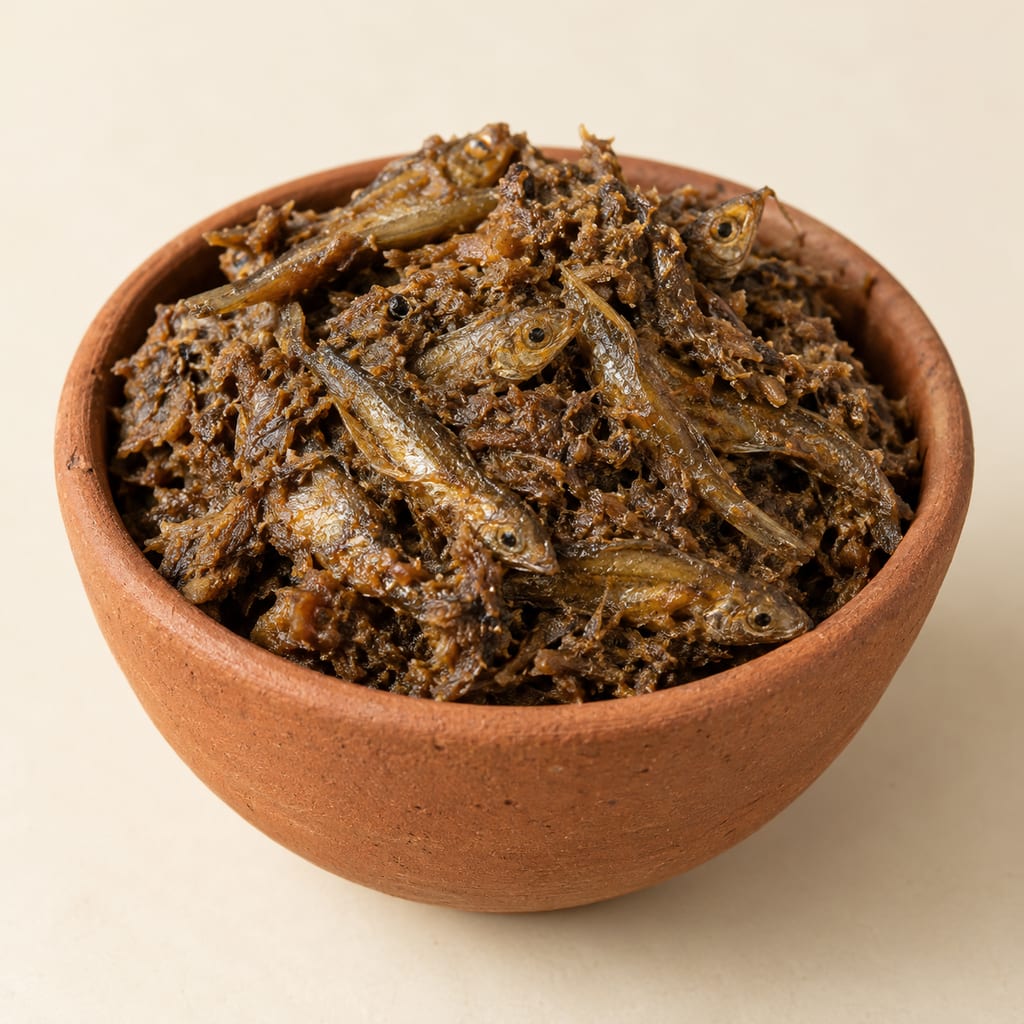
Shidal is a fermented fish preparation from Assam, Tripura and neighbouring northeastern regions, made from small dried fish moistened and matured in earthenware. Studies describe salt-free versions that stay solid or pasty.
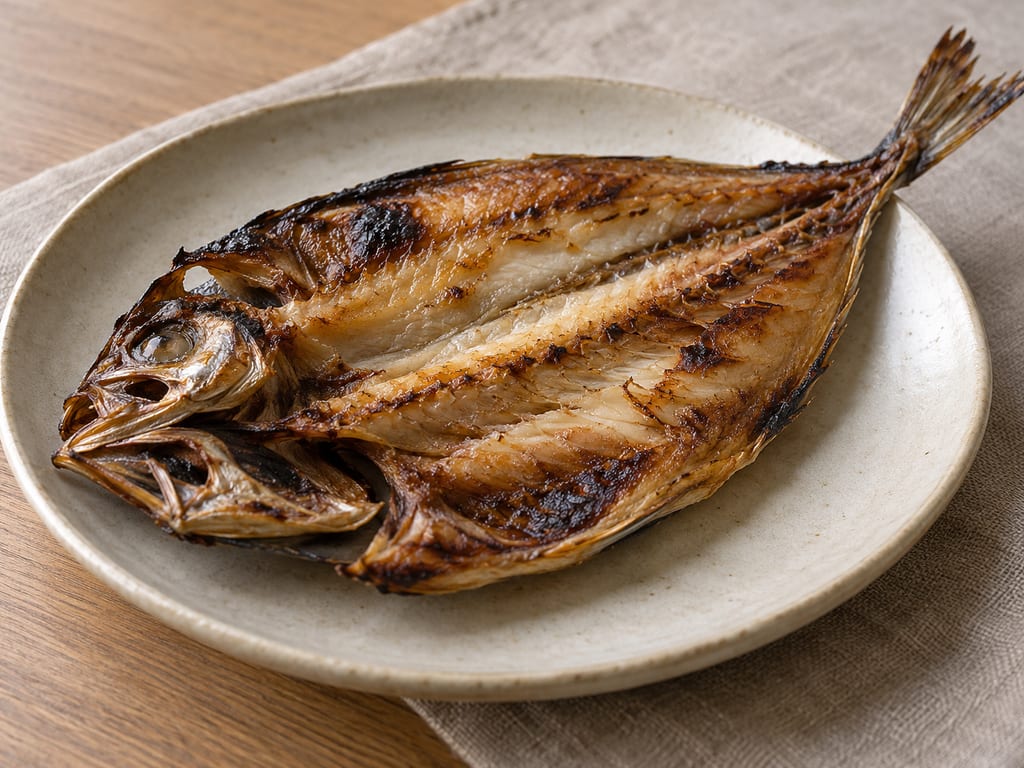
Izu Islands fish cured by repeated immersion in a maintained microbial brine, then dried. The reused brine, not drying alone, is what defines the product.
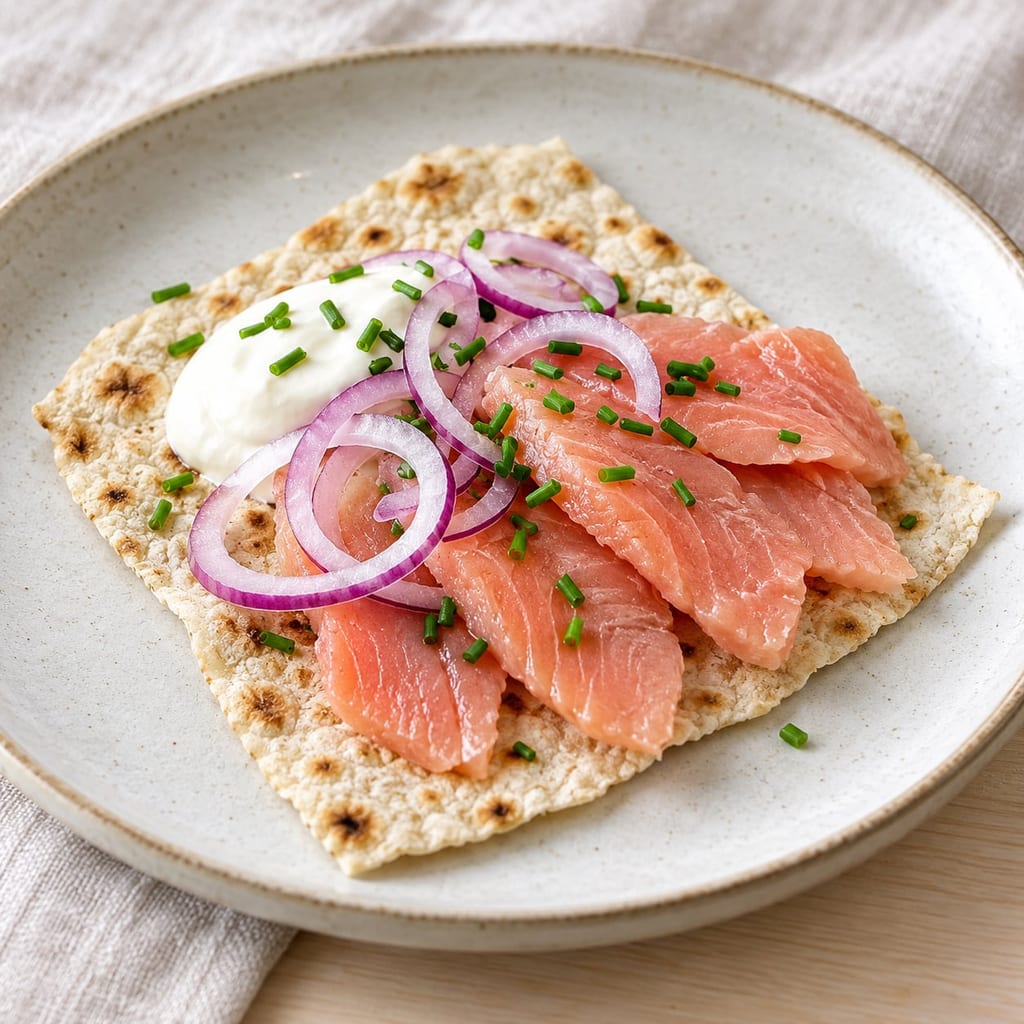
Rakfisk is a Norwegian preserved fish: cleaned trout or char, salted, packed under pressure and matured cold, usually for about three months, before it is eaten sliced.
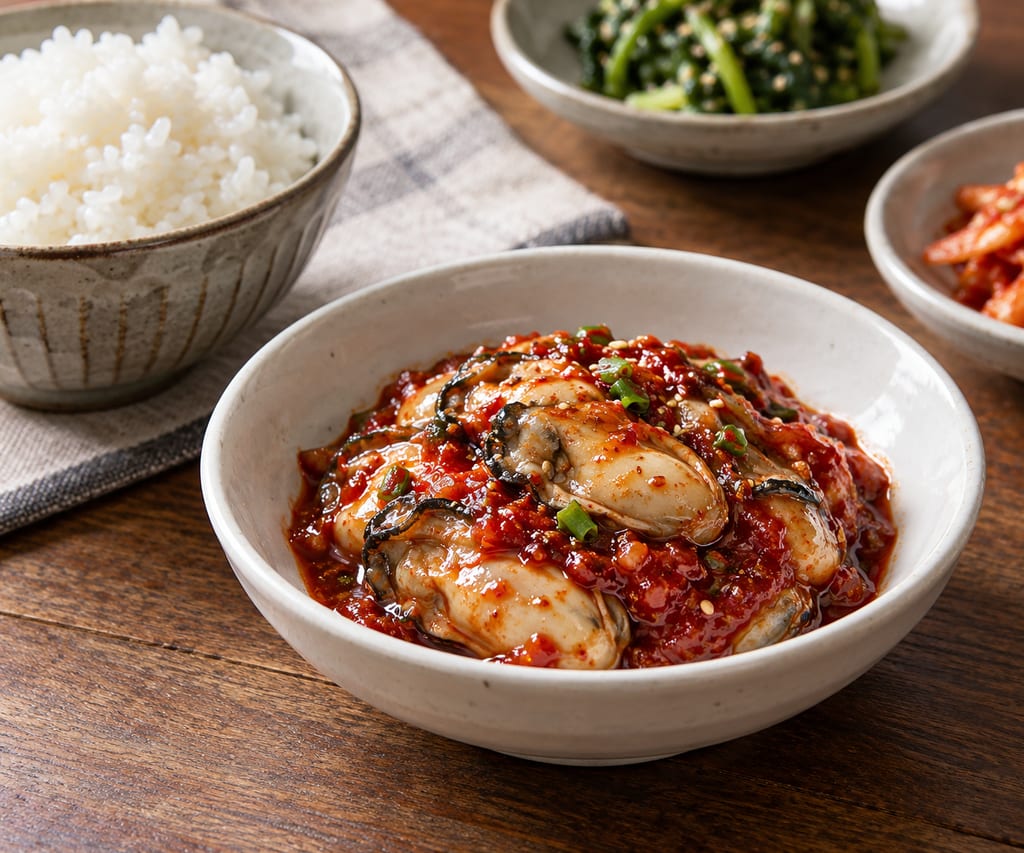
A Korean salted-oyster jeotgal seasoned with chili, associated especially with Seosan and Ganwoldo. This page records its food culture, not a household preparation method.
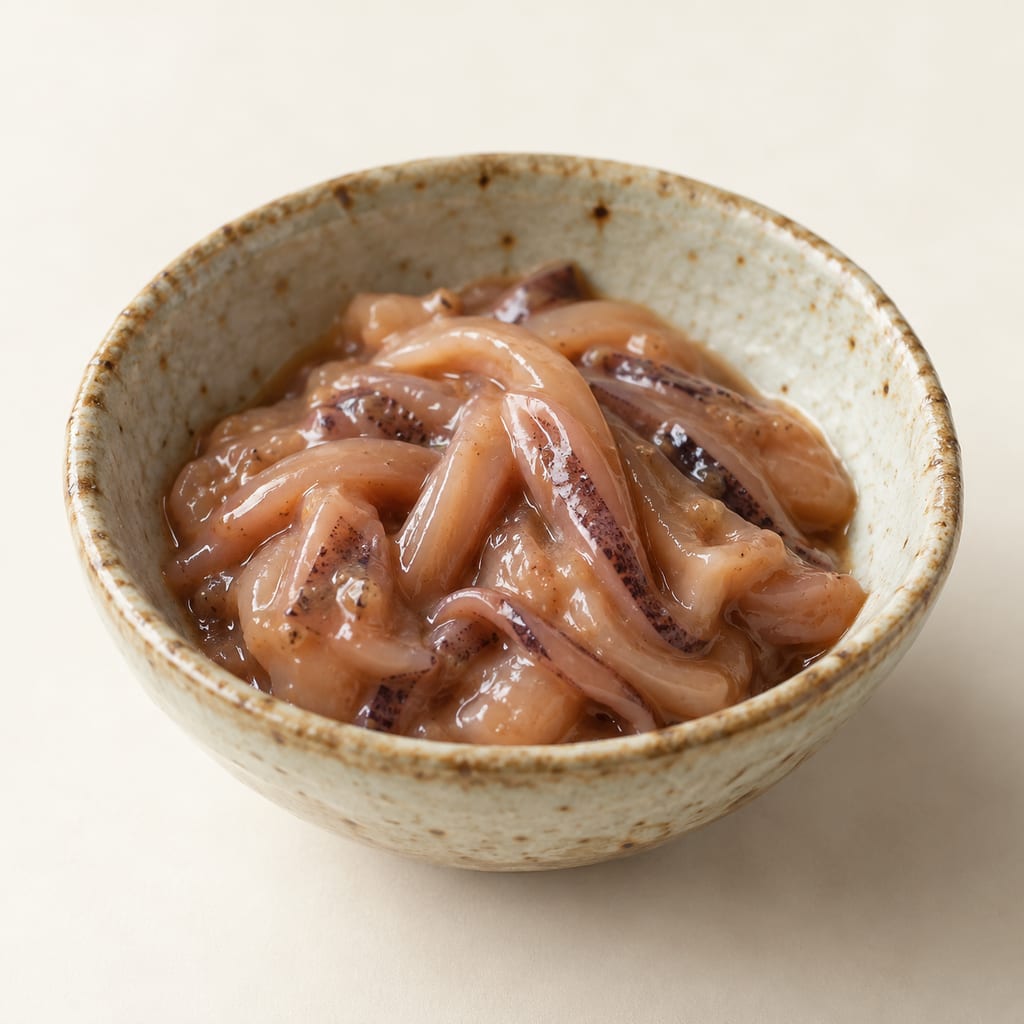
Shiokara is a Japanese salted and fermented seafood preparation, in which squid or the organs of other fish are matured in salt until the flesh breaks down into a thick, savoury paste that keeps its solids.
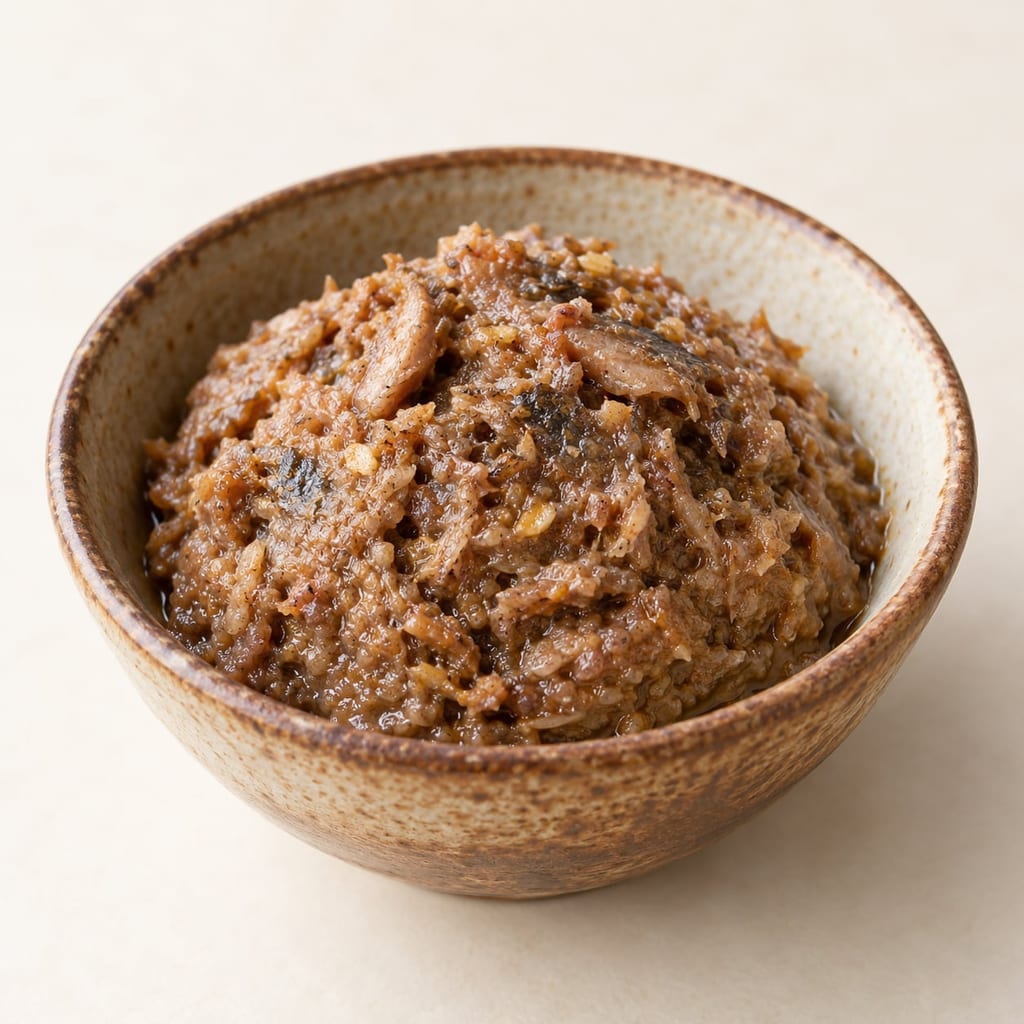
Thai salt-fermented fish paste, matured with rice bran or roasted rice and used as a seasoning in the Northeast and across Thailand. Raw pla ra must be cooked before eating.
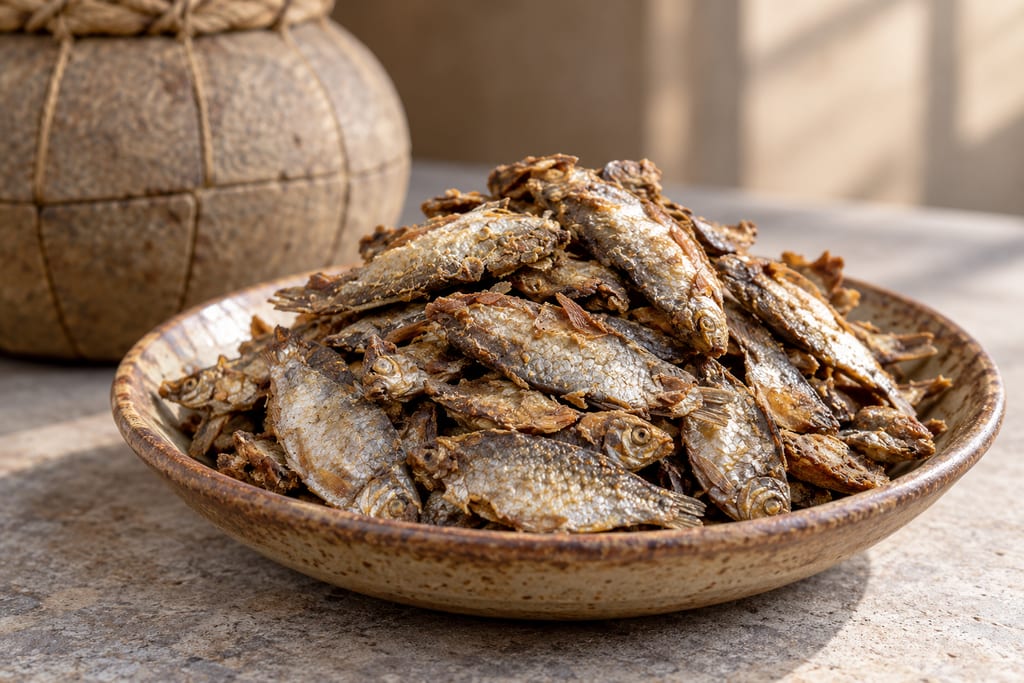
Ngari is a Manipuri fermented fish condiment made from small sun-dried fish, usually Puntius sophore, packed for fermentation. A biochemical study describes a salt-free method; it works as a condiment and ingredient rather than as a filtered sauce.
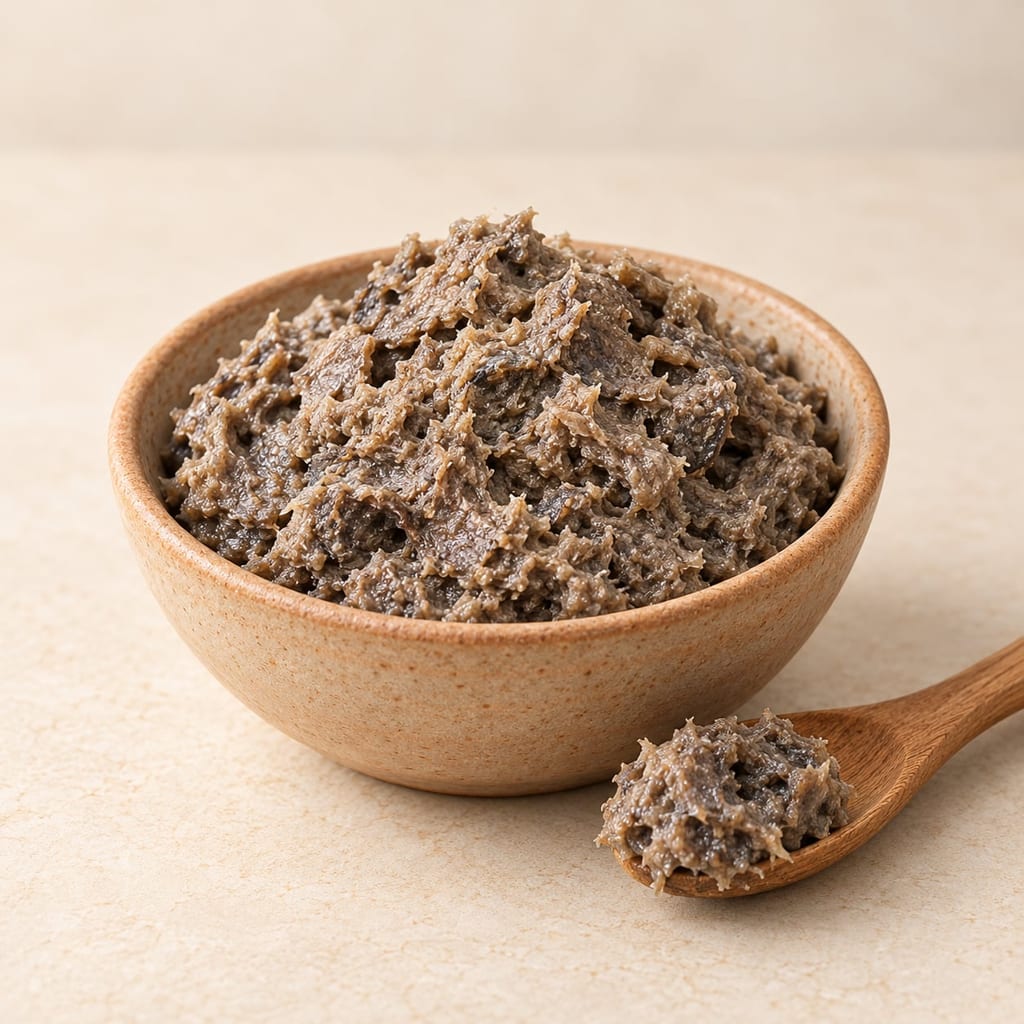
Ngapi is a Myanmar name used for varied fermented fish and shrimp pastes. Selected market and processor samples document differences in species, ingredients, and process; the evidence does not support one nationwide formula.
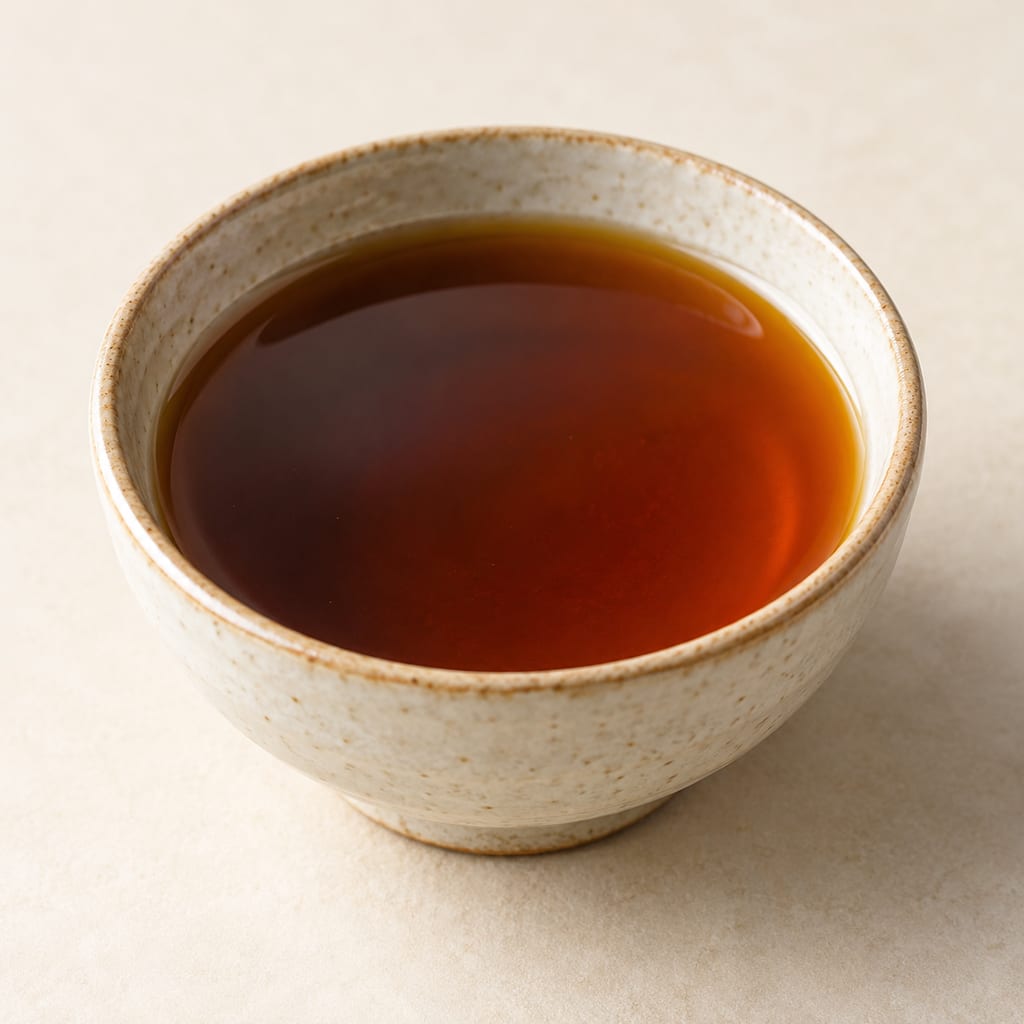
Myeolchi-aekjeot is Korean anchovy sauce: whole anchovies salted to about 25 percent brine, fermented for months to years and filtered; its main use is as a kimchi seasoning.
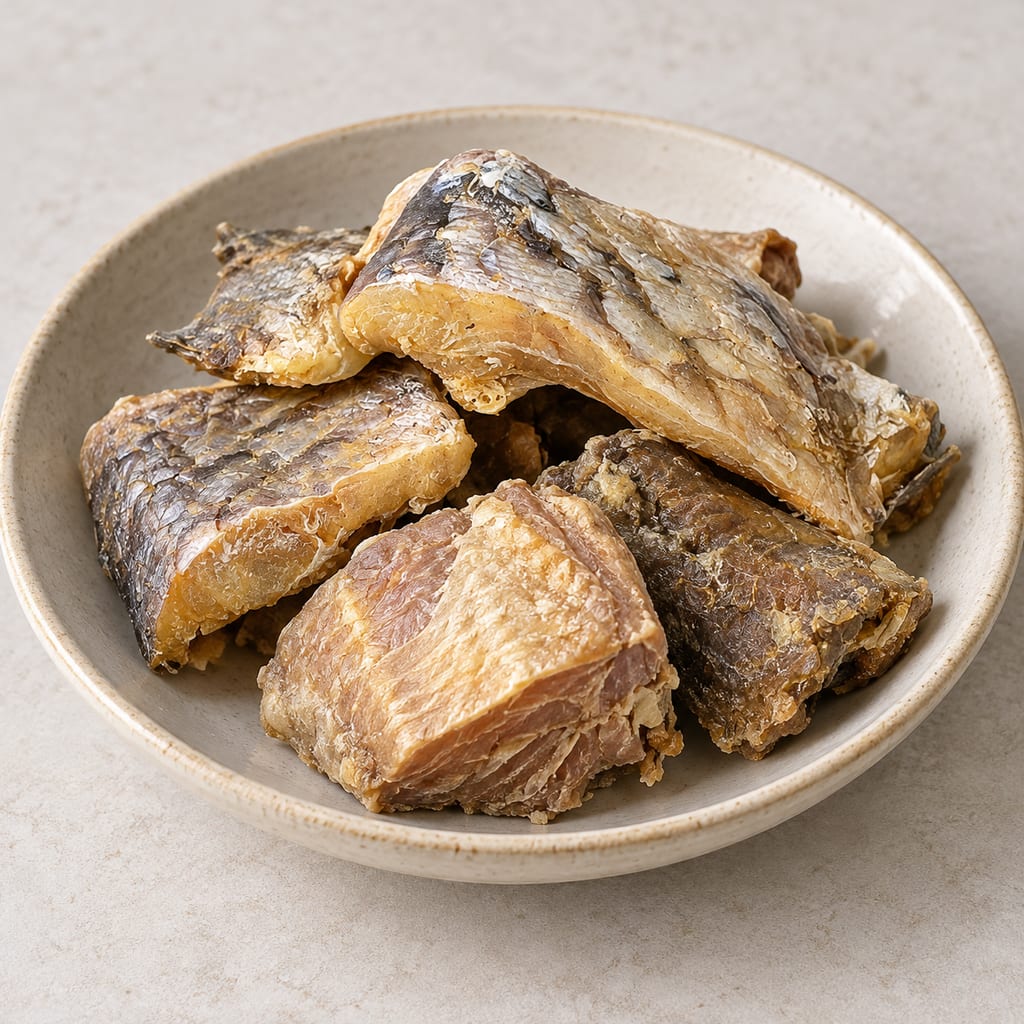
Momone is a Ghanaian salted and fermented fish condiment made from varied marine fish. Historical surveys describe both semi-dried and drier products, with salting and drying methods differing across coastal communities.
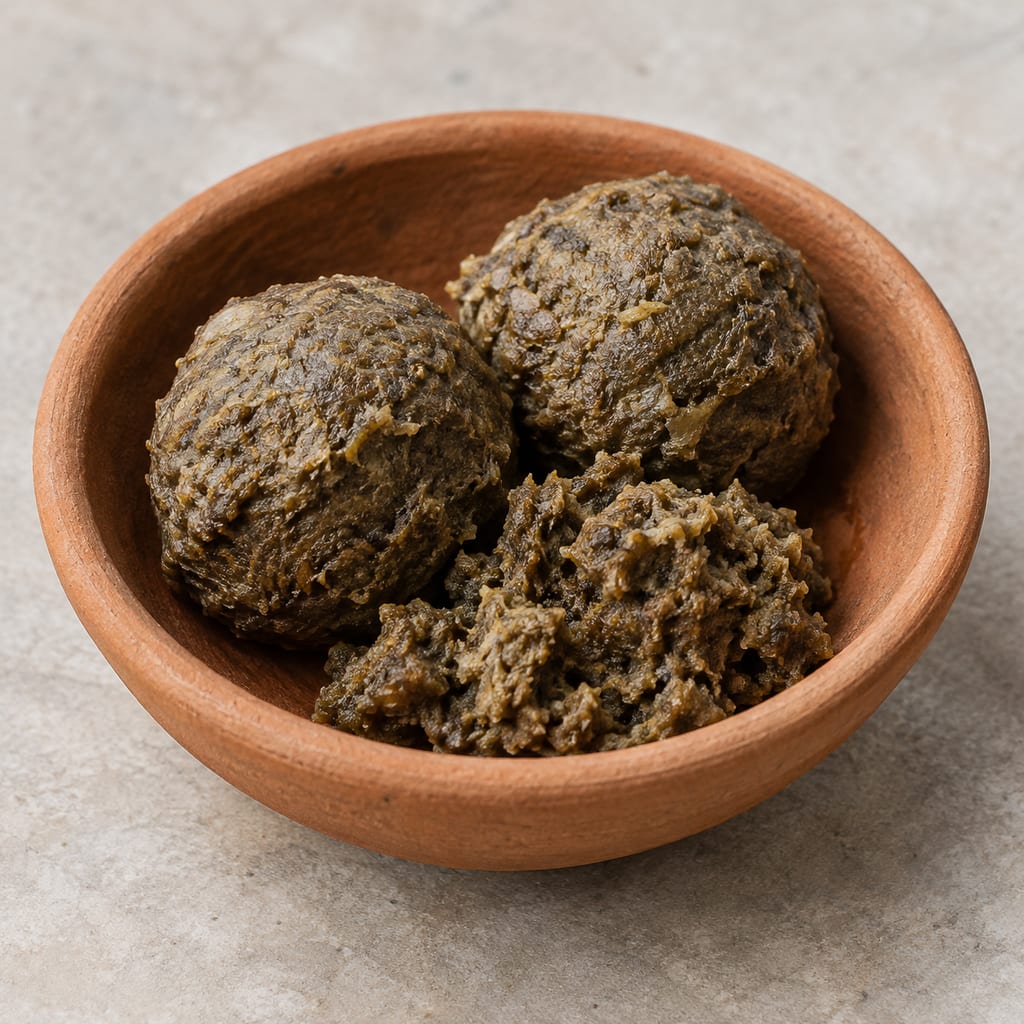
Manipuri fermented fish-and-aroid paste, formed into balls or kept in an earthen pot, used to season Manipuri dishes. Its method is documented in outline only.
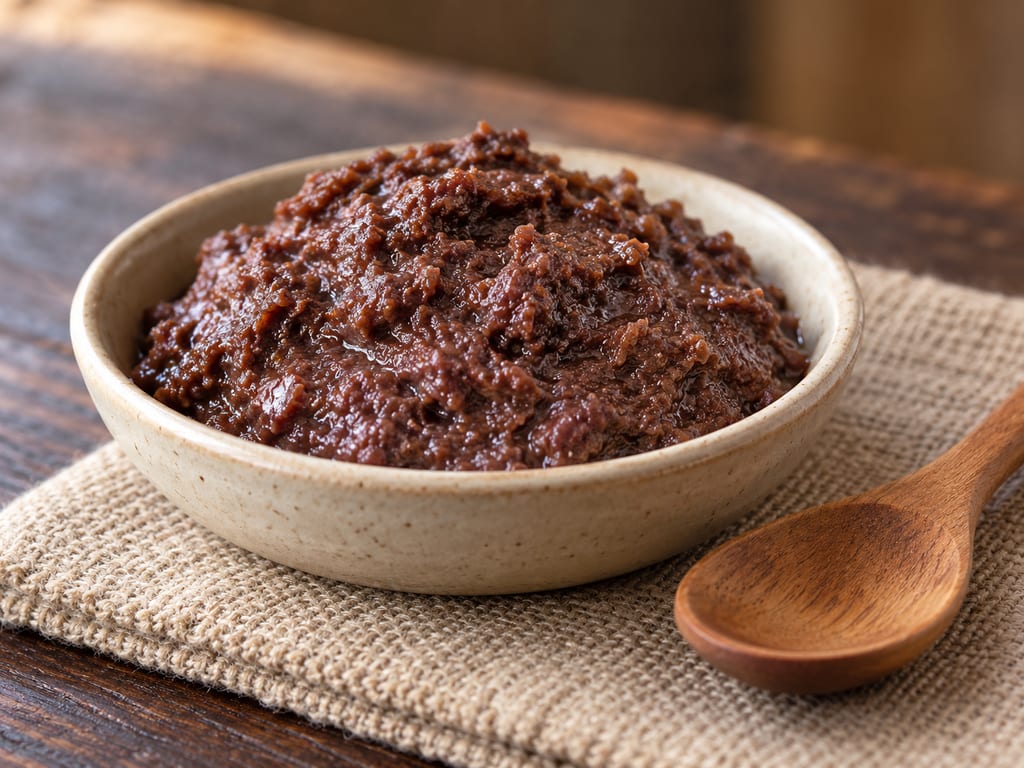
Bagoong isda is a Philippine fish paste: whole small fish salted and left to ferment for a month or more in earthen jars. It is the fish counterpart of bagoong alamang.
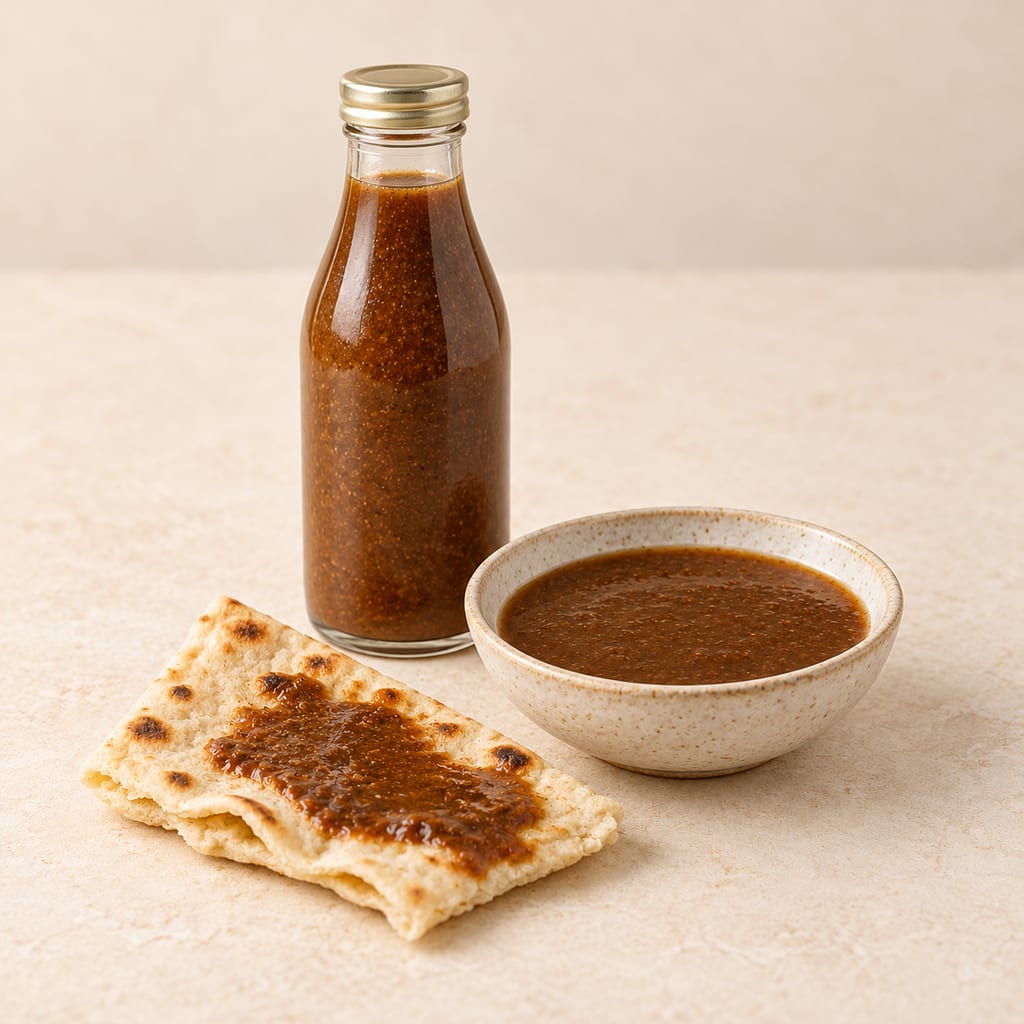
Mahyawa, also written mahyaveh, is a traditional fish sauce from southern Iran, made by salting small sardines or anchovies in water, maturing them in jars and seasoning the filtered liquid with mustard and spices.
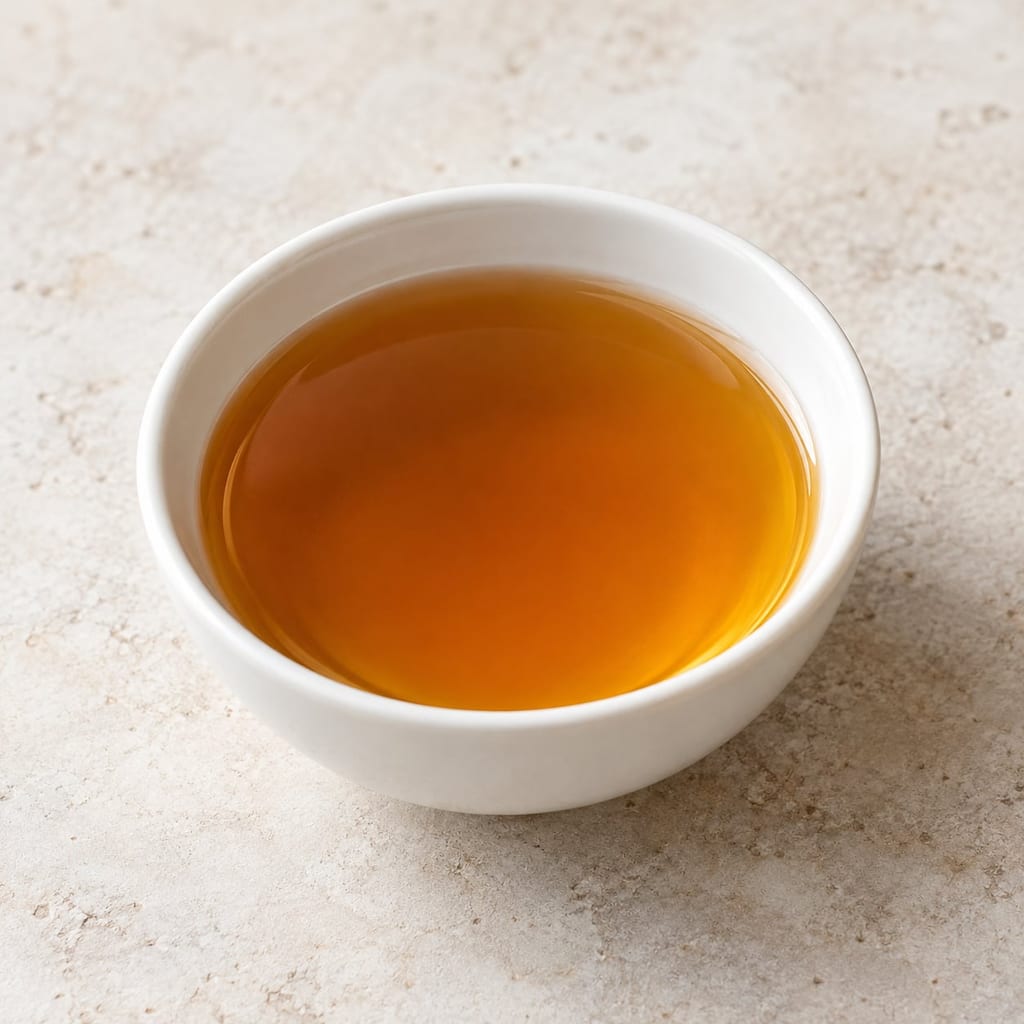
Thai fish sauce is a clear yellow-brown seasoning drawn from salted fish. Tank maturation produces a first extract, with further brine extractions giving other grades.