






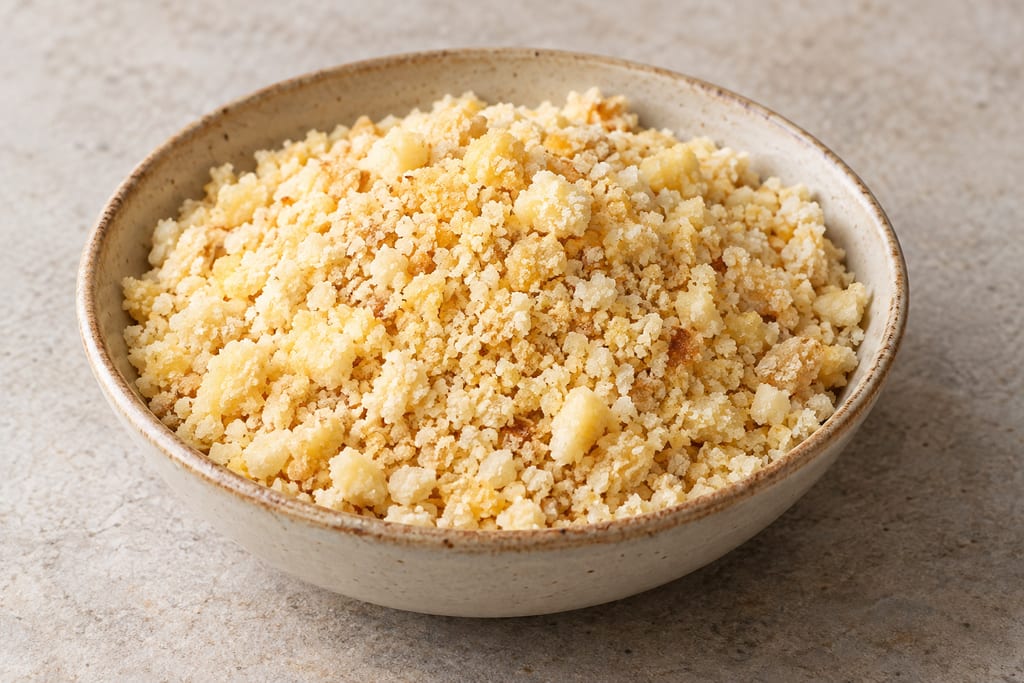














High risk
Hákarl
A documentary account of Icelandic hákarl, fermented and dried Greenland shark. It describes cultural context and one production study, not a home preparation method.
 FermenteaWhere food goes to change
1504 records with their sources, across 11 categories.
A documentary account of Icelandic hákarl, fermented and dried Greenland shark. It describes cultural context and one production study, not a home preparation method.
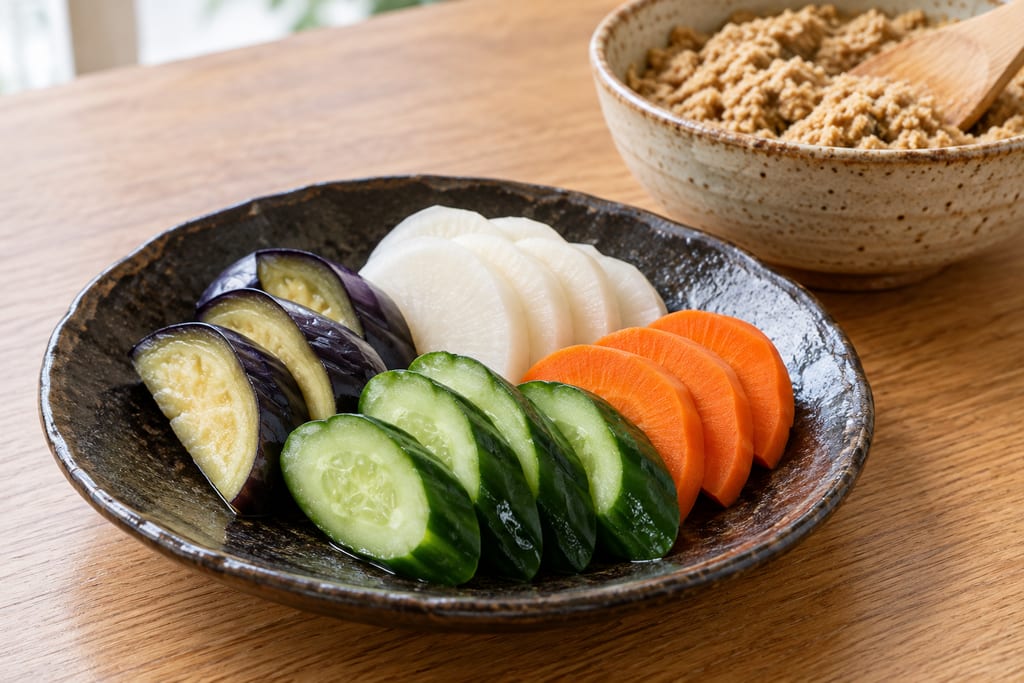
Japanese pickles made by burying vegetables in nukadoko, a reusable bed of rice bran, salt and water that is turned daily and ripened by lactic and yeast fermentation.
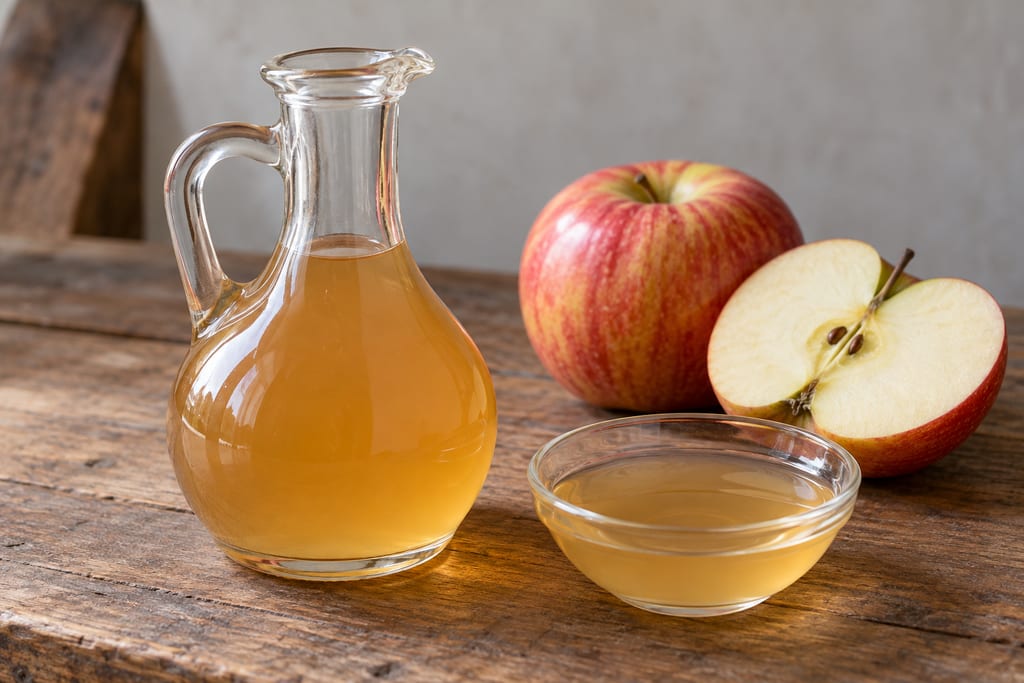
Cider vinegar is made when acetic-acid bacteria use oxygen to turn the alcohol in dry apple cider into acetic acid. This historical cask method begins with fermented cider and differs from apple-scrap vinegar made with sugar and water.
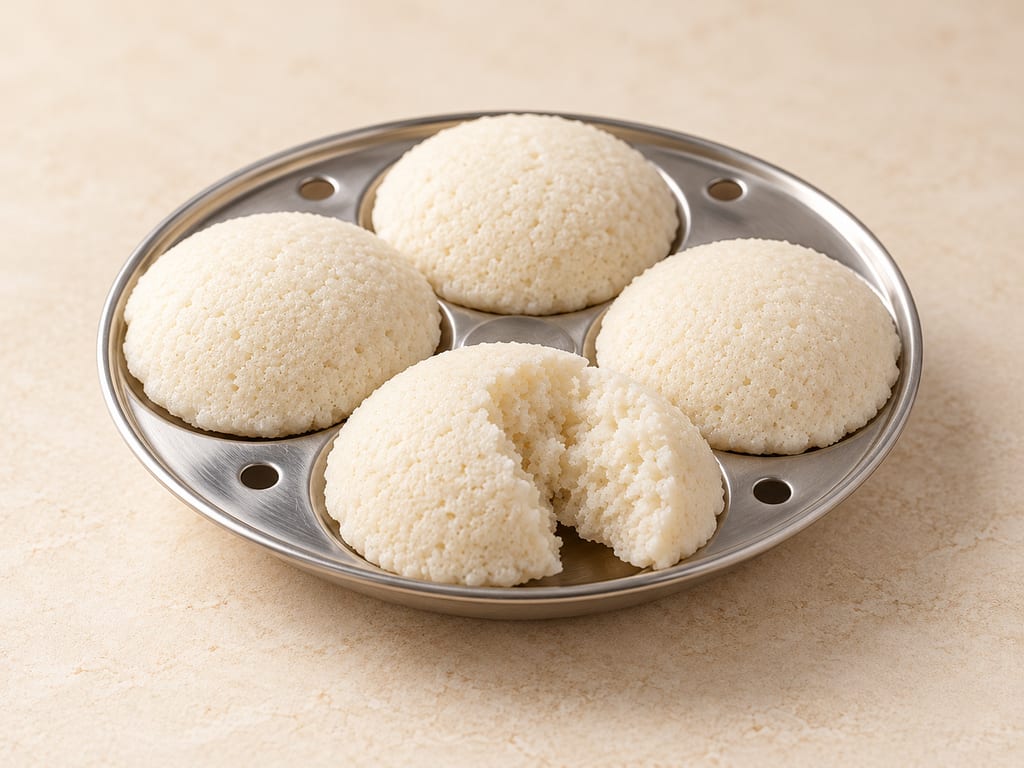
Rice and black gram are soaked separately, ground, salted and fermented into a thick batter for idli. The batter is portioned into moulds and steamed into soft savoury cakes.

Dry, lightly sparkling cider from Asturias in northern Spain, pressed from cider apples, fermented without added sugar, matured through the winter and poured from a height.
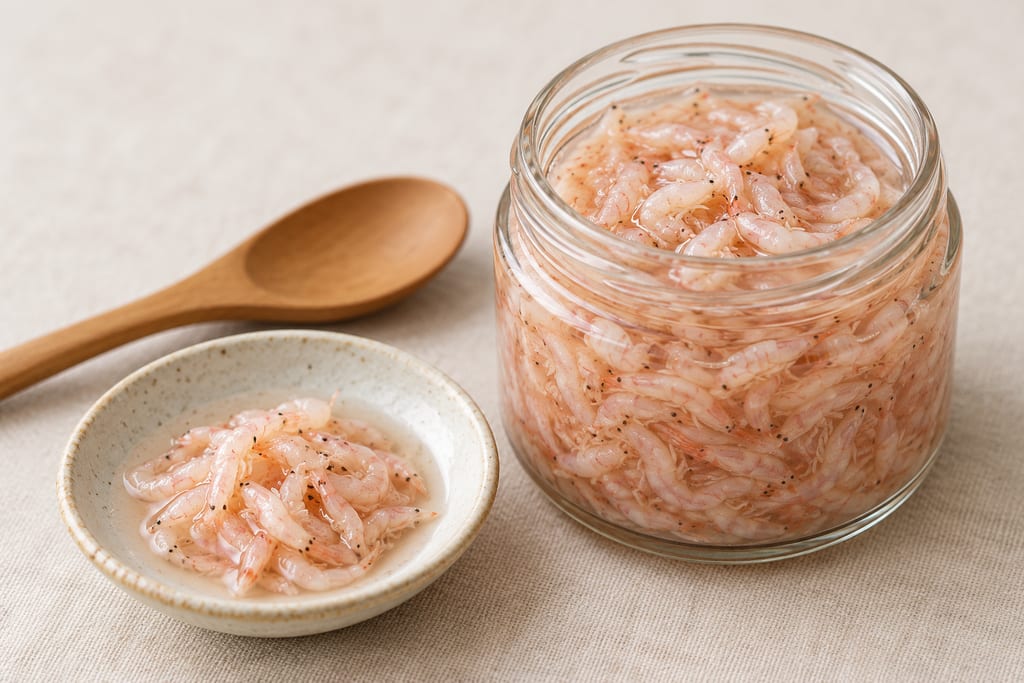
Korean fermented seafood made by salting whole small shrimp and maturing them in their own brine, used as a seasoning, in kimchi and with pork.
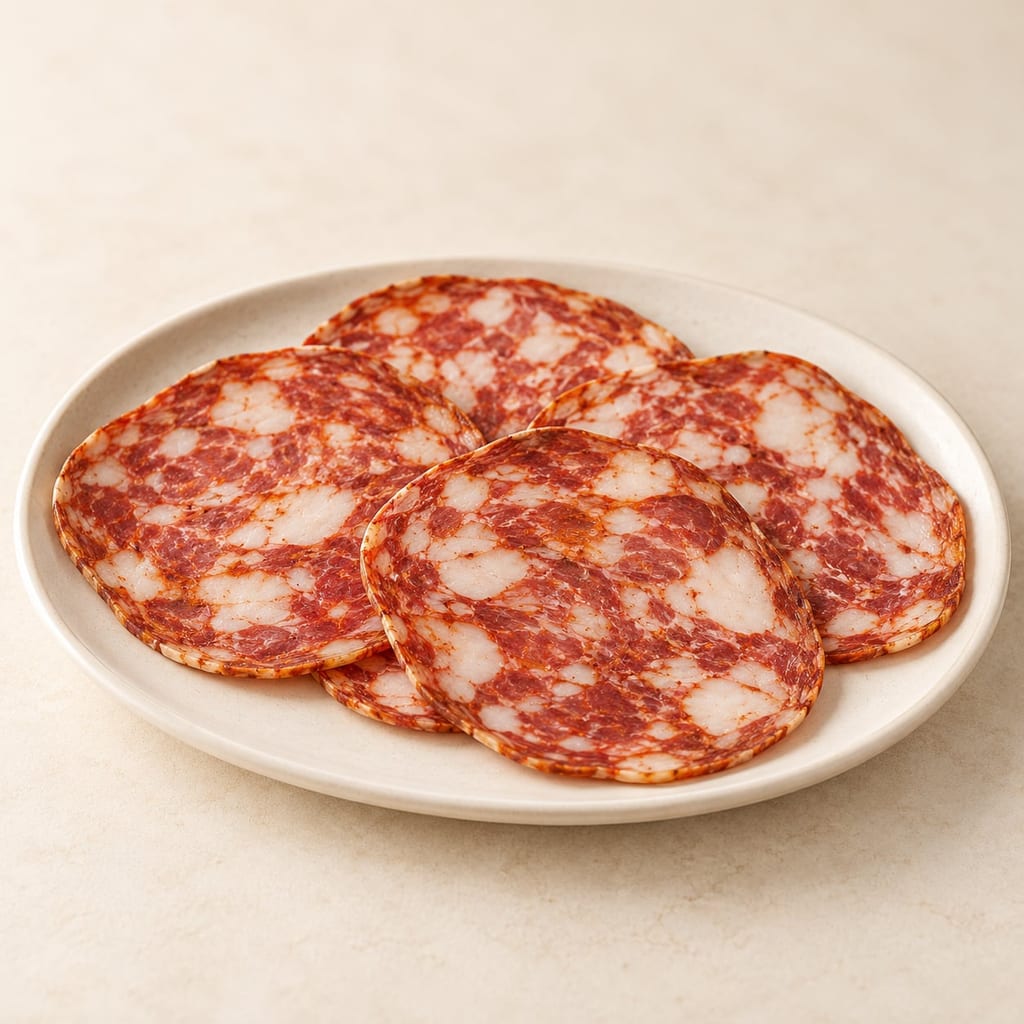
A documentary account of a modern ventricina-style salami source and its Abruzzese context. This page provides no preparation directions or validated home process.
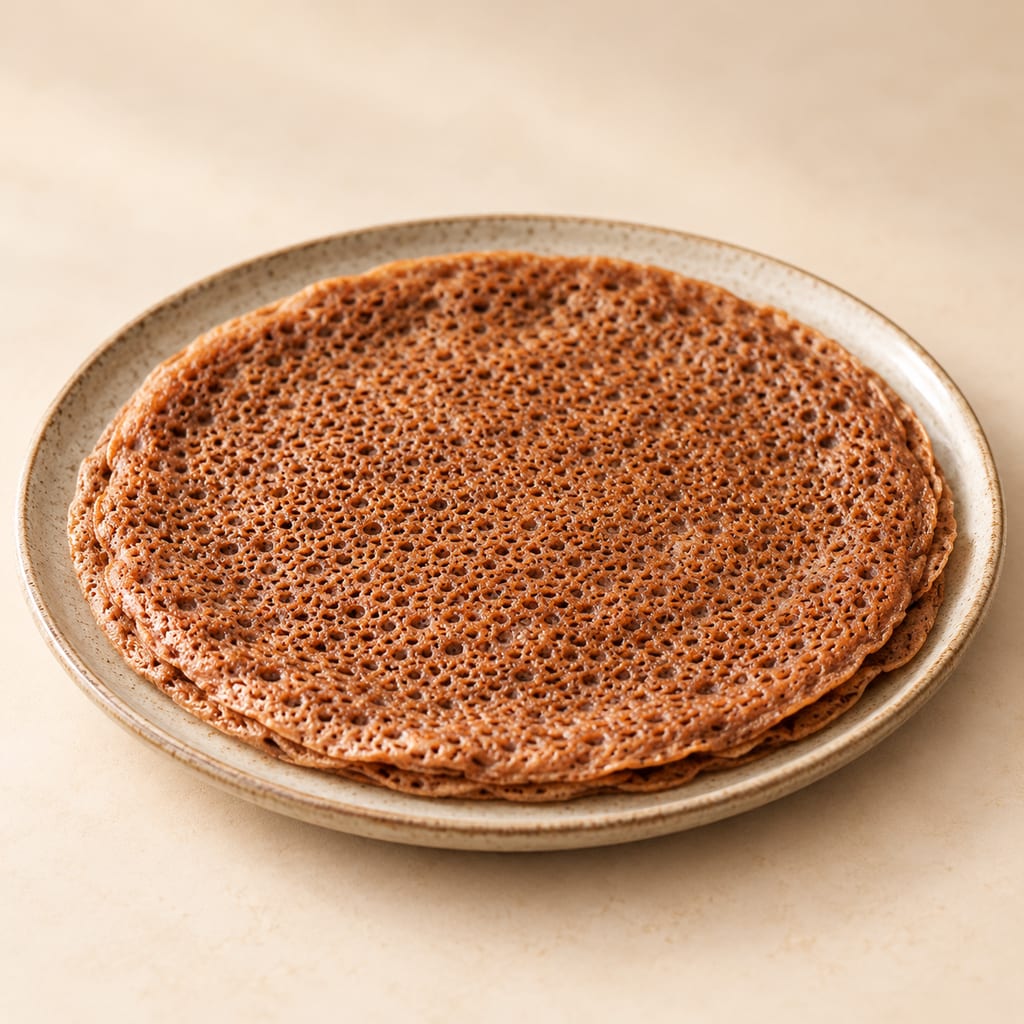
A modern home adaptation of Ethiopian injera using a 24-hour fermentation window. This method balances traditional souring with accessible ingredients like baking powder or starter cultures to achieve the characteristic porous texture.
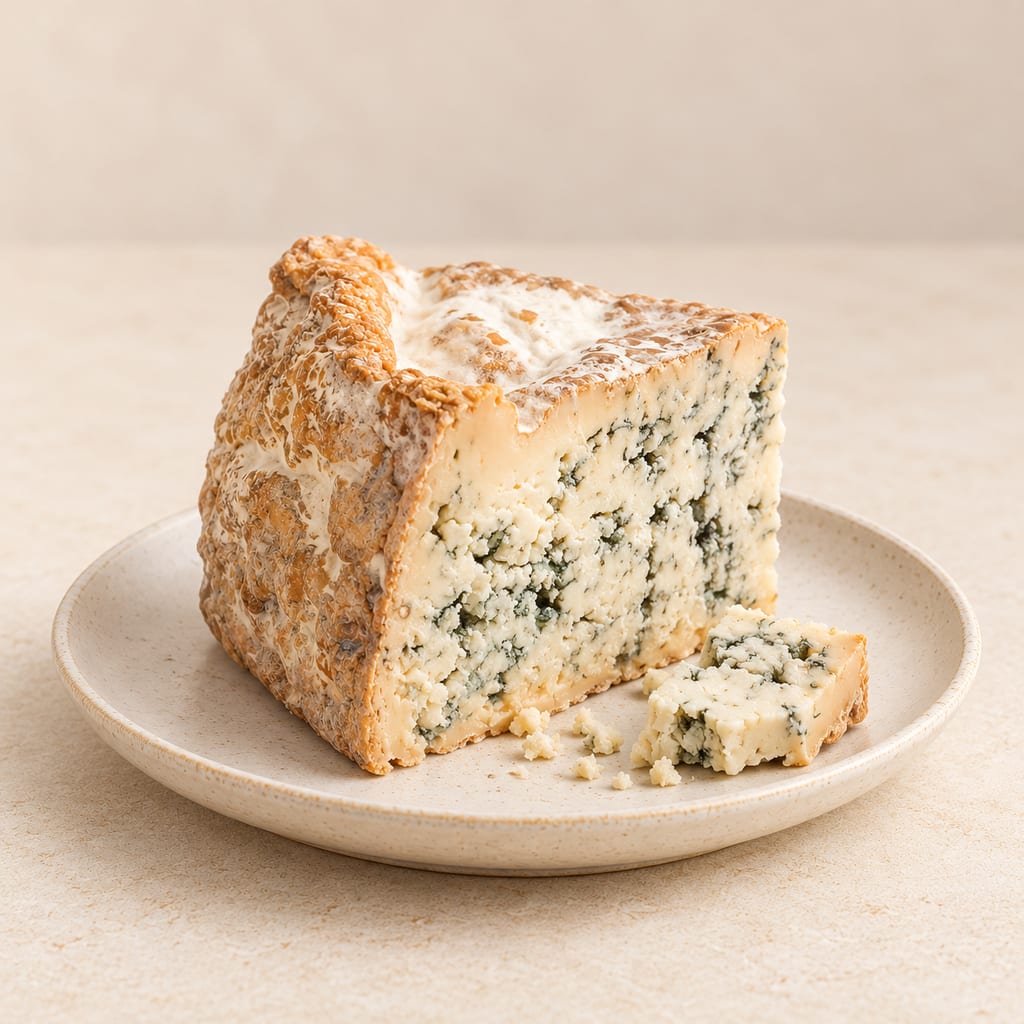
A moist blue cheese inspired by Cantabrian styles, made with pasteurized milk, a lactic starter and Penicillium roqueforti, then ripened in two stages.
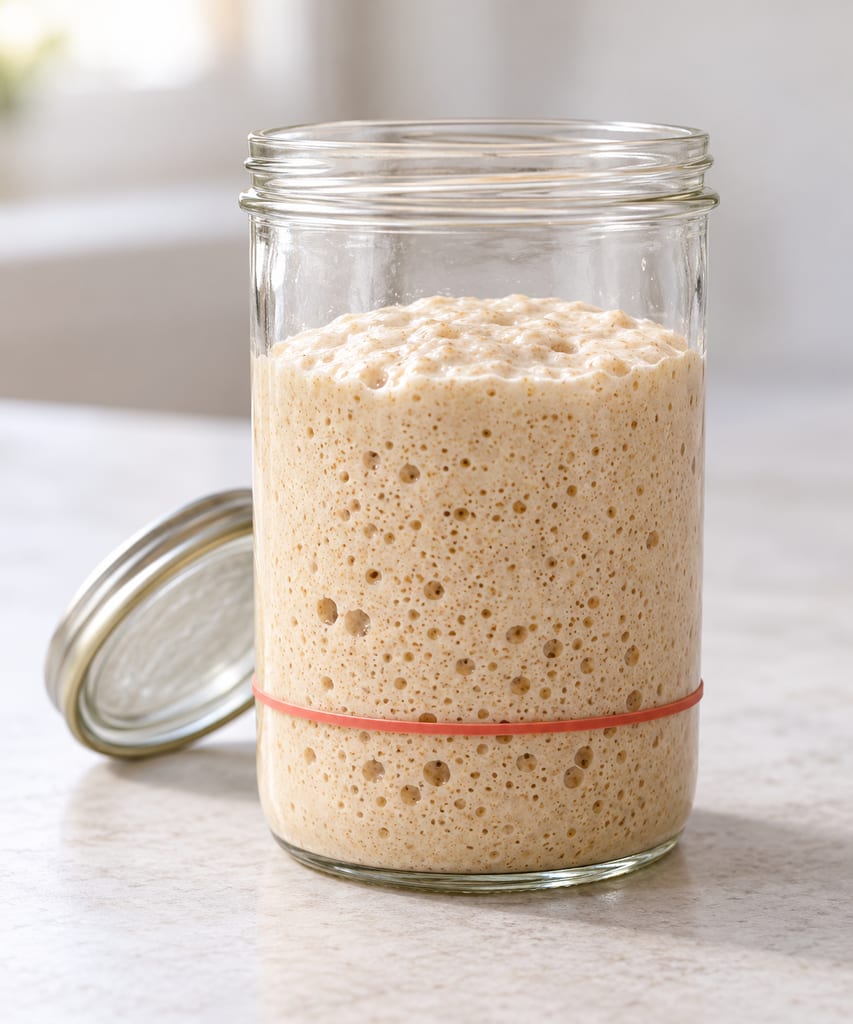
A flour-and-water starter begins with whole-wheat flour, then receives regular all-purpose flour feeds. Once established, this living culture can raise bread dough.
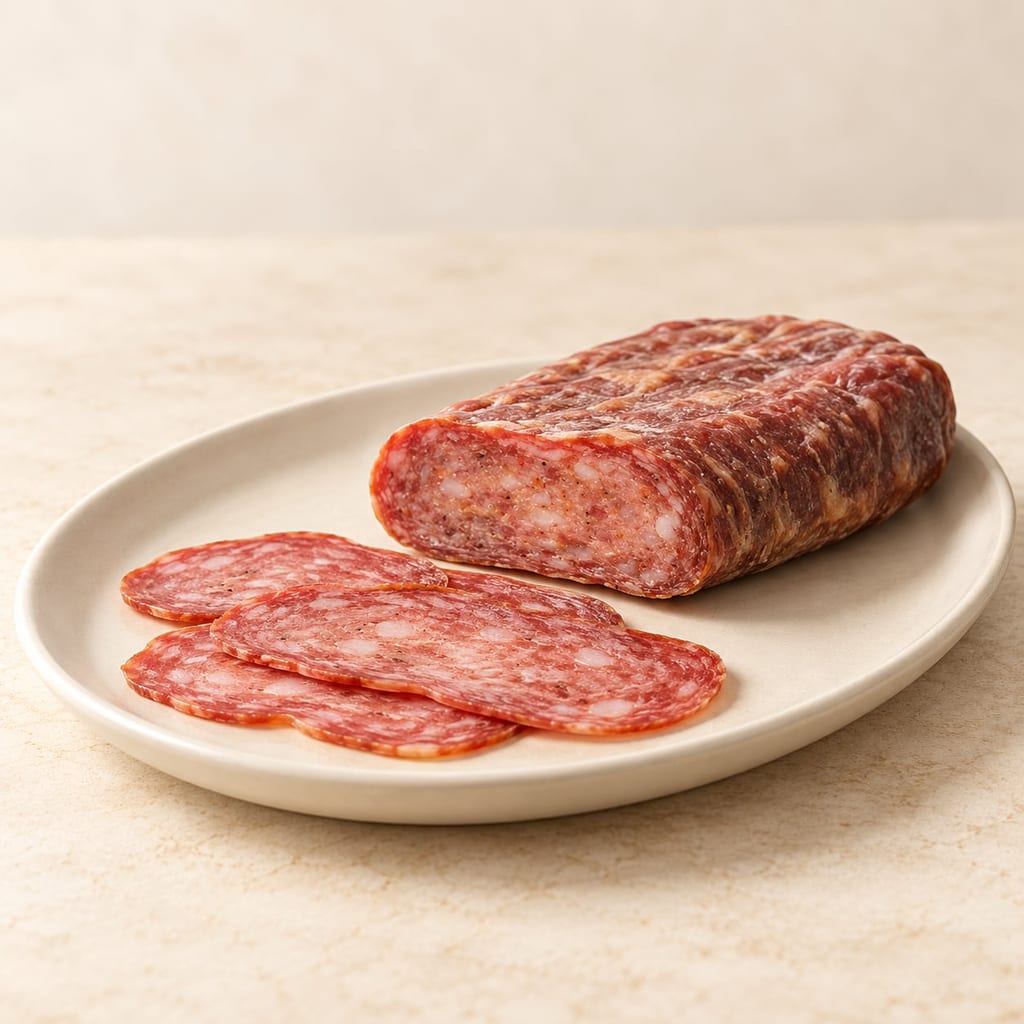
Calabrian soppressata is a flattened pork salami seasoned with pepper and wine. This entry documents a modern starter-cultured adaptation, not household instructions; the process lacks matched pathogen-reduction validation.
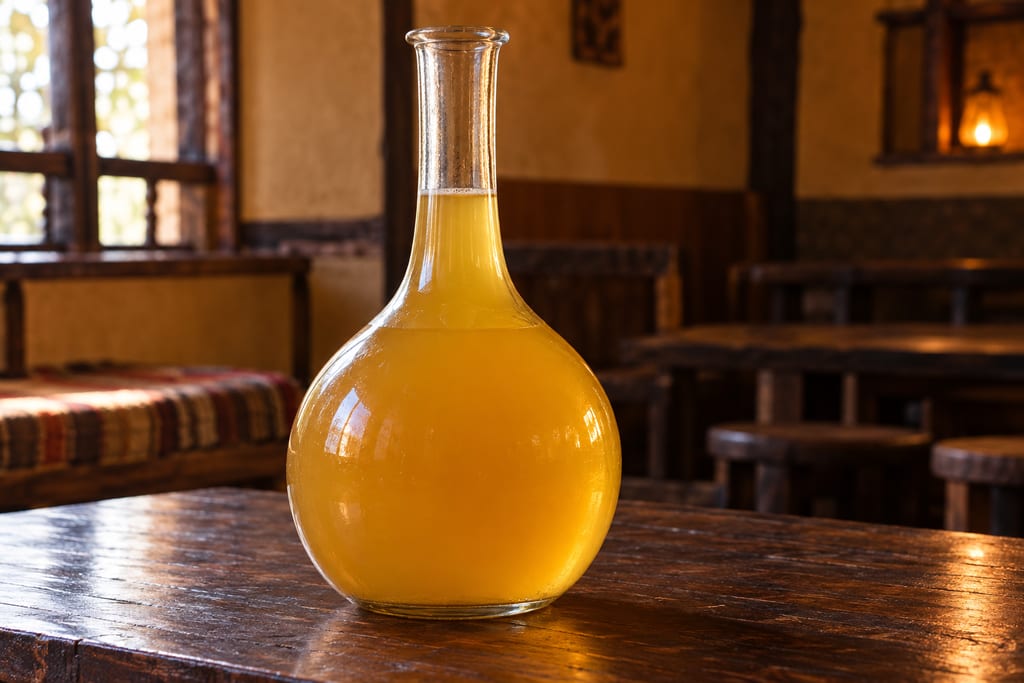
An Ethiopian honey wine made here as a controlled laboratory formulation with honey, water, a mixed bacterial-and-yeast starter, and gesho.
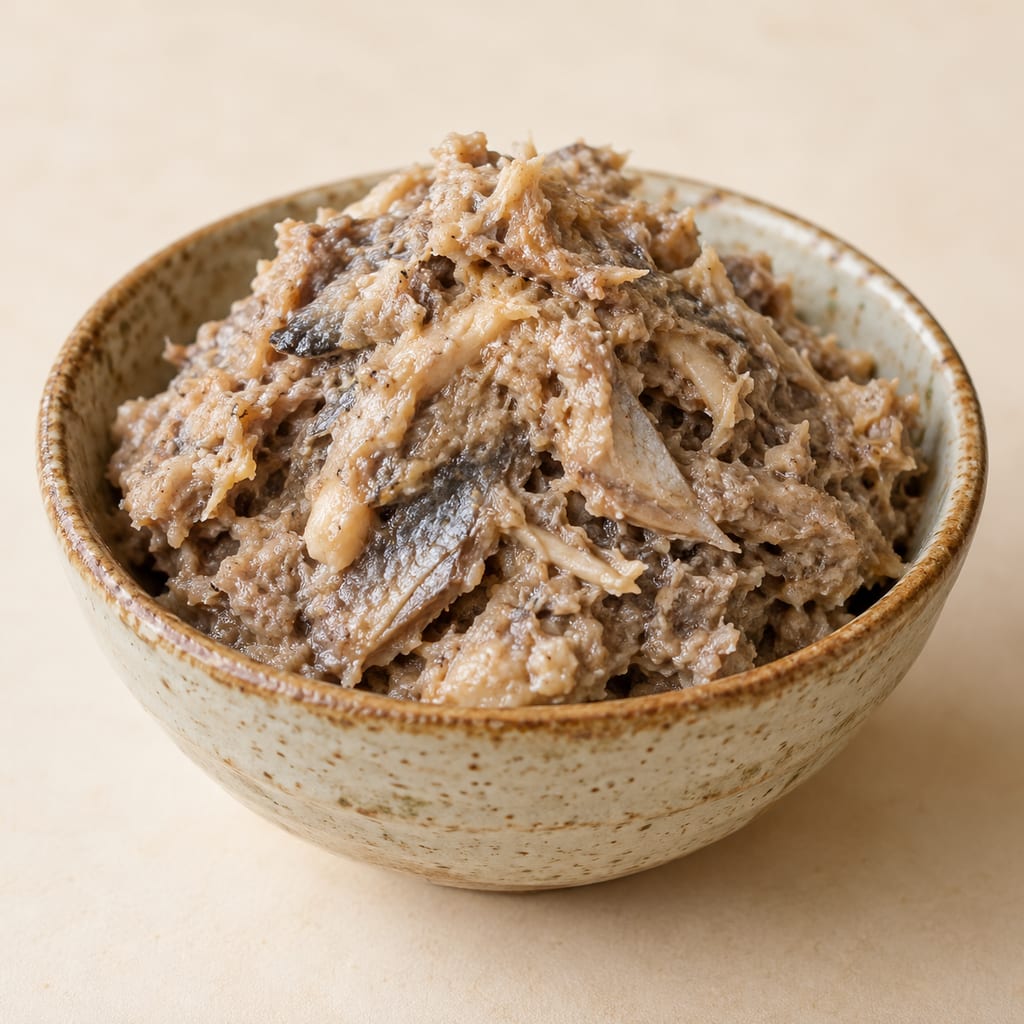
Cambodian fermented freshwater fish paste, central to Khmer cuisine. This entry documents source-specific production accounts and study conditions; it does not give a validated household process.
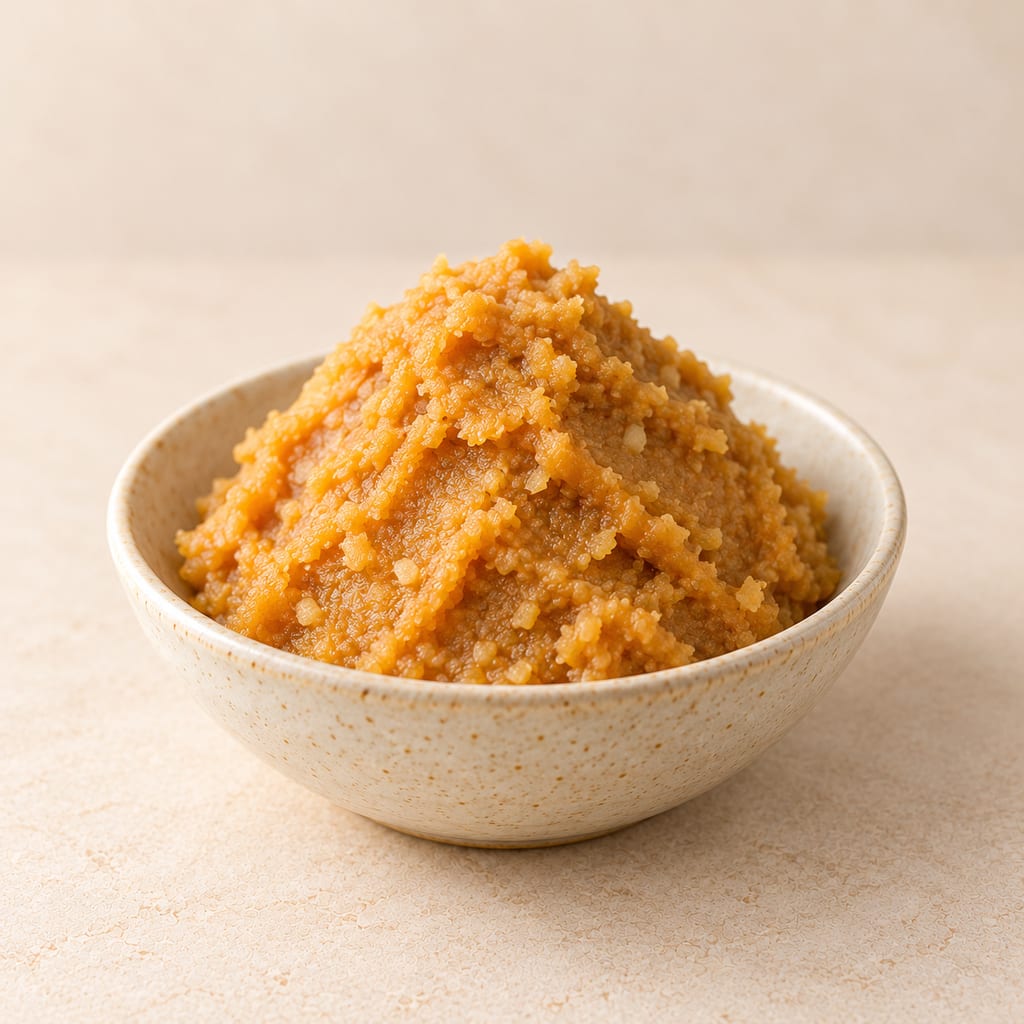
A traditional Japanese fermented paste made by mixing cooked soybeans with rice koji and salt. This guide details the ratio, the long enzymatic breakdown, and the months-long maturation required for depth.
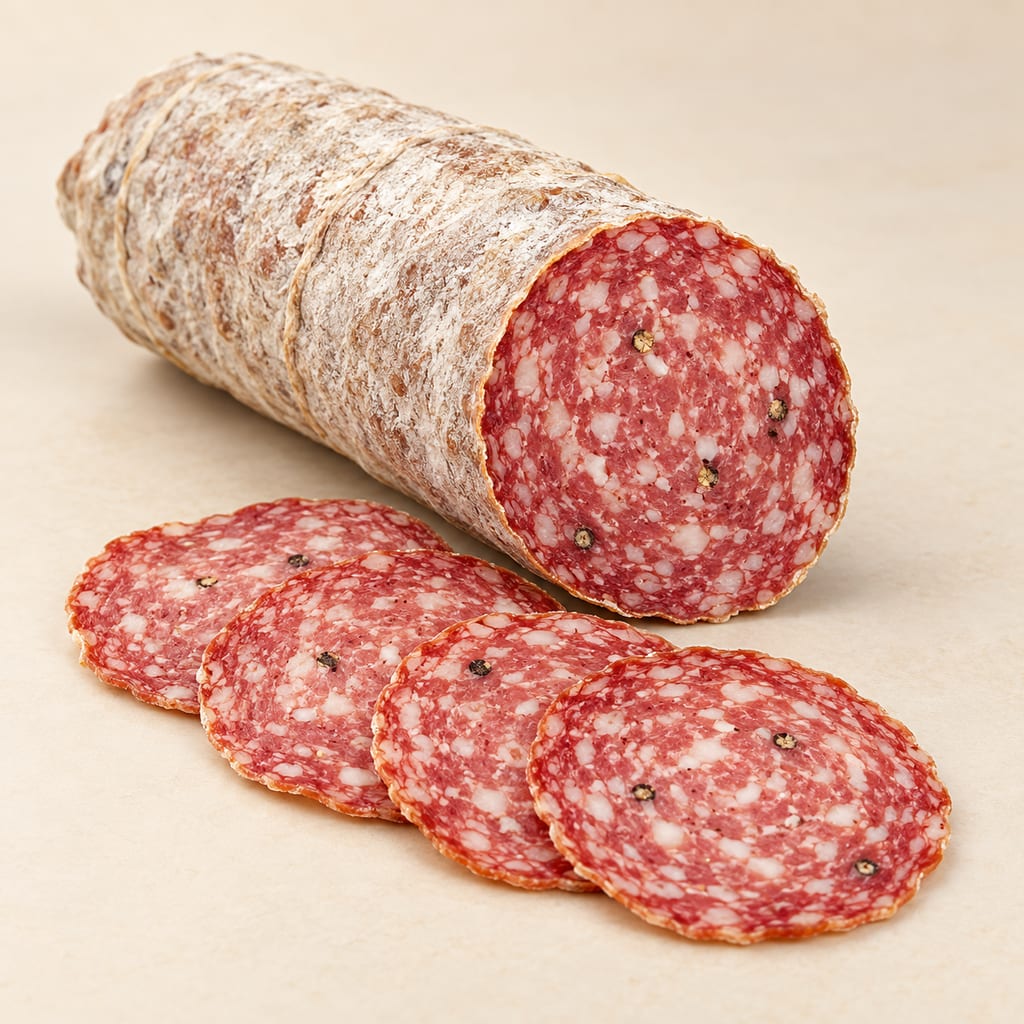
Pork, beef and back fat ferment with a named starter, cure and red wine before the sausages dry in casings. This contemporary formula uses no wood-smoke stage.

Northern Thai fermented tea leaf: Assam tea leaves tied in bundles, steamed, packed in a lined tank and held under weight for three to four months. Eaten after meals.
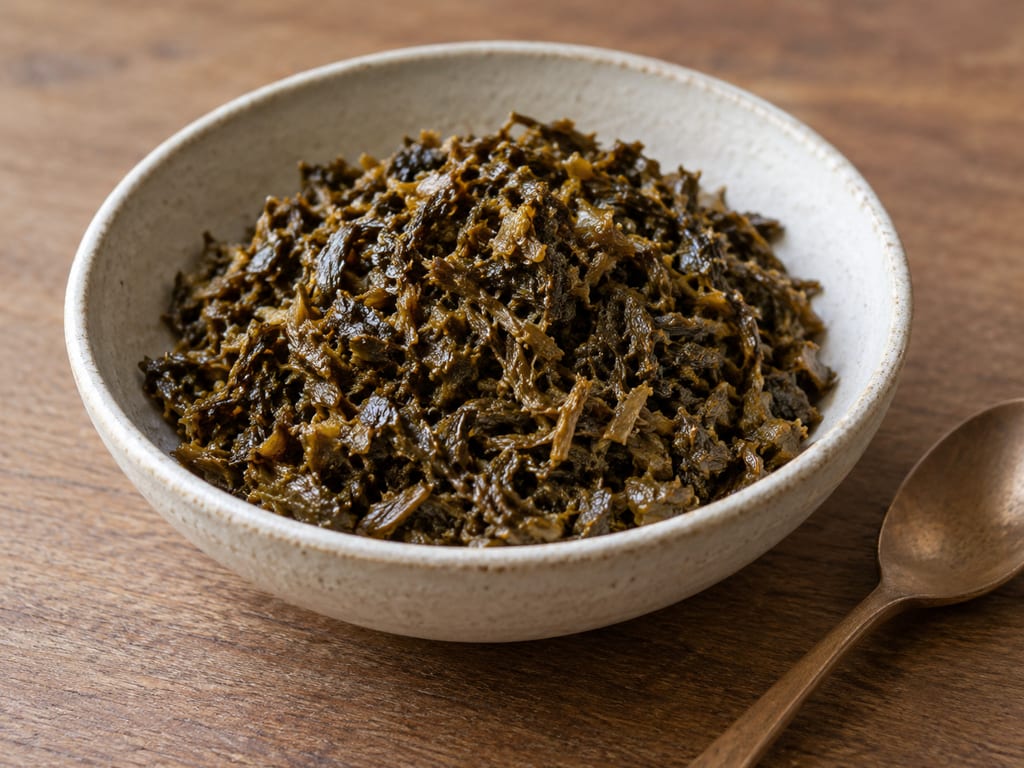
Laphet is Myanmar’s fermented tea-leaf food, associated with ceremony and hospitality. This entry documents cultural context and regional production accounts; it is not a household fermentation recipe.
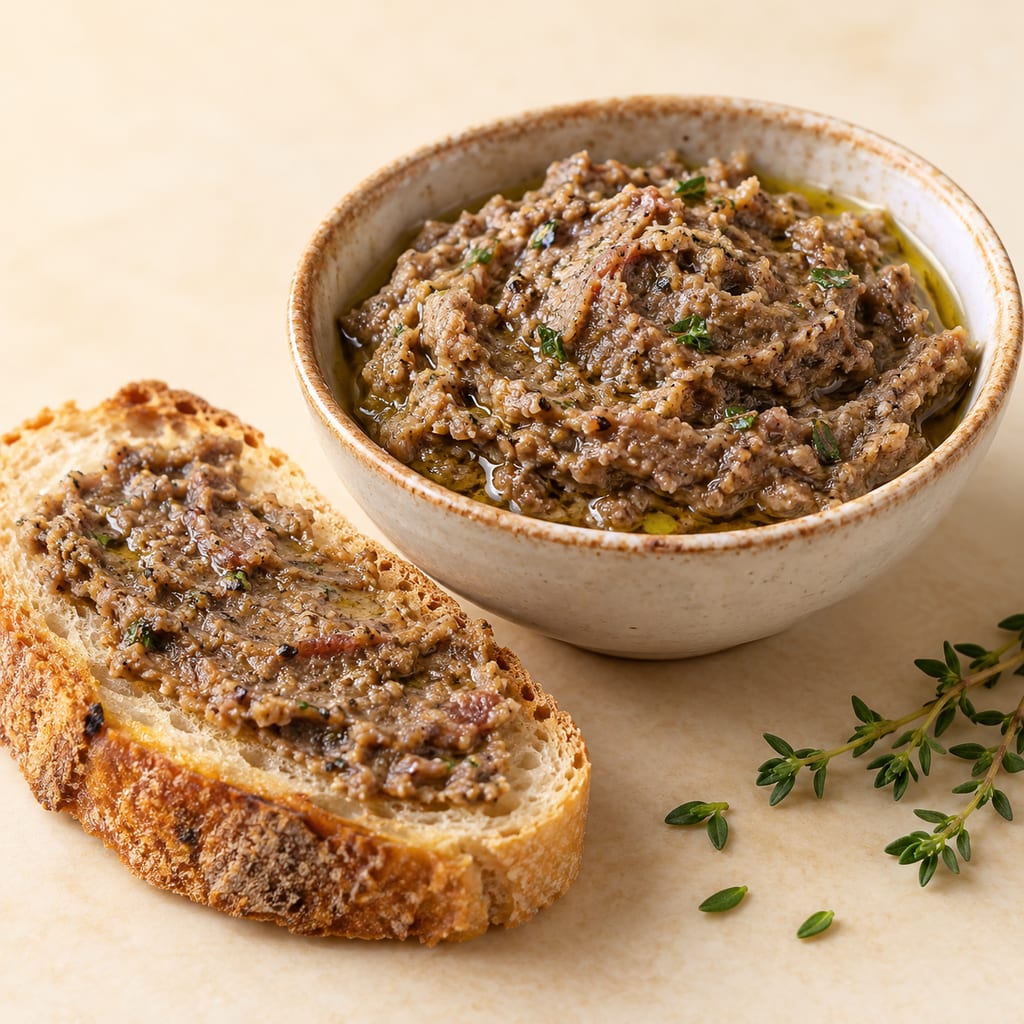
A salted, fermented paste of small fish from Nice, pounded with olive oil, spices and herbs and spread on bread. Unlike a clear fish sauce, it keeps the solids in the finished condiment.
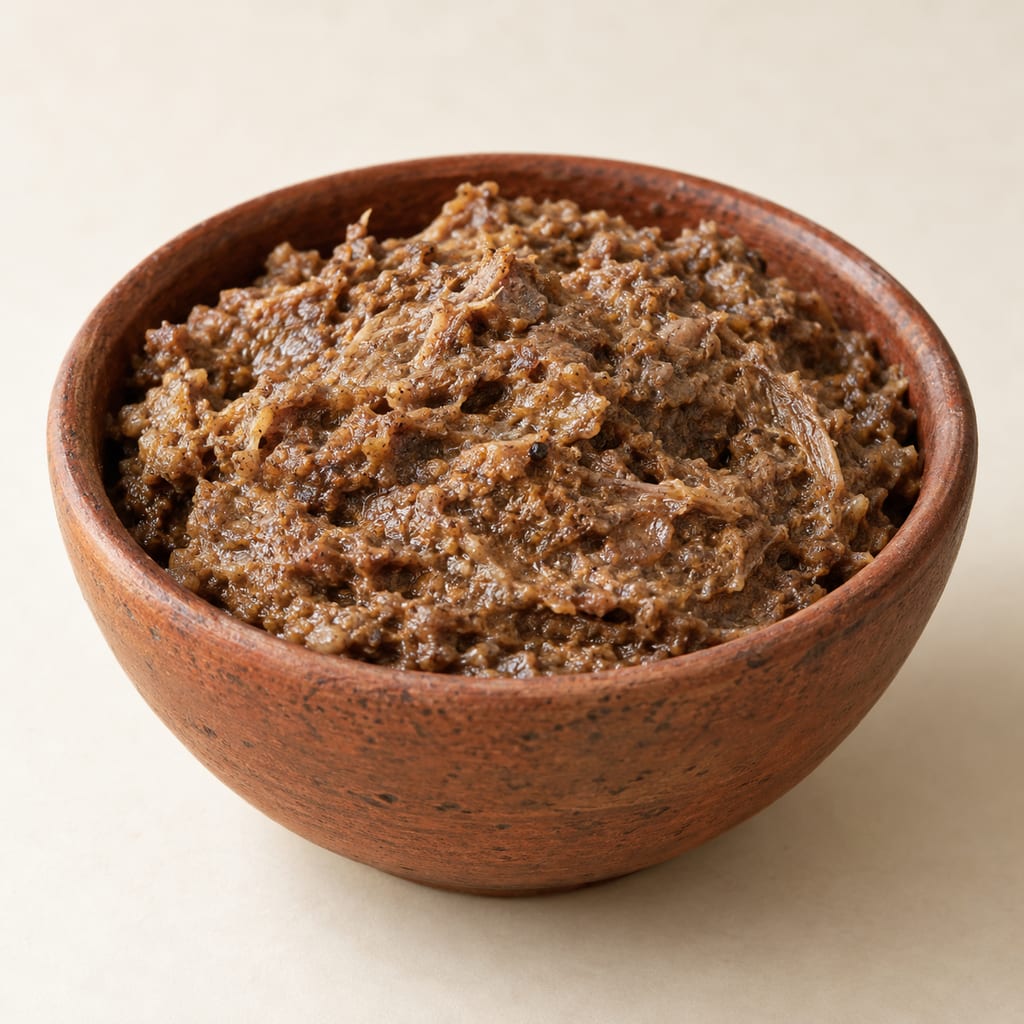
Terkin, also called meluha, is a Sudanese fermented fish paste or sauce. Sources describe raw and cooked forms and different processing methods; none establishes validated safety controls.
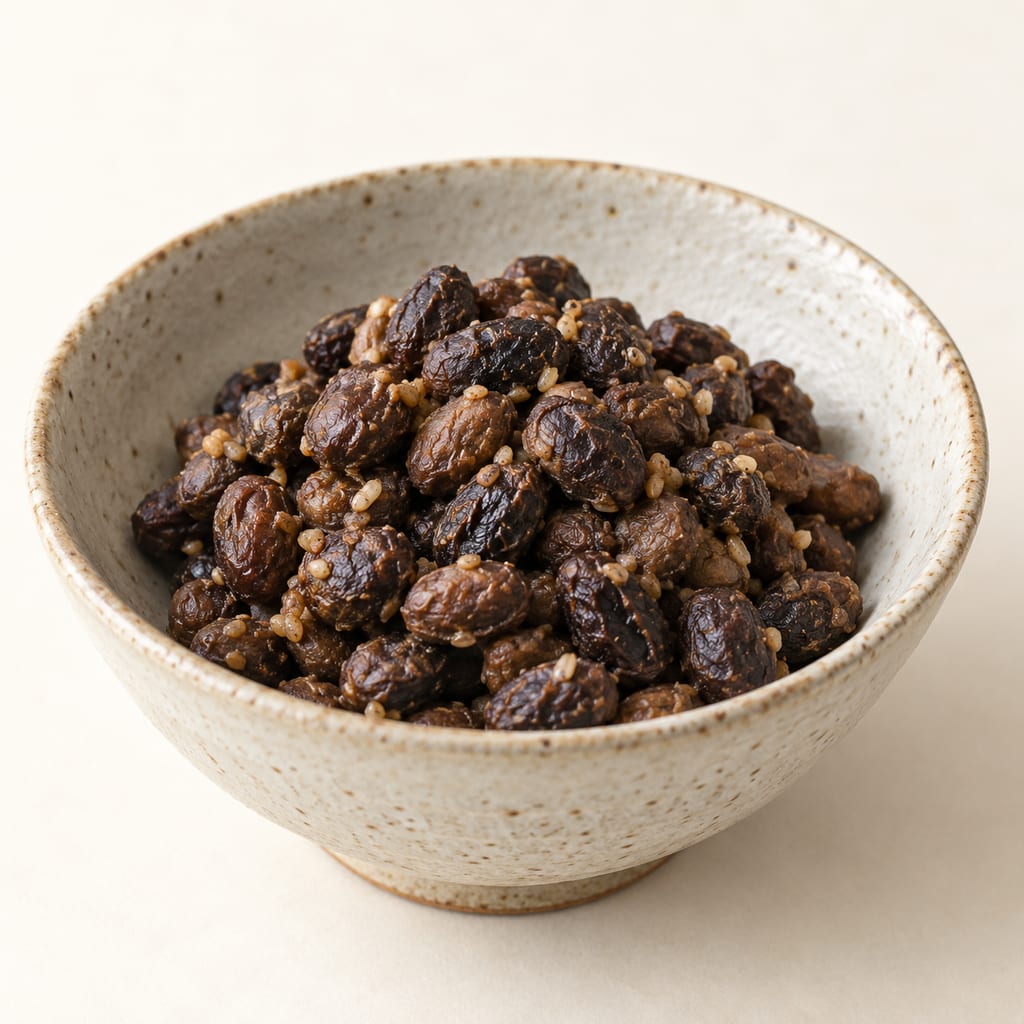
A Japanese family of salted, dark, non-stringy natto made from whole soybeans, roasted grain and salt water, with names such as hama-natto, Daitokuji-natto and tera-natto. Not the sticky Bacillus natto.

Buttermilk, flour and sourdough discard rest overnight before eggs and baking soda turn the sponge into a griddle batter. The finished pancakes are tender and lightly tangy.
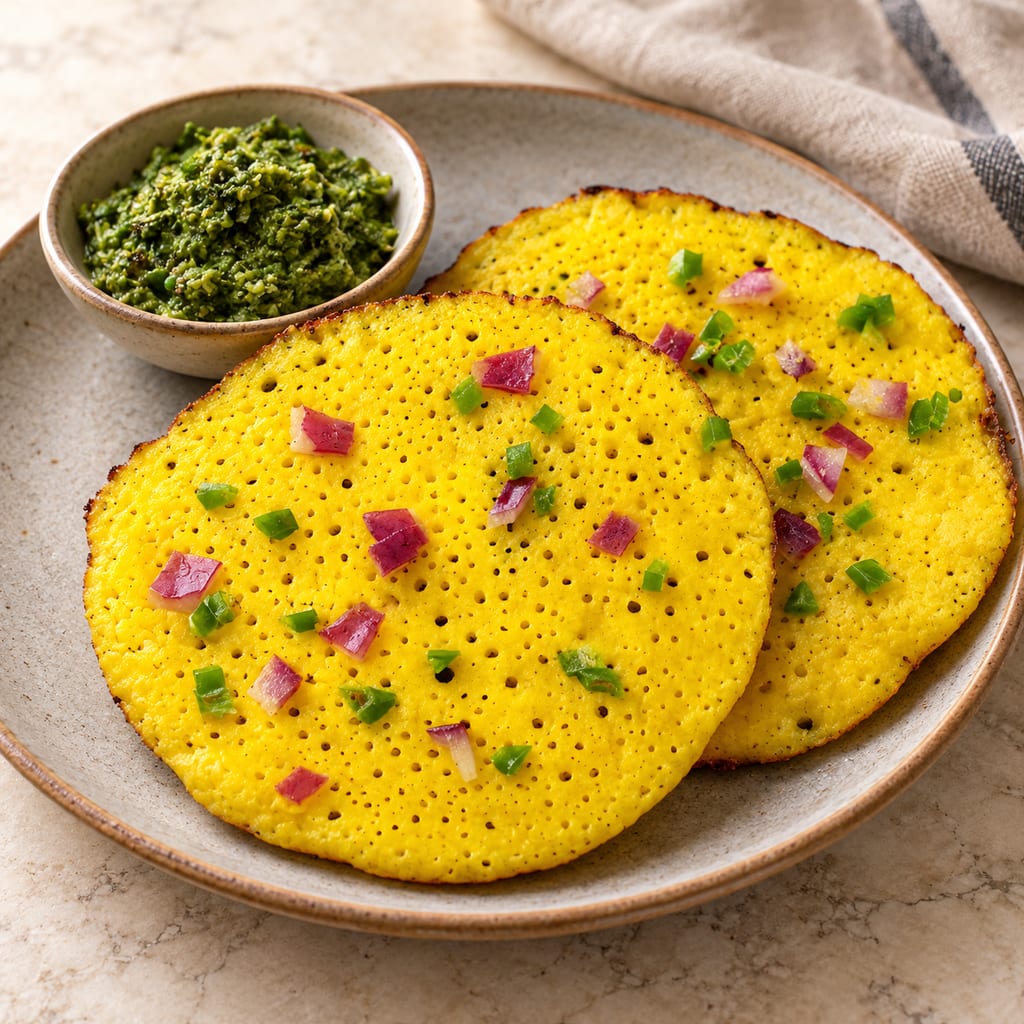
Spongy rice-and-coconut pancakes associated with Goa, cooked on one side from a batter that a multicooker's yogurt programme lets rise overnight.
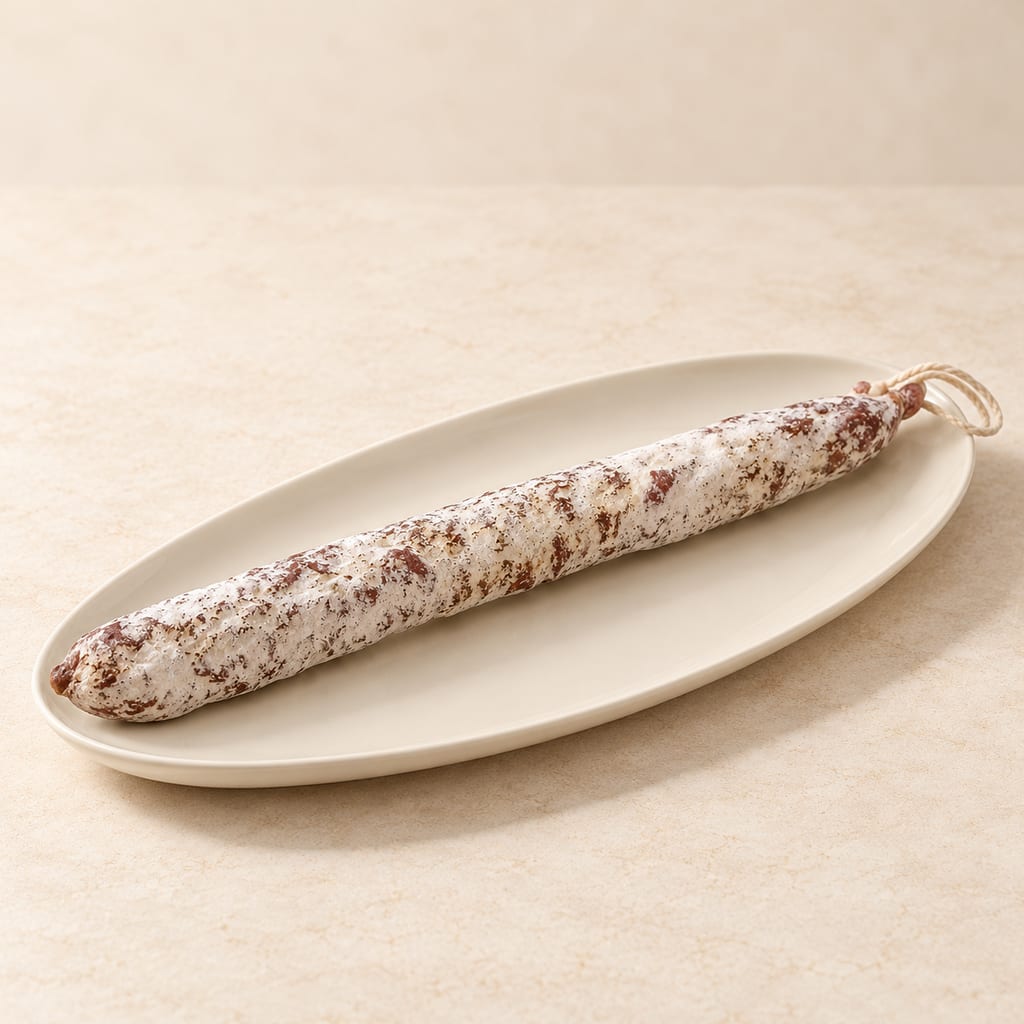
A documentary account of a modern starter-cultured Fuet formula and its place in Catalan sausage culture. The cited raw-pork process lacks matched safety validation, so this page does not present it as a household recipe.
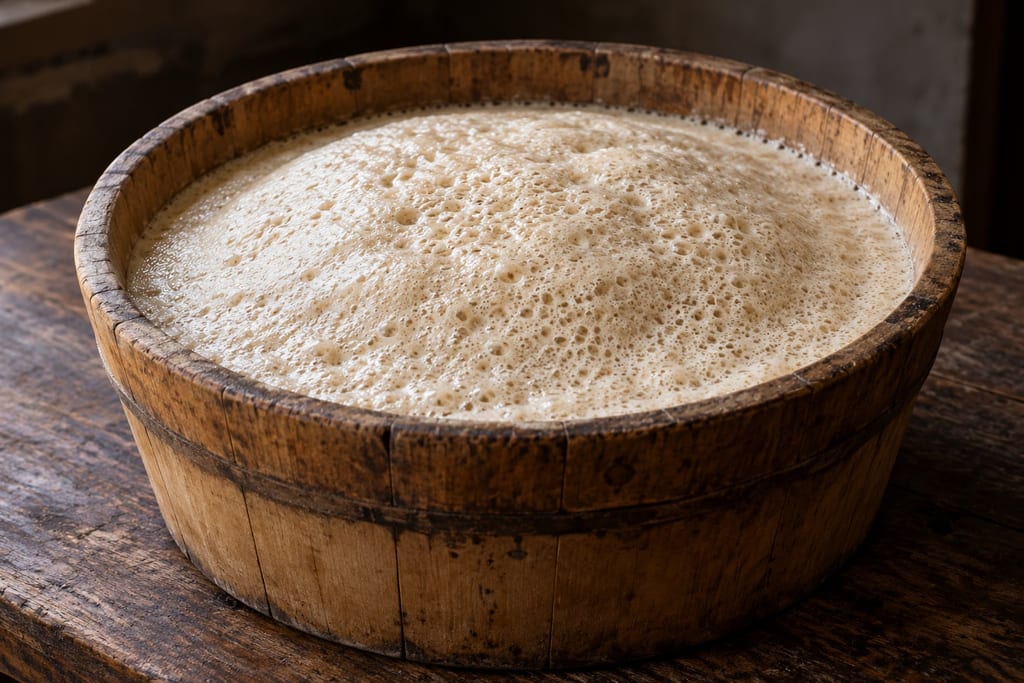
Scotch barm is a Scottish bakery ferment grown in a malt-and-scalded-flour medium and renewed with mature barm from the last batch to leaven successive bread sponges.
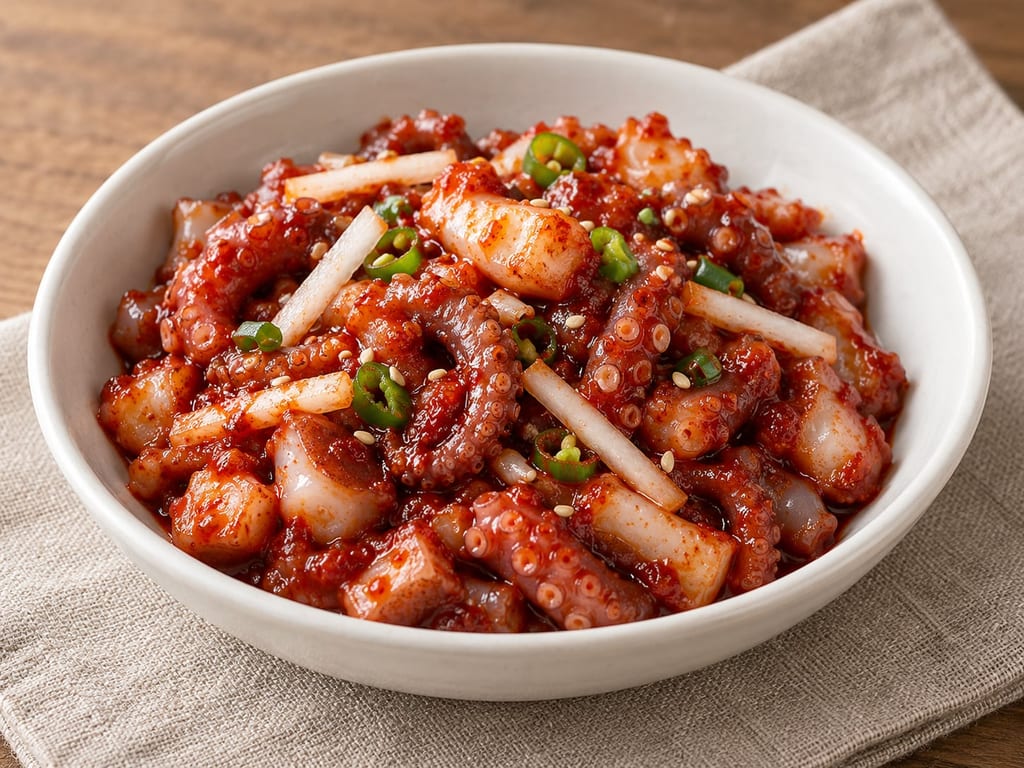
Nakji jeotgal is Korean salted octopus, served among jeotgal varieties with rice. This entry documents the dish and one creator’s quick-home version; it does not provide a household preparation method.
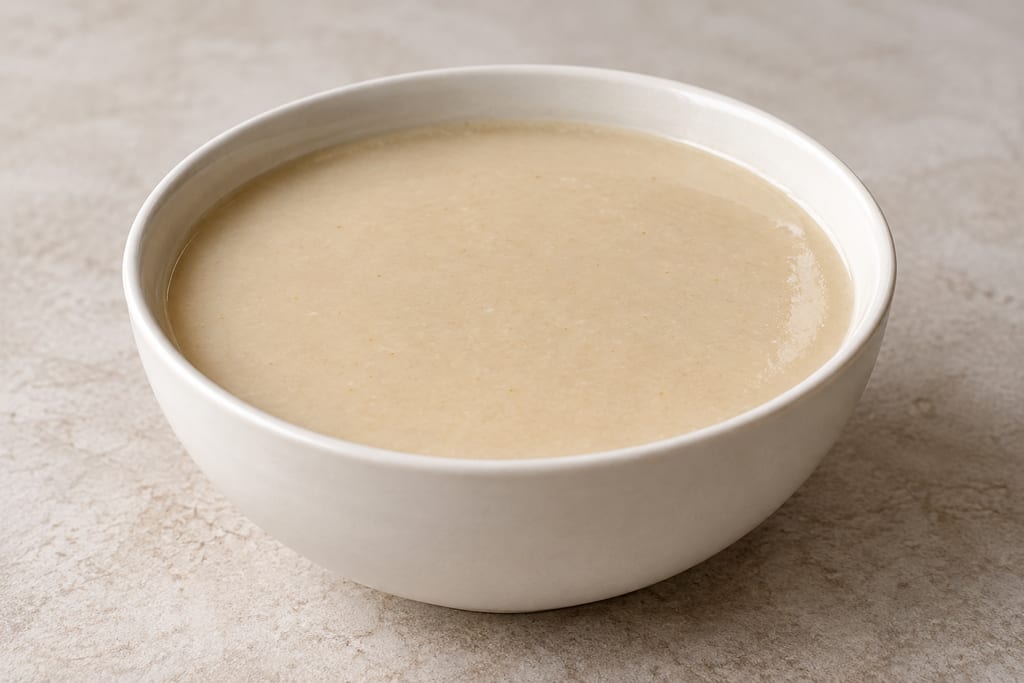
A fermented pearl-millet gruel documented in Ouagadougou, Burkina Faso. Whole grain is soaked, wet-milled and sieved; the settled paste ferments again before it is cooked with its liquid.
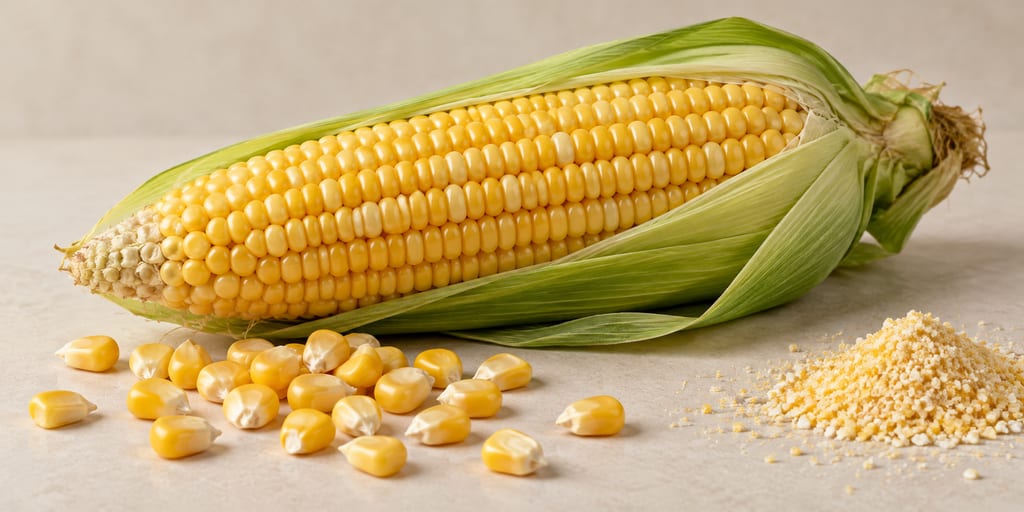
Quimbombo is a maize beer made in an Umbundu tradition in Angola. The documented Huambo method stages malt saccharification, lactic souring, a second boil and yeast fermentation.
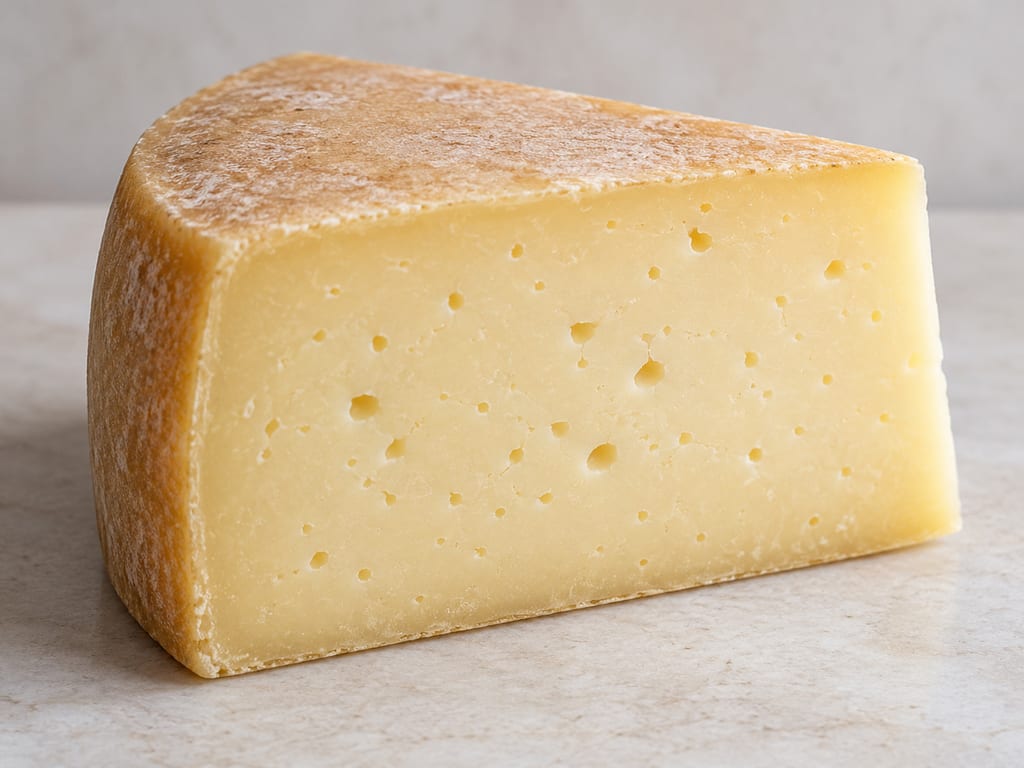
This Cypriot graviera is a hard sheep-milk cheese with a dry rind and round eyes. Its curd is heated, pressed and dry-salted before a long cool ripening.
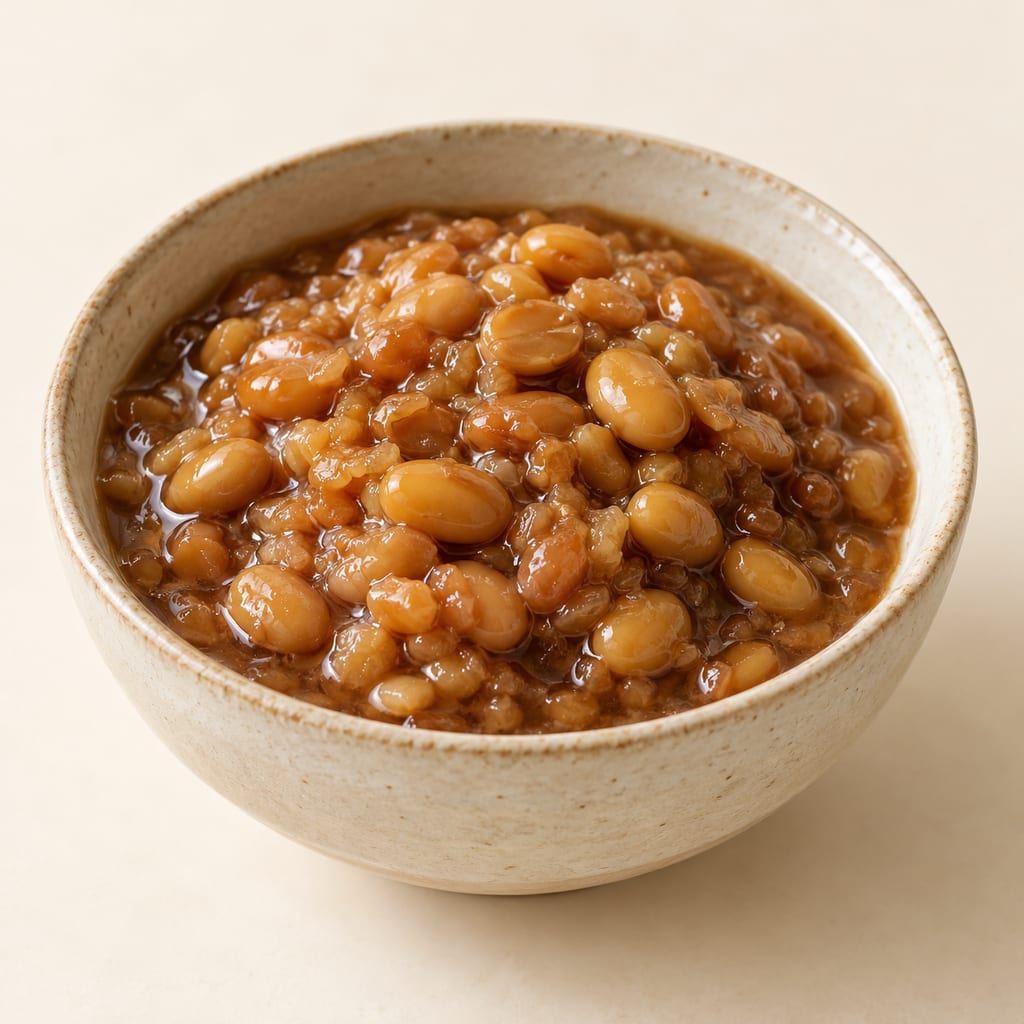
Tao-jiew is a salty, semi-solid soybean condiment from Thai cooking, made with koji and maturation in salt solution. The JIRCAS entry gives one method with key quantities left out.
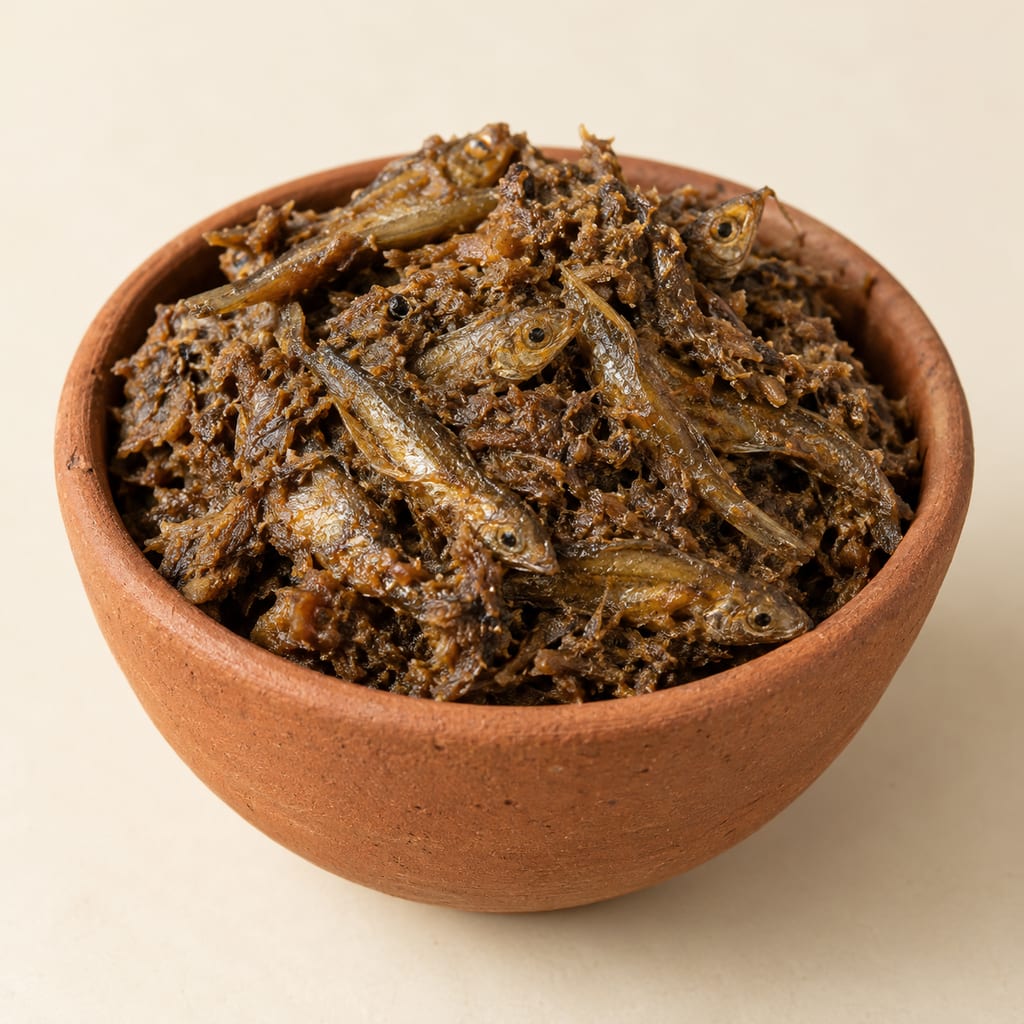
Shidal is a fermented fish preparation from Assam, Tripura and neighbouring northeastern regions, made from small dried fish moistened and matured in earthenware. Studies describe salt-free versions that stay solid or pasty.
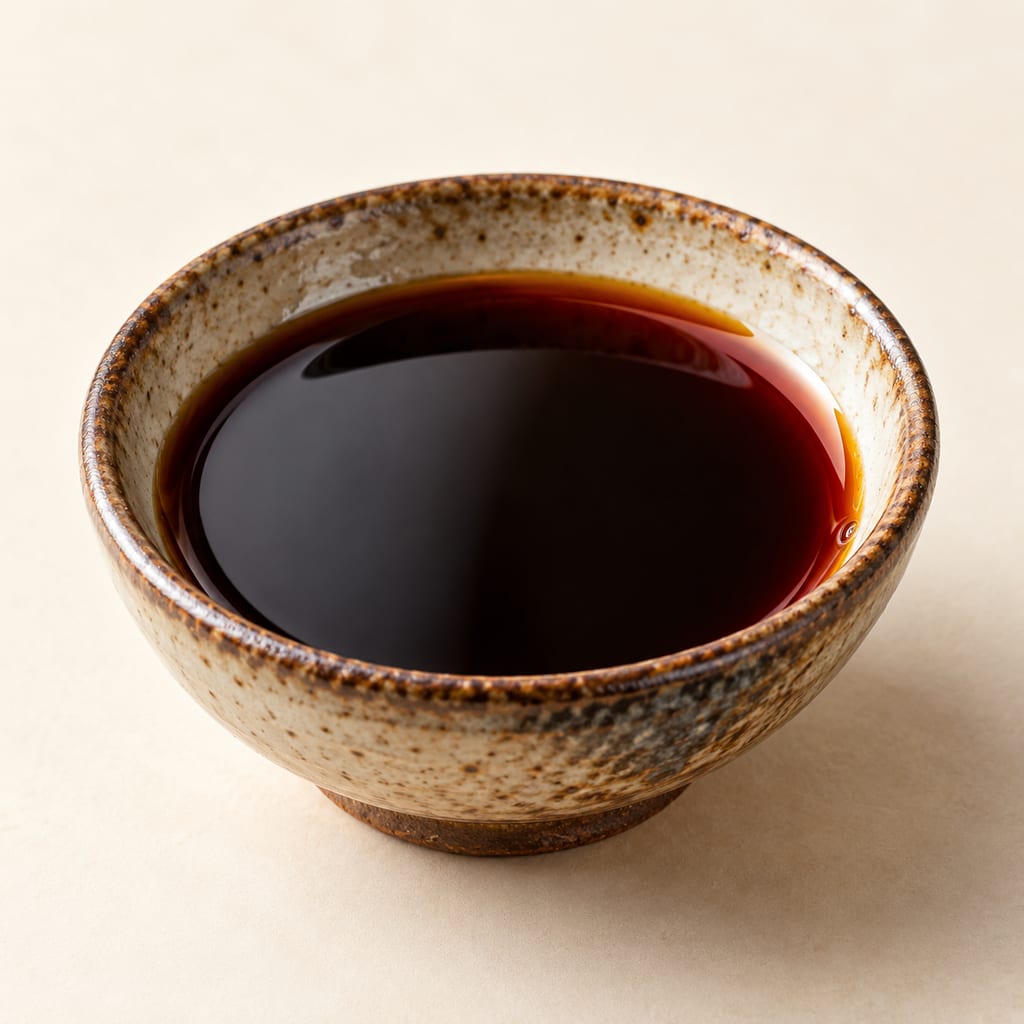
Saishikomi shoyu is a double-brewed soy sauce: a second moromi is made with a finished soy sauce in place of salt water, which makes a dark, concentrated sauce with softer salt.
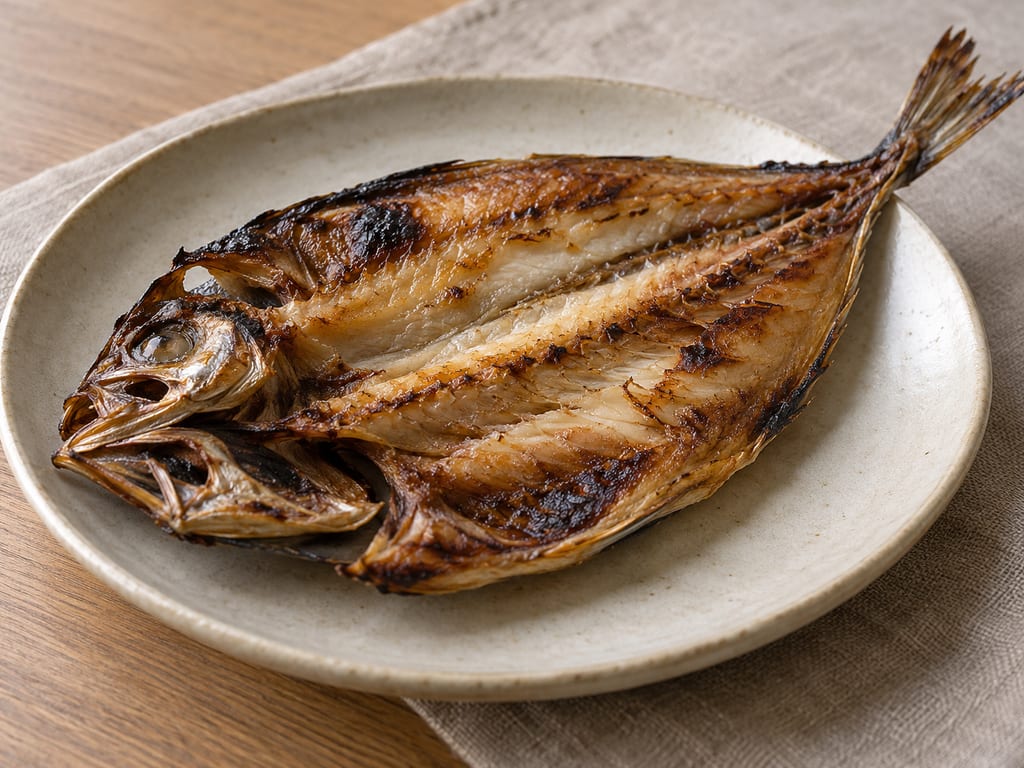
Izu Islands fish cured by repeated immersion in a maintained microbial brine, then dried. The reused brine, not drying alone, is what defines the product.
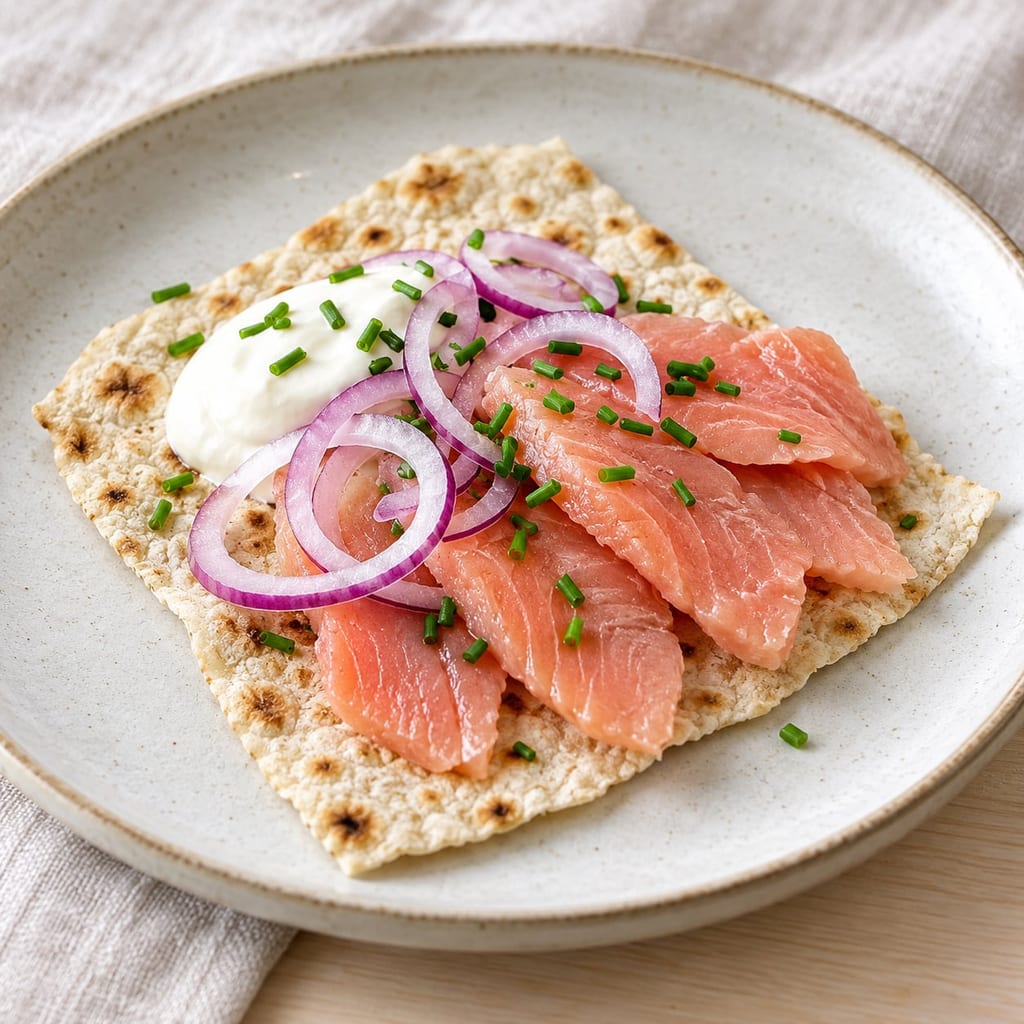
Rakfisk is a Norwegian preserved fish: cleaned trout or char, salted, packed under pressure and matured cold, usually for about three months, before it is eaten sliced.
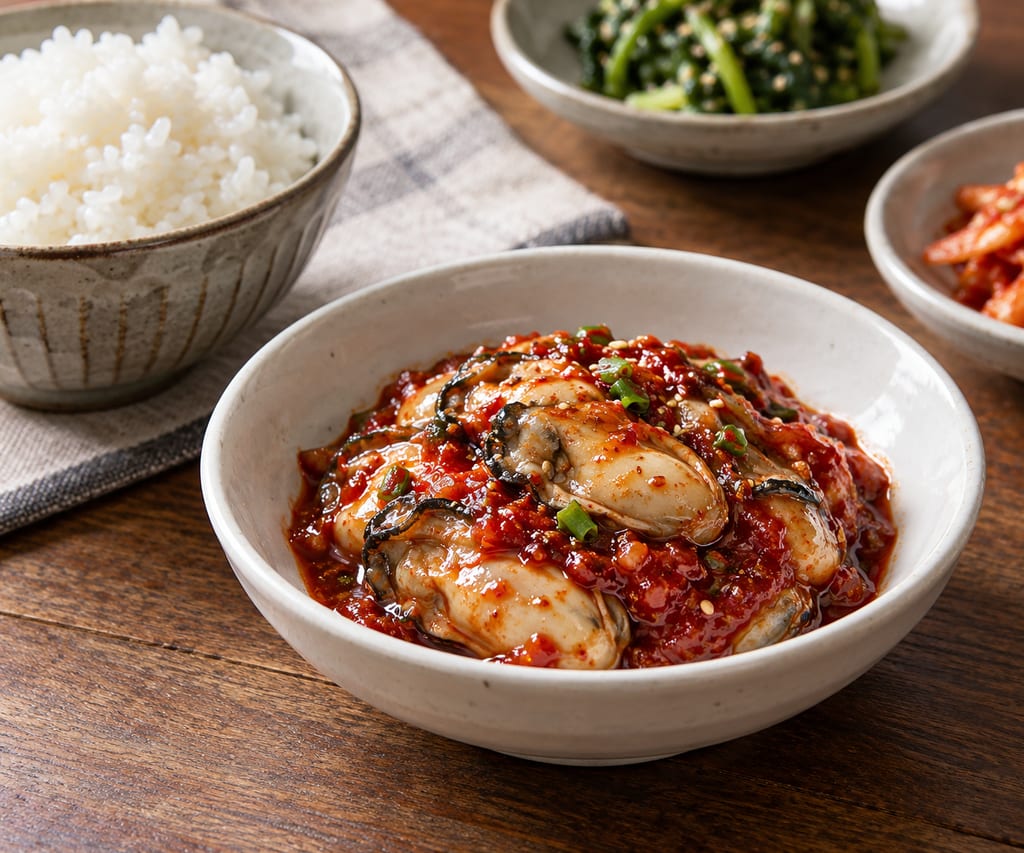
A Korean salted-oyster jeotgal seasoned with chili, associated especially with Seosan and Ganwoldo. This page records its food culture, not a household preparation method.
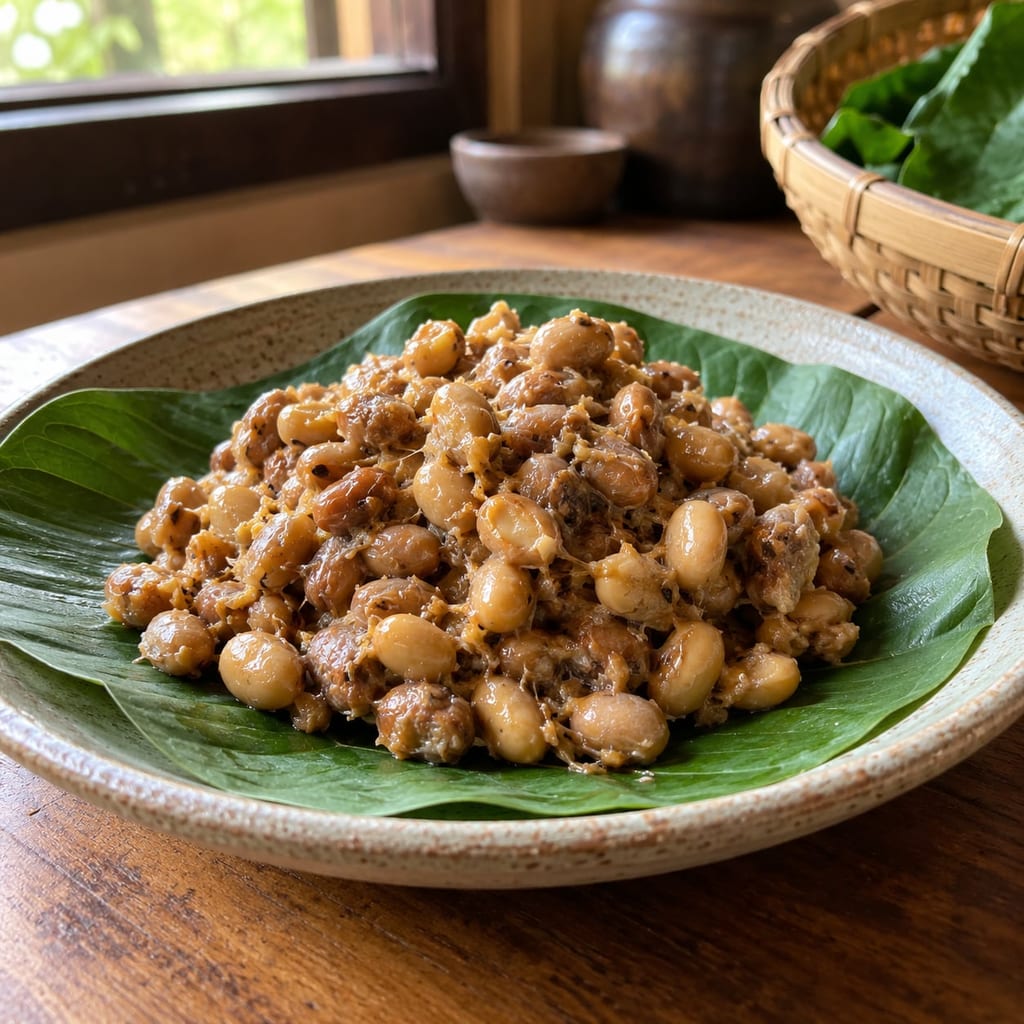
A home kinema made from overnight-soaked white soybeans, cooked, drained hot, wrapped in cloth and insulated to ferment for about a week.
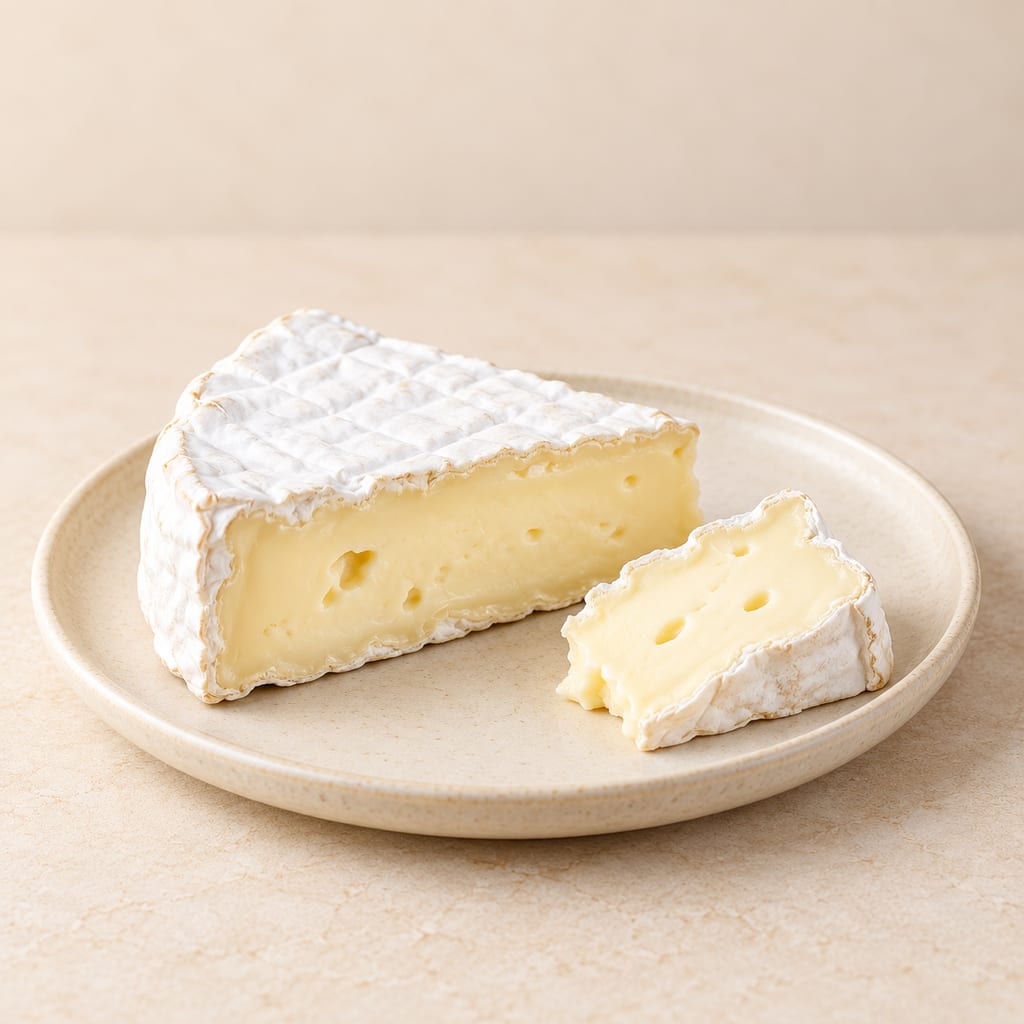
A cream-enriched Brie with a white bloomy rind and a softening center, made from pasteurized milk with lactic and surface cultures.
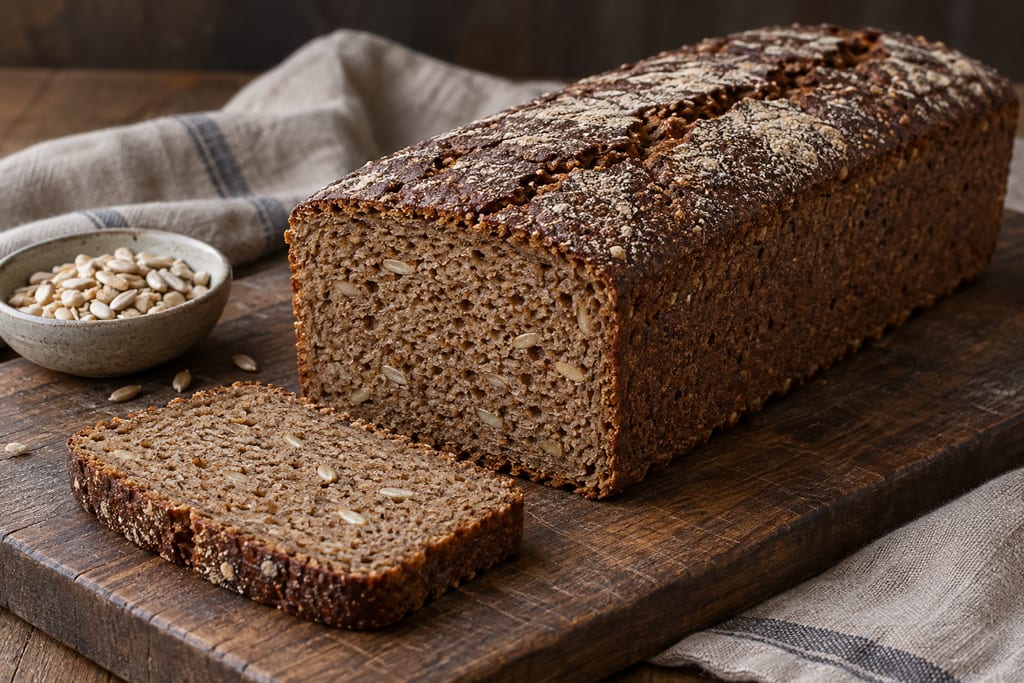
A dense whole-rye loaf with a sourdough preferment, soaked rye chops and sunflower seeds. It bakes in a long loaf pan and rests for 24–48 hours before slicing.
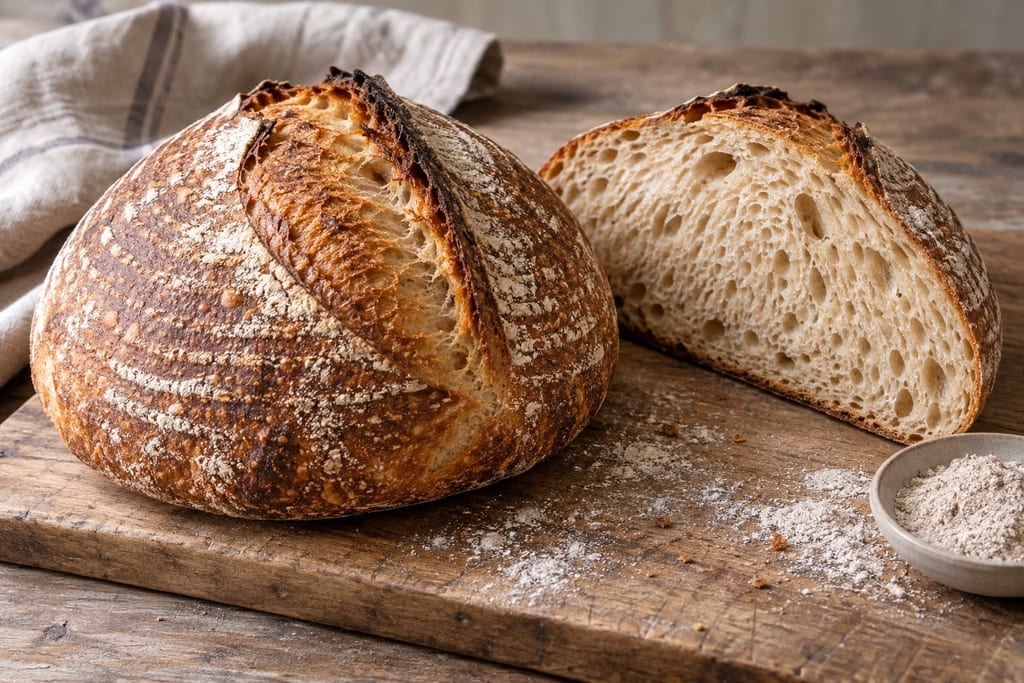
Jeffrey Hamelman's Vermont sourdough builds a liquid wheat levain before adding a modest measure of rye flour blend. The dough is folded, shaped and baked as two crusty loaves with a tender, open crumb.
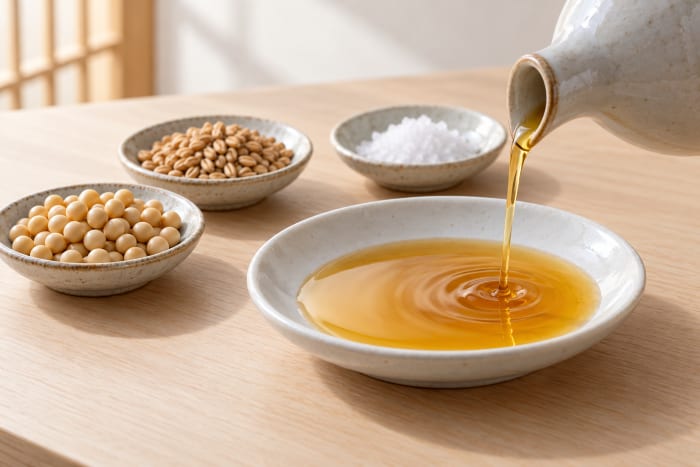
Usukuchi is Japan's light-coloured soy sauce, a Kansai style identified by its pale colour rather than by lower salt, with the colour set by production choices made during brewing.
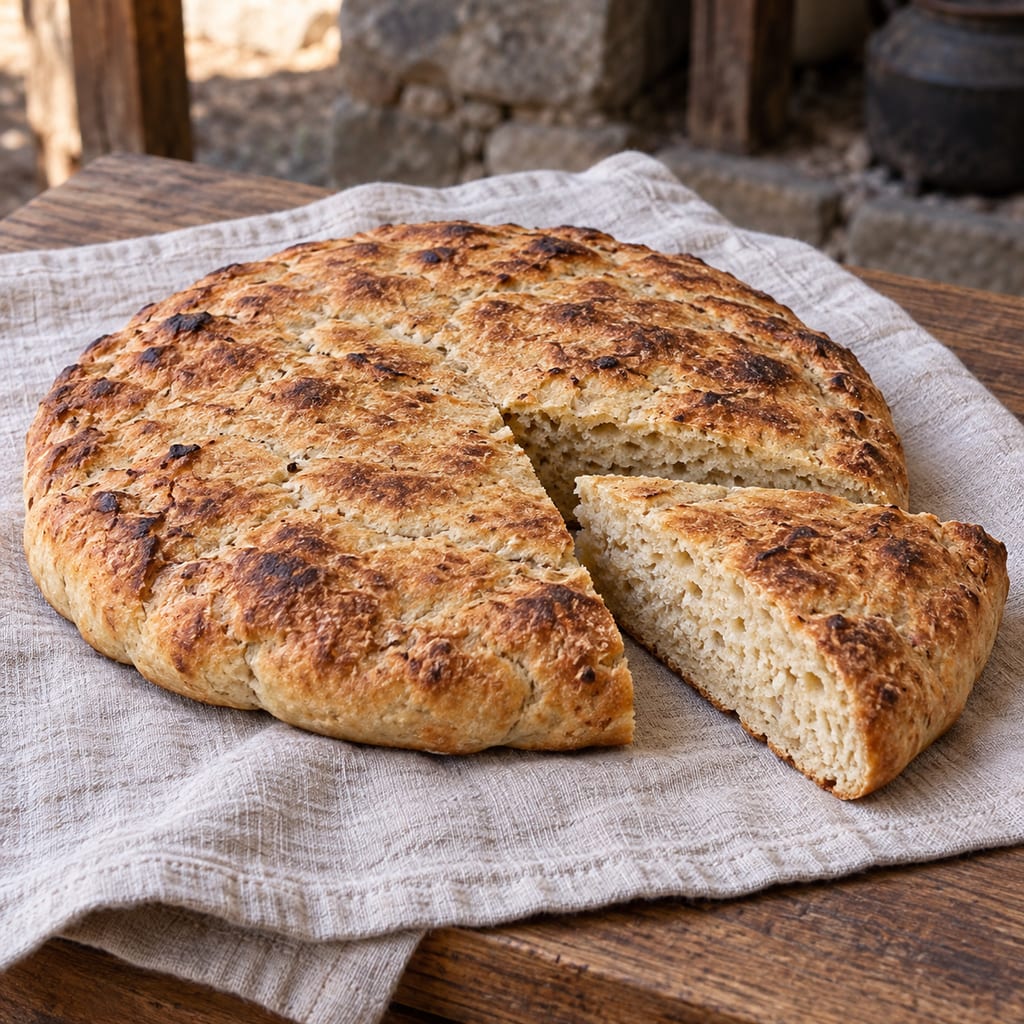
A Chilean hearth bread from Quilleco, leavened with instant yeast and bicarbonate, then cooked under hot ash in a traditional ember hearth.
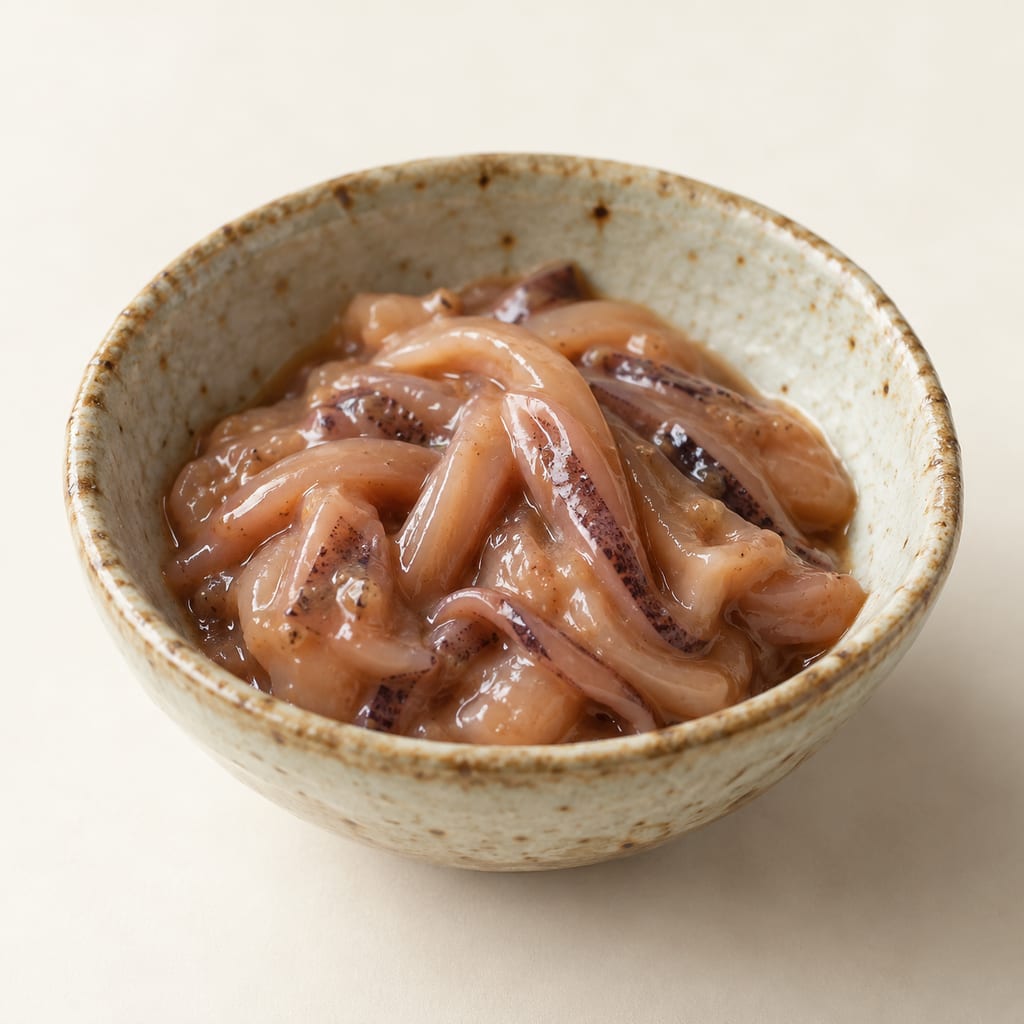
Shiokara is a Japanese salted and fermented seafood preparation, in which squid or the organs of other fish are matured in salt until the flesh breaks down into a thick, savoury paste that keeps its solids.
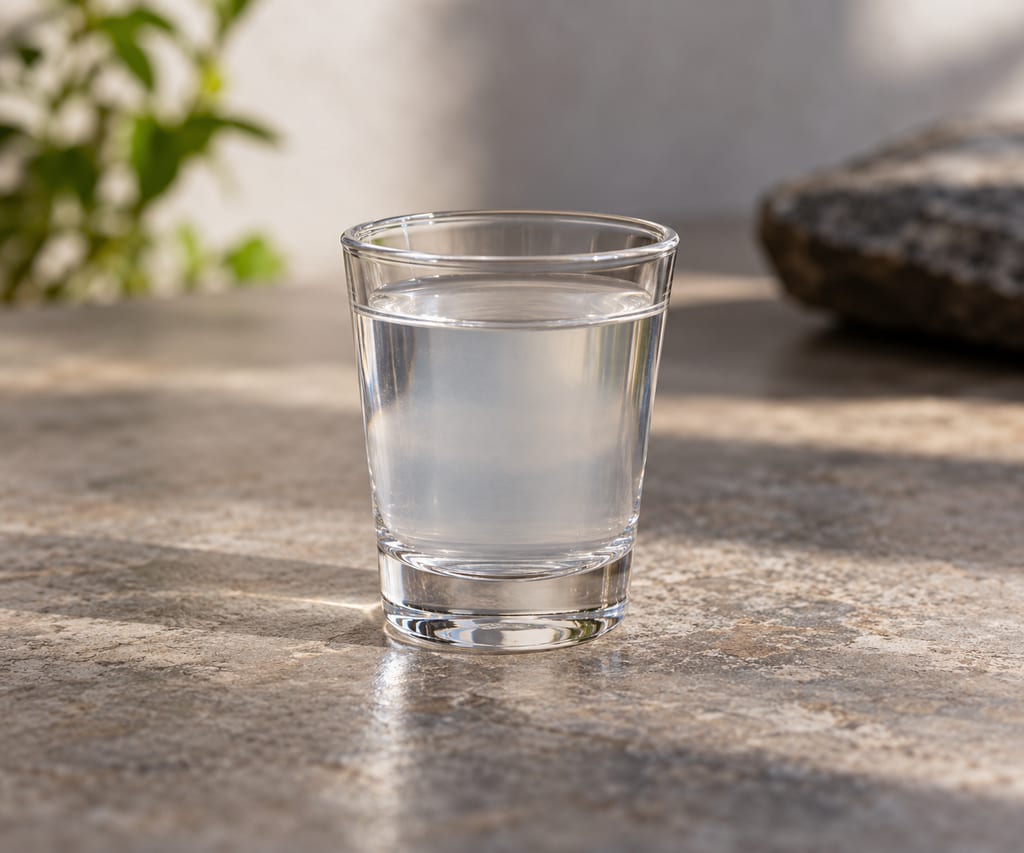
A Buryat milk spirit distilled from khurenge, the backslopped sour dairy ferment, in a cauldron still: a distillate that keeps milky and cheese-like aromas from the dairy it came from.
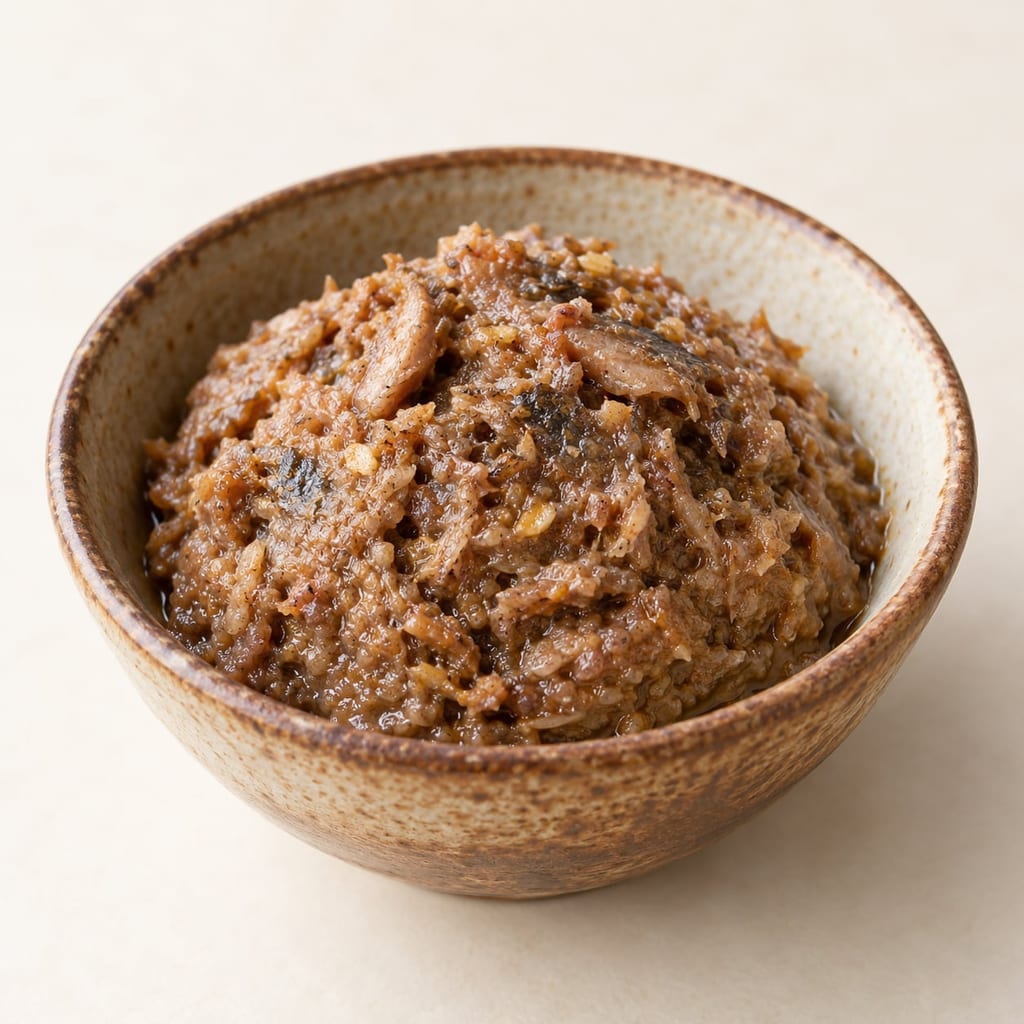
Thai salt-fermented fish paste, matured with rice bran or roasted rice and used as a seasoning in the Northeast and across Thailand. Raw pla ra must be cooked before eating.
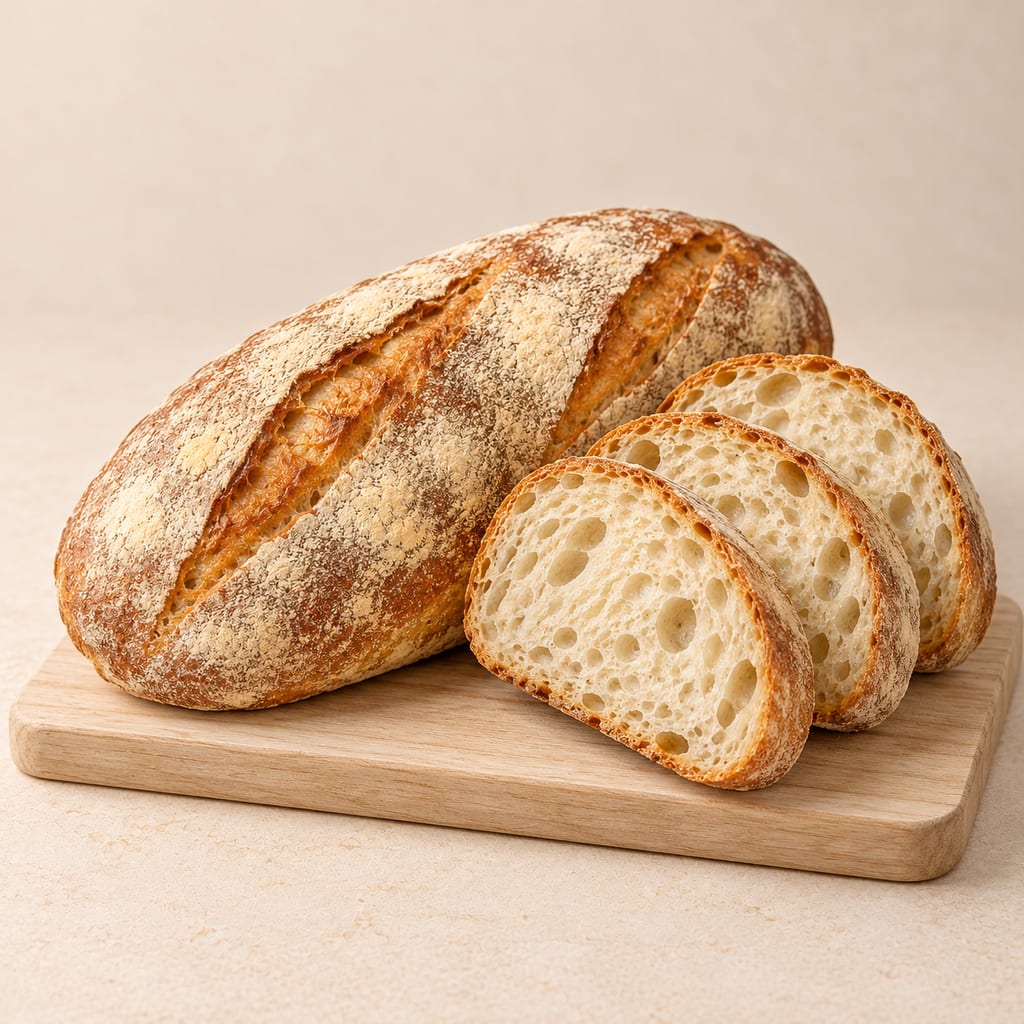
Tuscany's saltless wheat bread, leavened with a sourdough biga: a mild loaf with a crisp dark crust that was made to sit beside salty meats, cheeses and stews.
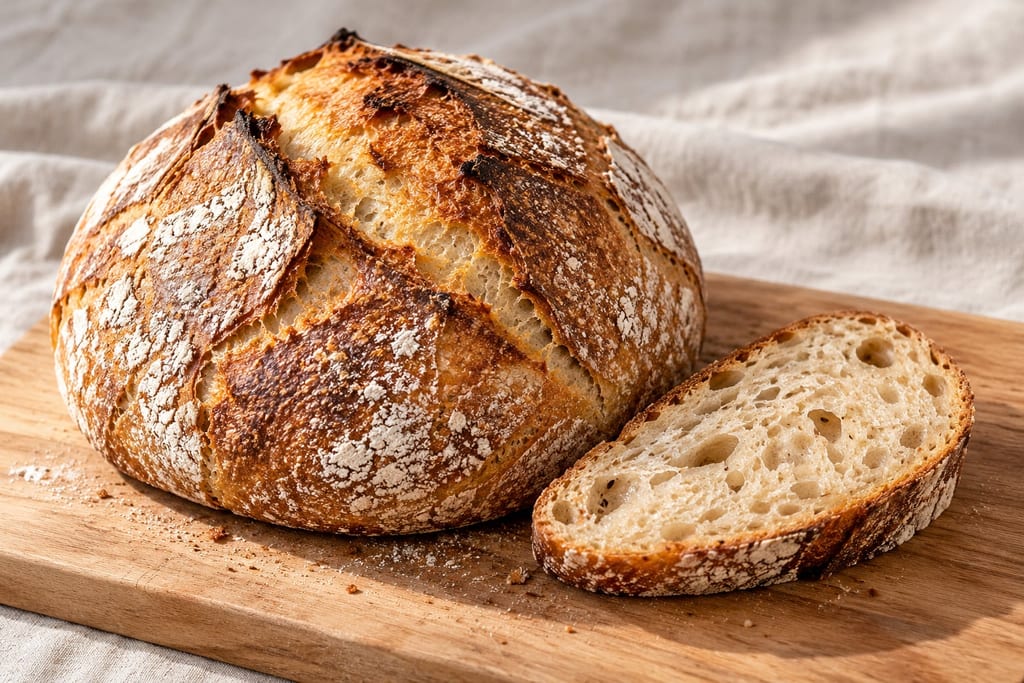
Two large French-style wheat loaves use unfed sourdough starter, whole-wheat flour, long room-temperature fermentation and a covered-pot bake.
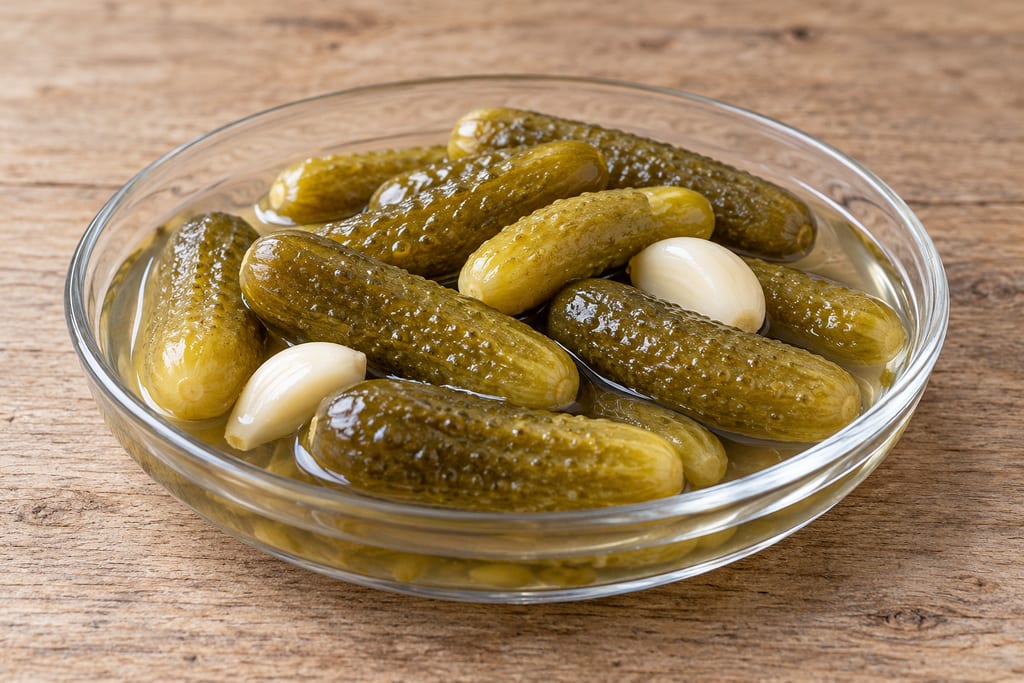
Cucumber variant of the registered Gedelek pickle family from Orhangazi, Bursa: cucumbers in a salt brine with garlic and a small amount of acid, held for about 20 to 30 days.
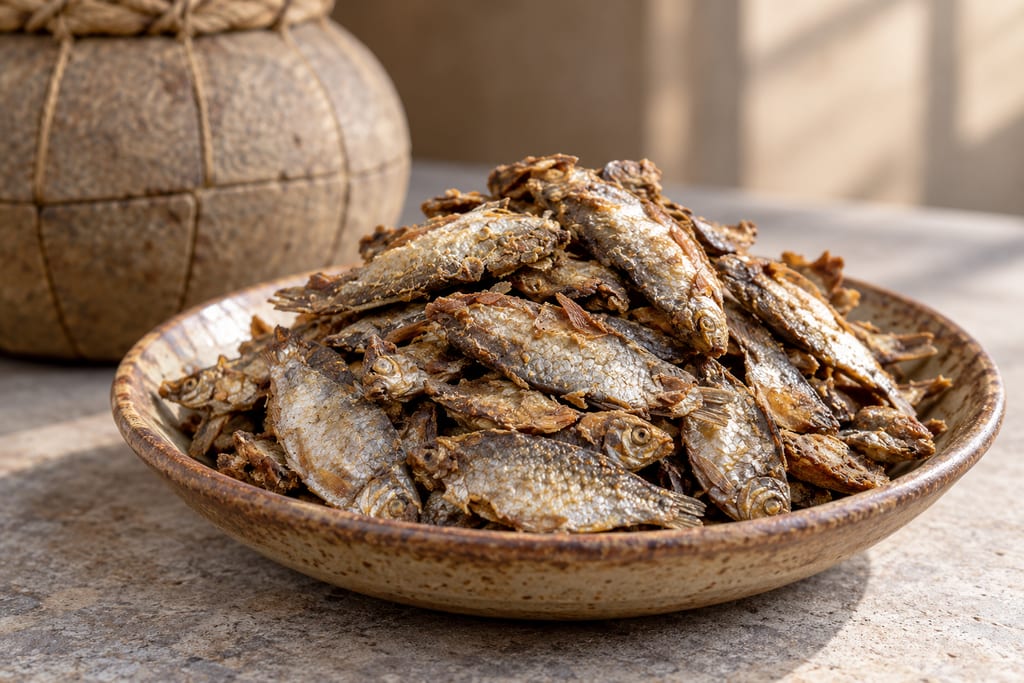
Ngari is a Manipuri fermented fish condiment made from small sun-dried fish, usually Puntius sophore, packed for fermentation. A biochemical study describes a salt-free method; it works as a condiment and ingredient rather than as a filtered sauce.
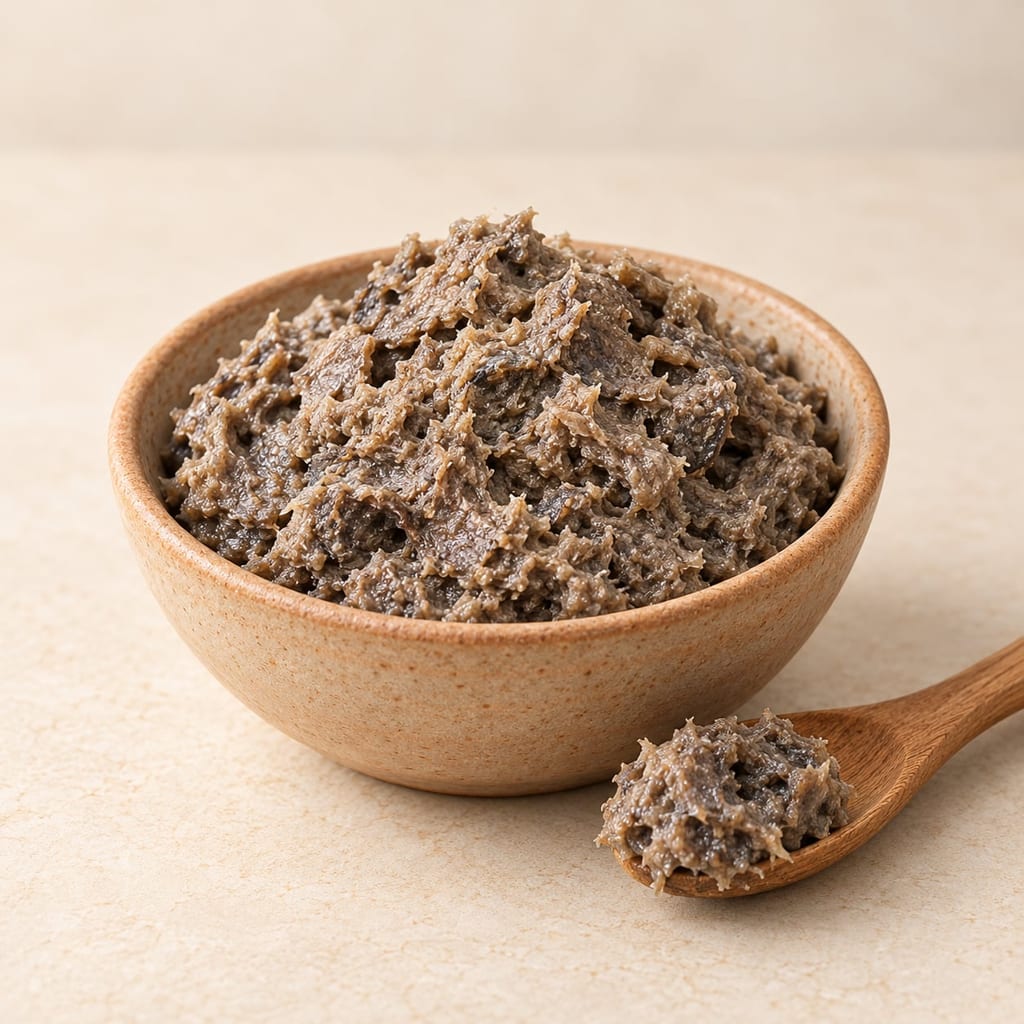
Ngapi is a Myanmar name used for varied fermented fish and shrimp pastes. Selected market and processor samples document differences in species, ingredients, and process; the evidence does not support one nationwide formula.
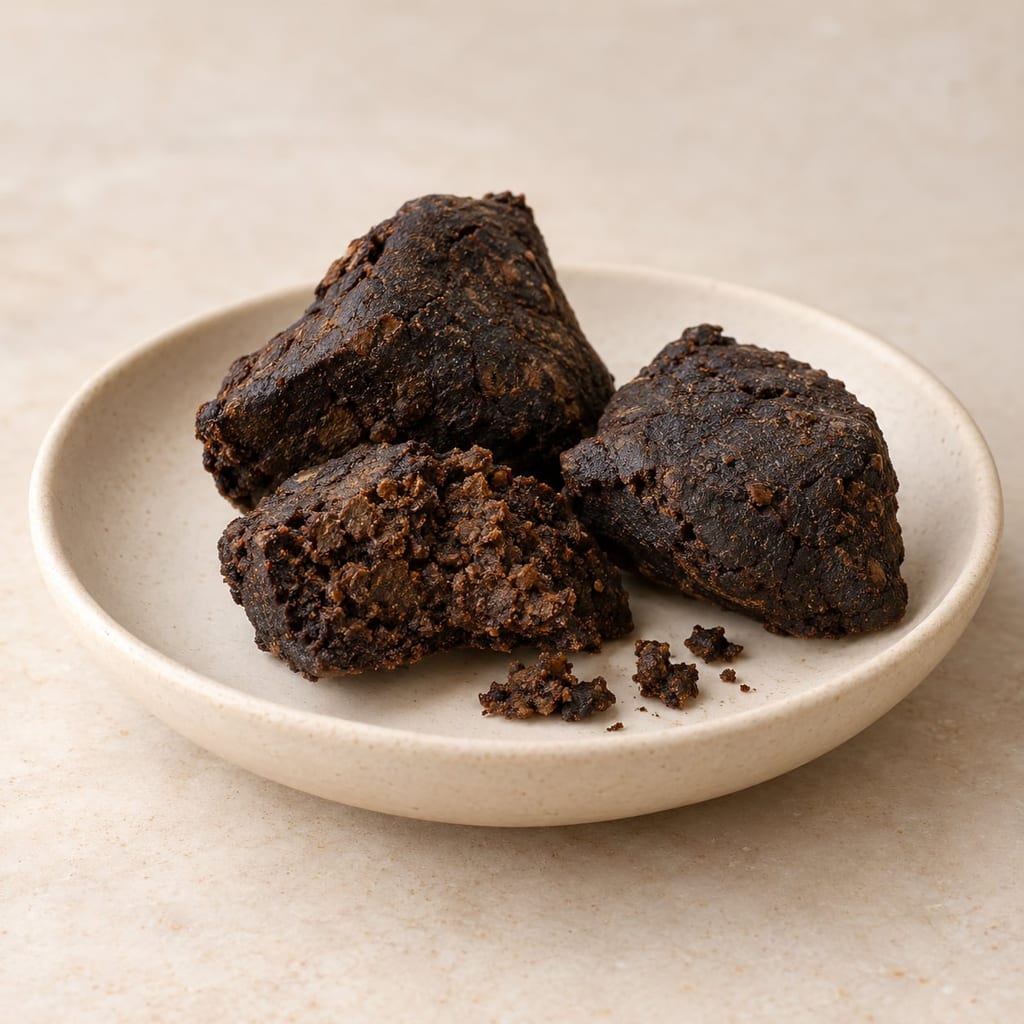
Okpiye, also written okpeye, is a Nigerian condiment from fermented Prosopis africana seeds; published studies describe laboratory batches, not a validated home method.
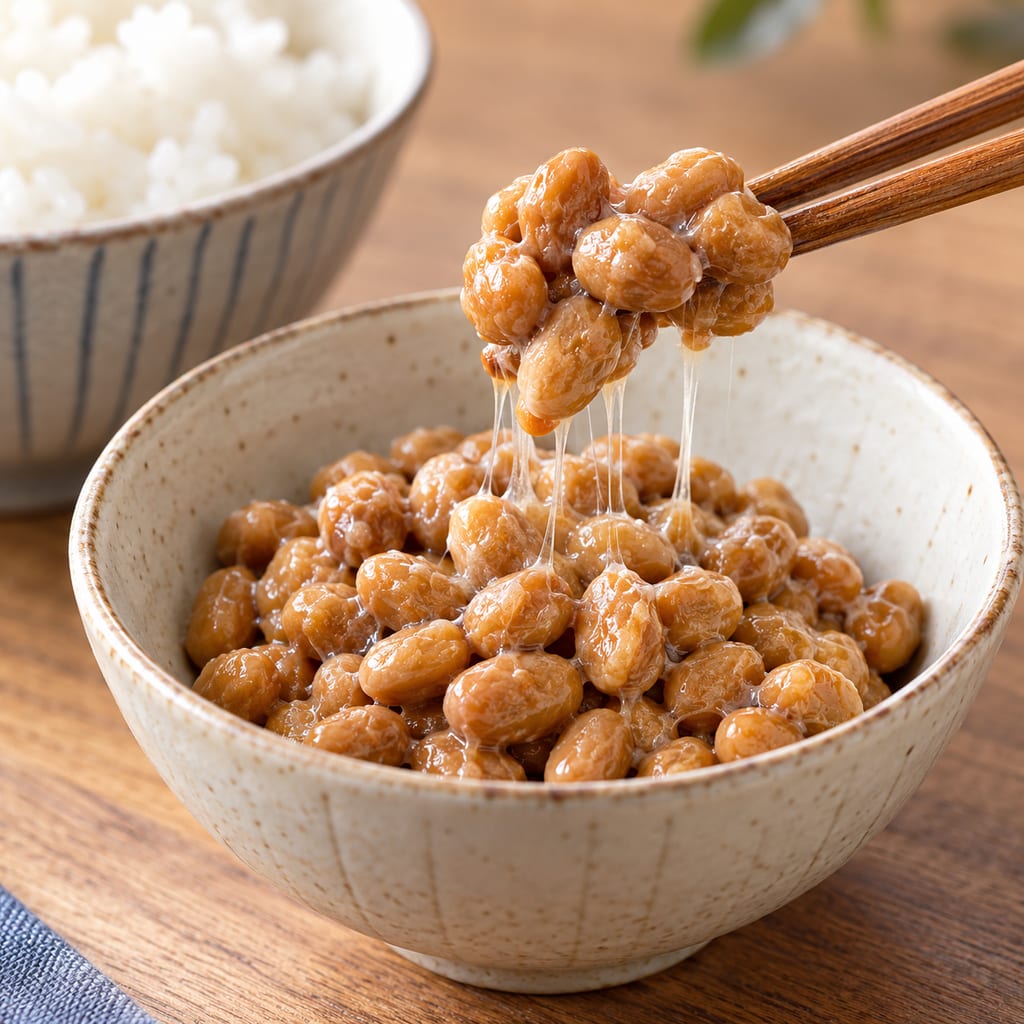
Natto is a Japanese fermented soybean food with a sticky coat and long strings, made by steaming soybeans and inoculating them with a natto Bacillus starter, then keeping them warm.