


















Mочёные яблоки
Mochenye yabloki are whole apples held under prepared liquid for several weeks. Russian sources from 1892 and 1959 describe the method. It is not the same as vinegar pickling.
 FermenteaWhere food goes to change
1504 records with their sources, across 11 categories.
Mochenye yabloki are whole apples held under prepared liquid for several weeks. Russian sources from 1892 and 1959 describe the method. It is not the same as vinegar pickling.
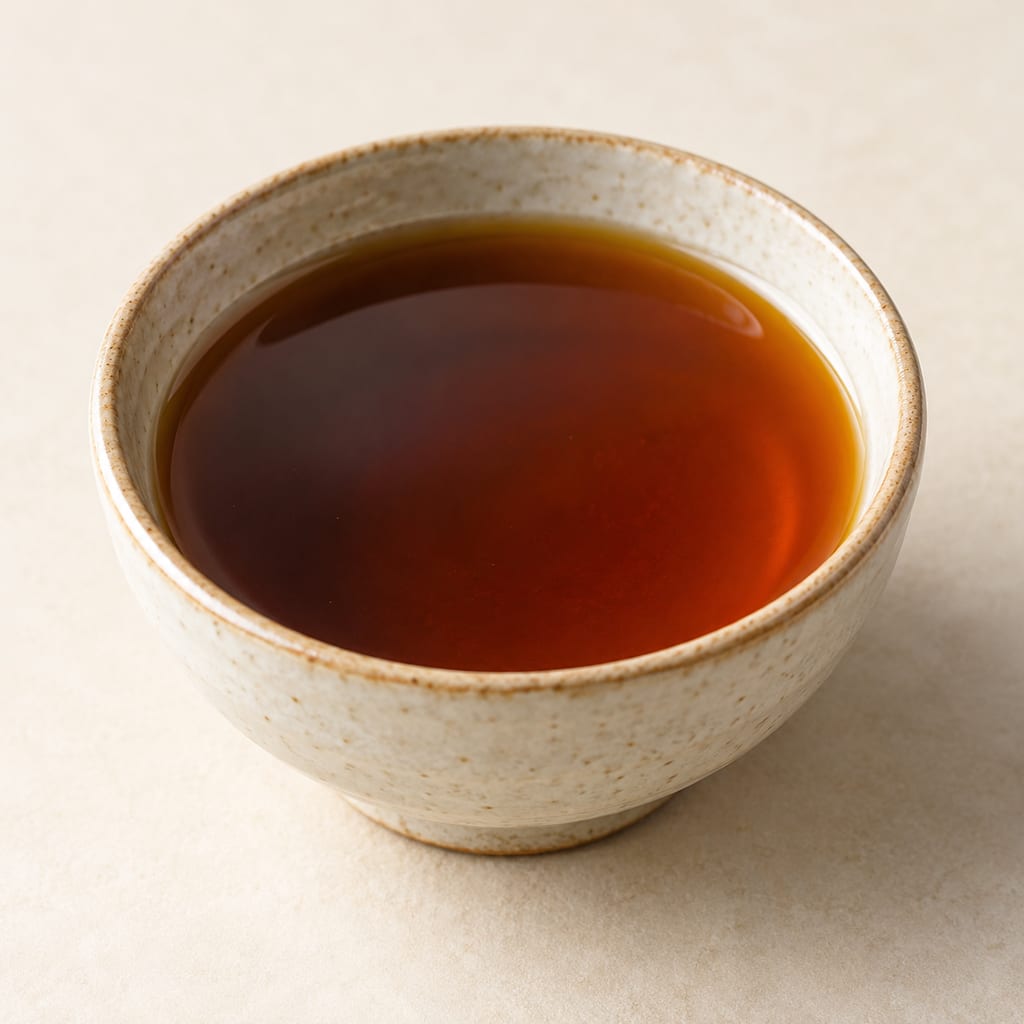
Myeolchi-aekjeot is Korean anchovy sauce: whole anchovies salted to about 25 percent brine, fermented for months to years and filtered; its main use is as a kimchi seasoning.
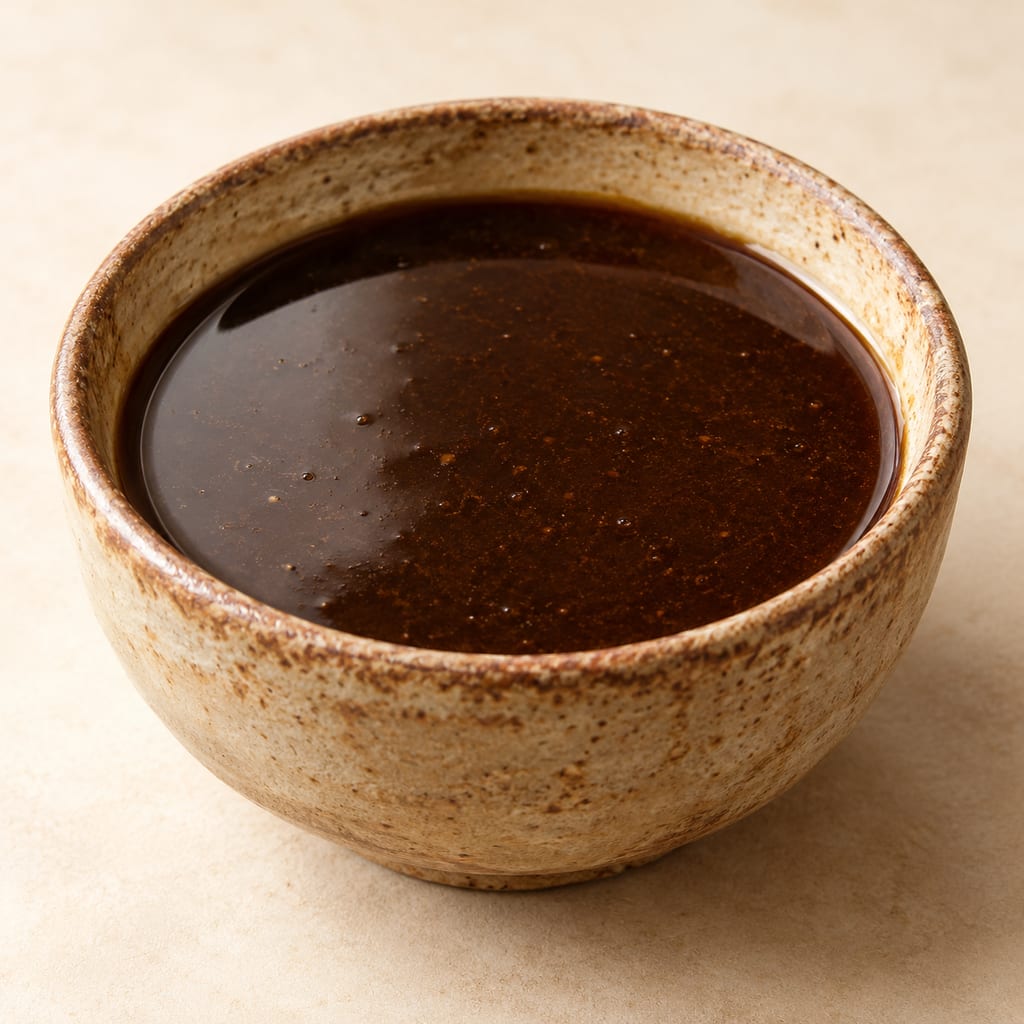
A dark, salty fermented condiment of the medieval Arabic kitchen, made from fermented barley and flour, which seasoned dishes where later cooks would use soy sauce, salt or sumac.
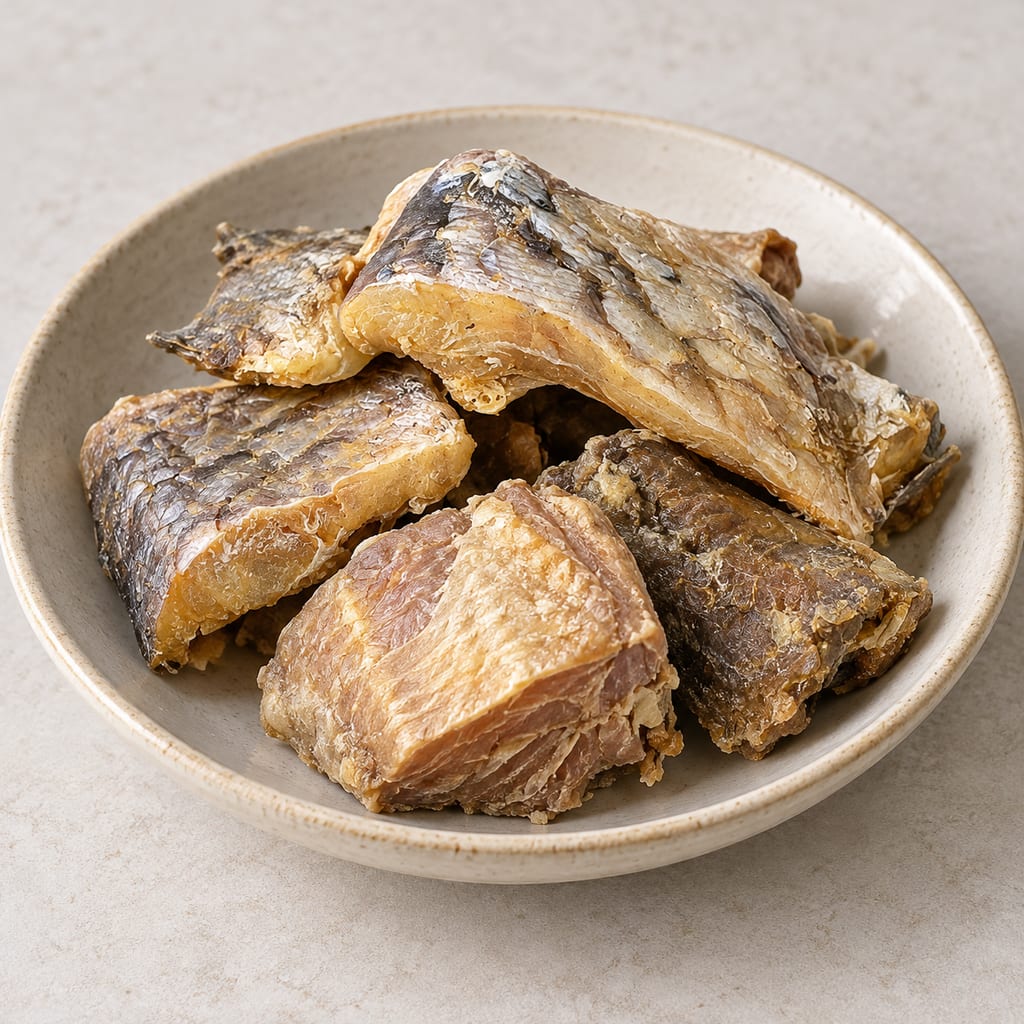
Momone is a Ghanaian salted and fermented fish condiment made from varied marine fish. Historical surveys describe both semi-dried and drier products, with salting and drying methods differing across coastal communities.

A washed-curd cheese with propionic bacteria, warmed by hot water in two steps and then held in a warm room for weeks so the bacteria can form its holes.
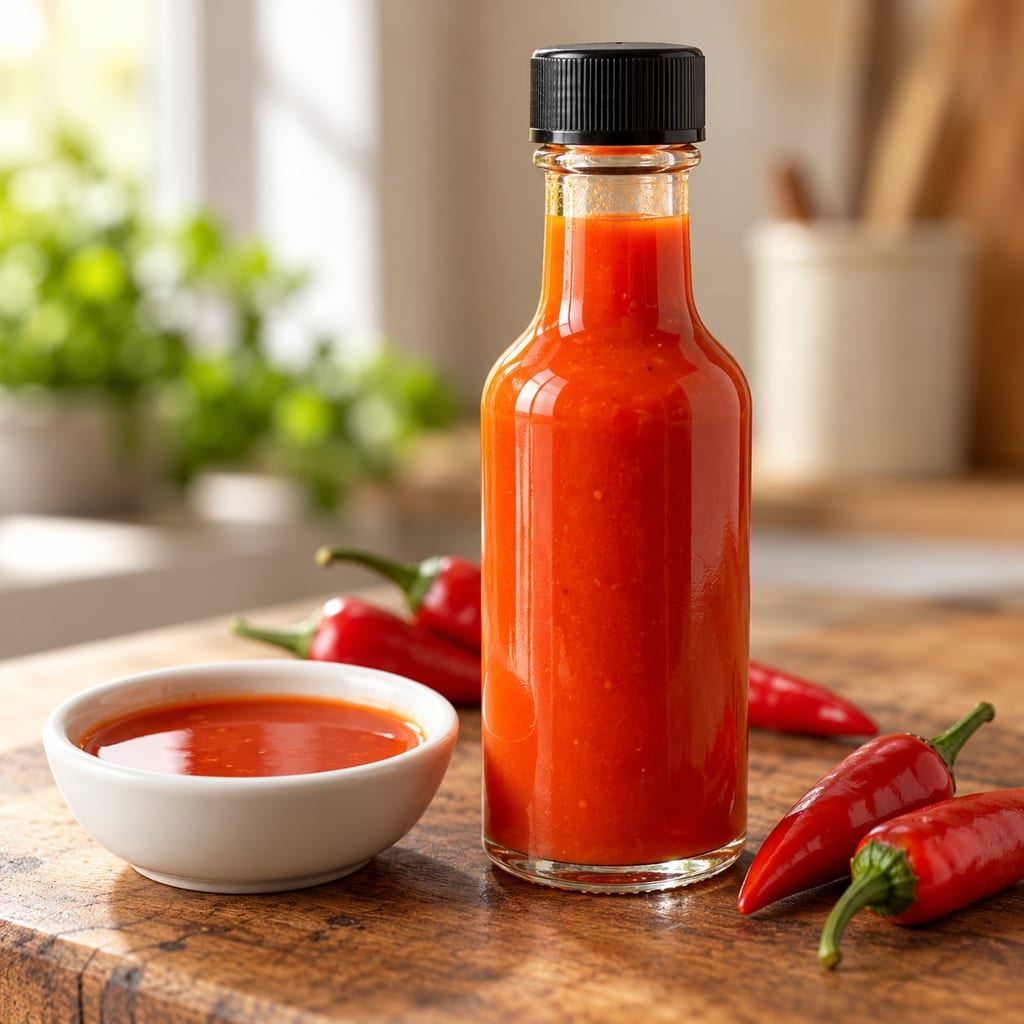
Documentary account of Louisiana pepper sauces, using TABASCO's published barrel-aged commercial process as one specific example; the source does not provide a validated home recipe.
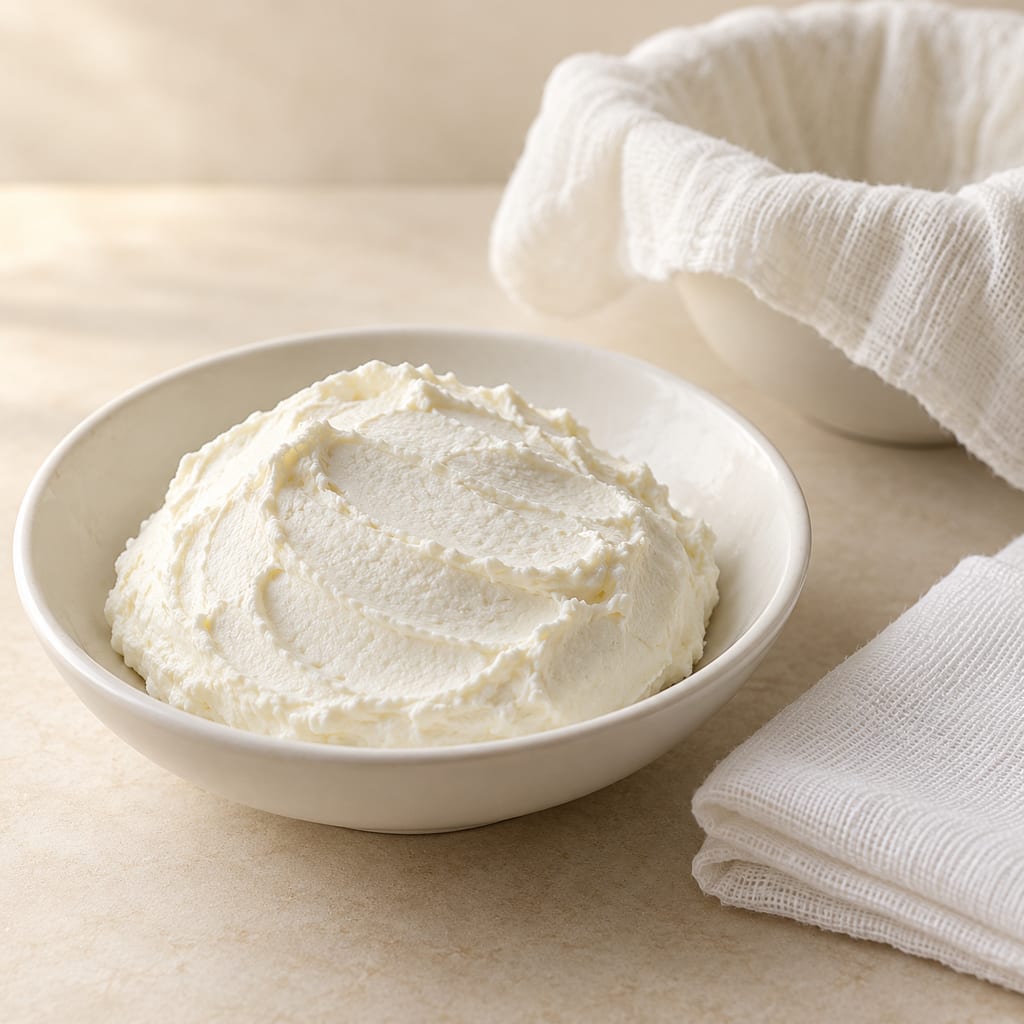
A soft cheese made by setting aside part of the day's milk kefir, draining it in a cloth and salting it through the evening, ready the next morning.
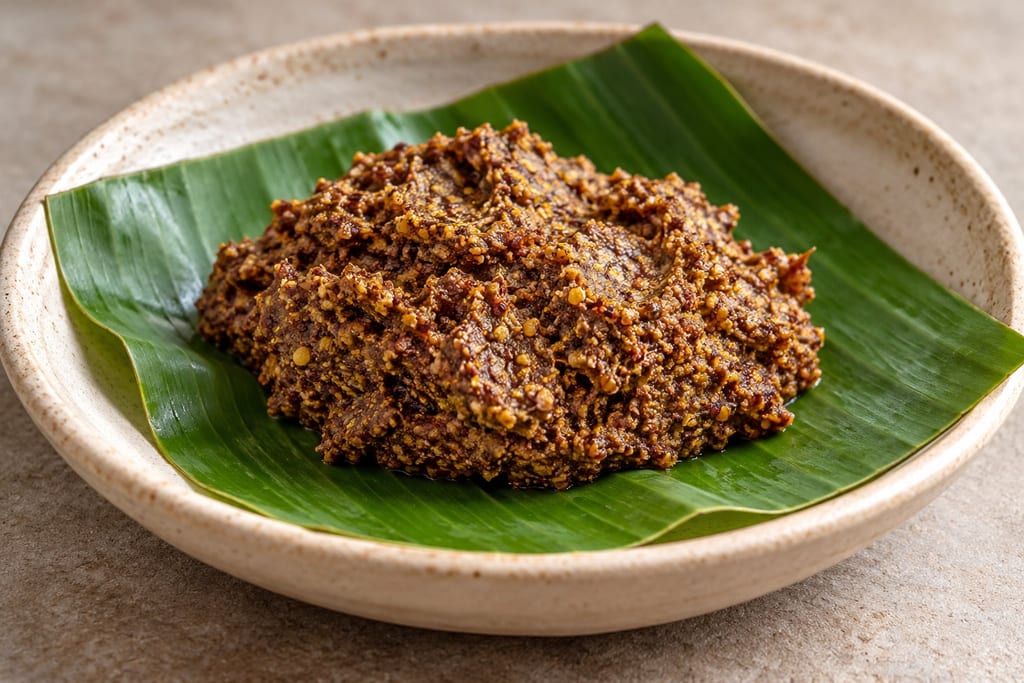
Kahudi is an Assamese mustard-seed condiment fermented with sour Thekera fruit into a strong mash; household methods and study results differ, and no validated home schedule exists.

Jun is a fermented tea drink made with green tea and honey instead of the sweetened tea of kombucha. Its culture identity and origin are not established, and sealed bottles can build pressure and alcohol.
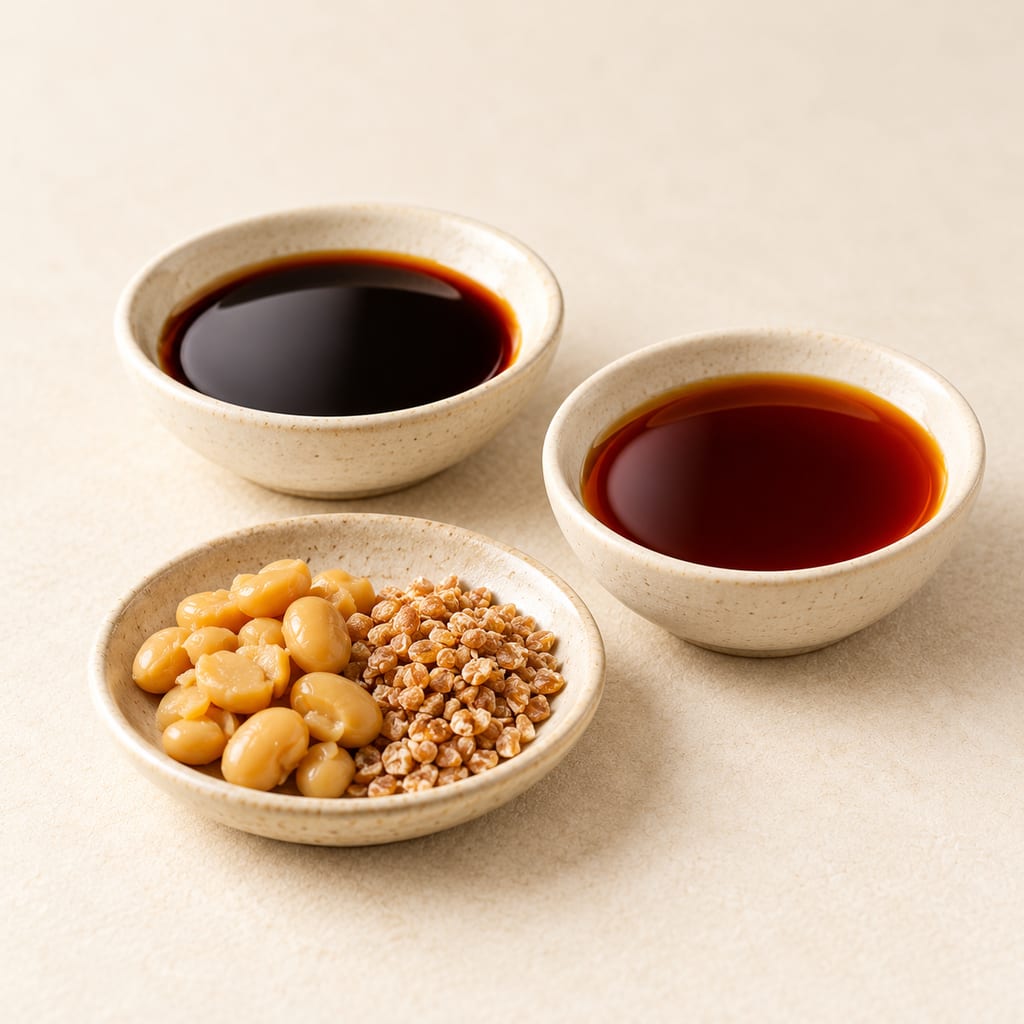
Jiangyou is the Chinese soy sauce family, an umbrella term for light, dark and seasoned sauces made by two main process families: high-salt liquid-state and low-salt solid-state brewing.
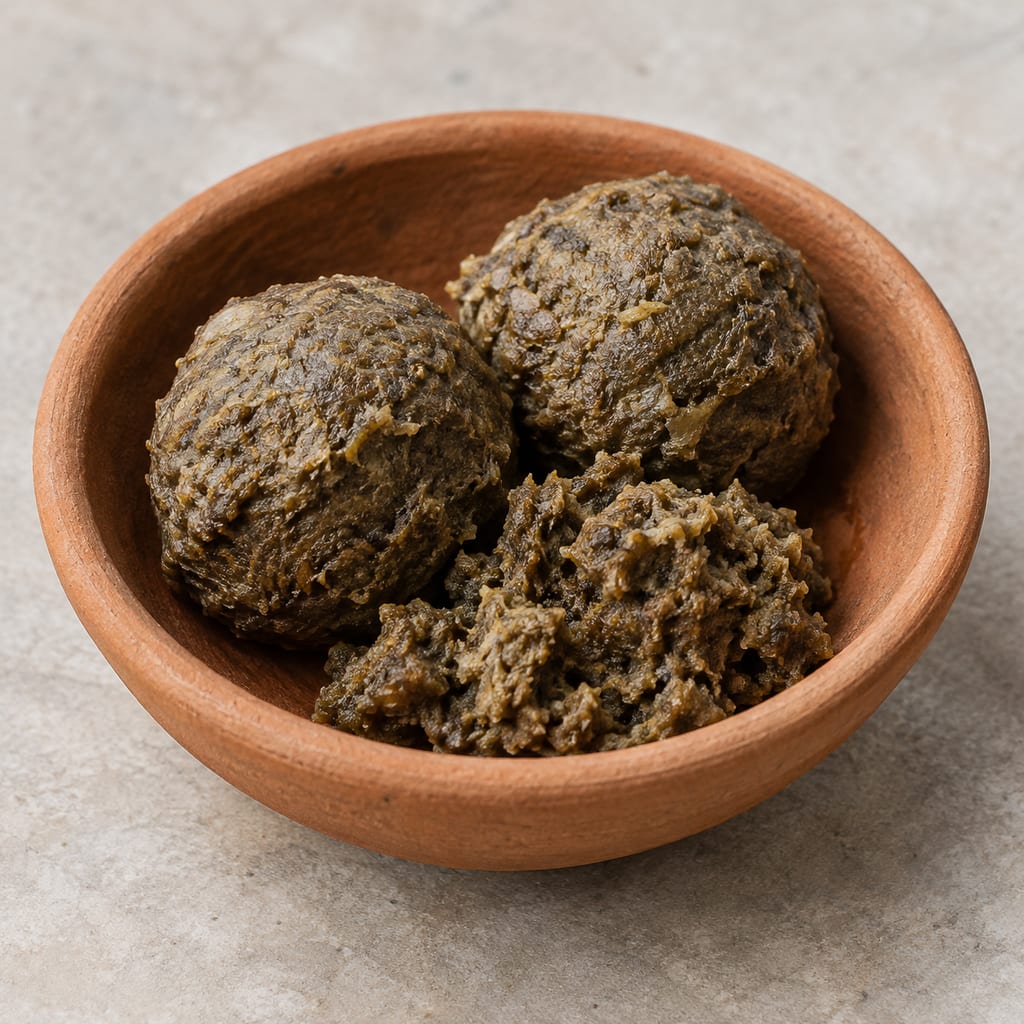
Manipuri fermented fish-and-aroid paste, formed into balls or kept in an earthen pot, used to season Manipuri dishes. Its method is documented in outline only.
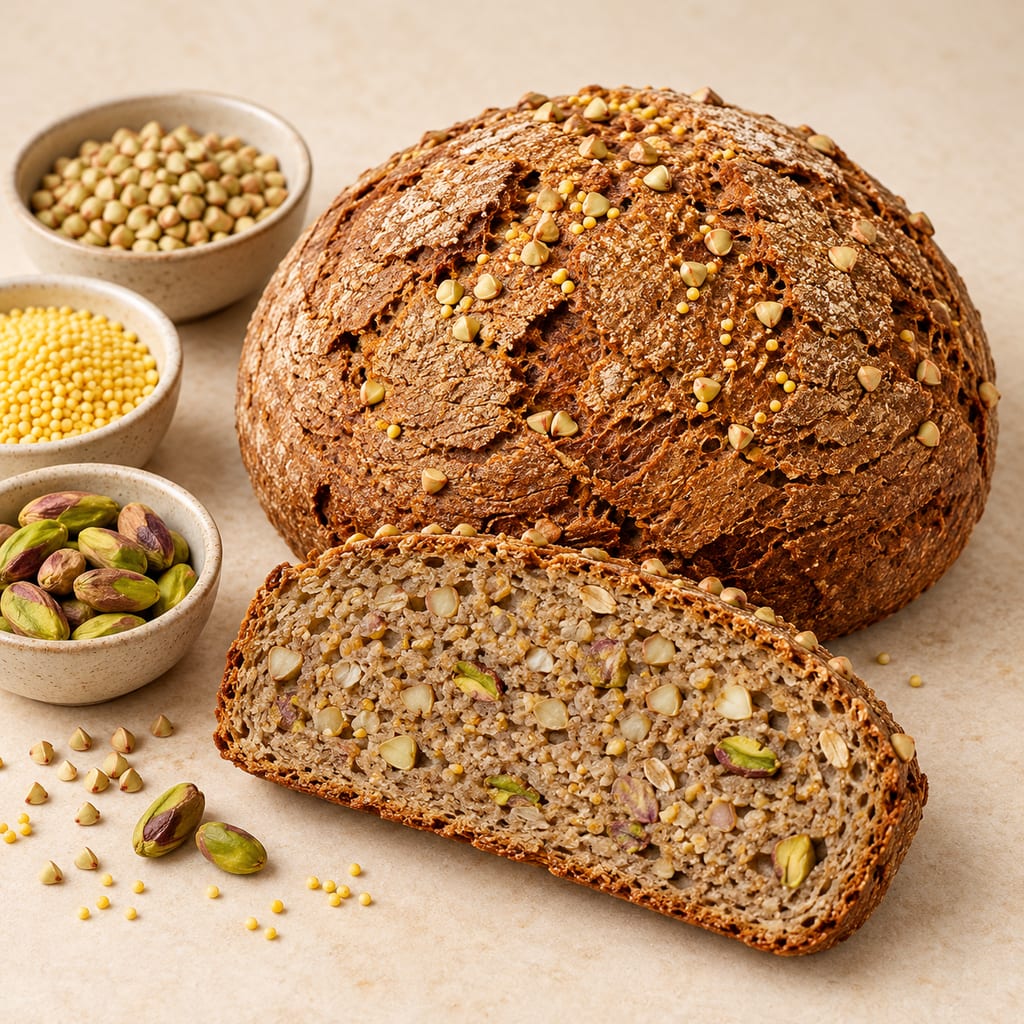
A gluten-free sourdough loaf of about 1 kg. A buckwheat and quinoa starter leavens a dough with cooked whole buckwheat groats, millet and a dark gluten-free bread mix, baked in a lidded pot.
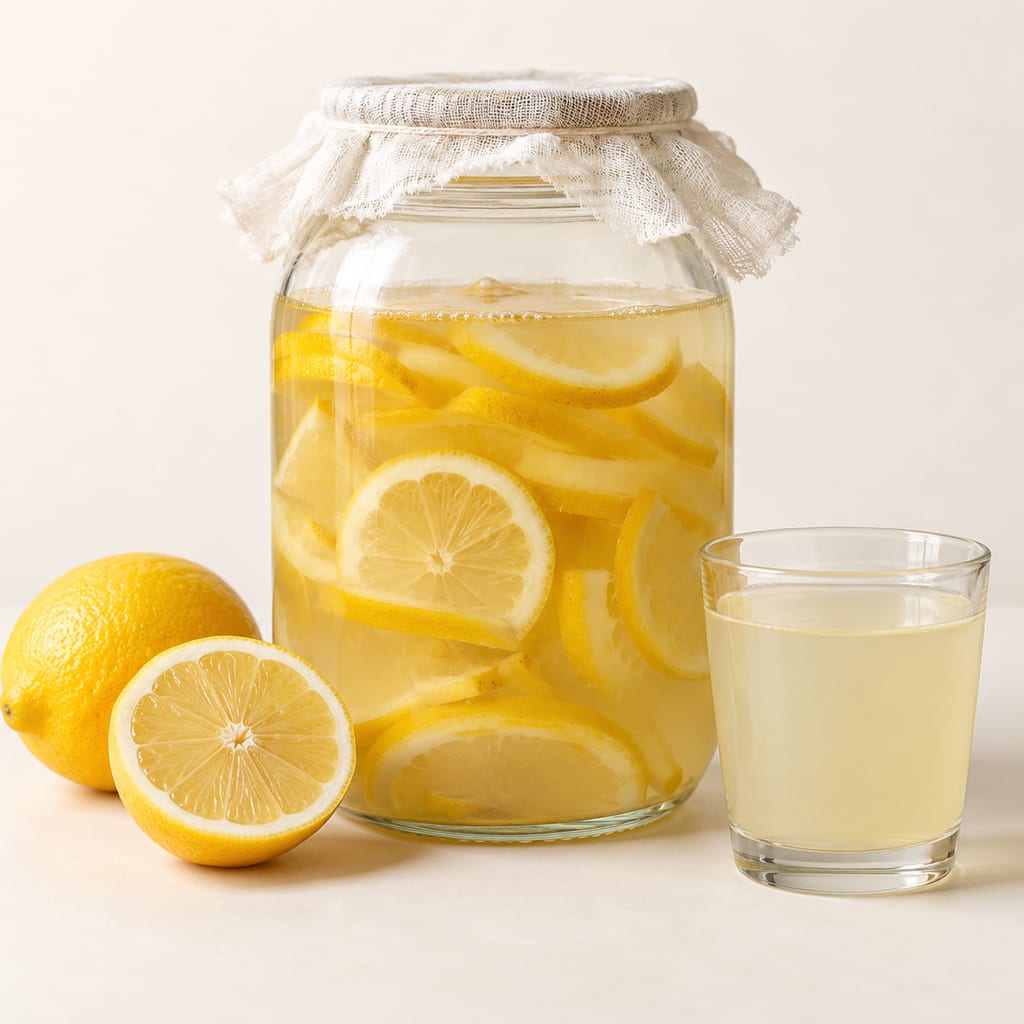
A lightly fizzy lemon drink made from peel-on lemons, water and sugar, held in a covered jar, bottled and kept going with small sugar and peel additions.
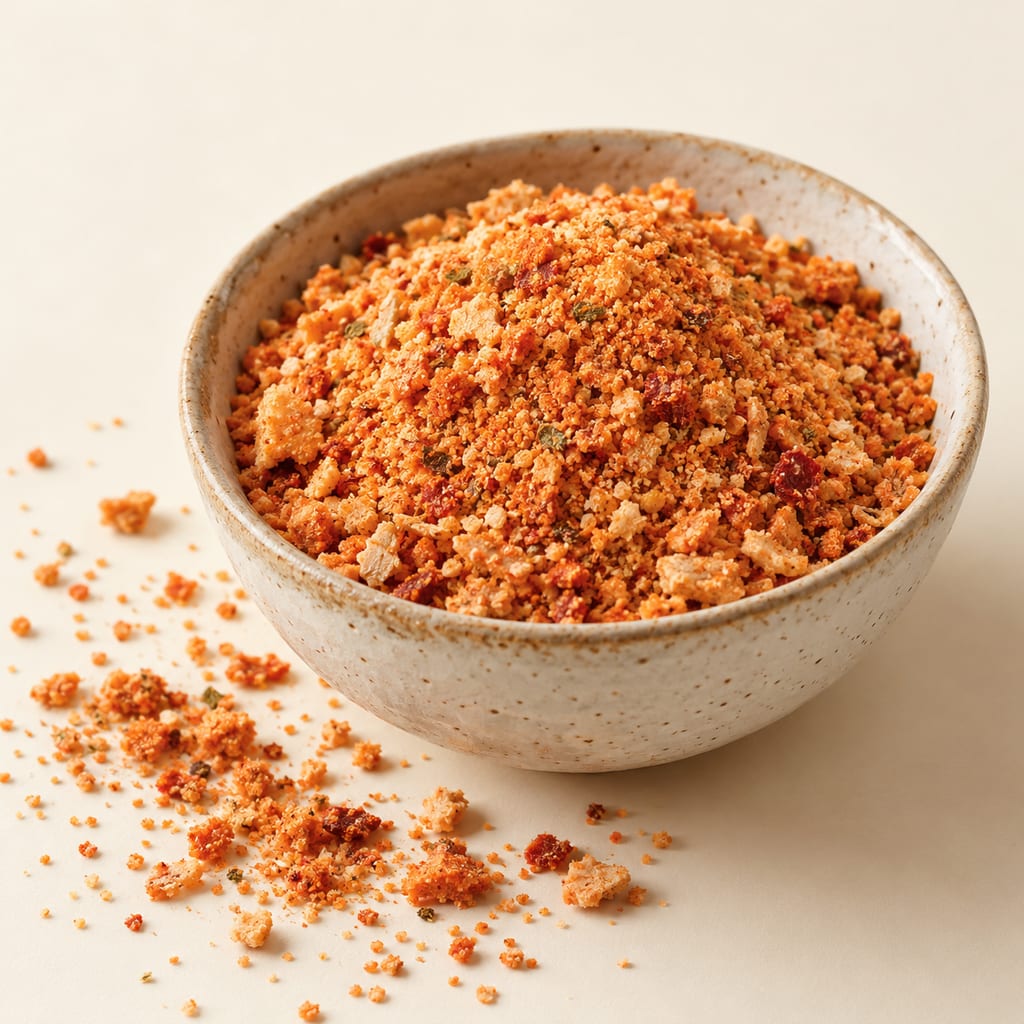
Tarhana is a Turkish soup base: yoghurt, flour or semolina and usually onion, tomato and red pepper, fermented as a dough for days, rubbed into grains and dried.

Farinha d’água is a coarse cassava flour associated with Brazil's Amazon and Pará. This page documents one published experiment; it is not a household recipe or validated safety guide.
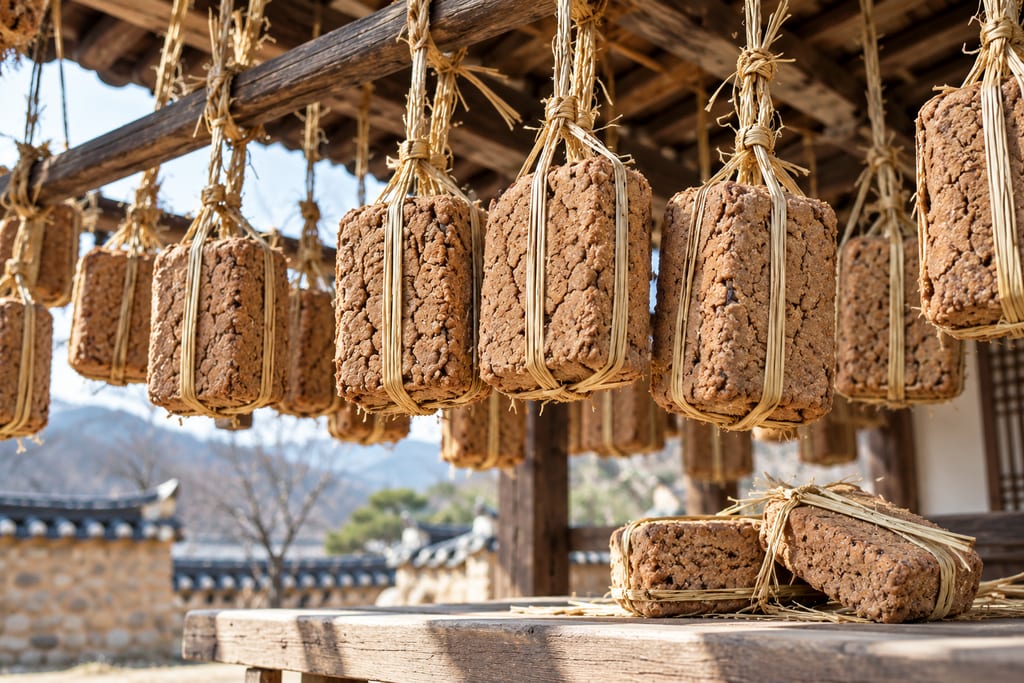
A cooked soybean brick, shaped and dried, that is fermented as a solid and later brined to make the Korean soy paste doenjang and the soy sauce ganjang.
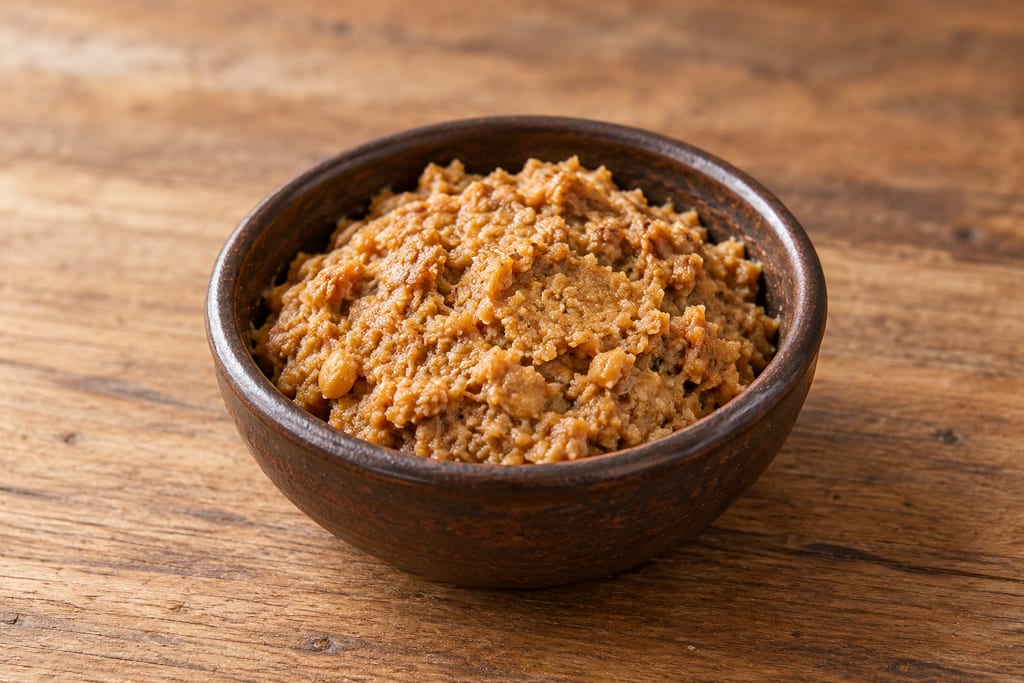
Doenjang (된장) is a Korean fermented soybean paste made by brining meju, separating ganjang, then mashing and aging the solids. This recipe follows one documented Sunchang processing study.
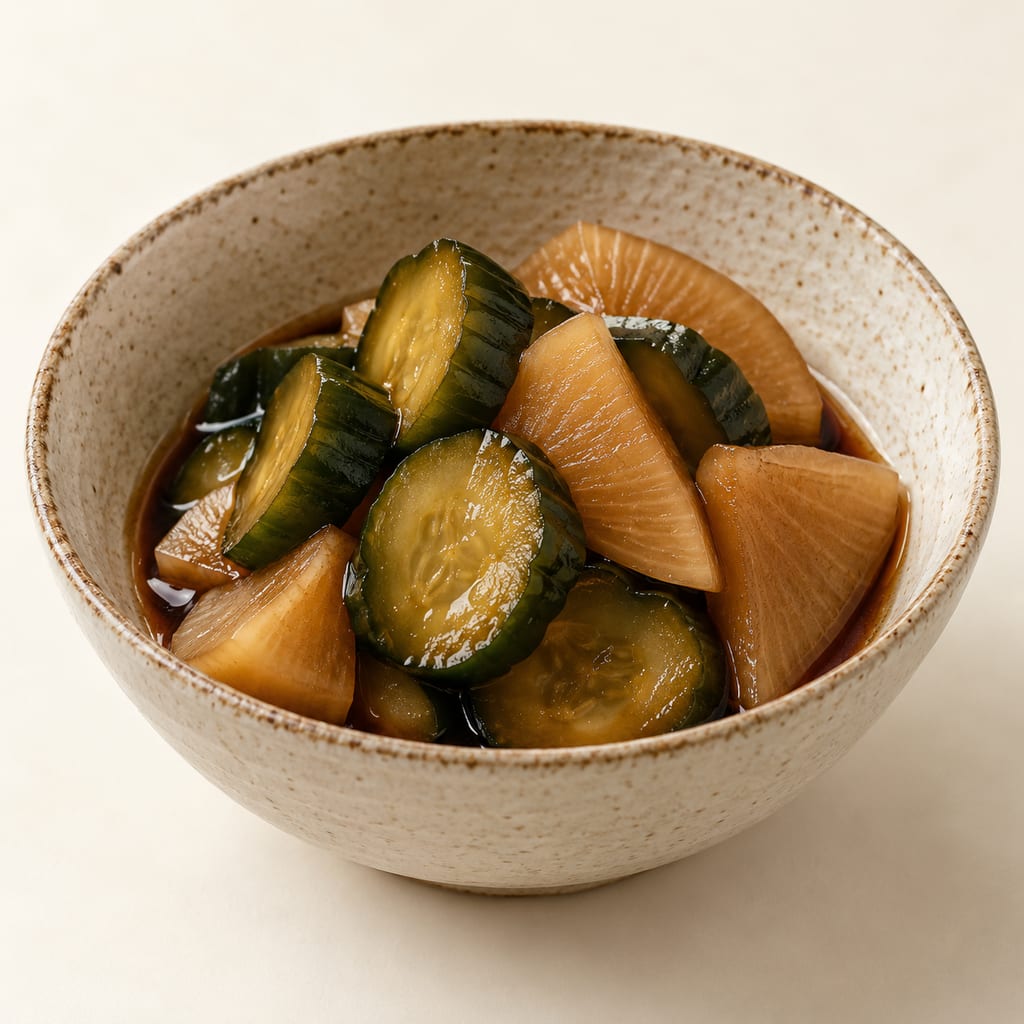
Foods steeped in soy sauce, a salty fermented seasoning liquid that transfers salt and fermentation products into them; shoyuzuke uses a transformed liquid medium rather than a fresh brine.
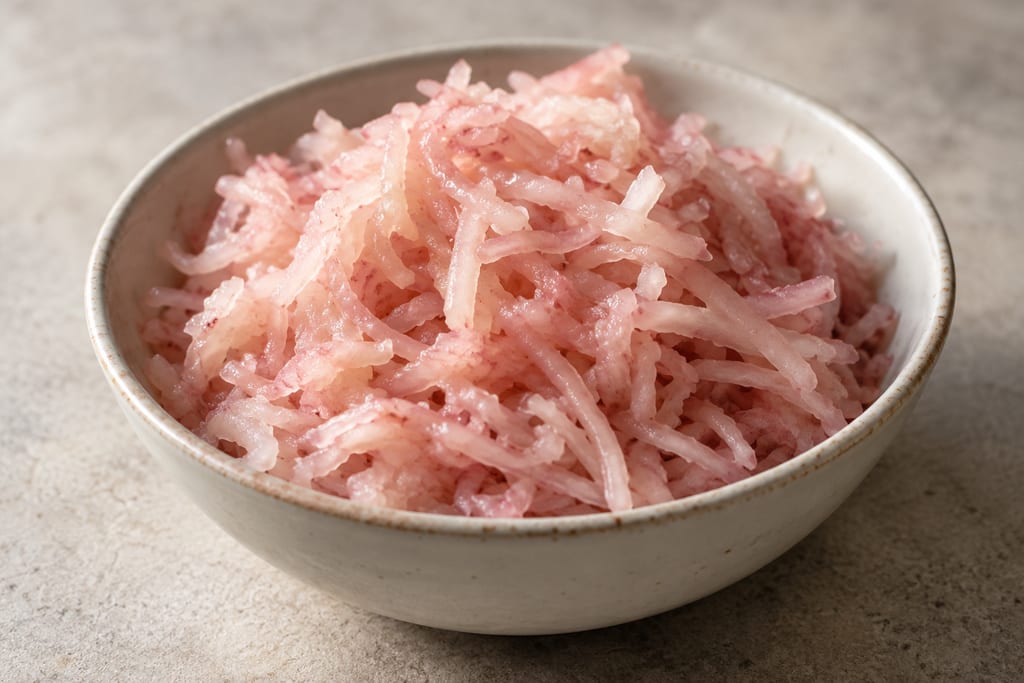
Source-specific Brovada DOP producer method for Friuli Venezia Giulia turnips and red-grape marc. This records a regulated producer process; it is not a validated home-scale recipe.
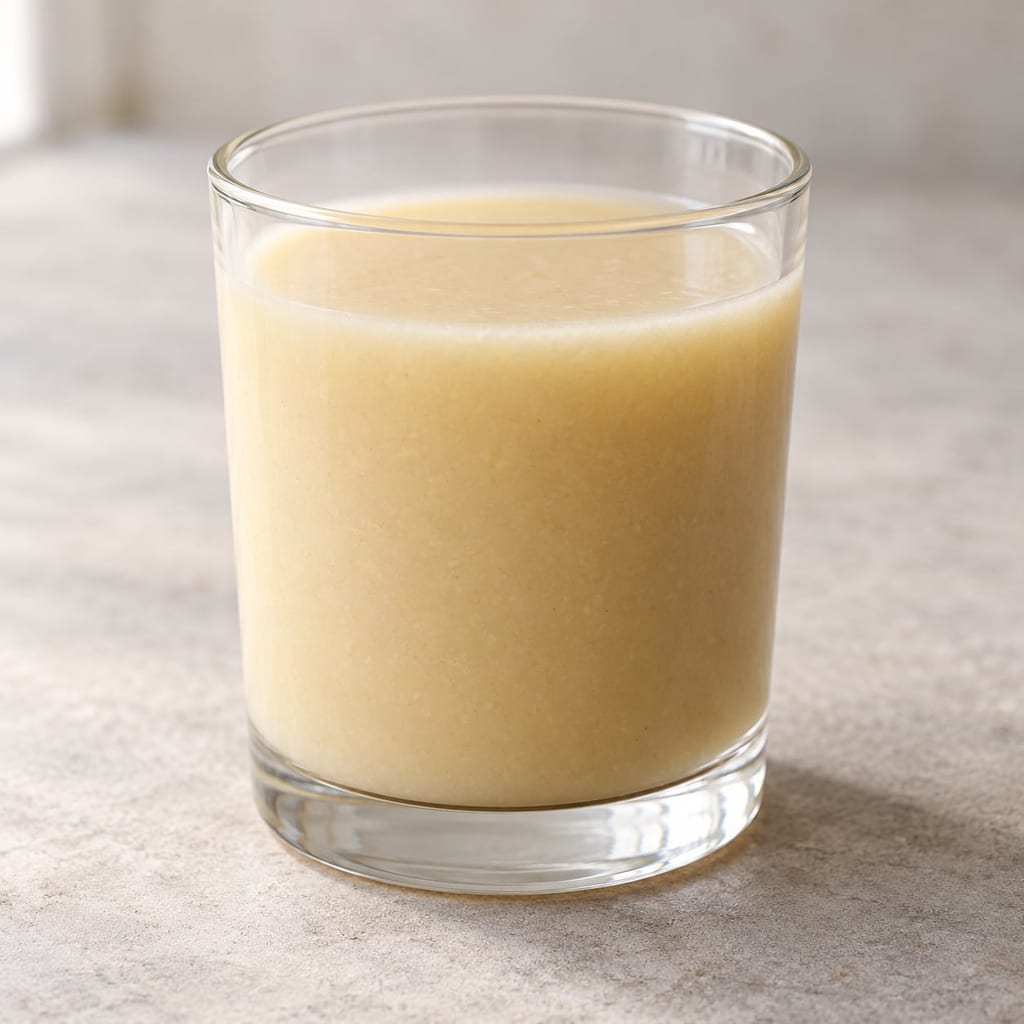
Kyrgyz Bozo is a mixed-fermented cereal drink made with ground grits, sprouted-wheat ugut and carried-over starter. This registry preparation leaves cereal selection, water and starter allocation unresolved.
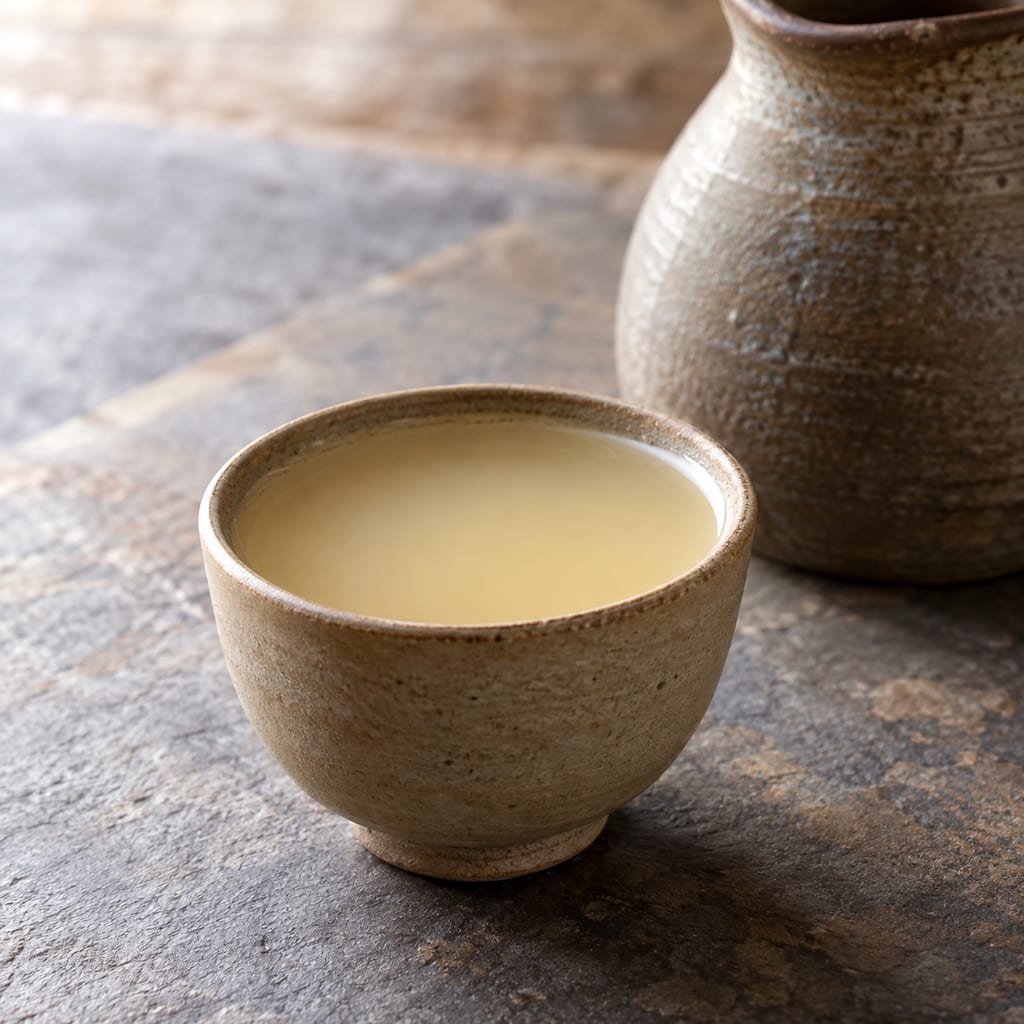
A 2005 Tibetan account describes cooked barley mixed with changdzi, fermented as moist grain, then steeped in water for an alcoholic drink. Grain and water amounts, starter dose and a verified safety endpoint are absent.

A 2023–2025 proof-of-concept made separate fermented extracts from beef heart and lung with Staphylococcus xylosus and protease. It reports supervised pilot findings, not a validated household method or a blended heart-and-lung formula.
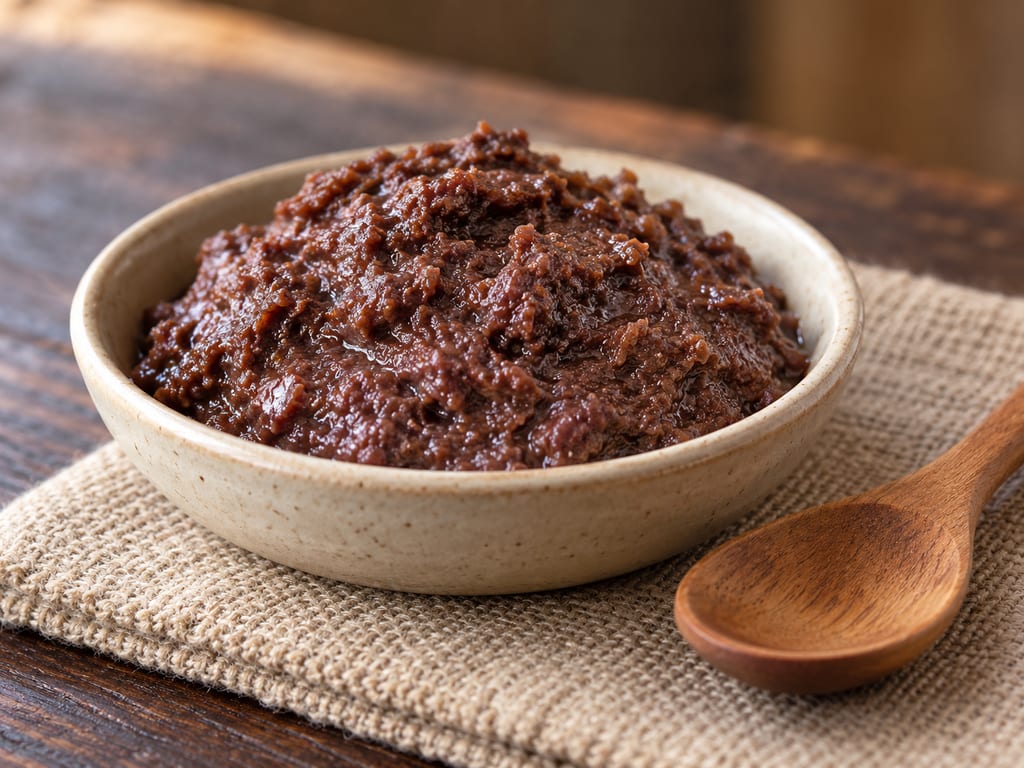
Bagoong isda is a Philippine fish paste: whole small fish salted and left to ferment for a month or more in earthen jars. It is the fish counterpart of bagoong alamang.
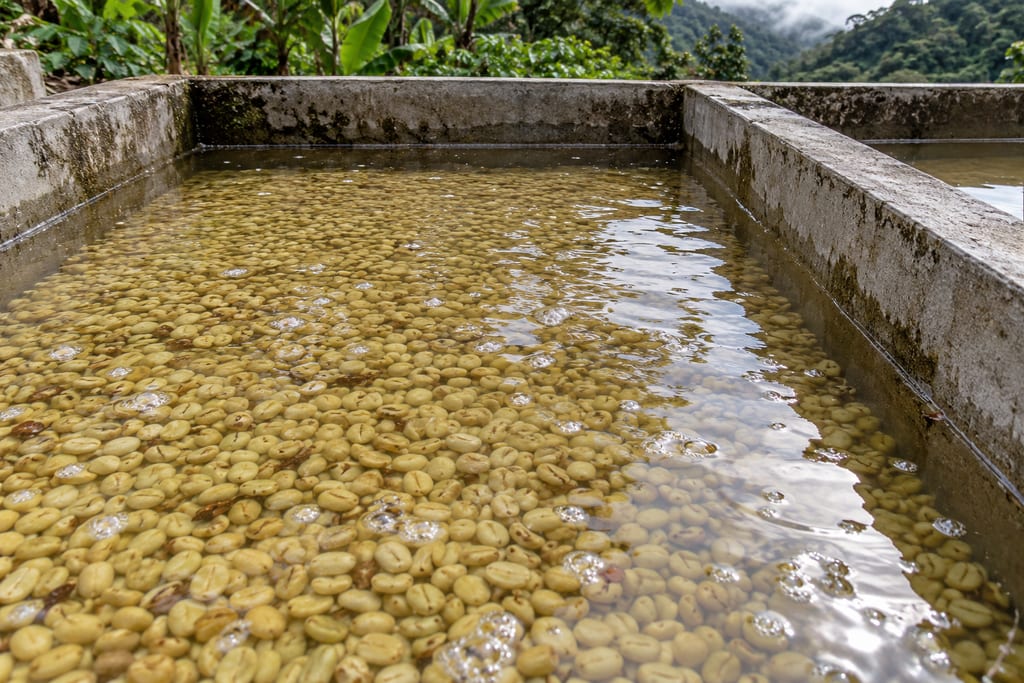
Washed Arabica coffee from Nanegal in Ecuador: depulped beans held under water while microbes and enzymes strip the mucilage, then washed, soaked and sun-dried to green coffee.
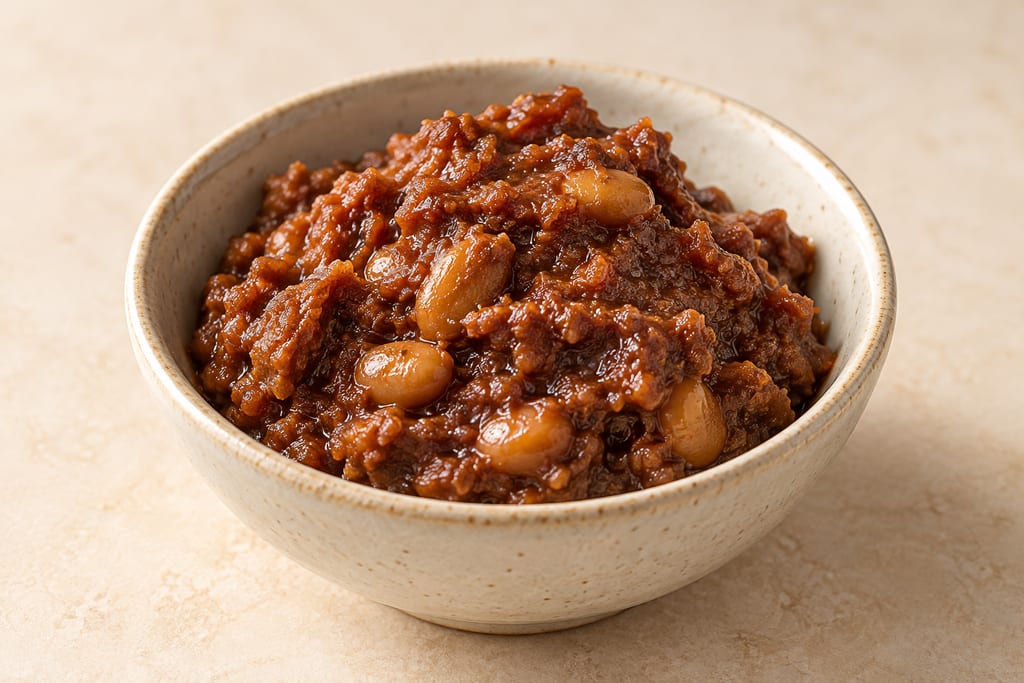
An Indonesian savoury soybean paste built in two stages: cooked beans and roasted flour carry a mould fermentation, then mature in salt brine into a thick, salty seasoning.
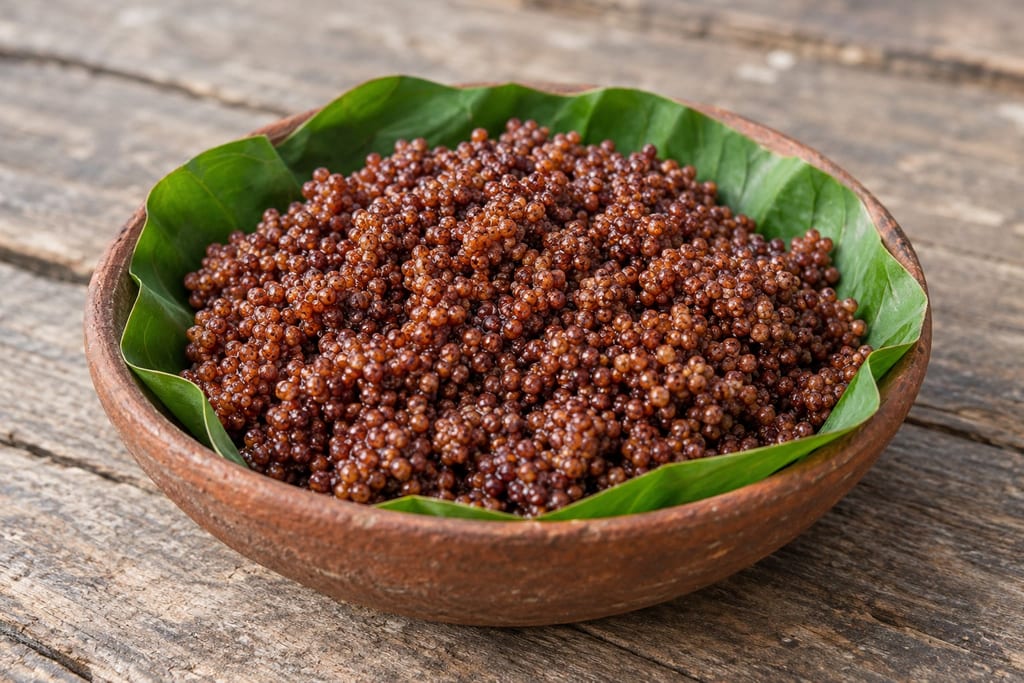
Finger millet fermented with marcha in surveyed Darjeeling and Sikkim communities. Tongba is the later warm-water extraction from the fermented grain. The cited accounts do not establish a complete or validated home batch.
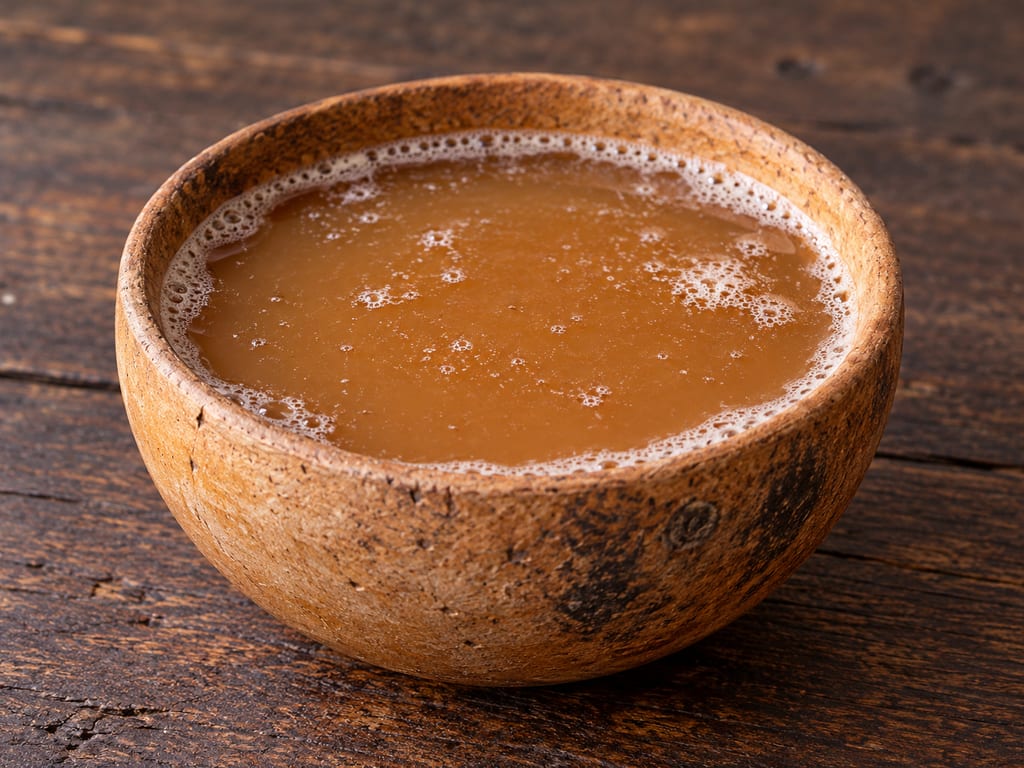
A Burkina Faso sorghum beer brewed from malted grain, soured by a spontaneous lactic stage and then fermented with a traditional yeast leaven.
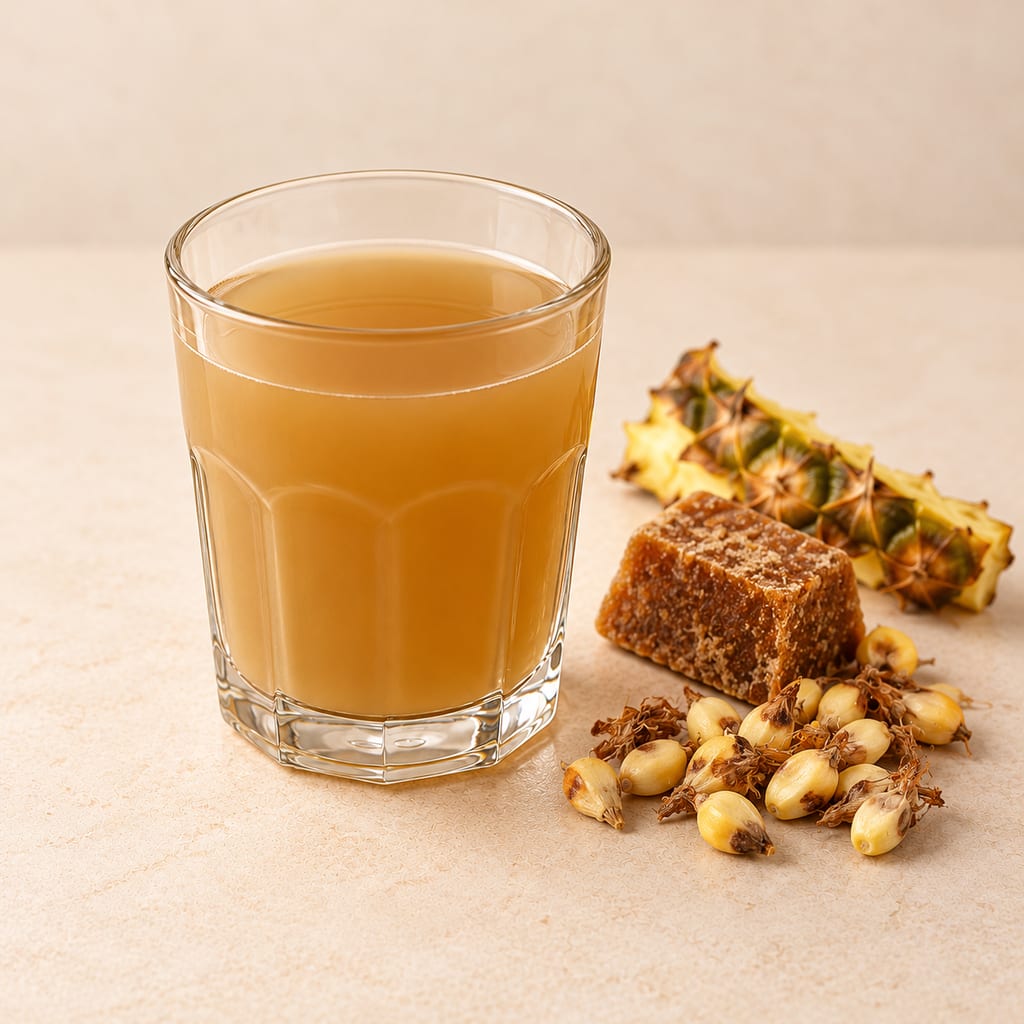
A contemporary Ecuadorian recipe simmers jora flour with spices, then adds panela and pineapple peel before a short spontaneous ferment. Its particular aromatics and measurements belong to this published adaptation.
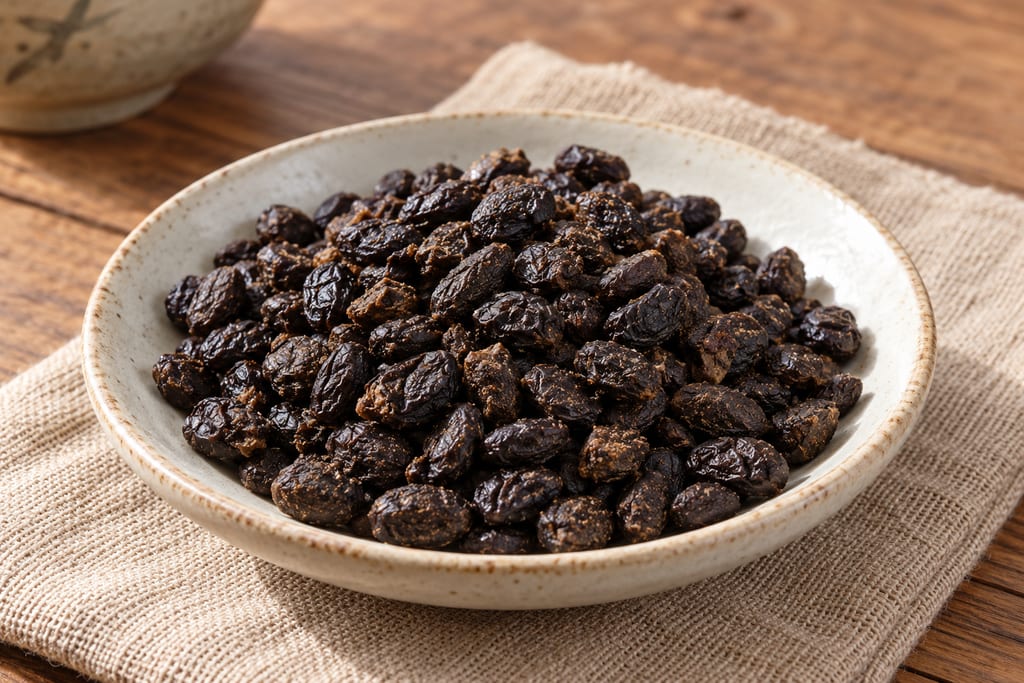
A Chinese fermented soybean condiment in which Bacillus-led bacteria, not moulds, drive the fermentation. Documented in Zunyi, Guizhou, and kept separate from mould-led douchi.
A Manipuri rice beverage: cooked rice is cooled to about 40°C, inoculated with Hamei starter cakes, fermented for a season-dependent spell, then held submerged before filtering.

Unfed sourdough starter flavours a soft pretzel dough raised with instant yeast. After a short rest, the dough is shaped, brushed with a sweet wash, salted and baked without a final proof.
Koumiss is a sour, lightly alcoholic mare-milk drink made by lactic bacteria and yeasts. This technical method uses pasteurized milk, a previous-batch starter and staged cooling.
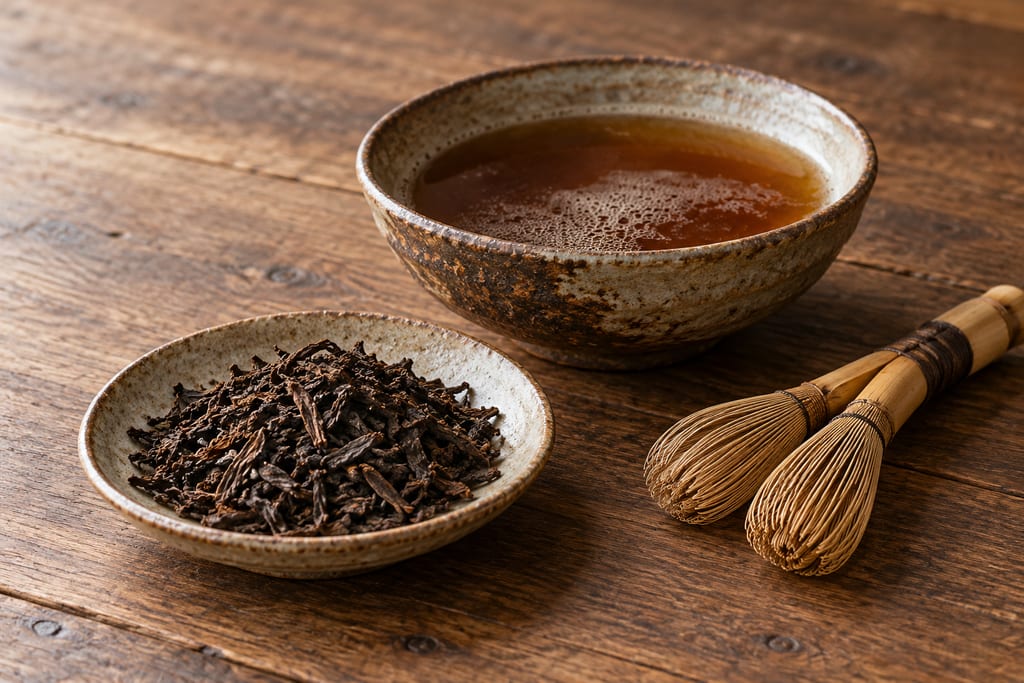
A Japanese post-fermented tea from Asahi in Toyama: mature tea leaves are steamed and fermented aerobically in turned, self-heating heaps, then dried; traditionally boiled and whisked into a foam.
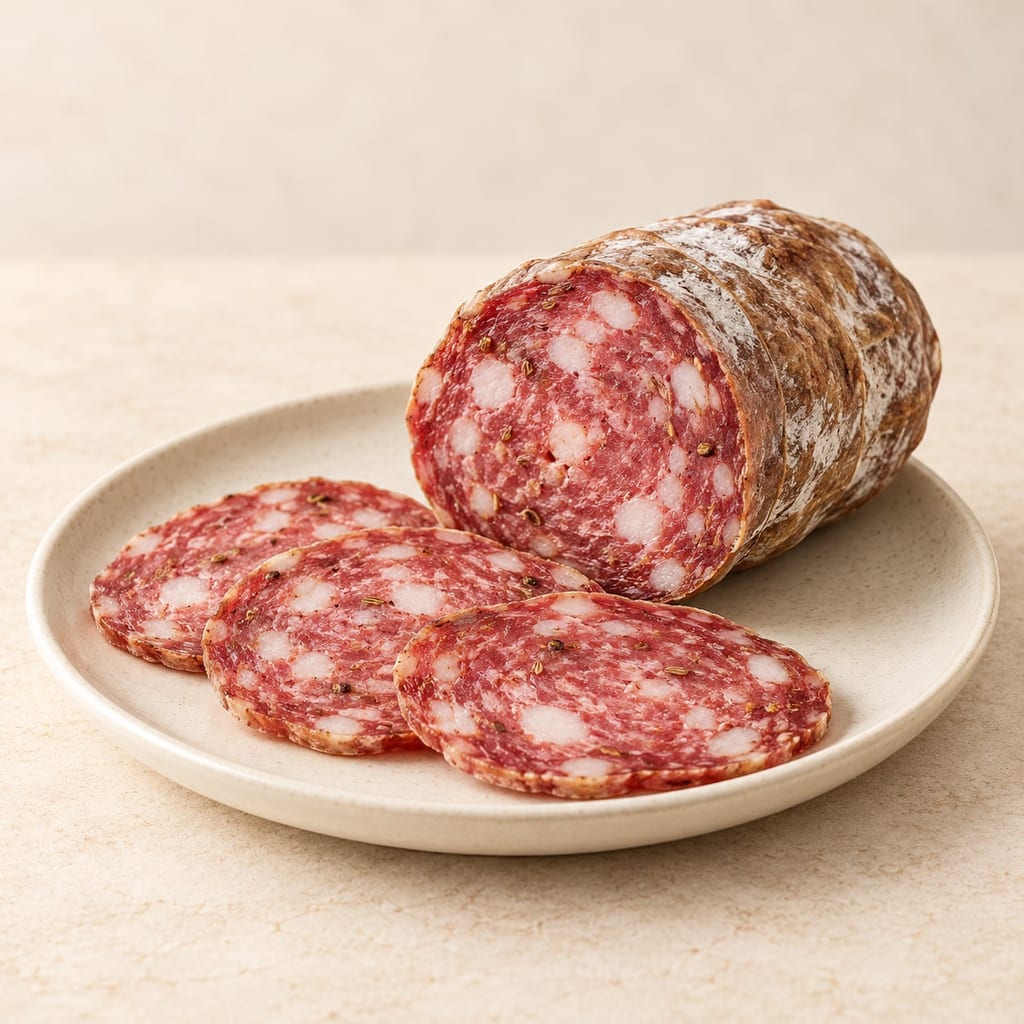
A Tuscan-style fennel salami made with pork and back fat. Toasted fennel, fennel pollen and Sambuca flavor this starter-cultured preparation.
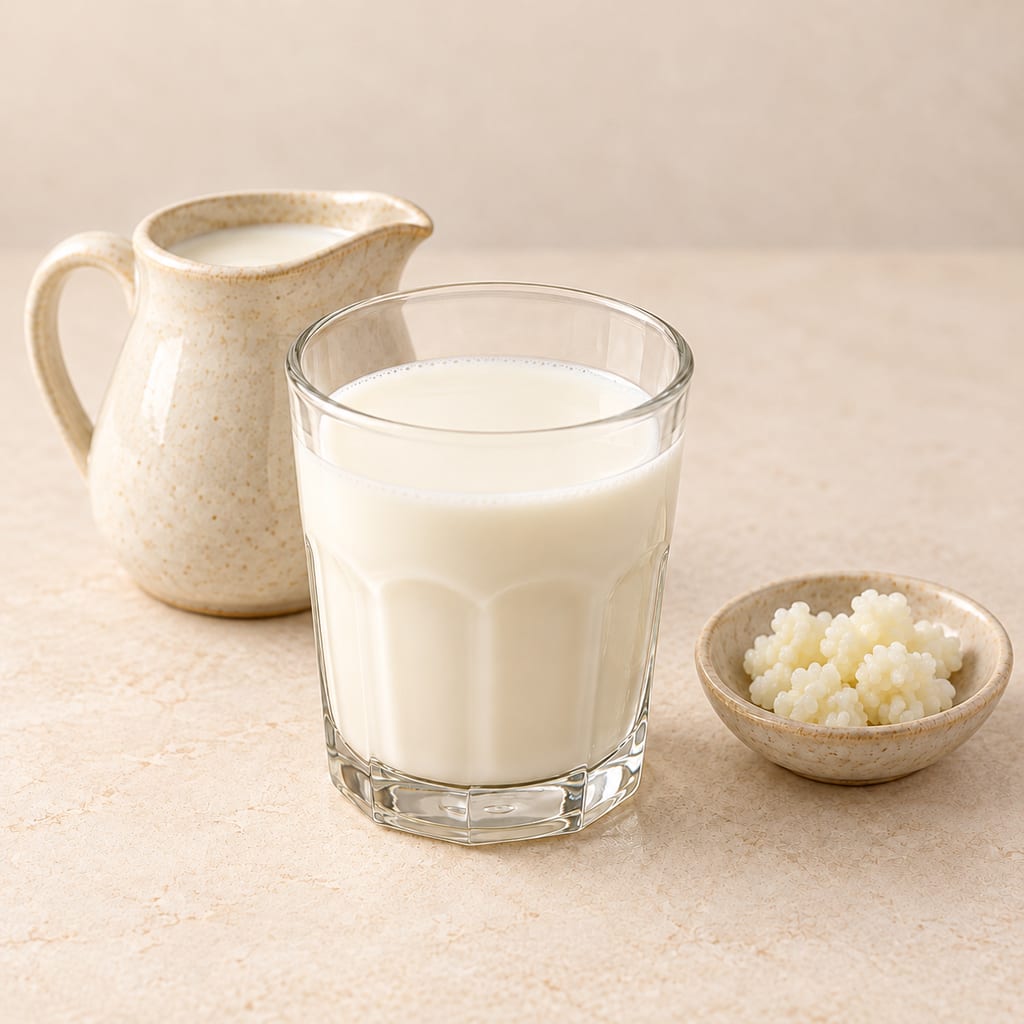
Milk kefir is a tangy fermented drink made with reusable grains of bacteria and yeasts. Grain fermentation can give the milk a light fizz and some alcohol.
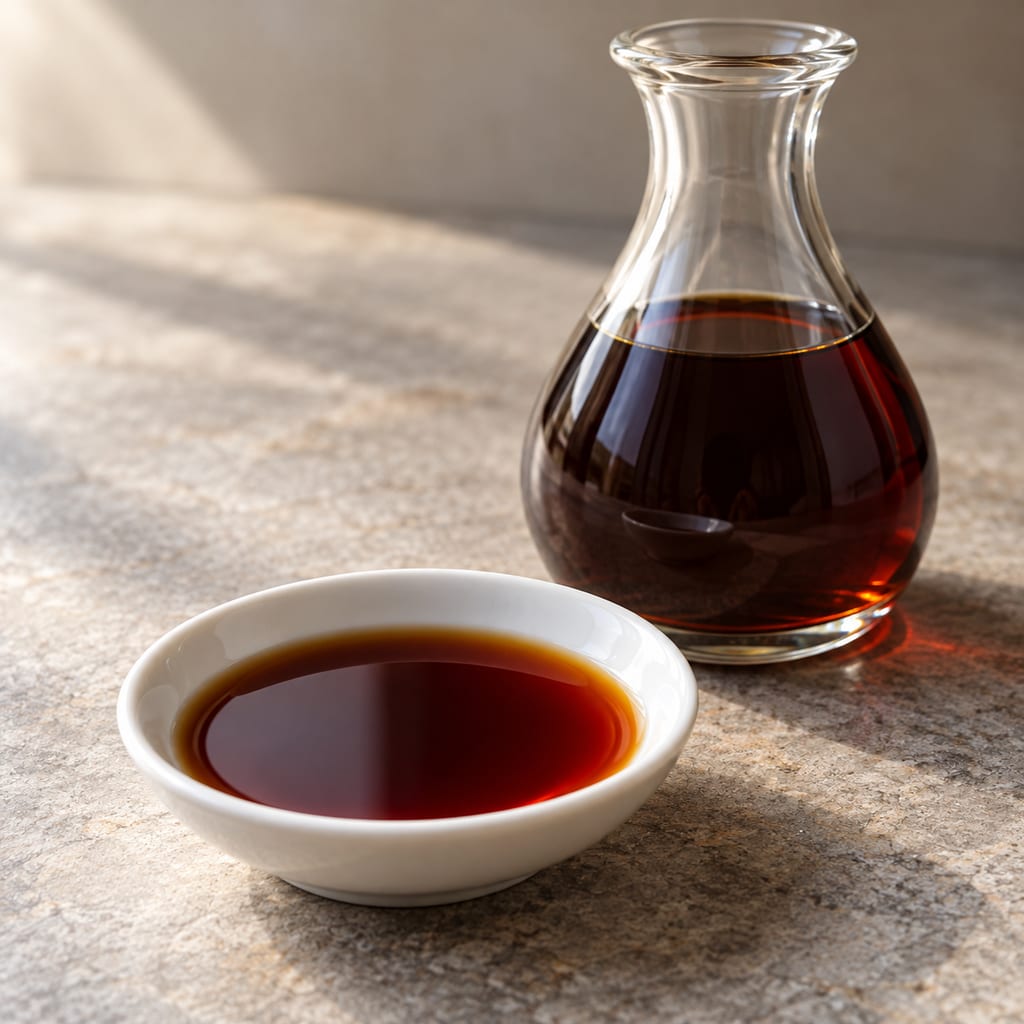
Zhenjiang black vinegar is a Chinese glutinous-rice vinegar made by mixed-culture fermentation, solid-state acetification, roasted-rice extraction and ageing, giving a dark, savoury, mildly sweet condiment.
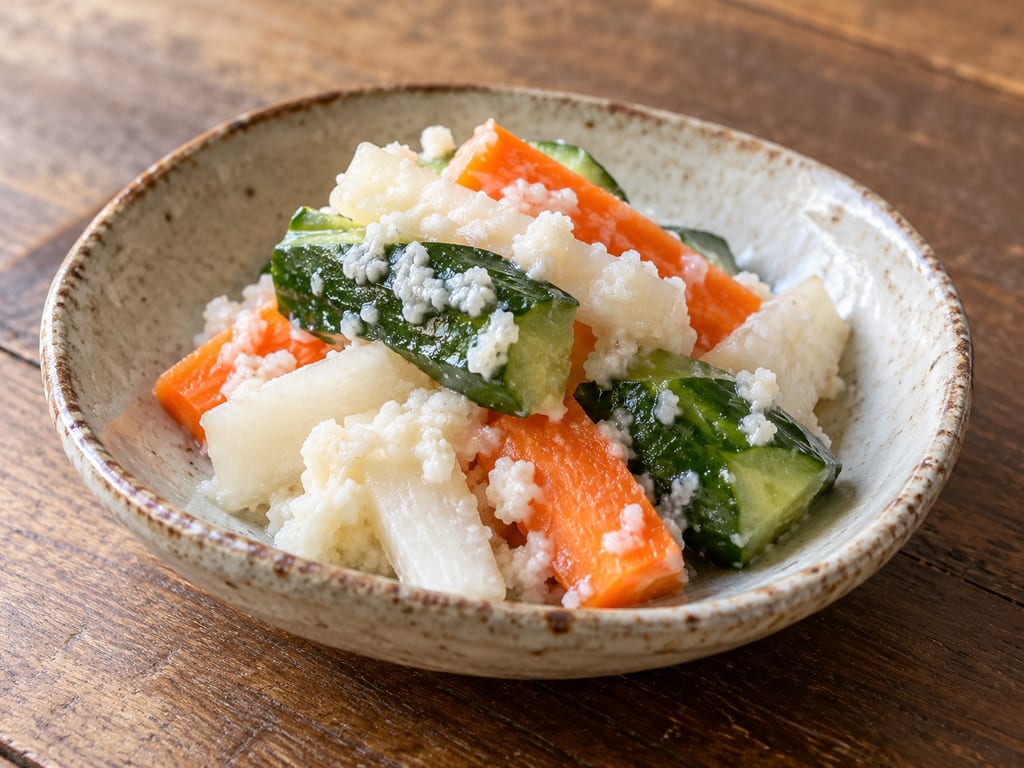
A traditional Japanese koji pickle from the Tohoku region: vegetables pickled in a matured bed of cooked rice, rice koji and salt, where koji enzymes bring sweetness alongside the salt.
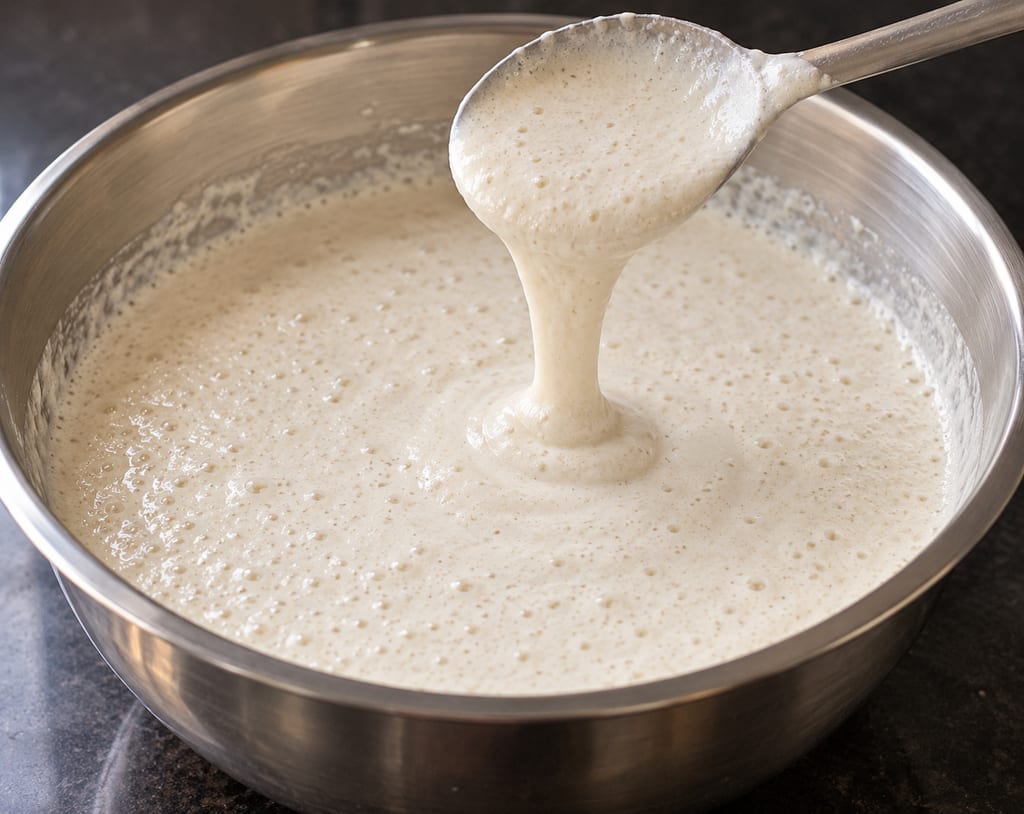
A naturally fermented South Indian rice-and-urad batter, ground fine and spread thin on a hot griddle. Fermentation lightens the batter and develops its gentle tang.
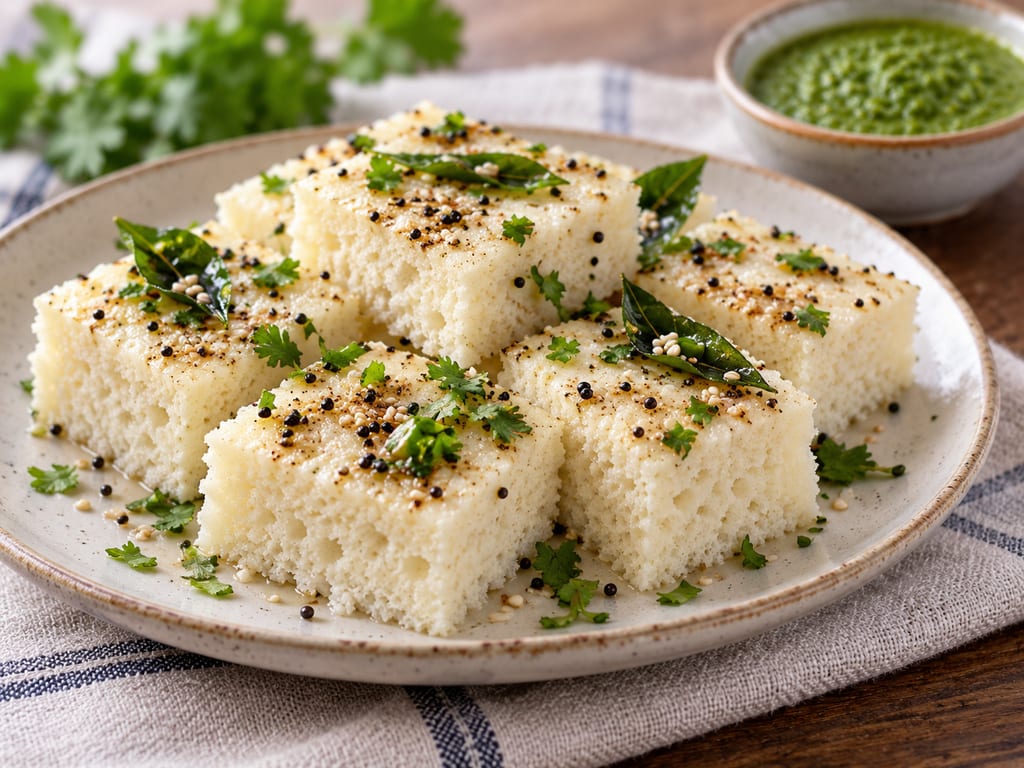
Dhokla is a Gujarati savoury steamed cake made from a fermented rice-and-pulse batter, whose lactic bacteria and yeasts give acidity, aroma and a porous crumb before steaming.

Traditional Japanese sake yeast starters made from steamed rice, rice koji and water, acidified by naturally growing lactic acid bacteria. Kimoto grinds the rice mash with paddles; yamahai omits that step.

Foods embedded in salty fermented miso paste, which transfers salt and fermentation products into them; misozuke uses an already transformed medium rather than a fresh vegetable brine.
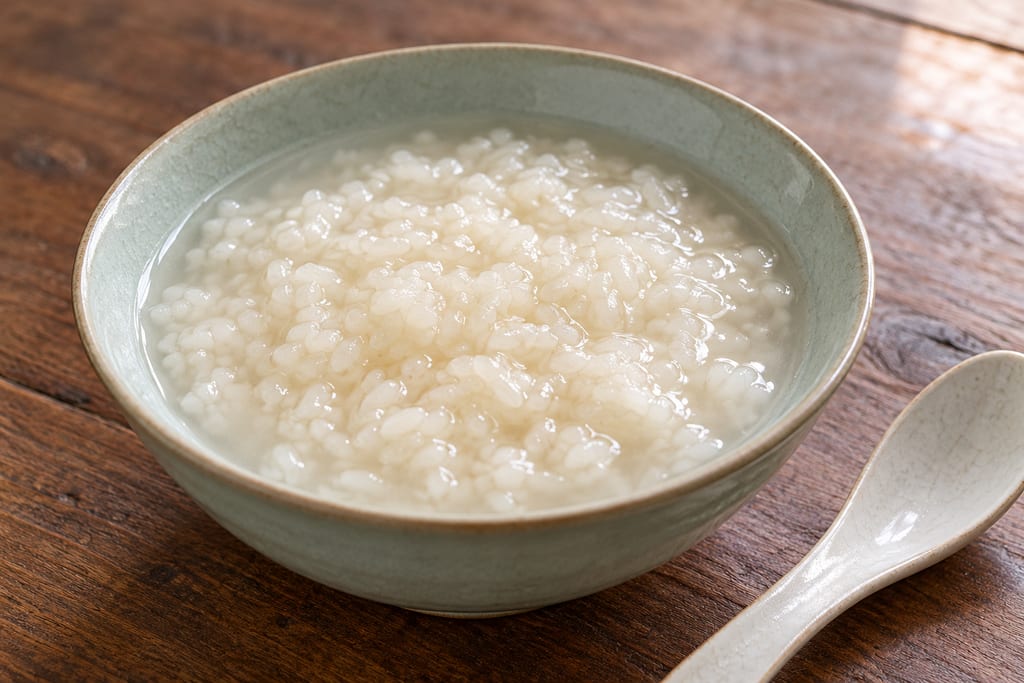
Chinese sweet fermented glutinous rice: steamed rice and a mixed jiuqu starter, where mould enzymes release sugar and yeast makes a little alcohol, eaten with its sweet liquid.
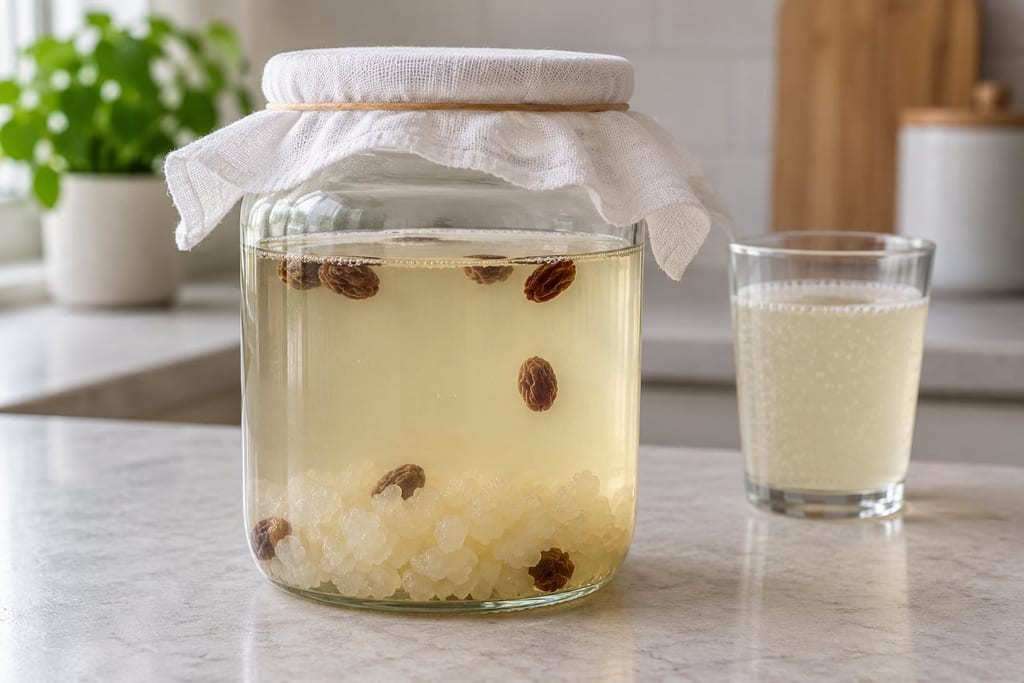
Water kefir grains culture lightly sweetened water into a tart, faintly fizzy drink, with raisins added as an optional dried-fruit nutrient. Alcohol, acidity and fermentation rate vary batch to batch.
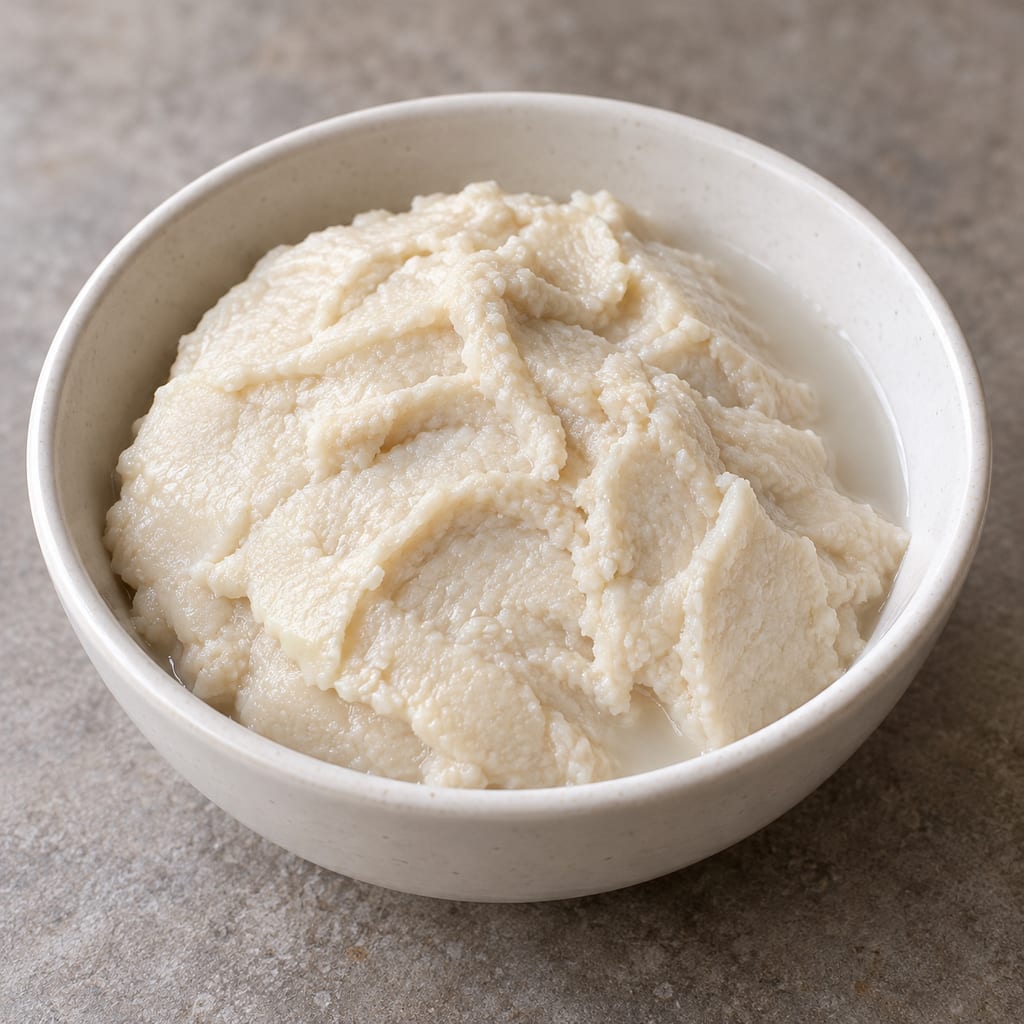
Ogi or akamu is a wet fermented cereal preparation documented in Nigeria and Benin. Grain or maize starch is steeped, milled or sieved, then fermented by process-specific routes; evidence supports no universal method or safety limit.
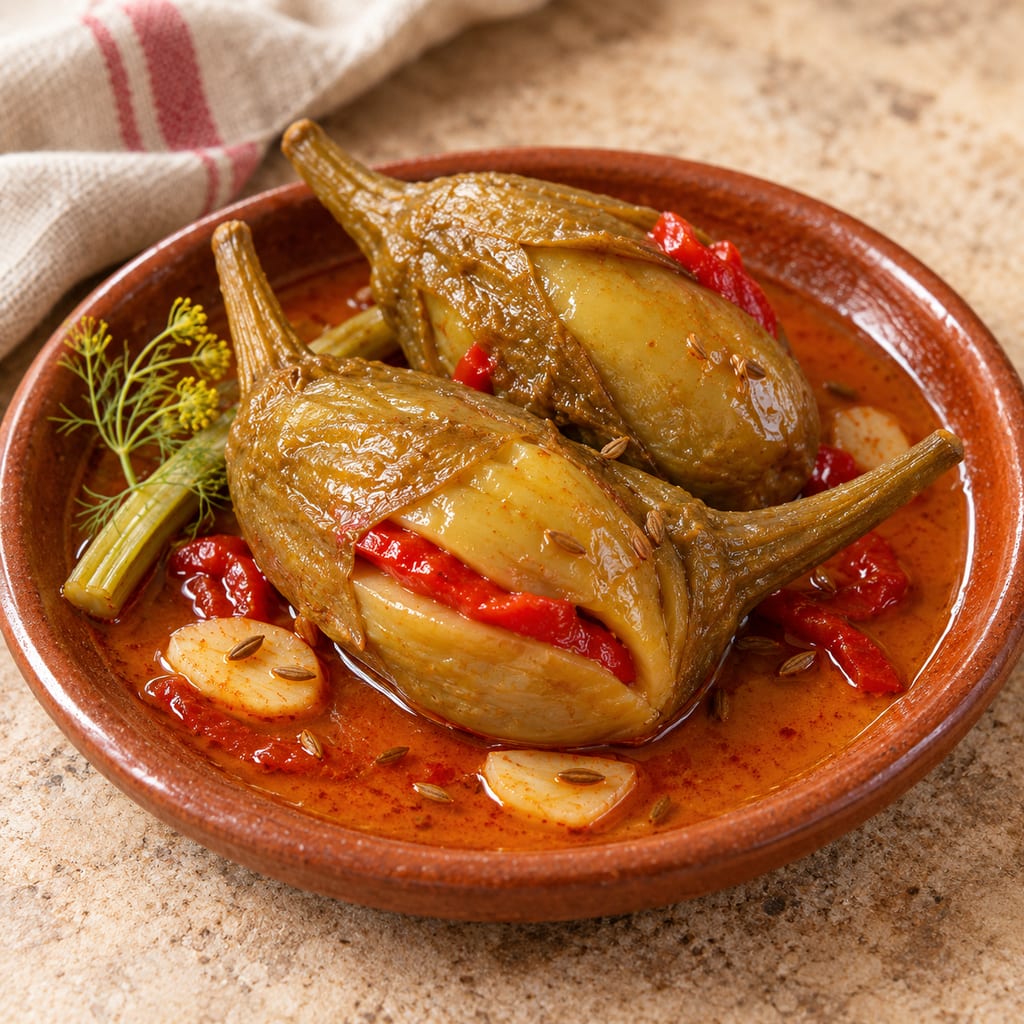
A protected aubergine preserve from Ciudad Real in Spain: tender fruit of the local Dealmagro variety, cooked briefly and then fermented in a vinegared, paprika-seasoned dressing.
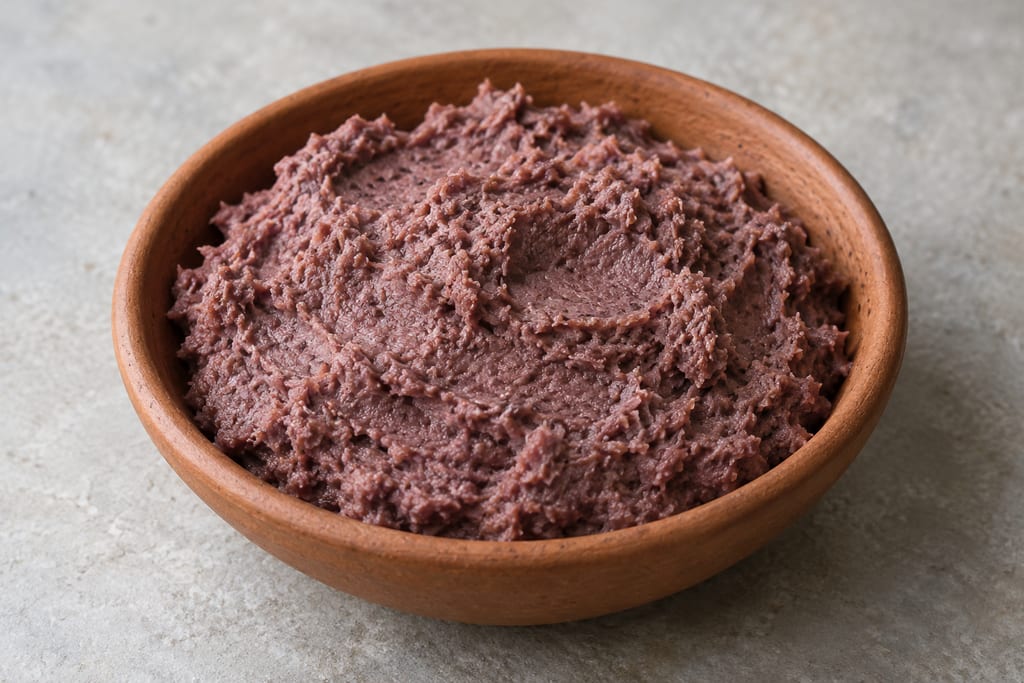
Guinamos is a shrimp paste made on Guimaras in the Philippines: small shrimp salted by hand, sun-dried and trodden by foot until it turns smooth.
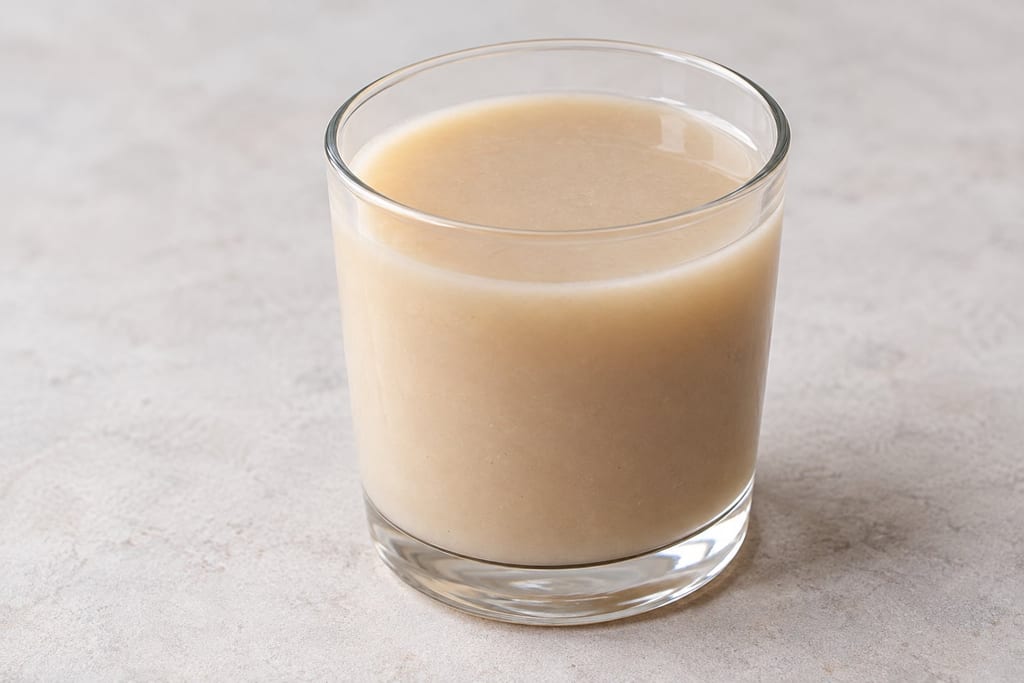
A thick, spiced northern Nigerian drink of pearl millet in which only part of the fermented slurry is cooked, so raw starch and gelatinised starch are recombined.
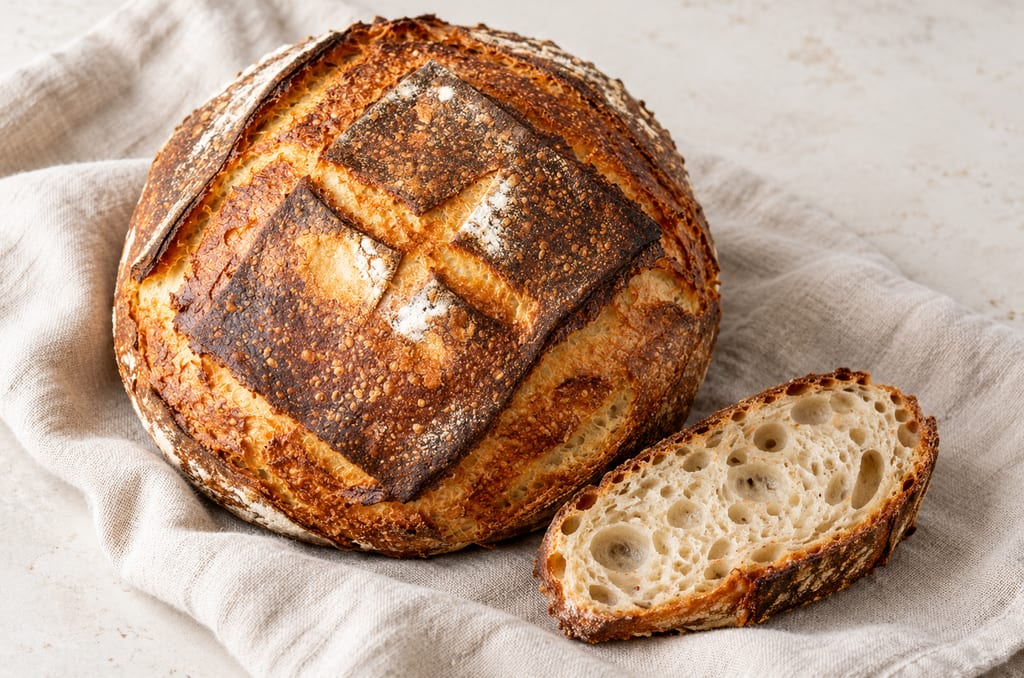
A ripe sourdough starter leavens this modern low-handling loaf. Three hourly folds organize the sticky dough before a long refrigerator rest, final proof and covered bake.
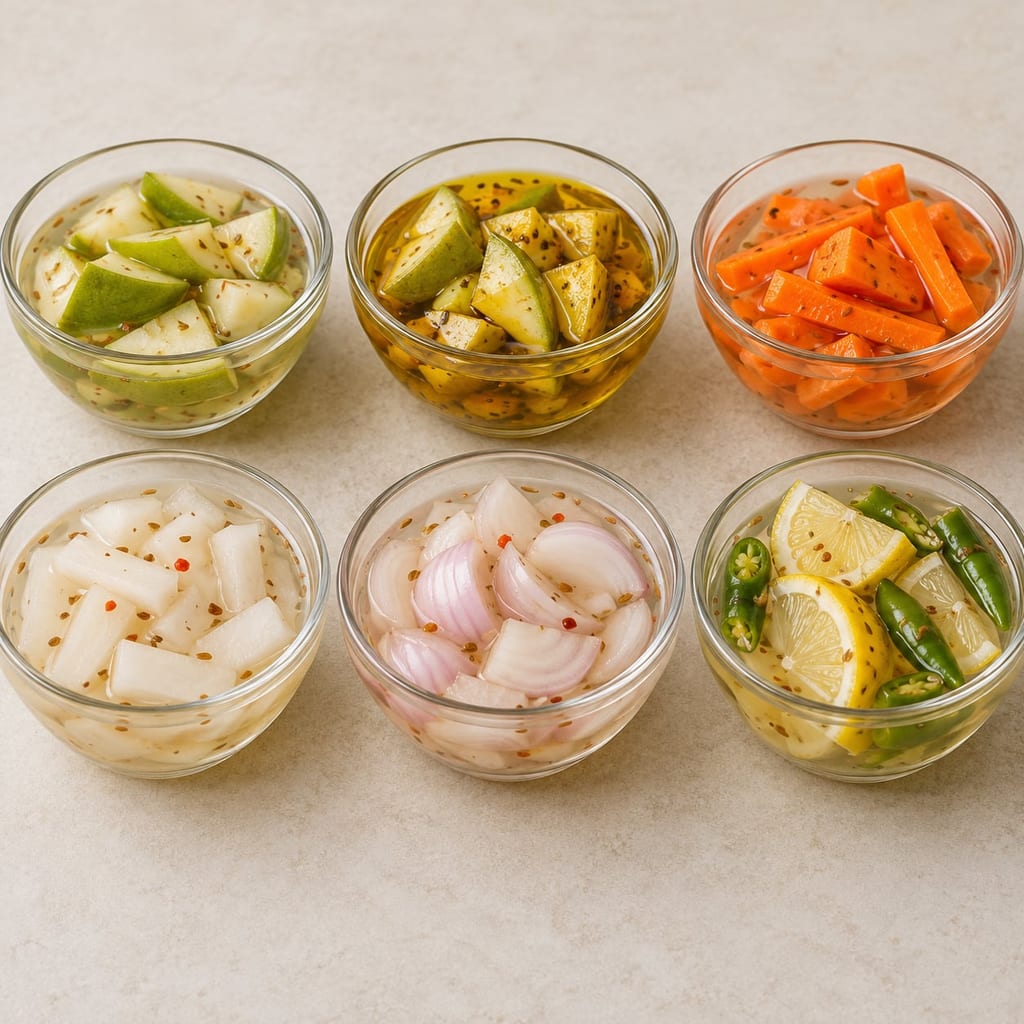
A 2025 study in rural Matiari, Sindh, describes five fermented achar preparations of radish, carrot, onion, mango and lemon with chilli. The shared method quantities do not give a per-food recipe.
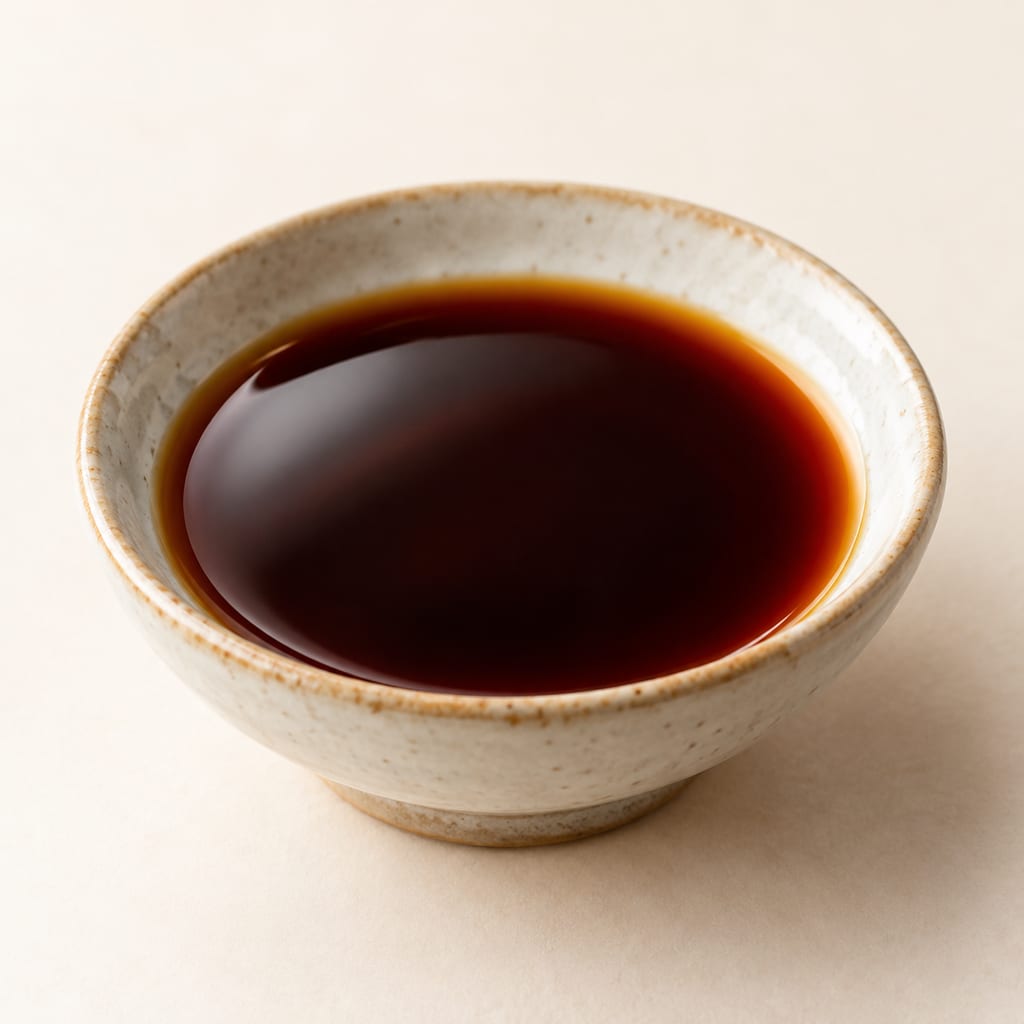
Japan's standard all-purpose soy sauce: soybeans and wheat grown over with koji mould, brined, fermented for months, pressed and usually heated into a reddish-brown, savoury liquid.