









































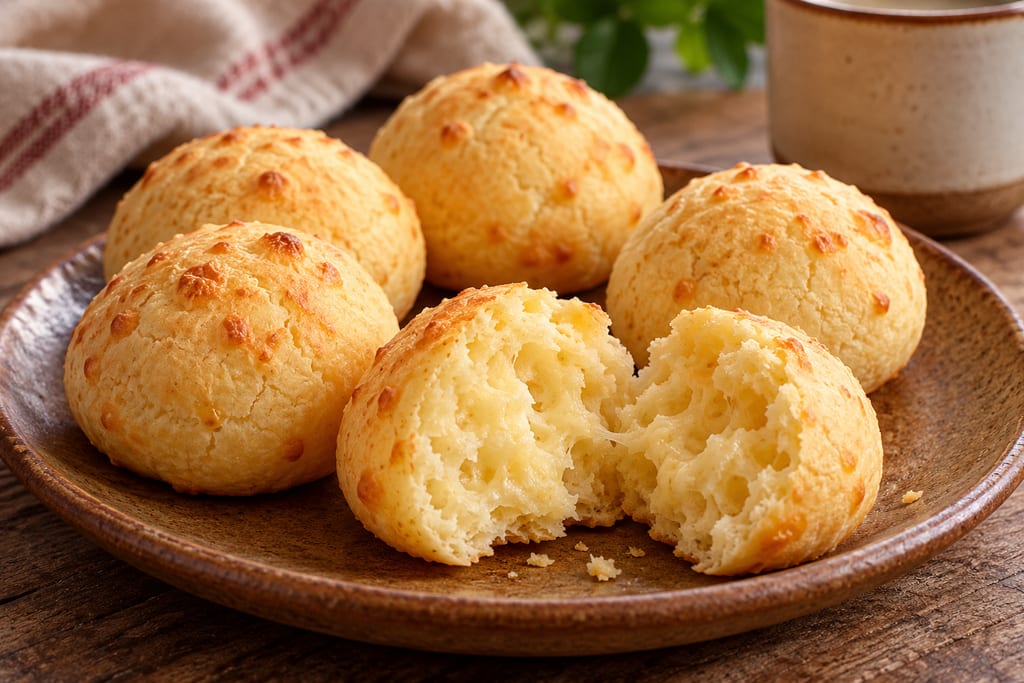
Ecuadorian pan de yuca: Laylita's version
Small cassava-starch cheese breads mixed in a processor, chilled, baked and briefly browned under a broiler. This is Laylita's Ecuadorian-style formula.
 FermenteaWhere food goes to change
1504 records with their sources, across 11 categories.
 Cereal, grain, root and starch fermentations95
 Unfermented breads27
 Koji, mold starters and mold-ripened ferments2
 Beverages1
 Not yet classified1
Small cassava-starch cheese breads mixed in a processor, chilled, baked and briefly browned under a broiler. This is Laylita's Ecuadorian-style formula.
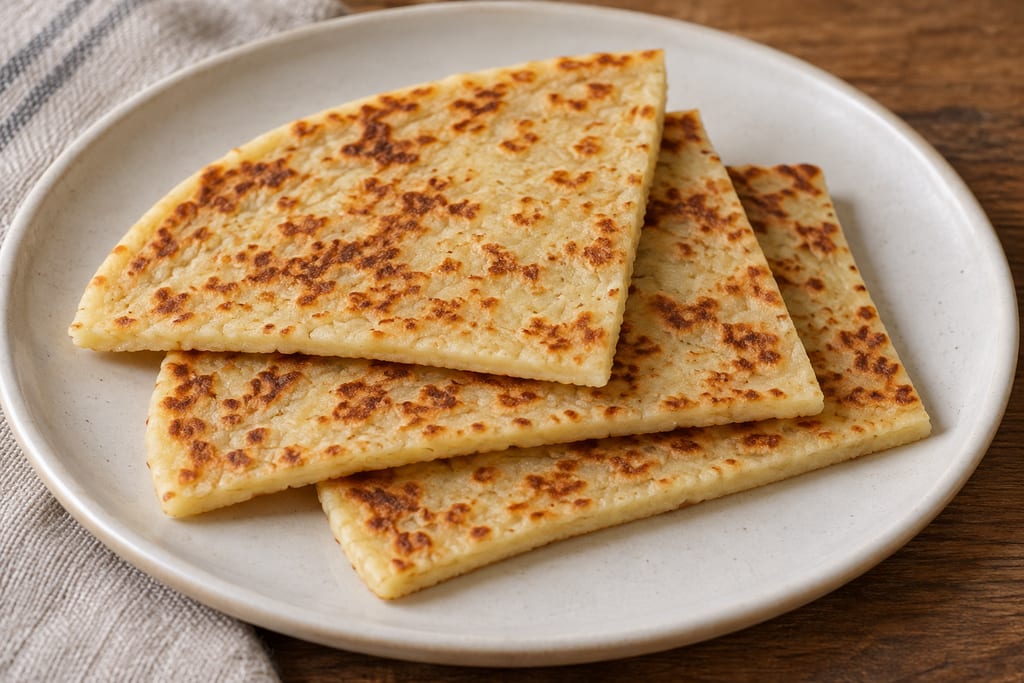
Scottish Scran’s batch combines boiled potatoes, butter and flour, then cooks three thin rounds on a dry pan.
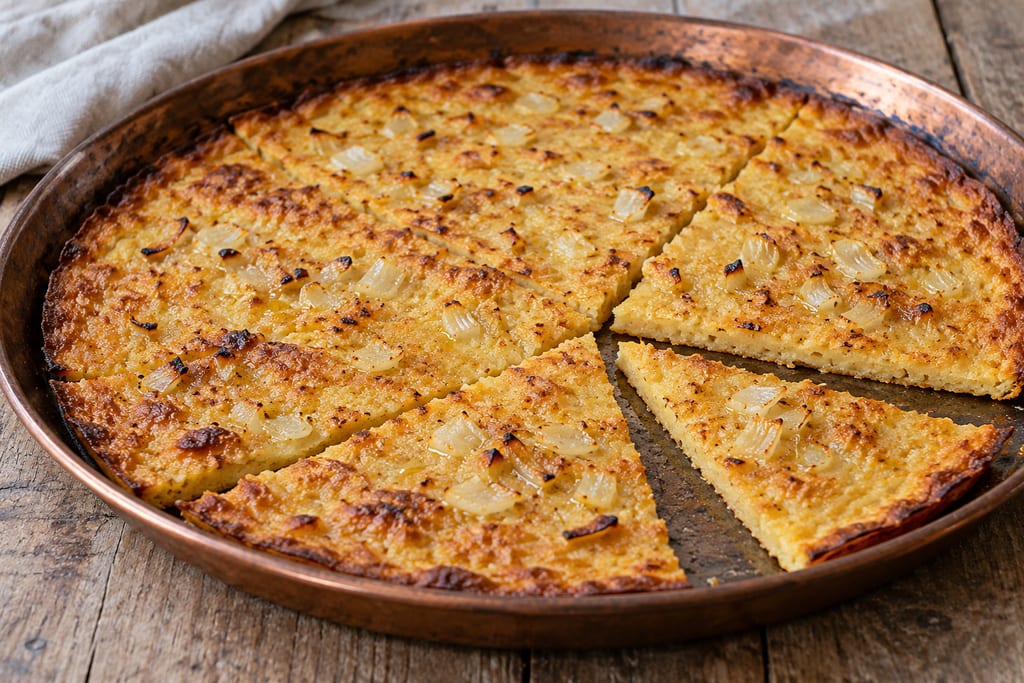
This farinata is a chickpea-flour batter baked with olive oil in a pan. The Riviera dei Fiori version makes six and uses a 200–250°C oven.
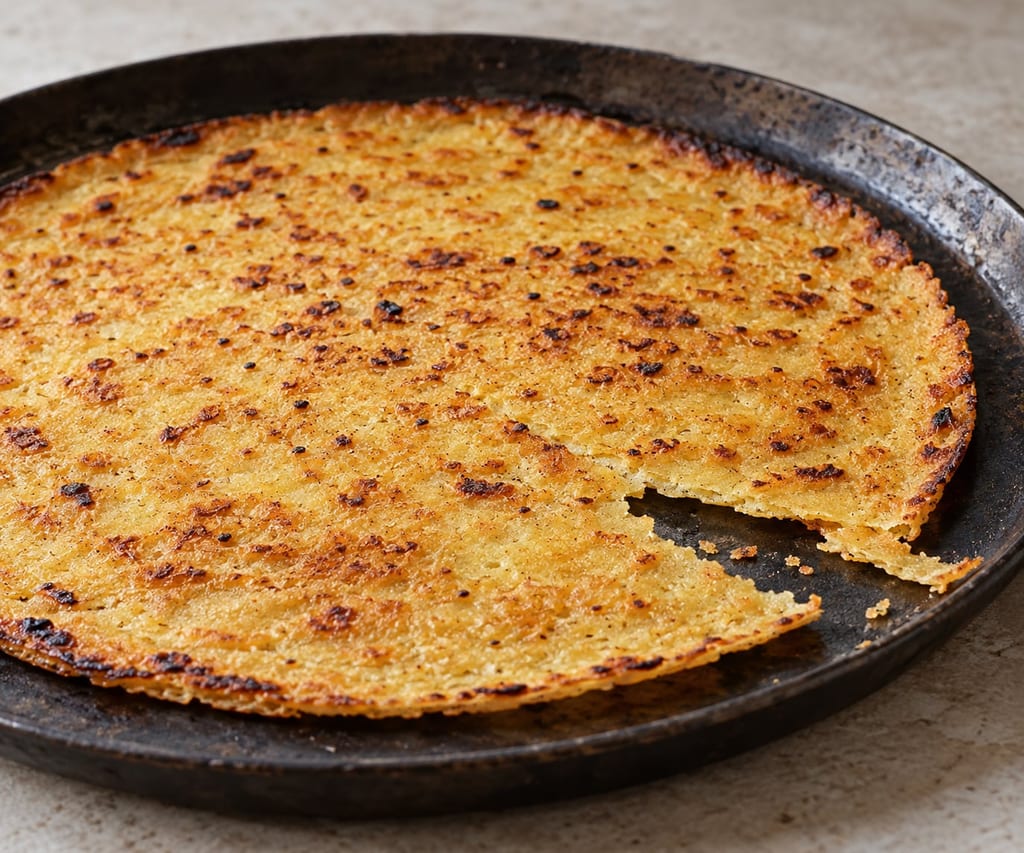
A Nice socca batter of chickpea flour, water, olive oil and salt, spread thin on a 50-centimetre copper plate and baked very hot. This formula is distinct from the Genoese farinata page.
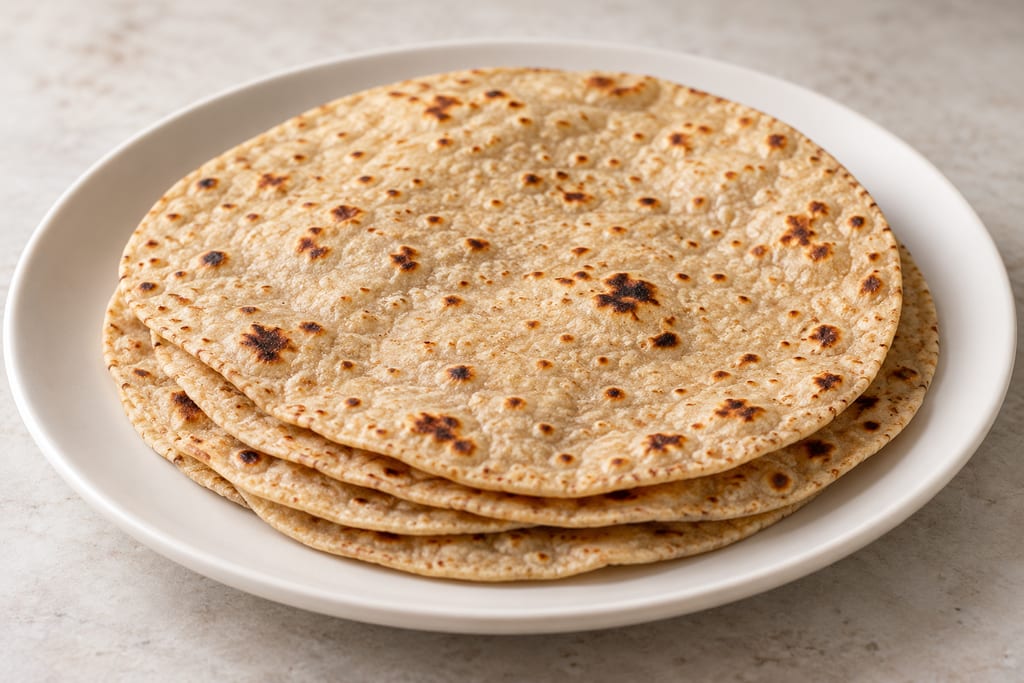
This measured chapati uses whole-wheat atta and water, with salt and oil or ghee optional. Rest the dough, roll it thin and cook through on a hot tawa; it is distinct from the partly cooked, puffed phulka route.
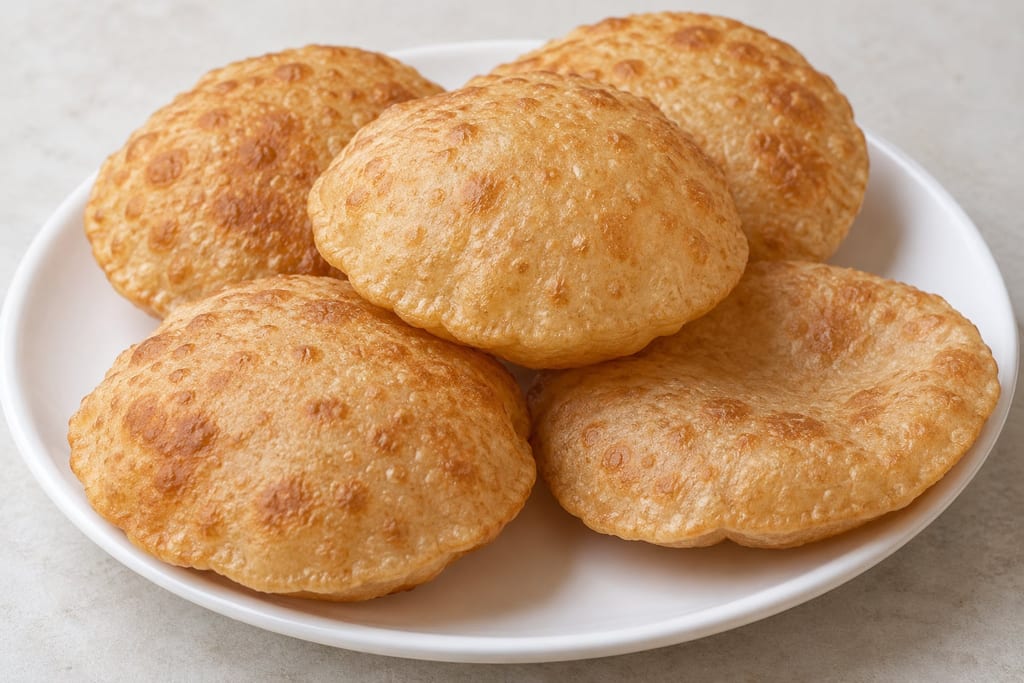
Firm whole-wheat dough rolled into small rounds and deep-fried until puffed. This version is unleavened and distinct from Bengali refined-flour luchi.
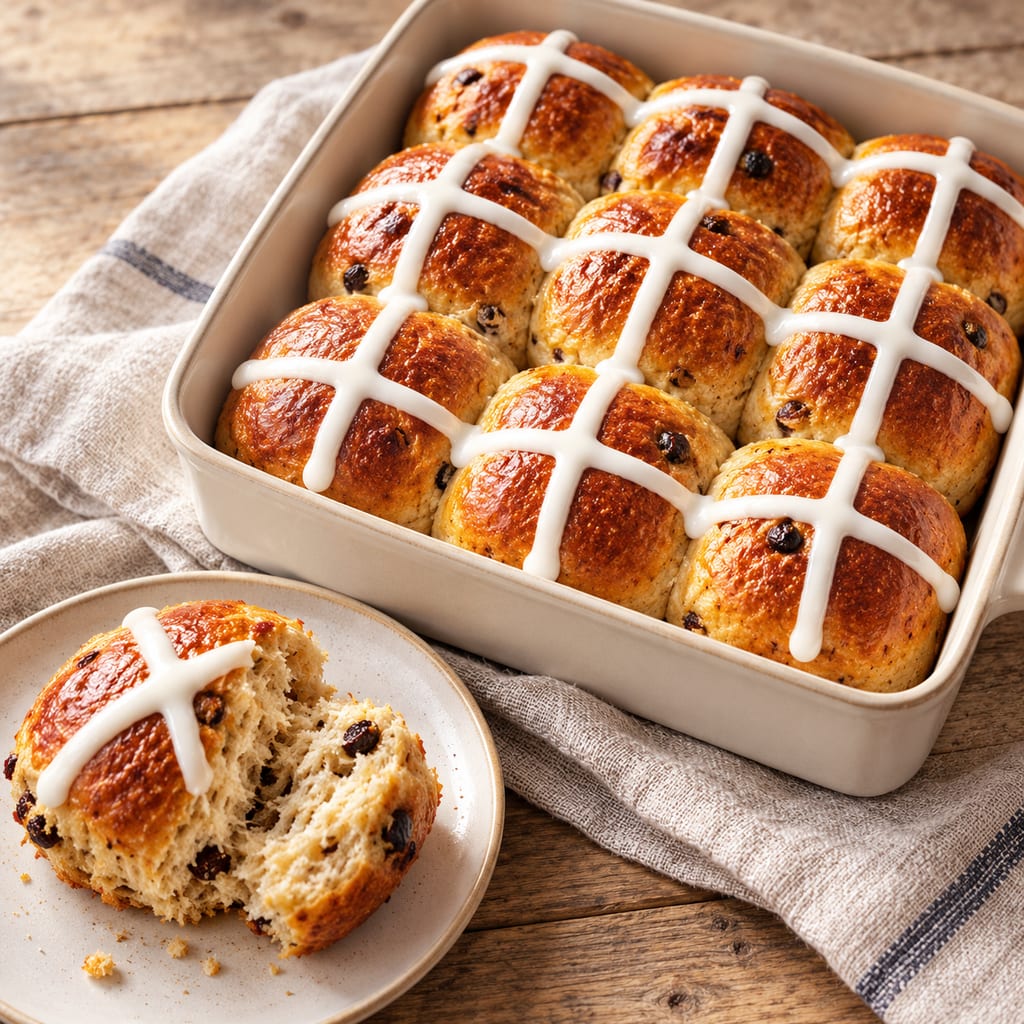
These spiced fruit buns use yeast and baking powder in a soft wheat dough, then receive an icing cross after baking.
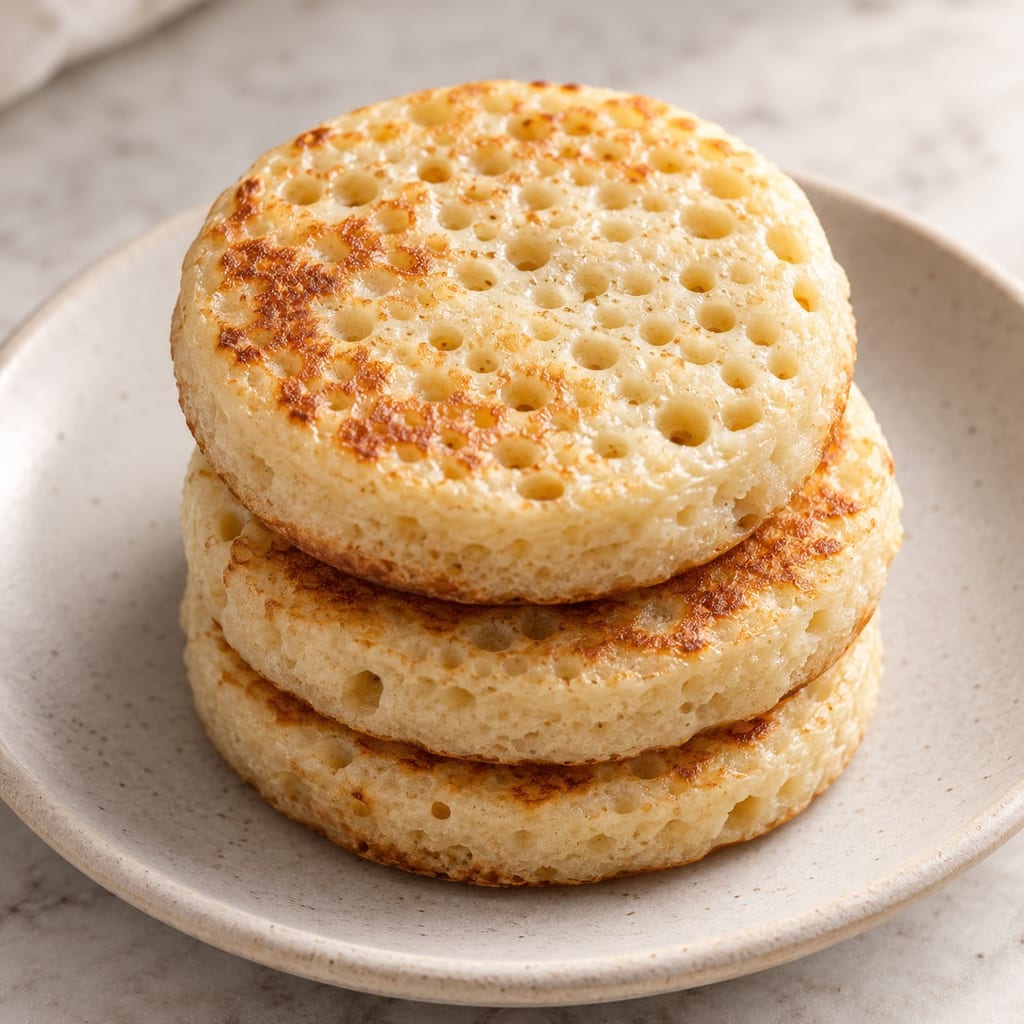
A yeasted milk-and-water batter cooked in greased rings, then turned to finish. This modern formula also includes baking powder.
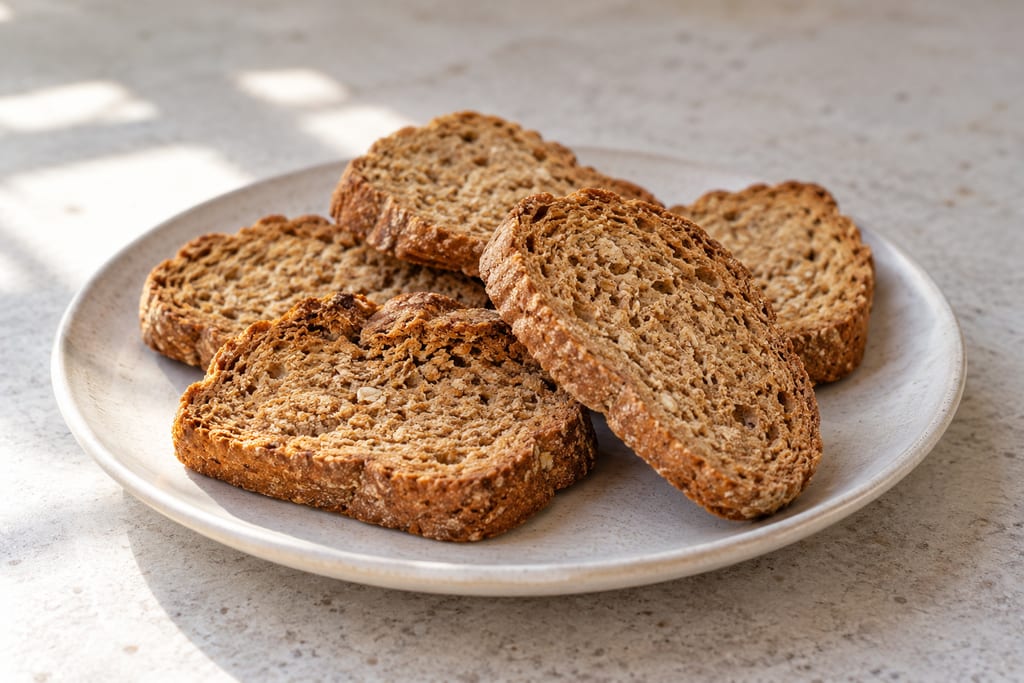
Elena Paravantes gives a modern 50/50 whole-grain barley and wheat rusk recipe, shaped as one scored loaf, baked, separated into slices and dried in a low oven. The second rise has no stated duration.
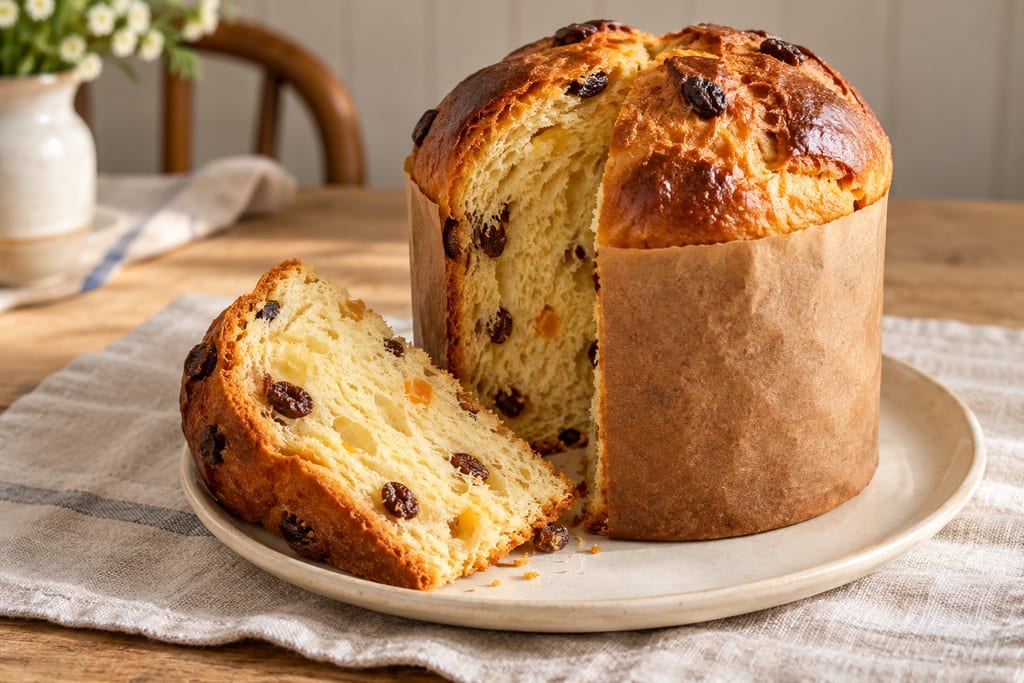
This Ukrainian Easter paska uses an enriched yeast dough with milk, eggs, butter, raisins and citrus zest. A sponge and two further rises precede baking in paper or parchment-lined moulds.
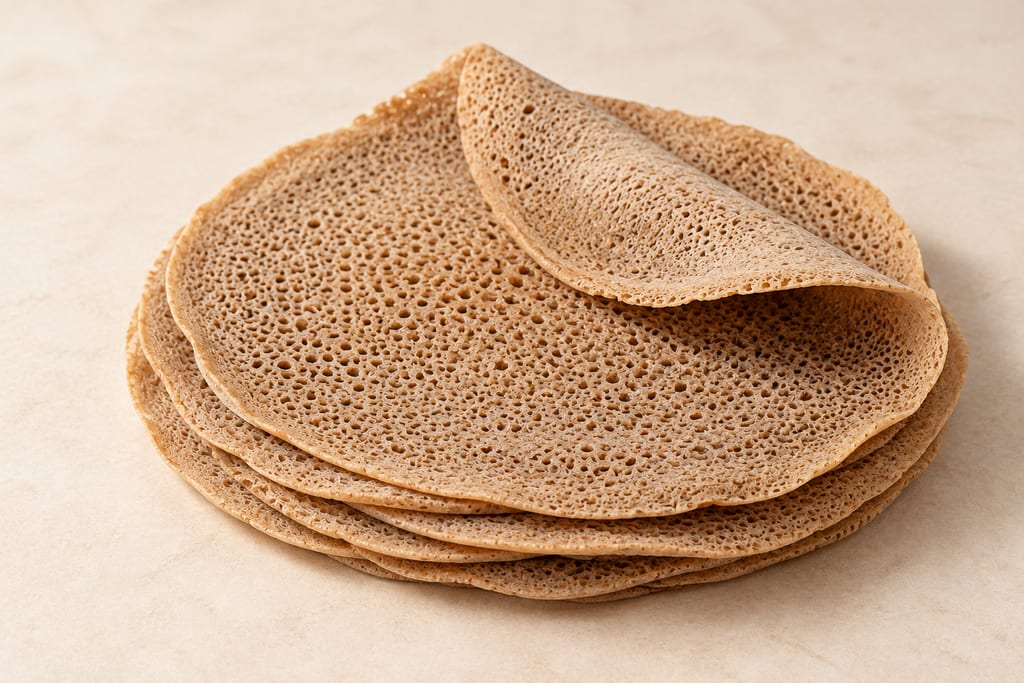
A two-stage Ethiopian teff injera method begins with saved ersho, ferments the main batter beneath refreshed surface water, then adds cooked absit before a final warm rest and griddle baking.
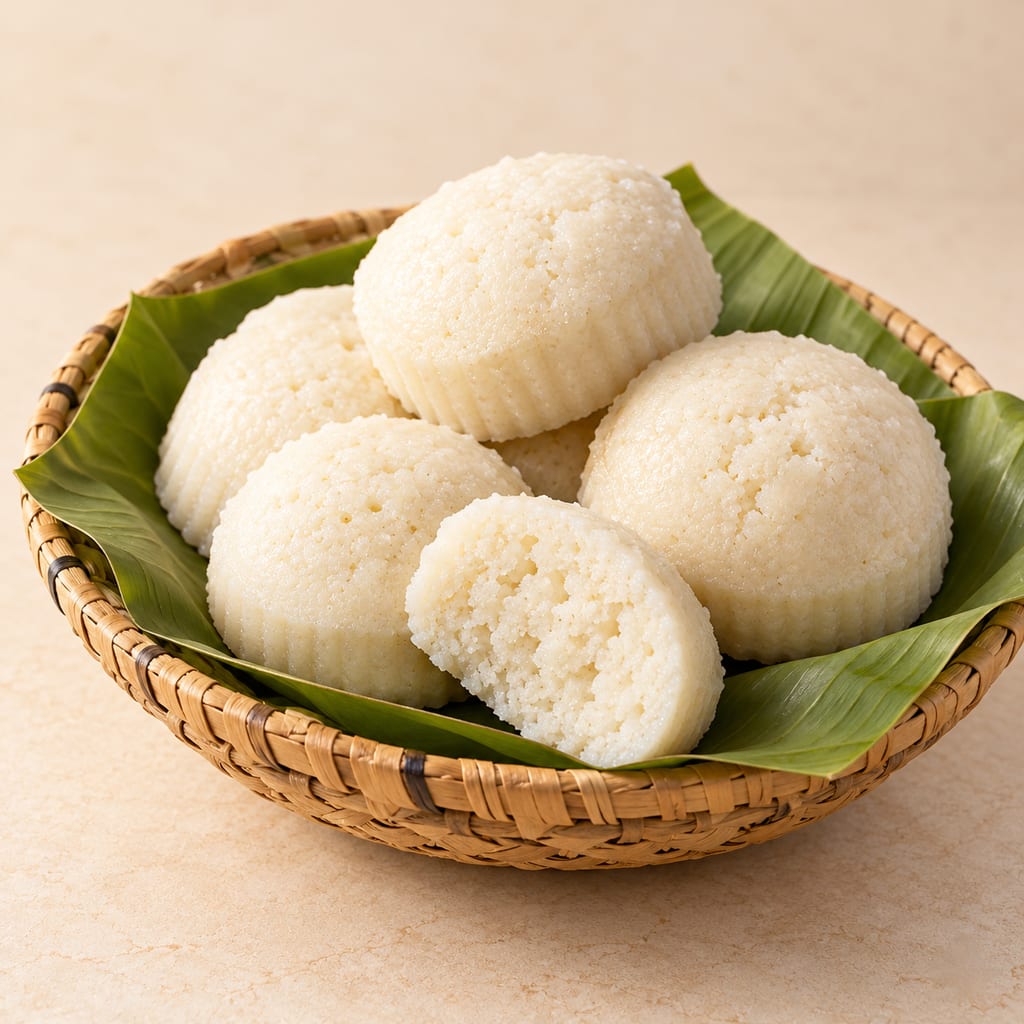
Soft, lightly tangy steamed cereal bread documented across Benin and Togo. This page gives one measured rice-flour research method; maize-based Ablo and mixed-grain versions remain distinct traditions.
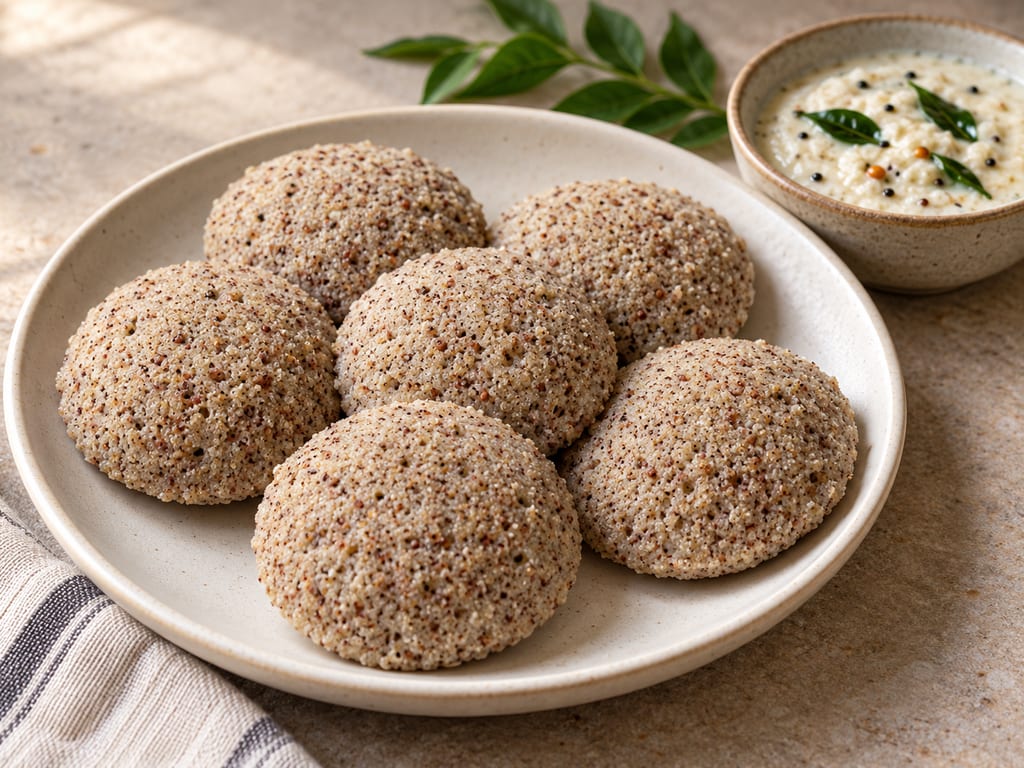
Multigrain millet idli uses a source-specific naturally fermented grain and urad batter, then cooks it by steaming in moulds. The creator leaves some process measures unquantified.
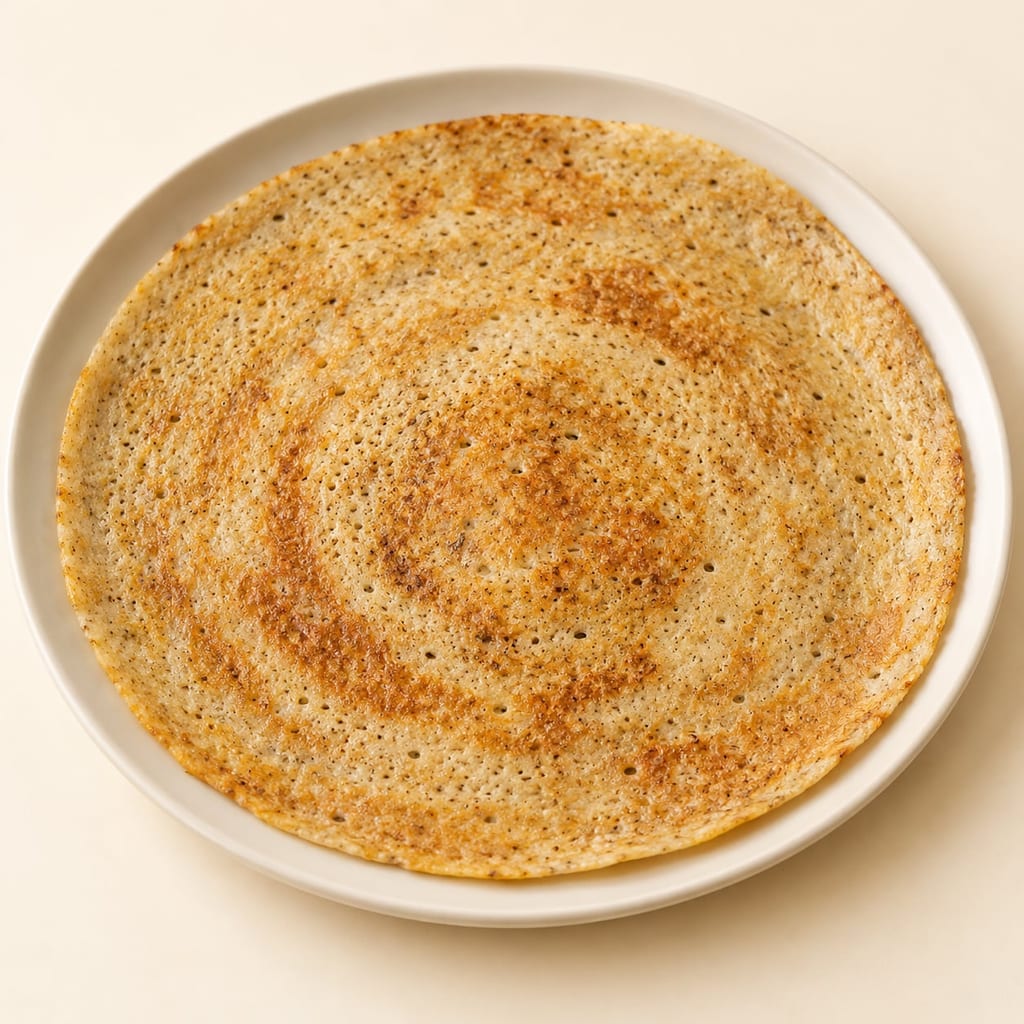
Multigrain millet dosa uses a source-specific naturally fermented grain and urad batter, then cooks it by griddling. The creator leaves some process measures unquantified.
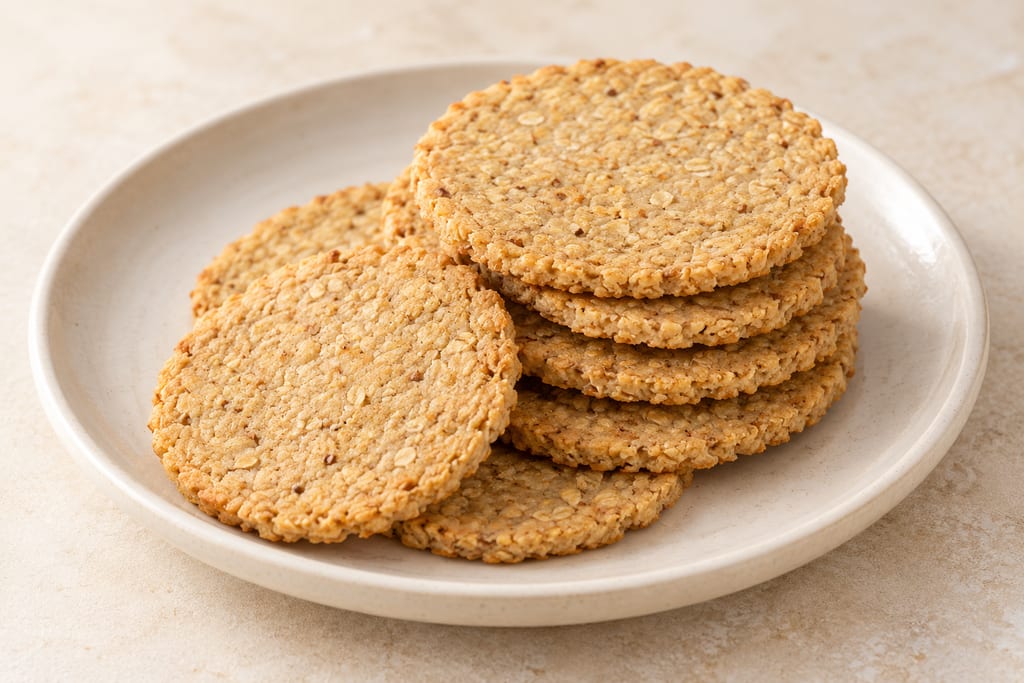
A thin Scottish oatcake of medium oatmeal, butter, salt, bicarbonate of soda and boiling water. This measured oven adaptation differs from older girdle methods and soft, yeasted Staffordshire oatcakes.
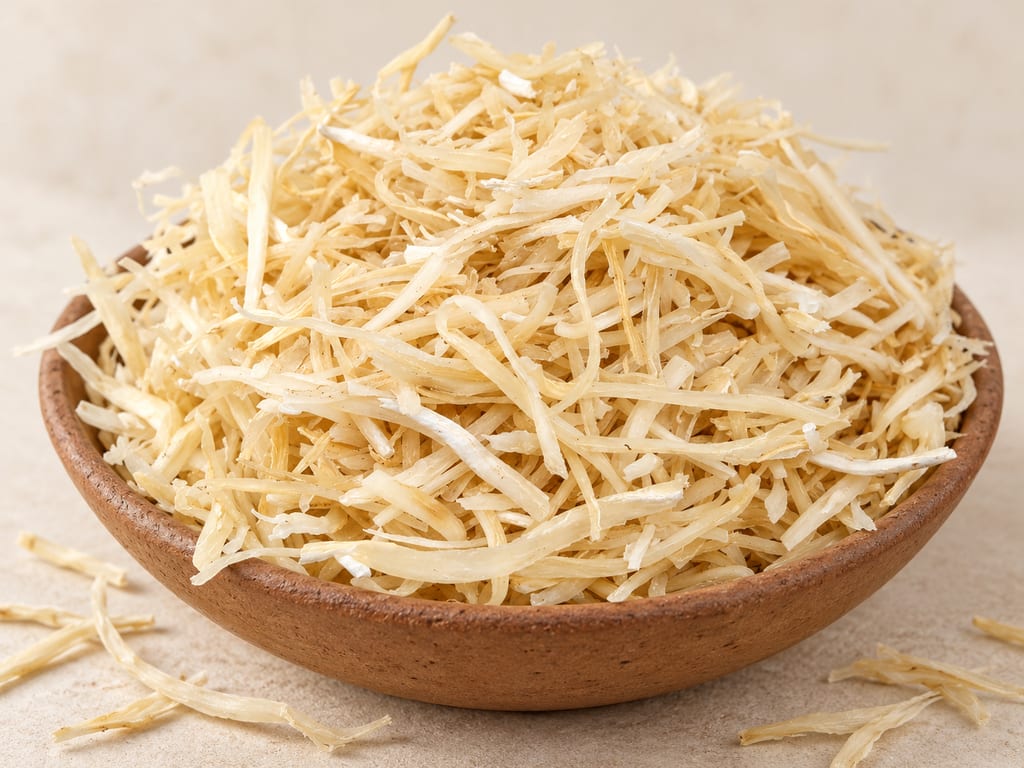
Abacha is a fermented cassava-strip preparation from southeastern Nigeria, sold wet or dried and later rehydrated for meals such as African salad.
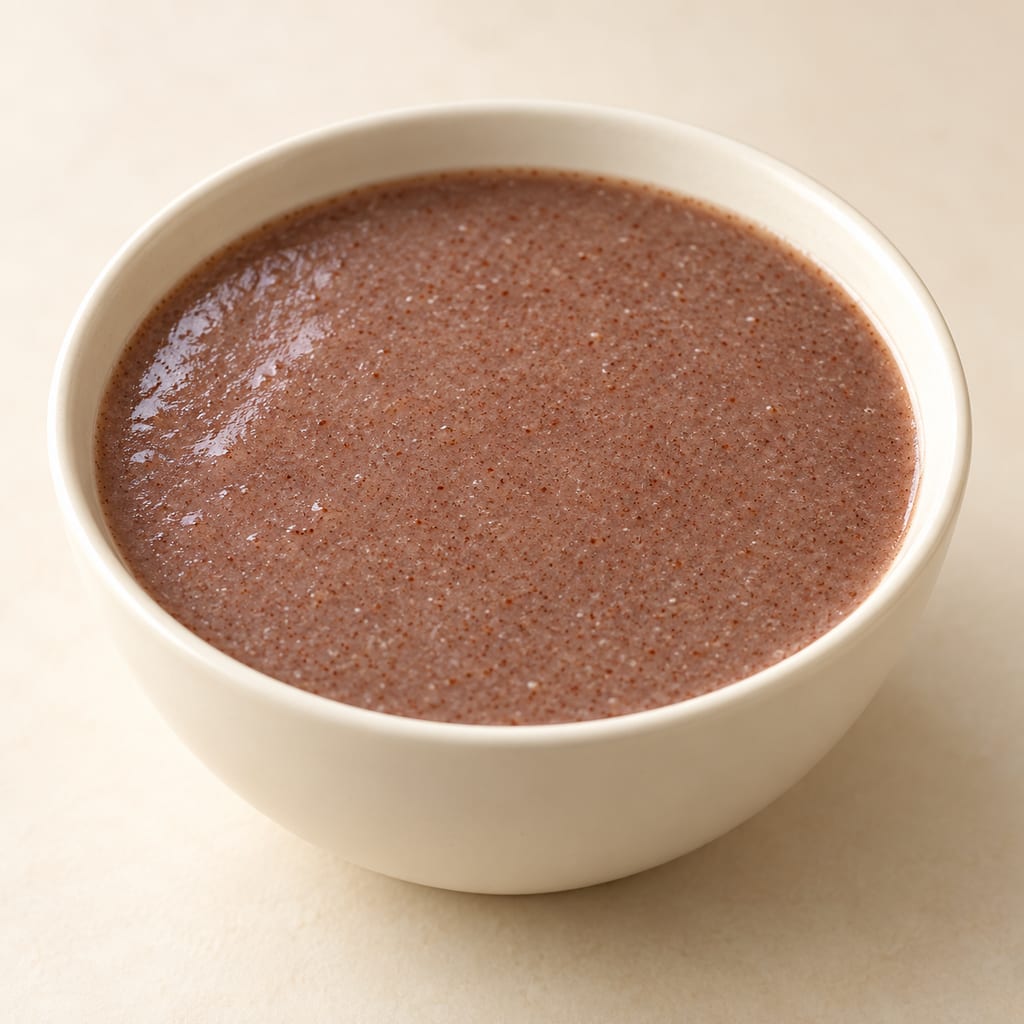
A thin, sour porridge of western Kenya made by fermenting unroasted finger-millet flour in water for a day or two, then diluting it and cooking it through.
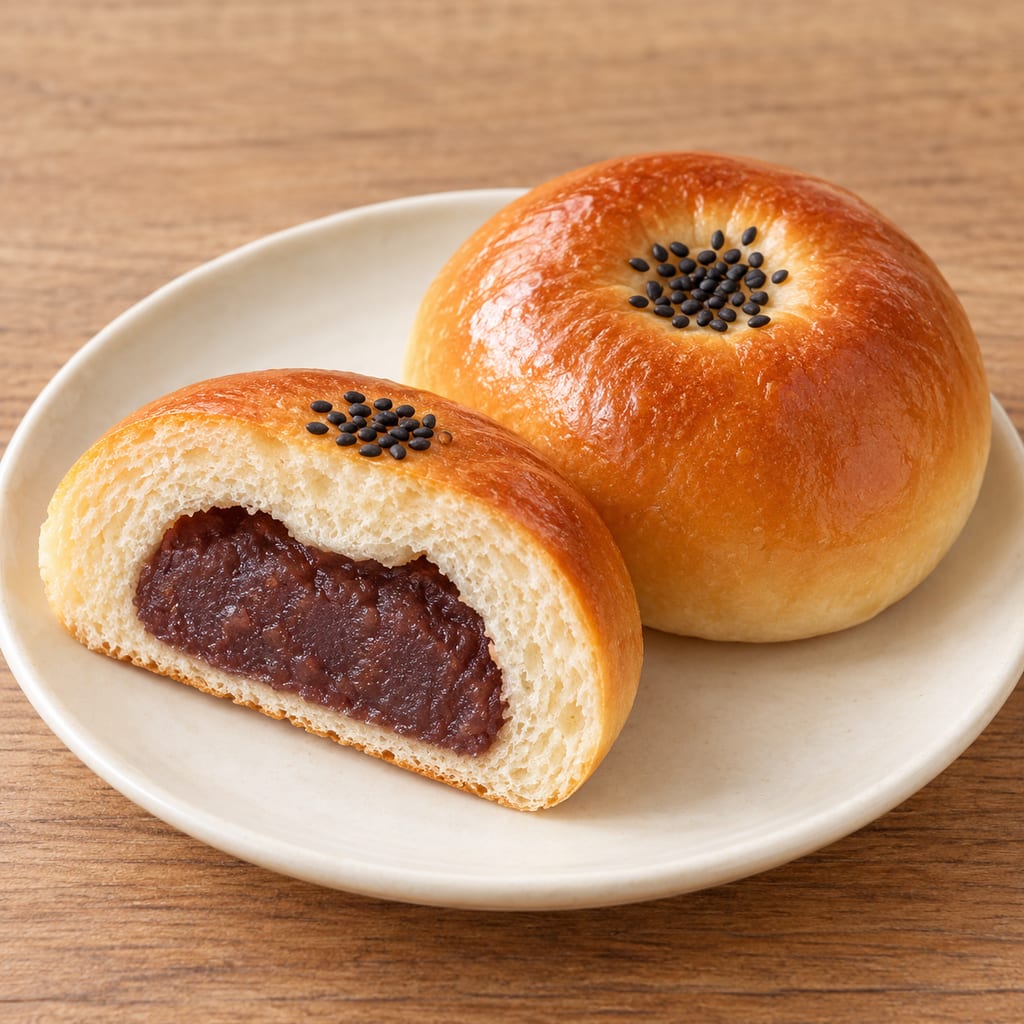
Anpan is a soft wheat bun filled with sweet red-bean paste and finished with egg wash and black sesame. This dough rises with commercial instant yeast.
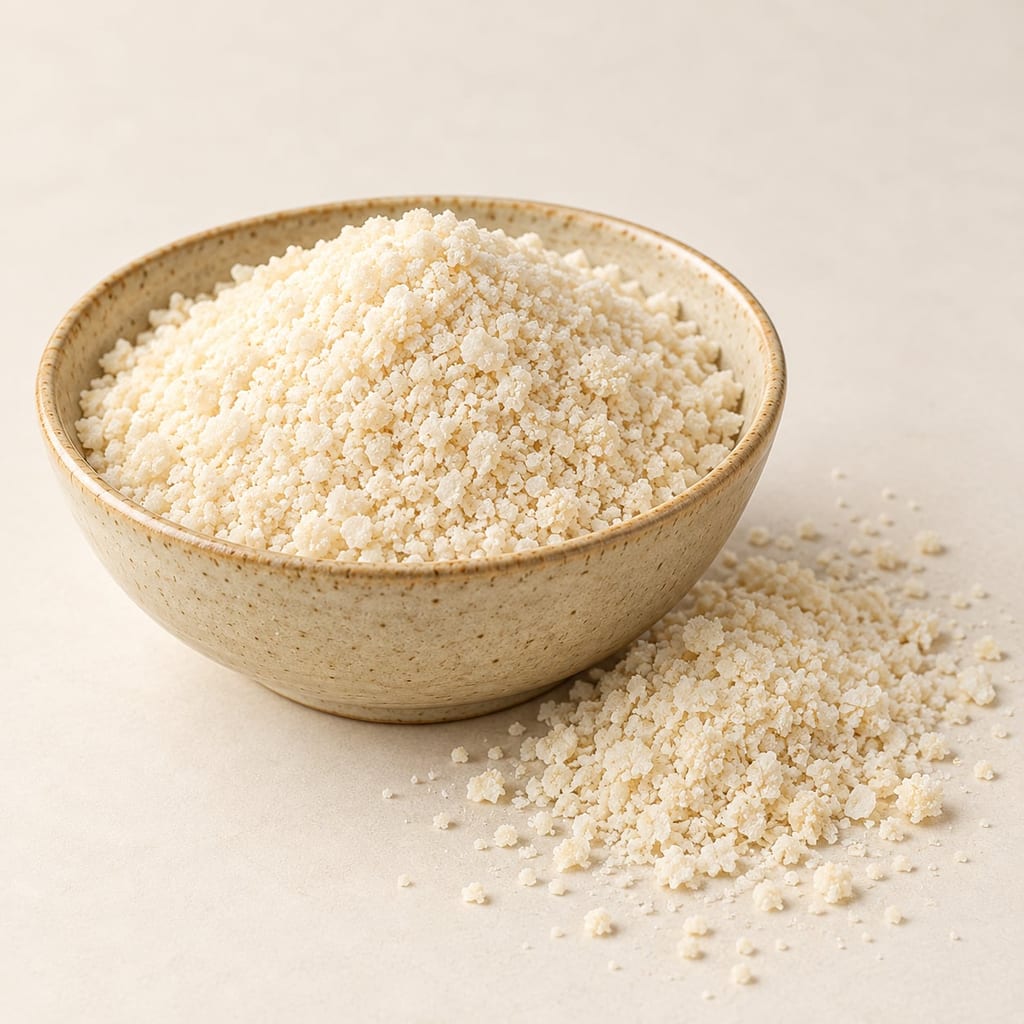
White gari is grated cassava fermented for three days, then pressed, sieved and toasted dry into a coarse West African meal eaten soaked or as a stiff porridge.
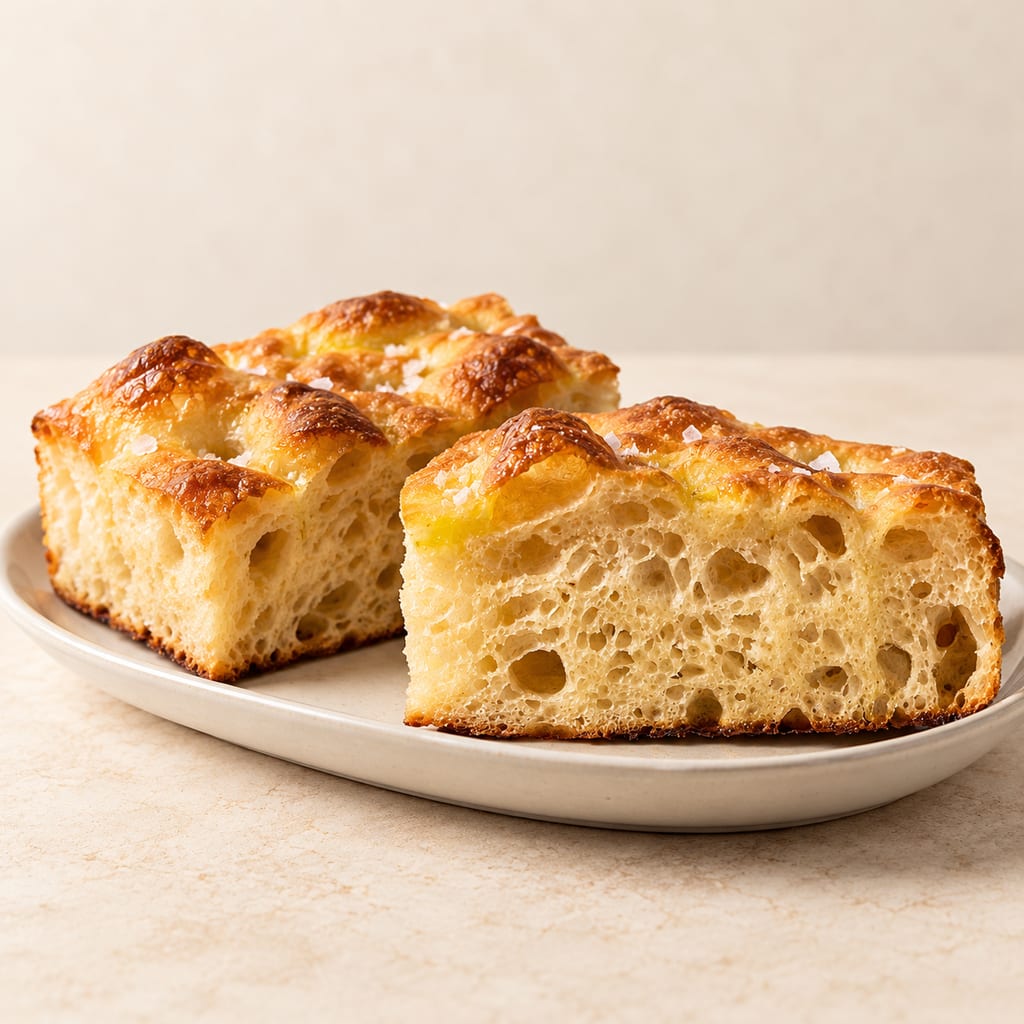
This sourdough focaccia uses ripe starter in place of commercial yeast. Olive oil enriches the folded dough and coats the pan before a long proof and a crisp, salted bake.
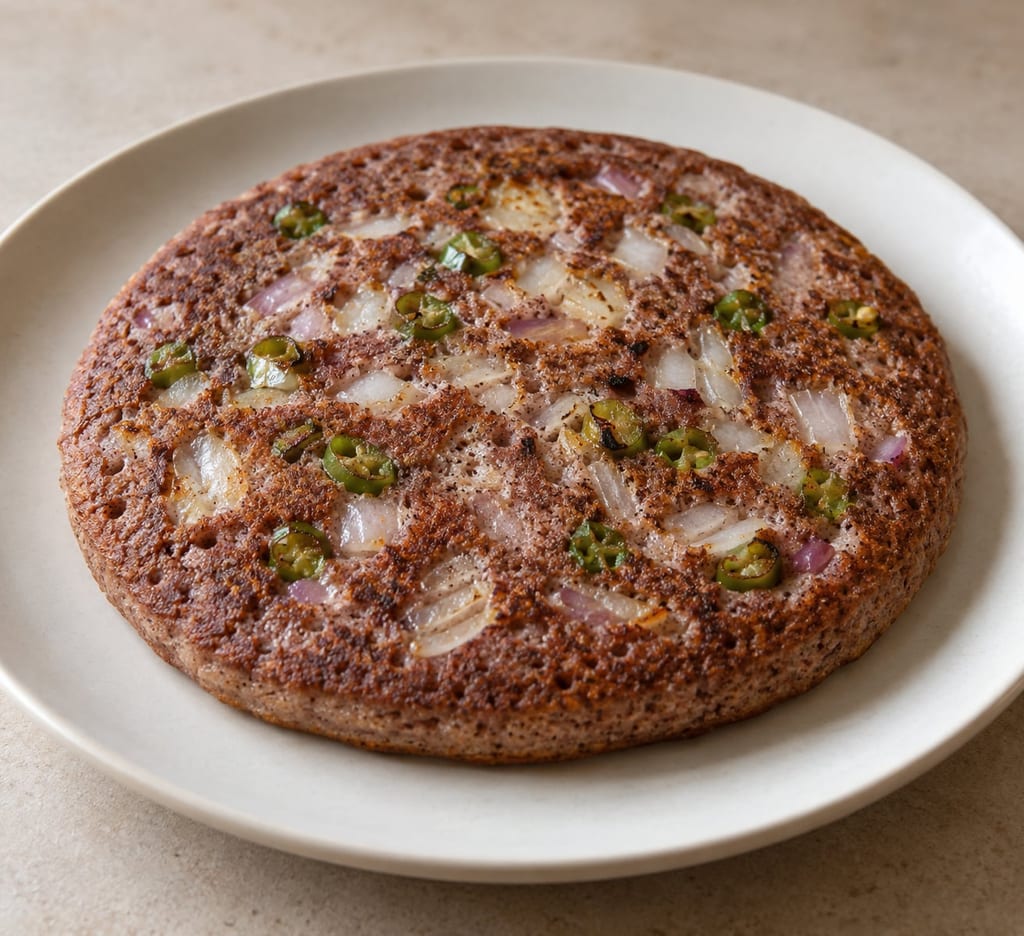
Ragi uthappam turns fermented ragi, urad and idli-rava batter into thick griddle cakes topped with onion and green chilli.
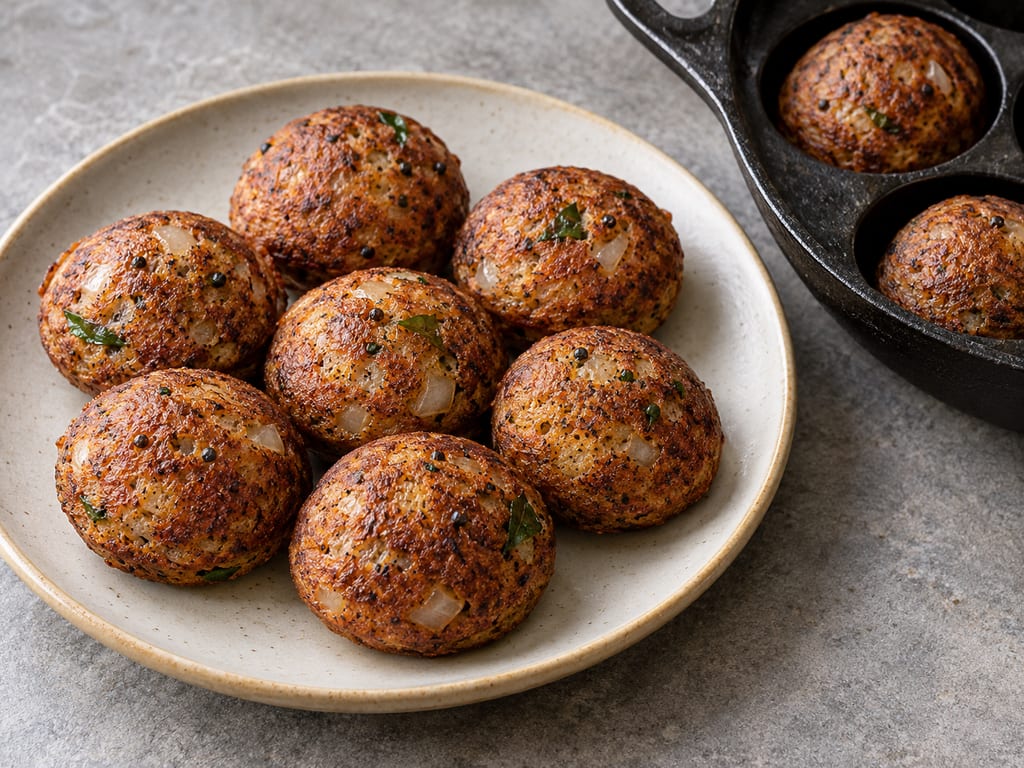
Ragi paniyaram uses fermented ragi, urad and idli-rava batter mixed with spiced onion and cooked in an oiled mould.
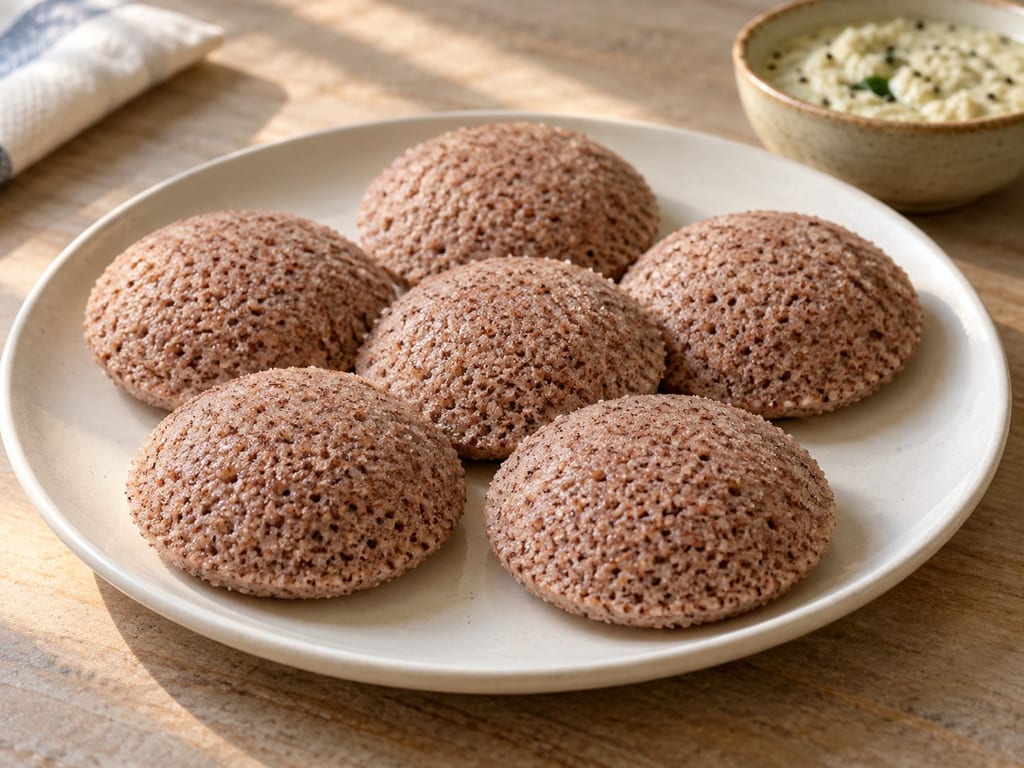
Ragi idli uses a source-specific naturally fermented grain and urad batter, then cooks it by steaming in moulds. The creator leaves some process measures unquantified.
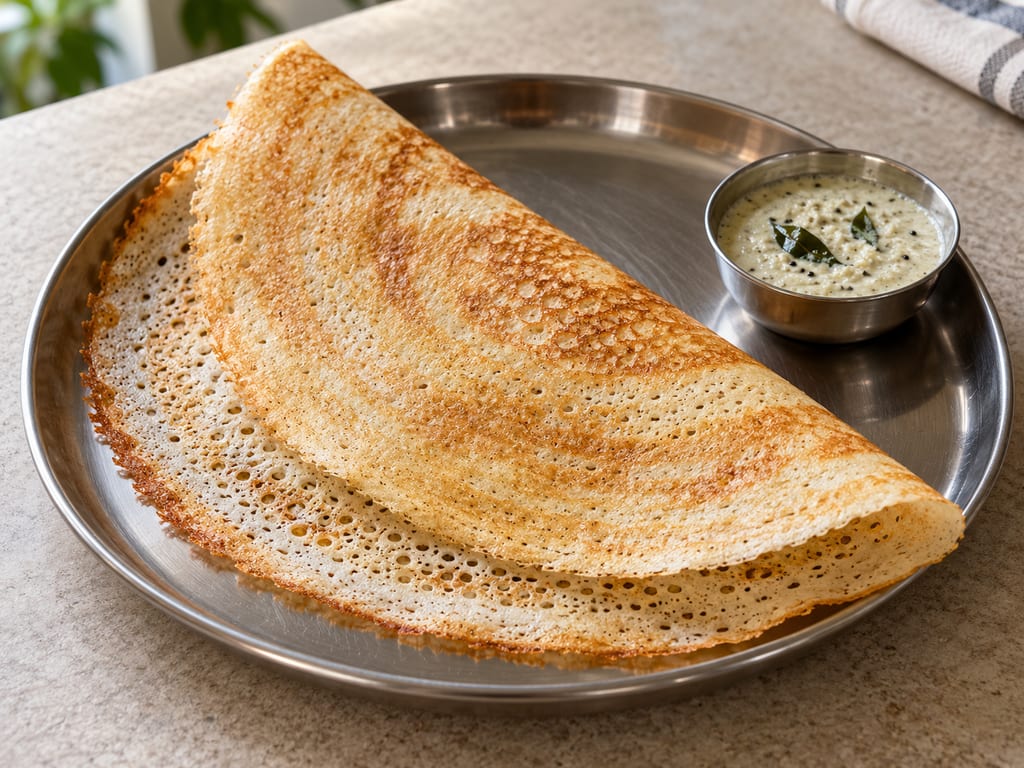
Rice and urad dosa uses a source-specific naturally fermented grain and urad batter, then cooks it by griddling. The creator leaves some process measures unquantified.
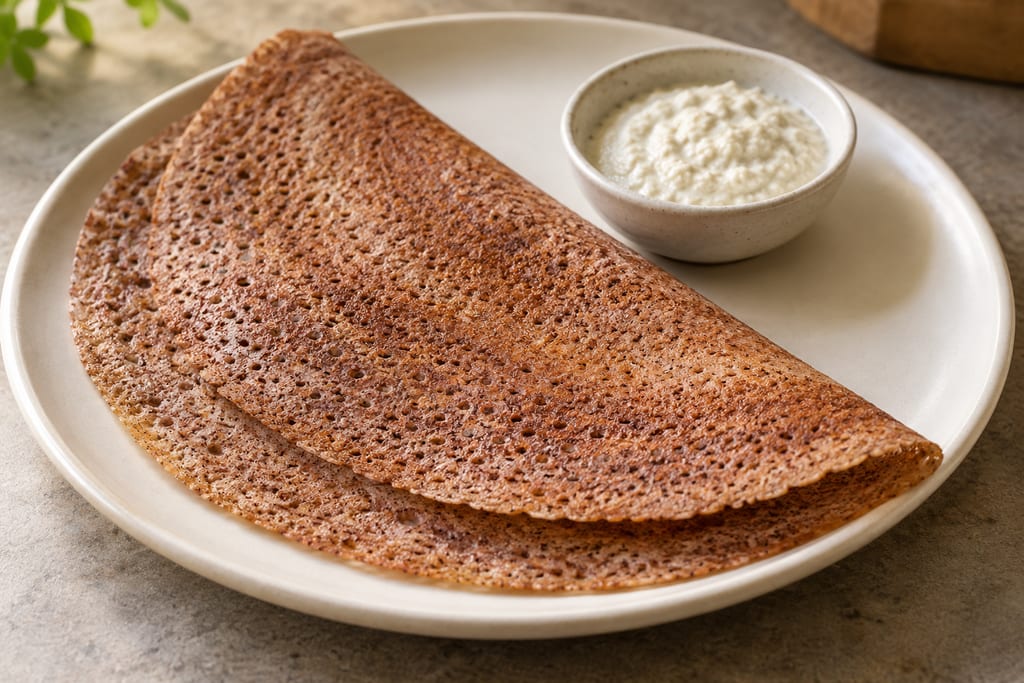
Ragi dosa uses a source-specific naturally fermented grain and urad batter, then cooks it by griddling. The creator leaves some process measures unquantified.
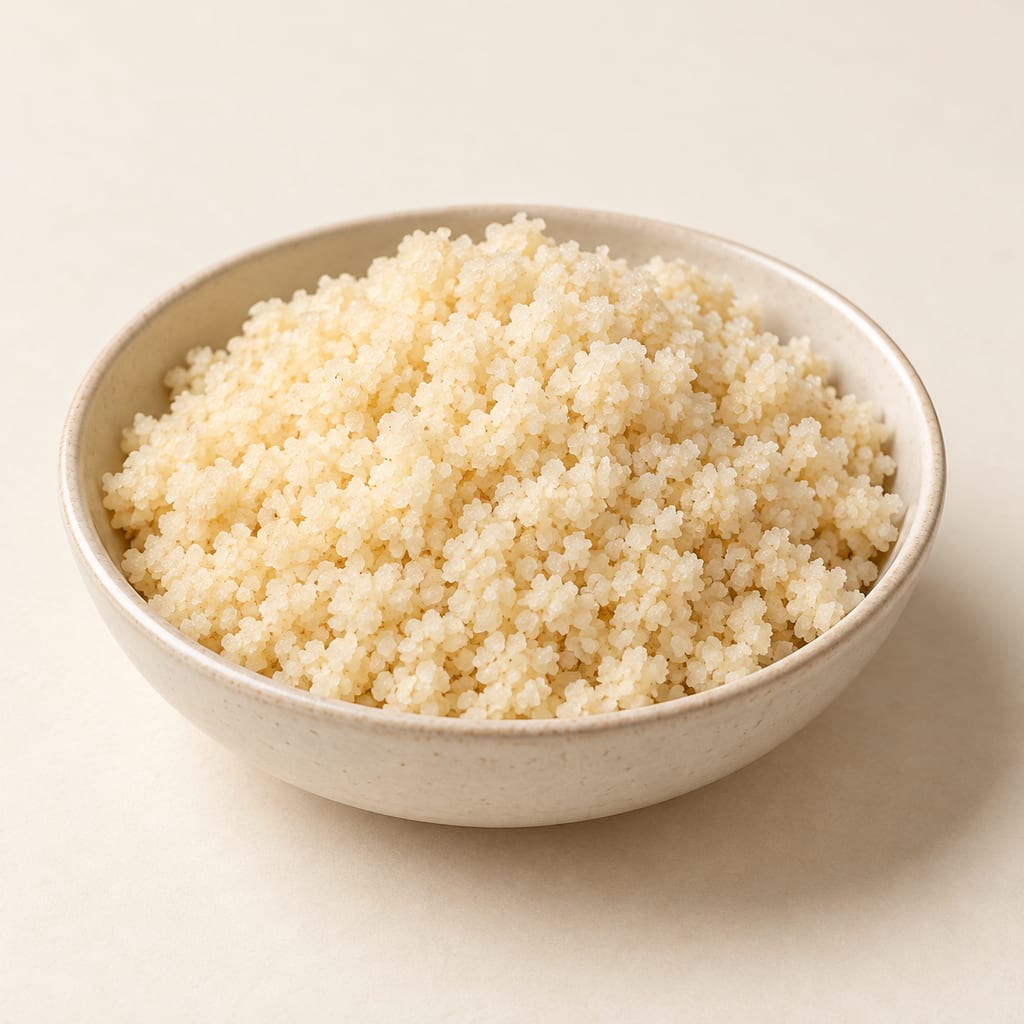
Attiéké is an Ivorian staple of grated cassava fermented with a traditional inoculum, then pressed, sieved, granulated, dried and steamed into fine couscous-like grains.