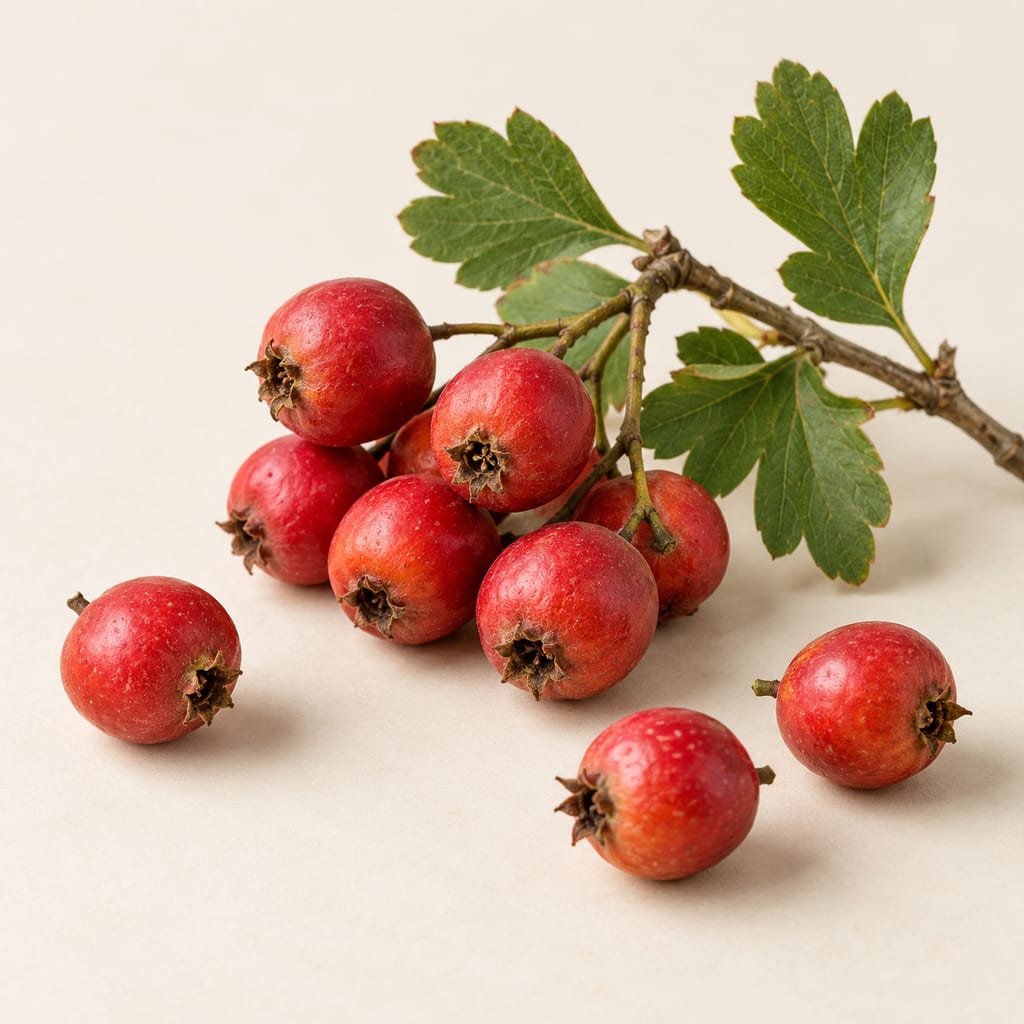
Hawthorn
Common hawthorn (Crataegus monogyna), a hedgerow shrub whose red haws and young leaves are reported as food, with sources that disagree on raw fruit and leaves.
 FermenteaWhere food goes to change
酸梅汤 · Suanmeitang · Sour plum drink · Suan mei tang · 酸梅湯 · Wumei drink
Beijing's smoked-plum summer drink in two parts: the 1906 Yanjing almanac entry quoted in full, then a modern double-decoction recipe and a Taiwanese roselle version, kept cold.
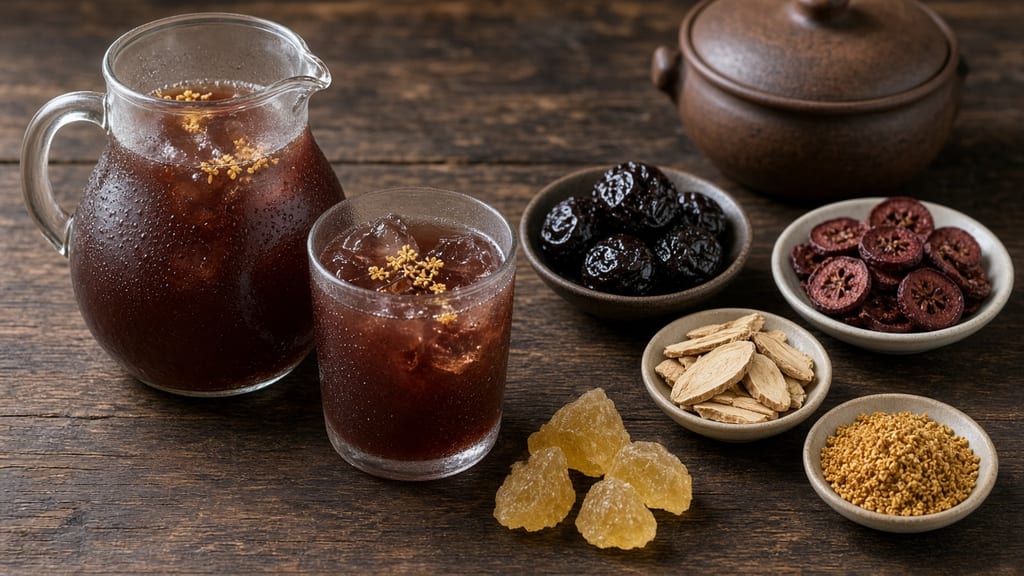
Suanmeitang, 酸梅汤, is the sour plum drink of Beijing summers: dark red-brown, sour, smoky and sweet, with a smell of osmanthus. It is made from wumei, plums that have been smoked until black and leathery, simmered with hawthorn, rock sugar and a few spices, then chilled.
This page is in two parts. Part one is the description of suanmeitang in a 1906 almanac of Beijing customs, quoted in full with a translation. Part two is the modern kitchen: a double-decoction Beijing recipe, a Taiwanese version with roselle, and the storage and safety rules from a Chinese market regulator and a Taiwanese herbal brand. All the modern versions are kept in the refrigerator and drunk within three days.
Suanmei means sour plum, and tang means soup or decoction, the same word used for herbal brews. The plum is wumei, 乌梅, literally black plum: the fruit of Prunus mume, the same species as Korean maesil and Japanese ume, smoked and dried. Its smoky sourness is the backbone of the drink.
Around it go shanzha, 山楂, dried hawthorn for fruity acidity; gancao, 甘草, liquorice root for a sweet aftertaste; chenpi, 陈皮, dried tangerine peel; and guihua, 桂花, dried osmanthus flowers for scent. Rock sugar, bingtang, sweetens it. Some Beijing recipes add wuzao, smoked jujubes, and a pinch of cardamom. In Taiwan, roselle calyces go in for colour. All of these are sold in Chinese medicine shops and dried-goods stores.
Fucha Dunchong wrote Yanjing Suishi Ji, the Annual Customs of Yanjing (Beijing), as a month-by-month record of the city's festivals and street life. It was published in 1906. Under the sixth lunar month, between the ice sellers and the watermelons, comes this entry, quoted in full:
酸梅湯以酸梅合冰糖煮之,調以玫瑰木樨冰水,其涼振齒。以前門九龍齋及西單牌樓邱家者為京都第一。
In English: "Suanmeitang is made by boiling sour plums together with rock sugar, and blending in rose, osmanthus and ice water. It is so cold it makes the teeth ache. That of Jiulongzhai at Qianmen and of the Qiu family at Xidan Pailou is the best in the capital."
That is the whole entry. The Wikisource transcription prints the first character of rose as 攻 rather than 玫, an evident copying slip; the translation uses rose.
The almanac gives a method in one line: sour plums and rock sugar, boiled. No hawthorn, no liquorice, no tangerine peel. The flavourings come afterwards: rose and muxi, the old Beijing name for osmanthus, and ice water. The drink was not served as a hot decoction but as something to chill the teeth.
The entry just before it explains where the cold came from. After the hottest days of summer, Fucha writes, poor boys carried ice through the streets and cried it for sale, calling it binghur. The almanac places suanmeitang right beside that ice trade, and names its two best makers, one at Qianmen, the old front gate of the city, and one at Xidan.
The modern recipes are more elaborate. A China Food Safety News article, from the Nanjing market regulator, repeats the common story that today's formulas come from the Qing palace tea office and were loved by the Qianlong emperor. The almanac does not mention the palace. It records a street and shop drink, and its recipe is simpler than anything on a modern stall.
The Beijing recipe author adds a later chapter to the story: once the drink left the palace, stalls in front of dried-fruit shops sold it on every street. The almanac names only two shops, and says nothing about where the recipe came from.
A boiled plum and sugar drink, diluted with ice water, is a drink rather than a syrup. It has far too little sugar to keep, and the almanac files it under midsummer. The modern sources treat it the same way. Taiwan's HeroHerb says refrigerate and drink within three days. The Nanjing regulator says refrigerate anything you cannot finish at once, and warns that fine foam on the surface may mean it has spoiled.
Both also warn about the pot. The drink is acidic, so cook it in clay or glass, the regulator says, not metal; HeroHerb accepts stainless steel and clay and rules out leaving it in aluminium. That matches the Beijing recipe below, which uses a clay pot as for any Chinese herbal decoction.
This recipe is from a Beijing home cook on the recipe site Jingxi Caipu, and makes about 4 litres. The method treats suanmeitang like a herbal decoction and cooks the ingredients twice.
Rinse 50 g wumei, 50 g wuzao (smoked jujubes), 75 g dried hawthorn, 2.5 g cardamom and 5 g liquorice root. Put them in a clay pot with 3.5 litres of water and leave to soak for 1 hour. Bring to the boil on high heat, cover, and simmer on low heat for 45 minutes.
Put 200 to 250 g rock sugar in a larger pot; the author prefers yellow rock sugar. Pour the first decoction onto the sugar. Return the solids to the clay pot with 1.5 litres of fresh water, bring to the boil, cover and simmer for 25 minutes. Strain this second decoction into the first.
Stir in 10 g dried osmanthus while it is hot. Let it cool, then chill it. Pour into clean glass bottles, keep it in the refrigerator, and drink it within three days.
HeroHerb's version is lighter and quicker, and makes about 2 litres. Rinse 6 to 8 wumei, 15 g dried hawthorn slices, 5 roselle calyces, 2 or 3 slices of liquorice and 3 g dried tangerine peel. Soak them in 2.2 litres of water for 30 minutes, bring to the boil, cover and simmer for 30 minutes.
Turn off the heat and stir in 60 g rock sugar, tasting before adding more, up to 80 g. A pinch of dried osmanthus can go in two minutes before the end. Strain, cool, and refrigerate in clean glass bottles for up to three days, pouring with a clean cup each time.
The roselle turns the drink ruby red, the same calyces as Senegalese bissap. For a sourer drink add wumei, up to 10, or hawthorn, up to 20 g; for a less sweet one cut the sugar to 40 g and add red dates or dried apple.
Wumei is the one ingredient you cannot leave out; without it, HeroHerb notes, you have a hawthorn and roselle tea without the smoke. Hawthorn adds fruity sourness and body, liquorice rounds off the sour edge, tangerine peel adds citrus, and osmanthus is the perfume. Smoked jujubes in the Beijing recipe deepen the colour and sweetness.
The 1906 drink used only plums, sugar, rose and osmanthus. If you want to taste something close to the almanac, simmer wumei alone, sweeten with rock sugar, and finish with osmanthus; there is no historical quantity, so taste as you go.
Soak first. Both modern recipes soak the dried ingredients before heating, for an hour in Beijing and 30 minutes in Taiwan, because the flavour then comes out more easily in the pot. The Beijing author goes further and decocts twice, as for a herbal medicine, arguing that a single boil leaves flavour behind in the plums and hawthorn.
Sweeten off the heat, and taste. HeroHerb starts with 60 g rock sugar per 2 litres and adds more only after tasting. If the drink comes out too sour, it suggests adding 200 to 300 ml of water and bringing it back to the boil, or adding red dates or dried apple; if too sweet, dilute it, and start the next batch at 40 g. For a small batch, halve everything, use 1.1 litres of water and simmer for 20 minutes.
There is no tea in suanmeitang, so there is no caffeine; the colour comes from the smoked plums, hawthorn and, in Taiwan, roselle.
Everything here is dried and keeps in the cupboard. Wumei, hawthorn, liquorice and tangerine peel are sold in Chinese medicine shops and dried-goods stores, hawthorn and roselle in many supermarkets. In Taiwan, HeroHerb notes, wumei, hawthorn, liquorice and tangerine peel are on the official list of Chinese medicinal materials that may also be used as food.
In Beijing suanmeitang is a midsummer drink, and the 1906 almanac files it under the sixth lunar month, beside the ice sellers and the first watermelons. In Taiwan, HeroHerb writes, people drink it in summer with braised snacks and stir-fries, and in winter order a pot with hotpot. It is better after a meal than on an empty stomach, because it is both sour and sweet.
Suanmeitang is made at drinking strength, so it does not need much dilution. Pour it over ice and top up with cold sparkling water to taste; a splash of soda lifts the smoke and osmanthus. It is also good drunk the old way, plain and so cold it hurts the teeth.
Keep the bottle in the refrigerator between glasses, and pour with a clean cup each time, as HeroHerb advises, rather than drinking from the bottle.
Suanmeitang sits at an odd crossroads of this series. Its plum is the same species as the green plums of Korean maesil-cheong and Japanese ume syrup on our cold sugar syrups page, but there the fruit is fresh and green and the syrup is drawn out by sugar alone, over days or months, with no heat. Here the fruit is smoked and dried first, and the flavour is boiled out in under an hour.
The Taiwanese version borrows roselle, the calyx behind Senegalese bissap and Ghanaian sobolo on our hibiscus page, and gets its ruby colour from the same pigments. And the double decoction of the Beijing recipe is the same idea as the cold soak and boil of Madurai nannari: extract first, sweeten second.
What sets suanmeitang apart is that it was never meant to be a syrup. Every source here treats it as a finished drink, made in a pot, chilled and drunk within days.
Refrigerate suanmeitang as soon as it has cooled and drink it within three days. Throw the whole bottle away if it bubbles, smells of alcohol, turns cloudy, grows mould, or shows fine foam on the surface.
Cook it in clay, glass or stainless steel, not aluminium or other reactive metal.
The Nanjing regulator advises people with peptic ulcers or excess stomach acid not to drink it, and advises pregnant women not to drink it because hawthorn can stimulate the uterus in large amounts. Young children should have only small amounts. HeroHerb adds that anyone taking medicines should ask a doctor or pharmacist first, and that it is better after a meal than on an empty stomach.
Origin: the Nanjing regulator's article and the Beijing recipe repeat the story of a Qing palace formula; the 1906 almanac describes a shop drink of plums, sugar, rose, osmanthus and ice water, with no palace in sight.
Pot: the regulator says clay or glass and no metal; HeroHerb accepts stainless steel.
Ingredients: the Beijing recipe uses smoked jujubes and cardamom, the Taiwanese one roselle and tangerine peel, and the almanac only plums and rock sugar before the flavourings.
Fucha Dunchong, Yanjing Suishi Ji (1906), entry 酸梅湯; modern recipes from Beijing and Taiwan; Nanjing regulator advice.
Yield 4 litre · Scaling: linear
Homemade suanmeitang that is not finished should be refrigerated promptly; fine foam may mean it has spoiled.
Hazard sourceHawthorn stimulates uterine smooth muscle and large amounts could cause contractions.
Hazard sourceThe drink is acidic; decoct in clay or glass rather than metal.
Hazard sourceRefrigerate and drink within 3 days.
Control sourceDiscard if it bubbles, smells of alcohol, turns cloudy or grows mould.
Control sourceCook in clay, glass or stainless steel.
Control sourceNot advised in pregnancy or for people with peptic ulcers or excess stomach acid.
Give young children only small amounts.
Refrigerate and drink within 3 days.
Shop drink recorded in 1906; modern Beijing home recipe.
Version with roselle and tangerine peel.
Market regulator's consumer advice.
Common hawthorn (Crataegus monogyna), a hedgerow shrub whose red haws and young leaves are reported as food, with sources that disagree on raw fruit and leaves.
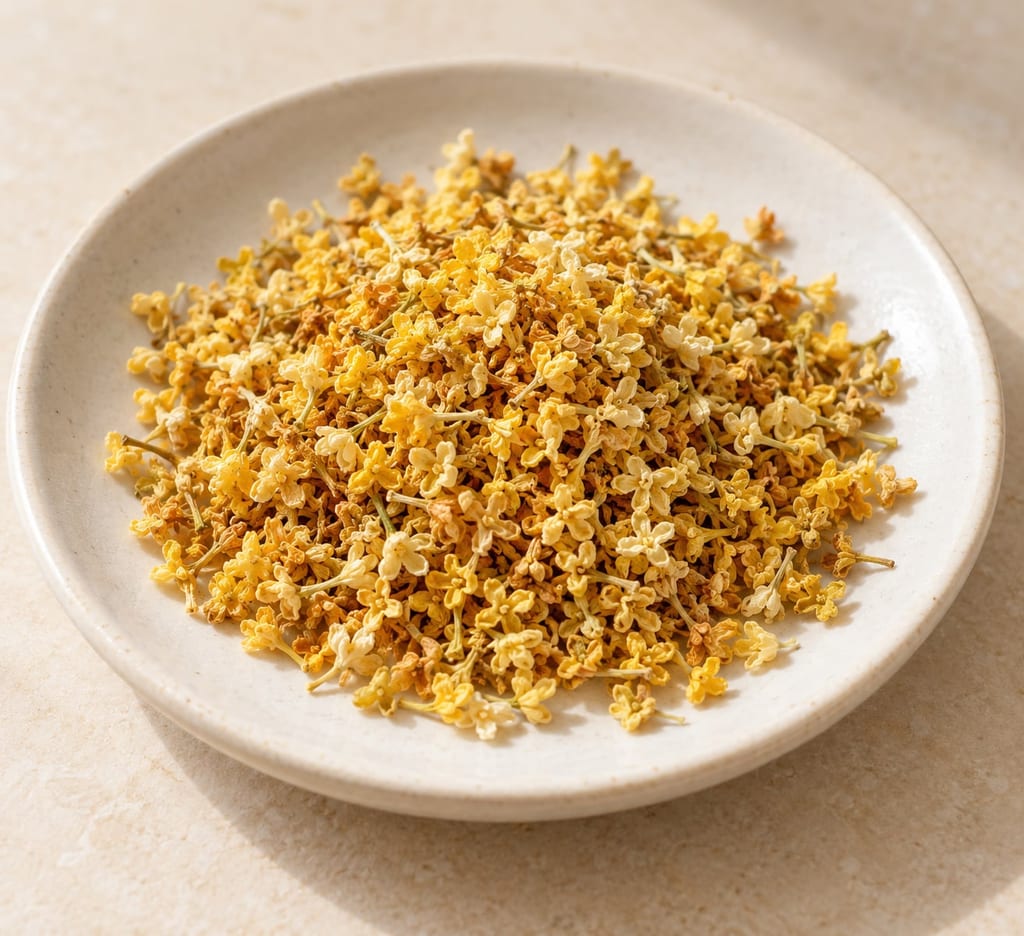
The fragrant flowers of Osmanthus fragrans are used as an aromatic food in East Asian teas, sweets and drinks; species identification and food-grade sourcing matter.
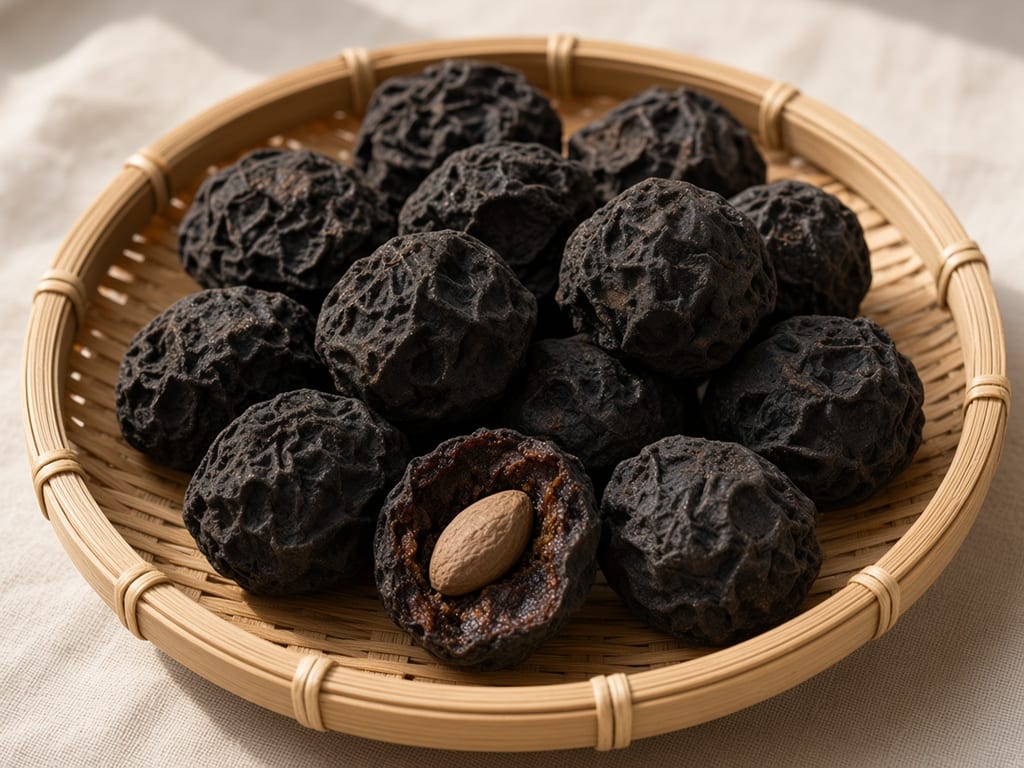
Wumei, China's smoke-blackened mume plums: the Qimin Yaoshu method quoted in full, Li Shizhen's lye-steam trick, how producers dry them now, and what safety authorities say about drying plums.
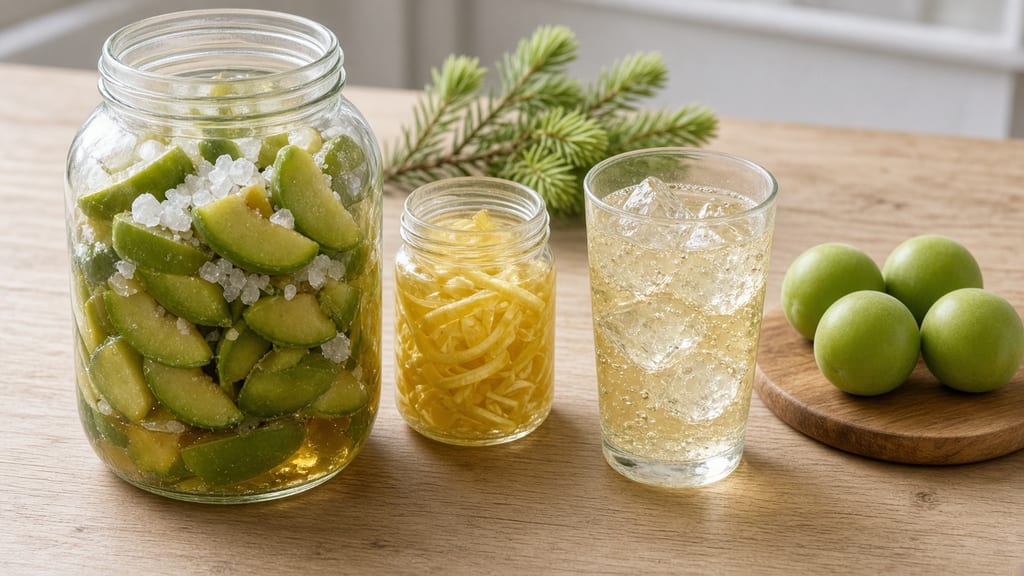
Syrups made without heat by packing fruit or shoots in sugar: Korean maesil-cheong with the ministry's stone-removal steps, frozen Japanese ume syrup, yuja-cheong and Polish pine-shoot syrup.
A Beijing-style yeast dough is layered with seasoned sesame paste, sealed into small buns, briefly pan-fried, seeded, and baked.
Plain wheat mantou made with yeast and baking powder, then proofed and steamed in a lined basket.
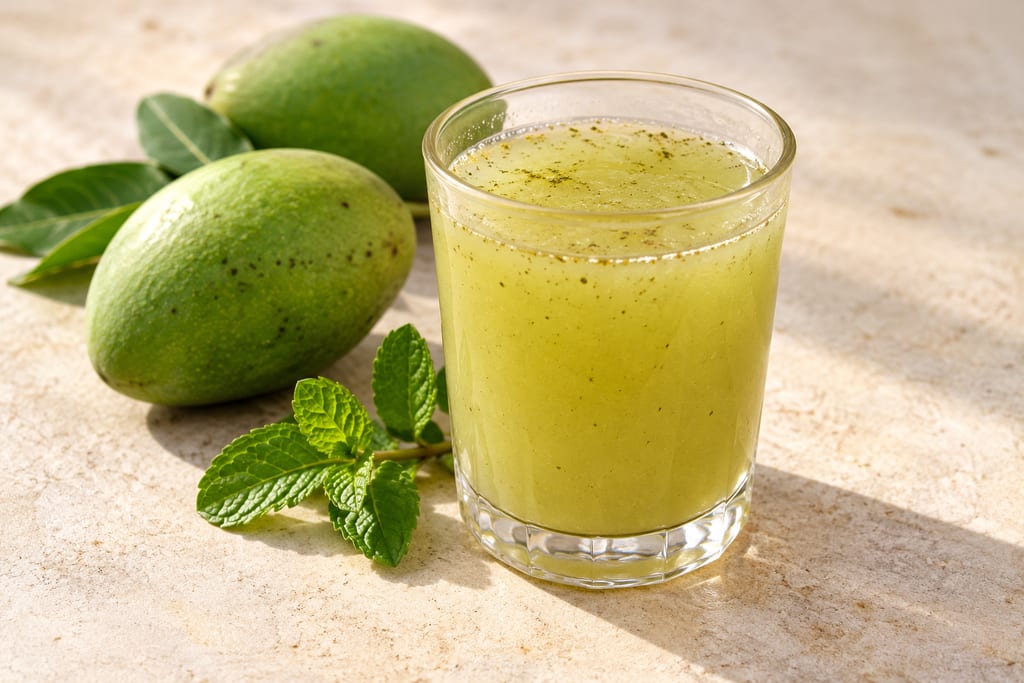
Aam panna is a tart Indian summer drink made by cooking unripe green mango until its flesh softens, then blending the pulp with sweetener, salt and spices and diluting it with water.
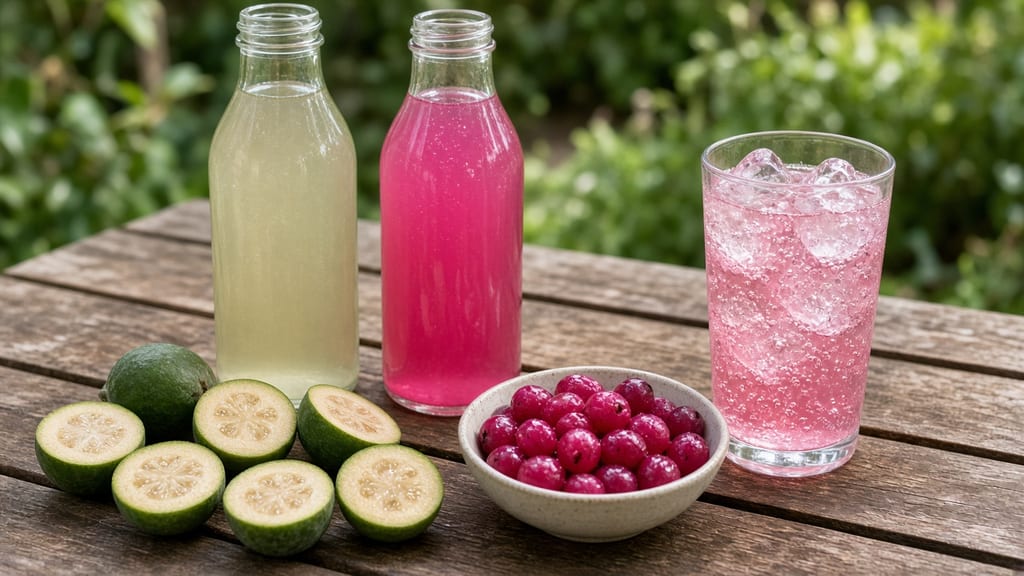
New Zealand feijoa cordial, from the flesh or just the skins, and Australian lilly pilly cordial: fruit, water and sugar heated briefly, strained, and sharpened with lemon and tartaric or citric acid.
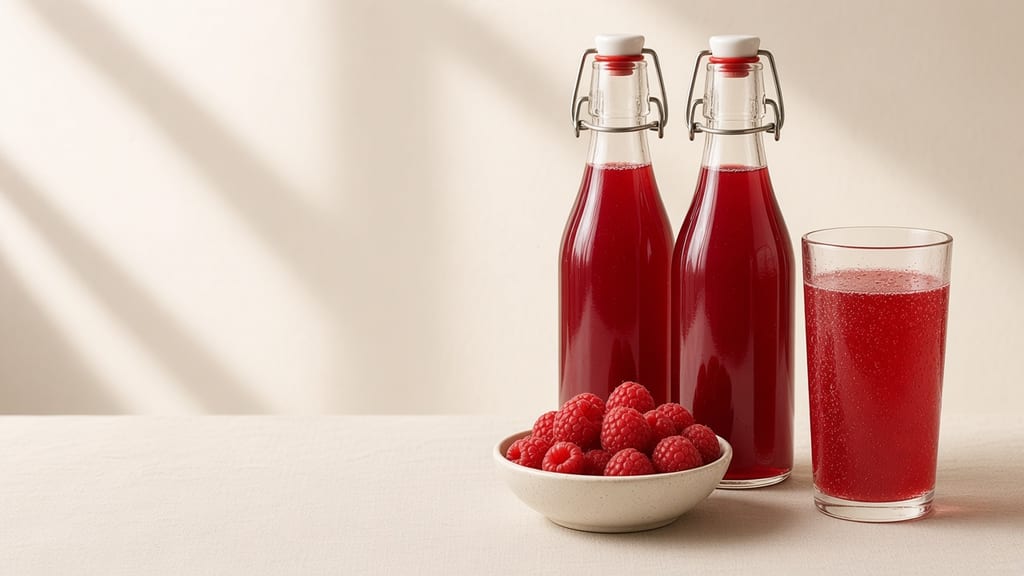
Clear fruit syrup from cooked, dripped berry juice boiled with sugar and canned in a water bath; one tested method for raspberry, strawberry, blueberry, cherry, grape and blackberry.
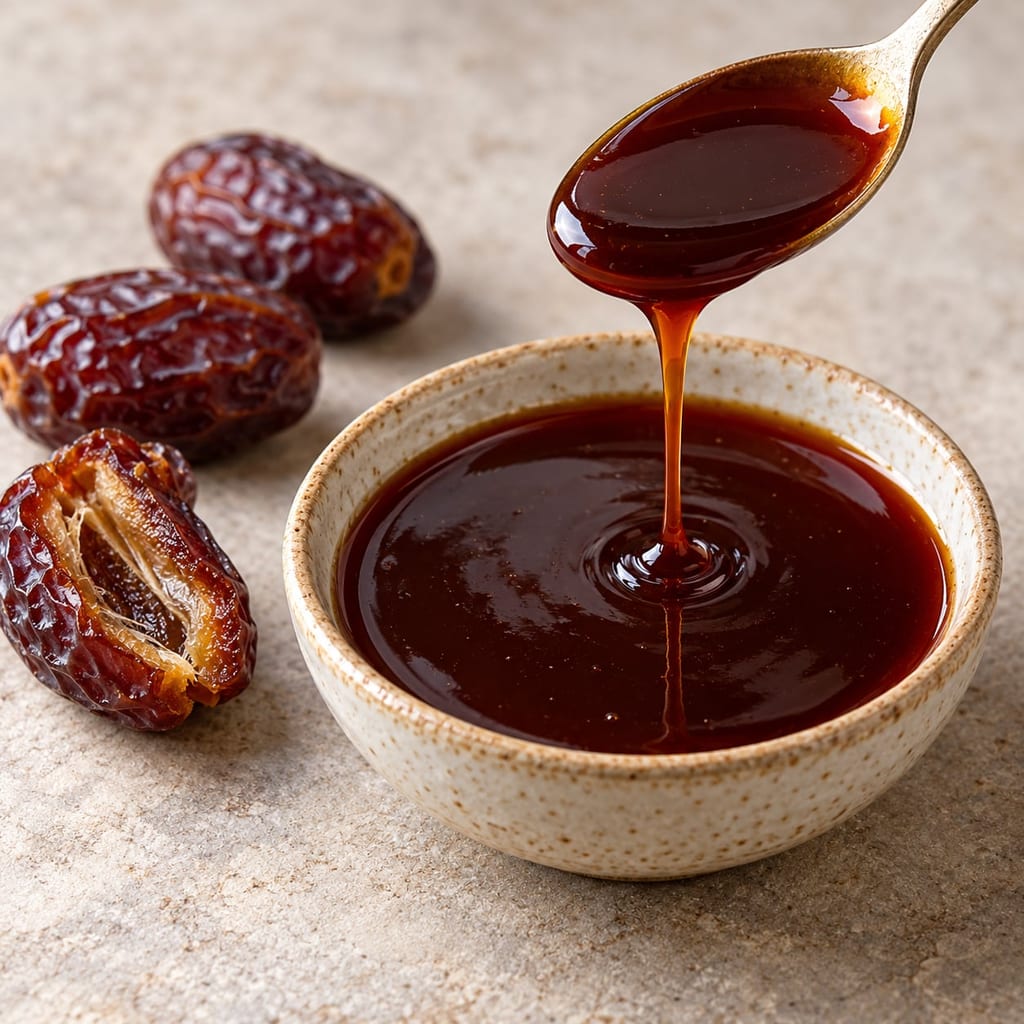
A thick, dark, very sweet syrup made from dates, known as dibs, rub, silan or date molasses. It sweetens tahini and desserts and glazes or sauces savoury dishes across the Middle East and North Africa.
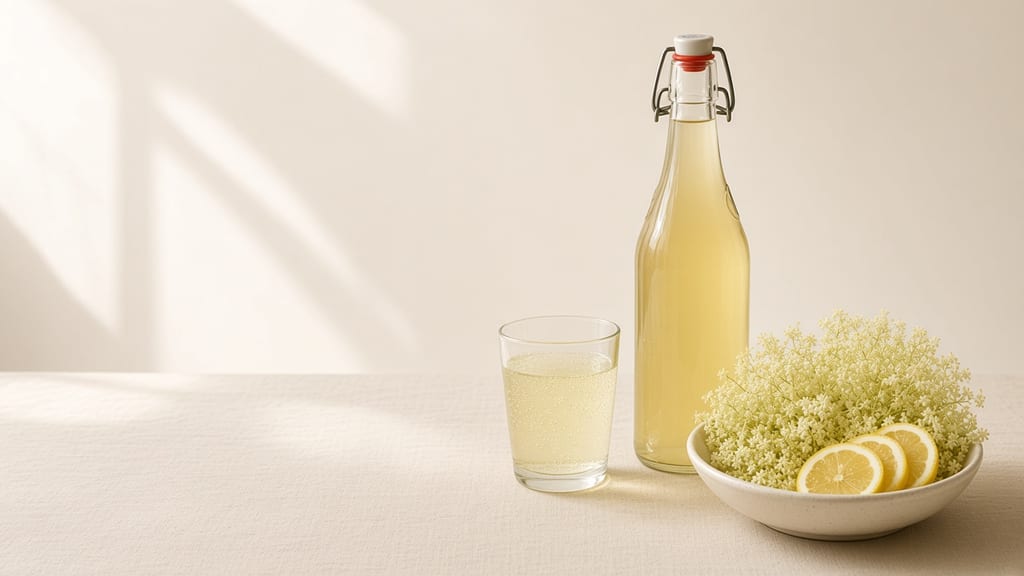
Elderflower heads steeped for one to three days in a lemony sugar syrup, strained and kept cold; the same infusion method flavours syrups with mint, basil, thyme and other herbs.
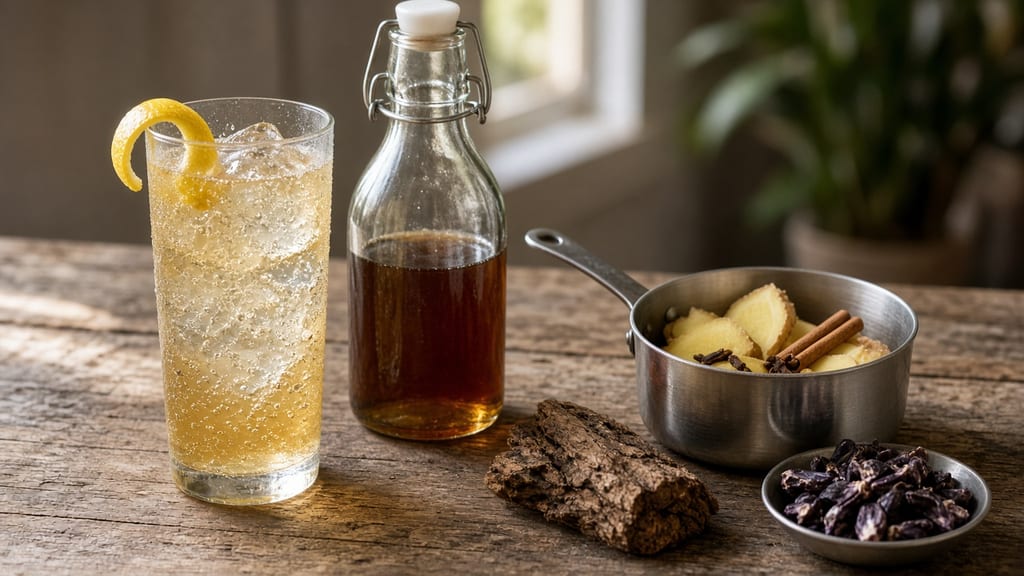
Boiled syrups from hard ingredients: a refrigerated ginger syrup, Trinidad mauby from tree bark, Tamil nannari root syrup, Peruvian purple-corn concentrate and a Turkish spiced sherbet.
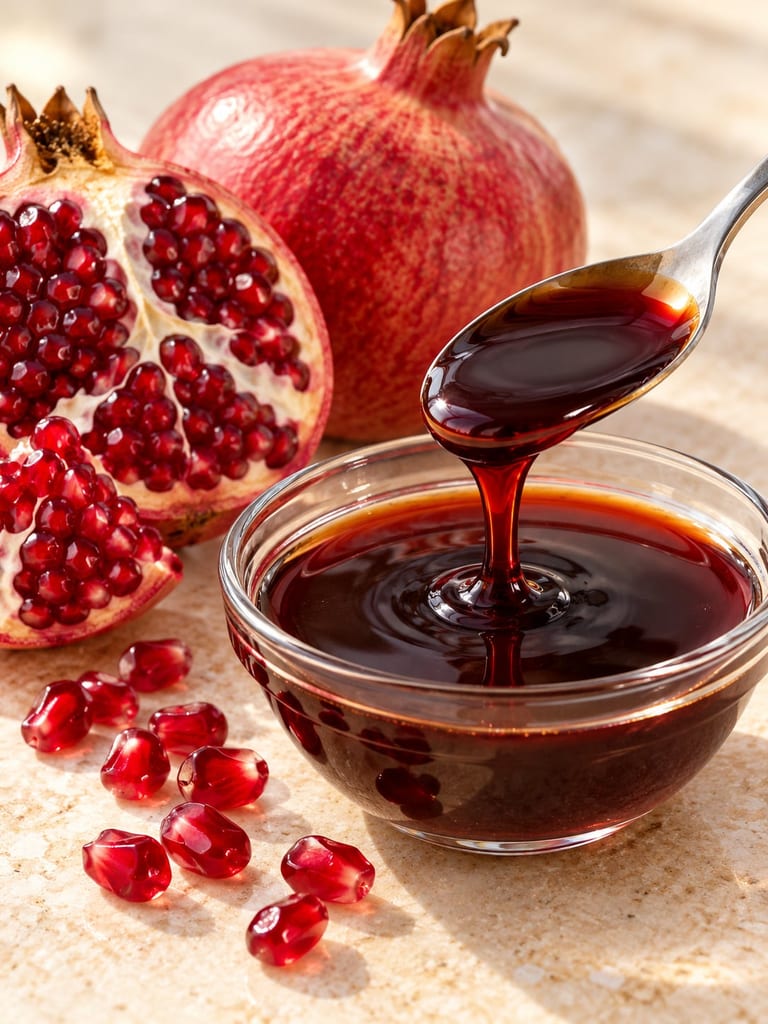
The registered Hatay method presses pomegranate arils and slowly concentrates the strained juice. Its 100 kg source batch and experienced-producer endpoint are retained; no home-scale time or shelf-life is inferred.
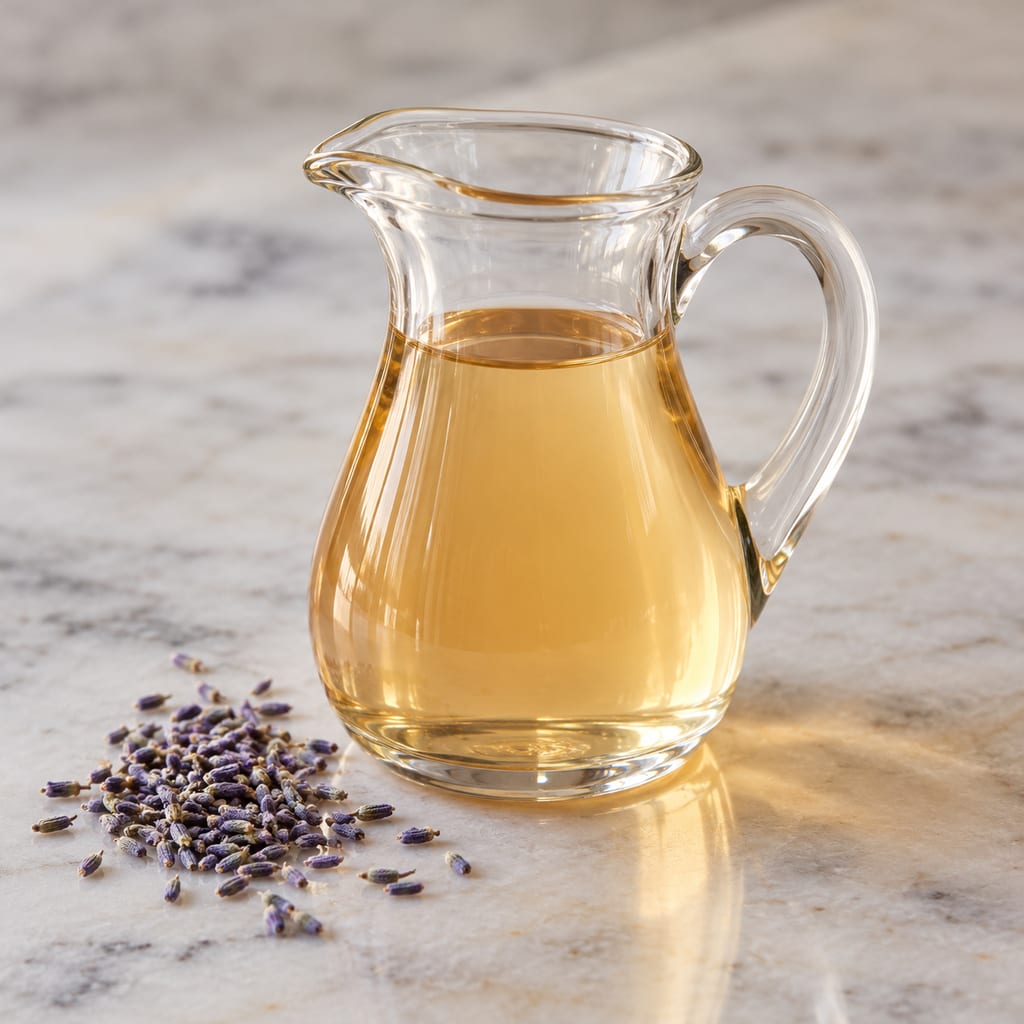
Sugar syrups flavoured by holding botanicals, sugar and water in sealed bags in a 135°F (57°C) water bath for an hour, then cooling and refrigerating; several can share one bath.
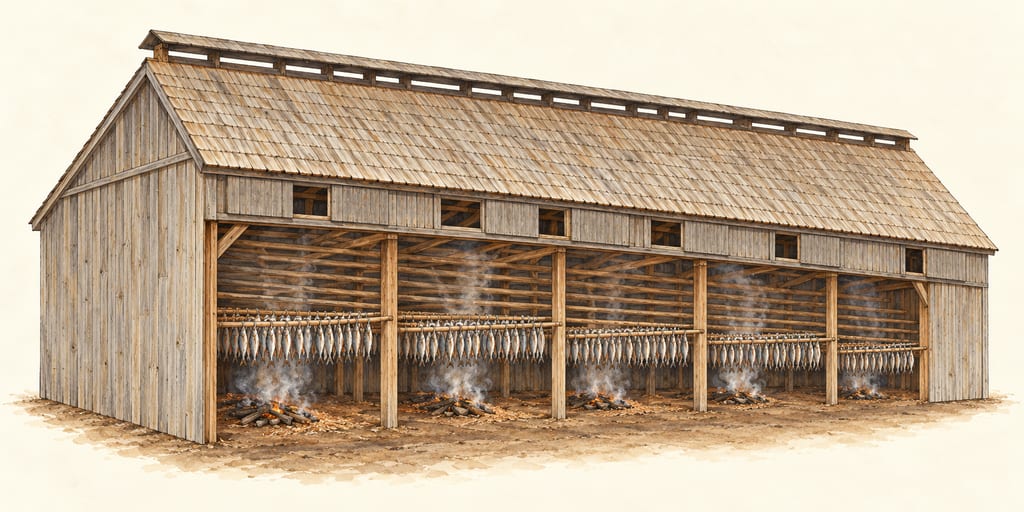
A Cap-Pelé boucanière is an Acadian herring-smoking building. The documented Willie Niles example is a one-storey wood-frame structure with a ridge smoke vent and interior bays for hanging fish-bearing cannes.
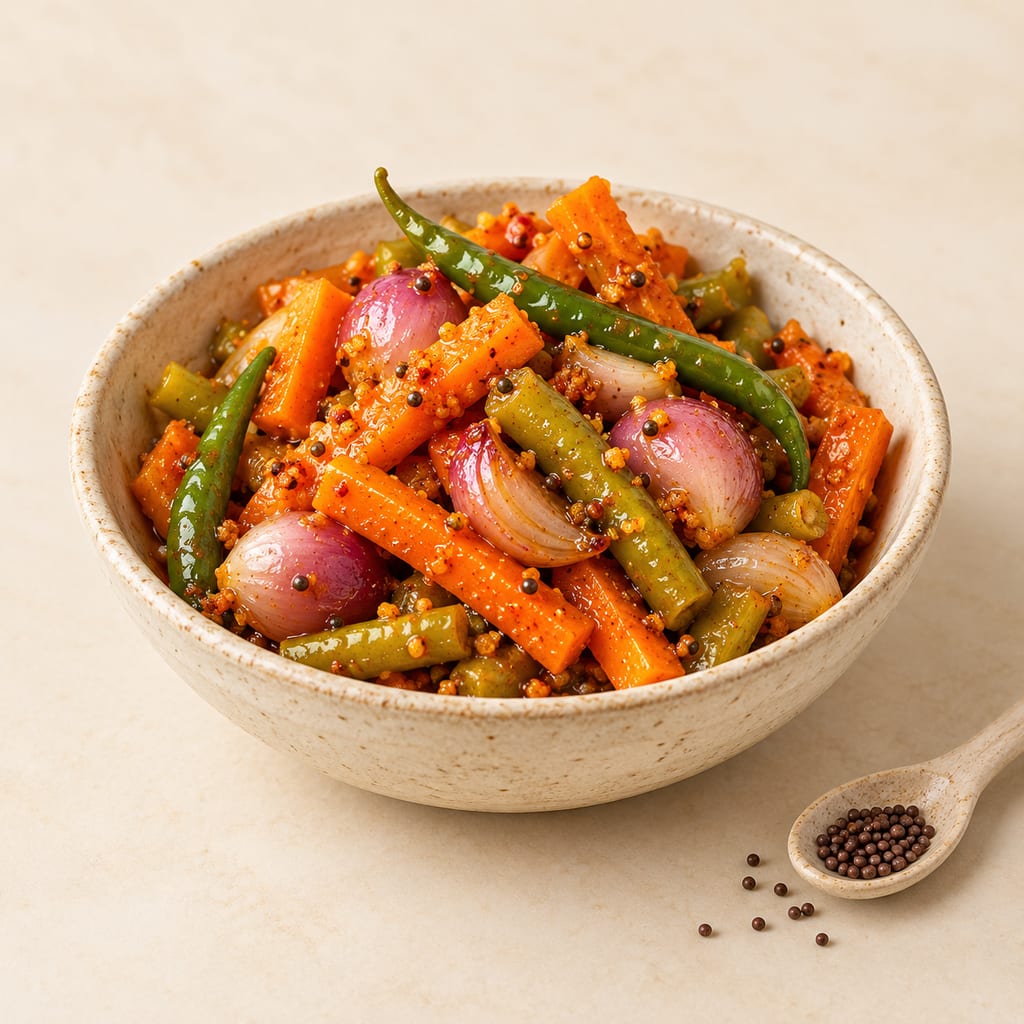
Achcharu is a family of Sri Lankan vinegar pickles made with mixed vegetables or seasonal fruit and a piquant spice dressing. This version is a quick, refrigerated, non-fermented mixed-vegetable pickle.
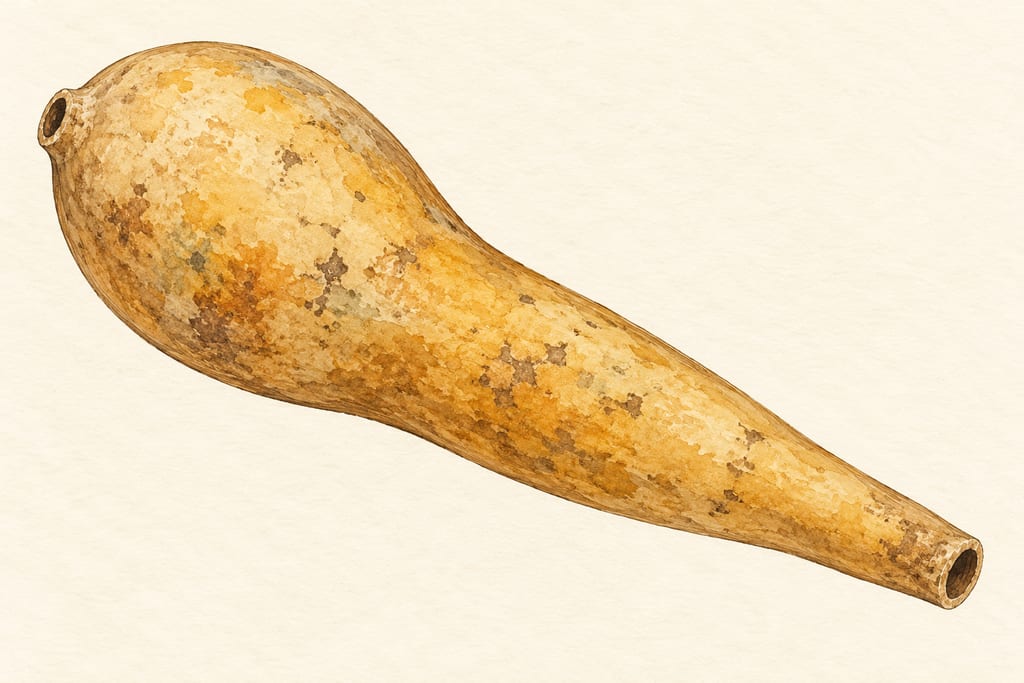
The acocote is a long, hollowed and dried gourd used to draw aguamiel from a mature maguey. It is a harvesting tool: the sap is transferred to a separate vessel before it ferments into pulque.
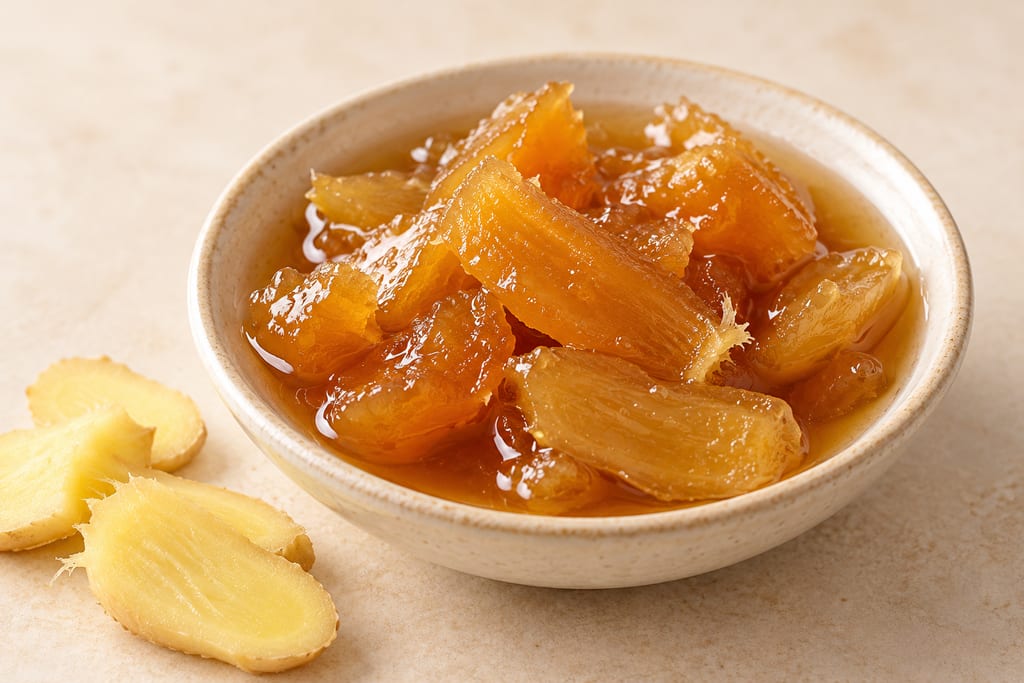
Adrak murabba preserves young ginger in sugar syrup, a sweet South Asian preparation recorded in Indian cookery and food-processing sources.
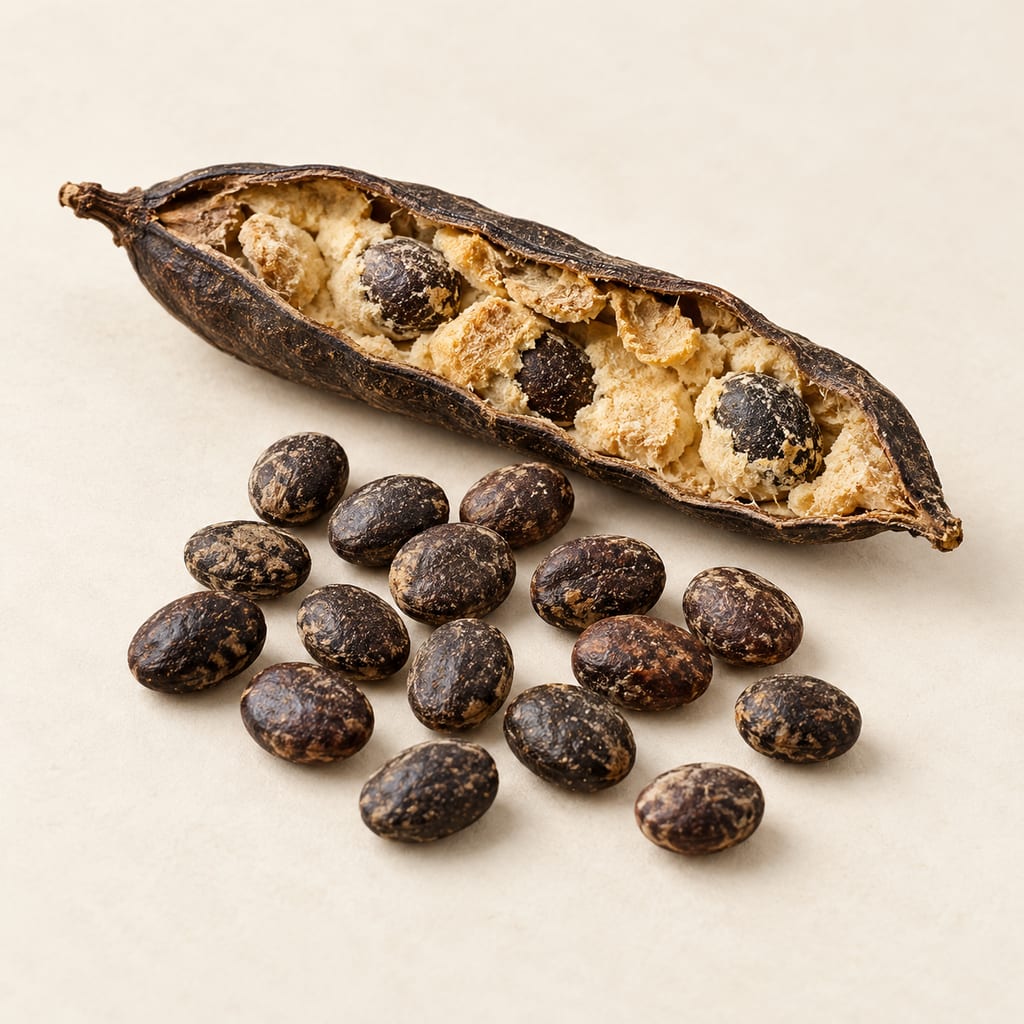
Parkia biglobosa seeds are fermented into regional West African seasonings, including nététou, iru, dawadawa and soumbala. The yellow fruit pulp is a separate food, and names and methods vary by place.
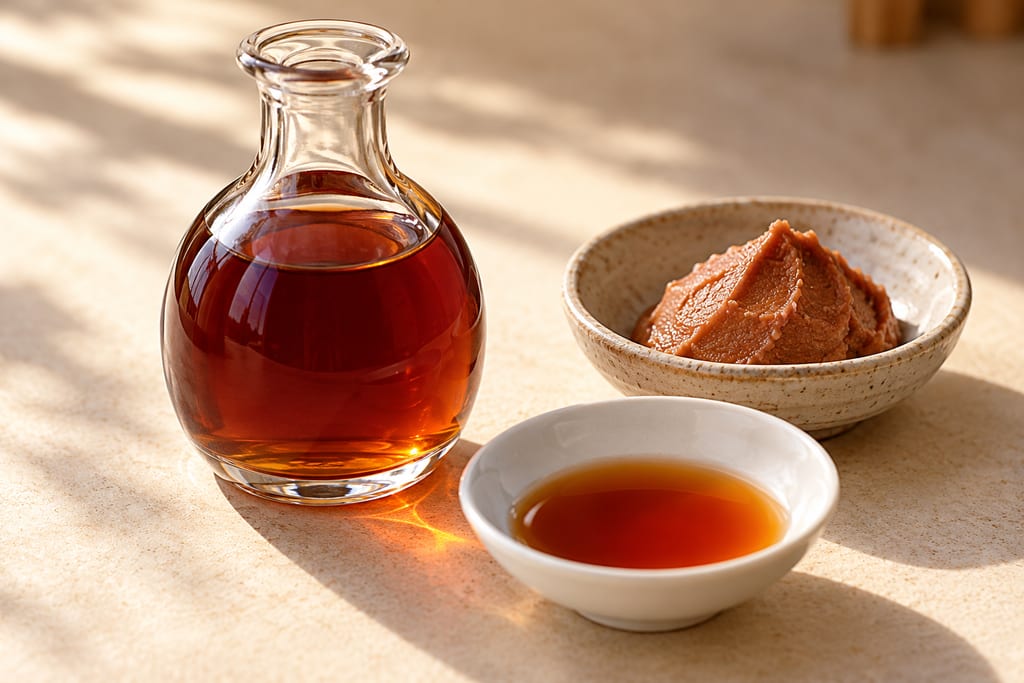
Japanese reddish-brown vinegar from sake lees matured about three years, turned to vinegar by acetic bacteria; the vinegar of Handa and Edomae sushi rice.
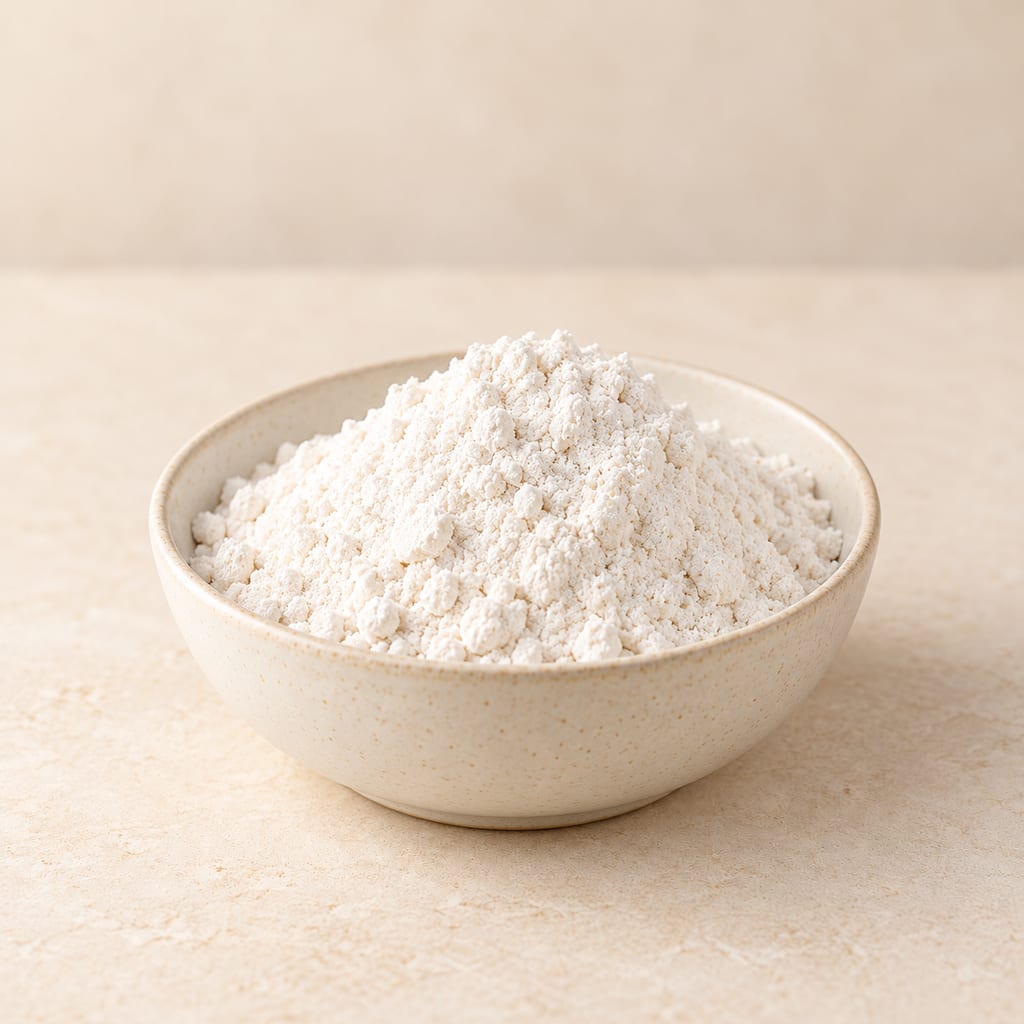
A refined common-wheat flour blended for a broad range of baking; its protein and behavior vary with wheat, milling and market.
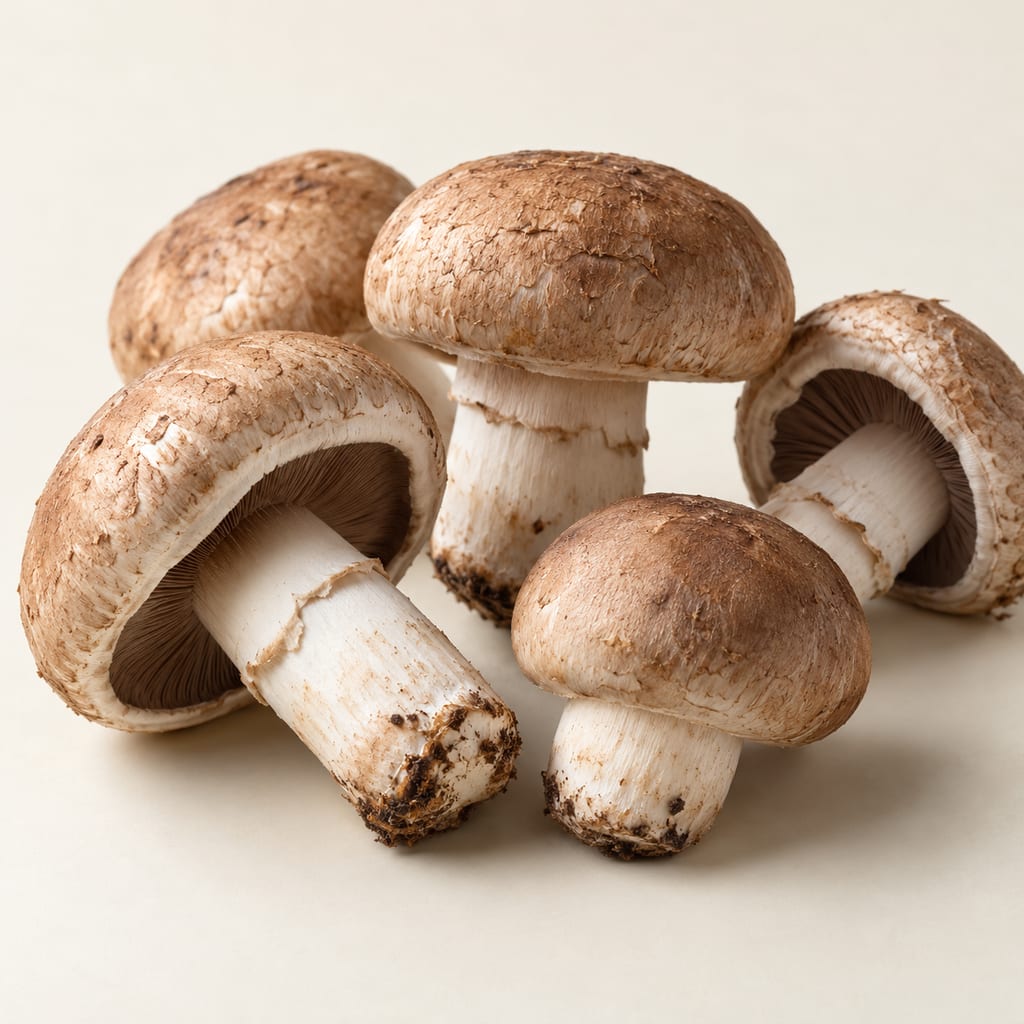
The almond mushroom, Agaricus subrufescens, was cultivated in eastern North America in the 1800s, lost its market, and returned as a cultivated mushroom from Brazil, where it is grown under several names.
No community contributions have been published for this entry yet.
Sign in to contribute. Published comments and photos are free to read.
富察敦崇 Fucha Dunchong, 1906; transcription on Chinese WikisourceHistory · Method
燕京歲時記 (Annual Customs of Yanjing), entries 酸梅湯 and 冰胡兒酸梅湯以酸梅合冰糖煮之,調以玫瑰木樨冰水,其涼振齒。以前門九龍齋及西單牌樓邱家者為京都第一。 (Wikisource transcribes 玫瑰 as 攻瑰.)
Suanmeitang is made by boiling sour plums with rock sugar and blending in rose, osmanthus and ice water; it is so cold it makes the teeth ache; Jiulongzhai at Qianmen and the Qiu family at Xidan Pailou made the best in the capital.
After the hottest days of summer, poor boys in the capital carry ice for sale and cry it in the streets; it is called binghur, hu meaning core.
Cited in: What this recipe is; Part one: suanmeitang in the Yanjing almanac, 1906; Reading the 1906 text; Part two: why the modern recipe is different; Which ingredients change what; When to drink it; Using it in fizzy water; Cousins on this site; Where the sources disagree
京细菜谱 Jingxi Caipu (user 兴奋watt)Method · History
正宗老北京桂花酸梅汤 (Old Beijing osmanthus suanmeitang)Ingredients: 50 g wumei (smoked plum), 50 g wuzao (smoked jujube), 75 g hawthorn, 2.5 g cardamom, 5 g liquorice root, 10 g dried osmanthus, 200 to 250 g rock sugar, 5 litres water (3.5 litres first decoction, 1.5 litres second).
Rinse wumei, wuzao, hawthorn, cardamom and liquorice, put in a clay pot with 3.5 litres water and soak 1 hour.
Bring to the boil on high heat, cover and simmer on low 45 minutes; pour the first decoction onto the rock sugar in a larger pot (yellow rock sugar preferred).
Return the solids to the pot with 1.5 litres water, boil, cover and simmer 25 minutes; combine the second decoction with the first.
Stir in dried osmanthus; drink when cool, best chilled.
The author argues that, like Chinese herbal decoctions, the ingredients should be cooked in a clay pot and decocted twice to extract them fully.
The author repeats the story that the Qing imperial kitchen refined the drink and that street stalls in front of dried-fruit shops later sold it everywhere.
Cited in: What this recipe is; Names and ingredients; Reading the 1906 text; Part two: why the modern recipe is different; Modern recipe: old Beijing suanmeitang, two decoctions; Which ingredients change what; Kitchen notes; Cousins on this site; Where the sources disagree
好漢草 HeroHerb editorial team, Taiwan, October 2026Method · Safety · Serving
酸梅湯怎麼做?烏梅、山楂、洛神比例與煮法 5 步驟About 2,000 ml: 6 to 8 wumei, 15 g dried hawthorn slices, 5 roselle calyces, 2 to 3 slices liquorice, 3 g dried tangerine peel, 60 to 80 g rock sugar.
Rinse, soak in 2,200 ml water 30 minutes, boil, cover and simmer 30 minutes; turn off the heat and dissolve rock sugar, starting with 60 g; strain, cool, refrigerate in clean glass bottles and drink within 3 days.
A pinch of dried osmanthus can go in 2 minutes before the heat is turned off; use stainless steel or a clay pot; acidic drinks should not stand long in aluminium.
Pour with a clean cup each time rather than drinking from the bottle.
If it bubbles, smells of alcohol, turns cloudy or grows mould, pour the whole bottle away.
Roselle gives a ruby colour; more wumei or hawthorn makes it sourer; less sugar can be balanced with red dates or dried apple; too sour: add 200 to 300 ml water and reboil; half batch: 1,100 ml water, 20 minutes.
Wumei, hawthorn, liquorice and tangerine peel are on Taiwan's list of Chinese medicinal materials that may also be used as food; ingredients are sold in Chinese medicine shops, dried-goods stores and supermarkets.
No caffeine; drunk in summer with braised snacks and stir-fries and in winter with hotpot; better after a meal than on an empty stomach; people who are pregnant, breastfeeding or taking medicines should ask a doctor first.
Cited in: What this recipe is; Names and ingredients; Part two: why the modern recipe is different; Modern recipe: old Beijing suanmeitang, two decoctions; Taiwanese version with roselle; Which ingredients change what; Kitchen notes; Buying the ingredients; When to drink it; Using it in fizzy water; Cousins on this site; Problems and safety; Where the sources disagree
中国食品安全网 China Food Safety News, from 南京市场监管 Nanjing Market Supervision, 23 July 2024Safety · History
古法酸梅汤强势回归,究竟该怎么喝?Common ingredients are wumei, dried tangerine peel, hawthorn, osmanthus, liquorice and rock sugar; the sourness comes mainly from wumei.
Today's recipes are said to derive from the Qing palace tea office, and the drink is said to have been a favourite of the Qianlong emperor.
People with peptic ulcers, excess stomach acid or a weak, cold stomach are advised not to drink it.
Hawthorn stimulates uterine smooth muscle; large amounts could cause contractions, so pregnant women are advised not to drink it.
Young children should drink only small amounts.
Use a clay pot or glass for decocting, not a metal container, because the drink is acidic.
Homemade suanmeitang that is not finished at once should be refrigerated promptly; fine foam on the surface may mean it has spoiled and it should not be drunk.
Cited in: What this recipe is; Names and ingredients; Reading the 1906 text; Part two: why the modern recipe is different; Buying the ingredients; Problems and safety; Where the sources disagree