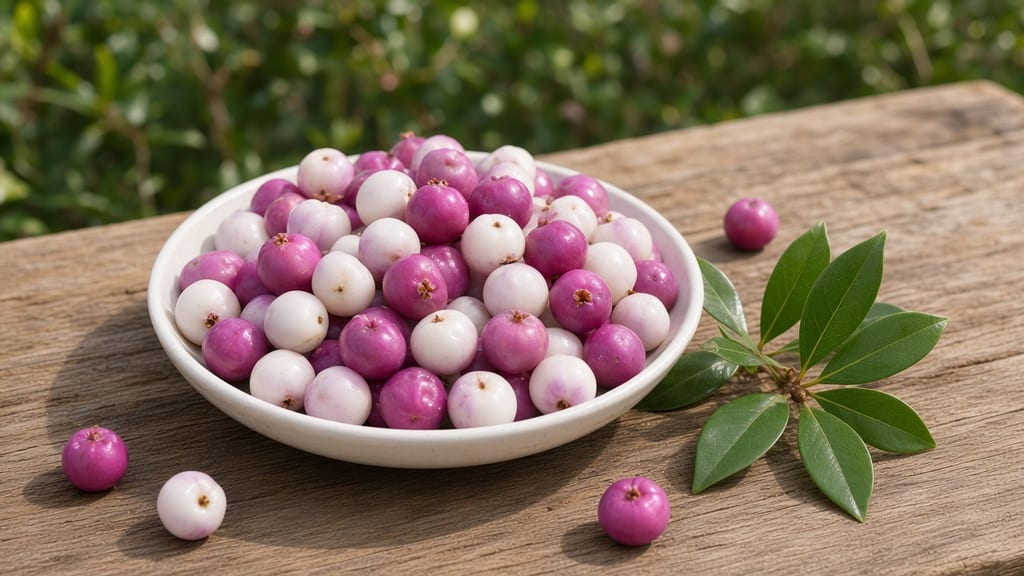
Lilly pilly
Lilly pillies are Australian rainforest fruits of the genus Syzygium. Maiden recorded them in 1889 as eaten by Aboriginal people; today garden fruit goes into a sharp pink cordial with lemon and tartaric acid.
 FermenteaWhere food goes to change
Feijoa cordial · Lilly pilly cordial · Lillypilly cordial
New Zealand feijoa cordial, from the flesh or just the skins, and Australian lilly pilly cordial: fruit, water and sugar heated briefly, strained, and sharpened with lemon and tartaric or citric acid.
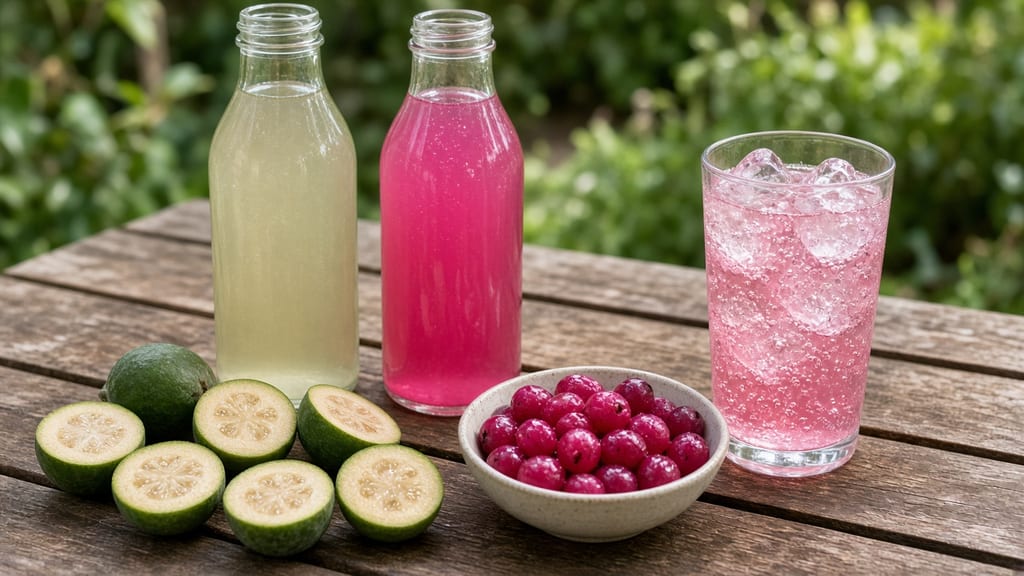
In New Zealand and Australia, cordial means a fruit syrup you dilute with water or soda. This page gathers two of the most local ones: feijoa cordial from Aotearoa New Zealand and lilly pilly cordial from Australia. They share one method. Fruit, water and sugar are heated briefly, the juice is strained off, and a spoonful of food acid, tartaric or citric, sharpens the flavour.
The acid is what makes these recipes different from the European fruit syrups in this series. Jackie French notes that raw lilly pillies have little natural sugar and do not taste very good on their own, and every cook here, feijoa or lilly pilly, adds lemon juice and a powdered acid from the baking aisle to make the drink taste bright. The result is closer to a lemonade concentrate than to a thick berry syrup.
Laurel's Traditional Australian Cookery puts it neatly: cordial is one of the markers of Australian English. Elsewhere, Laurel writes, it would be called syrup, and the word cordial would be kept for a restorative with some alcohol in it. In Australia it is an innocent fruit drink for children and teetotallers.
Jackie French, writing for Burke's Backyard, gives the history in one line: until about 100 years ago, cordials were very alcoholic and mostly medicinal, and only later became the non-alcoholic drinks we know. These two recipes belong firmly to the second, non-alcoholic kind.
Feijoas, Acca sellowiana, come from south-eastern Brazil and Uruguay. Te Ara, the Encyclopedia of New Zealand, records that they arrived in the early 1900s as ornamental shrubs and were often planted as low shelter belts because they stood up to coastal winds. The plant breeder Hayward Wright imported and bred varieties from 1929 to the early 1950s, and later government breeding gave the orchard cultivars Apollo and Gemini. In home gardens the fruit is gathered after it falls, and the harvest runs from March to May, the New Zealand autumn.
Plant to Plate Aotearoa, which runs cooking visits in schools under the banner Kids Can Cook, publishes the simplest feijoa cordial we found, rated easy and filed under Kids Can Cook.
Use 3 cups of feijoa flesh, 2 1/2 cups of sugar, 3 cups of water, 4 tablespoons of lemon juice, 3 teaspoons of citric acid and 3 teaspoons of tartaric acid. Plant to Plate notes that both acids are sold in the baking aisle of the supermarket in near-identical containers.
Scoop the flesh out of the feijoas and mash it. Put everything in a large saucepan and heat until it just comes to the boil, stirring so it does not stick. Strain through a sieve lined with muslin into a jug, pour into sterilised bottles and seal. Dilute to taste with water or soda. The whole job takes about 15 minutes of preparation and 20 minutes of cooking, plus cooling time.
Love Food Hate Waste New Zealand makes cordial from the part most people throw away. Its recipe, by Alessandra Zecchini, uses the skins of 12 to 14 feijoas, 1 litre of water, the juice of 1 lemon, 1 teaspoon of tartaric acid and 600 g of sugar, and makes one bottle in about 30 minutes.
Grate or zest the skins, or, if you like their earthy taste, use them whole. Put the water and lemon juice in a large pot, add the skins, the tartaric acid and the sugar, and stir. Bring to the boil and simmer for about five minutes, until the sugar has dissolved. Strain through a fine sieve, cool, and pour into sterile bottles.
The flesh is left for eating or other recipes, and the skins can be frozen to make cordial later in the year. If you have a feijoa tree, that means one harvest gives you fruit now and cordial in winter.
Lilly pillies are Australian native trees of the genus Syzygium, with glossy leaves and white, pink, magenta or purple fruit. The Australian Native Plants Society describes the fruit of Syzygium smithii, a common lilly pilly, as fleshy, white to purple and 10 to 15 mm across, and edible but not particularly palatable. Jackie French explains on Burke's Backyard that the raw berries do not taste very good because they contain little natural sugar, but with sugar added they make a delicious cordial.
Her recipe is quick. Put 2 cups of lilly pillies, 4 cups of water, 1 teaspoon of tartaric acid, 2 cups of sugar and the juice of 2 lemons into a stainless steel saucepan. Boil for about 5 minutes, until the fruit just starts to soften. Mash the fruit, tip the mixture into a strainer to remove the seeds and lumps, and pour the liquid into sterilised bottles.
Pick the fruit when it has just changed colour. French warns that lilly pillies left to ripen too long become bitter. Local Food Connect, which republished the recipe in 2010, gives the same advice.
Laurel's Traditional Australian Cookery gives a larger batch with a different order of work, for about two 750 ml bottles. Use 1 kg of small-leaved, magenta or creek lilly pillies, 3 cups of water, the juice of 2 lemons, 3 cups of sugar and 3 teaspoons of citric acid.
Put the washed berries in a large saucepan with the water, bring to the boil, cover and simmer for 20 minutes, then let them cool. Line a sieve with a jelly bag or a bag of flannelette, set it over a clean saucepan, tip in the fruit and juice, and add the lemon juice. Gather up the bag and twist and squeeze it until all the juice is forced out.
Bring the juice to a rapid boil, stir in the sugar and citric acid until dissolved, and pour through a funnel into hot, clean bottles. Seal, and refrigerate after opening. Serve a tablespoon or two in a glass, topped up with tap or soda water.
Laurel's order, juice first and sugar afterwards, is the same as in the European berry syrups elsewhere in this series.
Jackie French's recipe is the quick one: 2 cups of fruit, 4 cups of water, 2 cups of sugar, 1 teaspoon of tartaric acid and the juice of 2 lemons, all boiled together for about 5 minutes, then mashed and strained. Laurel's is the slow one: 1 kg of fruit simmered covered for 20 minutes, cooled, squeezed through a jelly bag with the lemon juice, then boiled hard with 3 cups of sugar and 3 teaspoons of citric acid.
French's version is ready in minutes. Laurel's gives a larger batch, about two 750 ml bottles, and squeezes more juice from the fruit. Choose by how many berries you have.
None of these recipes is large. Love Food Hate Waste's feijoa-skin cordial makes one bottle from a litre of water. Laurel's lilly pilly batch makes about two 750 ml bottles from a kilo of fruit. Plant to Plate and Jackie French give no yield, but their quantities, 3 cups and 4 cups of water, make a bottle or two.
Local Food Connect's advice on bottles applies to all of them: several small bottles keep better than one or two large ones, because each bottle is opened fewer times. Sterilise the bottles first, as every source here does.
Love Food Hate Waste builds its whole recipe around waste: the skins make the cordial and the flesh is kept for eating. Laurel's page shows how far a little fruit goes: 3 cups of lilly pillies simmered in 2 cups of water for 20 minutes and squeezed through muslin give about 2 to 2 1/4 cups of juice. Squeeze the bag hard; the dry remains are then discarded, and the jelly bag is washed for next time.
Every recipe here adds acid. Plant to Plate uses lemon juice plus both citric and tartaric acid; Love Food Hate Waste and Jackie French use lemon juice and tartaric acid; Laurel uses lemon juice and citric acid. Jackie French gives the reason in plain words: the raw berries have little sugar and little taste, and the cordial needs help to be delicious.
Tartaric and citric acid are sold as white powders in the baking aisle. Plant to Plate warns that their containers look almost the same, so read the label. If you can only find one, the recipes show that either works with lemon juice; Laurel uses citric only and French tartaric only.
The sources disagree on keeping time. Local Food Connect says lilly pilly cordial should keep for at least a fortnight and possibly longer, but warns that it has no preservatives and should be kept in the refrigerator. It suggests several small bottles rather than one or two large ones, because the fewer times a bottle is opened, the longer it may keep. Love Food Hate Waste says its feijoa-skin cordial lasts up to two months. Laurel refrigerates after opening.
We follow the cautious line. Keep the cordials in sterilised bottles in the refrigerator and use them within a month, as the University of Maine Cooperative Extension advises for homemade fruit syrups. Use small bottles, label and date them, and open one at a time.
Every source here suggests soda as well as water. Laurel's measure is a tablespoon or two per glass. Start there, add ice, and top up with cold sparkling water. Lilly pilly cordial takes its colour from the fruit, which can be pink, magenta or purple.
If you have a home carbonator, carbonate plain water and add the cordial afterwards, as the cordial pages on this site describe.
In home gardens, Te Ara notes, feijoas are gathered once they fall from the tree. Plant to Plate simply scoops out the flesh. For the skins-only version, wash the fruit well before peeling, since the skins go straight into the pot.
For lilly pillies, use fruit that has just coloured, as French and Local Food Connect advise. Laurel names small-leaved, magenta and creek lilly pillies. Wash the berries and pick out stems and leaves. The seeds are strained out after cooking, so there is no need to stone them.
The method is the same as the European cooked fruit syrups in this series: heat the fruit, strain the juice, sweeten. The jelly bag that Laurel uses is the same one as in the berry and elderflower recipes. The acid makes these cordials cousins of the lemonade concentrates and of the shrubs, where vinegar plays the same sharpening role.
Storage: these cordials have no preservatives. Keep them in sterilised bottles in the refrigerator and use within a month, following the University of Maine Cooperative Extension. Discard any bottle that grows mould.
Bitter lilly pilly cordial: the fruit was too ripe. Pick it when it has just changed colour.
Keeping: Local Food Connect says at least a fortnight in the refrigerator; Love Food Hate Waste says up to two months; the University of Maine Cooperative Extension says one month for homemade syrups.
Order: Jackie French boils fruit, sugar and acid together for 5 minutes; Laurel extracts the juice first and adds sugar and acid at the end.
Acid: Plant to Plate uses both citric and tartaric acid; French and Love Food Hate Waste tartaric only; Laurel citric only.
Modern recipes only; Te Ara on the arrival of feijoas in New Zealand in the early 1900s.
Scaling: linear
Homemade fruit syrups are stored in the refrigerator and used within a month.
Hazard sourceStore in sterilised bottles, labelled and dated, in the refrigerator.
Control sourceUse several small bottles rather than a few large ones.
Control sourceNo preservatives: refrigerate and use within a month.
Discard any bottle with mould.
Feijoa cordial from flesh or skins.
Lilly pilly cordial.
Lilly pillies are Australian rainforest fruits of the genus Syzygium. Maiden recorded them in 1889 as eaten by Aboriginal people; today garden fruit goes into a sharp pink cordial with lemon and tartaric acid.
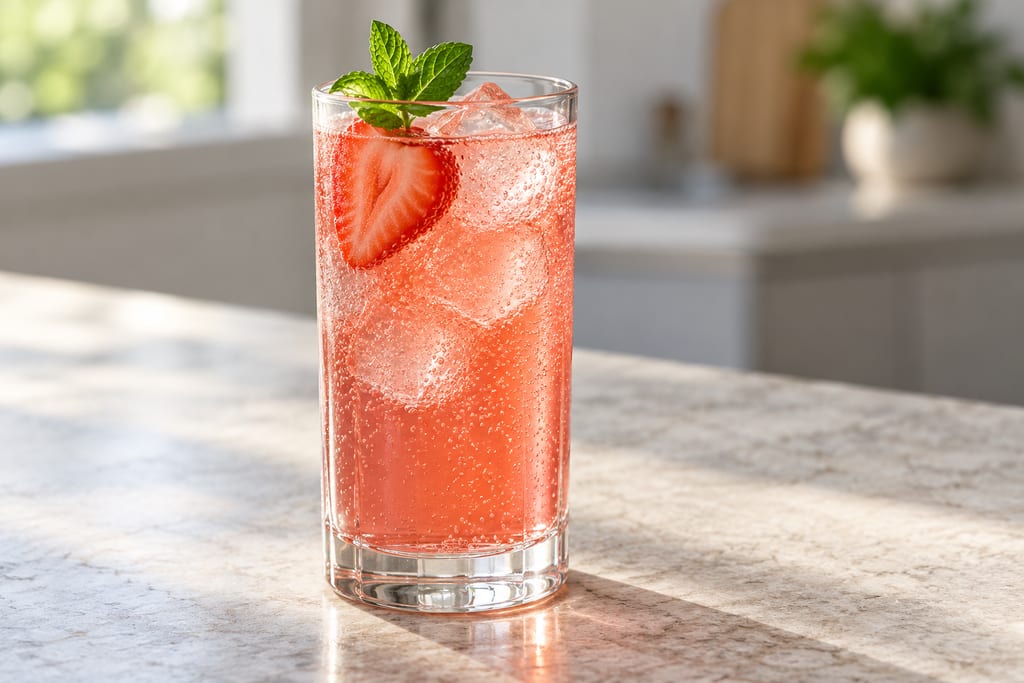
A cold finished drink charged with carbon dioxide in a home carbonator that accepts liquids other than water. Carbonating is not fermentation and does not preserve the drink.
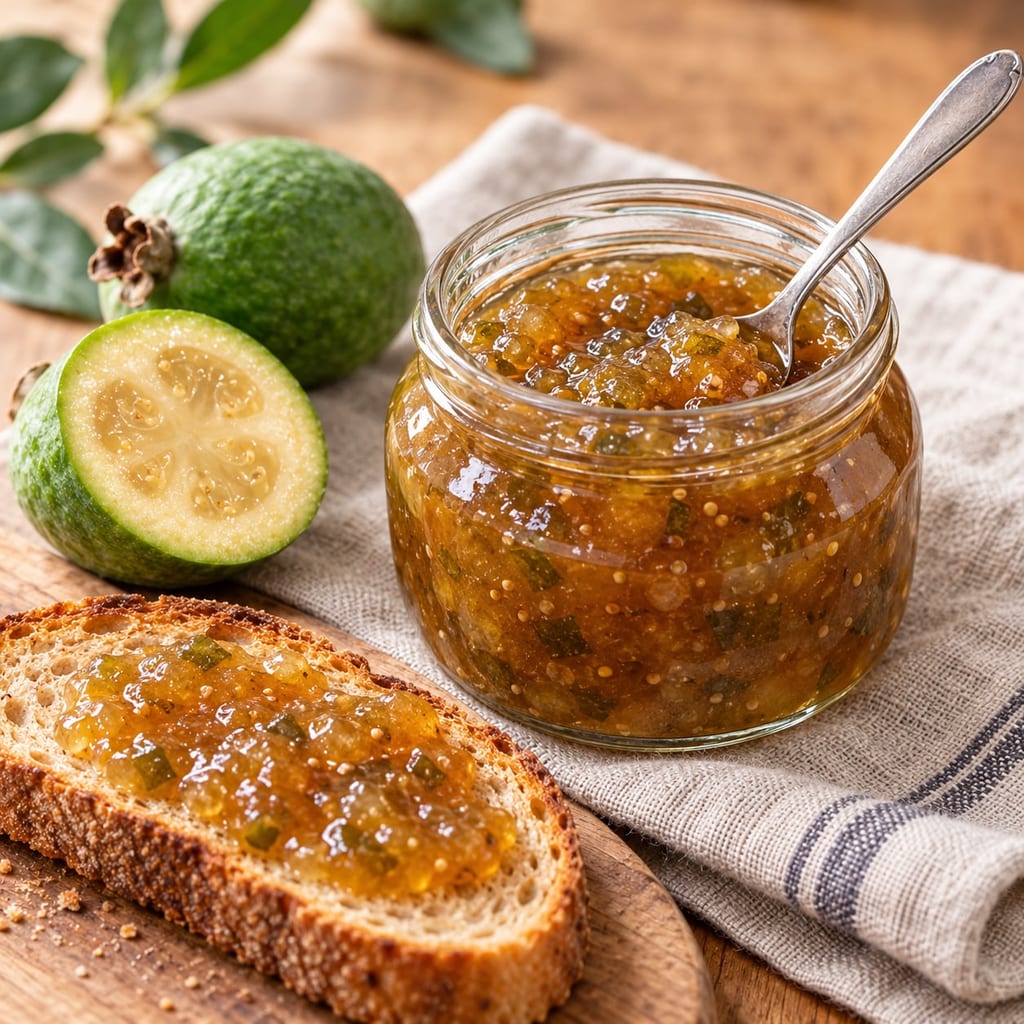
Blended whole feijoas simmer into a skin-on jam with lemon, sugar and vanilla. The skins remain for a more textured finish; keep this batch refrigerated or frozen because its method has no validated shelf-stable canning process.
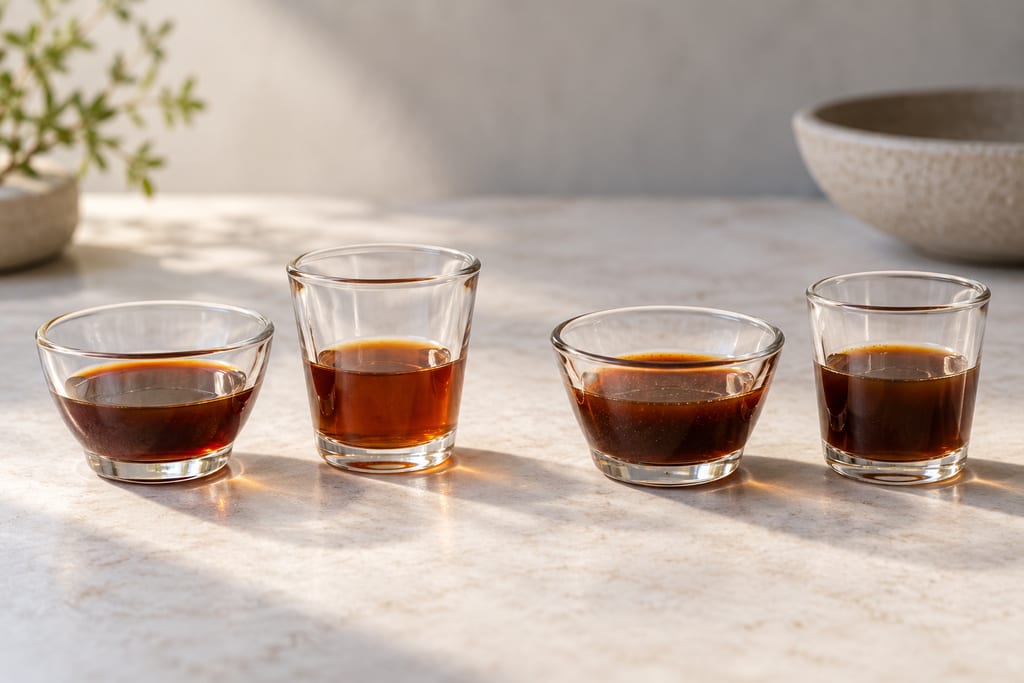
A 2023–2025 proof-of-concept made separate fermented extracts from beef heart and lung with Staphylococcus xylosus and protease. It reports supervised pilot findings, not a validated household method or a blended heart-and-lung formula.
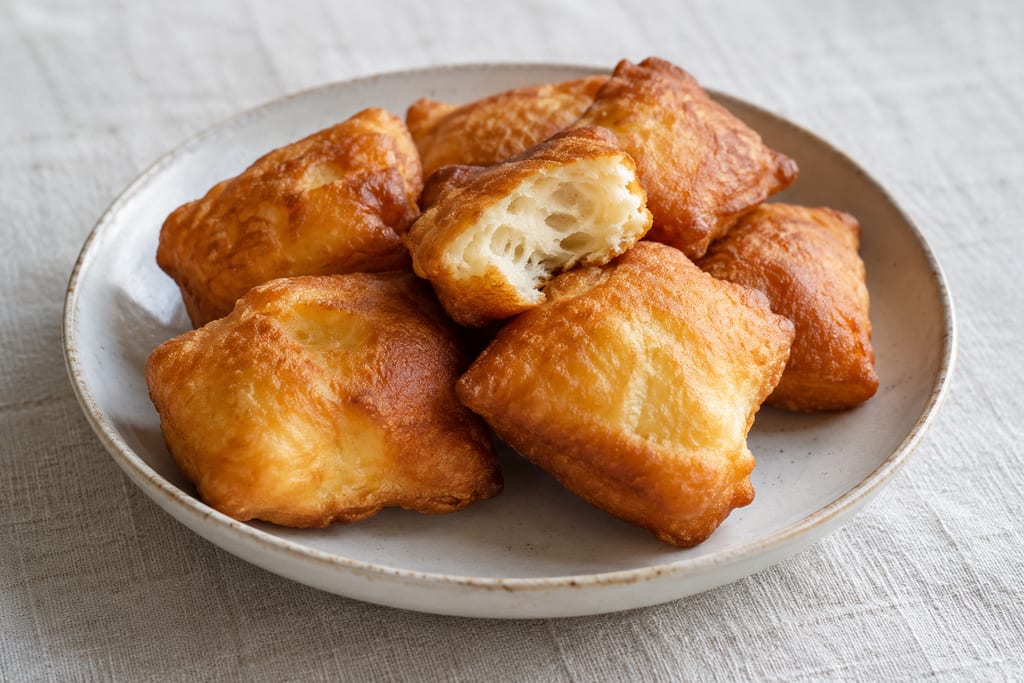
A yeast-leavened Māori fried bread recipe shared by Aunty Gina Harding, with a 12–14 piece batch, two rises and a 165°C fry.
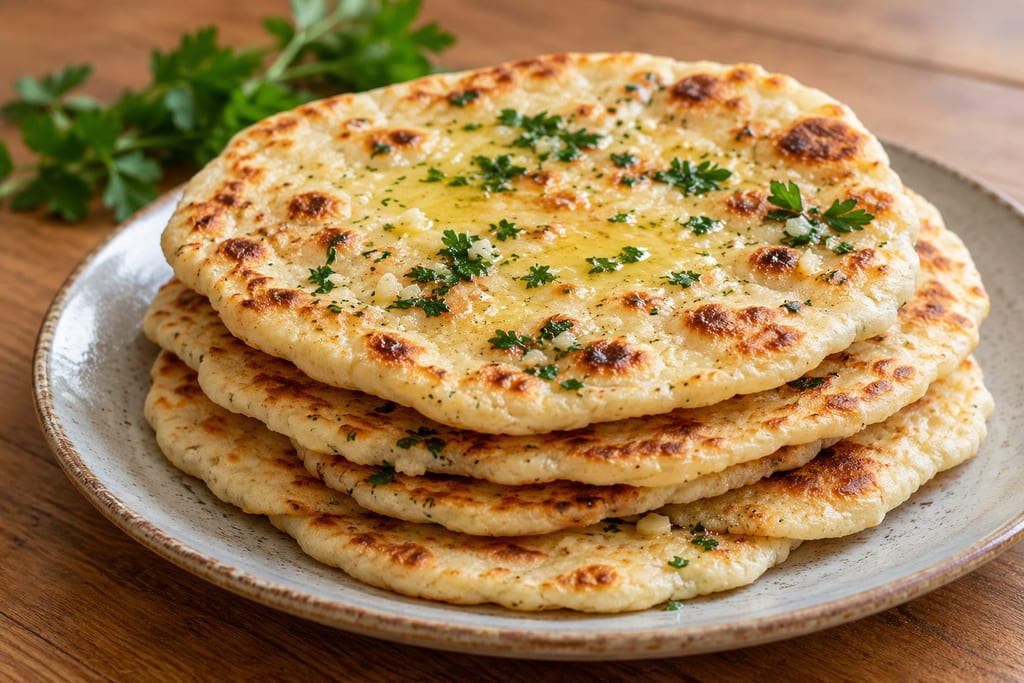
Christall Lowe's whānau takakau is an eight-piece wheat flatbread enriched with milk and oil or butter, rested briefly, then cooked one at a time in a skillet.
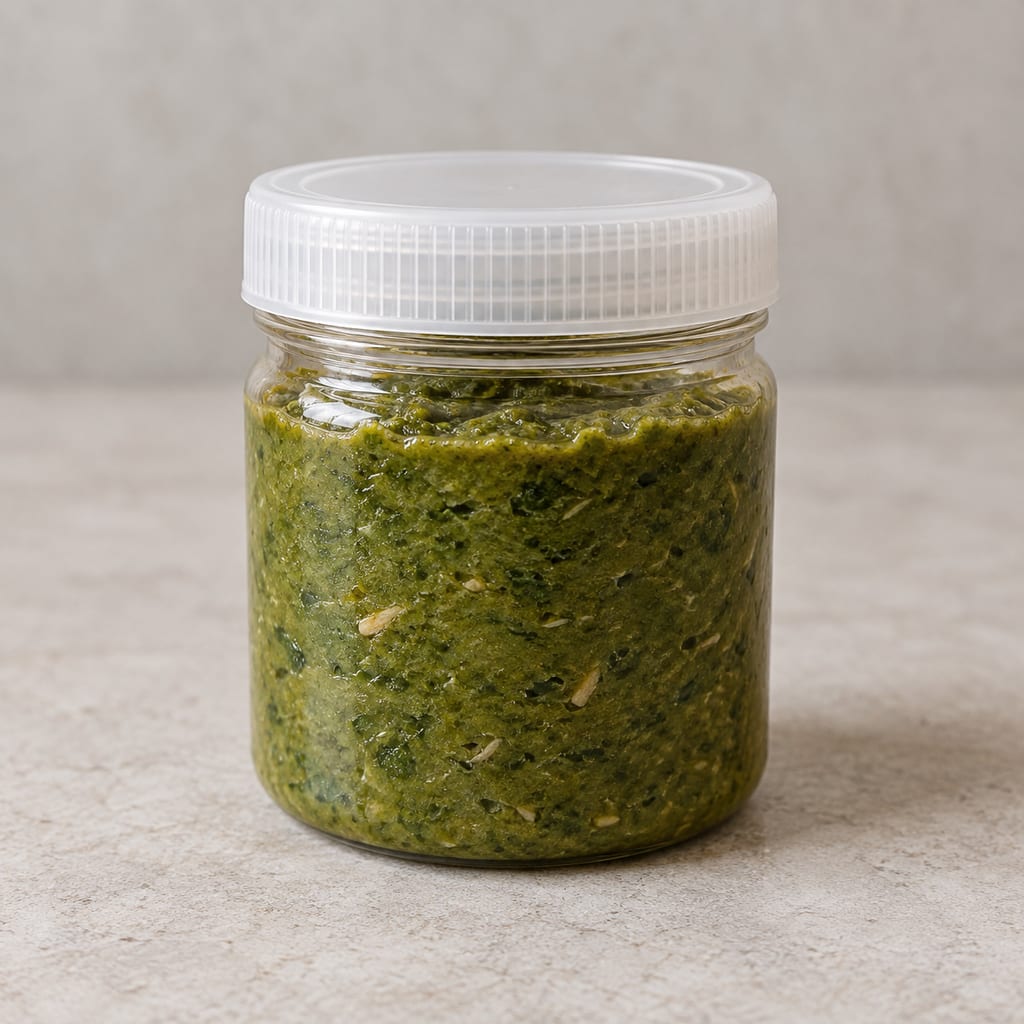
Dixon's 2007 thesis records ten toroi study batches, five with puha and five with watercress, each from 2 kg of shell-on green-lipped mussels and about 600 g of greens. Its method is a laboratory one.
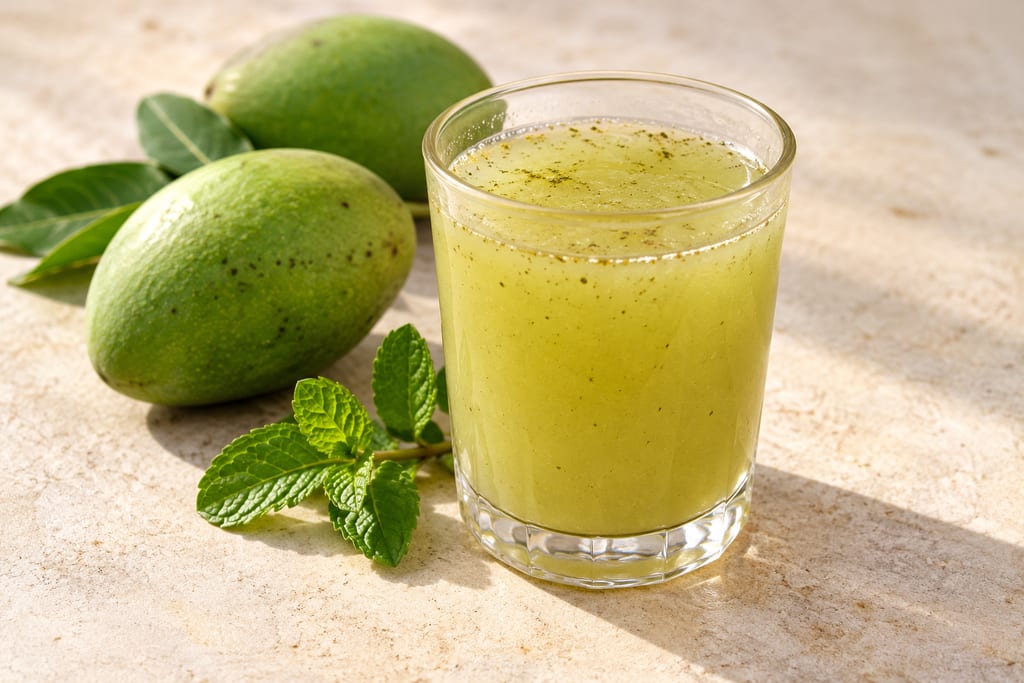
Aam panna is a tart Indian summer drink made by cooking unripe green mango until its flesh softens, then blending the pulp with sweetener, salt and spices and diluting it with water.
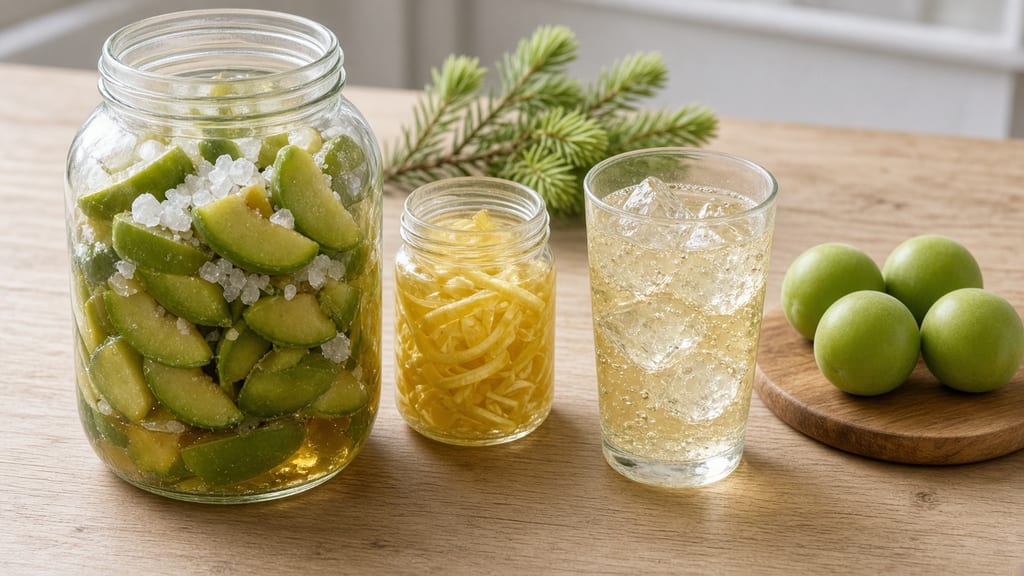
Syrups made without heat by packing fruit or shoots in sugar: Korean maesil-cheong with the ministry's stone-removal steps, frozen Japanese ume syrup, yuja-cheong and Polish pine-shoot syrup.
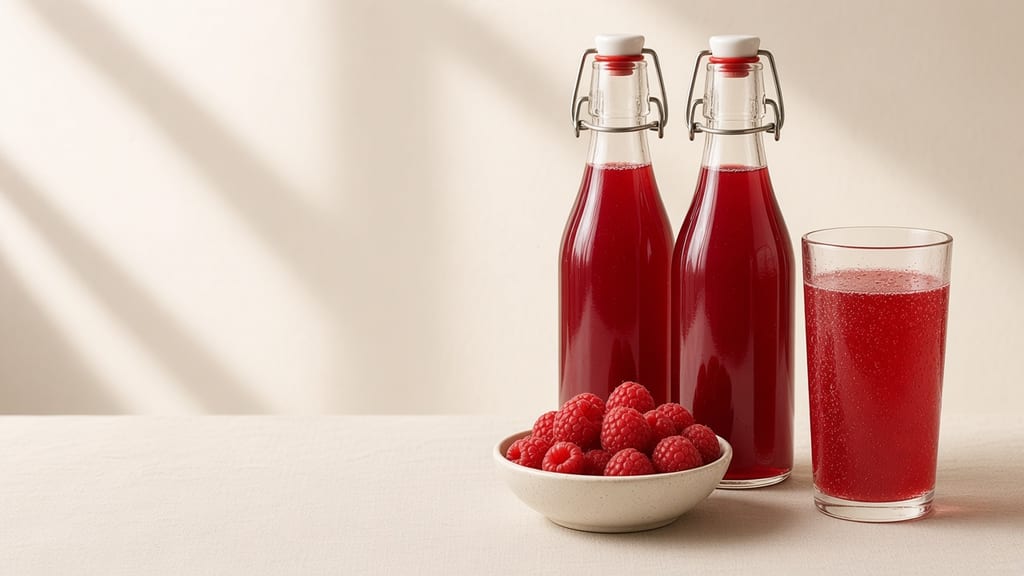
Clear fruit syrup from cooked, dripped berry juice boiled with sugar and canned in a water bath; one tested method for raspberry, strawberry, blueberry, cherry, grape and blackberry.
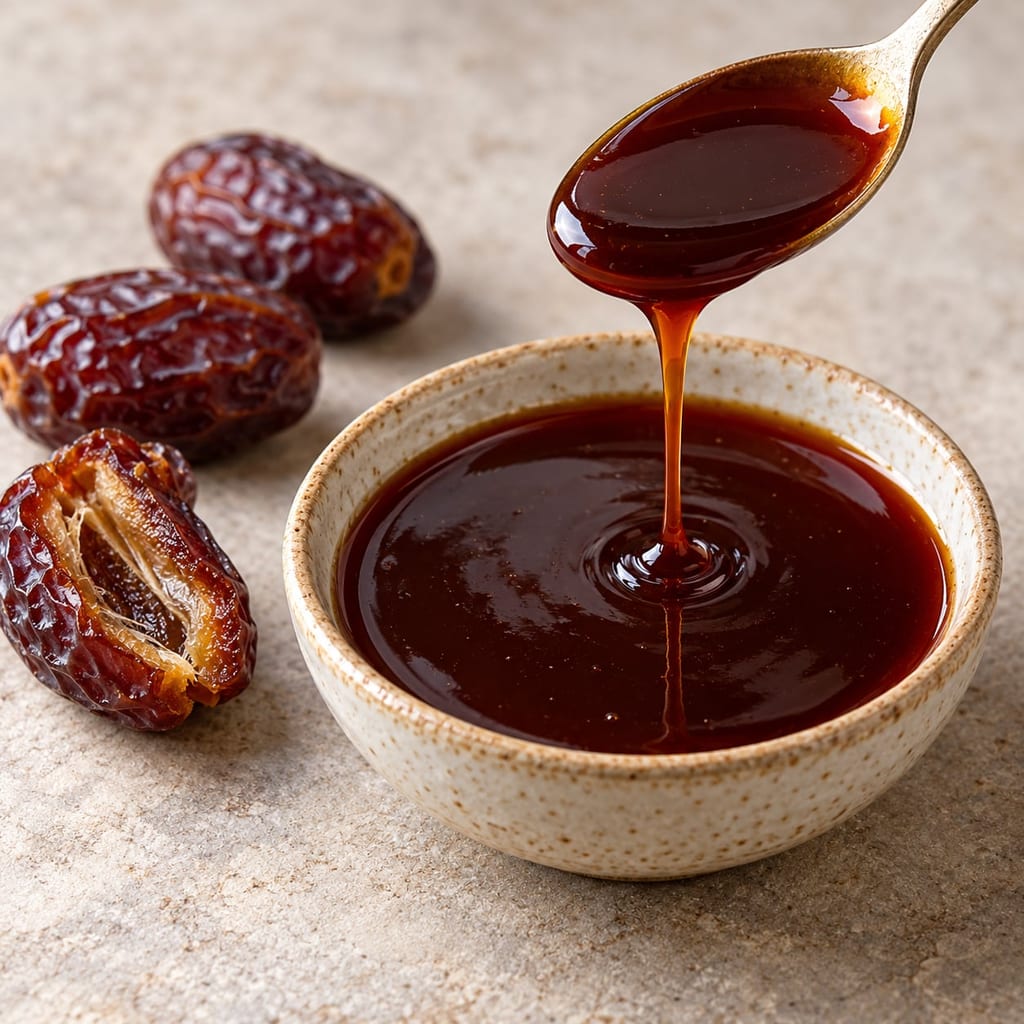
A thick, dark, very sweet syrup made from dates, known as dibs, rub, silan or date molasses. It sweetens tahini and desserts and glazes or sauces savoury dishes across the Middle East and North Africa.
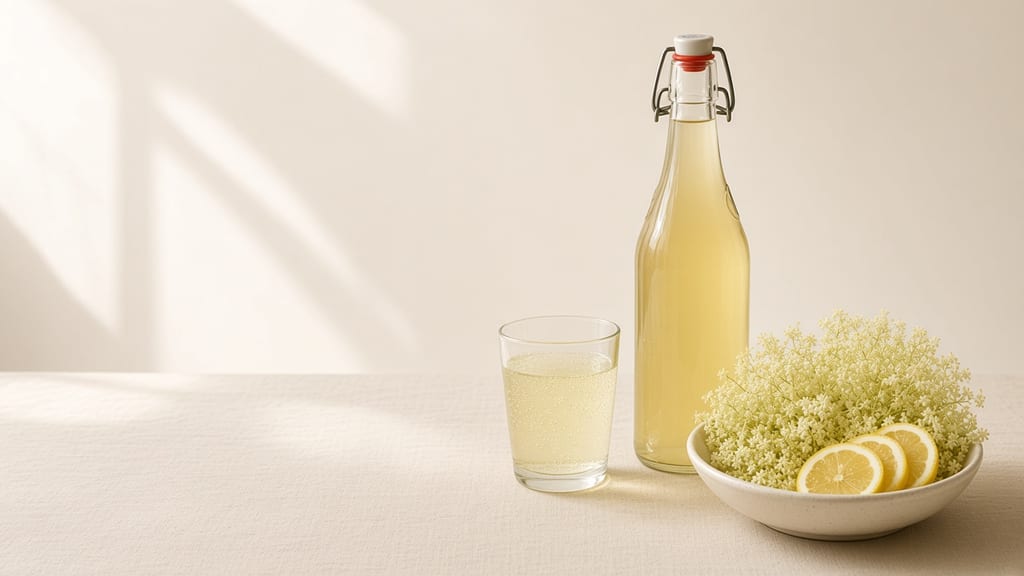
Elderflower heads steeped for one to three days in a lemony sugar syrup, strained and kept cold; the same infusion method flavours syrups with mint, basil, thyme and other herbs.
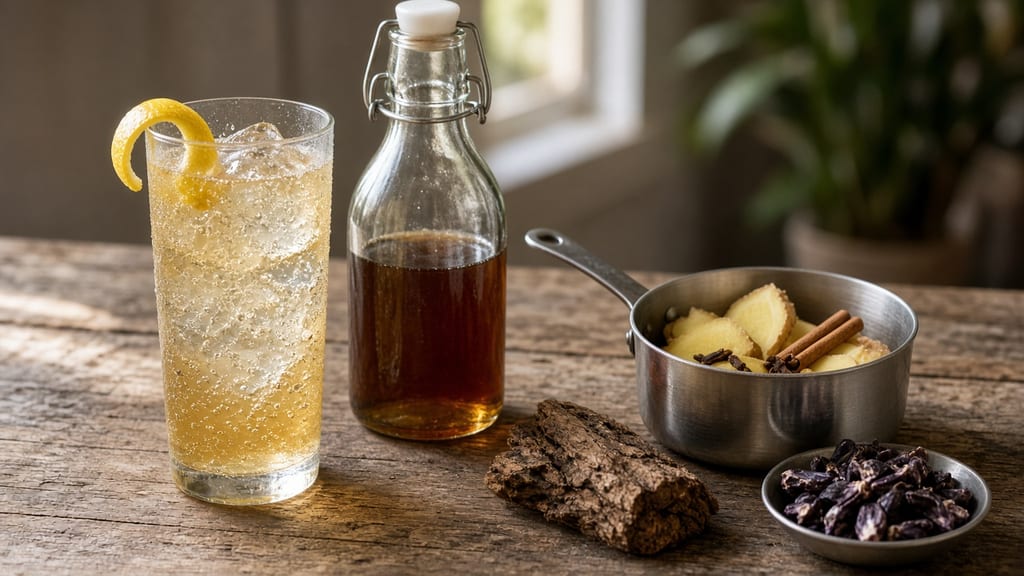
Boiled syrups from hard ingredients: a refrigerated ginger syrup, Trinidad mauby from tree bark, Tamil nannari root syrup, Peruvian purple-corn concentrate and a Turkish spiced sherbet.
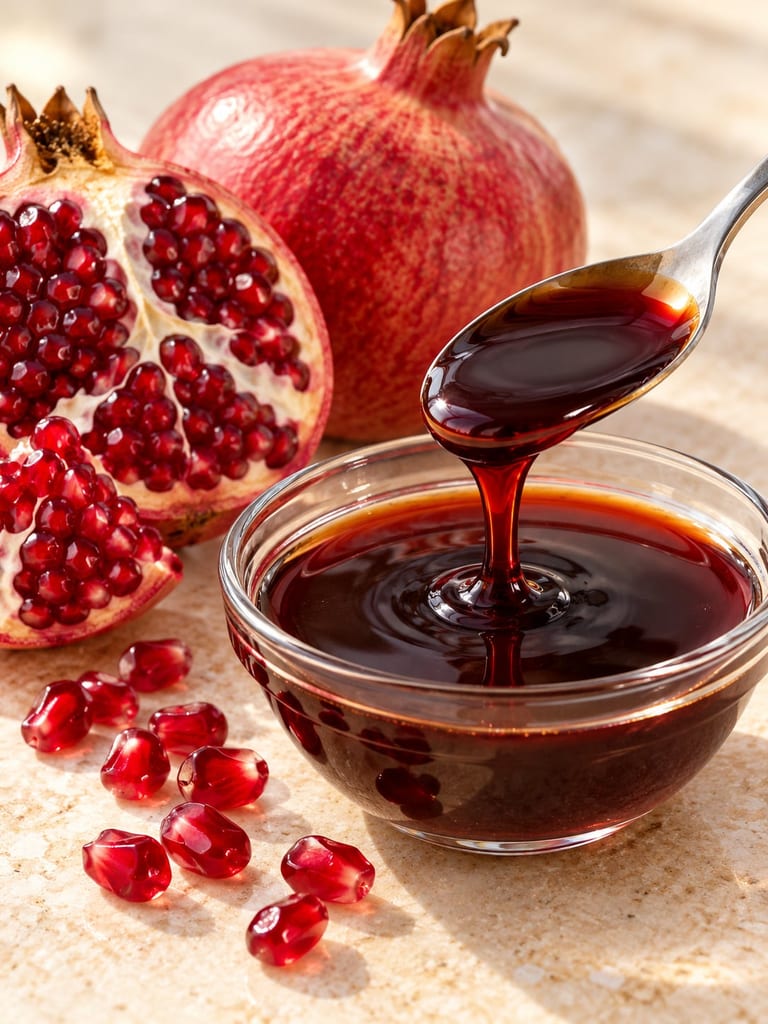
The registered Hatay method presses pomegranate arils and slowly concentrates the strained juice. Its 100 kg source batch and experienced-producer endpoint are retained; no home-scale time or shelf-life is inferred.
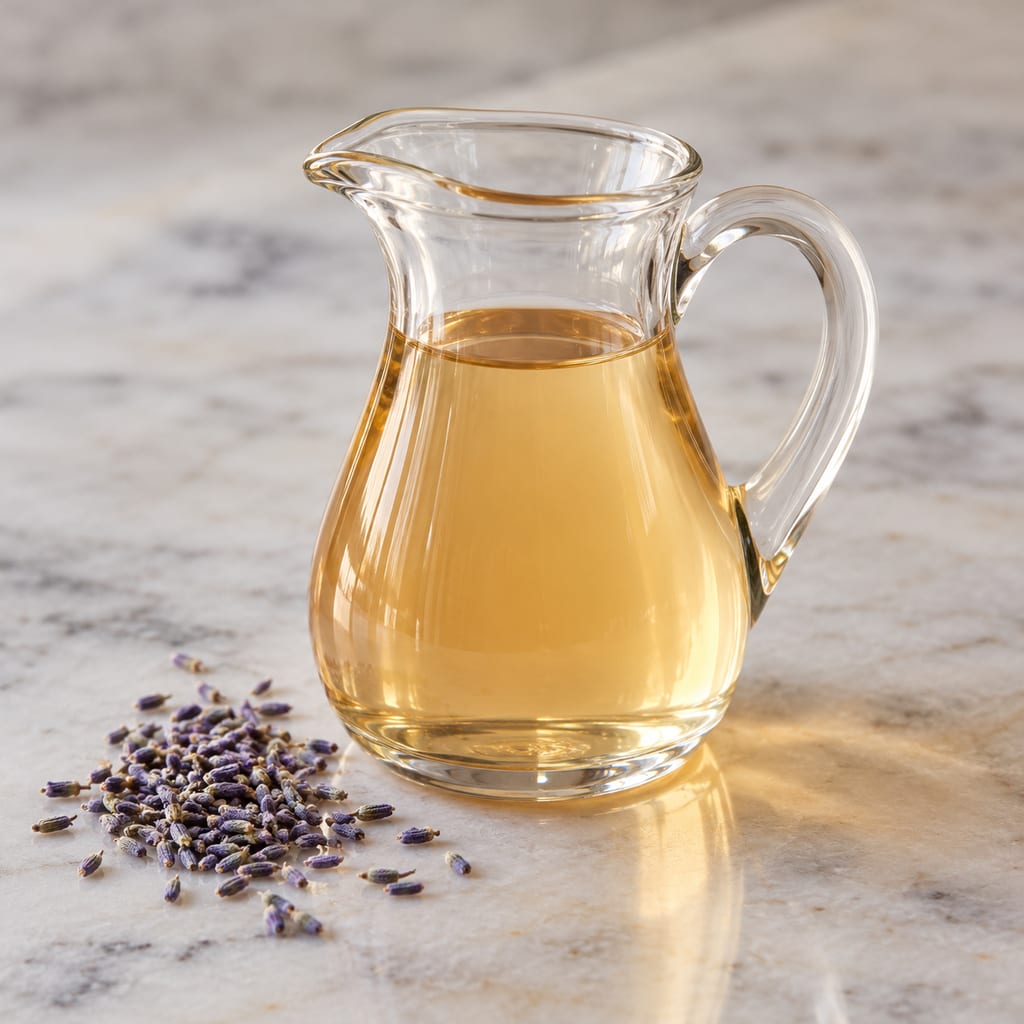
Sugar syrups flavoured by holding botanicals, sugar and water in sealed bags in a 135°F (57°C) water bath for an hour, then cooling and refrigerating; several can share one bath.
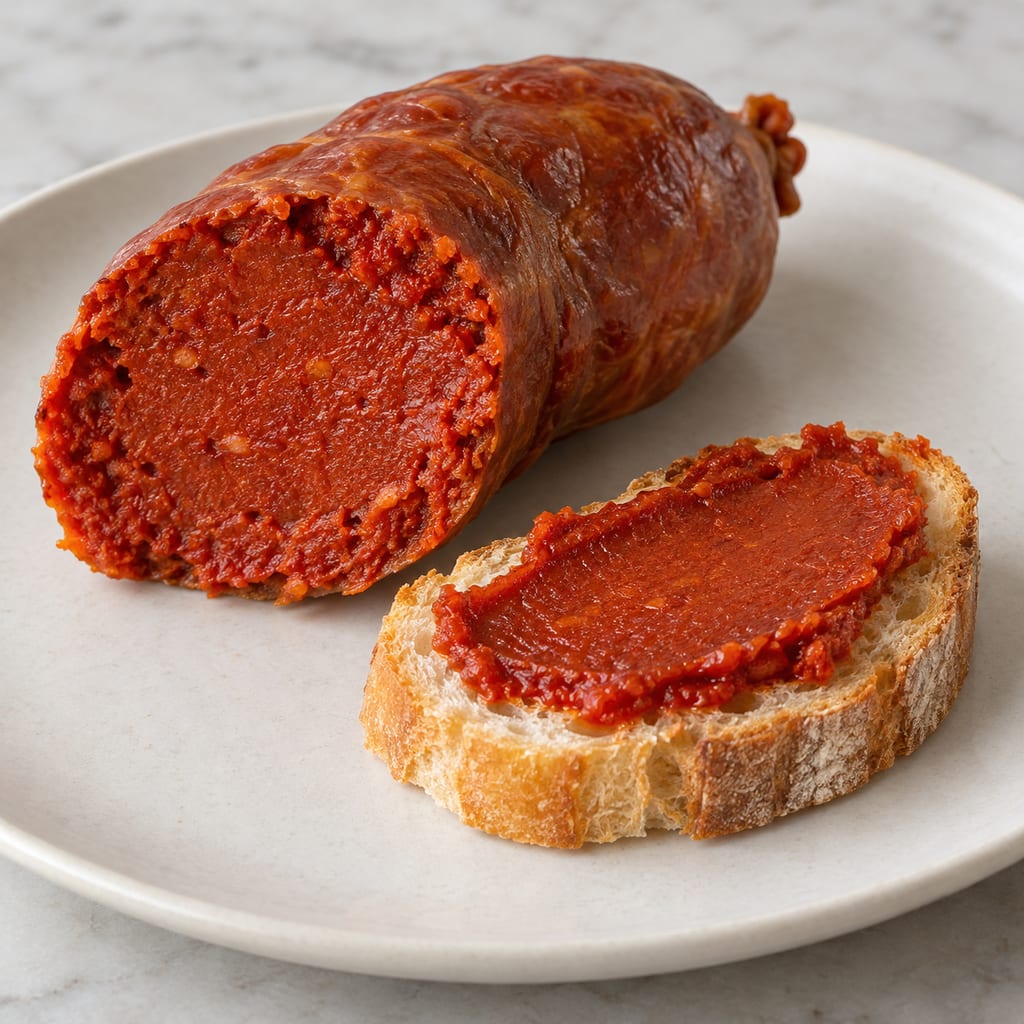
Soft, spreadable Calabrian pork sausage made with a great deal of red chilli and fatty pork, stuffed into natural casings, sometimes smoked and matured while staying soft.
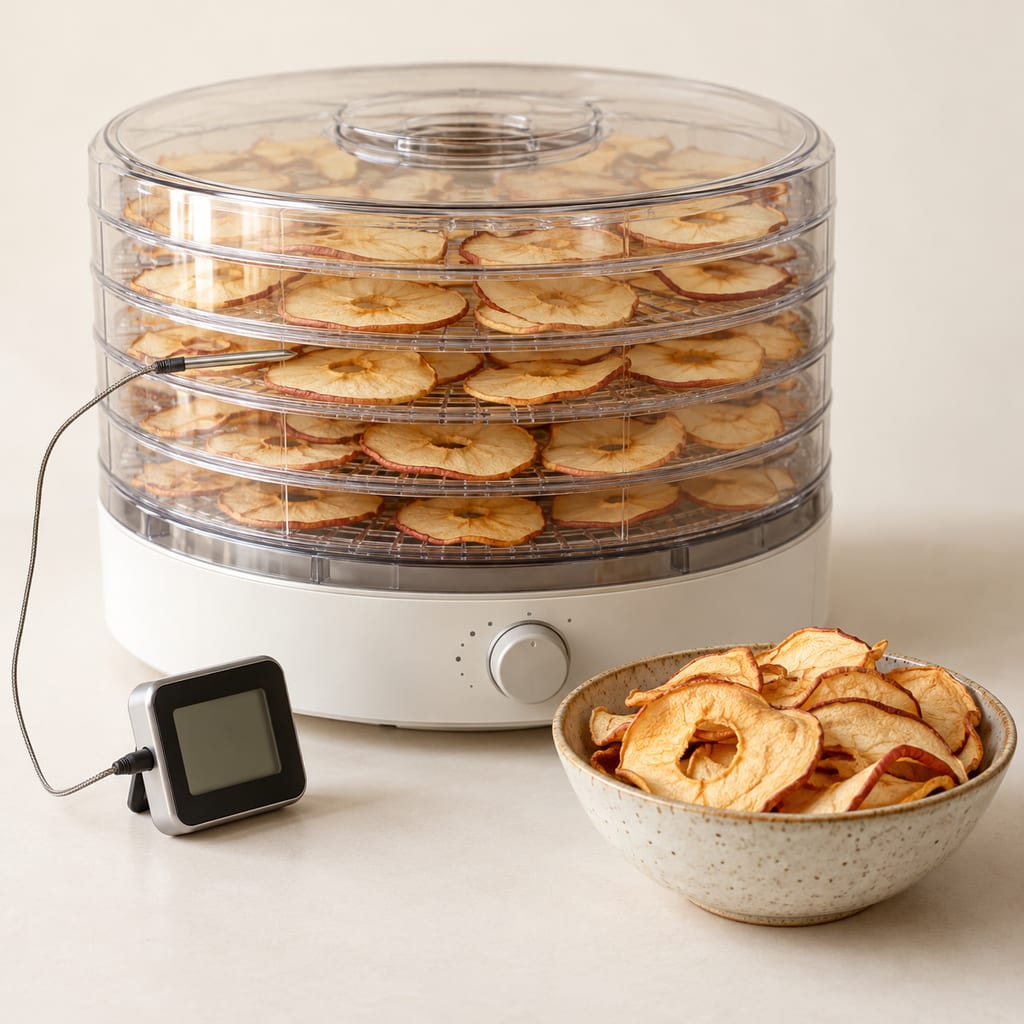
A way to add independent temperature logging to an existing food dehydrator without changing its built-in controls or protections. It is a monitoring method, not a rewiring plan.
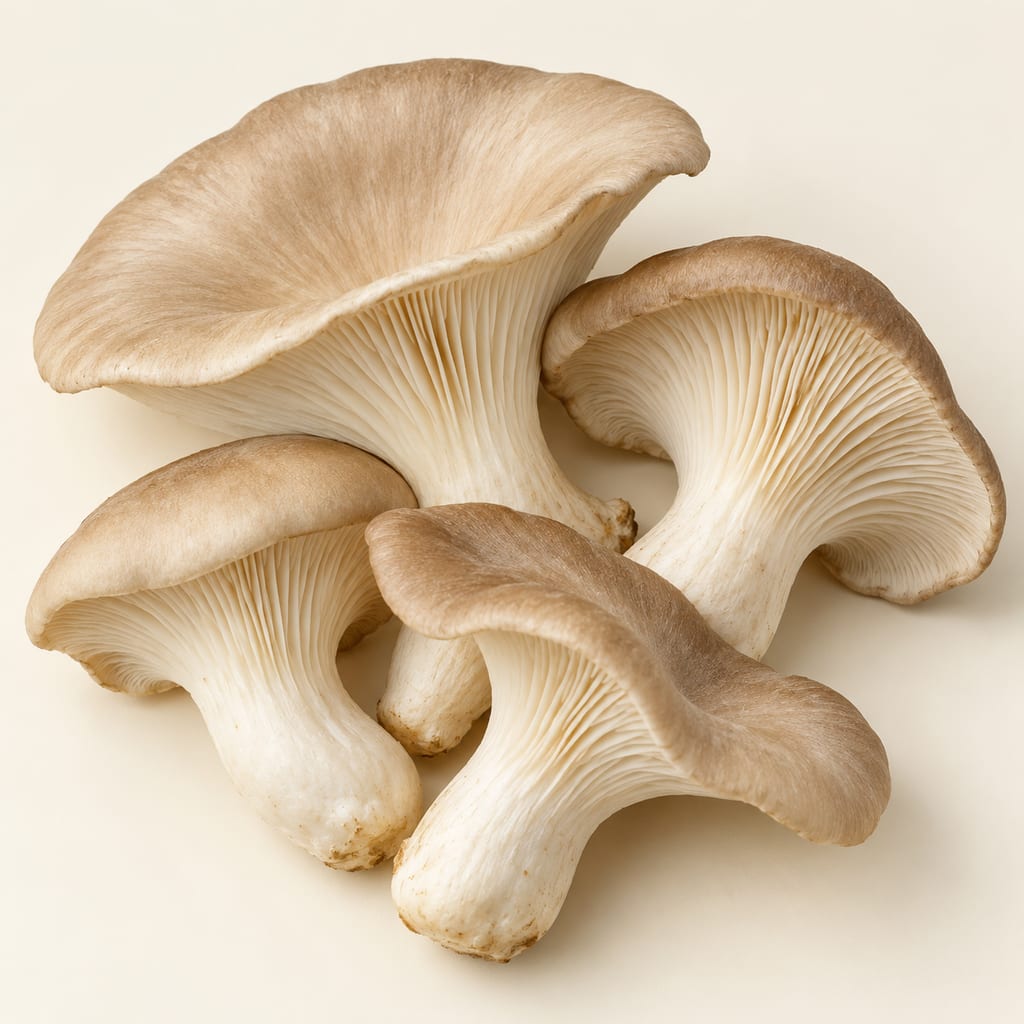
Pleurotus cystidiosus is the abalone mushroom, a cultivated oyster-type fungus with dark brown caps that grows more slowly and is more demanding than other Pleurotus species.
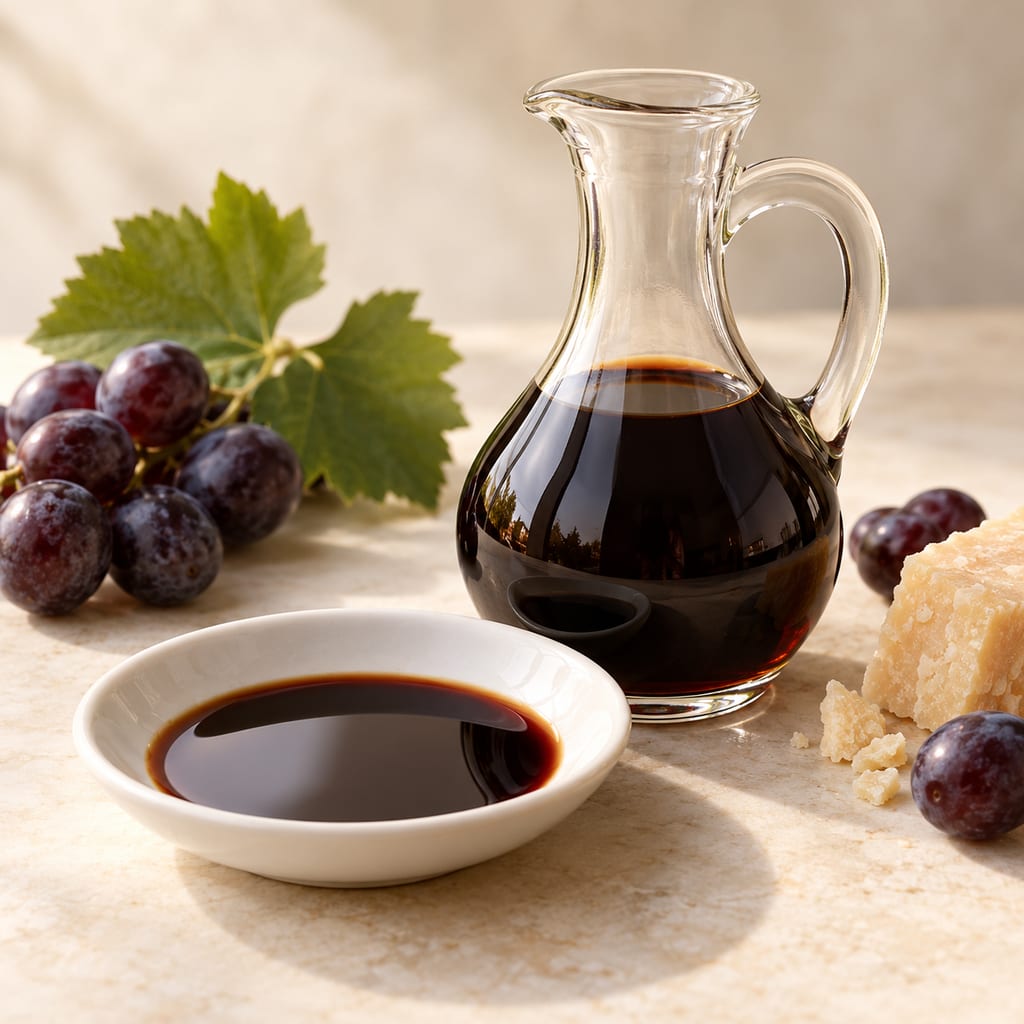
A dark, balanced vinegar from Emilia-Romagna made by combining cooked or concentrated grape must with wine vinegar, then acetifying and refining it in wood under a protected specification.
A living dairy inoculum that starts controlled cream fermentation, developing acidity and aroma before sour cream or cultured butter is finished.
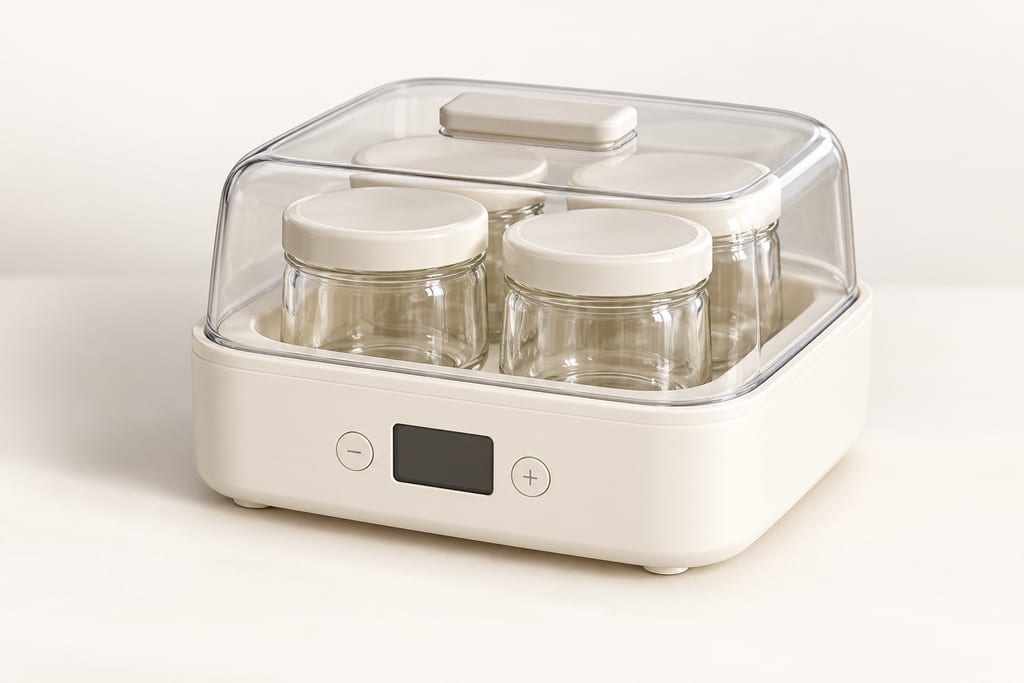
A small electric incubator holds jars at a selected temperature for yogurt and other documented warm food preparations. Controls, capacity and vessel arrangement vary by model.
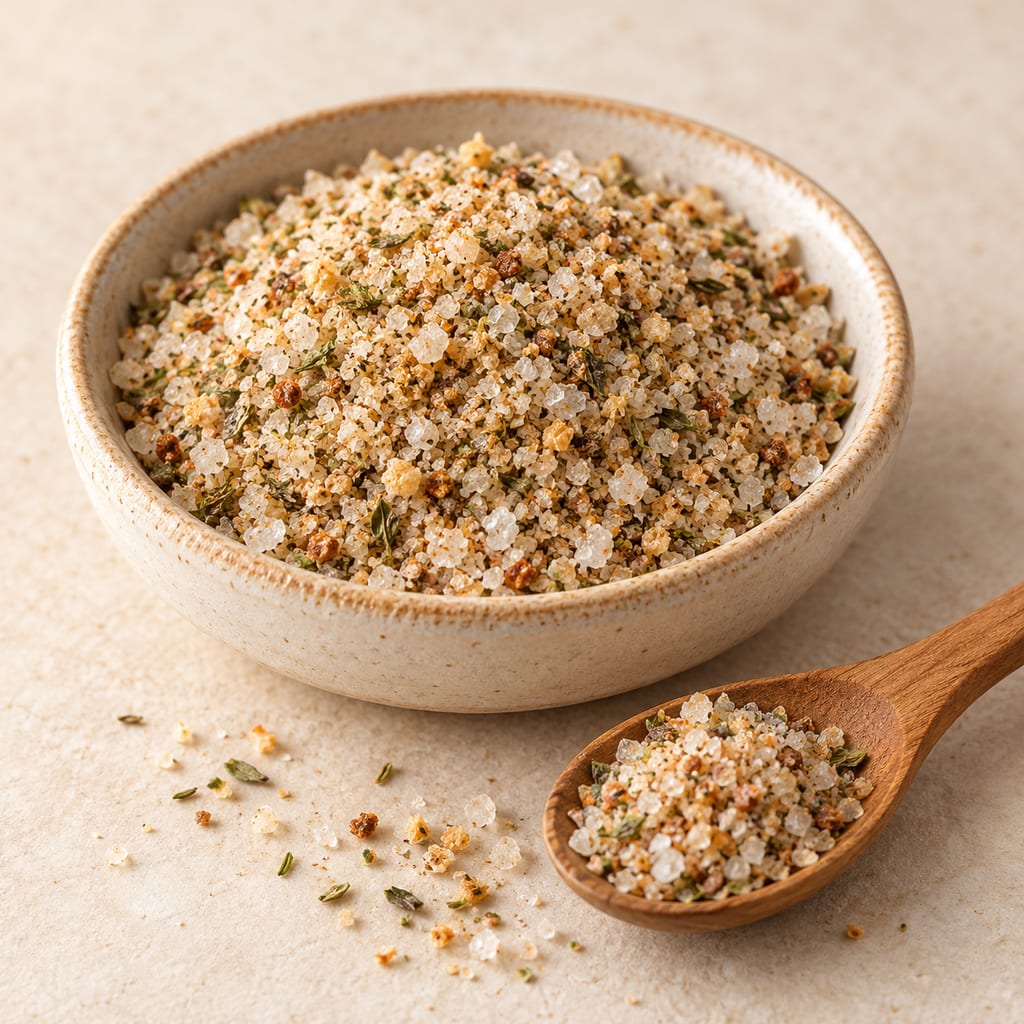
Adygean salt is a seasoned table salt associated with Adygea and the wider North Caucasian culinary tradition. Salt is blended with garlic and a variable selection of herbs and spices; the exact mix depends on the named style and maker.
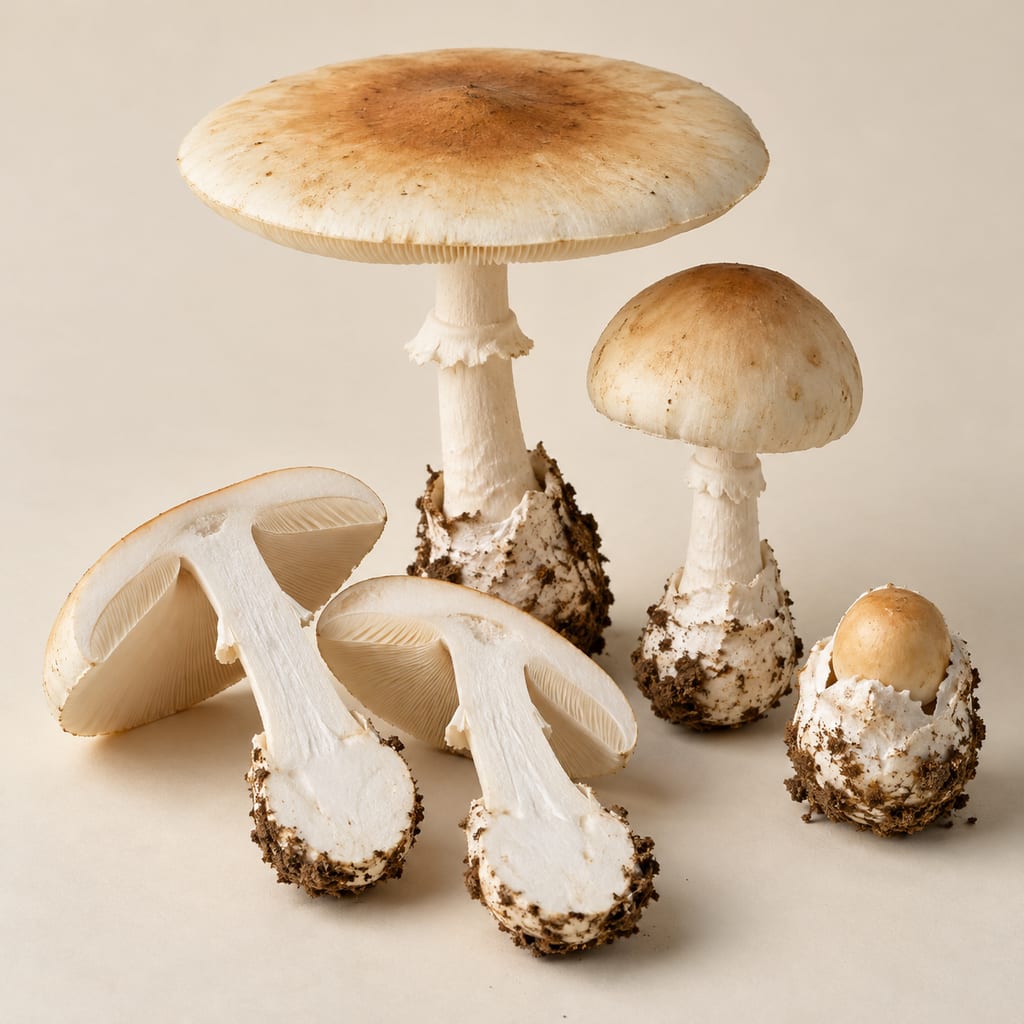
The African Caesar-group mushroom, Amanita masasiensis, is a wild ectomycorrhizal species of central and southern African woodlands, eaten locally. The genus contains deadly poisonous species, so identification needs care.
No community contributions have been published for this entry yet.
Sign in to contribute. Published comments and photos are free to read.
Plant to Plate Aotearoa (Kids Can Cook), 14 May 2020Method
Feijoa Cordial3 cups feijoa flesh, 2 1/2 cups sugar, 3 cups water, 4 tablespoons lemon juice, 3 teaspoons citric acid, 3 teaspoons tartaric acid; citric and tartaric acid are in the baking aisle of the supermarket.
Scoop out and mash the flesh; combine everything in a large saucepan and heat until just boiling, stirring to prevent sticking.
Strain through a sieve (lined with muslin) into a jug, pour into sterilised bottles and seal; dilute to taste with water or soda.
Prep 15 minutes, cook 20 minutes plus cooling; rated easy.
Cited in: What this recipe is; Part one: feijoa cordial, Aotearoa New Zealand; Batch sizes and bottles; Why the acid; Using them in fizzy water; Picking and preparing the fruit; Problems and safety; Where the sources disagree
Love Food Hate Waste New Zealand, recipe by Alessandra ZecchiniMethod · Storage
Feijoa CordialUses feijoa skins: 12 to 14 feijoa skins, 1 litre water, juice of 1 lemon, 1 teaspoon tartaric acid, 600 g sugar; makes 1 bottle in 30 minutes.
Grate or zest the skins, or use them whole for their earthy taste.
Put water and lemon juice in a large pot, add skins, tartaric acid and sugar; boil and simmer about five minutes until the sugar dissolves; strain through a fine sieve, cool and pour into sterile bottles.
The cordial will last up to two months; freeze the skins to make cordial later in the year; the flesh is used in other recipes.
Cited in: The skins-only version; Batch sizes and bottles; Using the leftovers; Why the acid; Storing the cordials; Using them in fizzy water; Picking and preparing the fruit; Where the sources disagree
Burke's Backyard fact sheet, recipe by Jackie FrenchMethod · History
Lilly Pilly Cordial: The French AlternativeAccording to Jackie French, until about 100 years ago cordials were very alcoholic and mostly medicinal; now they are non-alcoholic drinks.
Lilly pillies are Australian native trees with white, pink, magenta or purple fruit; raw berries do not taste very good because they contain little natural sugar.
2 cups lilly pillies, 4 cups water, 1 teaspoon tartaric acid, 2 cups sugar, juice of 2 lemons; boil together in a stainless steel saucepan about 5 minutes until the fruit starts to soften; mash, strain, bottle.
Pick lilly pillies when they have just changed colour; left too long they become bitter.
Cited in: What this recipe is; What cordial means here; Part two: lilly pilly cordial, Australia; Two lilly pilly recipes side by side; Batch sizes and bottles; Why the acid; Picking and preparing the fruit; Problems and safety; Where the sources disagree
Local Food Connect, 1 July 2010Method · Storage
Lilly pilly cordialSame Jackie French quantities and method; strain out the seeds and pour into sterilised bottles.
The cordial should keep for at least a fortnight, possibly longer, but has no preservatives, so keep it in the fridge.
Use several small bottles rather than one or two large ones, because the fewer times it is opened the longer it may keep.
Cited in: Part two: lilly pilly cordial, Australia; Batch sizes and bottles; Storing the cordials; Picking and preparing the fruit; Where the sources disagree
Laurel's Traditional Australian CookeryMethod · History
Lilly PilliesMakes about 2 x 750 ml bottles: 1 kg small-leaved, magenta or creek lilly pillies, 3 cups water, juice of 2 lemons, 3 cups sugar, 3 teaspoons citric acid.
Simmer the washed berries in the water, covered, 20 minutes; cool; squeeze through a jelly bag or flannelette bag with the lemon juice.
Bring the liquid to a rapid boil, stir in sugar and citric acid until dissolved, pour through a funnel into hot clean bottles and seal; refrigerate after opening.
Serve a tablespoon or two in a glass with tap or soda water.
3 cups lilly pillies simmered covered in 2 cups water for 20 minutes and squeezed in muslin give about 2 to 2 1/4 cups of juice; the dry remains are discarded and the bag washed for future use.
Cordial is a marker of Australian English: elsewhere it would be called syrup, and cordial kept for a restorative with alcohol; in Australia it is an innocent fruit drink for youth and teetotallers.
Cited in: What this recipe is; What cordial means here; Laurel's bigger batch; Two lilly pilly recipes side by side; Batch sizes and bottles; Using the leftovers; Why the acid; Storing the cordials; Using them in fizzy water; Picking and preparing the fruit; Cousins on this site; Problems and safety; Where the sources disagree
University of Maine Cooperative ExtensionSafety
Drinks from the GardenFlavoured simple syrup: label, date and store in a sterilised jar in the refrigerator for up to 1 month.
Cited in: Storing the cordials; Problems and safety; Where the sources disagree
Te Ara, the Encyclopedia of New Zealand, by Sandy ScarrowHistory · Identification
Citrus, berries, exotic fruit and nuts: FeijoasFeijoas (Acca sellowiana) grow on small evergreen trees native to south-eastern Brazil and Uruguay.
They were introduced into New Zealand in the early 1900s as ornamental shrubs and often planted as low shelter belts because they withstood coastal winds.
Plant breeder Hayward Wright imported and bred varieties between 1929 and the early 1950s; government scientists later bred the cultivars Apollo and Gemini.
In the home garden fruit is gathered after it falls from the tree; the harvest is from March to May.
Cited in: Part one: feijoa cordial, Aotearoa New Zealand; Picking and preparing the fruit
Australian Native Plants Society (Australia)Identification
Syzygium smithii (lilly pilly)Syzygium smithii flowers are followed by fleshy fruits, white to purple, about 10 to 15 mm across.
The fruits are edible but not particularly palatable.
Cited in: Part two: lilly pilly cordial, Australia
