Carbonated cordial, shrub or juice
A cold finished drink charged with carbon dioxide in a home carbonator that accepts liquids other than water. Carbonating is not fermentation and does not preserve the drink.
 FermenteaWhere food goes to change
Ginger syrup · Mauby syrup · Nannari sarbath · Chicha morada concentrate · Loğusa şerbeti · Decoction syrups
Boiled syrups from hard ingredients: a refrigerated ginger syrup, Trinidad mauby from tree bark, Tamil nannari root syrup, Peruvian purple-corn concentrate and a Turkish spiced sherbet.
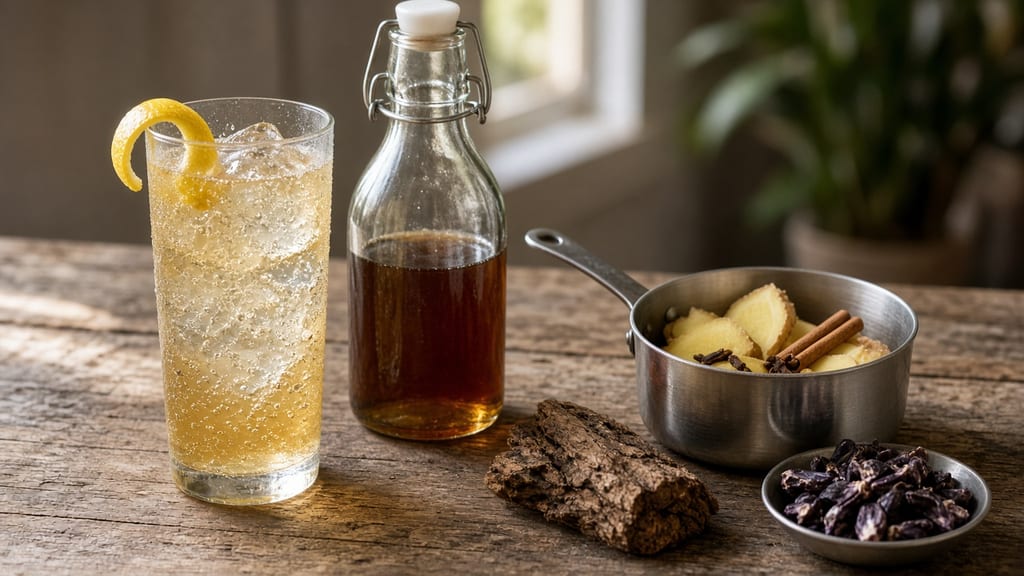
Some of the best syrups for fizzy water start in a saucepan of hard things: a knob of ginger, curls of bark, a dry root, a cob of purple corn. None of them gives up its flavour to a cold steep. They have to be boiled, the liquid strained off and sugar dissolved into it. The result is a dark, spicy concentrate that keeps for days or weeks in the refrigerator.
This page groups those decoction syrups under one method. The tested model is a ginger syrup from Oklahoma State University Extension, boiled down with lemon peel and kept cold for up to a week. The same pan then makes Trinidad mauby from tree bark, Madurai nannari from a fragrant root, Peruvian chicha morada from purple maize, and a Turkish sherbet spiced with clove and cinnamon.
Soft fruit and flowers release juice and scent when sugar pulls water out of them, which is how the elderflower and cold-packed syrups in this series work. Roots, bark and dry corn are tough and dry. Their flavour sits inside woody cells, so cooks soak them, crush them or boil them, or all three, before sugar goes anywhere near them.
The Madurai nannari makers soak their roots in fresh water for 12 hours and boil them for 15 minutes before collecting the extract. Home cooks in Tamil Nadu crush the dry root with a hammer, pick out the white woody core and steep only the brown bark. Trinidad cooks boil mauby bark with spices for 15 to 20 minutes until the water turns dark brown, and some leave it to steep for hours after that. Peruvian chicha morada boils for about 45 minutes, until the kernels start to split.
Ginger, roots and bark are not acidic. An Ask Extension expert, asked by a cook in Alaska about canning a ginger and turmeric syrup, explained that both roots have a pH above the safe level for a boiling-water canner, and that sugar and honey syrups can carry botulism spores. No tested canning recipe exists, so the expert gave the refrigerator as the safe option: below 38 °F (about 3 °C), botulism spores do not produce toxin.
So every syrup on this page lives in the refrigerator or the freezer. Oklahoma State keeps its ginger syrup chilled for up to a week. Trinidad cooks keep strained mauby concentrate up to two weeks in the fridge and the finished drink up to four days. Peruvian cooks keep unsweetened chicha morada concentrate five days in the refrigerator, or freeze it in trays. When a syrup is needed later in the year, freeze it in small portions and thaw only what you need.
Honey can replace some sugar in any of these syrups, but the same extension answer repeats the standard warning: no honey for babies under one year old.
A 3 to 4 litre saucepan, a fine wire strainer or a sieve lined with muslin, a heatproof jug, clean bottles or jars with lids, and space in the refrigerator. A hammer or rolling pin is useful for crushing dry root. Ice-cube trays or small freezer pots make portions for later.
Peel and chop fresh ginger root until you have 2 cups. Put it in a 3 to 4 litre pan with 3 strips of lemon peel, each about 10 cm (4 inches) long, and 4 cups (about 950 ml) of water. Bring it to the boil over high heat, then boil gently, uncovered, for 10 minutes. The water turns pale gold and the kitchen smells of ginger.
Stir in 1½ cups (about 300 g) of sugar and keep boiling until the liquid has reduced to 3 cups (about 710 ml), roughly 15 minutes more. Boiling the ginger in the syrup rather than steeping it gives a hotter, more peppery result; reducing it concentrates both the sugar and the heat.
Pour the syrup through a fine wire strainer into a bowl. Throw away the lemon peel; the cooked ginger can be kept for another use or discarded. Let the syrup cool, cover it and chill it for at least an hour. Keep it in the refrigerator and use it within a week, or freeze it.
Oklahoma State's measure is a quarter cup of ginger syrup to a cup of cold club soda in a large glass with ice, which makes a home ginger ale; the batch serves twelve. Add more syrup for a fiercer drink. A squeeze of lemon sharpens it, and a spoon of the lemon syrup from this series turns it into a ginger lemonade.
Mauby is brewed from the bark of soldierwood, Colubrina elliptica, or the related greenheart, Colubrina arborescens, both Caribbean trees. On its own the brew is fiercely bitter, and it takes a lot of sugar to make a drink. Spices do the rest: aniseed and star anise give a liquorice note, with cinnamon, clove and bay leaf behind them. The taste lands somewhere between root beer and cola.
For a concentrate, rinse 28 g (1 oz) of mauby bark and put it in a pan with 960 ml (4 cups) of water, a cinnamon stick, 4 cloves, a bay leaf, a strip of orange peel and, if you like, a star anise. Bring it to the boil and simmer for 15 to 20 minutes, until the liquid is dark brown. Strain and cool it. This is the bitter concentrate, and it keeps in the fridge for up to two weeks.
To make a jug, dissolve 400 g (2 cups) of white or brown sugar in 1.9 litres (8 cups) of cold water, then add the concentrate a little at a time, tasting until the bitterness is right. Chill it and serve it over ice. Ros Singh of We Trini Food dissolves sugar straight into the strained brew without extra water to make a thick mauby syrup, bottles it, refrigerates it and dilutes it with cold water and ice by the glass. Trinbago Recipes notes that people who are pregnant or taking medicines should check with a doctor before drinking bark drinks regularly.
The same bark makes different drinks on different islands. In the Spanish-speaking Caribbean it is maví or mabí, on French-influenced islands mabi, and in the English-speaking Caribbean mauby. On most islands the sweetened drink is left on the counter for a few days to ferment, which softens the bitterness and adds fizz. In Trinidad and Tobago fermenting is not common, and both Trinidad recipes used here are boiled, strained and chilled.
This page keeps to the unfermented Trinidad method. Fermented mabí is a different process with its own safety questions and is not covered here. Keep the concentrate and the finished drink in the refrigerator.
Nannari is the fragrant root used for sarbath in Tamil Nadu, sold dry by country medicine and Ayurvedic shops. In Madurai, beside the Meenakshi temple, the Ondippili shop has made nannari syrup since 1906, when K Ondipulia Pillai began trying out root extracts and selling bottles door to door. He told buyers to stir two spoons into a glass of water with a dash of lime juice. His descendants still soak roots from Palakkad in Kerala for 12 hours, boil them for 15 minutes and mix the cooled extract with sugar syrup and citric acid, and sugarcane-juice sellers across the city add it to their juice.
Samayam Tamil gives the home version. Wash 50 g of nannari root three times until no soil comes away, let it dry, then crush it with a hammer so it splits. Pull out the white core and throw it away; only the brown outer layer is used, and it smells sweet as it breaks. Put the crushed bark into 3 cups of freshly boiled water, cover tightly and leave for 5 to 6 hours or overnight. Strain through muslin, add 250 g of sugar, heat until the sugar dissolves and the liquid boils to a syrup, then cool it and stir in 2 teaspoons of lemon juice. Bottle it and keep it in the refrigerator, like the other syrups here.
For a glass, stir 3 teaspoons of syrup into a tumbler of water with ice and a squeeze of lemon. With sparkling water instead it becomes a nannari soda.
Chicha morada is a Peruvian soft drink made from maíz morado, a purple maize whose kernels and cobs are deep violet. ADRA Peru's recipe collection traces maize drinks back about 3,000 years, to the celebrations of the earliest Peruvian civilisations. Chicha morada itself is not fermented and contains no alcohol; Peruvian cooks keep it apart from chicha de jora, the fermented maize beer.
For a concentrate, put 1 kg of purple corn in a large pot with 3 litres of water, the peel of a pineapple, a quince or apple, 2 cinnamon sticks and 6 cloves. Boil over medium heat for about 45 minutes, until the liquid is very dark purple and the kernels start to open, then strain. Left unsweetened and without lime, the concentrate keeps five days in the refrigerator and freezes in trays.
Sugar and lime go in when you make the drink: ADRA's version uses half a kilo of sugar and six limes for twelve glasses, with diced apple. Once sweetened and soured, drink it within a day or two, because it starts to ferment. A splash of the cold concentrate with sugar syrup, lime and sparkling water makes a purple soda.
In Isparta, in south-west Turkey, visitors who come to see a new mother are handed a glass of loğusa şerbeti, the new mother's sherbet. The provincial culture office's recipe is very simple: 2 glasses of water and 1.5 glasses of sugar boiled together for about 5 minutes and left to cool. It can be flavoured with rose water, cloves and cinnamon and coloured rose-red. It is served in ordinary glasses on a tray, without saucers.
For a sherbet to keep in the refrigerator, boil the cloves and a cinnamon stick in the water for a few minutes before adding the sugar, strain, and add the rose water once it is cool. It is sweet and perfumed, and a spoon of it in sparkling water tastes like a rose-and-clove soda.
These syrups are low in acid. Do not can them, and do not leave them on the counter. Keep them in the refrigerator, below about 3 °C if your fridge allows, and freeze anything you will not drink within the times given above.
If a syrup grows mould, fizzes on its own or smells sour, throw it away. Smell and taste cannot show that a syrup is safe. Sweetened chicha morada starts fermenting within a day or two; sweetened mauby left out overnight froths for the same reason.
Buy nannari and mauby bark from shops that sell them for food or drink. People who are pregnant or taking medicines should ask a doctor before drinking bark drinks regularly.
Oklahoma State boils its ginger in water before the sugar goes in and reduces the syrup hard; Madurai's nannari makers soak first and boil briefly. Trinidad cooks disagree about steeping, from straining straight after a 20-minute simmer to leaving the bark overnight for a darker brew. Storage times differ too: a week for the ginger syrup, two weeks for mauby concentrate, five days for unsweetened chicha morada. Use the shortest time when in doubt.
Ondippili nannari syrup has been made in Madurai since 1906; ADRA Peru traces maize drinks about 3,000 years; Trinidad mauby is a living tradition.
Yield 3 cup · Scaling: linear
Ginger and turmeric have pH above the safe level for boiling-water canning; sugar and honey syrups can harbour botulism spores.
Hazard sourceSweetened chicha morada begins to ferment after one or two days.
Hazard sourcePeople who are pregnant or taking medicines should check with a doctor before drinking bark-based drinks regularly.
Hazard sourceHoney should not be given to an infant under 1 year old.
Hazard sourceRefrigerate every syrup; do not can.
Control sourceUse ginger syrup within a week.
Control sourceUse mauby concentrate within two weeks and the drink within four days.
Control sourceKeep chicha morada concentrate unsweetened until serving.
Control sourceDo not can these syrups.
Smell and taste do not show that a syrup is safe.
No honey for babies under one year.
The ginger syrup used as the main method is Oklahoma State University Extension's.
Unfermented mauby concentrate brewed from bark and spices.
Ondippili nannari syrup shop near the Meenakshi temple.
Chicha morada, an unfermented purple-maize drink.
Loğusa şerbeti served to visitors of a new mother.
A cold finished drink charged with carbon dioxide in a home carbonator that accepts liquids other than water. Carbonating is not fermentation and does not preserve the drink.
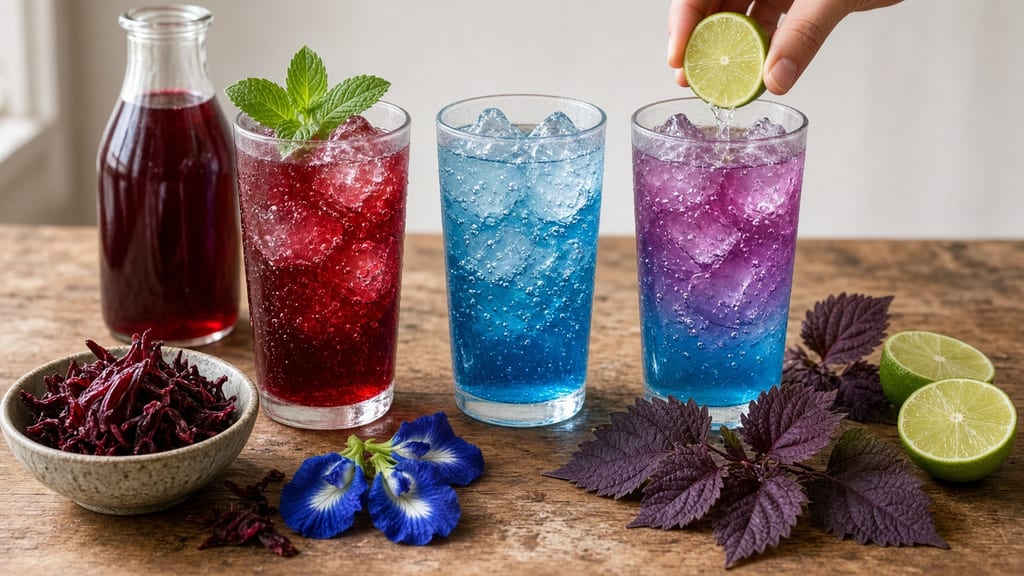
Senegalese bissap syrup from a cold soak, with Ghanaian sobolo, Thai butterfly pea that turns from blue to magenta and Japanese red shiso juice that flashes ruby.
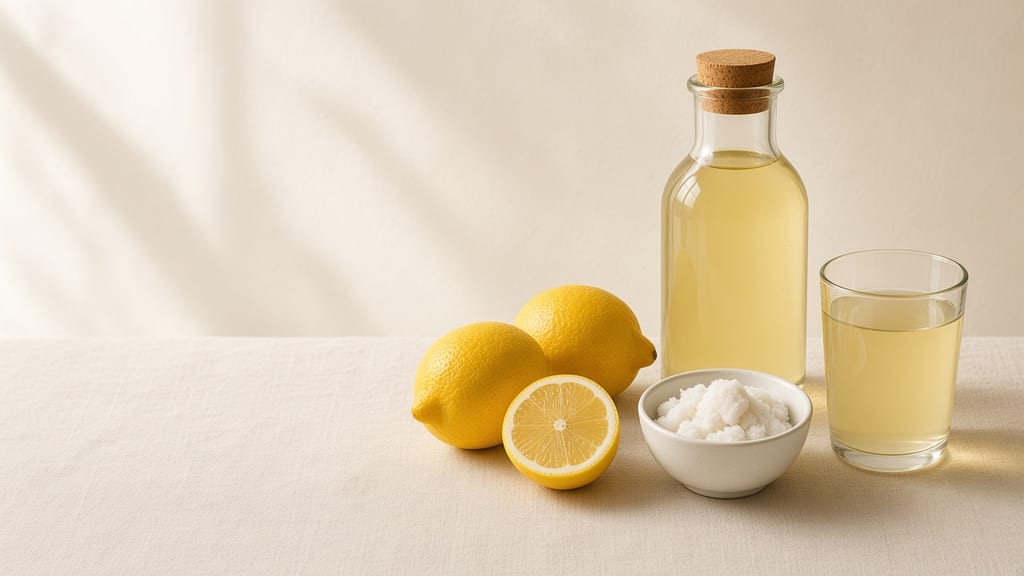
A lemon concentrate for diluting with water or soda: Isabella Beeton's 1861 citric-acid lemon syrup in full, then a tested canned strawberry lemonade concentrate and a refrigerated Swedish-style lemon syrup.
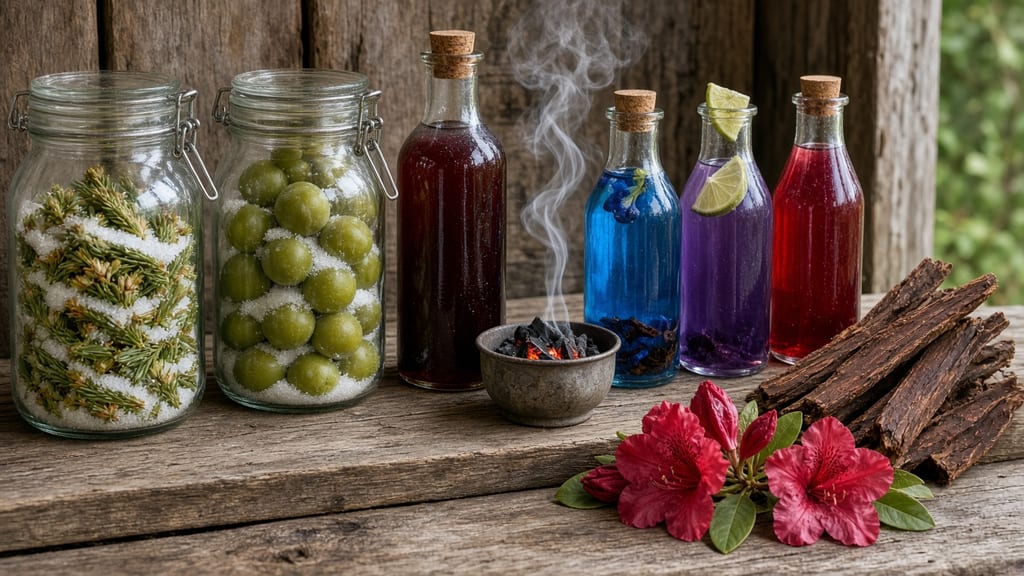
Rhododendron squash, cyanide in plum stones, pine shoots beside poisonous yew, mauby bark, distilled willow water, charcoal-smoked jallab and colour-changing drinks: unusual syrups and what makes each safe or not.
A soft egg-and-flour dough is lightly kneaded, cut into strips and fried until browned on both sides.
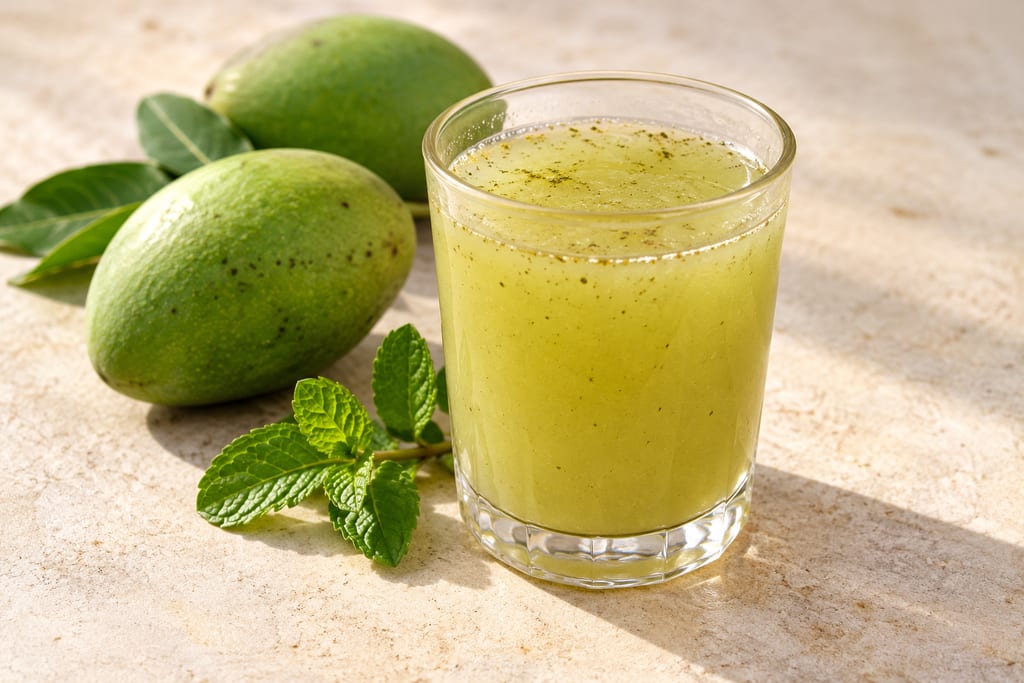
Aam panna is a tart Indian summer drink made by cooking unripe green mango until its flesh softens, then blending the pulp with sweetener, salt and spices and diluting it with water.
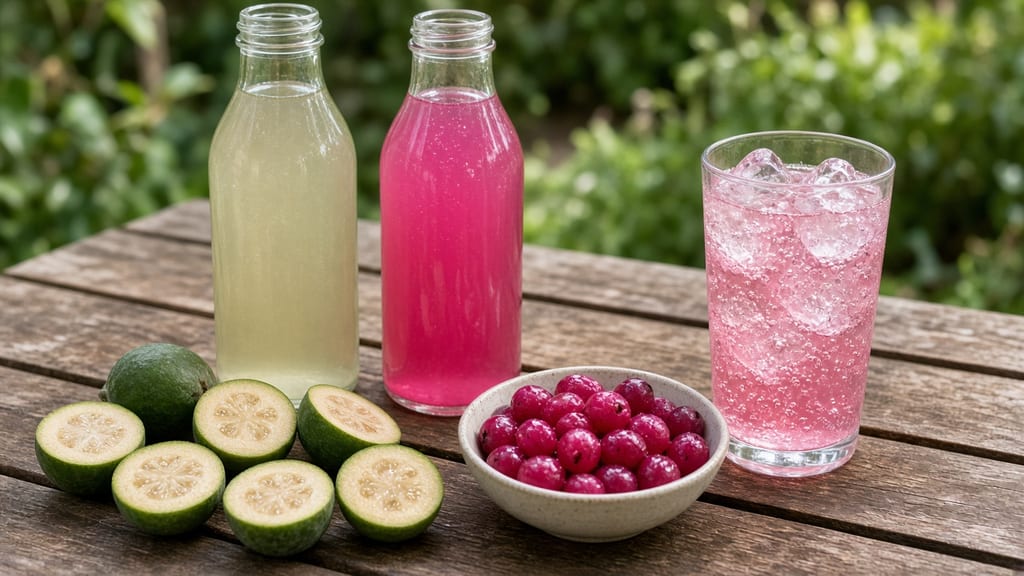
New Zealand feijoa cordial, from the flesh or just the skins, and Australian lilly pilly cordial: fruit, water and sugar heated briefly, strained, and sharpened with lemon and tartaric or citric acid.
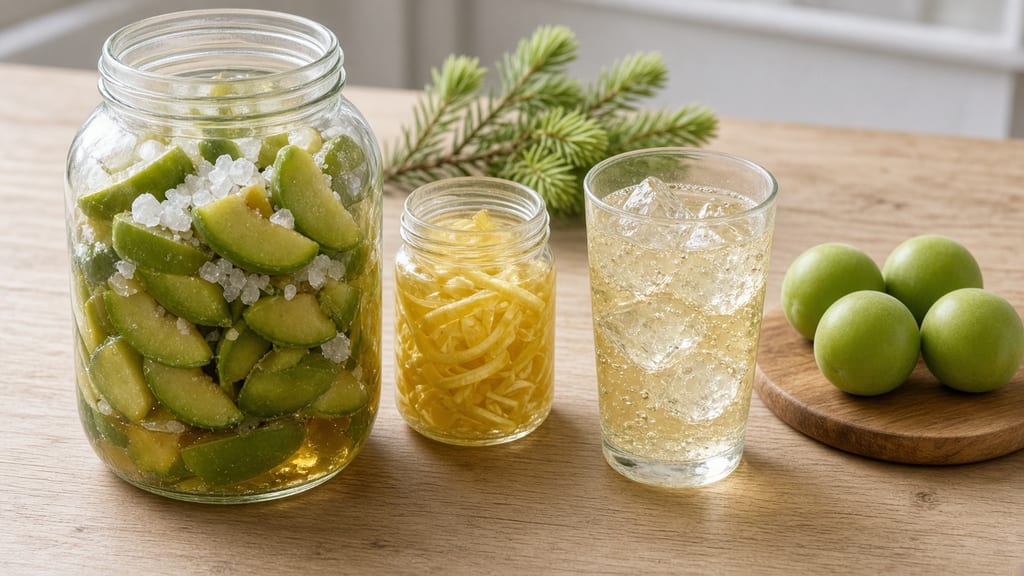
Syrups made without heat by packing fruit or shoots in sugar: Korean maesil-cheong with the ministry's stone-removal steps, frozen Japanese ume syrup, yuja-cheong and Polish pine-shoot syrup.
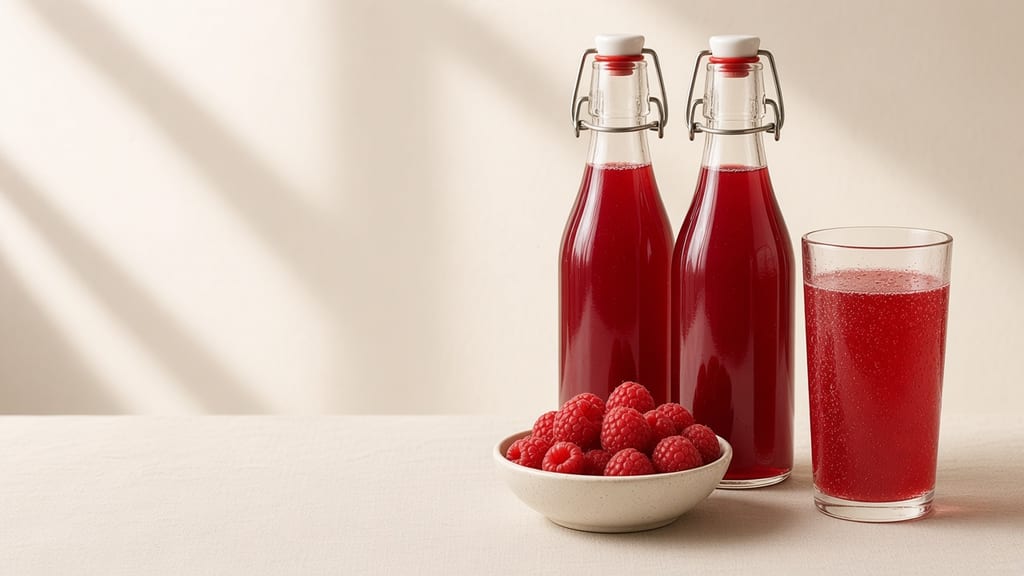
Clear fruit syrup from cooked, dripped berry juice boiled with sugar and canned in a water bath; one tested method for raspberry, strawberry, blueberry, cherry, grape and blackberry.
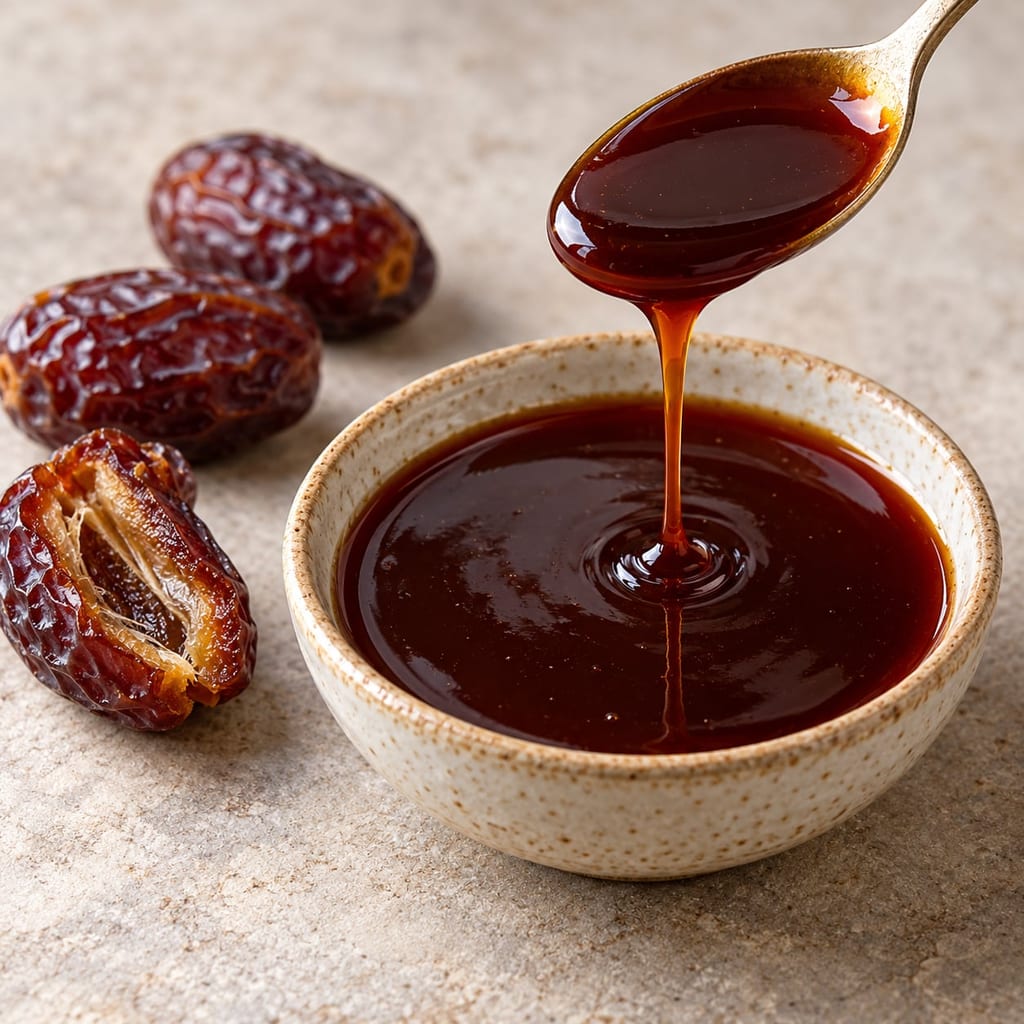
A thick, dark, very sweet syrup made from dates, known as dibs, rub, silan or date molasses. It sweetens tahini and desserts and glazes or sauces savoury dishes across the Middle East and North Africa.
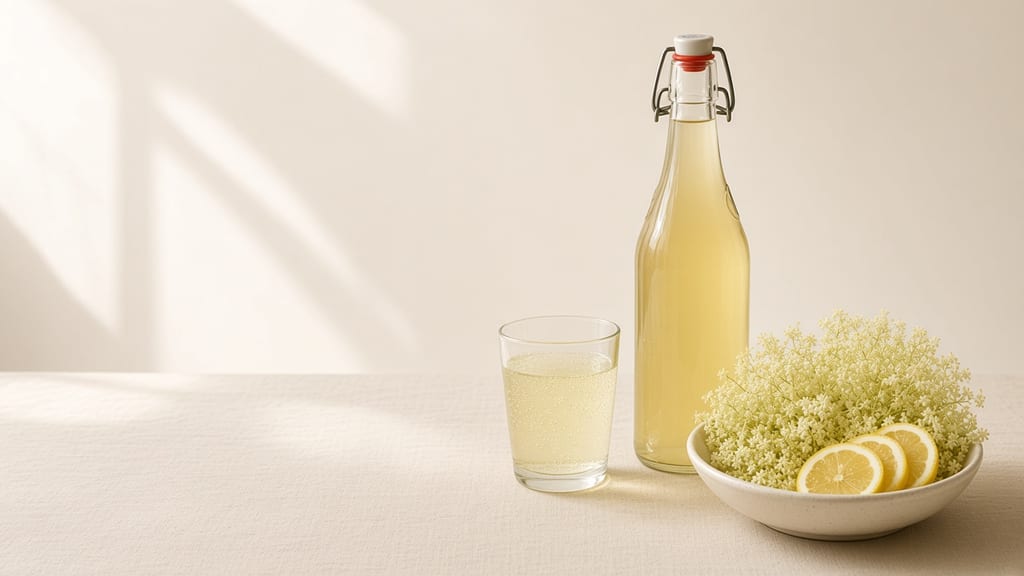
Elderflower heads steeped for one to three days in a lemony sugar syrup, strained and kept cold; the same infusion method flavours syrups with mint, basil, thyme and other herbs.
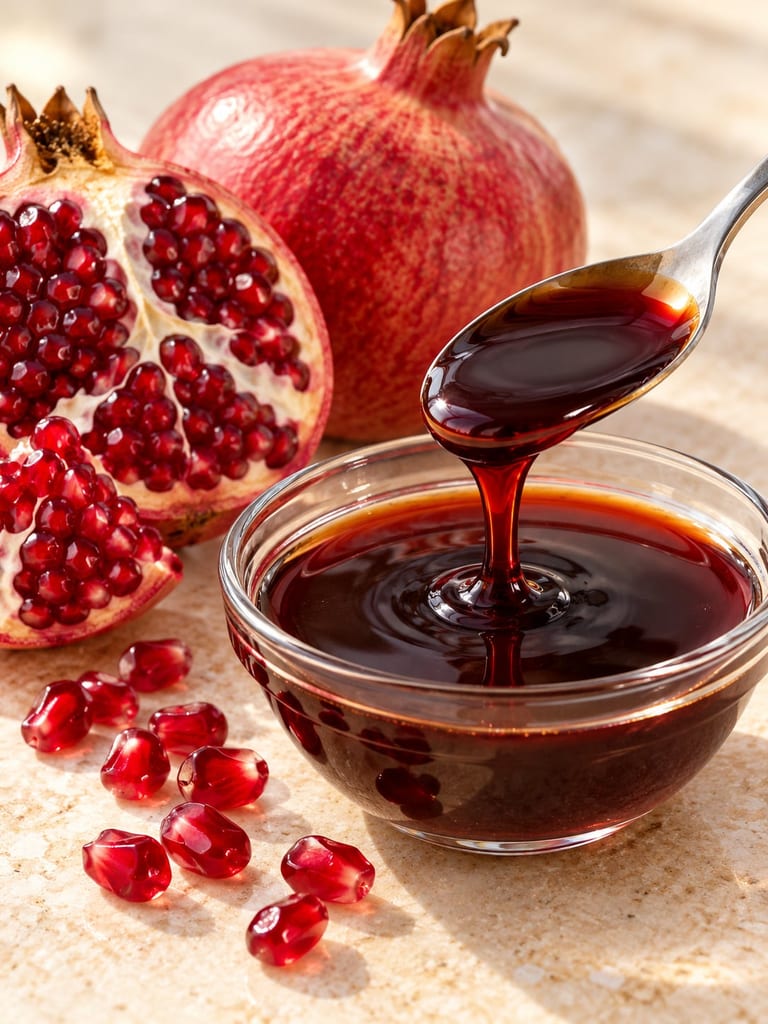
The registered Hatay method presses pomegranate arils and slowly concentrates the strained juice. Its 100 kg source batch and experienced-producer endpoint are retained; no home-scale time or shelf-life is inferred.
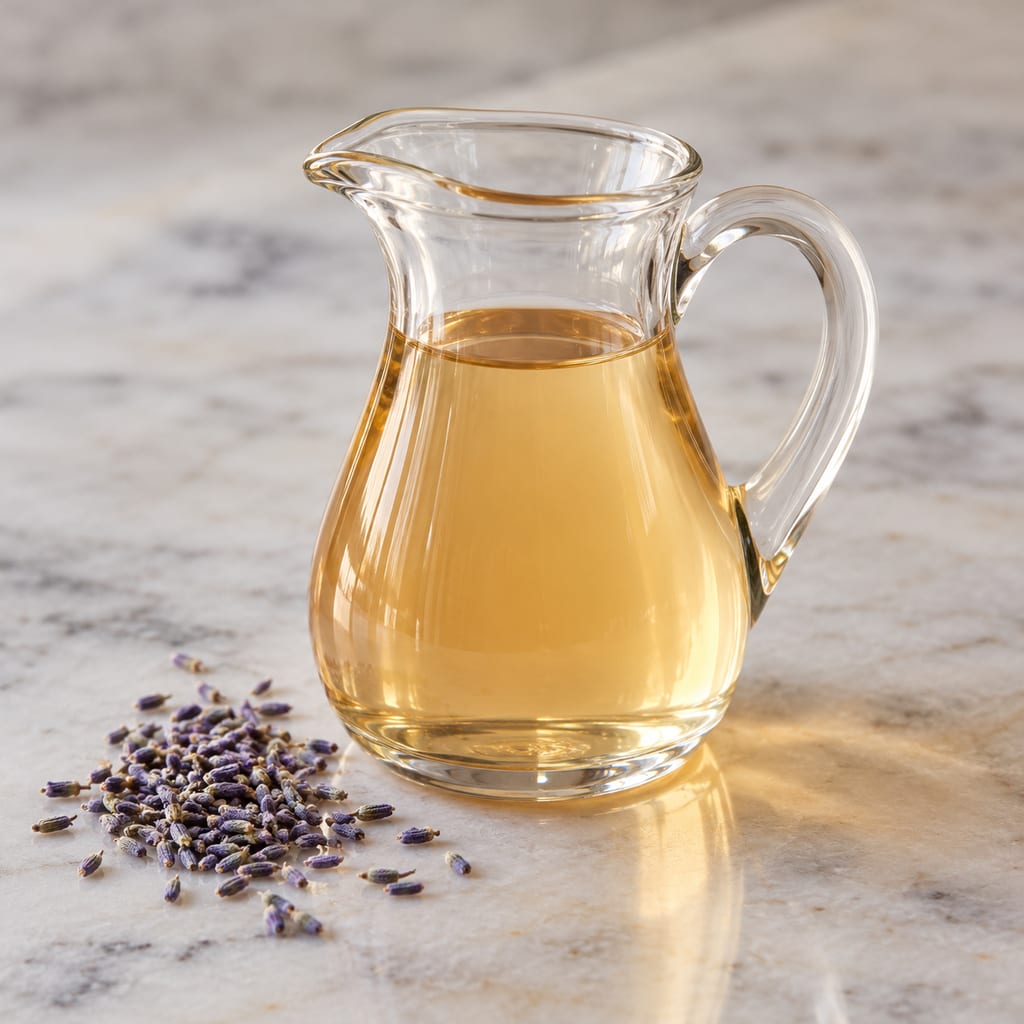
Sugar syrups flavoured by holding botanicals, sugar and water in sealed bags in a 135°F (57°C) water bath for an hour, then cooling and refrigerating; several can share one bath.
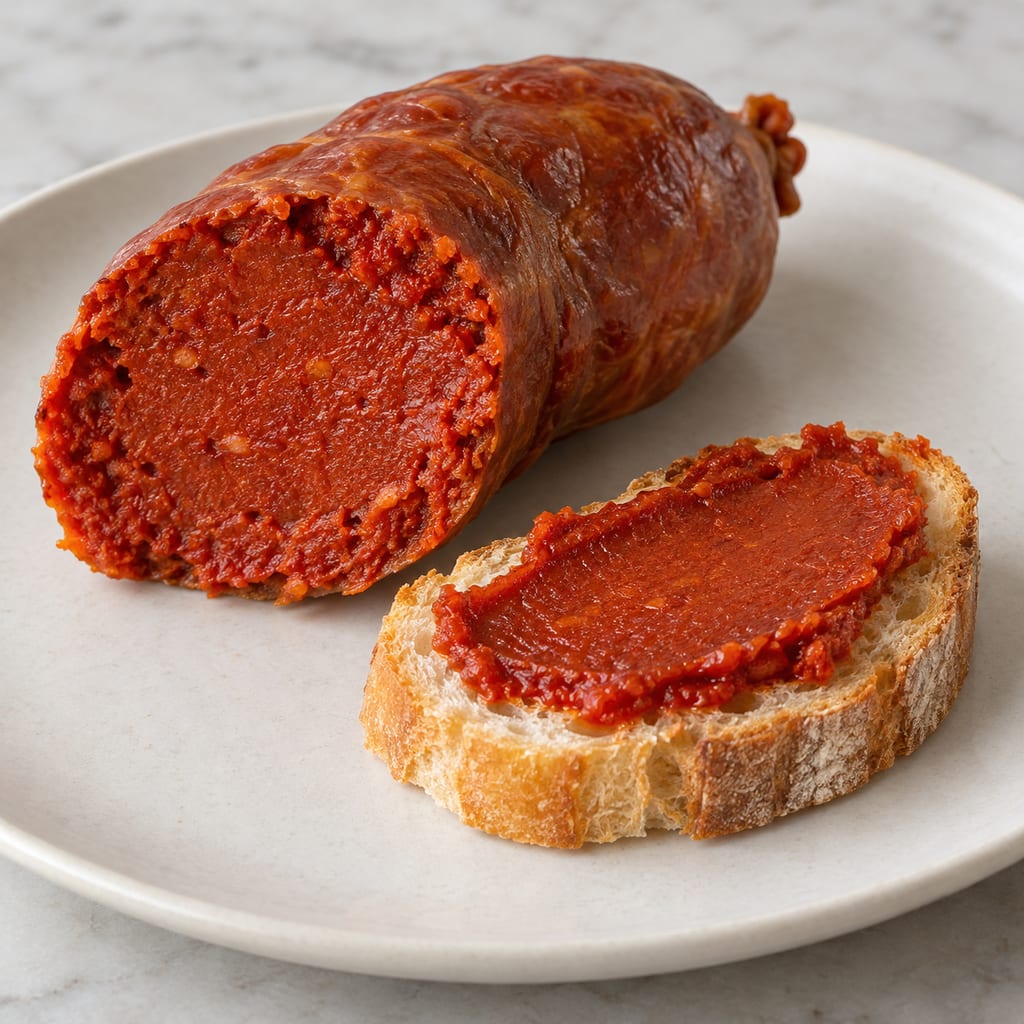
Soft, spreadable Calabrian pork sausage made with a great deal of red chilli and fatty pork, stuffed into natural casings, sometimes smoked and matured while staying soft.
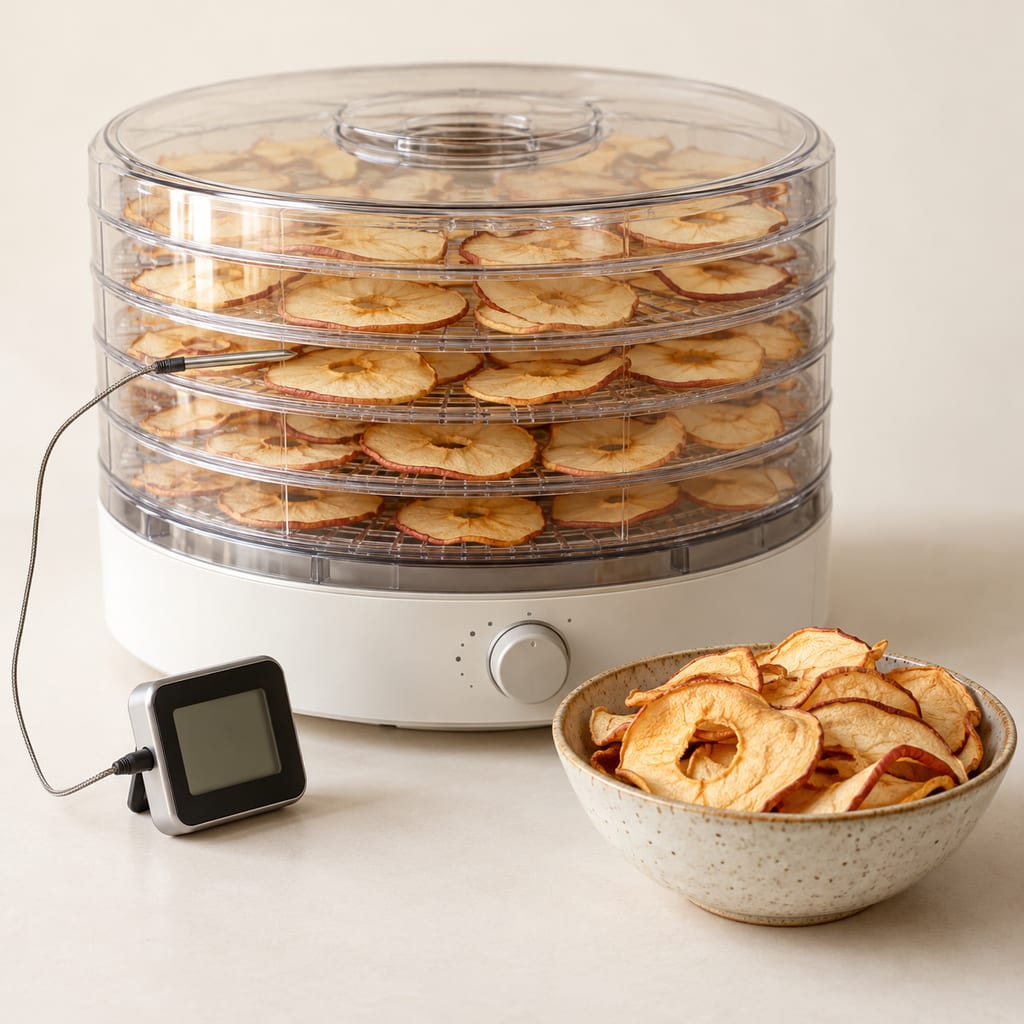
A way to add independent temperature logging to an existing food dehydrator without changing its built-in controls or protections. It is a monitoring method, not a rewiring plan.
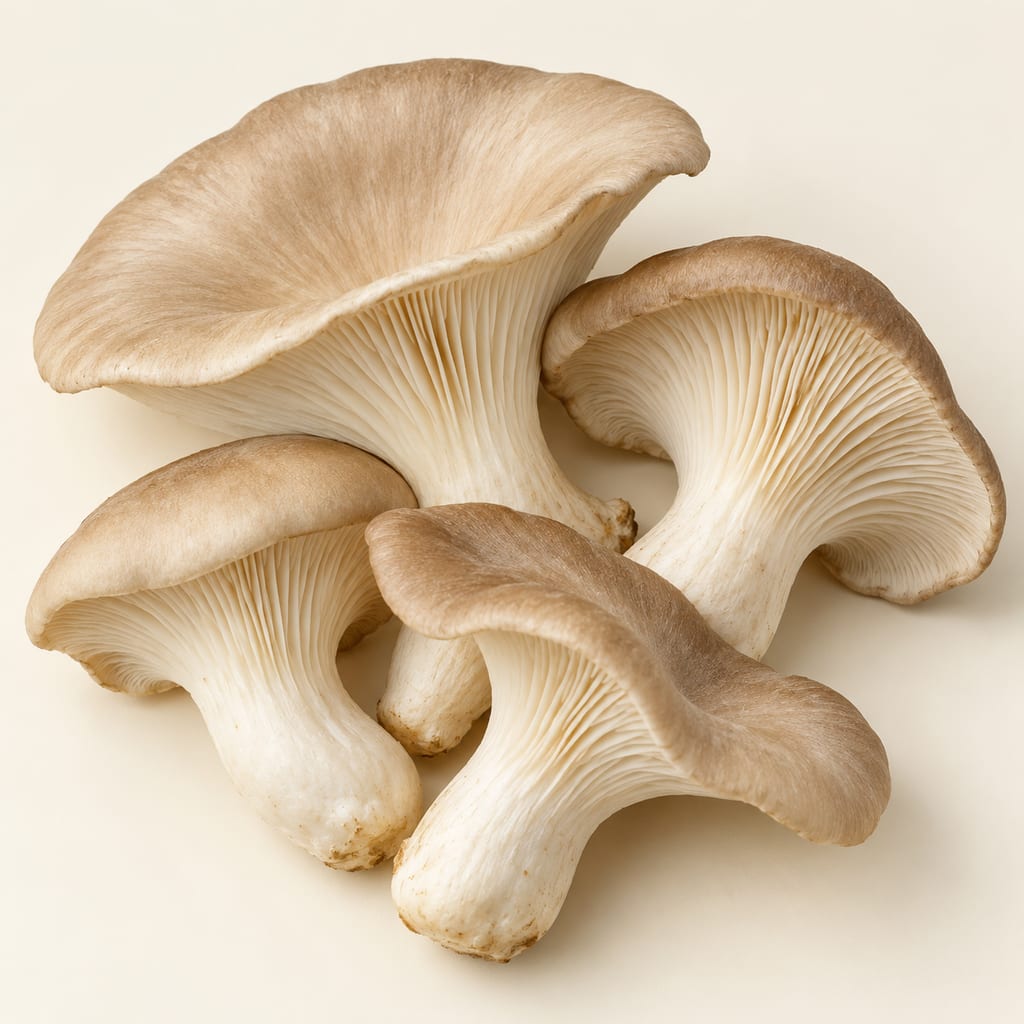
Pleurotus cystidiosus is the abalone mushroom, a cultivated oyster-type fungus with dark brown caps that grows more slowly and is more demanding than other Pleurotus species.
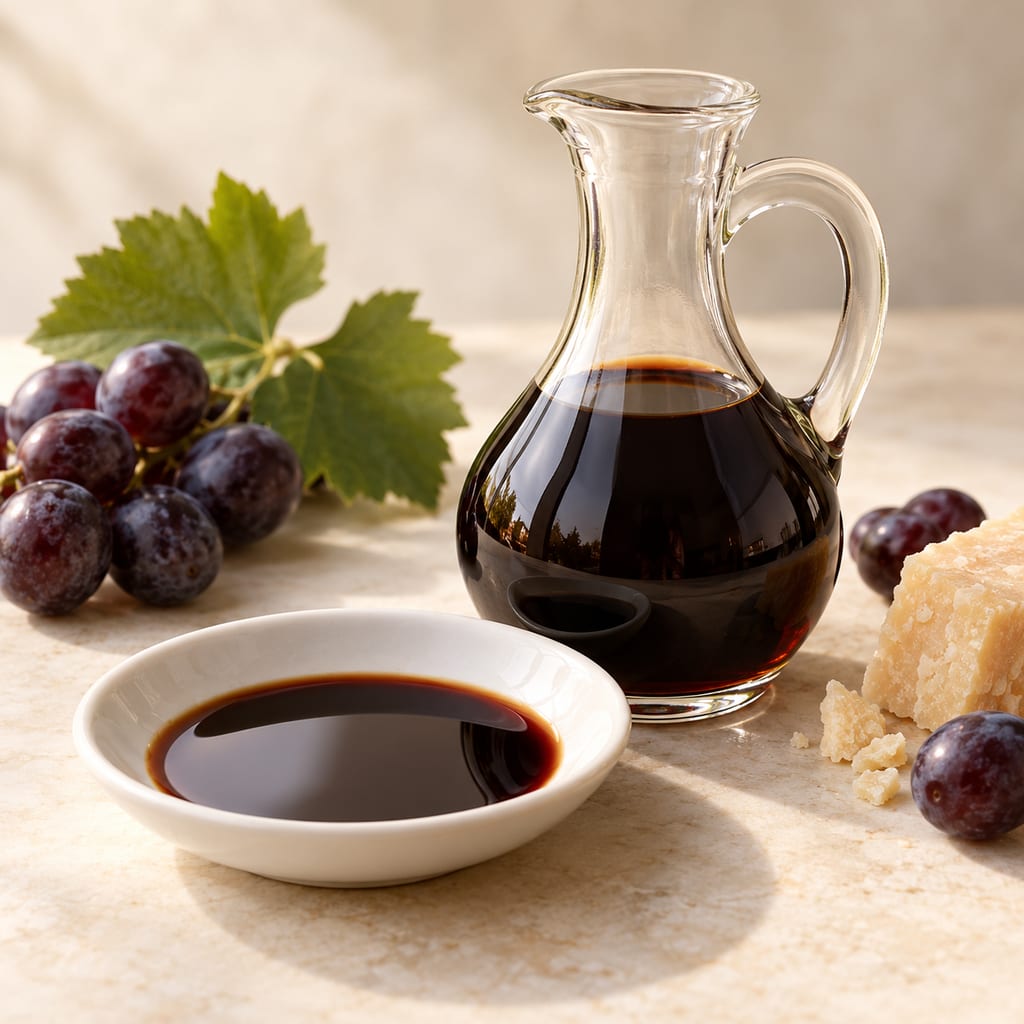
A dark, balanced vinegar from Emilia-Romagna made by combining cooked or concentrated grape must with wine vinegar, then acetifying and refining it in wood under a protected specification.
A living dairy inoculum that starts controlled cream fermentation, developing acidity and aroma before sour cream or cultured butter is finished.
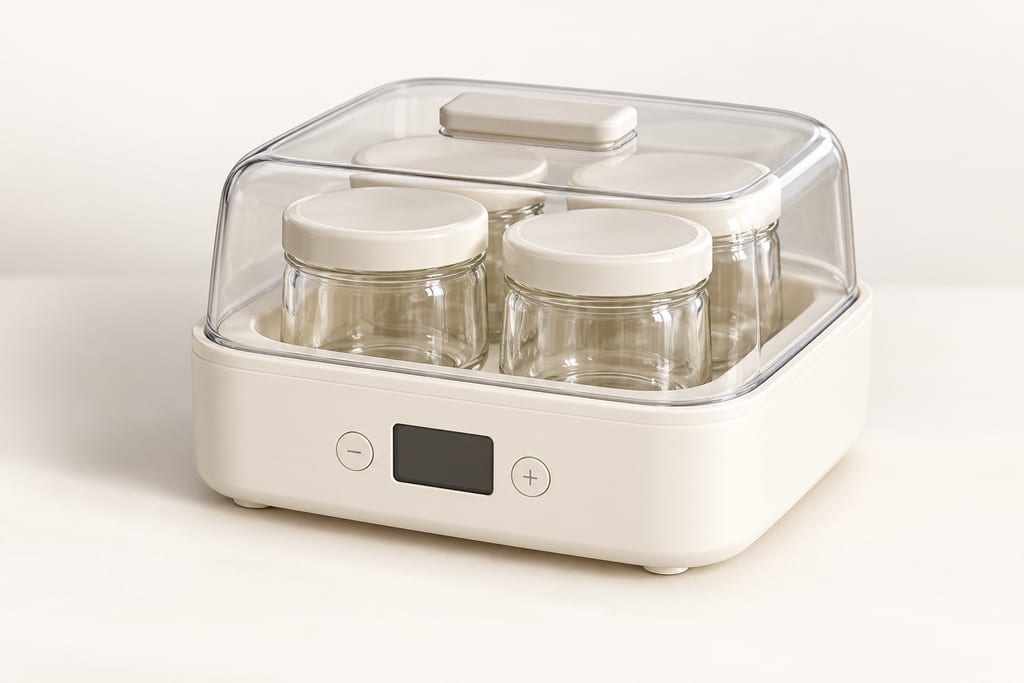
A small electric incubator holds jars at a selected temperature for yogurt and other documented warm food preparations. Controls, capacity and vessel arrangement vary by model.
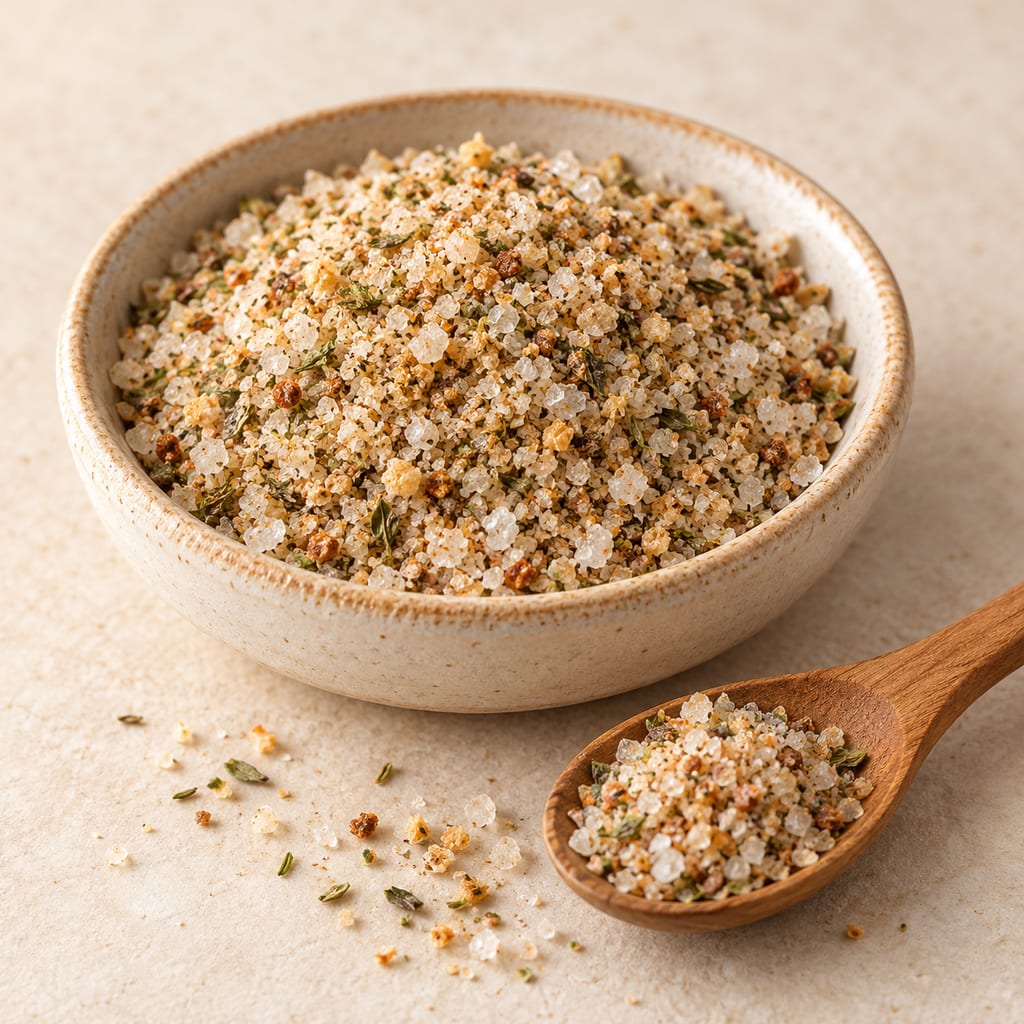
Adygean salt is a seasoned table salt associated with Adygea and the wider North Caucasian culinary tradition. Salt is blended with garlic and a variable selection of herbs and spices; the exact mix depends on the named style and maker.
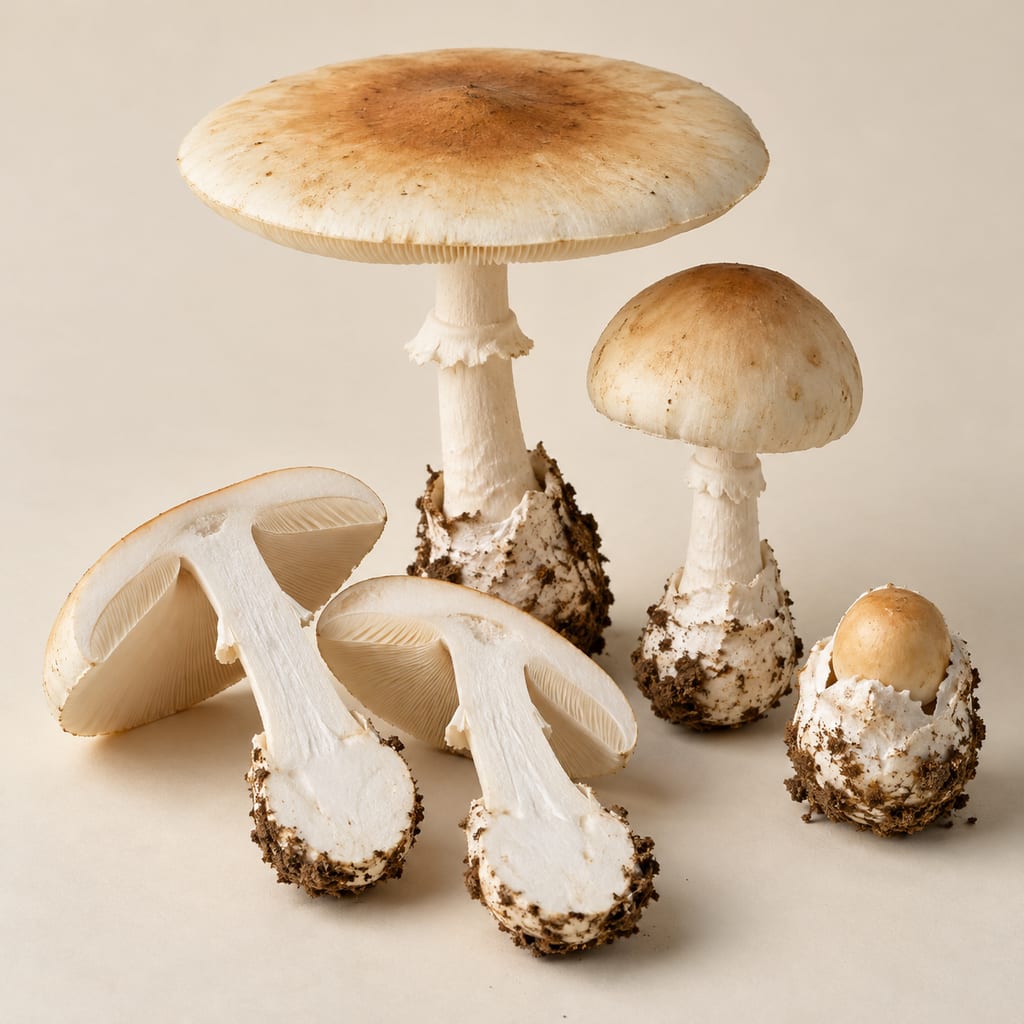
The African Caesar-group mushroom, Amanita masasiensis, is a wild ectomycorrhizal species of central and southern African woodlands, eaten locally. The genus contains deadly poisonous species, so identification needs care.
No community contributions have been published for this entry yet.
Sign in to contribute. Published comments and photos are free to read.
Oklahoma State University Extension, Oklahoma GardeningMethod · Serving · Safety
Ginger Ale2 cups fresh ginger root, peeled and chopped; 3 strips lemon peel about 4 inches each; 1½ cups sugar; 4 cups water; 3 quarts chilled club soda.
Boil ginger, peel and water gently, uncovered, 10 minutes; stir in sugar and boil until reduced to 3 cups, about 15 minutes longer.
Strain through a fine wire strainer; discard peel; cool, cover and chill at least 1 hour or up to 1 week.
Per serving: ¼ cup ginger syrup with 1 cup cold club soda in a 16-ounce glass; serves 12.
Cited in: What this recipe is; The safety rule for this group; Equipment; Stage 1: Boil the ginger; Stage 2: Add sugar and reduce; Stage 3: Strain, cool and store; Using ginger syrup in fizzy water; Where the sources disagree
Ask Extension, 5 August 2020Safety
Home canning ginger syrup (#673158)Question from Fairbanks North Star County, Alaska, about canning a ginger-turmeric syrup.
Honey and sugar syrups can harbour botulism spores; honey should not be given to an infant under 1 year old.
Ginger and turmeric have pH levels above the safe level for boiling-water canning; no tested recipe can be given.
Option: keep the syrup in the refrigerator below 38 °F, where botulism spores do not produce toxin; heating a whole batch evenly at home is hard to assure.
Cited in: The safety rule for this group; Stage 3: Strain, cool and store; Nannari: a root syrup from Tamil Nadu; Problems and safety
Trinbago Recipes (13 October 2026, updated 30 October 2026)Method · History · Safety · Serving
Mauby1 oz (28 g) mauby bark, 4 cups (960 ml) water, 1 cinnamon stick, 4 cloves, 1 bay leaf, 1 strip orange peel, optional star anise.
Boil, then simmer 15–20 minutes until dark brown; strain and cool; this concentrate is very bitter.
Drink: dissolve 2 cups (400 g) sugar in 8 cups (1.9 litres) cold water and add concentrate to taste; makes about 3 litres.
Strained concentrate keeps in the fridge up to 2 weeks; finished drink up to 4 days.
Some people leave sweetened mauby at room temperature 12–24 hours so it froths and ferments slightly.
People who are pregnant or taking medicines should check with a doctor before drinking bark-based drinks regularly.
Cited in: What this recipe is; Why roots and bark need boiling; The safety rule for this group; Mauby: the bark syrup of Trinidad; Mauby and fermentation; Problems and safety; Where the sources disagree
We Trini Food (Ros Singh)Method · History · Definition
Simple Mauby Recipe Using Mauby BarkMauby is brewed from the bark of soldierwood (Colubrina elliptica) or greenheart (Colubrina arborescens); very bitter, needs sugar.
Called maví or mabí in the Spanish-speaking Caribbean, mabi in French-influenced islands, mauby in the English-speaking Caribbean.
On most islands the drink is left to ferment on the countertop for a few days; in Trinidad and Tobago fermenting is not common.
8 g bark, 2 tsp aniseed, 10 cloves, 2 star anise, 1 bay leaf, ½ cinnamon stick, 3 cups water boiled about 20 minutes, steeped 3 hours to overnight, strained.
Sugar added to the brew without water makes a thick concentrate that can be bottled and refrigerated, diluted with cold water to serve.
Cited in: Why roots and bark need boiling; Mauby: the bark syrup of Trinidad; Mauby and fermentation; Where the sources disagree
Samayam Tamil (Dhanalakshmi, 1 June 2023)Method · Serving
நன்னாரி சிரப் தயாரிப்பும் நன்மைகளும் (Homemade nannari syrup)Nannari roots are sold at Ayurvedic and country medicine shops.
50 g root, 250 g sugar, 3 cups water, 2 tsp lemon juice.
Wash the roots three times, dry, crush with a hammer, remove and discard the white core, use only the brown outer bark, which is fragrant.
Add the crushed bark to boiled water, cover tightly, soak 5–6 hours or overnight, strain through muslin, add sugar, heat until it boils to a syrup, cool, add lemon juice, store in a clean container.
Sarbath: 3 teaspoons syrup in a tumbler of water with ice and lemon juice.
Cited in: What this recipe is; Why roots and bark need boiling; Equipment; Nannari: a root syrup from Tamil Nadu; Problems and safety
The HinduHistory · Method
Why sherbet-maker Ondippili is a 115-year-old success storyOndippili syrup is made in Madurai near the Meenakshi Sundareswarar Temple from sugar, water, citric acid and nannari root extract.
Roots from Palakkad in Kerala are soaked in fresh water 12 hours, boiled 15 minutes, the extract cooled and mixed with sugar syrup and citric acid.
K Ondipulia Pillai began experimenting in 1906 and sold the syrup door to door, telling buyers to mix two spoons in a glass of water with lime juice.
Sugarcane and fruit-juice sellers add the syrup to their juices; peak months February to July; sold in 500 ml bottles.
Cited in: Why roots and bark need boiling; Nannari: a root syrup from Tamil Nadu; Where the sources disagree
Sazón PerúMethod · Safety · Serving
Chicha morada: receta peruana paso a paso8 portions: 1 kg purple corn, 3 litres water, 1 pineapple (peel), 1 quince or apple, 2 cinnamon sticks, 6 cloves; about 45 minutes cooking.
Boil about 45 minutes over medium heat until very dark purple and the kernels begin to open.
Without lime or sugar the concentrate keeps five days in the refrigerator and can be frozen in trays; sweetened with lime, drink within one or two days, after which it begins to ferment.
Chicha morada is not fermented and has no alcohol; not to be confused with chicha de jora.
Served very cold with ice and finely diced pineapple and apple; the same cooking liquid thickened becomes mazamorra morada.
Cited in: What this recipe is; Why roots and bark need boiling; The safety rule for this group; Equipment; Chicha morada: purple corn concentrate; Problems and safety; Where the sources disagree
Supuko Mikuy recetario, ADRA PerúHistory · Method
Chicha moradaMaize-based drink with a history of about 3,000 years, part of religious celebrations of the first civilisations of Peru and pre-Inca cultures.
12 glasses: 1 kg purple corn, ½ kg sugar, 2 apples, 10 cloves, 10 g cinnamon, 6 limes, 1 medium pineapple.
Boil corn with apple and pineapple peels, cinnamon and clove, covered on low heat 45 minutes; strain; add sugar, diced apple and lime juice.
Cited in: Chicha morada: purple corn concentrate
T.C. Kültür ve Turizm Bakanlığı, Kültür Portalı (source: Isparta İl Kültür ve Turizm Müdürlüğü; added 28 March 2018)History · Method
Loğusa Şerbeti - Isparta4 people, 10 minutes: 2 glasses water, 1.5 glasses granulated sugar; optionally rose water, cloves, cinnamon and food colouring to a rose colour.
Boil water and sugar about 5 minutes, cool, fill normal glasses and serve on a tray without saucers to visiting guests.
Cited in: What this recipe is; Loğusa şerbeti: a Turkish spiced sherbet