Carbonated cordial, shrub or juice
A cold finished drink charged with carbon dioxide in a home carbonator that accepts liquids other than water. Carbonating is not fermentation and does not preserve the drink.
 FermenteaWhere food goes to change
Sirop de bissap · Bissap syrup · Sobolo · Zobo · Sorrel syrup · Agua de jamaica concentrate · Karkadé · Butterfly pea syrup · Nam anchan · Red shiso juice · Akashiso juice
Senegalese bissap syrup from a cold soak, with Ghanaian sobolo, Thai butterfly pea that turns from blue to magenta and Japanese red shiso juice that flashes ruby.
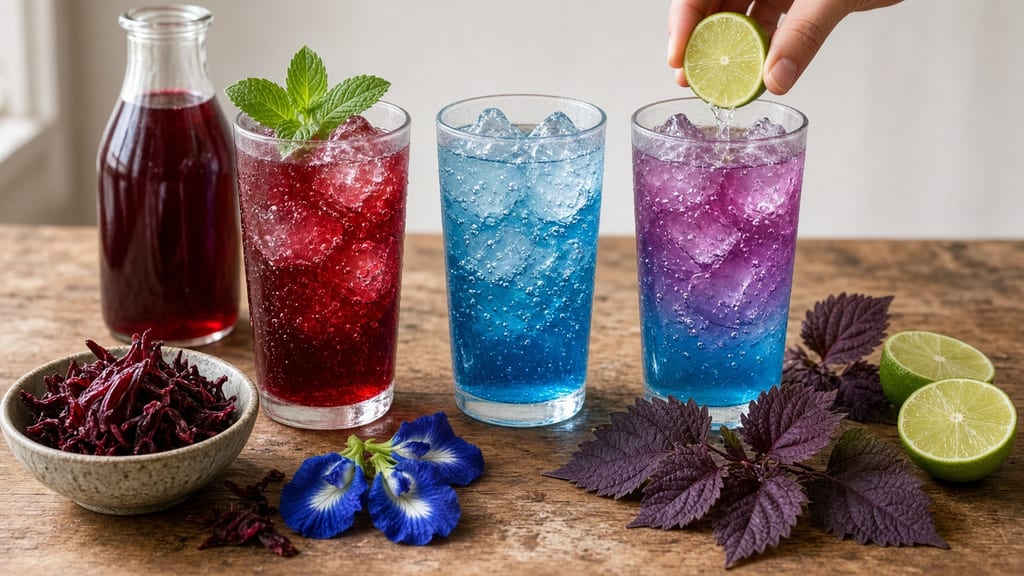
Drop a spoon of this syrup into sparkling water and the glass goes ruby. Hibiscus syrup is sharp and fruity, close to cranberry in taste, and it is one of the most drunk soft drinks in West Africa. This page puts it together with two Asian relatives that share its trick: blue butterfly pea flowers that turn magenta when lime goes in, and Japanese red shiso leaves whose dark brew flashes bright red with a spoon of citric acid.
The main recipe is the Senegalese bissap syrup taught by GRET and the food technology institute ITA in Dakar. It uses a cold soak, a short boil and a measured amount of sugar. After it come the sweeter juice drunk in Dakar, Ghanaian sobolo with ginger and spices, the Thai flower drink and Kagome's shiso juice. All are refrigerator syrups.
The red part is not a petal. It is the fleshy calyx of roselle, Hibiscus sabdariffa, which wraps the seed pod after the flower falls. It is sold dried in markets across Africa and in shops abroad. Garden hibiscus bushes are a different plant, so buy calyces sold for drinks.
Senegal calls the drink bissap, and French cooks use the same word. A Ghanaian news site lists the other names: wonjo, foléré, dabileni and tsobo in parts of Africa, sobolo in Ghana, zobo in Nigeria, sorrel in the Caribbean and agua de Jamaica in Mexico. A Tanzanian study adds red sorrel, Sudan tea and karkadé. The method barely changes from one name to the next: draw the colour out of the calyces with water, sweeten and chill.
In the GRET guide, written from work by Cécile Broutin and Khanata Sokona with ITA in Dakar, the filtrate for syrup is made cold. One kilogram of dried calyces soaks in 8 litres of cold tap water for 6 to 8 hours. The authors avoid a hot decoction for syrup because heat pulls pectin out of the calyces and the finished syrup turns cloudy or even sets.
The soaked liquid is sieved to hold back the calyces, then filtered through cotton to catch fine sand and dust. Then comes the rule that matters most: make the syrup straight away. The guide says roselle filtrate starts to ferment fast and the finished syrup must contain no alcohol, so no more than eight hours may pass between the end of the soak and the start of cooking.
The syrup itself is 60 % sugar and 40 % filtrate by weight. It boils for only 1 to 3 minutes; longer cooking browns it, gives it a cooked taste and loses aroma. The guide targets 65 to 70 °Brix, which it says corresponds to a boiling point of 102 to 105 °C, and skims off the foam for a clear syrup. It asks for an enamelled or stainless pan, shallow with a wide base. Bissap filtrate is acid enough on its own, so no lemon or citric acid is needed.
At home, work at one tenth of that scale. Soak 100 g of rinsed calyces in 800 ml of cold water. After 6 to 8 hours, sieve and filter, weigh the liquid and multiply by 1.5 for the sugar. About 600 g of filtrate needs about 900 g of sugar. Bring to the boil, stir until the sugar dissolves, boil 1 to 3 minutes until a thermometer reads 102 to 105 °C, skim and bottle hot into clean bottles.
Most bissap in Senegal is drunk as juice, not syrup. A 2009 study of the Senegalese crop in the journal Fruits found women's groups making it for markets and for the hotels of Dakar: 1 kg of dried calyces to 35 kg of water, soaked 3 hours, filtered and sweetened at 150 g of sugar per litre. Some pasteurised the bottles at about 100 °C for 10 minutes. For concentrate they used far less water and boiled it down by eye, because they had no refractometer.
Lamine Faye, writing on the Senegalese site Segg Faye, buys his calyces around Keur Madiabel in the Kaolack region, known for deep red bissap. He describes it served iced to guests, at family ceremonies, at ndogou, the meal that breaks the fast in Ramadan, and on every street corner in Dakar. His 2 litres take 100 g of calyces, 1.5 litres of water and 300 g of sugar, with mint, vanilla and orange-flower water. That trio, he says, is the taste of home. Pale or old flowers give a flat drink.
Vivre au Sénégal compares the methods. A long boil makes the juice darker but more bitter. Steeping off the heat is fruitier. A cold steep of 8 to 12 hours in the refrigerator is the gentlest of all. It adds that in Dakar the juice is often sweeter than most written recipes.
When you have no time for a long soak, Marmiton's sirop de bissap works in under an hour. Boil a litre of water with a bunch of mint, about ten sprigs, until it smells strongly, and take out the mint. Off the heat, steep 100 g of hibiscus in it for 30 minutes and strain. Boil the liquid with the sugar for 10 minutes, stirring, then reduce for 10 minutes more and bottle in glass.
The recipe calls for 1 kg of brown sugar. Readers found that far too sweet and used 600 g or even 200 g. Remember that less sugar means a shorter fridge life, and a hot steep gives a slightly cloudier syrup than the Dakar cold soak.
Ghana's version is spicier. Pulse Ghana's sobolo boils 2 cups of hibiscus, covered with water, together with pineapple peels and three grains of hwentia, also called grains of Selim. A piece of prekese, the dried pod of Tetrapleura tetraptera, goes in too. It boils 10 to 15 minutes until the colour changes. The liquid is strained, and blended pineapple and ginger are stirred in. Sugar goes in only after the drink has cooled.
MyNewsGH boils its hibiscus with ginger and hwentia for about 30 minutes, until purplish, and says the drink keeps about a week in the fridge. In Nigeria the same drink is zobo. For fizzy water, turn sobolo into a syrup: simmer the calyces, peels and spices, strain, and dissolve the sugar into the hot liquid at the bissap ratio. Keep the blended pineapple for the glass, because pulp shortens the life of a syrup.
Butterfly pea, anchan in Thai, is a blue climbing flower. Thailand's Department of Health gives a plain drink from 10 g of dried flowers, 200 g of water, 8 g of sugar and 10 g of lime juice: boil 3 minutes, strain through cloth, cool, and add the lime last. There is a reason for that order: the extract is deep blue, and acid turns it magenta.
Pim's kitchen keeps the parts apart, which suits a syrup shelf. About 60 double flowers, roughly 50 g, steep in a cup of hot water for the blue extract. A plain sugar syrup made from 200 g of sugar sits in another bottle. For each glass, mix a third of a cup of syrup, 4 tablespoons of extract, 1½ tablespoons of lime juice and half a cup of boiled, cooled water over small ice cubes. Use sparkling water instead and add the lime at the table, so you can watch the colour change. The plain extract has no sugar to protect it, so make it small and use it within a day or two.
Red shiso, aka shiso in Japanese, is a purple-leaved herb that Japanese households boil into a juice. Kagome boils 300 g of leaves in 2 litres of water for 15 minutes and lifts them out. The liquid is a murky purple-brown. Add at least 500 g of sugar, then 25 g of citric acid, and it turns bright ruby red in seconds.
Kagome says that with 250 g or more of sugar per litre the juice keeps about six months in the refrigerator. That is the longest keeping time on this page, and it depends on both the acid and the sugar, so do not cut either. Use food-grade citric acid. Kagome gives no dilution, so start at one part to five parts sparkling water and taste.
All three drinks get their colour from anthocyanins, the same pigment family as red cabbage and blackcurrants. The Tanzanian roselle study notes that the red form is stable at low pH and the colour shifts as acidity changes. Hibiscus is already very sour, which is why bissap stays red. Butterfly pea extract is dark blue in a neutral solution and turns bright magenta when lime makes it acid. Shiso brew stays dull until citric acid turns it red.
The same study shows the colour fades in storage. After six months, pasteurised roselle blends kept at 4 °C had lost 53 to 75 % of their anthocyanins, compared with 65 to 86 % at 28 °C. Light, warmth, oxygen and vitamin C all speed the loss. Keep these syrups cold and dark if you want them to stay bright.
Start with one part syrup to five or six parts cold sparkling water. Bissap likes a sprig of mint and a drop of orange-flower water in the glass. A slice of fresh ginger turns it toward sobolo. For a two-colour glass, pour plain butterfly pea extract over ice and sparkling water with a little sugar syrup, then squeeze the lime at the table. Shiso juice works well with a twist of lemon peel.
Mixing works too. A spoon of bissap syrup with a spoon of ginger syrup from our root and bark recipe makes something close to a Caribbean sorrel.
Fizzing or an alcohol smell in a hibiscus syrup means it has started to ferment, and it should be thrown away. The GRET guide is clear that the filtrate ferments fast and the syrup must contain no alcohol, so cook it within eight hours of the soak. Do the same with any mould. Smell and taste cannot show that a syrup is safe.
Keep every syrup on this page in the refrigerator. The GRET syrup is a 65 °Brix product cooked to a measured boiling point. Most home syrups are thinner and come with no tested room-temperature shelf life. The only home keeping times our sources give are a week for sobolo drink and six months for Kagome's high-sugar, acidified shiso juice. Make small batches of the rest and watch them. Buy calyces, butterfly pea and shiso sold as food, and rinse dusty calyces before soaking.
The GRET guide forbids a hot decoction for syrup because of pectin. Marmiton steeps in just-boiled water, and Ghanaian cooks boil for up to 30 minutes. Sugar runs from 150 g per litre in Dakar's market juice to the guide's 60 % syrup and Marmiton's kilogram per litre. For a clear syrup that keeps, follow the guide. For a quick, darker one to drink this week, the hot methods are fine.
ITA Dakar developed bissap procedures for small producers; women's groups supply Dakar markets and hotels (Fruits, 2009).
Yield 1 litre · Scaling: linear
Roselle filtrate ferments quickly; the syrup must be made within eight hours and contain no alcohol.
Hazard sourceFiltrate is filtered through cotton to remove sand and dust; loose flowers are often dusty.
Hazard sourceCook the syrup to the target concentration.
Control sourceStart cooking soon after soaking.
Control sourceKeep shiso juice acidified and sweet.
Control sourceRefrigerate sobolo drink.
Control sourceThrow out any syrup that fizzes, smells of alcohol or grows mould.
Use calyces of Hibiscus sabdariffa sold for drinks, not garden hibiscus.
Keep these syrups refrigerated.
Bissap juice and syrup; GRET and ITA Dakar syrup method.
Keur Madiabel area, known for deep red calyces.
Sobolo with hwentia, prekese, ginger and pineapple.
Butterfly pea and lime drink.
Red shiso juice.
A cold finished drink charged with carbon dioxide in a home carbonator that accepts liquids other than water. Carbonating is not fermentation and does not preserve the drink.
Syrups made without heat by packing fruit or shoots in sugar: Korean maesil-cheong with the ministry's stone-removal steps, frozen Japanese ume syrup, yuja-cheong and Polish pine-shoot syrup.
Boiled syrups from hard ingredients: a refrigerated ginger syrup, Trinidad mauby from tree bark, Tamil nannari root syrup, Peruvian purple-corn concentrate and a Turkish spiced sherbet.
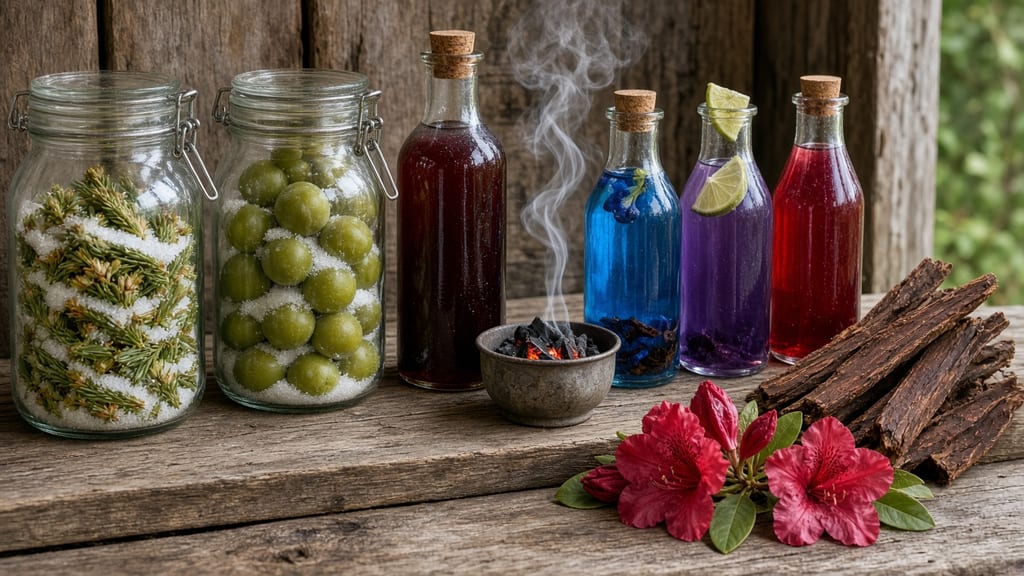
Rhododendron squash, cyanide in plum stones, pine shoots beside poisonous yew, mauby bark, distilled willow water, charcoal-smoked jallab and colour-changing drinks: unusual syrups and what makes each safe or not.
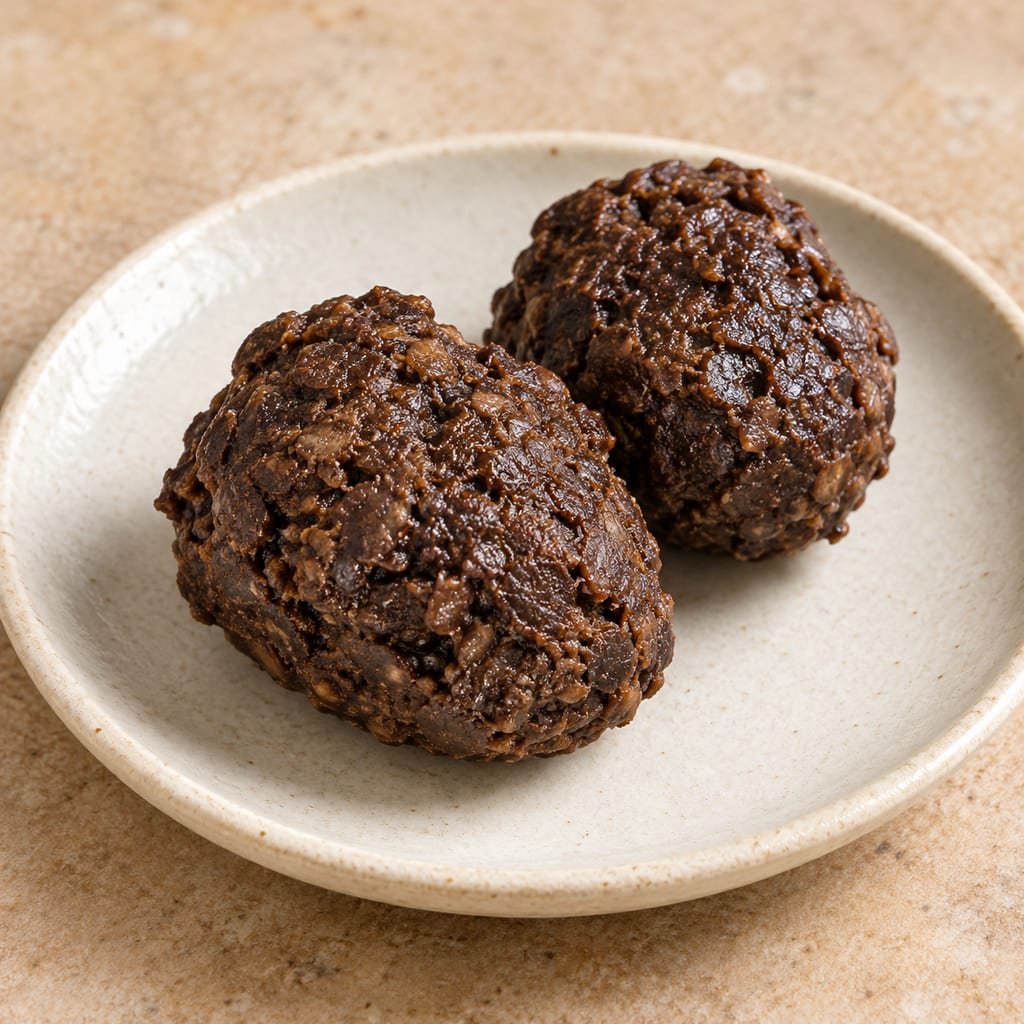
Nététou is a Senegalese condiment of fermented African locust bean cotyledons. Casamance accounts describe staged cooking, dehulling and 48–72 hours of fermentation; these are not validated household safety limits.
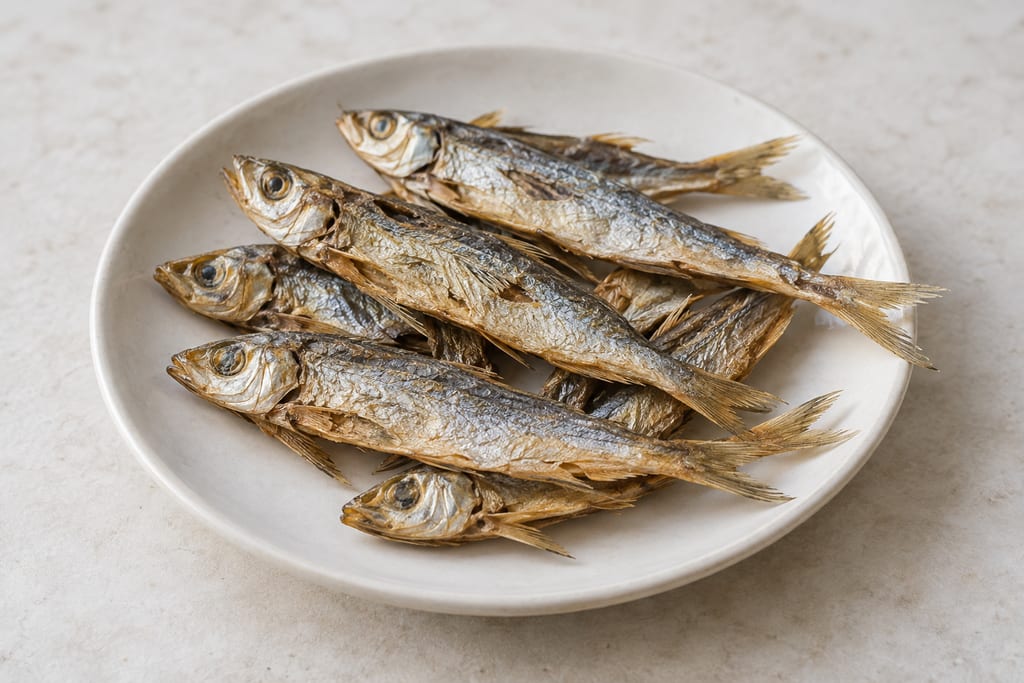
Tambadiang is a Senegalese preparation of small whole fish that is pickled or salted and then dried. Sources differ on fish and process details; no single validated recipe or safety endpoint is established.
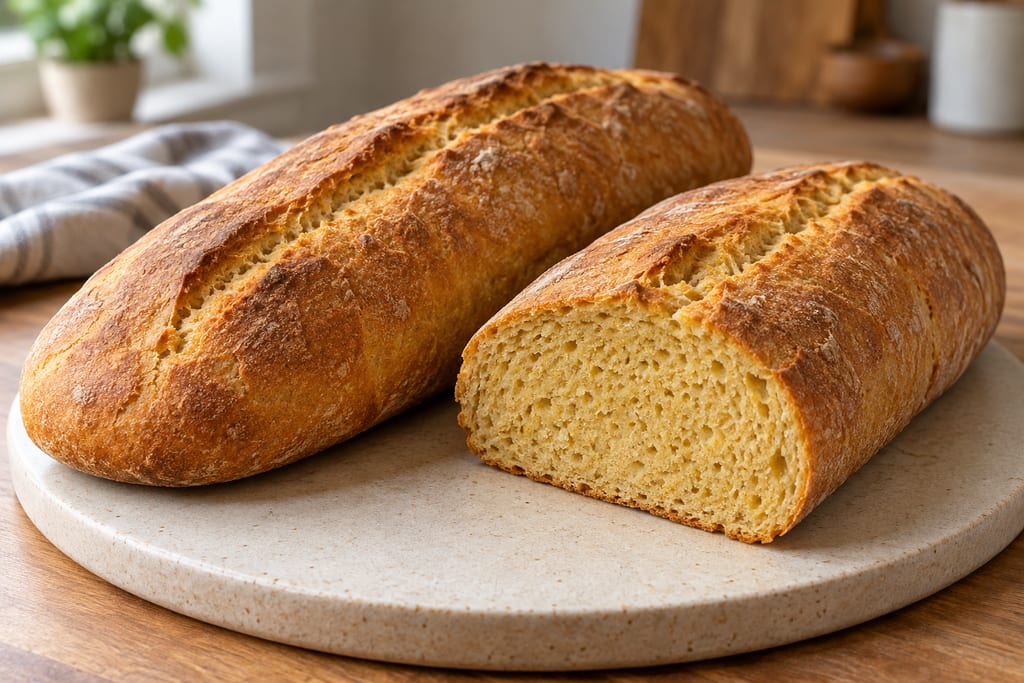
An elongated West African bread with a mixed-flour home-oven formula documented as one version; flour blends and traditional bakery methods vary by place.
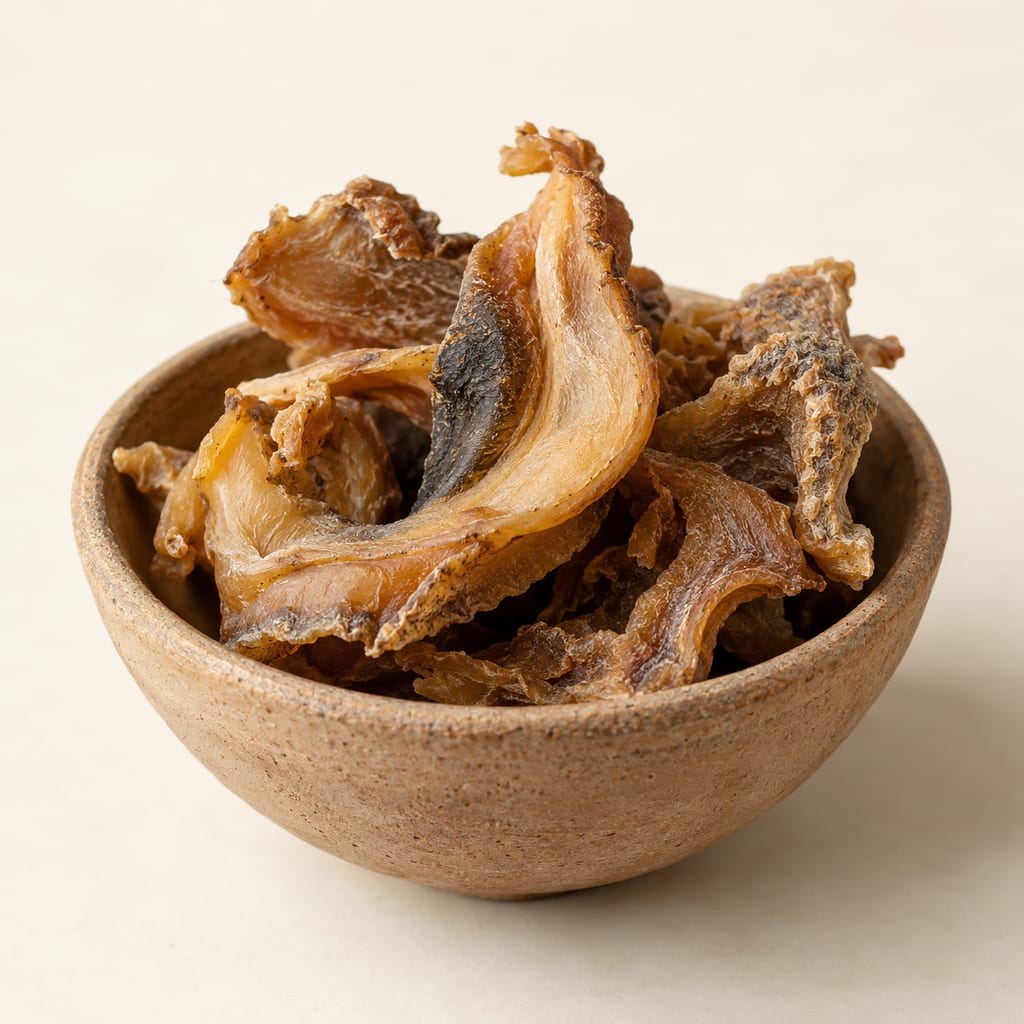
Yeet is a Senegalese condiment made by fermenting and drying Cymbium sea-snail flesh; published accounts describe different fermentation vessels and durations.
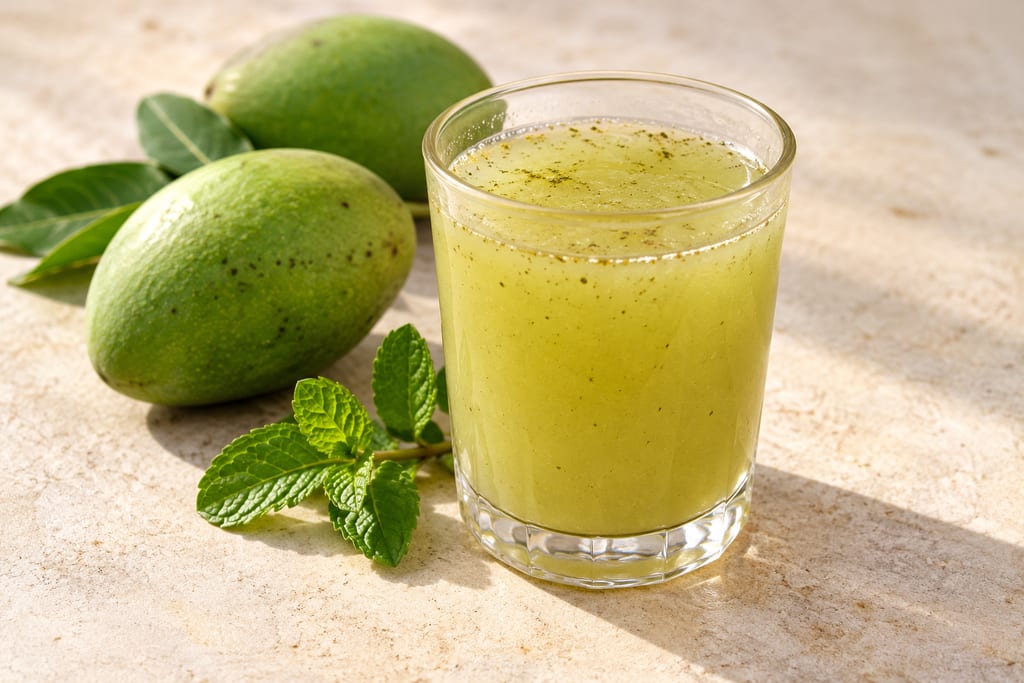
Aam panna is a tart Indian summer drink made by cooking unripe green mango until its flesh softens, then blending the pulp with sweetener, salt and spices and diluting it with water.
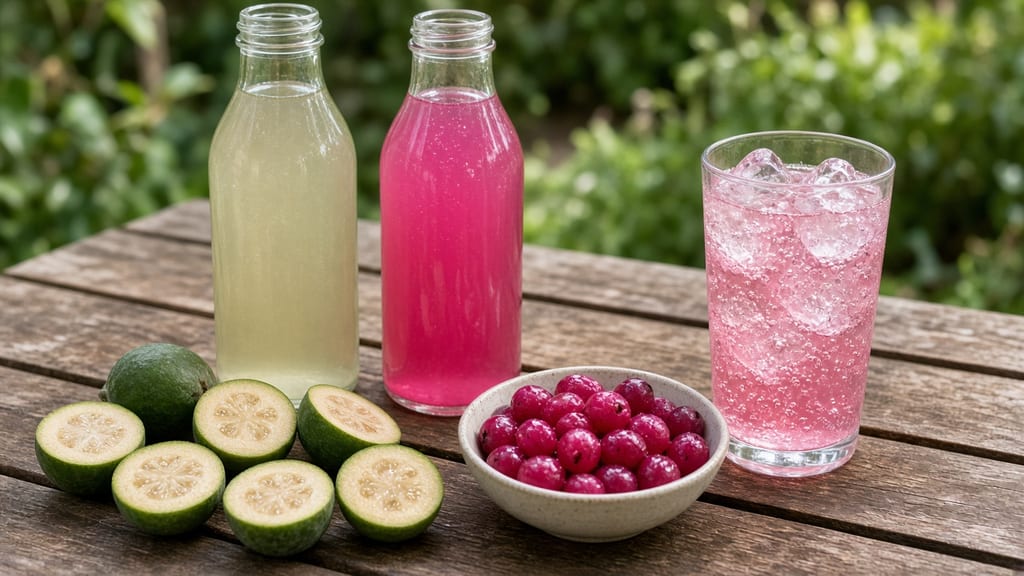
New Zealand feijoa cordial, from the flesh or just the skins, and Australian lilly pilly cordial: fruit, water and sugar heated briefly, strained, and sharpened with lemon and tartaric or citric acid.
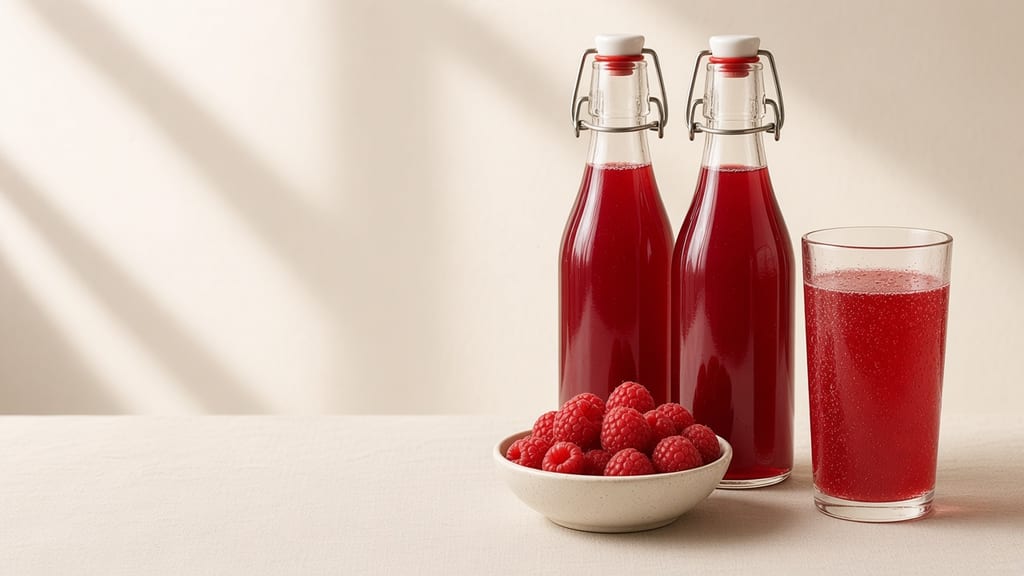
Clear fruit syrup from cooked, dripped berry juice boiled with sugar and canned in a water bath; one tested method for raspberry, strawberry, blueberry, cherry, grape and blackberry.
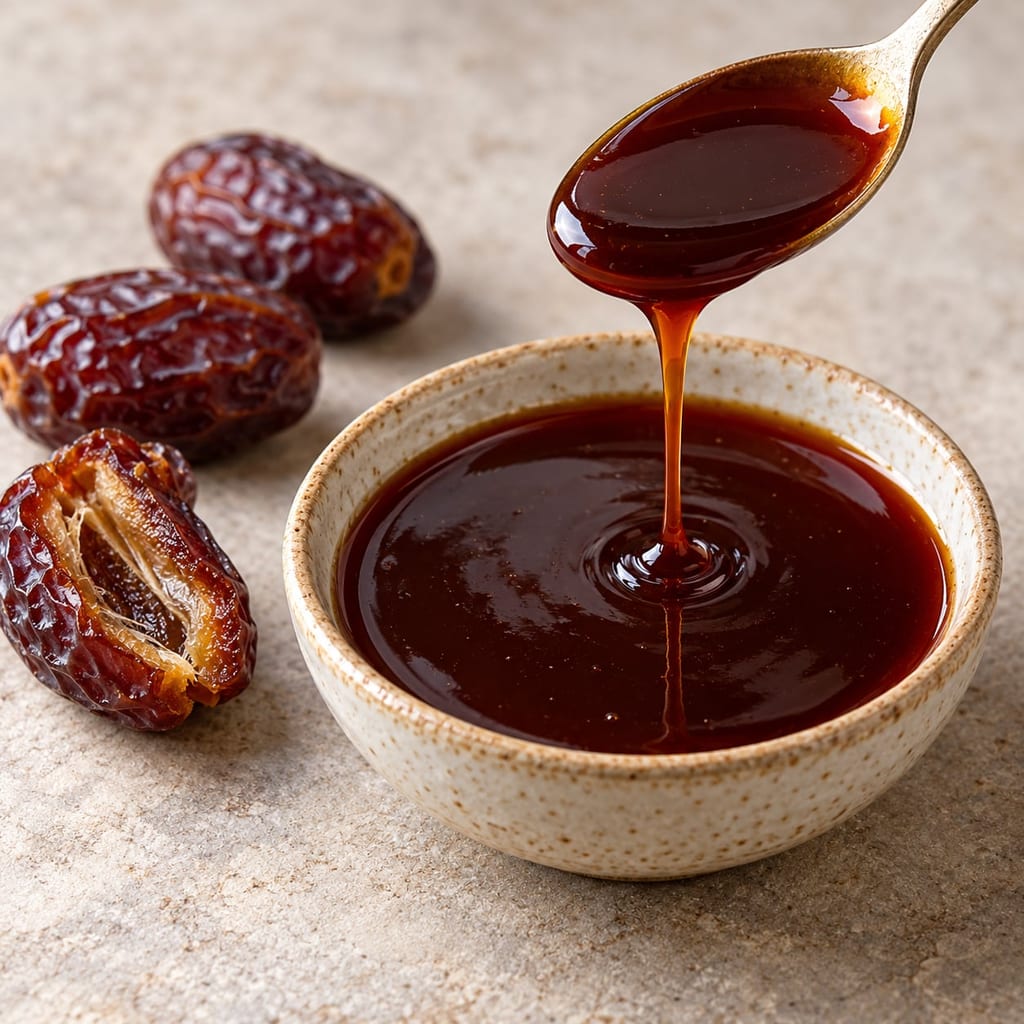
A thick, dark, very sweet syrup made from dates, known as dibs, rub, silan or date molasses. It sweetens tahini and desserts and glazes or sauces savoury dishes across the Middle East and North Africa.
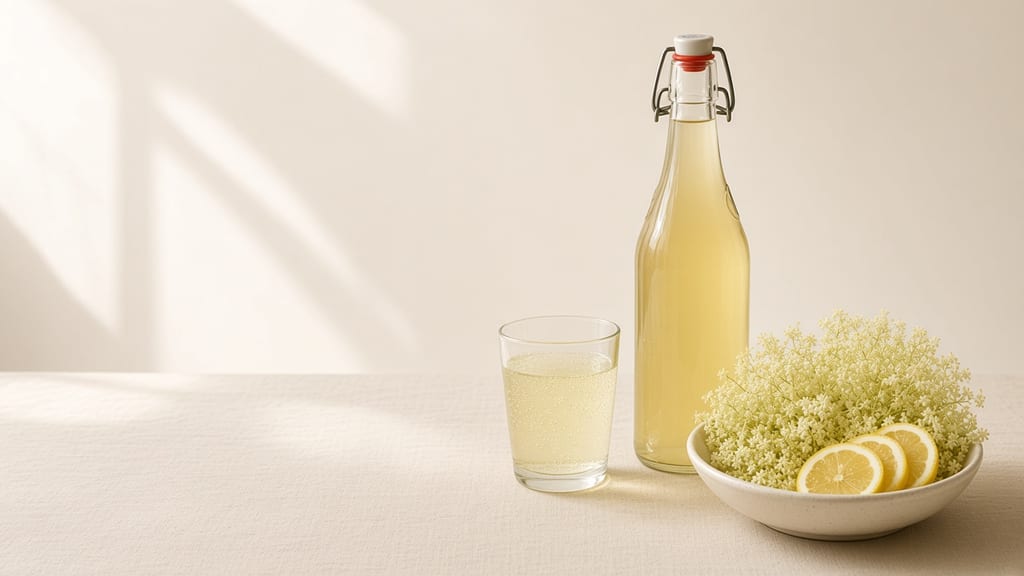
Elderflower heads steeped for one to three days in a lemony sugar syrup, strained and kept cold; the same infusion method flavours syrups with mint, basil, thyme and other herbs.
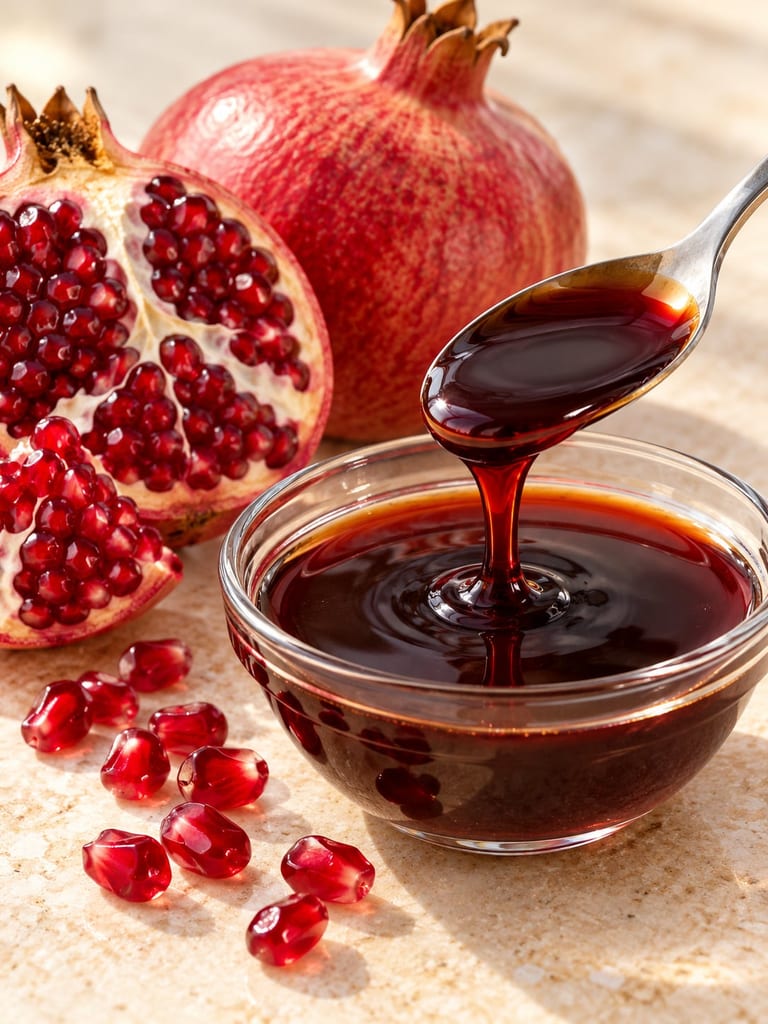
The registered Hatay method presses pomegranate arils and slowly concentrates the strained juice. Its 100 kg source batch and experienced-producer endpoint are retained; no home-scale time or shelf-life is inferred.
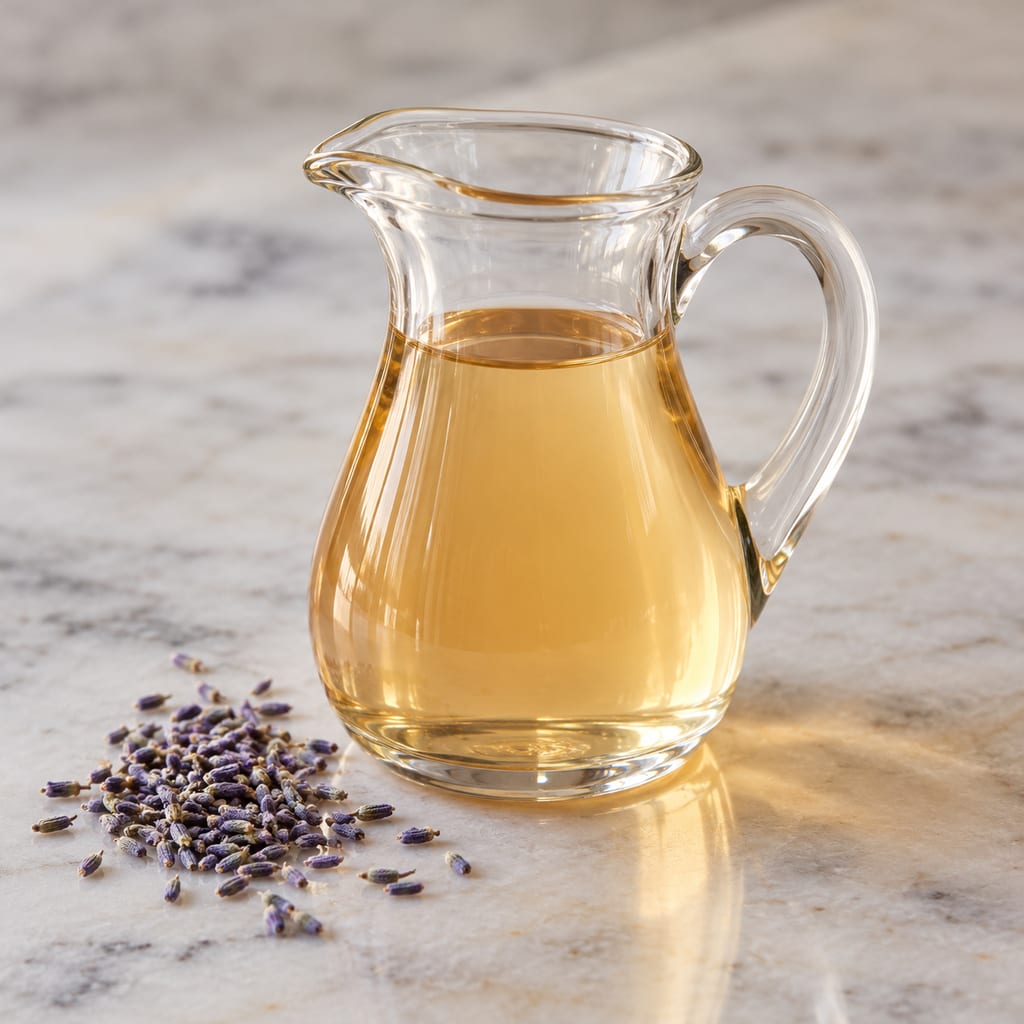
Sugar syrups flavoured by holding botanicals, sugar and water in sealed bags in a 135°F (57°C) water bath for an hour, then cooling and refrigerating; several can share one bath.
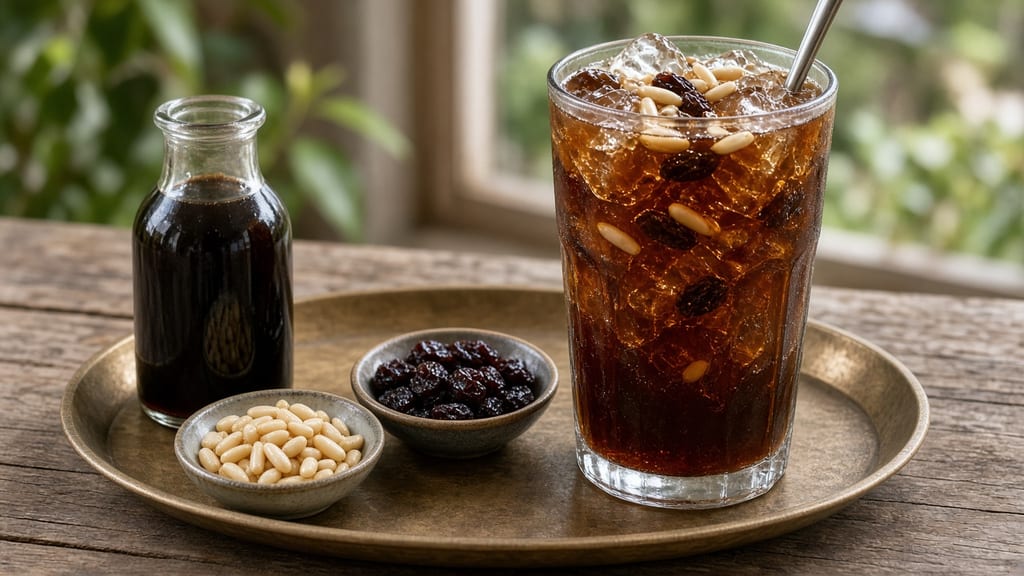
The Levant's Ramadan syrup: grape and date molasses blended into a sugar syrup in 5 minutes, smoked with mastic or cinnamon, finished with rose water and served over ice with pine nuts and raisins.
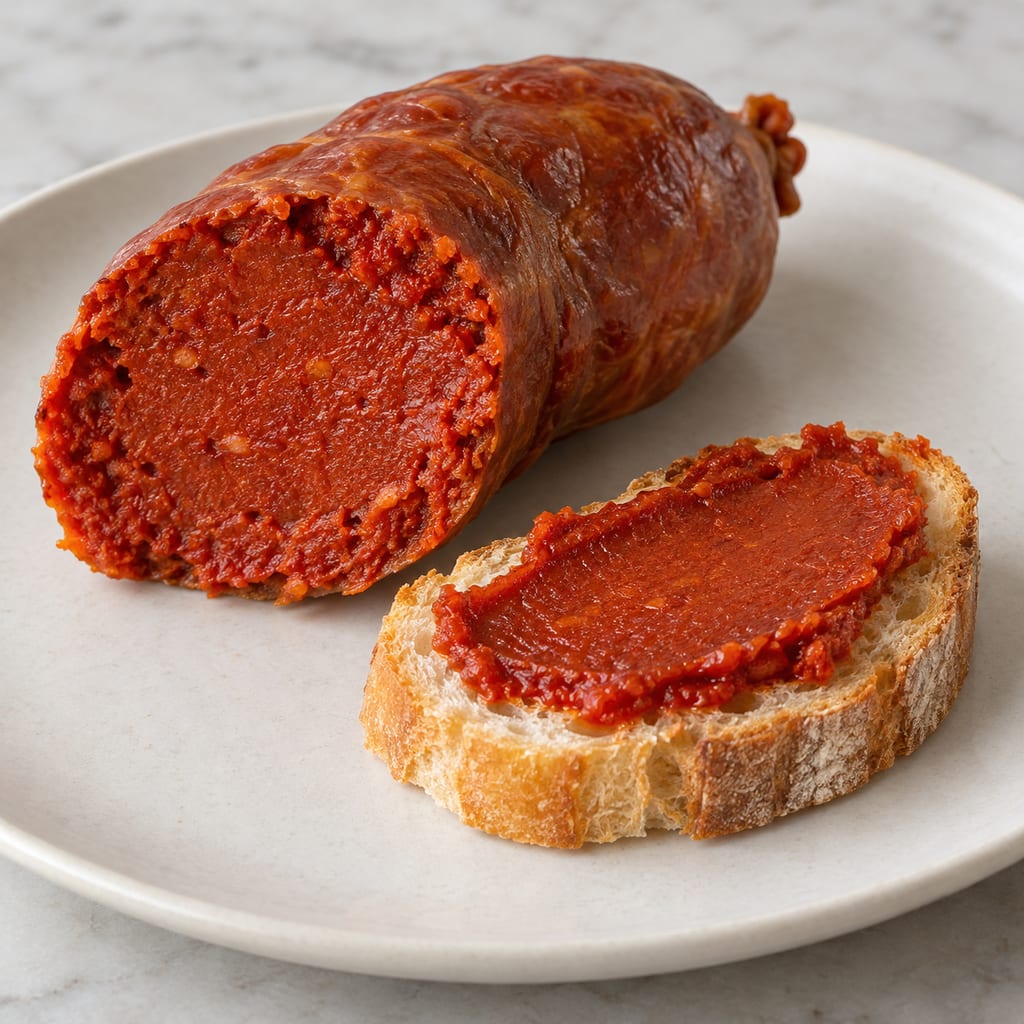
Soft, spreadable Calabrian pork sausage made with a great deal of red chilli and fatty pork, stuffed into natural casings, sometimes smoked and matured while staying soft.
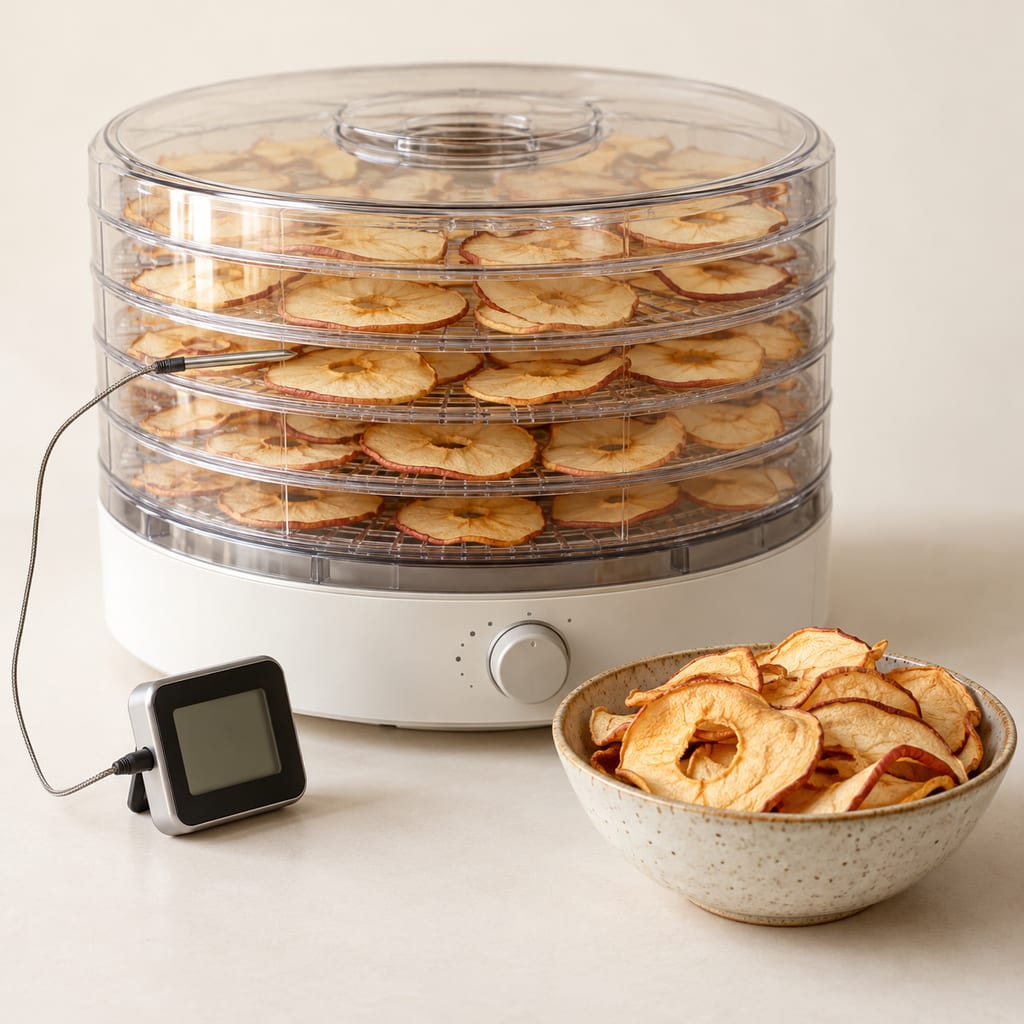
A way to add independent temperature logging to an existing food dehydrator without changing its built-in controls or protections. It is a monitoring method, not a rewiring plan.
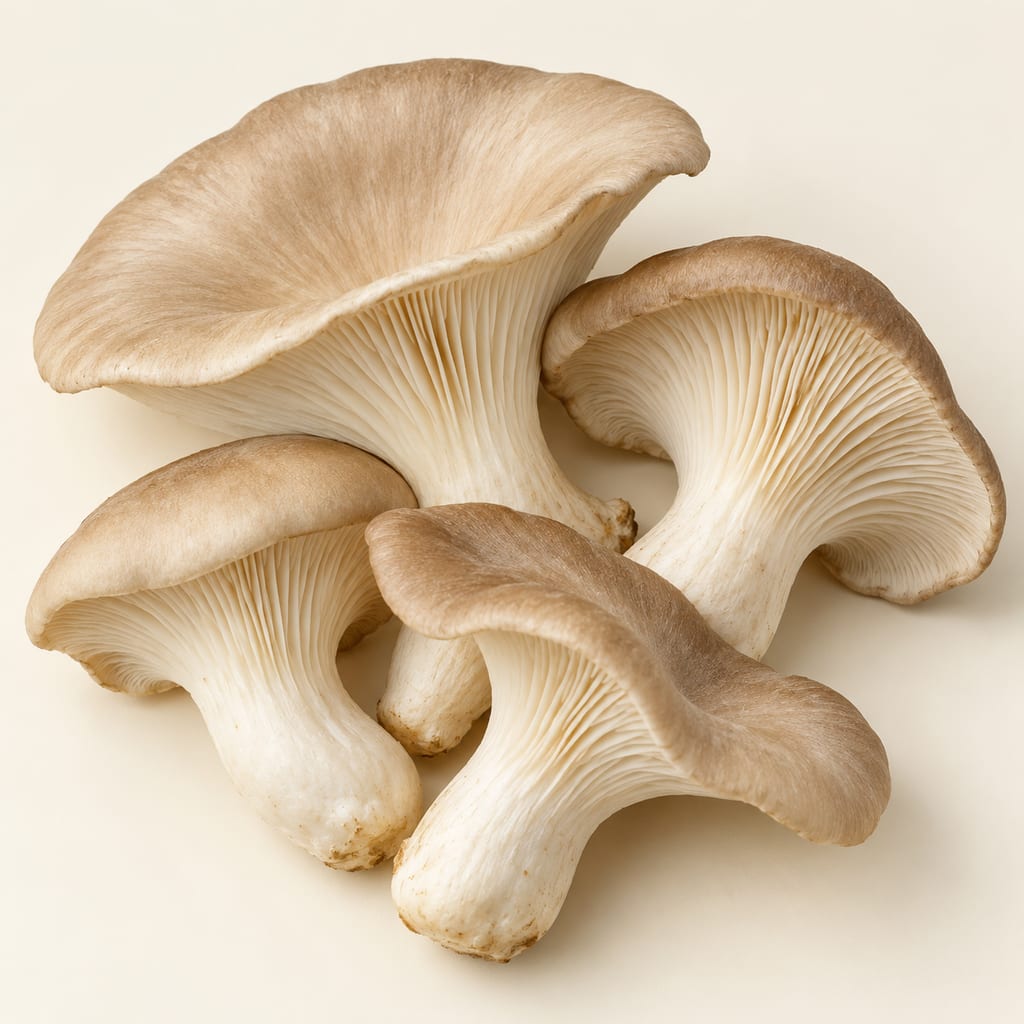
Pleurotus cystidiosus is the abalone mushroom, a cultivated oyster-type fungus with dark brown caps that grows more slowly and is more demanding than other Pleurotus species.
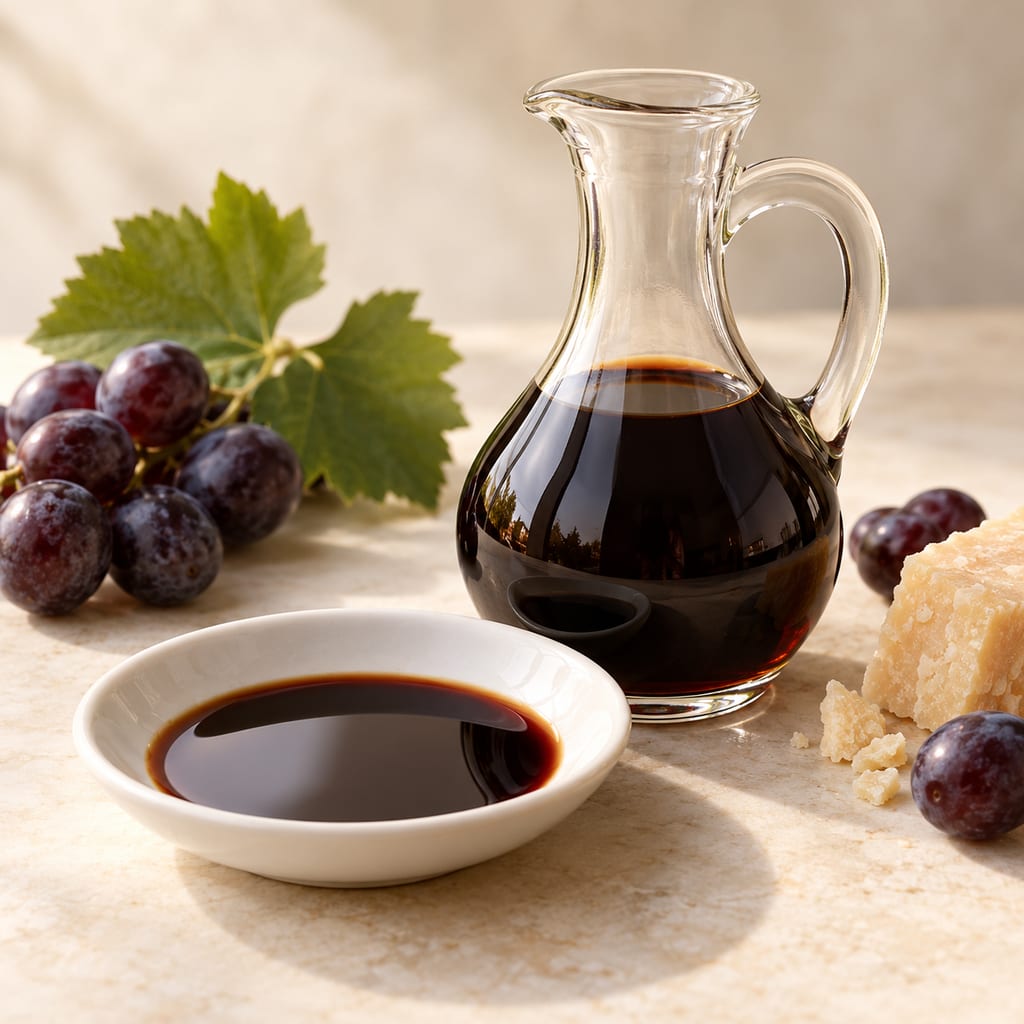
A dark, balanced vinegar from Emilia-Romagna made by combining cooked or concentrated grape must with wine vinegar, then acetifying and refining it in wood under a protected specification.
A living dairy inoculum that starts controlled cream fermentation, developing acidity and aroma before sour cream or cultured butter is finished.
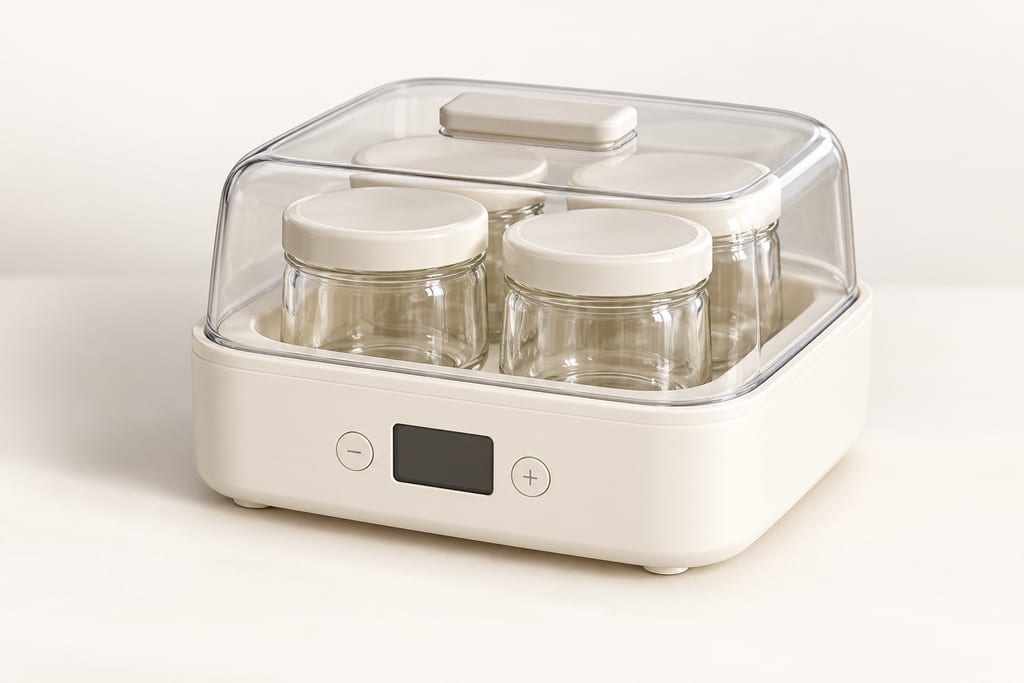
A small electric incubator holds jars at a selected temperature for yogurt and other documented warm food preparations. Controls, capacity and vessel arrangement vary by model.
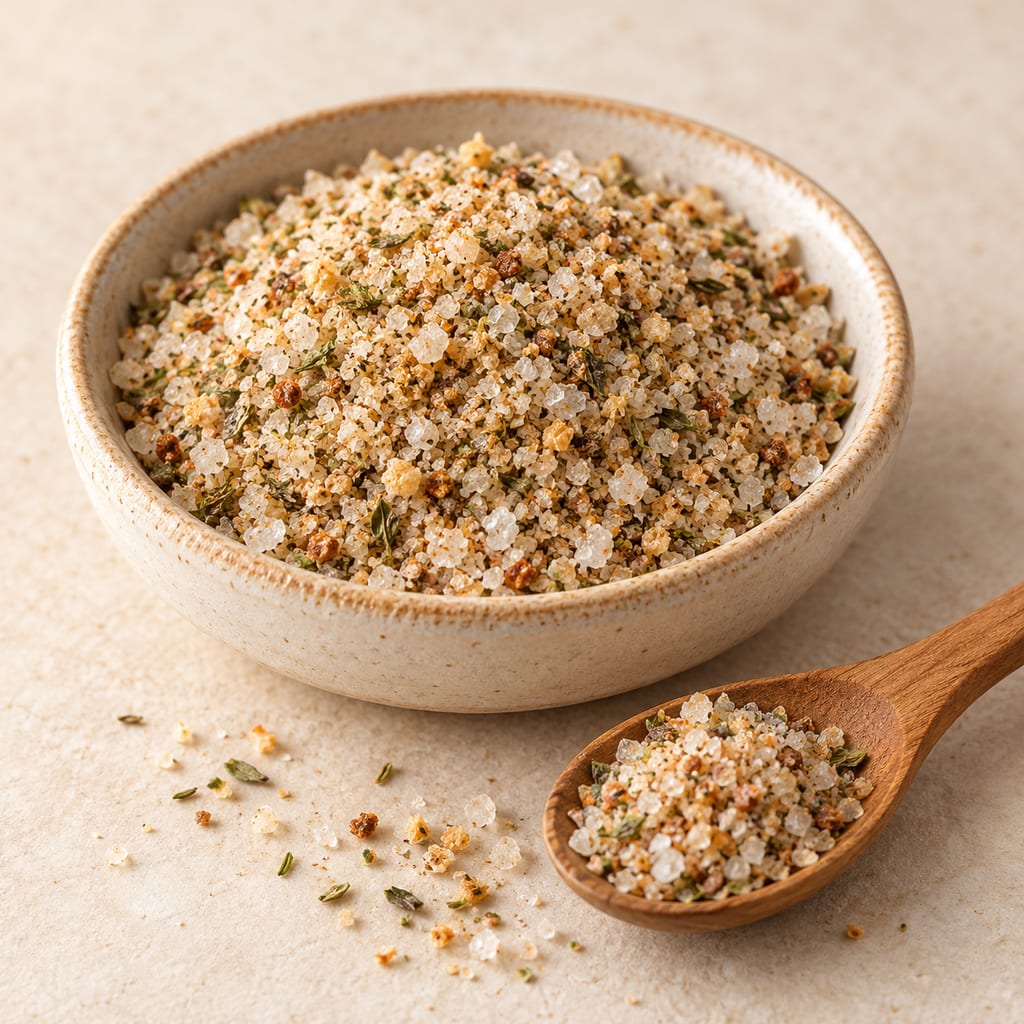
Adygean salt is a seasoned table salt associated with Adygea and the wider North Caucasian culinary tradition. Salt is blended with garlic and a variable selection of herbs and spices; the exact mix depends on the named style and maker.
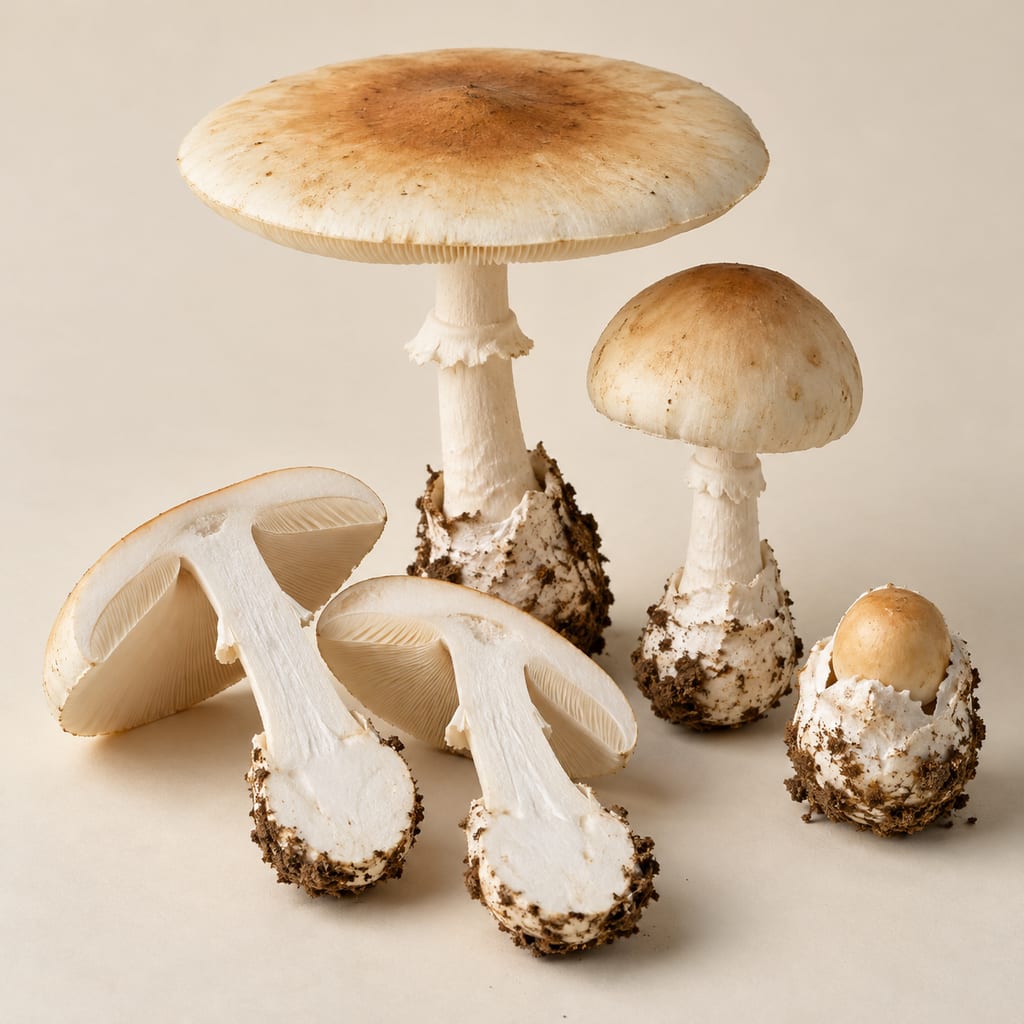
The African Caesar-group mushroom, Amanita masasiensis, is a wild ectomycorrhizal species of central and southern African woodlands, eaten locally. The genus contains deadly poisonous species, so identification needs care.
No community contributions have been published for this entry yet.
Sign in to contribute. Published comments and photos are free to read.
GRET, Guides pratiques (Cécile Broutin, GRET, and Khanata Sokona, ENDA-GRAF), with support from ITA DakarMethod · Safety · History
Préparer et vendre des boissons traditionnelles. Expériences et procédésSyrups are made from ginger, bissap, tamarind, lemons or oranges; sugar is added at 150 to 200 g per 100 g of filtrate or juice.
Bissap syrup composition: 60 % sugar, 40 % bissap filtrate; target 65 to 70 °Brix; cooking time 1 to 3 minutes for bissap.
Boiling point at the desired concentration is 102 to 105 °C; skim the foam for a clear syrup; use enamelled or preferably stainless pans, shallow with a wide heating surface.
Bissap and tamarind filtrates and lemon and orange juices are acid enough; other filtrates need citric acid or lemon juice.
Filtrate for syrup: macerate 1 kg dried calyces in 8 litres cold tap water for 6 to 8 hours; hot decoction pulls pectin and gives a cloudy or gelled product.
Sieve, then filter through cotton to remove sand and dust; make the syrup immediately because the filtrate ferments quickly; the finished product must be free of alcohol; no more than eight hours between extraction and syrup making.
Home and street bissap juice: about 10 litres water, 250 g dried red calyces, 2 to 2.5 kg sugar, with mint, vanilla sugar or orange-flower water; pineapple juice for ceremonies.
Cited in: What this recipe is; Bissap syrup the Dakar way; A quick French bissap syrup; Problems and safety; Where the sources disagree
Fruits (EDP Sciences / Cirad), 2009History · Method · Safety
La production du bissap (Hibiscus sabdariffa L.) au SénégalBissap drinks are made artisanally, mainly by women's groups, for markets and for the hotels of Dakar and tourist areas.
Ratio used: 1 kg dried calyces to 35 kg drinking water, macerated 3 hours, filtered and sweetened at 150 g sugar per litre of filtrate.
Some makers pasteurise at about 100 °C for 10 minutes and hot-fill glass bottles.
Concentrate: 1 kg calyces to 5 to 10 kg water, sugar added and boiled down by eye because the women have no refractometer.
ITA Dakar developed procedures and formulas for products from H. sabdariffa calyces.
Cited in: The juice in the streets and at ndogou; Where the sources disagree
Segg Faye (Lamine Faye, 11 June 2026)Method · History · Serving
Jus de bissap : la vraie recette (hibiscus, rouge ou blanc)Flowers from the Kaolack region, around Keur Madiabel, known for intensely red bissap.
Served iced to guests, at ceremonies, at ndogou (breaking the fast) in Ramadan and on every street corner in Dakar.
2 litres: 100 g dried red calyces, 1.5 litres water, 300 g sugar; flavour with mint, vanilla and orange-flower water.
Bring water to the boil, add flowers, steep 15 minutes, strain; sugar into the hot infusion, then mint, vanilla, orange-flower water; chill at least 2 hours.
Pale or old flowers give a washed-out, flat drink; there is also white bissap.
Cited in: One plant, many names; The juice in the streets and at ndogou; Using them in fizzy water
Vivre au Sénégal (updated 6 November 2026)Method · Serving
Bissap : recette du jus sénégalais et bienfaits2 litres: 100 g dried calyces, 2 litres water, 150 to 250 g sugar, mint, 1 tbsp orange-flower water, vanilla sugar.
Rinse the calyces; loose flowers are often dusty.
Long boiling gives a darker, more bitter juice; off-heat steeping is fruitier; cold steeping takes 8 to 12 hours in the refrigerator.
In Dakar the drink is often sweeter: up to 250 g sugar for 2 litres; ginger version also found in Mali.
Taste is tart and fruity, close to cranberry.
Cited in: What this recipe is; The juice in the streets and at ndogou; Problems and safety
MarmitonMethod
Sirop de bissap (fleurs d'hibiscus)1 litre water, 1 kg brown sugar, a bunch of mint (10 sprigs), 100 g hibiscus flowers.
Boil the mint in the water, remove from heat, steep the flowers 30 minutes off the heat, strain.
Boil again with the sugar 10 minutes, stirring, then reduce 10 minutes; bottle in glass.
Commenters found 1 kg sugar too sweet and used 200 g or 600 g.
Cited in: A quick French bissap syrup; Where the sources disagree
Pulse Ghana (Berlinda Entsie, 20 April 2021)Method
DIY Recipes: How to make the perfect Bissap drink (Sobolo)2 cups hibiscus, 1 ripe pineapple, 2 tbsp pineapple syrup, ½ cup sugar, ginger, 3 grains of hwentia, 1 piece prekese.
Cover the hibiscus with water and boil with pineapple peels and hwentia 10 to 15 minutes until the colour changes; strain.
Blend pineapple and ginger and stir into the drink; cool completely before adding sugar; store in the fridge or serve with ice.
Cited in: Ghanaian sobolo and Nigerian zobo; Using them in fizzy water
MyNewsGH (Emmanuel Atigah, 12 July 2023)Definition · Method · Safety
How To Prepare Sobolo Drink Yourself In GhanaRoselle drink is called bissap, wonjo, foléré, dabileni, tsobo, zobo or sobolo in parts of Africa, sorrel in the Caribbean and agua de Jamaica in Mexico.
Sobolo is called zobo in Nigeria.
Hibiscus with ginger and hwentia boiled about 30 minutes until purplish.
Prekese is Tetrapleura tetraptera.
The drink keeps about a week in the fridge.
Cited in: One plant, many names; Ghanaian sobolo and Nigerian zobo; Problems and safety; Where the sources disagree
Food Science & Nutrition (Mgaya-Kilima et al., Sokoine University of Agriculture)Safety · Definition
Influence of storage temperature and time on the physicochemical and bioactive properties of roselle-fruit juice blends in plastic bottleBeverages from roselle calyces are called hibiscus tea, bissap, roselle, red sorrel, agua de Jamaica, Sudan tea or karkadè.
Pasteurised blends stored 6 months at 28 °C and 4 °C; anthocyanin losses 65 to 86 % at 28 °C and 53 to 75 % at 4 °C.
pH of blends ranged about 2.3 to 3.4; the red flavylium form of anthocyanin is stable at low pH; colour depends on pH.
Light, pH, temperature, oxygen, ascorbic acid and sugar affect anthocyanin stability.
Cited in: One plant, many names; Why the colours change
Department of Health, Ministry of Public Health, Thailand (กรมอนามัย)Method
น้ำดอกอัญชัน (butterfly pea flower drink), nutrition recipe sheet10 g dried butterfly pea flowers, 200 g water, 8 g sugar.
Boil 3 minutes, strain through cloth, cool, then add 10 g lime juice.
Cited in: What this recipe is; Thailand: blue butterfly pea and lime
ครัวบ้านพิม, Pim's kitchen (16 October 2009)Method · Serving
Sweet Lemon Violet (น้ำดอกอัญชัน)60 double flowers (about 50 g) washed and steeped in 1 cup very hot water for a concentrated extract.
Sugar syrup: 200 g sugar boiled with water just until dissolved, then cooled.
Glass: 1/3 cup syrup, 4 tbsp concentrated extract, 1½ tbsp lime juice, ½ cup boiled cooled water, over small ice cubes.
Cited in: Thailand: blue butterfly pea and lime; Using them in fizzy water
Rachel Cooks ThaiDefinition
Butterfly Pea Lemonade (Nam Anchan Manao)Butterfly pea colour comes from anthocyanins, which change colour with pH.
In a neutral solution the extract is dark blue; in an acidic solution it shifts to bright magenta.
Cited in: Thailand: blue butterfly pea and lime; Why the colours change
Kagome VEGEDAY (July 2017)Method · Safety
赤しそジュース (red shiso juice)300 g red shiso leaves boiled in 2 litres water for 15 minutes, leaves removed.
At least 500 g sugar and 25 g citric acid; the dark liquid turns bright red when acid goes in.
With 250 g or more sugar per litre it keeps about 6 months in the refrigerator.
Cited in: What this recipe is; Japan: red shiso juice; Why the colours change; Problems and safety