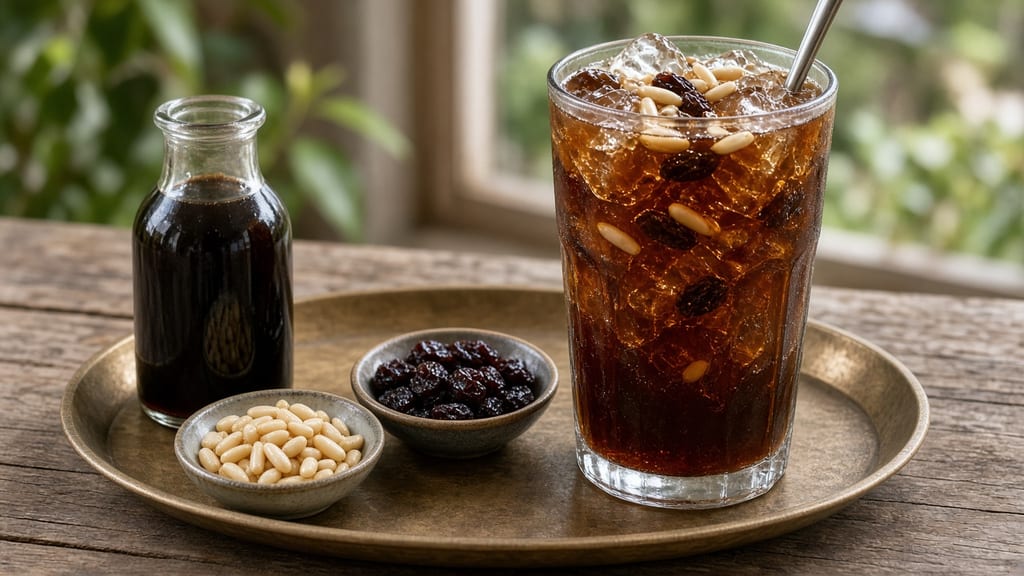
Jallab: smoked grape and date molasses syrup
The Levant's Ramadan syrup: grape and date molasses blended into a sugar syrup in 5 minutes, smoked with mastic or cinnamon, finished with rose water and served over ice with pine nuts and raisins.
 FermenteaWhere food goes to change
Orzata · Orgeat · Orzata · Sirop d'orgeat · Soumada · Σουμάδα · Rozata · روزاطة · Almond syrup
Pressed almond milk boiled with sugar and scented with orange-flower water: Artusi's 1891 orzata in full, then a modern soumada without bitter almonds, with the syrups of Paris, Naples, Syros, Cyprus and Sfax.
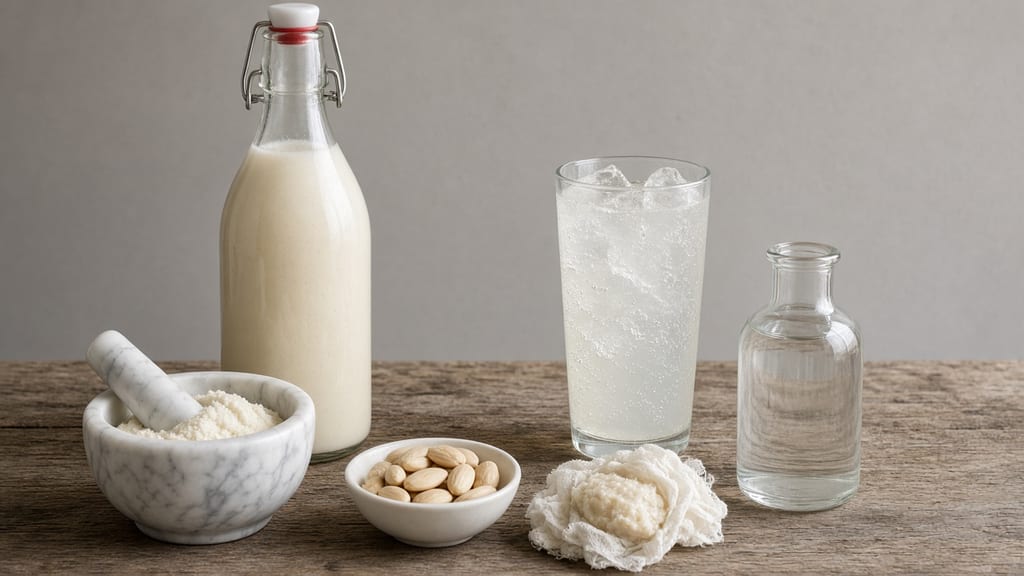
Orgeat is a thick, milky syrup of pressed almond milk and sugar, scented with orange-flower water. A spoonful or two in a glass of cold water, still or sparkling, turns cloudy white and tastes of marzipan. Italians call it orzata, Greeks and Cypriots soumada, and in Sfax in Tunisia it is rozata.
The method is the same everywhere. Skinned almonds are pounded or blended to a paste, water is worked through the paste, and the milky liquid is squeezed out through a cloth, usually more than once. That almond milk is boiled with a large weight of sugar until it thickens, then cooled and perfumed. The differences between countries are the proportions, the cooking time and, above all, how many bitter almonds go in.
This page gives Pellegrino Artusi's orzata of 1891 in full, then a modern version based on a Greek soumada recipe that replaces the bitter almonds with bitter almond essence.
The name comes from barley. Orzata comes from the Latin hordeata, made with barley, and French orgeat from orge, barley. In the sixteenth century Bartolomeo Scappi described broken barley used in Rome for soups and for orzate.
By 1765 the barley had gone from the kitchen version. The Encyclopedie of Diderot and d'Alembert explained that the syrup was called orgeat because the pharmacopoeias asked for a decoction of barley in place of plain water. The author, Gabriel-Francois Venel, wrote that the barley spoiled the taste and added nothing, and that practitioners who knew their trade left it out. In the language of lemonade sellers, he said, orgeat meant the same as an emulsion in a pharmacy, only sweeter, stronger and more perfumed, with about one eighth bitter almonds.
Pellegrino Artusi's orzata is recipe 729 in the syrups chapter of La scienza in cucina e l'arte di mangiar bene, 1891. Here it is in full, first in his Italian and then in English.
Mandorle dolci con 10 o 12 amare, grammi 200. Acqua, grammi 600. Zucchero bianco, fine, grammi 800. Acqua di fior d'arancio, due cucchiaiate. Sbucciate le mandorle e pestatele nel mortaio, bagnandole ogni tanto coll'acqua di fior d'arancio. Allorché saranno ridotte a pasta impalpabile, scioglietele con un terzo della detta acqua e passatene il sugo da un canovaccio strizzandolo bene. Rimettete nel mortaio la pasta asciutta rimasta nel canovaccio, macinatela col pestello; poi scioglietela con un altro terzo dell'acqua e passatene il sugo. Ripetete la stessa operazione per la terza volta, mettete al fuoco tutto il liquido ottenuto, e quando sarà ben caldo versate lo zucchero, rimestatelo e fatelo bollire per venti minuti circa. Diaccio che sia, imbottigliatelo e conservatelo in luogo fresco. Se fatta in questo modo, vedrete che l'orzata non fermenta e potrete conservarla a lungo, ma però non quanto i siroppi di frutta. Oltre a ciò viene di tale sostanza che pochissima, sciolta in un bicchier d'acqua, basta per ottenere una bibita eccellente e rinfrescante. Fatta coi semi di popone, viene anche più delicata.
Sweet almonds with 10 or 12 bitter ones, 200 grams. Water, 600 grams. Fine white sugar, 800 grams. Orange-flower water, two spoonfuls. Skin the almonds and pound them in the mortar, wetting them now and then with the orange-flower water. When they are reduced to a paste so fine you cannot feel it, loosen them with a third of the water and pass the juice through a cloth, wringing it well. Put the dry paste left in the cloth back in the mortar and grind it with the pestle; then loosen it with another third of the water and pass the juice. Repeat the same operation a third time, put all the liquid you have on the fire, and when it is quite hot pour in the sugar, stir it and boil it for about twenty minutes. Once it is cold, bottle it and keep it in a cool place. Made this way, you will see that the orzata does not ferment and you can keep it a long time, though not as long as fruit syrups. It also comes out so concentrated that very little of it, dissolved in a glass of water, is enough for an excellent, refreshing drink. Made with melon seeds, it is even more delicate.
The proportions are four parts sugar to three parts water by weight, with the almonds on top. His claim that it does not ferment is his own observation from the kitchen; he did no test.
The ten or twelve bitter almonds in 200 grams are where the marzipan smell comes from. They are also the reason this version is printed here as history and not as the recipe to follow. Raw bitter almonds release hydrogen cyanide, and the German food authority LAVES says that, depending on body weight, five to ten of them can kill a child. LAVES adds that cooking drives most of the cyanide off, but no authority has published a safe number of bitter almonds for a home syrup, so the modern version below leaves them out.
Artusi's triple extraction carries over: the dry paste goes back into the mortar with fresh water three times, and the modern recipe presses twice.
This version follows the soumada of the Greek food writer Virginia Lykou, published by Gastronomos. It makes about 1 litre. Lykou lists 5 to 6 bitter almonds or apricot kernels, or a few drops of bitter almond essence as the alternative; this page uses only the essence, for the reason above.
Bring a pan of water to a rolling boil and drop in 200 g raw, unsalted almonds in their skins. After 1 to 2 minutes rub one between your fingers. If the skin slips off, drain them, tip them onto a clean towel and rub off the skins while they are still warm. Rinse them.
Blend the skinned almonds as fine as you can get them, until they form a paste. Scrape the paste into a bowl and stir in 200 ml of the 800 ml water.
Line a bowl with cheesecloth or fine muslin, leaving the edges hanging over. Pour in the almond mixture, gather the corners into a pouch and squeeze hard to press out the almond milk. Put the pressed pulp back in the bowl with another 200 ml of the water, stir, and squeeze it through the cloth again.
Pour the almond milk into a large pan with 500 g sugar and the remaining 400 ml water. Set it over medium heat and stir often. Skim off the foam at the start, until no more forms. The mixture swells as it heats and can boil over, so stay with it and turn the heat down if it rises. Boil until it thickens into a dense syrup; Lykou allows about 40 minutes of boiling.
Take it off the heat and let it cool. Stir in 1/4 tea cup orange-flower water and, if you want the classic smell, a few drops of bitter almond essence. Pour into clean glass bottles and keep them in the refrigerator.
To serve, mix 1 part syrup with 3 or 4 parts cold water or soda water and add ice if you like.
Bitter almonds look almost the same as sweet ones. They contain amygdalin, which breaks down in digestion into hydrogen cyanide. LAVES, the food safety office of Lower Saxony, measured up to 3,000 mg/kg of hydrogen cyanide in raw bitter almonds. Since January 2023 the EU limit for almonds sold for eating is 35 mg/kg. Shops in Germany sell bitter almonds only in 50 g bags with a warning that they are for cooking and baking and must be kept away from children.
Several recipes on this page suggest apricot kernels in place of bitter almonds. LAVES found bitter apricot kernels as high in cyanide as bitter almonds, from 1,949 to 2,934 mg/kg in its own tests, and says sweet and bitter kernels cannot be sorted by eye. They are no safer a substitute. LAVES points cooks who want the taste to bitter almond flavouring, which is what the modern recipe uses.
Almonds are tree nuts, which the NHS lists among the most common causes of food allergy. Label bottles you give away.
The Encyclopedie of 1765 gives the pharmacy syrup. A pound of blanched sweet almonds and half an ounce to an ounce of bitter ones are pounded in a marble mortar with about half a pound of sugar, adding water little by little for a very thick emulsion. Strained and pressed, this gives about a pound and a half of liquid, in which another pound and a half of sugar is melted over a bain-marie in a silver, porcelain or pewter vessel. Two gros of orange-flower water go into the cooled syrup. Venel warned that too little sugar makes it spoil more easily.
The Dictionnaire portatif de cuisine, d'office, et de distillation, printed in Paris in 1772, is a confectioner's version. It takes a quarteron of the four cold seeds of the old pharmacies, three quarterons of very pale sweet almonds and a few bitter ones, scalded, peeled and pounded together. The milk is drawn out with a chopine of water by pressing the paste in a napkin. Two pounds of sugar are boiled to the cassé stage, the almond milk goes in, and the syrup sits in a warm cabinet at gentle heat until it reaches the perle stage.
Ippolito Cavalcanti printed his Cucina teorico-pratica in Naples. His siroppo d'orzata takes a pound of sweet almonds and an ounce of bitter ones, scalded and dropped into fresh water as each is skinned. They are pounded very fine with four ounces of melon seeds, with half a spoonful of water now and then so the paste does not turn to oil. The paste is loosened with half a carafe of warm water and left for three hours in an earthenware pot on warm ashes, then pressed through cloth.
The juice goes into a sugar syrup at one pound of sugar for each quarter carafe of juice, and the pot stays on warm ashes for three days until the syrup reaches its consistency. Melon seeds appear again in Artusi fifty years later, as the more delicate alternative.
In Greece soumada is a wedding drink, served at weddings, christenings and engagements. The Korres confectioners of Syros, who make their own, describe it as the drink served at weddings and at the making of the bridal bed. Their recipe, published by Gastronomos, makes 3 litres from only 150 g of raw almonds, preferably of the firania variety, with 500 g glucose and 500 g sugar. The almonds are soaked overnight, boiled 10 minutes, skinned and pressed three times, and the extract is boiled about 15 minutes on low heat. They flavour it with 3 ml orange-flower water or bitter almond essence per litre and dilute it 1 to 3 or 1 to 4 with iced water.
The Cyprus Food Museum records a different drink under the same name. In Cyprus soumada was drunk hot in winter, and it was once popular with children and adults alike. Its recipe, from Florentia Kythraiotou's 2009 book on Cypriot food, uses three small cups of bitter almonds to one of sweet, with 1 kg sugar and 6 glasses water, boiled until it sets to a milky syrup. That is the opposite balance to the Greek recipes and far more bitter almond than this page would ever suggest at home. The museum also gives a folk explanation of the name from Evi Voutsina: soumadi, a sign, was the groom's gift to the bride that sealed the marriage agreement, and the drink was served straight after.
In Tunisia the same syrup is rozata, a name the Sfax local history site Histoire de Sfax takes from the Italian orzata. The site says it has been known in Sfax for centuries because of the city's almond orchards. It was served in the mosques of Sfax after marriage contracts were written and is still poured at festivals and weddings. It also goes into sweets.
A Ramadan recipe broadcast by Hannibal FM uses two glasses of ground sweet almonds and one of ground bitter almonds, 1 kg sugar and 75 cl water. The milk is strained through muslin, boiled hard with the sugar, then skimmed and cooked 20 minutes on low heat. A glass of orange-flower water goes in once it has cooled. At one part bitter to two parts sweet, the LAVES warning applies in full, so treat it as a record of the tradition.
Orgeat was made to be diluted. Artusi used very little in a glass of water, the Encyclopedie one part in eight to ten, and the Greek recipes one part in three or four with water or soda. In Sfax a little goes in the glass and water on top.
La Cucina Italiana dates the peak of Italian orzata to the 1960s and 1970s, when syrups stretched with water were the everyday soft drink. In Rome it is one of the syrups poured over grattachecca, hand-shaved ice. In Sicily and the south it goes into granite and ice lollies.
No food safety authority has published a tested shelf life for home almond syrup. Lykou says soumada keeps preferably in the refrigerator, where it lasts longer. The Cyprus recipe is stored in the refrigerator. Cookist, whose orzata has less sugar for its almonds than Artusi's, keeps it 3 to 4 days in the refrigerator in a glass bottle with an airtight cap. Artusi kept his heavier syrup in a cool place and said it kept a long time, though not as long as fruit syrups.
Do not use raw bitter almonds or apricot kernels in a home syrup. Use bitter almond essence for the flavour and keep bitter almonds away from children. Watch the pan: Lykou warns that the almond milk and sugar swell and can boil over. Keep the finished syrup in the refrigerator and warn guests that it contains almonds.
The bitter almond share runs from 5 or 6 in 200 g in the Greek home recipe, about one eighth in the Encyclopedie, one third in Sfax, and three quarters in the Cypriot recipe. The sugar runs from 2.5 times the almond weight in Lykou to 4 times in Artusi and more than 6 times on Syros, where glucose is added too. Cooking times run from 15, 20 and 40 minutes to three days on warm ashes in Naples.
Encyclopedie, 1765; Dictionnaire portatif de cuisine, 1772; Cavalcanti, Naples, 1839; Artusi, 1891.
Yield 1 litre · Scaling: linear
Raw bitter almonds and bitter apricot kernels contain up to about 3,000 mg/kg hydrogen cyanide; five to ten bitter almonds can be fatal to a child.
Hazard sourceAlmonds are tree nuts, a common cause of food allergy.
Hazard sourceUse only sweet almonds; take the bitter almond taste from bitter almond flavouring.
Control sourceLabel bottles as containing almonds.
Control sourceStore the syrup closed in the refrigerator.
Control sourceNever put raw bitter almonds or apricot kernels in a home syrup; use bitter almond essence.
Contains almonds, a tree nut allergen.
Keep refrigerated.
Artusi's orzata, 1891.
Cavalcanti's siroppo d'orzata with melon seeds.
Syrup for grattachecca.
Encyclopedie and Dictionnaire portatif syrups.
Korres soumada, a wedding drink.
Soumada drunk hot in winter.
Rozata, served after marriage contracts and at weddings.
The Levant's Ramadan syrup: grape and date molasses blended into a sugar syrup in 5 minutes, smoked with mastic or cinnamon, finished with rose water and served over ice with pine nuts and raisins.
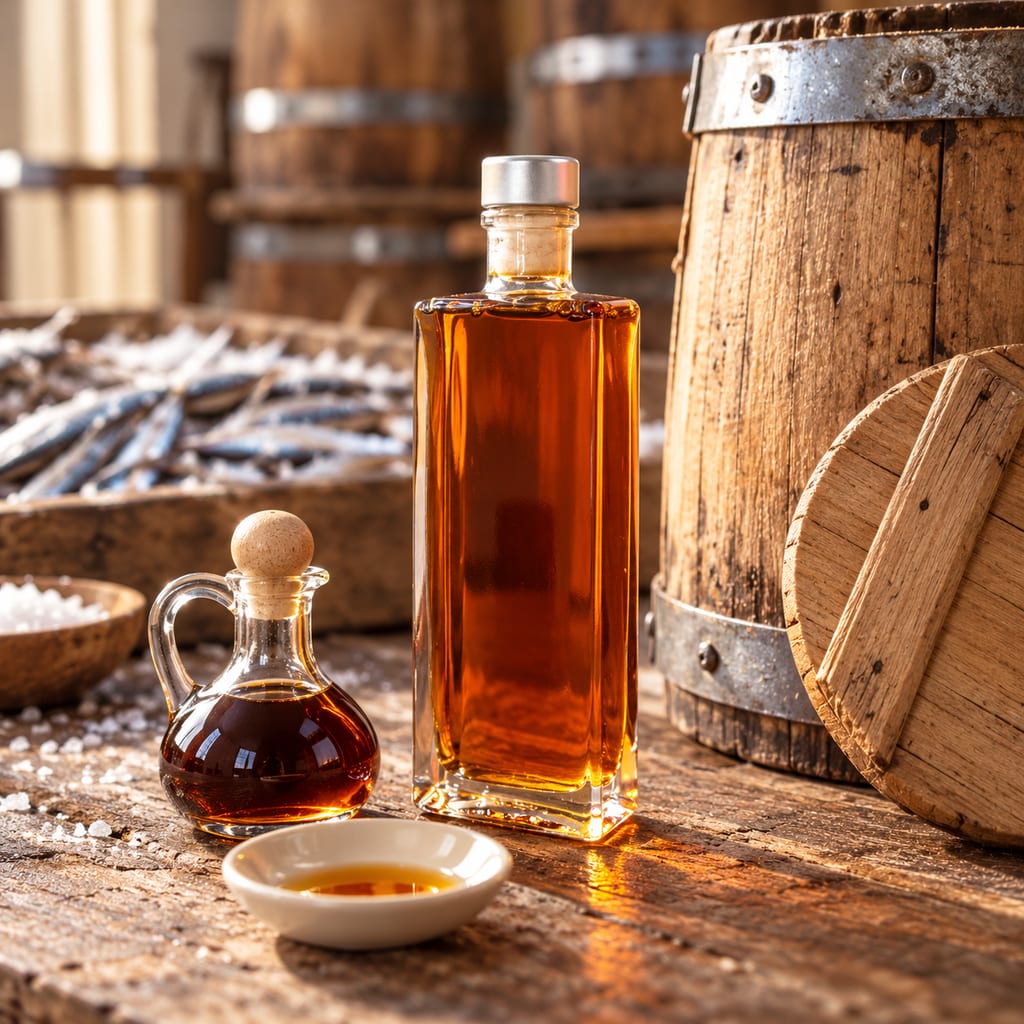
Colatura di alici is the amber liquid drained from salted anchovies matured in wooden containers in Cetara, on the Amalfi coast of Campania, and sold under a protected designation of origin.
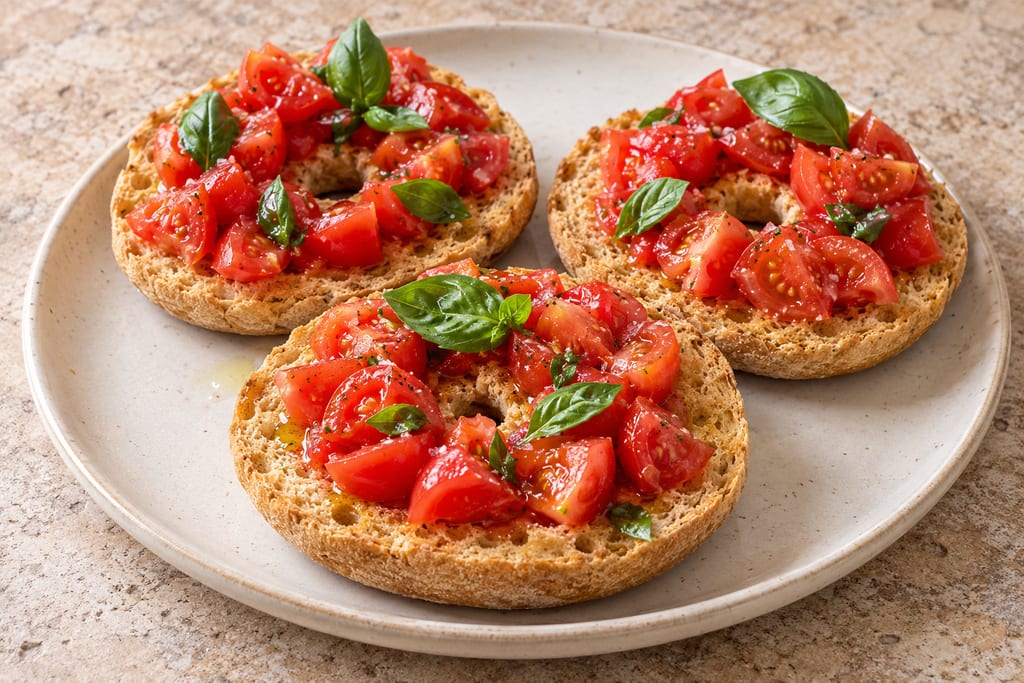
Puglian wheat-and-semolina bread rings are baked, split, then dried in a second bake; briefly moisten and top them before serving.
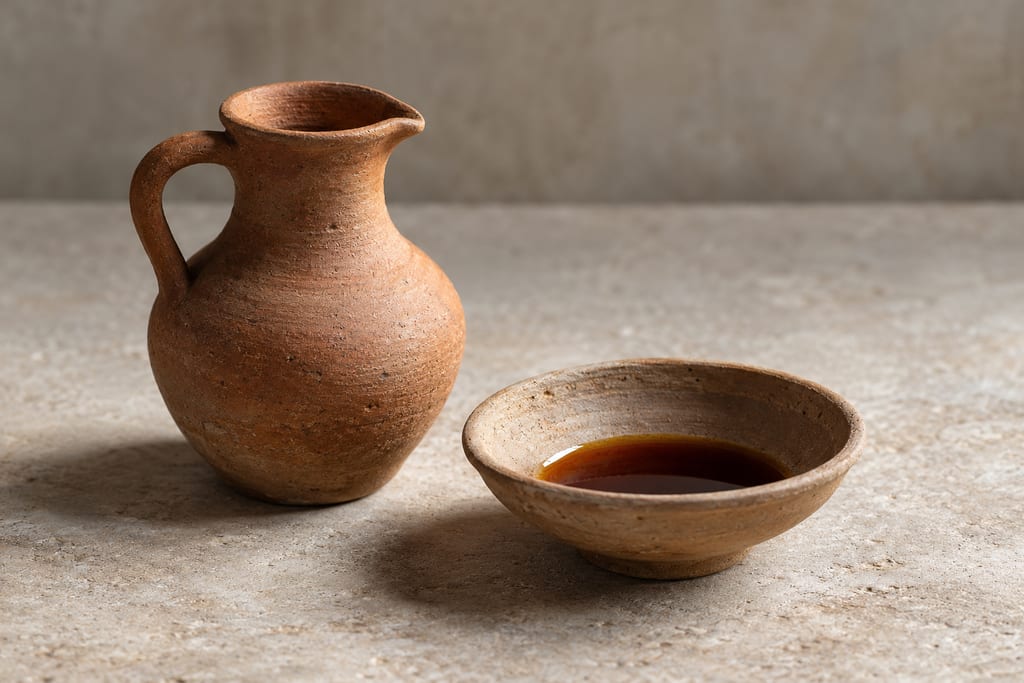
Garum, Greek garos and Latin liquamen, was the fish sauce of the ancient Mediterranean: fish and viscera salted and left in the sun, then drained off as a savoury liquid.
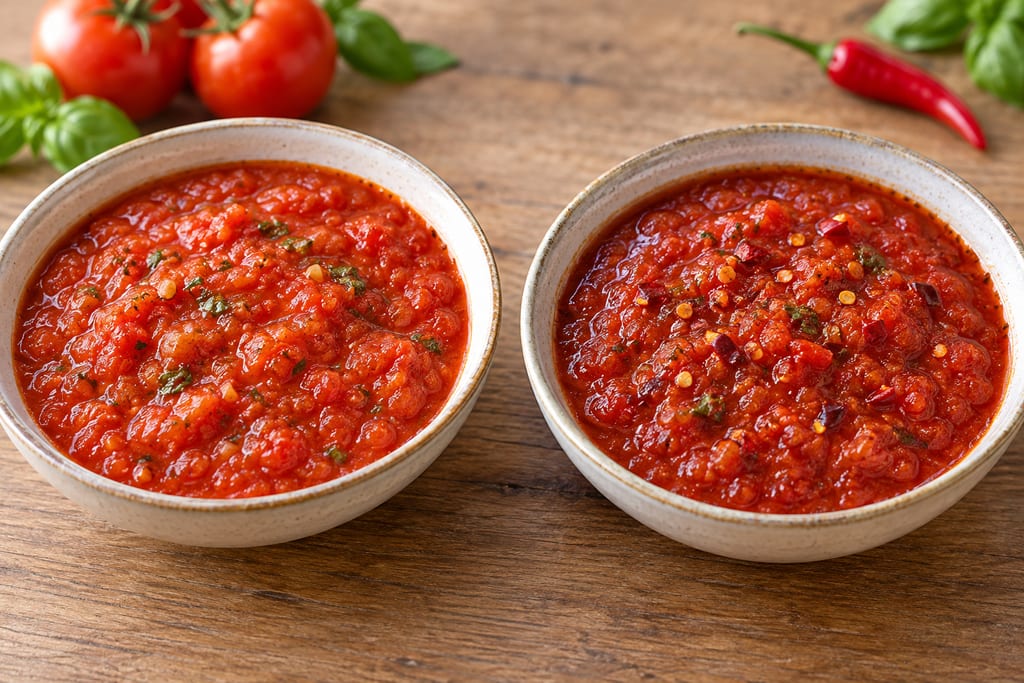
Marinara is a quick Italian-American tomato sauce; arrabbiata is a distinct Roman tomato sauce with red chilli. They share a simple cooked tomato-and-garlic base but are not the same sauce.
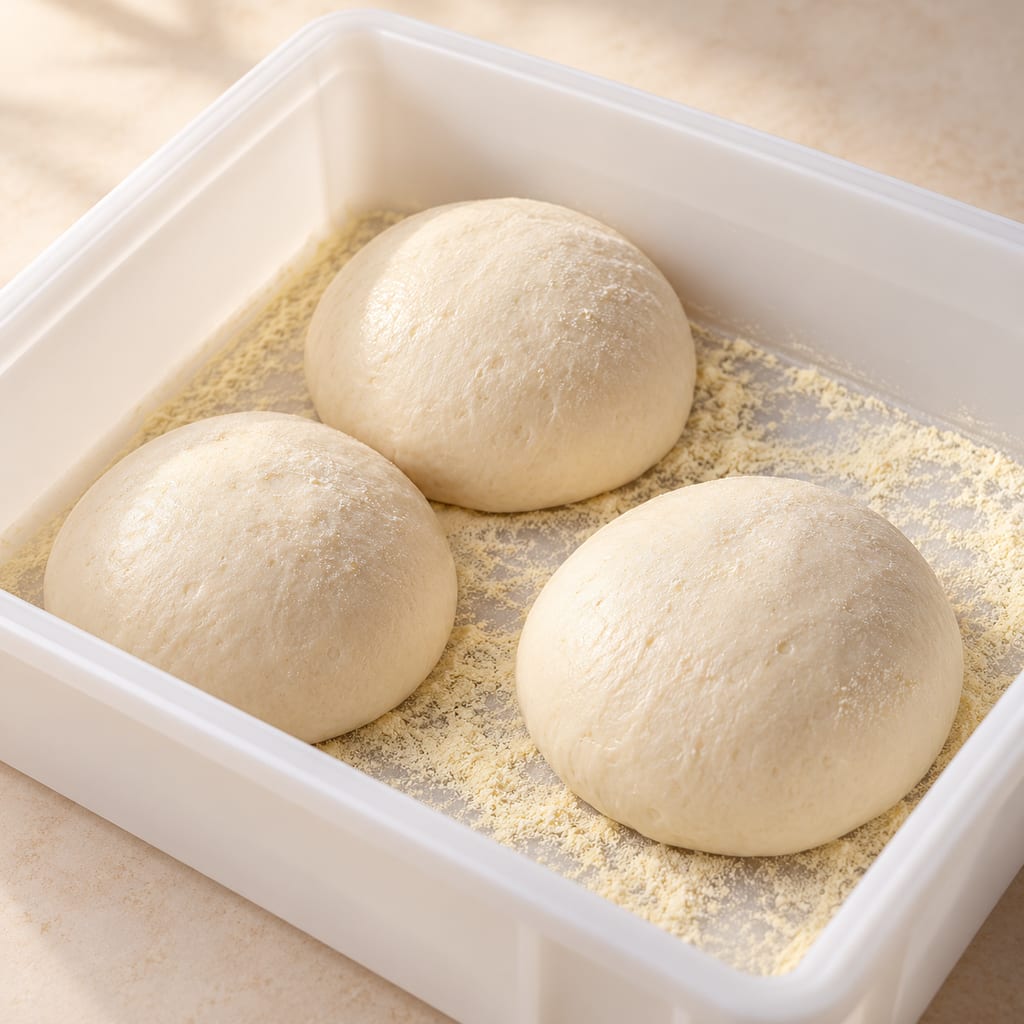
An AVPN regulation formula for Neapolitan pizza dough uses wheat flour, water, salt and fresh brewer’s yeast. Flour absorption and proofing conditions determine the exact dough point and yeast dose.
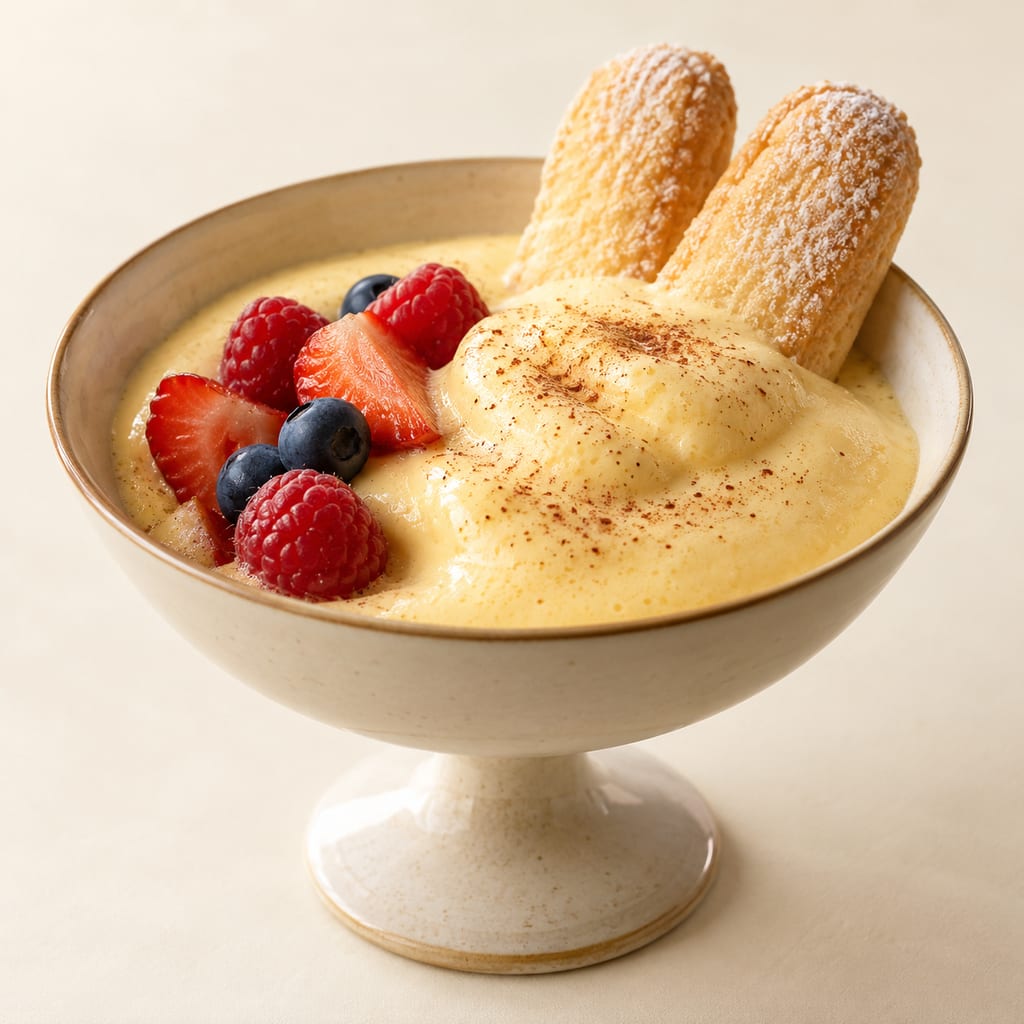
A warm foam of egg yolks, sugar and sweet wine, whisked over gentle heat in a double boiler until light, served at once with fruit or biscuits.
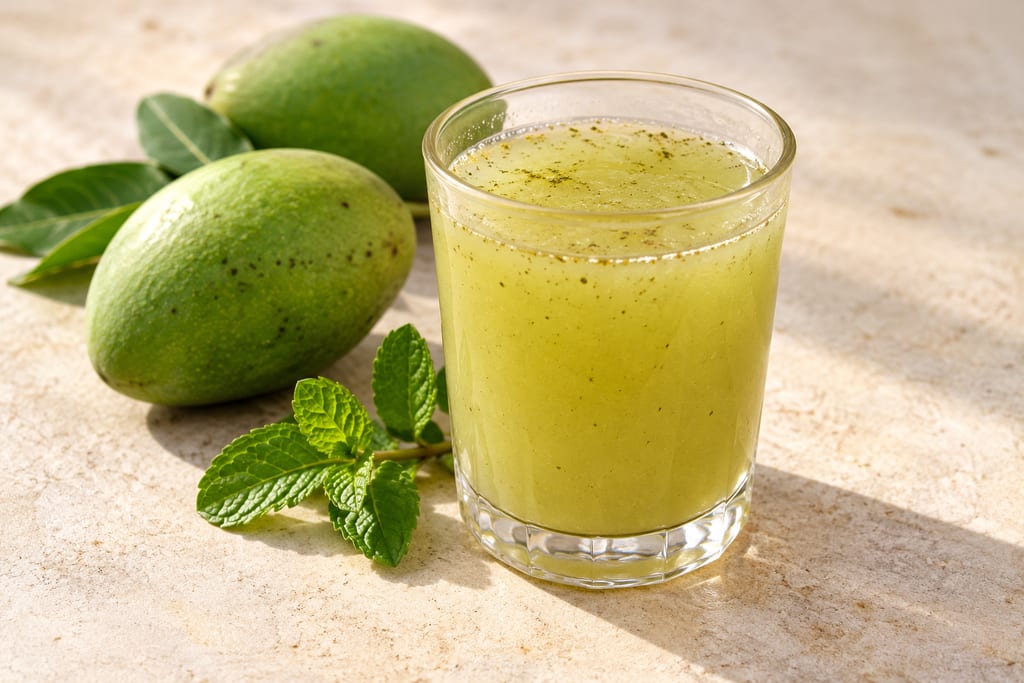
Aam panna is a tart Indian summer drink made by cooking unripe green mango until its flesh softens, then blending the pulp with sweetener, salt and spices and diluting it with water.
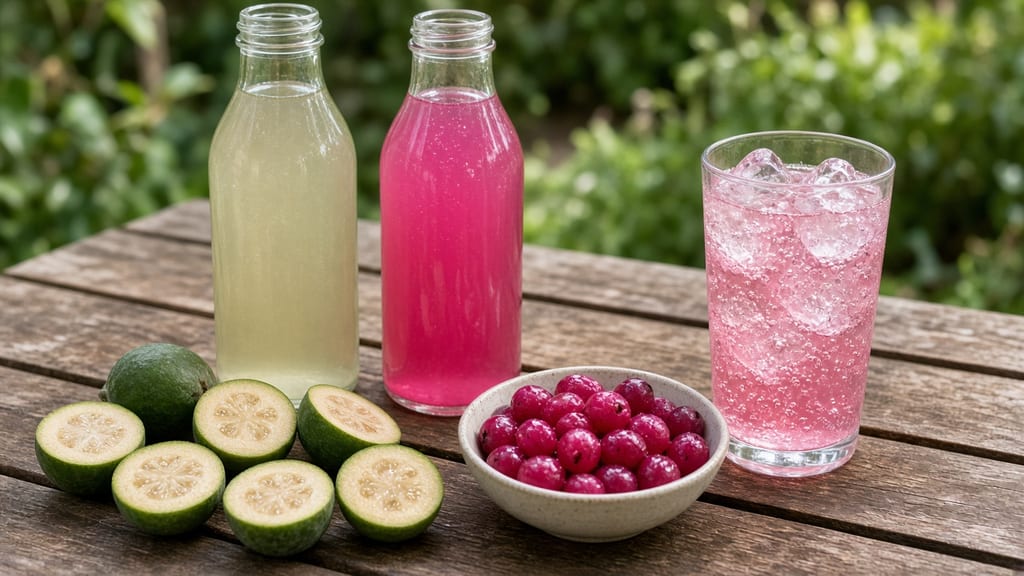
New Zealand feijoa cordial, from the flesh or just the skins, and Australian lilly pilly cordial: fruit, water and sugar heated briefly, strained, and sharpened with lemon and tartaric or citric acid.
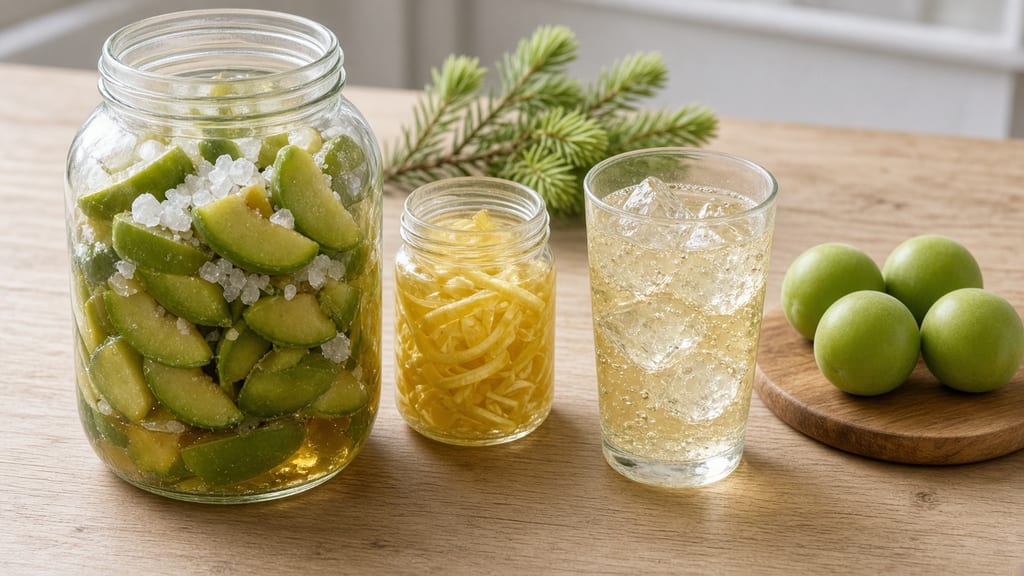
Syrups made without heat by packing fruit or shoots in sugar: Korean maesil-cheong with the ministry's stone-removal steps, frozen Japanese ume syrup, yuja-cheong and Polish pine-shoot syrup.
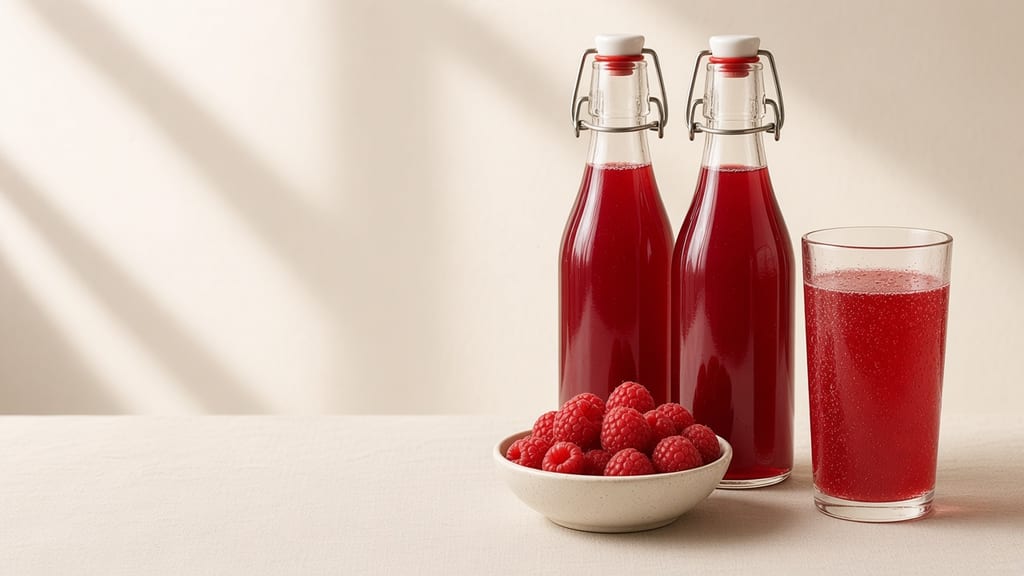
Clear fruit syrup from cooked, dripped berry juice boiled with sugar and canned in a water bath; one tested method for raspberry, strawberry, blueberry, cherry, grape and blackberry.
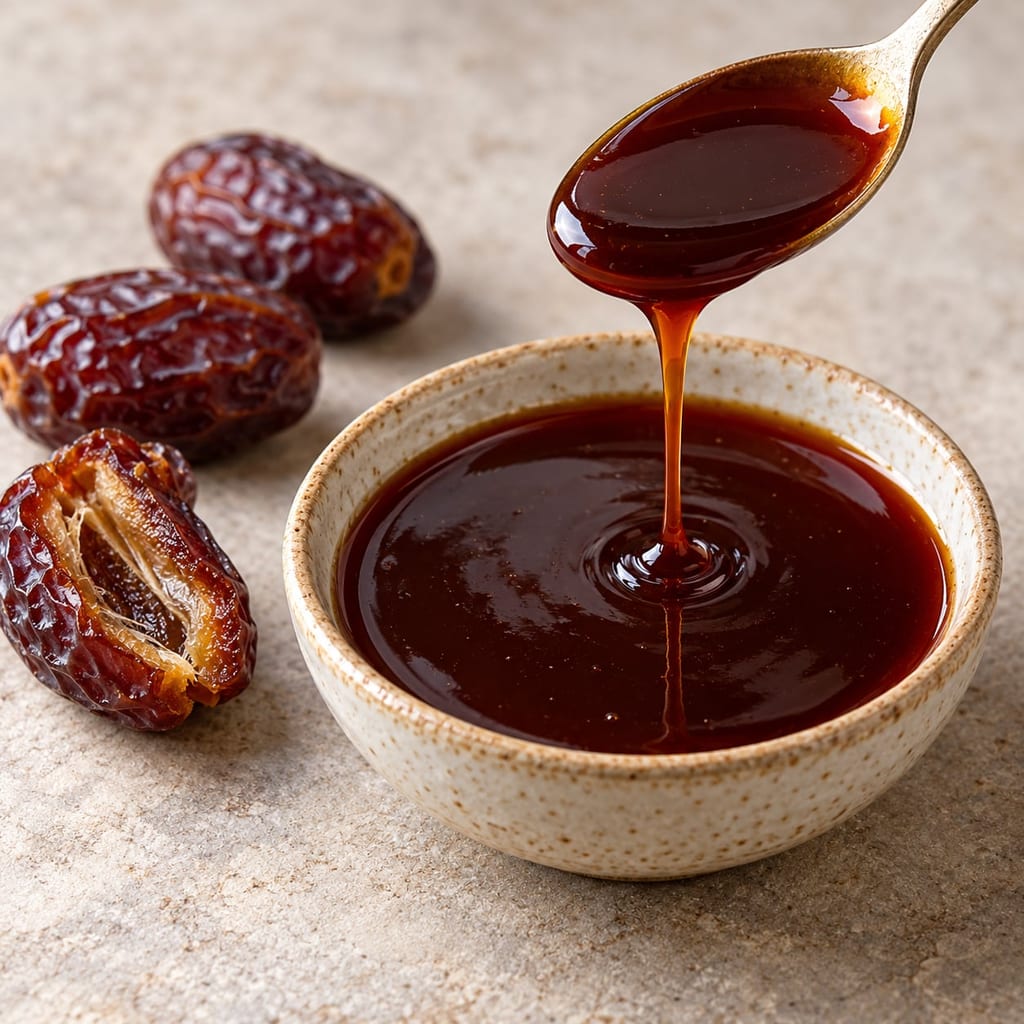
A thick, dark, very sweet syrup made from dates, known as dibs, rub, silan or date molasses. It sweetens tahini and desserts and glazes or sauces savoury dishes across the Middle East and North Africa.
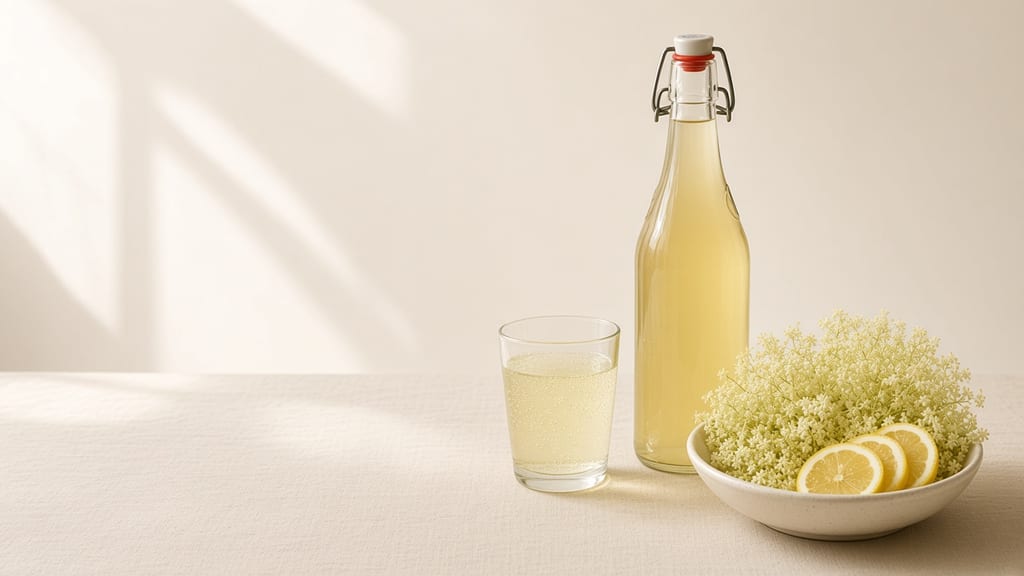
Elderflower heads steeped for one to three days in a lemony sugar syrup, strained and kept cold; the same infusion method flavours syrups with mint, basil, thyme and other herbs.
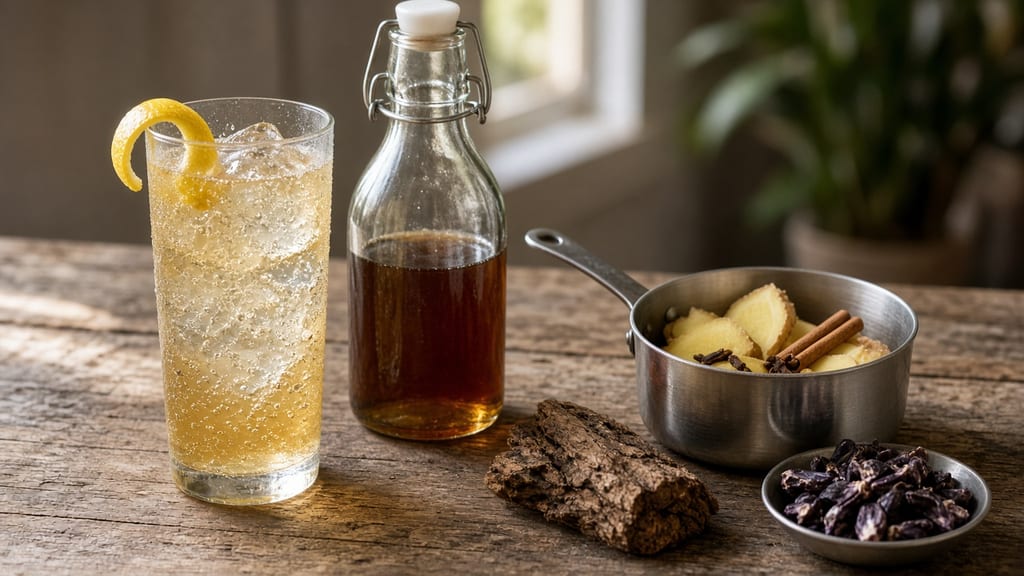
Boiled syrups from hard ingredients: a refrigerated ginger syrup, Trinidad mauby from tree bark, Tamil nannari root syrup, Peruvian purple-corn concentrate and a Turkish spiced sherbet.
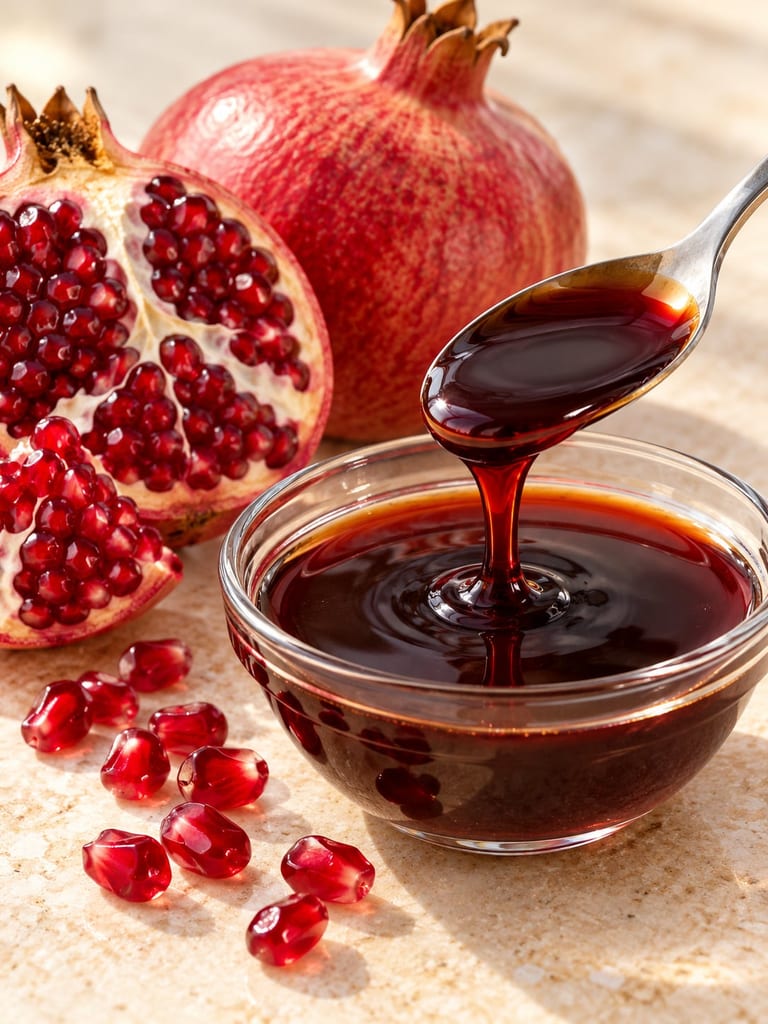
The registered Hatay method presses pomegranate arils and slowly concentrates the strained juice. Its 100 kg source batch and experienced-producer endpoint are retained; no home-scale time or shelf-life is inferred.
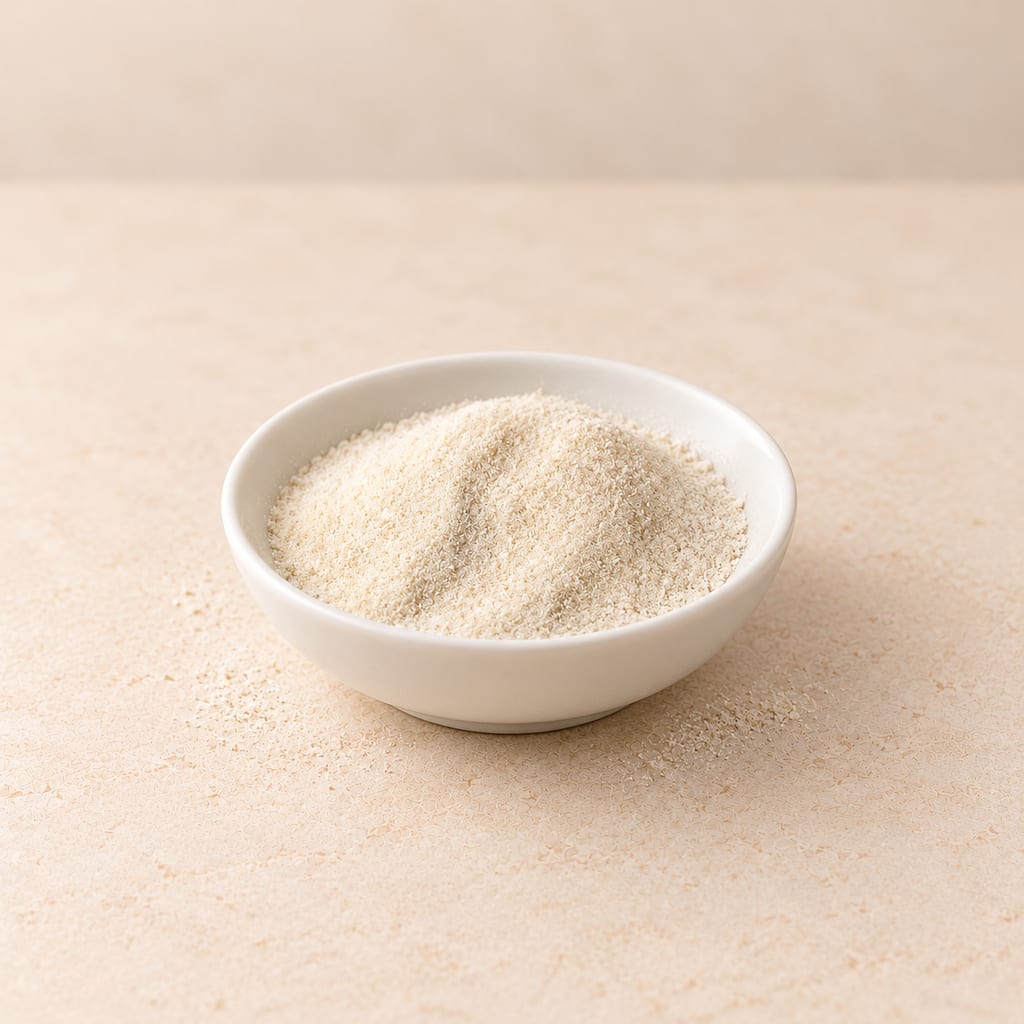
A gelling polysaccharide extracted from red seaweeds, sold as kanten strips or powder; it sets firm at a low concentration and stays solid until about 85 °C.
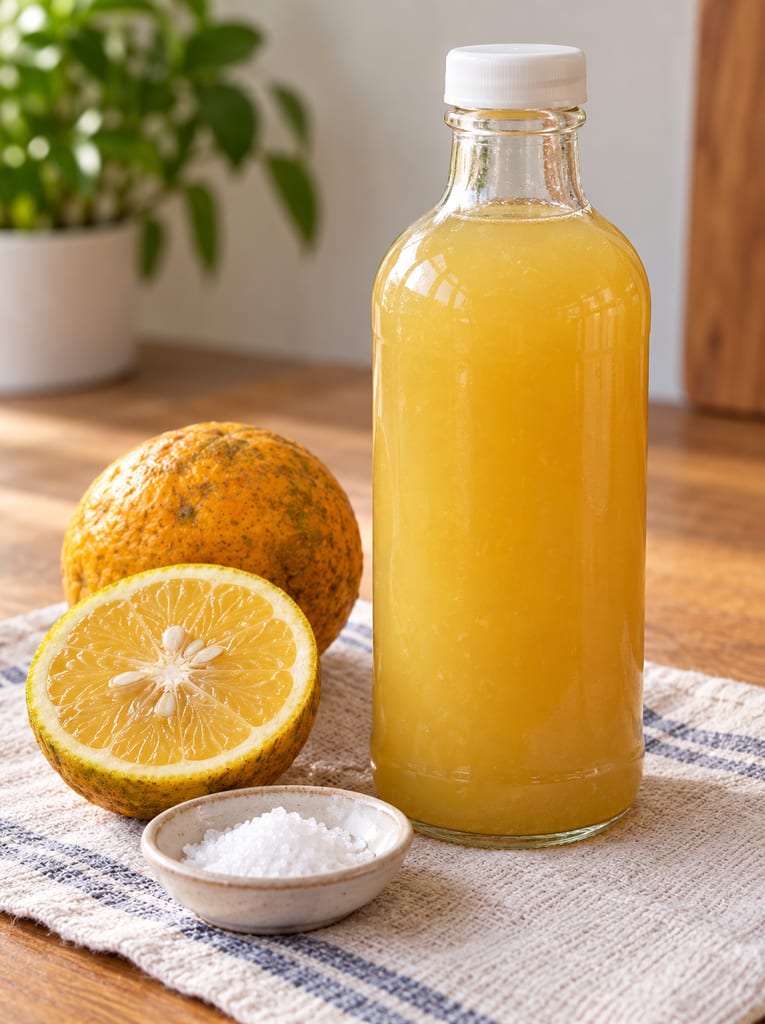
A Dominican table and seasoning condiment of sour orange juice, mixed with lime and salt and bottled raw; garlic, oregano or a hot pepper may be added for meat or a spicier bottle.
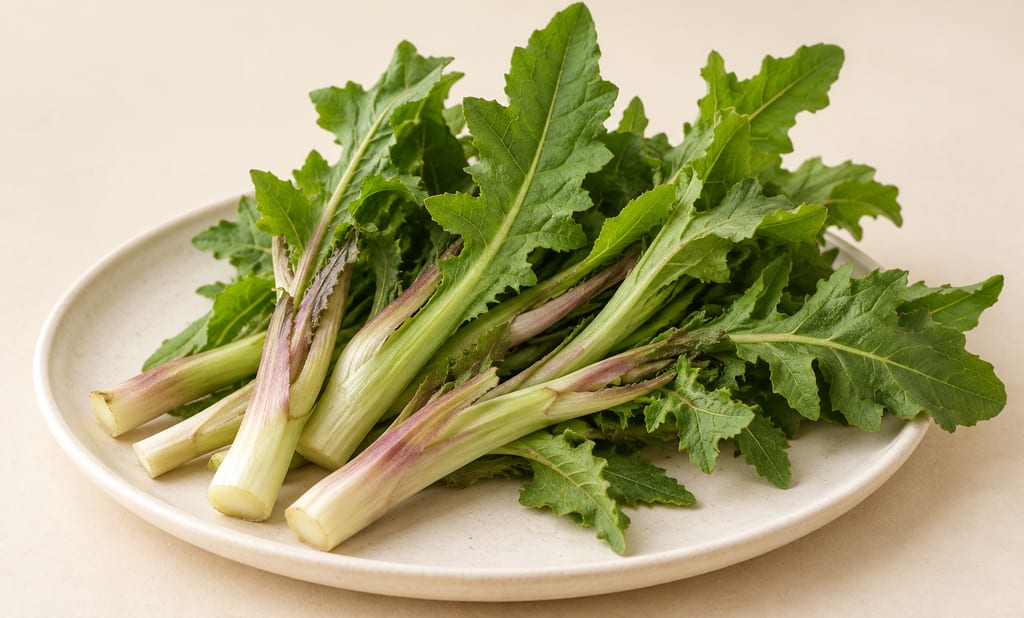
Cicerbita alpina is an alpine perennial whose tender shoots and leaves have been eaten raw or cooked. Sámi milk preparations and modern Carnian dishes are distinct uses, with serious identification and preservation limits.
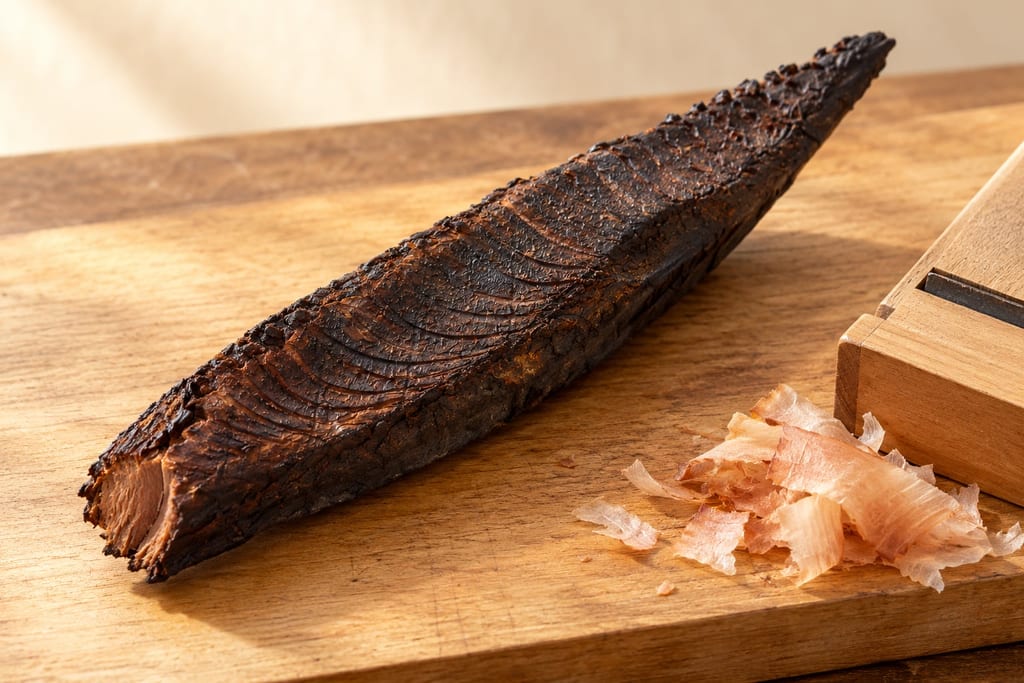
Japanese skipjack tuna cooked, then repeatedly smoked and dried over a wood fire by the hand-fired tebiyama method into a hard block for shaving into dashi: the first stage of katsuobushi.
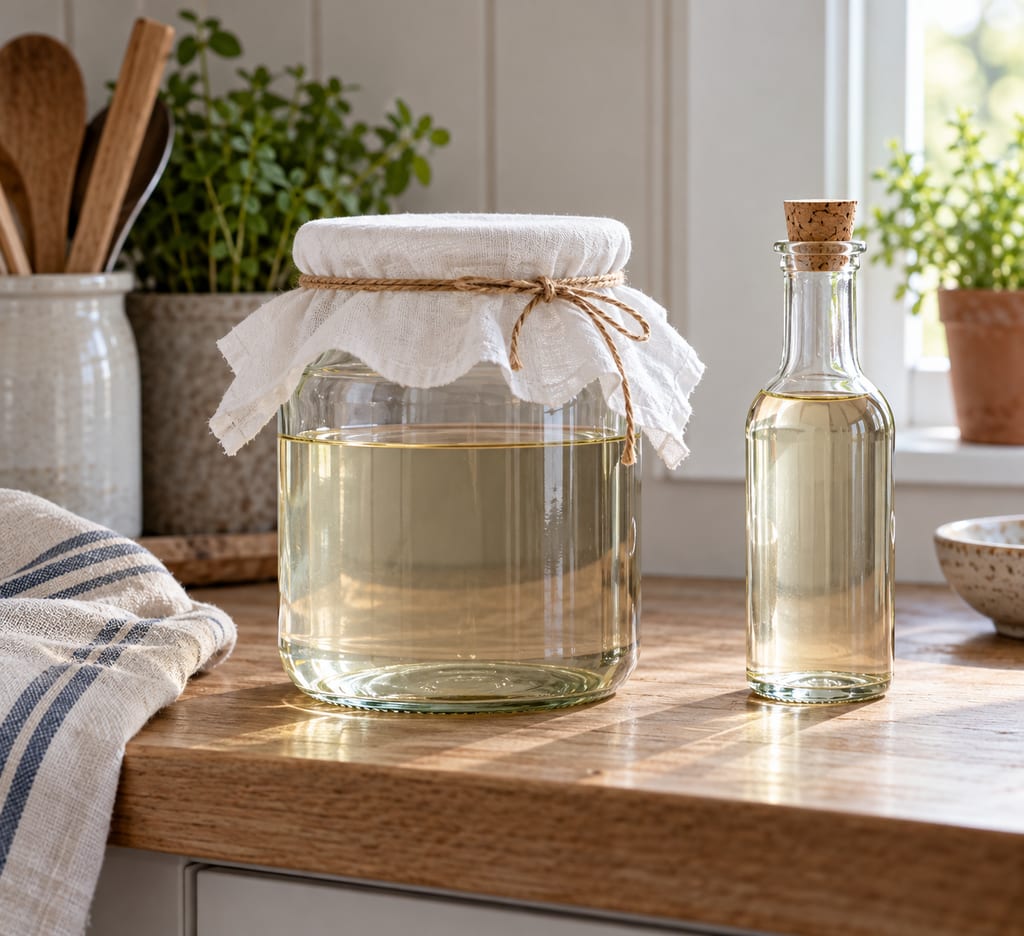
A Swedish-style spirit vinegar made by fermenting neutral alcohol with live vinegar bacteria, with a separate guide to commercial ättika strengths.
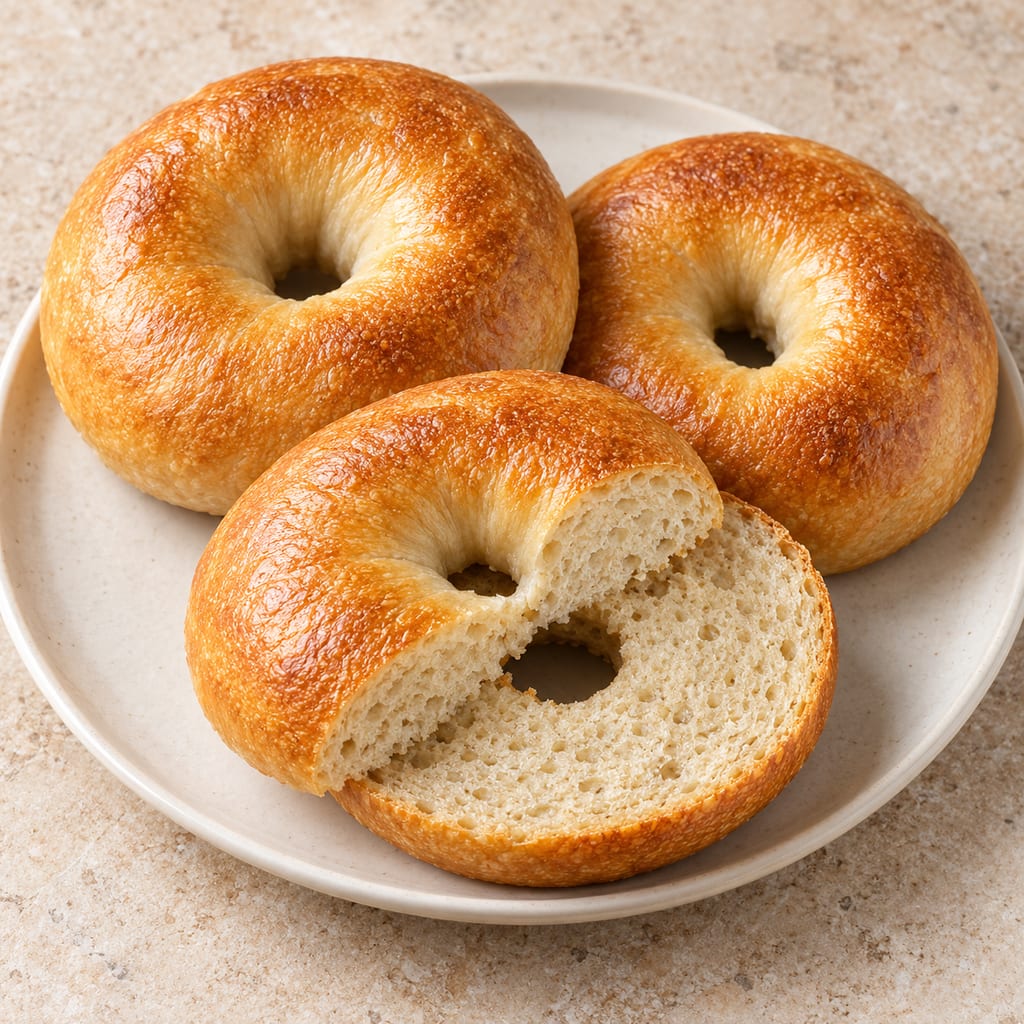
A yeast-raised wheat ring shaped from a firm dough, briefly boiled and baked. This source-batch formula gives a gently malted crust and a chewy crumb.
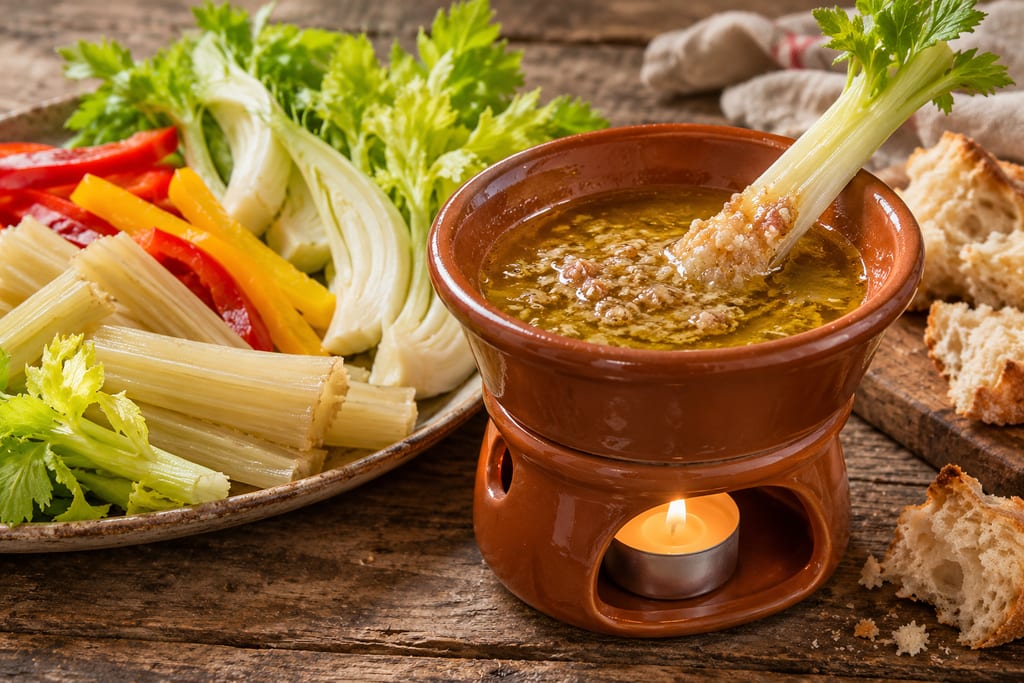
A warm dip of garlic, anchovy and olive oil, often enriched with butter, that Piedmont serves over a flame with raw and cooked vegetables and bread.
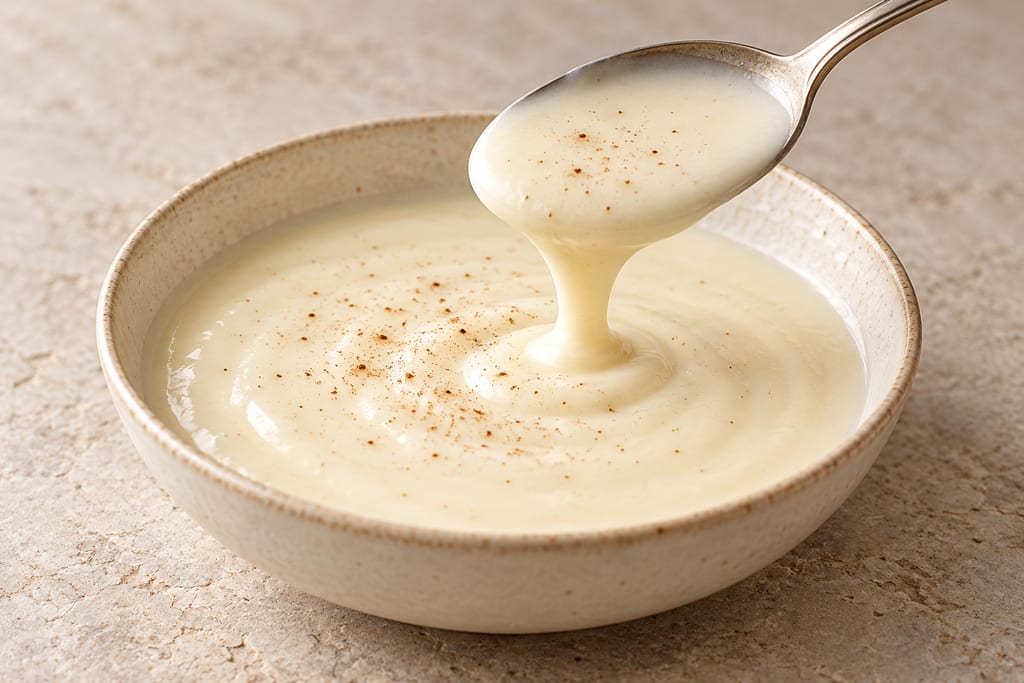
Bechamel is a white sauce of milk thickened with a butter and flour roux, one of the French mother sauces, and the base from which Mornay and other cheese and cream sauces are made.
No community contributions have been published for this entry yet.
Sign in to contribute. Published comments and photos are free to read.
Pellegrino Artusi, 1891, via Italian WikisourceHistory · Method
La scienza in cucina e l'arte di mangiar bene, 729. OrzataSweet almonds with 10 or 12 bitter ones, 200 g; water 600 g; fine white sugar 800 g; orange-flower water, two spoonfuls.
Pound the peeled almonds in a mortar, wetting them with the orange-flower water, then extract three times with a third of the water each time through a cloth.
Heat the liquid, add the sugar and boil about 20 minutes; bottle when cold and keep in a cool place.
Artusi says orzata made this way does not ferment and keeps a long time, though not as long as fruit syrups; made with melon seeds it is more delicate.
Cited in: What this recipe is; Part one: Artusi's orzata, 1891; Reading Artusi's recipe; Naples, 1839: three days on warm ashes; In fizzy water and on ice; Storing it; Where the sources disagree
Gabriel-Francois Venel, 1765, via French WikisourceHistory · Method
ORGEAT, L'Encyclopedie, 1re edition, tome 11Orgeat is the confectioner's word for what pharmacy calls an emulsion; it is sweeter and more perfumed and contains about one eighth bitter almonds.
Pharmacy syrup: 1 lb blanched sweet almonds, 1/2 to 1 oz bitter almonds, about 1/2 lb sugar pounded together with water, strained to about 1 1/2 lb liquid, then 1 1/2 lb sugar melted in a bain-marie in a silver, porcelain or pewter vessel; two gros of orange-flower water added to the cooled syrup.
Too little sugar makes the preparation more liable to spoil.
The name comes from pharmacopoeias asking for a barley decoction in place of plain water; practitioners leave the barley out.
One ounce of syrup in eight or ten ounces of water makes an ordinary emulsion.
Cited in: A barley drink without the barley; Two eighteenth-century French syrups; In fizzy water and on ice; Where the sources disagree
Lottin le Jeune, Paris, 1772, via French WikisourceHistory
ORGEAT (Syrop d'), Dictionnaire portatif de cuisine, d'office, et de distillationA quarteron of the four cold seeds, three quarterons of pale sweet almonds and some bitter ones, scalded, peeled and pounded.
Draw out the milk with a chopine of water, pressing the paste in a napkin; cook two pounds of sugar to the cassé stage, add the almond milk and keep in a warm cabinet until it reaches the perle stage.
Cited in: Two eighteenth-century French syrups
Ippolito Cavalcanti, Naples, 1839, via Italian WikisourceHistory
Cucina teorico-pratica, parte seconda, siroppo d'orzataOne pound sweet almonds and one ounce bitter almonds, scalded and dropped into fresh water, pounded very fine with four ounces of melon seeds, with half a spoon of water now and then so they do not turn oily.
The paste is loosened with half a carafe of warm water and left three hours on warm ashes in an earthenware pot, then pressed through cloth.
One pound of sugar is used for each quarter carafe of juice, and the syrup is kept on warm ashes for three days to reach its consistency.
Cited in: Naples, 1839: three days on warm ashes; Where the sources disagree
Gastronomos.gr, recipe by Virginia Lykou, first published in Zachari & Alevri, issue 49Method · Serving · Storage
Soumada (Σουμάδα)Soumada is served at weddings, christenings and engagements.
For 1 litre: 200 g raw unsalted almonds in their skins; 5 to 6 bitter almonds, or apricot kernels, or a few drops of bitter almond essence; 500 g sugar; 800 ml water; 1/4 tea cup orange-flower water. 30 minutes preparation, 40 minutes boiling.
Blanch 1 to 2 minutes, rub off the skins in a towel, blend to a paste, add 200 ml of the water, squeeze through cheesecloth; repeat with another 200 ml.
Boil the almond milk with the sugar and the remaining 400 ml water over medium heat, stirring and skimming; it foams and can boil over. Boil until it is a thick syrup.
Cool, add orange-flower water, fill glass bottles, keep preferably in the refrigerator, where it keeps longer.
Serve 1 part soumada to 3 or 4 parts water or soda, with ice if wanted.
Cited in: What this recipe is; Part two: modern almond syrup; Soumada in Greece and Cyprus; In fizzy water and on ice; Storing it; Problems and safety; Where the sources disagree
Gastronomos.gr, issue 243, Giannis Sampsonidis and Giannis VamvakousisRegional
Soumada (Σουμάδα), recipe of Korres, SyrosServed at weddings or at the making of the bridal bed; diluted 1:3 or 1:4 with iced water.
3 litres from 150 g raw almonds (preferably firania), 500 g glucose, 500 g sugar, 3 ml orange-flower water or bitter almond essence per litre.
Almonds soaked overnight, boiled 10 minutes, peeled, ground and pressed three times with about 500 ml water each to 1,500 g extract; boiled with the sugars and 500 ml water on low heat about 15 minutes.
Cited in: Soumada in Greece and Cyprus; In fizzy water and on ice; Where the sources disagree
Cyprus Food Museum, after Florentia Kythraiotou, Trofi Aformi Schesis (University of Nicosia Press, 2009)Regional · History
ΣουμάδαIn Cyprus the drink was drunk hot in winter and was once popular with children and adults.
Folk etymology recorded by Evi Voutsina: from soumadi, a sign, the groom's gift to the bride that sealed the marriage agreement, followed by a treat of the drink.
Recipe: 3 small sweet-cups bitter almonds, 1 sweet-cup sweet almonds, 1 kg sugar, 6 glasses water; boiled until it sets to a milky thick syrup; stored in the refrigerator. Dated 19th to 21st century.
Cited in: What this recipe is; Soumada in Greece and Cyprus; Storing it; Where the sources disagree
Histoire de Sfax (تاريخ صفاقس), 31 December 2014Regional
مشروب الروزاطة: أصل التسمية وطريقة التحضيرRozata takes its name from Italian orzata and is known in North Africa, especially in Sfax, where almond orchards are plentiful.
It was served in Sfax mosques after marriage contracts were written and is still served at festivals and weddings; it is also used in sweets.
A little is put in a glass and topped up with water.
Cited in: What this recipe is; Rozata in Sfax; In fizzy water and on ice
Hannibal FM, Tunisia, May 2018Regional
كوجينة رمضان: طريقة إعداد الروزاطة2 glasses ground sweet almonds, 1 glass ground bitter almonds, 1 kg sugar, 75 cl water, a glass of orange-flower water.
Strain through muslin, boil the milk with the sugar, lower the heat, skim and cook 20 minutes; add orange-flower water when cool.
Cited in: Rozata in Sfax; Where the sources disagree
La Cucina Italiana, Olga Noel Winderling, 21 July 2026History · Serving
L'orzata, la bevanda vintage tornata di moda: ricettaThe name comes from Latin hordeata, made with barley; Bartolomeo Scappi in the sixteenth century recorded broken barley used in Rome for soups and orzate.
Modern Italian orzata tastes of almond, especially bitter almond, often with vanilla and orange-flower water; it was most popular in the 1960s and 1970s.
In Rome it is one of the syrups for grattachecca; in Sicily it goes into granite and ice lollies.
Quick method: almonds ground to flour, water at about 80 C poured over, 20 minutes infusion, strained; the almond milk is mixed with twice its weight of sugar syrup.
Cited in: A barley drink without the barley; In fizzy water and on ice; Where the sources disagree
CookistStorage
Orzata: la ricetta della bevanda dolce e dissetante180 g sweet almonds, 30 g bitter almonds, 450 g sugar; soaked overnight, pounded, squeezed, boiled 15 minutes.
Keeps 3 to 4 days in the refrigerator in a glass bottle with an airtight cap.
Cited in: Storing it
LAVES, Niedersachsisches Landesamt fur Verbraucherschutz und LebensmittelsicherheitSafety
Vorsicht beim Verzehr von bitteren Mandeln und bitteren Aprikosenkernen: Gefahr durch BlausaureBitter almonds contain amygdalin, which releases highly toxic hydrogen cyanide during digestion; they are not suitable for eating raw.
Raw bitter almonds contain up to 3,000 mg/kg hydrogen cyanide; depending on body weight, about five to ten can cause fatal poisoning in children.
Bitter apricot kernels carry the same danger as raw bitter almonds; sweet and bitter kernels cannot be told apart by eye.
Bitter almond flavouring is the alternative for those who want the taste without handling bitter almonds.
From January 2023 the EU limit for hydrogen cyanide in almonds placed on the market is 35 mg/kg.
Cited in: Reading Artusi's recipe; Part two: modern almond syrup; Bitter almonds and apricot kernels; Soumada in Greece and Cyprus; Rozata in Sfax; Problems and safety
NHS (UK)Safety
Food allergyTree nuts such as almonds are among the foods that most commonly cause allergic reactions.
Cited in: Bitter almonds and apricot kernels; Problems and safety
