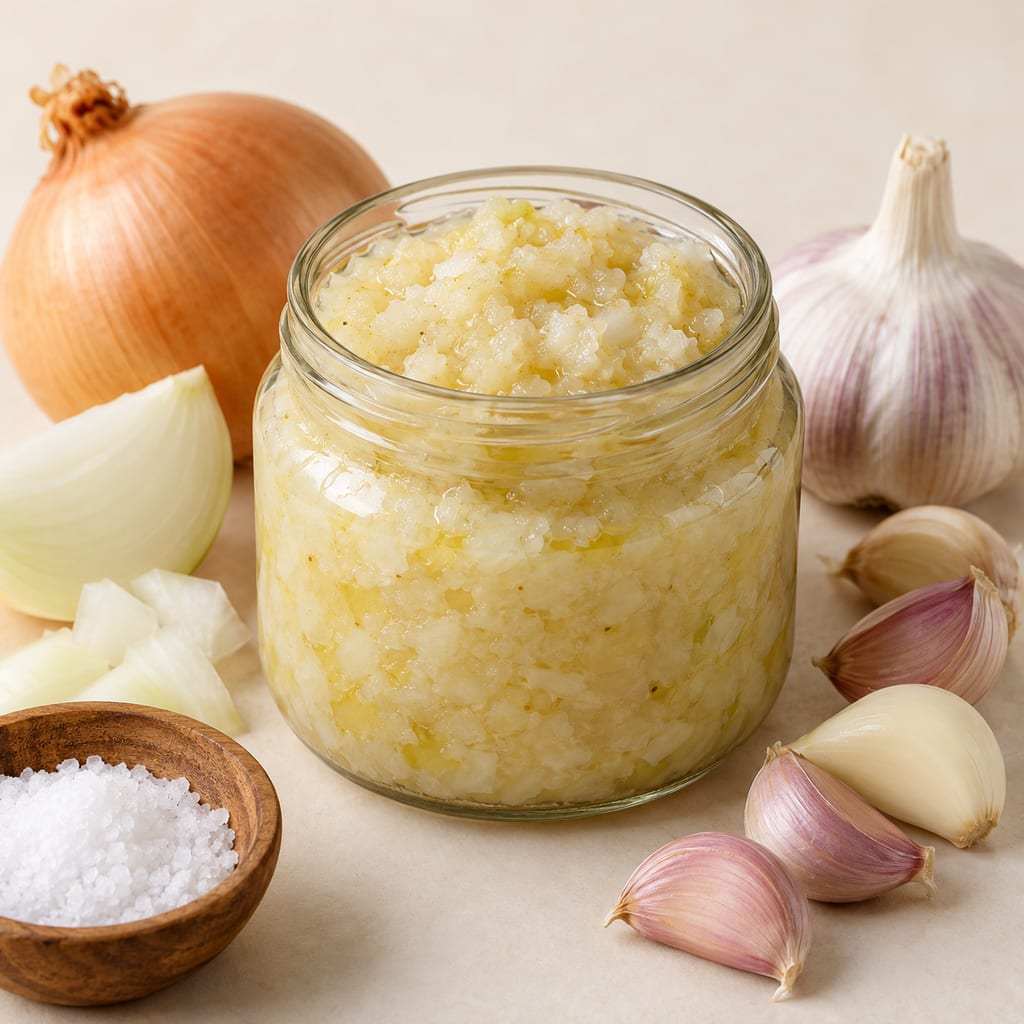
Tempero pronto is a fresh Brazilian paste of garlic, onion and salt, ground with oil and kept ready to start a dish. It is the Brazilian counterpart of sofrito and refogado.
Tempero pronto is a fresh paste of garlic, onion and salt, ground with oil and kept in the refrigerator or freezer so that a cook can start a dish in seconds. It is spoonable and not runny, and it is meant to be used as a base rather than eaten as a sauce. A spoonful goes into a hot pan with oil, where it softens and releases its smell before meat, fish, beans, rice or vegetables go in.
The paste is raw. Nothing in its making is cooked, fermented or cured. Its character comes from garlic and onion broken down in a blender, with the salt drawing moisture and spreading flavour through the mix. Its roles are the ones a sofrito plays in other cuisines: a first layer of flavour for the rest of the dish, prepared in advance so the cook does not peel and chop every time.
Names and relatives
In Brazil the same base is often called refogado, a word the iHeartBrazil recipe gives as the Portuguese equivalent of sofrito. The name tempero pronto means ready seasoning, and it points to the same use: a seasoning that is already made. The paste is closely related to sofrito in Spain and Latin America, and to the sautéed bases of Caribbean cooking, but it is not the same as a fried sofrito, because the Brazilian version is usually kept raw and used in the pan only when the dish needs it.
Tempero pronto should not be confused with tempero baiano, a dry spice blend from Bahia that is made with ground spices and is not a paste. The two names share the word tempero, which means seasoning, but they describe different products.
The ingredients and what they do
Garlic and onion are the core of the paste. Garlic gives the sharp, sulphurous note that softens in the pan, and onion gives sweetness and body. The source formula uses two heads of garlic to two medium onions, which makes a paste that is mostly alliums. The salt does two jobs: it seasons the paste and helps keep it from drying, and it spreads flavour through the cooked dish.
Oil coats the solids and slows drying. The source uses four tablespoons of sunflower oil and notes that olive oil works too. Family versions described in later blog posts add parsley, scallions or other herbs, and some cooks add green peppers or tomato. These are variations of the same base and are not part of the formula the source gives.
A chunky paste and a smooth paste behave differently in the pan. The source prefers a chunky texture, which leaves pieces that brown and give more bite to the finished dish. A smooth paste disperses more evenly through a sauce.
Making it and keeping it
The method is short. The garlic and onion are peeled, the onion is quartered, and everything goes into a food processor or blender with the salt and oil. The mix is pulsed until it reaches the texture the cook wants, then moved into a clean jar or an ice-cube tray. The source gives one cup as the yield of its batch, and a larger family batch of about eight cups is described in a later blog post.
Storage is where the sources disagree. The recipe gives up to 10 days in a jar in the refrigerator and up to 3 months frozen in an ice-cube tray, where a cube can go straight into a hot pan. Other blog pages give one to two weeks, up to 30 days, and up to 3 months. None of these periods is tested, and none is a food-safety limit. The safe reading is the shorter one, and the freezer is the more durable option.
The safety question is the oil. Garlic mixed with oil and kept at room temperature is a recognised botulism risk. This is general food-safety guidance, and the recipe sources do not address it, so a cook should keep the paste chilled or frozen and should not leave it on the counter. Smell, taste and colour are not reliable checks. A paste that has turned green where salt touched the blade is discoloured, not necessarily spoiled, and the cook should still judge it by the storage it has had.
Using it in dishes
The recipe source says the paste is used to sauté vegetables and to marinate meat and fish, and to build the base of stews, soups and sauces. A common rule of thumb in the same source is about one tablespoon of paste for each clove of garlic a recipe calls for. The rule is the author's and is useful as a starting point, not a measured standard.
The source lists dishes in which the paste appears: pasta, chicken pies, farofa, feijoada, galinhada, rice, beans, coxinha, and sautéed cabbage, broccoli or spinach. These are common Brazilian home dishes, and the paste is the first step in each. A cook who makes a feijoada or a galinhada starts with the paste and then adds the meat or the rice.
The paste is not a finished sauce. It is a starting point, and its value is that it saves the cook from chopping garlic and onion for every meal. Its flavour is only as good as the garlic and onion that go into it.
A family version and its limits
A 2002 Washington Post article, as described in later blog posts, told the story of a Brazilian family that made this seasoning in large batches. In that account the family's version was developed by a French-descended family in a town in São Paulo state and later adopted by an Italian-descended family, and it contains onions, garlic, leeks, parsley, basil, scallions and a large amount of salt. This is a press account read through a blog, not the newspaper itself, and it is a single family's recipe.
A family formula is not a standard. The sources do not describe a Brazilian norm for the paste, and the formulas differ in herbs, salt and oil. The page records the family version as one documented household practice and does not treat it as the origin of the paste.
What the sources leave open
No source tests the storage life of the paste, measures its acidity, or gives a food-safety limit for the oil and garlic combination. Storage periods on blog pages are opinion, not validated limits. The paste's history before the modern press accounts is not documented in the sources used here.
A reader who wants a reliable storage method should look for validated guidance on garlic in oil before relying on any duration in this page.
History
Sofrito-type raw bases are shared across Latin America and southern Europe. In Brazil the same base is called refogado or tempero pronto. A 2002 Washington Post article, cited in later blog posts, described a family version from a Brazilian family of French and Italian descent.
Sunflower oilOlive oil also works, according to the same source
59 mL4 tbsp as recorded
Parsley and scallion (optional)Added in many versions
Amount not stated
Not in the source formula; optional
Method
Risks and precautions · Standard risk
Garlic in oil kept at room temperature
Garlic mixed with oil is a recognised botulism risk when kept at room temperature. This is general food-safety guidance and is not stated in the recipe sources.
Hazard source
Storage life not tested
The recipe source gives 10 days in the fridge and up to 3 months frozen. Other blog pages give 1 to 2 weeks, up to 30 days, and up to 3 months. None of these is a tested limit.
Hazard source
Keep the paste refrigerated or frozen. Do not leave it out on the counter.
Control source
Use the stored paste within the shorter of the sources' periods, and discard it if in doubt
Control source
Smell, taste and colour do not show that a stored paste is safe.
Salt that touches a processor blade can turn the paste green, which is a colour change and not proof of spoilage, according to one source.
Peel the garlic and the onion. Quarter the onion.
Put the garlic, onion, salt and oil into a food processor or blender and pulse until the paste reaches the wanted texture. The source prefers a chunky paste.
Transfer the paste to a clean jar or an ice-cube tray. Refrigerate or freeze it, as the storage notes below describe.
Conditions
Yield1 cup
Places
Brazil
Traditional use · Country evidence
A basic preparation in Brazilian home cooking; the sources do not name one region or household as its origin.
Dulce de leche and its relatives, including Mexican cajeta from goat's milk, are milk and sugar cooked slowly until thick and brown. The name changes across Latin America, and the browning gives each its character.
A Brazilian table sauce made from hot peppers, most often dedo-de-moça, cooked briefly with onion, garlic and vinegar and then blended smooth. Household versions differ widely.
Tucupi is a yellow, sour liquid from the Brazilian Amazon, made from the juice of bitter manioc that is settled, fermented and cooked. It is the base of duck in tucupi and tacacá.
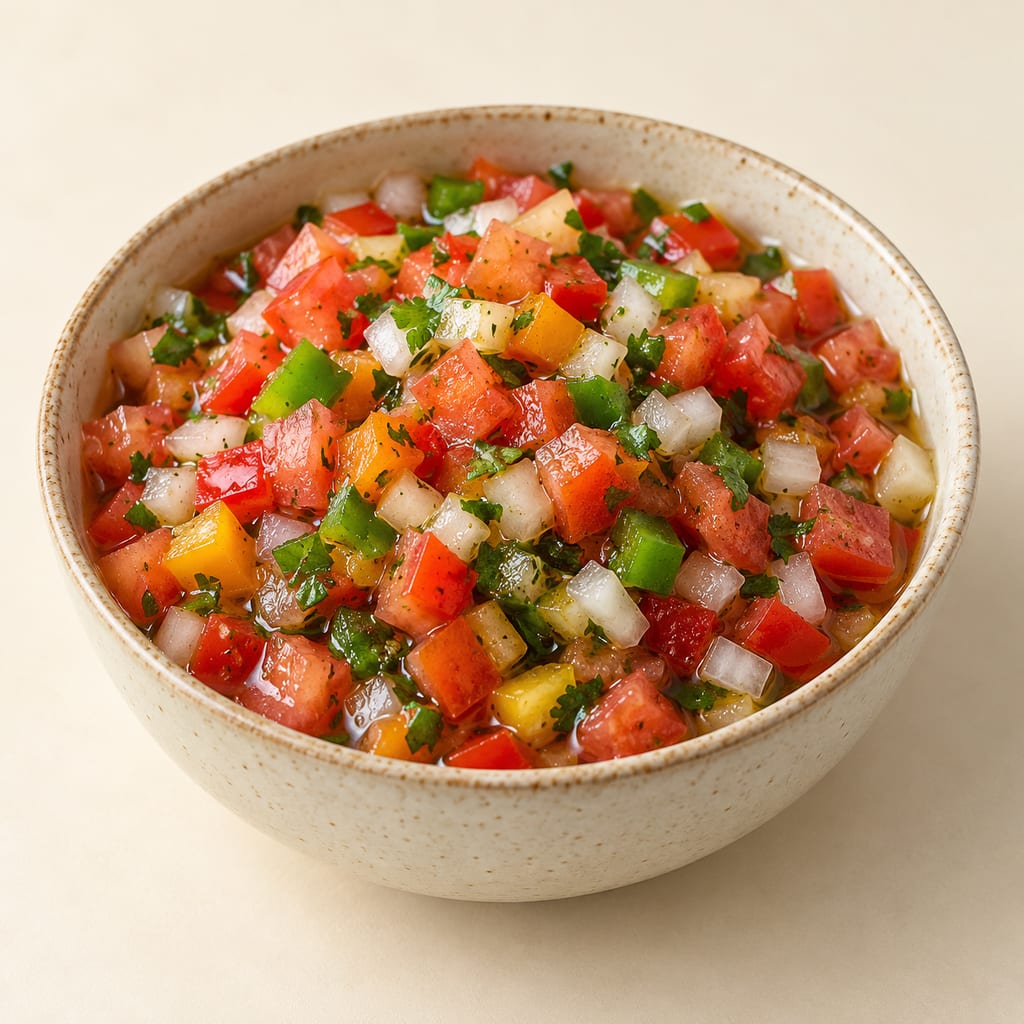
Vinagrete, also called molho à campanha, is a Brazilian relish of finely chopped tomato, onion and peppers dressed with vinegar and olive oil. It is served with grilled meat and feijoada.
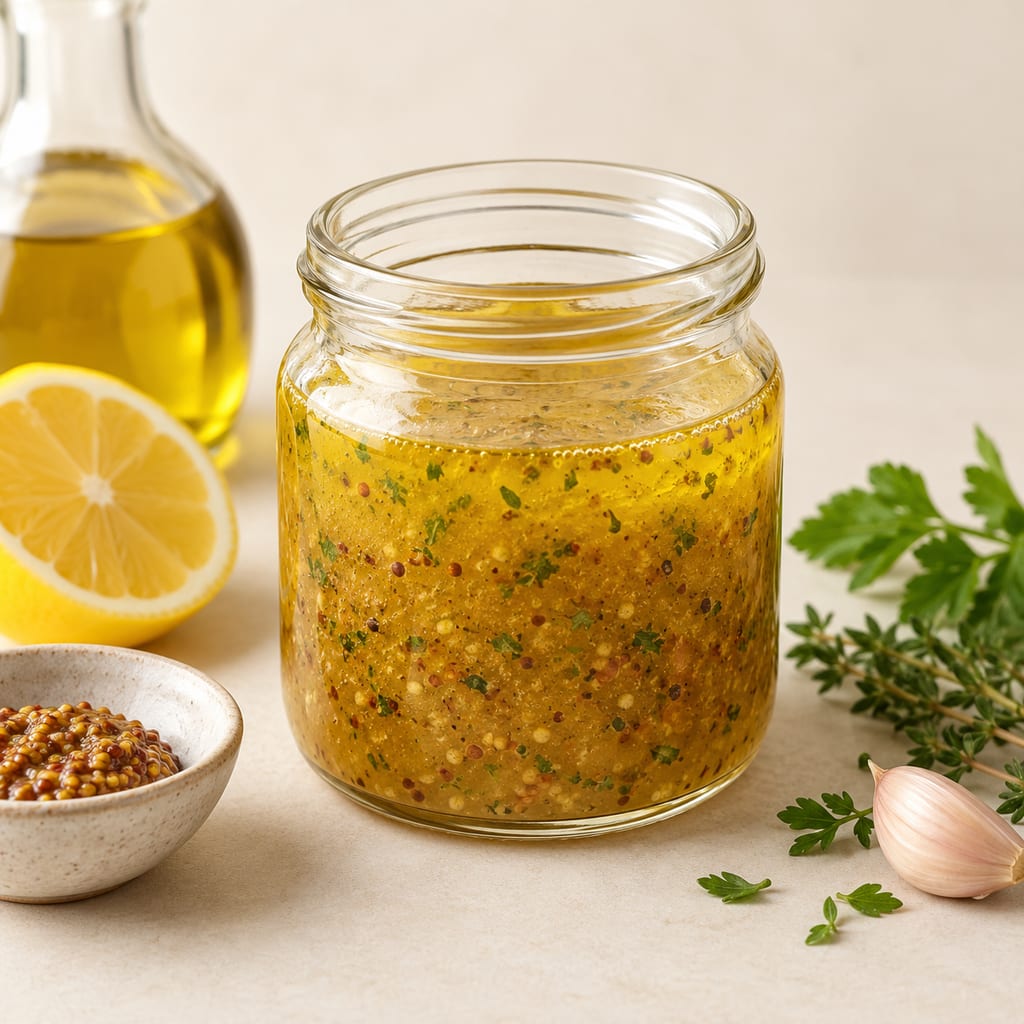
A dressing of edible oil whisked with a mild acid, usually vinegar or lemon juice, seasoned with salt, herbs and mustard, used on salads and as a marinade.
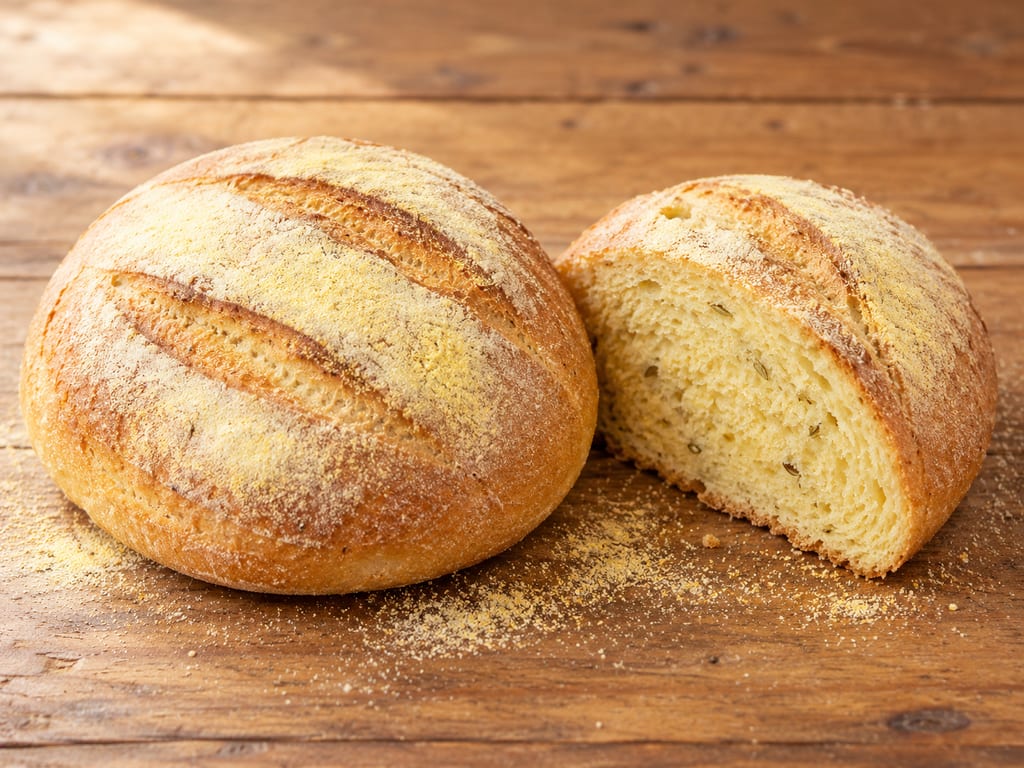
Brazilian broa de milho is a lightly sweet wheat-and-fine-maize bread with fennel and dry yeast, shaped into two small loaves for a Festa Junina or coffee break.
Ajvar is a cooked Balkan pepper preserve built around roasted red peppers, peeled, drained, ground and slowly fried with oil and seasoning. Leskovac’s protected version is a pepper specialty; regional versions vary.
Amlou is a nutty, lightly sweet Moroccan spread of roasted almonds, culinary argan oil and honey. The almonds are ground first, then loosened with oil and sweetened; the balance can range from a thick spread to a dip.
Apple sauce for goose and pork is a plain English accompaniment: cooked apples pulped with water, then sweetened with sugar and finished with a little butter.
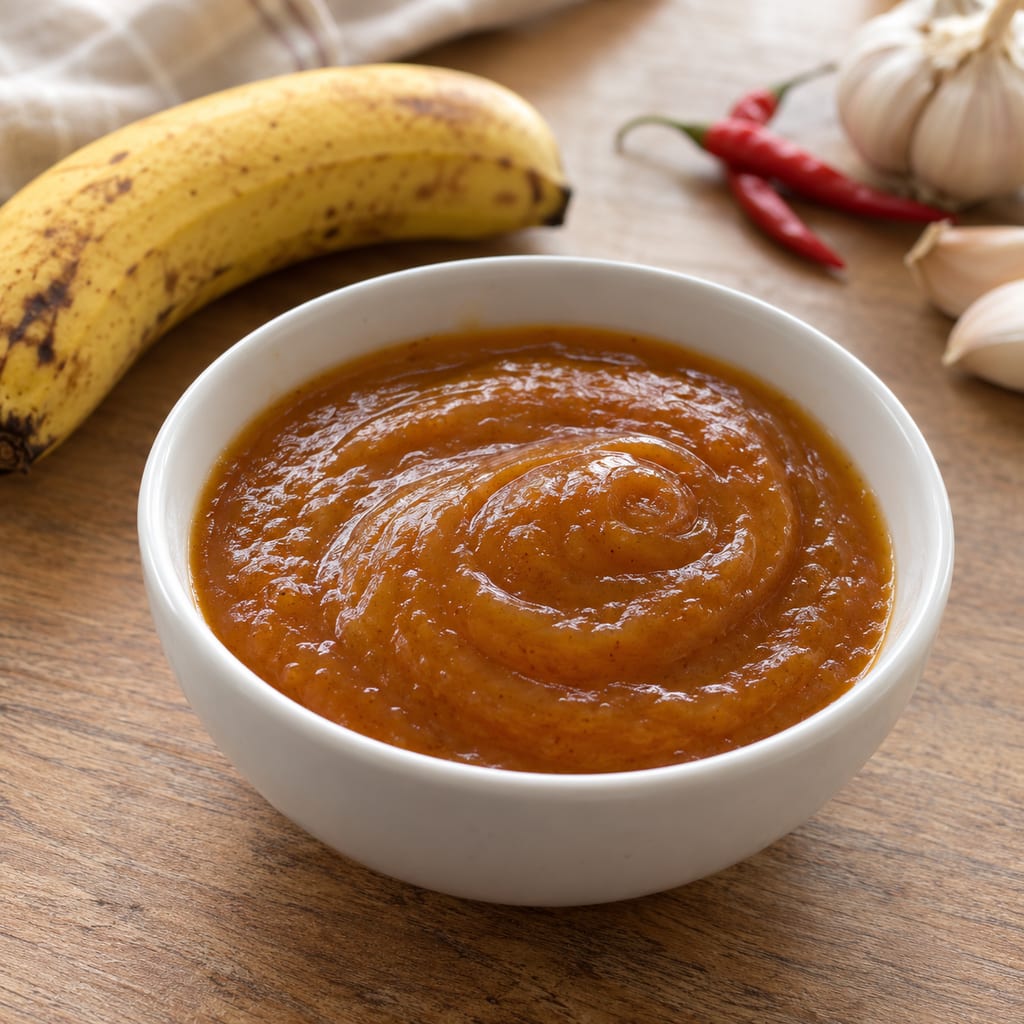
A sweet-hot table sauce of ripe banana simmered with vinegar, sugar, onion, garlic and fresh chilli, in the manner of Philippine banana ketchup. An untested development batch of about 500 g.
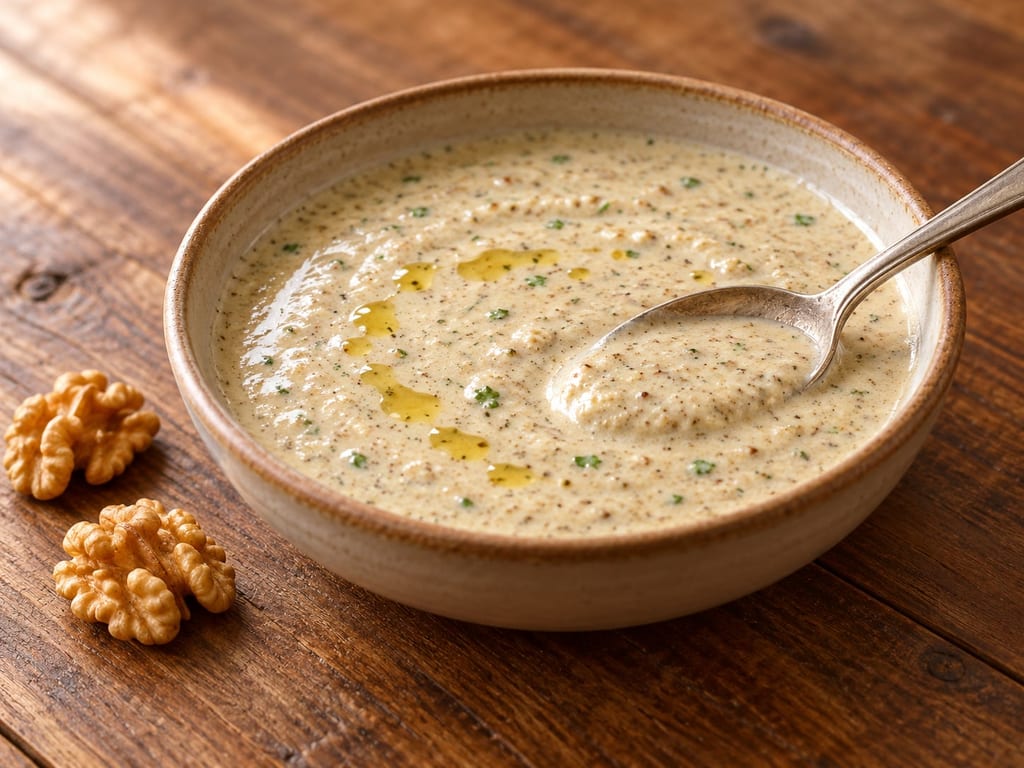
A Georgian walnut sauce of ground walnuts, garlic, vinegar and spices, thinned with water or broth. It is served with poultry, vegetables and bread, and is the sauce of the dish satsivi.
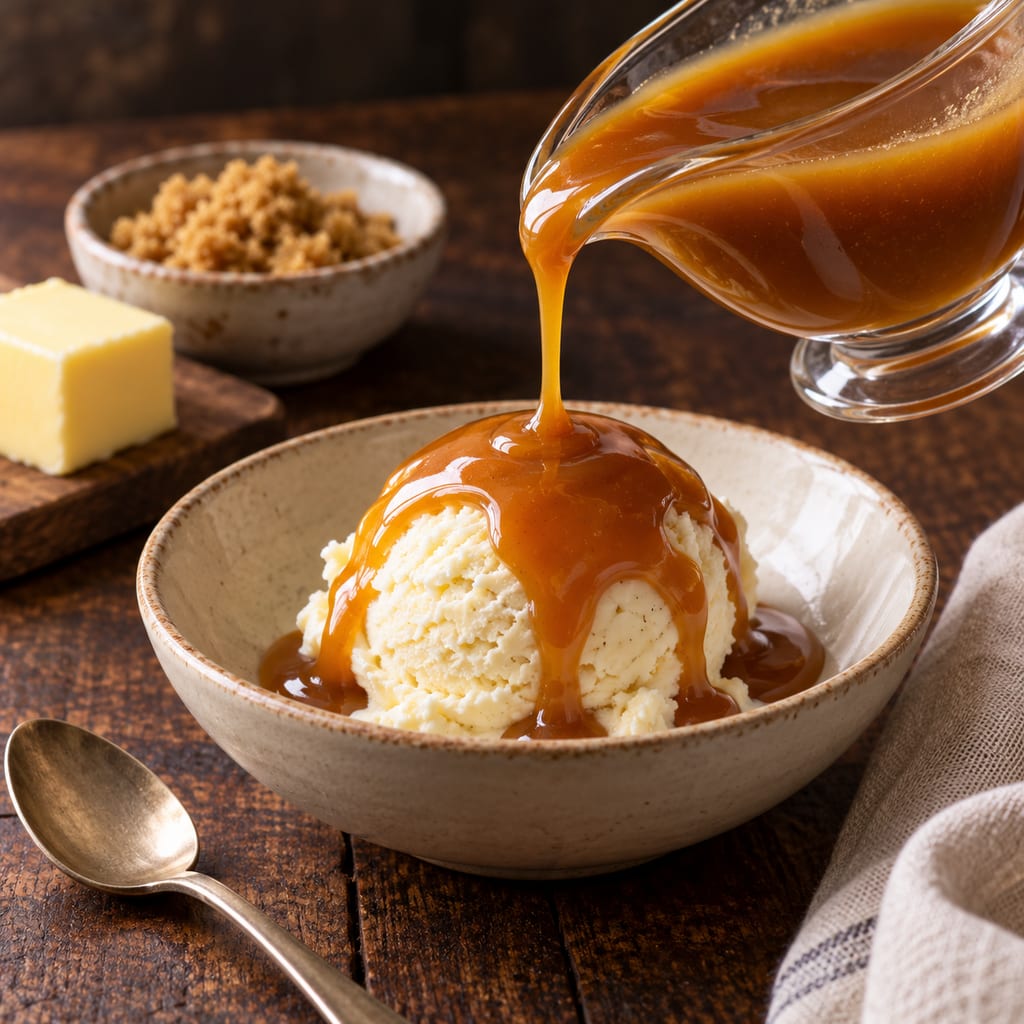
A pourable dessert sauce of brown sugar, butter and cream, with a little corn syrup and salt. It is the sauce form of the butterscotch confection and is made without water, unlike caramel.
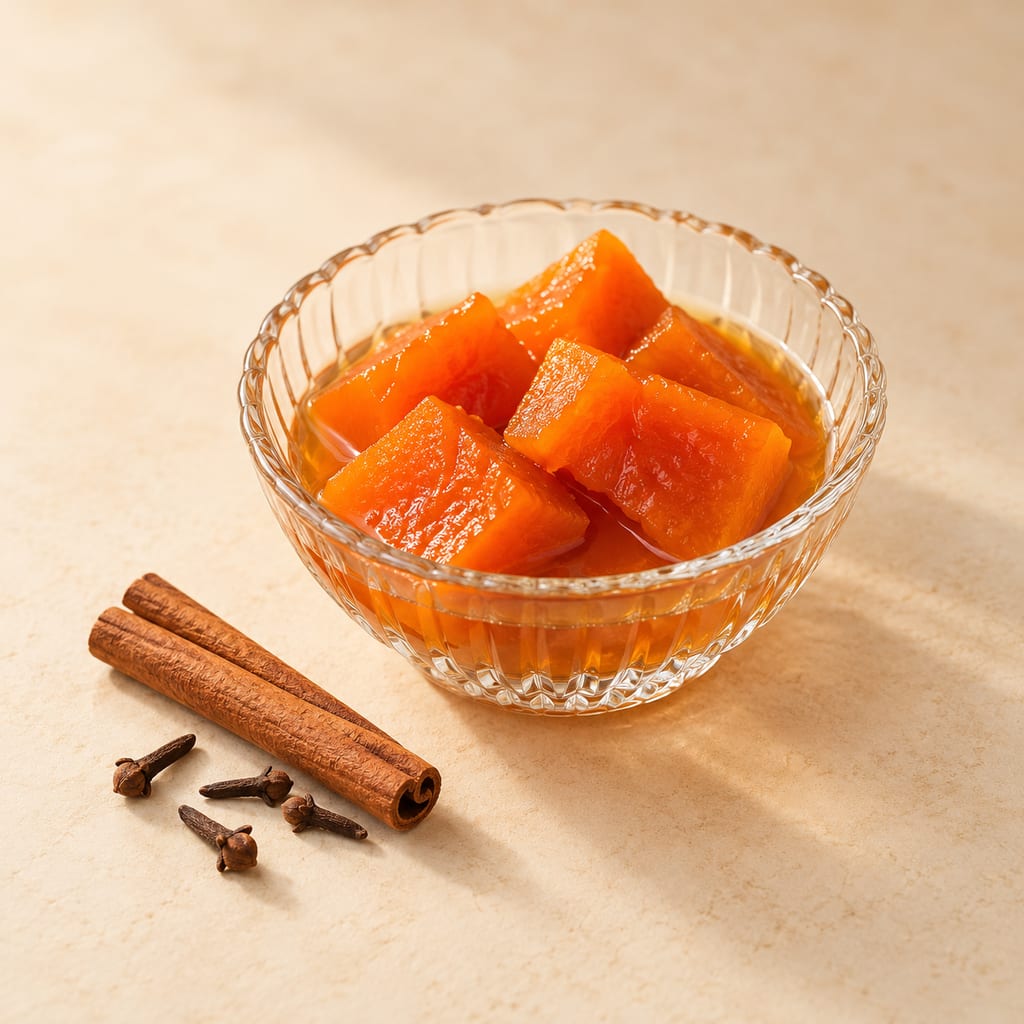
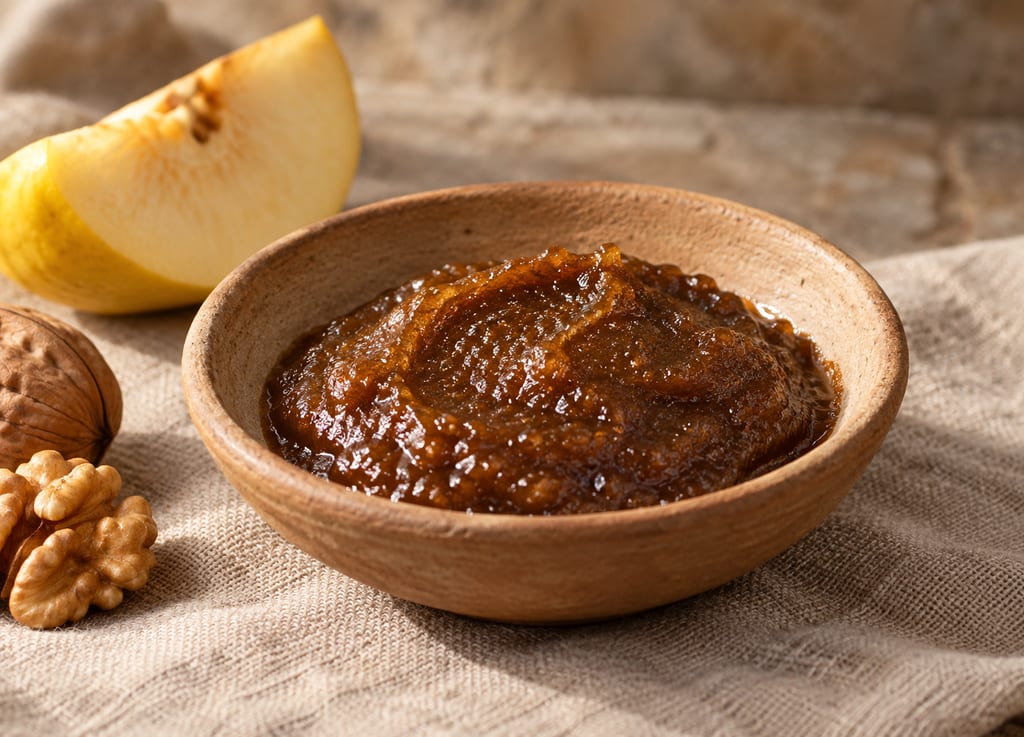
Byzantine murrī is a cooked imitation of murrī from the medieval Arabic repertoire, made from scorched honey, toasted bread, walnuts, quince, carob and spices rather than from a long grain fermentation.
Soft, spreadable Calabrian pork sausage made with a great deal of red chilli and fatty pork, stuffed into natural casings, sometimes smoked and matured while staying soft.
A way to add independent temperature logging to an existing food dehydrator without changing its built-in controls or protections. It is a monitoring method, not a rewiring plan.
Pleurotus cystidiosus is the abalone mushroom, a cultivated oyster-type fungus with dark brown caps that grows more slowly and is more demanding than other Pleurotus species.
A dark, balanced vinegar from Emilia-Romagna made by combining cooked or concentrated grape must with wine vinegar, then acetifying and refining it in wood under a protected specification.
A small electric incubator holds jars at a selected temperature for yogurt and other documented warm food preparations. Controls, capacity and vessel arrangement vary by model.
Adygean salt is a seasoned table salt associated with Adygea and the wider North Caucasian culinary tradition. Salt is blended with garlic and a variable selection of herbs and spices; the exact mix depends on the named style and maker.
The African Caesar-group mushroom, Amanita masasiensis, is a wild ectomycorrhizal species of central and southern African woodlands, eaten locally. The genus contains deadly poisonous species, so identification needs care.
Community
No community contributions have been published for this entry yet.
Share what you made
Sign in to contribute. Published comments and photos are free to read.